
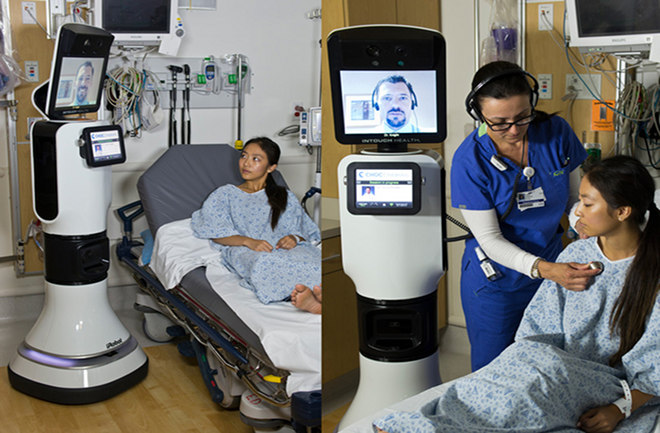
Just to put some fears to rest right away, I should inform you that the RP-VITA, aka. the robo-doc, is not actually a robotic doctor. What it is is a revolutionary new telepresence robot that allows doctors to examine and treat patients from a distance. Earlier this year, the design received approval from the FDA, and has since been picked up by seven hospitals across the United States and one in Mexico City.
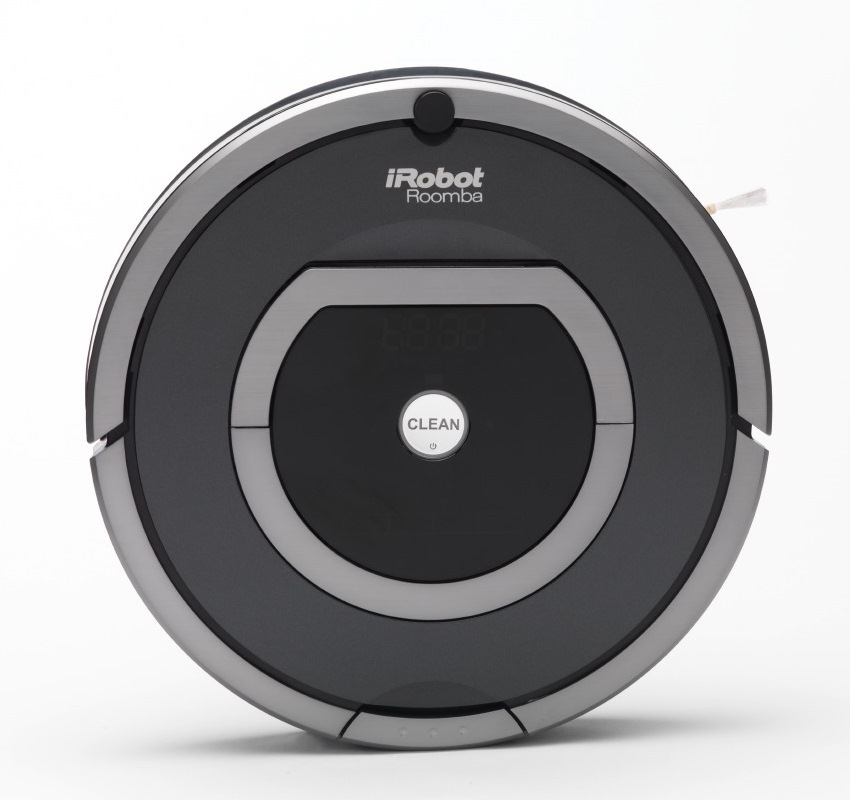
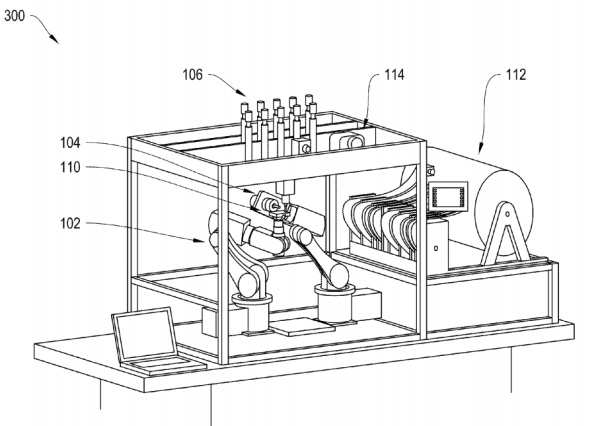
RP-VITA, which stands for Remote Presence Virtual + Independent Telemedicine Assistant, was developed collaboratively by iRobot and InTouch Health. InTouch Health specializes in telemedicine, the pursuit of bringing telepresence technology to medical centers all around the world. As for iRobot, they are predominantly known for making the Roomba robotic vacuum cleaner, not to mention the Robotic Fabricator – the world’s first robot-assisted 3D printer.
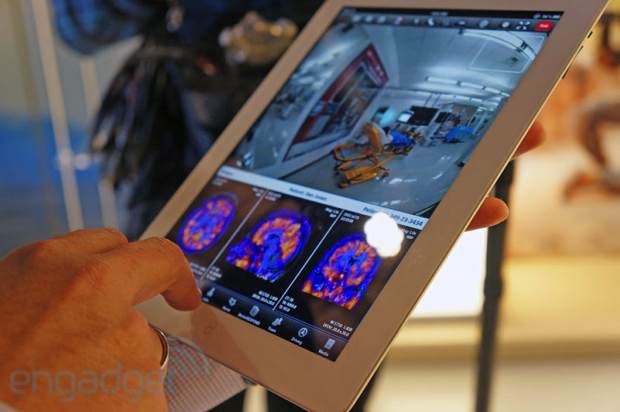
As seen in the pics above, the 5-foot robot is basically a roving Webcame that projects a remote doctor’s face and voice for interaction with patients, doctors and nurses. It is also iPad-controlled, but can navigate hospital wards autonomously and even find patients on its own, since it has a map that’s integrated with hospital wards. This makes it the first telepresence robot that’s functions promise not to disrupt existing hospital procedures.
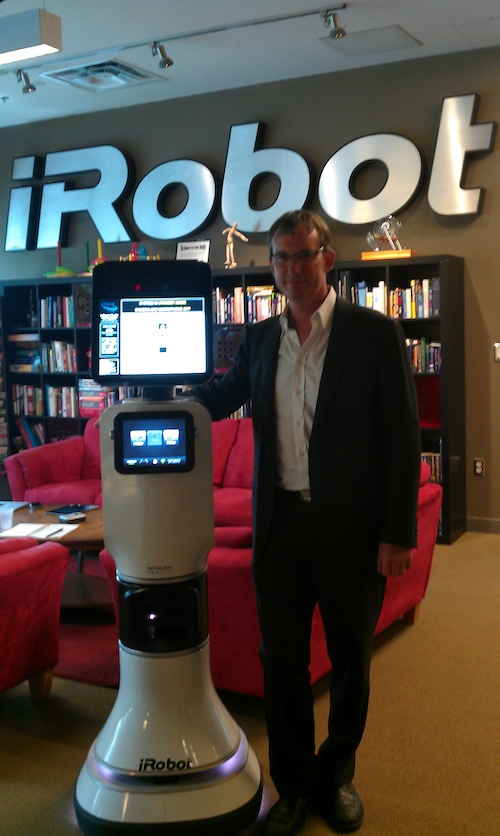 And since the RP-VITA was designed with telepresence in mind, it has had no trouble merging in with existing programs such as TeleStroke, TeleICU, TelePsych, and TelePediatric. All of these programs specialize in connecting medical specialists to patients even though they are not on sight. But by adding mobility to the equation, the robot offers a good deal of enhancement to these programs by being able to go where its needed and free up patient care space.
In a press release statement, iRobot and InTouch quoted Paul Vespa, director of neurocritical care at the Reagan Center, citing the benefits of this new robot:
During a stroke, the loss of a few minutes can mean the difference between preserving or losing brain function… The new technology enables me to concentrate on caring for my patient without being distracted by the need to set up and manage its technological features.
So for those fearing that this was the beginning of the end, or that robots were being entrusted with life and death decisions effecting human being, rest assured that this is merely an example of enhancing patient care and that human controllers are still (largely) in control of the process. We’re safe for now…
Source: news.cnet.com
 Stories by Williams