
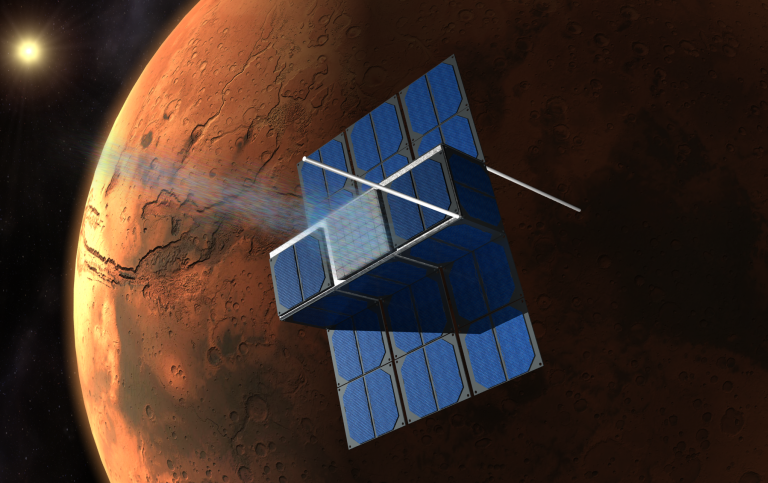
 The selfie is an apparent obsession amongst today’s youth, snapping pictures of themselves and posting them to social media. But for just 99 cents, people can send a picture of themselves to the Red Planet as part of the Time Capsule to Mars (TC2M) – a student-led, crowdfunded project that aims to send three CubeSat microsatellites to the planet containing digital messages from tens of millions of people from all around around the world.
The objective of the TC2M – a project of Explore Mars – mission is to inspire people throughout the globe and allow them a personal connection with space exploration in the same spirit of the Apollo missions. The non-profit organization also aims to educate and inspire children by enabling them to upload their media content, track their spacecraft and lander, and participate in the mission via a personalized Mission Control portal over the internet.
 With the help and support of NASA, MIT, Stanford University and Deep Space Industries (among others), the student-led team will design, launch, fly and land three CubeSat-based spacecraft on the surface of Mars. The projected cost of the mission, covering everything from design to launch, is $25 million, which TC2M will attempt to raise by way of crowdfunding.
In terms of sending media content, people currently have the option of uploading only images up to 10 MB in size. However, in the coming months, TC2M claims that participants will also be able to upload other types of media such as videos, audio clips and text files. In order to reach as many people as possible, uploads in the developing world will be free of charge for smaller files, underwritten by corporate sponsors.
 Emily Briere, a mechanical engineering student who is heading the project, explained their aim thusly:
We hope to inspire and educate young people worldwide by enabling them to personally engage and be part of the mission. The distributed approach to funding and personal engagement will ultimately guarantee our success.
The data will be carried by three identical 13-kg (27-lb) CubeSat spacecraft, each 30 x 40 x 10 cm (12 x 16 x 4 inches) in size. This will be the first time that such spacecraft are used for interplanetary travel, as well as the first time that many of the new technologies are being tested. The data will be stored in a quartz crystal, which is extremely dense and could last for millions of years, hence making it ideal for surviving the hostile conditions on Mars.
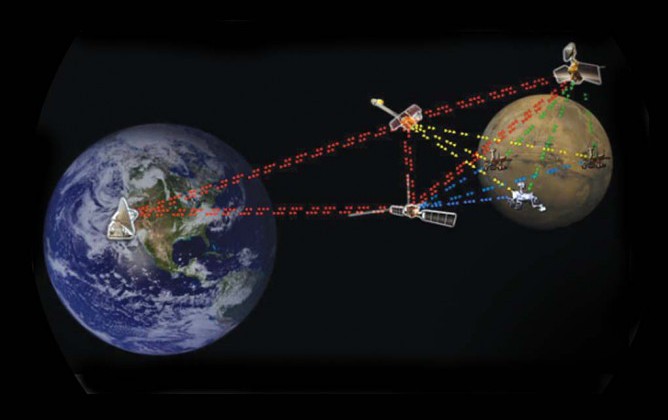
 The technologies being tested on the three spacecraft include delay-tolerant networking for the Deep Space Internet, inflatable antennae, and new interplanetary radiation sensors that will pave the way for future human trips to Mars. But out of all the new technologies being tested, the most exciting is certainly the propulsion system. But the most interesting technology of all will be in the form of its engines.
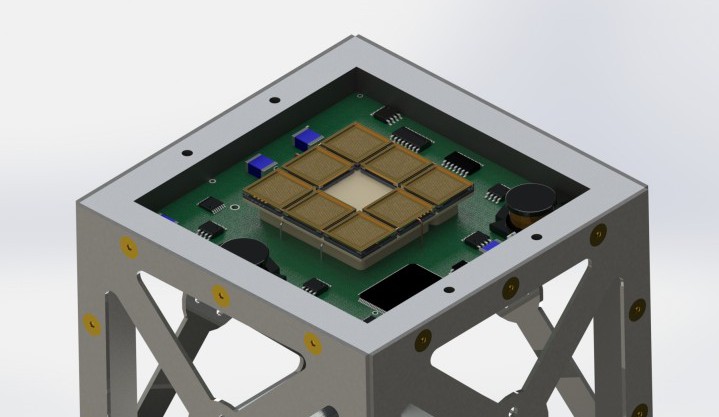
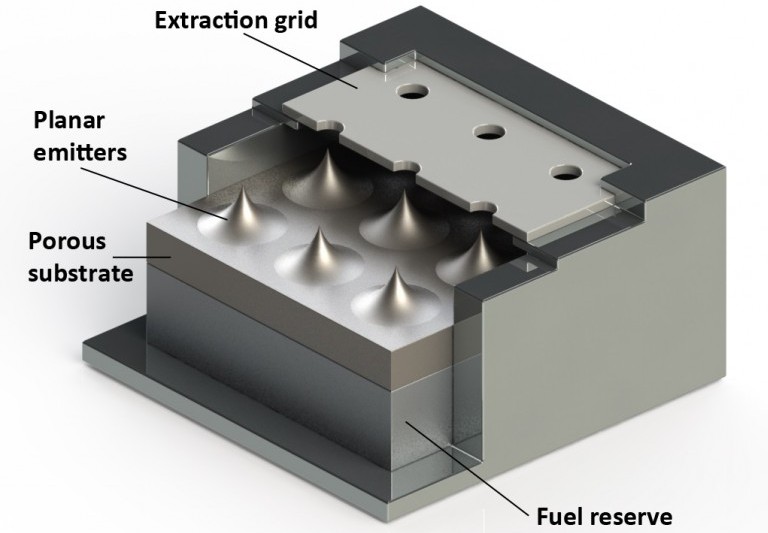
The three spacecraft will be propelled by an ion electrospray system (iEPS), a microthruster developed at MIT that is essentially size of a penny (pictured above). Each spacecraft will be powered by 40 thruster pairs, which will generate thrust using an electric field to extract and accelerate ions. The ionic liquid propellant is much more efficient than rocket fuel, and MIT scientists believe a scaled-up version may one day bring humans to Mars.
 The choice of employing three separate but identical spacecraft for the mission may be due in part to the fact that so many new technologies are being tested at the same time. To triple the chances of success, Briere has previously said that crowdfunders who want to send their media to Mars will have the option of having the data uploaded on all three spacecraft, for an additional price.
The spacecraft themselves will disintegrate as they traverse the Martian atmosphere. However, the payloads are being designed to aerobrake and land on the surface of Mars while keeping the data intact and preserved uncorrupted on the surface of the planet for a long, long time. As for how they intend to keep it stored until the day that manned missions can retrieve it, there are a few options on the table.
 One option that is being considered is to use a microinscribed thin tungsten sheet, which has the advantage of being thin, light and strong, with a high melting point – meaning it won’t disintegrate upon entry – and good aerobraking properties because of its large surface area. However, there are concerns that sandstorms on Mars might damage the data once it has landed.
A second option would be an aerogel-shielded media. A metal ball could encase the data which would be stored in a very light medium, such as a quartz memory. The metal ball would be surrounded with an aerogel that will act as an ablative shield as it enters the atmosphere. And as it gets closer to the surface, the metal ball will act as a cushion for the data as it lands on Mars.
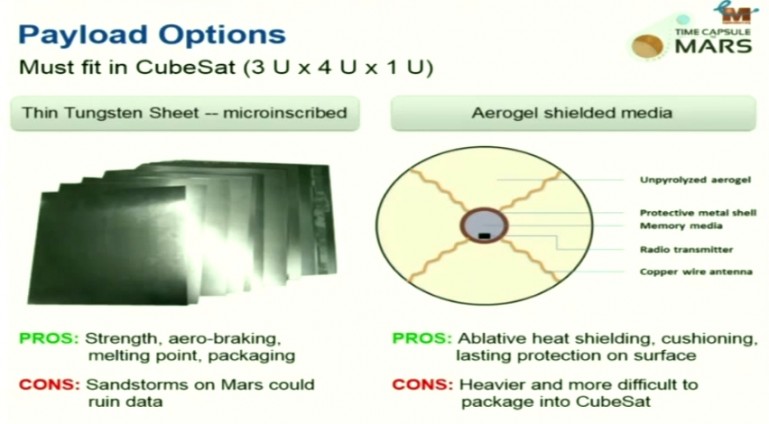 The organizers have only just announced their crowdfunding plans, and expect to reach the very ambitious goal of $25 million before the launch, which is planned for 2017. You can contribute to the mission and upload your own picture by visiting the mission website. And for those interested in possibly contributing, stay tuned to find out how and where you can donate once the crowdfunding campaign is up and running.
So in addition to showcasing new spacecraft, new media technologies, this project is also an attempt to stimulate interest in the new age of space exploration – an age characterized by public access and involvement. It’s also an opportunity to make your mark on the Red Planet, a mark which will someday (if all goes to plan) be uncovered by a new generation of explorers and settlers.
In the meantime, be sure to watch the short promotional video below which describes the mission and its goals:
Sources: gizmag.com, timecapsuletomars.com, web.mit.edu
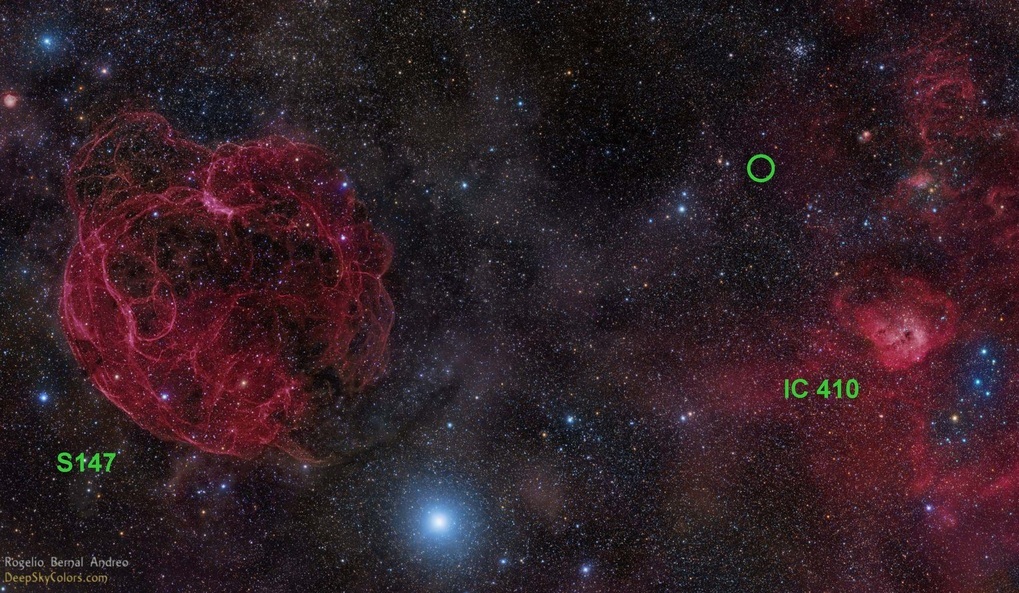
 Fast radio bursts are a flurry of radio waves that last a few thousandths of a second, and at any given minute there are only seven of these in the sky on average, according to the Max Planck Institute for Radio Astronomy. Their cause is unknown, and the possibilities range from black holes, to neutron stars coming together, to the magnetic field of pulsars (a type of neutron star) flaring up.
 This astonishingly large number is inferred by calculating how much sky was observed, and for how long, in order to make the few detections that have so far been reported. Laura Spitler, a postdoctoral researcher at the Max Planck Institute for Radio Astronomy in Bonn, Germany and the lead author of the new paper, was also the first person to note the event. As she explained:
 Efforts are now under way to detect radio bursts using radio telescopes that can observe broad swaths of the sky to help identify them. Telescopes under construction in Australia and South Africa as well as the CHIME telescope in Canada have the potential to detect fast radio bursts. Astronomers say these and other new facilities could pave the way for many more discoveries and a better understanding of this mysterious cosmic phenomenon.
 As the evening went on, the Moon drifter higher into the night sky and grew smaller. It’s color also changed as it ascended, going from light brown to bright blue-white. But it’s brilliance was not diminished, and the wife and I walked home beneath a night sky that still seemed to possess some daylight. Needless to say, it was quite the magical evening, warm and mild and illuminated by an intensely bright Moon.
 However, this month’s big full Moon was not the closest the terrestrial satellite will get to to Earth this year. The closest Full Moon of 2014 will occur next month on August 10th at 18:11 Universal Time (UT) or 1:44 PM EDT. On that date, the Moon reaches will reach perigee – or its closest approach to the Earth – at a distance of 356,896 kilometres at 17:44, less than an hour before it’s full.
 Michael Bay has earned his fair share of notoriety for taking popular 80’s franchises and completely ruining them. With his crass remakes of nostalgic classics like Friday the 13th, A Nightmare on Elm Street, The Texas Chainsaw Massacre and a soon-to-be-reviled remake of Teenage Mutant Ninja Turtles, he might just best George Lucas for the title of who raped 80’s childhoods the most.
 Luckily (as is often proving to be the case these days) fans of the franchise have stepped up to fill the void left by Bay’s hackish, opportunistic attempts to recreate a childhood classic. Entitled “Attack On Giant”, this mini-film was shot entirely in stop-motion using Transformer toys, sound effects from the original series, and focuses on a fight scene between two original version toys: Battle Tanker and Giant.
 I’ve been spending entirely too much time over at Youtube lately. Have you seen those comments sections? If there was ever a reason for misanthropy, that would be it! But one can always find plenty of nuggets of awesomeness while navigating through that sea of virulence, and Honest Trailers is often the source. Below is the video for Game of Thrones they released a few months back to coincide with the release of Season Four.

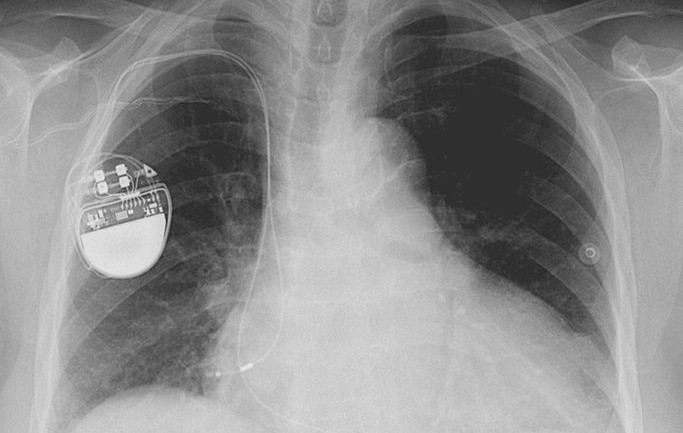
 And while this does represent a major step forward in the field of piezoelectrics – a technology that could power everything from personal devices to entire communities by harnessing kinetic energy – it is also a boon for non-invasive medicine and energy self-sufficiency.
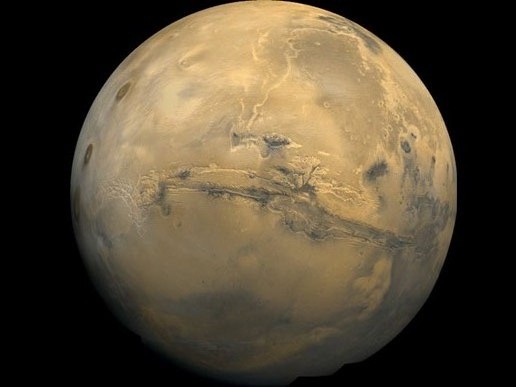
 The mission – called
  The couple’s drive to explore space was born in a giant glass dome near Tuscon, Arizona called Biosphere 2 in the early 90s. For two years (between 1991 and 1993), eight people – including Poynter and MacCallum – lived inside this dome as part of a prototype space colony. The eccentric, privately funded science experiment contained miniature biomes that mimicked Earth’s environments.
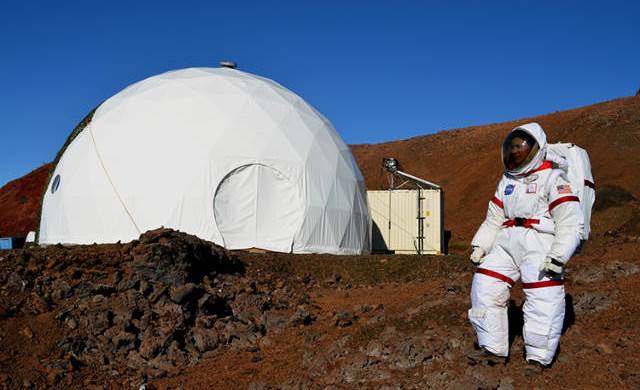
 MacCallum blogged about these plans while still living inside the dome, and managed to sign up Lockheed Martin aerospace engineer Grant Anderson as a co-founder, and signed legal papers with Poynter to incorporate Paragon. After Biosphere 2 project, both began working with a group from NASA to test an ecological experiment on the Russian Space Station MIR.
 Originally, Dennis Tito hoped to finance the project entirely independently, using crowd-sourced funds and philanthropy. The original goal was also to get the project off the ground by 2017, when Earth and Mars would align in such a way that a rocket could slingshot to and from Mars in just 501 days. But with further analysis, Tito and Paragon realized they did not have the resources or money to pull off the mission by 2017.
 And MacCallum believes a trip to Mars that would use these life support systems could inspire the next great generation of innovators, much as the Apollo missions inspired the current generation of innovators and astronauts. McCallum turned five on July 20th, 1969 – the day that Apollo 11 landed on the Moon, and credits that historic event for inspiring him to take an interest in space and enter the Biosphere 2 project.

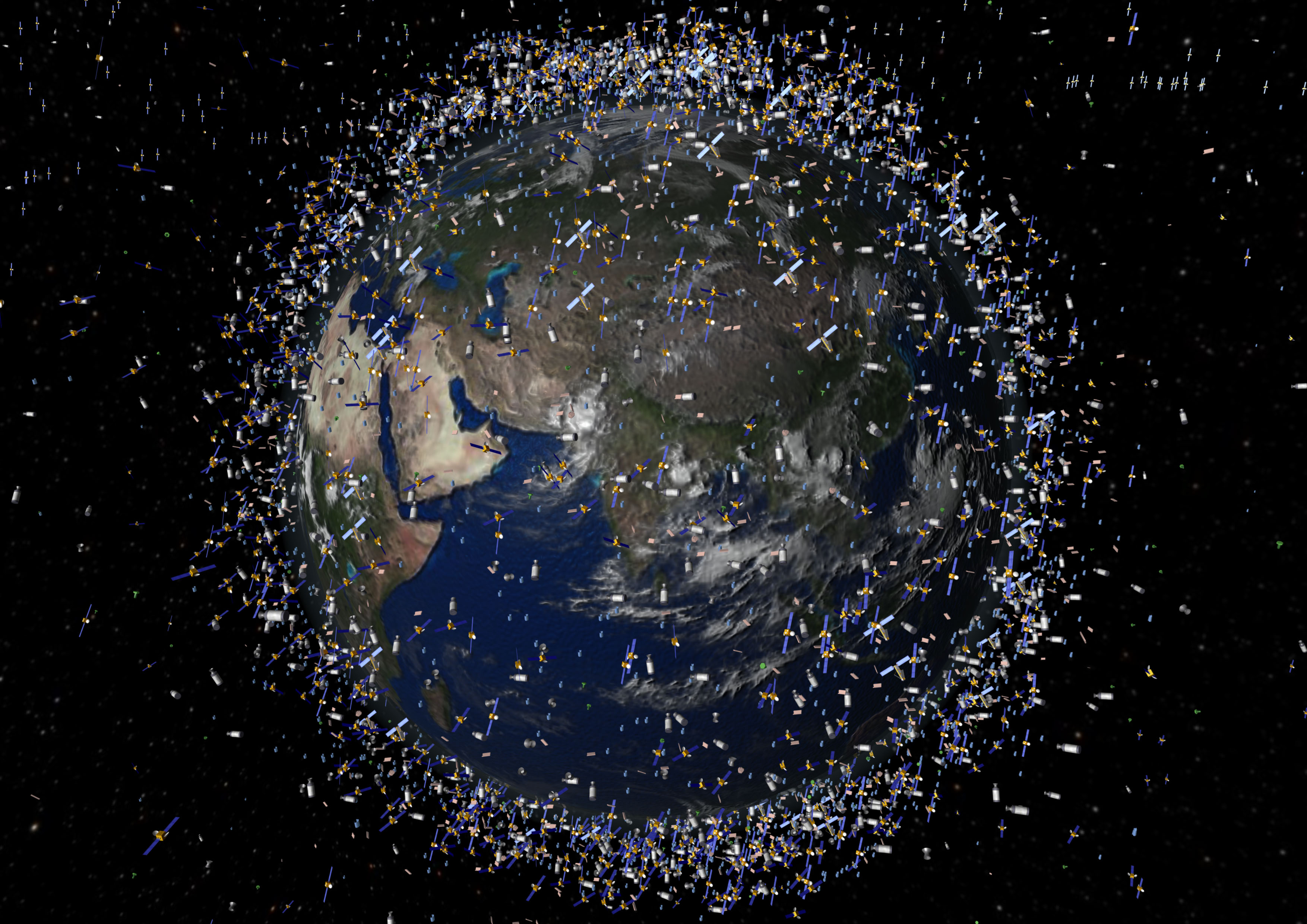
 This is just the latest in a series of possible plans to capture debris. In the past, the ESA has revealed that it was looking at capturing space debris in a net, securing it with clamping mechanisms, or grabbing hold of it using robotic arms. However, the latest possibility calls for using capturing debris with a tethered harpoon, which would pierce the debris with a high-energy impact before reeling it in.
 The ESA says the space harpoon concept has already undergone initial investigations by Airbus Defense and Space in Stevenage – two aerospace developers based in the UK. The preliminary design incorporates a penetrating tip, a crushable cartridge to help embed it in the target satellite structure, and barbs to keep it sticking in so the satellite can then be reeled in.
 Stories by Williams