Breaking Moore’s Law: Graphene Nanoribbons

^Ask a technician or a computer science major, and they will likely tell you that the next great leap in computing will only come once Moore’s Law is overcome. This law, which states that the number of transistors on a single chip doubles every 18 months to two years, is proceeding towards a bottleneck. For decades, CPUs and computer chips have been getting smaller, but they are fast approaching their physical limitations.

One of the central problems arising from the Moore’s Law bottleneck has to do with the materials we used to create microchips. Short of continued miniaturization, there is simply no way to keep placing more and more components on a microchip. And copper wires can only be miniaturized so much before they lose the ability to conduct electricity effectively.
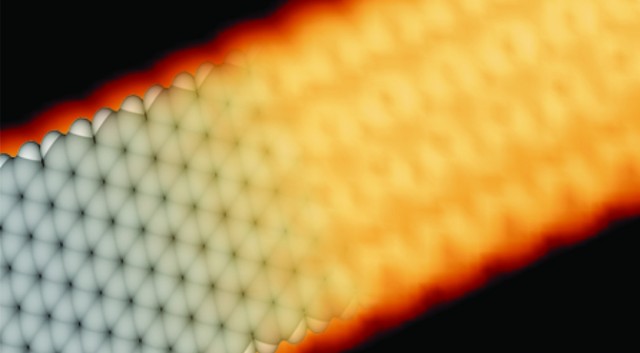
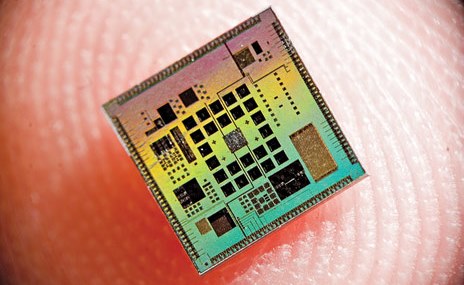
graphene_ribbons1This has led scientists and engineers to propose that new materials be used, and graphene appears to be the current favorite. And researchers at the University of California at Berkeley are busy working on a form of so-called nanoribbon graphene that could increase the density of transistors on a computer chip by as much as 10,000 times.

Graphene, for those who don’t know, is a miracle material that is basically a sheet of carbon only one layer of atoms thick. This two-dimensional physical configuration gives it some incredible properties, like extreme electrical conductivity at room temperature. Researchers have been working on producing high quality sheets of the material, but nanoribbons ask more of science than it can currently deliver.

graphene_ribbonsWork on nanoribbons over the past decade has revolved around using lasers to carefully sculpt ribbons 10 or 20 atoms wide from larger sheets of graphene. On the scale of billionths of an inch, that calls for incredible precision. If the makers are even a few carbon atoms off, it can completely alter the properties of the ribbon, preventing it from working as a semiconductor at room temperature.

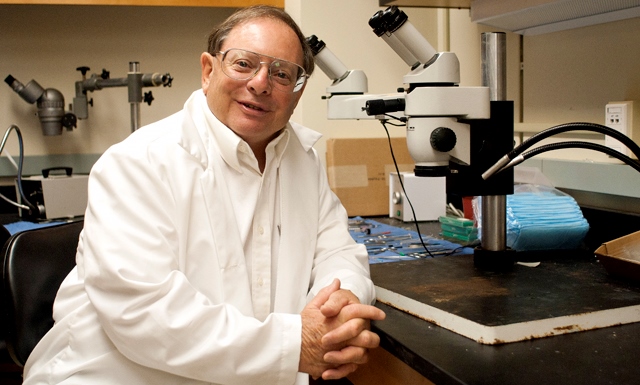
Alas, Berkeley chemist Felix Fischer thinks he might have found a solution. Rather than carving ribbons out of larger sheets like a sculptor, Fischer has begun creating nanoribbons from carbon atoms using a chemical process. Basically, he’s working on a new way to produce graphene that happens to already be in the right configuration for nanoribbons.

graphene-solarHe begins by synthesizing rings of carbon atoms similar in structure to benzene, then heats the molecules to encourage them to form a long chain. A second heating step strips away most of the hydrogen atoms, freeing up the carbon to form bonds in a honeycomb-like graphene structure. This process allows Fischer and his colleagues to control where each atom of carbon goes in the final nanoribbon.

On the scale Fischer is making them, graphene nanoribbons could be capable of transporting electrons thousands of times faster than a traditional copper conductor. They could also be packed very close together since a single ribbon is 1/10,000th the thickness of a human hair. Thus, if the process is perfected and scaled up, everything from CPUs to storage technology could be much faster and smaller.

Sources: extremetech.com

News from Space: Crimean Crisis Highlights US Dependence

crimean_crisis3The crisis in the Crimea continues, with Russia and the Ukraine threatening military action and the US and its western allies threatening sanctions. In addition to anxieties about the likelihood of war and the conflict spilling over into other regions, the crisis has served to highlight other possible global repercussions. And interestingly enough, some of them have to do with the current balance of space exploration and research.

In essence, every aspect of the manned and unmanned US space program – including NASA, other government agencies, private aerospace company’s and crucially important US national security payloads – is highly dependent on Russian & Ukrainian rocketry. Thus, all of the US space exploration and launches are potentially at risk amidst the current crisis.

SoyuzCompared to the possibility of an outbreak of war that could engulf the Eurasian triangle, this hardly seems terribly consequential. But alas, quite a few people stand to suffer from seeing all rockets grounded in the Ukraine and Russia as a result of the current climate. Consider the ISS, which is entirely dependent on Earth-based rockets for resupply and personnel rotation.

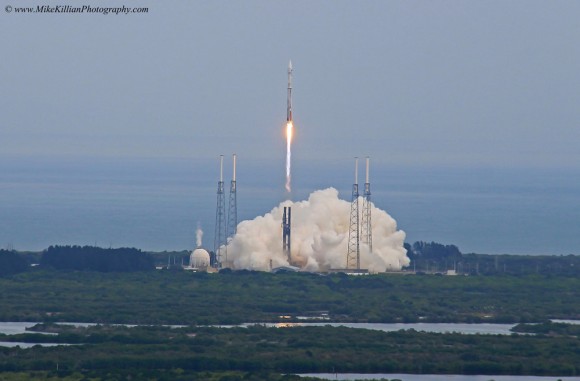
As it stands, astronauts on the International Space Station (ISS) ride to space and back on regularly scheduled launches, and each new rocket carried fresh supplies of food and equipment. The Atlas V and Antares rockets, plus critical U.S. spy satellites that provide vital, real time intelligence, are just some of the programs that may be in peril if events deteriorate, or worse yet, spin out of control.

ISSThe threat to intelligence gathering operations would be especially critical, since it would hamper efforts to monitor the crisis. In short, the Crimean confrontation and all the threats and counter threats of armed conflicts and economic sanctions shines a spotlight on US vulnerabilities regarding space exploration, private industry and US national security programs, missions, satellites and rockets.

But the consequences of escalating tensions would hardly be felt by only one side. Despite what some may think, the US, Russian and Ukrainian space programs, assets and booster rockets are inextricably intertwined and interdependent, and all would suffer if anything were to shut it down. For instance, some 15 nations maintain participation and funding to keep the ISS and its programs running.

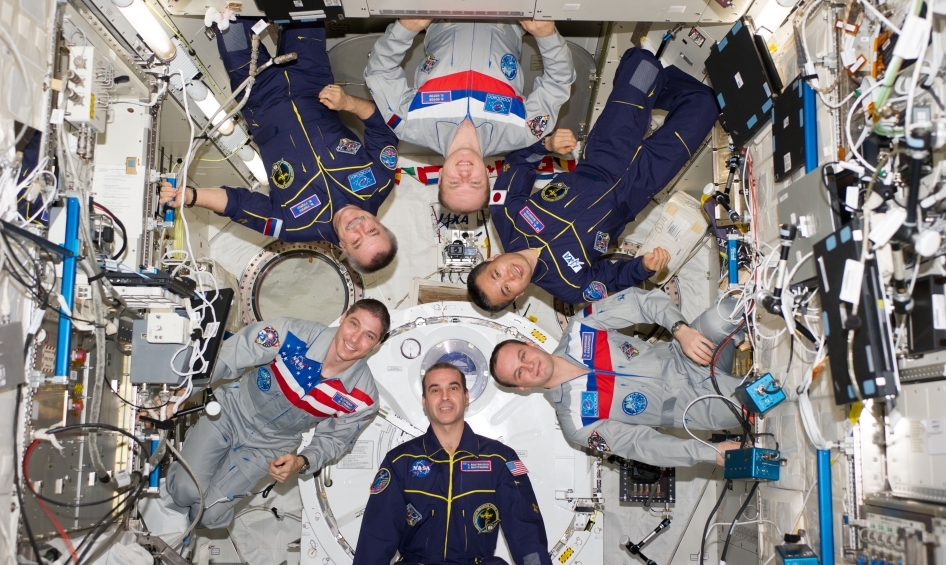
ISS_crewAnd since the forced retirement of NASA’s space shuttle program in 2011, America has been dependent on Russia for its human spaceflight capability. ISS missions are most often crewed by American astronauts and Russian cosmonauts. And under the most recent contract, the US pays Russia $70 million per Soyuz seat, and both they and the Ukraine’s space programs are dependent on this ongoing level of investment.

The fastest and most cost effective path to restore America’s human spaceflight capability to low Earth orbit and the ISS is through NASA’s Commercial Crew Program (CCP) seeking to develop private ‘space taxis’ with Boeing, SpaceX and Sierra Nevada. But until such time as long-term funding can be guaranteed, the current arrangement will persist.

maven_launchWhen NASA Administrator Chales Bolden was asked about contingencies at a briefing yesterday, March 4, he responded that everything is OK for now:

Right now, everything is normal in our relationship with the Russians. Missions up and down are on target… People lose track of the fact that we have occupied the International Space Station now for 13 consecutive years uninterrupted, and that has been through multiple international crises… I don’t think it’s an insignificant fact that we are starting to see a number of people with the idea that the International Space Station be nominated for the Nobel Peace Prize.

At the same time, he urged Congress to fully fund CCP and avoid still more delays:

Let me be clear about one thing. The choice here is between fully funding the request to bring space launches back to the US or continuing millions in subsidies to the Russians. It’s that simple. The Obama administration chooses investing in America, and we believe Congress will choose this course as well.

spacex-dragon-capsule-grabbed-by-iss-canadarm-640x424At a US Senate appropriations subcommittee hearing on Defense, which was held yesterday to address national security issues, SpaceX CEO Elon Musk underscored the crucial differences in availability between the Falcon 9 and Atlas V in this excerpt from his testimony:

In light of Russia’s de facto annexation of the Ukraine’s Crimea region and the formal severing of military ties, the Atlas V cannot possibly be described as providing “assured access to space” for our nation when supply of the main engine depends on President Putin’s permission.

So, continuing operations of the ISS and US National Security are potentially held hostage to the whims of Russian President Vladimir Putin. And given that Russia has threatened to retaliate with sanctions of its own against the West, the likelihood that space exploration will suffer is likely.

?????????????????????????????????????????????????????????????????????????????????????????????????????????????????????????????????????????????????????????????????????????????????????????????????????????????????????????????????????????????????????????????????????????????????????????????????????????????????????????????????????????????????????????????????????????????????????????????????????????????????The Crimean crisis is without a doubt the most dangerous East-West conflict since the end of the Cold War. Right now no one knows the future outcome of the crisis in Crimea. Diplomats are talking but some limited military assets on both sides are reportedly on the move today.

Star Wars Tapestry Unveiled!

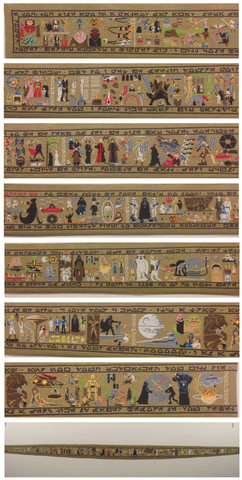
star-wars-prequelsFans of Star Wars are often able to pride themselves on their ability to recount the entire story, scene for scene and even word for word. But artist Aled Lewis took it  step further and hand-stitched a continuous tapestry. The creation process took six months, involved creating each scene on his laptop, and then transferring it in pixel format onto cloth and cross-stitching it in detail.

It is called “The Coruscant Tapestry”, a hand-stitched, 30 foot cotton thread illustration printed on Klostern fabric. The tapestry depicts the memorable moments from the “Star Wars” movies – from “A New Hope” to the way to “Revenge of the Sith” – in a way that is similar in style to that of The Bayeux Tapestry, which tells of the events that led to the Norman conquest of England.

starwars_tapestry1Click on the image above to get a closer look at the tapestry. And if you are in the area the awe-inspiring artwork is on display at Gallery 1988 in Los Angeles, and available to buy for just $20,000. I know, seems like a lot to spend on something pop-culture related; but then again, I’m not a collector!

Source: news.cnet.com

News from Mars: Updates on Panspermia Theory

PanspermiaFor centuries now, scientists have been toying with the idea that the origins of life may owe a great deal to space borne debris. And with ongoing research in the past few years, the link between Earth and Mars have become increasingly convincing. And a new bit of research out of the University of Hawaii has provided yet another piece of the puzzle by suggesting solar wind plays a major role.

Solar wind – the stream of charged particles consisting mostly of naked protons called H+ ions – permeate our Solar System because they are periodically ejected from the sun. The University paper shows that in an airless environment, typical space rocks will react with impacting protons to create tiny vesicles of water, thus allowing water and organic molecules to travel through space in tandem.

asteroid_earthInterestingly, the paper comes soon after NASA released evidence that Mars once sported a fair amount of water in the past, and that this water is sometimes found in unexpected places. The finding that water can be generated within dry space rocks, coupled with the fact that space rocks are known to deliver organic compounds to the surface of the Earth, is yet another indication that Earth and Mars might be linked.

Other recent papers have suggested that life’s important molecules arrived intact from Mars – a primitive version of RNA is one major proposed molecular stow-away – but these researchers claim only that “complex organic molecules” came from somewhere else in space. Complex organic compounds and liquid water, in conjunction, could theoretically provide the potential for non-living material to come alive.

Comet1One important aspect of this idea is that it focuses on small particles of material, rather than comets. Prior research has looked to such large bodies as the carriers of life and the drivers of the chemistry that created it, due to their energetic impacts. It’s been suggested that the earliest living things were cobbled together from high-energy molecules that couldn’t exist unless their synthesis was driven by massive astronomical impacts.


This more passive, dust-based explanation seems to fit well with the known history of the Earth, which predicts there was a high level of dust flux in the period before life began to flourish. In addition, the theory could help explain how in the predominantly shadowy areas of the Moon – another airless silicate body – unexpectedly high levels of water have been detected.

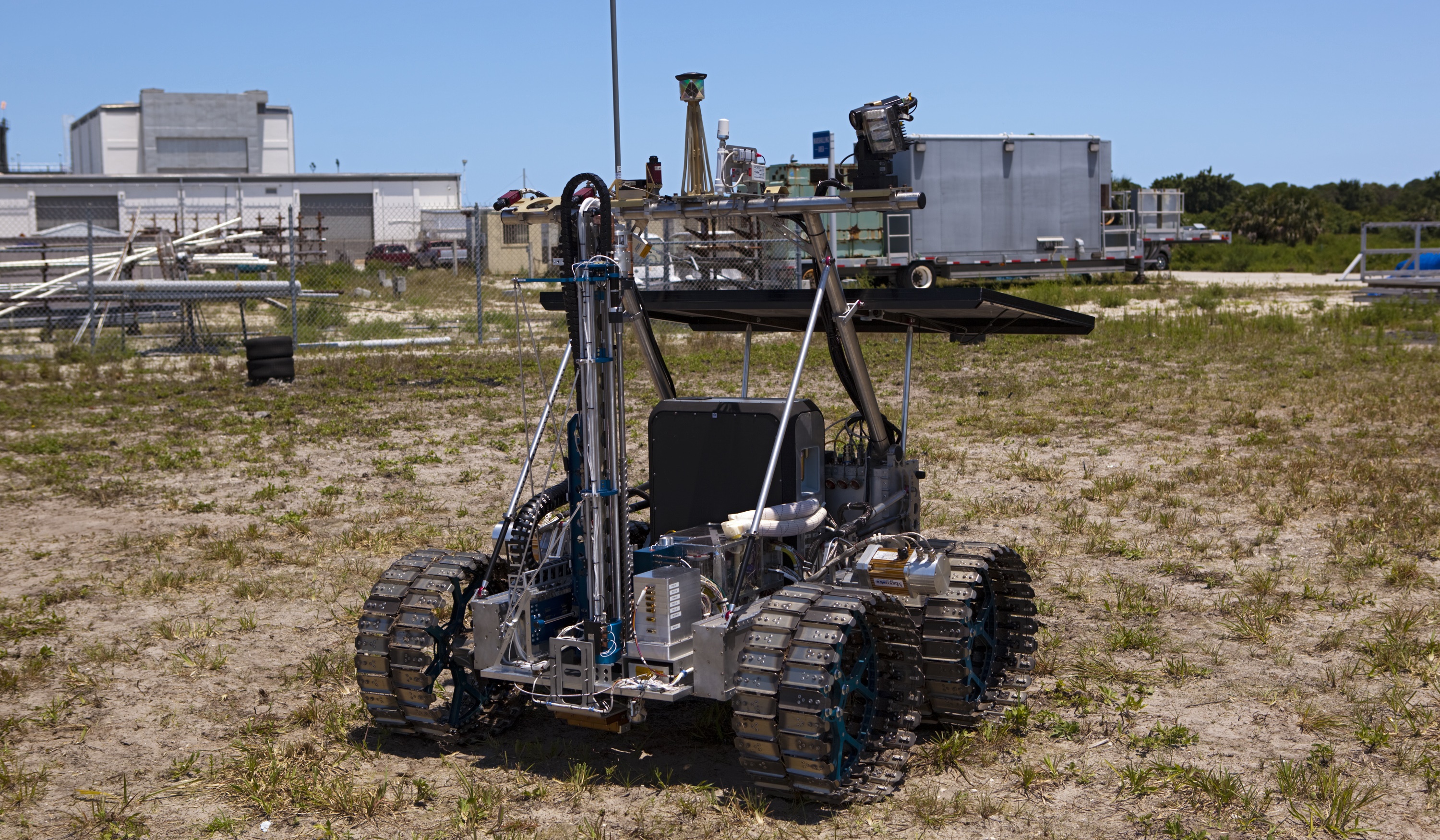
resolve_roverNASA has plans to launch RESOLVE (Regolith and Environment Science and Oxygen & Lunar Volatile Extraction) in 2018 to collect and analyze ice samples and use them to look back into just that sort of astronomical history. Large quantities of water are thought to have arrived on the Moon via impacting comets, but this research suggests that at least some of it could have been created on the Moon itself.

All of this is of extreme importance to discovering how life began on Earth, mainly because scientists are still unsure of what makes the process complete. For instance, evolutionary theory can adequately explain how a bacterium becomes a protist that becomes an animal, but it cannot explain how a pile of non-living molecules ever became a living cell.

panspermia2Evidence seems to be mounting that, whether it was seeded with dust or fused into existence by huge asteroid impacts, life on Earth needed a kickstart in its earliest days. Interestingly, Earth’s atmosphere and the abundance of messy lifeforms on its surface could mean that Earth is the single worst place to search for such evidence.

The Moon or Mars, by contrast, are perfect environments for preserving evidence of the past given their dry and airless nature. And with ongoing research into both planets and our scientific knowledge of them expanding apace, whatever role they may have played in kickstarting life on Earth may finally be learned. This could come in handy if ever we need to do a little kickstarting of our own…

Source: extremetech.com

Vote for Gliese 581g to be Renamed “Yuva”

alien-worldPeople who follow this blog may recall how, recently, I posted a story about Uwingu, a non-profit organization that sells the naming rights to exoplanets and (now) Martian craters. Well, as I explained in that last post, it’s not so much a matter of naming rights as naming suggestions, ones which are then voted on and then made into a crowdsourced map of an extra-terrestrial planet or the stars.

Far from this being some kind of scam or false promise, Uwingu does this in order to spur public participation in space exploration, and uses half of the proceeds to fund scientific research. After reading up on what they do and what the process for it all is, I began to think it might be fun for my writer’s group to pitch a suggestion of their own.

gliese_581gFor some time, we’ve been working on the Yuva Anthology – a series of shorts that tell the story of a future colonization effort on Gliese 581g. Not only is the planet real, but it was considered by NASA to be the most Earth-like exoplanet yet discovered in the known universe. So naturally I wondered, what if we voted to name it Yuva?

And now it’s been done! Uwingu has received my suggestion (and payment for the transaction), and printed me out the certification of authorization that you see below. Now all we need is people willing to spend $0.99 to make it a reality. Simply click here, select the name Yuva from the list, and confirm your payment of ninety-nine cents – but only if you’re comfortable doing so of course.

Uwingu_Certificate_19840Also, for those who’ve got a pile of digital currency just burning a hole in their accounts, be advised that you can vote as many times as you want. As the saying goes “vote early, vote often!” Just keep in mind that have to pay $0.99 each time you do. Unlike naming rights, there’s no bulk discount to be had here. That seem right to you?

Thank you in advance to anyone who supports this project and helps to make it a reality! And I do sincerely hope myself and my group can get the anthology out by this summer. It’s been a long haul, and coordinating the efforts of over a dozen writers is difficult at the best of times! Until next time, keep your eyes on the stars!

The Future is Here: Google Glass for the Battlefield

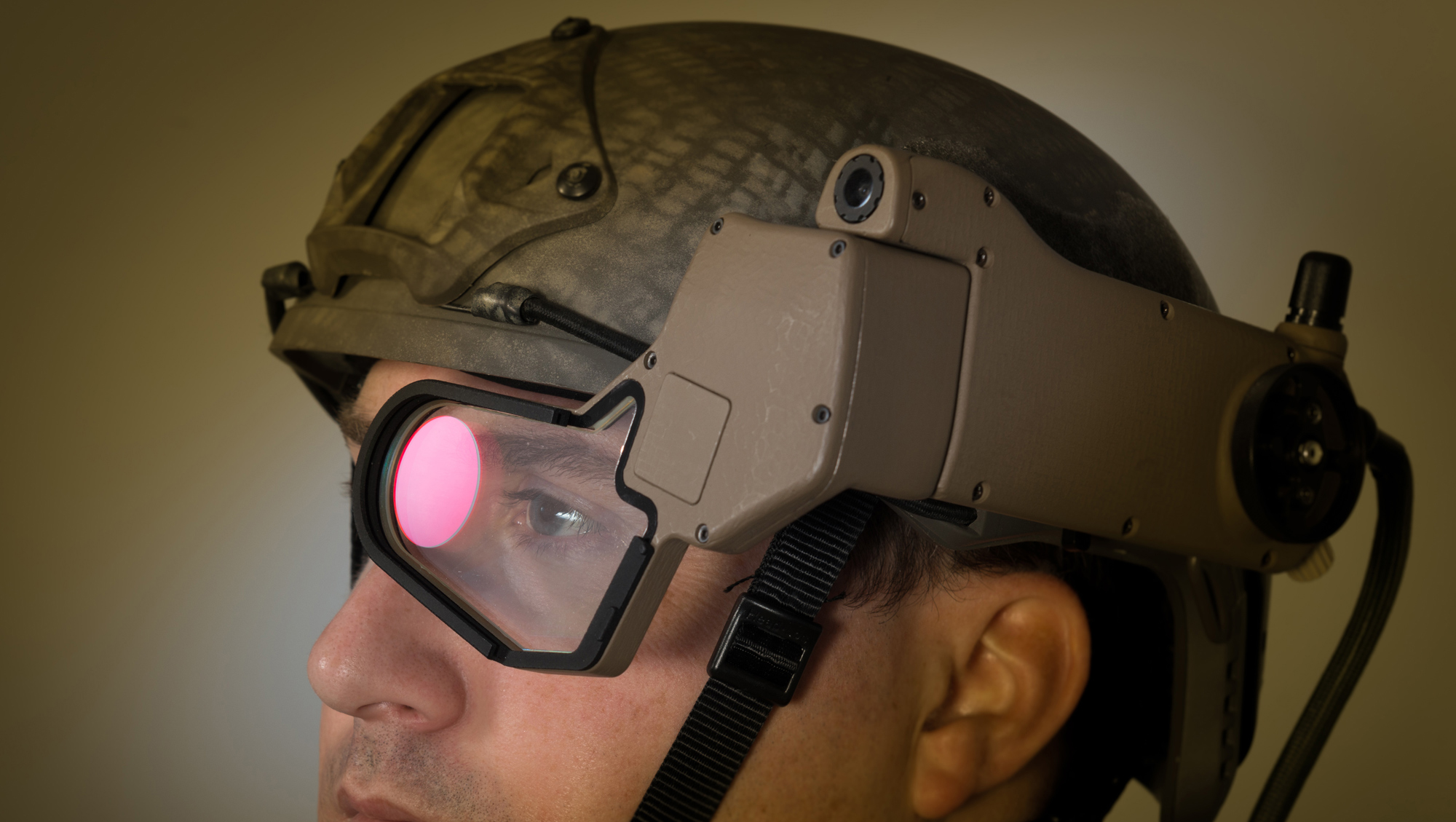
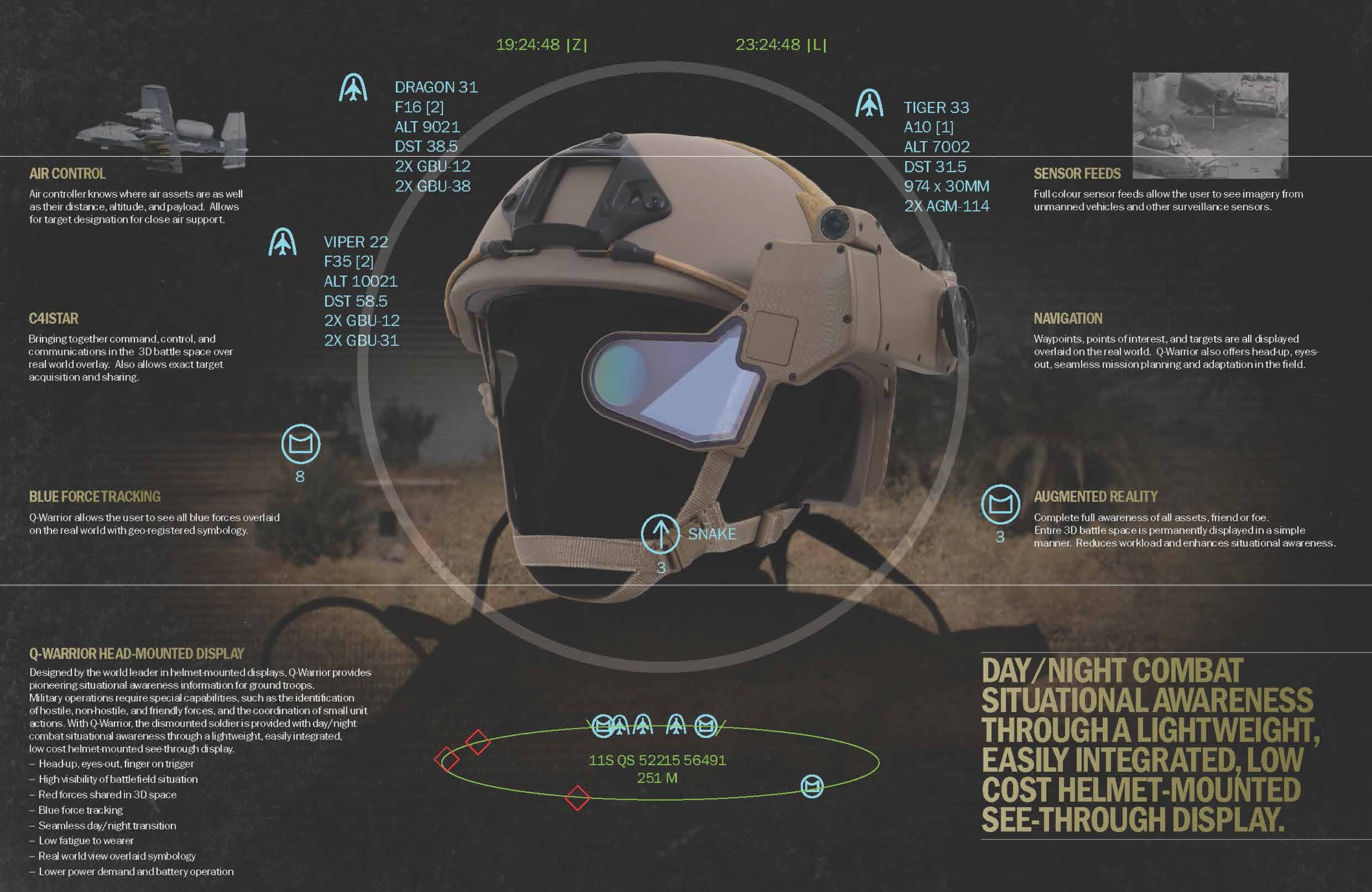
q-warrior see through displayWearing a Google Glass headset in public may get you called a “hipster”, “poser”, and (my personal favorite) “glasshole”. But not surprisingly, armies around the world are looking to turn portable displays into a reality. Combined with powered armor, and computer-assisted aiming, display glasses are part of just about every advanced nation’s Future Soldier program.

Q-Warrior is one such example, the latest version of helmet-mounted display technology from BAE Systems’ Q-Sight line. The 3D heads-up display provides full-color, high resolution images and overlays data and a video stream over the soldier’s view of the real world. In short, it is designed to provide soldiers in the field with rapid, real-time “situational awareness”.

q-warrior1The Q-Warrior also includes enhanced night vision, waypoints and routing information, the ability to identify hostile and non-hostile forces, track personnel and assets, and coordinate small unit actions. As Paul Wright, the soldier systems business development lead at BAE Systems’ Electronic Systems, said in a recent statement:

Q-Warrior increases the user’s situational awareness by providing the potential to display ‘eyes-out’ information to the user, including textual information, warnings and threats. The biggest demand, in the short term at least, will be in roles where the early adoption of situational awareness technology offers a defined advantage.

The display is being considered for use as part of the Army Tactical Assault Light Operator Suit (TALOS) system, a powered exoskeleton with liquid armor capable of stopping bullets and the ability to apply wound-sealing foam that is currently under development.

q-warrior2As Lt. Col. Karl Borjes, a U.S. Army Research, Development and Engineering Command (RDECOM) science adviser, said in a statement:

[The] requirement is a comprehensive family of systems in a combat armor suit where we bring together an exoskeleton with innovative armor, displays for power monitoring, health monitoring, and integrating a weapon into that — a whole bunch of stuff that RDECOM is playing heavily in.

The device is likely to be used by non-traditional military units with reconnaissance roles, such as Forward Air Controllers/Joint Tactical Aircraft Controllers (JTACS) or with Special Forces during counter terrorist tasks. The next level of adoption could be light role troops such as airborne forces or marines, where technical systems and aggression help to overcome their lighter equipment.

iron_man_HUDMore and more, the life in the military is beginning to imitate art – in this case, Iron Man or Starship Troopers (the novel, not the movie). In addition to powered exoskeletons and heads-up-displays, concepts that are currently in development include battlefield robots, autonomous aircraft and ships, and even direct-energy weapons.

And of course, BAE Systems was sure to make a promotional video, showcasing the concept and technology behind it. And be sure to go by the company’s website for additional footage, photos and descriptions of the Q-Warrior system. Check it out below:


Sources: wired.com, baesystems.com

News from Mars: Put Your Name on a Crater!

mars_lifeMars is a interesting and varied place, with enough mysteries to sate appetites both subtle and gross. But as we come to study it up close and get to know it better, a peculiar challenge arises. Basically, there are thousands of geological features on the Martian surface that don’t yet have names. Up until now, only those mountains, hills and craters that are observable from space have been designated.

With the Mars rovers pouring over the surface, each new feature is being named and designated by NASA scientists – The Gale Crater, Yellowknife Bay, Mount Sharp, etc. But what of the public? Given that this is the age of public space travel where regular people have access to the process, shouldn’t we be able to toss our hats in the ring and get a chance at naming Martian features?

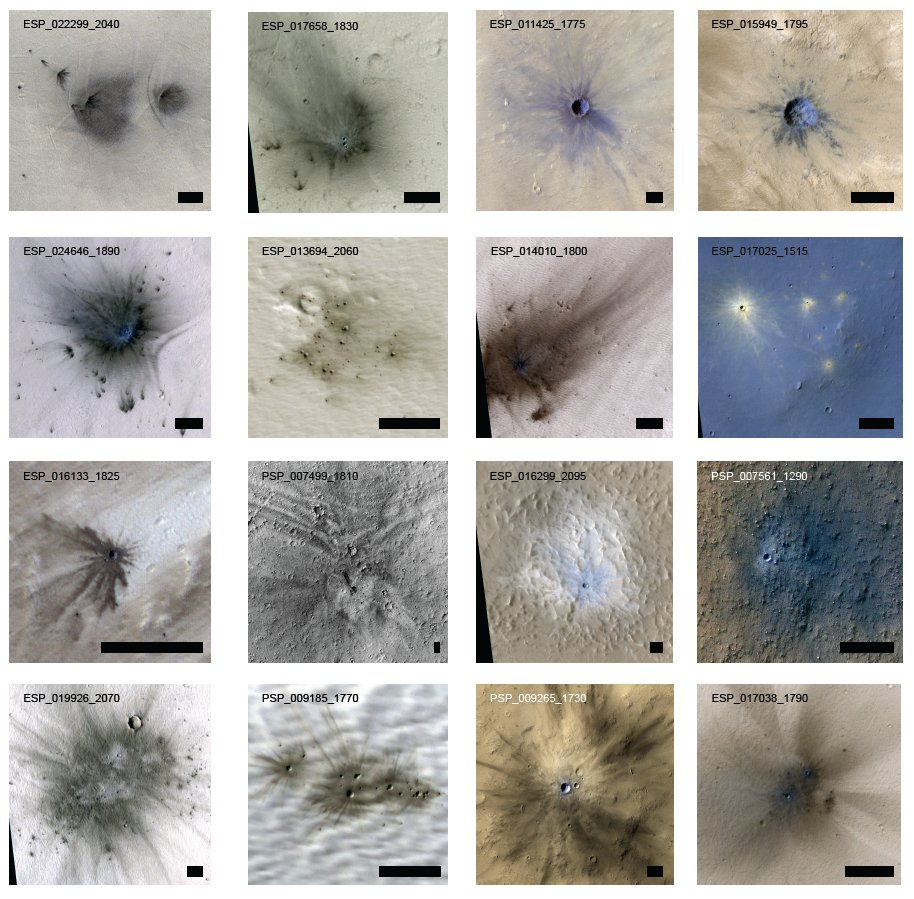
Mars_impact_craterThat’s the goal of Uwingu, a non-profit organization dedicated to increasing public participation in space exploration. In addition to naming exoplanets, they have begun a project to that gives people the opportunity to name over 550,000 craters on Mars. By getting people to pledge donations in exchange for naming rights, the company hopes to raise over $10M to help fund space science and education.

The project touched off in late February, with their map of Mars uploaded to the site and half a million plus craters indicated. Just like how Apollo astronauts have named landing site landmarks during their Moon missions or how Mars scientists have named features they’ve encountered on robotic missions, Uwingu proclaims that, “Now it’s your turn.”

Mars_cratersNot only are there craters to name, but people can also help name the map grid rectangles of all the Districts and Provinces in Uwingu’s “address system” – which they say is the first ever address system for Mars. Prices for naming craters vary, depending on the size of the crater, and begin at $5 dollars apiece. For each crater a person purchases and names, Uwingu gives them a shareable Web link and a naming certificate.

In the past, Uwingu has been a source of controversy, particularly with the International Astronomical Union (IAU), which is responsible for naming celestial objects and planetary features. In general, they are opposed to Uwingu’s methods of selling naming rights to the public. As the organization states on their website:

The IAU is the internationally recognized authority for naming celestial bodies and surface features on them. And names are not sold, but assigned according to internationally accepted rules.

Mars_craters1But Alan Stern, NASA’s former science program and mission director, claims that Uwingu is independent. He also stated that in 50 years of Mars exploration, only about 15,000 features have ever been named. What’s more, he and the rest of the Uwingu team – which includes several space notables, historians and authors – know that the names likely won’t officially be approved by the IAU.

Nevertheless, they claim that they will be similar to the names given to features on Mars by the mission science teams (such as Mt. Sharp on Mars –the IAU-approved name is Aeolis Mons) or even like Pike’s Peak, a mountain in Colorado which was named by the public, in a way. As early settlers started calling it that, it soon became the only name people recognized. Uwingu hopes that their names will also stick, given time.

mountsharp_galecraterIn the past, Stern has admitted that having people pay to suggest names with no official standing is sure to be controversial, but that he’s willing to take the chance – and the heat – to try and innovative ways to provide funding in today’s climate of funding cuts. As he stated in a series of recent interviews:

Mars scientists and Apollo astronauts have named features on the Red Planet and the Moon without asking for the IAU’s permission… We’re trying to do a public good. It’s still the case that nobody in this company gets paid. We really want to create a new lane on that funding highway for people who are out of luck due to budget cuts. This is how we’re how we’re trying to change the world for a little better.

He also pointed out that Uwingu is independent, and that this map is one they are generating themselves through crowdfunding and public participation. Whether or not the names stick is anybody’s guess, but the point is that the process will not be determined by any single gatekeeper or authority – in this case, the IAU. It will reflect a new era of public awareness and involvement in space.

mars-mapIn the past, Uwingu’s procedure has been to put half of the money they make into a fund to be given out as grants, and since they are a commercial company, the rest of the money helps pay the their bills. So no matter what – even if you pitch a name and its outvoted by another, or the names just fail to stick when the cartographers finish mapping Mars – you’ll still be raising money for a good cause.

For those interested in naming a crater on the Red Planet, click on the link here to go to Uwingu’s website. Once there, simply click on a spot on the map, select the crater you want (the price for the crater is indicated when you select it), offer a name and explain why you’ve chosen it. And be sure to check out some of the one’s that have been named already.

Sources: news.cnet.com, universetoday.com, uwingu.com

The Future of Medicine: 3D Printing and Bionic Organs!

biomedicineThere’s just no shortage of breakthroughs in the field of biomedicine these days. Whether it’s 3D bioprinting, bionics, nanotechnology or mind-controlled prosthetics, every passing week seems to bring more in the way of amazing developments. And given the rate of progress, its likely going to be just a few years before mortality itself will be considered a treatable condition.

Consider the most recent breakthrough in 3D printing technology, which comes to us from the J.B Speed School of Engineering at the University of Louisville where researchers used a printed model of a child’s hear to help a team of doctors prepare for open heart surgery. Thanks to these printer-assisted measures, the doctors were able to save the life of a 14-year old child.

3d_printed_heartPhilip Dydysnki, Chief of Radiology at Kosair Children’s Hospital, decided to approach the school when he and his medical team were looking at ways of treating Roland Lian Cung Bawi, a boy born with four heart defects. Using images taken from a CT scan, researchers from the school’s Rapid Prototyping Center were able to create and print a 3D model of Roland’s heart that was 1.5 times its actual size.

Built in three pieces using a flexible filament, the printing reportedly took around 20 hours and cost US$600. Cardiothoracic surgeon Erle Austin III then used the model to devise a surgical plan, ultimately resulting in the repairing of the heart’s defects in just one operation. As Austin said, “I found the model to be a game changer in planning to do surgery on a complex congenital heart defect.”

Roland has since been released from hospital and is said to be in good health. In the future, this type of rapid prototyping could become a mainstay for medical training and practice surgery, giving surgeons the options of testing out their strategies beforehand. And be sure to check out this video of the procedure from the University of Louisville:


And in another story, improvements made in the field of bionics are making a big difference for people suffering from diabetes. For people living with type 1 diabetes, the constant need to extract blood and monitor it can be quite the hassle. Hence why medical researchers are looking for new and non-invasive ways to monitor and adjust sugar levels.

Solutions range from laser blood-monitors to glucose-sensitive nanodust, but the field of bionics also offer solutions. Consider the bionic pancreas that was recently trialled among 30 adults, and has also been approved by the US Food and Drug Administration (FDA) for three transitional outpatient studies over the next 18 months.

bionic-pancreasThe device comprises a sensor inserted under the skin that relays hormone level data to a monitoring device, which in turn sends the information wirelessly to an app on the user’s smartphone. Based on the data, which is provided every five minutes, the app calculates required dosages of insulin or glucagon and communicates the information to two hormone infusion pumps worn by the patient.

The bionic pancreas has been developed by associate professor of biomedical engineering at Boston University Dr. Edward Damiano, and assistant professor at Harvard Medical School Dr. Steven Russell. To date, it has been trialled with diabetic pigs and in three hospital-based feasibility studies amongst adults and adolescents over 24-48 hour periods.

bionic_pancreasThe upcoming studies will allow the device to be tested by participants in real-world scenarios with decreasing amounts of supervision. The first will test the device’s performance for five continuous days involving twenty adults with type 1 diabetes. The results will then be compared to a corresponding five-day period during which time the participants will be at home under their own care and without the device.

A second study will be carried out using 16 boys and 16 girls with type 1 diabetes, testing the device’s performance for six days against a further six days of the participants’ usual care routine. The third and final study will be carried out amongst 50 to 60 further participants with type 1 diabetes who are also medical professionals.

bionic_pancreas_technologyShould the transitional trials be successful, a more developed version of the bionic pancreas, based on results and feedback from the previous trials, will be put through trials in 2015. If all goes well, Prof. Damiano hopes that the bionic pancreas will gain FDA approval and be rolled out by 2017, when his son, who has type 1 diabetes, is expected to start higher education.

With this latest development, we are seeing how smart technology and non-invasive methods are merging to assist people living with chronic health issues. In addition to “smart tattoos” and embedded monitors, it is leading to an age where our health is increasingly in our own hands, and preventative medicine takes precedence over corrective.

Sources: gizmag.com, (2)

The Future of Medicine: Non-Invasive Nerve Repair

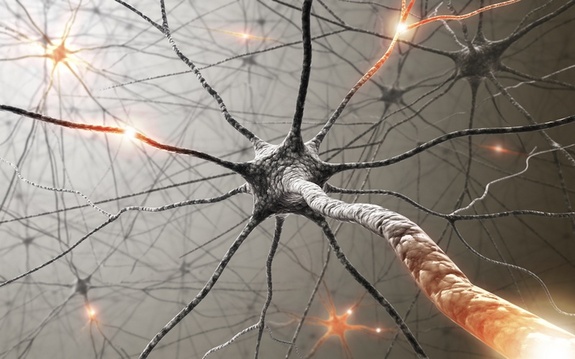
neuronsRepairing severed nerves remains one of the most challenging aspects of modern medicine. In addition to being common, due to spinal injuries, pressure or stretching, the severing or damaging of nerves can lead to a loss of mobility as well as sensation. And up until recently, doctors hoping to repair the damage have been heavily reliant on long-term methods that can be expensive and invasive.

However, Professor George Bittner and his colleagues at the University of Texas at Austin Center for Neuroscience have developed a new and inexpensive procedure to quickly repair severed peripheral nerves. Taking advantage of a mechanism similar to that which permits many invertebrates to regenerate and repair damaged nerves, the new procedure involves applying healing compounds directly to the severed nerve ends.

nerveTrauma to peripheral nerves, which connect the central nervous system to the muscles and sensory organs, is quite common, and is usually the result of excessive pressure or stretching. In most cases, this means that the axon of a nerve – the central bundle of cylindrical sheaths that contains individual nerve cells – is separated from the nerve fiber, leaving the nerve intact but disconnected from the muscle.

Afterward, the nerve cell slowly begins to regrow, and can form a twisted ball of nerve fiber at the cut in the axon. Such nerve scars are called neuroma, and in current medical practice, they are repaired by using microsutures to reconnect the cut ends of the axon and provide a continuous axon to guide the regrowth of the nerve fiber. However, this procedure is extremely delicate, and recovery can take months or even years.

george_bittner1Bittner and his colleagues’ new method involve using a natural healing process to aid in repair and recovery. Already, his team discovered that when a plasma membrane in a cell is damaged, a calcium-mediated healing mechanism begins to draw vesicles (small sacks of lipid membranes) towards the site of the injury. These provide the raw material needed to repair the site.

However, when these vesicles are attracted to the site of a severed axon, both ends of the axon are sealed off by this repair mechanism, preventing regrowth of the nerve. To avoid this problem, the first step of the Texas group’s nerve repair procedure is to bathe the area of the severed nerve with a calcium-free saline solution, thus preventing and even reversing premature healing of the axon ends.

nerve_rootThe damaged axons remain open, and can more easily be reattached. This is then done by pulling the severed ends to within a micron of each other, whereupon a small amount of a solution containing polyethylene glycol (PEG) is injected. The PEG removes water from the axonal membranes, allowing the plasma membranes to merge together, thereby healing the axon.

At the same time, the nerve fibers are brought into close enough proximity that they receive chemical messengers from each other, making them believe they are still whole and preventing the death of the disconnected nerve fiber. The severed nerve fibers can then grow together in a short period of time and with relatively good fidelity to the original connectivity of the nerve fibers.

nerves_pinwheeltestThe final step of the procedure is to inject the area with a calcium-rich saline solution, which restarts the vesicle-based repair mechanism, thereby repairing any residual damage to the axonal membrane. At this point, the nerve is structurally repaired, and use of the affected area begins to return within a few hours instead of months.

To test the procedure, Bittner and his colleges experimented on a series of rats that had had their sciatic nerves severed, resulting in paralysis of the affected limb. In each case, once the rats awoke, they were able to move the limbs containing the severed nerves within moments. Normal function was partially restored within a few days,  nd 80-90% of the pre-injury function was restored within two to four weeks.

mouseThe chemicals used in Bittner’s procedure are common and well understood in interaction with the human body. Because of this, there is no clear obstacle to beginning human clinical trials of the procedure, and teams at Harvard Medical School and Vanderbilt Medical School and Hospitals are currently conducting studies aimed at gaining approval for such trials.

While the procedure developed by Bittner’s group will not apply to the central nervous system or spinal cord injuries, the procedure offers hope to people whose futures include accidents involving damaged nerves. In the past, such people would have to undergo surgery, followed by months or years of physiotherapy (often with inconclusive results).

Now they can look forward to a full recovery that could take as little as a few weeks and cost them comparatively very little. And we, as human beings, would be one step closer to eliminating the term “permanent injury” from our vocabulary!

Sources: gizmag.com, newscientist.com, sciencedaily.com

The Future of Medicine: Brain Scan Databanks

AI_picCloud computing and the internet are having a profound effect on the field of medicine. As more and more patients have their records digitized and posted in online medical sources, doctor’s are able to better track patient histories, conduct referrals, and make speedier diagnoses. And now, doctors at John Hopkins University are working on a cloud-computing project specifically for children’s brain scans.

By collecting and categorizing thousands of MRI scans from kids with normal and abnormal brains, they say the resulting database will give physicians a sophisticated, “Google-like” search system to help find similar scans as well as the medical records of those children. Such a system could help not only enhance the diagnosis of brain disorders, but the treatment as well, maybe even before clinical symptoms are obvious to the naked eye.

Miller_JohnHopkinsMichael I. Miller, a lead investigator on the project who also heads up the university’s Center for Imaging Science, said in a news release:

If doctors aren’t sure which disease is causing a child’s condition, they could search the data bank for images that closely match their patient’s most recent scan. If a diagnosis is already attached to an image from the data bank, that could steer the physician in the right direction. Also, the scans in our library may help a physician identify a change in the shape of a brain structure that occurs very early in the course of a disease, even before clinical symptoms appear. That could allow the physician to get an early start on the treatment.

Susumu Mori, a radiology professor at the Johns Hopkins School of Medicine and co-lead investigator on what he calls the “biobank,” says that a collection of brain scans of this size will also help neuroradiologists and physicians identify specific malformations far faster than is currently possible.

brain-activityMori has spent the past four-plus years working on a clinical database of more than 5,000 whole brain MRI scans of children who’ve come through Johns Hopkins. This project involved indexing anatomical data on 1,000 structural measurements in 250 brain regions that were ultimately sorted into 22 brain disease categories, including infections, psychiatric disorders, epilepsy, and chromosomal abnormalities.

The project, which was made possible by a three-year $600,000 grant from the National Institutes of Health, is still in its pilot stage and available only to physicians and patients within the Johns Hopkins medical system. But the researchers say it could open up and expand to other networks in the coming years. Such an expansion would presumably benefit not only other physicians and patients, but the database itself.

brainscansResearchers are also working on a similar project to collect scans of elderly patients to focus on age-related diseases and neurological disorders. Combined with the pediatric databank, this new brain scan archive will not only help recognize established neurological disorders, but could even possibly help identify and classify new ones as well.

But one of the key words here in anonymous. While cloud computing and patient files may raise the specter of privacy for many, the current project maintains patient confidentially. And one can further assume that voluntary compliance will be maintained as databases like these expand. After all, one does not need to know a patient’s name in order to examine what anomalies their brains exhibit.

And in the meantime, be sure to check out this video of Michael Miller explaining the new brain scan project and computational anatomy in greater detail:


Source:
news.cnet.com