The Future of Medicine: New Cancer Tests and Treatments

cancer_growingWhile a cure for cancer is still beyond medical science, improvements in how we diagnose and treat the disease are being made every day. These range from early detection, which makes all the difference in preventing the spread of the disease; to less-invasive treatments, which makes for a kinder, gentler recovery. By combining better medicine with cost-saving measures, accessibility is also a possibility.

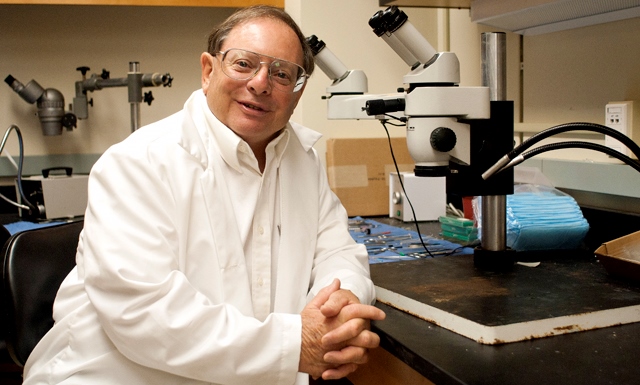
When it comes to better diagnostics, the aim is to find ways to detect cancer without harmful and expensive scans or exploratory surgery. An alternative is a litmus test, like the one invented by Jack Andraka to detect pancreatic cancer. His method, which was unveiled at the 2012 Intel International Science and Engineering Fair (ISEF), won him the top prize due to the fact that it’s 90% accurate, 168 times faster than current tests and 1/26,000th the cost of regular tests.

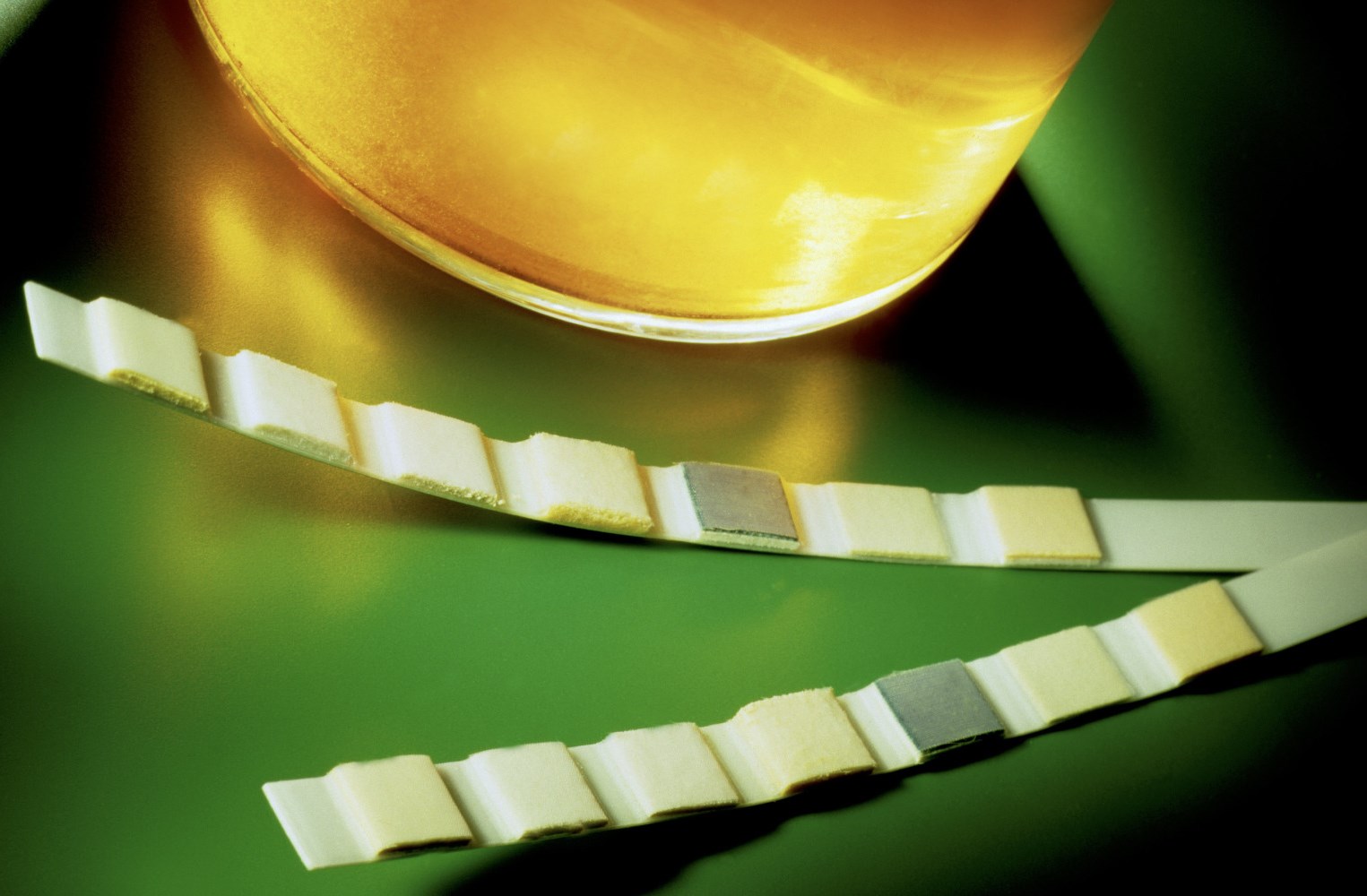
cancer_peetestSince that time, Jack and his research group (Generation Z), have been joined by such institutions as MIT, which recently unveiled a pee stick test to detect cancer. In research published late last month in the Proceedings of the National Academy of Sciences, MIT Professor Sangeeta Bhatia reported that she and her team developed paper test strips using the same technology behind in-home pregnancy tests, ones which were able to detect colon tumors in mice.

The test strips work in conjunction with an injection of iron oxide nanoparticles, like those used as MRI contrast agents, that congregate at tumor sites in the body. Once there, enzymes known as matrix metalloproteinases (MMPs), which cancer cells use to invade healthy tissue, break up the nanoparticles, which then pass out through the patient’s urine. Antibodies on the test strip grab them, causing gold nanoparticles to create a red color indicating the presence of the tumor.

cancer_peetest2According to Bhatia, the technology is likely to make a big splash in developing countries where complicated and expensive medical tests are a rarity. Closer to home, the technology is also sure to be of significant use in outpatient clinics and other decentralized health settings. As Bhatia said in a press release:

For the developing world, we thought it would be exciting to adapt (the technology) to a paper test that could be performed on unprocessed samples in a rural setting, without the need for any specialized equipment. The simple readout could even be transmitted to a remote caregiver by a picture on a mobile phone.

To help Bhatia and her research team to bring her idea to fruition, MIT has given her and her team a grant from the university’s Deshpande Center for Technological Innovation. The purpose of the grant is to help the researchers develop a startup that could execute the necessary clinical trials and bring the technology to market. And now, Bhatia and her team are working on expanding the test to detect breast, prostate cancers, and all other types of cancer.
?????????????In a separate but related story, researchers are also working towards a diagnostic methods that do not rely on radiation. While traditional radiation scanners like PET and CT are good at finding cancer, they expose patients to radiation that can create a catch-22 situation where cancer can be induced later in life, especially for younger patients. By potentially inducing cancer in young people, it increases the likelihood that they will have to be exposed to more radiation down the line.

The good news is that scientists have managed to reduce radiation exposure over the past several years without sacrificing image quality. But thanks to ongoing work at the Children’s Hospital of Michigan, the Stanford School of Medicine, and Vanderbilt Children’s Hospital, there’s a potential alternative that involves combining MRI scans with a contrast agent, similar to the one Prof. Bhatia and her MIT group use in their peestick test.
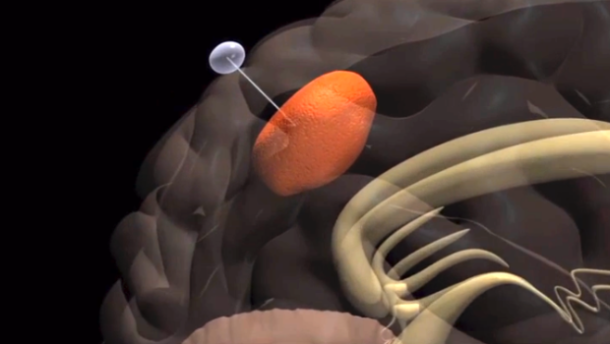
cancer_braintumorAccording to a report published in the journal The Lancet Oncology, the researchers claimed that the new MRI approach found 158 tumors in twenty-two 8 to 33-year-olds, compared with 163 found using the traditional PET and CT scan combo. And since MRIs use radio waves instead of radiation, the scans themselves have no side effects. While the study is small, the positive findings are a step toward wider-spread testing to determine the effectiveness and safety of the new method.

The next step in testing this method will be to study the approach on more children and investigate how it might work in adults. The researchers say physicians are already launching a study of the technique in at least six major children’s hospitals throughout the country. And because the cost of each method could be roughly the same, if the MRI approach proves just as effective yet safer, radiation-free cancer scans are likely to be the way of the future.

cancer_georgiatechAnd last, but not least, there’s a revolutionary new treatment pioneered by researchers at Georgia Tech that relies on engineered artificial pathways to lure malignant cells to their death. This treatment is designed to address brain tumors – aka. Glioblastoma multiform cancer (GBM) – which are particularly insidious because they spread through the brain by sliding along blood vessels and nerve passageways (of which the brain has no shortage of!)

This capacity for expansion means that sometimes tumors developed in parts of the brain where surgery is extremely difficult – if not impossible – or that even if the bulk of a tumor can be removed, chances are good its tendrils would still exist throughout the brain. That is where the technique developed by scientists at Georgia Tech comes in, which involves creating artificial pathways along which cancer can travel to either more operable areas or even to a deadly drug located in a gel outside the body.

cancer_georgiatech1According to Ravi Bellamkonda, lead investigator and chair of the Wallace H. Coulter Department of Biomedical Engineering at Georgia Tech and Emory University:

[T]he cancer cells normally latch onto … natural structures and ride them like a monorail to other parts of the brain. By providing an attractive alternative fiber, we can efficiently move the tumors along a different path to a destination that we choose.

The procedure was reported in a recent issue of the journal Nature Materials. It involved Bellamkonda and his team implanting nanofibers about half the size of a human hair in rat brains where GBMs were growing. The fibers were made from a polycaprolactone (PCL) polymer surrounded by a polyurethane carrier and mimicked the contours of the nerves and blood vessels cancer cells like to use as a biological route.

cancer_georgiatech2One end of a fiber was implanted into the tumor inside the brain and the other into a gel containing the drug cyclopamine (which kills cancer cells) outside the brain. After 18 days, enough tumor cells had migrated along the fiber into the gel to shrink the tumor size 93 percent. Not only does Bellamkonda think his technique could be used to relocate and/or destroy cancers, he says he believes it could be used to help people live with certain inoperable cancers as a chronic condition.

In a recent statement, Bellakomba had this to say about the new method and the benefits its offers patients:

If we can provide cancer an escape valve of these fibers, that may provide a way of maintaining slow-growing tumors such that, while they may be inoperable, people could live with the cancers because they are not growing. Perhaps with ideas like this, we may be able to live with cancer just as we live with diabetes or high blood pressure.

Many of today’s methods for treating cancer focus on using drugs to kill tumors. The Georgia Tech team’s approach was engineering-driven and allows cancer to be treated with a device rather than with chemicals, potentially saving the patient many debilitating side effects. Part of the innovation in the technique is that it’s actually easier for tumors to move along the nanofibers than it is for them to take their normal routes, which require significant enzyme secretion as they invade healthy tissue.

cancer_georgiatech3Anjana Jain, the primary author of the study, was also principally responsible for the design of the nanofiber technique. After doing her graduate work on biomaterials used for spinal cord regeneration, she found herself working in Bellamkonda’s lab as a postdoctoral fellow and came up with the idea of routing materials using engineered materials. In a recent statement, she said the following of her idea:

Our idea was to give the tumor cells a path of least resistance, one that resembles the natural structures in the brain, but is attractive because it does not require the cancer cells to expend any more energy.

Extensive testing, which could take up to 10 years, still needs to be conducted before this technology can be approved for use in human patients. In the meantime, Bellamkonda and his team will be working towards using this technology to lure other cancers that like to travel along nerves and blood vessels. With all the advances being made in diagnostics, treatments, and the likelihood of a cure being found in the near future, the 21st century is likely to be the era where cancer becomes history.

Sources: news.cnet.com, (2), (3)

Breaking Moore’s Law: Graphene Nanoribbons

^Ask a technician or a computer science major, and they will likely tell you that the next great leap in computing will only come once Moore’s Law is overcome. This law, which states that the number of transistors on a single chip doubles every 18 months to two years, is proceeding towards a bottleneck. For decades, CPUs and computer chips have been getting smaller, but they are fast approaching their physical limitations.

One of the central problems arising from the Moore’s Law bottleneck has to do with the materials we used to create microchips. Short of continued miniaturization, there is simply no way to keep placing more and more components on a microchip. And copper wires can only be miniaturized so much before they lose the ability to conduct electricity effectively.

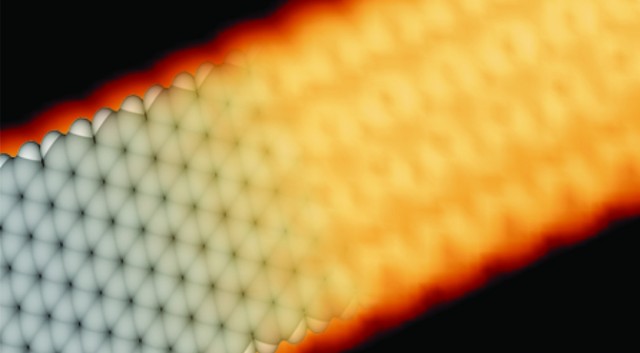
graphene_ribbons1This has led scientists and engineers to propose that new materials be used, and graphene appears to be the current favorite. And researchers at the University of California at Berkeley are busy working on a form of so-called nanoribbon graphene that could increase the density of transistors on a computer chip by as much as 10,000 times.

Graphene, for those who don’t know, is a miracle material that is basically a sheet of carbon only one layer of atoms thick. This two-dimensional physical configuration gives it some incredible properties, like extreme electrical conductivity at room temperature. Researchers have been working on producing high quality sheets of the material, but nanoribbons ask more of science than it can currently deliver.

graphene_ribbonsWork on nanoribbons over the past decade has revolved around using lasers to carefully sculpt ribbons 10 or 20 atoms wide from larger sheets of graphene. On the scale of billionths of an inch, that calls for incredible precision. If the makers are even a few carbon atoms off, it can completely alter the properties of the ribbon, preventing it from working as a semiconductor at room temperature.

Alas, Berkeley chemist Felix Fischer thinks he might have found a solution. Rather than carving ribbons out of larger sheets like a sculptor, Fischer has begun creating nanoribbons from carbon atoms using a chemical process. Basically, he’s working on a new way to produce graphene that happens to already be in the right configuration for nanoribbons.

graphene-solarHe begins by synthesizing rings of carbon atoms similar in structure to benzene, then heats the molecules to encourage them to form a long chain. A second heating step strips away most of the hydrogen atoms, freeing up the carbon to form bonds in a honeycomb-like graphene structure. This process allows Fischer and his colleagues to control where each atom of carbon goes in the final nanoribbon.

On the scale Fischer is making them, graphene nanoribbons could be capable of transporting electrons thousands of times faster than a traditional copper conductor. They could also be packed very close together since a single ribbon is 1/10,000th the thickness of a human hair. Thus, if the process is perfected and scaled up, everything from CPUs to storage technology could be much faster and smaller.

Sources: extremetech.com

News from Mars: Updates on Panspermia Theory

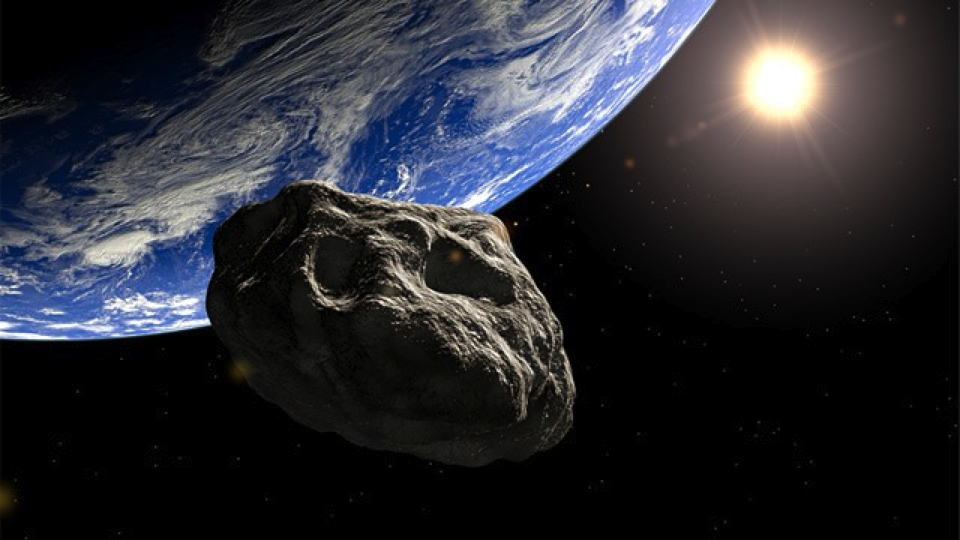
PanspermiaFor centuries now, scientists have been toying with the idea that the origins of life may owe a great deal to space borne debris. And with ongoing research in the past few years, the link between Earth and Mars have become increasingly convincing. And a new bit of research out of the University of Hawaii has provided yet another piece of the puzzle by suggesting solar wind plays a major role.

Solar wind – the stream of charged particles consisting mostly of naked protons called H+ ions – permeate our Solar System because they are periodically ejected from the sun. The University paper shows that in an airless environment, typical space rocks will react with impacting protons to create tiny vesicles of water, thus allowing water and organic molecules to travel through space in tandem.

asteroid_earthInterestingly, the paper comes soon after NASA released evidence that Mars once sported a fair amount of water in the past, and that this water is sometimes found in unexpected places. The finding that water can be generated within dry space rocks, coupled with the fact that space rocks are known to deliver organic compounds to the surface of the Earth, is yet another indication that Earth and Mars might be linked.

Other recent papers have suggested that life’s important molecules arrived intact from Mars – a primitive version of RNA is one major proposed molecular stow-away – but these researchers claim only that “complex organic molecules” came from somewhere else in space. Complex organic compounds and liquid water, in conjunction, could theoretically provide the potential for non-living material to come alive.

Comet1One important aspect of this idea is that it focuses on small particles of material, rather than comets. Prior research has looked to such large bodies as the carriers of life and the drivers of the chemistry that created it, due to their energetic impacts. It’s been suggested that the earliest living things were cobbled together from high-energy molecules that couldn’t exist unless their synthesis was driven by massive astronomical impacts.


This more passive, dust-based explanation seems to fit well with the known history of the Earth, which predicts there was a high level of dust flux in the period before life began to flourish. In addition, the theory could help explain how in the predominantly shadowy areas of the Moon – another airless silicate body – unexpectedly high levels of water have been detected.

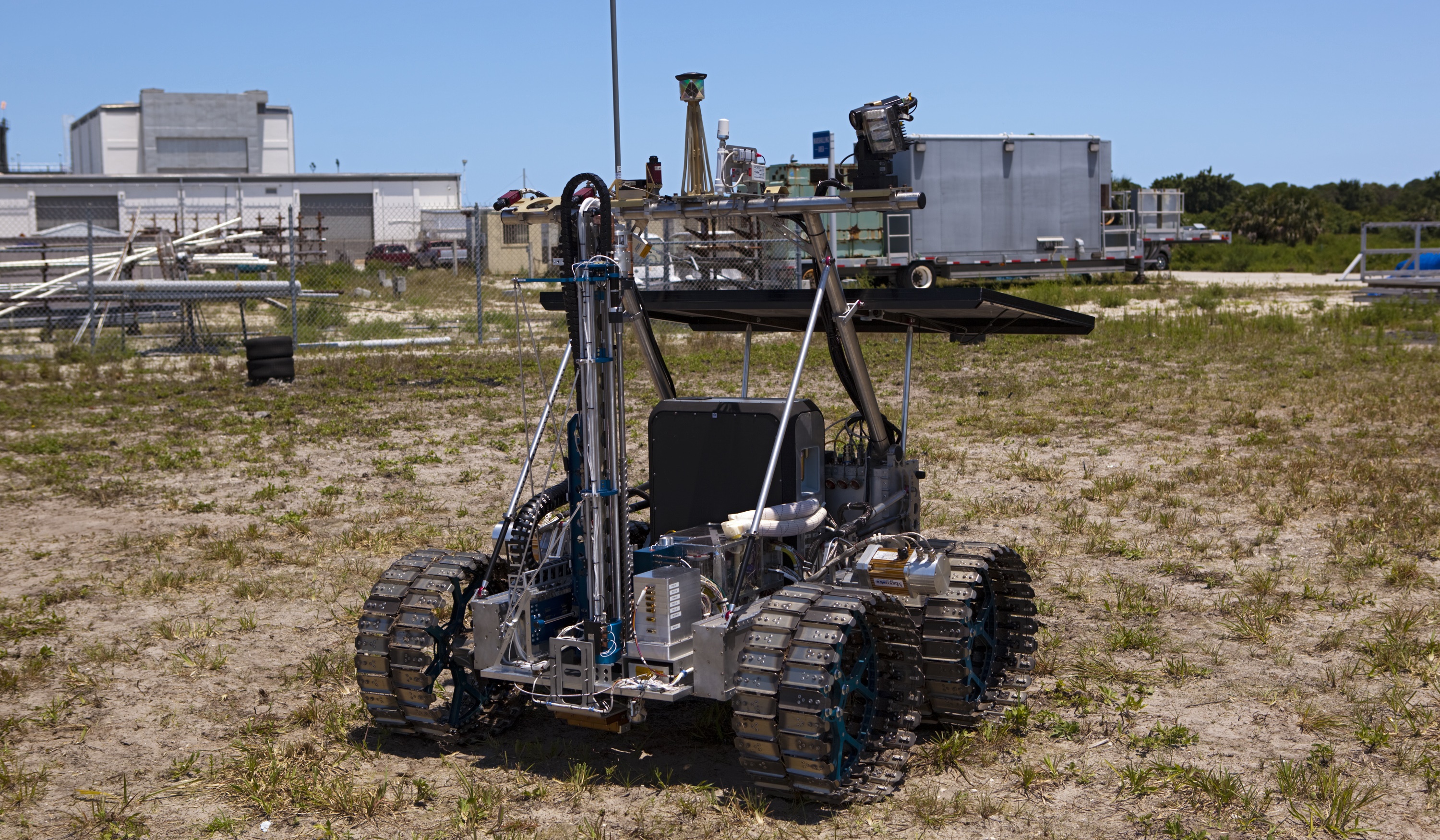
resolve_roverNASA has plans to launch RESOLVE (Regolith and Environment Science and Oxygen & Lunar Volatile Extraction) in 2018 to collect and analyze ice samples and use them to look back into just that sort of astronomical history. Large quantities of water are thought to have arrived on the Moon via impacting comets, but this research suggests that at least some of it could have been created on the Moon itself.

All of this is of extreme importance to discovering how life began on Earth, mainly because scientists are still unsure of what makes the process complete. For instance, evolutionary theory can adequately explain how a bacterium becomes a protist that becomes an animal, but it cannot explain how a pile of non-living molecules ever became a living cell.

panspermia2Evidence seems to be mounting that, whether it was seeded with dust or fused into existence by huge asteroid impacts, life on Earth needed a kickstart in its earliest days. Interestingly, Earth’s atmosphere and the abundance of messy lifeforms on its surface could mean that Earth is the single worst place to search for such evidence.

The Moon or Mars, by contrast, are perfect environments for preserving evidence of the past given their dry and airless nature. And with ongoing research into both planets and our scientific knowledge of them expanding apace, whatever role they may have played in kickstarting life on Earth may finally be learned. This could come in handy if ever we need to do a little kickstarting of our own…

Source: extremetech.com

The Future of Medicine: Non-Invasive Nerve Repair

neuronsRepairing severed nerves remains one of the most challenging aspects of modern medicine. In addition to being common, due to spinal injuries, pressure or stretching, the severing or damaging of nerves can lead to a loss of mobility as well as sensation. And up until recently, doctors hoping to repair the damage have been heavily reliant on long-term methods that can be expensive and invasive.

However, Professor George Bittner and his colleagues at the University of Texas at Austin Center for Neuroscience have developed a new and inexpensive procedure to quickly repair severed peripheral nerves. Taking advantage of a mechanism similar to that which permits many invertebrates to regenerate and repair damaged nerves, the new procedure involves applying healing compounds directly to the severed nerve ends.

nerveTrauma to peripheral nerves, which connect the central nervous system to the muscles and sensory organs, is quite common, and is usually the result of excessive pressure or stretching. In most cases, this means that the axon of a nerve – the central bundle of cylindrical sheaths that contains individual nerve cells – is separated from the nerve fiber, leaving the nerve intact but disconnected from the muscle.

Afterward, the nerve cell slowly begins to regrow, and can form a twisted ball of nerve fiber at the cut in the axon. Such nerve scars are called neuroma, and in current medical practice, they are repaired by using microsutures to reconnect the cut ends of the axon and provide a continuous axon to guide the regrowth of the nerve fiber. However, this procedure is extremely delicate, and recovery can take months or even years.

george_bittner1Bittner and his colleagues’ new method involve using a natural healing process to aid in repair and recovery. Already, his team discovered that when a plasma membrane in a cell is damaged, a calcium-mediated healing mechanism begins to draw vesicles (small sacks of lipid membranes) towards the site of the injury. These provide the raw material needed to repair the site.

However, when these vesicles are attracted to the site of a severed axon, both ends of the axon are sealed off by this repair mechanism, preventing regrowth of the nerve. To avoid this problem, the first step of the Texas group’s nerve repair procedure is to bathe the area of the severed nerve with a calcium-free saline solution, thus preventing and even reversing premature healing of the axon ends.

nerve_rootThe damaged axons remain open, and can more easily be reattached. This is then done by pulling the severed ends to within a micron of each other, whereupon a small amount of a solution containing polyethylene glycol (PEG) is injected. The PEG removes water from the axonal membranes, allowing the plasma membranes to merge together, thereby healing the axon.

At the same time, the nerve fibers are brought into close enough proximity that they receive chemical messengers from each other, making them believe they are still whole and preventing the death of the disconnected nerve fiber. The severed nerve fibers can then grow together in a short period of time and with relatively good fidelity to the original connectivity of the nerve fibers.

nerves_pinwheeltestThe final step of the procedure is to inject the area with a calcium-rich saline solution, which restarts the vesicle-based repair mechanism, thereby repairing any residual damage to the axonal membrane. At this point, the nerve is structurally repaired, and use of the affected area begins to return within a few hours instead of months.

To test the procedure, Bittner and his colleges experimented on a series of rats that had had their sciatic nerves severed, resulting in paralysis of the affected limb. In each case, once the rats awoke, they were able to move the limbs containing the severed nerves within moments. Normal function was partially restored within a few days,  nd 80-90% of the pre-injury function was restored within two to four weeks.

mouseThe chemicals used in Bittner’s procedure are common and well understood in interaction with the human body. Because of this, there is no clear obstacle to beginning human clinical trials of the procedure, and teams at Harvard Medical School and Vanderbilt Medical School and Hospitals are currently conducting studies aimed at gaining approval for such trials.

While the procedure developed by Bittner’s group will not apply to the central nervous system or spinal cord injuries, the procedure offers hope to people whose futures include accidents involving damaged nerves. In the past, such people would have to undergo surgery, followed by months or years of physiotherapy (often with inconclusive results).

Now they can look forward to a full recovery that could take as little as a few weeks and cost them comparatively very little. And we, as human beings, would be one step closer to eliminating the term “permanent injury” from our vocabulary!

Sources: gizmag.com, newscientist.com, sciencedaily.com

News from Space: First Detailed Map of Ganymede

ganymedeLast week, researchers released the first-ever geological map of Ganymede, Jupiter’s largest moon and the largest planetary satellite in the Solar System. Led by Geoffrey Collins of Wheaton College, these scientists produced the first global geologic map that combines the best images obtained by NASA’s Voyager 1 and 2 spacecraft (1979) and the Galileo orbiter (1995 to 2003).

The information of these probes was pieced together as a mosaic image of the planet, giving us our first complete image of the geological features of the world. This image has now been published by the U. S. Geological Survey as a global planar map. The 2D version of the planet surface illustrates the varied geologic character of Ganymede and is the first global, geologic map of the icy, outer-planet moon.

ganymede_mapAnd its about time too! As Robert Pappalardo of NASA’s Jet Propulsion Laboratory in Pasadena, California put it:

This map illustrates the incredible variety of geological features on Ganymede and helps to make order from the apparent chaos of its complex surface. This map is helping planetary scientists to decipher the evolution of this icy world and will aid in upcoming spacecraft observations.

Since its discovery in January 1610 by Galileo Galilee, Ganymede has been the focus of repeated observation; first by Earth-based telescopes, and later by the flybys and orbiting spacecraft. These studies depict a complex, icy world whose surface is characterized by the striking contrast between the dark, very old, highly cratered regions, and the lighter, somewhat younger regions marked with an extensive array of grooves and ridges.

Ganymede-JupiterMoon-GeologicMap-SIM3237-20140211The map isn’t just aesthetically pleasing; it also informs our understanding of Ganymede’s geological history. Researchers have identified three geological periods – one involving heavy impact cratering, followed by tectonic upheaval, and then a decline in geological activity. The more detailed images let them study the ridges and groves, and have revealed that the formation of cryovolcanos is rare on Ganymede.

Baerbel Lucchitta, scientist emeritus at the U.S. Geological Survey in Flagstaff, Ariz., who has been involved with geologic mapping of Ganymede since 1980, had this to say:

The highly detailed, colorful map confirmed a number of outstanding scientific hypotheses regarding Ganymede’s geologic history, and also disproved others. For example, the more detailed Galileo images showed that cryovolcanism, or the creation of volcanoes that erupt water and ice, is very rare on Ganymede.

ganymede_ridges_craters_600According to the Jet Propulsion Laboratory, Ganymede is an especially valuable body to study because it is an ice moon with a richly varied geology and a surface area that is more than half as large as all the land area on Earth. The Ganymede map will also enable researchers to compare the geologic characters of other icy satellite moons, since most features found on other icy satellites have a similar feature somewhere on Ganymede.

Laszlo Kestay, the director of the United States Geological Survey (USGS) Astrogeology Science Center, explained the implications of this in a statement:

After Mars, the interiors of icy satellites of Jupiter are considered the best candidates for habitable environments for life in our solar system. This geologic map will be the basis for many decisions by NASA and partners regarding future U.S. missions under consideration to explore these worlds.

The project was funded by NASA through its Outer Planets Research and Planetary Geology and Geophysics Programs, and the images can all be downloaded by going to the Jet Propulsion Laboratory’s website at the California Institute of Technology (Caltech). And be sure to check out the animated version of the Ganymede planetary map below:


Sources:
IO9.com, (2), jpl.nasa.gov, space.com

Powered by Wind: World’s Tiniest Windmills

tiny_windmillWind turbines are one of the fastest growing industries thanks to their ability to provide clean, renewable energy. And while most designs are trending towards larger and larger sizes and power yields, some are looking in the opposite direction. By equipping everyday objects with tiny windmills, we just might find our way towards a future where batteries are unnecessary.

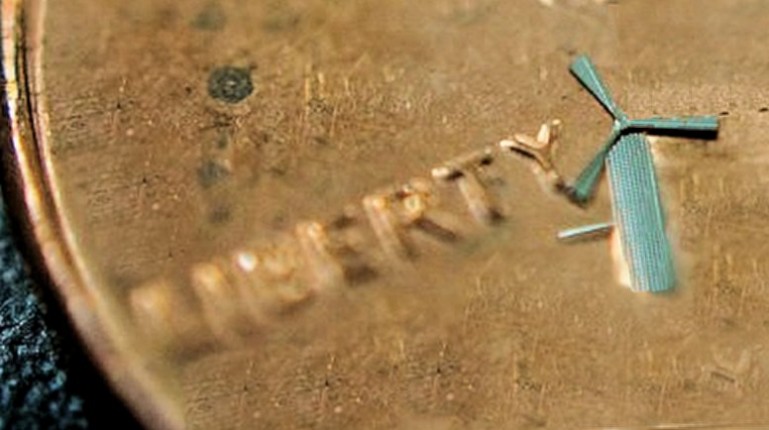
Professor J.C. Chiao and his postdoc Dr. Smitha Rao of the University of Texas at Arlington are two individuals who are making this idea into a reality. Their new MEMS-based nickel alloy windmill is so small that 10 could be mounted on a single grain of rice. Aimed at very-small-scale energy harvesting applications, these windmills could recharge batteries for smartphones, and directly power ultra-low-power electronic devices.

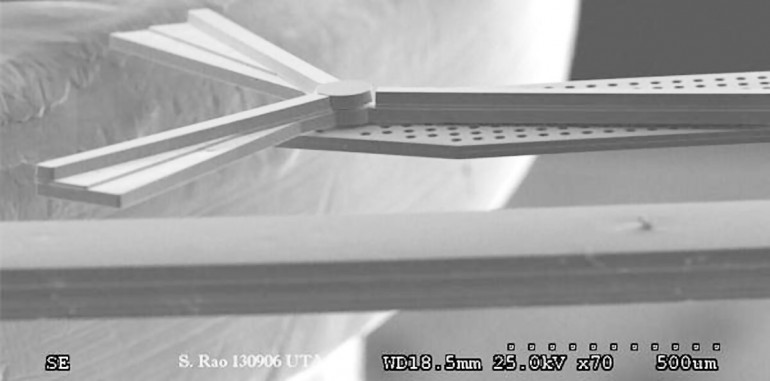
tiny_windmill1These micro-windmills – called horizontal axis wind turbines – have a three-bladed rotor that is 1.8 mm in diameter, 100 microns thick, and are mounted on a tower about 2 mm tall mount. Despite their tiny size, the micro-windmills can endure strong winds, owing to being constructed of a tough nickel alloy rather than silicon, which is typical of most microelectromechanical systems (MEMS), and a smart aerodynamic design.

According to Dr. Rao, the problem with most MEMS designs is that they are too fragile, owing to silicon and silicon oxide’s brittle nature. Nickel alloy, by contrast, is very durable, and the clever design and size of the windmill means that several thousands of them could be applied to a single 200 mm (8 inch) silicon wafer, which in turn makes for very low cost-per-unit prices.

tiny_windmill2The windmills were crafted using origami techniques that allow two-dimensional shapes to be electroplated on a flat plane, then self-assembled into 3D moving mechanical structures. Rao and Chiao created the windmill for a Taiwanese superconductor company called WinMEMS, which developed the fabrication technique. And as Rao stats, they were interested in her work in micro-robotics:

It’s very gratifying to first be noticed by an international company and second to work on something like this where you can see immediately how it might be used. However, I think we’ve only scratched the surface on how these micro-windmills might be used.

Chiao claims that the windmills could perhaps be crafted into panels of thousands, which could then be attached to the sides of buildings to harvest wind energy for lighting, security, or wireless communication. So in addition to wind tunnels, large turbines, and piezoelectric fronds, literally every surface on a building could be turned into a micro-generator.

Powered by the wind indeed! And in the meantime, check out this video from WinMEMS, showcasing one of the micro-windmills in action:


Source: news.cnet.com, gizmag.com

The Future of Building: Superefficient Nanomaterials

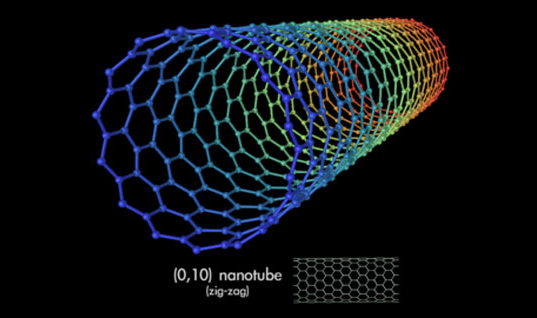
carbon-nanotubeToday, we are on the verge of a fabrication revolution. Thanks to developments in nanofabrication and miniaturization, where materials can be fashioned down the cellular (or even atomic) level, the option of making bigger and stronger structures that happen to weight less is becoming a reality. This is the goal of materials scientist Julia Greer and her research lab at Caltech.

As an example, Greer offers the The Great Pyramid of Giza and the Eiffel Tower. The former is 174 meters tall and weighs 10 megatons while the latter is over twice that height, but at five and half kilotons is one-tenth the mass. It all comes down to the “elements of architecture”, which allowed the Eiffel Tower to be stronger and more lightweight while using far less materials.

carbon_nanotube2Whereas the pyramids are four solid walls, the Eiffel Tower is skeletal, and vastly more efficient as a result. Greer and her colleagues are trying to make the same sort of leap on a nano scale, engineering hollow materials that are fantastically lightweight while remaining every bit as stiff and strong. Carbon nanotubes are one such example, but the range of possibilities are immense and due to explode in the near future.

The applications for this “Hierarchical Design” are also myriad, but its impact could be profound. For one, these ultralight wonders offer a chance to drastically reduce our reliance on fossil fuels, allowing us to make familiar goods with less raw stuff. But they also could also expand our idea of what’s possible with material science, opening doors to designs that are inconceivable today.

It’s all here on this video, where Greer explains Hierarchical Design and the possibilities it offers below:


Source: wired.com

New Video: Quantum Entanglement Explained

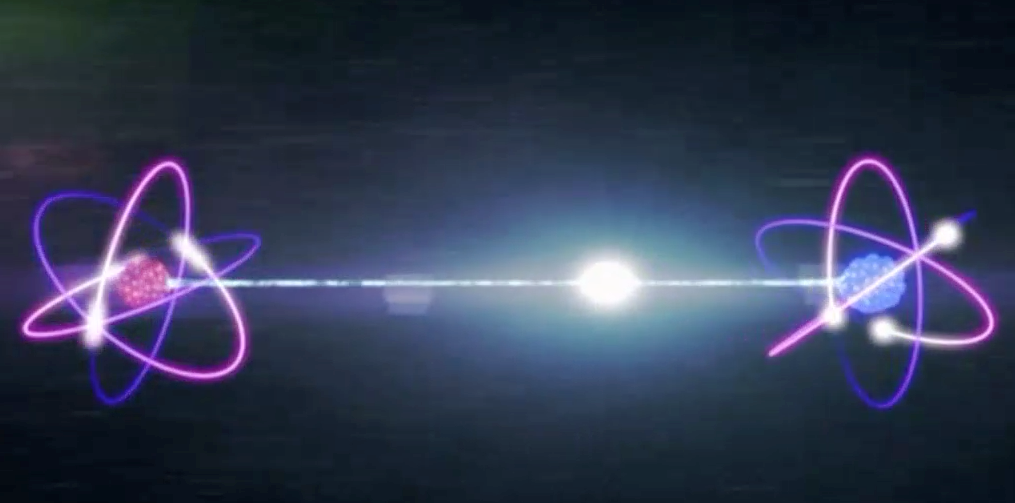
quantum-entanglement1If you’re like most people, the concept of quantum entanglements confuses and perplexes you. But considering its important to quantum science, the future of computing and (maybe, just maybe) space travel, it’s something we should all strive to understand. Luckily, this educational video produced by PHD Comics, and narrated by physicists Jeff Kimble and Chen-Lung Hung, explains it in easy-to-understand terms.

To break it down succinctly, quantum entanglement is the unusual behavior where elementary particles become linked so that when something happens to one, something happens to the other; no matter how far apart they are. This bizarre behavior of particles that become inextricably linked together is what Einstein supposedly called “spooky action at a distance.”

Understanding how this works may very well unlock the mysteries of the universe, shedding light on the unusual behavior of black holes, how gravity interacts with the other fundamental forces and yielding a Grand Unifying Theory/Theory of Everything (TOE)- and even let us circumvent “natural” barriers like the speed of light. So enjoy the video, and be sure to listen carefully. Simplified or not, this is still some pretty heavy stuff!


Source: universetoday.com

News From Mars: Jelly Donut Rock Mystery Solved

mars_donut1In the course of investigating the surface of Mars, NASA has uncovered some rather interesting and curious rock formations. And if once in awhile those rocks should resemble something odd and Earth-like then one should expect the media maelstrom that follows. And the sudden appearance of what people referred to as the “jelly doughnut” rock in January was no exception to this rule.

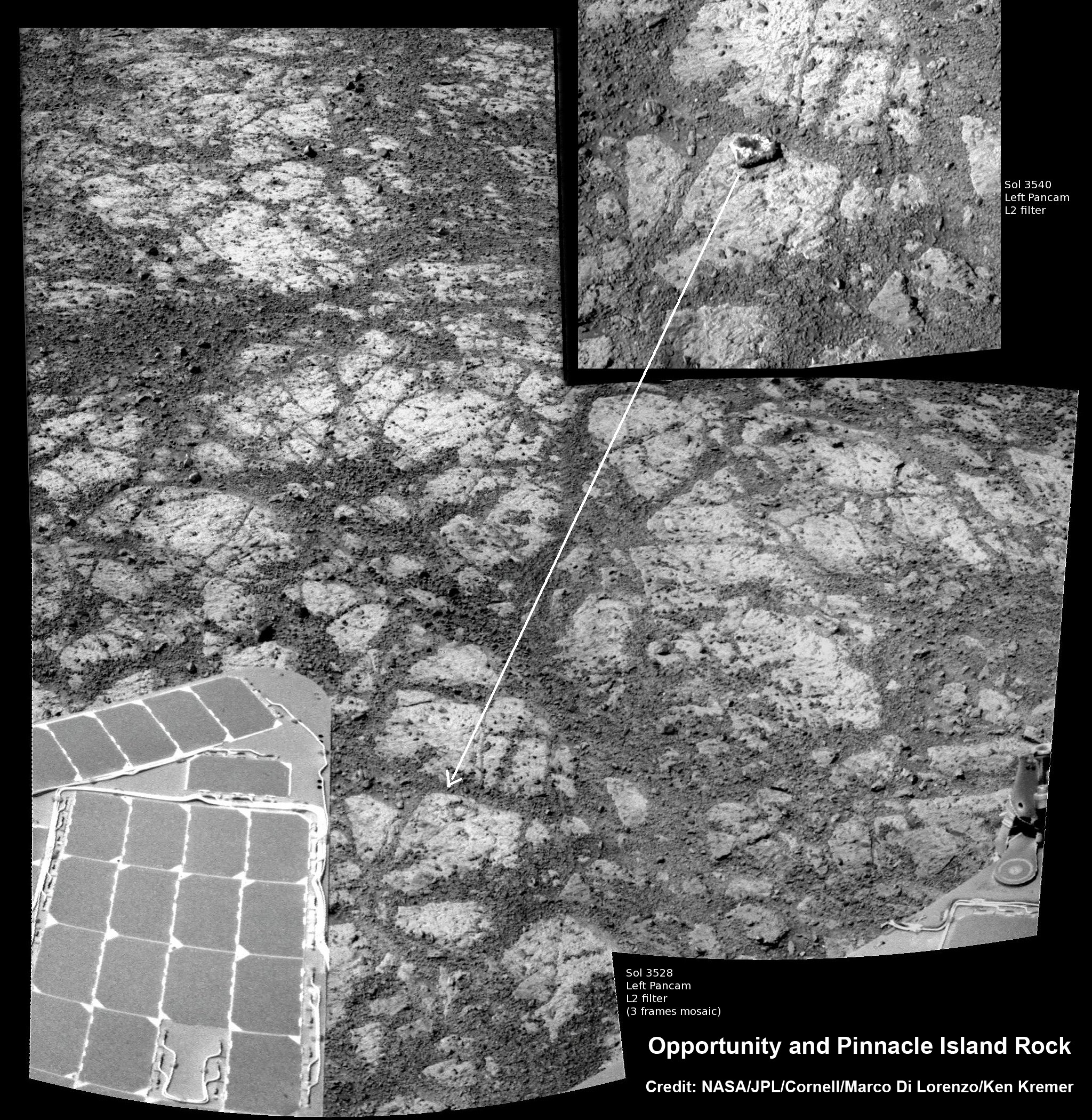
Much the Martian “rat” discovered last summer, the appearance of the doughnut rock was met with all kinds of speculation. The rock – now dubbed “Pinnacle Island” – first appeared on January 8th in a series of pictures taken by the Opportunity Rover. Measuring only about 4 centimeters (1.5 inches) in diameter with a noticeable white rim and red center, the rock quickly picked up the nickname “jelly doughnut”.

mars_donutAccording to pictures taken just four days earlier by Opportunity, during which time it had not moved an inch, that area had been free of debris. In response, wild theories began to emerge, with some thinking it was an indication that rocks were falling from the sky. Others, looking to explain how something so odd in appearance could suddenly have appeared, claimed it was a heretofore undetected Martian surface beings.

Luckily, the ongoing work of mission scientists solved the by determining that the rock was actually created by an “alien invader” – the Opportunity Rover! Apparently, the mysterious rock was created when Opportunity unknowingly drove over a larger rock formation on Solander Point, where she is currently located. It then crushed the rock, sending fragments across the summit.

Opportunity-Route-map_Sol-3560_Ken-KremerOne piece, the ‘Pinnacle Island’ fragment, unwittingly rolled downhill where Opportunity caught it on camera a few days later. This explanation became apparent when the Opportunity was moved a tiny stretch and took some look-back photographs. Another fragment of the rock that was eerily similar in appearance to the ‘Pinnacle Island’ doughnut appeared, indicating that it had left a trail of such debris in its wake.

Ray Arvidson, Opportunity’s Deputy Principal Investigator, explained in a recent NASA statement:

Once we moved Opportunity a short distance, after inspecting Pinnacle Island, we could see directly uphill an overturned rock that has the same unusual appearance. We drove over it. We can see the track. That’s where Pinnacle Island came from.

Opportunity-and-Pinnacle-Island_Sol-3540_1_Ken-KremerTo gather some up-close clues before driving away, the rover deployed its robotic arm to investigate ‘Pinnacle Island’ with her microscopic imager and APXS mineral mapping spectrometer. According to Arvidson, the results revealed high levels of the elements manganese and sulfur which suggest that:

[these] water-soluble ingredients were concentrated in the rock by the action of water. This may have happened just beneath the surface relatively recently, or it may have happened deeper below ground longer ago and then, by serendipity, erosion stripped away material above it and made it accessible to our wheels.

The Solander Point mountaintop is riven with outcrops of minerals, including clay minerals, that likely formed in flowing liquid neutral water conducive to life – a potential scientific goldmine. Thus, the presence of such water-soluble minerals in this particular rock indicates quite strongly that the Opportunity brought it with her while rolling through the area.

mars-map

Meanwhile, on the opposite side of Mars, Opportunity’s younger sister rover Curiosity is trekking towards gigantic Mount Sharp and just crested over the Dingo Gap sand dune. She celebrated 500 days (Sols) on Mars on New Years Day, 2014. And a pair of new orbiters are streaking to the Red Planet to fortify Earth’s invasion fleet- NASA’s MAVEN and India’s MOM.

So expect more surprises from the Red Planet soon enough, which will include more information on surface conditions and the history of Mars’ atmosphere and how it disappeared. And maybe, just maybe, one of the rovers will uncover the existence of the long-sought after organic molecules – thus demonstrating unequivocally that life still exists on Mars.

Stay tuned!


Source: universetoday.com

News From Space: Hawkings’ U-Turn on Black Holes

blackholeA recent paper published by Hawking, in which he reversed himself on several of his previous theories about black holes, has created quite a stir. In fact, his new found opinions on the subject have been controversial to the point that Nature News declared that there is no such thing as black holes anymore. This, however, is not quite what Hawking has claimed.

But it is clear that Hawking, one of the founders of modern theories about black holes, now believes that he he may have been when he first proposed his ideas 40 years ago. Now, he believes that black holes may NOT be the the final graveyard for matter that gets sucked in by the gravitational pull caused by a collapsing star, or that they prevent light from escaping.

stephen_hawkingBasically, he was wrong in how he attempted to resolve the paradox of black holes, because apparently they don’t exist. It all comes down to what is known as the “firewall paradox” for black holes.  The central feature of a black hole is its event horizon, the point of no return when approaching a black hole.  In Einstein’s theory of general relativity, the event horizon is where space and time are so warped by gravity that you can never escape.


This one-way nature of an event horizon has long been a challenge to understanding gravitational physics.  For example, a black hole event horizon would seem to violate the laws of thermodynamics, which state that nothing should have a temperature of absolute zero.  Even very cold things radiate a little heat, but if a black hole traps light then it doesn’t give off any heat and would have a temperature of zero.

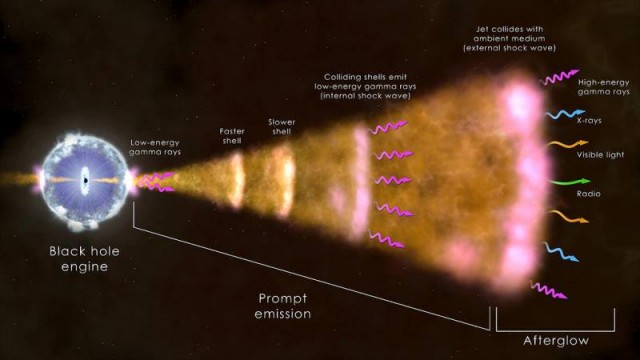
quantum_entanglementThen in 1974, Stephen Hawking demonstrated that black holes do radiate light due to quantum mechanics. In quantum theory, the exact energy of a system cannot be known exactly, which means it’s energy can fluctuate spontaneously so long as its average remains constant. What Hawking demonstrated is that near the event horizon, pairs of particles can appear where one becomes trapped while the others escape as radiation.


While Hawking radiation solved one problem with black holes, it created another problem – aka. the firewall paradox. When quantum particles appear in pairs, they are entangled; but if one particle is captured by the black hole, and the other escapes, then the entangled nature of the pair is broken. In quantum mechanics, the particle pair would be described as in a “pure state”, and the event horizon would seem to break that state.

blackhole_birthLast year it was shown that if Hawking radiation is in a pure state, then either it cannot radiate in the way required by thermodynamics, or it would create a firewall of high energy particles near the surface of the event horizon.  According to general relativity, if you happen to be near the event horizon of a black hole you shouldn’t notice anything unusual.

In his latest paper, Hawking proposed a solution to this paradox by proposing that black holes don’t have event horizons. Instead they have apparent horizons that don’t require a firewall to obey thermodynamics, hence the declaration of “no more black holes” in the popular press. However, all these declarations may be a bit premature, as the problem Hawking’s sought to address may not exist at all.

black-holeIn short, the firewall paradox only arises if Hawking radiation is in a pure state. And in a paper presented last month by Sabine Hossenfelder of Cornell University shows that instead of being due to a pair of entangled particles, Hawking radiation is due to two pairs of entangled particles. One entangled pair gets trapped by the black hole, while the other entangled pair escapes.

The process is similar to Hawking’s original proposal, but the Hawking particles are not in a pure state, which means there’s no paradox to be had.  Black holes can radiate in a way that agrees with thermodynamics, and the region near the event horizon doesn’t have a firewall, just as general relativity requires.  So basically, Hawking’s proposal is a solution to a problem that doesn’t exist.

FTL_MEWith black holes, its always two step forwards, one step back. And this is hardly the only news in recent months when it comes to these mysterious and confounding phenomena. I imagine that the new theory from MIT, which states that wormholes may exist between black holes and be responsible for quantum entanglements (and resolve the problem of how gravity works) may also need revision next!

Too bad too. I was so looking forward to a universe where FTL wasn’t junk science…

Sources: universetoday.com, cbc.ca