News From Space: XS-1 Reusable Spacecraft

sx-1_spaceplaneWhen it comes to the future of space exploration, the ongoing challenge has been to find a way to bring down the costs associated with getting things into orbit. In recent years, a number of solutions have been presented, many of which have been proposed by private companies like SpaceX and Reaction Engines. Not to be outdone, the US government has its own proposal, known as the XS-1.

Developed by DARPA, the XS-1 is the latest in a string of designs for a reusable spacecraft that would be capable of taking off and landing from an airfield. But unlike its predecessors, this craft would be a two-stage craft that has no pilot and is controlled much like a drone. By combining these two innovations, DARPA foresees an age where a “one day turnaround,” or daily launches into space, would be possible.

skylon-orbit-reaction-enginesBasically, the XS-1 will work as a two-stage flyer, beginning as a regular high-altitude drone meant to fly as high as possible and reach hypersonic speed. Once this has been achieved, the payload will separate along with an expendable launch system with a small tank of rocket fuel which will then be automatically delivered to its final destination. The plane, meanwhile, will automatically return to base and begin prep for the next day’s mission.

In addition to being cheaper than rockets and space shuttles, an XS-1 space plane would also be much faster than NASA’s now-retired STS shuttles. Much like Reaction Engines Skylon concept, the ship is designed for hypersonic speeds, in this case up to Mach 10. While this might sound incredibly ambitious, NASA has already managed to achieve a top speed of Mach 9.8 with their X-43A experimental craft back in 2004 (albeit only for ten seconds).

x-43a The XS-1′s payload capacity should be around 2300 kilograms (5000 pounds) per mission, and DARPA estimates that a single launch would cost under $5 million. Currently, it costs about $20,000 to place a single kilo (2.2lbs) into geostationary orbit (GSO), and about half that for low-Earth orbit (LEO). So while DARPA’s requirements are certainly stringent, they would cut costs by a factor of ten and is within the realm of possibility.

As it stands, all ideas being forth are centered around reinventing the rocket to make launches cheaper. When it comes to long-term solutions, grander concepts like the space elevator, the slingatron, or space penetrators may become the norm. Regardless, many of the world’s greatest intellectual collectives have set their sights on finding a more affordable path into space. These advanced launch jets are just the first step of many.

Sources: extremetech.com, news.cnet.com

News From Space: 3-D Printed Spacecraft

3D_spaceprinting13D-Printing has led to many breakthroughs in the manufacturing industry in recent years. From its humble beginnings assembling models out of ABS plastic, the technology has been growing by leaps and bounds, with everything from construction and food printing to bioprinting becoming available. And as it happens, another major application is being developed by a private company that wants to bring the technology into orbit.

It’s called SpiderFab, a system of technologies that incorporates 3-D printing and robotic assembly to create  “on-orbit” structures and spaceship components (such as apertures, solar arrays, and shrouds). Developed by tech firm Tethers Unlimited, Inc. (TUI), the project is now in its second phase and recently landed a $500,000 development contract from NASA.

spiderfabOne of the greatest challenges of space exploration is the fact that all the technology must first be manufactured on Earth and then shuttled into orbit aboard a rocket or a shroud. The heavier the cargo, the larger the rocket needs to be. Hence, any major undertaking is likely to have a massive price tag attached to it. But by relocating the manufacturing process to a place on-site, aka. in orbit, the entire process will be much cheaper.

Towards this end, the SpiderFab, incorporates two major innovations in terms of transportation and manufacture. The first makes it possible to pack and launch raw materials, like spools of printable polymer, in a cost-effective way using smaller rockets. The second uses patented robotic fabrication systems that will process that material and aggregate it into structural arrangements.

3D_spaceprintingDr. Rob Hoyt, CEO of TUI, had this to say of his company’s brainchild in a recent interview with Co.Design:

SpiderFab is certainly an unconventional approach to creating space systems, and it will enable significant improvements for a wide range of missions.

The unorthodox system is also a solution to the problem that Hoyt began working on two decades ago when he first began working with NASA. While there, he experimented with on-orbit fabrication as a concept, but was limited due to the fact that there were no means available to make it reality. However, once 3-D printing became mainstream, he seized the opportunity presented. As he explains:

I didn’t strike on anything dramatically better than [previous investigations] until about six years ago, when additive manufacturing was really starting to take off. I realized that those techniques could be evolved to enable some dramatic improvements in what we can build in space.

spiderfab3At present, TUI is working on several different models of what the SpiderFab will eventually look like. The first of these is known as the Trusselator, one of many building blocks that will form the factory responsible for producing spacecraft components. The Trusselator is designed to print high-performance truss elements, while another, the Spinneret, will use 3-D printing-like techniques to connect and fuse together clusters of trusses.

Hoyt says that the TUI team will be further testing these processes in the next couple of months, first in the lab and then in a thermal-vacuum chamber. He hopes, however, that they will be able to conduct an on-orbit demonstration of SpiderFab a few years down the line. And with any luck, and more funding, NASA and other agencies may just convert their production process over to orbital 3-D printing facilities.

Alongside concepts like the SpaceX Grasshopper reusable rocket and reusable space craft, 3-D space printing is yet another revolutionary idea that is likely to bring the astronomical (no pun!) costs of space exploration down considerably. With affordability will come growth; and with growth, greater exploration will follow…

Star-Trek-universe

Sources: fastcodesign.com, tethers.com

News From Space: The Weird Atmospheres of Titan and Io

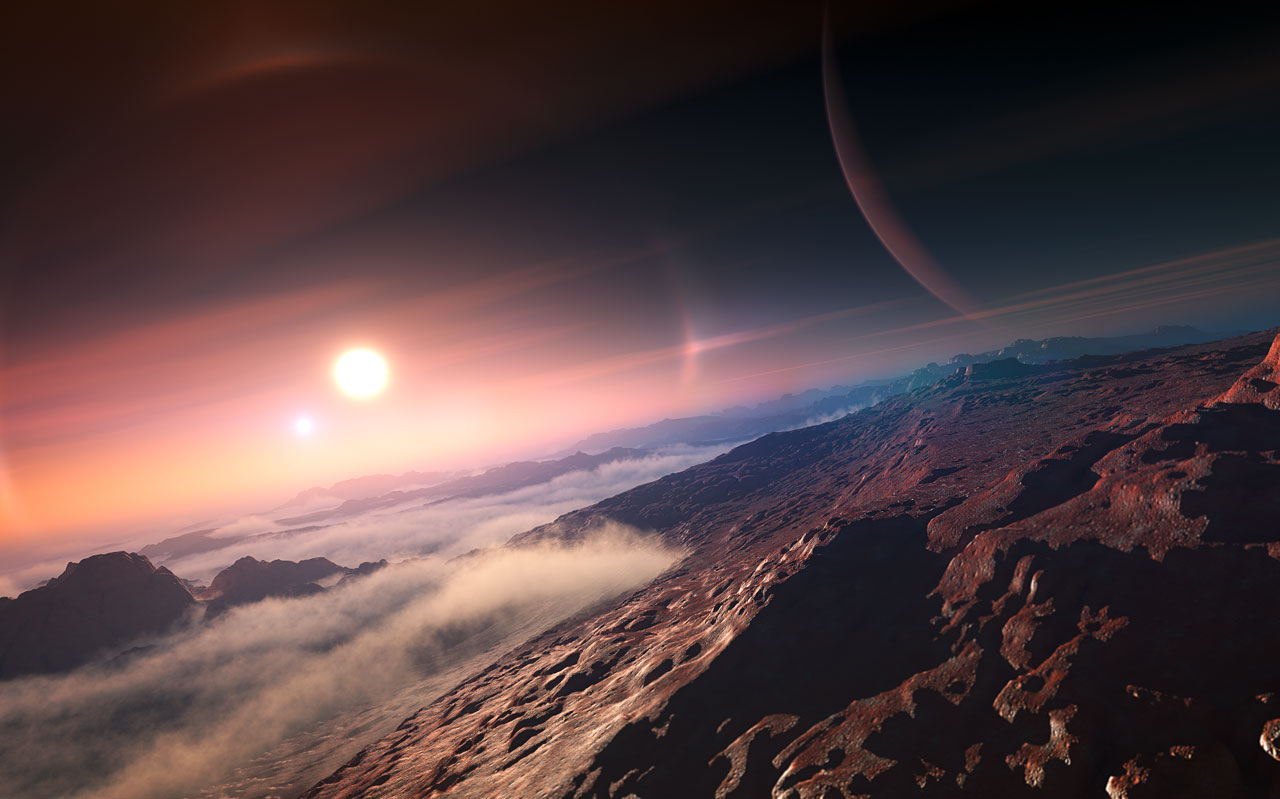
alien-worldStudying the known universe is always interesting, mainly because you never know what you’re going to find. And just when you think you’ve got something figured out – like a moon in orbit around one of the Solar Systems more distant planet’s – you learn that it can still find ways to surprise you. And interestingly enough, a few surprises have occurred back to back in recent weeks which are making scientists rethink their assumptions about these moons.

The first came from Io, Jupiter’s innermost moon and the most volcanically active body in the Solar System. All told, the surface has over 400 volcanic regions, roughly 100 mountains – some of which are taller than Mount Everest – and extensive lava flows and floodplains of liquid rock that pass between them. All of this has lead to the formation of Io’s atmosphere, which is basically a thin layer of toxic fumes.

Io_mapGiven its distance from Earth, it has been difficult to get a good reading on what the atmosphere is made up of. However, scientists believe that it is primarily composed of sulfur dioxide (SO2), with smaller concentrations of sulfur monoxide (SO), sodium chloride (NaCl), and atomic sulfur and oxygen. Various models predict other molecules as well, but which have not been observed yet.

However, recently a team of astronomers from institutions across the US, France, and Sweden, set out to better constrain Io’s atmosphere. Back in September they detected the second-most abundant isotope of sulfur (34-S) and tentatively detected potassium chloride (KCl). Expected, but undetected, were molecules like potassium chloride (KCl), silicone monoxide (SiO), disulfur monoxide (S2O), and other isotopes of sulfur.

Io_surfaceBut more impressive was the team’s tentative of potassium chloride (KCl), which is believed to be part of the plasma torus that Io projects around Jupiter. For some time now, astronomers and scientists have been postulating that Io’s volcanic eruptions produce this ring of plasma, which includes molecular potassium. By detecting this, the international team effectively found the “missing link” between Io and this feature of Saturn.

Another find was the team’s detection of the sulfur 34-S, an isotope which had previously never been observed.  Sulfur 32-S had been detected before, but the ratio between the 34-S and 32-S was twice that of what scientists believed was possible in the Solar System. A fraction this high has only been reported once before in a distant quasar – which was in fact an early galaxy consisting of an intensely luminous core powered by a huge black hole.

These observations were made using the Atacama Pathfinder Experiment (APEX) antenna – a radio telescope located in northern Chile. This dish is a prototype antenna for the Atacama Large Millimeter Array (ALMA). And while Io is certainly an extreme example, it will likely help terrestrial scientists characterize volcanism in general – providing a better understanding of it here on Earth as well as outside the Solar System.

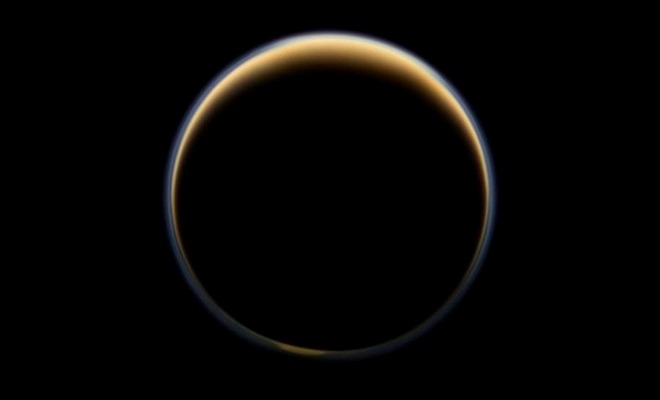
TitanThe second big discovery was announced just yesterday, and comes from NASA’s Cassini space probe. In its latest find investigating Saturn’s largest moon, Cassini made the first off-world detection of the molecule known as propelyne. This simple organic compound is a byproduct of oil refining and fossil fuel extraction, and is one of the most important starting molecules in the production of plastics.

The molecules were detected while Cassini used its infrared spectrometer to stare into the hydrocarbon haze that is Titan’s atmosphere. The discovery wasn’t too surprising, as Titan is full of many different types of hydrocarbons including methane and propane. But spotting propylene has thus far eluded scientists. What’s more, this is the first time that the molecule has been spotted anywhere outside of Earth.

titan_cassiniThese finding highlight the alien chemistry of Saturn’s giant moon. Titan has moisture and an atmosphere, much like our own, except that its rains are made of hydrocarbons and its seas composed of ethane. Scientists have long wanted to explore this world with a boat-like rover, but given the current budget environment, that’s a distant prospect. Still, sales of propylene on Earth are estimated at $90 billion annually.

While no one is going to be mounting a collection mission to Titan anytime soon, it does offer some possibilities for future missions. These include colonization, where atmospheric propylene could be used to compose settlements made of plastic. And when it comes to terraforming, knowing the exact chemical makeup of the atmosphere will go a long way towards finding a way to make it breathable and warm.

And in the meantime, be sure to enjoy this video about Cassini’s latest discovery. With the government shutdown in effect, NASA’s resources remain offline. So we should consider ourselves lucky that the news broke before today and hope like hell they get things up and running again soon!


Sources: universetoday.com, wired.com

Robot Snakes to Explore Mars?

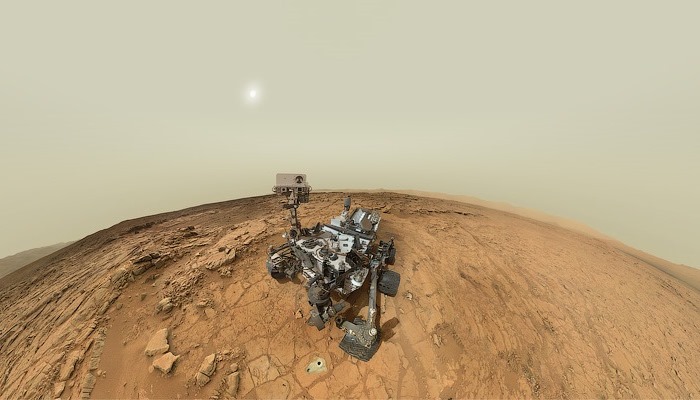
curiosity_sol-177-1The recent discoveries and accomplishments of the Curiosity and Opportunity rovers have been very impressive. But for some, these successes have overshadowed the limitations that are part of the rover designs. Yes, despite their complexity and longevity (as evidenced by Opportunity’s ten years of service) the robot rovers really aren’t that fast or agile, and are limited when it comes to what they can access.

Case in point, Curiosity is currently on a year-long trek that is taking it from the Glenelg rocky outcropping to Mount Sharp, which is just over 8 km (5 miles) away. And where crevices, holes and uneven terrain are involved, they’ve been known to have trouble. This was demonstrated with the Spirit Rover, which was lost on May 1st, 2009 after getting stuck in soft soil.

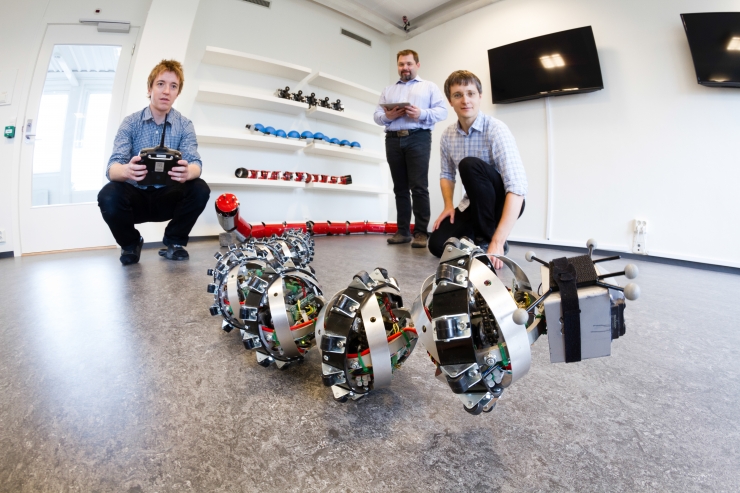
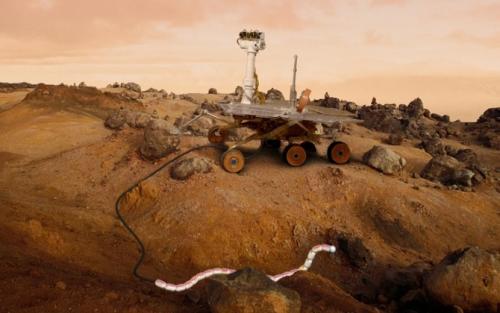
robotsnakesAs a result, the European Space Agency is planning on a sending a different type of rover to Mars in the future. Basically, their plan calls for the use of robot snakes. This plan is the result of collaborative study between the ESA and SINTEF – the largest independent research organization in Scandinavia – that sought to create a rover that would be able to navigate over long distances and get into places that were inaccessible to other rovers.

They concluded that a snake-like robot design would open up all kinds of possibilities, and be able to collect samples from areas that other rovers simply couldn’t get into. In addition to being able to move across challenging surfaces, these snake-bots would also be able to tunnel underground and get at soil and rock samples that are inaccessible to a land rover. Curiosity, which despite its advanced drill, is limited in what it can examine from Mars’ interior.

robotsnakes1The researchers envisage using the rover to navigate over large distances, after which the snake robot can detach itself and crawl into tight, inaccessible areas. A cable will connect the robot to the vehicle and will supply power and tractive power – i.e. it can be winched back to the rover. Communication between the pair will be also be facilitated via signals transmitted down the cable.

According to Pål Liljebäck, one of the researchers developing the snake robot at SINTEF, the challenge presents several opportunities for creative solutions:

We are looking at several alternatives to enable a rover and a robot to work together. Since the rover has a powerful energy source, it can provide the snake robot with power through a cable extending between the rover and the robot. If the robot had to use its own batteries, it would run out of power and we would lose it. One option is to make the robot into one of the vehicle’s arms, with the ability to disconnect and reconnect itself, so that it can be lowered to the ground, where it can crawl about independently.

An additional benefit of this rover-snake collaboration is that in the event that the rover gets stuck, the snake can be deployed to dig it out. Alternately, it could act as an anchor by coiling itself about a rock while the rover using the cable as a winch to pull itself free.

robotsnake2Liljebäck and his colleague, Aksel Transeth, indicate that SINTEF’s Department of Applied Cybernetics has been working closely with the Norwegian University of Science and Technology’s (NTNU) Department of Engineering Cybernetics for many years. However, it was only recently that these efforts have managed to bear fruit in the form or their robot snake-rover design, which they hope will trigger a long-term partnership with the ESA.

In addition to researching rover design, Transeth, Liljebäck and other researchers working with the ESA are looking for ways to bring samples from Mars back to Earth. At present, soil and other materials taken from Mars are analyzed on board the rover itself, and the results communicated back to Earth. If these samples could be physically transported home, they could be studied for years to come, and yield much more fascinating information.

And be sure to enjoy this video of the robot snake in action:


Sources: dvice.com, sintef.no, phys.org,

The researchers are busy working on a feasibility study assigned to them by the ESA. The ESA and the researchers believe that by combining a rover that can navigate over large distances with a snake robot that can crawl along the ground and can get into inaccessible places, so many more possibilities could be opened up.

News from Space: Curiosity Finds Water!

curiosity_drillsGood news (and bad) from the Red Planet! According to NASA, an examination of the fine-grained soil particles extracted by Curiosity, scientists have concluded that roughly 2 percent of Martian surface soil is made up of water. Though they did not find any traces of organic particles, this latest find confirms that water not only used to exist on the surface of the planet, but can still be found within.

These results bode well for future manned missions to Mars, wherein astronauts could mine the soil for water and study it to advance their understanding of Mars’ history. The findings, which were published today in the journal Science are part of a five-paper segment that began back in August of 2012 and is dedicated to Curiosity’s ongoing mission.

curiosity_drilling2Laurie Leshin, dean of the School Science at Rensselaer Polytechnic Institute and lead author of the paper, said in a NASA press release:

One of the most exciting results from this very first solid sample ingested by Curiosity is the high percentage of water in the soil.

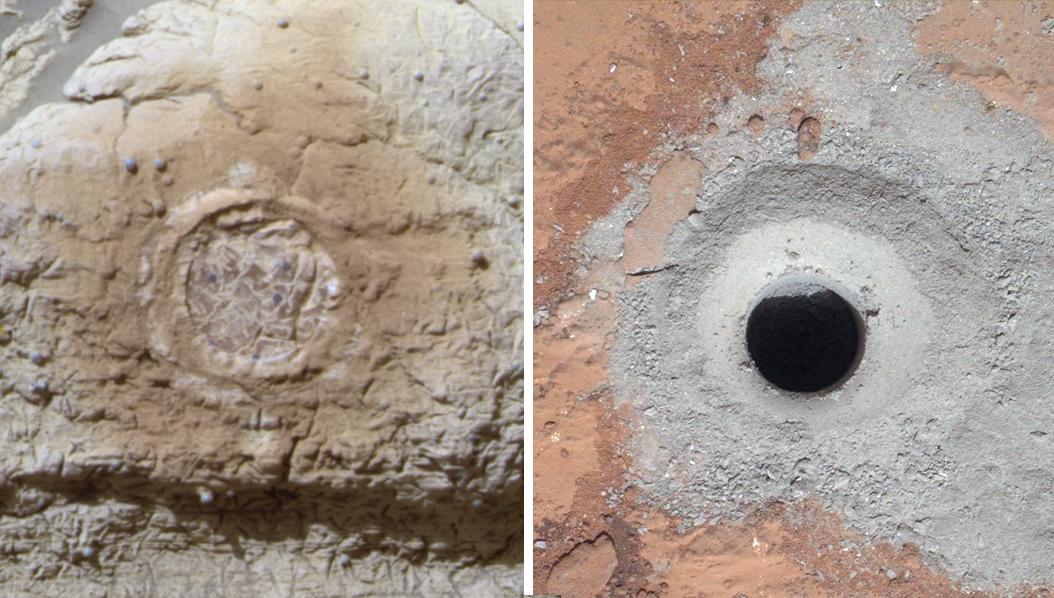
These tests were conducted using the rover’s Sample Analysis at Mars (SAM), a collection of instruments that includes a gas chromatograph, a mass spectrometer, and a tunable laser spectrometer. The first soil samples were collected back in February when the rover used its drill tool for the first time and created a series of holes that were a little over 6 centimeters (2.5 inches) deep and collected the fine dust that resulted.

SAM_NASAOnce placed into the SAM assembly, the samples were heated to 835 degrees Celsius (1,535 degrees Fahrenheit). The gases that were released – which included significant portions of carbon dioxide, oxygen, and sulfur compounds – were then analyzed. The Mars Science Laboratory (MSL) also noticed that quantities of gaseous carbonite were found, which would suggests the presence of water in the Martian soil.

These positive findings were quite welcome, especially in light of the disheartening news last week that Curiosity has yet to crack the methane mystery. Back in 2003, scientists observed methane plumes coming from the planet, a strong indicator of microbial life, which sent scientific and professional interest in finding life on the red planet soaring.

Since that time, no traces of methane have been found, and it was hoped that Curiosity would finally locate it. However, the lack of methane thus far indicates that the rover has little chance of finding existing microbial life on the planet. But the existence of water in such great quantities in the surface soil brings scientists one step closer to piecing together the planet’s past potential for harboring life.

Curiosity_drillingsPaul Mahaffy, a lead investigator for SAM at NASA’s Goddard Space Flight Center, had this to say:

This work not only demonstrates that SAM is working beautifully on Mars, but also shows how SAM fits into Curiosity’s powerful and comprehensive suite of scientific instruments… By combining analyses of water and other volatiles from SAM with mineralogical, chemical, and geological data from Curiosity’s other instruments, we have the most comprehensive information ever obtained on Martian surface fines. These data greatly advance our understanding surface processes and the action of water on Mars.

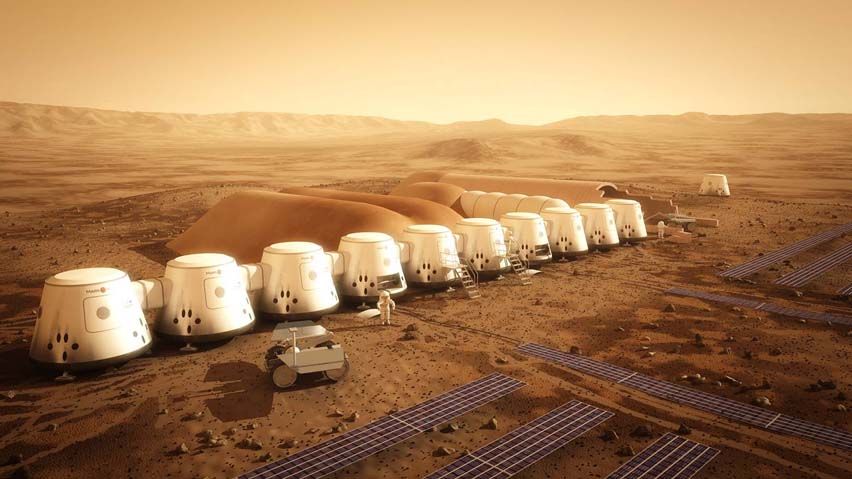
Given the renewed interest of late in manned missions to Mars – from nonprofit organizations like Mars One, privatized transportation companies like SpaceX, and the unofficial plans to mount a manned mission to Mars by 2030 by NASA – these findings are reassuring. In addition to providing fuel for hydrogen fuel cells for a return craft, subsurface water will be a boon for settlers and terraformers down the road.

mars-one-brian-versteegLeshin confirmed a cubic foot of soil, as opposed to the tiny sample Curiosity analyzed, could yield nearly 2 pints of condensation when heated. So volunteers who are planning on signing up with Mars One, pack your buckets and stoves and be prepared to do a lot of condensing! And perhaps we can expect “moisture farms” to become the norm on a colonized Mars of the future.

Source: news.cnet.com

News From Space: Manned Europa Mission!

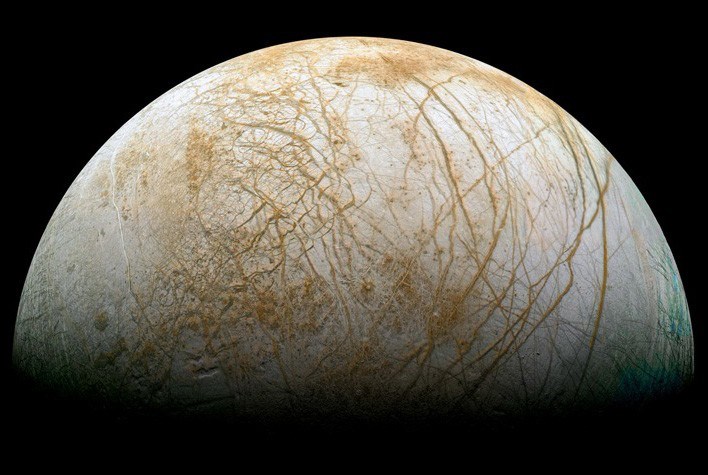
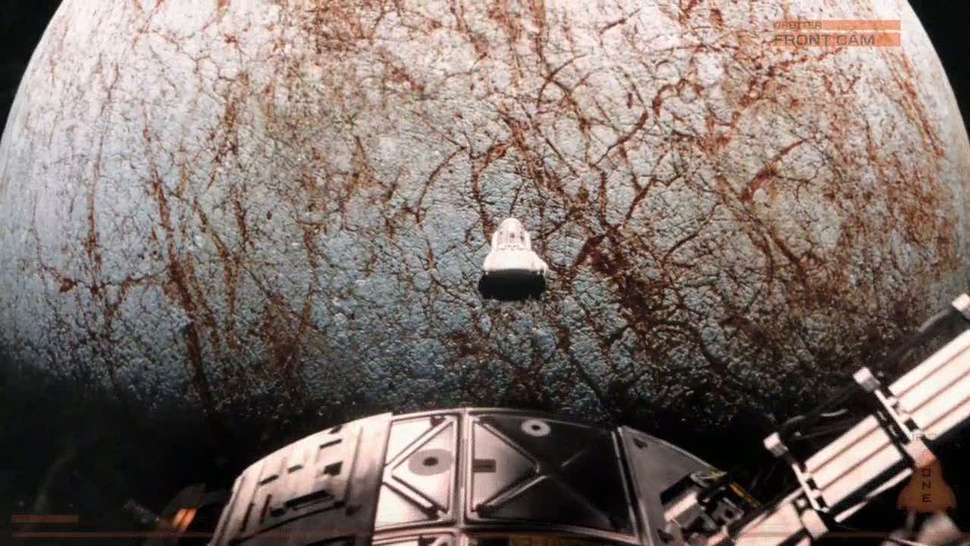
europa-landerWith so much attention focused on Mars in recent years, the other planets of the Solar System have a hard time getting noticed. But lately, Europa has found itself the subject of some interest. In addition to NASA proposing to send a lander there in the near future, a private space organization is thinking of mounting a manned mission to the Jovian moon in search of knowledge and extra-terrestrial life.

This organization is known as Objective Europa, a group made up of  volunteer scientists, conceptual artists, and social-media experts. At the moment, they exist only on the internet. But with time and financial backing, they hope to form a volunteer corps of settlers that would make a one-way trip to Europa and settle the planet while they researched it.

europa-lander-2Inspired by the recent missions to Mars, Objective Europa also believes a mission to this moon would be worthwhile since it is a far better candidate for extra-terrestrial life. Mars, though it is thought to have once hosted life, is a barren and dry world in its present state. Though many are holding out for the discovery of organic particles in the near future, the likelihood of finding any complex organisms larger than a microbe remains extremely low.

Not surprisingly, their group has attracted some big-name celebrities. This includes Kristian von Bengtson, a Danish architect and co-founder of Copenhagen Suborbitals, a nonprofit focused on launching humans into space. Then there’s Michele Faragalli, a rover mobility specialist for a NASA private contractor. Scientist and diver Pierre-Yves Cousteau, son of legendary explorer Jacques Cousteau, is also on the team as an ambassador for the group.

europa_reportCurrently, the group is in Phase 1 of their plan, which is geared towards the gathering of ideas. Towards this end, they have opened up a variety of research topics for discussion on their website. These include investigating the feasibility of a manned mission versus a robotic mission, launch vehicle studies, and cost analysis.Future phases would involve raising funds, and prototyping and testing technology.

What’s more, while they have not yet stated outright how they plan to fund the mission, it seems likely at this point that crowdfunding and sponsorship will come into play. As the goal statement reads on their site:

“Our purpose is to establish the foundation for and carry out a crewed mission to Jovian ice moon Europa through international crowd-research and participation.”

mars-one-brian-versteegIf this is beginning to sound a little bit like Mars One – a similar space organization looking to send volunteers to Mars – then chances are you’ve been paying attention! In terms of their purpose, objectives, and the fact that the trips they are planning would be a one-way, the two organizations are very similar. But even more interesting is what these and other space organizations like them represent.

In an age when private space travel and exploration are beginning in earnest, crowdfunded, volunteer groups are emerging with the common goal of making things happen ahead of anyone else’s schedule. Whereas space was once the exclusive province of government-sanctioned and funded agencies, now the public is stepping in to assume a measure of control.

And thanks to new media and communications, the money, talent, and energy needed are all available. It’s just a matter of bringing them all together!

Source: news.cnet.com

News From Space: Big Bang Vs. Black Hole

big bang_blackholeFor decades, the Big Bang Theory has remained the accepted theory of how the universe came to be, beating out challengers like the Steady State Theory. However, many unresolved issues remain with this theory, the most notable of which is the question of what could have existed prior to the big bang. Because of this, scientists have been looking for way to refine the theory.

Luckily, a group of theoretical physicists from the Perimeter Institute (PI) for Theoretical Physics in Waterloo, Ontario have announced a new interpretation on how the universe came to be. Essentially, they postulate that the birth of the universe could have happened after a four-dimensional star collapsed into a black hole and began ejecting debris.

big_bangThis represents a big revision of the current theory, which is that universe grew from an infinitely dense point or singularity. But as to what was there before that remain unknown, and is one of a few limitations of the Big Bang. In addition, it’s hard to predict why it would have produced a universe that has an almost uniform temperature, because the age of our universe (about 13.8 billion years) does not give enough time to reach a temperature equilibrium.

Most cosmologists say the universe must have been expanding faster than the speed of light for this to happen. But according to Niayesh Afshordi, an astrophysicist with PI who co-authored the study, even that theory has problems:

For all physicists know, dragons could have come flying out of the singularity. The Big Bang was so chaotic, it’s not clear there would have been even a small homogenous patch for inflation to start working on.

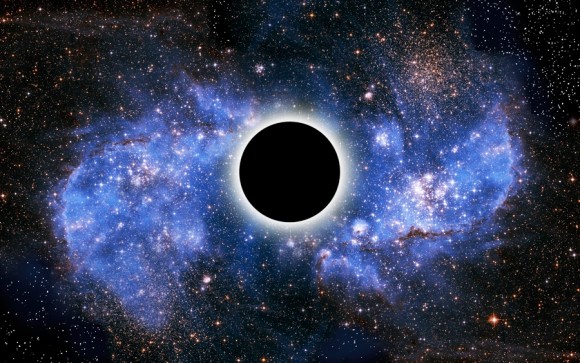
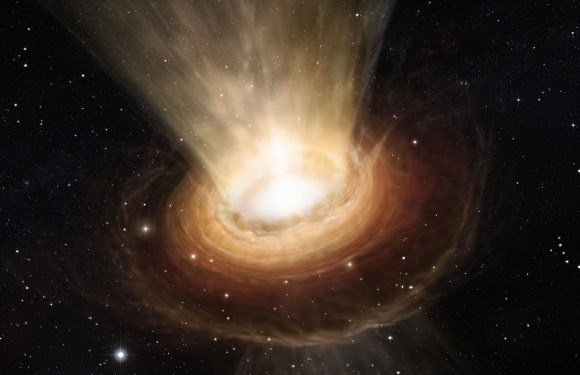
black_holeThe model Afshordi and her colleagues are proposing is basically a three-dimensional universe floating as a membrane (or brane) in a “bulk universe” that has four dimensions. If this “bulk universe” has four-dimensional stars, these stars could go through the same life cycles as the three-dimensional ones we are familiar with. The most massive ones would explode as supernovae, shed their skin and have the innermost parts collapse as a black hole.

The 4-D black hole would then have an “event horizon”, the boundary between the inside and the outside of a black hole. In a 3-D universe, an event horizon appears as a two-dimensional surface; but in a 4-D universe, the event horizon would be a 3-D object called a hypersphere. And when this 4-D star blows apart, the leftover material would create a 3-D brane surrounding a 3-D event horizon, and then expand.

planck-attnotated-580x372To simplify it a little, they are postulating that the expansion of the universe was triggered by the motion of the universe through a higher-dimensional reality. While it may sound complicated, the theory does explain how the universe continues to expand and is indeed accelerating. Whereas previous theories have credited a mysterious invisible force known as “dark energy” with this, this new theory claims it is the result of the 3-D brane’s growth.

However, there is one limitation to this theory which has to do with the nearly uniform temperature of the universe. While the model does explain how this could be, the ESA’s Planck telesceop recently mapped out the universe and discovered small temperature variations in the cosmic microwave background (CBM). These patches were believed to be leftovers of the universe’s beginnings, which were a further indication that the Big Bang model holds true.

big_bang1The PI team’s own CBM readings differ from this highly accurate survey by about four percent, so now they too are going back to the table and looking to refine their theory. How ironic! However, the IP team still feel the model has worth. While the Planck observations show that inflation is happening, they do not show why the inflation is happening.

Needless to say, we are nowhere near to resolving how the universe came to be, at least not in a way that resolves all the theoretical issues. But that’s the things about the Big Bang – it’s the scientific equivalent of a Hydra. No matter how many times people attempt to discredit it, it always comes back to reassert its dominance!

Source: universetoday.com, perimeterinstitute.ca

BIG News From Space: Alien Matter Found?

Alien OrganismsIts been an exciting 48 hours for the scientific community. It began when a team of British scientists floated a balloon up into the stratosphere, more than 25 km (16 miles) up, and when it came down they found it was carrying tiny organisms. The scientists claimed that there is no way that such organisms could have come from Earth and found their way into the stratosphere, so they must have come from space.

Specifically, they must have come from a comet, given their particular characteristics, and they could even be evidence that all life on Earth really did originate in the stars. This theory is known as Exogenesis (or Panspermia), and contends that this is how organisms are spread throughout the universe – spawning in certain environments, but flourishing on worlds where they are deposited and conditions are just right.
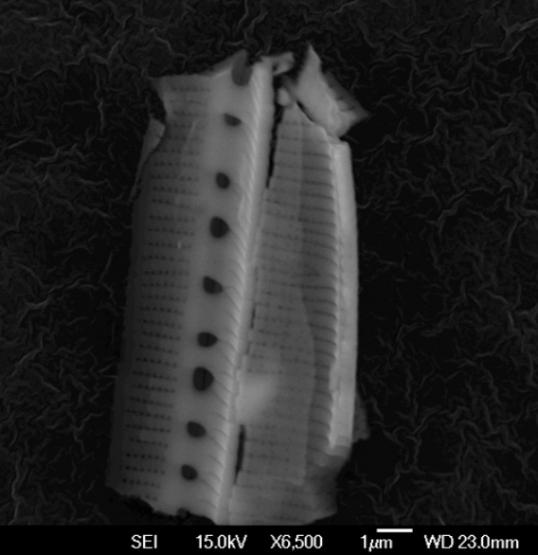
Alien Organisms1According to Professor Milton Wainwright of the Department of Molecular Biology and Biotechnology at the University of Sheffield, they are “about 95 percent convinced” of that fact, though he admits that it’s hard to be absolutely certainty. But apart from the height of the organisms, which would make it hard to imagine them being from Earth, Wainwright and his team also noted that they bear no physical signs of ever being earthbound.

As Wainwright said in the course of announcing the team’s findings:

There is no known mechanism by which these life forms can achieve that height. As far as we can tell from known physics, they must be incoming. The particles are very clean. They don’t have any dust attached to them, which again suggests they’re not coming to earth. Similarly, cosmic dust isn’t stuck to them, so we think they came from an aquatic environment, and the most obvious aquatic environment in space is a comet.

In addition, the science team ruled out the possibility that the particles were originally from Earth and were blasted into the stratosphere by a volcano, noting that it’s been too long since the last volcanic eruption on Earth for the particles to have maintained such a height. So the tentative conclusion remains, that the organisms were placed in orbit by a passing comet.

DNA-1What’s even more exciting is the prospect that the organisms, though they are all likely dead at this point, are likely to contain alien DNA. If this proves to be true, it could further the idea that life on Earth may have had its beginnings in cosmos. Next month, the team plans to try the balloon test again to see if they can both confirm their results and find new organisms in upcoming meteor shower tied to Halley’s Comet.

Exciting prospects indeed. But almost immediately after the announcement been made, dissenting voices began to come forward to poke holes in the team’s theory. One such person is Phil Plait, an astronomer who upon reading the findings in the Journal of Cosmology, raised a number of concerns and criticisms about the team’s research.

First, Plait notes, one member of the research team, Chandra Wickramasinghe, has claimed numerous times that he’s discovered diatoms – a type of phytoplankton found in meteorites – and this particular paper also includes similar diatom findings. Wickramsinghe also, according to Plait, has a long history of making dubious claims about extraterrestrial life, using less-than-thorough research.

PanspermiaPlait also noted that the Journal of Cosmology, where the paper was published, has a less-than-spotless reputation. In the past, the quality of peer review at the journal has been questioned, and they have also been accused of promoting fringe and speculative viewpoints on astrobiology, astrophysics, and quantum physics. Of particular concern is the journal’s apparent bias that the theory of Panspermia is established fact, which remains a theory.

But as to the scientific findings themselves, there’s the question of whether the diatom really came from space or became attached to the balloon as it transited from the surface into orbit. While the team claims that precautions were taken and the sample was too clean, extended testing may prove this conclusion to be wrong, and possibly premature.

Second, Plait disputes the conclusion that the diatom could not have been put up in the atmosphere by a volcanic eruption. Specifically, he noted that the researchers didn’t seem to take into account things like turbulence in the stratosphere that could have kept objects previously hurled up there by volcanoes floating around for quite some time.

panspermia1Then there’s the claim that evidence points that the organisms came from a comet. The fact that it was “remarkably clean and free of soil or other solid material,” works against this conclusion, according to Plait. If indeed it came embedded in rock, there would surely be samples of soil, dust, ice or minerals attached to it, as these are things commonly found in a comet.

And finally, there’s the theory the researchers developed that these organisms are evidence that life actually began somewhere in space, then came to Earth. While Panspermia is a good theory, Plait claims that the scientists are going about arguing it in a way that is not strictly scientific:

Panspermia is worth investigating, but it’s worth investigating correctly. Outrageous claims on thin evidence with huge conclusion-jumping don’t comprise the best way to do it. Stories like this one are sexy and sure bait for an unskeptical media, of course. But at the very least they don’t help the public understand science and the scientific process, and I know some scientists take an even dimmer view of it.

But of course, the announcement was just made and there’s still plenty of checking to do. In the meantime, we can all certainly speculate, and I would like to hear from the people out there. What do you think? Does this discovery constitute a scientific breakthrough, or is it an elaborate hoax or a case of eager scientists jumping to conclusions?
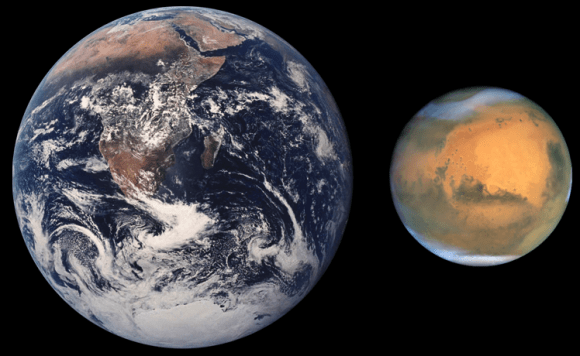
Mars_Earth_Comparison-580x356And let’s not forget, this announcement comes not long after Professor Steven Benner’s similar announcement that new evidence connects the origin of life on Earth to life on Mars. No reason why Exogenesis and the Martian hypothesis can’t coexist now is there?

Sources: blastr.com, (2)

News From Space: The Antares Rocket Launch!

antares_launch1Commercial space flight got a shot in the arm just two days ago thanks to the flawless launch of the privately developed Antares rocket from the NASA Wallops Flight Facility in Virginia. On board was the first of many Cygnus craft, a commercial unmanned cargo resupply vehicle that is now making its way to the ISS in orbit. It was a day of firsts, and signaled the beginning of a new space race.

For starters, it was the first time the launchpad in Virginia was used, not to mention the maiden flight of a Cygnus craft. But perhaps most importantly, it was the first time in a long time that supplies and equipment were bound for the International Space Station from American soil. Since its cancellation in 2011, NASA’s space program has been forced to rely on the Russians and an aging fleet of Soyuz rockets to send astronauts and supplies into orbit.

spaceX_elonmuskAnd, as already noted, it was a big day for commercial space flight, since both the Antares and the Cygnus were produced by the Orbital Sciences Corporation. For some time now, SpaceX has been leading the charge to develop rockets and spacecraft for private commercial use. Now, with NASA awarding OSC contracts to restore America’s ability to mount resupply missions, it seems they might have some competition.

The “picture perfect” blastoff took place at 10:58 a.m. EDT on the morning  of Sept. 18 from Virginia and was witnessed by a large crowd of spectators. The launch was reported as being incredibly beautiful as the rockets two stage engines spewed intensely bright flames and send out reverberations that wowed the people watching and woke people who were still asleep in the nearby community of Chincoteague.

antares_deploymentAnother historic first that bears mentioning is the fact that this latest mission happens to be the heaviest cargo load ever delivered to the ISS by a commercial vehicle. And by awarding contracts for such missions to private companies, NASA hopes to be able to free more of its budget up for long-term missions. These include exploration beyond low earth orbit, getting people back to the Moon and beyond to deep space destinations including Asteroids and Mars.

NASA Administrator Charles Bolden spoke glowingly of the launch in a statement and praised OSC for their role in making it happen:

Today marks a milestone in our new era of exploration as we expand the capability for making cargo launches to the International Space Station from American shores.  Orbital’s extraordinary efforts are helping us fulfill the promise of American innovation to maintain our nation’s leadership in space.

According to ongoing mission updates, the Cygnus spacecraft successfully unfurled its solar panels starting 1.5 minutes after separation from the second stage, which took place about 10 minutes after launch. Currently, Cygnus is traveling at 28,000 km/h (17,500 mph) and will rendezvous with the space station on Sunday, Sept. 22.

antares_launch2Once there, the cargo vessel will deliver about 590 kilograms (1,300 pounds) of cargo, including food, clothing, water, science experiments, spare parts and gear to the Expedition 37 crew. The flight, known as Orb-D1 is a demonstration mission to prove that Cygnus can conduct a complex series of maneuvers in space safely bringing it to the vicinity of the ISS.

And once the mission is complete and the supplies delivered, we can expect to be hearing about more missions like this one! Between SpaceX’s Dragon module, the Cygnus, and both companies ongoing rocket tests, space will is likely to become the new frontier where private enterprises carry out their endless dance of competition.

And of course, there are some cool videos of the launch to behold. So behold!

Time-lapse video of Antares deployment:


Antares launch:


Sources:
universetoday.com, (2)

News From Space: IAU Revises Stance on Naming Planets

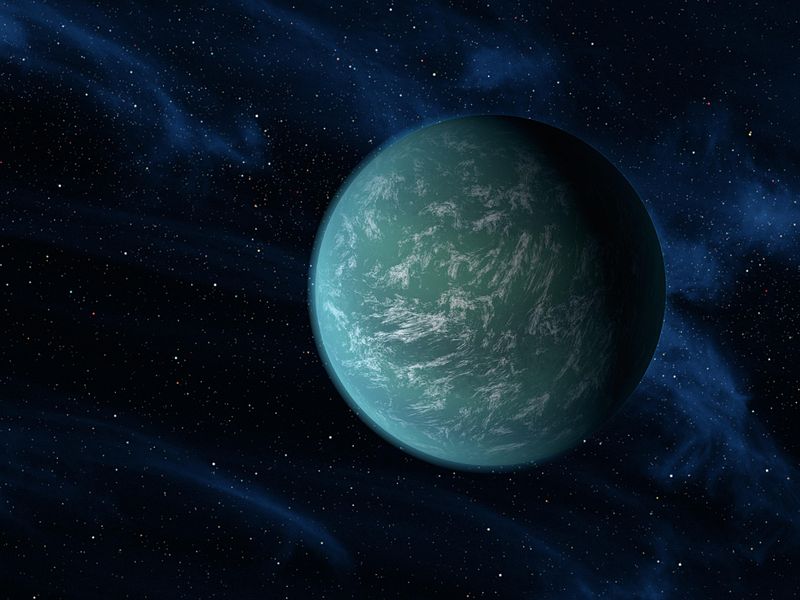
alien-worldGood news everyone! According to the International Astronomic Union, the public can now participate in the naming of new exoplanets. What’s more, they can be popular names like kinds found in science fiction, assuming they are appropriate and the public is behind it. This represents a big change in terms of IAU policy, which previously reserved the right to give names to newly discovered bodies outside of our Solar System.

As recently as late March, 2013, the IAU’s official word on naming exoplanets was, “the IAU sees no need and has no plan to assign names to these objects at the present stage of our knowledge.” Their rationale was since there is seemingly going to be so many exoplanets, it will be difficult to name them all.

IAU_exosBut then, on March 24th, the IAU added on their website:

…the IAU greatly appreciates and wishes to acknowledge the increasing interest from the general public in being more closely involved in the discovery and understanding of our Universe. As a result in 2013 the IAU Commission 53 Extrasolar Planets and other IAU members will be consulted on the topic of having popular names for exoplanets, and the results will be made public on the IAU website.

This new decision follows from an event earlier this year where the SETI Institute and the space company Uwingu organized their own campaigns for creating popular names of objects in space. Both events were wildly popular with the general public, but generated some controversy. For one, the IAU issued a statement regarding the contests saying that while they welcomed the public’s interest, the IAU has the last word.
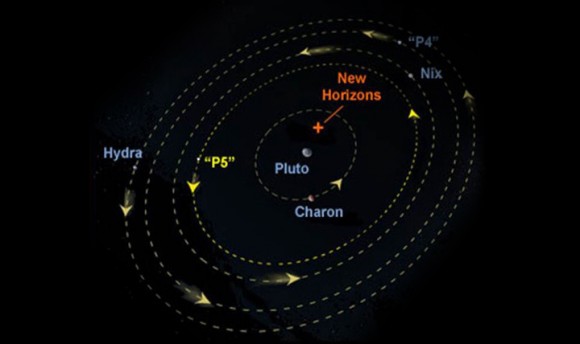
Pluto-System_720-580x344For example, the SETI institute’s contest, “Space Rocks”, was intended to name two newly discovered moons around Pluto. Though the name “Vulcan” was the top contender for one of them, and even got a nod from William Shatner, the IAU overruled their decision and went with the name “Styx” instead. Additionally, the IAU took issue with the “selling” of names, referring to the fact that Uwingu charged a fee to take part in their contest.

However, given public interest in the process and the fact that other bodies might begin privatizing the process, the IAU has altered its position on these matters and opened up the naming process to the public. The new rules, which were passed this summer, now allow individuals to suggest names of exoplanets and planetary satellites (moons) via email to the IAU.

gliese-581.jpgThose looking to make a contribution to naming newly discovered planets and moons are asked to abide by the following criteria:

  1. Prior to any public naming initiative the IAU should be contacted from the start by Letter of Intent sent to the IAU General Secretary
  2. The process should be submitted in the form of a proposal to the IAU by an organization
  3. The organization should list its legal or official representatives and its goals, and explain the reasons for initiating the process for naming a particular object or set of objects
  4. The process cannot request nor make reference to any revenues, for whatever purpose
  5. The process must guarantee a wide international participation
  6. The public names proposed (whether by individuals or in a naming campaign) should follow the naming rules and restrictions adopted for Minor Bodies of the Solar System, by the IAU and by the Minor Planet Center.

Among other rules cited in their new policy are that proposed names should be 16 characters or less in length, pronounceable in as many languages as possible, non-offensive in any language or culture, and that names of individuals, places or events principally known for political or military activities are unsuitable. Also, the names must have the formal agreement of the discoverers.

KeplerThis about face has its share of supporters and critics alike. Whereas people who support it generally see it as a sign that we are entering into an era of open and democratic space exploration. the critics tend to stress the contradictions and ambiguities in the new policy. Whereas the IAU previously claimed it had the final word on the naming process, their new stance appears to indicate that this is no longer the case.

In addition, companies like Uwingu are now free to participate in the naming of planetary bodies, which means that their contest to name Pluto’s moon “Vulcan” would now be legitimate under the new framework. Many people, such as astronomer and Uwingu CEO Alan Stern, are wondering if the new rules will apply retroactively since they were previously forbidden from having any input.

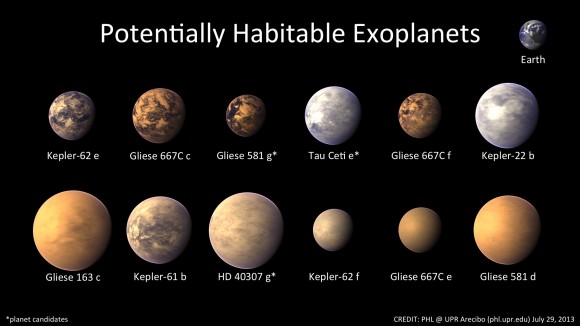
kepler22b.jpgAs for me, this puts me in mind of my own attempts to name real or fictitious exoplanets. Sadly, since it this was done for the sake of writing fiction, they would have no legal standing, but the process was still fun and got me thinking… If we are to begin exploring and colonizing planets outside of our Solar System, how will we go about naming them?

Now it seems there is a process in place for just such a thing, one which will assign actual names instead of bland designations. And it appears that this process will be a trade off between scientific organizations and public input, either through campaigns or contests. And I imagine once we start breaking ground on new worlds, settlers and shareholders will have a thing or two to say as well!

Planet Microsoft… Planet Starbucks… Planet Walmart… I shudder to think!

Sources: universetoday.com, uwingu.com. phl.upr.edu