NBC’s Community and Subtle References to Dystopia

Community-Poster-630x336You know me, I’m not really in the habit of reviewing television shows that don’t involve a science fiction plot or zombies. But Community is one of my favorite shows currently on TV, and this past week they did an episode that I found absolutely brilliant. Starting with the premise of a new social utility app that let’s people rank others, it then got into some serious dystopian lit territory!

To break it down, the setting of the show – Greendale Community College – becomes the beta testing ground for an app called MeowMeow Beenz. This gives people the chance to rate each other the same way they would a movie or product online, and it becomes a big hit on the campus. Quickly, people realize that ratings made by people with five beenz (five kitty faces) carry more weight, and a social hierarchy is formed!
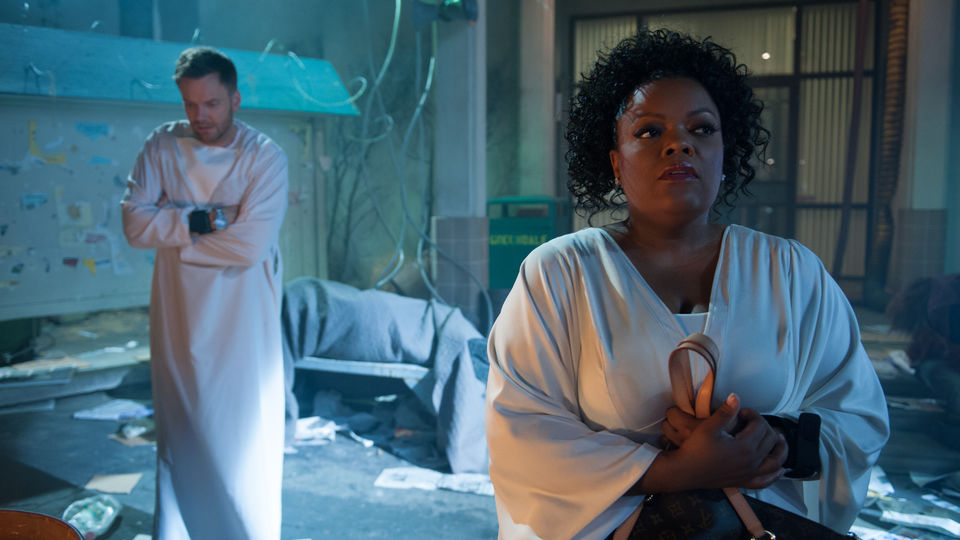
Community - Season 5That’s when all the dystopian imagery comes into play. The school is then rezoned based on people’s rating and everyone is forced to dress accordingly. The fives live in pastel covered room, wear white robes and futuristic looking devices, and are waited on hand and foot. Four’s dress like something out of Logan’s Run and live in the halls adjacent to them, where they aspire to become fives.

Threes and Two live in the “common area” where things are darkly lit, everyone dresses in grey coveralls, and the voice of dean informs them over the PA that “tranquility is advancement… a happy three is a future four”. And one’s are banished to the “outland”, which is the campus grounds that have now been redecorated with barbed wire, search lights, and fires in metal drums.
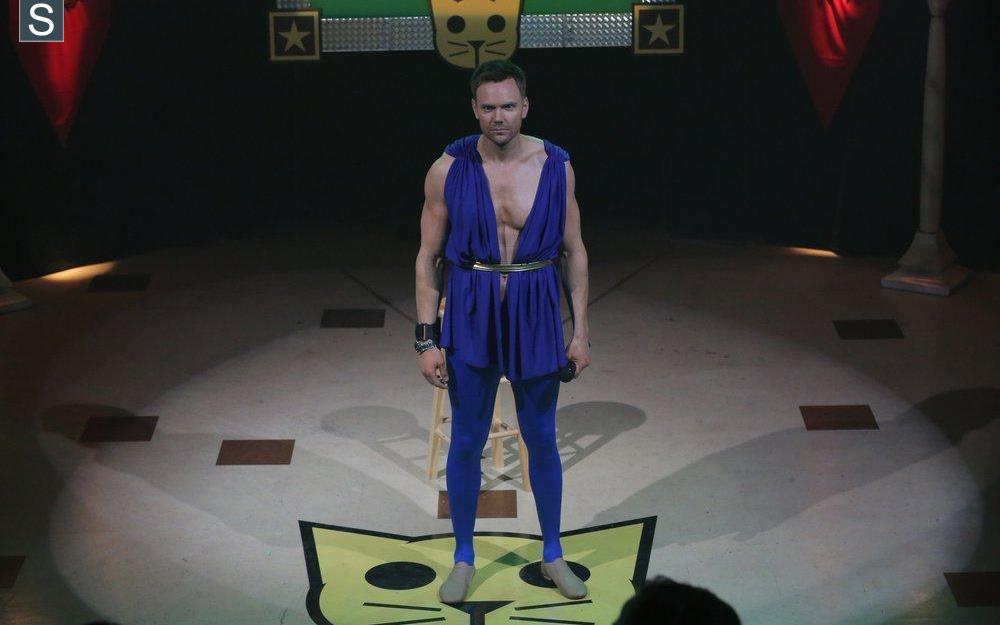
community_app2Eventually, the Fives try to appease the masses by holding a talent contest where the winner will receive Five status. Jeff and Britta, two of the show’s MCs plot to bring it down by getting Jeff to win and then denounce the rating system. But after he wins the contest – which is a clear allusion to American Idol and so many other reality TV tropes – he joins the Fives and tries to become its new leader.

Meanwhile, Britta – disillusioned by his betrayal – goes amongst the Twos and Threes and foments a revolution,  replacing the rule of the Fives with a system of revolutionary justice where the Ones run things. As the leader, she is called “the Mother of Ones”, and judges all the fives by “reducing them to Oneness” – i.e. reducing their status to make them the same as everyone else.
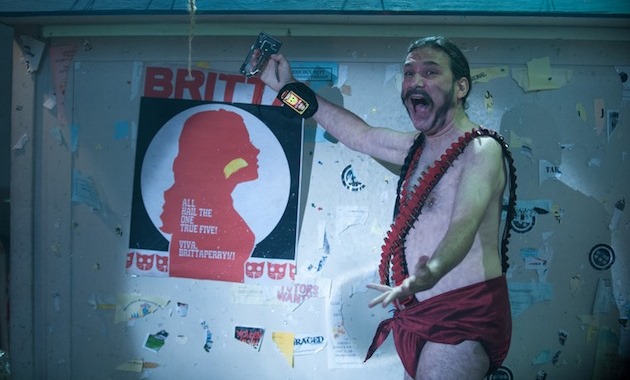
??????????????????????????????????????????????????????????????????????????????????????????????????????????????But in the end, Jeff points out the cruel irony that the app developers have played on them. It asks people to rate each other, but the beta test ended days ago and the app itself is already available and rated FIVE STARS. He tells everyone that they must rate this “unregistered Five” by erasing it, and they all do. Realizing it’s Saturday, everyone then leaves school and goes home to sleep.

I tell ya, it was brilliant! Not only did it capture the essence of so many 20th century dystopian epics – showing how a hierarchical system based on fear, greed, the promise of advancement and propaganda can so easily take over. It also captured the very dangers of a revolutionary movement which seeks to replace such a system with one of forced equality, led by a tyrannical mother/father figure.

we_zamyatinIt also managed to provide some fitting satire on reality TV, the very way it conforms to some of our earlier dystopian predictions, and how the drive to be popular and famous is responsible for a great deal of angst in America and the world. Top all that off with some stabs at Zuckerberg, Facebook, and social utility apps in general, and you’ve got yourself a kickass episode!

And at one point, there’s was even a subtle reference to Yevgeny Zamyatin’s WE, the classic novel that inspired Orwell to write 1984 and presumably, Huxley to write Brave New World (though he denied it). At one point, two of the show’s characters are hiding in an office, and label that reads D-503 is on the door. This just happens to be the designation of the main character in WE, as no one in the One State has actual names anymore.

This is the reason I love this show. Dan Harmon, the show’s producer, knows great television, has great writers, and loves being all meta! In fact, that’s something they repeatedly say in the show: “that’s meta!” If you haven’t caught this show yet, then do so. It stars Chevy Chase (until the most recent season), is on Netflix (Canada, but not in the US), and makes hundreds of clever movie and television references.

The Future of 3D Printing: Exoskeletons and Limbs

???????????????????????3-D printing is leading to a revolution in manufacturing, and the list of applications grows with each passing day. But more important is the way it is coming together with other fields of research to make breakthroughs  more affordable and accessible. Nowhere is this more true than in the fields of robotics and medicine, where printing techniques are producing a new generation of bionic and mind-controlled prosthetics.

For example, 3D Systems (a an additive manufacturing company) and EksoBionics (a company specializing in bionic prosthetic devices) recently partnered to produce the new “bespoke” exoskeleton that will restore ambulatory ability to paraplegics. The prototype was custom made for a woman named Amanda Boxtel, who was paralyzed in 1992 from a tragic skiing accident.

3d_amanda2Designers from 3D Systems began by scanning her body, digitizing the contours of her spine, thighs, and shins; a process that helped them mold the robotic suit to her needs and specifications. They then combined the suit with a set of mechanical actuators and controls made by EksoBionics. The result, said 3D Systems, is the first-ever “bespoke” exoskeleton.

Intrinsic to the partnership between 3D Systems and EksoBionics was the common goal of finding a way to fit the exoskeleton comfortably to Boxtel’s body. One of the greatest challenges with exosuits and prosthetic devices is finding ways to avoid the hard parts bumping into “bony prominences,” such as the knobs on the wrists and ankles. These areas as not only sensitive, but prolonged exposure to hard surfaces can lead to a slew of health problems, given time.

3d-printed-ekso-suit-frontAs Scott Summit, the senior director for functional design at 3D Systems, explained it,:

[Such body parts] don’t want a hard surface touching them. We had to be very specific with the design so we never had 3D-printed parts bumping into bony prominences, which can lead to abrasions [and bruising].

One problem that the designers faced in this case was that a paralyzed person like Boxtel often can’t know that bruising is happening because they can’t feel it. This is dangerous because undetected bruises or abrasions can become infected. In addition, because 3D-printing allows the creation of very fine details, Boxtel’s suit was designed to allow her skin to breathe, meaning she can walk around without sweating too much.

3d_amandaThe process of creating the 3D-printed robotic suit lasted about three months, starting when Summit and 3D Systems CEO Avi Reichenthal met Boxtel during a visit to EksoBionics. Boxtel is one of ten EksoBionics “test pilots”, and the exoskeleton was already designed to attach to the body very loosely with Velcro straps, with an adjustable fit. But it wasn’t yet tailored to fit her alone.

That’s where 3D Systems came into play, by using a special 3D scanning system to create the custom underlying geometry that would be used to make the parts that attach to the exoskeleton. As Boxtel put it:

When the robot becomes the enabling device to take every step for the rest of your life. the connection between the body and the robot is everything. So our goal is to enhance the quality of that connection so the robot becomes more symbiotic.

3D_DudleyAnd human beings aren’t the only ones who are able to take advantage of this marriage between 3-D printing and biomedicine. Not surprisingly, animals are reaping the benefits of all the latest technological breakthroughs in these fields as well, as evidenced by the little duck named Dudley from the K911 animal rescue service in Sicamous, Canada.

Not too long ago, Dudley lost a leg when a chicken in the same pen mauled him. But thanks to a 3-D printed leg design, especially made for him, he can now walk again. It was created by Terence Loring of 3 Pillar Designs, a company that specializes in 3D-printing architectural prototypes. After hearing of Dudley’s plight through a friend, he decided to see what he could do to help.

3D_buttercupfootUnlike a previous printed limb, the printed foot that was fashioned for Buttercup the Duck, Loring sought to create an entire limb that could move. The first limb he designed had a jointed construction, and was fully 3D-printed in plastic. Unfortunately, the leg broke the moment Dudley pit it on, forcing Loring to go back to the drawing board for a one-piece printed from softer plastic.

The subsequent leg he created had no joints and could bend on its own. And when Dudley put it on, he started walking straight away and without hesitation. Issues remain to be solved, like how to prevent friction sores – a problem that Mike Garey (who designed Buttercup’s new foot) solved with a silicone sock and prosthetic gel liner.

3D_Dudley2Nevertheless, Dudley is nothing if not as happy as a duck in a pond, and it seems very likely that any remaining issues will be ironed out in time. In fact, one can expect that veterinary medicine will fully benefit from the wide range of 3D printed prosthetic devices and even bionic limbs as advancement and research continues to produce new and exciting possibilities.

And in the meantime, enjoy the following videos which show both Amanda Boxtel and Dudley the duck enjoying their new devices and the ways in which they help bring mobility back to their worlds:


Amanda Boxtel taking her first steps in 22 years:


Dudley the duck walking again:


Sources: news.cnet.com, (2), (3), 3dsystems.com, 3pillardesigns.com

Breaking Moore’s Law: Graphene Nanoribbons

^Ask a technician or a computer science major, and they will likely tell you that the next great leap in computing will only come once Moore’s Law is overcome. This law, which states that the number of transistors on a single chip doubles every 18 months to two years, is proceeding towards a bottleneck. For decades, CPUs and computer chips have been getting smaller, but they are fast approaching their physical limitations.

One of the central problems arising from the Moore’s Law bottleneck has to do with the materials we used to create microchips. Short of continued miniaturization, there is simply no way to keep placing more and more components on a microchip. And copper wires can only be miniaturized so much before they lose the ability to conduct electricity effectively.

graphene_ribbons1This has led scientists and engineers to propose that new materials be used, and graphene appears to be the current favorite. And researchers at the University of California at Berkeley are busy working on a form of so-called nanoribbon graphene that could increase the density of transistors on a computer chip by as much as 10,000 times.

Graphene, for those who don’t know, is a miracle material that is basically a sheet of carbon only one layer of atoms thick. This two-dimensional physical configuration gives it some incredible properties, like extreme electrical conductivity at room temperature. Researchers have been working on producing high quality sheets of the material, but nanoribbons ask more of science than it can currently deliver.

graphene_ribbonsWork on nanoribbons over the past decade has revolved around using lasers to carefully sculpt ribbons 10 or 20 atoms wide from larger sheets of graphene. On the scale of billionths of an inch, that calls for incredible precision. If the makers are even a few carbon atoms off, it can completely alter the properties of the ribbon, preventing it from working as a semiconductor at room temperature.

Alas, Berkeley chemist Felix Fischer thinks he might have found a solution. Rather than carving ribbons out of larger sheets like a sculptor, Fischer has begun creating nanoribbons from carbon atoms using a chemical process. Basically, he’s working on a new way to produce graphene that happens to already be in the right configuration for nanoribbons.

graphene-solarHe begins by synthesizing rings of carbon atoms similar in structure to benzene, then heats the molecules to encourage them to form a long chain. A second heating step strips away most of the hydrogen atoms, freeing up the carbon to form bonds in a honeycomb-like graphene structure. This process allows Fischer and his colleagues to control where each atom of carbon goes in the final nanoribbon.

On the scale Fischer is making them, graphene nanoribbons could be capable of transporting electrons thousands of times faster than a traditional copper conductor. They could also be packed very close together since a single ribbon is 1/10,000th the thickness of a human hair. Thus, if the process is perfected and scaled up, everything from CPUs to storage technology could be much faster and smaller.

Sources: extremetech.com

News from Space: Crimean Crisis Highlights US Dependence

crimean_crisis3The crisis in the Crimea continues, with Russia and the Ukraine threatening military action and the US and its western allies threatening sanctions. In addition to anxieties about the likelihood of war and the conflict spilling over into other regions, the crisis has served to highlight other possible global repercussions. And interestingly enough, some of them have to do with the current balance of space exploration and research.

In essence, every aspect of the manned and unmanned US space program – including NASA, other government agencies, private aerospace company’s and crucially important US national security payloads – is highly dependent on Russian & Ukrainian rocketry. Thus, all of the US space exploration and launches are potentially at risk amidst the current crisis.

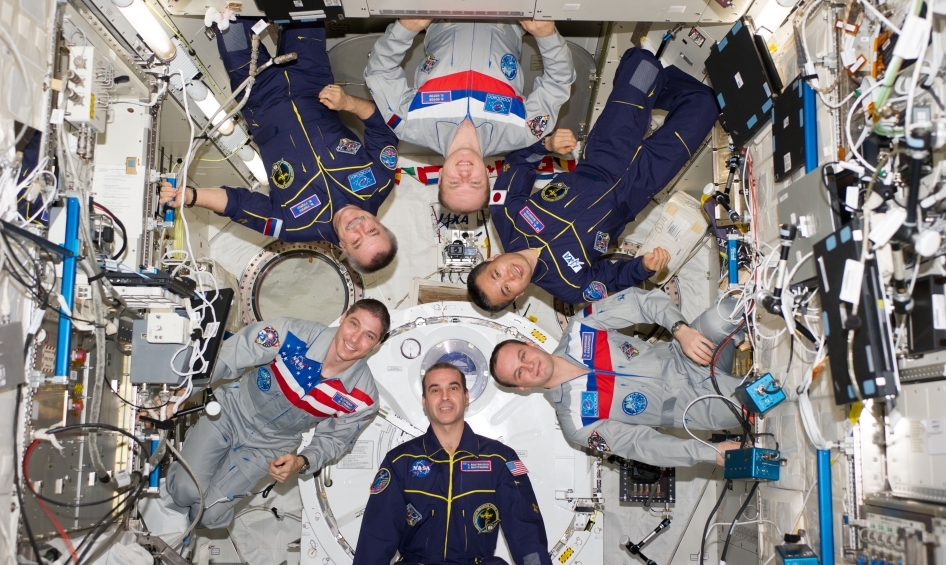
SoyuzCompared to the possibility of an outbreak of war that could engulf the Eurasian triangle, this hardly seems terribly consequential. But alas, quite a few people stand to suffer from seeing all rockets grounded in the Ukraine and Russia as a result of the current climate. Consider the ISS, which is entirely dependent on Earth-based rockets for resupply and personnel rotation.

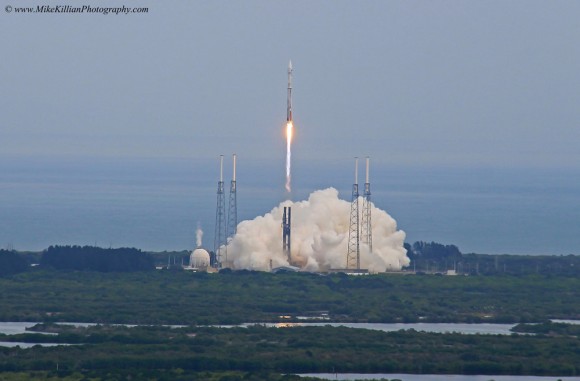
As it stands, astronauts on the International Space Station (ISS) ride to space and back on regularly scheduled launches, and each new rocket carried fresh supplies of food and equipment. The Atlas V and Antares rockets, plus critical U.S. spy satellites that provide vital, real time intelligence, are just some of the programs that may be in peril if events deteriorate, or worse yet, spin out of control.

ISSThe threat to intelligence gathering operations would be especially critical, since it would hamper efforts to monitor the crisis. In short, the Crimean confrontation and all the threats and counter threats of armed conflicts and economic sanctions shines a spotlight on US vulnerabilities regarding space exploration, private industry and US national security programs, missions, satellites and rockets.

But the consequences of escalating tensions would hardly be felt by only one side. Despite what some may think, the US, Russian and Ukrainian space programs, assets and booster rockets are inextricably intertwined and interdependent, and all would suffer if anything were to shut it down. For instance, some 15 nations maintain participation and funding to keep the ISS and its programs running.

ISS_crewAnd since the forced retirement of NASA’s space shuttle program in 2011, America has been dependent on Russia for its human spaceflight capability. ISS missions are most often crewed by American astronauts and Russian cosmonauts. And under the most recent contract, the US pays Russia $70 million per Soyuz seat, and both they and the Ukraine’s space programs are dependent on this ongoing level of investment.

The fastest and most cost effective path to restore America’s human spaceflight capability to low Earth orbit and the ISS is through NASA’s Commercial Crew Program (CCP) seeking to develop private ‘space taxis’ with Boeing, SpaceX and Sierra Nevada. But until such time as long-term funding can be guaranteed, the current arrangement will persist.

maven_launchWhen NASA Administrator Chales Bolden was asked about contingencies at a briefing yesterday, March 4, he responded that everything is OK for now:

Right now, everything is normal in our relationship with the Russians. Missions up and down are on target… People lose track of the fact that we have occupied the International Space Station now for 13 consecutive years uninterrupted, and that has been through multiple international crises… I don’t think it’s an insignificant fact that we are starting to see a number of people with the idea that the International Space Station be nominated for the Nobel Peace Prize.

At the same time, he urged Congress to fully fund CCP and avoid still more delays:

Let me be clear about one thing. The choice here is between fully funding the request to bring space launches back to the US or continuing millions in subsidies to the Russians. It’s that simple. The Obama administration chooses investing in America, and we believe Congress will choose this course as well.

spacex-dragon-capsule-grabbed-by-iss-canadarm-640x424At a US Senate appropriations subcommittee hearing on Defense, which was held yesterday to address national security issues, SpaceX CEO Elon Musk underscored the crucial differences in availability between the Falcon 9 and Atlas V in this excerpt from his testimony:

In light of Russia’s de facto annexation of the Ukraine’s Crimea region and the formal severing of military ties, the Atlas V cannot possibly be described as providing “assured access to space” for our nation when supply of the main engine depends on President Putin’s permission.

So, continuing operations of the ISS and US National Security are potentially held hostage to the whims of Russian President Vladimir Putin. And given that Russia has threatened to retaliate with sanctions of its own against the West, the likelihood that space exploration will suffer is likely.

?????????????????????????????????????????????????????????????????????????????????????????????????????????????????????????????????????????????????????????????????????????????????????????????????????????????????????????????????????????????????????????????????????????????????????????????????????????????????????????????????????????????????????????????????????????????????????????????????????????????????The Crimean crisis is without a doubt the most dangerous East-West conflict since the end of the Cold War. Right now no one knows the future outcome of the crisis in Crimea. Diplomats are talking but some limited military assets on both sides are reportedly on the move today.

Star Wars – The Old Republic: Movie Shorts

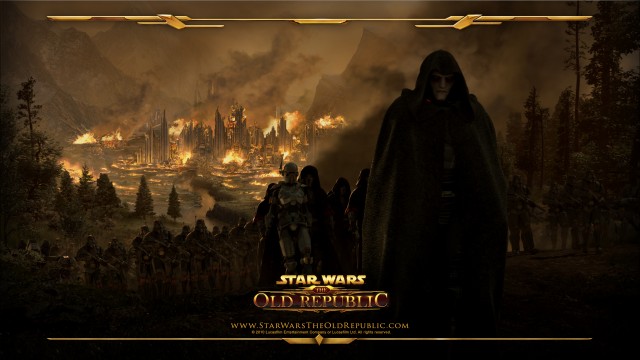
Star-Wars-The-Old-Republic-640x360It seems I’m always behind on these things! Yesterday, I came across this video entirely by accident, and realized it was one of the many movie shorts that certain parties had used to create a fan trailer for the upcoming Star Wars VII movie. Basically, its the intro movie for the MMORPG Star Wars: The Old Republic, and is a whole lot of eye-popping action porn!

A trailer which included all three SWTOR movies – The Return, Hope, and Deceived –  it has all the Star Wars action staples. These include Jedis and Sith battling it out with lighstabers, the smuggler with a Corellian ship, droids and armored soldiers fighting it out with blasters and detonators, and space-borne dogfights. And of course, the entire thing takes place to a classic John Williams score. Enjoy the movie!

Star Wars Tapestry Unveiled!

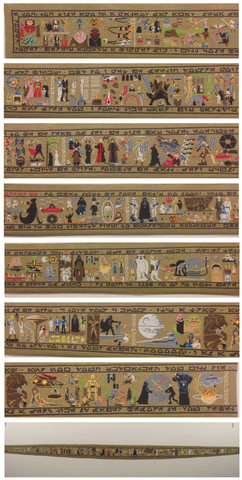
star-wars-prequelsFans of Star Wars are often able to pride themselves on their ability to recount the entire story, scene for scene and even word for word. But artist Aled Lewis took it  step further and hand-stitched a continuous tapestry. The creation process took six months, involved creating each scene on his laptop, and then transferring it in pixel format onto cloth and cross-stitching it in detail.

It is called “The Coruscant Tapestry”, a hand-stitched, 30 foot cotton thread illustration printed on Klostern fabric. The tapestry depicts the memorable moments from the “Star Wars” movies – from “A New Hope” to the way to “Revenge of the Sith” – in a way that is similar in style to that of The Bayeux Tapestry, which tells of the events that led to the Norman conquest of England.

starwars_tapestry1Click on the image above to get a closer look at the tapestry. And if you are in the area the awe-inspiring artwork is on display at Gallery 1988 in Los Angeles, and available to buy for just $20,000. I know, seems like a lot to spend on something pop-culture related; but then again, I’m not a collector!

Source: news.cnet.com

News from Mars: Updates on Panspermia Theory

PanspermiaFor centuries now, scientists have been toying with the idea that the origins of life may owe a great deal to space borne debris. And with ongoing research in the past few years, the link between Earth and Mars have become increasingly convincing. And a new bit of research out of the University of Hawaii has provided yet another piece of the puzzle by suggesting solar wind plays a major role.

Solar wind – the stream of charged particles consisting mostly of naked protons called H+ ions – permeate our Solar System because they are periodically ejected from the sun. The University paper shows that in an airless environment, typical space rocks will react with impacting protons to create tiny vesicles of water, thus allowing water and organic molecules to travel through space in tandem.

asteroid_earthInterestingly, the paper comes soon after NASA released evidence that Mars once sported a fair amount of water in the past, and that this water is sometimes found in unexpected places. The finding that water can be generated within dry space rocks, coupled with the fact that space rocks are known to deliver organic compounds to the surface of the Earth, is yet another indication that Earth and Mars might be linked.

Other recent papers have suggested that life’s important molecules arrived intact from Mars – a primitive version of RNA is one major proposed molecular stow-away – but these researchers claim only that “complex organic molecules” came from somewhere else in space. Complex organic compounds and liquid water, in conjunction, could theoretically provide the potential for non-living material to come alive.

Comet1One important aspect of this idea is that it focuses on small particles of material, rather than comets. Prior research has looked to such large bodies as the carriers of life and the drivers of the chemistry that created it, due to their energetic impacts. It’s been suggested that the earliest living things were cobbled together from high-energy molecules that couldn’t exist unless their synthesis was driven by massive astronomical impacts.

This more passive, dust-based explanation seems to fit well with the known history of the Earth, which predicts there was a high level of dust flux in the period before life began to flourish. In addition, the theory could help explain how in the predominantly shadowy areas of the Moon – another airless silicate body – unexpectedly high levels of water have been detected.

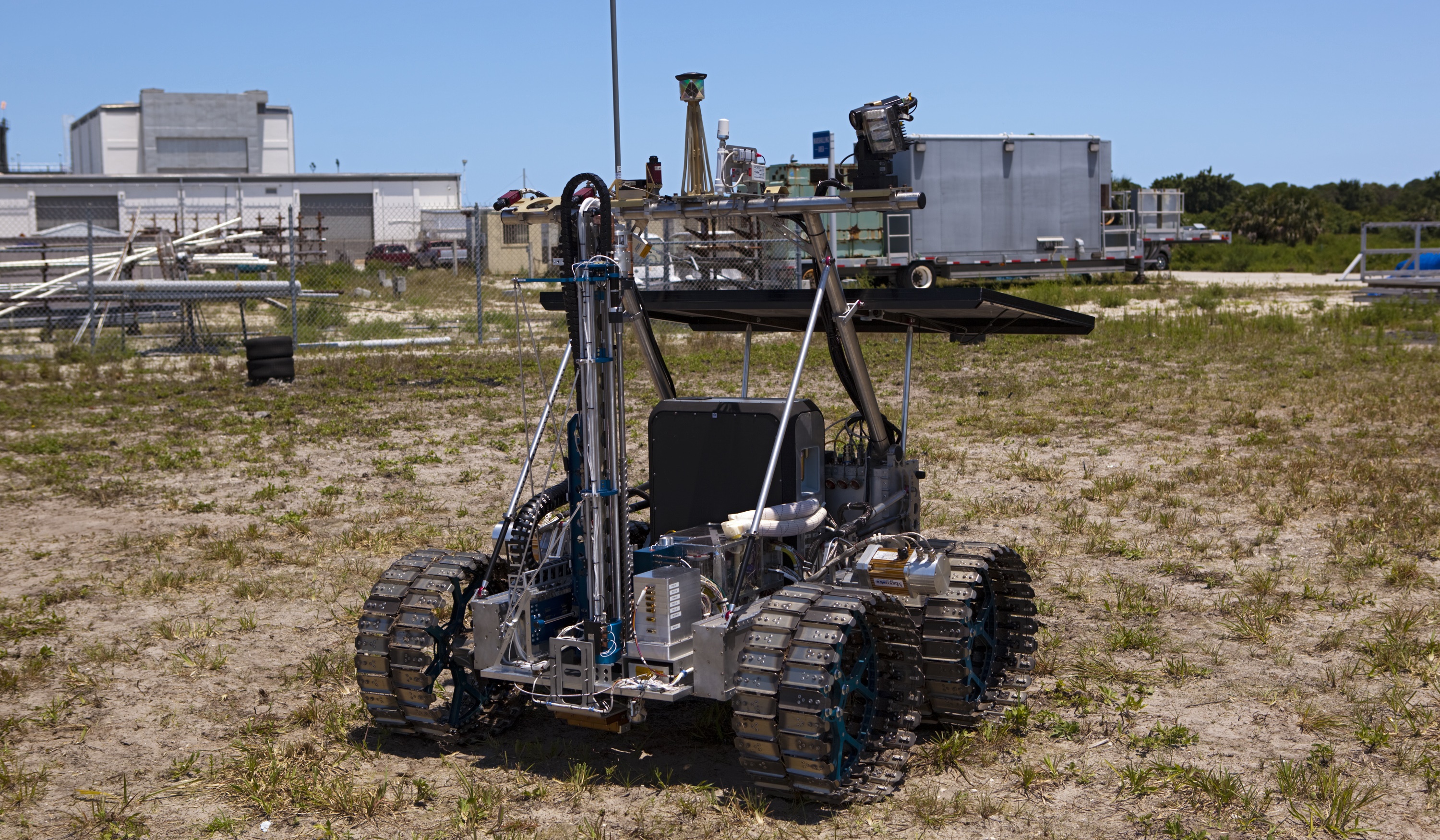
resolve_roverNASA has plans to launch RESOLVE (Regolith and Environment Science and Oxygen & Lunar Volatile Extraction) in 2018 to collect and analyze ice samples and use them to look back into just that sort of astronomical history. Large quantities of water are thought to have arrived on the Moon via impacting comets, but this research suggests that at least some of it could have been created on the Moon itself.

All of this is of extreme importance to discovering how life began on Earth, mainly because scientists are still unsure of what makes the process complete. For instance, evolutionary theory can adequately explain how a bacterium becomes a protist that becomes an animal, but it cannot explain how a pile of non-living molecules ever became a living cell.

panspermia2Evidence seems to be mounting that, whether it was seeded with dust or fused into existence by huge asteroid impacts, life on Earth needed a kickstart in its earliest days. Interestingly, Earth’s atmosphere and the abundance of messy lifeforms on its surface could mean that Earth is the single worst place to search for such evidence.

The Moon or Mars, by contrast, are perfect environments for preserving evidence of the past given their dry and airless nature. And with ongoing research into both planets and our scientific knowledge of them expanding apace, whatever role they may have played in kickstarting life on Earth may finally be learned. This could come in handy if ever we need to do a little kickstarting of our own…

Source: extremetech.com

The Walking Dead – Season Four, Episode 12

The-Walking-Dead-season-4-wallpapers-7And we’re back with another episode of the Walking Dead with just four more episodes to go before the season finale! And in another lovely act of double-entendreness, the episode was named “Still”, which seems to allude to all the dead bodies laying about, the story of Daryl and Beth’s will to survive, and the moonshiner operation they raid so Beth can finally get drunk.

And of course, the episode focuses exclusively on these two, avoiding any further development where Abraham, Rosita, and Eugene’s introduction is concerned, the different group’s journey towards the mysterious “Terminus”, or their eventual reunification. Yeah, this week was all about Beth and Daryl and was basically a pacing episode.

So let’s get going and wrap this piece of enjoyable filler up so we can get back on track for next week!

Still:
wd4_12_4The episode opens with Beth and Daryl still in the wilderness, desperately looking for food, shelter, and the other survivors. After spending the night hiding inside the trunk of a car and waiting for a horde of Walkers to move on, they set camp and enjoy a meal of firepit cooked snake. Beth then decides she needs a “real drink” and decides to head off and look for alcohol.

It’s not long before she runs into some Walkers and Daryl is forced to come retrieve her. After leading her back to the camp, she is outraged and claims that she is going off alone is she must. Daryle reluctantly accompanied her and they find their way to a country club and begin to look around. Inside, they find numerous people who committed suicide, but since came back.

WD4_12_0While Beth looks for alcohol, Daryl busies himself collecting money, jewelry, and anything they can eat or burn. They come across several Walkers, and Beth loses the only bottle of wine she could find and her change of clothes are stained with gore. Finally, they come to the bar where the only thing left is a bottle of peach schnapps. Beth begins to cry before she can drink, and Daryl smashes the bottle.

Leading her to a cabin he sees he and Michonne found, he opens up the still and procures several bottles of moonshine. They head inside and secure the place, and Beth begins to drink. She invites Daryl to join and they begin to play “I never”, which becomes an excuse for them to open up to each other. Eventually, Daryl tires of it and begins ranting.

WD4_12_1His outburst attracts a Walker, and he pins it to a tree with several arrows. Eventually, Beth stabs it in the head, and the two begin to argue about all they lost and how things will never be the same again. Daryle finally breaks down and admits that he blames himself for the way things ended at the prison. Beth hugs him, and the two spend the rest of the night talking.

During the night, Daryl finally tells her what he was before things turned – apparently, he and Merle were just drifters. Beth admits that she misses everyone and how she hoped her father’s remaining days would have been quiet. She also tells Daryl that she thinks he will be the last man standing, that he must put his past behind him, and suggest they burn the cabin down.

wd4_12_5They douse the place with the remaining moonshine, and using a stack of bills Daryl took from the country club as a torch, set fire to the cabin and leave it behind. They flip the burning mess the bird, and then head off into the night when they see Walkers approaching…

Summary:
Like I said already, this was a pacing episode, which just about always translates to tangents, asides, character development and assorted filler. Nevertheless, it was enjoyable. I thought Daryl and Beth were both well portrayed, their performances believable and appropriate, and the ending was especially poignant and powerful for me.

Though I must admit, at this point in the show I am getting a bit tired of the repetitive messages – the whole “we can’t lose hope or all is lost”, or the “I don’t care anymore. Oh wait – yes I do!” stuff. It is one of the central, overriding themes of the story and it’s a good one, but it’s well established at this point. And it does kind of feel like it’s something they go back to whenever they feel the need for pacing or a bottle episode.

But aside from that, I felt they got the title of the episode wrong. Sure, Still is yet another clever double-entendre, alluding to the pain of remaining alive in the face of so much death and the moonshine-producing apparatus itself. But for me, the real essence of this episode came across in the way that everything they found to help them forget ended up being destroyed.

Think about it. Beth wants to get drunk and forget, and this brings them to the country club. There, she finds some alcohol and a nice change of clothes. But its not long before the clothes are ruined and the bottles are used for self-defense or smashed out of anger. They find the cabin and the moonshine, but then decide to destroy them because they need to blow off steam and forget all the death.

To me, a more fitting title would have been “This is why we can’t have nice things”. We can’t have nice clothes because they might get ruined. We can’t party because it will put our lives in danger. We can’t have shelter because it reminds us of our pasts. This is what it is like living in the zombie post-apocalypse people! Life is grim, unfun, and uncouth!

In any case, that’s twelve down and four to go! Hopefully, next week, we’ll see some more development on the whole “We got to get to DC” verus “We gotta find the others and/or go to this ‘Terminus’ place we keep hearing about”. Until then!

Vote for Gliese 581g to be Renamed “Yuva”

alien-worldPeople who follow this blog may recall how, recently, I posted a story about Uwingu, a non-profit organization that sells the naming rights to exoplanets and (now) Martian craters. Well, as I explained in that last post, it’s not so much a matter of naming rights as naming suggestions, ones which are then voted on and then made into a crowdsourced map of an extra-terrestrial planet or the stars.

Far from this being some kind of scam or false promise, Uwingu does this in order to spur public participation in space exploration, and uses half of the proceeds to fund scientific research. After reading up on what they do and what the process for it all is, I began to think it might be fun for my writer’s group to pitch a suggestion of their own.

gliese_581gFor some time, we’ve been working on the Yuva Anthology – a series of shorts that tell the story of a future colonization effort on Gliese 581g. Not only is the planet real, but it was considered by NASA to be the most Earth-like exoplanet yet discovered in the known universe. So naturally I wondered, what if we voted to name it Yuva?

And now it’s been done! Uwingu has received my suggestion (and payment for the transaction), and printed me out the certification of authorization that you see below. Now all we need is people willing to spend $0.99 to make it a reality. Simply click here, select the name Yuva from the list, and confirm your payment of ninety-nine cents – but only if you’re comfortable doing so of course.

Uwingu_Certificate_19840Also, for those who’ve got a pile of digital currency just burning a hole in their accounts, be advised that you can vote as many times as you want. As the saying goes “vote early, vote often!” Just keep in mind that have to pay $0.99 each time you do. Unlike naming rights, there’s no bulk discount to be had here. That seem right to you?

Thank you in advance to anyone who supports this project and helps to make it a reality! And I do sincerely hope myself and my group can get the anthology out by this summer. It’s been a long haul, and coordinating the efforts of over a dozen writers is difficult at the best of times! Until next time, keep your eyes on the stars!

The Future is Here: Google Glass for the Battlefield

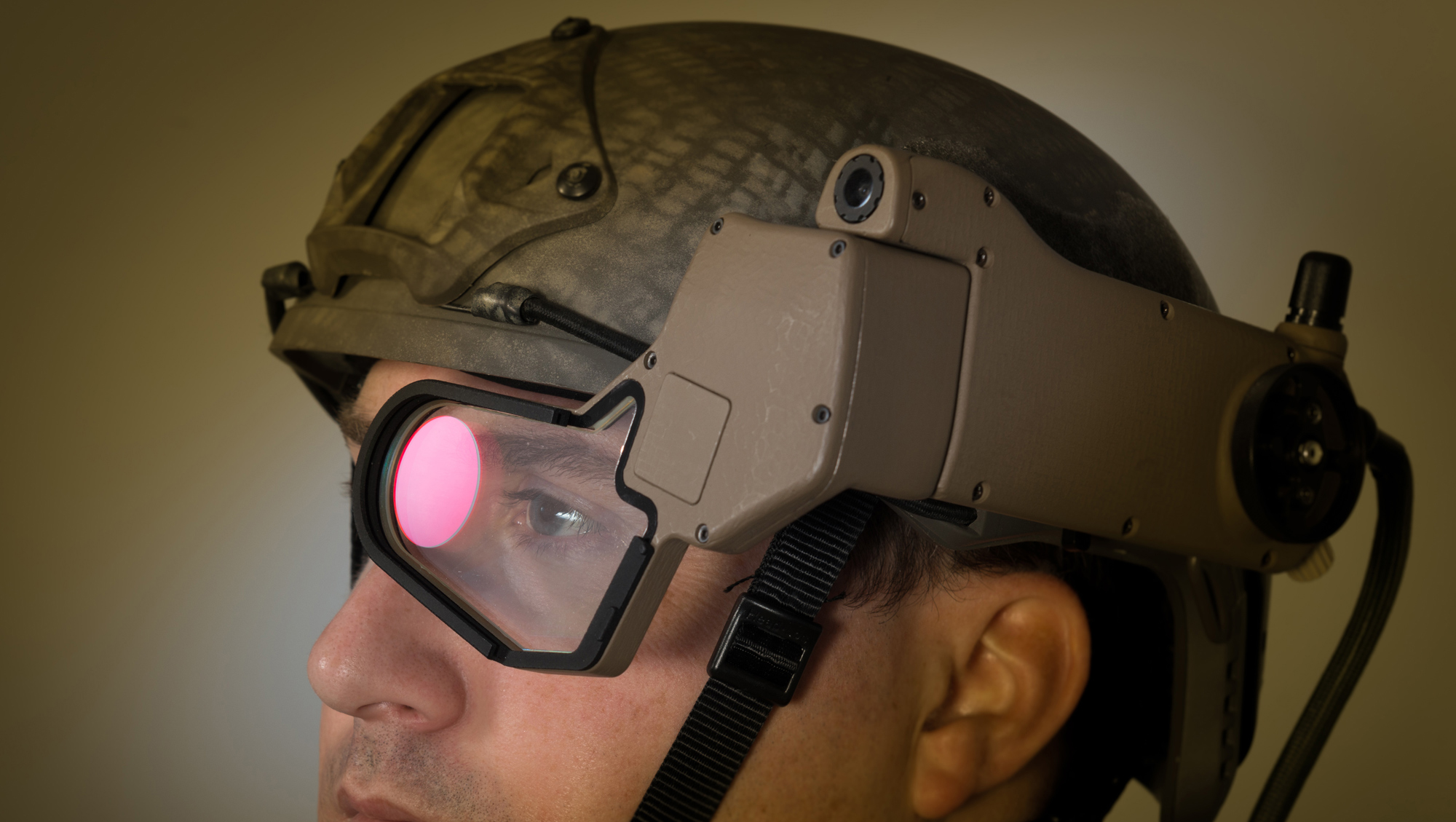
q-warrior see through displayWearing a Google Glass headset in public may get you called a “hipster”, “poser”, and (my personal favorite) “glasshole”. But not surprisingly, armies around the world are looking to turn portable displays into a reality. Combined with powered armor, and computer-assisted aiming, display glasses are part of just about every advanced nation’s Future Soldier program.

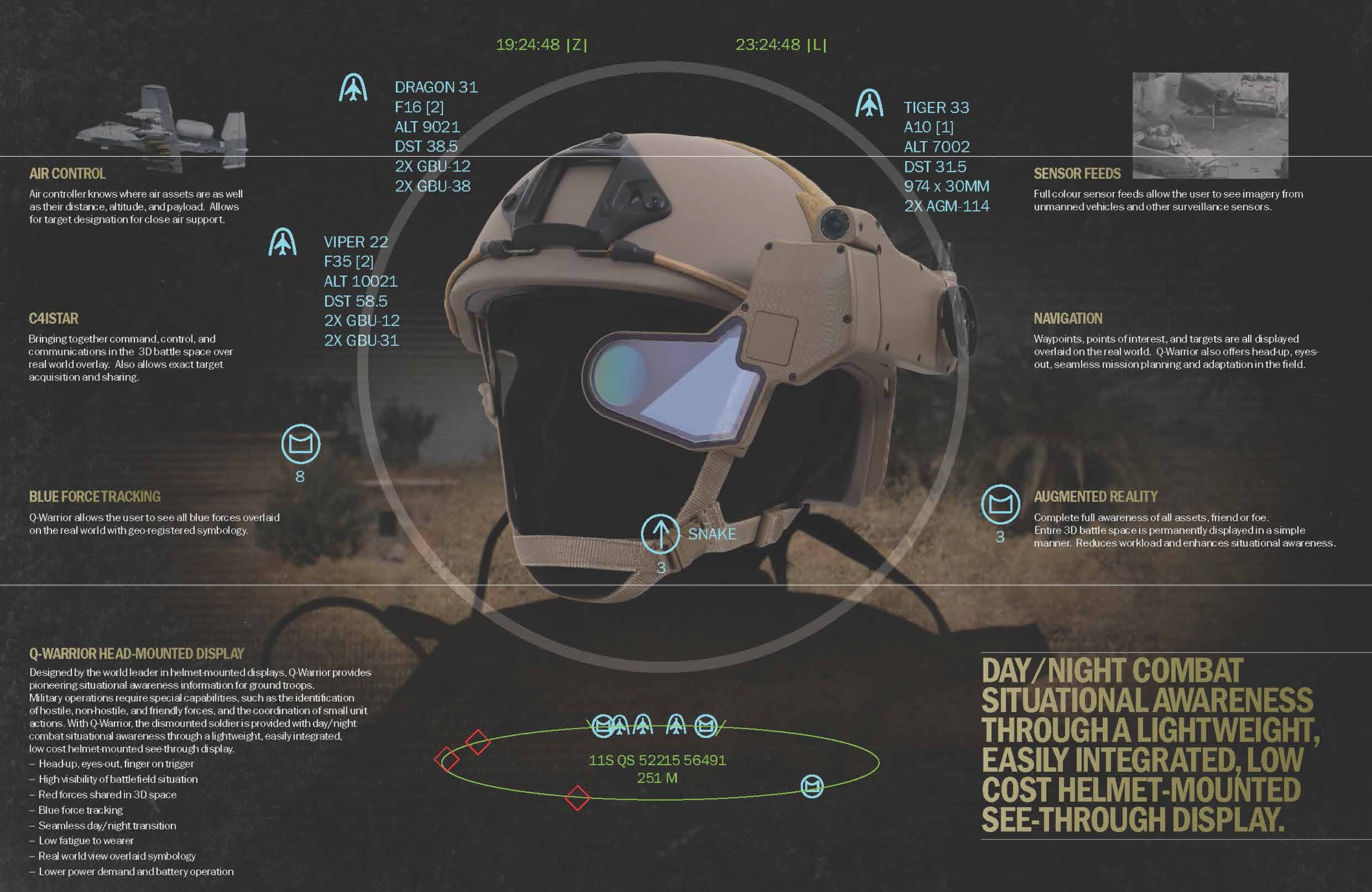
Q-Warrior is one such example, the latest version of helmet-mounted display technology from BAE Systems’ Q-Sight line. The 3D heads-up display provides full-color, high resolution images and overlays data and a video stream over the soldier’s view of the real world. In short, it is designed to provide soldiers in the field with rapid, real-time “situational awareness”.

q-warrior1The Q-Warrior also includes enhanced night vision, waypoints and routing information, the ability to identify hostile and non-hostile forces, track personnel and assets, and coordinate small unit actions. As Paul Wright, the soldier systems business development lead at BAE Systems’ Electronic Systems, said in a recent statement:

Q-Warrior increases the user’s situational awareness by providing the potential to display ‘eyes-out’ information to the user, including textual information, warnings and threats. The biggest demand, in the short term at least, will be in roles where the early adoption of situational awareness technology offers a defined advantage.

The display is being considered for use as part of the Army Tactical Assault Light Operator Suit (TALOS) system, a powered exoskeleton with liquid armor capable of stopping bullets and the ability to apply wound-sealing foam that is currently under development.

q-warrior2As Lt. Col. Karl Borjes, a U.S. Army Research, Development and Engineering Command (RDECOM) science adviser, said in a statement:

[The] requirement is a comprehensive family of systems in a combat armor suit where we bring together an exoskeleton with innovative armor, displays for power monitoring, health monitoring, and integrating a weapon into that — a whole bunch of stuff that RDECOM is playing heavily in.

The device is likely to be used by non-traditional military units with reconnaissance roles, such as Forward Air Controllers/Joint Tactical Aircraft Controllers (JTACS) or with Special Forces during counter terrorist tasks. The next level of adoption could be light role troops such as airborne forces or marines, where technical systems and aggression help to overcome their lighter equipment.

iron_man_HUDMore and more, the life in the military is beginning to imitate art – in this case, Iron Man or Starship Troopers (the novel, not the movie). In addition to powered exoskeletons and heads-up-displays, concepts that are currently in development include battlefield robots, autonomous aircraft and ships, and even direct-energy weapons.

And of course, BAE Systems was sure to make a promotional video, showcasing the concept and technology behind it. And be sure to go by the company’s website for additional footage, photos and descriptions of the Q-Warrior system. Check it out below:


Sources: wired.com, baesystems.com