Robots have been making quite the stir in the news lately. And no, that’s not a delicious pun on the robotic bartender – aka. the Makr Shakr, it’s just a frank appraisal of the leap and bounds by which robots and their integration to society is proceeding. Between developing machines that can imitate human movements, human facial expressions, and carry out specialized tasks, it appears that we may actually be on the verge on a world where robots are a common feature.
Just a few days ago, DARPA and Boston Dynamics unveiled their most anthropomorphic robot to date – the Atlas Robot. And this came less than a month after the Global Future 2045 conference took place in Moscow, where Geminoid robot clones – so realistic that they were virtually indistinguishable from their human counterparts – were put on display. And yet, it seems that the Singularitarians and roboticists of the world were not yet finished for the season.
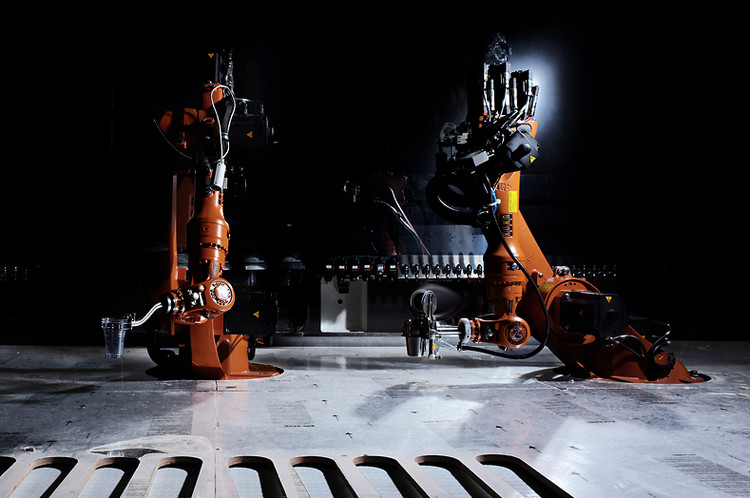
Now it appears that there is a robotic arm that is capable of performing another highly-specialized task: painting. Created by a team at the University of Konstanz in Germany, the E-David is capable of performing the artistic variety of painting, not the kind which involves spraying enamel onto car frames – something robots have been doing for decades, much to the chagrin of auto workers.
Granted, it is not capable of “artistic inspiration”, but instead takes a picture of what it wants to copy and takes it from there. What’s more, it e-David doesn’t require programming directions that tell it how to paint, relying instead on a concept known as “visual optimization” to make its own decisions. After each brush stroke, e-David takes a picture, and its software calculates where the next stroke needs to fall, what colors are needed, and whether it needs to be lighter or darker, etc.
In short, e-David can do the time-consuming and often monotonous task of reproducing original works of art, or cleaning them up, but cannot create someone all on its own. Now lets all join the artists of the world in breathing a collective sigh of relief. The team of university researchers described the e-David’s “process” in a release in which they stated:
We equipped a standard robot with all necessary means for painting. Five different brushes can be used, color can be selected from a repository with 24 colors, brushes can be cleaned, and colors can be distributed precisely on the canvas. The machine watches itself while painting and decides independently where to add new strokes. This way, paintings are created that are not completely defined by the programmer, but are the result of a visual optimization process.
While E-David isn’t the first robot capable of painting, it is in a class by itself when it comes to the quality of the images it creates. Much like the supercomputer Iamus that composed classical music which was performed by the London Symphony Orchestra and recorded on an album, it is impossible to tell when looking at the finished product if the paintings were crafted by hand or machine. An interesting twist on the Turing Test, I think!
What’s next? A robot that can compose pop songs? I don’t think I can stand another version of “Friday”! And be sure to enjoy this video of e-David at work:
Judgement Day has come early this year! At least that’s the impression I got when I took a look at this new DARPA prototype for a future robotic infantryman. With its anthropomorphic frame, servomotors and cables, sensor-clustered face, and the shining lights on its chest, this machine just screams Terminator! Yet surprisingly, it is being developed to help humans beings. Yeah, that’s what they said about Skynet, right before it nuked us!
Yes, this 6-foot, 330-pound robot, which was unveiled this past Thursday, was in fact designed as a testbed humanoid for disaster response. Designed to carry tools and tackle rough terrain, this robot – and those like it – are intended to operate in hazardous or disaster-stricken areas, assisting in rescue efforts and performing tasks that would ordinarily endanger the lives of human workers.
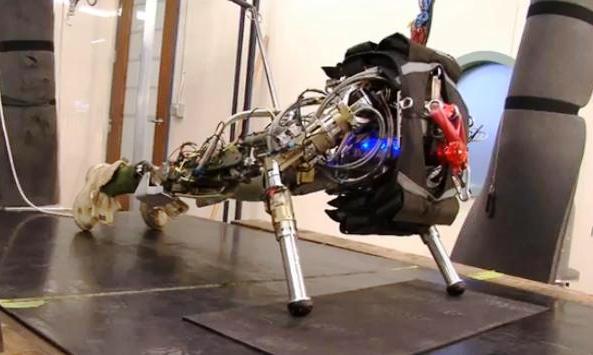
Funded by DARPA as part of their Robotics Challenge, the robot was developed by Boston Dynamics, the same people who brought you the AlphaDog – aka the Legged Squad Support System (LS3, pictured above) – and the Petman soldier robot. The former was developed as an all-terrain quadruped robot that could as an infantry-support vehicle by carrying a squad’s heavy ordinance over rough terrain.
The latter, like Atlas, was developed as testbed to see just how anthropomorphic a robot can be – i.e. whether or not it could move, run and jump with fluidity rather than awkward “robot” movements, and handle different surfaces. Some of you may recall seeing a video or two of it doing pushups and running on a treadmill back in 2011.
Alas, Atlas represents something vastly different and more complex than these other two machines. It was designed to not only walk and carry things, but can travel over rough terrain and climb using its hands and feet. Its head includes stereo cameras and a laser range finder to help it navigate its environment.
And, as Boston Dynamics claimed in a press release, the bot also possesses “sensate hands” that are capable of using human tools, and “28 hydraulically actuated degrees of freedom”. Its only weakness, at present, is the electrical power supply it is tethered to. But other than that, it is the most “human” robot – purely in terms physical capabilities – to date. Not only that, but it also looks pretty badass when seen in this full-profile pic, doesn’t it?
The DARPA Robotics Challenge is designed to help evolve machines that can cope with disasters and hazardous environments like nuclear power plant accidents. The seven teams currently in the challenge will get their own Atlas bot and then program it until December, when trials will be held at the Homestead Miami Speedway in Florida – where they will be presented with a series of challenges.
In the meantime, check out the video below of the Atlas robot as it demonstrates it full range of motion while busting a move! Then tell me if the robot is any less frightening to you. Can’t help but look at the full-length picture and imagine a plasma cannon in its hands, can you?
When it comes to modern research and development, biomimetics appear to be the order of the day. By imitating the function of biological organisms, researchers seek to improve the function of machinery to the point that it can be integrated into human bodies. Already, researchers have unveiled devices that can do the job of organs, or bionic limbs that use the wearer’s nerve signals or thoughts to initiate motion.
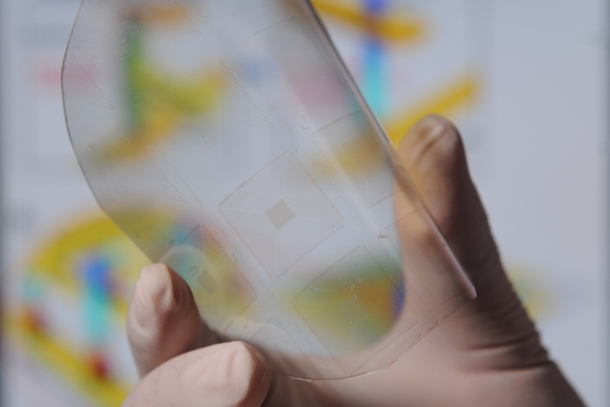
But what of machinery that can actually send signals back to the user, registering pressure and stimulation? That’s what researchers from the University of Georgia have been working on of late, and it has inspired them to create a device that can do the job of the largest human organ of them all – our skin. Back in April, they announced that they had successfully created a brand of “smart skin” that is sensitive enough to rival the real thing.
In essence, the skin is a transparent, flexible arrays that uses 8000 touch-sensitive transistors (aka. taxels) that emit electricity when agitated. Each of these comprises a bundle of some 1,500 zinc oxide nanowires, which connect to electrodes via a thin layer of gold, enabling the arrays to pick up on changes in pressure as low as 10 kilopascals, which is what human skin can detect.
Mimicking the sense of touch electronically has long been the dream researchers, and has been accomplished by measuring changes in resistance. But the team at Georgia Tech experimented with a different approach, measuring tiny polarization changes when piezoelectric materials such as zinc oxide are placed under mechanical stress. In these transistors, then, piezoelectric charges control the flow of current through the nanowires.
In a recent news release, lead author Zhong Lin Wang of Georgia Tech’s School of Materials Science and Engineering said:
Any mechanical motion, such as the movement of arms or the fingers of a robot, could be translated to control signals. This could make artificial skin smarter and more like the human skin. It would allow the skin to feel activity on the surface.
This, when integrated to prosthetics or even robots, will allow the user to experience the sensation of touch when using their bionic limbs. But the range of possibilities extends beyond that. As Wang explained:
This is a fundamentally new technology that allows us to control electronic devices directly using mechanical agitation. This could be used in a broad range of areas, including robotics, MEMS, human-computer interfaces, and other areas that involve mechanical deformation.
Not the first time that bionic limbs have come equipped with electrodes to enable sensation. In fact, the robotic hand designed by Silvestro Micera of the Ecole Polytechnique Federale de Lausanne in Switzerland seeks to do the same thing. Using electrodes that connect from the fingertips, palm and index finger to the wearer’s arm nerves, the device registers pressure and tension in order to help them better interact with their environment.
Building on these two efforts, it is easy to get a glimpse of what future prosthetic devices will look like. In all likelihood, they will be skin-colored and covered with a soft “dermal” layer that is studded with thousands of sensors. This way, the wearer will be able to register sensations – everything from pressure to changes in temperature and perhaps even injury – from every corner of their hand.
As usual, the technology may have military uses, since the Defense Advanced Research Projects Agency (DARPA) is involved. For that matter, so is the U.S. Air Force, the U.S. Department of Energy, the National Science Foundation, and the Knowledge Innovation Program of the Chinese Academy of Sciences are all funding it. So don’t be too surprised if bots wearing a convincing suit of artificial skin start popping up in your neighborhood!
Robots have come a long way in recent years, haven’t they? From their humble beginnings, servicing human beings with menial tasks and replacing humans on the assembly line, they now appear poised to take over other, more complex tasks as well. Between private companies and DARPA-developed concepts, it seems like just a matter of time before a fully-functioning machine is capable of performing all our work for us.
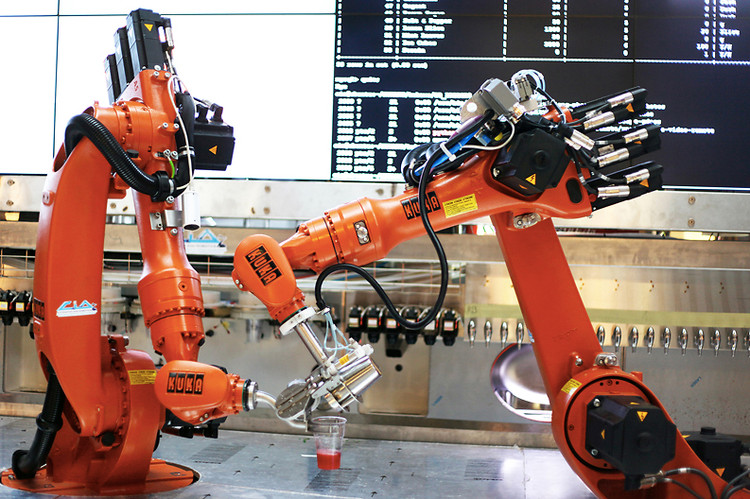
One such task-mastering robot was featured at the Milan Design Week this year, an event where fashion tales center stage. It’s known as the Makr Shakr, a set of robotic arms that are capable of mixing drinks, slicing fruit, and capable of making millions of different recipes. The result of a collaborative effort between MIT SENSEable City Lab and Carlo Ratti Associati, an Italian architecture firm, this robot is apparently able to match wits with any human bartender.
While at the Milan Design Week, the three robotic arms put on quite the show, demonstrating their abilities to a crowd of wowed spectators. According to the website, this technology is not just a bar aid, but part of a larger movement in robotics:
Makr Shakr aims to show the ‘Third Industrial Revolution’ paradigm through the simple process design-make-enjoy, and in just the time needed to prepare a new cocktail.
In a press release, the company described the process. It begins with the user downloading an app to create their order to the smartphone as well as peruse the recipes that other users have come up with. They then communicate the order to the Makr Shakr and “[the] cocktail is then crafted by three robotic arms, whose movements reproduce every action of a barman–from the shaking of a Martini to the muddling of a Mojito, and even the thin slicing of a lemon garnish.”
Inspired by the ballerina Roberto Bolle, whose “movements were filmed and used as input for the programming of the Makr Shakr robots”, the arms appear most graceful when they do their work. In addition, the design system monitors exactly how much booze each patron is consuming, which, in theory, could let the robot-bartenders know when it’s time to cut off designers who have thrown back a few too many.
Check out the video of the Makr Shakr in action:
Another major breakthrough comes, yet again, from DARPA. For years now, they have been working with numerous companies and design and research firms in order to create truly ambulatory and dextrous robot limbs. In some cases, as with the Legged Squad Support System (LS3), this involves creating a machine that can carry supplies and keep up with troops. In others, this involves the creation of robotic hands and limbs to help wounded veterans recover and lead normal lives again.
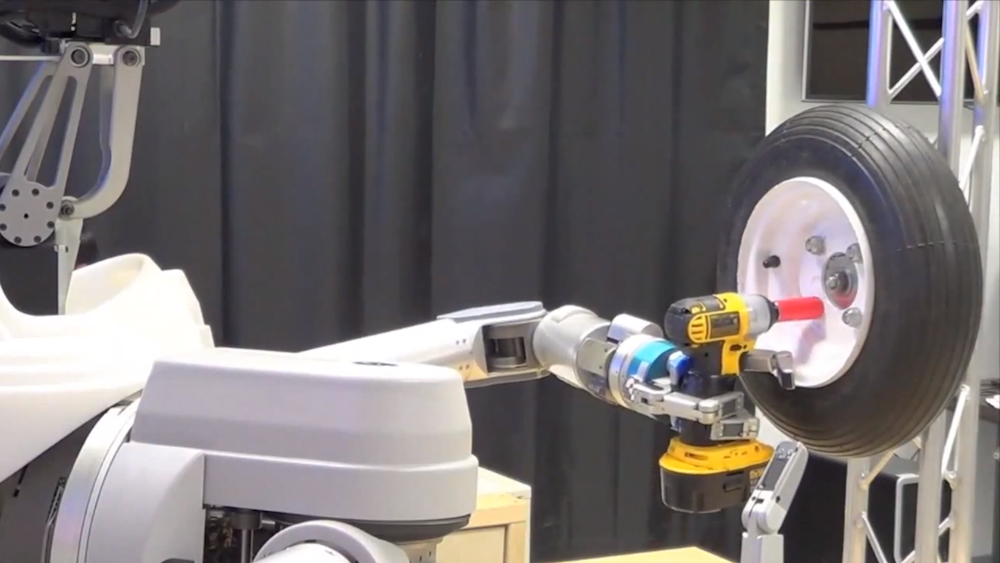
And you may recall earlier this year when DARPA unveiled a cheap design for a robotic hand that was able to use tools and perform complex tasks (like changing a tire). More recently, it showcased a design for a three-fingered robot, designed in conjunction with the firm iRobot – the makers of the robotic 3D printer – and with support from Harvard and Yale, that is capable of unlocking and opening doors. Kind of scary really…
The arm is the latest to come out of the Autonomous Robotic Manipulation (ARM) program, a program designed to create robots that are no longer expensive, cumbersome, and dependent on human operators. Using a Kinect to zero in on the object’s location before moving in to grab the item, the arm is capable of picking up thin objects lying flat, like a laminated card or key. In addition, the hand’s three-finger configuration is versatile, strong, and therefore capable of handling objects of varying size and complexity.
When put to the test (as shown in the video below), the hand was able to pick up a metal key, insert it into a lock, and open a door without any assistance. Naturally, a human operator is still required at this stage, but the use of a Kinect sensor to identify objects shows a degree of autonomous capability, and the software behind its programming is still in the early development phase.
And while the hand isn’t exactly cheap by everyday standards, the production cost has been dramatically reduced. Hands fabricated in batches of 1,000 or more can be produced for $3,000 per unit, which is substantially less than the current cost of $50,000 per unit for similar technology. And as usual, DARPA has its eye on future development, creating hands that would be used in hazardous situations – such as diffusing IEDs on the battlefield – as well as civilian and post-combat applications (i.e. prosthetics).
And of course, there’s a video for the ARM in action as well. Check it out, and then decide for yourself if you need to be scared yet:
Sleep is a preoccupation the vast majority of human beings simply cannot shake. Unlike those lucky few who seem to be able to get by on a few hours a night, most people require a good eight hours of rest to be able to work, play, and function properly. Given that so much of our lives are spent in sleep – a full third, if we’re lucky – it’s little wonder then why the science of sleeping continues to fascinate us and garner so much attention.
Just this past April, Yukiyasu Kamitani and his colleagues at the ATR Computational Neuroscience Laboratories in Kyoto, Japan, announced that they were close to realizing their goal of being able to visualize people’s dreams. By this, of course, they meant the ability to take what a person was seeing while in deep REM sleep and project it onto a screen.
The process relies on a functional magnetic resonance imaging (fMRI) device, which examines the flow of blood in the brain to monitor activity. Using this data, the team then managed to create an algorithm that they claim can accurately display in real time what images are appearing in the subject’s dream. This is the first time, it is believed, that objective data has been collected from dreams.
But of course, the concept is predicated on the idea that when you experience a thought, your brain behaves in a specific, repeatable function. Assuming that this much is true, then the results could very well be quantifiable and rendered. The technology has already been demonstrated to work with a fair degree of effectiveness, as shown as the 2011 experiment at the University of California, where subjects watched movie trailers and had the images they were watching reconstructed.
And while some researchers are working on seeing dreams, others are working to reduce the time we spend doing it. Yes, given the hectic pace people who live in the modern, industrialized world are now forced to live by, there are actually research teams out there looking to find ways – pharmaceutical and neurological – to reduce our dependency on sleep.
The purpose is simple, to increase the amount of time we have in which live, produce and enjoy ourselves not by living longer, but by increasing the efficiency of sleep so we can spend more of our lives awake. In an extended essay that is available at Aeon magazine, Jessa Gamble – a writer specializing in the science of sleep – explains how new technologies could make this a reality.
Such technologies include things like the Somneo Sleep Trainer, a special mask that is being developed by Advanced Brain Monitoring and DARPA to help US servicemen and women combat fatigue, sleep deprivation, and experience more restful sleeps when they take them. By using a device that combines an EEG monitor and a series of blue-LED lights to supress melatonin, the mask is able to restrict the wearer’s sleep to only the most restorative phases of sleep.
And then there is the technology of transcranial direct-current stimulation, which involves such devices as the tDCS headband. Here, an electrical current is sent through the sleep-important parts of the brain, specifically the dorsolateral prefrontal cortex. The mild stimulation augments awareness and allows subjects, according to Gamble, to “learn visual search skills at double the speed.” They also sleep better later on, with “briefer waking periods and longer deep-sleep sessions.”
A third potential technology that could be used is known as “transcranial magnetic stimulation” (TMS), a process which induces “slow-wave oscillations” in the brain, pushing the subject into a state of deep sleep in less time. Whereas the Somneo Sleep mask puts people into a lighter phase of sleep quicker, TMS will allow them to achieve a deeper state of sleep almost instantaneously. Add to that a better sleep cycle and better periods of wakefulness, and you’ve got what can only be described as “augmented sleep”.
But of course, this technology is being spearheaded for the sake of armed services, but has immense civilian applications as well. According to the CDC, roughly 30% of Americans live with less than adequate amounts of sleep, which drastically increases the risks of chronic disease. So realistically, this technology has the power to remediate the problem of those not getting enough sleep before it begins “enhancing” the sleep of others.
And I for one wonder where I might get myself a tCDS headband. While I have no intention of cutting down on the total number of hours I spend in the sack, I do like the idea of making the sleep I get more sound and my waking hours more wakeful. Then people can expect me to be a lot more productive. I know there have been some complaints about my output on this site lately 😉
Sepsis, a full-body inflammatory state caused by infection, is a notorious killer, being both deadly and difficult to treat. As it stands, doctors use broad-spectrum antibiotics that have only a limited chance of success, and a misdiagnosis can cost a patient vital time. For military personnel serving overseas, where conditions are difficult and medical treatment not always readily available, it is a particular problem.
Hence why DARPA has been keen on finding new treatment options and contracted the Wyss Institute at Harvard University to the tune of $9.25 million to find it for them. Their solution: the “Spleen-on-a-Chip” – a blood-cleaning device that acts much like a kidney dialysis machine. Blood goes out through one vein, and back through another, but the real key is the magnetic nano-beads coated in a protein that binds to bacteria, fungi, parasites, and some toxins.
With these impurities coated in microscopic metal beats, the blood then flows through micro-channels in the device where a magnet pulls the pathogens free, leaving the blood clean. The technique also takes out dead pathogens (killed by antibiotics) that can also cause inflammations, if there are enough of them. In this way, it not only removes the cause of sepsis, but one of the common side-effects of conventional treatment.
Don Ingber, director of Wyss Institute for Biologically Inspired Engineering at Harvard, described the benefits of their Spleen-on-a-chip:
The idea with this therapy is that you could use it right away without knowing the type of infection. You can remove pathogens and infections without triggering that whole cascade that gets worse and worse.
Since it mimics the effects of a real spleen, many have taken to calling it a “biospleen”, indicating that it is a genuine biomimetic device. At the present time, Ingber and his associates are testing it on rats, with the hope of expanding their trials to larger animals, like pigs. But given the limits of their funding, Ingder estimates that it will be a good five years before a serviceable model is available to the public.
By that time, however, the biospleen may be just one of several organs-on-a-chip available for purchase. The Wyss Institute is hardly alone in developing biomimetics, and their spleen is just on of many devices they are working on. Ingber and his associates are currently working on the lung-on-a-chip and a gut-on-a-chip, devices that are able to oxygenate blood and process food into useable energy.
These latter devices will come in very handy for people with emphysema or other respiratory diseases, and people suffering from digestive problems or stomach cancer. And while larger aim, says Ingber, is to raise the effectiveness of drug testing and improve understanding of how the body reacts to disease, the potential is far more astounding. Within a few decades, we may be capable of getting our hands on machines that can compensate for any kind of limitation imposed by disease or our biology.
It’s a biomimetic future, people – technology imitating biology for the sake of creating enhanced biology.
If the collapse of gun legislation in the US concerns you, fear not! Computer engineers at Vanderbilt University have developed a lightweight module that works in combination with a smartphone. This device, which about the size of a pack of cards, can pick up the “sonic signature” of a gun going off, and then sense shockwaves from the bullet. It sends the combined information to an Android phone, where it is plotted on a map.
So if you’re on the street and find yourself caught in the middle of a gang war, or are just randomly targeted by a sniper or gunman on a psychotic break, you will be able to pinpoint where the bullets are coming from. This should come in handy if you plan on returning fire. But if you’re planning on sitting tight and letting the police handle it, that’s good too. Chances are, they’ll have their own units on them, as will soldiers.
The device is essentially a commercialized version of military technology under development by DARPA. And aside from ordinary citizens, it’s likely to be picked up for use by bodyguards and the police. Earlier versions were tested with the US armed forces, but the team has since developed two versions of the device, one for commercial use that requires four units to located where a shooter is coming, and the militarized version that requires only two.
These and other subsequent versions are likely to be incorporated into all Future Force Warrior designs, giving soldiers the ability to detect where snipers and enemy combatants are shooting at them from. These are likely to come handy in densely populated areas, or in areas where insurgents and guerrillas constitute the majority of enemy combatants – as has been the case in Iraq and Afghanistan.
Granted, a far easier solution would solution would be to get the guns off the streets. But seeing as how that’s not likely to happen anytime soon, due in large part to the powerful pro-gun lobby in Washington, people may want to invest in some of these boxes. After all, if there’s a lesson in the most recent deadlock, it is that citizens have the right to protect themselves. This way, they can do so without having to buy a hand gun, assault weapon, or body armor!
The field of robotic has been advancing by leaps and bounds in recent years, especially where robotic limbs and prosthetics are concerned. But until recently, cost has remained an issue. With top of the line bionic limbs – like the BeBionic which costs up to $35,000 = most amputees simply can’t afford them. Little surprise then why there are many efforts to create robotic limbs that are both cheaper and more accessible.
Last month, DARPA announced the creation of a robotic hand that could perform complex tasks, and which was made using cheap electronic components. And then there’s Robohand, the online group that creates 3D-printed robotic hands for children with a free, open-source 3D-printing pattern available on Thingiverse for people who wish to make their own.
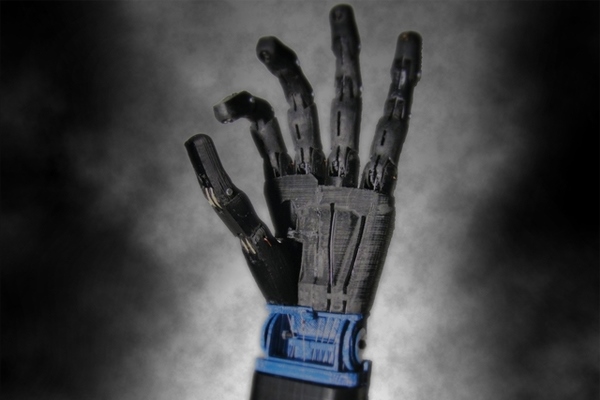
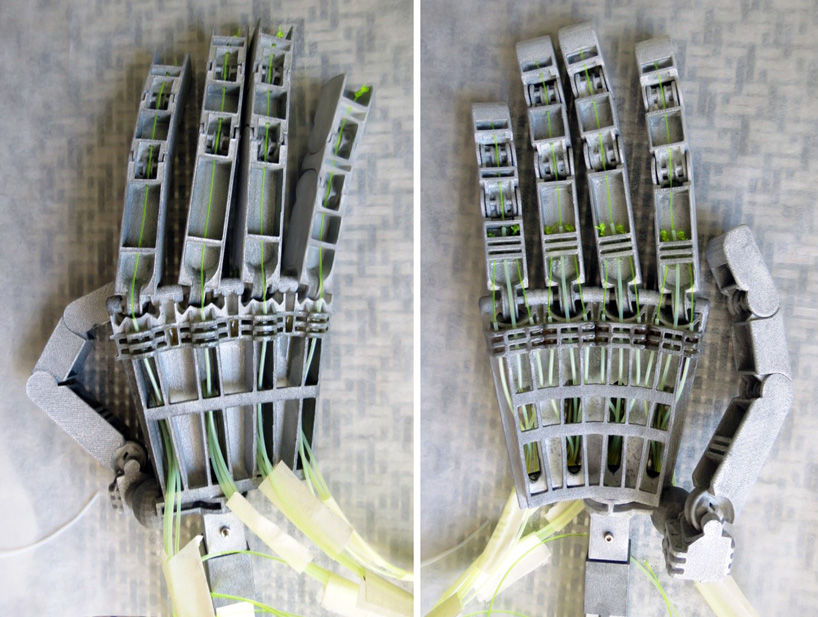
And now, Christopher Chappell of the U.K. wants to do take things a step further with his “Anthromod”. Using Kickstarter, a crowdfunding website, he has started a campaign for a 3D-printed robotic hand that is a little bit more sophisticated than the Robohand, but would cost around $450. In short, the proposed design offers the ambulatory ability of a bionic limb, but at a cost that is far more affordable.
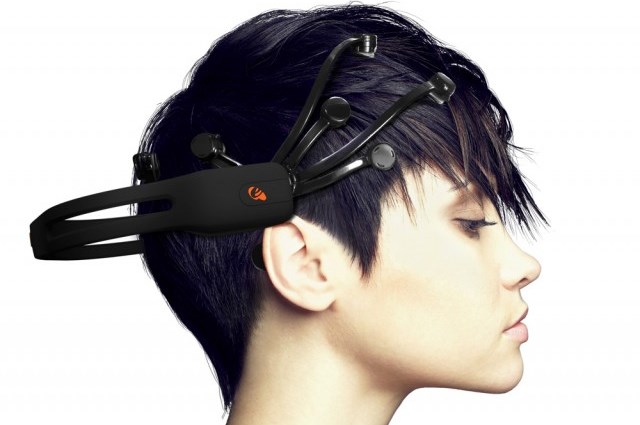
To break it down, the arm uses a tendon system of elastic bands with the movement being provided by five Hobby Servos, which are in turn built out of off-the-shelf electronics. Wearers will be able to move all four of the units fingers, thumb and wrist, once the sensors have been calibrated, and the software to control the hand and EEG sensors is available online for free. This all adds up to a unit that is not only more affordable, but easy to assemble, repair and maintain.
On their Kickstarter page, Chappell describes his campaign and their long-term goals:
Our Kickstarter campaign is to develop a humanoid robotic hand and arm that is of far lower cost than any other available. We believe that this will open up robotics to a far wider market of makers and researchers than has ever been possible. This should then trigger an explosion of creativity in the areas of robotics, telepresence and ultimately prosthetics.
Much like the InMoov, a 3D printed android with limited function, the Anthromod represents an age of robotics that are accessible to the public. And with time, its not hard to imagine an entire line of enhancements and robotics, such as household servants and cybernetic components, that could be manufactured in-house, provided you’re willing to shell out the money for a industrial-sized 3D printer!
To check out the Anthromod website, click here. And be sure to check out the video below of their hand in action.
Note: As of this article’s writing, Chappell and his colleagues passed their goal of £10,000 and reached a whopping total of £12,086 (18,808 dollars US). Congratulations folks!
As if robotics weren’t advancing fast enough, what with robotic astronauts or androids that can be 3D printed, it seems that DARPA has developed a robotic hand that can perform complex, dextrous tasks. But to make matters worse, this particular robot can be cheaply produced. Up until now, cost has remained a factor in the creation of robotic limbs that are capable of matching human skill. But from now on, we could very well be seeing robots replacing skilled labor on all fronts!
As we’re all no doubt aware, one of the key differences between humans and other mammals is the use of tools. These not only allowed our earliest ancestors the ability to alter their environment and overcome their disadvantages when faced with larger, deadlier creatures. They also allowed homo sapiens as a species to gain the upper hand against other species of hominids, those who’s brains and hands were not as developed as our own.
So what happens when a robot is capable of matching a human being when it comes to a complicated task – say, like changing a tire – and at a cost most businesses can afford? To add insult to injury, the robot was able to conduct this task using tools specifically designed for a human being. But of course, the purpose was not to demonstrate that a robot could replace a human worker, but that it was possible to create more dextrous prosthetics for the sake of replacing lost limbs.
Ordinarily, such machinery would run a person a good $10,000, but DARPA’s new design is estimated at a comparatively modest $3000. This was made possible by the use of consumer-grade tech in the construction process, such as cameras from cellphones. And in addition to being able to work with tools, the robot can perform more intricate maneuvers, such as handling an object as small as a set of tweezers.
However, DARPA was also quick to point out that the robot shown in the video featured below is actually an older model. Since its creation, they have set their sights on loftier goals than simple tool use, such as a robot that can identify and defuse Improvised Explosive Devices (IEDs). Much like many of their robotic projects, such as the Legged Squad Support System (LS3), this is part of DARPA’s commitment to developing robots that will assist future generations in the US army.
So if you’re a member of a pit crew, you can rest easy for now. You’re job is safe… for the moment. But if you’re a member of a bomb squad, you might be facing some robotic competition in the near future. Who knows, maybe that’s a good thing. No one likes to be replaced, but if you’re facing a ticking bomb, I think most people would be happier if the robot handled it!
And in the meantime, check out the video of the robotic hand in action:
Back in January, National Geographic Magazine celebrated its 125th anniversary. In honor of this occasion, they released a special issue which commemorated the past 125 years of human exploration and looked ahead at what the future might hold. As I sat in the doctor’s office, waiting on a prescription for antibiotics to combat my awful cold, I found myself terribly inspired by the article.
So naturally, once I got home, I looked up the article and its source material and got to work. The issue of exploration, especially the future thereof, is not something I can ever pass up! So for the next few minutes (or hours, depending on how much you like to nurse a read), I present you with some possible scenarios about the coming age of deep space exploration.
Suffice it to say, National Geographic’s appraisal of the future of space travel was informative and hit on all the right subjects for me. When one considers the sheer distances involved, not to mention the amount of time, energy, and resources it would take to allow people to get there, the question of reaching into the next great frontier poses a great deal of questions and challenges.
Already, NASA, Earth’s various space agencies and even private companies have several ideas in the works or returning to the Moon, going to Mars, and to the Asteroid Belt. These include the SLS (Space Launch System), the re-purposed and upgraded version of the Saturn V rocket which took the Apollo astronauts to the Moon. Years from now, it may even be taking crews to Mars, which is slated for 2030.
And when it comes to settling the Moon, Mars, and turning the Asteroid Belt into our primary source of mineral extraction and manufacturing, these same agencies, and a number of private corporations are all invested in getting it done. SpaceX is busy testing its reusable-launch rocket, known as the Grasshopper, in the hopes of making space flight more affordable. And NASA and the ESA are perfecting a process known as “sintering” to turn Moon regolith into bases and asteroids into manufactured goods.
Meanwhile, Virgin Galactic, Reaction Engines and Golden Spike are planning to make commercial trips into space and to the Moon possible within a few years time. And with companies like Deep Space Industries and Google-backed Planetary Resources prospeting asteroids and planning expeditions, it’s only a matter of time before everything from Earth to the Jovian is being explored and claimed for our human use.
Space Colony by Stephan Martiniere
But when it comes to deep-space exploration, the stuff that would take us to the outer reaches of the Solar System and beyond, that’s where things get tricky and pretty speculative. Ideas have been on the table for some time, since the last great Space Race forced scientists to consider the long-term and come up with proposed ways of closing the gap between Earth and the stars. But to this day, they remain a scholarly footnote, conceptual and not yet realizable.
But as we embark of a renewed era of space exploration, where the stuff of science fiction is quickly becoming the stuff of science fact, these old ideas are being dusted off, paired up with newer concepts, and seriously considered. While they might not be feasible at the moment, who know what tomorrow holds? From the issues of propulsion, to housing, to cost and time expenditures, the human race is once again taking a serious look at extra-Solar exploration.
And here are some of the top contenders for the “Final Frontier”:
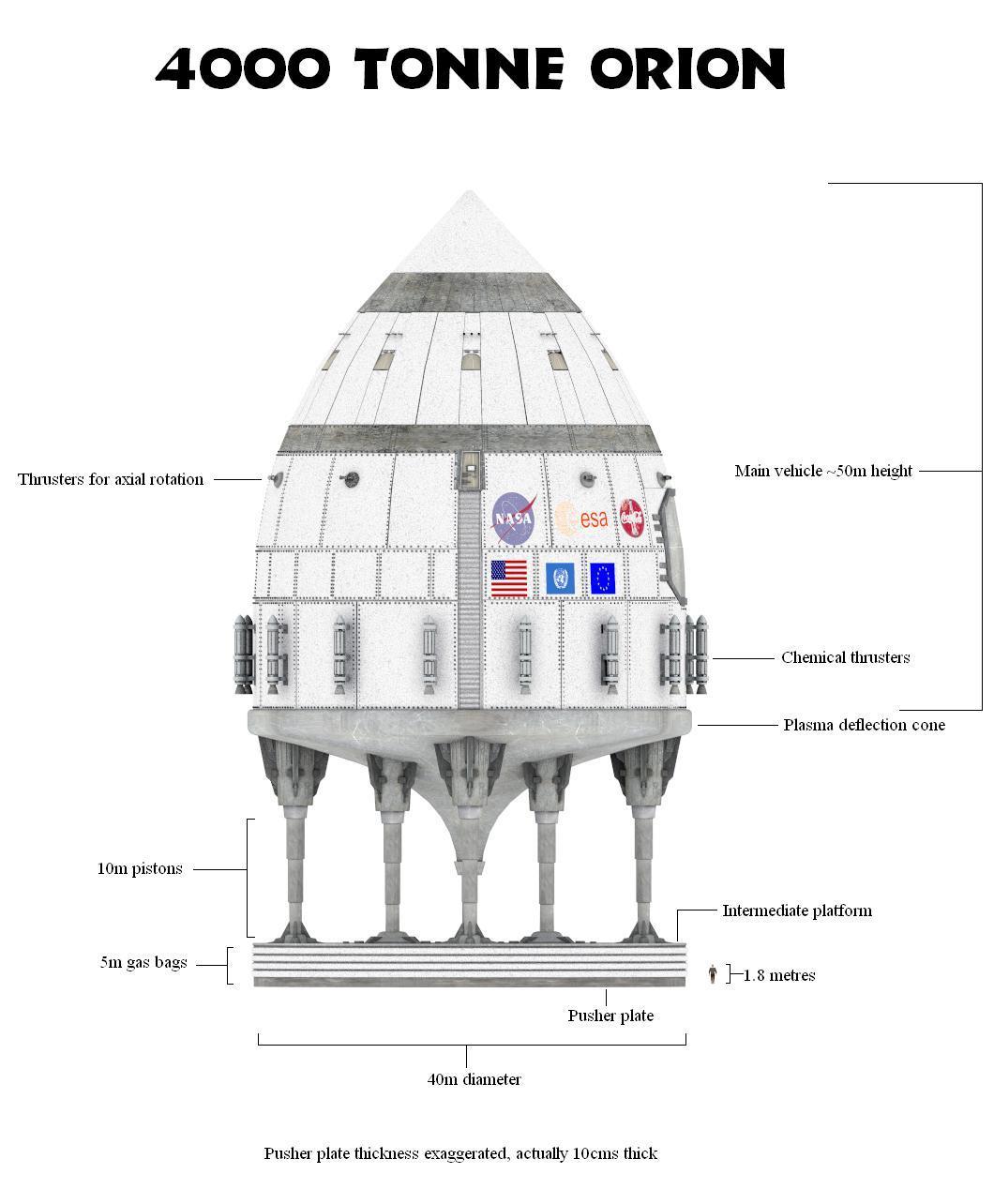
Nuclear Propulsion: The concept of using nuclear bombs (no joke) to propel a spacecraft was first proposed in 1946 by Stanislaw Ulam, a Polish-American mathematician who participated in the Manhattan Project. Preliminary calculations were then made by F. Reines and Ulam in 1947, and the actual project – known as Project Orion was initiated in 1958 and led by Ted Taylor at General Atomics and physicist Freeman Dyson from the Institute for Advanced Study in Princeton.
In short, the Orion design involves a large spacecraft with a high supply of thermonuclear warheads achieving propulsion by releasing a bomb behind it and then riding the detonation wave with the help of a rear-mounted pad called a “pusher”. After each blast, the explosive force is absorbed by this pusher pad, which then translates the thrust into forward momentum.
Though hardly elegant by modern standards, the proposed design offered a way of delivering the explosive (literally!) force necessary to propel a rocket over extreme distances, and solved the issue of how to utilize that force without containing it within the rocket itself. However, the drawbacks of this design are numerous and noticeable.
F0r starters, the ship itself is rather staggering in size, weighing in anywhere from 2000 to 8,000,000 tonnes, and the propulsion design releases a dangerous amount of radiation, and not just for the crew! If we are to rely on ships that utilize nuclear bombs to achieve thrust, we better find a course that will take them away from any inhabited or habitable areas. What’s more, the cost of producing a behemoth of this size (even the modest 2000 tonne version) is also staggering.
Antimatter Engine: Most science fiction authors who write about deep space exploration (at least those who want to be taken seriously) rely on anti-matter to power ships in their stories. This is no accident, since antimatter is the most potent fuel known to humanity right now. While tons of chemical fuel would be needed to propel a human mission to Mars, just tens of milligrams of antimatter, if properly harnessed, would be able to supply the requisite energy.
Fission and fusion reactions convert just a fraction of 1 percent of their mass into energy. But by combine matter with antimatter, its mirror twin, a reaction of 100 percent efficiency is achieved. For years, physicists at the CERN Laboratory in Geneva have been creating tiny quantities of antimatter by smashing subatomic particles together at near-light speeds. Given time and considerable investment, it is entirely possible this could be turned into a form of advanced propulsion.
In an antimatter rocket, a dose of antihydrogen would be mixed with an equal amount of hydrogen in a combustion chamber. The mutual annihilation of a half pound of each, for instance, would unleash more energy than a 10-megaton hydrogen bomb, along with a shower of subatomic particles called pions and muons. These particles, confined within a magnetic nozzle similar to the type necessary for a fission rocket, would fly out the back at one-third the speed of light.
However, there are natural drawback to this design as well. While a top speed of 33% the speed of light per rocket is very impressive, there’s the question of how much fuel will be needed. For example, while it would be nice to be able to reach Alpha Centauri – a mere 4.5 light years away – in 13.5 years instead of the 130 it would take using a nuclear rocket, the amount of antimatter needed would be immense.
No means exist to produce antimatter in such quantities right now, and the cost of building the kind of rocket required would be equally immense. Considerable refinements would therefore be needed and a sharp drop in the cost associated with building such a vessel before any of its kind could be deployed.
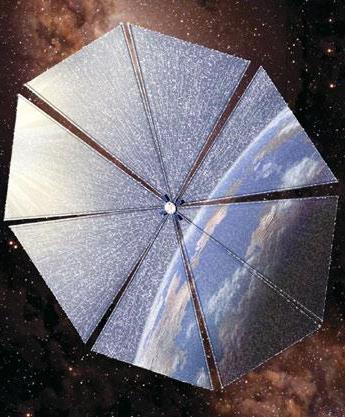
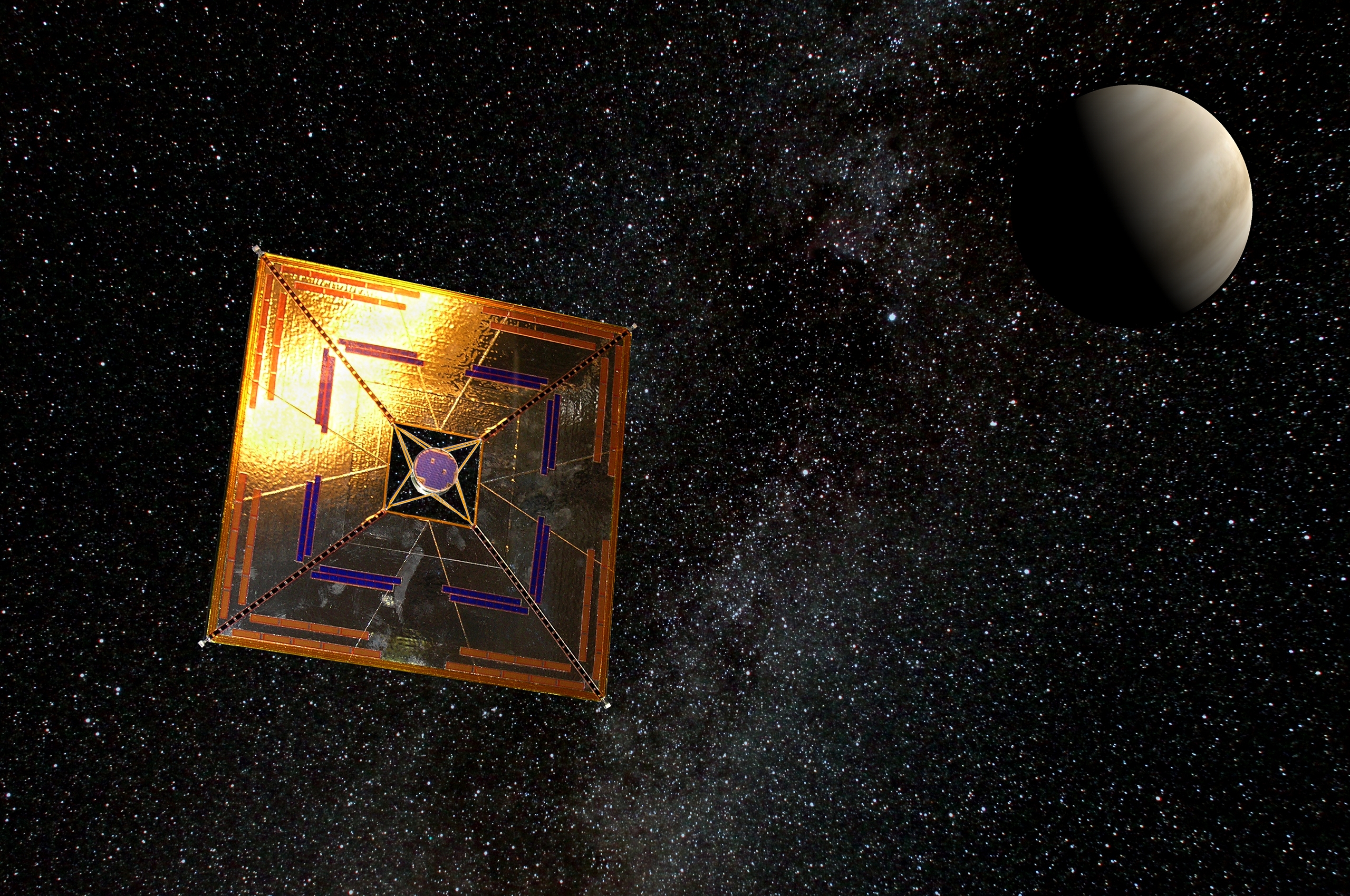
Laser Sail: Thinking beyond rockets and engines, there are some concepts which would allow a spaceship to go into deep space without the need for fuel at all. In 1948, Robert Forward put forward a twist on the ancient technique of sailing, capturing wind in a fabric sail, to propose a new form of space travel. Much like how our world is permeated by wind currents, space is filled with cosmic radiation – largely in the form of photons and energy associated with stars – that push a cosmic sail in the same way.
This was followed up again in the 1970’s, when Forward again proposed his beam-powered propulsion schemes using either lasers or masers (micro-wave lasers) to push giant sails to a significant fraction of the speed of light. When photons in the laser beam strike the sail, they would transfer their momentum and push the sail onward. The spaceship would then steadily builds up speed while the laser that propels it stays put in our solar system.
Much the same process would be used to slow the sail down as it neared its destination. This would be done by having the outer portion of the sail detach, which would then refocus and reflect the lasers back onto a smaller, inner sail. This would provide braking thrust to slow the ship down as it reached the target star system, eventually bringing it to a slow enough speed that it could achieve orbit around one of its planets.
Once more, there are challenges, foremost of which is cost. While the solar sail itself, which could be built around a central, crew-carrying vessel, would be fuel free, there’s the little matter of the lasers needed to propel it. Not only would these need to operate for years continuously at gigawatt strength, the cost of building such a monster would be astronomical, no pun intended!
A solution proposed by Forward was to use a series of enormous solar panel arrays on or near the planet Mercury. However, this just replaced one financial burden with another, as the mirror or fresnel lens would have to be planet-sized in scope in order for the Sun to keep the lasers focused on the sail. What’s more, this would require that a giant braking sail would have to be mounted on the ship as well, and it would have to very precisely focus the deceleration beam.
So while solar sails do present a highly feasible means of sending people to Mars or the Inner Solar System, it is not the best concept for interstellar space travel. While it accomplishes certain cost-saving measures with its ability to reach high speeds without fuel, these are more than recouped thanks to the power demands and apparatus needed to be it moving.
Generation/Cryo-Ship: Here we have a concept which has been explored extensively in fiction. Known as an Interstellar Ark, an O’Neill Cylinder, a Bernal Sphere, or a Stanford Torus, the basic philosophy is to create a ship that would be self-contained world, which would travel the cosmos at a slow pace and keep the crew housed, fed, or sustained until they finally reached their destination. And one of the main reasons that this concept appears so much in science fiction literature is that many of the writers who made use of it were themselves scientists.
The first known written examples include Robert H. Goddard “The Last Migration” in 1918, where he describes an “interstellar ark” containing cryogenic ally frozen people that set out for another star system after the sun died. Konstantin E. Tsiolkovsky later wrote of “Noah’s Ark” in his essay “The Future of Earth and Mankind” in 1928. Here, the crews were kept in wakeful conditions until they reached their destination thousands of years later.
By the latter half of the 20th century, with authors like Robert A. Heinlein’s Orphans of the Sky, Arthur C. Clarke’s Rendezvous with Rama and Ursula K. Le Guin’s Paradises Lost, the concept began to be explored as a distant possibility for interstellar space travel. And in 1964, Dr. Robert Enzmann proposed a concept for an interstellar spacecraft known as the Enzmann Starship that included detailed notes on how it would be constructed.
Enzmann’s concept would be powered by deuterium engines similar to what was called for with the Orion Spacecraft, the ship would measure some 600 meters (2000 feet) long and would support an initial crew of 200 people with room for expansion. An entirely serious proposal, with a detailed assessment of how it would be constructed, the Enzmann concept began appearing in a number of science fiction and fact magazines by the 1970’s.
Despite the fact that this sort of ship frees its makers from the burden of coming up with a sufficiently fast or fuel-efficient engine design, it comes with its own share of problems. First and foremost, there’s the cost of building such a behemoth. Slow-boat or no, the financial and resource burden of building a mobile space ship is beyond most countries annual GDP. Only through sheer desperation and global cooperation could anyone conceive of building such a thing.
Second, there’s the issue of the crew’s needs, which would require self-sustaining systems to ensure food, water, energy, and sanitation over a very long haul. This would almost certainly require that the crew remain aware of all its technical needs and continue to maintain it, generation after generation. And given that the people aboard the ship would be stuck in a comparatively confined space for so long, there’s the extreme likelihood of breakdown and degenerating conditions aboard.
Third, there’s the fact that the radiation environment of deep space is very different from that on the Earth’s surface or in low earth orbit. The presence of high-energy cosmic rays would pose all kinds of health risks to a crew traveling through deep space, so the effects and preventative measures would be difficult to anticipate. And last, there’s the possibility that while the slow boat is taking centuries to get through space, another, better means of space travel will be invented.
Faster-Than-Light (FTL) Travel: Last, we have the most popular concept to come out of science fiction, but which has received very little support from scientific community. Whether it was the warp drive, the hyperdrive, the jump drive, or the subspace drive, science fiction has sought to exploit the holes in our knowledge of the universe and its physical laws in order to speculate that one day, it might be possible to bridge the vast distances between star systems.
However, there are numerous science based challenges to this notion that make an FTL enthusiast want to give up before they even get started. For one, there’s Einstein’s Theory of General Relativity, which establishes the speed of light (c) as the uppermost speed at which anything can travel. For subatomic particles like photons, which have no mass and do not experience time, the speed of light is a given. But for stable matter, which has mass and is effected by time, the speed of light is a physical impossibility.
For one, the amount of energy needed to accelerate an object to such speeds is unfathomable, and the effects of time dilation – time slowing down as the speed of light approaches – would be unforeseeable. What’s more, achieving the speed of light would most likely result in our stable matter (i.e. our ships and bodies) to fly apart and become pure energy. In essence, we’d die!
Naturally, there have been those who have tried to use the basis of Special Relativity, which allows for the existence of wormholes, to postulate that it would be possible to instantaneously move from one point in the universe to another. These theories for “folding space”, or “jumping” through space time, suffer from the same problem. Not only are they purely speculative, but they raise all kinds of questions about temporal mechanics and causality. If these wormholes are portals, why just portals in space and not time?
And then there’s the concept of a quantum singularity, which is often featured in talk of FTL. The belief here is that an artificial singularity could be generated, thus opening a corridor in space-time which could then be traversed. The main problem here is that such an idea is likely suicide. A quantum singularity, aka. a black hole, is a point in space where the laws of nature break down and become indistinguishable from each other – hence the term singularity.
Also, they are created by a gravitational force so strong that it tears a hole in space time, and that resulting hole absorbs all things, including light itself, into its maw. It is therefore impossible to know what resides on the other side of one, and astronomers routinely observe black holes (most notably Sagittarius A at the center of our galaxy) swallow entire planets and belch out X-rays, evidence of their destruction. How anyone could think these were a means of safe space travel is beyond me! But then again, they are a plot device, not a serious idea…
But before you go thinking that I’m dismissing FTL in it’s entirety, there is one possibility which has the scientific community buzzing and even looking into it. It’s known as the Alcubierre Drive, a concept which was proposed by physicist Miguel Alcubierre in his 1994 paper: “The Warp Drive: Hyper-Fast Travel Within General Relativity.”
The equations and theory behind his concept postulate that since space-time can be contracted and expanded, empty space behind a starship could be made to expand rapidly, pushing the craft in a forward direction. Passengers would perceive it as movement despite the complete lack of acceleration, and vast distances (i.e. light years) could be passed in a matter of days and weeks instead of decades. What’s more, this “warp drive” would allow for FTL while at the same time remaining consistent with Einstein’s theory of Relativity.
In October 2011, physicist Harold White attempted to rework the equations while in Florida where he was helping to kick off NASA and DARPA’s joint 100 Year Starship project. While putting together his presentation on warp, he began toying with Alcubierre’s field equations and came to the conclusion that something truly workable was there. In October of 2012, he announced that he and his NASA team would be working towards its realization.
But while White himself claims its feasible, and has the support of NASA behind him, the mechanics behind it all are still theoretical, and White himself admits that the energy required to pull off this kind of “warping” of space time is beyond our means at the current time. Clearly, more time and development are needed before anything of this nature can be realized. Fingers crossed, the field equations hold, because that will mean it is at least theoretically possible!
Summary: In case it hasn’t been made manifestly obvious by now, there’s no simple solution. In fact, just about all possibilities currently under scrutiny suffer from the exact same problem: the means just don’t exist yet to make them happen. But even if we can’t reach for the stars, that shouldn’t deter us from reaching for objects that are significantly closer to our reach. In the many decades it will take us to reach the Moon, Mars, the Asteroid Belt, and Jupiter’s Moons, we are likely to revisit this problem many times over.
And I’m sure that in course of creating off-world colonies, reducing the burden on planet Earth, developing solar power and other alternative fuels, and basically working towards this thing known as the Technological Singularity, we’re likely to find that we are capable of far more than we ever thought before. After all, what is money, resources, or energy requirements when you can harness quantum energy, mine asteroids, and turn AIs and augmented minds onto the problems of solving field equations?
Yeah, take it from me, the odds are pretty much even that we will be making it to the stars in the not-too-distant future, one way or another. As far as probabilities go, there’s virtually no chance that we will be confined to this rock forever. Either we will branch out to colonize new planets and new star systems, or go extinct before we ever get the chance. I for one find that encouraging… and deeply disturbing!

 Robots have been making quite the stir in the news lately. And no, that’s not a delicious pun on the robotic bartender – aka. the Makr Shakr, it’s just a frank appraisal of the leap and bounds by which robots and their integration to society is proceeding. Between developing machines that can imitate human movements, human facial expressions, and carry out specialized tasks, it appears that we may actually be on the verge on a world where robots are a common feature.
 Now it appears that there is a robotic arm that is capable of performing another highly-specialized task: painting. Created by a team at the University of Konstanz in Germany, the E-David is capable of performing the artistic variety of painting, not the kind which involves spraying enamel onto car frames – something robots have been doing for decades, much to the chagrin of auto workers.
 In short, e-David can do the time-consuming and often monotonous task of reproducing original works of art, or cleaning them up, but cannot create someone all on its own. Now lets all join the artists of the world in breathing a collective sigh of relief. The team of university researchers described the e-David’s “process” in a release in which they stated: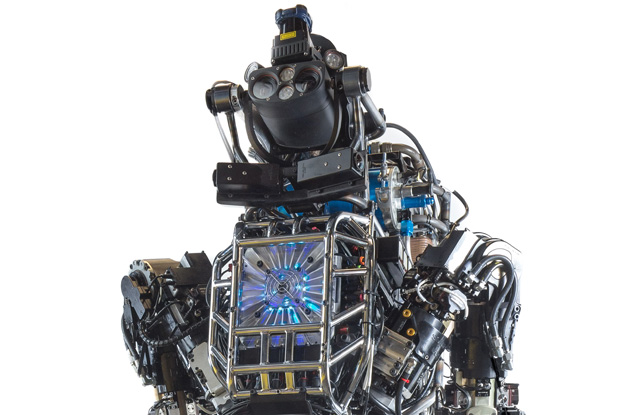


























 Stories by Williams