
 If you thought your world was already permeated enough by adspace, hang on to your hat! According to =researchers and geneticists, the age of genetic-based advertising is right around the corner, and is likely to be even more profitable than internet, television, radio or billboard ads ever were! Yes, in this brave new future, selling yourself will take on literal dimensions, with people signing over their genetic information and tailoring what ads they receive based on that very same thing.
Call it another unintended consequence of the Human Genome Project and ENCODE, which the latter of which recently finished cataloging the function of every part of the human genome. Or it could just be a case of advertising and the commercial industry making inroads, following the path traced by researchers and scientists in the hopes of finding the next place to saturate with ads.
 Regardless, geneticist Michael Schatz of the Cold Spring Harbor Laboratory sums up the possibility as follows:
Today, it’s such a niche market, but there’s tremendous growth opportunities there. In the endgame, it’s certain [genetics is] going to become one of the factors that big retailers would consider, but I think that’s pretty far off.
But as it turns out, it may not be as far off as he thinks. Already, a Minneapolis-based startup named Miinome is building a platform that will help consumers control what offers they get from retailers based on their genetic makeup, and to possibly cash in on the value of their DNA by selling the data back to marketers and researchers.
Through an open API, Miinome plans to collect genetic and environmental data mined from social networks like Twitter, Facebook and LinkedIn and run that through their proprietary algorithm to come up with a profile of you that’s richer than anything that exists on the internet today. Then, they will be able to infer what environmental factors and personal traits are likely to cause you concern, or gives rise to special needs.
 These could something along the work-related stress and the problems associated with it – i.e. weight gain, hair loss, erectile dysfunction, etc. – and then recommend ads that would help the person address these. If a person so chooses to broadcast this kind of information to Miinome’s business partners, they could show you very targeted ads for weight loss supplements, hair care products, boner pills and anything else you might want.
The company, which is launching in closed beta this spring, will essentially be a repository and brokerage firm for your genetic information that will allow its members to choose what academic institutions, pharmaceutical companies or marketing firms can take a peek at which of their genes. Miinome, which boasts geneticist George Church and Autodesk’s Andrew Hessel as advisers, will essentially make money every time one of your traits is accessed by companies.
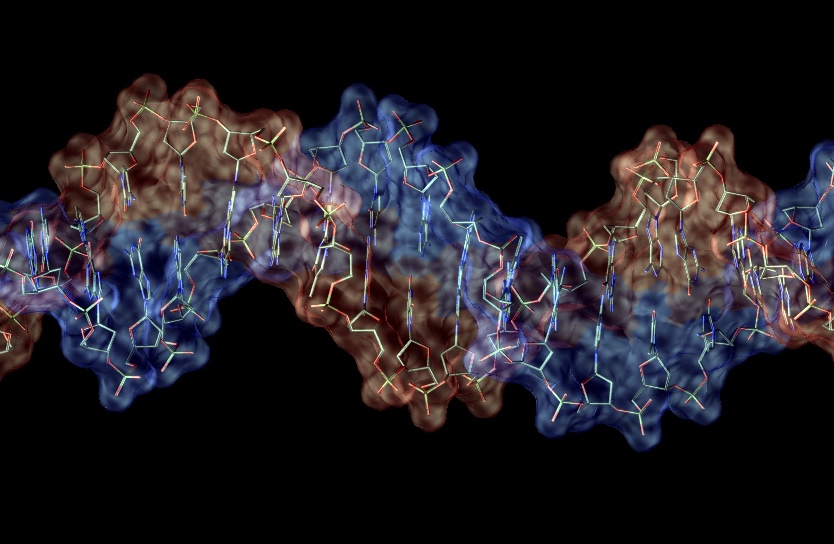 Whether you are for or against such an idea, you have to admit, it’s a pretty shrewd and sound business plan. In a company statement, Miinome CEO Paul Saarinen put forth the following mission statement:
We believe we can make your genetic information useful every day, not just when you’re sick. We’re the first member-controlled, portable human genomics marketplace.
Well, that’s one way to look at it. Another way would be to say that this is yet another invasion of people’s privacy, reaching beyond cookies and web-surfing habits to find a truly effective and intrusive way to spam them. Naturally, Saarinen also pointed out that everything will be opt-in and Miinome business partners won’t be able to get their hands on raw genetic data.
Still, one can expect privacy and human rights advocates to have something to say about this real soon!
Source: Wired.com



 Stories by Williams