The Future is Here: The Apple iWatch!

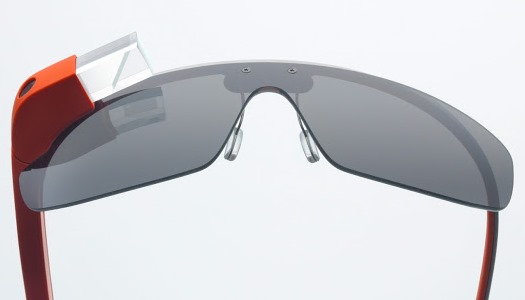
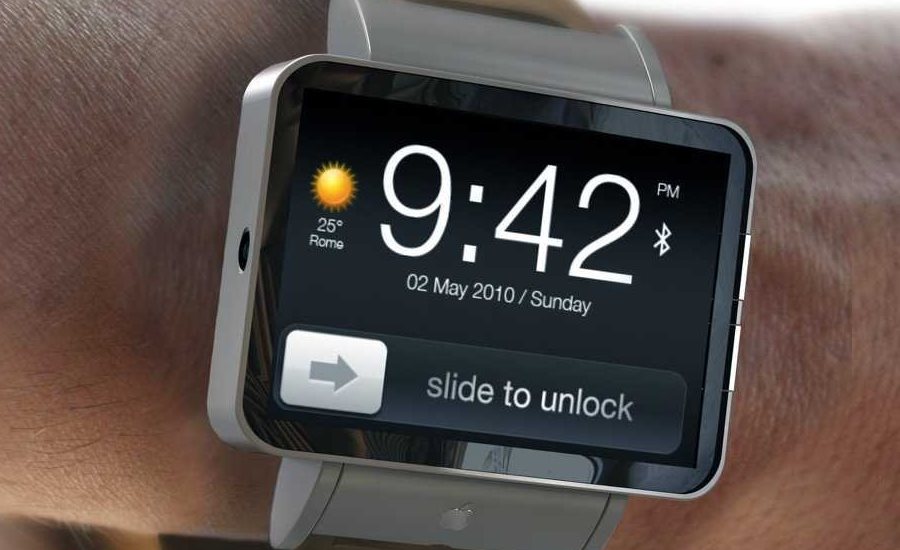
iWatchLeave it to Apple to once again define the curve of technological innovation. Known as the iWatch, this new design for a smartwatch is expected to make some serious waves and spawn all kinds of imitations. In addition to keeping time, it will boast a number of new and existing abilities that will essentially make it a wrist-mounted computer. As a result, there are many who claim this device is a response to Google’s Project Glass, since it signals that Apple is also looking to stake a big claim to the portable computing revolution.

According to Bruce Tognazzini, a principal with the Nielsen Norman Group and former Apple employee who specializes in human-computer interaction, an Apple iWatch is likely to have a serious impact on our lives. In addition to some familiar old features that were created for the iPhone, Apple has filed numerous patents and made plans to incorporate several new options for this one device. For example:

  • The iWatch will apparently make use of wireless charging, something Apple holds the patent for
  • Voice interaction through Siri, removing the need for a complicated control interface
  • Networking with your iPhone, iPod and other devices
  • Health monitor, including pedometer, bp monitor, calorie tracker, sleep tracker, etc.
  • NFC chip for personal, mobile banking
  • The phone acts as an ID chip, eliminating the need for passwords and security questions

Wearable ComputerSo in essence, the phone combines all kinds of features and apps that have been making the rounds in recent years. From mobile phones to PDAs, tablets and even fitness bands, this watch will combine them into one package while still giving the user the ability to network with them. This ensures that a person has a full range of control and can keep track of their other devices when they’re not on their person.

Apple also indicated that with this portable computer watch, people could take part in helping to correct faulty maps and other programs that require on the spot information, allowing for a degree of crowd-sourcing which has previously been difficult or impossible to provide. And since it’s all done through a device you strap on your wrist, it will be more ergonomic and portable than a PDA or smartphone.

Paper-Thin-Pamphlet-Smartphone-Concept-2And with other companies working on their own smartwatches, namely Cookoo, Pebble, and even Google, this could be the end of the smartphone as we know it! But in the course of making technological progress, some inventions become evolutionary dead ends, much like over-specialized creatures. I’m sure Steve Jobs would approve, even if the iPhone was one of his many, many babies!

The Birth of an Idea: The Computer Coat!

optical_computer1I’ve been thinking… which is not something novel for me, it just so happens that my thoughts have been a bit more focused lately. Specifically, I have an idea for an invention: something futuristic, practical, that could very well be part of our collective, computing future. With all the developments in the field of personal computing lately, and I my ongoing efforts to keep track of them, I hoped I might eventually come up with an idea of my own.

Consider, the growth in smartphones and personal digital assistants. In the last few years, we’ve seen companies produce working prototypes for paper-thin, flexible, and durable electronics. Then consider the growth in projection touchscreens, portable computing, and augmented reality. Could it be that there’s some middle ground here for something that incorporates all of the above?

Pranav Mistry 5Ever since I saw Pranav Mistry’s demonstration of a wearable computer that could interface with others, project its screen onto any surface, and be operated through simple gestures from the user, I’ve been looking for a way to work this into fiction. But in the years since Mistry talked to TED.com and showed off his “Sixth Sense Technology”, the possibilities have grown and been refined.

papertab-touchAnd then something happened. While at school, I noticed one of the kids wearing a jacket that had a hole near the lapel with a headphones icon above it. The little tunnel worked into the coat was designed to keep the chord to your iPod or phone safe and tucked away, and it got me thinking! Wires running through a coat, inset electrical gear, all the advancements made in the last few years. Who thinks about this kind of stuff, anyway? Who cares, it was the birth of an idea!

headphonesFor example, its no longer necessary to carry computer components that are big and bulky on your person. With thin, flexible electronics, much like the new Papertab, all the components one would need could be thin enough and flexible enough to be worked into the inlay of a coat. These could include the CPU, a wireless router, and a hard drive.

Paper-thin zinc batteries, also under development, could be worked into the coast as well, with a power cord connected to them so they could be jacked into a socket and recharged. And since they too are paper-thin, they could be expected to move and shift with the coat, along with all the other electronics, without fear of breakage or malfunction.

flexbatteryAnd of course, there would be the screen itself, via a small camera and projector in the collar, which could be placed and interfaced with on any flat surface. Or, forget the projector entirely and just connect the whole thing to a set of glasses. Google’s doing a good job on those, as is DARPA with their development of AR contact lenses. Either one will do in a pinch, and could be wirelessly or wired to the coat itself.

google_glass1Addendum: Shortly after publishing this, I realized that a power cord is totally unnecessary! Thanks to two key technologies, it could be possible to recharge the batteries using a combination of flexible graphene solar panels and some M13 peizoelectric virus packs. The former could be attached to the back, where they would be wired to the coats power system, and the M13 packs could be placed in the arms, where the user’s movement would be harnessed to generate electricity. Total self-sufficiency, baby!

powerbuttonAnd then how about a wrist segment where some basic controls, such as the power switch and a little screen are? This little screen could act as a prompt, telling you you have emails, texts, tweets, and updates available for download. Oh, and lets not forget a USB port, where you can plug in an external hard drive, flash drive, or just hook up to another computer.

So that’s my idea, in a nutshell. I plan to work it into my fiction at the first available opportunity, as I consider it an idea that hasn’t been proposed yet, not without freaky nanotech being involved! Look for it, and in the meantime, check out the video of Pranav Mistry on TED talks back in 2010 when he first proposed 6th Sense Tech. Oh, and just in case, you heard about the Computer Coat here first, patent pending!

Omnitouch Projection Touch Screens

OmnitouchOne of the most interesting areas in which computing has been improving lately has been in the realm of interfacing. Concepts like the XBOX Kinect gaming console have not occurred in a vacuum; in fact, they are part of a larger research trend that wants to make projection and scanning the way of the future. After all, why rely on a monitor or a console when you can project images onto any surface and use them like a touchscreen?

That’s the idea behind the OmniTouch technology. Using the same technology from the Kinect gaming system, a research team made of developers from Microsoft and Carnegie-Mellon University revealed back in October that they’ve come up with a system that can turn virtually any surface into a touchscreen. By combining a miniature camera and a portable computer, the user can write documents, check email and carry out their daily computational tasks simply by finding a surface.

Chris Harrison, a postgraduate researcher at Carnegie Mellon’s Human-Computer Interaction Institute in Pittsburgh and a former intern at Microsoft Research and co-inventor of the device, describes the process as follows:

“OmniTouch works by bringing together a miniature projector and an infrared depth camera, similar to the kind used in Microsoft’s Kinect game console, to create a shoulder-worn system designed to interface with mobile devices such as smart phones. Instead of relying on screens, buttons, or keys, the system monitors the user’s environment for any available surfaces and projects an interactive display onto one or more of them.

“OmniTouch does this automatically, using the depth information provided by the camera to build a 3-D model of the environment. The camera acquires depth information about the scene by emitting a patterned beam of infrared light and using the reflections to calculate where surfaces are in the room. This eliminates the need for external calibration markers. The system rebuilds the model dynamically as the user or the surface moves—for example, the position of a hand or the angle or orientation of a book—so the size, shape, and position of these projections match those of the improvised display surfaces.”

Hrvoje Benko, another researcher who developed the device, admits that the current shoulder-mounted model is impractical. However, all the components involved in its creation are off-the-shelf electronics which are being miniaturized all the time. “But it’s not where you mount it that counts,” he says. “The core motivation was to push this idea of turning any available surface into an interactive surface… So I don’t think we’re so far from it being made into a pendant or attached to glasses.”

All of this calls to mind the SixthSense concept invented by Pranav Mistry many years ago. Presenting at TedTalks, he demonstrated how a wearable camera, finger mounted devices, and a portable computer, a person could use just about any surface to interface with their computer and even be able to transfer documents and programs to stationary computers.

While he may have beaten the IBM research team to the punch, this represents a step forward for portable computing and touch-technology since it shows that the results can be duplicated and made commercially viable.

Click on the video below to watch the OmniTouch device in action, and check out Pranav Mistry’s presentation to TedTalks at the bottom. Both enlightening and worthwhile video segments, trust me on that!