Episode 92 of SfS is now Live! “The History and Future of Space Stations.”

Episode 92 of SfS is now Live! “The History and Future of Space Stations.”

Hello again, folks. It’s been a busy few months, what with the holidays and a few life-related events that have happened since. Unfortunately, I was unable to produce new episodes every week. Fortunately, that is now over, and I have not one but TWO new episodes ready to share! This week’s installment is dedicated to the history, development, and future of Space Stations. Cue the Blue Danube Waltz and the scene from 2001: A Space Odyssey!

As I explain in the episode, the concept of space stations is time-honored and can be traced back to the early 20th century and the work of famed Russian aerospace engineer Konstantin Tsiolkovsky, who is considered the “forefather of rocketry.” Like most ideas pertaining to the future of humanity in space, he made the first recorded mention of a pinwheel station in space that would simulate gravity and have a natural environment that could provide oxygen.

Like rockets that used liquid propellants and other advanced concepts Tsiolkovsky originally proposed, his work went on to inspire the other “forefathers of rocketry”—Hermann Oberth, Robert Goddard, and Robert Esnault-Pelterie—many of whom went on to propose their own concepts. By the latter half of the 20th century, these ideas would bear fruit in the form of the Salyut space stations, Skylab, Mir, and the International Space Station (ISS).

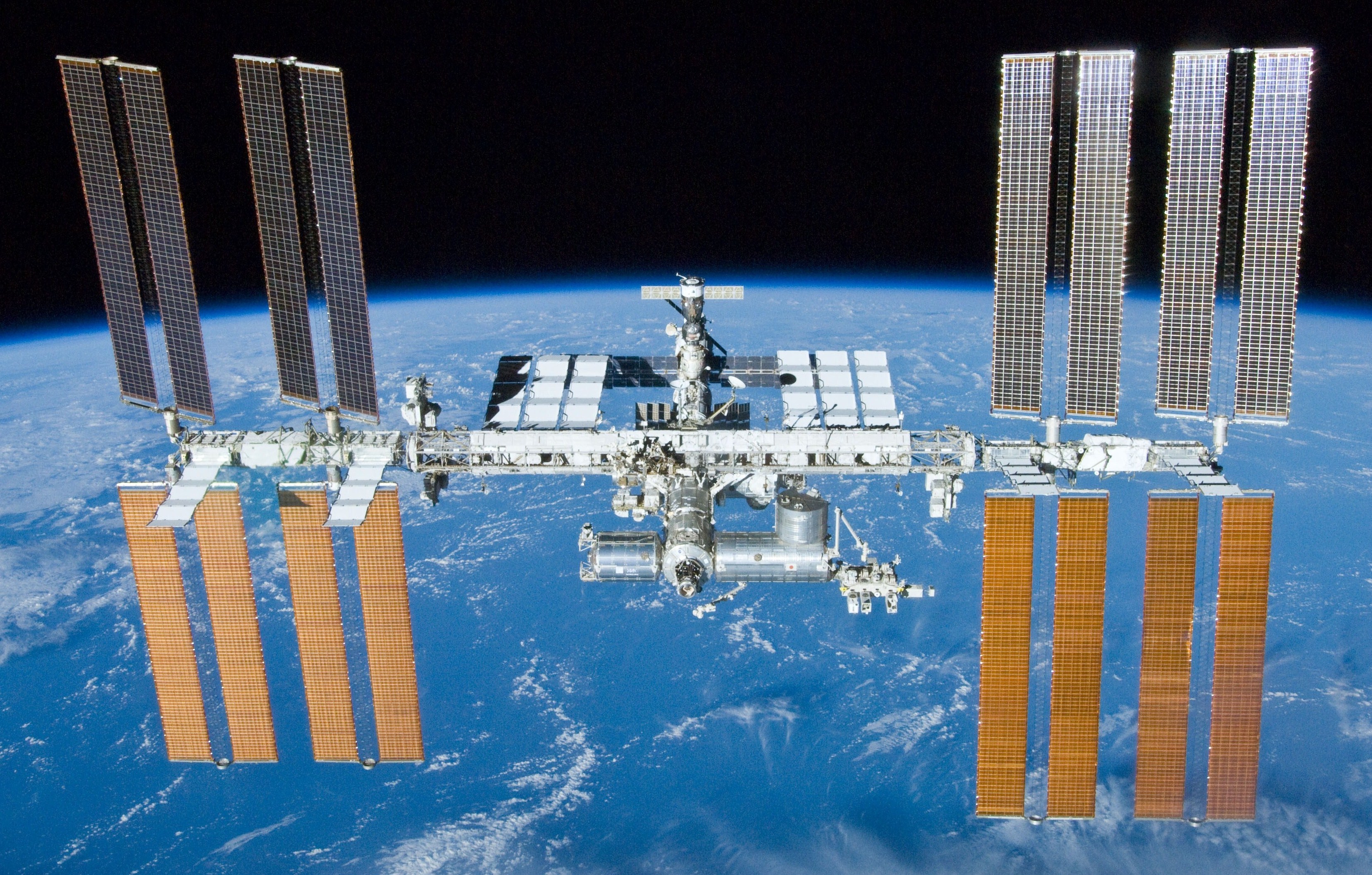
With the decommissioning of the ISS scheduled for 2030, several nations and commercial space interests are working on proposals for successor stations. What will they look like, and how might they enable the migration of human beings throughout the Solar System as Tsiolkovsy predicted? Follow the links below to find out!

Where to Listen:

New Podcast Series: Space Stations!

star_trek_space_stationMy good buddy, Fraser Cain, a co-inventor and publisher over at Universe Today, has just unveiled a new podcast series which I strongly recommend to anyone who loves space, science, and fiction pertaining to them. Those who follow this site may recognize the name, as Universe Today just happens to be my go-to source for all things space related. From the Curiosity Rover and the Cassini Probe to the mysteries of life on Earth and the universe at large, these guys can be trusted to be in the know!

I even had the honor of writing articles to them for about a year and a half, and I credit this experience with honing my ability to take hard science, gain a basic understanding of it, and then convey it to a general audience in an understandable fashion. Yes, before I worked for these guys, I was truly a geek-in-waiting, someone who didn’t know their quasars from their quarks. Now… well, I’m a little better!

In any case, the podcast series is called Space Stations, and comprises four episodes that take a look at man-made structures in space, beginning with Salyut and Skylab – the earliest Soviet and American attempts to put a manned station into orbit – and then moving onto Russia’s Mir space station, the International Space Station (ISS), and then taking a look at what the future holds for humans living and working in space.

ISSYou can check out the series at their website here, or just head on over to Astronomy Cast, the site for Universe Today‘s podcasts, and start listening willy-nilly. Me, my favorite is the fourth and final episode which takes a look at the future of space stations, and anyone claiming to know the first thing about me will not wonder why! I mean, c’mon, future of space, what’s not to love about that???

And of course, you can check out their voluminous archives, which contain podcasts on subjects ranging from Aliens to Physics, Astronomy to Planetary Science, and the history of space flight to current missions and the future of space exploration. I can promise you that if you’re the kind of person who finds the science jokes in The Big Bang Theory hilarious, you will feel like a kid in a candy store!

Trivia Question: Where does the name Universe Today come from? If you answer this question (no Googling!) you will have my enduring respect forever!

Sources: universetoday.com, astronomycast.com