The Future is Here: Radiowave-Powered Devices

radio-waves-airwaves-spectrumIt sounds like something out of science fiction, using existing existing internet electromagnetic signals to power our devices. But given the concerns surrounding ewaste and toxic materials, anything that could make an impact by eliminating batteries is a welcome idea. And if you live in an urban environment, chances are you’re already cloaked in TV and radio waves invisible that are invisible to the naked eye.

And that’s precisely what researchers at the University of Washington have managed to do. Nine months ago,  Joshua Smith (an associate professor of electrical engineer) and Shyam Gollakota (an assistant professor of computer science and engineering) started investigating how one might harvest energy from TV signals to communicate, and eventually designed two card-like devices that can swap data without using batteries.
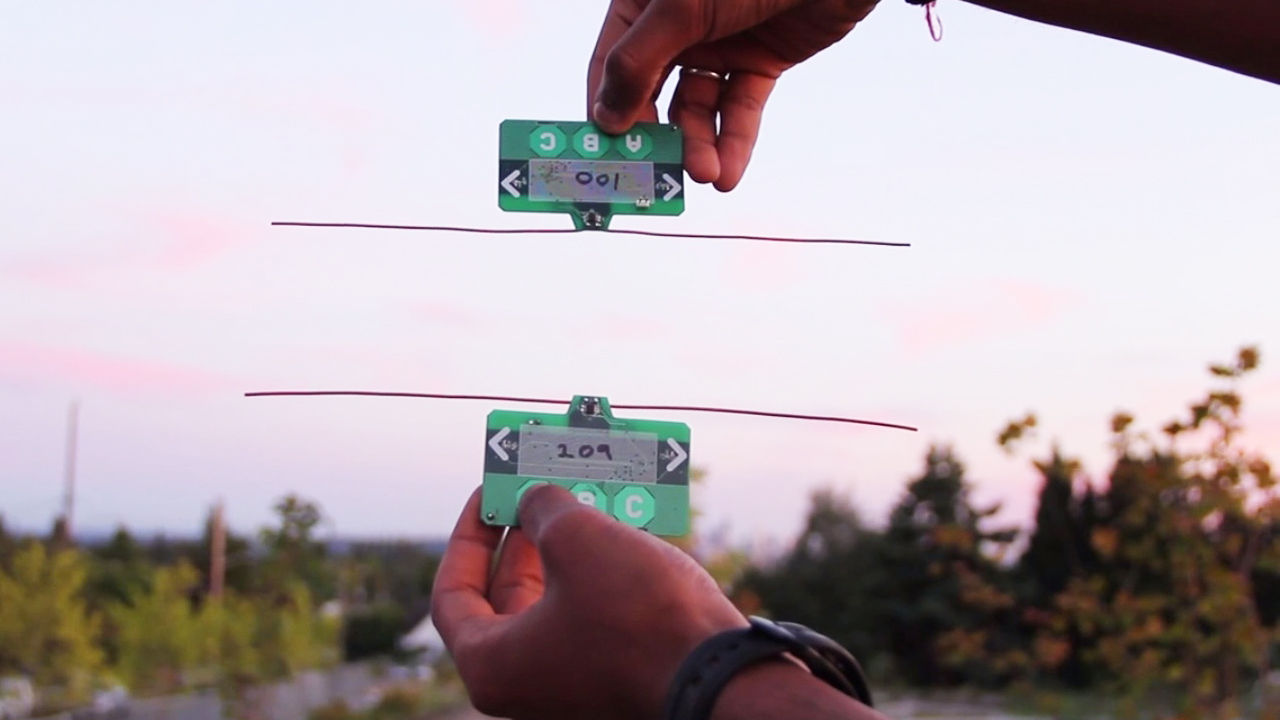
wireless-device1Running on what the researchers coined “ambient backscatter,” the device works by capturing existing energy and reflecting it, like a transistor. Currently, our communications and computing devices require a lot of power, even by battery, in order to function. But as Gollakota explains, all of these objects are already creating energy that could be harnessed:

Every object around you is reflecting signals. Imagine you have a desk that is wooden, and it’s reflecting signals, but if you actually make [the desk] iron, it’s going to reflect a much larger amount of energy. We’re trying to replicate that on an analog device.

The new technique is still in its infancy, but shows great promise. Their device transfers data at a rate of one kilobit per second and can only transmit at distances under 2.5 feet. Still, it has exciting implications, they say, for the “Internet of things.” The immediate use for this technology, everything from smart phones to tablets and MP3 players, is certainly impressive.
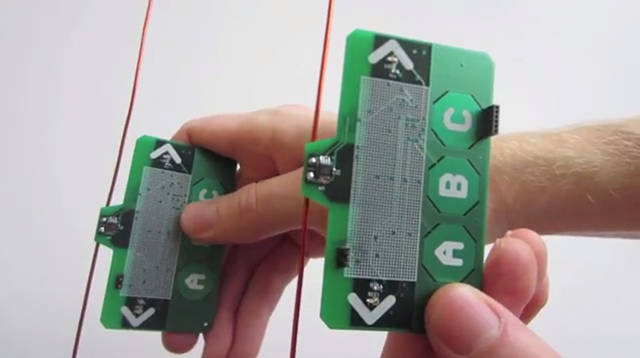
wireless-deviceBut on their website, the team provides some added examples of applications that they can foresee taking advantage of this technology. Basically, they foresee an age when backscatter devices can be implanted in just about anything ranging from car keys and appliances to structural materials and buildings, allowing people to find them if they get lost, or to be alerting people that there’s some kind of irregularity.

As Smith claimed on the team’s website:

I think the Internet of things looks like many objects that kind of have an identity and state–they can talk to each other. Ultimately, I think people want to view this information… That’s part of the vision. There will be information about objects in the physical world that we can access.

The energy harvester they used for the paper, which they presented at the Association for Computing Machinery’s Special Interest Group on Data Communication in Hong Kong, requires 100 microwatts to turn on, but the team says it has a design that can run on as low as 15 microwatts. Meanwhile, the technique is already capable of communicating location, identity, and sensor data, and is sure to increase in range as efficiency improves.

vortex-radio-waves-348x196The University of Washington presentation took home “best paper” in Hong Kong, and researchers say they’re excited to start exploring commercial applications. “We’ve had emails from different places–sewer systems, people who have been constrained by the fact that you need to recharge things,” Gollakota says. “Our goal for next six months is to increase the data rate it can achieve.”

Combined with Apple’s development of wireless recharging, this latest piece of technology could be ushering in an age of  wireless and remotely powered devices. Everything from smartphones, tablets, implants, and even household appliances could all be running on the radio waves that are already permeating our world. All that ambient radiation we secretly worry is increasing our risks of cancer would finally be put to good use!

And in the meantime, enjoy this video of the UofW’s backscatter device in action:
The Future of Medicine: Smartphone Medicine!

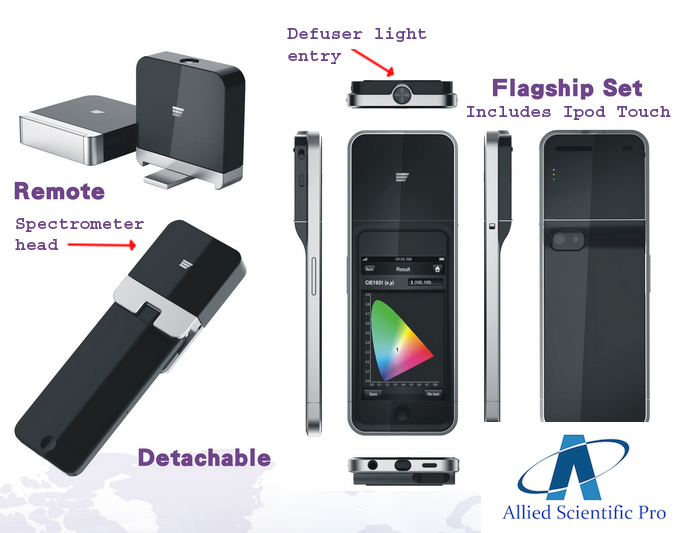
iphone_specIt’s no secret that the exponential growth in smartphone use has been paralleled by a similar growth in what they can do. Everyday, new and interesting apps are developed which give people the ability to access new kinds of information, interface with other devices, and even perform a range of scans on themselves. It is this latter two aspect of development which is especially exciting, as it is opening the door to medical applications.

Yes, in addition to temporary tattoos and tiny medimachines that can be monitored from your smartphone or other mobile computing device, there is also a range of apps that allow you to test your eyesight and even conduct ultrasounds on yourself. But perhaps most impressive is the new Smartphone Spectrometer, an iPhone program which will allow users to diagnose their own illnesses.

iphone_spec2Consisting of an iPhone cradle, phone and app, this spectrometer costs just $200 and has the same level of diagnostic accuracy as a $50,000 machine, according to Brian Cunningham, a professor at the University of Illinois, who developed it with his students. Using the phone’s camera and a series of optical components in the cradle, the machine detects the light spectrum passing through a liquid sample.

This liquid can consist of urine or blood, any of the body’s natural fluids that are exhibit traces of harmful infection when they are picked up by the body. By comparing the sample’s spectrum to spectrums for target molecules, such as toxins or bacteria, it’s possible to work out how much is in the sample. In short, a quickie diagnosis for the cost of a fancy new phone.

Granted there are limitations at this point. For one, the device is nowhere near as efficient as its industrial counterpart. Whereas automated $50,000 version can process up to 100 samples at a time, the iPhone spectrometer can only do one at a time. But by the time Cunningham and his team plan on commercializing the design, they hope to increase that efficiency by a few magnitudes.

iphone_spec1On the plus side, the device is far more portable than any other known spectrometer. Whereas a lab is fixed in place and has to process thousands of samples at any given time, leading to waiting lists, this device can be used just about anywhere. In addition, there’s no loss of accuracy. As Cunningham explained:

We were using the same kits you can use to detect cancer markers, HIV infections, or certain toxins, putting the liquid into our cartridge and measuring it on the phone. We have compared the measurements from full pieces of equipment, and we get the same outcome.

Cunningham is currently filing a patent application and looking for investment. He also has a grant from the National Science Foundation to develop an Android version. And while he doesn’t think smartphone-based devices will replace standard spectrometry machines with long track records, and F.D.A approval, he does believe they could enable more testing.

publiclaboratoryThis is especially in countries where government-regulated testing is harder to come by, or where medical facilities are under-supplied or waiting lists are prohibitively long. With diseases like cancer and HIV, early detection can be the difference between life and death, which is a major advantage, according to Cunningham:

In the future, it’ll be possible for someone to monitor themselves without having to go to a hospital. For example, that might be monitoring their cardiac disease or cancer treatment. They could do a simple test at home every day, and all that information could be monitored by their physician without them having to go in.

But of course, the new iPhone is not alone. Many other variations are coming out, such as the PublicLaboratory Mobile Spectrometer, or Androids own version of the Spectral Workbench. And of course, this all calls to mind the miniature spectrometer that Jack Andraka, the 16-year old who invented a low-cost litmus test for pancreatic cancer and who won the 2012 Intel International Science and Engineering Fair (ISEF). That’s him in the middle of the picture below:

ISEF2012-Top-Three-WinnersIt’s the age of mobile medicine, my friends. Thanks to miniaturization, nanofabrication, wireless technology, mobile devices, and an almost daily rate of improvement in medical technology, we are entering into an age where early detection and cost-saving devices are making medicine more affordable and accessible.

In addition, all this progress is likely to add up to many lives being saved, especially in developing regions or low-income communities. It’s always encouraging when technological advances have the effect of narrowing the gap between the haves and the have nots, rather than widening it.

And of course, there’s a video of the smartphone spectrometer at work, courtesy of Cunningham’s research team and the University of Illinois:


Source:
fast.coexist.com

The Future is Here: The Real-Life Tricorder

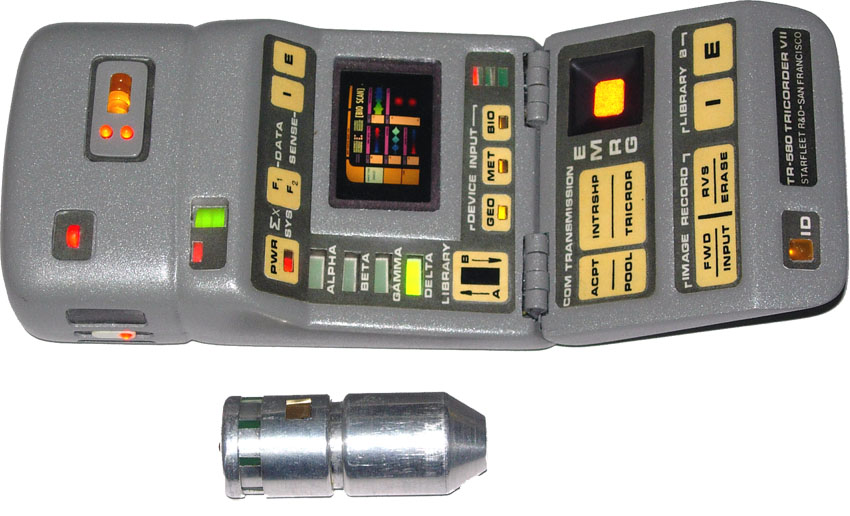
medical_tricorderIt was only a matter of time, I guess. But we really should have known that with all the improvements being made in biometrics and biotechnology – giving patients and doctors the means to monitor their vitals, blood pressure, glucose levels and the like with tiny devices – and all the talk of how it looked like something out of science fiction that it wouldn’t be long before someone took it upon themselves to build a device right out of Star Trek.

It’s known as a the Scanadu Scout, a non-invasive medical device that is capable of measuring your vitals simply by being held up to your temple for a mere 10 seconds. The people responsible for its creation are a startup named Scanadu, a group of research and medtech enthusiasts who are based at the NASA Ames Research Center. For the past two years, they have been seeking to create the world’s first handheld medical scanner, and with the production of the Scout, they have their prototype!

scanaduAll told, the device is able to track pulse transit time (to measure blood pressure), temperature, ECG, oximetry, heart rate, and the breathing rate of a patient or subject. A 10 second scan of a person’s temple yields data that has a 99% accuracy rate, which can then be transmitted automatically via Bluetooth to the user’s smartphone, tablet or mobile device.

The device has since been upgraded from its original version and runs at a rate of 32 bits (up from the original 8). And interestingly enough, the Scouts now runs on Micrium, the operation system that NASA uses for Mars sample analysis on the Curiosity rover. The upgrade became necessary when Scanadu co-founder Walter De Brouwer, decided to add an extra feature: the ability to remotely trigger new algorithms and plug in new sensors (like a spectrometer).

medtechOne would think that working with NASA is effecting his thinking. But as Brouwer points out, the more information the machine is capable of collecting, the better is will be at monitoring your health:

If we find new algorithms to find relationships between several readings, we can use more of the sensors than we would first activate. If you know a couple of the variables, you could statistically predict that something is going to happen. The more data we have, the more we can also predict, because we’re using data mining at the same time as statistics.

One of the Scout’s cornerstone algorithms, for example, allows it to read blood pressure without the inflating cuff that we’ve all come to know and find so uncomfortable. In the future, Scanadu could discover an algorithm that connects, age, weight, blood pressure, and heart rate with some other variable, and then be able to make recommendations.

2009_world_subdivisions_flu_pandemicEveryone who pre-orders a Scout has their data sent to a cloud service, where Scanadu will collect it in a big file for the FDA. Anyone who opts-in will also gain access to the data of other users who have also elected to share their vitals. Brouwer explains that this is part of the products early mission to test the parameters of information sharing and cloud-medical computing:

It’s going to be a consumer product in the future, but right now we are positioning it as a research tool so that it can be used to finalize the design and collect data to eventually gain regulatory approval. In the end, you have to prove how people are going to use the device, how many times a day, and how they are going to react to the information.

In the future, De Brouwer imagines this kind of shared information could be used for population scanning, kind of like Google Flu Trends does, except with data being provided directly from individuals. The focus will also be much more local, with people using the Scout’s stats to able to see if their child, who suddenly has flu symptoms, is alone of ir other kids at their school are also sick. Pandemics and the outbreaks of fatal diseases could also be tracked in the same way and people forewarned.

medical-technologyNaturally, this raises some additional questions. With it now possible to share and communicate medical information so easily between devices, from people to their doctors, and stored within databases of varying accessibility, there is the ongoing issue of privacy. If in fact medical information can be actively shared in real-time or with the touch of a button, how hard will it be for third parties to gain access to them?

The upsides are clear: a society where health information is easily accessible is likely to avoid outbreaks of infectious disease and be able to contain pandemics with greater ease. But on the flip side, hackers are likely to find ways to access and abuse this information, since it will be in a public place where people can get at it. And naturally, there are plenty of people who will feel squeamish or downright terrified about the FDA having access to up-to-the-moment medical info on them.

It’s the age of cloud computing, wireless communications, and information sharing my friends. And much as people feel guarded about their personal information now, this is likely to take on extra dimensions when their personal medical info is added to the mix. Not a simple or comfortable subject.

But while I’ve still got you’re here, no doubt contemplating the future of medicine, take a look at this video of the Scanadu Scout in action:

Source:
fastcoexist.com, google.org/flutrends/

The Future is Here: Blood Monitoring Implants!

nanorobot1

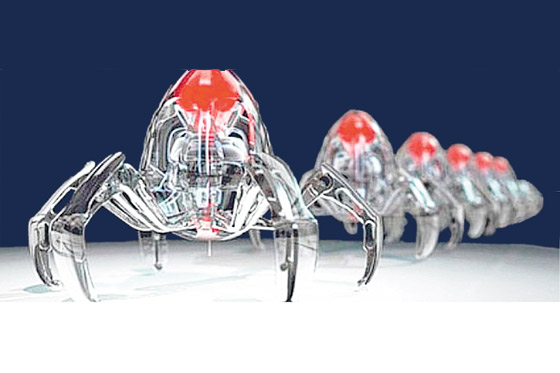
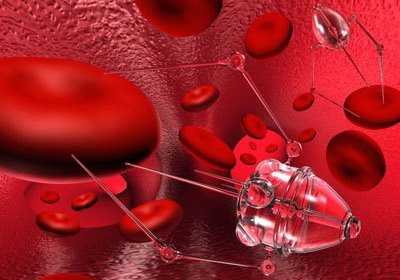
The realm of nanotechnology, which once seemed like the stuff of science fiction, is getting closer to realization with every passing year. And with all the innovations taking place in tiny-scale manufacturing, molecular research, and DNA structures, we could be looking at an age where tiny machines regulate our health, construct buildings, assemble atomic structures, and even contain enough hardware to run complex calculations.

One such innovation was announced back in March by the Ecole Polytechnique Fédérale de Lausanne (EPFL) in Switzerland, where researchers created the world’s smallest medical implant capable of monitoring critical chemicals in the blood. Measuring a mere 14mm in length, the device is capable of measuring up to five indicators, like proteins, glucose, lactate, ATP, and then transmit this information to a smartphone via Bluetooth.

implantable-sensor-640x353

In short, it is capable of providing valuable information that may help track and prevent heart attacks and monitor for indications of harmful conditions, like diabetes. Each sensor is coated with an enzyme that reacts with blood-borne chemicals to generate a detectable signal, and is paired with a wearable battery that provides the 100 milliwatts of power that the device requires by wireless inductive charging through the skin.

For patient monitoring, such a device has so many useful applications that it is likely to become indispensable, once introduced. In cancer treatment for example, numerous blood tests are often required to calibrate treatments according the to the patient’s particular ability to break down and excrete drugs. And since these parameters often change due the patient’s reaction to said treatments, anything that can provide up-to-the-minute monitoring will spare the patient countless invasive tests.

nanotech-2

In addition, in cases of heart attacks, the signs are visible in the hours before the event occurs. This occurs when fatigued or oxygen-starved muscle begins to break down, releasing fragments of the heart-specific smooth muscle protein known as troponin. If this protein can be detected before disruption of the heart rhythm begins, or the actual attack, lifesaving preemptive treatment can be initiated sooner.

At the moment, the sensors are limited by the number of sensors they hold. But there is no theoretical limit to how any sensors each implant can hold. In the future, such a device could be equipped with electronics that could monitor for strokes, blood clots, high cholesterol, cancer cells, HIV, parasites, viruses, and even the common cold (assuming such a thing continues to exist!) Just think about it.

You’re going about your daily activities when suddenly, you get a ringtone that alerts you that you’re about to experience a serious a health concern. Or maybe that the heavy lunch you just ate raised the level of LDL cholesterol in your bloodstream to an unwanted level. Tell me, on a scale of one to ten, how cool would that be?

Source: Extremetech.com

People Shooting at You: There’s an App For That!

gun-firing

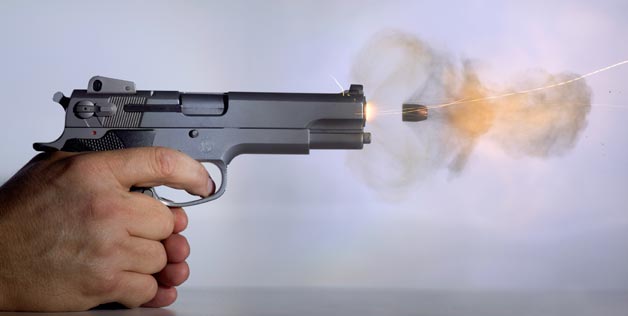
If the collapse of gun legislation in the US concerns you, fear not! Computer engineers at Vanderbilt University have developed a lightweight module that works in combination with a smartphone. This device, which about the size of a pack of cards, can pick up the “sonic signature” of a gun going off, and then sense shockwaves from the bullet. It sends the combined information to an Android phone, where it is plotted on a map.

So if you’re on the street and find yourself caught in the middle of a gang war, or are just randomly targeted by a sniper or gunman on a psychotic break, you will be able to pinpoint where the bullets are coming from. This should come in handy if you plan on returning fire. But if you’re planning on sitting tight and letting the police handle it, that’s good too. Chances are, they’ll have their own units on them, as will soldiers.

gang_violence

The device is essentially a commercialized version of military technology under development by DARPA. And aside from ordinary citizens, it’s likely to be picked up for use by bodyguards and the police. Earlier versions were tested with the US armed forces, but the team has since developed two versions of the device, one for commercial use that requires four units to located where a shooter is coming, and the militarized version that requires only two.

These and other subsequent versions are likely to be incorporated into all Future Force Warrior designs, giving soldiers the ability to detect where snipers and enemy combatants are shooting at them from. These are likely to come handy in densely populated areas, or in areas where insurgents and guerrillas constitute the majority of enemy combatants – as has been the case in Iraq and Afghanistan.

ghost_recon_future_soldier-1920x1080

Granted, a far easier solution would solution would be to get the guns off the streets. But seeing as how that’s not likely to happen anytime soon, due in large part to the powerful pro-gun lobby in Washington, people may want to invest in some of these boxes. After all, if there’s a lesson in the most recent deadlock, it is that citizens have the right to protect themselves. This way, they can do so without having to buy a hand gun, assault weapon, or body armor!

Source: fastcoexist.com

2013, As Imagined By 1988

bladerunnerTwenty-five years ago, Los Angeles magazine envisioned what the world would look like in the current decade. And unlike Blade Runner, they avoided the cool but standard science fiction allegories – like massive billboards, flying cars and sentient robots – and went straight for the things that seemed entirely possible by contemporary standards.

The cover story of the magazine’s April 3, 1988 edition showed a futuristic downtown L.A. crisscrossed with electrically charged, multi-tiered freeways permeated by self-driving cars. The article itself then imagined a day in the life of the fictional Morrow family of the L.A. suburb Granada Hills, as “profiled” by the magazine in 2013 by science fiction writer Nicole Yorkin.

LAtimes_2013aIronically, the magazine did not envision that it would one day go out of business, or that print media would one day be lurching towards extinction. Nevertheless, the fictional article and the world it detailed were interesting reading. Little wonder then why, earlier this month, the LA Times along with an engineering class at USC, revisited the archives to assess what it predicted correctly versus incorrectly.

Together, pro­fess­or Jerry Lock­en­our and his class made a list of the hits and misses, and what they found paints a very interesting picture of how we predict the future and how its realization so often differs from what we expect. Of the major predictions to be found in LA of the 2013, as well as in the lives of the Morrow family (get it?), here is what they got right:

Smart-Houses:
smart-house_vCe6I_25016In the article, the Morrows are said to begin every morning when their “Smart House” automatically turns on. This consists of all the appliances activating and preparing them breakfast, and no doubt turning on all the environmental controls and opening the shades to get the temperature and ambient lighting just right.

While this isn’t the norm for the American family yet, the past few years have proved a turning point for home devices hooking up with the Internet, to become more programmable and serve our daily needs. And plans are well under way to find a means of networking them all together so they function as one “smart” unit.

Self-Driving Cars:
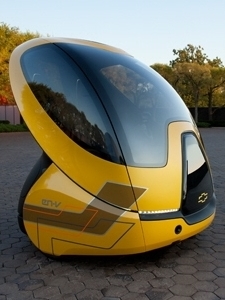
chevy_env_croppedThe writers of the article predicted that by 2013, cars would come standard with computers that control most of the settings, along with GPS systems for navigation. They also predict self-driving cars, which Google and Chevy are busy working on. In addition to using clean, alternative energy sources, these cars are expected to be able t0 self-drive, much in the same way a pilot puts their plane on auto-pilot. Drivers will also be able to summon the cars to their location, connect wirelessly to the internet, and download apps and updates to keep their software current.

But of course, they got a few things wrong as well. Here they are, the blots on their predictive record:

Homeprinted newspapers:
news_appThe article also predicts that each morning the Morrows would begin their day with a freshly printed newspaper, as rendered by their laser-jet printer. These would be tailor-made, automatically selecting the latest news feeds that would be of most interest to them. What this failed to anticipate was the rise in e-media and the decline of printed media, though hardly anyone would fault them for this. While news has certainly gotten more personal, the use of tablets, ereaders and smartphones is the way the majority of people now read their selected news.

Robot servants and pets:
kenshiro_smallIn what must have seemed like a realistic prediction, but which now comes across as a sci-fi cliche, the Morrows’ home was also supposed to come equipped with a robotic servant that had a southern accent. The family’s son was also greeted every morning by a robot dog that would come to play with him. While we are certainly not there yet, the concept of anthropomorphic robot assistants is becoming more real every day. Consider, for example, the Kenshiro robot (pictured at right), the 3D printed android, or the proposed Roboy, the Swiss-made robotic child. With all of these in the works, a robotic servant or pet doesn’t seem so far-fetched does it?

Summary:
Between these four major predictions and which came to be true, we can see that the future is not such an easy thing to predict. In addition to always being in motion, and subject to acceleration, slowing and sudden changes, the size and shape of it can be very difficult to pin down. No one can say for sure what will be realized and when, or if any of the things we currently take for granted will even be here tomorrow.

Alpha Moon Base at http://www.smallartworks.ca

For instance, during the 1960’s and 70’s, it was common practice for futurists and scientists to anticipate that the space race, which had culminated with humans setting foot on the moon in 1969, would continue into the future, and that humanity would be seeing manned outposts on the moon by and commercial space flight by 1999. No one at the time could foresee that a more restrictive budget environment, plus numerous disasters and a thawing of the Cold War, would slow things down in that respect.

In addition, most predictions that took place before the 1980’s completely failed to predict the massive revolution caused by miniaturization and the explosion in digital technology. Many futurist outlooks at the time predicted the rise in AI, but took it for granted that computers would still be the size of a desk and require entire rooms dedicated to their processors. The idea of a computer that could fit on top of a desk, let alone on your lap or in the palm of your hand, must have seemed farfetched.

CyberspaceWhat’s more, few could predict the rise of the internet before the late 1980’s, or what the realization of “cyberspace” would even look like. Whereas writer’s like William Gibson not only predicted but coined the term, he and others seemed to think that interfacing with it would be a matter of cool neon-graphics and avatars, not the clean, page and site sort of interface which it came to be.

And even he failed to predict the rise of such things as email, online shopping, social media and the million other ways the internet is tailored to suit the average person and their daily needs. When it comes right down to it, it is not a dangerous domain permeated by freelance hacker “jockeys” and mega-corporations with their hostile counter-intrusion viruses (aka. Black ICE). Nor is it the social utopia promoting open dialogue and learning that men like Bill Gates and Al Gore predicted it would be in the 1990’s. If anything, it is an libertarian economic and social forum that is more democratic and anarchistic than anyone could have ever predicted.

But of course, that’s just one of many predictions that came about that altered how we see things to come. As a whole, the entire thing has come to be known for being full of shocks and surprises, as well as some familiar faces. In short, the future is an open sea, and there’s no telling which way the winds will blow, or what ships will make it to port ahead of others. All we can do is wait and see, and hopefully trust in our abilities to make good decisions along the way. And of course, the occasional retrospective and issue congratulations for the things we managed to get right doesn’t hurt either!

Sources: factcoexist.com, LATimes.com

Powered by the Sun: Solar Powered Clothing

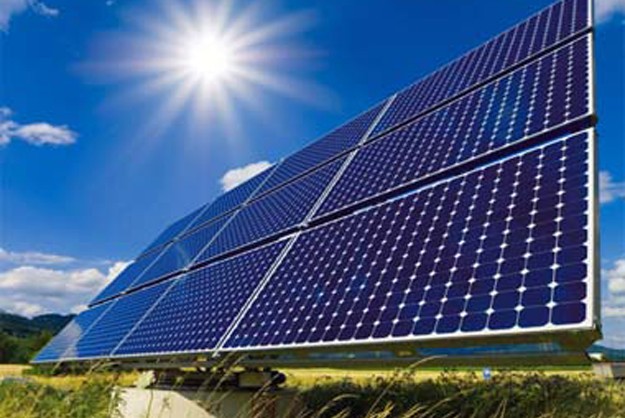
solar1Imagine threads that would turn the wearer into a walking power source. That’s the concept behind a new type of fiber-optic solar cell developed by John Badding of Penn State University. Announced back in December of 2012, this development could very well lead to the creation of full-body solar cells that you wear, providing you with an ample amount of renewable electricity that you could could carry with you everywhere you go.

Similar in appearance to most fiber-optic cables made from flexible glass fibers, these new solar cells are thinner than the average human hair and could conceivably be woven into clothing. Whereas you conventional solar cell exists only in two-dimensions and can only absorb energy when facing the sun, this 3D cross-section of silicon infused fiber are capable of absorbing light from any direction.

flexible-solar-cell-625x418Already, John Badding and his research team have received interest from the United States military about creating clothing that can act as a wearable power source for soldiers while they’re in the field. In addition, like peel and stick solar panels, we can expect commercial applications for satchels, like the kind used to house laptops. Forget the power cable, now you can charge your battery pack just by setting it in the sun.

And given the upsurge in wearable tattoos and implantable medical devices, these fibers could also prove useful in clothing to ensure a steady supply of power that they could draw from. Hell, I can picture “solar shirts” that have a special recharging pocket where you can place your MP3 player, smartphone, tablet, or any other electronic device once the battery runs down.

Solar-Panels-625x418Naturally, all of this is still in the research and development stage of things. John Badding and his team have yet to aggregate the single strands into a piece of woven material, meaning it is still speculative as to whether or not they will be able to withstand the stress faced by regular clothing without breaking down. Nevertheless, the material is still a significant advancement for solar energy, with the new cells presenting many possibilities for remote energy use and accessibility.

And I for one am still excited about the emergence of fabric that generates electricity. Not only is it a surefire and sophisticated way of reducing our carbon footprint, it’s science fiction gold!

Source: psfk.com

The Future is Here: The Transparent Smartphone and USB Stick

transphoneTwo years ago, Samsung made a big splash with the release of their concept video for a thin, transparent, AMOLED display tablet. Having showed a great deal of promise, thanks to the combination of paper thin technology and the Active-Matrix Organic Light-Emitting Diode display, they had to admit a fully transparent device was still many years away.

And in that respect, they were hardly alone. After the Consumer Electronics Show of 2010 and 2011, it seemed that every major company had their own concept for a transparent device, still many years in the making. Well, as it turns out they all may have spoken a little too soon!

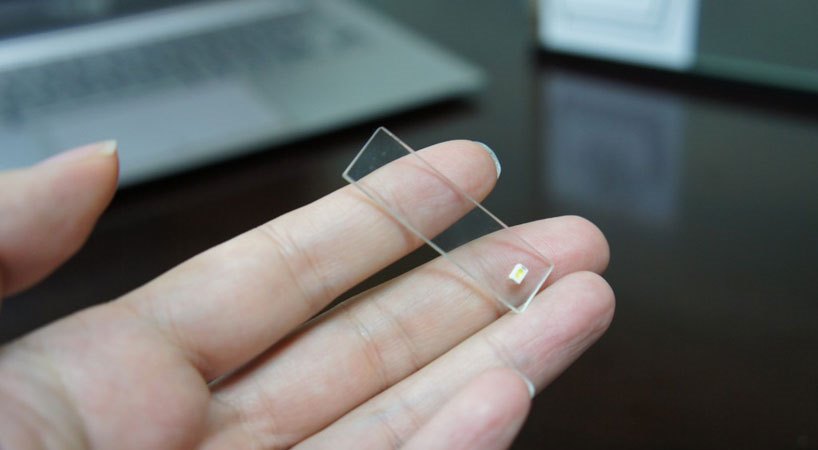
In a recent story, a Taiwanese group named polytron introduced their concept for a transparent smartphone and USB stick. As purveyors of smart glass – glass with built-in LED displays, “privacy” glass, holographic glass, touchscreen glass, etc – this latest invention effectively combines what they do best with the world of computing and communications and has jump started efforts to create to completely transparent devices.

transphone1

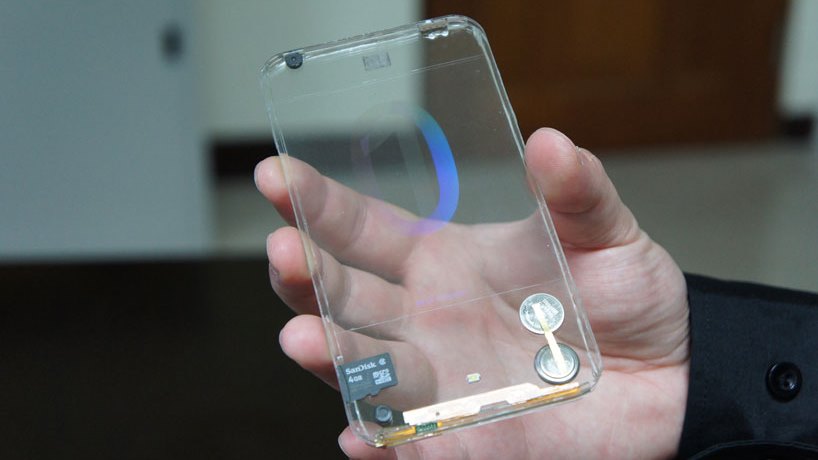
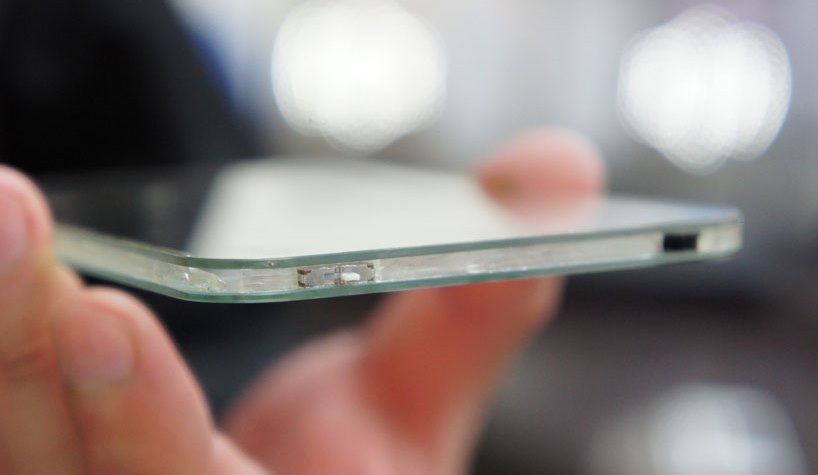
As you can see from the pics and video below, the phone has a thin frame, a slot for a SIM card, speakers mounted in the top, and is powered by two button cell batteries. It also boasts and LED screen, and is clearly still very much in the research and development phase. In the future, the company plans to mount a case across the bottom to hide the electronics, and an operating system will come as standard.

Much the same is true of their transparent USB stick. Combining an internal chip, a transparent case, and an embedded LED light to let you know when it’s plugged in, this device is likely to become the next generation of USB drives. And according to official rumors, the glass USB stick will also be made available with storage capacities of 4, 8, 16, and 32 gigabytes. No telling when it will be commercially available as of yet, but in all likelihood, sooner than the transparent phone.

transphone2

Be sure to check out these videos by Mobile Geeks, and follow the links at the bottom of the page to learn more about polytron’s smart glass products. I assure you, its really quite inspired!


Source: designboom.com, polyvision.com

AR Glasses Restore Sight to the Blind

projectglass01As I’m sure most readers are aware, blindness comes in many forms. It’s not simply a matter of the afflicted not being able to see. In fact, there are many degrees of blindness and in most cases, depth perception is limited. But as it turns out, researchers at the University of Yamanashi in Japan have found a way to improve depth perception for the visually challenged using simple augmented reality glasses.

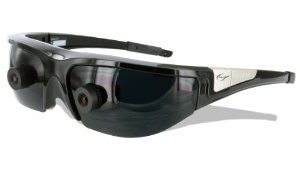
The process involved a pair of Wrap 920 ARs, an off-the-shelf brand of glasses that allow their wearer to interface with their PC, watch video or surf the internet, all the while staying mobile and carrying out their daily chores. The team then recorded images as seen by the wearer from the angle of both eyes, processed it with a quad-core Windows 7 machine, and then merged the images as they would appear to the healthy eye.

AR_glassesEssentially, the glasses perform the task of rendering a scene as it would be seen through “binocular vision” – i.e. in 3D. By taking two images, merging them together and defining what is near and what is far by their relative resolution, they were able to free the wearer’s brain from having to it for them. This in turn allowed them to interact more freely and effectively with their test environment: a dinner table with chop sticks and food in small bowls, arguably a tricky meal to navigate!

Naturally, the technology is still in its infancy. For one, the processed imagery has a fairly low resolution and frame rate, and it requires the glasses to be connected to a laptop. Newer tech will provide better resolution, faster frames per second, and a larger viewport. In addiiton, mobile computing with smartphones and tablets ought to provide for a greater degree of portability, to the point where all the required technology is in the glasses themselves.

posthumanLooking ahead, it is possible that there could be a f0rm of AR glasses specially programmed to deliver this kind of vision correction. The glasses would then act as a prosthesis, giving people with visual impairment an increased level of visual acuity, bringing them one step closer to vision recovery. And since this is also a development which will blurring the lines between humans and computers even more, it’s arguably another step closer to transhumanism!

Source: Extremetech.com

Nokia Morph Concept Phone

nokia_morphThis story is a bit of an expansion on a preview post, and one which I’ve put off since I spent so much time talking about phones a few weeks ago. And the concept is a little dated at this point, but since it’s still in the works and just as revolutionary. And trust me, its quite cool and to read about!

It seems that there is no shortage of new and radical ideas when it comes to the field of personal communications these days! And when it comes to personal phones, it seems the sky’s the limit. In keeping with the trend to build smaller, ergonomic, flexible and thinner smartphones and PDA’s, Nokia has another concept which is making waves.

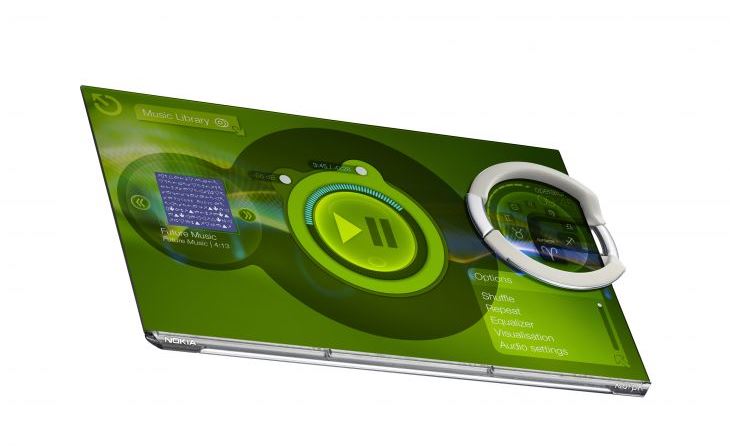
It’s known as the Morph, a new concept that showcases some revolutionary leaps being made in numerous fields. Thanks to ongoing collaboration between the Nokia Research Center (NRC) and the Cambridge Nanoscience Centre in the UK, this device incorporates numerous advances being made in terms of thin displays, flexible housings and nanotechnological processes. Once feasible, this phone will literary be assembled at the microscopic levels, leading to a phone made of “smart matter”.

In addition to the revolutionary nanoscale manufacturing process, the phone will present a number of radical new possibilities for users and device manufacturers everywhere. They include:

  • Newly-enabled flexible and transparent materials that blend more seamlessly with the way we live
  • Devices that are self-cleaning and self-preserving
  • Transparent electronics that offer an entirely new aesthetic dimension
  • Built-in solar absorption that charge a device and batteries that are smaller, longer lasting and faster to charge
  • Integrated sensors that allow people to learn more about the environment, empowering them to make better choices

In addition to the advances above, the integrated electronics shown in the Morph concept could cost less and include more functionality in a much smaller space, even as interfaces are simplified and usability is enhanced. What’s more, the development and combination of these technologies will have far-reaching benefits for the fields of communication and personal computing, revolutionizing how people do these in their daily lives.

And of course, Nokia was sure to create an animated video displaying the Morph concept in action. Take a gander:

Source: press.nokia.com, youtube.com