
 The last decade has seen some real interesting developments in the field of digital technology and telecommunications. Perhaps too interesting! When one considers the kind of over-saturation that has taken place with smartphones in recent years, not to mention the cavalcade of proposed concepts that are expected to take the field in the next few, one could get the impression that were moving too fast.
But that’s the nature of technological progress, it’s an iterative process that’s subject to acceleration. And of course, just because we’re being bombarded with countless proposals doesn’t mean they are all going to come true. But what is clear is that the smartphones of the next generation are going to have a few things in common.
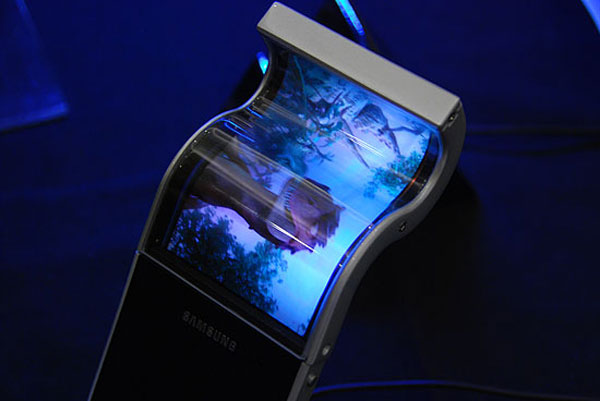
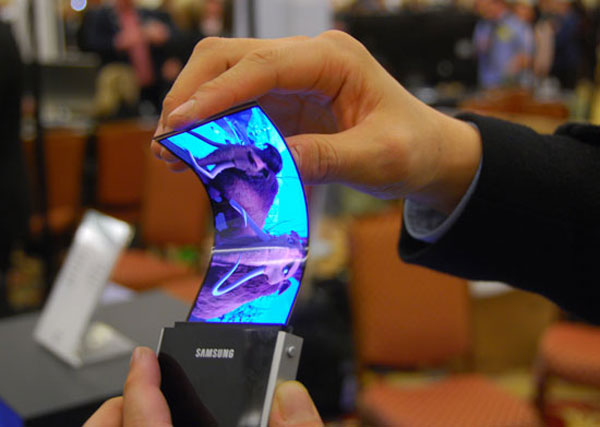
For example, flexible concepts are likely to be all the rage, as are touchscreens which have become the current mainstay. In addition, the phones are likely to be miniaturized even farther, some to the point of being paper thin and even collapsible. Transparencies are also a common concept, as are holographics and the ability to morph into other shapes.
In the end, its an open sea, and people will be free to pitch any and all combinations of these basic ideas. And there’s no telling which one’s will catch on and which one’s won’t. But one thing is clear. The end results are likely to be mighty cool and are sure to complicate our lives much, much more! And here are just some of the proposed concepts that are we likely to be seeing in the next few years…
Cobalto:
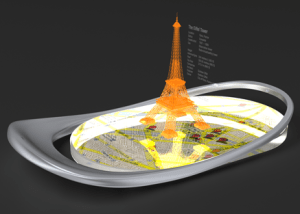 Mac Funamizu’s “Cobalto” has taken the cell phone concept way into the future, with an almost all-glass design. The phone would feature 3D imaging that could make Google Maps even more useful, as demonstrated here.
Dial:
 Jung Dae Hoon’s “Dial” concept takes the rotary phone of the ‘good ol’ days’ and combines it with mobile technology and modern jewelry sensibilities.
Kambala:
 A pop-up phone! Ilshat Garipov’s “Kambala” is a fascinating concept that features a center piece that can pop out to fit into your ear, making it an earphone. In theory, it will also have the ability to match your skin tone, rendering it almost invisible.
The Leaf:
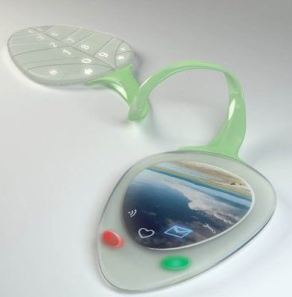 Anastasia Zharkova’s organic “Leaf Phone” melds aesthetic creativity with functionality. The winding stem of the leaves could be wrapped around a user’s arm, wrist, neck, or other body part.
Mobile Script:
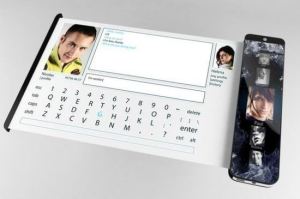 Aleksander Mukomelov’s “Mobile Script” phone starts with a stylish and sleek small screen, then reveals a larger touchscreen hidden within the phone’s body to meet all of your media device needs.
Morph:
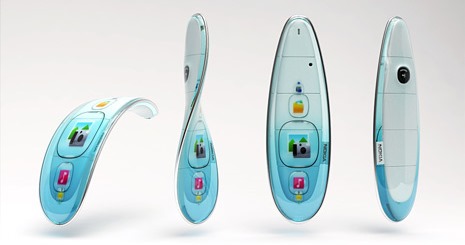
 Nokia’s “Morph” phone uses nanotechnology to create a flexible body and transparent screen that can be molded to whatever shape is the most convenient for its user. The nanotech could even clean itself.
Packet:
 Emir Rifat’s “Packet” phone won first place at the Istanbul Design Week 2007. The tiny phone starts off at 5 cm square, then folds out as needed for different functions.
Pebble:
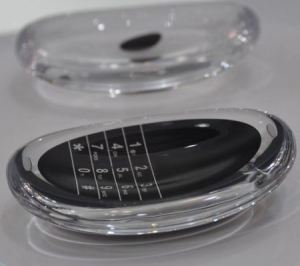 At first glance, this entrant into Fujitsu’s cell phone design contest looks like an ordinary paperweight. Actually, it’s a cleverly disguised phone. As the picture shows, the small black dot can be transformed into a keypad, media panel or web browser depending on what corner of the plastic handset you drag it to.
Sticker Phone:
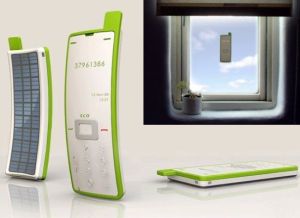 Liu Hsiang-Ling’s “Sticker Phone” has a solar panel on the back of the phone and a curved surface that will allow it to stick to a window via suction to charge. Plus, you won’t lose your phone somewhere on your desk.
Visual Sound:
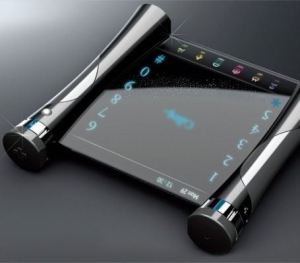 Suhyun Kim’s stylish “Visual Sound” voice-to-text concept phone for deaf people is a huge step from current systems like teletypewriters.
Window Phone:
 Designed by Seunghan Song, this “window phone” concept will reflect current weather conditions on the screen. To input text, you just blow on the screen to switch modes, then write with your finger as a stylus.
Source: Huffington Post.com

 Stories by Williams