With 2012 now officially behind us, and more and more stories trickling into this humble bloggers account about what was accomplished therein, it seems that the time is ripe for another list of breakthroughs, first, and achievements that made the news during the previous year!
Last time, I listed what I saw as the top 12, only to find that there were several others, some of which I actually wrote about, that didn’t make the cut. How foolish of me! And so, to remedy this and possibly cover stories that I neglected to cover the first time around, I have produced another list of the top stories from 2012.
And much like last time, I have listed them according to alphabetical order, since I couldn’t possibly assign them numbers based on importance.
Abortion Study:
 Abortion has always been a contentious issue, with one side arguing for the rights of the unborn while the other argues in favor of women’s right to control her own body and reproduction. And as it happens, 2012 saw the publication of the first longitudinal study of what happens to women who are denied this right.
The UC San Francisco research team, Advancing New Standards in Reproductive Health (ANSIRH), studied nearly 1,000 women from diverse backgrounds across the U.S. over several years. All of these subjects were women had sought out abortions but been denied access for one reason or another. What they discovered was that these women were more likely to slip below the poverty line, be unemployed, remain in abusive relationships, and suffer from hyper stress. What this ongoing study demonstrates is that abortion is an economic issue for women, with dire consequences for those denied them.
Autism Reversed:
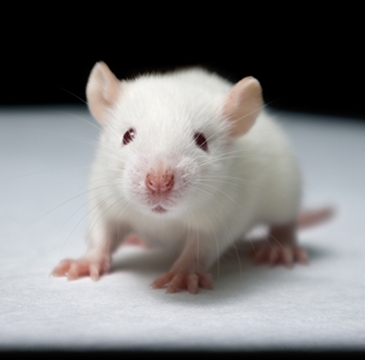
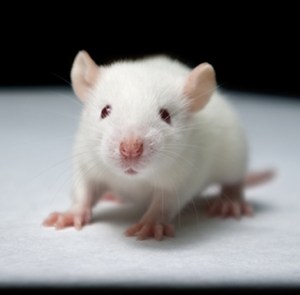 2012 was an especially significant year in medical advances thanks to a team at McGill University in Montreal announced that they’ve successfully reversed the symptoms of autism in mice. Using mice with autism-like symptoms caused by a genetic mutation, the researchers figured out how to administer a protein that reversed the symptoms.
Naturally, this development is a step in the long process of understanding a disorder which remains largely misunderstood. In addition, it may, in time, lead to the development of a gene therapy that will prevent autism from being triggered in children and even weed it out of parent’s genetic code, ensuring that their children will be immune.
Commercial Space Travel:
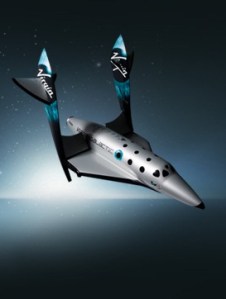 It has long been the dream of financiers, captains of industry and enthusiasts to create commercial space travel; a means for the average person to go into space, the moon, and even beyond. And all at a reasonable price! This dream is still the subject of speculation and fantasy, but 2012 was a year of firsts that made it seem that much closer.
For starters, Virgin Galactic, the brain-child of Richard Branson, began flight tests on SpaceShipTwo, the rocket ship that will take people into orbit. Then came Reaction Engines Limited with the proposed design for the hypersonic aerospace engine. And finally, there was the creation of Golden Spike, a company made up largely of former astronauts, who want to make commercial flight to the moon a go by 2020.
Electricity-Creating Virus:
 A breakthrough virus named M13 made news in 2012 for being the first ever virus that could turn physical activity into electricity. The key is what is known as the “piezoelectric effect,” which happens when certain materials like crystals (or viruses) emit a small amount of power when squeezed. Created by a team of scientists at the Berkeley Lab, this genetically engineered M13 viruses was able to emit enough electricity to power a small LED screen, but poses no threat to humans. One day, all devices could be powered through the simple act of typing or walking, and buildings could be powered by absorbing people’s activity.
Encyclopedia of DNA (ENCODE):
 The publication of the human genome back in the late 90’s was a major breakthrough for genetics and medical science. And in 2012, another breakthrough was achieved by researchers at USC with the publication of ENCODE – The Encyclopedia of DNA Elements Project. Unlike the previous project, these researchers were able not only to catalog the human genome’s various parts, but what those components actually do.
Among the initiative’s many findings was that so-called “junk DNA” – outlier DNA sequences that do not encode for protein sequences – are not junk at all, and are in fact responsible for such things as gene regulation, disease onset, and even human height. These findings will go a long way towards developing gene therapy, biotechnology that seeks to create artificial DNA and self-assembling structures, and even cloning.
Face Transplant:
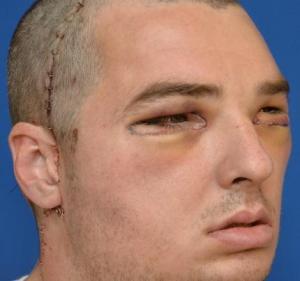 2012 was also the year that the first full-face transplant was ever conducted. The recipient in question was a man named Richard Norris, a man who lost significant portions of his face from a gunshot accident back in 1997. And after years of attempted reconstructive surgeries, doctors working out of the University of Maryland Medical Center performed a procedure that gave Mr. Norris a has face, teeth, tongue, and a completely new set of jaws.
Not only that, but within days of the surgery, Norris was able to move his facial muscle and jaw. Combined with the nature of the surgery itself, this is not short of unprecedented, and could mean a new age in which severe accident victims and veterans are able to recover fully from physical traumas and live perfectly normal, happy lives.
The Higgs Boson Discovered:
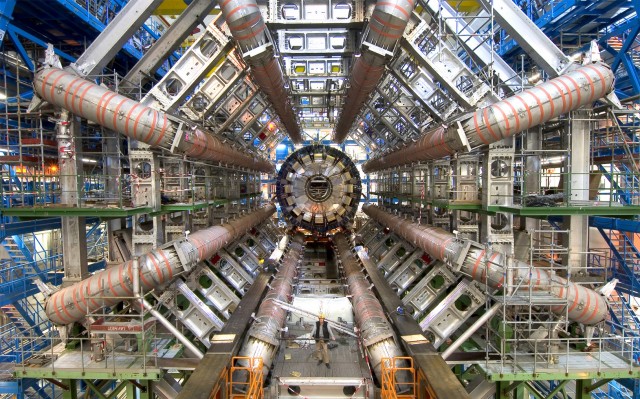
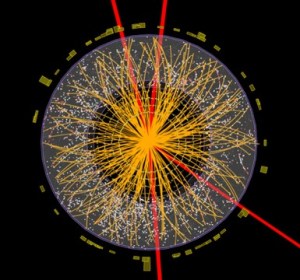 I can’t believe I didn’t include this story last time, as it is possibly the biggest story of 2012, and perhaps one of the biggest stories since the millennium! 2012 will forever go down in history as the year that the Higgs Boson was discovered. After some 40 years of ongoing research, and fears that it would never be discovered, the last missing piece of The Standard Model of particle physics was found.
Not only does the existence of the Higgs Boson confirm that the Standard Model is valid, it also helps explain how other elementary particles get their mass. This will herald a new step in the advance of particle and the quantum physics, and could lead to the development of quantum computing, quantum generators, and a greater understand of the universe itself.
High-Tech Condom:
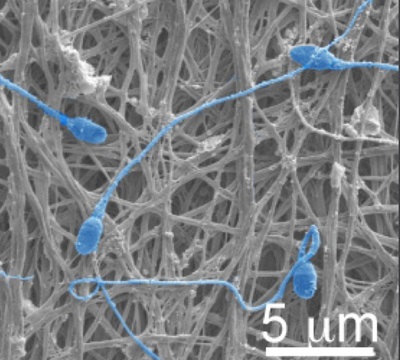
 Using a revolutionary nano-fabrication process known as electrospinning, researchers at the University of Washington have produced the world’s first female condom that not only prevents pregnancy and protects against HIV, but also evaporates after use. In addition, the manufacturing method used is a step in the direction of viable nanotechnology. Score one for safe sex, public health, and a waste free future permeated by tiny machines and smart materials! That’s a big score card…
Infinite Capacity Wireless:
 2012 was also the year that it was proven that it could be possible to boost the capacity of wireless communication infinitely. The discovery was first made by Bo Thide of the Swedish Institute of Space Physics and some Italian colleagues in Venice, and then confirmed by a team of American and Israeli researchers who used the technique to transmit data at a rate of 2.5 terabytes a second.
Conventional radio signals are transmitted on a flat plane, but Thide twisted the transmitting and receiving antennae into the shape of corkscrew. By adding another dimension to the mix, the technique added a lot of extra bandwidth. As a result, the problem of bandwidth crunches might be a thing of the past, not to mention problems of slow download/upload.
Google Neural Net:
 Another first and definitely one of the biggest headlines of 2012, far as I was concerned. So why I forgot to include it last time is beyond me! For generations scientists have contemplating the idea of AI and wondered how and where the first leap might be made from basic computing towards true machine intelligence. And as it turns out, Google X Labs, the same place where Project Glass was conceived, seems to have accomplished just that.
The accomplishment came when the labs created a neural network based on sixteen core processors and a connectome with a billion connections. The network accomplished its first task by studying millions of images on Youtube and then demonstrating the ability to differentiate between the faces of cats and humans. This act of independent reasoning that went beyond mere image recognition, and is a major step towards the achievement of a fully-functional artificial intelligence.
Stem cell mammal:
 For the first time in history, researchers at Kyoto University created a mouse by using eggs derived from stem cells alone. The achievement once again shows the remarkable possibilities presented by regenerative technologies like stem cells, while raising pressing ethical questions about the potential for human births in which parents might not be required.
Water in the Solar System:
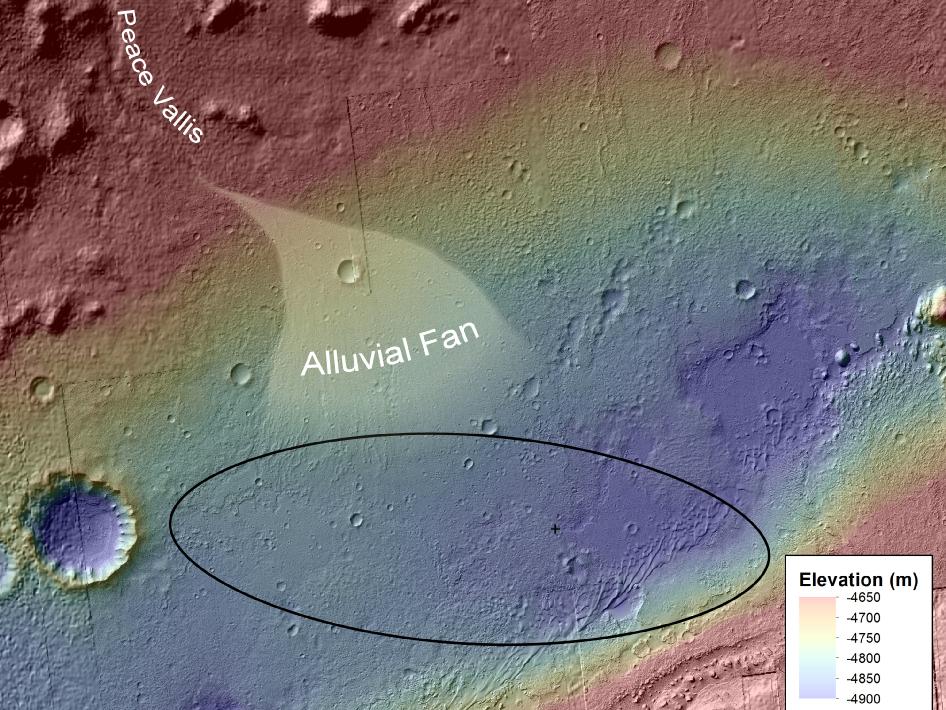
 2012 was also the year that an unprecedented amount of discoveries were made in our solar system. In addition to all the interesting revelations made by the Curiosity Rover, a number of probes discovered water on Europa, Mercury, Titan, and other Saturnalian moons. Usually, this comes in the form of water saturated with hydrocarbons, as was evident on Titan, but the discoveries remain monumental.
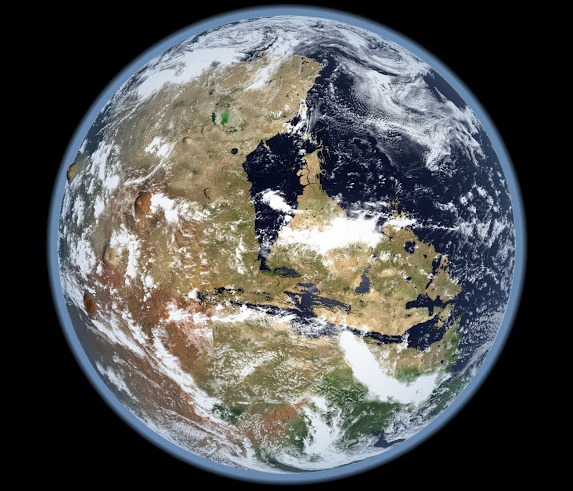
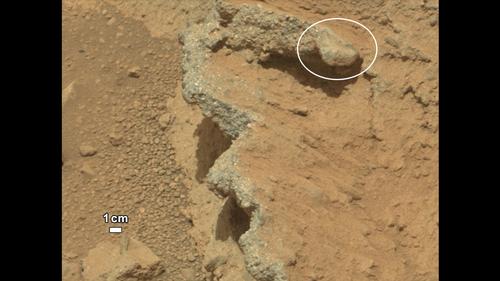
In addition to Titan’s methane lakes and Nile-like river, ice and organic molecules were discovered near the poles of Mercury. Evidence of water was found on Mars, indicating the existence of rivers and oceans at one time, and the Cassini space probe confirmed that Enceladus has its own oceans. All of this bodes well for the future of space exploration and colonization, where domestic sources of water may be used for hydrogen cells, hydroponics and even drinking water.
World’s First Tractor Beam:
 In another interesting first, NASA scientists demonstrated in 2012 that another staple technology from Star Trek may be realizable. Yes, in addition to the warp drive, scientists scientists David Ruffner and David Grier demonstrated that a tractor beam may also be realizable in the not-too-distant future. And given the 100 Year Starship Project and other desires to commit to space exploration, such a device could come in mighty handy!
Using a prototype optical beam to pull a small sphere of silica (30 micrometers) suspended in water, Grier and Ruffner pioneered the use of a Bessel beam, a long-established concept, to pull an object of discernible size and mass around. Naturally, NASA hopes to create a more high-powered version of the technology for use on space craft down the road.
* * *
Thank you once more for attending this symposium on technological breakthroughs during the year of 2012! It was a good year, wouldn’t you say? And barring the advent of killer robots sometime in the near future that unleash a nuclear holocaust on us and force us all to work as slaves, I think people will look back on these developments in a positive light.
Yes, assuming humanity can keep its wits about itself and ensure the ethical application of all we’ve accomplished, 2012 may be seen as a turning point, where incurable diseases became preventable, AI’s became realizable, and limitless communications, super-fast computations, paper-thin flexible devices, green technology, commercial spaceflight, and Solar planet colonization all became truly viable.
Source: extremetech.com, IO9.com

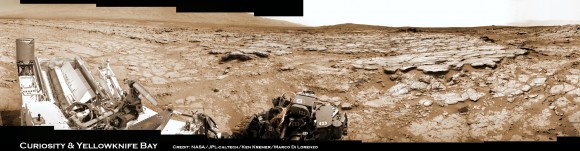
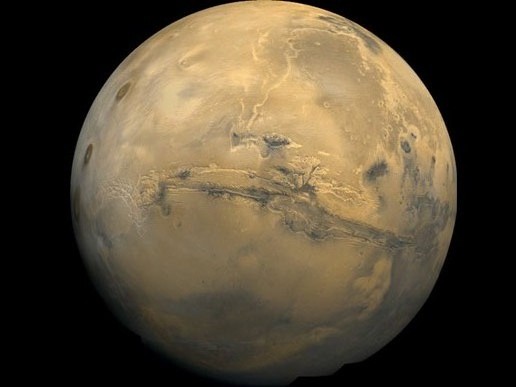
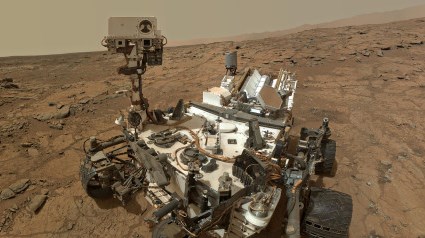 In this latest video update from the Mars Science Laboratory team, Ashwin Vasavada, the mission’s Deputy Project Scientist, discusses the recent findings by the Curiosity Rover. As always, these include ongoing studies of Mars atmosphere, in addition to soil and rock analysis, to determine what the Martian landscape may have looked like millions of years ago.
 What it noticed in particular was the isotopes of Argon, a basic element that is present in Earth’s atmosphere, Jupiter’s and even the Sun. In Mars case, the mix of light and heavy Argon – two different isotopes of the element – is heavier than in all the other cases. What this suggests is that the Martian atmosphere has thinned over the course of the past few million years.
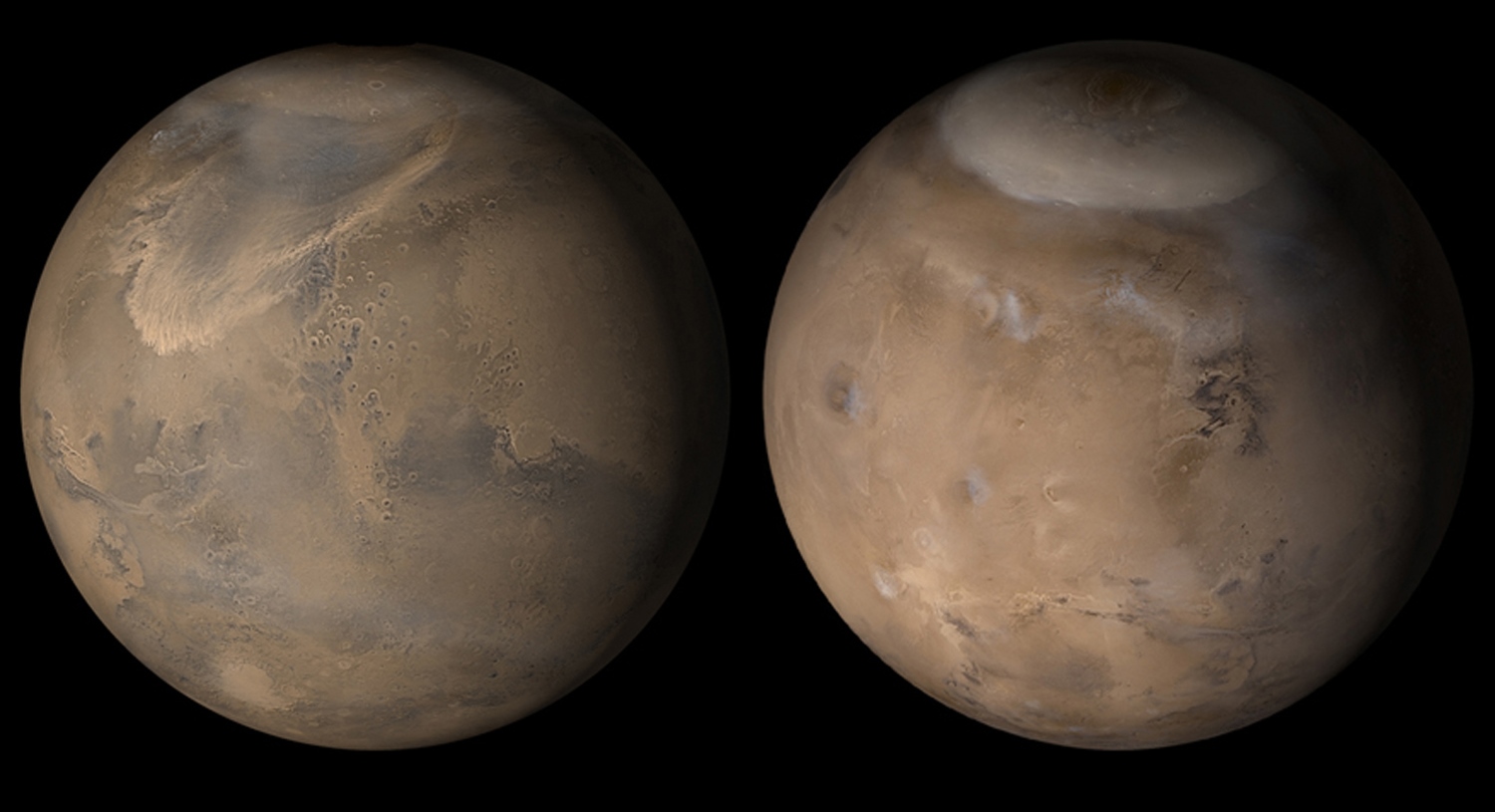 Check out the video below to hear Ashwin Vasavada speak about these latest findings, including the Solar Conjunction which kept them from communicating with the Rover until today. Now that the conjunction has ended, we can expect plenty more updates and interesting finds from the rover. Who knows? Maybe even some evidence about the existence of a Martian civilization.












 Stories by Williams