The first trailer for the upcoming movie Her has arrived, a movie about a writer that finds himself falling in love with his household AI. Written and directed by Spike Jonze (Being John Malkovitch, Adaptation, Where the Wild Things Are, and somehow, Jackass), the movie stars a mustachioed Joaquin Phoenix as a lonely writer and Scarlett Johansson as the voice of the AI Samantha.
Before you go thinking this is a totally creepy and weird concept, the movie trailer actually does the idea justice – examining the nature of relationships and what it means to be in love. And of course, it’s not all one way. Whereas Phoenix’s character Theodore is a recent divorcee who believes he’s found a true love in Samantha, she is a new life form that learns what love is through her relationship with him.
Her will open in a limited release this November, and I’m actually interesting in seeing it. It would be nice to see a movie where the AI’s aren’t defined by their creepy red eye or are constantly trying to kill us!
Folks, today I have a rare privilege which I want to share with you. Not that long ago, I reached out to a certain brilliant mind that’s been making waves in the scientific community of late, a young man who – despite his age – has been producing some life saving technologies and leading his own research team. This young man, despite his busy schedule, managed to get back to me quite quickly, and agreed to an interview.
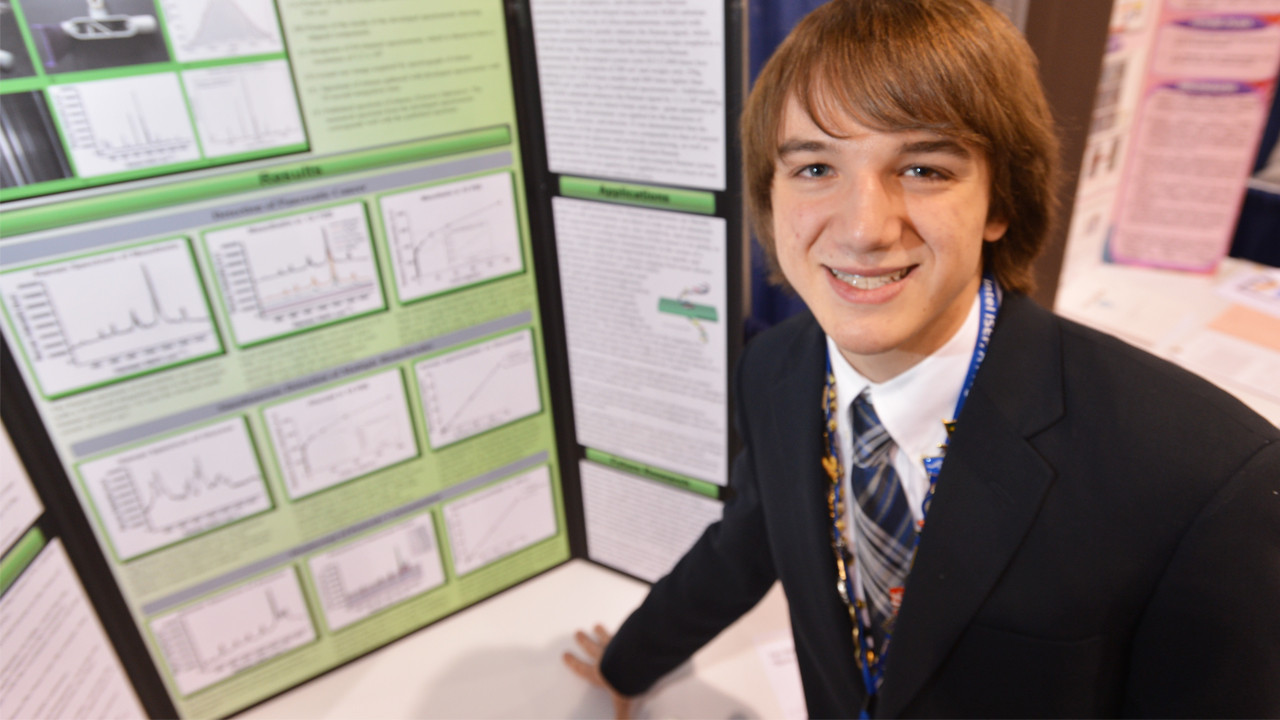
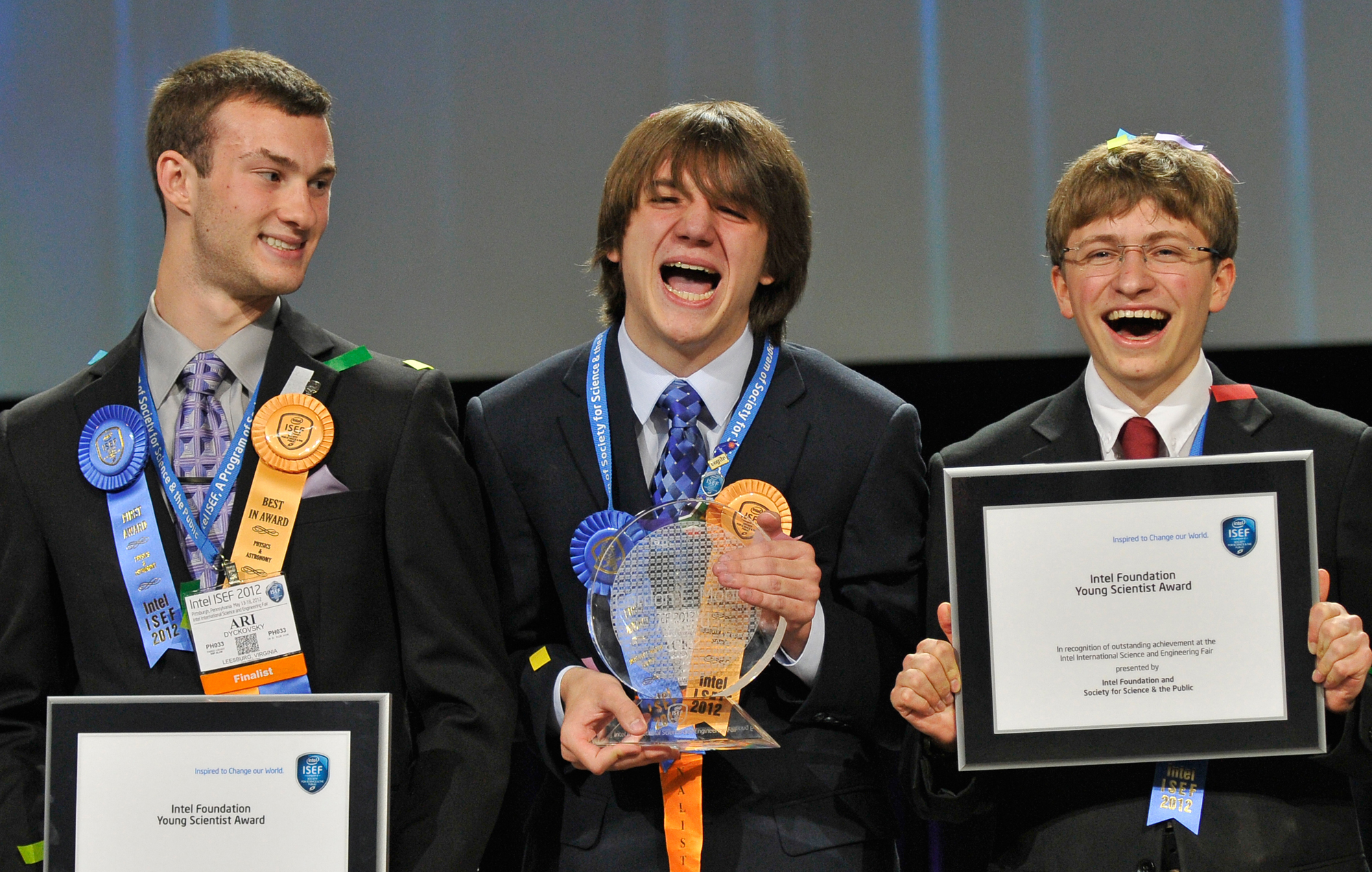
I am of coarse referring to Jack Andraka, a man who’s medical science credentials are already pretty damn impressive. At the age of 16, he developed a litmus test that was capable of detecting pancreatic cancer, one that was 90% accurate, 168 times faster than current tests, and 1/26,000th the cost. For this accomplishment, he won first place at the 2012 Intel International Science and Engineering Fair (ISEF).
Winning at the 2012 ISEF
Afterward, he and the other finalists formed their own research group known as Generation Z, which immediately began working towards the creation of a handheld non-invasive device that could help detect cancer early on. In short, they began working on a tricorder-like device, something for which they hope to collect the Tricorder X PRIZE in the near future.
While this project is ongoing, Andraka presented his own concept for a miniature cancer-detecting device at this year’s ISEF. The device is based on a raman spectrometer, but relies on off-the-shelf components like a laser pointer and an iPod camera to scan tissue for cancer cells. And whereas a raman spectrometer is the size of a small car and can cost upwards of $100,000, his fits in the palm of your hand and costs about $15.
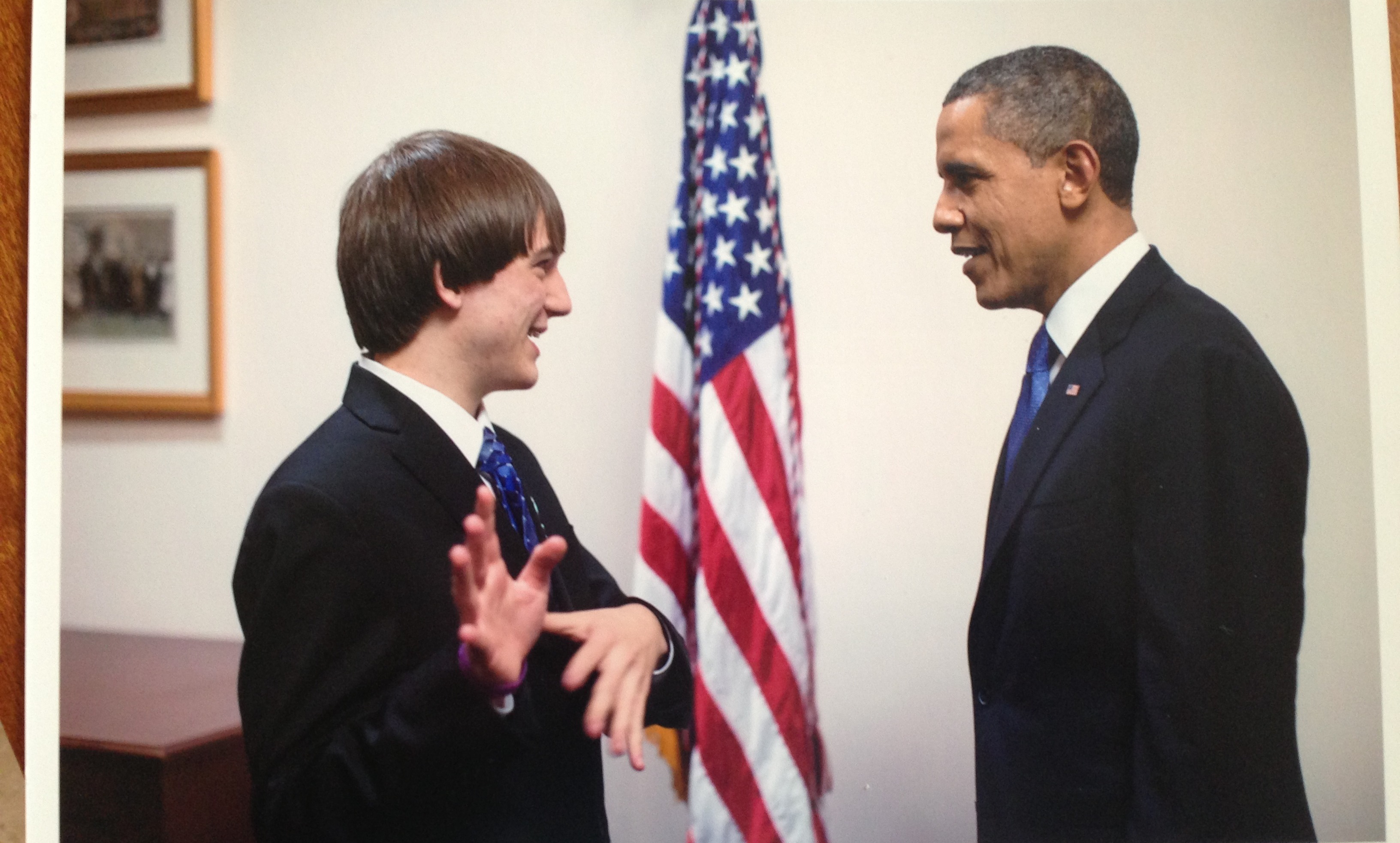
Talking with the Prez
Oh, and I should also mention that Jack got to meet President Obama. When I asked what the experience was like, after admitting to being jealous, he told me that the President “loves to talk about science and asks great questions. [And] he has the softest hands!” Who knew? In any case, here’s what he had to tell me about his inspirations, plans, and predictions for the future.
1. What drew you to science and scientific research in the first place?
I have always enjoyed asking questions and thinking about how and why things behave the way they do. The more I learned about a subject, the more deeply I wanted to explore and that led to even more questions. Even when I was 3 I loved building small dams in streams and experimenting with what would happen if I built the dams a certain way and what changes in water flow would occur.
When I entered 6th grade, science fair was required and was very competitive. I was in a charter school and the science fair was really the highlight of the year. Now I did not only love science, but I was highly motivated to do a really good project!
That’s him, building his dams
2. You’re litmus test for pancreatic cancer was a major breakthrough. How did you come up with the idea for it?
When I was 14 a close family friend who was like an uncle to me passed away from pancreatic cancer. I didn’t even know what a pancreas was so I turned to every teenager’s go-to source of information, Google and Wikipedia, to learn more. What I found shocked me. The 5 year survival rate is just awful, with only about 5.5% of people diagnosed achieving that time period. One reason is that the disease is relatively asymptomatic and thus is often diagnosed when a patient is in an advanced stage of the cancer. The current methods are expensive and still miss a lot of cancers.
I knew there had to be a better way so I started reading and learning as much as I could. One day in Biology class I was half listening to the teacher talk about antibodies while I was reading a really interesting article on carbon nanotubes. Then it hit me: what if I combined what I was reading (single walled carbon nanotubes) with what I was supposed to be listening to (antibodies) and used that mixture to detect pancreatic cancer.
Of course I had a lot of work left to do so I read and read and thought and thought and finally came up with an idea. I would dip coat strips of inexpensive filter paper with a mixture of single walled carbon nanotubes and the antibody to mesothelin, a biomarker for pancreatic cancer. When mesothelin containing samples were applied the antibody would bind with the mesothelin and push the carbon nanotubes apart, changing the strips’ electrical properties, which I could then measure with an ohm meter borrowed from my dad.
Then I realized I needed a lab (my mom is super patient but I don’t think she’d be willing to have cancer research done in her kitchen!). I wrote up a proposal and sent it out to 200 professors working on anything to do with pancreatic research. Then I sat back waiting for the acceptances to roll in.
I received 199 rejections and one maybe, from Dr Maitra of Johns Hopkins School of Medicine. I met with him and he was kind enough to give me a tiny budget and a small space in his lab. I had many many setbacks but after 7 months, I finally created a sensor that could detect mesothelin and thus pancreatic cancer for 3 cents in 5 minutes.
3. What was your favorite thing about the 2012 Intel International Science and Engineering Fair – aside from winning, of course?
My brother had been a finalist at Intel ISEF and I attended as an observer. I was blown away by the number and quality of the projects there and loved talking to the other finalists. It became my dream to attend Intel ISEF as well. My favorite thing about getting to be a finalist was the sense that I was among kids who were as passionate about math and science as I was and who were curious and creative and who wanted to innovate and push their limits. It felt like I had found my new family! People understood each other and shared ideas and it was so exciting and inspiring to be there with them, sharing my ideas as well!
4. What was the inspiration behind you and your colleagues coming together to start “Generation Z”?
I met some other really interesting kids at Intel ISEF who were making huge advances. I am fascinated by creating ways to diagnose diseases and pollutants. We started talking and the subject of the X Prize came up. We thought it would be a fun challenge to try our hand at it! We figure at the very least we will gain valuable experience working on a team project while learning more about what interests us.
5. How did people react to your smartphone-sized cancer detector at this years ISEF?
Of course people came over to see my project because of my success the previous year. This project was not as finished as it could have been because I was so busy traveling and speaking, but it was great to see all my friends and make new ones and explain what I was aiming for.
6. Your plans for a tricorder that will compete in Tricoder X are currently big news. Anything you can tell us about it at this time?
My team is really coming together. Everyone is working on his/her own piece and then we often Skype and discuss what snags we are running up against or what new ideas we are thinking about.
7. When you hear the words “The Future of Medicine”, what comes to mind? What do you think the future holds?
I believe that the future of medicine is advancing so fast because of the internet and now mobile phones. There are so many new and inexpensive diagnostic methods coming out every month. Hopefully the open access movement will allow everyone access to the knowledge they need to innovate by removing the expensive pay walls that lock away journal articles and the important information they contain from people like me who can’t afford them.
Now kids don’t have to depend on the local library to have a book that may be outdated or unavailable. They can turn to the internet to connect with MOOCs (Massive Open Online Courses), professors, forums and major libraries to gain the information they need to innovate.
8. What are your plans for the future?
I plan to finish my last 2 years of high school and then go to college. I’m not sure which college or exactly what major yet but I can’t wait to get there and learn even more among other people as excited about science as I am.
9. Last question: favorite science-fiction/fantasy/zombie or superhero franchises of all time, and why do you like them?
I like the Iron Man movies the best because the hero is an amazing scientist and engineer and his lab is filled with everything he would ever need. I wonder if Elon Musk has a lab like that in his house!!
Yeah, that sounds about right! I’m betting you and Musk will someday be working together, and I can only pray that a robotic exoskeleton is one of the outcomes! And I would be remiss if I didn’t point out that we had a Superhero Challenge here on this site, where we designed our own characters and created a fictional crime-fighting league known as The Revengers! We could use a scientifically-gifted mind in our ranks, just saying…
Thank you for coming by and sharing your time with us Jack! I understood very little of what you said, but I enjoyed hearing about it. I think I speak for us all when I say good luck with all your future endeavors, and may all your research pursuits bear fruit!
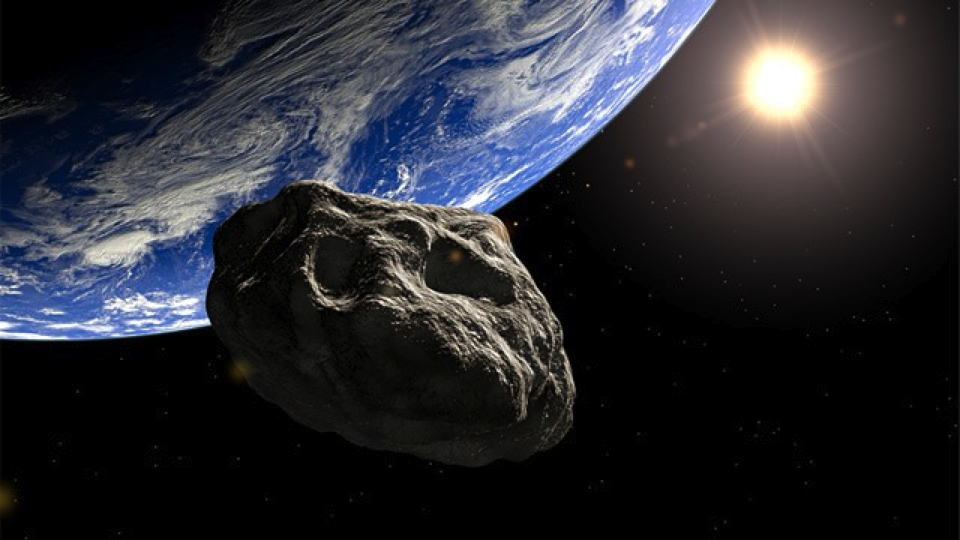
For some time, NASA has been forthright about its plans to tow an asteroid closer to Earth for the sake of study. As part of their long-term goals, this plan calls for the capture of a Near Earth Object (NEO) and positioning it at one of two Lagrange Points before conducting research on it. And late last month, they released plans on how they intend to go about doing this.
The first step, picking and choosing a potential target, would be handled by the telescope known as the Wide Field Infrared Survey Explorer (WISE). Launched in 2009, this telescope was charged with a two-year mission to image 99% of the visible sky in infrared wavelengths. Once this mission was successfully completed, NASA reassigned the craft a second four-month mission to track and discover near-Earth objects (NEOs).
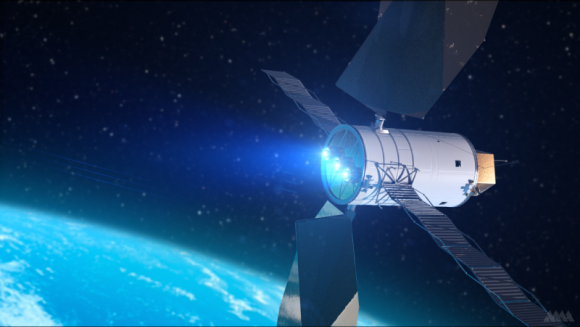
Once that’s done, the next phase of the mission will involve launching an unmanned probe to intercept the NEO and drag it back into a retrievable position, probably by wrapping a bag around it. While this might sound improbable, keep in mind NEOs are rather small, and a bag of high-tensile material would do the trick. A crew would then be dispatched on an Orion capsule mated to the upcoming heavy rocket known as the Space Launch System to retrieve samples of the asteroid and return them to Earth.
Despite troubles getting the US Congress to approve a budget necessary to mount a capture mission, NASA remains committed to the plan, mainly because of the benefits it would entail. Many of these small asteroids are thought to contain minerals from the very early stages of the solar system’s formation, which means they’d be a useful means of investigating theories on how planets and planetoids form.
In addition, studying NEOs is also essential in creating safeguards against them striking Earth. The Russian meteorite explosion earlier this year put a new emphasis on the importance of tracking small asteroids, as the object that detonated in the skies above Chelyabinsk was too small to have been detected by other means. Much like many small asteroids, NEOs are too small to reflect visible light and must be tracked by infrared imaging.
Ultimately, bagging and dragging one of the smaller ones may be the only way to successfully study them and find ways to divert the larger ones. And a mission of this nature would stretch NASA’s unmanned capabilities for probes and satellites — a useful factor when discussing exploration of targets like Europa or Titan. It would also serve as a test of the Orion capsule and SLS, which are the intended means of getting astronauts to Mars by 2030.
NASA’s news release included a series of photos and a video animation of how the capture operation would take place, which included crew operations, the Orion spacecraft’s trip to and rendezvous with the relocated asteroid, as well as astronauts maneuvering through a spacewalk to collect samples from the asteroid.
NASA will also be hosting a technical workshop at the Lunar and Planetary Institute in Houston from Sept. 20th to Oct. 2nd to discuss potential ideas, and is looking for public input. Virtual participation will also be available to the public, and details on how to participate will become available soon. Stay tuned for updates, or check in with Universe Today, who is following the story.
And be sure to check out NASA’s video on what the NEO capture would look like. And check out more of pictures at NASA’s Asteroid Initiative website.
Virtual Reality, which was once the stuff of a cyberpunk wet dream, has grown somewhat stagnant in recent years. Large, bulky headsets, heavy cables, and graphics which were low definition and two-dimensional just didn’t seem to capture the essence of the concept. However, thanks to the Oculus Rift, the technology known as Virtual Reality has been getting a new lease on life.
Though it is still in the development phase, the makers of the Oculus Rift has mounted some impressive demos. Though still somewhat limited – using it with a mouse is counter-intuitive, and using it with a keyboard prevents using your body to scan virtual environments – the potential is certainly there and the only question at this point is how to expand on it and give users the ability to do more.
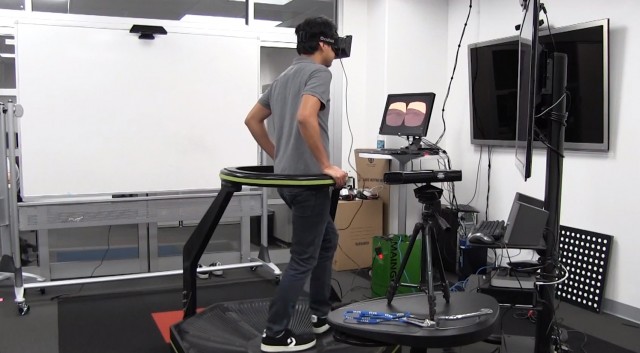
One group that is determined to explore its uses is NASA, who used it in combination with an Omni treadmill to simulate walking on Mars. Already, the combination of these two technologies has allowed gamers to do some pretty impressive things, like pretend they are in an immersive environment, move, and interact with it (mainly shooting and blowing things up), which is what VR is meant to allow.
NASA’s Jet Propulsion Laboratory, however, went a step beyond this by combining the Omni and a stereoscopic 360-degree panorama of Mars to create a walking-on-Mars simulator. The NASA JPL team was able to give depth to the image so users could walk around an image of the Martian landscape. This is perhaps the closest normal folks will ever get to walking around on a “real” alien planet.
Along with the Martian terrain, JPL created a demo wherein the user could wander around the International Space Station. The JPL team also found that for all the sophisticated imagery beamed back to Earth, it is no substitute for being immersed in an environment. Using a rig similar to the Rift and Omni could help researchers better orient themselves with alien terrain, thus being able to better plan missions and experiments.
Looking to the long run, this kind of technology could be a means for creating “telexploration” (or Immersive Space Exploration) – a process where astronauts would be able to explore alien environments by connecting to rover’s or satellites camera feed and controlling their movements. In a way that is similar to teleconferencing, people would be able to conduct true research on an alien environment while feeling like they were actually in there.
Already, scientists at the Mars Science Laboratory have been doing just that with Curiosity and Opportunity, but the potential to bring this immersive experience to others is something many NASA and other space scientists want to see in the near future. What’s more, it is a cheap alternative to actually sending manned mission to other planets and star systems.
By simply beaming images back and allowing users to remotely control the robotic platform that is sending them, the best of both worlds can be had at a fraction of the cost. Whats more, it will allow people other than astronauts to witness and feel involved in the process of exploration, something that social media and live broadcasts from space is already allowing.
As usual, it seems that the age of open and democratic space travel is on its way, my friends. And as usual, there’s a video clip of the Oculus Rift and the Omni treadmill bringing a walk on Mars to life. Check it out:
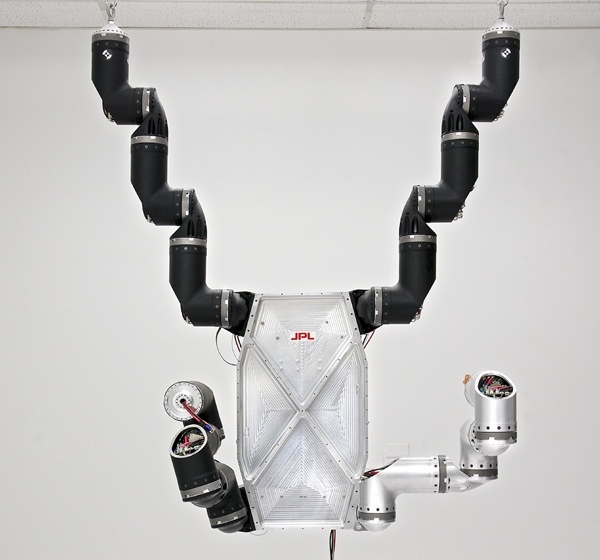
It goes by the name of Robosimian, an ape-like robot that was built by NASA’s Jet Propulsion Laboratory. Designed and built by JPL and Stanford engineers, RoboSimian was a recent competitor in the DARPA Robotics Challenge, a competition where participants attempt to create strong, dextrous, and flexible robots that could aid in disasters as well as search and rescue missions.
Admittedly, the robot looks kind of creepy, due in no small part to the fact that it doesn’t have a head. But keep in mind, this machine is designed to save your life. As part of the DARPA challenge, they are intended to go places that would be too dangerous for humans. So I imagine whatever issues a person may have with its aesthetics would disappear when they spotted one crawling to their rescue.
To win the challenge, the semi-autonomous robots will have to complete difficult tasks that demonstrate its dexterity and ambulatory ability. These include removing debris from a doorway, using a tool to break through a concrete panel, connecting a fire hose to a pipe and turning it on, and driving a vehicle at a disaster site. The competition, which began in 2012, will have its first trials in December.
Many of the teams in the challenge are creating fairly humanoid robots but RoboSimian, as its name implies, looks a bit more like an ape. And there is a reason for this: relying on four very flexible limbs, each of which has a three-fingered hand, the robot is much better suited to climbing and hanging, much like our Simian cousins. This makes it well-suited for the DARPA-set requirement of climbing a ladder, and will no doubt come in handy when the robot has to navigate difficult environments.
The demo video, featured below, shows the robots hands doing dextrous tasks as well as doing some pull ups. There’s also a computer renderings of what the final machine may look like. Check it out:
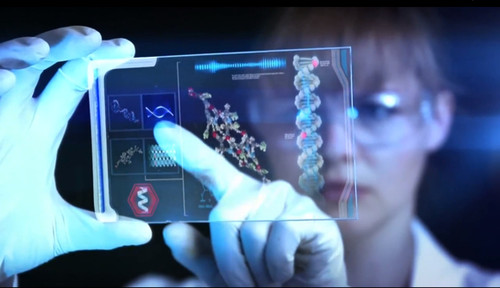
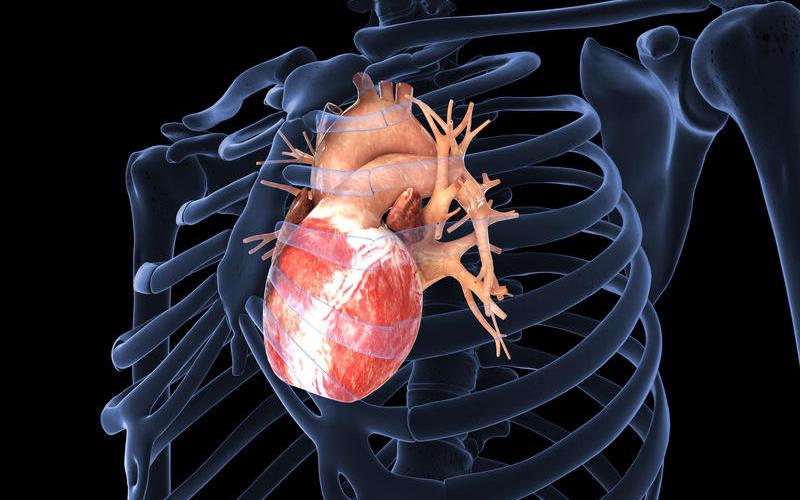
For years, medical researchers have been trying to find a solution to the problem of post-cardiac event health. You see, when a heart attack occurs, the damaged tissue doesn’t grow back, but instead forms non-beating scar tissue. This in turn permanently weakens the heart, making another cardiac event that much more probable.
However, researchers at Tel Aviv University are getting promising results from a possible solution using patches that contain cardiac cells and gold nanofibers. As with other experimental heart patches, the idea behind these ones is that they could be surgically placed on damaged areas of the heart, where they would cause normal, beating heart tissue to grow back.
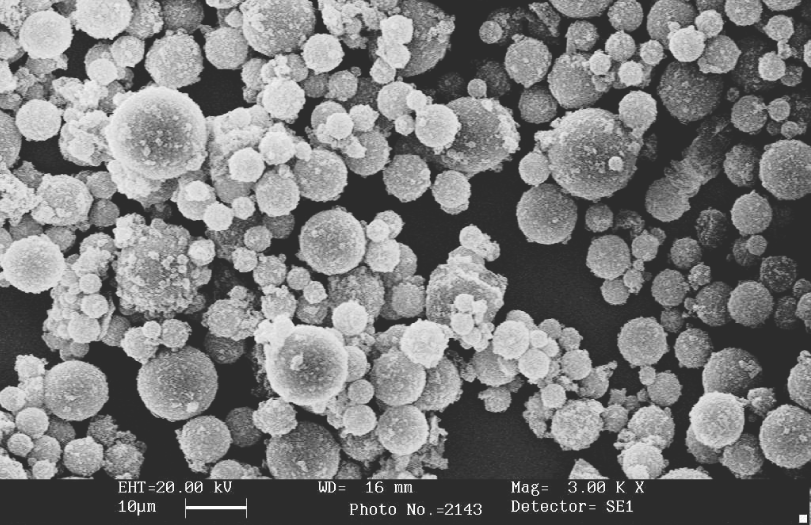
To create them, a team led by Dr. Tal Dvir started by integrating nanofibers made of gold nanoparticles into a three-dimensional scaffolding made of biomaterials. That scaffolding was then “seeded” with heart muscle cells. The high conductivity of the gold allowed those cells to communicate with one another by sending electrical signals through the network of nanofibers.
When viewed with an electron microscope, the cells were observed to be contracting in unison, which is essential to the proper beating of the heart. By contrast, cells that were placed on scaffolding without the embedded gold nanofibers displayed much weaker contractions. In other experiments, gold nanofibers have proven useful to enhancing heart heath. But in this case, may prove useful to replacing damaged heart tissue.
Naturally, more work is needed before this new heart patch can be made available to patients. This includes human trials, which Dr. Dvir and his colleagues are hoping to conduct soon. Similar research is also being conducted at MIT, where scientists have created electrically conductive tissue scaffolds that include cardiac cells and gold nanowires.
This research is not only a boon for cardiac health, but is also a major step forward in terms of cybernetics, biomimetics, and nanotechnology. By merging the organic and synthetic at the nano level, and in a way that merges with our bodies natural architecture, a new breed of medical solutions are being made available that could make “permanent conditions” a thing of the past.
Last year, the private space exploration company Planetary Resources announced that they intended to being prospecting and mining asteroids in the near future. And while they are certainly not alone in their intention to make this happen (Deep Space Industries has the same intention), many have asked if humanity is ready to begin extracting resources from the Asteroid Belt, at least as far as our level of technology is concerned.
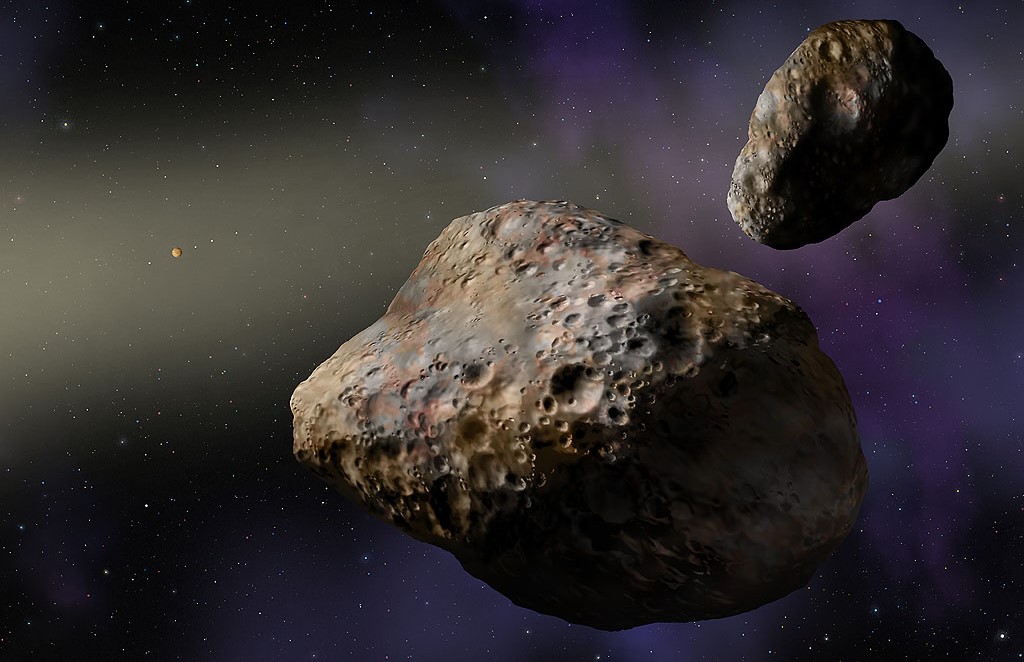
In response, a group of astronomers at the University of Strathclyde in the UK did their own study and concluded that it is indeed possible with current rocket technology. What’s more, they conducted a survey of the Asteroid Belt and identified 12 near-Earth asteroids that could be easily retrieved and mined, and which are believed to contain high concentrations of precious and industrial metals.
Already, it has been estimated that an asteroid as small as one-kilometer in diameter could contain upwards of two billion tons of iron-nickel ore, which is three times the global yield on Earth. Then there is the likely presence of gold, platinum, and other rare substances. Planetary Resources claims a 30-meter object of the right composition could contain $25 to $50 billion in platinum.
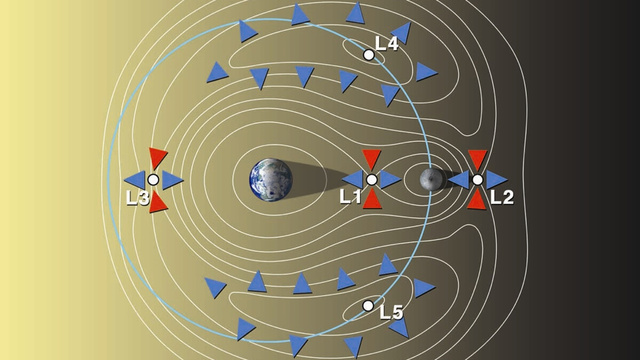
These numbers spurred the University of Strathclyde team, led by Garcia Yarnoz, to pour over the astronomical data on near-Earth objects to see if any of them could actually be snared. To their surprise, they found 12 small asteroids that pass close enough to Earth that they could be corralled into the L1 or L2 Lagrangian points for mining operations. The researchers dubbed these asteroids Easily Retrievable Objects (EROs).
Lagrange points refer to points where the gravity of Earth an another celestial object balance out. If anything enters one of these areas, it stays put, which is precisely what you want to do if you are looking to study it, mine it, or just keep it where its accessible. The L1 and L2 Lagrangian points are where the gravity of Earth and the sun are at a draw, roughly 1.6 million km (1 million miles) from Earth and about four times the distance to the moon.
The 12 candidate asteroids all have orbits that take them near the L1 or L2 Lagrangian points, so they would need only a small push to get them to the right spot. Yarnoz and his team estimate that changing the velocity of these objects by less than 500 meters per second would be sufficient, and this could be completed as early as 2026.
One of the important criteria in selected 12 mineable asteroids from the database of 9,000 near-Earth objects was size. Nudging a larger asteroid safely to a Lagrange point is simply not feasible with the current state of technology. In fact, most of the EROs that were identified in the study range between two to 20 meters, but that’s still large enough to contain substantial resources.
These 12 objects are probably a small fraction of EROs floating around near Earth. We know where many more of the big space rocks are because they’re much easier to see, but there might be a wealth of resource-rich small asteroids near the Lagrangian points ripe for the picking. And with time, and more orbital telescopes to spot them with, we can expect the list of mineable asteroids to grow.
Some of you may recall how a few years back, a group of Detroit citizens began talking about erecting a statue of Robocop in their fair city. At the time, Detroit’s Mayor David Bing shot the idea down, eventually referring to it as “silly”. This led to a campaign that was dedicated to making the statue happen, and after three years, it looks like they are finally going to get their wish.
In addition to a promotional video starring Peter Weller (Robocop himself), a Kickstarter campaign was mounted to fund the statue’s creation. The campaign was launched back in 2011 by the group known as Imagination Station, a Detroit nonprofit specializing in art and renovation. Within 45 days, they had raised over $67,000, thanks to public donations but also from an unexpected source.
As the story goes, Brandon Walley – director of development at the Imagination Station – received a call from Pete Hottelet, the founder of Omni Consumer Products (OCP). As anyone who’s seen Robocop knows, this is the name of the evil megacorporation at the center of the RoboCop universe. But in this case, OCP specializes in selling real-world versions of products seen in popular movies and TV shows.
Apparently, Hottelet had contacted Mayor Bing’s office and was told outright that the city was not involved in any such project. He then called Walley, got the low-down on their intentions to go ahead with creating one anyway, and agreed to match the money they raised. After six days and $25,000 raised, Hottelet cut them a cheque for the same amount. Thirty nine-days later, they had the remaining ten grand they needed, and then some.
And as I recently learned, back in May production began on the statue right here in British Columbia by Across the Board Creations, a studio that specialized in 3D models, props, and artistic recreations. This past Wednesday, the finished product arrived in a crate at the Imagination Station, and photos have began to circulate of the finished product.
The Imagination Station in Detroit has offered a place on its property at Roosevelt Park to install the 10-foot-tall statue, which has now been cast and is headed to Venus Bronze Works in Detroit to be bronzed. And as you can see from the photo (see below), it is rather large, detailed, and pretty badass! Plans have already been made to erect the statue in 2014, just in time for the Robocop movie relaunch.
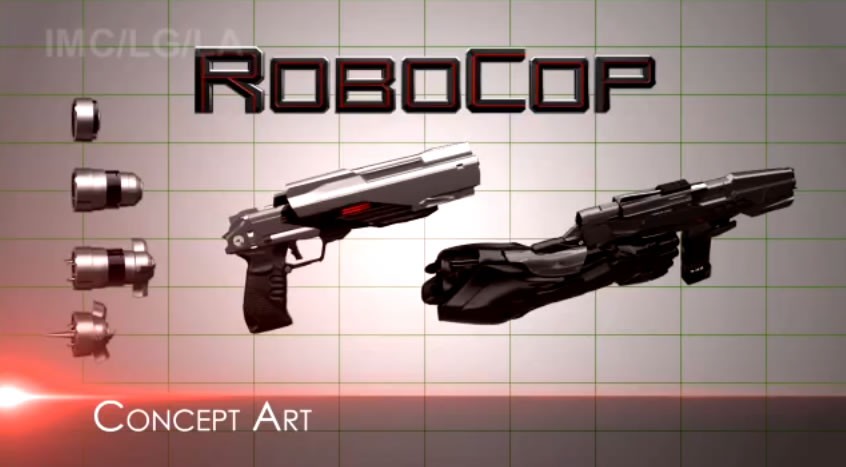
You may also notice I’ve peppered concept art for the movie throughout. These include Robocop’s new sidearm, OCP’s ED-209 Assault Walker, and the XT-908 Area Drone. Clearly, they are looking to merge elements of the original with a more model feel, going beyond mere cyborgs, walkers and corporate greed to include unmanned aerial surveillance and the motif of a police state.
Pretty badass, huh?
And be sure to check out Peter Weller’s hilarious promotional video for the statue, plus the trailer for the Robocop relaunch. Enjoy!

 The first trailer for the upcoming movie Her has arrived, a movie about a writer that finds himself falling in love with his household AI. Written and directed by Spike Jonze (Being John Malkovitch, Adaptation, Where the Wild Things Are, and somehow, Jackass), the movie stars a mustachioed Joaquin Phoenix as a lonely writer and Scarlett Johansson as the voice of the AI Samantha.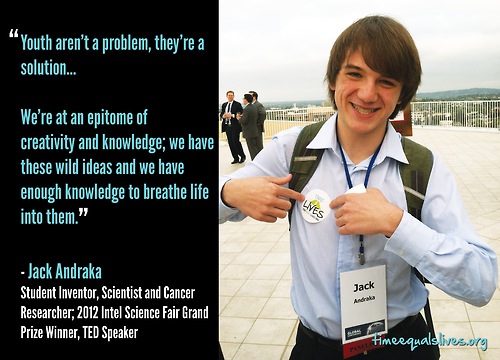















 Stories by Williams