This coming fall, Brad Pitt will be starring in another World War II movie, though one that is somewhat different from Inglorious Basterds. Set in April of 1945, Fury takes place in Germany during the final month of the war as the crew of a single Sherman attempt a final mission behind enemy lines. And as you can see from the stark and gritty trailer, the film features a real-live Sherman and Tiger tank, the latter of which was borrowed from a museum.
The movie also stars Shia LaBoeuf, Logan Lerman, and The Walking Dead‘s Jon Bernthal (aka. Shane) and is slated for release in November 2014.
Today marks a truly historic anniversary, one which I’ve been hoping to talk about ever since I got back from Europe. You see, in addition to being the centennial of the outbreak of hostilities in World War I, 2014 also marks the 70th anniversary of the liberation of Europe in World War II. And it is today, on June 6th, that this began with the Allied landings in Normandy on D-Day. Codenamed Operation Overlord, this campaign was the beginning of the end for Hitler and his Third Reich.
I consider myself a very lucky person since this past April, I was able to see where much of this Operation took place. In addition to some of the beaches where the initial landings occurred, we also got the see the French countryside where the greatest amphibious invasion in history would extend into one of the greatest military campaigns of all time. And while doing this, we got to establish a personal connection by learning about how some of our family member died during and shortly after that “Day of days”.
Preparations: Planning for this invasion – which involved a 1,200-plane airborne assault , preceded an amphibious assault involving over 5,000 vessels and Nearly 160,000 troops – began in earnest in 1940 after the fall of France. But with the invasion of the Soviet Union in the summer of 1941, the Allies found themselves under increasing pressure to open a “Second Front” in Europe. But logistics, and concerns over heavy casualties, delayed any such operation for a full three years.
Having learned the lesson of Dieppe, the Allies knew that any assault on the German-held coast of France would depend heavily on three major items. For starters, it would require sufficient manpower and support to succeed in making an initial landing. Second, it would require a functional port facility to ensure that supplies could make it into the foothold, once established. And third, it would require extreme secrecy to ensure that the Allied landings would achieve the element of surprise.
This is not to say that plans for an earlier invasion were not considered. In fact, in 1942, then Brigadier-General Dwight Eisenhower drew up a formal plan to land an invasion force on the broad beachheads between Boulogne and Le Havre in north-eastern France. Reflecting American enthusiasm for an early entry into Europe, as well as a desire to reduce pressure on Soviet Forces in the East, the plan was shot down by Churchill and British military planners who saw it as unrealistic.
A second plan was also suggested for an early entry into Europe that year, which was known as Operation Sledgehammer. As a contingency to Roundup, this plan called for Allied forces to seize the French ports of either Brest or Cherbourg during the early autumn of 1942 along with areas of the Cotentin Peninsula. They were then to amass troops for a breakout the spring of 1943, coinciding with the Roundup landings farther to the east, and then move south into France.
Wanting to avoid a costly confrontation similar to the Somme in World War I, Churchill advised that they focus instead on the Meditteranea. Much like the plan to strike at the enemy’s “soft underbelly” by landing in Galipoli and Southern Europe in World War I, this alternative seemed like a good way to strike at the Axis where they were weakest. Following the defeat of Axis forces in North Africa, this plan of attack began with the invasion of Sicily in the summer of 1943 and the Italian mainland by September.
These operations provided the Allied troops with valuable experience in amphibious warfare. What’s more, the ill-fated operation at Anzio (Operation Shingle) in January of 1944 provided some additional lessons of what not to do during an invasion. Here, the Allied commander had failed to take advantage of the element of surprise and waited to consolidate his forces before attempting a breakout. As a result, a German counter-attack succeeding in eroding the beachhead until operations further south forced the Germans to withdraw.
Overlord: With all these lessons learned and preparations now complete, the Allies began to plan for the invasion of France in detail. The operation – dubbed “Overlord” – called for an amphibious invasion of five beachheads along the Normandy Coast. While the American 1st Army (under Gen. Omar Bradley) would land in the Western Sector at Omaha and Utah, the British 2nd Army (under Gen. Dempsey) would land These would be preceded by massive aerial and naval bombardment, plus the airborne landing of thousands of paratroopers in the interior.
The landings were to be preceded by airborne drops in the Normandy countryside, which were to be carried out by the American 101st and 82nd Airborne Divisions. The landing would take place near Caen on the eastern flank to secure the Orne River bridges, and north of Carentan on the western flank. The initial goal was to capture Carentan, Isigny, Bayeux, and Caen and take control of key crossroads and bridges to prevent the Germans from mobilizing a counterattack against the Allied beachhead landings.
Once ashore, the Americans would advance inland from Omaha and Utah to cut off the Cotentin Peninsula and capture the port facilities at Cherbourg. From Sword, Gold and Juno Beaches, the British and Canadians would capture Caen and form a front line to protect the American flank, while establishing airfields near Caen. Possession of Caen and its surroundings would give the Anglo-Canadians a suitable staging area for a push south to capture the town of Falaise.
With Normandy and the Contentin secured, the Allies would drive east to the Seine River and the liberation of Paris, which Montgomery envisioned would take 90 days. And to address the issue of supplies, the Allies also committed to building two artificial harbors (known as Mulberry Harbors) that would be transported across the English Channel and placed at the Omaha and Gold Beaches. From these, the Allies would be able to keep the supplies flowing until Cherbourg and other port facilities were secured along the coast.
And in the months leading up to the invasion, the Allies conducted a substantial campaign of military deception, codenamed Operation Fortitude. Using both electronic and visual misinformation, and passing on intelligence through double-agents, the Allies were able to mislead the Germans as to the date and location of the main landings. The Normandy invasion, according to this misinformation, was merely a feint designed to lure German divisions away from the real landing site – the Pas de Calais region.
To really sell the Germans on this fake plan, a phoney army was commissioned at Dover, England. Here, real military units were stationed alongside artificial tanks and trucks to create the illusion of second, larger landing force that was preparing to land off the coast at Pas de Calais. General Patton, whom the German High Command still believed to be the Allies top general, was put in command of this phoney army. As a result, much of the German army would remain at Pas de Calais to defend against Patton’s supposed attack, even as the Normandy landings were taking place.
On June 5th, minesweepers began clearing lanes across the English Channel for the invasion, and troops began to load onto their ships from twenty departure points along the southern tip of England. The ships met at a rendezvous point nicknamed “Piccadilly Circus” south-east of the Isle of Wight to assemble into convoys to cross the Channel, and a thousand bombers and aircraft left before dawn to attack the coastal defences and drop airborne troops behind enemy lines. The invasion had begun!
D-Day:
You are about to embark upon the Great Crusade, toward which we have striven these many months. The eyes of the world are upon you. The hopes and prayers of liberty-loving people everywhere march with you. In company with our brave Allies and brothers-in-arms on other Fronts, you will bring about the destruction of the German war machine, the elimination of Nazi tyranny over the oppressed peoples of Europe, and security for ourselves in a free world.
—Eisenhower, Letter to Allied Forces
On the dawn of June 6th, preliminary naval bombardment from five battleships, twenty cruisers, sixty-five destroyers, and two monitors commenced. Their guns began firing at 05:45 am and continuing until 06:25 am. Five minutes later, infantry began arriving on the beaches in all five sectors. At Utah and Sword, resistance was light and the landings successful, and Allied units were able to make it shore with minor losses. At Omaha, Juno, Gold, and Point-de-Hoc, things did not go as planned.
In all of these cases, resistance proved stiff and the landings were complicated by high wind and choppy seas. At Point-de-Hoc, where the Rangers were tasked with seizing several coastal batteries, they managed to reach the top of the cliffs while under enemy fire, only to find that the German guns had been moved ahead of time. At Juno and Gold, British and Canadian forces experienced a tough fight as they were initially forced to land and take out the German positions without armor support.
But the worst fighting took place at Omaha, where German machine gunners, firing from bunkers that had not been destroyed by the preliminary bombardment, and located atop sea bluffs, fired on the exposed landing craft and troops. To make matters worse, the 1st American Infantry Division faced an entire German Infantry Division, rather than the single regiment that was expected. Combat engineers were also unable to clear the beaches for their tanks, forcing the Americans to advance without armored support.
In the end, disaster was averted thanks to troops and engineers making their way up five gullies along the sea wall, which allowed them to outflank the bunkers and take out the German machinegunners. By early afternoon, all the beachheads were secured. By 16:00, the German 21st Panzer Division began mounting a counterattack between Sword and Juno, but met stiff resistance and were forced to pull back to defend the area between Bayeux and Caen.
Farther inland, the Airborne drops also did not go as planned. For the 82nd Airborne Division in the east, several of their gliders crashed or were shot down and some 5,245 troopers were killed, wounded, or missing. In the west, the 101st Airborne’s landing were scattered due to unexpectedly high German anti-aircraft fire, and the division suffered some 1,240 men killed, wounded, or declared missing on that single day. However, in the days that followed, both divisions were able to consolidate, take their objectives, and fight off numerous counter-attacks by German troops.
All told, Allied casualties on the first day of the invasion were at least 12,000 with 4,414 confirmed dead, compared to 1000 lost by the Germans. In addition, only the Canadian forces that had landed at Juno were able to achieve any of their D-Day objectives, which included the seizure of the towns of Autrie and Carpiquet and the high ground west of Caen. In addition, the Allied invasion plans called for the capture of Carentan, St. Lô, Caen, and Bayeux on the first day, as well as the connection of all the bridgeheads. None of these objectives were achieved.
The five bridgeheads were not connected until 12 June; and Caen, a major objective, was still in German hands at the end of D-Day and would not be completely captured until the 21st of July. However, as the old saying goes “No plan survives contact with the enemy”. And no one who witnessed the great undertaking – including the Germans – could say that the operation had not been a success. Nearly 160,000 troops crossed the English Channel on 6 June, and more than three million allied troops were in France by the end of August.
Legacy of D-Day:
For all those involved and concerned, the invasion of Normandy was the beginning of the end of the war. Whereas the Germans had suffered multiple defeats in Russia, North Africa, Sicily and Italy – and already knew that they were not going to win the war – their defeat was not yet inevitable. When news had reached Hitler’s ears of the invasion, he was promptly advised that his only recourse was to “End the war”. Naturally, he did not, and it would be almost another year before the war officially ended.
But it was the sacrifices made by those many brave souls on this day some seventy-years ago that made the end of this terrible war inevitable. And so its only fitting that people all over the world are coming together to commemorate it. As I write this, countless veterans, civilians, and world leaders have converged on Normandy to pay their respects to the many soldiers and civilians who died on D-Day and during the Battle of Normandy. This included some 1000 veterans who participated in Operation Overlord, the youngest of which are in their 80s.
Nineteen world leaders were present at the event, including US President Obama, French President François Hollande, Canadian Prime Minister Stephen Harper, Russian President Vladmir Putin, German Chancellor Angela Merkel and Petro Poroshenko, Ukraine’s president-elect. For some of these leaders, it is the first time they have met face to face since Russia annexed the Crimea, drawing condemnation and sanctions from the West.
It is good to see that seventy years later, people are able to overcome their differences and come together to reflect upon the lessons of history. Perhaps we can draw some inspiration from this and effect some change in the present as well. For those who lived through the Second World War, many of whom were old enough to remember the First World War, it was obvious that the world would not survive a third. Remembering the past is not only important since it made the present possible, its also intrinsic to avoiding the repeating of it.
In preparation for the 25th anniversary of the Tiananmen Square Massacre (aka. the June 4th Incident), Chinese authorities decided to begin blocking Google. It’s believed that the blockade is tied to this week’s 25th anniversary of the 1989 Tiananmen Square Massacre where the People’s Liberation Army cracked down on pro-democracy demonstrators. Each year, the Chinese government censors the web in an effort to limit protests against the thwarted uprising.
Aside from Google, several internet services were blocked or censored in advance, including social networks and other web communication tools. Though the Chinese government has not yet confirmed this, countless Chinese users have discovered Google’s services to be inaccessible since the last week of May. In addition, a report from GreatFire.org claimed that the government appeared to have begun targeting Google Inc’s main search engine and Gmail since at least the last week of May, making them inaccessible to many users in China.
The report added that the last time it monitored such a block was in 2012, when it only lasted 12 hours. At is states:
It is not clear that the block is a temporary measure around the anniversary or a permanent block. But because the block has lasted for four days, it’s more likely that Google will be severely disrupted and barely usable from now on.
Asked about the disruptions, a Google spokesman said: “We’ve checked extensively and there’s nothing wrong on our end.” And Google’s own transparency report, which shows details about its global traffic, showed lower levels of activity from China starting from about Friday, which could indicate a significant amount of disruption. Other major social media sites – such as Twitter and Facebook and Google’s own Youtube – are already blocked in the country.
Of course, this should come as no surprise, given the way this anniversary is received by Chinese officials. For the ruling Communist Party, the 1989 demonstrations that clogged Tiananmen Square in Beijing and spread to other cities remain taboo, particularly on their 25th anniversary. When June rolls around each year and the Tiananmen Square Massacre is commemorated around the world, including in Hong Kong, China’s ruling party typically conducts a web crackdown.
It’s not uncommon for Chinese censors to block certain comments from being made even on China-based company services, like Weibo, China’s own version of Twitter. And China also applies pressure to search engines like Baidu in their country in order to ensure that censorship filters are in place. And as with previous years, the run-up to the anniversary has been marked by detentions, increased security in Beijing and tighter controls on the Internet.
This year, the detainees included prominent rights lawyer Pu Zhiqiang and Chinese-born Australian artist Guo Jian, a former Chinese soldier who last week gave an interview to the Financial Times about the crackdown. And as usual, the Chinese government made a statement in which it once again defended its decision to use military force against the pro-democracy demonstrators who gathered in the Square twenty-five years ago.
The statement came from Foreign Ministry spokesman Hong Lei during a daily news briefing, in which he said:
The Chinese government long ago reached a conclusion about the political turmoil at the end of the 1980s. In the last three decades and more of reform and opening up, China’s enormous achievements in social and economic development have received worldwide attention. The building of democracy and the rule of law have continued to be perfected. It can be said that the road to socialism with Chinese characteristics which we follow today accords with China’s national condition and the basic interests of the vast majority of China’s people, which is the aspiration of all China’s people.
On the subject of why Google was being targeted, Hong said only that the government “manages the Internet in accordance with the law”, which is consistent with the state’s position with all web-based censorship. When asked about the jailing of dissidents, Hong replied that “In China there are only law breakers — there are no so-called dissidents.” He also stressed once again that all departments of the Chinese government “consistently act in accordance with the law.”
For years now, Google has had a contentious relationship with China, which began with the company had once offering its search services to the world’s second largest economy. However, due to issues over censorship, Google decided to move its Chinese search engine to Hong Kong, effectively allowing them to operate outside the rules and regulations of the Chinese government. But as China demonstrated these past few weeks, it still has the ability to block the flow of traffic from Hong Kong into the mainland.
It also aptly demonstrated just how much it fears the specter of Tiananmen Square, even some twenty-five years later. From clamping down on their people’s ability to learn more about the massacre, to clamping down on even the possibility of protest in advance, to continually denying any wrongdoing and suppressing information on the number of people killed, the legacy of Tiananmen Square continues to expose the blatant hypocrisy and denial of the Communist Party of China.
If history has taught us anything, it is that the fall of a dictatorship usually begins with one terrible mistake. The state of China committed that mistake a quarter of a century ago, and since then has relied on state-sanctioned economic growth in order to justify its existence. But in so doing, they’ve essentially created a Catch 22 for themselves. Continued economic growth ensures greater material wealth for more and more of its people. And a burgeoning digital-age economy means more and more access to information for its citizens.
In short, the CPC is screwed. And I for one would be happy to see them gone! Lord knows they deserve it, and the Chinese people would be better off without them, no matter what they try to insist. So on this historic anniversary of the Tiananmen Massacre, I invite the CPC to EAT A DICK! And to the people still living under their hypocritical rule, please know that you are not alone. Hang in there, and wait for the day when these bastards join all the other reprehensible dick-heads on the ash heap of history!
Every year, millions of visitors flock to Angkor Wat – an ancient temple in modern-day Cambodia and the heart of the one-time capitol of the Khmer Empire. There, they marvel at the 900-year-old towers, a giant moat and the shallow relief sculptures of Hindu gods, and the intricate architecture and carvings. However, until very recently, they were unaware of the paintings on the temple walls, representations of daily life that were hiding in plain sight.
Built between A.D. 1113 and 1150, Angkor Wat stood at the center of Angkor, the capital of the Khmer Empire. The 500-acre (200 hectares) complex, one of the largest religious monuments ever erected, originally served as a Hindu temple dedicated to the god Vishnu, but was transformed into a Buddhist temple in the 14th century. Since that time, the temple has become a symbol of national pride for Cambodia and the source of much archaeological and historical research and speculation.
Thanks to digitally enhanced images, some tw0-hundred detailed murals have bee revealed that depict elephants, deities, boats, orchestral ensembles and people riding horses — all of which were invisible to the naked eye. According to the researchers who uncovered it, many of the faded markings could be graffiti left behind by pilgrims after Angkor Wat was abandoned in the 15th century. However, the more elaborate paintings may be relics of the earliest attempts to restore the temple.
The paintings were first noticed by Noel Hidalgo Tan, a rock-art researcher of the Australian National University in Canberra, while he was working on an excavation at Angkor Wat in 2010. After first spotting the red and black pigment on the walls of the monument, he decided to investigate further. After scientists took pictures using an intense flash, they then used a tool from NASA to digitally enhance the colors of the images.
To make these paintings visible, Tan and his associates used a technique called Decorrelation Stretch Analysis, which exaggerates subtle color differences. This method has become a valuable tool in rock-art research, as it can help distinguish faint images from the underlying rock. It has even been used to enhance images taken of the Martian surface by NASA’s Opportunity rover when conducting surface studies and geological analysis.
According to Antiquity, a quarterly archeology review, what they found was 200 depictions of ancient life. These included paintings of elephants, lions, the Hindu monkey god Hanuman, boats and buildings — perhaps even images of Angkor Wat itself. Tan went back to the site to conduct a more methodical survey in 2012 with his Cambodian colleagues from APSARA (Authority for the Protection and Management of Angkor and the Region of Siem Reap).
Some of the most detailed paintings, the ones located at the top of the temple, are passed by literally thousands of visitors every day, but the most elaborate scenes are effectively invisible to the naked eye.
One chamber in the highest tier of Angkor Wat’s central tower, known as the Bakan, contains an elaborate scene of a traditional Khmer musical ensemble known as the pinpeat, which is made up of different gongs, xylophones, wind instruments and other percussion instruments. In the same chamber, there’s an intricate scene featuring people riding horses between two structures, which might be temples. As Tan explained:
A lot of the visible paintings on the walls have been previously discounted as graffiti, and I certainly agree with this interpretation, but there are another set of paintings discovered from this study that are so schematic and elaborate that they are likely not random graffiti, but an attempt to decorate the walls of the temple.
Christophe Pottier, an archaeologist and co-director of the Greater Angkor Project who was not involved in the new study, agreed that these more complex murals show deliberate intention and can’t be interpreted as mere graffiti. Pottier, however, added that the discovery of hidden paintings isn’t all that surprising. Though they haven’t been studied systematically before now, several traces of paintings have been found at the temple during the last 15 years.
And though researchers can’t be sure exactly when the paintings were created, Tan speculates that the most elaborate artworks may have been commissioned by Cambodia’s King Ang Chan, who made an effort to restore the temple during his reign between 1528 and 1566. During this time, unfinished carvings were completed and Angkor Wat began its transformation into a Buddhist pilgrimage site, which are confirmed by some of the newly revealed paintings that show Buddhist iconography.
Ultimately, getting an accurate look at ancient heritage sites and representations is only one of the benefits of this new process. In addition, there is the potential for heritage conservation. With countless sites around the world being threatened by war, environmental issues, and neglect, getting a digital record of pictures like these will ensure that the works of ancient peoples to chronicle their lives and express themselves artistically will be preserved, long after the physical objects are gone.
And I’m back with the sixth and final installment in the 2014 Williams’ Family Eurotrip! And luckily, this one should prove to be the shortest, since our adventures during these last few days really don’t require any historical background. In reality, our last five days in Paris were spent seeing sight after sight, walking the city, drinking up the local culture and relaxing. So there’s plenty to describe and share, but most of it speaks for itself!
Monday, April 21st – Friday, April 25th – Paris and Nanaimo:
The Seine and the Pont de Sully in the distance
As so often happens on a trip, Monday was a day set aside for doing laundry and making sure our wardrobe lasted to the end. So, after breakfast at the hotel, we ventured down to the laundromat and figured out how to work the archaic machines. My mother seemed to remember, as this was the exact same laundromat she had used when she came to France with my sister in 1990 (did I mention they stayed at the same hotel too?) Anyhoo, Carla and I decided we would go for a run while our clothes washed and dried. This took us from our hotel down to the Seine, where we then headed south along the water to get the bridge that would take us to the Bastille Square. This was something we did not get to see the day before on our bus tour, so we decided now would be a good opportunity.
Very quickly, we noticed that the air quality was different than what we were used to. Living in small town BC, our outdoor runs are always characterized by meadow air intermixed with ocean breezes. But Paris, with its many million vehicles and mass transit system, can be forgiven for not being so pure. But of course, the sights were much more plentiful. Along the Seine, between the Pont de la Tournelle and the Pont de Sully, we saw the Statues en Plein Air art exhibit that runs along the south side. I have to admit, I didn’t examine the artwork much, but what I did see seemed very “moderne”.
Bastille Square and the July Column
After crossing the Pont de Sully, we ran up Boulevard Henry IV and reached the Place de la Bastille. The July Monument stood in the center of a roundabout, which we ran around to get a good look of! At the base, the inscription of July 1830 appears in gold, commemorating the July Revolution – otherwise known as the Second French Revolution. The square is jam packed with stores, cafes, cobblestone walk ways, and straddles three separate arrondissements (districts), with half a dozen other landmarks located nearby.
After rounding the Square and running back the way we came, and saw something a little odd. On the Seine, right next to the Pont de Sully, a group of police divers were out in a zodiac, their truck parked on the walkway next to the water. The divers pulled what looked like a body out of the water, and once they got it aboard, one of them began doing chest compressions. I chose to interpret this as an training exercise where the rescue divers were pulling a mannequin out of the water and practicing CPR. But Carla remains convinced that they were pulling a jumper out of the water and trying to resuscitate him. We’re still divided on this…
Statue of Charlemagne. Can you see any similarities?
Anyway, we arrived back at the laundromat a little while later and helped my folks escort our clothing home. It was nice to be able to get a second round out of our gear, we changed and showered, and walked to the Ile de la Cite. It was our hope to see Notre Dame’s interior; unfortunately, the lineup was prohibitively long! But it was Easter Monday, so that didn’t come as a huge surprise. So we decided we’d try again on the morrow and decided to carry on to our next destination.
Luckily enough, we were able to snap plenty of picks of the Cathedral, the Square of Jean XXIII, and the awesome statute of Charlemagne that sits out in front. For those who don’t know, he was the Carolingian (aka. Frankish) king who reigned during the late 8th and early 9th century, became Emperor of a western Europe and even led campaigns against the Moors in Spain. Naturally, I had to get a picture of him for our album. But I asked Carla to also take one of me standing in front of the statute because I really liked the look of his beard, and hoped people might see some similarities.
The Palais de Justice
And so we decided to carry on to the Louvre. But first, we needed some lunch. This we found at a restaurant sitting next to the Palais de Justice nearby, which was temporarily closed to the public for renovations. After some sandwiches and coffee, we proceeded to check out the Marche aux Fleurs (Flower Market) next to us, which was jam packed with animals – including some livestock – and carried on. After crossing another bridge, we landed on the east side of town and walked up the Quai de la Megisserie.
As it turned out, was also packed with animals! And by that I mean, pet stores. I’m not sure how many hours we spent visiting each and every one of these, but it was a few. But I guess that’s what happens when you take cat owners and animals lovers away from their pets! After shaking off the guilt of not being able to take every puppy and kitten home with us, we continued on our way to the Louvre, which was just a few more blocks away.
Outside the Louvre
Entering the museum was a bit of a task. First, we had to walk through the former Palace grounds, which is jam packed with vendors – people selling miniature Eiffel Towers and even one guy roasting chestnuts! – and then into the main grounds where the glass pyramid (as shown above) sits. Here, the lineups and crowds were to be found, and lots of signs out telling us to keep an eye on our handbags (thieves and purse cutters like to work there!)
But surprisingly, the wait time was only a half hour or so, and the lineup not as unbelievably long as we suspected. And before we knew it, we were inside and going down the escalator to the entrance foyer. To be fair, everyone in the family had been to the Louvre before, save me. So I was naturally quite impressed when we got inside and looked around. Many escalators ran from the ground to this area, and there were literally hundreds of people crowded in there. And from this spot, multiple staircases lead up to the adjoining floors where all the exhibits that cover the entirety of human civilization are kept.
The Ancient Near East Exhibit
We grabbed out tickets, some maps, and looked for our way out. After perusing the layout and debating what we’d like to see first, we decided to head over to the ancient world exhibits. We started with the Ancient Near East, which was filled with examples of ancient Mesopotamian sculptures, stone work, mosaics, and statues. As we walked through the many connected rooms, we were treated to pieces of the region’s later history, dating back as far as 7000 BCE and spanning the civilizations of Ancient Sumeria, Babylon, Iran and the Levant.
Now I’m not exaggerating in the slightest when I say that everything we saw was pretty damn kickass and impressive! But of particular interest, at least to me, were the Stele’s and tablets that contained ancient Sumerian and Babylonian script. And when I finally found the Stele showing the Code of Hammurabi and the tablets with the sections of the code written on it, I was sure to snap some pictures of them! This, and other examples of ancient writings, are amongst the most important historical objects in existence, and it was kind of mind-blowing being in their presence for the first time.
Code of Hammurabi Stele, front end
As you can see from the photo above, the front end of the Stele (which is sometimes referred to as a “fingernail” because of its shape) shows Hammurabi sitting on his throne where he is dispensing the law to what appears to be a Babylonian subject. Beneath that, the code is listed in its entity, setting out various rules of jurisprudence, religion, trade, slavery, the duties of workers, the distribution of food, and the punishment for infractions. Click on the pictures to get a better look.
We then doubled-back and went through the Greek antiquities, where my wife asked that we snap a photo of Aphrodite (aka. Venus de Milo) since this was the one major exhibit she missed on her previous trip. Like most of the main exhibits in the museum, get a close look at this one proved tricky. But I somehow managed to get a few shots using her iPod Touch camera, and some of them weren’t too blurry. Check it out below:
Venus de Milo
After working our way through the 18th-19th century French Sculptures wing, we doubled back to the Pharaonic Egyptian wing to see the statue of Ramses II. This area also proved to be pretty crowded! And it was here, amidst several sphinx statues, Egyptian columns, and some tall walls designed to look like massive sandstone brickwork, that we got a look at the famous Pharaoh who is chronicled by Egyptian, Biblical, and Greek sources, and who was caricatured by English Romantic poet Percy Bysshe Shelley in his poem “Ozymandias”.
And yet, I have to say, this statue was not that impressive. Seating in the corner next to many others and flanked by columns and big walls, he seemed like merely a part of the larger exhibit and not the focal point, as the map would seemed to suggest. But this came as no huge surprise, considering that his significance – while great in terms of Egyptian history – is a bit uncertain as far as Biblical and western sources are concerned. To this day, there is no actual proof that this is the man Noah said “let my people go” to, or that the Egyptian captivity actually happened. But what can you do?
The consecration of Emperor Napoleon I
After this, we began making the long trek to the 1st floor so we could see the piece de resistance, the Mona Lisa! Given the size of the palace and the layout, this was no easy task, and we had to weave our way about while someone stood in the front with the map open, calling out directions and making sure we all stayed together in the midst of the crowds. But we succeeded, and found ourselves just one room over from the Mona Lisa.
However, I insisted we pause for second to witness some of the 19th century French Paintings, which this room was dedicated to. Mainly because it was here that the painting of The consecration of Emperor Napoleon I was to be found (seen above). As a historian, this painting was of great interest to me and the events it captured were nothing if not extremely relevant. So after getting a good shot of the rather massive painting, we proceeded into the densely-packed Mona Lisa exhibit.
Da Vinci’s Mona Lisa
As expected, it was very difficult to get a clear shot of this historic portrait, and the one seen below was about the best we could manage. So thick was the crowd that the only way to get a photo was to hold your camera up high and snap one from a few meters away. The painting was also significantly smaller than I expected, and was kept behind protective wall of glass. But after a few quick pics, we decided we’d done all we could and decided to call it a day! Our feet and knees were hurting, and we were all pretty tired.
After returning to the hotel, we decided to have a low key dinner consisting of food that was bought at a patisserie shop on the way back. Between some baked quiches, sandwiches, delectable deserts, and a few bottles of Leffe Brune, we were all sated and didn’t even need to go out for dinner that night. However, I was determined to check out some of the bars down the street, and the wife and I concluded the evening with a few pints at some of the local pubs.
Inside the Mayflower
This included the Mayflower, which was about a block away from us and had some wonderful Belgian beers that I know and love on tap. But being an English-themed pub, they served them in pint glasses! This is pretty impressive when you consider that Belgian ales – most of which are centuries-old operations run by Abbeys and Monasteries – range from 6-10% alcohol and accordingly come in 330 ml bottles or are served in chalice glasses. As such, a full pint (568 ml or 20 oz) of this kind of beer is likely to pack a serious wallop!
After a few of these, we proceeded to the next stop down the street, a place known as Teddy’s, where I drank a bit more. I was determined to try all of the taps I did not recognize and could not easily find back home. After we did this, we headed back to the hotel for some hard sleep. Unfortunately, we had a freak accident in our room which made the next few days a little bit difficult. Basically, I was reading from my iPad in bed, and when my wife – who was laying next to me – turned to look up at it, the corner of it got her in the eye. To make matters worse, I freaked out and dropped it, making a bad situation even worse!
Pantheon, front entrance
We lay up in bed for awhile while she tried to nurse her throbbing eye. After finally getting to sleep, she woke up the next day with a terrible headache and throbbing eye pain. And that is how Carla got a black eye in Paris! As a result of it, we cancelled out plans with my folks for the day and took it easy. After a late morning and breakfast, we walked around the Latin Quarter, bought lunch from a local market, and walked down to the Pantheon, which was also just a few blocks away from the hotel. Situated next to the Law School of the Universite de Paris and the Lycee Henry IV, the place was packed with students eating lunch, and the smell of weed was in the air!
Originally built as a church dedicated to St. Genevieve, the Pantheon has changed quite a bit over the centuries and now functions as a secular mausoleum containing the remains of several distinguished French citizens – among them such greats as Voltaire, Jean-Jacques Rousseau, Victor Hugo, Emile Zola, Louis Braille, and Marie Curie. We never did get inside, but we enjoyed the lovely walk, and even managed to squeeze in a quick visit to a British-themed local pub called the Bombardier. Then, it was back to the hotel, dinner with my folks at the Petit Gaston (for the second time), and to promptly to bed. Because on Wednesday, we had another big day!
Notre Dame, front exterior
It consisted of us visiting the place we saw on the bus tour on foot, or at least as we possible could in a single day. We had hoped to do much of this on Tuesday, but Carla’s eye injury – which I will forever carry a terrible shame for! – put a hold on that. But feeling so much better, we decided to give it a go and proceeded first to the Notre Dame Cathedral. Since it was no longer Easter Weekend, we figured we stood a better chance of getting in. And lo and behold, we did! Despite the long line ups, the crowd proceeded inside at a rapid pace and we found ourselves stepping into this ancient cathedral before long.
Once inside, we were treated to the musty smell, the sounds of chanting, light streaming in from countless stain glass windows, and plenty of amazing art and architecture. As usual, my father explained all features and told us exactly how it differed from the Cathedrals at Chartres and Bayeux. Not surprisingly, this one was the largest we visited to date, and I was sure to get one of the commemorative gold coins from the machine near the entrance. This upped my collection of these tourist keepsakes to four, with coins from the Juno Beach Museum, the Caen Memorial Museum, the Bayeux Tapestry Museum, and the Notre Dame Cathedral.
Notre Dame, interior
And then, it was off to the Tour Eiffel, which we hoped to be able to ascend and catch sight of the city from on high. However, when we arrived, the lineups proved to be absolutely terrible, and one of the stairwells that connects to the first landing was closed. However, we did catch some lovely break dancers putting on a show at the foot of the tower. We also got to see several soldiers wandering with their FAMAS assault rifles hanging over their shoulders. Similar to what we saw at Charles de Gaulle, this is apparently what passes for normal in Paris. For this humble Canuck, this was a little frightening and but also freaking cool!
So we meandered around the tower for awhile, checked out the Field of Mars located nearby, and walked the entire length of it and rubbed shoulders with some interesting people along the way. We also snapped about half a dozen pics of the Tower itself, including the WIlliams’ family portrait shown below. Once we reached the far end of the field, we rounded the Academie Militaire and proceeded on foot to our next destination – the UNESCO Headquarters. As a heritage register officer, Carla was keen on seeing this place.
The folks and I in front of the Tour Eiffel
This took some time, and we once again stopped at a roadside restaurant to get some lunch. And I got to say, the building itself was pretty un-ostentatious compared to some of what we’d already seen. But our visit just happened to coincide with a series of displays for International Book and Copyright Day. Trust me, this is actually a lot more fun than it sounds! As we walked down the hallway, we passed dozens of exhibits celebrating different books, styles of writing, animation, and the like. Carla and I sat down at one of the Calligraphy boots, which taught Georgian style writing, and began to learn.
This included the proper way to apply ink to a traditional calligraphy pen and write letters and symbols in the Georgian style. This part was definitely fun, and Carla and I did pretty well for ourselves! She’s a quick study, and calligraphy is kind of my thing. The instructor noted this, and told Carla “Il est fort” (he’s strong) with a degree of wonder and pride in his voice. I didn’t tell him that I’ve actually been doing it for year, even though my preferred style is Black Letter Gothic and I have no formal training.
Musee D’Orsay, top floor interior
And then, for our last stop, we went back along the Seine and stopped in at the Musée d’Orsay. Another line, another long wait, and we were inside, surrounded by Paris’ premier museum of sculpture and art. Carla and my mother sure enjoyed this part. Unfortunately, I had had too much sun that day and my feet were too tired for me to really getting into the spirit of things. Still, it was impressive to see so many impressionist paintings, sculptures, and in one place. Van Gogh was unfortunately not available, since his work was part of a special exhibit. Still, we spent some serious time in the converted train station, and took some rather magnificent pics before finally calling it a day.
We walked back to the hotel along Boulevard St. Germaine, the Seine-adjacent strip that is packed with stores, restaurants, and greenery. We stopped by the 2 Magots (pronounced maj-oats), a restaurant frequented by Hemmingway in his day. Across the street, we also caught a glimpse of the apartment where existentialist philosopher Jean Paul Sartre and philosopher and renowned feminist writer Simone de Beauvoir lived. It really is amazing sometimes how little you have to do in Paris to experience some serious history.
Boulevard St. Germaine
After another sleep, we prepared for our penultimate day Paris. This would consist of us taking in some final sights and sounds and then checking in at one of the airport hotels for the night. For my choice, I asked that we go to the Musee du Moyenne-Ages, the museum of Medieval History on Rive Droite (northern side) of the Seine, which was on the way towards the destination my mother and wife so wanted to see – Les Galleries Lafayette (the freakishly big department store near the Opera Nationale de Paris).
I have to say though that the former was a bit of a letdown. Having expected a large museum similar to the ones we had been seeing all throughout Europe, one containing tons of artifacts and displays recreating the period in question, what we got was basically a collection of medieval statues, architecture and sculpture. Only one room, at the tail end of the museum, contained any arms, armor, or artifacts that weren’t structural in nature (seen below). While this was still very interesting, I could not help but feel disappointed.
Musee du Moyenne-Ages
Where were all the swords, armor, livery, and seige engines? Where were the maps that showed the Battle of Hastings, Agincourt, the Crusades and the seige of Constantinople? Where were the recreated manuscripts of Aristotle and other classic texts that were being preserved by monasteries? Where were the displays of what everyday life was like for men, women and children of all walks of life? This is a museum dedicated to one of the most brutal, interesting, and pivotal periods in European history, last roughly 1000 years (5th to 15th century) and encompassing the fall of the Roman Empire to the “discovery” of the New World and the beginning of the Renaissance. Why it was jam-packed with the same stuff found at the Musee D’Orsay or the Louvre?
Ah well, you get the point. After leaving here, we pressed on to the 9th arrondisement and the Galeries Lafayette. This massive department store that encompasses several floors of a domed building, and is jam-packed with clothing outlets, cafes, shoe stores, and just about every other kind of apparel store imaginable. My mother and wife were quite happy wandering around and checking things out, while my father and I were just generally bored, tired, and grumbling. But we did our best, since this last visit in Paris was all about the women getting to explore a major landmark.
Galleries Lafayette, interior
Still, I can’t emphasize enough how much I hate shopping, at least when I’m not buying anything. But therein lies the problem, I guess. I believe shopping is about buying things and leaving. My wife believes its about trying things on, looking for deals, and endlessly perusing what’s available. When this is happening, I quickly run out of patience and enthusiasm, my feet get sore, my head begins to ache, and I desperately want to go “do something”. Yeah, I’m not good company on these sorts of things.
Still, as you can see from the pics (above and below), the place was very opulent and I would not deny that it was something we needed to see before we left. And then, it was a trip on Le Metro to the airport, where we were serenaded by a gentlemen and his accordion. I tell ya, these are the kind of things you really need to see while in Paris. The entire time he played, and he was pretty damn good too, it was like I could hear the soundtrack to an old Parisian movie, or any movie set in Paris that is trying to go for that romantic feel.
Galleries Lafayette, domed ceiling
Once we reached Charles de Gaulle, again, we hopped the shuttle bus that took us to our hotel a few klicks away. Naturally, the international airport has several major chains set up a short ride away and shuttles countless people too and from the place on a daily basis. We checked in, ate at the hotel restaurant, and went to bed early. This was essential given that we had an early morning, and 20 hours of flight time and layovers to look forward to!
This time around, it was easier since we the eventual jet lag kind of worked in our favor. No overnights and by the time we landed, it would be late at night so we could get swiftly to sleep. And while the layovers SUUUUUCKED – three hours in Toronto and Vancouver respectively – the flights were easy enough to get through. Fourteen hours of flying time doesn’t seem so bad when you got plenty of movies and cable Tv shows to watch. And I managed to catch a few I’ve been meaning to see, like Anchorman 2, Pacific Rim, Catching Fire.
The view from the Mill Bay Ferry, taking us home to Brentwood Bay!
And when it ended, we found ourselves in Nanaimo and ready to hit the hay! A long and sound sleep, and we had breakfast with my parents, discussed our trip, and lamented how we would miss getting up every morning, having breakfast together, and then going out to see historic sites. But we all agreed, we were ready to get home and we missed out cats! So after packing up and saying goodbye for the last time, we hit the island highway and drove off in separate directions.
And I have to say, readjusting to life here at home has been quite difficult. After you see so much of history commemorated, honored, preserved and remembered, with battles that shook the world, wars that changed the course of history, and monuments, artifacts, buildings and entire cities that have stood for thousands of years, domestic life can seem pretty damn humdrum. Lucky for us, we have our photo collections, our keepsakes, our memories and our stories. And sharing them like this with the outside world has been a fun way for me to remember it all.
The Boy, SO happy to see us!
So thanks for reading and I hope that someday in the not-too-distant future, I get to share something equally engrossing and awesome with you all! Carla and I of course have our plans, and we’ve already been talking to my folks about our next trip together, where it will take us, and how we’re going to do it all up right this time! So expect to hear more at some point, and as always, I would like to remind people how important it is to remember all that has happened in the past century to make this world a safer and better place.
I guess there’s no way to end this other than to close with the very sentiments that started it all…
Welcome back to the latest edition on the Williams’ Family Eurotrip 2014! Today, in what I hope will be the second-last post in this segment, I will be covering some of my favorite aspects of the trip. These included our visit to the Caen Memorial Museum, our overnight in Chartres, and our arrival in Paris which was accompanied by some very interesting times in the Latin Quarter. Here’s how it all well down…
Friday, April 18th – Sunday, April 20th – Caen and Chartres and Paris: The day started with us packing up and saying goodbye to the Lion D’Or, which for the past few days had been our home away from home, complete with feline company! Then, we hit the road on our way to Chartres; and unlike previous days, we only made one stop along the way. However, it was an important stop, since it was the last stop on our tour of World War II sites and memorials. Initially, we had talked about visiting the Ardennes Abbey, where 20 Canadian POWs had been murdered by SS troops on July 8th, 1944.
The Abbey has since been converted into a museum that pays homage to these individuals and commemorates the sacrifices made by countless people during the Battle of Normandy. However, my father had visited it twice now and cautioned that it was quite depressing. So instead, we decided to detour through the northern part of Caen to visit the Mémorial deCaen, a museum and memorial which was by far the largest and most detailed museum we had seen on the trip.
Mémorial de Caen, map out front of all the events around Caen during the Battle of Normandy 1944
Outside the museum, we found a lovely map where I concluded explaining the events surrounding the Battle of Caen – one of the most intensive battles to take place during Operation Overlord and the liberation of France. This proved to be a good time to share what I knew, since the museum was immensely more detailed on the subject and would have made my little talk pointless! And picking up where we had left off during our visit to Juno Beach and the Normandy countryside, I began sharing with my wife and olks exactly how hard it had been in 1944 to take the city.
Initially a D-Day objective, it would take the British, Canadian and Allied forces a total of 45 days to secure the city of Caen. Its strategic position in the Eastern Sector of Normandy, as well being a major crossing point over the Orne river, made capturing it an absolute necessity. To the Allies, taking the city was a matter of securing a solid beachhead and preventing a German counter-attack. To the Germans, holding it was a matter of ensuring that the Allied forces would be denied the ability to venture father south.
In June, the Canadian 3rd Division managed to secure the high ground to the west and south-west of the city, including the towns of Carpiquet, Authrie and Rots. To the north, the British I Corps had also seized all land outside of the city, but still faced tough resistance from the German 12th SS Panzers, the 21st Panzer Division, and the 716th Infantry Division. Since their attempt to take the city by a direct assault on D-Day had failed, General Montgomery now looked to take the city with a pincer movement.
Thus began Operation Perch, which commenced on the 7th of June (D-Day+1) and aimed at achieving a breakout west around Bayeux. As the I Corps attacked the town of Cagny some 5 km south-east of Caen, the British XXX Corps (located 20 km to the west) would push south of Bayeux and cross the Odon river, in an attempt to outflank the Germans south of the city. Almost immediately, the attack ran into problems, which would force further delays in liberating Caen.
In the west, the XXX Corps was delayed after reaching the town of Tilly-sur-Seulles, where they became bogged down by hedgerows and stiff resistance from the 12th SS Panzers and the Panzer-Lehr Division – an elite unit with many of Germany’s most advanced tanks (such as the Panzer V “Panther” tank, pictured above). In the east, the I Corps’ advance was stalled thanks to tough resistance from the battle-hardened 21st Panzer Division. By the 13th of June, the offensive was called off.
However, on the following day, the German line broke to the west of the XXX Corps, thanks to the efforts of the American 1st Infantry Division (Big Red One). After withdrawing south, the Germans opened a 12 km gap in their lines, which the British 7th Armored Division sought to exploit by pushing south. In an attempt to outflank the Panzer-Lehr Division, the 7th Armored aimed to capture the town of Villers-Bocage some 15 kms south of Bayeux.
However, the British once again experienced severe resistance and after two days of intense fighting, they fell back on June 14th. It was hoped that with some reinforcements, they would resume the attack on the 19th and push through. However, a terrible storm fell on the English Channel, which caused severe disruption to beach supply operations and damaged the artificial harbor at Arromanches (see “Part the Fourth”, specifically the stuff dealing with Mulberry Harbor).
Because of this, offensive operations were postponed until July, at which point, General Montgomery would once again plan to seize Caen by a direct assault. The first phase of this assault was known as Operation Windsor, and called for the Canadian and British forces west of Caen to retake the town of Carpiquet from the 12th SS and then secure the Carpiquet Airfield to the south. The second phase, known as Operation Charnwood, would see the I Corps clearing the north end of Caen and seizing the bridgeheads into the southern part of the city.
On July 4th, the attack commenced, with Canadian and British forces braving mines, anti-tank guns, and machine gun nests to take Carpiquet. By the following day, the town had been secured and several German counterattacks had been repulsed. By July 8th, acting on intelligence provided by the French Resistance, the Canadian and British forces marched on the airfield and found it abandoned. Operation Windsor was a success.
Operation Charnwood, by contrast, met with limited success, and caused significant damage to the city of Caen. On July 7th, the began with a massive aerial bombardment where the first wave of bombers dropped over 1,800 tons of munitions on the city. The Allies hoped to minimize civilian deaths by dropping leaflets prior to the bombing. However, the drop took place just a day prior, and due to complications caused by the weather, only a few thousands leaflets reached their destination and only a few hundred townspeople left.
On the following morning, the I Corps mobilized and reached the outskirts of town by nightfall. The Germans immediately began evacuating across the Orne river, leaving elements of their forces behind to fight a rearguard action in the rubble-filled streets. Despite fierce resistance, the English and Canadian forces secured the northern half of Caen by the 9th of July and decimated the 16th Luftwaffe Field Division. However, the bridges across the Odon were not secured, and were either blocked by rubble or heavily defended from the south bank.
Because of this, the Operation was called off by the 9th of July since no further gains were possible. Though it had been delcared a success, Caen was not yet fully liberated and the city had suffered extensive damage. It’s civilian population which had been roughly 60,000 before the battle – had now dropped to 17,000, which caused widespread resentment towards the liberators. Nevertheless, the townspeople in the northern half of the city still came out in force to celebrate the defeat of the Germans.
Later than month, Monty once again planned to take the rest of the city with a pincer movement. Known as Operation Atlantic, this assault involved the 3rd Canadian Infantry Division advancing to the east of Caen to secure the suburb of Colombelles while the 2nd Canadian Infantry Division drove south to seize the high ground of Verrieres Ridge. Once again, these assaults would coincide with a British offensive farther east. On the 18th and 19th of July, the Canadian 3rd Division managed to secure the town of Colombelles from the 21st Panzers and drove them over the Orne river, effectively liberating all of Caen.
Unfortunately, the 2nd Division was stalled while trying to take Verrieres Ridge, thanks in part to heavy rains that turned the ground to mud – which bogged down their armor support and grounded the RAF – and because the Germans were well fortified and had artillery support. After several days of fighting, the 2nd Division fell back and were reinforced by elements of the 3rd Divisions; and together, they were able to halt the counter-attacks launched by the 12th SS Panzers.
Meanwhile, the I and VIII British Corps initiated Operation Goodwood on July 18th, which sought to capture the town of Bourguébus and the high ground south of the city. Once again, the operation was preceded by extensive bombing, which harried the German forces that had fallen back from Caen. However, the advance stalled due to numerous factors and the British lost the element of surprise. For starters, the British only had six bridges over the Orne river, which slowed the crossing of the 1000+ vehicles taking part in the offensive considerably.
Once they reached the other side, they were forced to contend with minefields that had been lain by the 51st Highland Division to defend their positions just a few days prior. But since the element of surprise was already lost, British command decided to order the mines cleared. Two days later, the attack resumed. However, the Germans had recovered from the bombing by then, and the British were forced to clear several well-defended towns that were connected by underground tunnels.
In addition, the German artillery on Bourguébus ridge had not been destroyed by the Allied bombing. And thanks to their numerous observation posts stationed throughout the villages in the region, they were able to observe the British advance and call in artillery support on their armor. Between the 18th and the 20th, they also mounted numerous counter-attacks, and by the end of the day, Montgomery brought the operation to a close, citing bad weather.
All told, Goodwood did not go as planned and was a failure in terms of achieving a breakout. Some 4000-5000 Allied troops and 250-350 tanks were also lost in the assault. The German losses are unknown, but some 2500 men were captured (mostly by the British since the Canadians were no longer taking SS prisoners) and between 75 and 100 tanks were destroyed. However, these two operations did manage to secure important strategic ground, liberated the rest of Caen, and effectively bled the Germans dry in the region.
But most importantly of all, the sustained British, Canadian and Allied efforts in and around Caen managed to tie down four German Corps, which included important armored divisions, while the Americans were planning their own breakout to the west. On July 25th, just one day after the Canadians and British were told to dig in, the 1st US Army launched Operation Cobra, which effectively achieved a breakout around the town of Saint-Lô.
This breakout would allow the American forces to drive south and east, effectively outflanking what was left of the German forces, while the British 2nd Army – with the Canadian 4th and 1st Polish Armored Divisions leading the way – closed in on them from the north. This encirclement maneuver, which would come to be known as the Battle Falaise Pocket, effectively decimated what was left of the German army and signaled the liberation of France. Thereafter, the Allies would advance onto Paris and by the 30th of August, they were marching down the Champs d’Elysee. A massive crowd of jubilant Parisians turned out to welcome their arrival, and the liberation of France was declared.
Mémorial de Caen, out front afterwards
All of this and more was covered in beautiful detail inside the museum, which began with a movie called “”. We then proceeded through a series of rooms with pictures, artifacts, infographics and write-ups that explained every aspect of the war – ranging from the prelude and the build-up to every event that took place between 1939 and 1945. And of course, considerable space and resources were committed to the aftermath, which included the Cold War, Peacekeeping, and war in peace in the modern world.
The entire experience then closed with a movie entitled “Hope”, which gave an audio-visual rundown of the conflicts and major historical events that have taken place since 1945. And though the tone of the movie didn’t seem particularly hopeful, it seem to contain some hints that lessons had been learned and the state of the world had improved somewhat since. At least, that was the impression I chose to take away, others in our party disagreed.
The Cathedral of Chartres in the distance
And then, it was on to Chartres, lock, stock and barrel! Compared to the town where we spent the previous week and a half, this city was significantly bigger. As such, it took some time to navigate through the morass of major streets and burbs before we finally came to the old town, which is instantly identifiable by the ancient stone wall and mote that surround it, not to mention the fact that it sits on the high-ground. And in the distance, we could see the spires of the looming at the crest of the hill.
Once inside the walls, the streets instantly narrowed, and getting to our hotel – which was awesomely located next to the Cathedral – involved going along some winding back-streets that proceeded ever uphill. Betty (our GPS) had some issues, mainly because the tight streets and high walls made it hard for her to get a signal. And yet, we somehow found our way to the top and street with our hotel on it. And once we had unpacked and entered, the nice lady who ran the place took on another climbing adventure.
The moat that surrounds the old city
Basically, this hotel (which overlooks the Cathedral) is a narrow, stacked house. On the ground floor, there’s the restaurant and bar, with the rooms stacked vertically above and below it. My folks were in the room one floor up, while Carla and I got the appropriately-named “Ange” room (Angel) that was at the very top, and had the best view of the Cathedral. It also had something we hadn’t seen in days and were looking forward to using – a tub with jets!
The room was also very traditional looking – with wallpaper that looked like plaster coating and old wooden beams in the ceiling that woke us up with their creaking! My folks room was a little different. In addition to a strange 80’s deco scheme, it had a circular bed, a stand-up shower and no tub, and a wall-mounted fire place that took some time to figure out. In fact, it wasn’t even immediately apparent that it WAS a fireplace.
The Cathedral entrance
After unpacking and uncorking the cider and Calvados in our room (an experience that left us a little shaken), the four of us proceeded to take a walk around the Cathedral before having dinner. In many ways, the Chartres Cathedral was similar to what we had seen in Ypres and Bayeux – in that their designs were a combination of Romanesque and Gothic architecture. This is owing to their immense longevity and the fact that they’ve been renovated and had additions put on over the centuries.
However, Chartres was bigger by comparison, and had what my father noted were true examples of flying buttresses. Did I mention he’s an architect? That kind of seems like something worth mentioning. In any case, these are basically load-bearing arches that are attached to the outside of the building, a common feature in Gothic cathedrals. And this baby had plenty of them! And of course, the stain-glass windows – which according to information provided inside contain the first blue glass ever made – were breathtakingly impressive.
The stained-glass windows located at the Nave
After noting the labyrinth pattern on the stone floor – and some strange symbols in the center of it that we joked were evidence of the da Vinci Code – we walked around to the Nave (my father pointed out all the architectural features and names) and noticed the stone wall that was covered with intricate carvings. We also noted the renovations that were taking place, where the columns and stonework were all getting a “facelift”. This amounted to stripping the top layers off to remove the 1000+ years worth of soot that had built up them.
To save time, I should also note that we came back the next day and scale the steps of the bell tower. This is something you have to pay for, but we seriously wanted to mount those 350 steps to take in the view. And so we could say we did it! Now let me tell you, scaling a Gothic Cathedral’s 350-step winding staircase is no picnic! The going was cramped, the air moldy, and the steps a little slippery. Still, we couldn’t help but feel we were breathing in centuries of history, even if it did cause some coughing afterward.
Carla at the top of the bell tower
At the top, we got a bird’s eye view of the old section of town, not to mention the new town and the countryside beyond. Once again, there were plenty of golden canola fields to be seen between grassy fields. And of course, we got a pretty good close-up of the flying buttresses, gargoyles and other Gothic external features. And then, we descended, which proved to be almost but not quite as difficult as going up. We also watched the Cathedral fill with people as the locals prepared for the Easter Sunday service.
Getting back to the night before, we then had dinner at the restaurant, which had an interesting feature of the menu. My mother spotted “Filet de Loup”, which roughly translates to “filet of wolf”, or so we thought. Naturally, we were a little concerned and suspected we might have wandered into a cultural difference. But our server resolved this when she explained that this is actually the name for a whitefish filet, and found our misunderstanding to be quite perplexing. Seriously, she looked at us like we were on drugs!
The light show on the Cathedral facade that took place that night
My wife and mother had the lasagna, which they didn’t really like, while my father enjoyed the filet de loup, and I enjoyed a filet of monkfish with chorizo. This was all washed down with glasses of Affligem, which were necessary after the Caldavos incident. And then, we popped back outside because we noticed an interesting light show happening on the front of the cathedral. At first, we thought someone was throwing rolls of TP down the front. But upon closer inspection, it turned out to be a dazzling visual display that was being projected onto the facade.
We snapped some photos of the show, but as you can see, they didn’t turn out to well owing to the need for low light to capture all the vivid colors. Then it was back to our rooms, a nice hot bath, and a sound sleep. Well, mostly sound, since the popping noise in the ceiling did wake us up and one point and make us wonder if the old building was about to fall down around our ears. Lucky for us, it didn’t, and the popping noises abated long enough for us to get back to sleep.
l’Academie de la Biere
In the morning, we packed up (mournfully), did our second tour of the Cathedral (complete with the stair climb), and then said good-bye to the hotel. While we waited for my father to secure the car from a lot down the road, I spotted a building that bore the name “l’Academie de la Biere”, which I suspected was a bar with some serious taps and bottles. I ventured down to snap some photos of it. Too bad we hadn’t noticed it the night before!
And then, with the car packed and the bill paid, we set off for Paris! Our first stop was the Charles de Gaulle Airport where we needed to return the car. Our time in Paris would be spent car-free, as we knew that public transit there is quite extensive, and to drive there is to take one’s life in one’s hands! Predictably, getting into the airport was about as hard as getting out, and it took a few roundabouts on the highway to get to the rental lot on the bottom level.
Us on the train from CDG Airport to Paris
From the airport, we hopped the train into the city, where he began subway surfing from train to train. It was here that we came to understand exactly what is meant by “mass transit”, which in Paris equates to the crush of humanity trying to make its way through congested platforms, trains and tunnels. And we had all our bags with us, to boot, which were quite heavy. Wanting to be the good son, I carried a few heavy bags, and was offered help repeatedly.
Eventually, to end the flurry of concern and proferred aid, I said: “The next person who offers me help will be mentioned, by name, in the suicide note.” That’s not an original quote, fyi, and it didn’t quite get the laughs I was hoping for. And after much hauling and walking, we eventually found our exit and ascended into the Paris city streets. From there, we walked the few blocks that would take us to our hotel in the Latin Quarter – la Hôtel des Grandes Ecoles.
Hotel Grandes Ecoles Courtyard
I’ll be honest, our rooms were a bit tight, but the hotel did have a lovely courtyard paved with cobblestones. And not far away, there was a lovely roundabout with plenty of restaurants, all of which had extensive patios that faced the fountain in the middle. We took a look at all this and selected one based on my wife’s craving for nachos. It was called la Petit , a place that specialized in gourmet burgers and did make a good nacho plate. Instead of sour cream and cheddar, they used crème fraîche and melted Emmental.
Much like in Bayeux, we would dine here twice. Some places just make a lasting impression I guess! Oh, and the beer of choice around the Latin Quarter was yet another Abbey Blonde ale known as Grimbergen, though Kronenbourg certainly got top billing at the local bars as well. With our bellies full and our feet and backs tired of walking and carrying bags, we once again retired for the night and planned for a full day of adventure on the morrow.
La Seine, with the Notre Dame de Paris Cathedral in the distance
This consisted of us taking a walk down to the Seine to take in all the sights and sounds of Paris. We arrived on Quai St. Bernard, with the Cathedral of Notre Dame to the west by a few leagues. We headed their immediately, and found some serious crowds assembled out front. Since it was Easter Weekend, there was quite a lineup to get in, and we decided we’d have to wait until another day to see the place from the inside. So instead, we decided to catch a bus to see all of the major sights in one afternoon.
As a sidenote, people looking to book a Paris bus tour have the option of doing a single 2 hour roundabout trip, or a day-long trip that where people can jump on and off the bus at any of the major sights. We opted for the former, and rode around on a double-decker and listened to a audio guide through uncomfortable earbuds tell us about what we were seeing. These included the Musee d’Orsay, the Place de Concorde, the Tour Eiffel, the Champs d’Elysee, the Arc de Troimphe, the Hotel des Invalides, the Louvre, the Pont d’Alexandre III, the Galerie Lafayette, the Opera Nationale, the Écoles Militaires, the Field of Mars, and the Hotel des Invalides, amongst others…
Streets of the Latin Quarter
I shall NOT be giving historical background on all of these. Suffice it to say, this blog aint long enough and you people know how to use Google. But I will say, the roundabout tour was fun, scenic, and really drives home the fact that Paris is packed to the gills with heritage and living examples of its long and turbulent history. Seriously, one cannot drive or walk down the street without spotting a plaque, monument or statue that tells the story of something immensely significant that happened there.
Afterwards, we returned to our hotel and met a lovely man named Jaeger. This attorney, who hailed from Australia, was in Paris on business, and after being chatted up by my father, invited us to dinner. The place he took us was a few blocks over from the hotel, and was rather famous! Known as the Maison de Verlaine, a restaurant that is famous for having been frequented by countless literary, political and showbiz personalities – like Hemingway, Marilyn Monroe and the Kennedy’s, to name a few.
La Maison de Verlaine, where we ate Sunday night
And after a rather sumptious meal and a bottle of red that was both subtle and robust, we dropped Jaeger off at a bar in the roundabout near our hotel and retired to our beds for some sleep. Having toured all the major sights that day, we decided we would visit those we were particularly intrigued by on the following day. Only this time, we’d be going by foot and we planned to beat the lines. We had only a few days to go, and planned to see as much as we possibly could before our departure.
But more on that next time. I sincerely hope it’s the last! 😉
And we’re back with more of the 2014 Williams’ Family Eurotrip. Today’s subject: the three days and two nights we spent in the historic town of Bayeux in the Normandy region. The highlights while staying there involved learning of my grandmother’s cousin, Wilmot Pettit, touring the historic city, visiting several World War II cemeteries, seeing the Bayeux Tapestry, and visiting the D-Day landing sites of Gold and Juno Beach. And of course, our accommodations were once again kick-ass!
Tuesday, April 15h – Thursday, April 17th – Bayeux: Tuesday morning began as all our mornings did, with breakfast in the hotel followed by us packing up the car and hitting the road for the day! Our next destination was the Normandy town of Bayeux, which is located just 7 km (4.3 miles) from the coast and sits on River Aure. In addition to being very scenic and well-situated for our purposes, Bayeux also had two things going for it in terms of its history. One, it was the first town liberated by the Allies during the Battle of Normandy. And two, it is the home of the Bayeux Tapestry, an historic artifact that is listed as a “Memory of the World” by UNESCO.
But before we could arrive there, there was the matter of retracing some family history. Prior to leaving, my folks had been informed by my grandmother that one her cousins – who lived next door to her growing up in Bramford, Ontario – had been shot down in Normandy and was buried there. After some quick research, they had a name and some clue as to his whereabouts. Wilmot Pettit, who enlisted with the Royal Canadian Air Force in 1940 and was shipped to Britain.
Four years later, he was promoted to the rank of Squadron Leader and participated in the greatest undertaking in history – Operation Overlord, the invasion of Normandy. As part of the Eastern Task Force, his air unit was responsible for escorting members of the British 6th Airborne to their landing sights south of Sword Beach to the north-east of Caen. This consisted of his Shorts Stirling Mk IV bomber towing a glider packed with British Airborne troops to their destination. Unfortunately, his plane was shot down by German anti-aircraft artillery, and went down near the town of Grangues.
Armed with that knowledge, as well as what could be gleamed from the town’s website, we programmed the town of Grangues into Betty (our semi-affectionate name for the GPS), we set off for the Normandy countryside. Eventually, we found the hamlet, which consisted of a church and a school located a little farther on, which just happened to have the mayor’s office attached. This we entered, hoping they might have some information on this event that took place outside of his town some 70 years ago.
The Church at Grangues
To our surprise, the Mayor had more than a little; in fact, he had volumes! In addition to his office containing a case filled with the remains of a glider, pictures of some of those who survived, and a painting of the Stirling flying above the trees with its wings on fire, he had pictures, documents, and pointed us in all the right directions. He even escorted us to the field where Wilmott’s plane, in addition to several other gliders, crashed – which was at one time the estate known as the Chateau Grangues.
It was a wonderful opportunity for my mother and I to practice our French, and the Mayor extremely helpful and patient with us. We quickly learned that Wilmot’s plane was one of several Allied craft that went down in the region. According to the 591 Antrim Parachute Squadron‘s ongoing inquiry into the matter, Two Stirlings and four Horsa Gliders have been shot down by German anti-aircraft guns, and landed in the fields outside of this small village.
My folks and I listening to the Mayor (far right)
When Wilmot’s plane went down, he and most of the airborne troops died in the crash. The handful that survived were taken prisoner by the German 711 Division that were occupying the region. Several of these men were later shot, in what the German soldiers claimed was “an attempted breakout” (though this has never been confirmed). To the mayor’s knowledge, Wilmot and all the others who perished on that “day of days” were interred in the Commonwealth Cemetery at the nearby town of Ranville.
He also said he had some photos which he would send us home with, but he never was able to find them. He did however promise to mail them as they turned up. We thanked him for his immense help and did a little searching of the fields, hoping to find some remains that we ourselves could take home and show to my grandmother. It was quite an exciting thing, finding a personal connection to the war and being able to walk on the very land where it happened.
The commemorative plaque outside of the Grangues church
Unfortunately, the crash site consisted of grown-over fields and a lot that had been set aside from construction, and all we could find after a few hours of looking was a rusted piece of metal that we took for an old bullet fragment. Still, we felt our mission was a grand success, thanks in no small part to the lovely people of Grangues and their infinitely helpful mayor. We also were sure to visit the commemorative plague that sat outside the church, which had the names of all those who perished in the crash and at the hands of the German soldiers, along with the French and British flags flanking it.
I should also note that the church had a lovely spring out in front of it. Water poured down a stone chute from the hill’s underground aquifer and entered into a basin with a statue of the Virgin Mary over top of it. People came from all around while we were there to fill up their jugs and take it home. And this was in spite of the fact that the water basin had a warning sign that said that the town was not responsible for any illness incurred from drinking it. Ah, legalities!
Wilmot Pettit’s headstone, Ranville War Cemetery
And then, it was off to Ranville, which proved to a small town – though compared to Grangues, it was a minor megapolis. Once there, we grabbed some lunch from a local bakery, which consisted of water and/or Orangina and some sticks of bread with cheese and ham baked in. We downed these at the local park, and entered the Ranville War Cemetery, and found Wilmot Petitt’s grave (pictured above). As it states on his stone, he was awarded the Order of the British Empire and the Distinguished Flying Cross for his actions.
We placed a Canadian flag pin on his headstone and my mother planted a copy of his story that we printed off next to it. We also planted a Canadian quarter in the soil, and my father sprinkled some dirt from Bramford he had been keeping in a small bottle. He then filled said same bottle with some dirt from next the cemetery, with the intention of bringing it back to BC and showing to my grandma. After that, we went around to pay our respects to other Canadians who had died on D-Day and during the Battle of Normandy.
My father placing soil from Bramford by Wilmot’s headstone
Then it was into Bayeux, where we found our way to the Lion D’Or (Golden Lion) where we would be spending the next few nights. After finding our room, my folks and wife wanted to go for a walk and visit the local Cathedral. Unfortunately for me, I was far too tired and feeling the effects of a long day out in the sun to join them. So I napped and showered while they explored the cobblestone streets and saw the magnificent Cathedral. Luckily, my wife took plenty of snapshots and told me about their time.
As they inspected these piece of Norman-Romanesque architecture – which is the seat of the Bishop of Bayeux and the original home of the Bayeux Tapesty (more on that later) – the organ music came on. This cathedral has two, incidentally, one which is huge and the other which is massive! As they learned, it was practice time for the organ player, and they were playing everything from hymns to the theme from the Phantom of the Opera.
The Bayeux Cathedral crypt
Then they visited the station’s of the Cross chapels – the Cathedral has one for every station – took some pictures of the beautiful stained glass windows, and then visited the crypt. Down there, frescoes, columns and some trace light coming in from the windows are the only company to those who have been entombed over the years. My wife also claimed that the place could admittedly use some conservation work, but heritage conservation is her field, so this is generally her opinion!
We then met up for dinner at a place near the hotel – La Maison de Terroir (House of the Land) – where we delicious eats that were washed down with a few glasses of Affligem Blonde (the local beer of choice). We then retired to our room for some restful sleep and got up the next day to do the next leg of our tour of World War II sites. Up next was Juno Beach, the Normandy beach where the Canadian forces made their amphibious landing on D-Day.
Juno Beach Centre
It was at this point that we were doing things that I was responsible for researching. World War I had been my father’s project, as he was more than familiar with all the cemeteries, sites and battles that had taken place in the Ypres Salient. But D-Day and the Battle of Normandy were my baby, so allow me to share with all the information I dug up in preparation for this part of our trip. So as always, here is some background. Don’t worry, it’s short this time!
On June 6th, 1944, the Allies unleashed the greatest invasion in history. After several years of chipping away at Nazi Germany’s war machine with successful campaigns in North Africa, Sicily, Italy, and in the Atlantic, it was decided that the time for a “Second Front” in Western Europe had finally come. In the east, the Russians had been steadily dealing defeat after defeat against the Germans forces for two years, beginning with Moscow in 41′, Stalingrad in 42′, and then Kursk in 43′. With a full-scale invasion that would at long last liberate France, Hitler’s ultimate defeat would become an inevitability.
Having learned the lessons of Dieppe, the Allies understood the importance of both naval and air support. Because of this, the landing on the Normandy coast would be preceded by a massive bombing campaign by the US, British and Canadian air forces. All along the coast and interior, German fortifications, supply depots, supply lines, and even towns were bombed heavily. The US and British navies also positioned themselves off the coast and began bombarding the beaches a few hours in advance of the landings.
While this was taking place, members of the American 101st and 82nd Airborne Divisions would be landing in the Western Sector of Normandy near the towns of St-Mère-Église and Carenten. In the Eastern Sector, the British 6th Airborne dropped in near Ranville and Bénouville using gliders. Landing behind enemy lines, their mission was to secure causeway exits to ensure that the Allied landings would be able to reach inland without opposition, as well as to destroy inland batteries and securing and destroying bridges to prevent a German counter-attack.
As part of these preparations, the Allies also conducted a massive campaign of deception leading up to the invasion of Normandy. Having learned of the value of secrecy and surprise, they had been circulating false information for months that claimed they were preparing for an invasion of the Pas de Calais in July. The Normandy landings, according to the false information that was being fed to the Germans, was merely a diversion to force the occupiers to pull forces away from this region.
In addition to false radio broadcasts and reports fed to German double-agents, a fictitious First U.S. Army Group was created, supposedly located in Kent and Sussex under the command of Lieutenant General George S. Patton. Using dummy tanks, trucks, and landing craft that were positioned near the coast, the illusion was very much believable, and Hitler became convinced that the Normandy landings genuinely were a feint to lure German forces away from the real invasion.
But in reality, the Allied assault on the five beaches of Normandy – Omaha and Utah in the American sector; Gold, Juno and Sword in the British sector. And at Juno, the 3rd Canadian Infantry Division and the 2nd Canadian Armored Brigade was responsible for clearing the beachhead. As part of the British 2nd Army’s assault on Gold, Juno and Sword in the Eastern Sector, they were tasked with entering the beach at Courseulles-sur-Mer, Bernières, Saint-Aubin, and reaching inland as far as the town of Caen.
To make all this information more personal and relevant, my father recommended I research a soldier (one who was possibly related to our family) and find out what role they played. After doing some preliminary digging, I learned that two Williams’, both of whom were interred at the Commonwealth Cemetery at Beny-sur-Mer. Since my father had already researched Fred Williams of Cornwall, Ontario (whom we may very well be related to), I chose William Gordon Williams of Moose Jaw, Saskatchewan.
As a sergeant with the 1st Battalion, Royal Regina Rifles (7th Regiment), in the 3rd Canadian Infantry Division, he landed at Nan Green sector of Juno Beach, just outside of Courseulles-sur-Mer. The assault began at 0630 hours (that’s 6:30 am in civilian speak); and during the first hour, Canadian forces sustained 50% casualties (similar to what occurred at Omaha Beach). Sergeant William G. Williams was one of the fallen, along with 358 other young men. Despite these losses, the Canadians managed to outperform their peers when taking their objectives.
By 1120 hours, the 3rd Division had cleared the beach and entered the town, seizing the bridge over the river Seulles. By 1415 hours, the entire beach was secured and the division moved inland, and were the first forces to secure their objectives. However, they were unable to reach Caen due to the fact that the British at Gold and Sword were unable to link up with them, and due to increased resistance from the 12th SS Panzer Division, a fanatical unit with the Hitlerjugen (“Hitler Youth”). Other objectives, such as the town of Bayeux, also remained in German hands for the time being.
However, over the course of the next week, the Canadians reached farther inland than anyone else, and secured the towns of Autrie and Carpiquet west of Caen. They also managed to hold their ground against the fanatical 12th SS, who lost a third of their armor against the entrenched Canucks. It was also during this time (July 7th) that the SS executed 20 Canadian POWS at the Ardennes Abbey, located northwest of Caen. Lieutenant Fred Williams was one such person. When the Canadians liberated the Abbey on the following day, they found the bodies of their comrades.
Thenceforth, the Canadian forces operated under the “No quarter asked, none given” rule, which in practice amounted to shooting all SS soldiers on sight. For the remainder of June, all operations were aimed at capturing and holding the high ground southwest of Caen and waiting for reinforcements and the 1st and 30th British Corps to arrive north of Caen and south of Bayeux. By July, efforts to secure Caen and its strategic bridges over the Orne River would be altered. Whereas the D-Day plan called it for it be seized in the same day by direct assault, future attempts would involve outflanking it. More on that later…
Juno Beach Centre, front entrance
Anyhoo, we arrived at Juno Beach at the edge of Courseulles-sur-Mer and proceeded to the Juno Beach Centre that sits at the edge of the beach. Inside, we saw an impressive range of displays that spoke of Canada’s involvement in the Second World War, culminating in a video that addressed the Juno Beach landing, the Battle of Normandy, and the importance of remembering their sacrifice. We then popped outside, and walked the beach, taking some pictures and grabbing some more keepsakes.
Naturally, there weren’t pieces of shrapnel or bullet casings lying around, as the tides cleared those away a long time ago. However, we did manage to pick up some scallop shells and a few interesting-looking stones. We also visited the observation bunker that still overlooks the beach, one of several preserved fortifications that is tight by any definition of the word. Farther down, we spotted another that is slowly sinking into the beach, since these heavy concrete structures are just sitting on sand.
Entering the observation bunker
And then, since it was midday, it was time for lunch, which consisted of burgers, hotdogs or sandwiches (and fries) from a vendor down on the boardwalk. Then it was back into the car, as we had to visit the Beny-sur-Mer War Cemetery, where both William G. Williams and Fred Williams are interred, along with 2047 other members of the 3rd Canadian Infantry Division and airmen who perished in the Battle of Normandy. In addition to these two headstones, we also visited the graves of the other soldiers who died at Beny-Sur-Mer, as well as some that shared my mother and wife’s (well close enough) last name – Wilson and Jack.
After all that, evening consisted of eating at La Maison de Terroir again, followed by an evening walk by my wife and I. While were out, we did a little shopping, and chose to buy a bottle of Calvados. For those unfamiliar, this is a special form of apple brandy named after the region of Lower Normandy where it originated. This was something that was recommended to us by a friend, and my father had said he wanted to try it. We also picked up a bottle of Bayeux Cider, another local specialty, and head back to the hotel.
Beny-sur-Mer War Cemetery
Another sound sleep, and Thursday was upon us! As our last day in town, we hoped to cover all the remaining items on our list. This included visiting Arromanches, the town that overlooks Gold Beach and where the Allies constructed the massive artificial harbor that ensured they were able to get supplies to their forces during the Battle of Normandy. We also hoped to see the Bayeux Tapestry (well some of us anyway), and visit the Bayeux War Cemetery – the largest World War II Commonwealth cemetery in France.
First up, it was the Bayeux Tapestry, which was housed in a museum not far from our hotel. Having seen it already, and feeling unimpressed with it, my father decided to revisit the Cathedral and meet up with us later. And so, after breakfast, we walked on over to the museum to get a look at this UNESCO piece of world heritage. Inside, we were given audio devices that told the story of the Tapestry and explained what each section of it meant.
The gate of the Bayeux Tapestry musuem
I have to admit, this portion of the museum was not as fun as I would have thought. The Tapestry is long and quite interesting, but listening to a half-hour audio description and moving along slowly in line with dozens of other people is not such a great way to see it. Luckily, the museum has multiple floors and plenty of exhibits that help put the lengthy historical account into context. There is also the new theater they added that shows a short film that illustrates it quite well.
To break it down, the Tapestry tells the story of William the Conqueror, the King of Normandy who conquered England in 1066 CE. As part of a war of a succession, the story begins with Edward the Confessor sending William’s rival (Harold) to Normandy to name him Edward’s successor. However, while en route, Harold accidentally detours to a neighboring realm where he is taken hostage by Guy, the Count of Ponthieu. After William pays the ransom for Harold, William invites him on a campaign to conquer Brittany.
A section showing the Battle of Hastings
Successful in their campaign, William knights Harold and makes him swear on the Bible and a holy relic to swear his allegiance to William as his future king. Harold accepts, though he is humiliated to do so, and is given leave to return to England to let Edward know that he has accepted. However, Edward dies shortly thereafter and Harold proclaims himself King of England. This coincides with the arrival of Halet’s Comet, which is seen as a bad omen.
News of the coronation reaches William, and he declares war and orders a full mobilization of his troops and ships. They sail to England to meet Harold in battle, but Harold must first do battle in the north. This is known as the Battle of Stamford Bridge, where Harold and his army of Saxons prevail against an invading force of Vikings. His army then rides south to meet William at Hastings. And after a pitched battle, Harold is killed and his army routed. William is proclaimed king in 1066.
The Bayeux War Cemetery, with the Memorial in the distance
Of particular interest to us was the end of the film where it says that in the Bayeux War Cemetery, a sort of riposte is made to the Bayeux Tapestry. At this Commonwealth Cemetery – which honors British and other soldiers who fell during the Normandy campaign – there is a memorial that states in Latin “We, once conquered by William, have now set free the Conqueror’s native land.” In short, they present the Battle of Normandy as the latest in an ongoing saga between France and England, one which began with conquest and war and ended with friendship and liberation. Kind of heartwarming when you think about it!
Later that same day, we visited this cemetery and paid our respects. Completed in 1952, this cemetery contains 4,144 Commonwealth burials of the Second World War, 338 of them unidentified. And unlike other cemeteries we visited, this one also has over 500 war graves belonging to other nationalities, the majority of which are German. This was an especially sobering sight to see after we visited the many British, Canadian and Commonwealth graves we paid our respects to.
To see the full-length tapestry, click here, then click to zoom in and begin examining it from left to right. Also, be sure to follow the story on the museum’s website.
Mulberry Harbor in 1944
Then, we reconvened with my father and headed off to the coast again. Our next stop was Arromanches and the Gold Beach Museum, where we were treated to the site of the artificial harbor that is still visible there today. Here, we grabbed some lunch, took some nice pics in front of the Allied and German vehicles and guns that are displayed there, and entered the museum to learn about the history of the beach and learn more about the massive feat of engineering that took place there 70 years ago.
Known as Mulberry Harbor, this artificial port was constructed by the British from 1942 to 1944 in order to assist the Allies in Operation Overlord. Basically, they understood that no army would be able to survive in Normandy for long without a great deal of supplies, which in turn would require the deep waters and heavy cranes of a port facility to park the freight ships and unload them. They also knew from the Dieppe Raid how difficult it would be to seize a heavily-defender harbor.
Arromanches and Mulberry Harbor as it appears today
Because of this, they set to work building a series of cement barriers which were then taken in sections across the English Channel and assembled off the coast of Arromanches. A series of tankers were also sunk in strategic positions around these “Mulberries”, forming an artificial breakwater with a series of pontoon causeways built within it. Once completed, Allied supply ships would sail into the protective harbor and unload along the causeways, sending tons of goods into the Normandy coast.
Had it not been for this harbor, the Allied invasion would surely have been doomed. Not only did the invasion require an endless stream of ammunition, food and fuel, it would be some twenty-four days before Allied forces would capture a port facility. This port was Cherbourg, which fell to American forces on the 30th of June, but which had been so thoroughly wrecked by the Germans occupants that it did not enter into even limited use until the middle of August.
Gold Beach Museum
All of this was explained in detail in the Gold Beach Museum, which contained detailed models of the harbor, amphibious landing craft, and countless bits of wartime artifacts. The multimedia presentation, which consists of viewers standing in a simulated amphibious craft and looking at the coastline on the dawn of June 6th, 1944. On the second floor, a short film also explains the harbor’s construction and the challenges in building and maintaining it.
Afterwards, we retired to the street again and tried desperately to find a public bathroom. My father and mother lamented the fact that during their last visit, one proved difficult to find then too. These and water fountains were both pretty rare in Arromanches, one has to wonder if there’s a connection! But having taken care of all that, we loaded back into the car and discussed our next destination. My father suggested that we check out a coastal battery that was still intact and not that far away, and we agreed.
German Flak 18 88mm cannon at Arromanches
Unfortunately for us, Betty was not the best at finding landmarks. And so, we had to drive for some along the coast and through our share of small towns before we found our destination. Luckily, some signs eventually pointed the way, and we made it the German coastal battery at Longues-sur-Mer. When we arrived, we noticed how the one battery, which had been hit during Battle of Normandy by an Allied ship, had a camera crew inside it. A tarp was lain over the collapsed roof, and the crew had a sign up saying “excavation in process”.
We couldn’t be sure exactly what they were doing, but we anticipated it was something for the History Channel or some such documentary stuff. Moving on to the batteries that were still intact, we began to explore inside. Though rusted, the guns were still there and aimed out to sea. They were also filled with gooey green water and algae, the result of seventy-plus years of rainwater collecting in them without interruption.
Coastal Battery at Longues-sur-Mer
There were two such batteries, both of which were relatively intact. Carla took some amazing pics of these, and then we proceeded to the very bluffs, where an intact observation bunker still sits. This bunker proved to be larger and less claustrophobic than the one at Juno Beach, and so I decided to do some deep exploration. This consisted of me going inside, despite my wife’s grievances, where I let my imagination loose and began pretending I was a commando raiding a German fortified position.
Unfortunately, when I moved to one side to dodge the imaginary bullets, I stepped in a hole filled with that same green, gooey water. Talk about an ugly soaker. As you can see, my wife was there to get it on camera. Yes, she wouldn’t follow me into the bunker and take some pictures of the preserved history, but she was more than willing to photograph my embarrassment. I love her dearly… After that, I stepped to the front end to look out the slat at the English Channel. I also waved hi to my folks who were standing at the bluff and looking out to sea. It was a mighty inspiring sight…
Then, it was back to the car, and off to the Bayeux War Cemetery for our last cemetery visit. After laying the last of our Canadian flag pins and paying our respects, we retired to the hotel to change (especially my socks!), and out for a dinner. This time around, we went to a restaurant near the Cathedral, where we enjoyed some interesting eats that consisted of gourmet burgers, pizza, and a buckwheat pancake with meat and veggies on it.
Back at the hotel, we also down a large bottle of Leffe Blonde together, and mercifully saved the Calvados for another night. I tell ya, that stuff could clean the grease off engine parts and isn’t too kind to stomach lining either! And when all that was said and done, we slept our final night at the Lion D’Or. The next day, we would be pushing off for Caen to do a little more touring of World War II sites, and then settling in to Chartres for the night.
Bayeux War Cemetery
I should also note that we took the opportunity to say goodbye to the cat that was living at the hotel. During our voyages, my folks kept mental list of the places that had animals, as they are avid cat lovers and have nine of them back home! Heck, my wife and I are crazy cat (and dog) people too, and we missed our cat Jasper terribly. So we were all pretty happy whenever and wherever there were household animals to keep us company. Alas, this would be the last time we ever saw another house creature…
Ah well. In any case, that was our time in Bayeux and environs. What came next was also pretty cool and informative, and involved the lion’s share of research that I did for our trip. More on that soon enough! Stay tuned…
So long, little black kitty! We hardly got to see ya…
And we’re back with the third installment in the Williams’ Family Eurotrip 2014! As I’m sure I’ve said a few times now, this trip could hardly be summed up in a single post. Even with two posts – a sum total of 6000 words – I’ve managed to cover only the first five days. I might be able to cover the rest with an additional two, but I can’t promise a thing! Nevertheless, the next segment of our trip, which took us from Ypres to Dieppe, was a very interesting time.
Not only did we learn about some very interesting battles, which included a major victory for a Canada and a national tragedy, this part of our trip also served as a transitional point between the time was dedicated to World War I sites and those dedicated to World War II. In between all that, we also got to enjoy ourselves in the scenic Normandy countryside. Here’s how it all happened…
Monday, April 14th –The Vimy Memorial and Dieppe:
The Canadian National Vimy Memorial in the distance
Monday morning, we packed up, ate our last breakfast at the Albion Hotel, told them how much we enjoyed staying with them (my parents wrote a three page stellar review!), and prepared to head out again. This consisted of stopping by the market to get some sandwiches and bottles of water for the day, a necessity when you’re doing walking tours, and then see the Ypres Market, Cloth Museum and Cathedral one last time.
We then packed up the car and began driving for the French border, got on another toll highway, and drove through the sunny, canola flower-filled countryside. Eventually, we made it to The Vimy Monument, the last World War I site on our trip and the only stop along our way to Dieppe along the northern Normandy Coast. Long before we arrived, we could see the monument cresting the Ridge where it is located, not to mention the many slag heaps that mark the landscape.
The Battle of Vimy Ridge by Richard Jack
Again, a little background on this historic battle is in order. As part of the Battle of Arras (April 9th to May 16th, 1917), the Canadian assault on Vimy Ridge was part of an allied offensive against German positions around the town of Arras. The objective of the Canadian Corps was the high ground at the northernmost end of the front, an area which had remained in German hands despite previous offensives by both French and British forces.
By taking this position, the Canadians would ensure that the Germans would not be to observe the French and British advance further south, or direct artillery fire along the long axis of their advance. Supported by a creeping barrage, the Canadian attack would begin on April 9th and aimed to the fortified German positions along the ridge, as well as the strategic town of Thélus and Givenchy-en-Gohelle. Thanks to a combination of factors, the attack went off without a hitch.
Ultimately, the success of the assault was due to a combination of technical and tactical innovation, meticulous planning, powerful artillery support and extensive training. For weeks prior to the offensive, Canadian soldiers underwent training using models to represent the battlefield, and General’s Sir Julian Byng and Sir Arthur Currie made sure that every single soldier had a map of the ridge and knew exactly what would be needed of them.
The artillery support would rely on a relatively new tactic known as the creeping barrage, rather than the standard preparatory bombardment. In this latter case, artillery would shell the enemy line for days or weeks in advance of the attack, and then stop as the soldiers went “over the top” to charge the enemy positions. By contrast, a creeping barrage would begin shelling No Man’s Land to take out enemy barbed wire, and then crept forward to keep pace with the advance of the infantry.
In so doing, the Canadian’s artillery support was able to catch the German defenders as they were coming out of their dugouts to set up their machine guns and defenses. New methods and equipment were also used to triangulate the positions of the German artillery guns and take them out in advance of the attack. This way, the Germans had no reprieve from the bombardment, and no way to shell the Canadians as they moved up the ridge.
Within three days, the Canadians had secured the entire ridge and their objectives and forced the Germans to retreat to the Oppy–Méricourt line some five kilometers away. In addition, they took 4000 German prisoners and inflicted an estimated 20,000 killed or wounded, while suffering 3,598 dead and 7,004 wounded of their own. This too was a first, in that all previous offenses of the war involved the attacker sustaining far greater losses than the defender.
The Vimy Monument, as seen from the west end
In addition to being a victory for the Canadian Corps and the first successful Allied offensive of the war, the success of this assault – much their performance at the Second Battle of Ypres – was a defining moment for the fledgling nation of Canada. As Brigadier-General Alexander Ross would famously say of the battle: ” . . . in those few minutes I witnessed the birth of a nation.” The triumph at Vimy also led to Byng’s promotion out of the Corps, and to his replacement by Arthur Currie — the first Canadian commander of the Corps.
Another outcome of this victory was the reputation earned by the Canadian Corps as being the army that could get things done where others could not. This reputation would further be tested in ensuing battles – the foremost of which was the Battle of Passchendaele – and The Hundred Days Offensive, the last one hundred days of the war when the Canadian Corps led the advance against the crumbling German lines through France and Belgium.
The four of us together at the top of the monument
Anyhoo, we arrived National Memorial in the late morning and were immediately struck by its sheer size. It’s two pylons, shown above, reach 30 meters into the sky, one bearing the maple leaf of Canada and the other the fleur-de-lis of France, symbolizing the unity and sacrifice of both countries. At the top of the two pylons is a grouping of figures known collectively as the Chorus, the senior of which represent the figures of Justice and Peace. The figures of Hope, Charity, Honour and Faith, Truth and Knowledge are located beneath (as seen in the image below).
Between the two pylons is the Spirit of Sacrifice, a young dying soldier is gazing upward in a crucifixion-like pose, having thrown his torch to a comrade who holds it aloft behind him. A lightly veiled reference to the poem In Flanders Fields by John McCrae, the torch is passed from one comrade to another in an effort to keep alive the memory of the war dead. Other figures around the monument include Sympathy of the Canadians for the Helpless, as represented by a standing man surrounded by kneeling people stricken by hunger and disease.
The Two Pylons of the Monument
Two more representations, named the Breaking of the Swords and cannons covered in laurel, further symbolize the monument’s commitment to peace. Facing east from the monument is the saddened figure of Canada Bereft, also known as Mother Canada, which personifies the young nation of Canada mourning her dead. The Mourning Parents, one male and one female, are reclining on either side of the western steps on the reverse side of the monument.
Inscribed around the outside wall of the monument are the names of the 11,285 Canadians killed in France, and whose final resting place is unknown. Some 60,000 Canadians died in the First World War, but even after all these years, 11,169 still remain unfound. To see these names listed in a continuous band, and knowing that they represent only a fraction of all those who died, really serves to drive home the terrible reality of the Great War and its brutality.
View from the monument, with sheep grazing in the distance
Looking upon the field that surrounded the monment, we were also quick to notice how the land was gnarled and lumpy, similar to what we had seen at the Beaumont-Hamel Newfoundland Memorial. Also like the Newfoundland Memorial, the land is surrounded by an electrified wire fence and warning signs that caution against venturing into it, and the only things allowed to walk freely there are grazing sheep. As someone who raised sheep as a child, my wife was naturally concerned about their safety.
However, the guides were quick to confirm that not a single sheep had died in the twenty years that they had been conducting tours. This was certainly a relief to hear, but it didn’t really detract from the reality of the war that this display drove home. As soon as the war ended, the farmers and their flocks returned; and over the course of the years, unexploded mines and munitions accounted for more than a few lives – human, bovine and ovine!
The Mourning Mother, and more sheep grazing in the distance
After scaling the steps of the monument, we began placing Canadian flag pins here and there to pay our respects. We also snapped some photos of the monument, the surrounding landscape, and of ourselves as a family standing on it. After this, we ventured to the far end of the site to see the Grange Subway – a preserved underground tunnel and stretch of trenches – and the site’s museum. On the way, we saw plenty more trenches, shell holes, and one massive crater that had clearly been left by a mine.
We reached the Grange Subway and booked a tour, and a kindly guide gathered us and about ten others and brought us inside. I can tell with you with no trace of shame that the place was pretty claustrophobic and I might have had some trouble if we hadn’t kept moving. Still, it was extremely impressive to see this tunnel that the Allies had dug during the course of the war. In addition to the walls carved from the chalk and flint that make up the ridge, the tunnel was replete with dugouts, side tunnels, officers messes, and message stations.
The preserved German trenches and mortar position
And of course, the whole place stunk of mold, wet stone and chalky residue. Our guide then took us back outside, to where the tunnel ended in a recreated section of Canadian trench that overlooked another massive crater. Here too, a mine had been exploded just short of the German front lines, which also had a section of preserved trench that showed us how well dug in and fortified their positions were. Unlike the Allied lines, the Germans had had time to pour concrete and build outposts and “pillboxes” to both observe and shoot from.
After the tour finished, we headed back to the museum to take one last look around and then eat our lunch. On the way, we found some additional artifacts, which included a piece of chalk and flint (pieces of the Ridge) and a piece of what appeared to be ceramic with a letter B stamped on it. From its size, contoured shape, and the way it was marked, we could only guess what it was. But the prevalent theory was that it might have been an officers china cup.
The cliffs of Dieppe
And then it was to Dieppe for the night! Despite some problems with our GPS navigator – whom we named Betty since of the female voice – we made it to the hotel down by the beach. Kudos to my mother for her good job of booking the place! After getting into our rooms, we had a nice beer down at the hotel bar, and then decided to get in a beach walk before dinner. Now I should note that this walk, despite the lovely sand and stone beach, was not strictly for enjoyment. You see, a lot happened on that beach some seventy-years ago…
In 1942, this region of France was still firmly in the hands of Nazi Germany. In addition, the Germans were still occupying much of Russia and had the British tangled up in North Africa. The United States had just entered the war and was facing a fight on two fronts – Europe and the Pacific. And with Russian losses numbering in the millions, a great deal of pressure was on the Allies to open a “Second Front” on the Continent again.
To test the German’s coastal defenses, and evaluate the likelihood of making a successful amphibious assault, the Allies began making plans for a raid against the Atlantic coast. In what would come to be known as Operation Jubilee, a force of 6,000 infantrymen – predominantly Canadian and supported by a Canadian Armoured regiment and the Royal Navy and Air Force – the plan was to seize a port town, destroy the military facilities, and then evacuate before a German counter-attack could arrive.
Commander by Lord Louis Mountbatten, a British Admiral and 1st Earl of Burma, the attack was also intended to show that such an assault – which was the first step in liberating Europe – could be done. On August 9th at 5:00 am, the assault began as Canadian and British troops, as well as 100 US Rangers and Free French Commandos, began landing on the beach. By 10:50 a.m., the Allied commanders were forced to call a retreat.
The Dieppe Raid, or the Battle of Dieppe, would go down as one of the greatest blunders in military history, and is considered a national tragedy here in Canada. After less than 10 hours since the first landings, the last of the Allied troops had either killed, evacuated, or left behind and captured by the Germans. All told, a total of 3,623 of the 6,086 men who made it ashore were either killed, wounded, or captured, and demonstrated that the Allies could not hope to liberate Europe for some time.
There are several reasons why the raid was a failure. For starters, Allied fire support was grossly inadequate and failed to take out the German defenses. As a result, the advancing infantry was quickly trapped by machine gun fire, mortars and coastal batteries that sighted them as they tried to run up the rocky coastline. The Royal Air Force also failed to lure the Luftwaffe into open battle, and took some heavy losses themselves (96 aircraft compared to 48 lost by the Germans).
Dieppe Raid by Charles Comfort
What’s more, the operation was repeatedly downsized, reducing its troop strength several times before it was approved. The Allied commanders, most notably Mountbatten, claimed that this would not be a problem as the attacking force would have the element of surprise. However, this was immediately squandered due to the British government openly talking about the raid for weeks before it happened. In short, the Germans knew they were coming.
While a more recent interpretation of the raid – which claims it was done as part of a clandestine operation to seize a four-rotor Enigma machine – have reevaluated it’s purpose, the outcome of the operation was anything but successful. In the end, the only good to come of it lay in the fact that it taught the Allies precisely what not to do when staging a coastal assault. These lessons greatly influenced their preparations when drafting Operation Torch (the landings in North Africa) and Operation Overlord (the D-Day landings in Normandy).
Carla, my father and I taking our shoes off to walk into the surf. Photo by Rosemary Williams
While walking the beach, my father and I noted the way that it sloped upward and was covered in r0und stones. It wasn’t hard to see at all how tanks would be immobilized by these once they got stuck in their treads. What’s more, the thought of charging up the inclined beach with a rifle and sixty pounds on gear on our backs seemed like absolute folly. Especially if we knew there were machine guns and cannons aimed at us.
Such was our attempt to understand what it must have been like for the young Canucks, Brits, French and Americans who were expected to capture this town. And when we mounted the top near the breakwater, we came to a couple of monuments dedicated to the soldiers who fell on the morning of the 19th of August. This included the Red Beach Monument, which honors the members of the Essex and Kent Scottish Regiment, and all those who fell on the eastern sector of the beach.
Financed by members of the Windsor community in Ontario, this monument was erected at town’s edge overlooking the beach and was carved from black granite with the cutout of a maple leaf in it. This cutout is aligned so that when the sun shines at 1 p.m. on Aug. 19 — the exact hour that the regiment stormed the beach — it will cast a perfect shadow of a maple leaf on the ground below. Farther down, we found another monuments commemorating the units that fell in other sectors of the beach. At both, we laid a Canadian flag pin and paid our respects.
Then it was back to the hotel for some much needed grub and some sleep. It had been quite a long day, as you can no doubt tell from the lengthy recap. And we certainly needed plenty of rest, because what came on the next day would test us both physically and emotionally. But more on that later, as it deserves a separate post for sure. Thanks for reading, more to follow, and stay tuned!
And I’m back, with the second installment of what the family and I did on our recent trip to Europe. Like I said before, there is a lot to cover and I couldn’t possibly deal with it all in one post. And after we flew in and did our first day of driving and visiting the Beaumont-Hamel Memorial Park, we drove to the first town where we would be rooming on our trip. This is the historic town of Ypres, Belgium (pronounced either as Eep, or Ee-pairs, depending on whether its spoken in French or Flemish).
And arguably, some of our best times and experiences were here. Not only were the townspeople incredibly friendly, the food and accommodations good, and the local culture something to behold, the way the war is commemorated and those who fell honored is truly astounding. For those of us who only mourn the losses of the Great War and observe the lessons obtained therein once a year, it truly boggles the mind. But I digress, here’s what happened…
Saturday, April. 12th – Sunday, April. 13th –
The Ypres Experience: As I said last time, Ypres was our first stop after two days of ongoing travel and very little sleep. And after we rested up and showered, we had some pretty full days experiencing the town and the many cemeteries, memorials and museums that dot the landscape. It was also while touring Flemish city and the surrounding countryside that we made what was perhaps the biggest find of our trip – pieces of shrapnel from the war!
Now for those unfamiliar, this ancient town is the municipal capitol of West Flanders that dates back to before the time of the Roman conquest. During the Middle Ages, it was renowned for its cloth and textile industry, and was even mentioned in the Canterbury Tales due to its extensive trade with England. However, the town is best known due to the fact that it was contested ground for three separate battles during the Great War.
During the First Battle of Ypres, which took place from October 19th to November 22nd, the Allies retook the town from the Germans, who had captured it during their initial advance through Belgium. The Second Battle of Ypres – April 22nd and May 25th, 1915 – was where the German army attempted to break the stalemate in the west by using poisonous gas for the first time. It was at this time, as already mentioned, that the 1st Canadian Infantry Division distinguished itself by standing their ground and beating back the German assault.
To put this in perspective, the Canadians were an untested unit that had recently arrived in Flanders to witness the terrible carnage that had become of the war. When the Germans unleashed the poisonous clouds of chlorine gas into the city, these soldiers did not yet have gas masks (or proper helmets) and thousands of men began to die. The French and British lines crumbled under the onslaught; but at St. Julien, where the Canadian Division was stationed, an inventive Canadian officer came up with a novel idea that saved them from death and retreat.
Remembering a lesson from chemistry class, he ordered his men to urinate on rags and apply them to their faces. Knowing that ammonia, which urine contains, neutralizes chlorine by turning it into harmless ammonium chloride crystals, the Canadian soldiers simply breathed naturally through their urine-soaked rags and waited for the gas to roll over them. When it did, they took up their positions and were there to meet to the Germans when they assaulted.
Because of this, the German attack failed, and led Sir George Perley (Canada’s High Commissioner in Britain) to state that the “saved the situation”. British Lieutenant General Smith-Dorrien followed this up with the conciliatory statement that had it not been for the Canadian troop’s gallantry, the initial German breakout that took place early in the battle “might well have been converted into a serious defeat for our troops.” All told, this gallantry came at a terrible cost – with some 5,975 casualties, of whom roughly 1,000 were killed.
The ruins of Ypres in 1919
The battle raged on for many more months, with some 100,000 men being killed, captured or wounded before the end. However, it was The Third Battle of Ypres – also known as the Battle of Passchendaele (July 21st – November 6th, 1917) that was the best-known and bloodiest of the war. After months of fighting, this battle resulted in nearly half a million casualties on all sides, and only a few miles of ground were won by the Allied forces. During the course of the war, the town was also all but obliterated by the artillery fire.
These events are commemorated on a daily basis by the town’s people, and the names of those who fell are inscribed on the Mennin Gate, which sits at the east end of the old city. But I’m getting ahead of myself here! Before I can cover all the historic sites we took during the course of our stay, I should mention the hotel where we slept, which was none other than the Hotel Albion. In addition to being located in a building in the old city, the rooms were spacious and beds king-size, which came in handy upon arrival!
The old city, as it is today
After waking up on Saturday and getting some much-needed shower time, we enjoyed the hotel’s traditional Belgian breakfast spread. This consisted of hard boiled eggs, sliced meats, cheeses, assorted breads (baguette, croissants, pain au chocolat, etc.), jams, and of course some really good coffee. After eating and drinking our fill, we set out about town, and our first stop was the Cathedral located next to our hotel. After appreciating the centuries-old architecture, we lit some candles and headed for the center of the old town.
Next up was the bookshop my parents had seen on their last visit and wanted to see again, a place called The British Grenadier, which specializes in war memorabilia, books, and historic keepsakes. The guy who runs its, a man by the name of Steve Douglas, just happens to hail from Waterloo, Ontario, where my parents lived and studied for many years before I was born. While there, we chatted with Steve (a rather stoic figure who nevertheless seemed to remember meeting my folks) bought some postcards, poppies, a hat for myself, and marveled at his large collection of wartime artifacts and commemorative goods.
The Ypres Market, with the spires of the Cloth Museum (left) and Cathedral (right) in the distance
After that, it was off to the town market which, since it was a Saturday, was out in full force! Basically, the center of the old town was filled with vendors of every kind peddling snacks, clothing, shoes, fresh meats, fish, cheeses, and even some livestock. After walking through this crush of human activity, we came upon the Cloth Museum. This massively long medieval structure was the heart of the city’s linen and textile trade, and was made incredibly long so that bolts of cloth could be unwound completely to check for authenticity.
After being almost completely destroyed in the war, the town rebuilt it and renamed it the In Flanders Fields Museum, in honor of the John McCrae poem of the same name. Once inside, we got to see just how amazing it was. The entire museum is kept dark, somber music plays in the background, and multimedia displays show reenactments of various aspects of the war. There are also photographs, maps, and artifacts as far as the eye can see. And every visitor is asked to make an account for themselves in the museum database and given a poppy-shaped wrist band that is programmed to identify you.
These identifying wristbands not only allow you to get in and out, they also let you access to terminals and have what they call “Personal Encounters”. Basically, this amounts to you accessing various terminals throughout the library and being given information on people who served in the war. Once obtained and compiled to your account, you can request that the museum email it all to you, which I naturally chose to do. The names of my Personal Encounters were Elsbeth Schragmuller, William Flack, and Mike Mountainhorse.
Click here to see the museum certificate that contains their bios, and be sure to check out the museum’s website for more information on who they are and what they do. After exiting the museum, we had some lunch from a sausage cart (foot longs with fried onions and some interesting choices of sauce) and headed over to the Cathedral located next door, which was also destroyed during the war. Here, we watched as the local choir was warming up for a big show and lit some more candles.
The Mennin Gate, as seen from the street
Then it was a quick nap back at the hotel to combat the lingering effects of jet lag followed by some dinner in the market at a place known as Antonio Vivaldis, which my parents had been to the night before. We drank Leffe Blonde, which is available here in Canada but is something of the beer of choice in Flanders. Last time my folks came back, they made it quite clear that this and Kronenbourg (also a local favorite) were now their beers of choice!
Then, we walked down to the Mennin Gate to take in the Saturday night ceremony that honors all the Commonwealth soldiers who died during the Great War. This great archway, which you can see above, has the names of every single soldier inscribed on it, and ceremonies to honor their sacrifice take place every night. Yes, you read that right. EVERY SINGLE NIGHT the people of the town gather at the gate, the local choir sings songs, the Mayor comes out to speak, The Last Post is played, and wreaths are lain.
Inside the Mennin Gate. Note the names inscribed on the walls
And even though this is a daily occurrence, Saturday is a special night, when the largest and most elaborate ceremony takes place. I should also note that in Ypres, the poppy – as a symbol of remembrance – is worn year round and can be seen just about everywhere one looks. To put that in perspective for us foreign folks, its like having Remembrance Day (Veterans Day, Poppy Day, Armistice Day) every day. None of this once-a-year on November 11th stuff.
We then walked the wall, which overlooks the moat that circles the old part of town and also has its share of commemorative plaques and statues. I tell you, every corner of the town pays homage to its long and rich history, and even a short walk can reveal all kinds of interesting things! And that was Saturday. Sunday morning, we woke up, had another sumptuous breakfast, and headed out of town to visit all the Commonwealth Cemeteries we could find, as well as a German one.
Yorkshire Trench
We began with the Concrete Farm Cemetery, a smaller Commonwealth cemetery located outside of town. After stopping here to pay our respects to these soldiers and lay some Canadian flag pins on the Canadian graves, we continued on to Yorkshire Trench. This trench and the park that now features it was first uncovered in 1992 by a group of amateur archaeologists known as “The Diggers”, people who are dedicated to finding the bodies of the fallen that were never retrieved and giving them a proper burial.
Between 1998 and 2000 they spent many hours digging and examining the trench, which also had tunnelled dugouts. At the time major construction work for new buildings in Ypres’ northern industrial zone was also being carried out. Hence, like so many other trenches, graves and unexploded munitions, this small piece of the Ypres Salient was discovered entirely by accident. And in addition to many artifacts “The Diggers” discovered, the remains of 155 First World War soldiers were uncovered – the bodies of British, French and German that were lost in battle and never recovered for seventy years.
Outside Langemark Cemetery
Then, it was off to Langemark, the German cemetery that was set aside by the Belgian government. Compared to the Commonwealth grave sites, this cemetery was very somber. Pruned trees surrounded the outer edge of it, the concrete bunkers that had served as dugouts during the war were now filled with leaves and detritus, and the many, many German fallen were interred four to a grave marker. And near the front gate, a single, mass grave known as the “Comrades Grave” contains the bodies of no less than 24,917 servicemen, including the flying ace Werner Voss.
Inside the gatehouse, the names of the more than 44,000 soldiers who died during the many battles of Ypres are etched into the wooden walls. Of particular interest were the names of the 3000 German students who fell while crossing the field that next to the cemetery. Legend has it that these German students walked arm in arm and sang “Deutschland, Deutschland über alles” as they charged across the battlefield, and to their deaths. Yet another reminder of the futility and folly that characterized the Great War for all sides.
My father examining the map of the Ypres Salient inside the cemetery’s gatehouse
It was also here that my father and I, while searching in the farmers field next to the cemetery, came across our most important keepsakes from our trip. As he knew from his previous visits to the countryside, the fields that once made up the Ypres Salient constantly turn up pieces of shrapnel, spent shell casings, and even unexploded munitions when the weather changes. In this last case, farmers come across these shells when the winter weather causes the ground to freeze and the soil pushes these shells to the surface. Typically, these are then removed and placed by the side of the road to await for bomb disposal crews who take them away and detonate them.
But in the case of shrapnel, bullet casings and other pieces of wartime history, one doesn’t have to look very hard to uncover them. Simply walk into a farmer’s field or a dig anywhere in the region, and odds are good you will find something. We had a hard time searching the nearby field since a tractor was out turning the soil with some rather large blades. Still, we managed to find several fragments of exploded shells at the edge of the field, and after only a few minutes of looking.
The shell and bullet fragments we found by Langemark Cemetery
The grizzly significance of this was not lost on us: that so many artillery shells and bullets were fired in this region over a century ago that bits and pieces are still being found, and it took us only a few minutes of searching in a tiny parcel of land to find some. And of the four pieces that we pulled out of the ground, the first and largest was certainly the most recognizable. Roughly three inches long, an inch and a half wide, and over half an inch in thickness, this hunk of rusted metal had a curvature and striations on one side that indicated that it was an artillery shell.
We guessed that it was British, and given its size, it most likely came from a 18-pounder field gun. The other two, much smaller, looked to be large bullet fragments, in that they were cored in the center and not that big. Still, they appeared rather large for a standard rifle or machinegun, so it’s possible they were from a heavy machine gun. Of course, its difficult to say since 100 years of caked-on dirt, rust, and wear can kind of obscure a fragments true size and dimensions.
The St. Julien monument
After that, it was on to St. Julien, the town outside of Ypres where the monument to the Canadian soldiers who held their ground during the first gas attack is located. While admiring the monument, my father spotted a fellow Canuck, who was identifiable from his Hamilton Tiger Cats jacket (his hometown). After spotting him, my father went over and promptly chatted him up. He does that a lot! And then, it was off to our last stop for the day – the Tyne Cot Commonwealth Cemetery.
This cemetery, which is the final resting place of 11,954 soldiers who died in the Ypres Salient during the Great War, is the largest Commonwealth cemetery in the world. Of these, some 8,367 are unidentified, and their headstones are inscribed with the words “Known unto God”. In addition to these graves, there’s also the four memorial that honor the roughly 90,000 British and Commonwealth soldiers who died here – most of whom were never found or properly identified – with the names of each inscribed on the walls.
Tyne Cot Cemetery
We started with the Visitor’s Center, a small and somber museum, before working our way into the cemetery proper. Inside and out, we heard a recording playing where the names of all those who fell in the Ypres Salient were spoken on a loop. To give you some sense of how many men that was, the recording takes a full FIFTEEN YEARS to get through the entire list. Yes, more men fell in this region within the space of four years than can be even be named in that same amount of time. Unbelievable!
Once outside, we walked amongst the headstones and looked for the telltale Maple Leaf that indicated that it was a Canadian soldier who had been buried there. On these, we placed Canada flag pins and thanked them for their service. I can tell you, being surrounded by so much death, and knowing the sheer scale of it, was quite overwhelming. After we had run out of pins and written our names in the visitors book, we hopped back in the car and drove back into town.
My parents and I looking through the headstones
The rest of the day was spent separately, with my folks having dinner on their own and Carla and I going out for a run. We spent about an hour running around the wall that encircles the old city, visited the Cathedral again, found a place to eat (a nice bistro called “The Goose”), and gorged ourselves on curried chicken, chicken wings, and salad, all of which was washed down by some lovely Belgian Trappist beers and a tall Pilsner. It was a nice, gentle way to conclude a day characterized by sober reflection and somber reminders.
And then, the quiet sleep, knowing that it was our last night in Ypres and we would be leaving for the Normandy coast, and visiting the Vimy War Monument, the next day. It would be the day when we made our final visit to a monument dedicated to those who served and died in the Great War, and the first day of visiting World War II monuments, museums, and cemeteries. And to do it justice, I am going to need to give it it’s own post!
Until next time, thanks for reading, and always remember how fortunate we are to live in a world where total war is a thing of the past. May we never forget, and never be forced to repeat the mistakes of the past!
Hello all! It’s good to be home, and though I am nursing the worst case of jet lag I’ve experienced since… well, two weeks ago, I felt the time was right to let people know how my trip went. As I was sure to have said in my last post, things were mighty eventful and we saw some truly amazing things. In addition to the preserved battlefields, war memorials, war cemeteries and museums, there was also the staggering amount of preserved history to be found in every corner of the places we visited.
We also got a chance to sample some interesting food, delight in the customs and practices of the Belgian, Norman and Parisian people, and drink some very good beer (more on this last aspect of things over my beer blog). Point being, it was a life-changing experience and one which we agreed as a family we needed to do again someday. Only this time, we would pace ourselves a little better so we wouldn’t be spending the first day driving on no sleep! 😉
My mother, father and I at Beaumont-Hamel. All photos, unless otherwise indicated, by Carla Jack
To break it all down, we started by visiting cemeteries, memorials and museums in the Belgian countryside that commemorated the Great War and marked the centennial of its outbreak. We also managed to track down the last resting place of a relative of my mother’s, a young man named Wilmot Pettit who was shot down on D-Day over the Normandy countryside. And last, we visited two of the Normandy Beach landings and saw several museums and memorials that honored those who died during the Battle of Normandy in World War II.
This was the precise order of how we did things, which took us from Ypres to Dieppe, Bayeux to Chartres, and ended with us staying in Paris for several nights to take in the culture and history of the French capitol. Really, we couldn’t have packed more in, and now that this precis is over, let me get into the nitty gritty of this trip, with full background info and pictures. And since it’s too much to talk about in one posting, I’ve decided to break it down into a couple posts. Hopefully, I can cover more than a single day at a time, but no promises!
Wednesday, April. 9th – Friday, April 11th
(Nanaimo, BC to Ypres, Belgium): Before the adventure could begin, there was the little matter of me and my wife meeting up with my folks and then flying to Paris. Now, this is not as easy as it sounds. First off, if you’re flying internationally from Vancouver Island, you either need to get to one of two cities (Comox or Victoria) or take the plane or ferry to Vancouver International Airport. And even then, there are likely to be one or more connecting flights along the way before flying the 8 or 9 hours to make it to Paris.
And once you get there, you’re nine hours ahead, which means you are stepping off the plane in midday when it feels in your head like its the wee hours of the morning. And chances are, you haven’t slept much the night before or on the plane, so you got a big ol’ sleep deficit to start with! Needless to say, that’s what happened to us. After meeting up with my folks the day before, we slept light the evening before the flight, and then set out on Thursday to the local airport before the sun was even up. After a quick trip over to Vancouver, we boarded our first flight, transferred in Montreal, and rode another plane into the sun for another nine hours.
A few of the many wind turbines we saw
Upon our arrival, we were tired, greasy, and running on fumes. Nevertheless, we managed to grab a rental car and GPS at Charles de Gaulle International and started driving for the Belgium border.This took us through vast stretches of grassy green land, countless fields of golden canola, and many, many wind turbines. This was something that I noticed multiple times while touring the French and Belgian countryside, the large turbine operations that hovered above the flatlands like skyscrapers. I’m thinking we should get in on this in BC, and soon!
After driving northeast for several hours, we arrived in Belgium and began searching for our first set of sites. Having learned of some really cool stops during their previous visits, my folks wanted us to Avril Williams Guesthouse and Tea Room (no relation), a small BandB run by a British lady in the small town of Auchonvillers in the Somme region. In addition to providing food and accommodations, her business is also a de facto war museum due to its very interesting history.
Having been built in the 17th century, graffiti found on the cellars walls and artifacts found on the floor indicated that the building served an important role during the Great War. Apparently, the cellar was one of 140 in the town that was used alternately by the French and British for ammo storage, signalling or for stretcher bearers. After the Armistice in 1923, the villagers returned and the house was rebuilt over the original cellar. It was the only one to have survived intact in Auchonvillers.
The cellar was rediscovered in 1992 when Avril Williams bought the property and some renovations were made. Artifacts found in the floor of the cellar – which included helmets, shell casings, swords, bags, insignia, and a slew of other items – have since been placed on display in the Tea Room itself behind plate glass. What’s more, out the back, a number of old trenches were dug up, restored, and incorporated into the place as part of its historical tour.
After lunch, we toured these and tried to imagine what it was like to have this kind of history in your own backyard! I should also note that Avril had some sheep grazing out the back, as well as several chickens and some very friendly cats. It was a strange and delightful pleasure to be seeing it all and talking to British and other tourists as we walked around and experienced all the reminders of such terrible events, all of which happened roughly 100 years ago but are a permanent part of the landscape. This is something we could to experience a lot on this trip.
Beaumont-Hamel Memorial
Then, it was off to Beaumont-Hamel, one of the many preserved battlefield parks within driving distance from Avril’s. For those who don’t know, it was here that the Royal Newfoundland Regiment (“The Blue Puttees”) fell during the Battle of the Somme. It was during this battle, which took place between July 1st and November 18th, 1916, that this small group of volunteers from the Dominion of Newfoundland (not yet part of Canada) stepped into No Man’s Land and was all but wiped out.
Several factors were to blame for this debacle. In the first place, the French and British plan of attack against the German lines was meant to take place in late June, but was postponed due to bad weather. Combined with the heavy bombardment which preceded the assault, the field between the German and British trenches was turned into mud. What’s more, the German troops on the other side had been occupying their position for 20 months, and used that time to fortify their positions against bombardment.
The Hawthorn Ridge Mine exploding. Photo by Ernest Brooks
The British attack began with the detonation of a large mine under a heavily fortified positing known as the Hawthorn Ridge Redoubt, which was caught on film and remains one of the most iconic bits of footage from the war. The explosion destroyed a major German strong point, but also alerted the German troops of the coming attack and led to their deployment. Moments later, when the British 29th Infantry Division advanced into No Man’s Land, they foundered due to German barbed wire, machine gun fire and artillery.
Back at the Divisional HQ, the British received confused reports, some of which stated that the German lines had been broken. To exploit this, General Beauvoir De Lisle ordered the Newfoundland Regiment and other units that were in reserve into the fray. Moving up from St. John’s Road, a support trench 230 meters (250 yards) behind the British forward line, the Newfoundlanders soon found that movement forward through the communication trenches was not possible because they were congested with the dead and wounded, and under shell fire.
Note how the trench lines and craters still mark the landscape. Photo by Theitalinpen
Lieutenant Colonel Arthur Lovell Hadow, the battalion commander, decided to move immediately into attack formation and advance across the surface. As they moved out in the open, they were effectively the only troops moving on the battlefield and clearly visible to the German defenders. As a result, most of the Newfoundland Regiment who had started forward were dead, dying or wounded within 15 to 20 minutes of leaving St. John’s Road trench.
Most reached no further than the Danger Tree, a skeleton of a tree that lay in No Man’s Land that was being utilized as a landmark. As part of one of the most disastrous offensives during the war, the destruction of this regiment serves as a stark and sobering reminder of just how destructive the Great War was. Of the 780 men who went forward only about 110 survived unscathed, of whom only 68 were available for roll call the following day.
View of the battlefield from the memorial. The Danger Tree is visible on the right near the small group of visitors
As you can probably tell from the photographs, the area in which this battle took place is really not that big. Having seen it close up, I can tell you that it is astounding to know that so much death and destruction happened within such a small area. But such was the nature of battles like the Somme. So many men died brutally and senselessly for the sake of a few meters, and every position taken on the field was paid for with thousands of lives.
The Beaumont-Hamel Newfoundland Memorial is a testament to one of the greatest wastes of life of the war and in human history. Officially opened by the British in 1925, the memorial site is one of only two National Historic Sites of Canada located outside of Canada. The other is the Canadian National Vimy Memorial, which we visited a few days later. This symbol of sacrifice is staffed by Canadian students and civil servants, and remains a symbol of Newfoundland’s identity.
After taking this all in, we went back to our car and set off for the town of Ypres where we would be staying for the next three days. For most of us, this consisted of sleeping in the car while my father had to slap himself to stay awake. But in the end, we made it to the Hotel Albion located in the city’s old quarter and quickly climbed into our beds. Carla and I slept while my folks chose to nap and head on out for some proper dinner.
_____
And that is what we did for the first two days of the trip. If it sounds like a lot, then I’ve conveyed the experience properly! Needless to say, it was all quite overwhelming and we were all emotionally and physically exhausted afterwards. Just telling it again now makes me feel like I’m trying to cook an elephant! Basically, the only way I’m going to be able to do it is a bit at a time. So stay tuned, because there is plenty more to follow.
Up next, our adventures in and around the historic town of Ypres, Belgium! And in the meantime, please listen to this lovely song – “Recruiting Sergeant”, by the Newfoundland band Great Big Sea. It is a lovely song that commemorates the sacrifice of these brave young men, an entire generation of young Newfoundlanders. The video consists of images compiled by Dr. Death1020, who used RNR pictures of Beaumont-Hamel and of the Battle of the Somme to set the tone. Enjoy, and may we never forget!

 This coming fall, Brad Pitt will be starring in another World War II movie, though one that is somewhat different from Inglorious Basterds. Set in April of 1945, Fury takes place in Germany during the final month of the war as the crew of a single Sherman attempt a final mission behind enemy lines. And as you can see from the stark and gritty trailer, the film features a real-live Sherman and Tiger tank, the latter of which was borrowed from a museum.

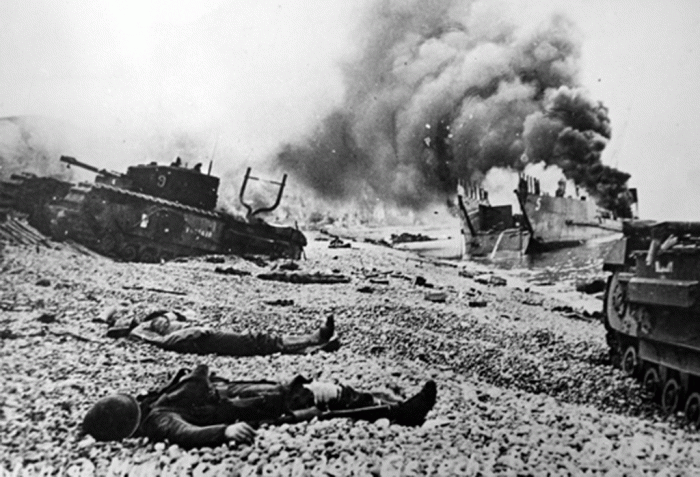 This is not to say that plans for an earlier invasion were not considered. In fact, in 1942, then Brigadier-General Dwight Eisenhower drew up a formal plan to land an invasion force on the broad beachheads between Boulogne and Le Havre in north-eastern France. Reflecting American enthusiasm for an early entry into Europe, as well as a desire to reduce pressure on Soviet Forces in the East, the plan was shot down by Churchill and British military planners who saw it as unrealistic.
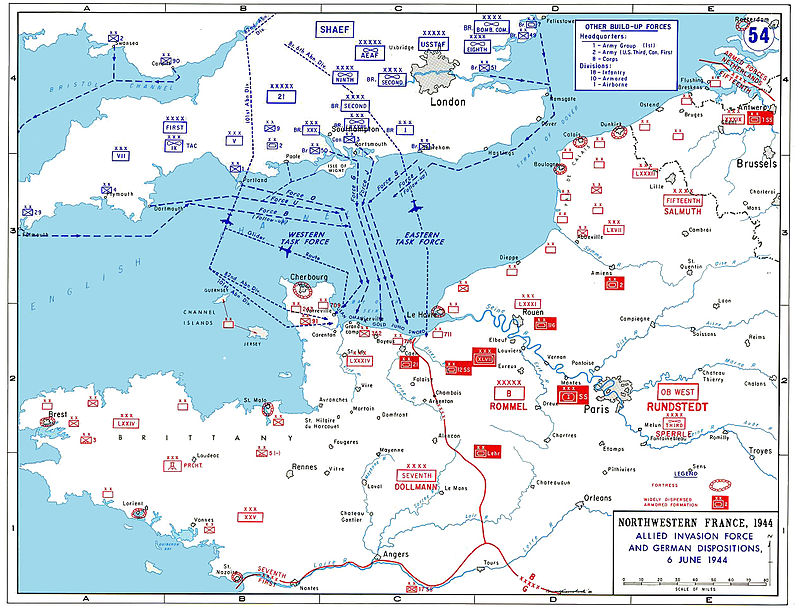


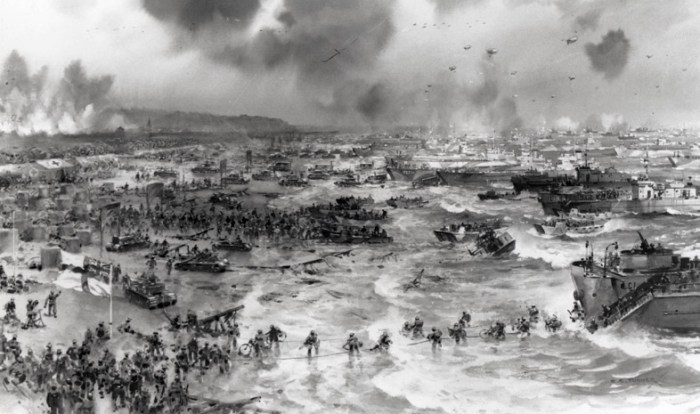 In all of these cases, resistance proved stiff and the landings were complicated by high wind and choppy seas. At Point-de-Hoc, where the Rangers were tasked with seizing several coastal batteries, they managed to reach the top of the cliffs while under enemy fire, only to find that the German guns had been moved ahead of time. At Juno and Gold, British and Canadian forces experienced a tough fight as they were initially forced to land and take out the German positions without armor support.
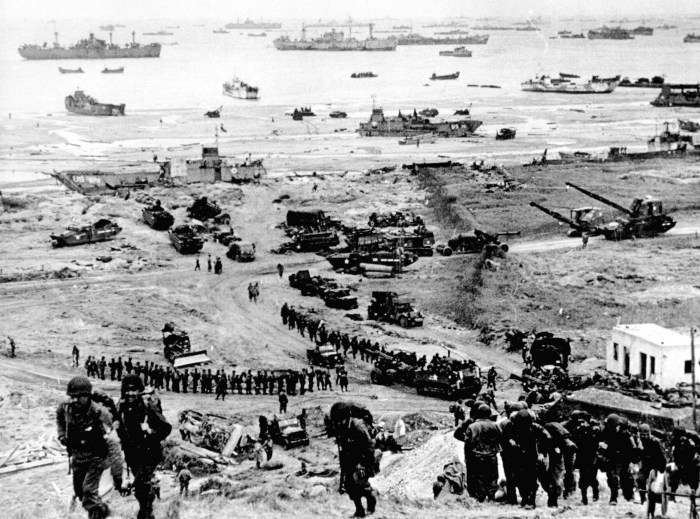 All told, Allied casualties on the first day of the invasion were at least 12,000 with 4,414 confirmed dead, compared to 1000 lost by the Germans. In addition, only the Canadian forces that had landed at Juno were able to achieve any of their D-Day objectives, which included the seizure of the towns of Autrie and Carpiquet and the high ground west of Caen. In addition, the Allied invasion plans called for the capture of Carentan, St. Lô, Caen, and Bayeux on the first day, as well as the connection of all the bridgeheads. None of these objectives were achieved.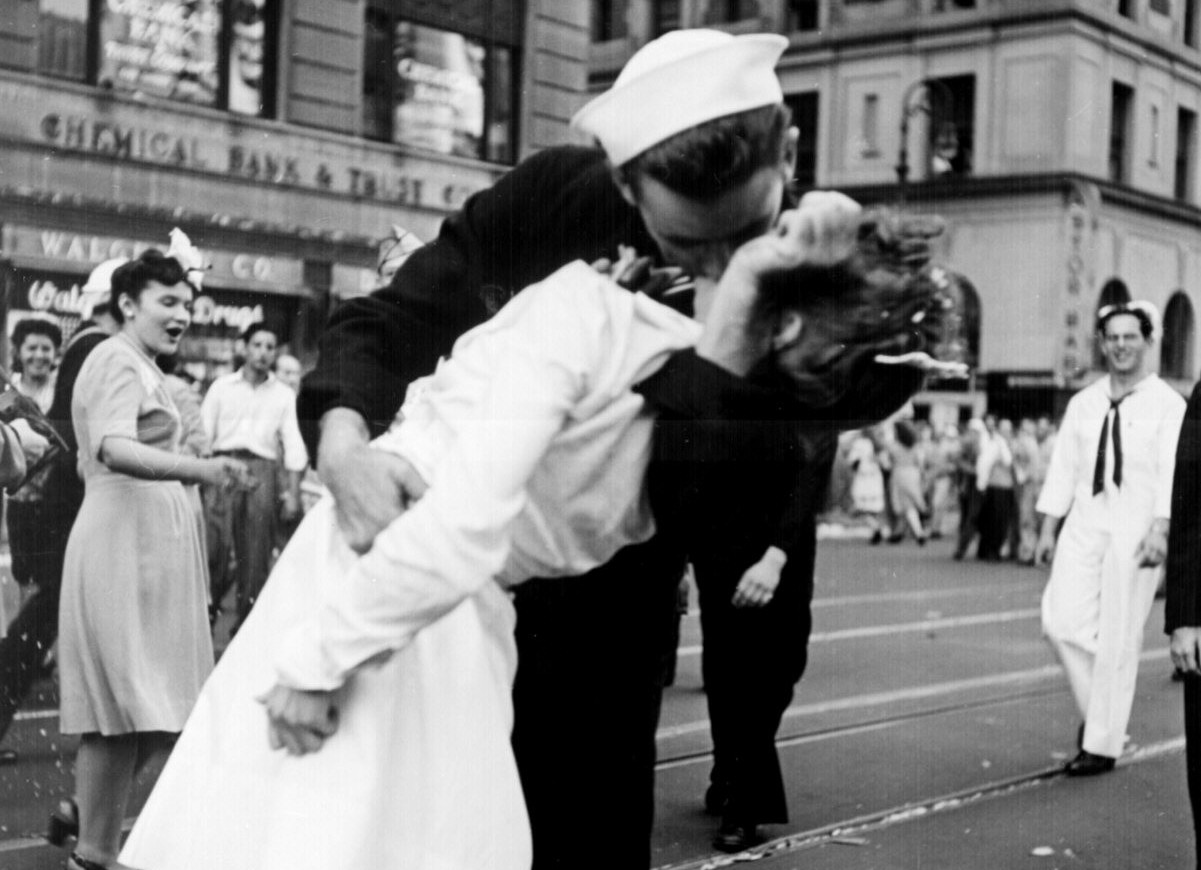
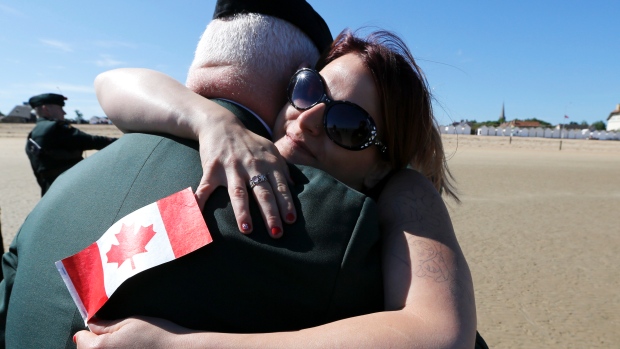 Nineteen world leaders were present at the event, including US President Obama, French President François Hollande, Canadian Prime Minister Stephen Harper, Russian President Vladmir Putin, German Chancellor Angela Merkel and Petro Poroshenko, Ukraine’s president-elect. For some of these leaders, it is the first time they have met face to face since Russia annexed the Crimea, drawing condemnation and sanctions from the West.
 T
T
 This year, the detainees included
  On the subject of why Google was being targeted,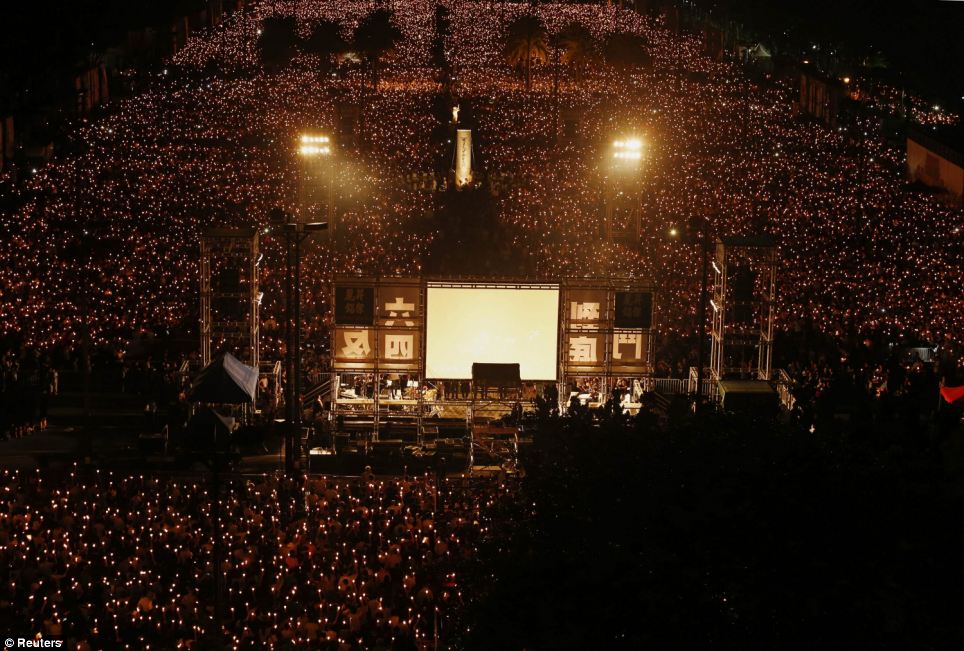



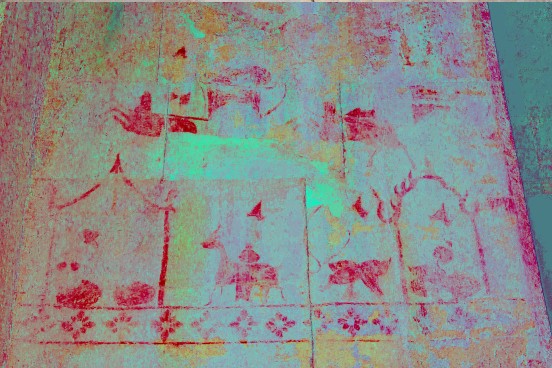
 And though researchers can’t be sure exactly when the paintings were created, Tan speculates that the most elaborate artworks may have been commissioned by Cambodia’s King Ang Chan, who made an effort to restore the temple during his reign between 1528 and 1566. During this time, unfinished carvings were completed and Angkor Wat began its transformation into a Buddhist pilgrimage site, which are confirmed by some of the newly revealed paintings that show Buddhist iconography.

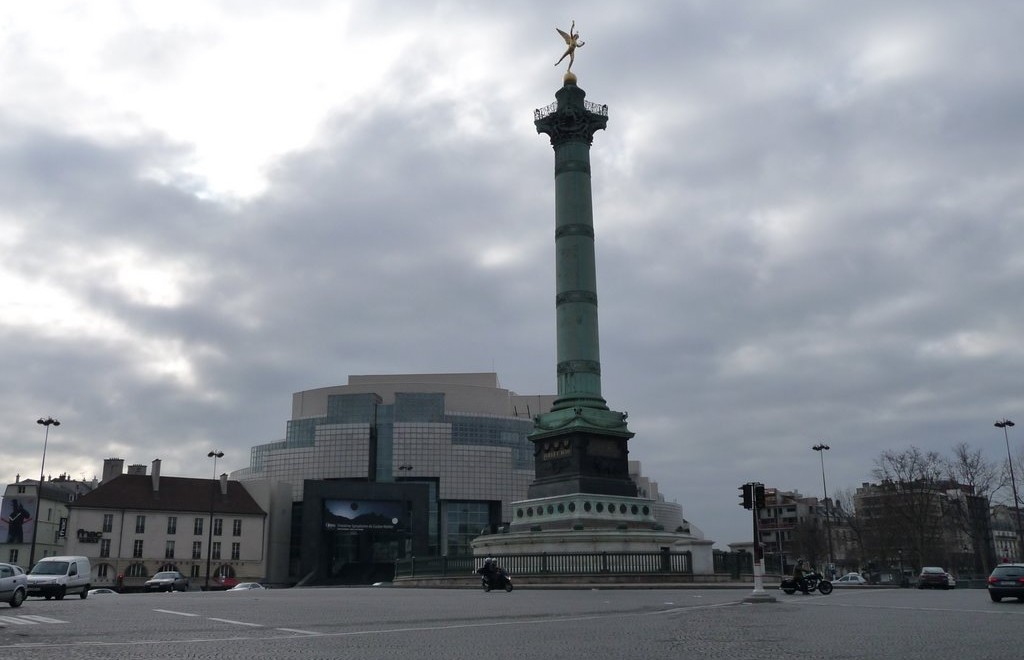


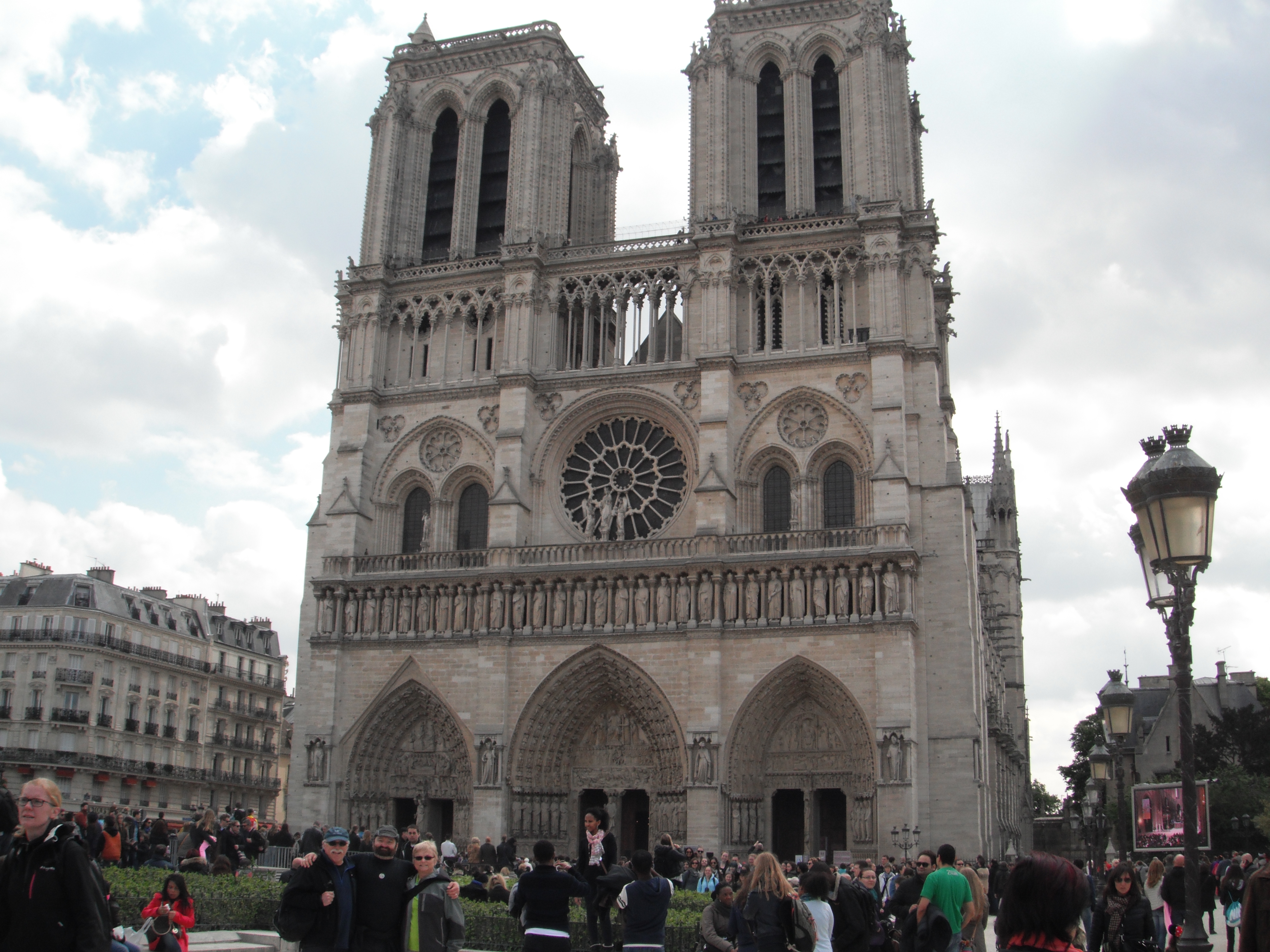
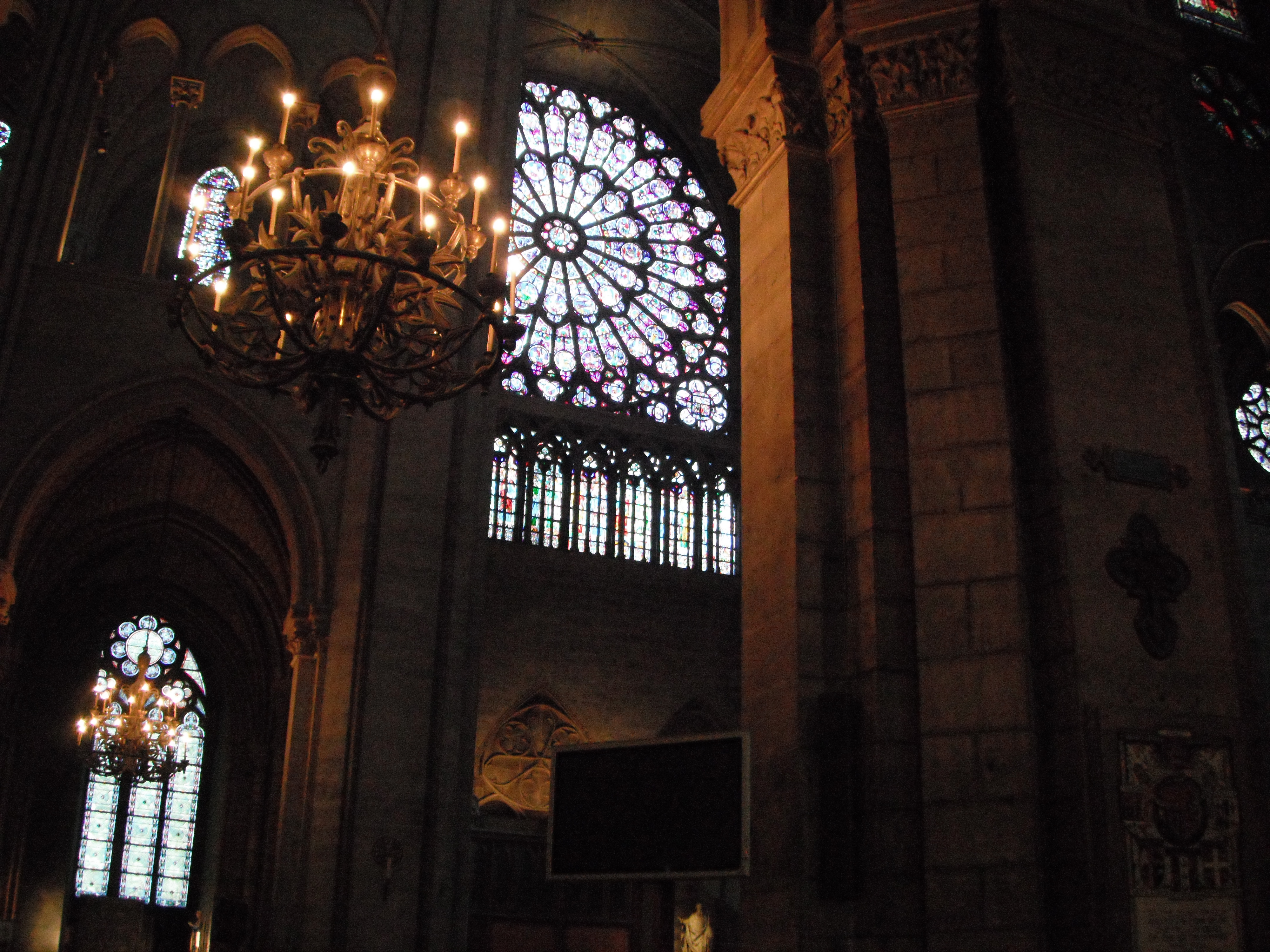

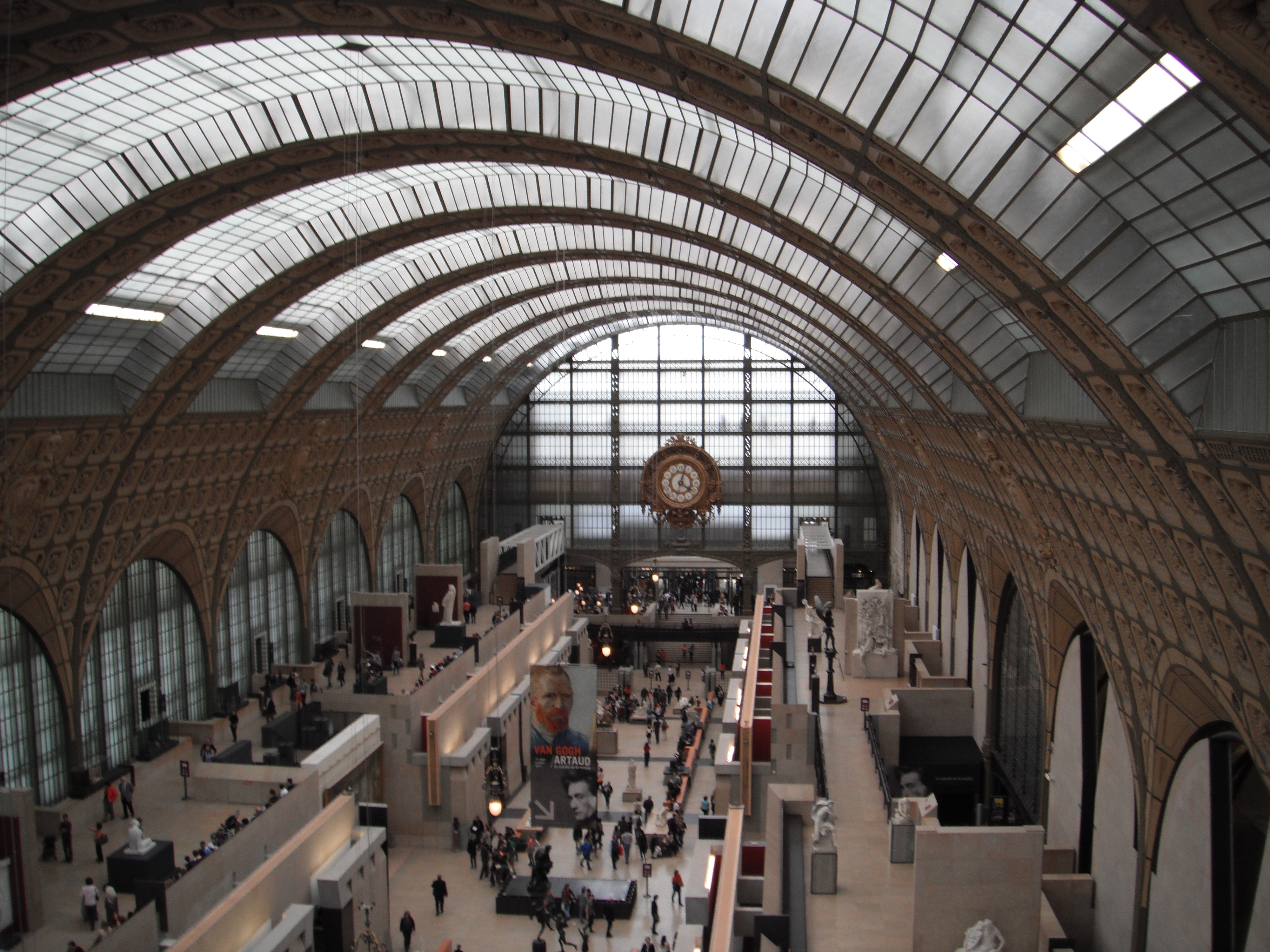
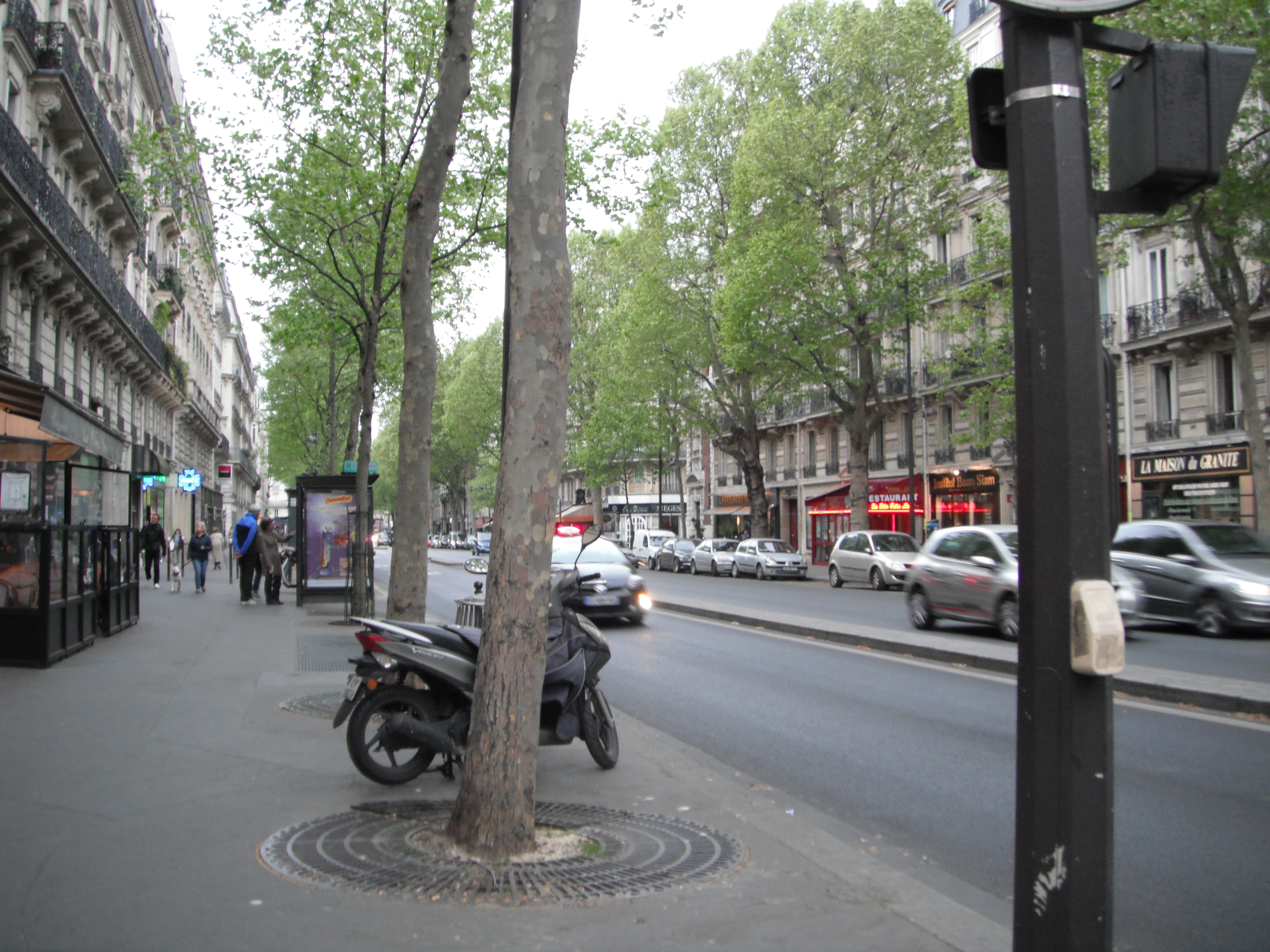

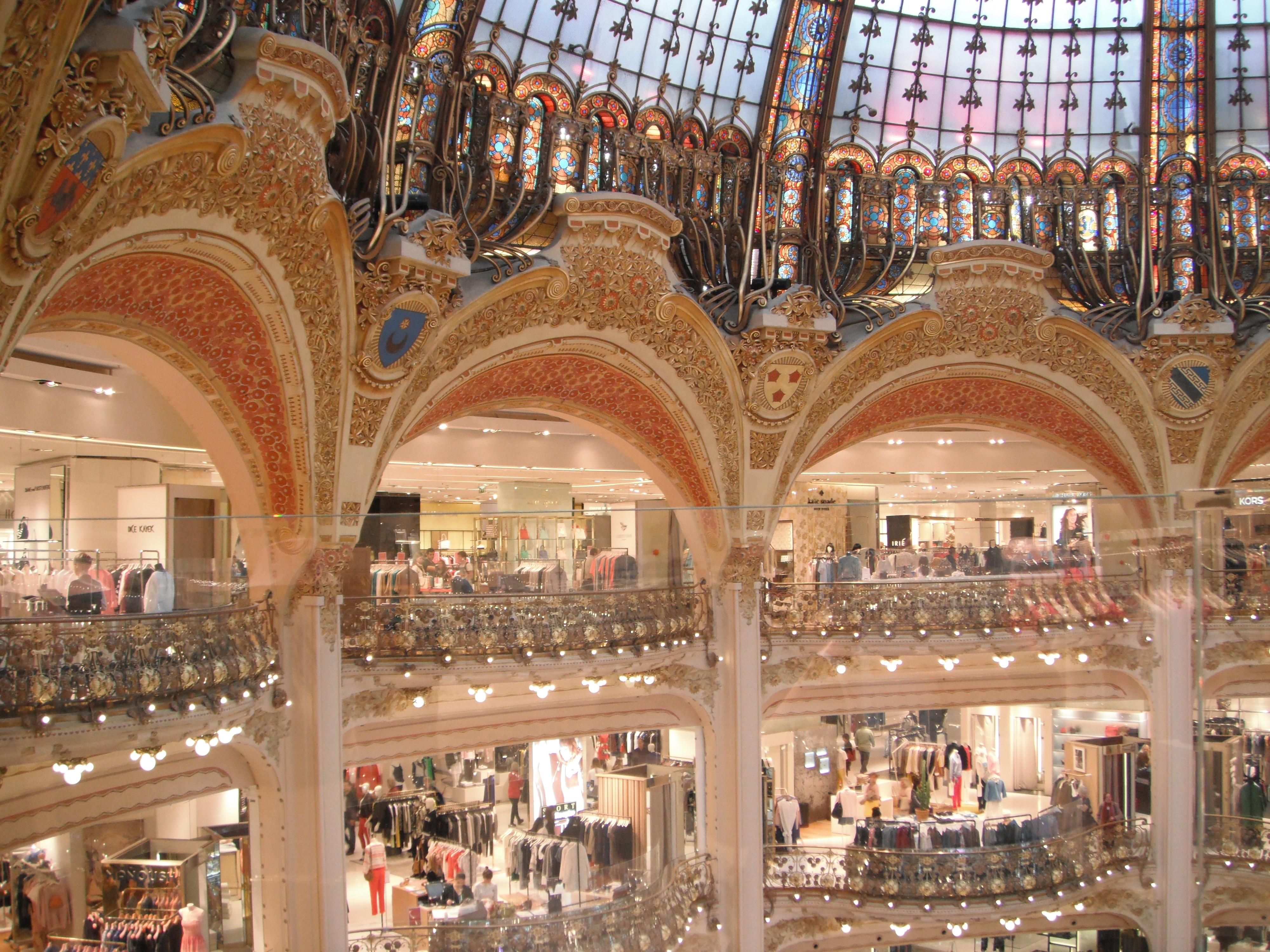
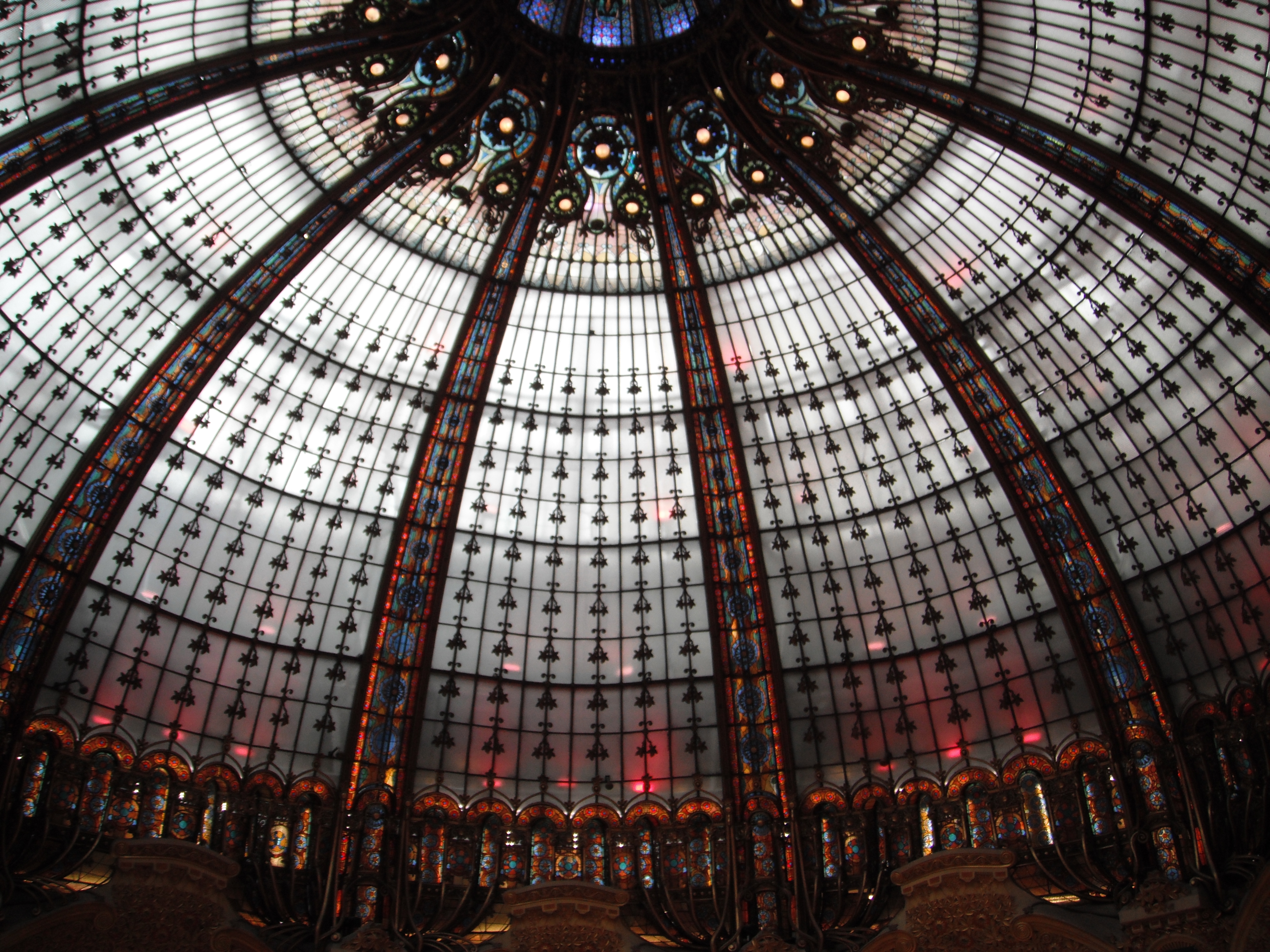
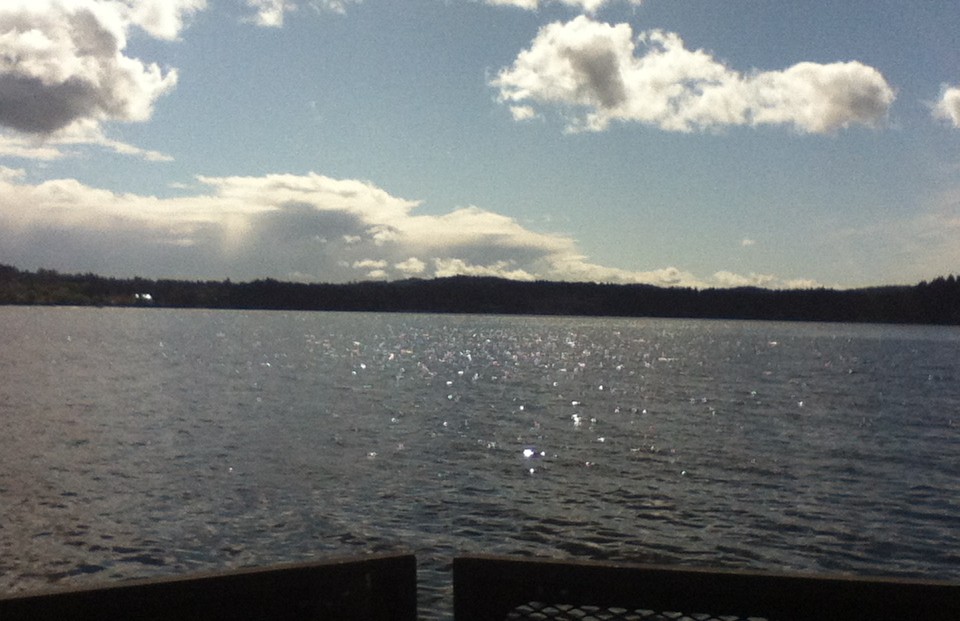

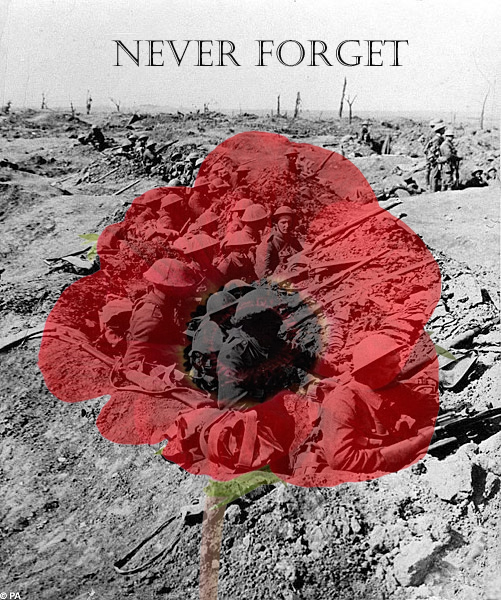

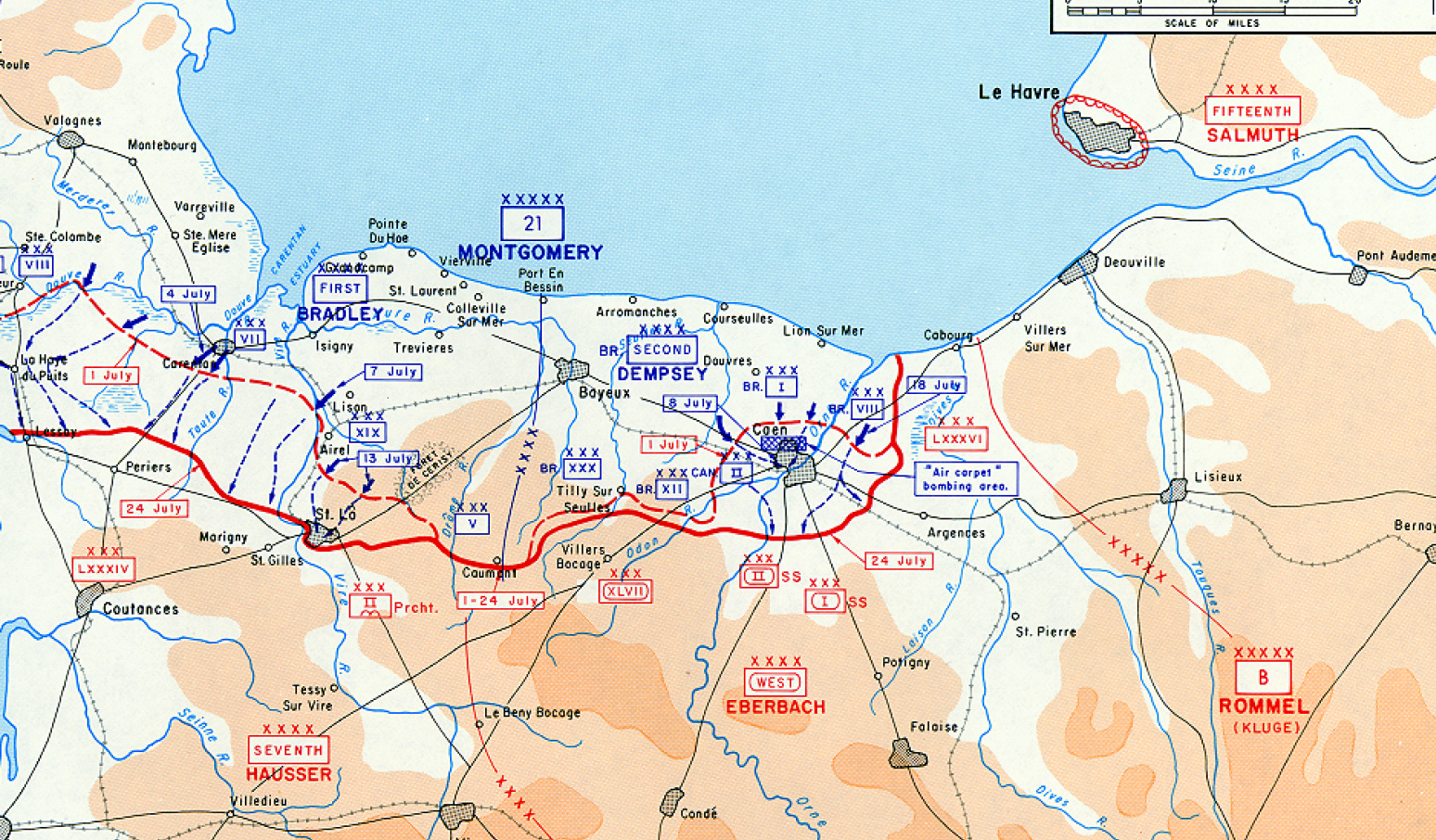
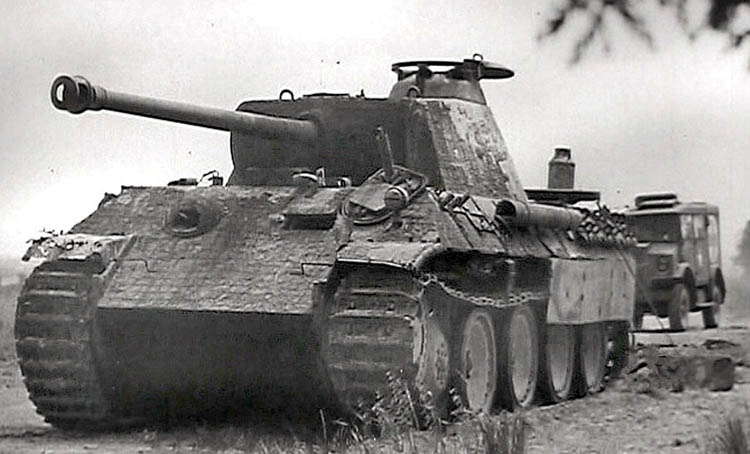
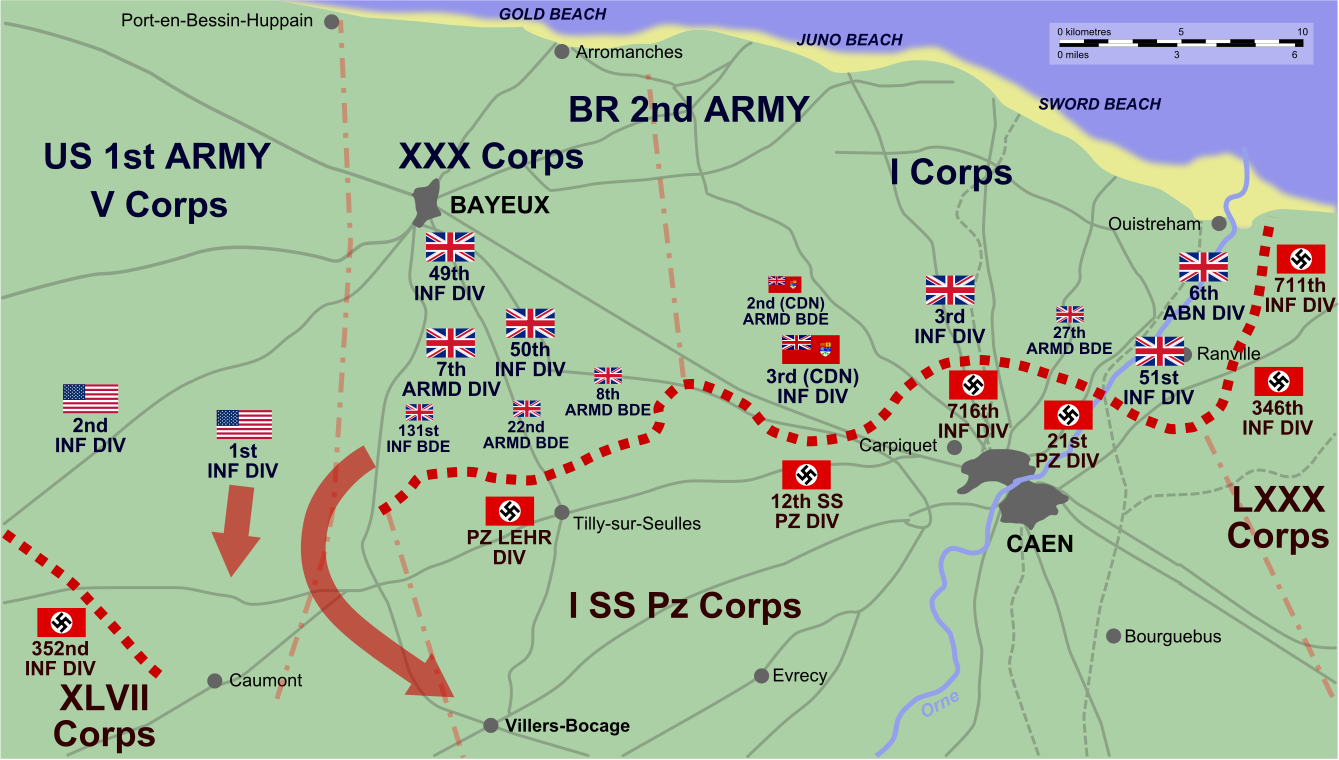
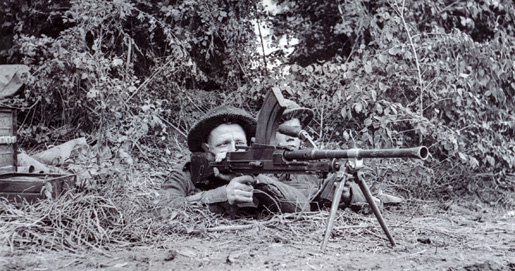

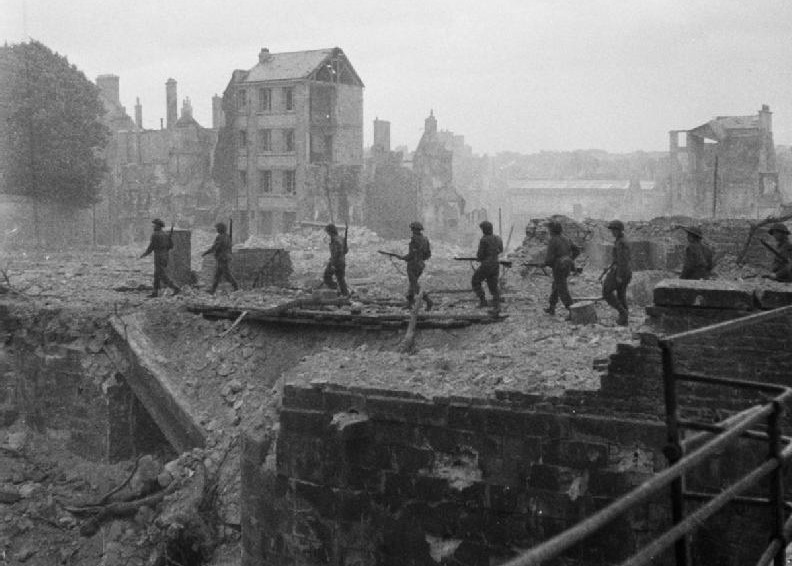
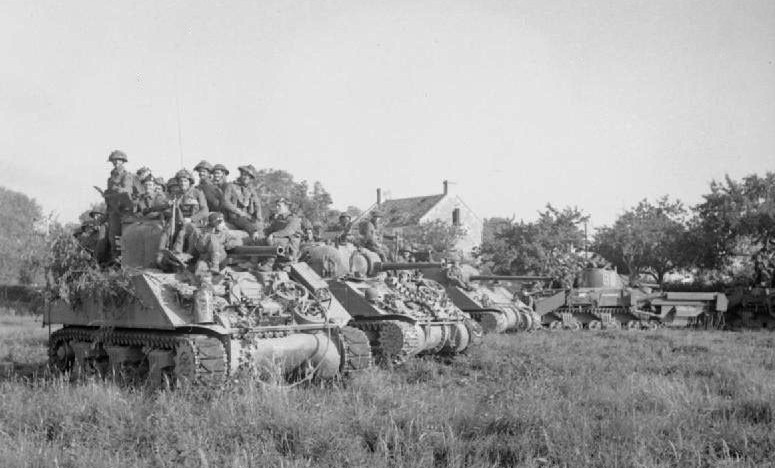


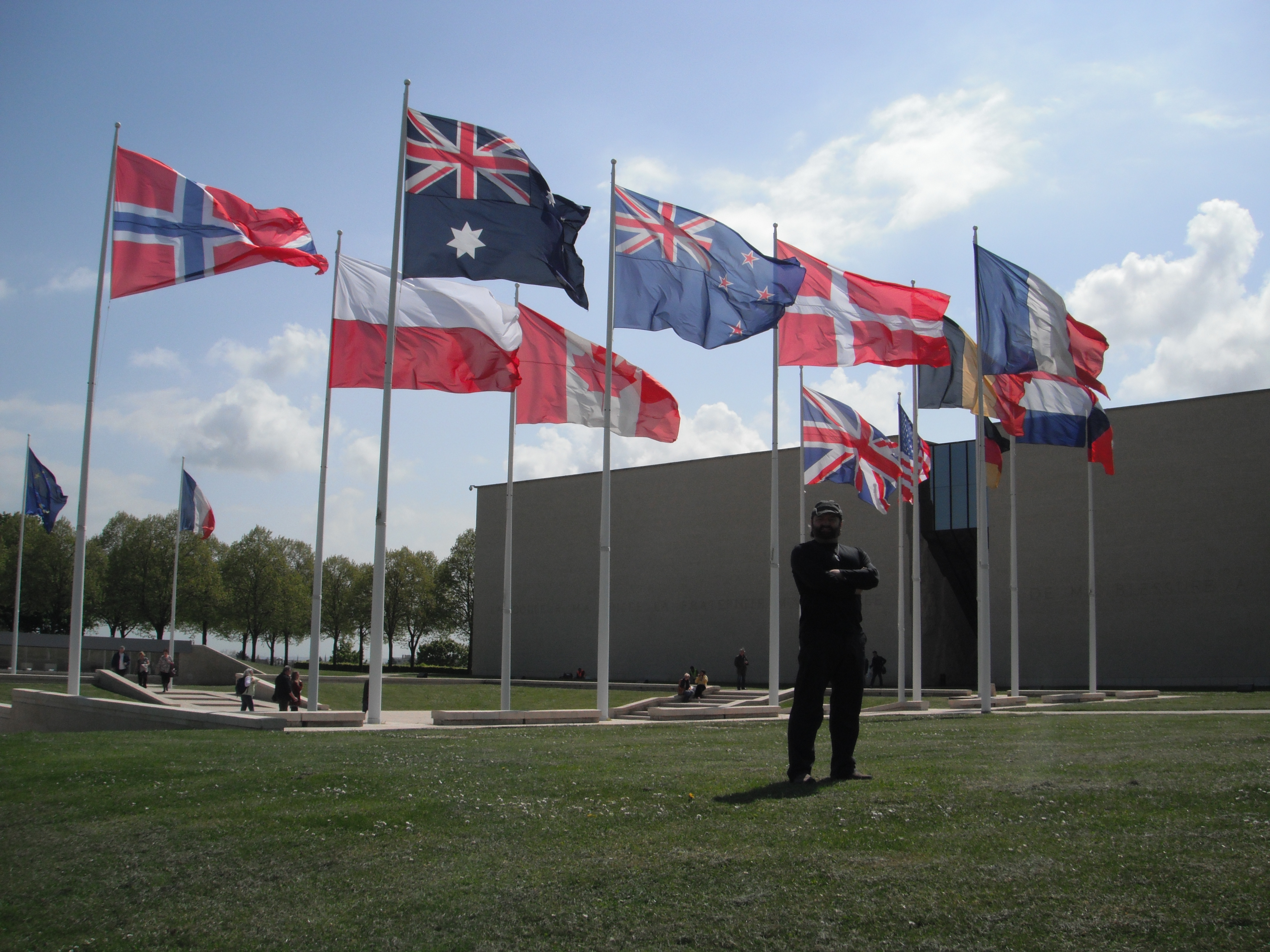
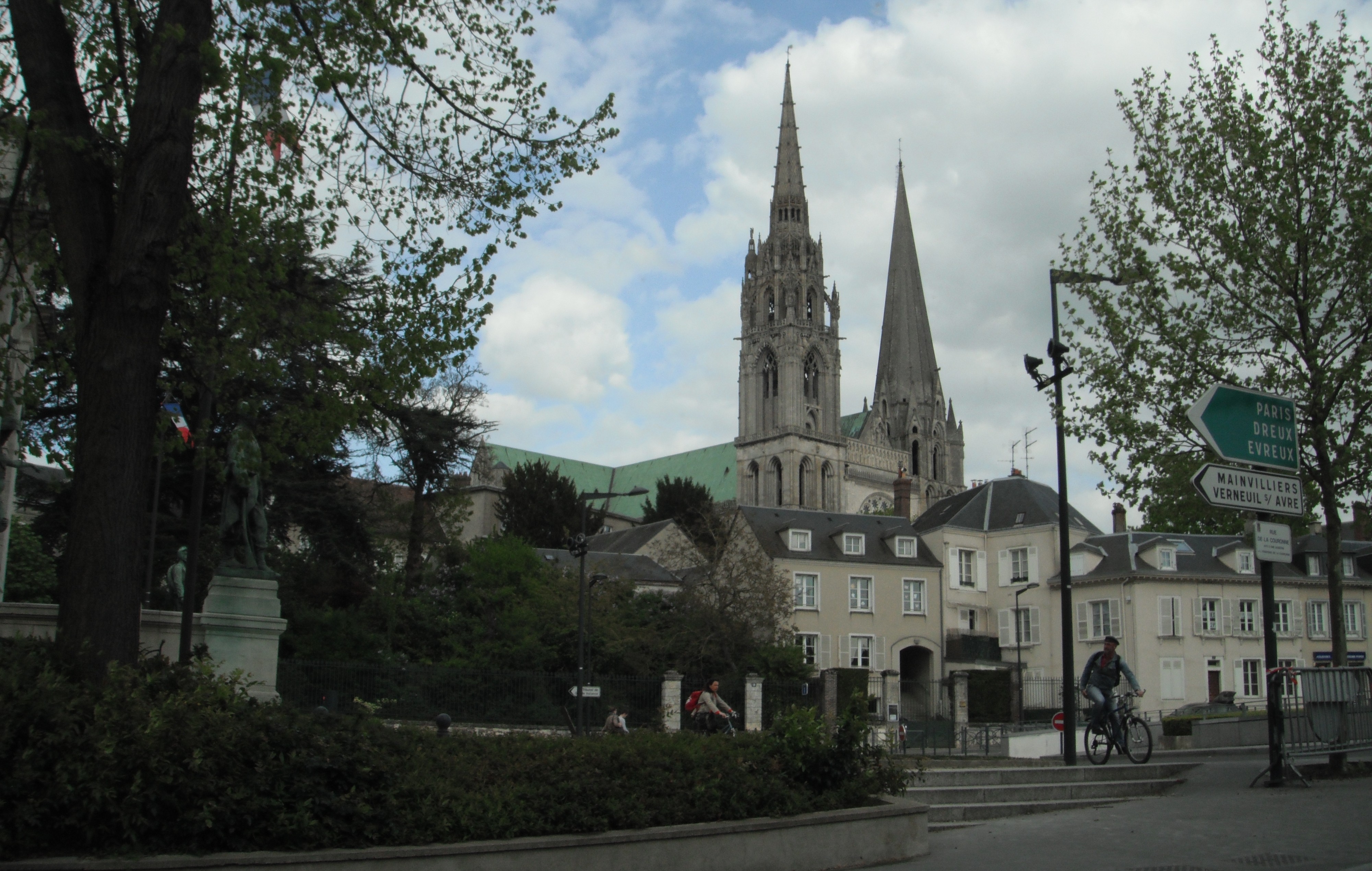
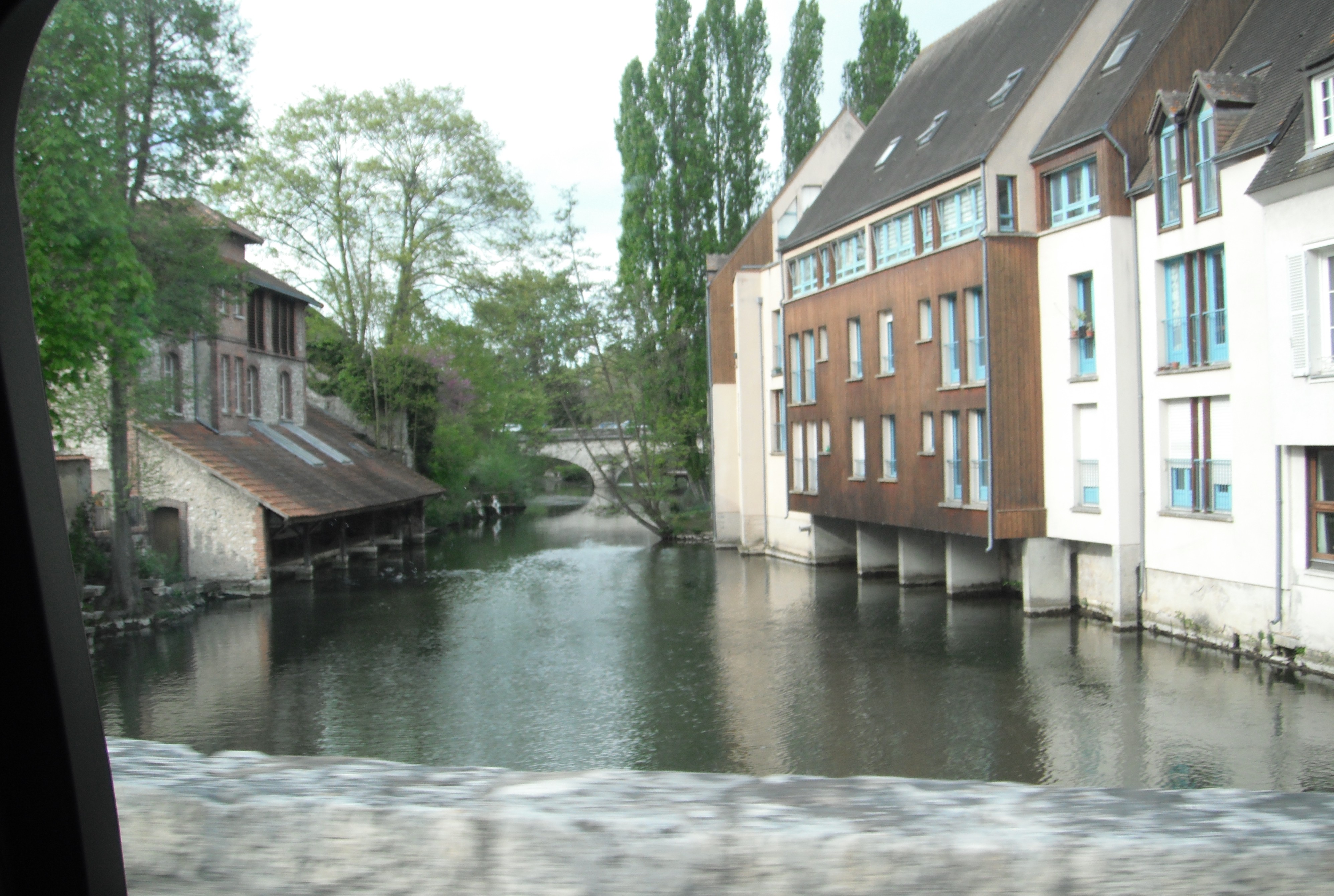
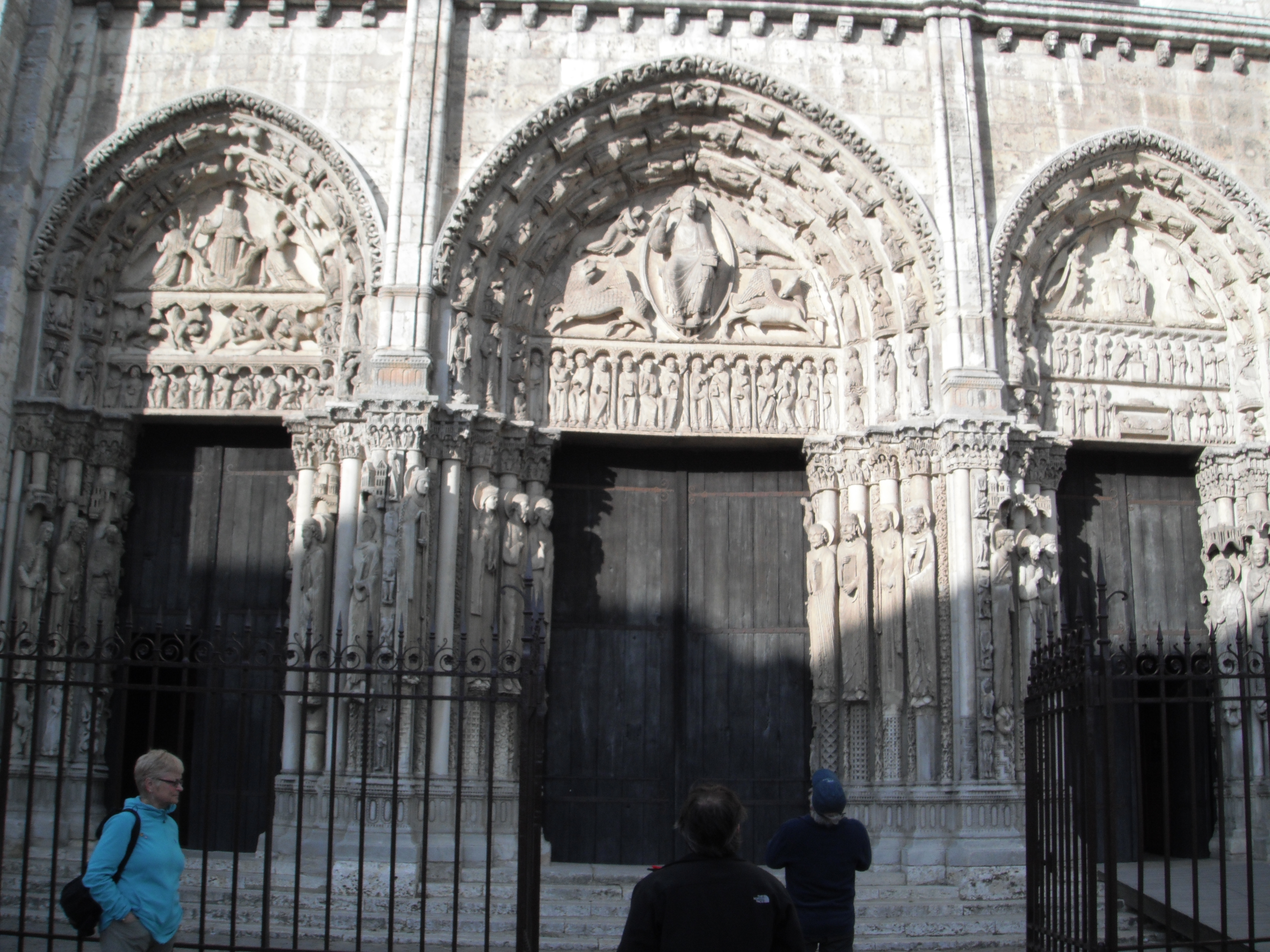


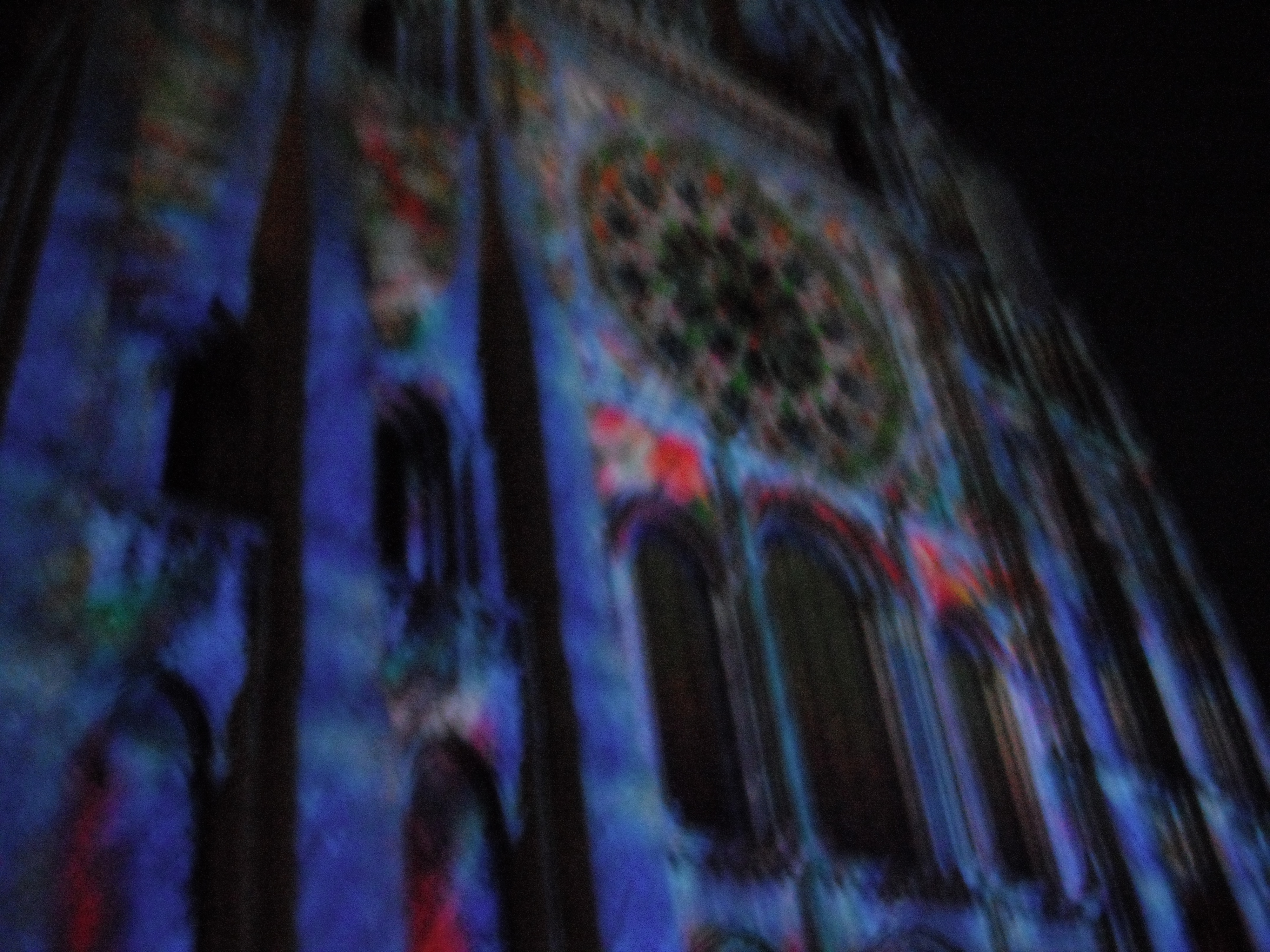


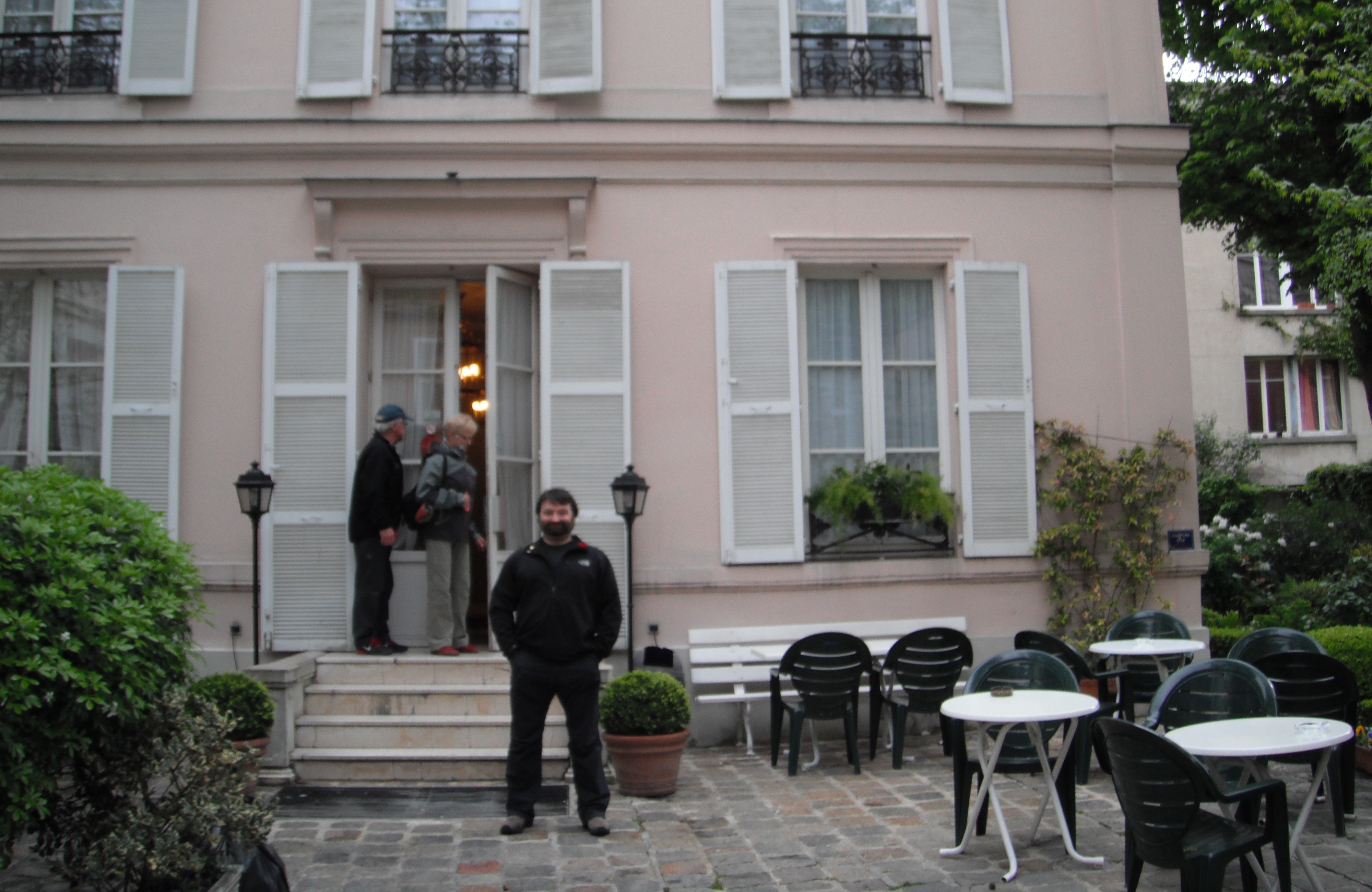
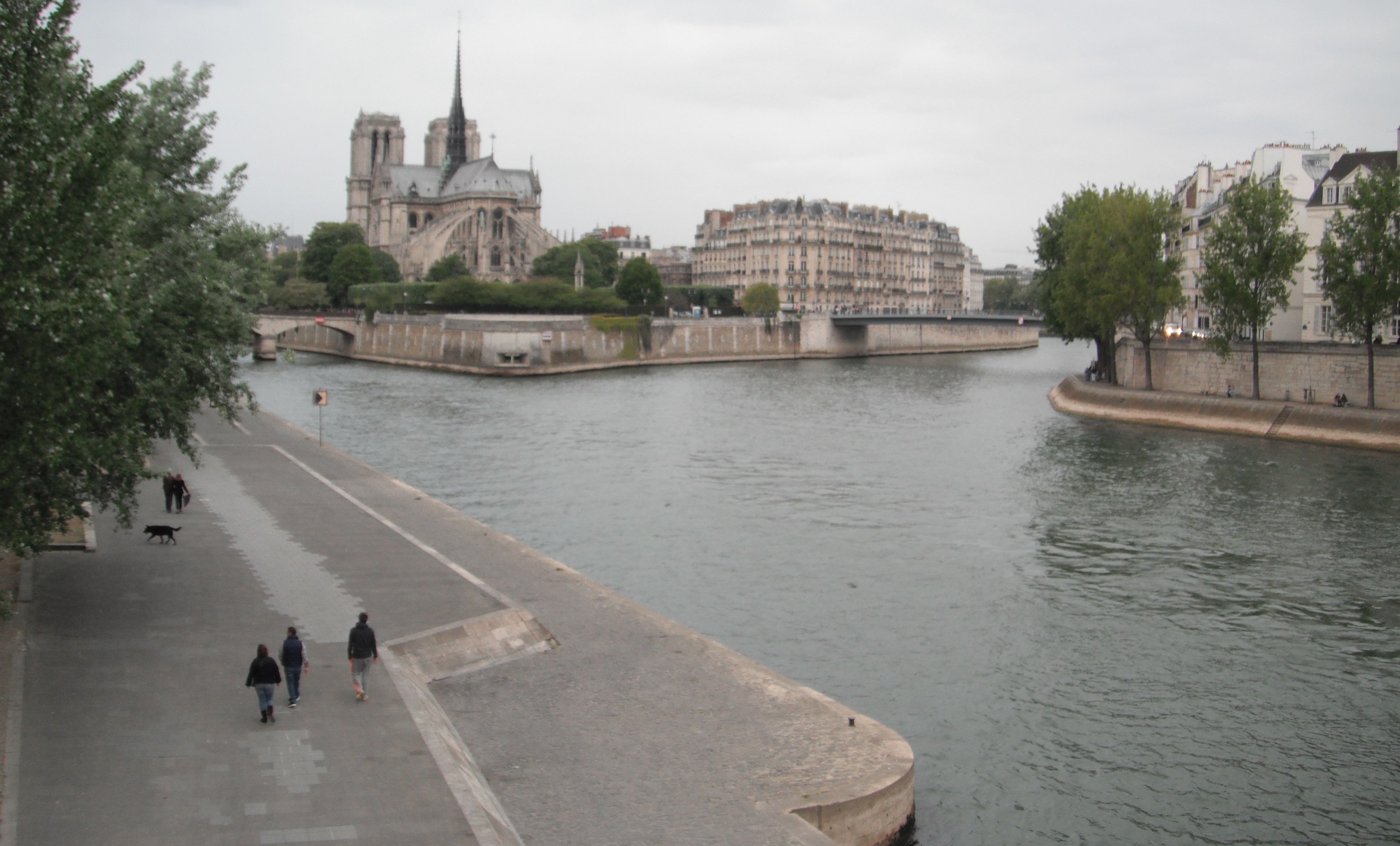


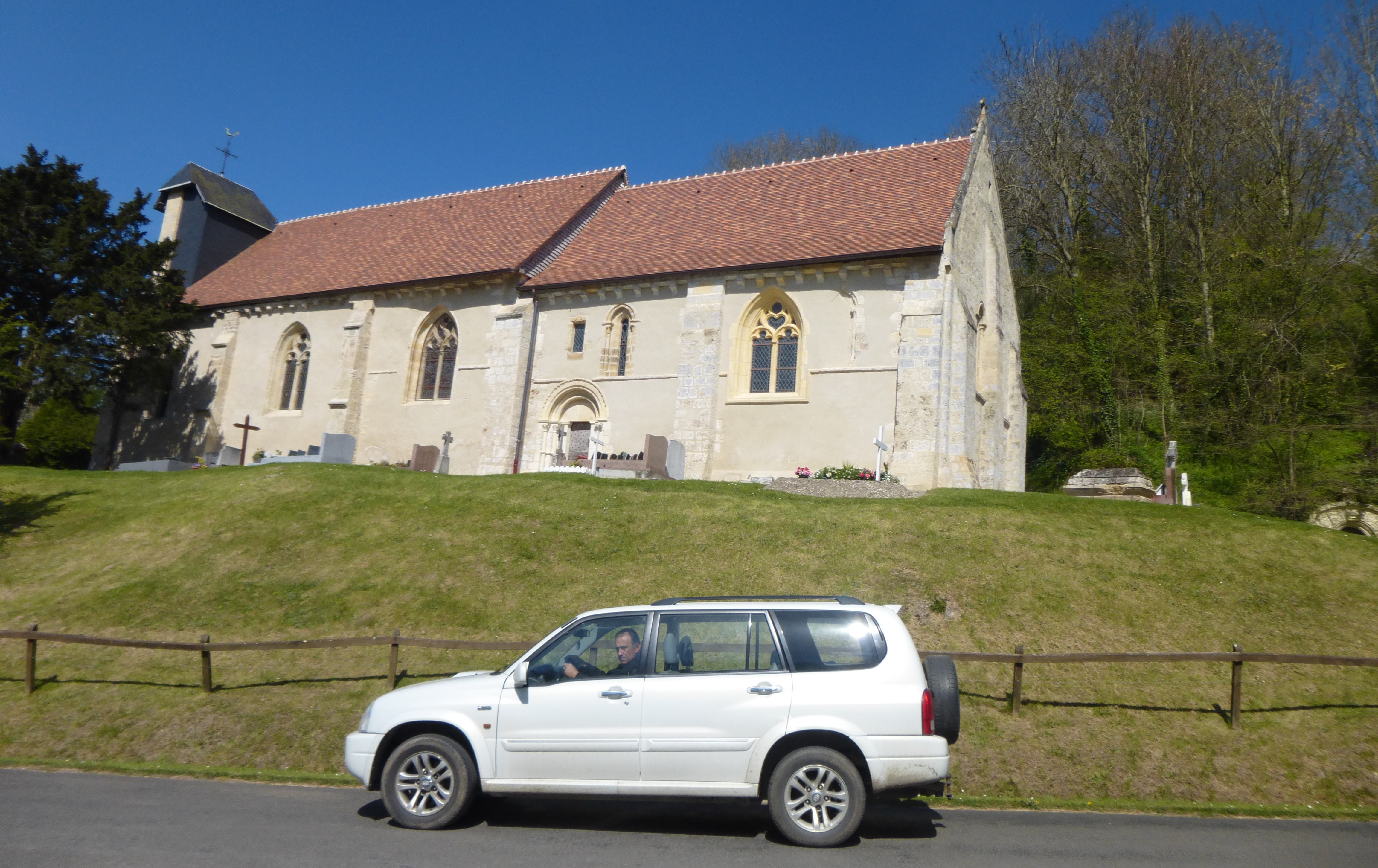


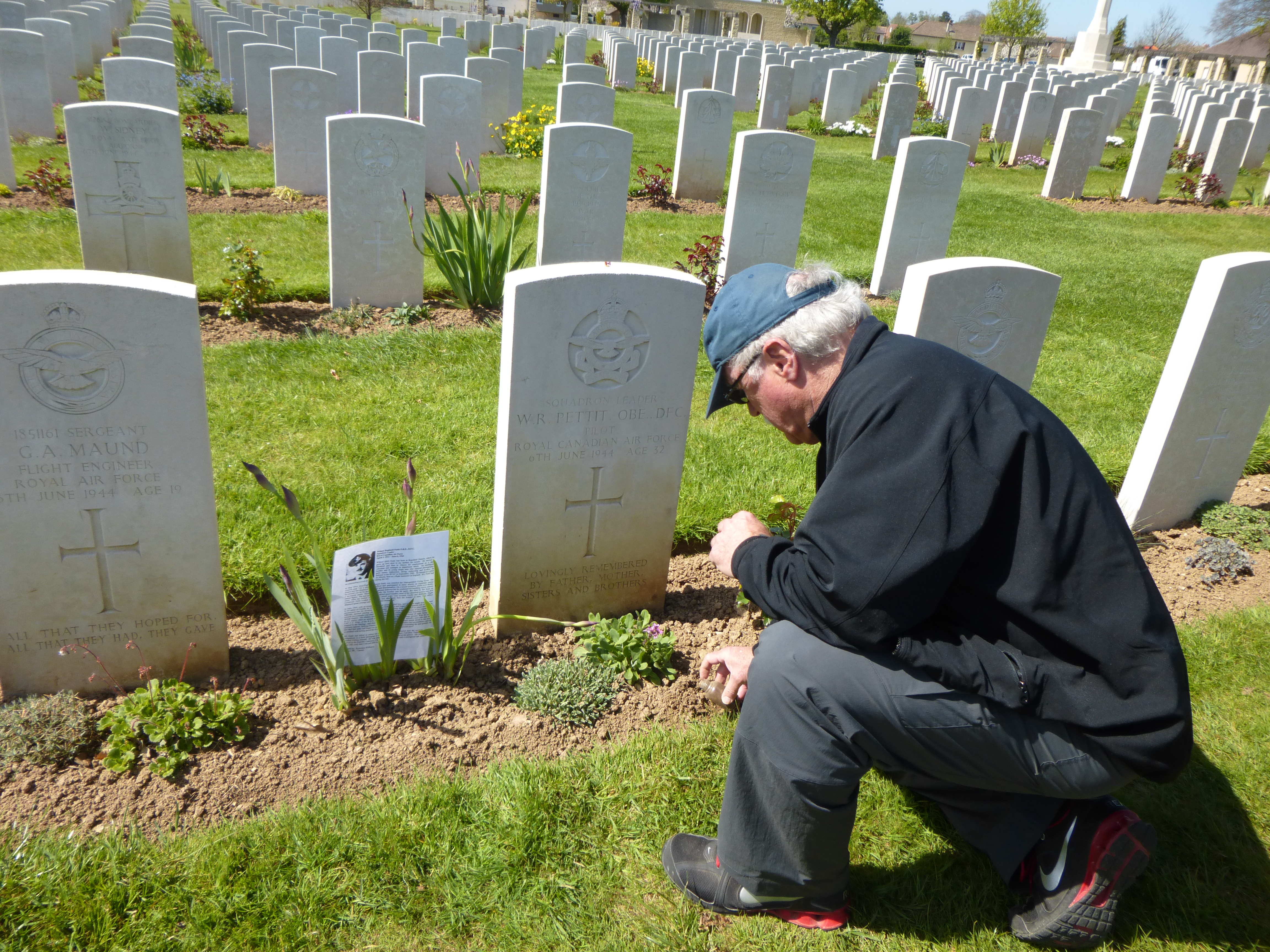
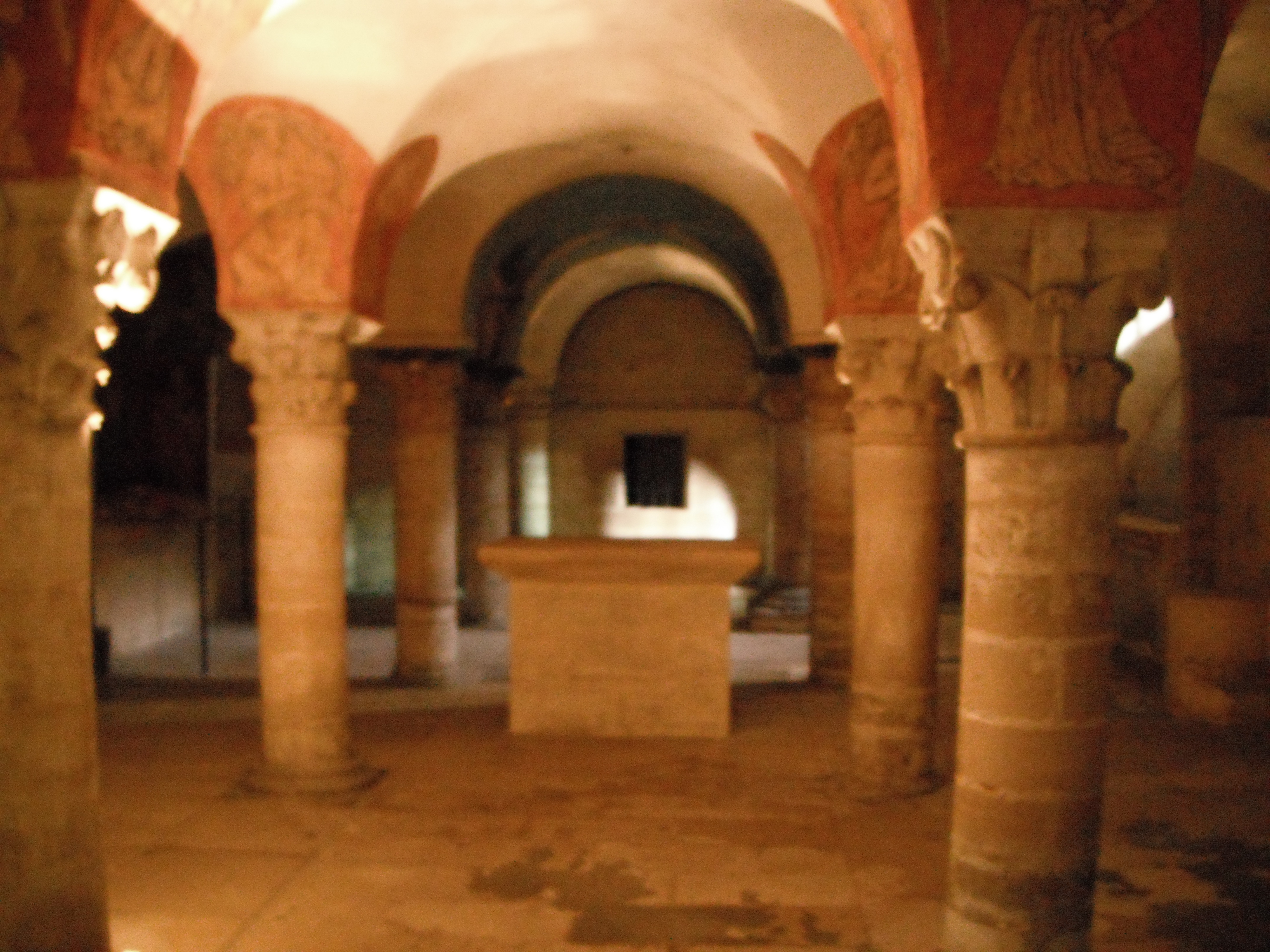


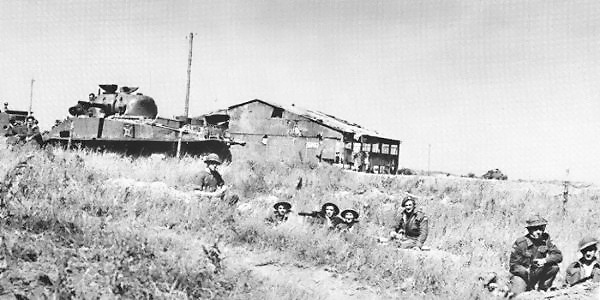

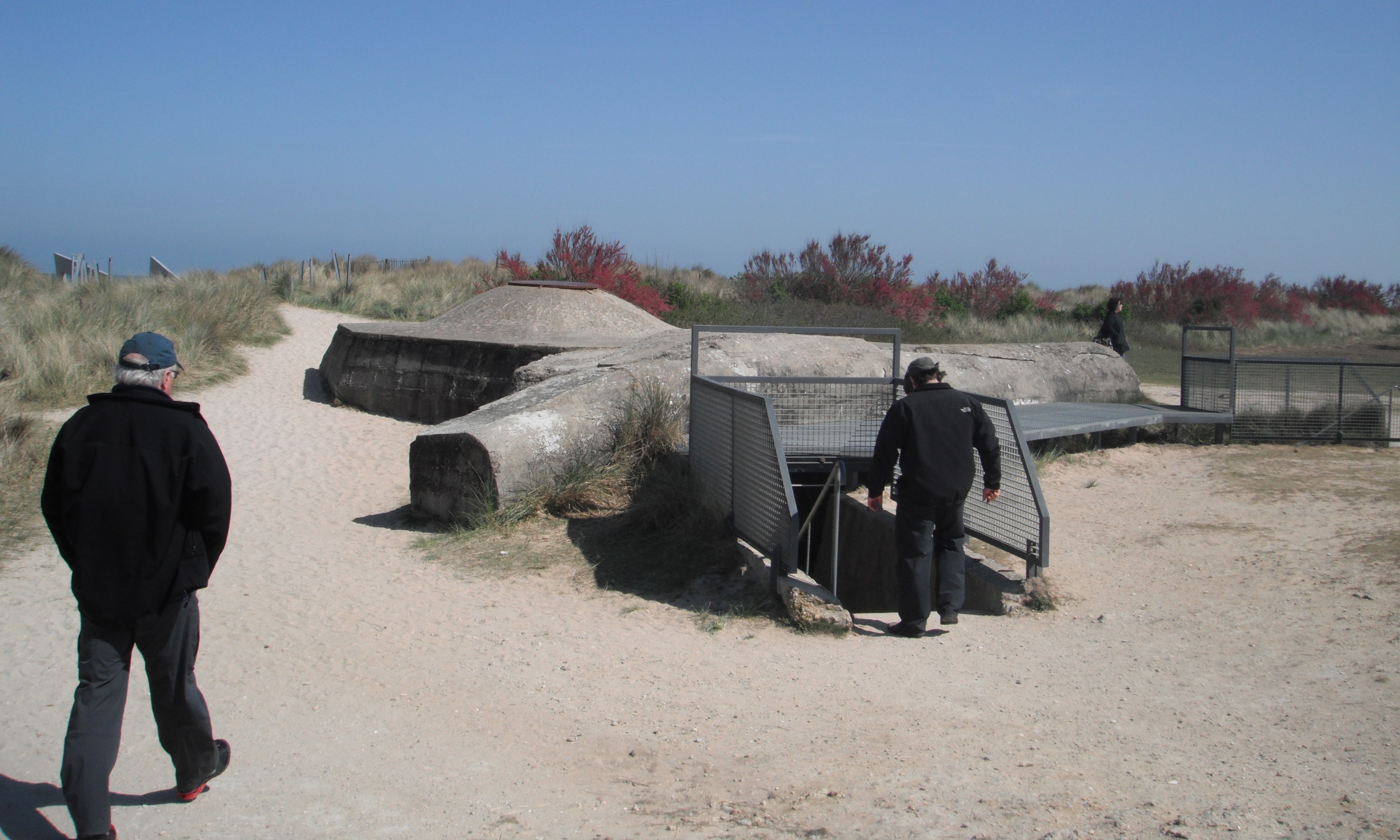


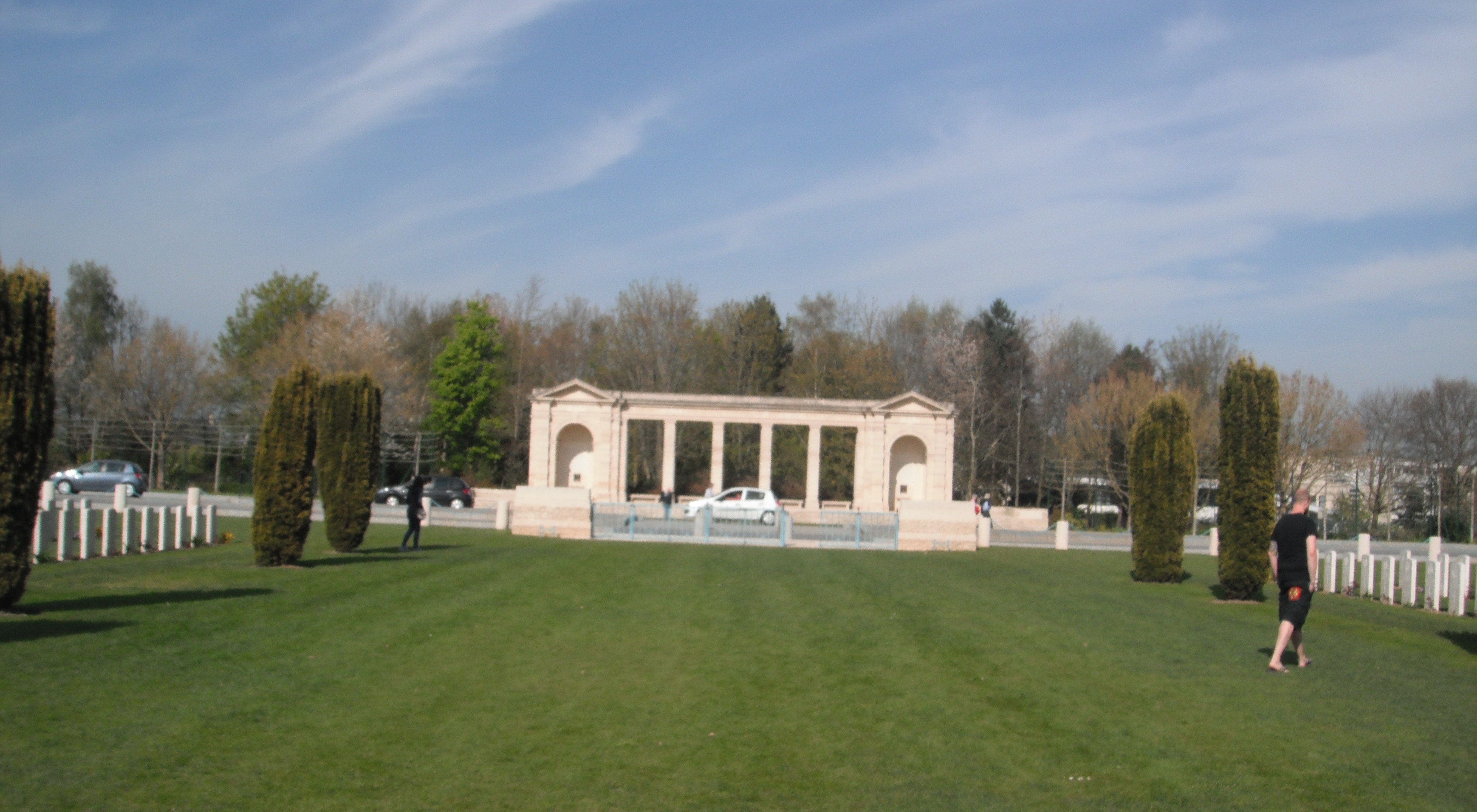
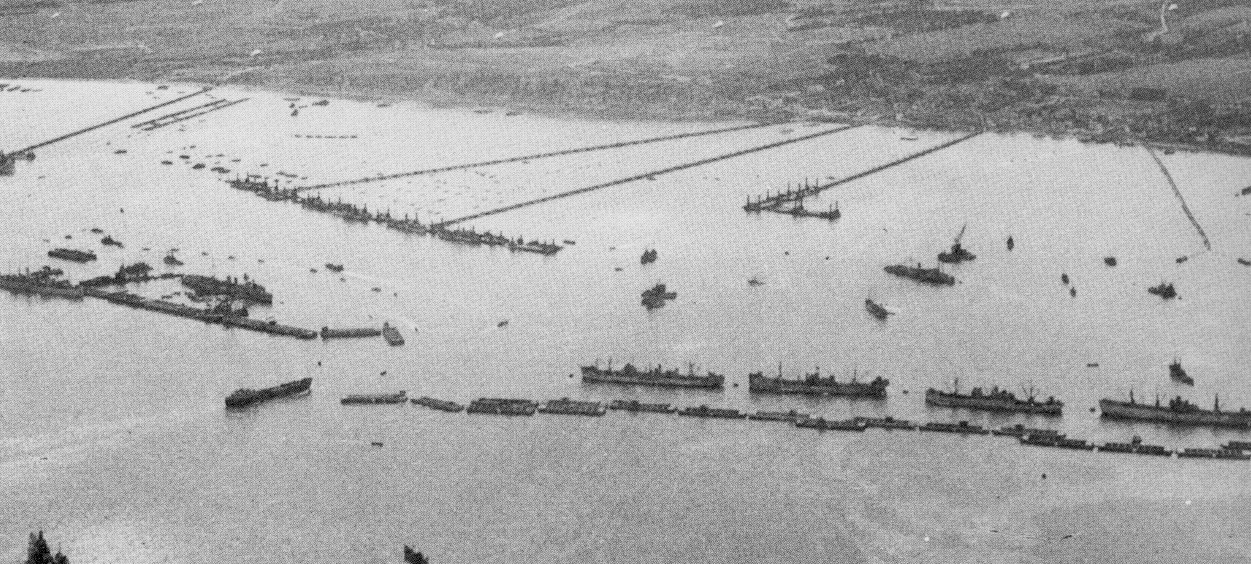
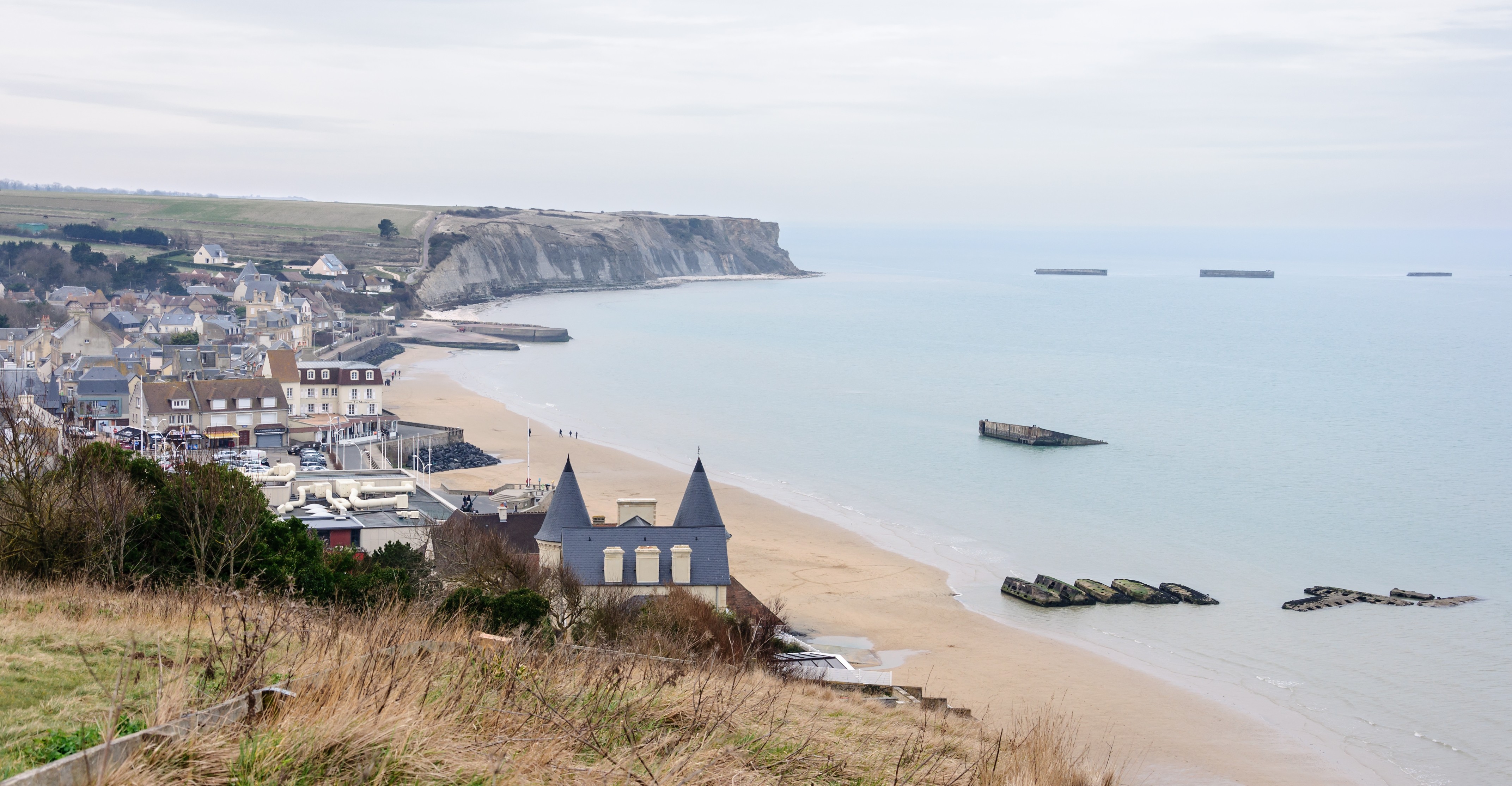


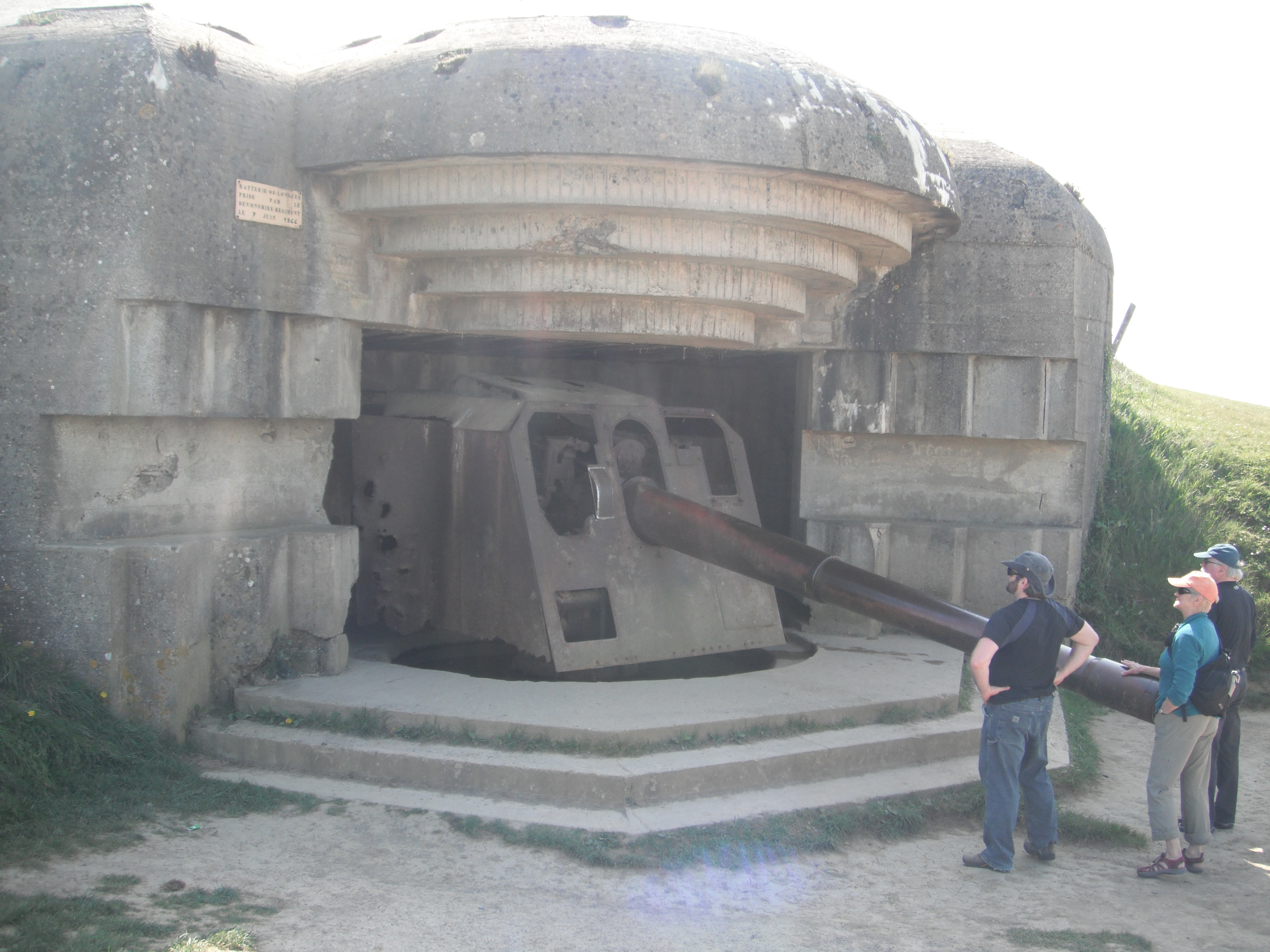

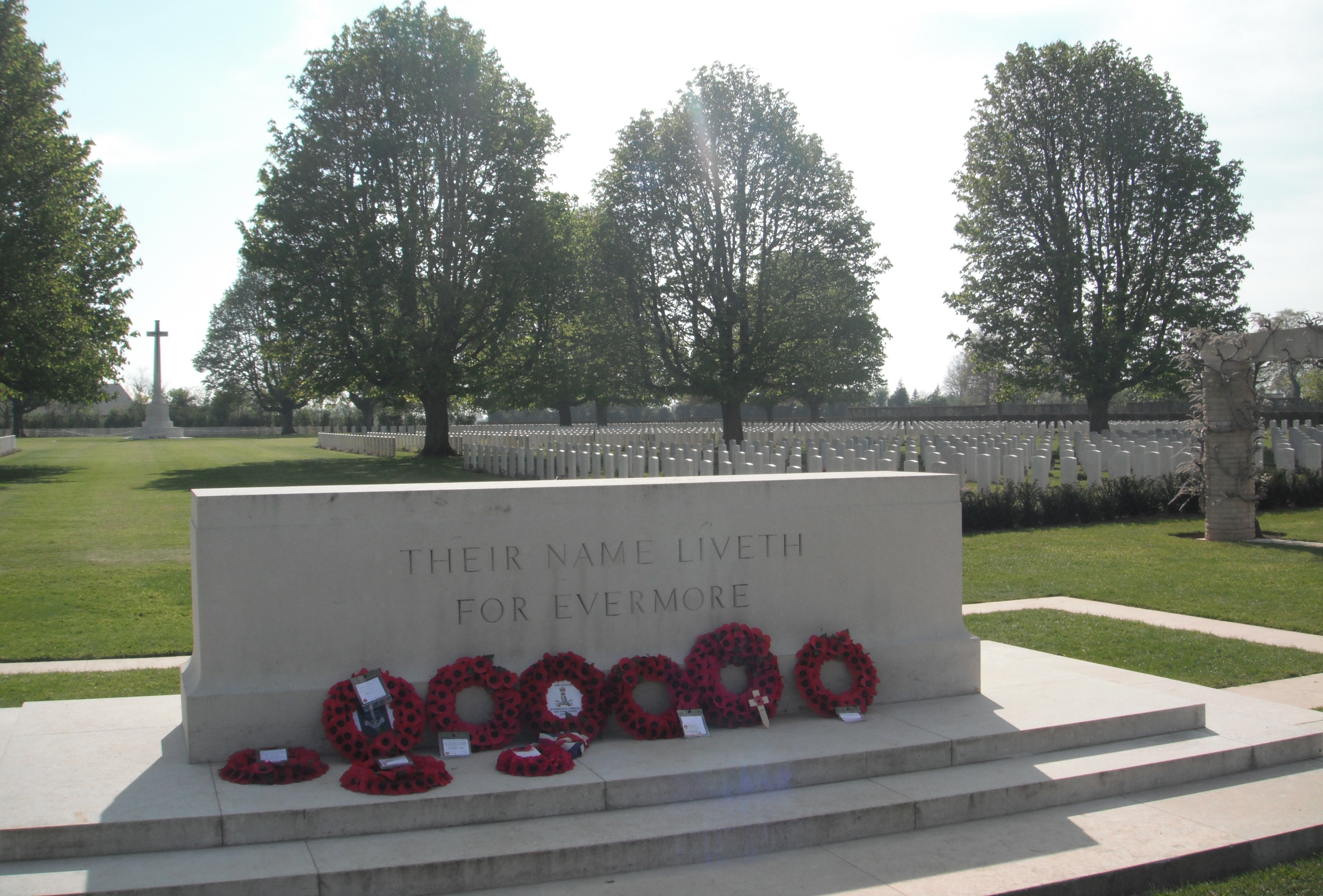

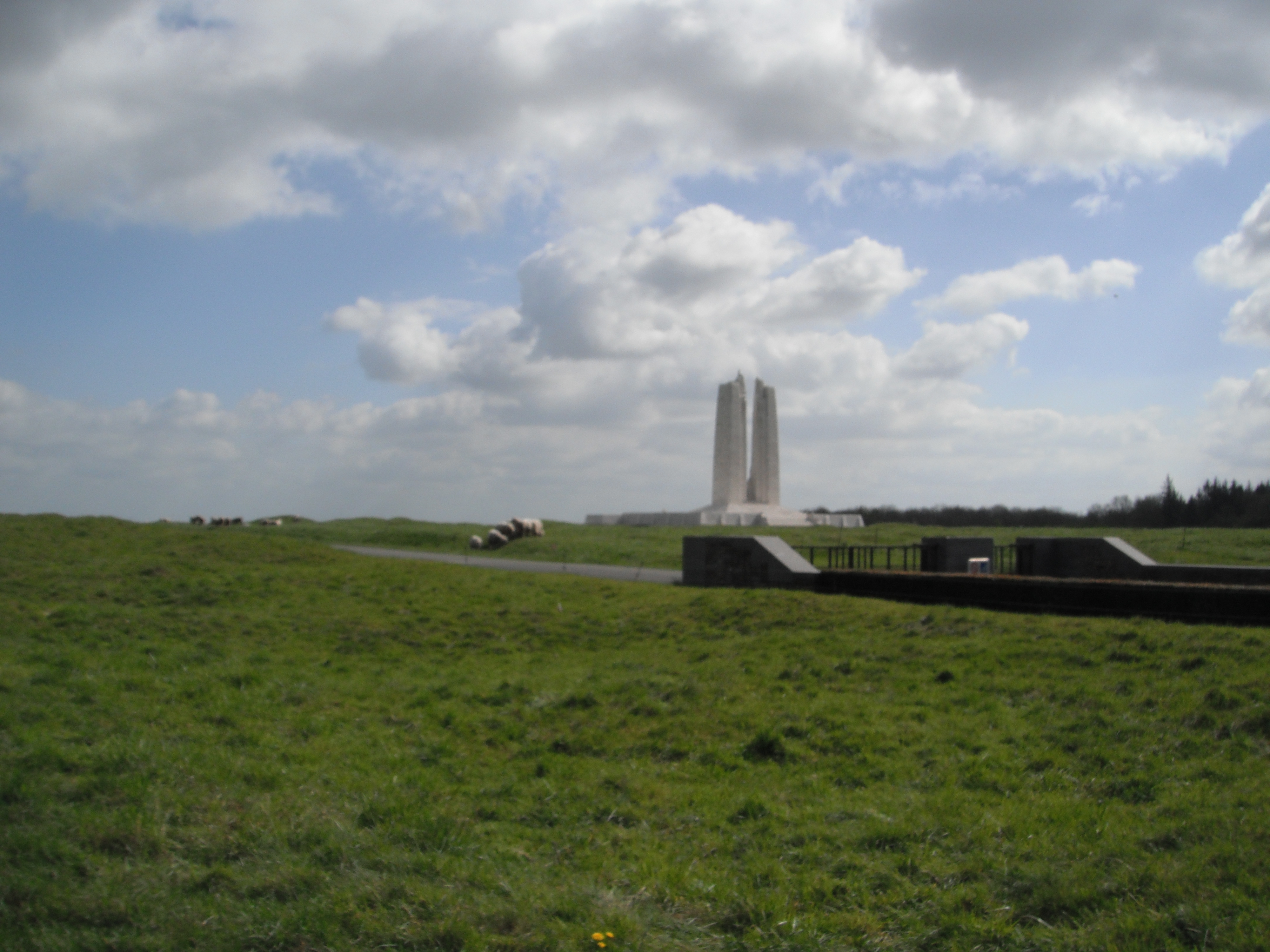
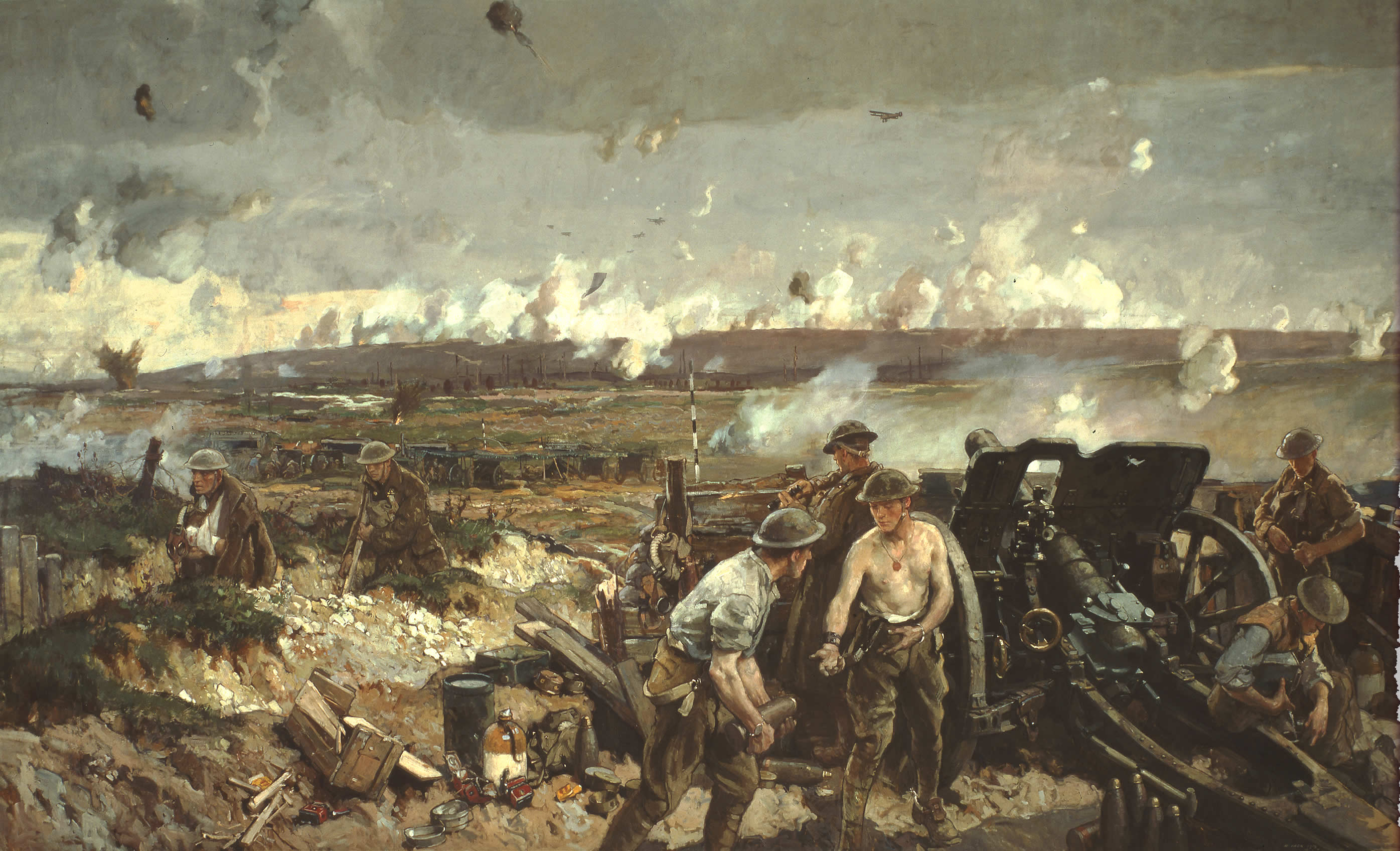
 Ultimately, the success of the assault was due to a combination of technical and tactical innovation, meticulous planning, powerful artillery support and extensive training. For weeks prior to the offensive, Canadian soldiers underwent training using models to represent the battlefield, and General’s Sir Julian Byng and Sir Arthur Currie made sure that every single soldier had a map of the ridge and knew exactly what would be needed of them.
 In so doing, the Canadian’s artillery support was able to catch the German defenders as they were coming out of their dugouts to set up their machine guns and defenses. New methods and equipment were also used to triangulate the positions of the German artillery guns and take them out in advance of the attack. This way, the Germans had no reprieve from the bombardment, and no way to shell the Canadians as they moved up the ridge.
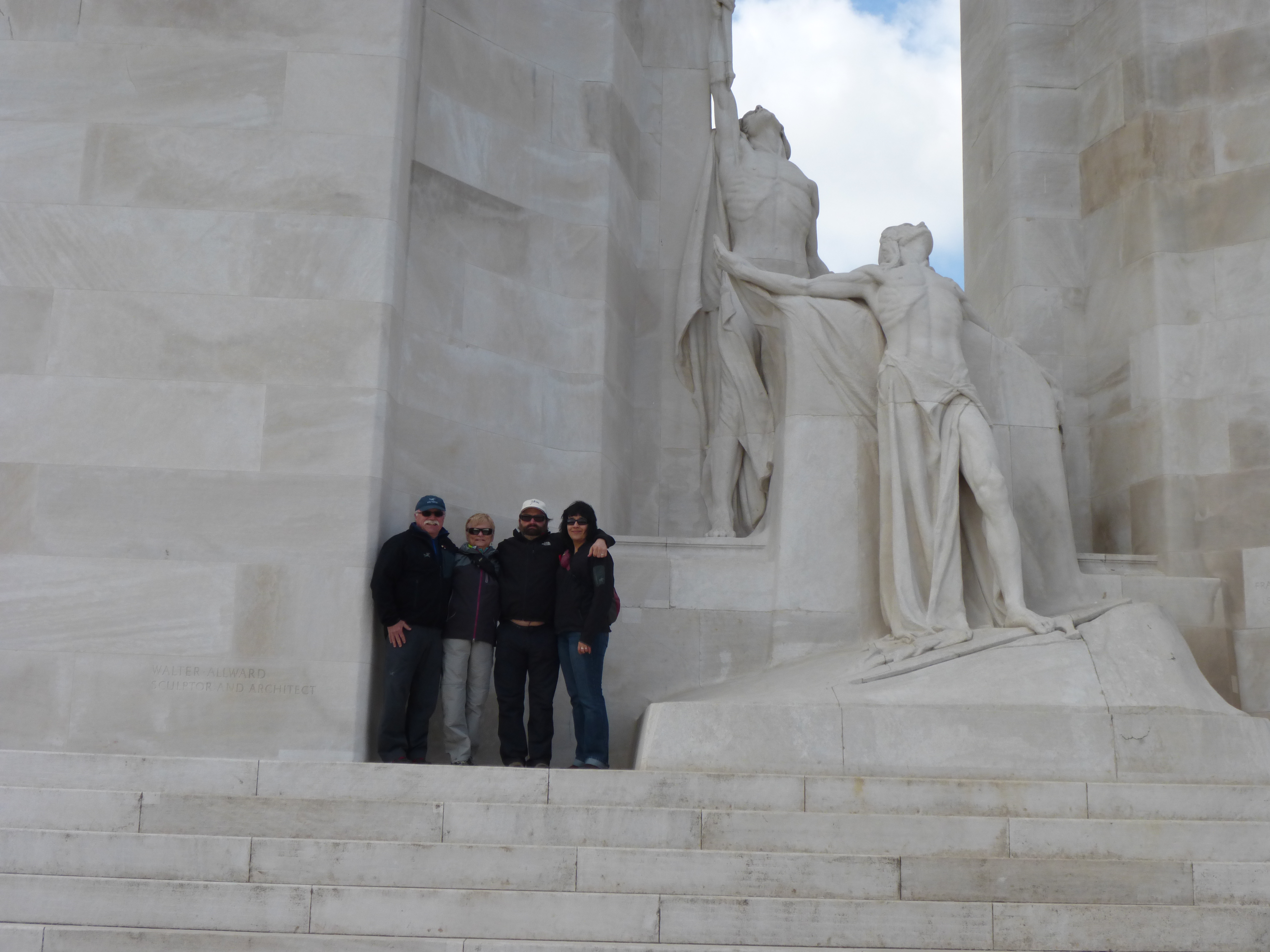
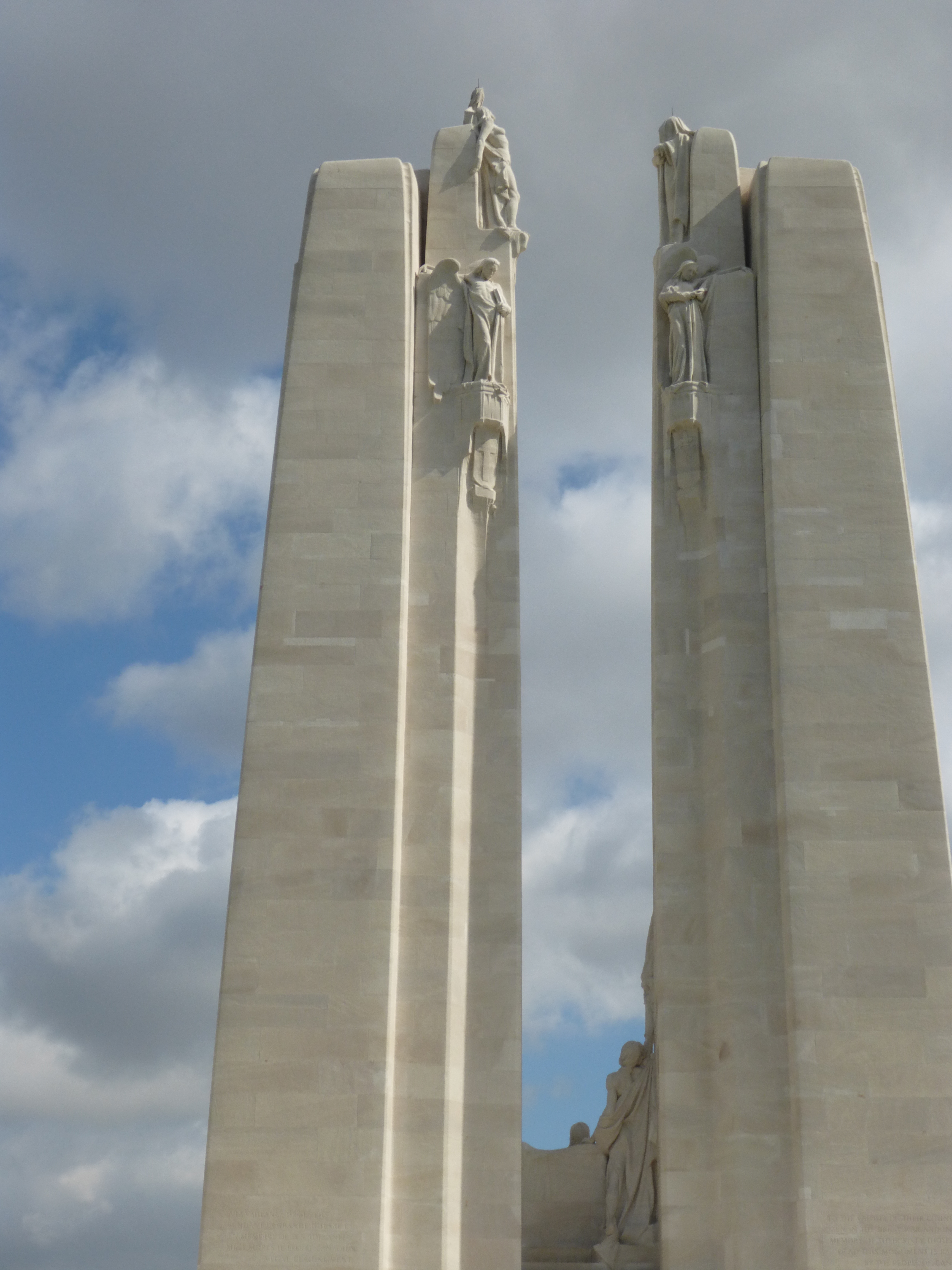
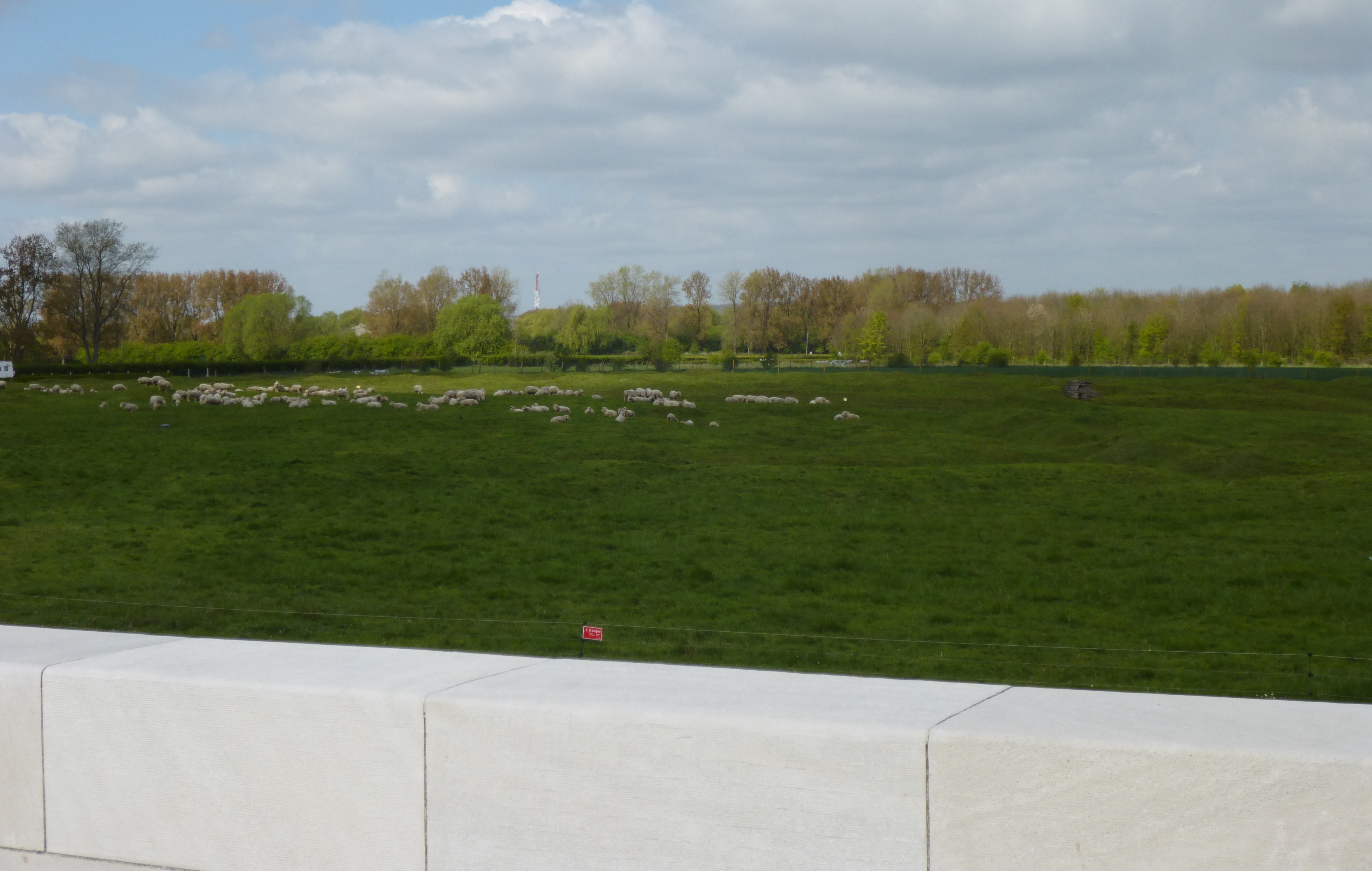
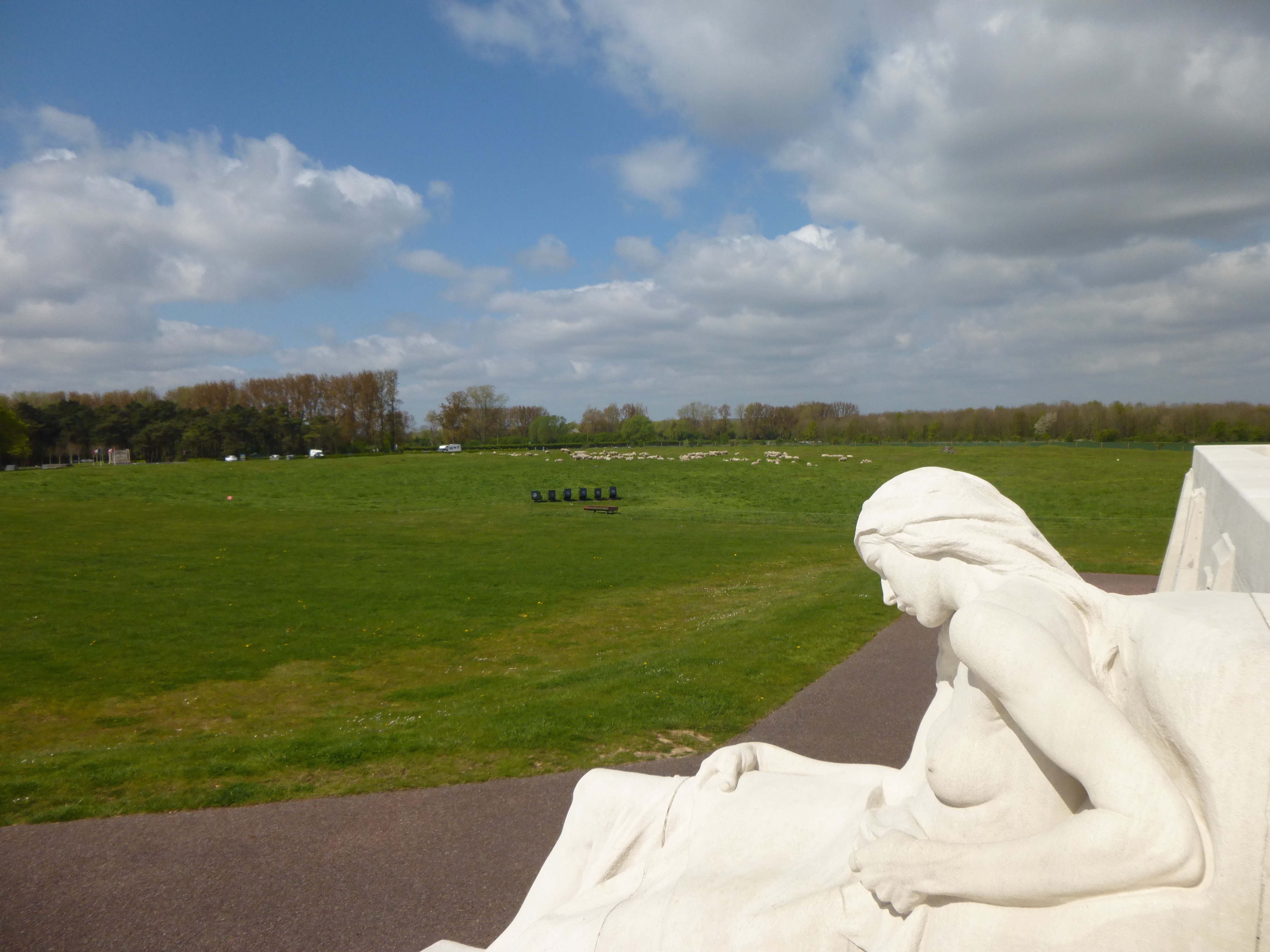

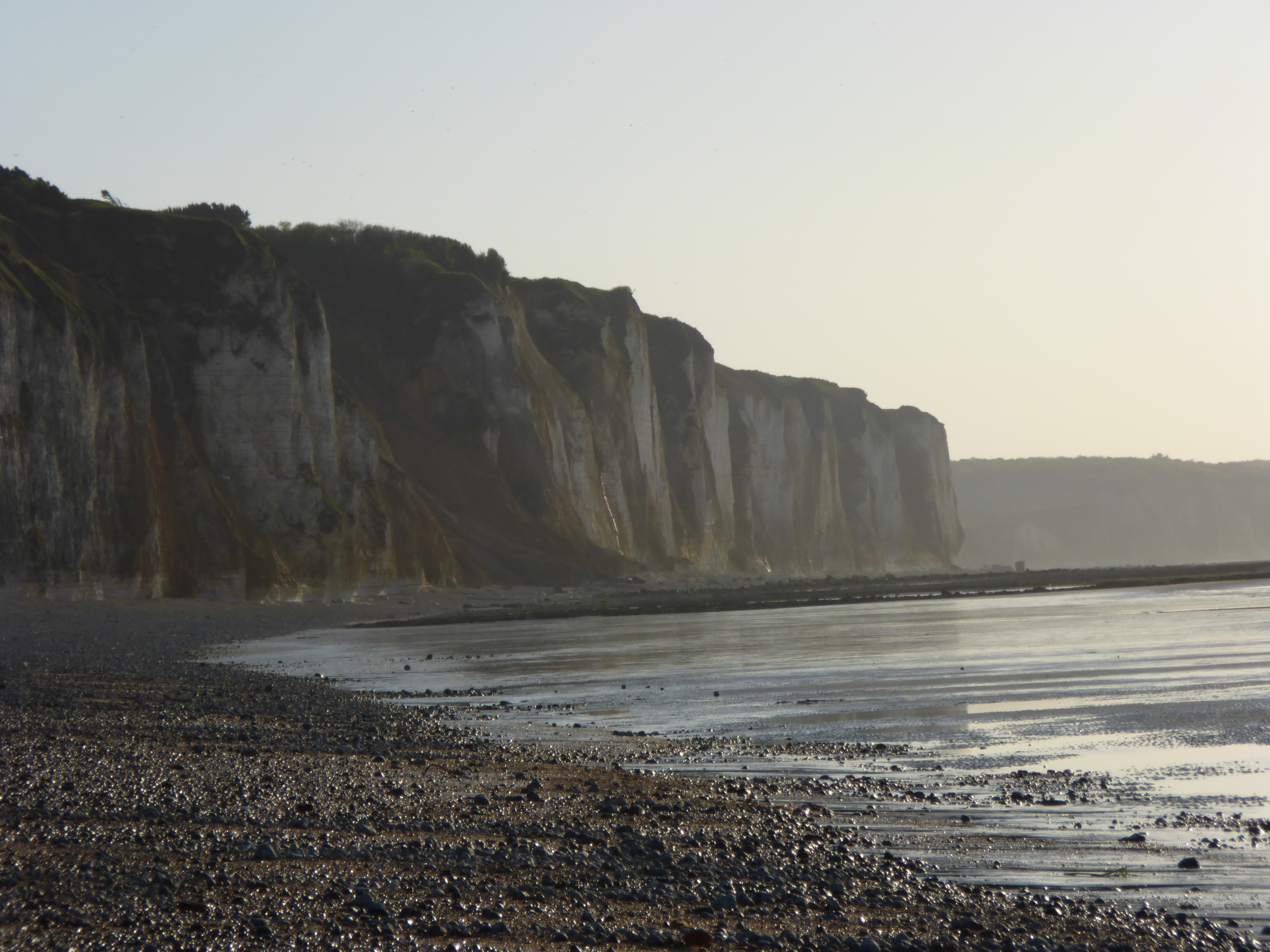


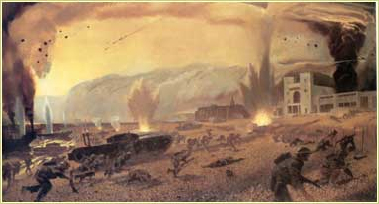


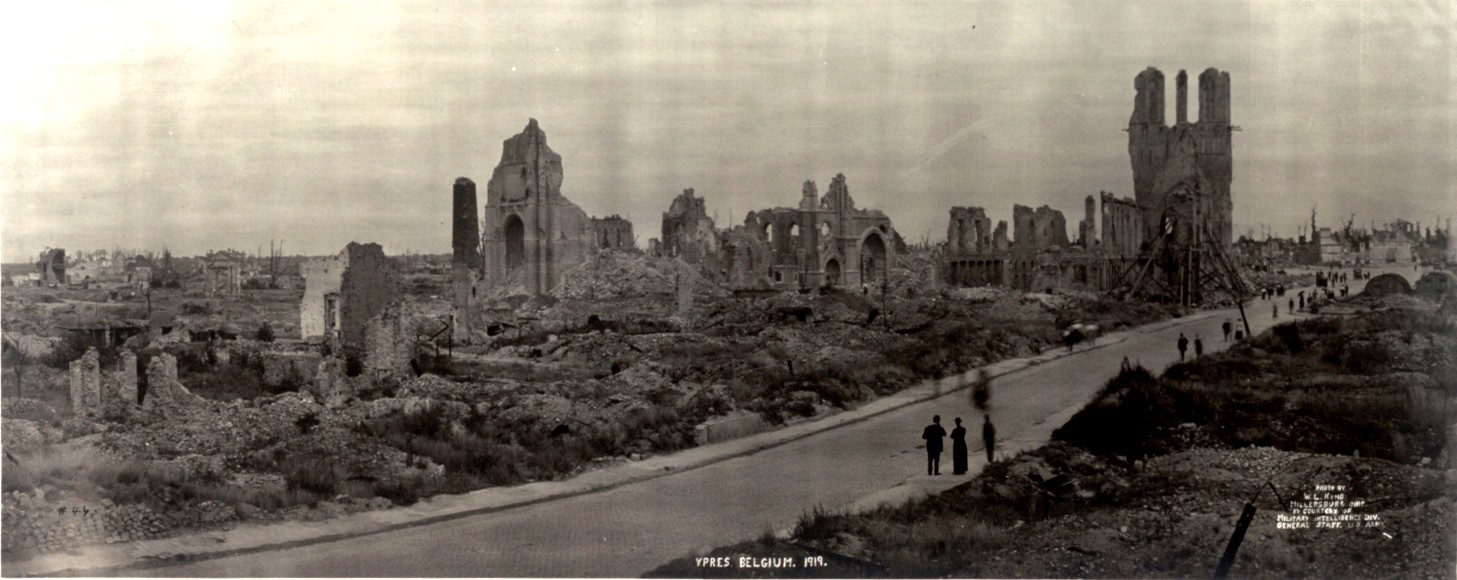


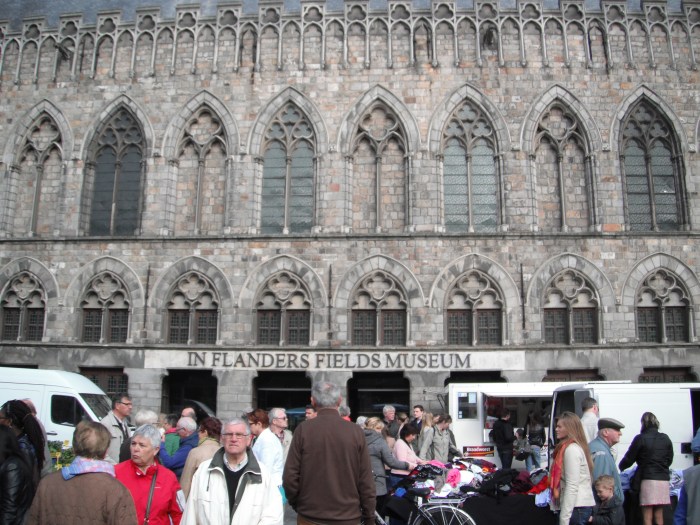 These identifying wristbands not only allow you to get in and out, they also let you access to terminals and have what they call “Personal Encounters”. Basically, this amounts to you accessing various terminals throughout the library and being given information on people who served in the war. Once obtained and compiled to your account, you can request that the museum email it all to you, which I naturally chose to do. The names of my Personal Encounters were Elsbeth Schragmuller, William Flack, and Mike Mountainhorse.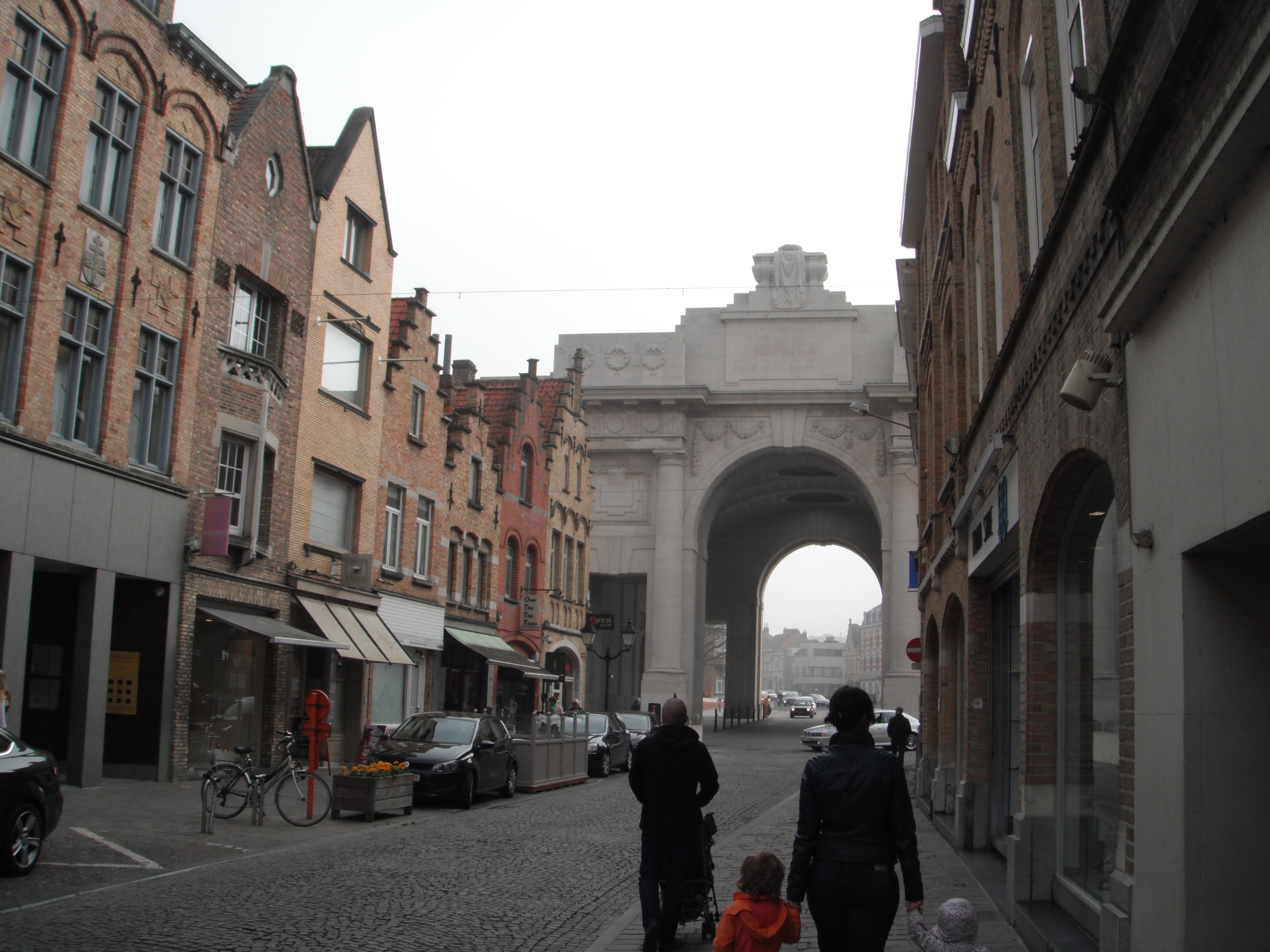
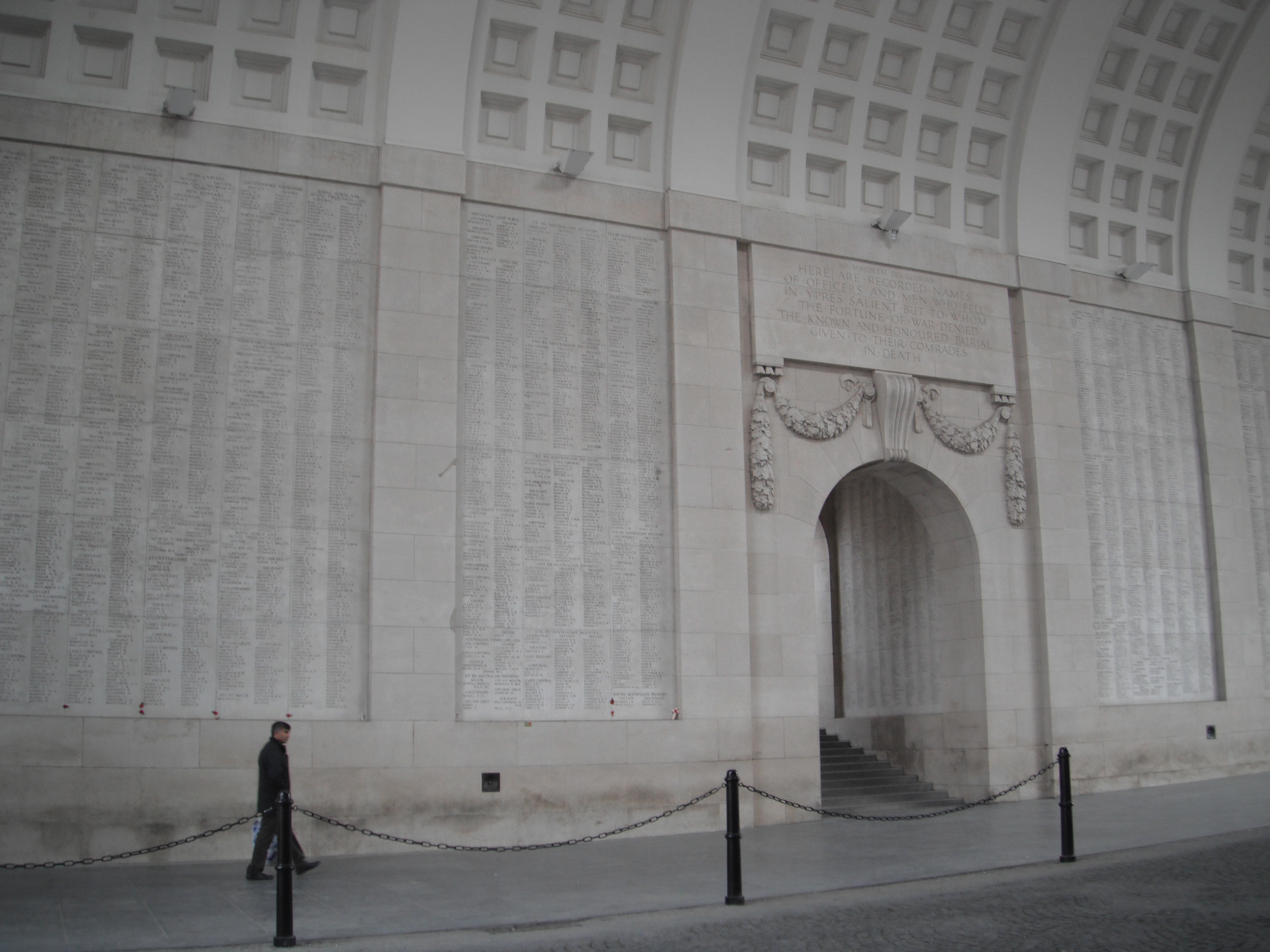



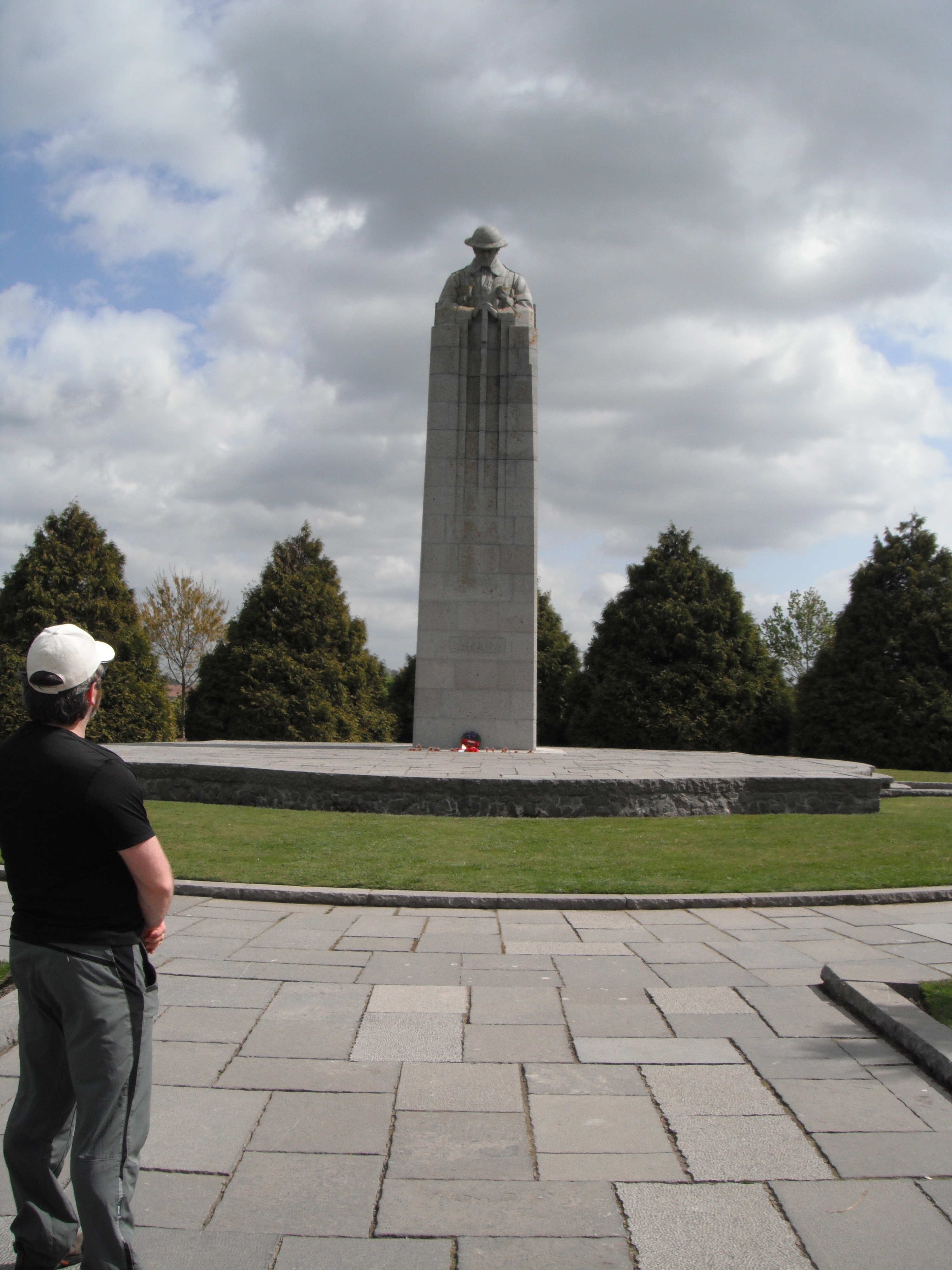
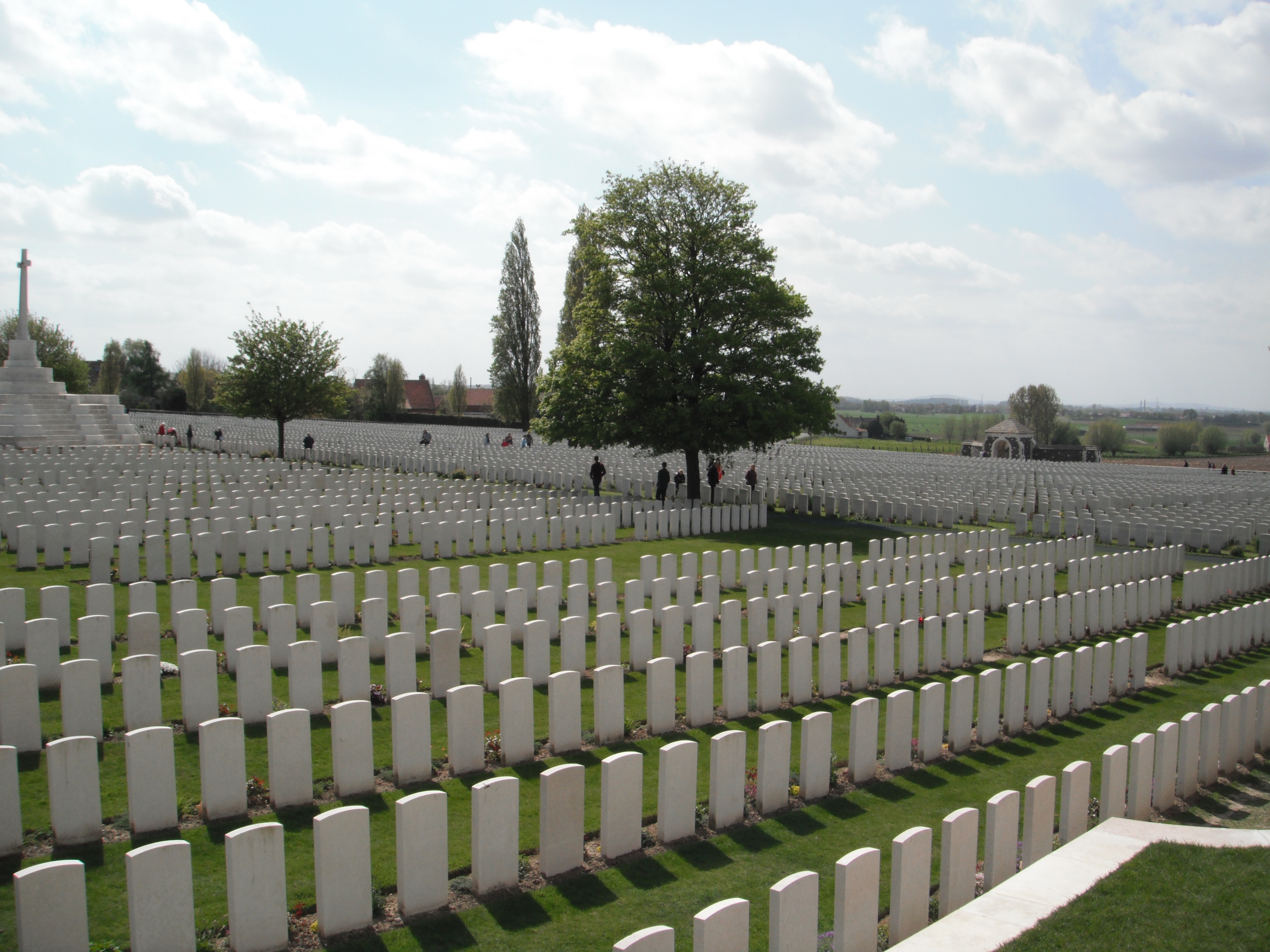
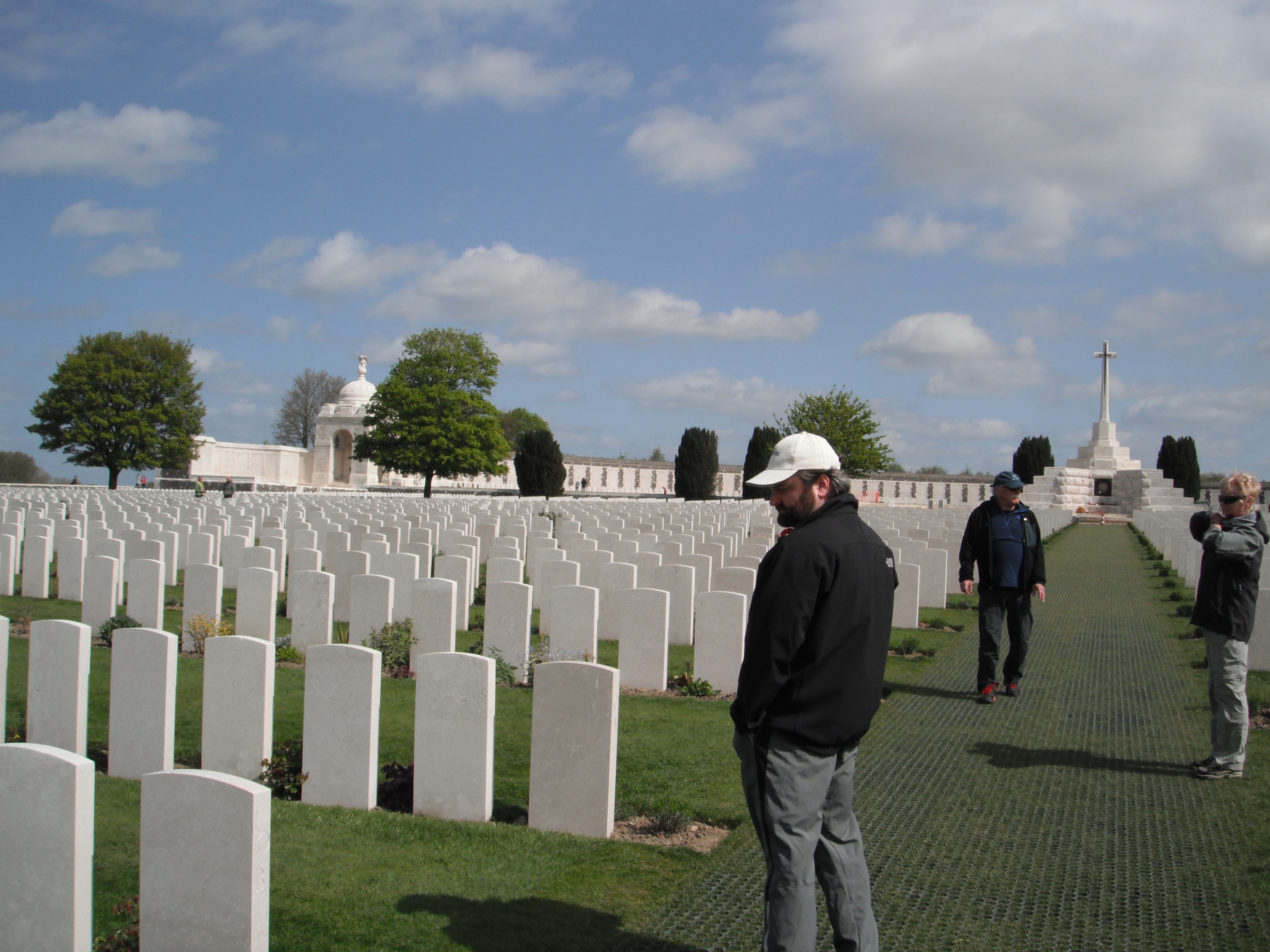
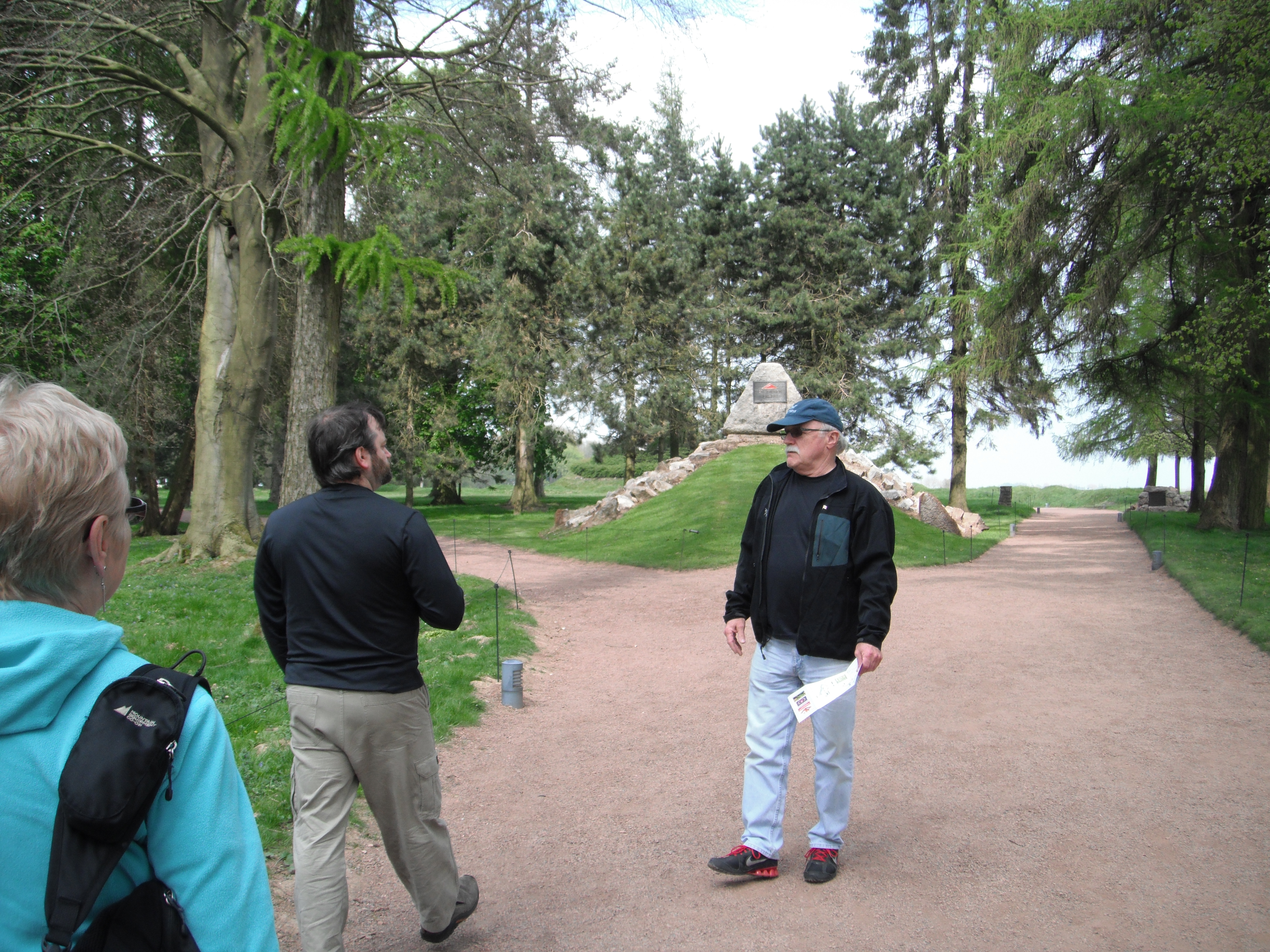


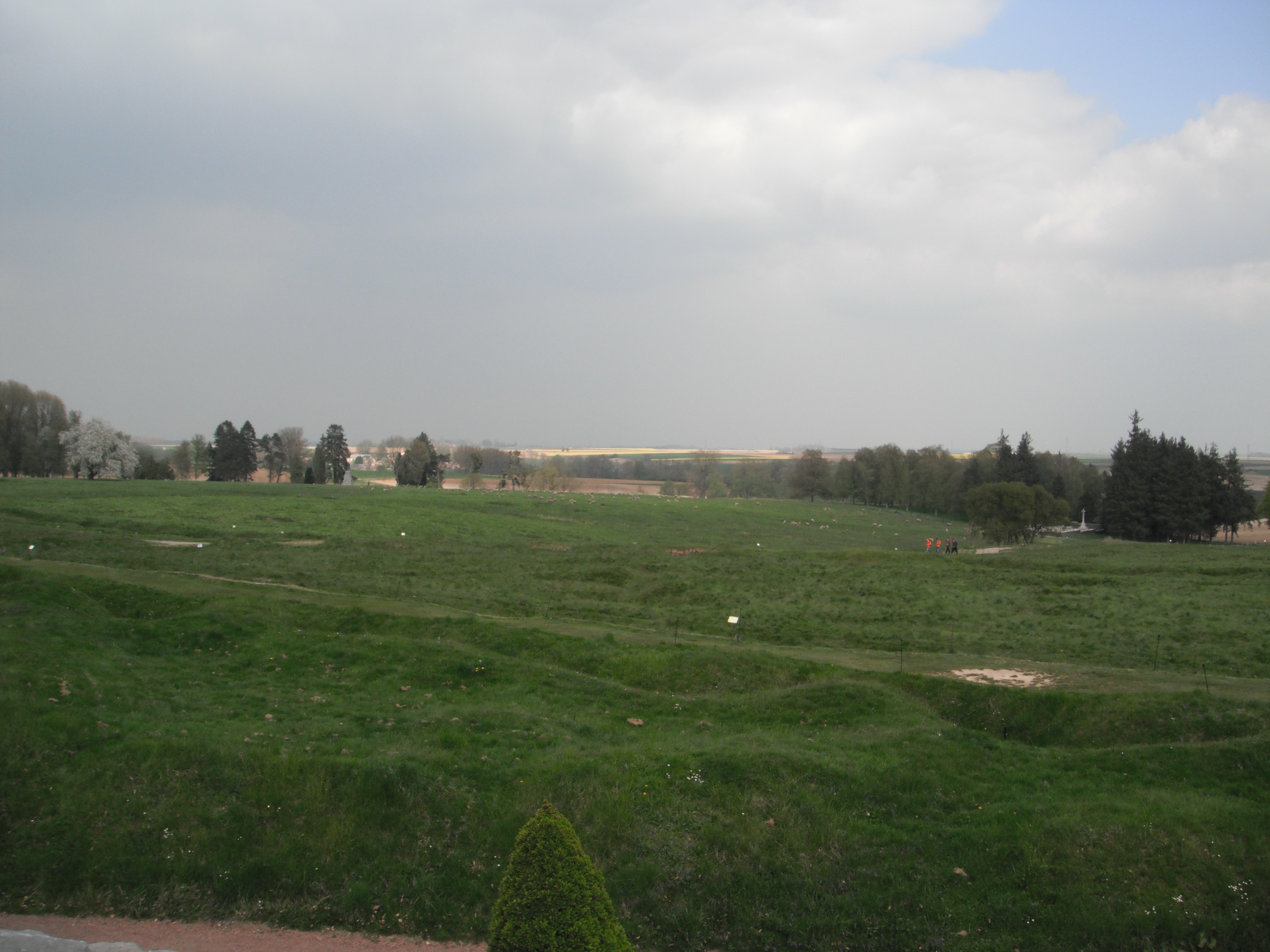
 Stories by Williams
