The fight to end HIV has been long and ongoing. But in recent years, researchers have made some incredible breakthroughs in terms of treatment and vaccines. Well as it turns out, the fight may be getting a punch in the arm from a most unlikely source – an anti-fungal foot cream! Yes, not only does this common drug kill HIV, it is even more effective than some of today’s most cutting-edge drugs.
In a study performed at Rutgers New Jersey Medical School, the drug Ciclopirox was shown to completely eradicate infectious HIV when applied to cell cultures of the virus. But what was even more impressive was the fact that the virus didn’t bounce back when the drug was withheld. This means that, unlike most anti0viral drugs, it may not require a lifetime of use to keep HIV at bay.
The same group of researchers had previously shown that Ciclopirox – which was approved by the FDA and Europe’s EMA to treat foot fungus – inhibits the expression of HIV genes. Now they have found that it also blocks the essential function of the mitochondria, which results in the reactivation of the cell’s suicide pathway, all while sparing surrounding healthy cells.
This is key since one of the worst aspects of HIV – one that makes it particularly persistent, even in the face of strong antiviral treatments – is its ability to disable a cell’s altruistic suicide pathway. This “self-destruct protocol” is typically activated when a cell is damaged or infected. With the introduction of Ciclopirox, these cells are tricked into pulling a double negative, disabling the disabling of the suicide pathway.
Naturally, the cream will have to be tested on humans before its efficacy as a topical HIV treatment can be tested. However, the fact that it’s already been deemed safe for one type of human use could make the regulatory process faster than usual. In fact, the researchers have noted that another FDA-approved drug now thought to help subdue HIV (called Deferiprone) skipped animal studies and went straight to human trials in South Africa.
Naturally, the Rutgers team hopes they too can go directly from their culture studies to human trials, and that the case involving Deferiprone will pave the way for a more streamlined testing process. This is likely, seeing as how there have been many breakthroughs in recent months and everyone – from researchers to patients to medical authorities – want to make treatments available as soon as possible.
Tubercle bacillus, aka. Tuberculosis or TB, is a very common, very infectious, and if untreated, very lethal disease. A well dated illness, its origins can be traced back to early Neolithic Revolution, and is often attributed to animal husbandry (specifically, the domestication of bovines). And in terms of the number of people carrying it, and the number of deaths associated with it, it is second only to HIV.
Because of this and the fact that the disease remains incurable – the only way to combat it is with early detection or experimental vaccines – it is obvious why medical researchers are looking for better ways to detect it. Currently, the standard test for tuberculosis involves inserting a hypodermic needle into a person’s arm at a very precise angle and depth, using a small trace of genetically modified TB to elicit an immuno-reaction.
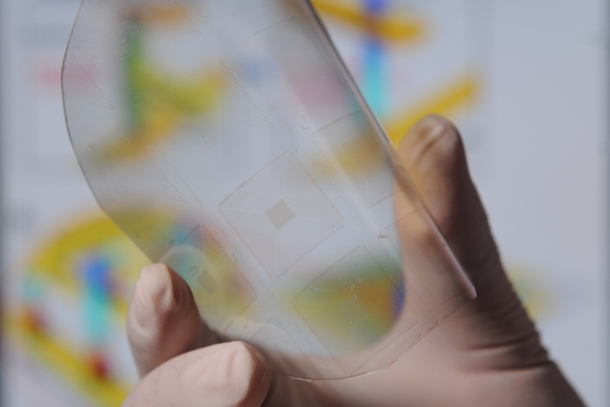
As anyone who has undergone this test knows (as a teacher, I have had to endure it twice!), it is not a very efficient or cost effective way of detecting the deadly virus. In addition to being uncomfortable, the telltale symptoms can days to manifest themselves. Hence why Researchers at the University of Washington hope to replace this test with a painless, near-automated alternative – a microneedle patch that they say is more precise and even biodegradable.
For their study, which was recently presented in the journal Advanced Healthcare Materials, the scientists used microneedles made from chitin – the material that makes up the shells sea creatures and insects and is biodegradable. Each needle is 750 micrometers long (1/40th of an inch) and is coated with the purified protein derivative used to test for tuberculosis.
In terms of its application, all people need do is put it on like a bandage, which ought to make testing on children much easier. For the sake of testing it, the team tested its microneedle patch on guinea pigs and found that the reaction that occurs via the hypodermic needle test also appeared using the patch. But the best aspect of it is the fact that the patch does not require any invasive or difficult procedures.
In a school news release, Marco Rolandi – assistant professor of materials science and engineering at the University of Washington and lead author of the study – had the following to say:
With a microneedle test there’s little room for user error, because the depth of delivery is determined by the microneedle length rather than the needle-insertion angle. This test is painless and easier to administer than the traditional skin test with a hypodermic needle.
The researchers report that they now plan to test the needle patch on humans and hope to make the patch available in the near future. However, the long-term benefits may go beyond stopping TB, as Rolandi and his team hope that similar patches will be developed for other diagnostic tests, such as those used to detect allergies. As anyone who has undergone an allergen test will tell you (again, twice!), its no picnic being pricked and scraped by needles!
As always, the future of medicine appears to be characterized by early detection, lower costs, and less invasive measures.
It’s a rare angle for those who’ve been raised on a heady diet of movies where the robot goes mad and tries to kill all humans: an artificial intelligence using its abilities to help humankind! But that’s the idea being explored by researchers like Raul Rabadan, a theoretical physicist working in biology at Columbia University. Using a new form of machine learning, they are seeking to unlock the mysteries of flu strains.
Basically, they are hoping to find out why flu strains like the H1N1, which ordinarily infect pigs and cows, are managing to make the jump to human hosts. Key to understanding this is finding the specific mutations that transform it into a human pathogen. Traditionally, answering this question would require painstaking comparisons of the DNA and protein sequences of different viruses.
But thanks to rapidly growing databases of virus sequences and advances made in computing, scientists are now using sophisticated machine learning techniques — a branch of artificial intelligence in which computers develop algorithms based on the data they have been given — to identify key properties in viruses like bird flu and swine flu and seeing how they go about transmitting from animals to humans.
This is especially important since every few decades, a pandemic flu virus emerges that not only infects humans but also passes rapidly from person to person. The H7N9 avian flu that infected more than 130 people in China is just the latest example. While it has not been as infectious as others, the fact that humans lack the antibodies to combat it led to a high lethality rate, with 44 of the infected dying. Whats more, it is expected to emerge again this fall or winter.
Knowing the key properties to this and other viruses will help researchers identify the most dangerous new flu strains and could lead to more effective vaccines. Most importantly, scientists can now look at hundreds or thousands of flu strains simultaneously, which could reveal common mechanisms across different viruses or a broad diversity of transformations that enable human transmission.
Researchers are also using these approaches to investigate other viral mysteries, including what makes some viruses more harmful than others and factors influencing a virus’s ability to trigger an immune response. The latter could ultimately aid the development of flu vaccines. Machine learning techniques might even accelerate future efforts to identify the animal source of mystery viruses.
This technique was first employed in 2011 by Nir Ben-Tal – a computational biologist at Tel Aviv University in Israel – and Richard Webby – a virologist at St. Jude Children’s Research Hospital in Memphis, Tennessee. Together, Ben-Tal and Webby used machine learning to compare protein sequences of the 2009 H1N1 pandemic swine flu with hundreds of other swine viruses.
Machine learning algorithms have been used to study DNA and protein sequences for more than 20 years, but only in the past few years have scientists applied them to viruses. Inspired by the growing amount of viral sequence data available for analysis, the machine learning approach is likely to expand as even more genomic information becomes available.
As Webby has said, “Databases will get much richer, and computational approaches will get much more powerful.” That in turn will help scientists better monitor emerging flu strains and predict their impact, ideally forecasting when a virus is likely to jump to people and how dangerous it is likely to become.
Perhaps Asimov had the right of it. Perhaps humanity will actually derive many benefits from turning our world increasingly over to machines. Either that, or Cameron will be right, and we’ll invent a supercomputer that’ll kill us all!
The news that Caltech was developing a potential vaccine for HIV was considered one the biggest stories of 2012. And now, less than a year later, researchers at the Schulich School of Medicine & Dentistry at Western University in London, Ontario have announced that the vaccine not only passed its first round of clinical testing, but even boosted the production of antibodies in patients it was tested on.
The SAV001 vaccine is one of only a handful of HIV vaccines in the world, and is based on a genetically-modified ‘dead’ version of the virus. U.S. clinical testing began in the in March 2012, looking at HIV-infected men and women between the ages of 18 and 50. Half the target group was administered a placebo, while the other group was given SAV001. The first phase of trials wrapped up last month, with researchers optimistic about the vaccine’s future.
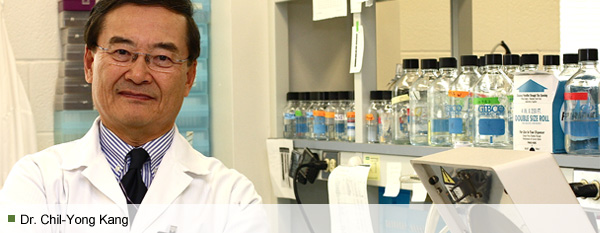
Dr. Chil-Yong Kang, a professor of microbiology and immunology and the head of the Western research team, explained the process in a recent interview with the Ontario Business Report:
We infect the cells with a genetically modified HIV-1. The infected cells produce lots of virus, which we collect, purify and inactivate so that the vaccine won’t cause AIDS in recipients, but will trigger immune responses.
This is the reverse of what researchers at Caltech did, who relied on a technique known as Vectored ImmunoProphylaxis (VIP) to stimulate antibody formation in lab mice. Here too, the researchers received immensely positive results. After introducing up 100 times the amount of HIV virus that what would be required to cause infection, the mice remained protected.
By demonstrating that not one, but two different methods of preventing the spread of HIV are effective, we could be looking at turning point in the war on HIV/AIDS. The only question is, when will a vaccine be commercially available? According to Sumagen, the South Korean biotech firm sponsoring the creation vaccine, manufacturing, as well as the USFDA requirements and other bureaucratic hurdles remain to contend with.
But, if all goes well with future trials, it could be commercially available in as little as five years. As CEO Jung-Gee Cho said in a press release:
We are now prepared to take the next steps towards Phase II and Phase III clinical trials. We are opening the gate to pharmaceutical companies, government, and charity organization for collaboration to be one step closer to the first commercialized HIV vaccine.
Paired with a possible cure which relies on nanoparticles and bee venom, we could even be looking at the beginning of the end of the pandemic, one which has caused between 25 and 30 million deaths worldwide since its discovery in 1981.
And in the meantime, check out this interview of Dr. Chil-Yong Kang as he explains how he and his research team developed their HIV vaccine, courtesy of the CHIR Canadian HIV Trial Network:
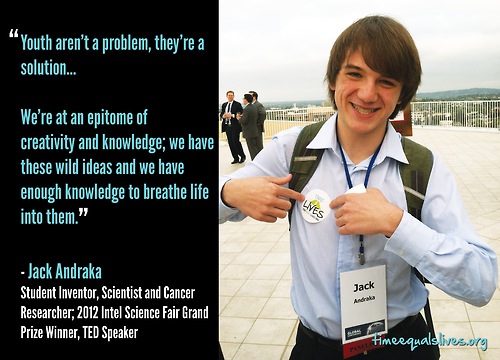
Folks, today I have a rare privilege which I want to share with you. Not that long ago, I reached out to a certain brilliant mind that’s been making waves in the scientific community of late, a young man who – despite his age – has been producing some life saving technologies and leading his own research team. This young man, despite his busy schedule, managed to get back to me quite quickly, and agreed to an interview.
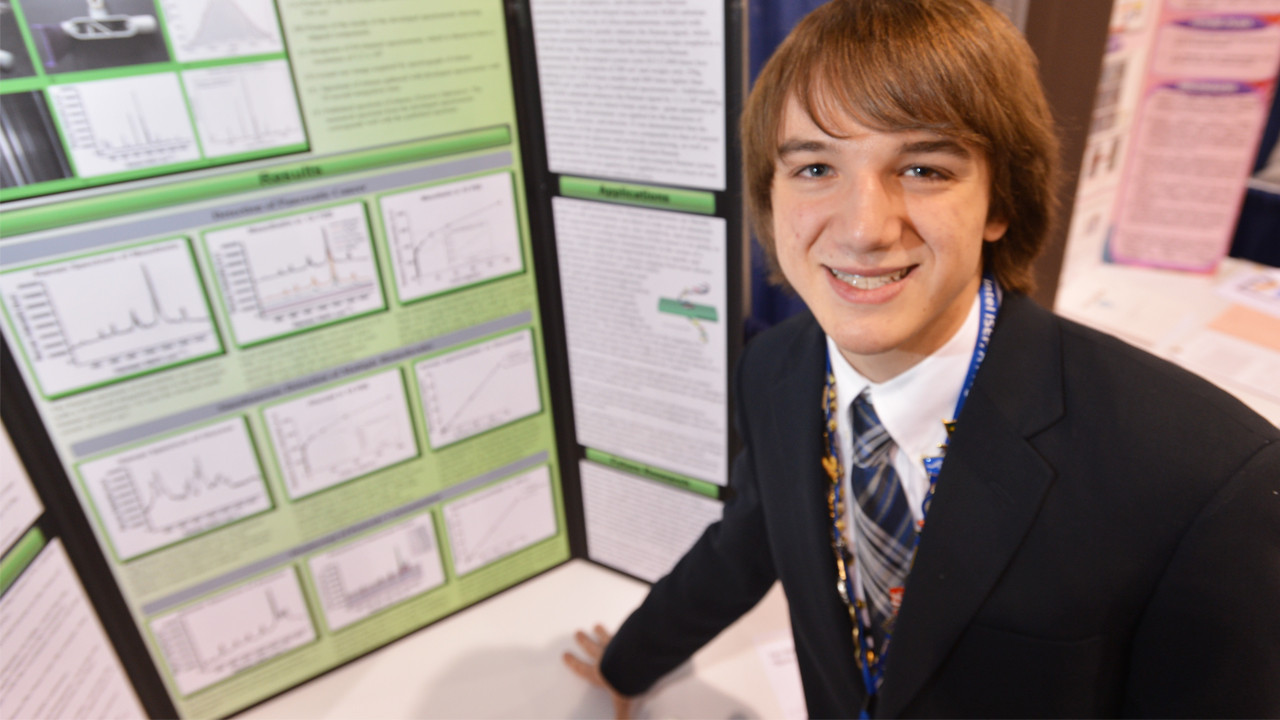
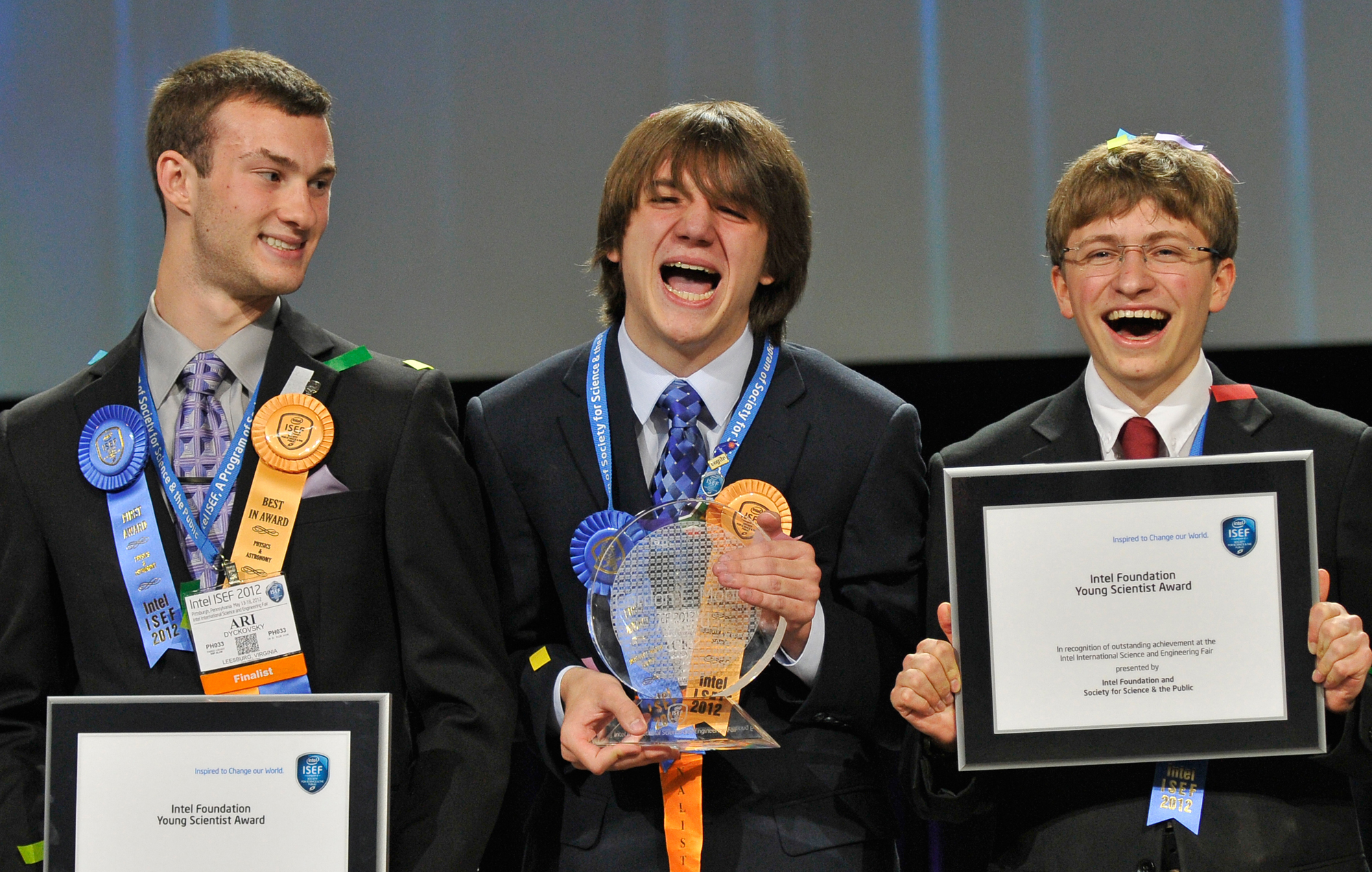
I am of coarse referring to Jack Andraka, a man who’s medical science credentials are already pretty damn impressive. At the age of 16, he developed a litmus test that was capable of detecting pancreatic cancer, one that was 90% accurate, 168 times faster than current tests, and 1/26,000th the cost. For this accomplishment, he won first place at the 2012 Intel International Science and Engineering Fair (ISEF).
Winning at the 2012 ISEF
Afterward, he and the other finalists formed their own research group known as Generation Z, which immediately began working towards the creation of a handheld non-invasive device that could help detect cancer early on. In short, they began working on a tricorder-like device, something for which they hope to collect the Tricorder X PRIZE in the near future.
While this project is ongoing, Andraka presented his own concept for a miniature cancer-detecting device at this year’s ISEF. The device is based on a raman spectrometer, but relies on off-the-shelf components like a laser pointer and an iPod camera to scan tissue for cancer cells. And whereas a raman spectrometer is the size of a small car and can cost upwards of $100,000, his fits in the palm of your hand and costs about $15.
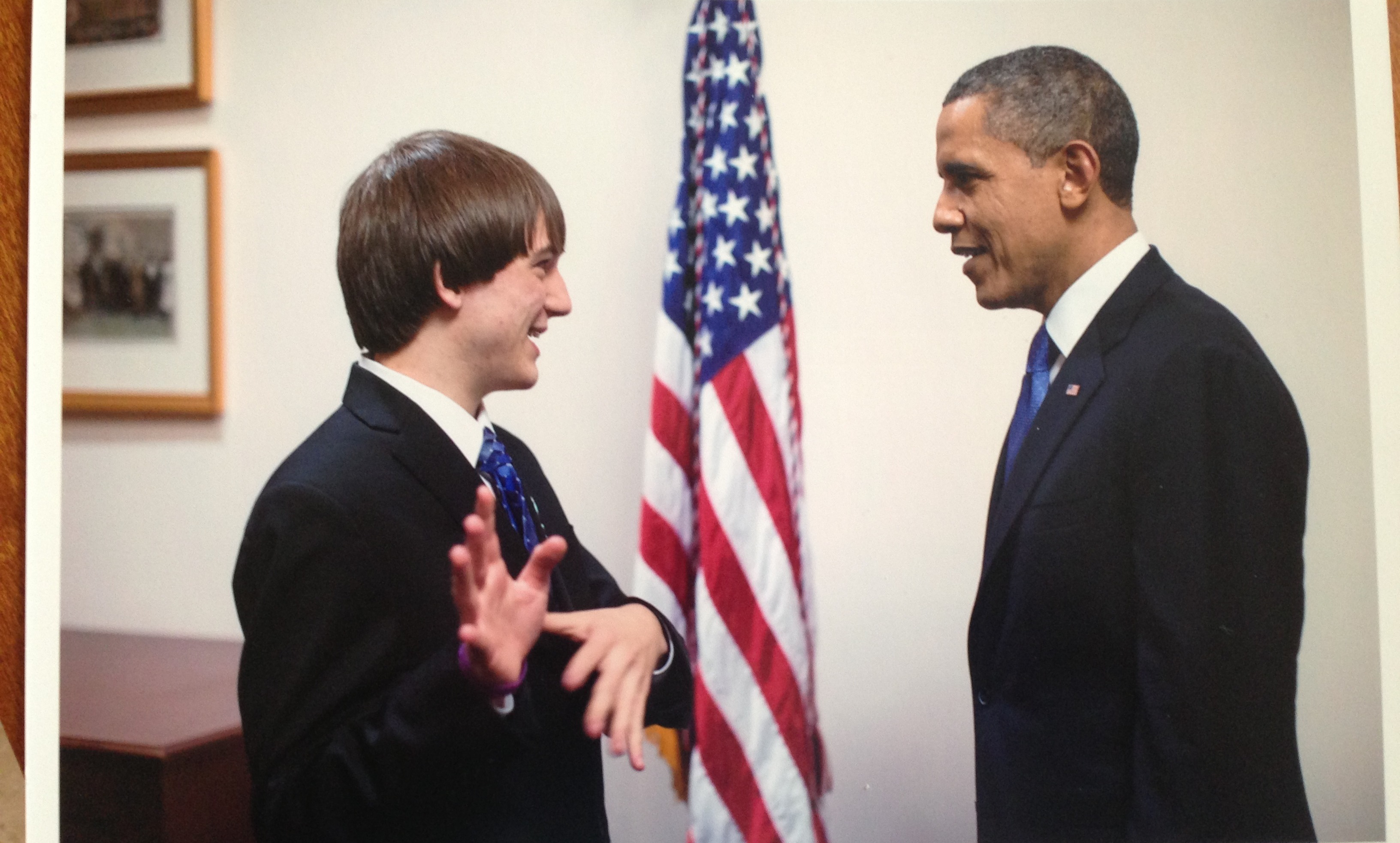
Talking with the Prez
Oh, and I should also mention that Jack got to meet President Obama. When I asked what the experience was like, after admitting to being jealous, he told me that the President “loves to talk about science and asks great questions. [And] he has the softest hands!” Who knew? In any case, here’s what he had to tell me about his inspirations, plans, and predictions for the future.
1. What drew you to science and scientific research in the first place?
I have always enjoyed asking questions and thinking about how and why things behave the way they do. The more I learned about a subject, the more deeply I wanted to explore and that led to even more questions. Even when I was 3 I loved building small dams in streams and experimenting with what would happen if I built the dams a certain way and what changes in water flow would occur.
When I entered 6th grade, science fair was required and was very competitive. I was in a charter school and the science fair was really the highlight of the year. Now I did not only love science, but I was highly motivated to do a really good project!
That’s him, building his dams
2. You’re litmus test for pancreatic cancer was a major breakthrough. How did you come up with the idea for it?
When I was 14 a close family friend who was like an uncle to me passed away from pancreatic cancer. I didn’t even know what a pancreas was so I turned to every teenager’s go-to source of information, Google and Wikipedia, to learn more. What I found shocked me. The 5 year survival rate is just awful, with only about 5.5% of people diagnosed achieving that time period. One reason is that the disease is relatively asymptomatic and thus is often diagnosed when a patient is in an advanced stage of the cancer. The current methods are expensive and still miss a lot of cancers.
I knew there had to be a better way so I started reading and learning as much as I could. One day in Biology class I was half listening to the teacher talk about antibodies while I was reading a really interesting article on carbon nanotubes. Then it hit me: what if I combined what I was reading (single walled carbon nanotubes) with what I was supposed to be listening to (antibodies) and used that mixture to detect pancreatic cancer.
Of course I had a lot of work left to do so I read and read and thought and thought and finally came up with an idea. I would dip coat strips of inexpensive filter paper with a mixture of single walled carbon nanotubes and the antibody to mesothelin, a biomarker for pancreatic cancer. When mesothelin containing samples were applied the antibody would bind with the mesothelin and push the carbon nanotubes apart, changing the strips’ electrical properties, which I could then measure with an ohm meter borrowed from my dad.
Then I realized I needed a lab (my mom is super patient but I don’t think she’d be willing to have cancer research done in her kitchen!). I wrote up a proposal and sent it out to 200 professors working on anything to do with pancreatic research. Then I sat back waiting for the acceptances to roll in.
I received 199 rejections and one maybe, from Dr Maitra of Johns Hopkins School of Medicine. I met with him and he was kind enough to give me a tiny budget and a small space in his lab. I had many many setbacks but after 7 months, I finally created a sensor that could detect mesothelin and thus pancreatic cancer for 3 cents in 5 minutes.
3. What was your favorite thing about the 2012 Intel International Science and Engineering Fair – aside from winning, of course?
My brother had been a finalist at Intel ISEF and I attended as an observer. I was blown away by the number and quality of the projects there and loved talking to the other finalists. It became my dream to attend Intel ISEF as well. My favorite thing about getting to be a finalist was the sense that I was among kids who were as passionate about math and science as I was and who were curious and creative and who wanted to innovate and push their limits. It felt like I had found my new family! People understood each other and shared ideas and it was so exciting and inspiring to be there with them, sharing my ideas as well!
4. What was the inspiration behind you and your colleagues coming together to start “Generation Z”?
I met some other really interesting kids at Intel ISEF who were making huge advances. I am fascinated by creating ways to diagnose diseases and pollutants. We started talking and the subject of the X Prize came up. We thought it would be a fun challenge to try our hand at it! We figure at the very least we will gain valuable experience working on a team project while learning more about what interests us.
5. How did people react to your smartphone-sized cancer detector at this years ISEF?
Of course people came over to see my project because of my success the previous year. This project was not as finished as it could have been because I was so busy traveling and speaking, but it was great to see all my friends and make new ones and explain what I was aiming for.
6. Your plans for a tricorder that will compete in Tricoder X are currently big news. Anything you can tell us about it at this time?
My team is really coming together. Everyone is working on his/her own piece and then we often Skype and discuss what snags we are running up against or what new ideas we are thinking about.
7. When you hear the words “The Future of Medicine”, what comes to mind? What do you think the future holds?
I believe that the future of medicine is advancing so fast because of the internet and now mobile phones. There are so many new and inexpensive diagnostic methods coming out every month. Hopefully the open access movement will allow everyone access to the knowledge they need to innovate by removing the expensive pay walls that lock away journal articles and the important information they contain from people like me who can’t afford them.
Now kids don’t have to depend on the local library to have a book that may be outdated or unavailable. They can turn to the internet to connect with MOOCs (Massive Open Online Courses), professors, forums and major libraries to gain the information they need to innovate.
8. What are your plans for the future?
I plan to finish my last 2 years of high school and then go to college. I’m not sure which college or exactly what major yet but I can’t wait to get there and learn even more among other people as excited about science as I am.
9. Last question: favorite science-fiction/fantasy/zombie or superhero franchises of all time, and why do you like them?
I like the Iron Man movies the best because the hero is an amazing scientist and engineer and his lab is filled with everything he would ever need. I wonder if Elon Musk has a lab like that in his house!!
Yeah, that sounds about right! I’m betting you and Musk will someday be working together, and I can only pray that a robotic exoskeleton is one of the outcomes! And I would be remiss if I didn’t point out that we had a Superhero Challenge here on this site, where we designed our own characters and created a fictional crime-fighting league known as The Revengers! We could use a scientifically-gifted mind in our ranks, just saying…
Thank you for coming by and sharing your time with us Jack! I understood very little of what you said, but I enjoyed hearing about it. I think I speak for us all when I say good luck with all your future endeavors, and may all your research pursuits bear fruit!
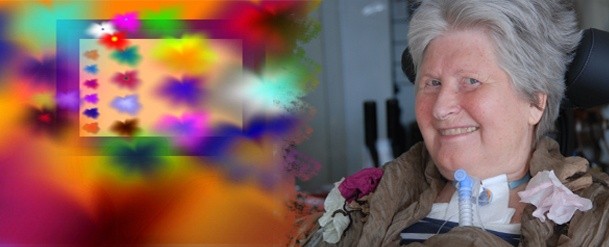
In 2007, when artist Heide Pfüetzner was diagnosed with Amyotrophic Lateral Sclerosis (Lou Gehrig’s disease), she considered it a “personal catastrophe”. Given the effects of ALS, which include widespread muscle atrophy that affects mobility, speaking, swallowing, and breathing, this is hardly surprising. And yet, just six years later, an exhibit of her paintings made their debut; all created by her mind and a computer.
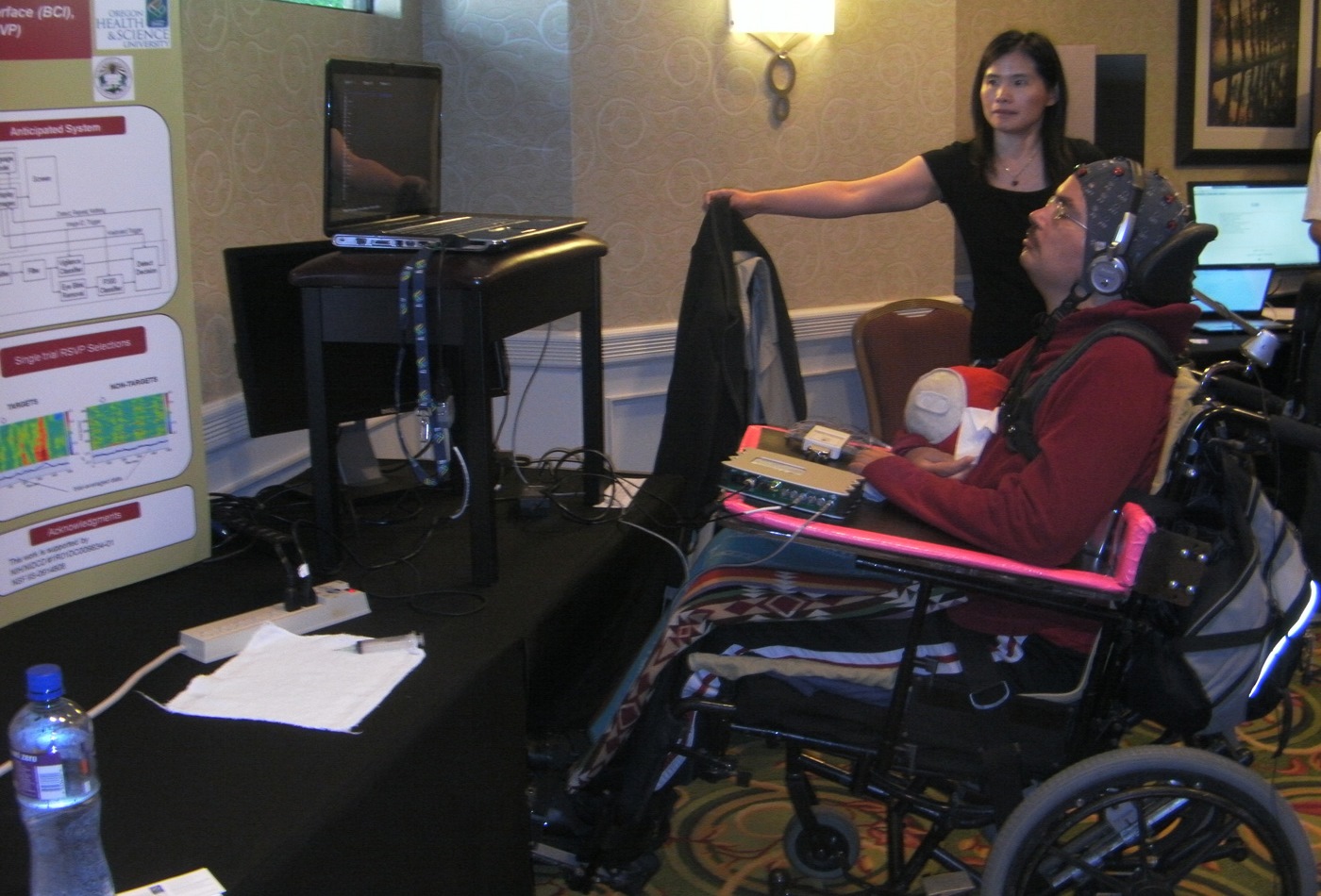
Known as “Brain on Fire,” the exhibit took place on Easdale, a small island off the west coast of Scotland, this past July. Those who visited the exhibit were treated to a vibrant display of colorful digital paintings that she made using a computer program that lets her control digital brushes, shapes, and colors by concentrating on specific points on the screen.
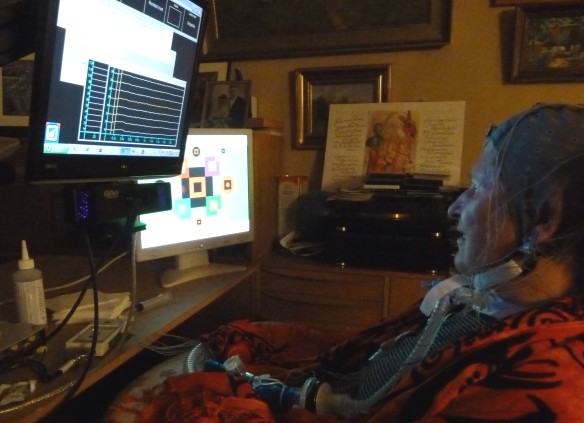
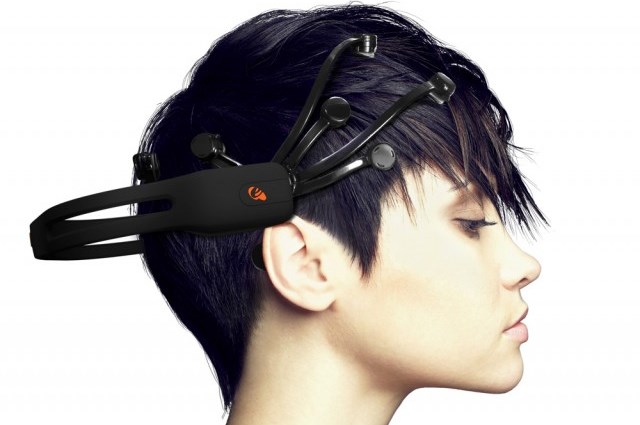
Pfüetzner, a former English teacher from Leipzig, Germany, “brain paints” using software developed by the University of Wurzburg and German artist Adi Hösle, along with equipment from biomedical engineering firm Gtec. Thanks to the equipment and software, Pfüetzner is able to paint using two monitors and an electrode-laden electroencephalogram (EEG) cap without having to move her hands or leave her chair.
While one screen displays the program’s matrix of tools, another functions like a canvas, showing the picture as it evolves. Images of the various tools flash at different times, and Pfüetzner focuses on the tool she wants to select, causing her brain activity to spike. The computer determines which option she’s focusing on by comparing the timing of the brainwaves to the timing of the desired flashing tool.
Relying on a Startnext crowdfunding campaign, Pfüetzner was able to raise the $6,500 she needed to hold the exhibit in Easdale. The money she raised through the campaign went toward printing and framing her work, as well as transporting her and her nursing team, as well as the medical equipment she needs, to Easdale, where the exhibit ran until July 25th.
Pfüetzner admits that prior to becoming ill, she was not too fond of technical equipment and did not like working with computers. But since she became acquainted with the new technology, an EEG cap and brain computer interface have become her everyday companions. Much like a canvas, brush and paint palate, “brain painting” has become second nature to her.
Between her Startnext page and interviews since her exhibit went public, Pfüetzner had the following to say about her work and the software that makes it possible:
For the first time, this project gives me the opportunity to show the world that the ALS has not been the end of my life… BCI is a pioneer-making technology which allows me to create art and therefore, reconnect to my old life.
For some time now, Brain to Computer Interface (BCI) research has been pushing the realm of the possible, giving a man with locked-in syndrome the ability to tweet using eye movement, or a paraplegic woman the ability to control a robotic arm. And thanks to research team like that working at the University of Wurzburg’s labs, the range of BCI applications for the paralyzed are quickly beyond text input and into the realm of visual art.
Though the life expectancy of an ALS patient averages about two to five years from the time of diagnosis, according to the ALS Association, some ALS patients, including physicist and cosmologist Stephen Hawking, have far outlived that prognosis. given her obvious inspiration and passion, not to mention talent, I sincerely hope Pfüetzner has a long and productive career!
And be sure to enjoy this video from Heide Pfüetzner’s Startnext page. It contains a personal address in German (sadly, I couldn’t find an English translation), followed by members of the University of Wurzburg team explaining how “brain painting” works:
Silk implants are becoming the way of the future as far as brain implants are concerned, due to their paradoxically high resiliency and ability to dissolve. By combining them with nanoelectric circuits or drugs, scientists are exploring several possible applications, ranging from communications devices to control prosthetics and machines to medicinal devices that could treat disabilities and mental illnesses.
And according to a recent study released by the National Institutes of Health, treating epilepsy is just the latest application. According to the study, when administered to a series of epileptic rats, the treatment led to the rats experiencing far fewer seizures. What’s more, this new treatment represents something entirely new in terms of treatment of neurological disorder.
For starters, Rebecca L. Williams-Karneskyand and her colleagues used the silk implants for a timed-release therapy in rats experiencing epileptic seizures. Working on the theory that people with epilepsy suffer from a low level of adenosine – a chemical that the brain releases naturally to suppress seizures (and also perhaps movement during sleep) – they soaked the silk implants before implanting them.
Those rats who recieved the silk brain implants still had seizures, but their numbers were reduced fourfold. The implant released the chemical for ten days before they completely dissolved. And with time and testing, the treatment could very easily be made available for humans. According to the study’s co-author, Detlev Boison:
Clinical applications could be the prevention of epilepsy following head trauma or the prevention of seizures that often — in about 50 percent of patients — follow conventional epilepsy surgery. In this case, adenosine-releasing silk might be placed into the resection cavity in order to prevent future seizures.
Between the timed release of drugs and nanoelectric circuits that improve neuroelasticity, recall and relaxation, brain implants are coming a long way. At one time, they were the province of cyberpunk science fiction. But thanks to ongoing research and development, they are quickly jumping from the page and becoming a reality.
Though they currently remain confined to medical tests and laboratories, experts agree that it will be just a few years time before they are commercially available. By sometime in the coming decade, medimachines and neural implants will probably become a mainstay, and neurological disorders a fully treatable phenomena.
According to a recent study in Nature Biotechnology, a significant leap has been made towards the curing of blindness. Using stem cells, researchers at the Moorfields Eye Hospital and University College London claim that the part of the eye which actually detects light can be repaired. An animal study revealed that it could be done, and human trials are now a realistic prospect.
Experts described it as a “significant breakthrough” and “huge leap” forward, and for good reason. In the past, stem cell research has shown that the photoreceptors in the eye that degrade over time can be kept healthy and alive longer. But this latest trial shows that the light-sensing cells themselves can be replaced, raising the prospect of reversing blindness.
The Moorfields research team used a new technique for building retinas in the laboratory, collecting thousands of stem cells, which were primed to transform into photoreceptors, and injecting them into the eyes of blind mice. The study showed that these cells could hook up with the existing architecture of the eye and begin to function.
However, with ongoing trials, the results remain limited. Of the 200,000 or so stem cells injected into the eyes of the blind mice, only about 1,000 cells actually hooked up with the rest of the eye. Still, the margin for success and the fact that they were able to rehabilitate receptors thought to be dead was quite the accomplishment.
As lead researcher Prof. Robin Ali told the BBC News website:
This is a real proof of concept that photoreceptors can be transplanted from an embryonic stem cells source and it give us a route map to now do this in humans. That’s why we’re so excited, five years is a now a realistic aim for starting a clinical trial.
The eye remains one of the most advanced fields of stem cell research, with clinical trials aiming to correct macular degeneration, astigmatism, and other degenerative and inherited traits. And compared to other fields, like neurological disorders and impairments, it is a relatively simple one. Hence, much less cells would also be needed to make a difference, as opposed to other organs, like a failing liver or kidney.
Whereas reversing something like dementia requires stem cells to hook up and repair far more cells across the brain, light sensing cells are easier to deal with, since they only have to pass their electrical message to one or more cells. What’s more, the immune system is relatively weak in the eye, which means the chances for stem cell rejection.
As Chris Mason, a Professor from the University College London, told the BBC:
I think they have made a major step forward here, but the efficiency is still too low for clinical uses. At the moment the numbers of tiny and it will take quite a bit of work to get the numbers up and then the next question is ‘Can you do it in man?’ But I think it is a significant breakthrough which may lead to cell therapies and will give a much expanded knowledge on how to cure blindness.
In short, the results are encouraging and human trials could begin within five years. And given the likelihood for success, blindness could very become a thing of the past within a decade or so.
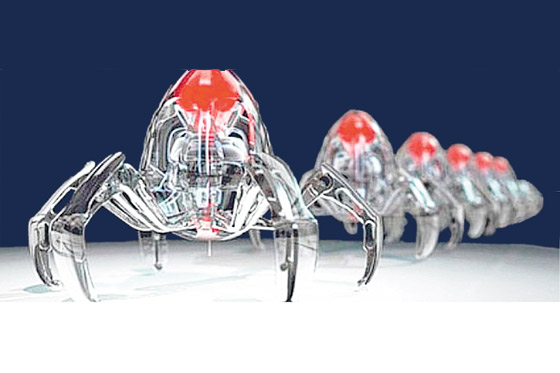
Nanotechnology has long been the dream of researchers, scientists and futurists alike, and for obvious reasons. If machinery were small enough so as to be microscopic, or so small that it could only be measured on the atomic level, just about anything would be possible. These include constructing buildings and products from the atomic level up, with would revolutionize manufacturing as we know it.
In addition, microscopic computers, smart cells and materials, and electronics so infinitesimally small that they could be merged with living tissues would all be within our grasp. And it seems that at least once a month, universities, research labs, and even independent skunkworks are unveiling new and exciting steps that are bringing us ever closer to this goal.
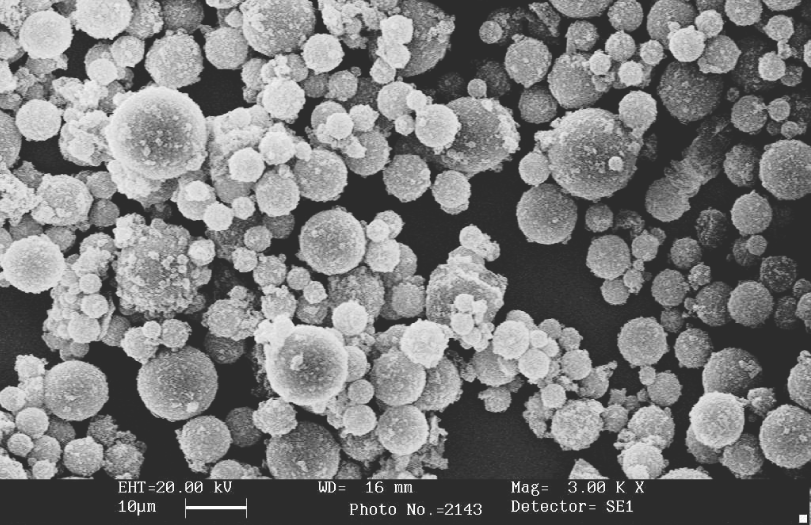
Close-up of a smart sponge
Once such breakthrough comes from the University of North Carolina at Chapel Hill, where biomedical scientists and engineers have joined forces to create the “smart sponge”. A spherical object that is microscopic — just 250 micrometers across, and could be made as small as 0.1 micrometers – these new sponges are similar to nanoparticles, in that they are intended to be the next-generation of delivery vehicles for medication.
Each sponge is mainly composed of a polymer called chitosan, something which is not naturally occurring, but can be produced easily from the chitin in crustacean shells. The long polysaccharide chains of chitosan form a matrix in which tiny porous nanocapsules are embedded, and which can be designed to respond to the presence of some external compound – be it an enzyme, blood sugar, or a chemical trigger.
So far, the researchers tested the smart sponges with insulin, so the nanocapsules in this case contained glucose oxidase. As the level of glucose in a diabetic patient’s blood increases, it would trigger the nanocapsules in the smart sponge begin releasing hydrogen ions which impart a positive charge to the chitosan strands. This in turn causes them to spread apart and begin to slowly release insulin into the blood.
The process is also self-limiting: as glucose levels in the blood come down after the release of insulin, the nanocapsules deactivate and the positive charge dissipates. Without all those hydrogen ions in the way, the chitosan can come back together to keep the remaining insulin inside. The chitosan is eventually degraded and absorbed by the body, so there are no long-term health effects.
One the chief benefits of this kind of system, much like with nanoparticles, is that it delivers medication when its needed, to where its needed, and in amounts that are appropriate to the patient’s needs. So far, the team has had success treating diabetes in rats, but plans to expand their treatment to treating humans, and branching out to treat other types of disease.
Cancer is a prime candidate, and the University team believes it can be treated without an activation system of any kind. Tumors are naturally highly acidic environments, which means a lot of free hydrogen ions. And since that’s what the diabetic smart sponge produces as a trigger anyway, it can be filled with small amounts of chemotherapy drugs that would automatically be released in areas with cancer cells.
Another exciting breakthrough comes from University of California at Berkeley, where medical researchers are working towards tiny, implantable sensors . As all medical researchers know, the key to understanding and treating neurological problems is to gather real-time and in-depth information on the subject’s brain. Unfortunately, things like MRIs and positron emission tomography (PET) aren’t exactly portable and are expensive to run.
Implantable devices are fast becoming a solution to this problem, offering real-time data that comes directly from the source and can be accessed wirelessly at any time. So far, this has taken the form of temporary medical tattoos or tiny sensors which are intended to be implanted in the bloodstreams. However, what the researchers at UofC are proposing something much more radical.
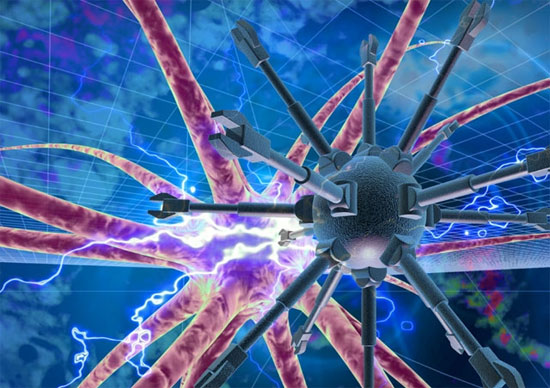
In a recent research paper, they proposed a design for a new kind of implantable sensor – an intelligent dust that can infiltrate the brain, record data, and communicate with the outside world. The preliminary design was undertaken by Berkeley’s Dongjin Seo and colleagues, who described a network of tiny sensors – each package being no more than 100 micrometers – in diameter. Hence the term they used: “neural dust”.
The smart particles would all contain a very small CMOS sensor capable of measuring electrical activity in nearby neurons. The researchers also envision a system where each particle is powered by a piezoelectric material rather than tiny batteries. The particles would communicate data to an external device via ultrasound waves, and the entire package would also be coated in a polymer, thus making it bio-neutral.
But of course, the dust would need to be complimented by some other implantable devices. These would likely include a larger subdural transceiver that would send the ultrasound waves to the dust and pick up the return signal. The internal transceiver would also be wirelessly connected to an external device on the scalp that contains data processing hardware, a long range transmitter, storage, and a battery.
The benefits of this kind of system are again obvious. In addition to acting like an MRI running in your brain all the time, it would allow for real-time monitoring of neurological activity for the purposes of research and medical monitoring. The researchers also see this technology as a way to enable brain-machine interfaces, something which would go far beyond current methods. Who knows? It might even enable a form of machine-based telepathy in time.
Sounds like science fiction, and it still is. Many issues need to be worked out before something of this nature would be possible or commercially available. For one, more powerful antennae would need to be designed on the microscopic scale in order for the smart dust particles to be able to send and receive ultrasound waves.
Increasing the efficiency of transceivers and piezoelectric materials will also be a necessity to provide the dust with power, otherwise they could cause a build-up of excess heat in the user’s neurons, with dire effects! But most importantly of all, researchers need to find a safe and effective way to deliver the tiny sensors to the brain.
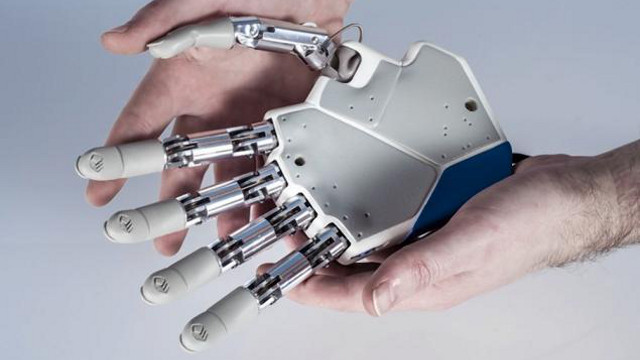
And last, but certainly not least, nanotechnology might be offering improvements in the field of prosthetics as well. In recent years, scientists have made enormous breakthroughs in the field of robotic and bionic limbs, restoring ambulatory mobility to accident victims, the disabled, and combat veterans. But even more impressive are the current efforts to restore sensation as well.
One method, which is being explored by the Technion-Israel Institute of Technology in Israel, involves incorporating gold nanoparticles and a substrate made of polyethylene terephthalate (PET) – the plastic used in bottles of soft drinks. Between these two materials, they were able to make an ultra-sensitive film that would be capable of transmitting electrical signals to the user, simulating the sensation of touch.
Basically, the gold-polyester nanomaterial experiences changes in conductivity as it is bent, providing an extremely sensitive measure of physical force. Tests conducted on the material showed that it was able to sense pressures ranging from tens of milligrams to tens of grams, which is ten times more sensitive than any sensors being build today.
Even better, the film maintained its sensory resolution after many “bending cycles”, meaning it showed consistent results and would give users a long term of use. Unlike many useful materials that can only really be used under laboratory conditions, this film can operate at very low voltages, meaning that it could be manufactured cheaply and actually be useful in real-world situations.
In their research paper, lead researcher Hossam Haick described the sensors as “flowers, where the center of the flower is the gold or metal nanoparticle and the petals are the monolayer of organic ligands that generally protect it.” The paper also states that in addition to providing pressure information (touch), the sensors in their prototype were also able to sense temperature and humidity.
But of course, a great deal of calibration of the technology is still needed, so that each user’s brain is able to interpret the electronic signals being received from the artificial skin correctly. But this is standard procedure with next-generation prosthetic devices, ones which rely on two-way electronic signals to provide control signals and feedback.
And these are just some examples of how nanotechnology is seeking to improve and enhance our world. When it comes to sensory and mobility, it offers solutions to not only remedy health problems or limitations, but also to enhance natural abilities. But the long-term possibilities go beyond this by many orders of magnitude.
As a cornerstone to the post-singularity world being envisioned by futurists, nanotech offers solutions to everything from health and manufacturing to space exploration and clinical immortality. And as part of an ongoing trend in miniaturization, it presents the possibility of building devices and products that are even tinier and more sophisticated than we can currently imagine.
It’s always interesting how science works by scale, isn’t it? In addition to dreaming large – looking to build structures that are bigger, taller, and more elaborate – we are also looking inward, hoping to grab matter at its most basic level. In this way, we will not only be able to plant our feet anywhere in the universe, but manipulate it on the tiniest of levels.
As always, the future is a paradox, filling people with both awe and fear at the same time.
Officially, it’s known as “neurohacking” – a method of biohacking that seeks to manipulate or interfere with the structure and/or function of neurons and the central nervous system to improve or repair the human brain. In recent years, scientists and researchers have been looking at how Deep Brain Stimulation (DBS) could be used for just such a purpose. And the results are encouraging, indicating that the technology could be used to correct for neurological disorders.
The key in this research has to do with the subthalamic nucleus (STN) – a component of the basal ganglia control system that is interconnected to the motor areas of the brain. Researchers initially hit upon the STN as a site for stimulation when studying monkeys with artificially induced movement disorders. When adding electrical stimulation to this center, the result was a complete elimination of debilitating tremors and involuntary movements.
DIY biohacker Anthony Johnson – aka. “Cyber AJ” – also recently released a dramatic video where he showed the effects of DBS on himself. As a Parkison’s sufferer, Johnson was able to demonstrate how the applications of a mild electrical stimulus from his Medtronic DBS to the STN region of his brain completely eliminated the tremors he has had to deal with ever since he was diagnosed.
But in spite of these positive returns, tests on humans have been slow-going and somewhat inconclusive. Basically, scientists have been unable to conclude why stimulating the STN would eliminate tremors, as the function of this region of the brain is still somewhat of a mystery. What’s more, they also determined that putting electrodes in any number of surrounding brain nuclei, or passing fiber tracts, seems to have similar beneficial effects.
In truth, when dealing with people who suffer from neurological disorders, any form of stimulation is likely to have a positive effect. Whether it is Parkinson’s, Alzheimer’s, Tourettes, Autism, Aspergers, or neurological damage, electrical stimulation is likely to produce moments of lucidity, greater recall, and more focused attention. Good news for some, but until such time as we know how and in what ways the treatment needs to happen, lasting treatment will be difficult.
Luckily, research conducted by the Movement Disorders Group at Oxford University, led by Peter Brown, has provided some degree of progress in this field. Since DBS was first discovered, they have been busily recording activity through what is essentially a brain-computer interface (BCI) in the hopes of amassing meaningful data from the brain as it undergoes stimulation moment-by-moment.
For starters, it is known that the symptoms of Parkinson’s and other such disorders fluctuate continuously and any form of smart control needs to be fast to be effective. Hence, DBS modules need to be responsive, and not simply left on all the time. Hence, in addition to their being electrodes that can provide helpful stimulus, there also need to be sensors that can detect when the brain is behaving erratically.
Here too, it was the Oxford group that came up with a solution. Rather than simply implanting more junk into the brain – expensive and potentially dangerous – Brown and his colleagues realized that the stimulation electrodes themselves can be used to take readings from the local areas of the brain and send signals to the DBS device to respond.
By combining BCI with DBS – lot of acronyms, I know! – the Oxford group and those like them have come away with many ideas for improvements, and are working towards an age where a one-size-fits-all DBS system will be replaced with a new series of personalized implants.
In the meantime, a number of recreational possibilities also exist that do not involve electrodes in the brain. The tDCS headband is one example, a headset that provides transcranial direct current stimulation to the brain without the need for neurosurgery or any kind of brain implant. In addition to restoring neuroplasticity – the ability of the brain to be flexible and enable learning and growth – it has also been demonstrated to promote deeper sleep and greater awareness in users.
But it is in the field of personalized medical implants, the kinds that can correct for neurological disorders, that the real potential really exists. In the long-run, such neurological prosthesis could not only going to lead to the elimination of everything from mental illness to learning disabilities, they would also be the first step towards true and lasting brain enhancement.
It is a staple of both science fiction and futurism that merging the human brain with artificial components and processors is central to the dream of transhumanism. By making our brains smarter, faster, and correcting for any troubling hiccups that might otherwise slow us down, we would effectively be playing with an entirely new deck. And what we would be capable of inventing and producing would be beyond anything we currently have at our disposal.

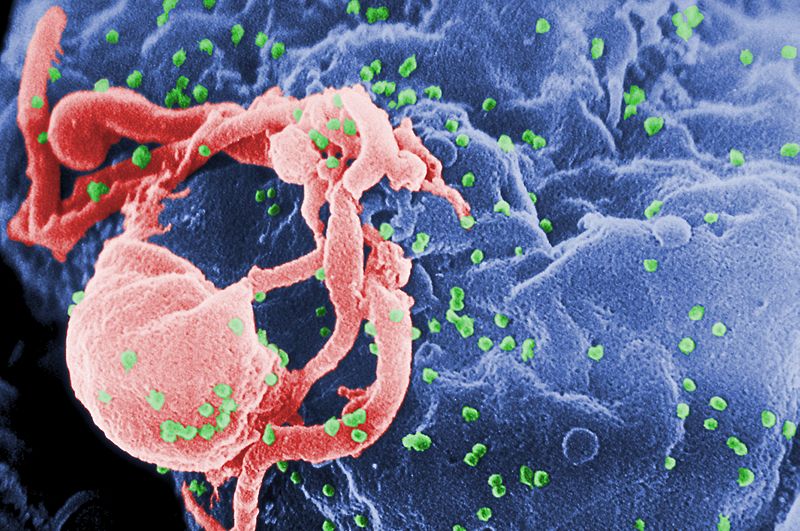 The fight to end HIV has been long and ongoing. But in recent years, researchers have made some incredible breakthroughs in terms of treatment and vaccines. Well as it turns out, the fight may be getting a punch in the arm from a most unlikely source – an anti-fungal foot cream! Yes, not only does this common drug kill HIV, it is even more effective than some of today’s most cutting-edge drugs.
 The same group of researchers had previously shown that Ciclopirox – which was approved by the FDA and Europe’s EMA to treat foot fungus – inhibits the expression of HIV genes. Now they have found that it also blocks the essential function of the mitochondria, which results in the reactivation of the cell’s suicide pathway, all while sparing surrounding healthy cells.
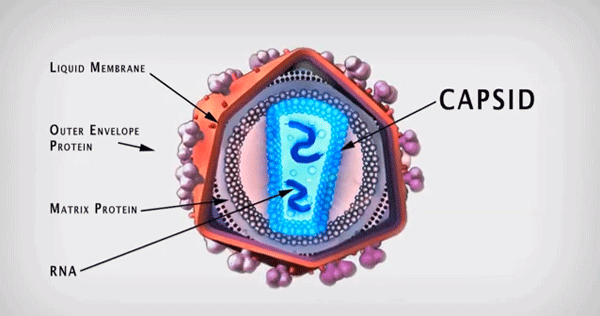 Naturally, the cream will have to be tested on humans before its efficacy as a topical HIV treatment can be tested. However, the fact that it’s already been deemed safe for one type of human use could make the regulatory process faster than usual. In fact, the researchers have noted that another FDA-approved drug now thought to help subdue HIV (called Deferiprone) skipped animal studies and went straight to human trials in South Africa.















 Stories by Williams