It was inevitable really, what with the ongoing trend of making electronics smaller, thinner, and more ergonomic. Yes, it seems that this latest prototype keyboard/touch surface is not only incredibly thin but virtually weightless and very energy efficient. Built by CSR using Bluetooth Smart technology, this wireless keyboard does not rely on batteries and is less than 0.5 mm thick.
This makes the prototype the thinnest touch surface and computer interface in the world to date. Relying on a combination of microcircuits, it was also produced using an additive printing technique from Conductive Inkjet Technology and Atmel touch sensors. By relying on 3D printing technique, the technology can be scaled for different sizes and purposes.
The obvious use for the technology development is as an extremely thin and lightweight keyboard, but it could also be designed as an extended touch surface that can respond to swipes, pinches, or stylus input. With additional micro-circuitry, it could even be adapted to respond to bending and flexing, like many prototype surfaces that are currently in development for smartphones and tablets.
CSR is promoting the prototype as “the world’s thinnest wireless touch interface.” Though it’s not quite paper-thin, it’s getting awfully close. The keyboard was unveiled at this year’s International Fiscal Association, a consumer electronics show that was held in Berlin from the 6th to the 11th, alongside many new and exciting technologies and devices (more on that later).
Naturally, CSR intends to work with developers to bring the technology to market in the near future.
Every year, companies from all over the world that are dedicated to creating touch surfaces, displays, and personal digital devices convene on Taipei Taiwan for the International Touch Panel and Optical Film Exhibition – otherwise known as Touch Taiwan. Running from August 28th to 30th, visitors were treated to over 1000 exhibition booths that showcased the latest from developers in touch panels, OLED, flexible displays and optical films.
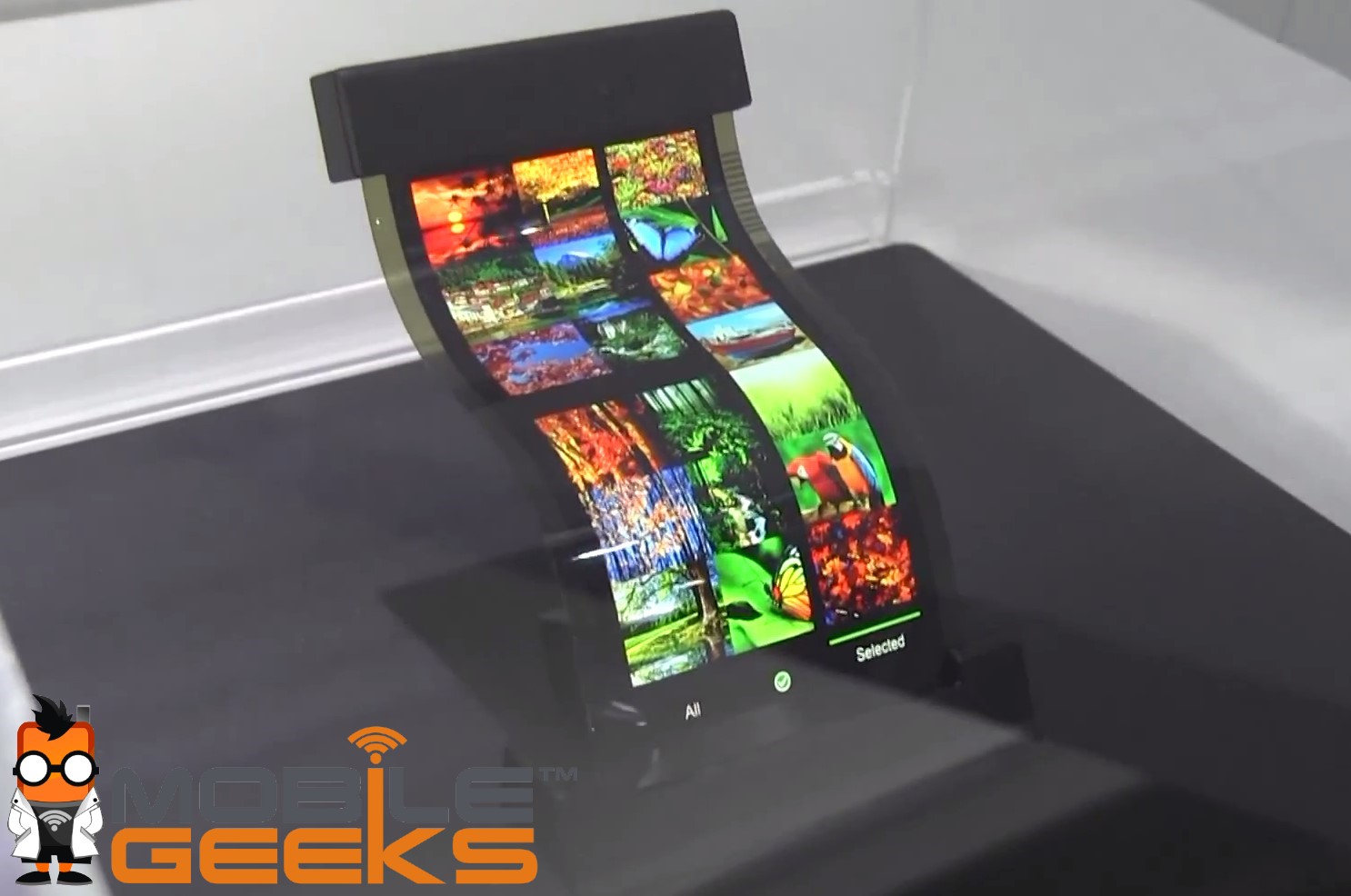
One such company is AUO, a display company based in Taiwan, which is working on flexible, ultra-thin technology. Much like the AMOLED (Active-Matrix Organic Light Emitting Diode) display Nokia showcased at CES in Las Vegas last year, the AUO exhibit showed a series of screens that could be bent, but would still broadcast a crystal clear imagine with 512 pixels per inch.
This is in keeping with the apparent “pixel race” that is on, where developers are trying to outdo each other in sheer pixel density. 512 seems to be the current high, though that can be expecting to change soon! And though the AUO displays seen here are not yet been available on a specific device, it is clear that future devices will look something like this:
AUO Ultra-Thin Display Tech:
Another big hit at the show were display glasses. Clearly, the consumer electronics industry is now in a race to create the next generation of Google Glass, looking for ways to improve on the existing technology by making it smaller, cheaper, and the images sharper. That was the rationale behind CPT’s display booth, where a series of display glasses were shown that relied on a “smartbox” displays rather than display lenses.
As you can see, the smartbox resides in the upper right corner of the glasses, which a person can consult whenever they are out and about. Simply look to your upper right to get a desktop image or browse, and look away to see the rest of the world. The goal here is clearly utilitarian, with CPT hoping to create something that could beam images into your eye without fear of distraction.
What’s impressive about this is the fact that CPT was able to use AMOLED technology to create detailed, multi-colored images with 200 ppi in a smartbox display that was only half an inch big. The technology is ready to ship, so expect to see a wider range of display glasses at your electronics store soon!
CPT AMOLED Smart Glass:
Aside from AMOLED technology are the equally important developments being made in Micro-Light Emitting Diode (or MLED) technology, which offers the same benefits as LEDs but in a much smaller package which relies on significantly less power. The company leading the charge here is ITRI, a research division of the Taiwanese government that also creates consumer electronics.
So far, the display is monochromatic, as you can see from the video below. However, ITRI expects to have a full-color version ready towards the end of 2013. Have a gander:
ITRI MicroLED Display:
And then there was Corning Glass, which once again made big waves with the display of their “Gorilla Glass”, a next-generation type of display glass developed with Microsoft. As their promotional video from last year demonstrated (“A Day with Glass”), the company hopes that this new type of display surface will one day be integrated into all walks of life because of its sheer versatility.
And aside from the usual benefit being offered – a thin surface that is sensitive to touch commanders and offers high-definition imagery – Gorilla Glass (as its name suggests) is also highly resistant to damage. Whereas other makers are focusing on small devices that can withstand damage by being flexible, Corning and Microsoft are thinking big and resilient. Check out the video:
Gorilla Glass Demo:
If it were not already clear from all the new devices making it to the street in recent years, these exhibitions certainly confirm that the future is getting increasingly digitized, personalized, ergonomic, and invasive! And the devices powering this future, allowing us to network and access untold amounts of information at any moment in our day, are looking more and more like something out of a William Gibson or Charles Stross novel!
If I weren’t such a sci-fi geek, I might be worried!
It’s a rare angle for those who’ve been raised on a heady diet of movies where the robot goes mad and tries to kill all humans: an artificial intelligence using its abilities to help humankind! But that’s the idea being explored by researchers like Raul Rabadan, a theoretical physicist working in biology at Columbia University. Using a new form of machine learning, they are seeking to unlock the mysteries of flu strains.
Basically, they are hoping to find out why flu strains like the H1N1, which ordinarily infect pigs and cows, are managing to make the jump to human hosts. Key to understanding this is finding the specific mutations that transform it into a human pathogen. Traditionally, answering this question would require painstaking comparisons of the DNA and protein sequences of different viruses.
But thanks to rapidly growing databases of virus sequences and advances made in computing, scientists are now using sophisticated machine learning techniques — a branch of artificial intelligence in which computers develop algorithms based on the data they have been given — to identify key properties in viruses like bird flu and swine flu and seeing how they go about transmitting from animals to humans.
This is especially important since every few decades, a pandemic flu virus emerges that not only infects humans but also passes rapidly from person to person. The H7N9 avian flu that infected more than 130 people in China is just the latest example. While it has not been as infectious as others, the fact that humans lack the antibodies to combat it led to a high lethality rate, with 44 of the infected dying. Whats more, it is expected to emerge again this fall or winter.
Knowing the key properties to this and other viruses will help researchers identify the most dangerous new flu strains and could lead to more effective vaccines. Most importantly, scientists can now look at hundreds or thousands of flu strains simultaneously, which could reveal common mechanisms across different viruses or a broad diversity of transformations that enable human transmission.
Researchers are also using these approaches to investigate other viral mysteries, including what makes some viruses more harmful than others and factors influencing a virus’s ability to trigger an immune response. The latter could ultimately aid the development of flu vaccines. Machine learning techniques might even accelerate future efforts to identify the animal source of mystery viruses.
This technique was first employed in 2011 by Nir Ben-Tal – a computational biologist at Tel Aviv University in Israel – and Richard Webby – a virologist at St. Jude Children’s Research Hospital in Memphis, Tennessee. Together, Ben-Tal and Webby used machine learning to compare protein sequences of the 2009 H1N1 pandemic swine flu with hundreds of other swine viruses.
Machine learning algorithms have been used to study DNA and protein sequences for more than 20 years, but only in the past few years have scientists applied them to viruses. Inspired by the growing amount of viral sequence data available for analysis, the machine learning approach is likely to expand as even more genomic information becomes available.
As Webby has said, “Databases will get much richer, and computational approaches will get much more powerful.” That in turn will help scientists better monitor emerging flu strains and predict their impact, ideally forecasting when a virus is likely to jump to people and how dangerous it is likely to become.
Perhaps Asimov had the right of it. Perhaps humanity will actually derive many benefits from turning our world increasingly over to machines. Either that, or Cameron will be right, and we’ll invent a supercomputer that’ll kill us all!
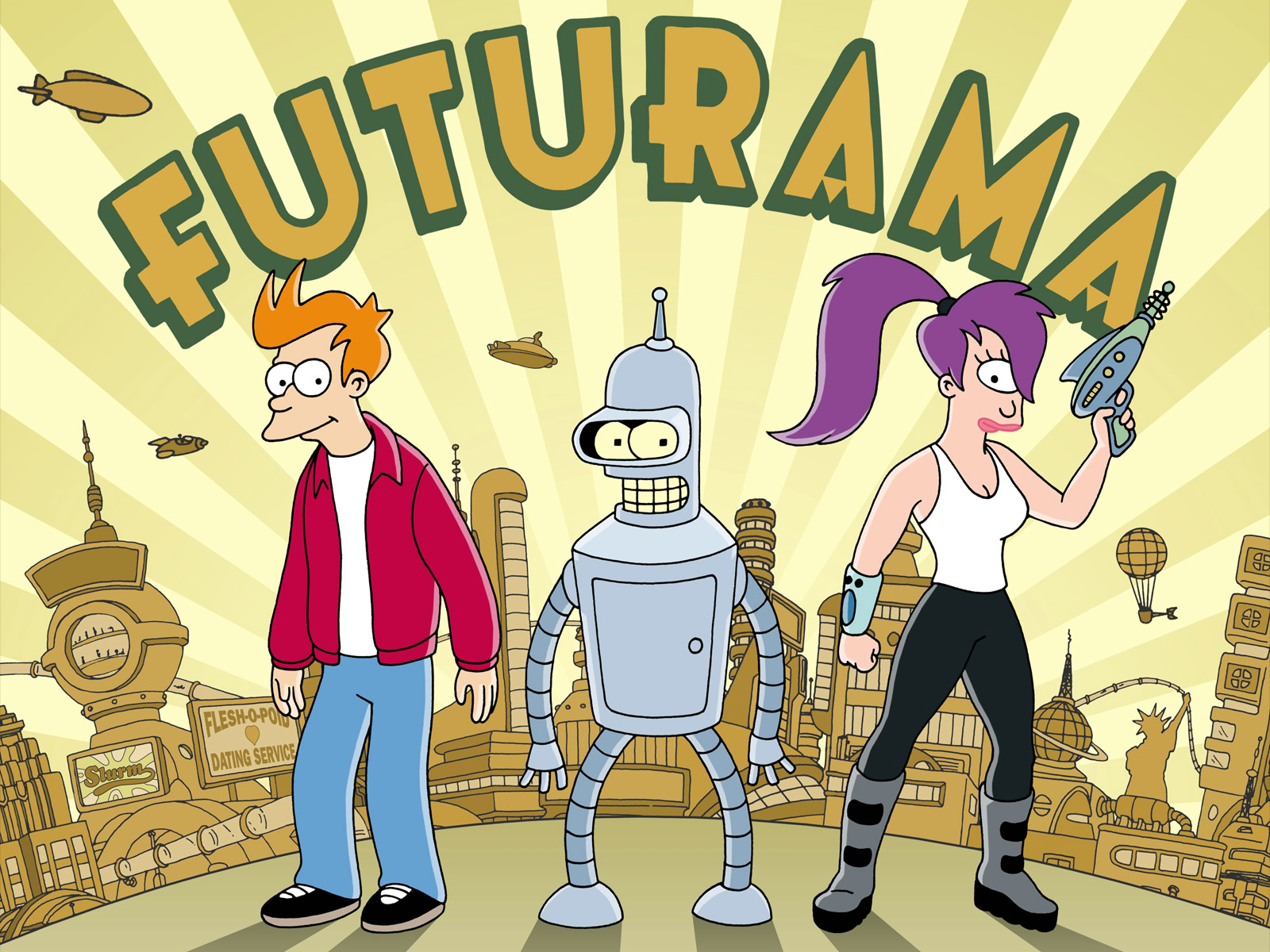
I’m sure many of us recall what it was like saying goodbye to Futurama for the first time back in 2003. The final episode opened with its usual title shot and upbeat music, and the caption down at the bottom read “See you on some other channel”. And after six years of reruns on Adult Swim and four direct-to-video movies, that prediction came true.
In 2009, Comedy Central picked up the show and began running new episodes, and all the fans started thumbing their noses at Fox. Once again, the big bad network lost as a show it had canned for unclear reasons (some believed it had to do with Groening being “too liberal” for Fox’s taste) was brought back from exile. And for the next four years, we the fans got treated to new episodes of a favorite series.
And now, for the second time, we say goodbye to Futurama, which aired its last episode less than a week ago on Tuesday, Sept 4th, 2013. Naturally, I’ve been wanting to say something about it, but thought I would hold off until I finished watching the last episode. And now that that’s done, and my feelings are raw, I am free to spit some hot fire!
According to the industry buzz, the decision to discontinue the show was made exclusively by Comedy Central, which announced that it was finished with the series and would not be renewing for an eight season. Meanwhile, Matt Groening has said that he intends to continue with the series and get it picked up by another network, so fans can rest easy in the knowledge that the talent isn’t quitting, it’s was just some dumbass execs that decided to pull the plug!
And I for one have to wonder what the hell they are thinking. Who do they think they are, the Fox Network? Do they not recall the lashing those guysgot from Groening after they axed his show? In any case, the cast and crew once again chose to go out with a cheeky bang. This time around, the caption words “Avenge Us” appeared at the bottom of the screen as the opening scene began to roll!
Oh, we will, Mr. Groening! We will! In addition, this final episode chose to once again focus on the love story between Fry and Leila. You might recall how last time, the show ended with “The Devils Hands are Idle Playthings”, where Fry composes for Leila a holophoner song and the episode ends with an image of them kissing, holding hands and walking into the distance. Well to up the ante, this episode ended with Fry and Leila spending a lifetime together, and then going around for another pass! (sniff, sniff)
And in the meantime, I want to do a tribute piece for this awesome series and I’d like people’s help to make it happen. Since we collectively make up the fan community , I’d like to know from all of you what you thought was great about this show. What were the best episodes? What were the funniest moments? What were the saddest moments? Who were the greatest characters? And who do you think will pick it up for its third run?
Drop me a line and let me know what you think. And I think I speak for us all when I “say goodbye for now” to Futurama for the second time! Perhaps it’s denial, or just confidence in the show itself, but I got a feeling we’ll be seeing it again soon! 🙂
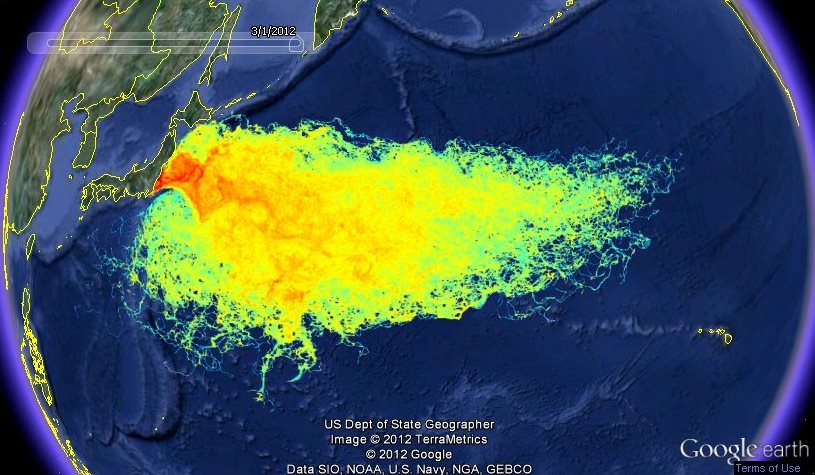
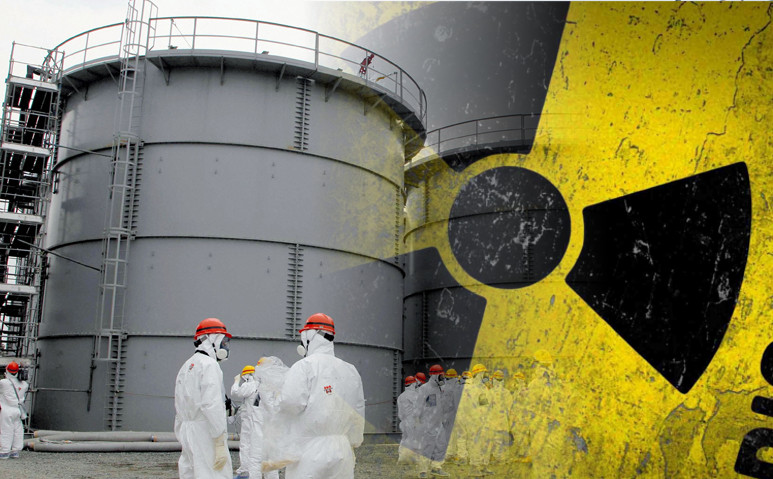
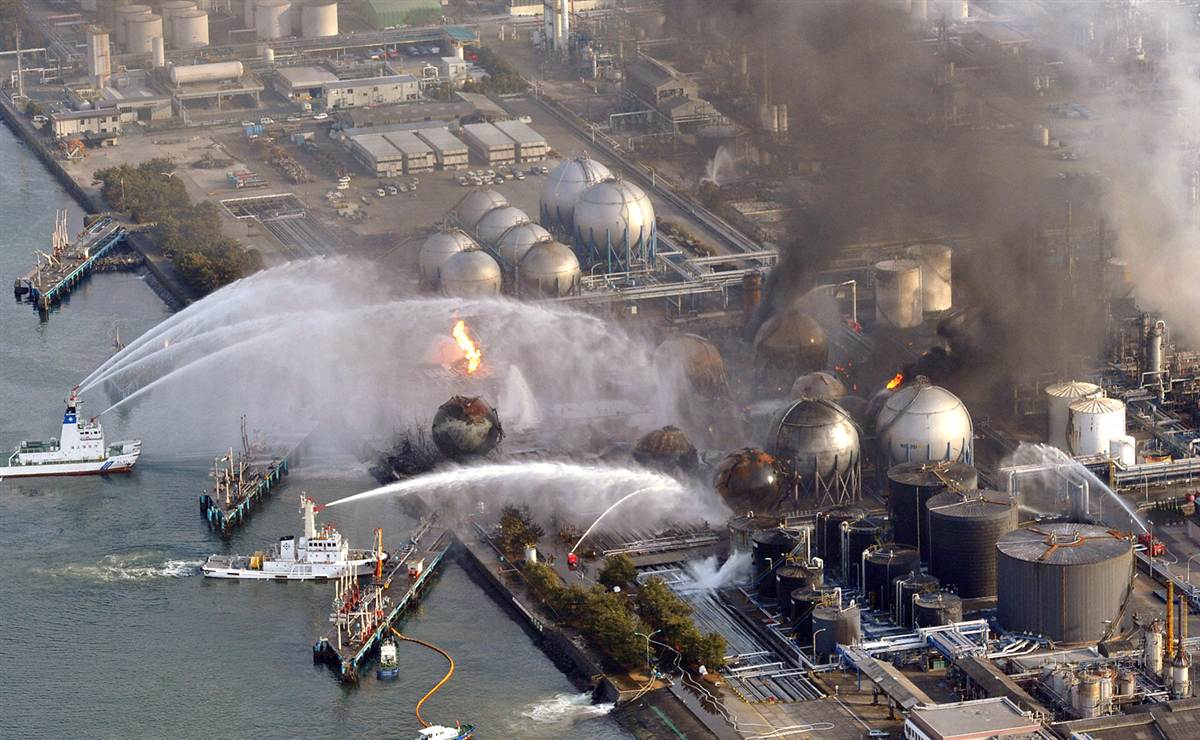
For years, scientists and environmentalists have worried about the long-term fallout of the Fukushima Dai-Ichi nuclear accident. And after a month of radioactive water leaking from the plant, the Japanese government has announced the construction of a giant, $470 million ice wall to stop it from filtering into the surrounding environment and the sea. This announcement was made shortly after another leak was discovered over the August long weekend.
This came only two weeks after Tokyo Electric Power Co. (TEPCO) revealed that some 300 tons of radioactive water had disappeared from a steel tank at the site. Shunichi Tanaka, chairman of the Japanese Nuclear Regulation Authority then announced at a press conference the following Monday that a small leak had sprung from a connecting pipe between some of the emergency storage tanks constructed in the wake of the tsunami.
TEPCO added that more radiation had been discovered near other storage tanks, pointing to the possibility of further leaks. Hence the decision to create a freeze wall, which would attempt to keep the leaks from getting into the groundwater and wreaking havoc all across the Pacific Ocean. According to the Associate Press:
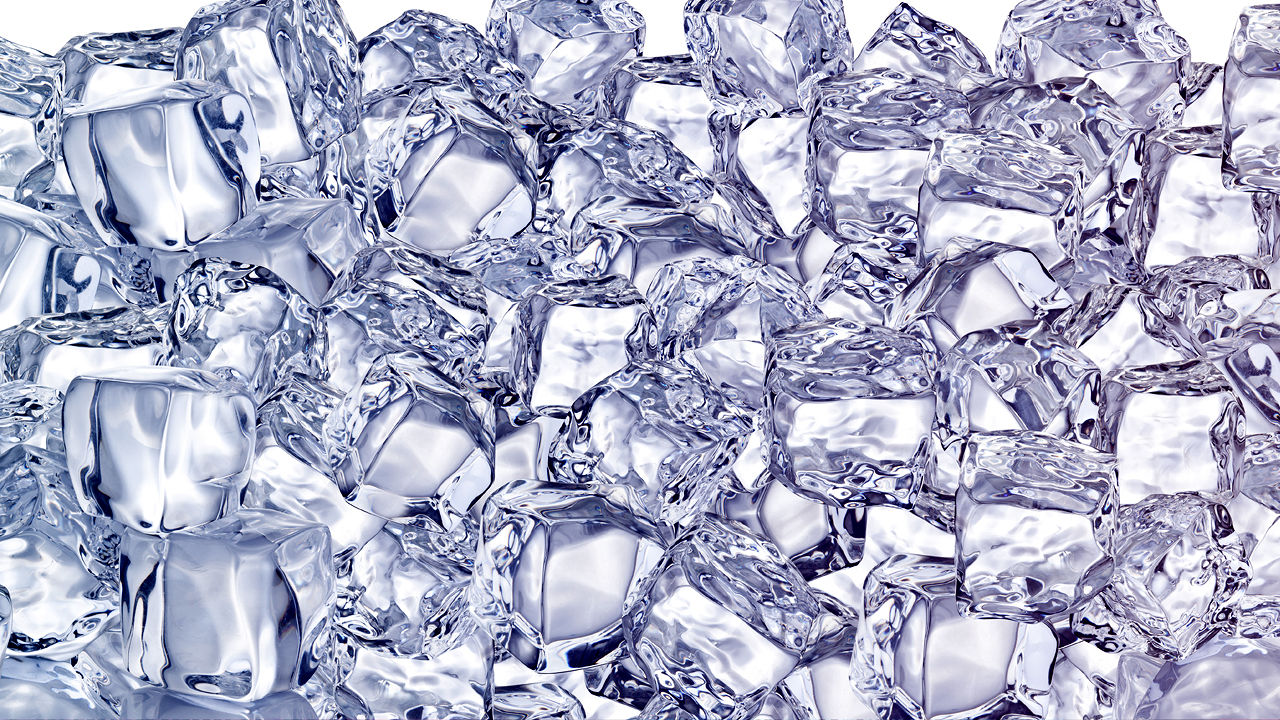
The ice wall would freeze the ground to a depth of up to 30 meters (100 feet) through a system of pipes carrying a coolant as cold as minus 40 degrees Celsius (minus 40 Fahrenheit). That would block contaminated water from escaping from the facility’s immediate surroundings, as well as keep underground water from entering the reactor and turbine buildings, where much of the radioactive water has collected.
The project, which TEPCO and the government proposed in May, is being tested for feasibility by Japanese construction giant Kajima Corp. and is set for completion by March 2015.
Might sound a bit hokey, but this isn’t the first time that officials have tried using a giant frozen wall as a stopgap measure, or even the first time one was used to contain nuclear contaminants. In 1996, Tennessee’s Oak Ridge National Laboratory used an ice wall to keep radioactive waste from leaking into a creek.
In England and Wales, freeze walls have been used in mining operations for almost half century, and are being used to isolate arsenic trioxide leftover from an abandoned gold-mining operation in Canada’s Northwest Territories. And Moretrench, a company that worked on Oak Ridge, is creating a freeze wall pilot for containing contamination from the Albertan tar sands.
This latter project has served as a model for the current Fukushima freeze wall project. Earlier this year, TEPCO engineers also visited Hanford, Washington, to learn about nuclear containment techniques. There, engineers are still at work decommissioning the original nuclear reactors used to create plutonium for the atom bomb dropped on Nagasaki in 1945, and the government has spent $16 billion to clean up the leaks that have since resulted.
However, according to the Associated Press, the decision to put a freeze wall in place also appears to be motivated by the imminent deadline for the Olympic Committee to choose a city for the 2020 games. Since Japan is looking to host, any ongoing environmental issues could sully their chances. However, as far as long term containment goes, this option may prove effective at averting a long-term ecological disaster.
What’s more, if the cooling system to keep the barrier of insulated ice intact fails, any leaks or cracks will freeze to the wall, stopping the possibility of the further contamination. In addition, as demonstrated by the Oak Ridge Wall, an ice wall has incredible longevity. Years after it was decommissioned and remediated, the government was still hauling solid ice out of the ground.
So it would not be unreasonable to expect that it will hold long after the reactor leak is contained and worries about contamination are no longer an issue.
Virgin Galactic’s founder Sir Richard Branson has been working tirelessly for over a decade now in the hopes of realizing the dream of privatized space travel. And earlier this month, his company once again made history with the second rocket-powered supersonic test flight of its SpaceShipTwo craft. And in the process, it broke its previous records for speed and altitude, bringing it that much closer to its first commercial flight.
The flight test took place last Thursday at 8:00 am PDT, when the SS2 took off slung beneath the WhiteKnightTwo (WK2) carrier aircraft from Virgin Galactic’s Mojave Air and Space Port in California. The SS2 was then released from the carrier at 14,000 meters (46,000 ft) and the rocket motor burned for 20 seconds, pushing the spacecraft to an altitude of 21,000 meters (69,000 ft) and a maximum speed of Mach 1.43 (1,752 km/h, 1,088 mph).
According to the company, the tourism spacecraft went through its full technical mission profile in a single flight for the first time, including the deployment of its “feathering” re-entry mechanism at high altitude. This took place after engine shutdown and involved rotating the tail section to vertical, which slows the ship down and allows the shuttle to glide back home. The craft then landed in a controlled, unpowered glide at Mojave at 9:25 AM.
This flight builds on the success of the first rocket-powered supersonic flight that took place on April 29. Designed out of carbon composite, the space craft is powered by a hybrid rocket motor that uses solid rocket fuel and nitrous oxide as an oxidizer. Once test flights are complete, it will begin carrying six passengers on suborbital flights and will also have the option of deploying research equipment such as micro-satellites into Low-Earth Orbit (LEO).
Naturally, the CEO and founder, Sir Richard Branson, chose to mark the occasion with some choice words:
We couldn’t be more delighted to have another major supersonic milestone under our belts as we move toward a 2014 start of commercial service. It was particularly thrilling to see for the first time today the whole elegant system in action during a single flight, including the remarkable feathering re-entry system. It was this safety feature more than anything else that originally persuaded us that the overall design of the system was uniquely fit for purpose. Everything we have seen today just confirms that view.
Next year, if all goes well, Virgin Galactic will be conducting its first commercial flights, ferrying passengers into low orbit where they will experience several minutes of weightlessness before gliding back to Earth. In this, they are joined by such groups as KLM, Golden Spike and SpaceX in attempting to create the first set of commercial space flights which will one day bring people to and from orbit, and possible even the Moon.
And of course, Virgin Galactic was sure to capture the test flight on tape using a tail camera. It captures the engine burn, and then the near-vertical acceleration, as the craft puts planet Earth in its rear view and heads for atmo! Quite cool! Check it out:
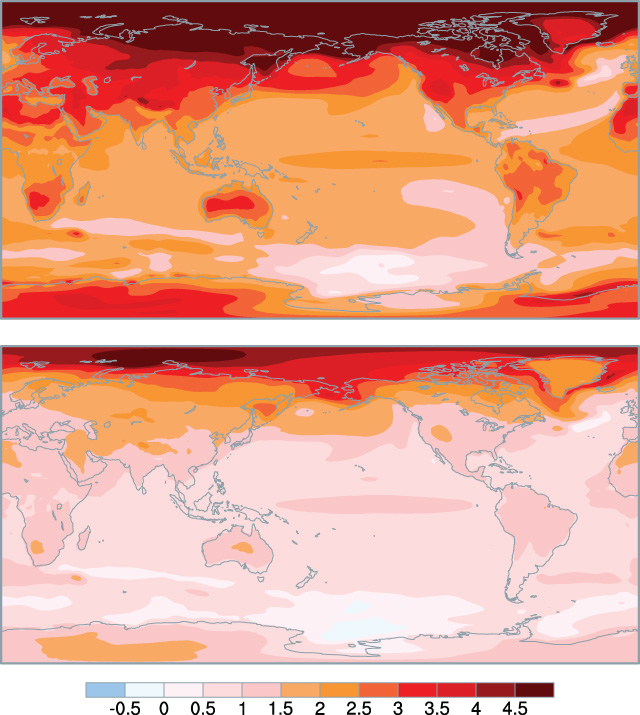
Climatologists and environmental scientists have been cataloging the global warming trend for decades, examining multiple fields of data that show fluctuations over a period of eons. And despite what appears to be a consistent trend warming that has been taking place since the 18th century – when levels of atmospheric CO2 began to climb steadily – there have been anomalies in the data.
One period was the three decades that fall between the 1940’s and 1970’s when no significant terrestrial warming took place, and the Pacific Ocean was anomalously cold. The Pacific is somewhat of a wild card when it comes to our climate, since it is responsible for the weather patterns known as El Niño and La Niña that can swing global average temperatures by as much as 0.3 degree Celsius.
For the past decade or so the tropical Pacific has again gone cold and a new study suggests that it may once again be related to the recent “pause” in global warming of average temperatures. Although the past decade also qualifies as the hottest on record, the trend has been milder than expected, with average surface temperatures plateauing for many years.
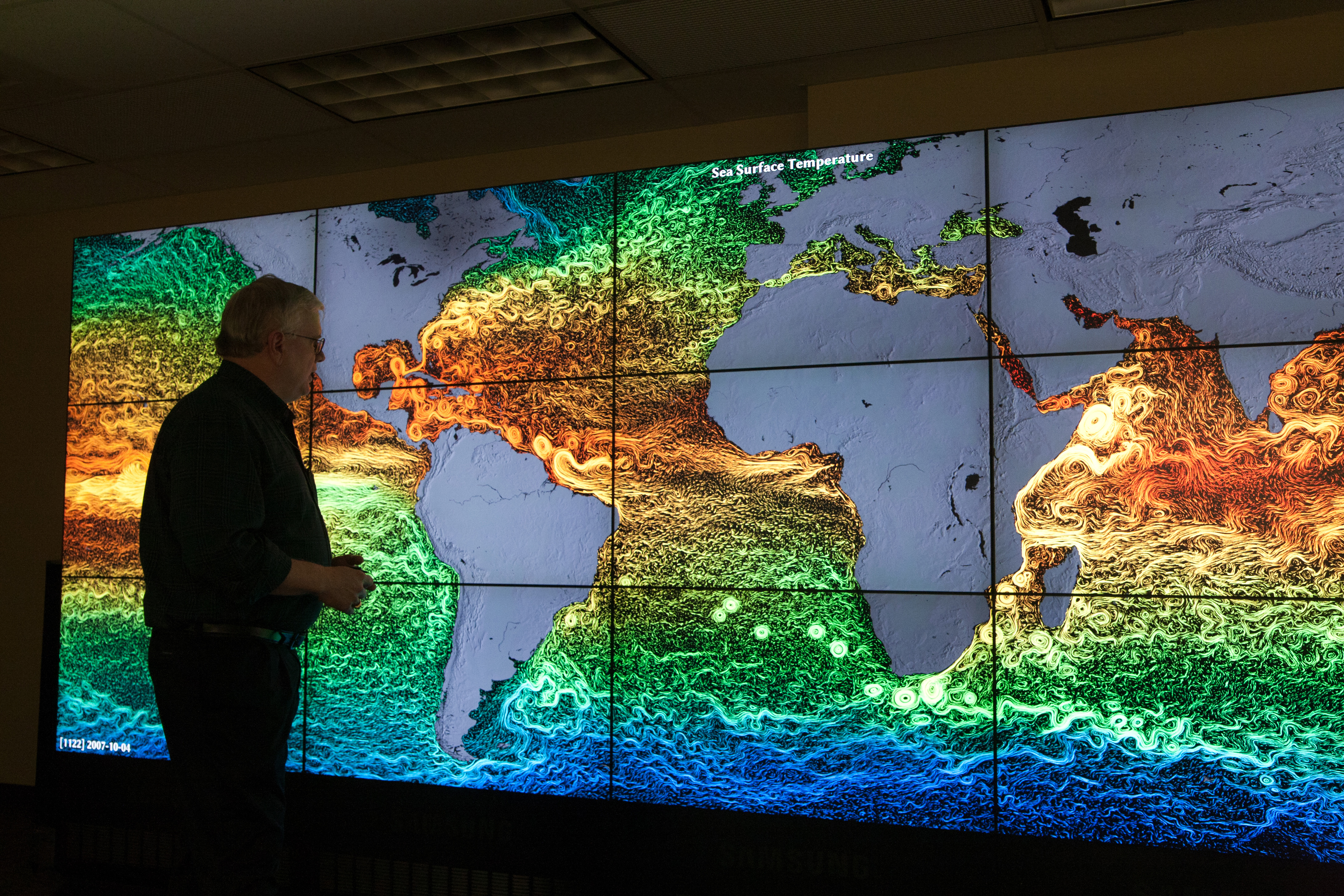
This is in stark contrast to the end of the 20th century, when rising concentrations of greenhouse gases in the atmosphere accelerated warming to new heights. To explain this, climate scientists Shang-Ping Xie and Yu Kosaka of the Scripps Institution of Oceanography at the University of California looked to the Pacific Ocean, using observable data and an advanced computer model.
The latter came from the US Department of Commerce’s Geophysical Fluid Dynamics Laboratory computer model of the oceans and atmosphere. By adding in sea-surface temperatures of an oceanic area covering roughly 8 percent of the globe, the researchers were able to mimic the recent hiatus in global warming as well as weather phenomena like the prolonged drought in the southern US.
The results were published in the Aug. 29th edition of Nature Magazine. In it, Xie observed that the “tropical Pacific is the engine that drives the global atmosphere and climate. There were epochs of accelerated and stalled warming in the past.” This included the pause in a global warming trend between the 1940s and 1970s, which has often been attributed to sunlight-blocking air pollution from Europe, the Soviet Union and the US.
Other factors have also been considered – volcanoes, an unusually weak solar cycle, air pollution from China – when looking at restraining trends in global warming. Some of the observed climate effects may also stem from other ocean dynamics such as variations in the mixing of surface and deep ocean waters. And the meltdown of significant ice from Greenland or Antarctica might even cool oceans enough to offset the extra heat trapped by rising levels of greenhouse gases for a time.
What is less clear at this point is what is driving cycles of cooling and heating of tropical Pacific Ocean waters. But it is clear that the cool Pacific pattern cannot persist forever to cancel out the extra heat trapped by rising CO2 concentrations, Xie notes. As climate modeler Gavin Schmidt of the NASA Goddard Institute for Space Studies recently stated:
We need updates to the forcings and a proper exploration of all the different mechanisms together. This has taken time but will happen soon-ish.
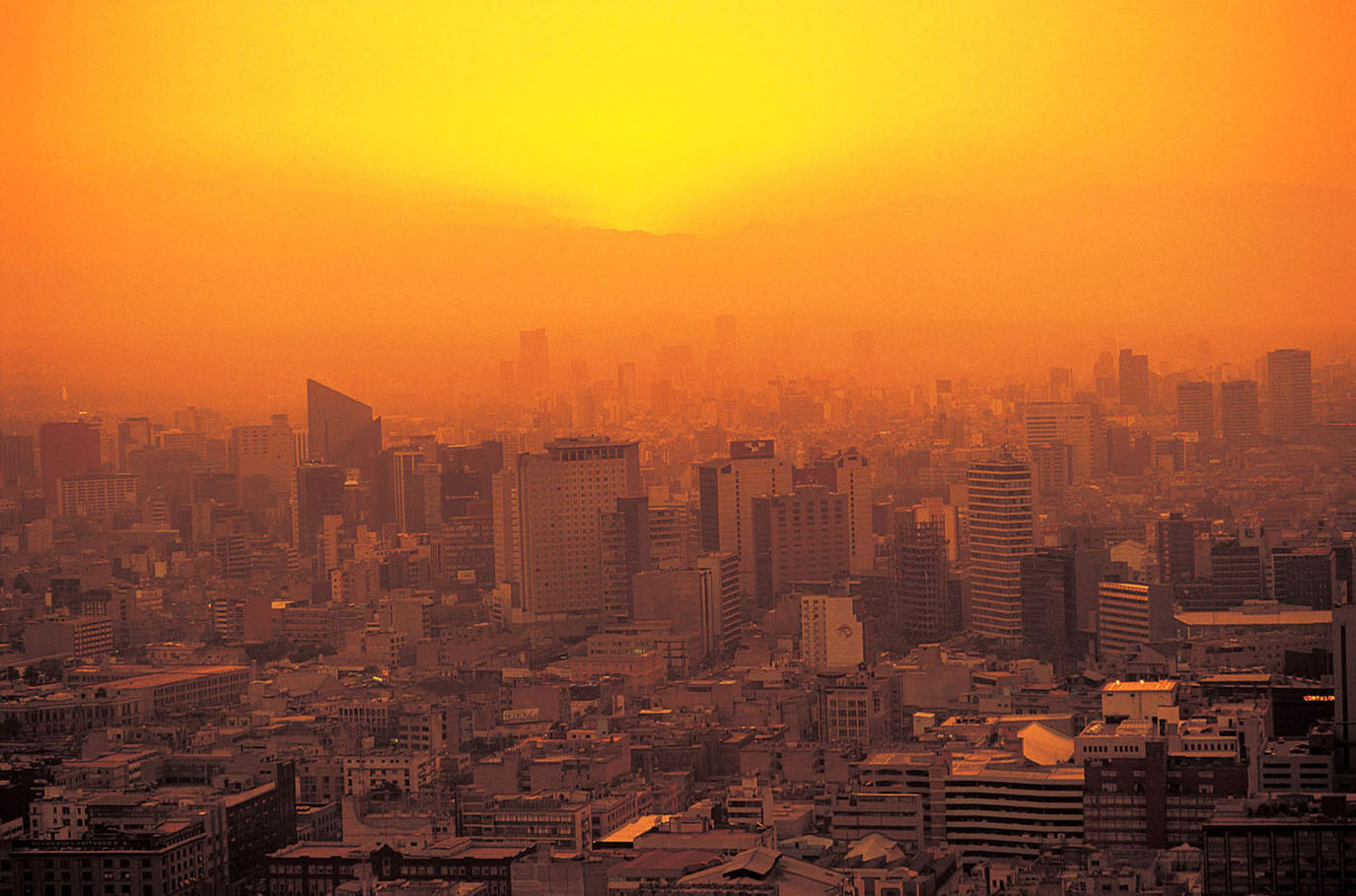
And despite any pause in the trend toward hotter temperatures, the first decade of the 21st century was still the hottest recorded decade since the 1880s, and it included record heat waves in Russia and the US as well as a precipitous meltdown of Arctic sea ice and surging sea level rise. Atmospheric concentrations of CO2 touched 400 parts per million on Mauna Loa in May, a first in the time line of human existence.
A cooler Pacific due to prolonged La Niña activity may have restrained global warming for the past decade or so, but it is unlikely to last. As Xie noted:
This effect of natural variability will be averaged out over a period of 100 years. and cannot argue away the threat of persistent anthropogenic warming that is occurring now.
These warnings are key since any changes or anomalous readings are often seized upon by Climate Change deniers as evidence that the problem does not exist, is not man-made, or is at least not as severe as otherwise predicted. But in the coming decades, even the most benign scenarios are still fraught with peril. If the worst is to be averted, extensive and positive changes need to be made now.
It’s been awhile since Whiskey Delta got a rave review over at Amazon. Sure, it got some good ones lately, but they really didn’t seem to take my mind off the few bad ones. Somehow, a person saying “this was good, but” doesn’t take the sting out of another person saying “this sucked!”
But a five star review with nothing but good things to say is something truly rare and wonderful. It came a few days ago and totally brightened my day:
Outstanding! (5 out of 5 stars): Brilliant Storytelling, Outstanding Military Adventure writing and, Most Importantly….Remarkable Characters that make it all matter. I’m anxiously awaiting the next book.
-noozman5
Another good thing about it is that it also served to encourage me to finish editing Papa Zulu, but in a good way this time. Rather than trying to get the next book out there, and corrected for grammar and typos in advance, I am actually eager this time to let a satisfied reader see what happens with the story.
Its finally here, after decades of promises and failures to deliver. And yes, this vehicle is probably not quite what you’re were envisioning when you heard the words “flying car”. But the Terrafugia Transition still fits the bill. Making its first appearance at the EAA AirVenture in Oshkosh, Wisconsin over the summer, the Terrafugia team conducted a demonstration that showcased what the vehicle can do.
This included two 20 minute test flights as well a demonstration of how the Transition’s wings can be folded up, which allows the Transition to roll around in one configuration and fly in another. Classed as a light sports plane by the United States Federal Aviation Administration (FAA), this ability also makes the Transition a road-legal vehicle.
Technically, it isn’t a flying car so much as a roadable airplane capable of carrying a pilot/driver and one passenger. But that’s what makes the concept so workable. With a plane that is capable of making its way through that “last mile” between a small airport and their destination, it eliminates the need for haulers and motor scooters to move planes into their hangar bays.
The plane is the result of seven years of development, and began flight testing just last year. Some modifications have been since to improve handling. And with some additional development, the Terrafugia could become the prototype for a Spinner-type flying vehicle and the mainstay of urban transport in the not-too-distant future.
In a public statement, the company behind the vehicle said:
Terrafugia made a dream come true at this year’s EAA AirVenture Oshkosh. The Transition performed its first public demonstrations for the aviation community during the show. Flown and driven by Phil Meteer, our Chief Test Pilot and Flight Test Coordinator, the Transition showed the crowd what it’s capable of on Monday (July 29) afternoon and Wednesday (July 31) evening. The 20-minute demonstrations included flight maneuvers over show center, converting from airplane to car, and driving along the flight line.
And of course, there’s a video of the flight demonstration. Check it out:
The news that Caltech was developing a potential vaccine for HIV was considered one the biggest stories of 2012. And now, less than a year later, researchers at the Schulich School of Medicine & Dentistry at Western University in London, Ontario have announced that the vaccine not only passed its first round of clinical testing, but even boosted the production of antibodies in patients it was tested on.
The SAV001 vaccine is one of only a handful of HIV vaccines in the world, and is based on a genetically-modified ‘dead’ version of the virus. U.S. clinical testing began in the in March 2012, looking at HIV-infected men and women between the ages of 18 and 50. Half the target group was administered a placebo, while the other group was given SAV001. The first phase of trials wrapped up last month, with researchers optimistic about the vaccine’s future.
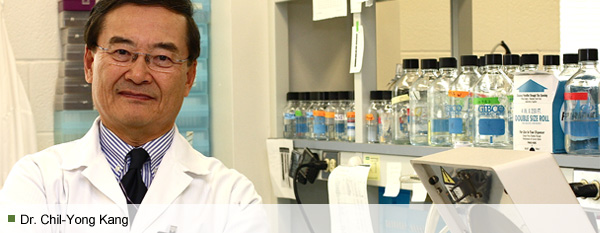
Dr. Chil-Yong Kang, a professor of microbiology and immunology and the head of the Western research team, explained the process in a recent interview with the Ontario Business Report:
We infect the cells with a genetically modified HIV-1. The infected cells produce lots of virus, which we collect, purify and inactivate so that the vaccine won’t cause AIDS in recipients, but will trigger immune responses.
This is the reverse of what researchers at Caltech did, who relied on a technique known as Vectored ImmunoProphylaxis (VIP) to stimulate antibody formation in lab mice. Here too, the researchers received immensely positive results. After introducing up 100 times the amount of HIV virus that what would be required to cause infection, the mice remained protected.
By demonstrating that not one, but two different methods of preventing the spread of HIV are effective, we could be looking at turning point in the war on HIV/AIDS. The only question is, when will a vaccine be commercially available? According to Sumagen, the South Korean biotech firm sponsoring the creation vaccine, manufacturing, as well as the USFDA requirements and other bureaucratic hurdles remain to contend with.
But, if all goes well with future trials, it could be commercially available in as little as five years. As CEO Jung-Gee Cho said in a press release:
We are now prepared to take the next steps towards Phase II and Phase III clinical trials. We are opening the gate to pharmaceutical companies, government, and charity organization for collaboration to be one step closer to the first commercialized HIV vaccine.
Paired with a possible cure which relies on nanoparticles and bee venom, we could even be looking at the beginning of the end of the pandemic, one which has caused between 25 and 30 million deaths worldwide since its discovery in 1981.
And in the meantime, check out this interview of Dr. Chil-Yong Kang as he explains how he and his research team developed their HIV vaccine, courtesy of the CHIR Canadian HIV Trial Network:

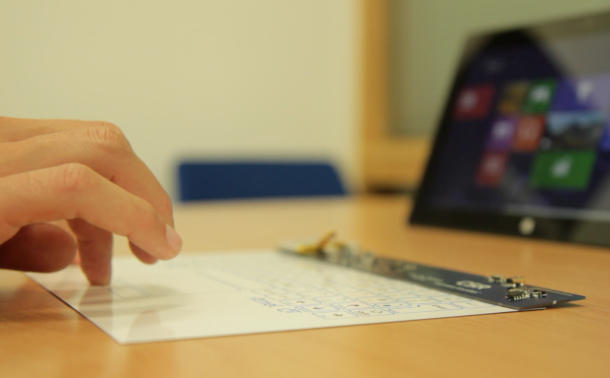 It was inevitable really, what with the ongoing trend of making electronics smaller, thinner, and more ergonomic. Yes, it seems that this latest prototype keyboard/touch surface is not only incredibly thin but virtually weightless and very energy efficient. Built by CSR using Bluetooth Smart technology, this wireless keyboard does not rely on batteries and is less than 0.5 mm thick.
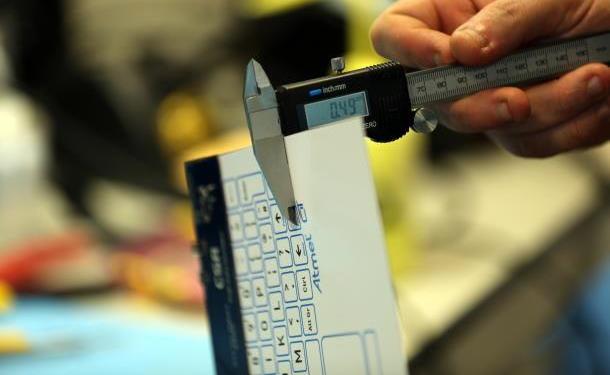 The obvious use for the technology development is as an extremely thin and lightweight keyboard, but it could also be designed as an extended touch surface that can respond to swipes, pinches, or stylus input. With additional micro-circuitry, it could even be adapted to respond to bending and flexing, like many prototype surfaces that are currently in development for smartphones and tablets.