News from Space: Chris Hadfield Says Goodbye to the ISS with a Music Video

chris_hadfield

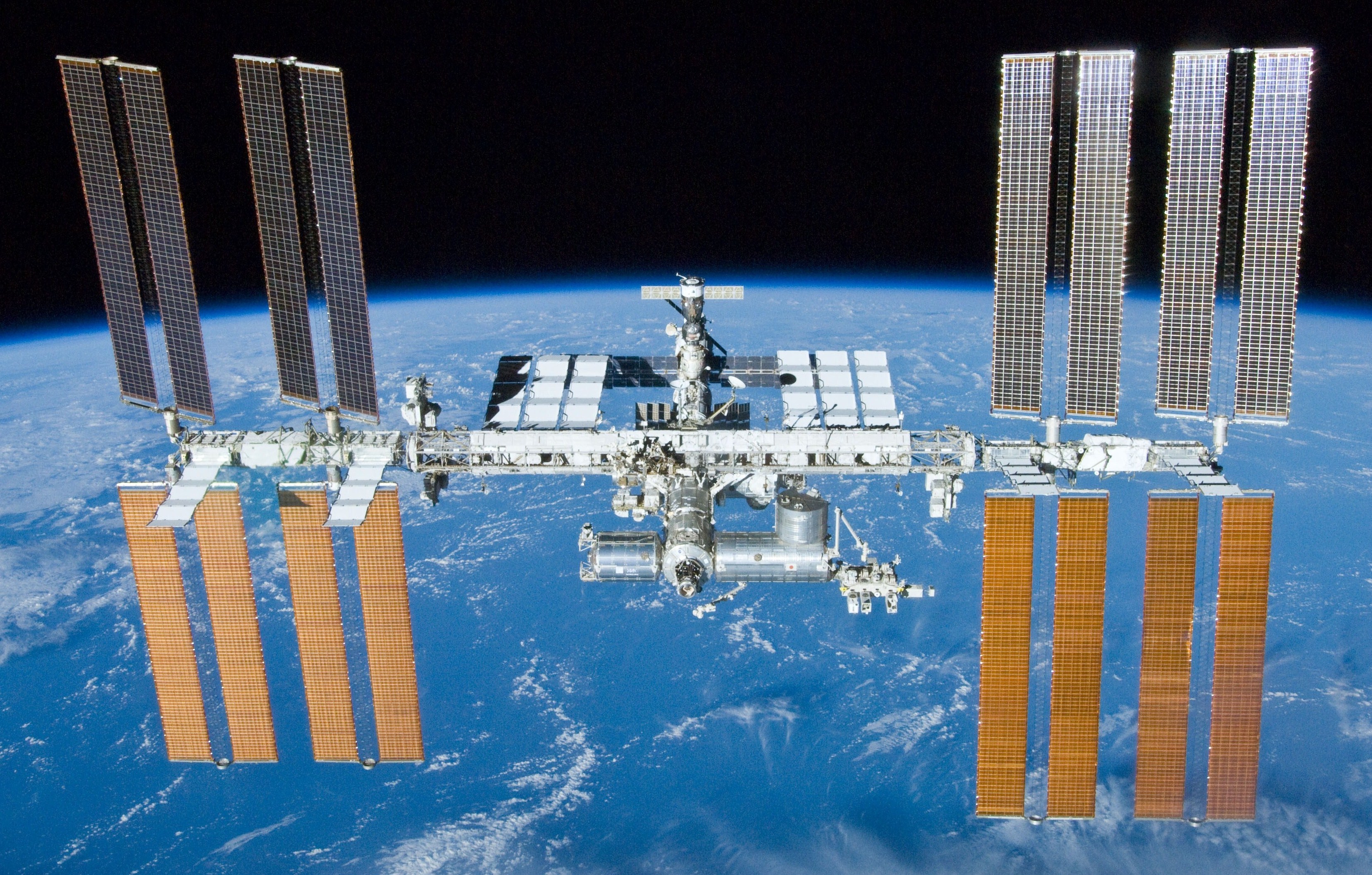
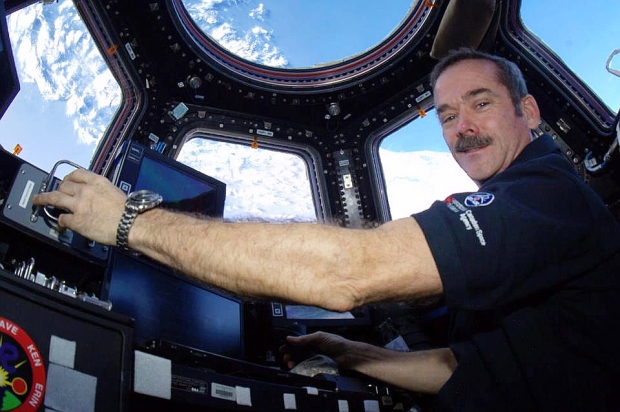
How do you say goodbye to the International Space Station after five months in orbit? Well, if you’re Chris Hadfield, the commander of the latest mission to the ISS, you do so with a musical rendition! Yes, the Commander who back in February via telepresence with the Barenaked Ladies and Wexford Gleeks, is at it again. Back then, it was the original song “I.S.S. (Is Somebody Singing)” that captured the hearts and minds of Canadians and people around the world.

This time around, it was his rendition of David Bowie’s “Space Oddity” that blew people away. Changing the lyrics just a little to make for a more positive tone, the version Hadfield sings here is essentially a farewell to the ISS and an expression of anticipation about his impending trip home. And as usual, he played his own guitar, sang all of his own the lyrics, and managed to capture the perfect combination of happiness and poignancy.

ISS

And it was a bittersweet event, when you get right down to it. Though Hadfield acknowledges that he will be coming home after many months of being away, he also repeatedly acknowledges in his musical rendition that this is the last time he will be seeing the ISS or looking down at Earth from orbit. One cannot help but feel that, under those circumstances, that Hadfield was expressing some mixed emotions, and this song is quite sad as well as upbeat as a result.

But of course, he had some help from people back home. On the YouTube post where the video was uploaded, Hadfield thanked Canadian musician Emm Gryner, his son Evan Hadfield, music producer Joe Corcoran, and TV producer Andrew Tidby “for all their hard work.” A link to the music video was also Tweeted out from his Twitter account about one hour after he formally turned over command of the ISS to Russian cosmonaut Pavel Vinogradov with the message:

With deference to the genius of David Bowie, here’s Space Oddity, recorded on Station. A last glimpse of the World.

Soyuz_capsule

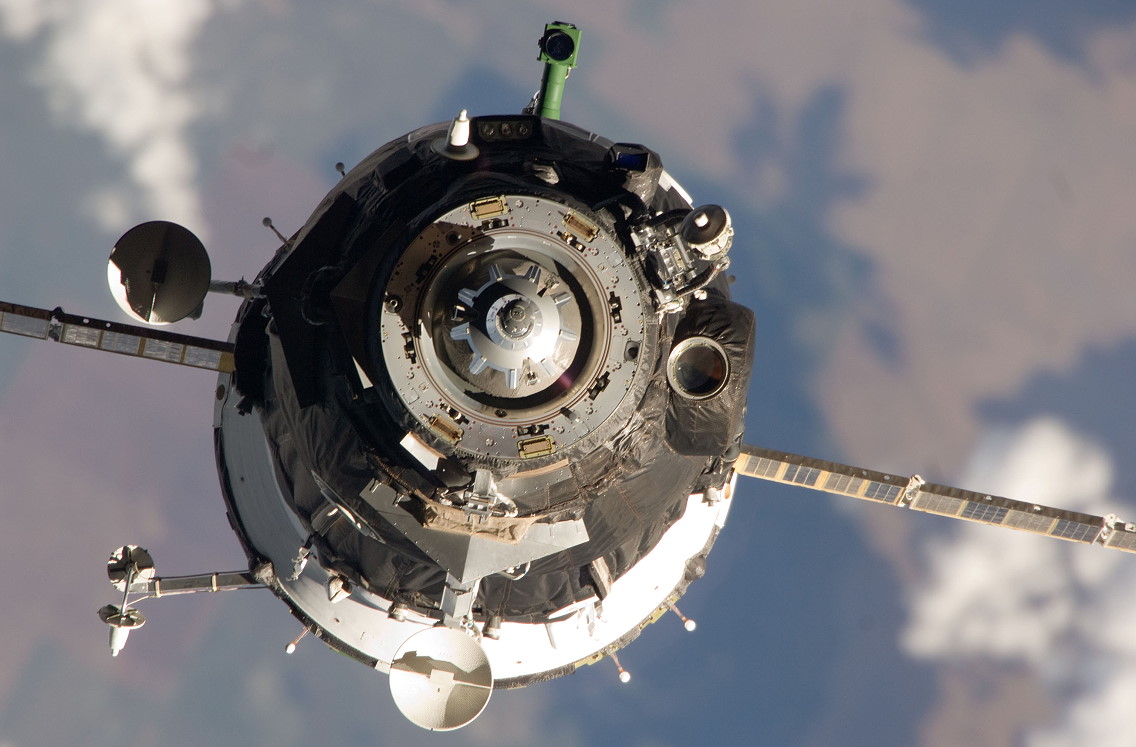
Some of Hadfield’s own lyrics refer to his impending return, such as “Lock your Soyuz hatch and put your helmet on” or “Detach from station and may God’s love be with you.”  Along with the two other members of his mission crew, the departure took place shortly after 7 p.m. ET, yesterday. The trio then landed under a large parachute in the flat steppes of Kazakhstan at 10:31 p.m. ET where they were picked up by helicopter and flown to Karaganda, Kazakhstan for medical checkups.

What’s next for Hadfield and his crew? Late tomorrow, Hadfield and Marshburn will be arriving via a NASA flight back in Houston while Romanenko will board a Russian aircraft for a flight to Star City (aka. Zvyozdny gorodok), just outside of Moscow. And when Hadfield finishes the last leg of his trip home, I am sure he can look forward to a hero’s welcome, not to mention a lifetime of endorsements an fond memories.

After all, if he’s demonstrated anything in the past five months, its that he’s quite the performer in addition to being an astronaut and commander. And given the impact he has had, I’d be very surprised if Canadians or the world at large stopped thinking about him anytime soon. In the meantime, check out the video of his cover of “Space Oddity” below. The production values and Hadfield’s singing are pretty damn awesome, if I do say so myself!


Source:
ctvnews.ca
, cbc.ca

Neil Armstrong’s EKG Available for Auction

apollo17

The video of Neil Armstrong taking man’s first step onto the Moon is perhaps the most iconic pieces of footage humanity has ever produced. To Armstrong, seeing the Earth shining back at him must have been the most gorgeous, awe-inspiring sight ever. But to the crews manning Mission Control, Armstrong’s electrocardiogram reading was what they were looking at the moment he set his foot down.

And though we will never be able to see things from Armstrong’s perspective, you can see what Mission Control saw during those seminal moments. The six-inch strip of readout is going up for auction at the RR Auction site, and for the starting price of $200 you can own this piece of history. The strip comes in a presentation frame along with an Armstrong autopen signature and various mission patches.

apollo_ekg

RR Auction has a tremendous stash of space-related memorabilia going up for bid. Many of the pieces are autographs from luminaries of the space program, but the Armstrong EKG isn’t the only unusual piece on offer. There is also a Constant Wear Garment from 1968 that was issued to Buzz Aldrin. This garment is kind of like a space onesie designed to be worn under the in-flight coveralls.

Other interesting lots include a set of Challenger Spacelab screws, a Space Shuttle commemorative Pepsi can, a flown heat shield fragment from Apollo 8, and a chunk of seat fabric from Apollo 13. Bidding starts on May 16 for the EKG reading along with the other space items. The opening bid for the EKG is $200, but the last time an Armstrong EKG went up for action back in 2004, bidding ended at $12,500.

Apollo_11

As the description on the EKG reads:

After the landing, this EKG report was saved by the Manager of Medical Administration for the Space Center. It was cut up into five pieces; four were presented to the attending physicians on the medical team.

And interestingly enough, the EKG indicates that Armstrong was very calm as he gazed at Earth from the Moon. But then again, how could such a sight not inspire feelings of deep serenity? And it only seems fitting that even in death, Armstrong continues to impress, amaze and exert a strong influence.

Apollo_11_bootprint

Source: news.cnet.com

News From Space: SpaceShipTwo Completes First Test Flight!

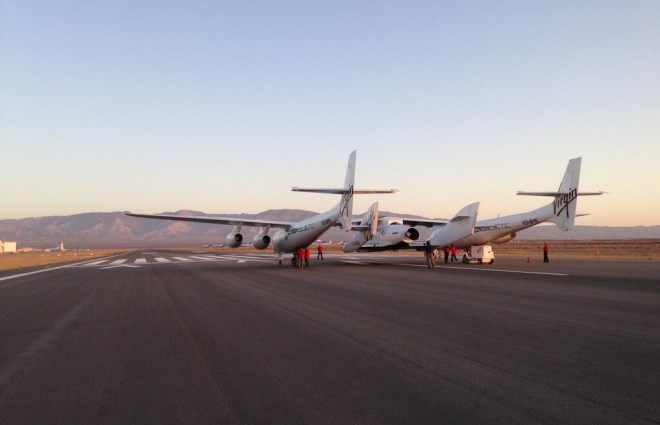
spaceshiptwo_flightWell, technically this news come from the lower atmosphere, but seeing as how the ultimate purpose is to get into space, I think it qualifies. Earlier this week, Virgin Galactic made history when it’s aerospace carrier, SpaceShipTwo, conducted its first powered test flight and broke the sound barrier. As the latest in a long series of successful flights, it shouldn’t be too long before Virgin Galactic conducts its maiden flight and flies actual passengers into low orbit.

The test flight took place on Monday as the plane took off from the Mojave Air and Space Port in southern California, not far from where the Bell X-1 piloted by the then Capt. Chuck Yeager first broke the sound barrier in 1947. This latest test comes on the heels of the SS2’s first glide test with its rocket engine on board, which it conducted back in December of 2012, and its first glide flight in 2010.

spaceshiptwoThe flight began after the SS2 was carried to a ceiling of 14,300 meters (47,000 feet) by its mothership, WhiteKnightTwo, where it was then released at 7:48 a.m. PDT. Shortly thereafter, pilots Mark Stucky and Mike Alsbury ignited the rocket engine and accelerated to a speed of Mach 1.2 as they climbed to over 17,000 meters (55,000 feet). According to Virgin Galactic, the rocket burn lasted 16 seconds, and demonstrated the efficacy of their engine design.

Granted, in order to get into the realm of the sub-orbital, the engine will have to make longer burns, most likely in the vicinity of 80 or 90 seconds. SS2’s predecessor, SpaceShipOne, had to run its engine this long in order to break the 100 kilometer (328,000 feet) back in 2004, when it reached what the international community holds as the accepted altitude for reaching the soft edge of space.

spaceshiponeIt’s has been over eight years since Virgin Galactic’s space tourism program began, and though progress has come slower than planned, Branson was nevertheless enthusiastic about the flight test and expressed his feelings on his blog after the flight:

It marks the moment when we put together two key elements of our spaceflight system – the spacecraft and its rocket motor, which have both been tested extensively by themselves over several years. And start the phase of testing that will demonstrate our vehicle’s ability to go to space (hopefully later this year).

More than 500 people have signed up for sub-orbital rides aboard the six passenger SpaceShipTwo once it becomes operational. Those who go will have the chance to float weightlessly for a few minutes while enjoying the spectacular view of the edge of space. Tickets go for $200,000 a pop, quite the price tag for a plane flight. But in return, those who go will get to experience something only astronauts have ever had the pleasure of.

Richard Branson has said all along that he plans on being on the maiden voyage, something he reiterated after the test flight was done:

Like our hundreds of customers from around the world, my children and I cannot wait to get on board this fantastic vehicle for our own trip to space and am delighted that today’s milestone brings that day much closer.

Check out the video of the SpaceShipTwo conducting its first engine test below:


Zodiac

????????????

Zodiacal light, the kind that takes millions of years to come

What revelations will it share, which are already so old?

The edge of the universe, the boundary of creation

Pulsing with the same power that once beget it all.

How can it be, when a billion are swirled into one,

And a billion more circle each other ad infinitum,

That I can think myself the paragon of creation?

But a billion billion voices still seem to cry out with one voice,

To letting me know how small and insignificant I truly am

And at the same time, so very rare and precious.

But more than this, how very much I am not alone.

News From Space: Meteors Hits Saturns’ Rings

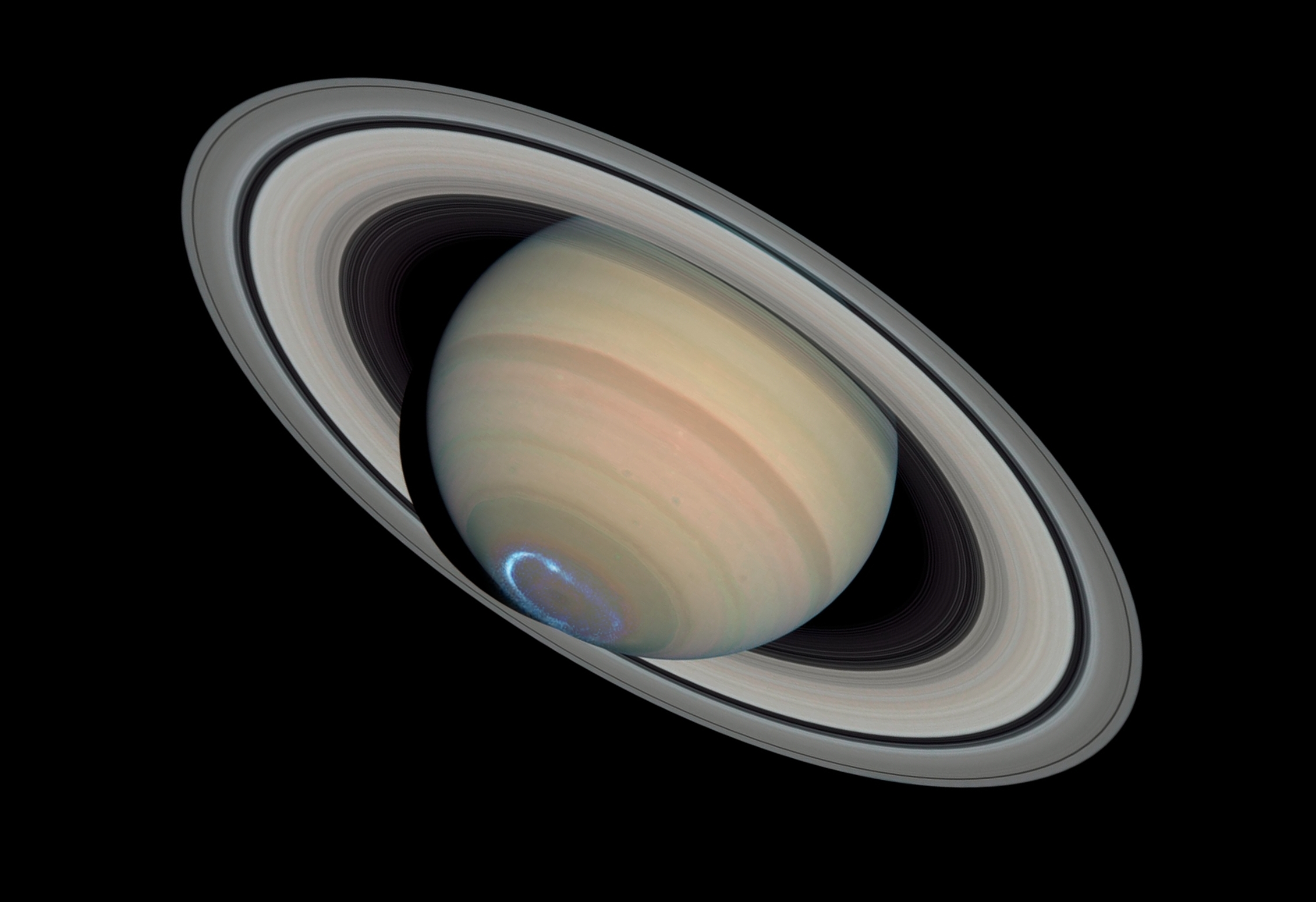
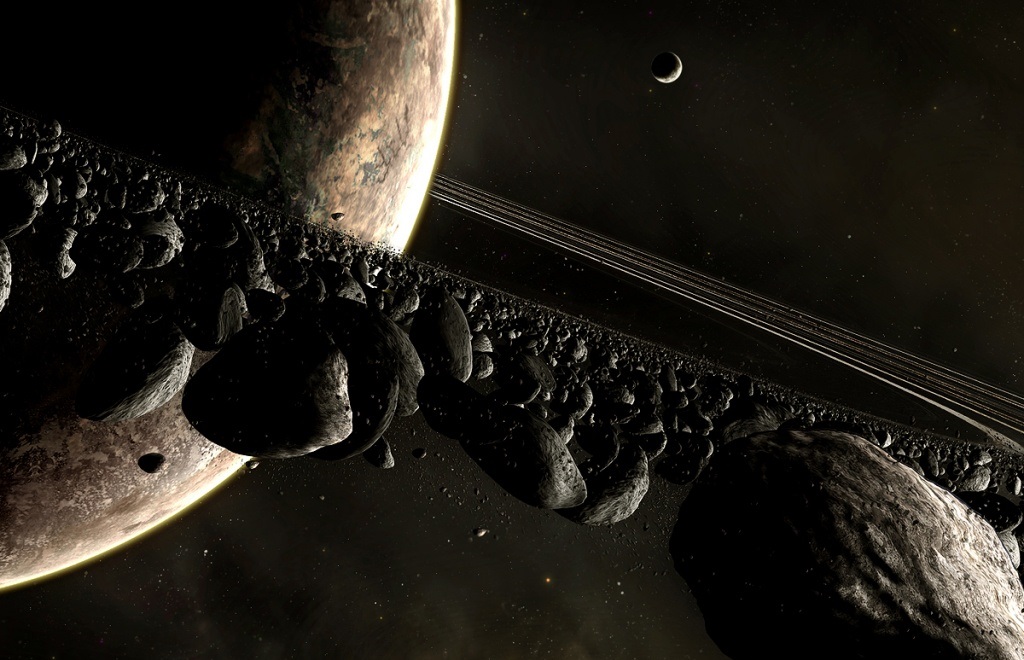
Saturn_with_aurorasFor some time, scientists have been aware of the fact that Earth, the Moon, and every body in our Solar System is subject to impacts by meteors, asteroids and comets. And sometimes, on rare occasions, we get to watch it happen, and its a pretty spectacular sight.  Now, for the first time ever, the Cassini spacecraft has provided direct evidence of small meteoroids crashing into Saturn’s rings.

In addition to being a pretty spellbinding site, studying the impact rate of meteoroids from outside the Saturnian system presents scientists with the opportunity to study how planets in our Solar System are formed. This is due to Saturn’s rings, which act a very effective detector of surrounding phenomena, including the interior structure of the planet and the orbits of its moons.

Linda Spilker, Cassini project scientist at NASA’s Jet Propulsion Laboratory in Pasadena, Calif, spoke on record about the observed impacts:

These new results imply the current-day impact rates for small particles at Saturn are about the same as those at Earth — two very different neighborhoods in our solar system — and this is exciting to see. It took Saturn’s rings acting like a giant meteoroid detector — 100 times the surface area of the Earth — and Cassini’s long-term tour of the Saturn system to address this question.

asteroid_belt1In the past, changes in the disposition of Saturn’s rings indicated that impacts were taking place. One such example came in 1983, when an extensive corrogation of 19,000 km (12,000 miles) across the innermost rings told of a very large meteoroid impact. And after the Saturnian equinox back in summer of 2009, astronomers were able to detect a great deal of debris left behind by several meteoroids striking the rings.

However, as Matt Tiscareno, a Cassini scientist at Cornell University explains, this was the first time the impacts were observed directly:

We knew these little impacts were constantly occurring, but we didn’t know how big or how frequent they might be, and we didn’t necessarily expect them to take the form of spectacular shearing clouds. The sunlight shining edge-on to the rings at the Saturnian equinox acted like an anti-cloaking device, so these usually invisible features became plain to see.

Comet1What’s more, Tiscareno and his colleagues were also to come up with some rather new and interesting theories about Saturn itself and how it came to be. Jeff Cuzzi, a Cassini interdisciplinary scientist specializing in planetary rings and dust at NASA’s Ames Research Center, explains:

Saturn’s rings are unusually bright and clean, leading some to suggest that the rings are actually much younger than Saturn. To assess this dramatic claim, we must know more about the rate at which outside material is bombarding the rings. This latest analysis helps fill in that story with detection of impactors of a size that we weren’t previously able to detect directly.

Meteoric impacts and asteroids have been taking place since the formation of our Solar System. In addition to having a serious impact (no pun) on the formation of the planets, they have also played a prominent role in the evolution of life here on planet Earth. And with the expansion in space exploration afforded to us by space probes, satellites, and planetary rovers, we can expect to witness more of these events firsthand.

Source: universetoday.com

Xeno

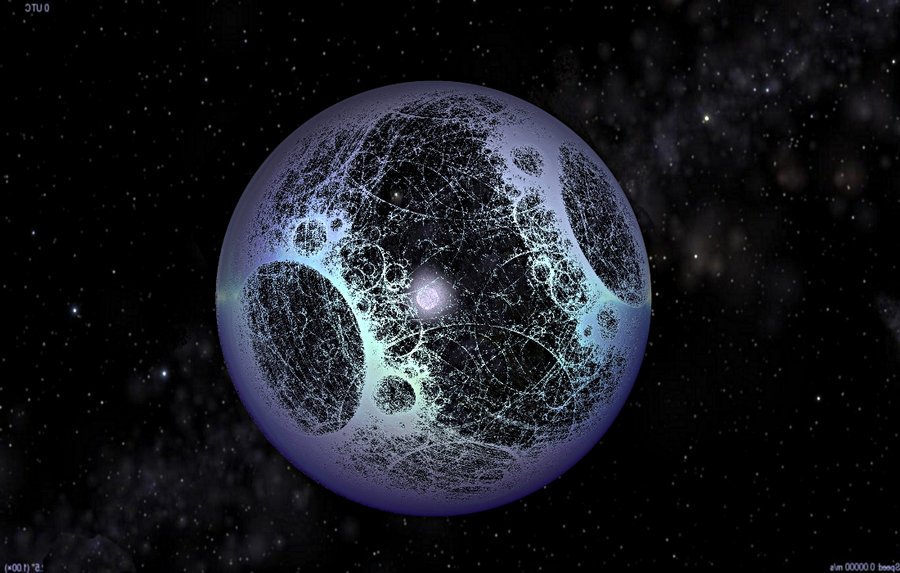
fractal_dyson_sphere_by_eburacum45-d2yum16The size and shape of the deep space field resolved itself into a million piercing points of light. From a mottled mass of brilliance, it slowly transitioned into the blue spectrum, then white, keeping pace with the Relativistic Engines that powered their vessel. As soon as they finished powering down, the instruments starting humming, beeping, and generally carrying out their functions. And all hands aboard her bridge began to listen very carefully for the desired sounds of contact.

For several minutes, sensor returns came back negative. The far-flung planet in the system, its many moons, and the thin trail of asteroids that constituted all stellar mass this far out were about the only things they were picking up. In time, the Captain began to wonder if they were even in the right place.

“We’re sure about these coordinates?” said Mikka, addressing Thoreau at the nav terminal. His hands waved above his touchscreen, absorbing information through contact and assimilating it at near-instantaneous speed. His eyes cleared as he looked up to see her, momentarily breaking from his sensory link.

“The shippers said they found it at the edge of the space lanes. They said it interfered with their nav console, but they made a note of it after they returned to port.”

“I read the report,” Mikka said. “Not very encouraging stuff.”

A few heads turned towards her. Not every member of her crew was privy to the details and she was sure not to say anything more. Hearing about a strange, floating shape in space, one which had given a hauler some serious lumps and its crew nightmares was not something that would go over well with them.

Taking her seat, the Captain accessed the memory file and ran the briefing notes through her mind again. The particulars were a bore, but the holographic representation, reconstructed from what scanner data could be retrieved from the haulers records, were quite interesting. And naturally, the Chairman’s voice droned on in the background, providing the relevant details…

[“…from the basic outline, it appears that what the ship detected has structure to it. It’s roughly spherical in shape… and though it’s dimensions are unclear, our technicians believe that it should measure the size of a small meteoroid.]

Structure, Mikka thought. A buzzword the xeno-types loved to use, employed whenever they found something they thought conformed to their expectations. Chairman Bukhari continued…

[“what is less mysterious is the effect it had on the commercial ship that made the approach. As soon as they got within a single AU of the object, they detected some high-energy gravimetric field. But instead of being pulled in, the ship was essentially pushed away. The crew tried to engage their engines to fight against the force of it, but that only made things worse. By the time they stopped spinning backwards and regained control of their vessel, they hightailed it back to Lagos station and filed a report.”]

And Explorations decided to send us out, the good old guinea pigs, she thought.

[“Luckily, our astrophysicists have a theory. We believe an approach will be possible if done by a ship that does not have significant mass and is simultaneously running in on minimal power. I don’t pretend to understand the physics, but I’m counting on you and your crew to get it done. Getting within close proximity is key, since we plan…]

“Captain,” said Thoreau, interrupting her Recall. “Sensor returns are coming back and it looks like we have something.”

“Something,” said Mikka. “Care to elaborate?”

Thoreau chuckled, his eyes staring at something far off that on one else could see. “It’s got a gravimetric signature, which is why its coming up at all. But from the looks of it, its not much bigger that a commsat.”

“Helmsman,” she said, calling out to the man in the pilot’s chair. “Plot an intercept course and bring us to within five AUs.”

“Yes, Captain,” said Joshan, relaying the coordinates provided by Thoreau and bringing the sublights on line. The ship slowly began to move forward, her hull shuttering slightly as the engines fired off a burst of ionic propulsion.

The sensors pinged loudly, each chime getting more pronounced the closer they got. Outside the bridge window, the starfield shifted as the ship tilted and groaned as Joshan altered their course periodically. Every course change brought them closer, dodging between major stellar objects and avoiding their gravitational influences.

The chimes reached a crescendo. Thoreau looked up with a start when something new entered into his augmented perceptions.

“Captain, I’ve got the object on my screens. Shall I bring up a visual?”

“Yes,” she replied. “And turn off that damn noise, we all know we’re in the ballpark.”

In the center of the bridge, an image formed as billions of targeted photons came together to form the shape of a red sphere. The surface was mottled and opaque, indicating that they were too far out to get an accurate reading on its features. It appeared the reports had been semi-accurate. At this distance, their sensors should have been able to map out every nook and cranny on its surfaces. Only a powerful gravity well, concentrated in such a small object.

However, they had been off in one respect. Bukhari had said in his briefing that it was “roughly spherical” in shape. But even through an incomplete visual construct, Mikka could tell its shape was anything but rough. In fact, she was willing to bet good money, perhaps even her entire commission from this find, that it was a perfect sphere, right down to its microscopic dimensions.

One had to assume there was something especially significant about that. Perhaps the xeno-freaks would finally have something to pour over after all…

“Coming up on five astronomical units, Captain. Firing reverse-thrusters now.”

There was a quick burst of white light as the stopping thrusters fired, the ionic trails showing up just outside the bridge window. When they came to a total stop, the ship issued one last groan as the structure flexed to absorb the change in inertia. 

“We’ve reached pre-specified distance, Captain. Retro thrusters firing to maintain position and attitude.”

“Very good, pilot,” she said. “Maintain our position and prep a shuttle. We’re going in for a retrieval.”

Joshan and everyone else on the bridge turned to look at her. Everyone except Thoreau, who’s senses were too inundated with sensor data to look at her directly. However, he still leered over his shoulder.

“Captain, are you sure about this?”

“Company order,” she said, standing up from her chair. “Whatever this thing is, its need to be brought back.”

“But Captain…” said Thoreau. “How are we going to get close to this thing? The last people who tried we sent back home with their tails tucked between their legs.”

“A theory,” she said. “One which we’re forced to carry out.”

_____

The bay doors slid open to admit the man himself. For those watching, the techs and security personnel called in to guard the object, the sudden presence of the boss was the perfect reason to straighten up and either look busy or vigilant. Of course, none of them could fail to notice the presence of the woman walking beside him. Not exactly prim or proper, and from her flight jacket and slacks to the small protrusions on her face that indicated sub-dermal implants, she looked every bit the spacer.

No one could say why the boss would have a grunt in tow with him, but then again, the day staff didn’t ask questions. They simply tended to “the artifact” – the spherical object that sat within a series of restraints in the center of the room – and kept their speculations to themselves.

Only those who had entered together really knew what was going on and who stood to benefit. And only they were talking on this particular morning as they stepped into the containment area.

“I imagine this is not quite as exciting as seeing it for the first time, no?” said Bukhari to Mikka.

“Well… it’s hard to recreate the thrill of first contact. But this was still very kind of you.”

“Nonsense,” said Bhukari with a wave of the hand. “We all owe its capture to you, so I thought it only fitting you get another look at it before its shipped off to an undisclosed facility, to be poured over by legions of specialists and xenologists.”

She chuckled. “Yeah, we did suspect it would disappear the moment we brought it back to port. Good to see it didn’t.”

“And yet, I imagine when it does move on, we won’t learn a thing. Even I can expect the findings to be classified beyond my level of clearance. Pity.”

She knew exactly what he meant. Seeing it again, she could recall with perfect clarity just how awestruck she was when she first saw it. Hell, she didn’t even need to go through Recall to experience it again, playing the memory back courtesy of the digital backup she had archived. It had been that memorable that she only needed to see it again to remember exactly how small and insignificant it made her feel.

Considering the that sphere was less than a meter across, that was no small feet. But the size was not the issue. It was the intricate patterns it had all over the surface. These consisted of winding lines that seemed to delineate grid spaces, each of which was etched with symbols and grooves off different sizes, lengths, and depths. And at what had been designated the center of the thing, three circles were placed, tiny indentations in a small triangle formation. Nobody in Explorations had been able to make heads or tails of it all. She wondered if anybody back in the Colonies would fare any better…

It was strange, but she felt the oddest feeling again, looking at it. Somehow, the spacing and placement of those three indentations made her think about an interface terminal. Could it be that the species that had created this, whoever they were, possessed this idiosyncrasy as well? Simply place your hand to a touchscreen or finger sized portal, and be able to transmit or receive information?

Looking to her right, she noticed that Bukhari was busy speaking to the head of the security detail. She couldn’t hear what they were saying at the moment, and really didn’t care much. The technicians appeared to be on the other side of the sphere, and the remaining security guards all seemed blissfully unaware of what was going on. No doubt, they were deliberately attempting to not notice the presence of the Chairman and the strange woman he had arrived with.

It was a standard underling thing, she knew. Standing still and doing nothing when the boss was around reduced the chance of making a mistake, and hence being reprimanded.

Looking to the sphere again, she carefully stepped towards it, obsessively checking over her shoulder to make sure no one was looking. She eyed the three holes, once again appraising them to be perfectly spaced apart for her purpose. Three holes, three fingers, making direct contact, achieving a union that would –

“Captain!” The shout rang out just as her fingers landed. Not in time to stop her. She felt a curious sensation, like a big thump or some kind of tremor. No pain, but the sensation of a force strong enough to break her contact with the waking world…

_____

The sounds of hands clapping and a bright light were what she remembered next. She couldn’t tell how long she had been under, whether it had been seconds or days. But she was aware of the fact that she was lying on the deck, and Bukhari and the rest were all standing over her.

“Captain… are you alright?” he asked.

She let out a loud utterance, then drew a deep breath. She could faintly recall something dark and terrible, hanging on her mind and pushing her downward. That darkness seemed to last for some time, stretching on from the last moment she had had before. She looked up again and saw the sphere… and remembered.

Yes, she had reached out to it. Everything after that point was shrouded and black, but she could feel something terrible lurking beneath. And that point in her mind stretched onwards for some time. And now she was back in the light. It was piercing and the sounds around her quite intense, but she could feel her body and mind adjusting. Something was demanding she come back and do something… say something…

After taking several breaths, Bukhari and one of the guards sat her up.

“Why did you do that? Why did you touch the artifact?”

“Artifact?” she said. The word didn’t seem to fit somehow. “What are you talking about?”

“The artifact. You touched it,” he said, pointing. “Why did you do that? No one has touched it since it was procured without protection. You know that!”

She could feel something else rising up from the depths. Slowly, the sense of purpose she had felt a moment ago was taking shape. The word artifact made even less sense to her now, and she was even beginning to understand why…

“Captain, are you sure you’re alright? We have a med tech coming, but I need you tell me, why would you expose yourself like that to the artifact like that?”

“It’s not an artifact!” she said finally. “It’s a message…”

There was a moment of silence. Those around her looked at each other incredulously. “What do you mean, a message?”

“That’s what it contains,” she added, placing her fingers to her temples. The dark space in her mind was becoming perfectly clear now. The transmission, the way it had overwhelmed her when it passed into her body. Never before had anything been so clear, even through Recall.

Slowly, she found the strength to get to her feet and share with the rest of them the terrible knowledge that had come into possession of.

“This thing is some kind of emissary. It contains a message in it, and I made contact when I touched it.”

Bukhari drew a deep breath and stepped closer to her, his eyes now fixed on the sphere with a sudden, reverential fear. “What was the message?”

“The people that built this,” she said, with a slight pause. “They just demanded our unconditional surrender. It says they have an armada heading towards us as we speak, and asks that we lay down our weapons and welcome them.”

“And if we don’t?” asked Bukhari, though unnecessarily. For the tremble in his voice, it was clear he knew the answer.

“Or else, we all die.” Mikka nodded, her face grim and white. “We just made contact with an extra-terrestrial intelligence, sir. And they saw fit to give us an ultimatum…”

“An ultimatum,” Bukhari echoed, his voice barely more than a whisper.

And for what felt like an eternity, every face in the room remained fixed on the sphere that hung before them. Whatever trace of awe and wonder they had once felt for it were now gone, replaced instead with a horrid understanding, and plenty of dread!

News from the Red Planet: Mars’ Bygone Atmosphere

??????In this latest video update from the Mars Science Laboratory team, Ashwin Vasavada, the mission’s Deputy Project Scientist, discusses the recent findings by the Curiosity Rover. As always, these include ongoing studies of Mars atmosphere, in addition to soil and rock analysis, to determine what the Martian landscape may have looked like millions of years ago.

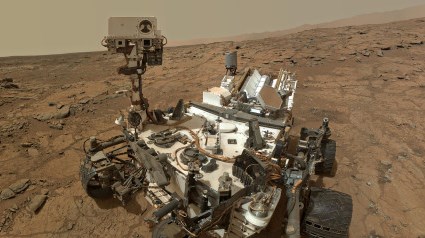
And in its latest research breakthrough, the rover has determined that Mars doesn’t have the same atmosphere it used to. Relying on its microwave oven-sized Sample Analysis at Mars (SAM) instrument, the rover analyzed a sample of Martian air early in April, and the results that came back provided the most precise measurements ever made of in the Martian atmosphere.

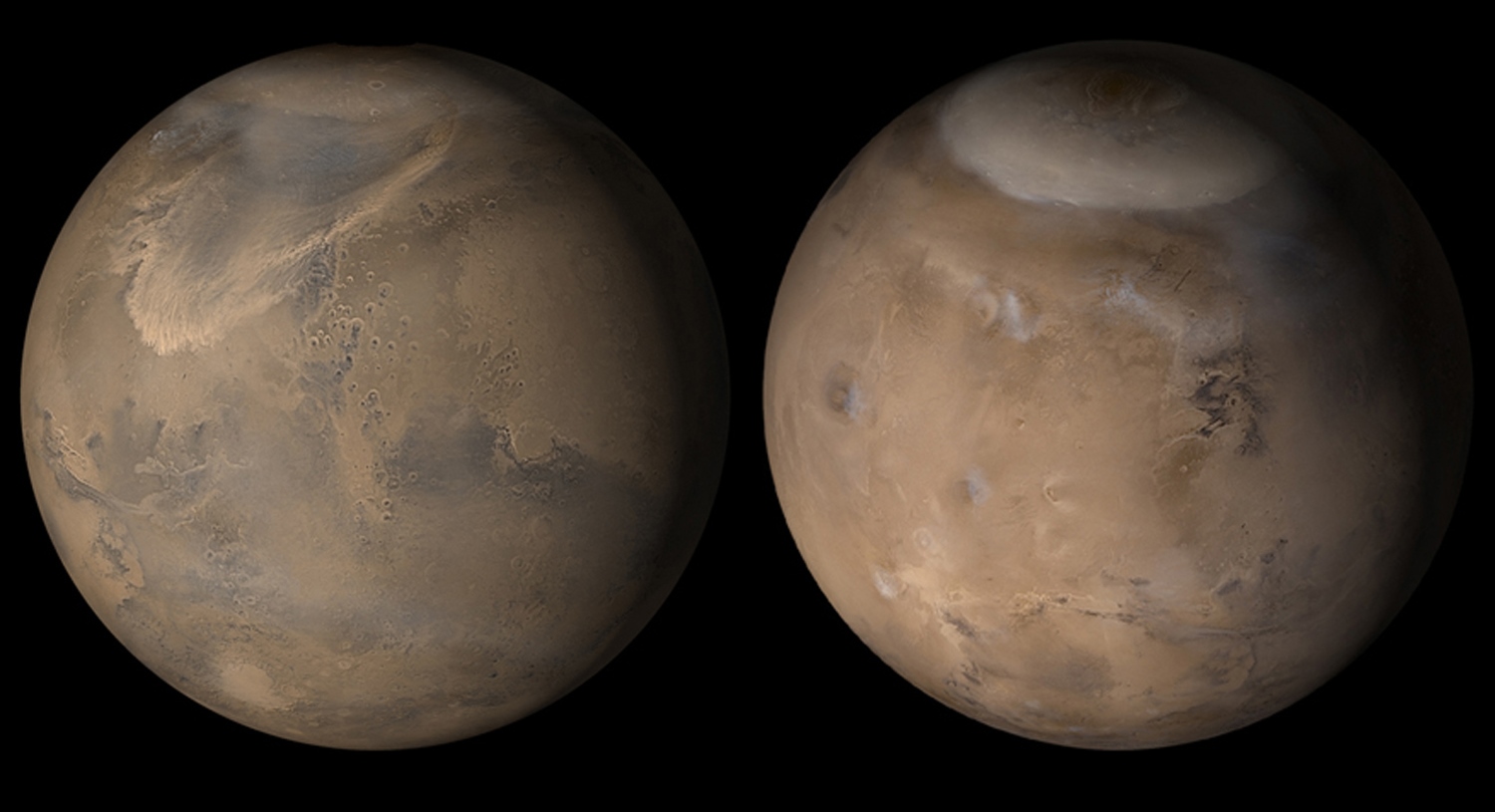
SolarConjunctionWhat it noticed in particular was the isotopes of Argon, a basic element that is present in Earth’s atmosphere, Jupiter’s and even the Sun. In Mars case, the mix of light and heavy Argon – two different isotopes of the element – is heavier than in all the other cases. What this suggests is that the Martian atmosphere has thinned over the course of the past few million years.

This data conclusively confirms another long-held suspicion by scientists, that Mars did indeed have an atmosphere capable of supporting life. Alongside the voluminous evidence obtained by Curiosity for the existence of water, we now know that Mars may have supported life at one time, and that it did not always have the arid, cold climate it now does. More good news for those looking to build a case for settling there one day…

solarConjunction02Check out the video below to hear Ashwin Vasavada speak about these latest findings, including the Solar Conjunction which kept them from communicating with the Rover until today. Now that the conjunction has ended, we can expect plenty more updates and interesting finds from the rover. Who knows? Maybe even some evidence about the existence of a Martian civilization.

Don’t be looking at me like that! It could happen…


Source: universetoday.com

The KLM “Claim You Place in Space” Winner Is…

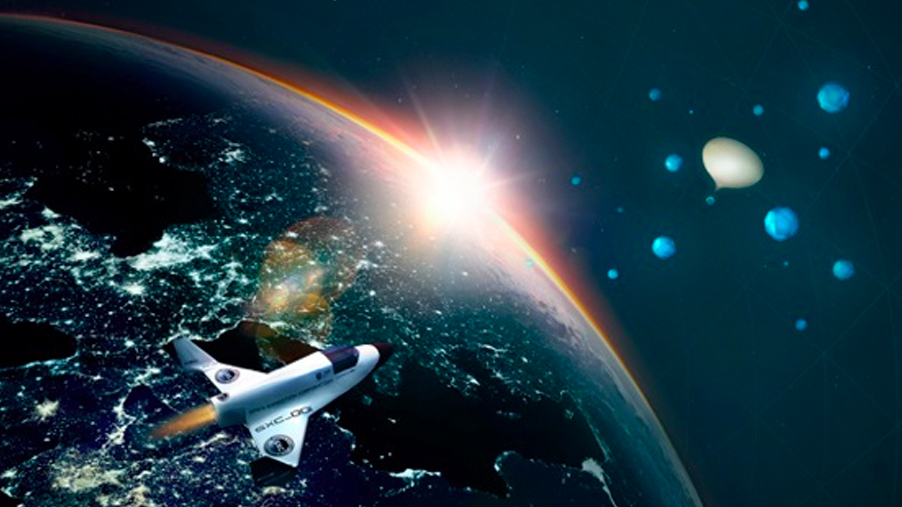
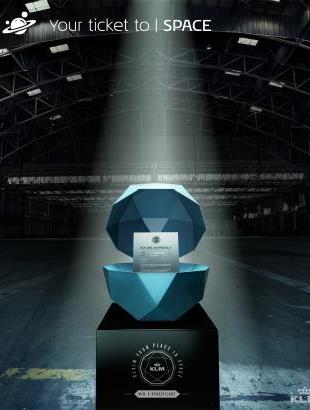
space-trip-klmWe have a winner in the KLM “Claim your place in space” contest. Just two hours ago, the company announced the winner on their webesite and twitter feed. And it turns out the winner is… not me, dangit! But congratulations are in order to Pedro of Brazil, who won the contest by being closest to the ticket. So it seems he will be the one to fly aboard the SXC Lynx Spacecraft when it makes its maiden passenger flight!

For those who are unaware or don’t recall, the KLM giveaway was a social media promotional contest, where a special team deployed an orbital balloon from the Nevada desert and people were able to vote online as to where it would end up. This consisted of selecting a altitude where the balloon would finally burst (up to 40 km above sea level) and how far it would drift from where it took off from.

KLM_ticketWith his estimate of 31.0 km, a drift distance of 79.8 km and a drift direction of 26 degrees, Pedro was closest to where the balloon actually ended up – with an estimate of 14.7 km above sea level. Myself, I bet it would make it as high as 39.0 km, which seemed to place me in with the majority. In fact, judging from the winning ticket, it seemed no one bettered it would make it less than 31 km, which it didn’t make by half. Boy, were we off!

So good luck Pedro as the Lynx takes you into low orbit and achieve zero gravity. I am… so happy for you, you rotten bastard! All I can say is, you better write about it in excruciating detail and take plenty of cool pics, because I plan to write about it!


Source: space.klm.com

KLM – Claim Your Place In Space

KLM-Space-balloonOnce again, my boundless gratitude – and tumultuous envy! – to Raven Lunatick for learning about this before me and making me aware of it. It’s called the “Claim Your Place In Space” challenge, a social media campaign that offers a ticket on a maiden space voyage, and which is being hosted by the Royal Aviation Company – or Koninklijke Luchtvaart Maatschappij (KLM), as they are known in the Netherlands.

In just a few days time – eight days and fourteen hours as of the time of this article’s writing – they will be launching a high altitude balloon from the Nevada Desert that will ascend into Earth’s orbit. When and where the balloon pops is the subject of the social media campaign they are conducting, and people are encouraged to place bets by selecting the specific altitude and grid references where it will happen.

SXC-001_2-600x392The person who is closest will win the ultimate prize: a flight aboard the companies new zero gravity SXC Lynx Spacecraft! Much like Virgin Galactic’s SpaceShipTwo, this aerospace ship is a prototype that is intended to serve as the mainstay for the company’s commercial space flight fleet in the near future. But unlike the SS2, this vehicle is capable of performing its own take offs as well as landing.

Also relying on a rocket engine, but weighing considerably less than the SS2, the plane has successfully demonstrated the ability to perform vertical takeoffs from a runway, achieve a maximum speed of over mach 2.9, and achieve a suborbital ceiling 100 km above sea level. The entire flight will last only a few minutes, and aside from the pilot only one person will be on board… the winner!SXC-flight-information-space-expedition-astronaut-e1349979084549

To enter, simply go to space.klm.com and place your bets on where and how high the balloon will go. Then join me, Raven, and anyone else looking for a free trip to space in waiting with baited breath for the official draw on April 22nd. I wish everyone who enters luck, but you’ll forgive me if I secretly want this all to myself! Go orbital balloon, hit my grid spot, pleaaaase! Daddy needs a flight into space!

And of course, be sure to check out this promotional video:


Source: space.klm.com

News From Space: The NASA-Funded Fusion Rocket

fusion-rocket-university-of-washington-640x353NASA scientists have been saying for some time that they plan to send a manned mission to Mars by 2030. At the same time, space adventurist Dennis Tito and his company Inspiration Mars want to send a couple on a flyby of the Red Planet in 2018. With such ambitions fueling investment and technological innovation, its little wonder why people feel we are embarking on the new era of space exploration.

However, there is one sizable problem when it comes to make the Mars transit, which is the wait time. In terms of Tito’s proposed flyby, a trip to Mars when it is in alignment with Earth would take a total 501 days. As for NASA’s round-trip excursions for the future, using current technology it would take just over four years. That’s quite the long haul, and as you can imagine, that longer transit time has an exponential effect on the budgets involved!

Mars_landerBut what if it were possible to cut that one-way trip down to just 30 days. That’s the question behind the new fusion rocket design being developed at the University of Washington and being funded by NASA. Led by John Slough, this team have spent the last few years developing and testing each of the various stages of the concept and is now bringing the isolated tests together to produce an actual fusion rocket.

The challenge here is to create a fusion process that generates more power than it requires to get the fusion reaction started, a problem which, despite billions of dollars of research, has eluded some of the world’s finest scientists for more than 60 years. However, researchers continue to bang their head on this proverbial wall since fusion alone – with its immense energy density – appears to be the way of overcoming the biggest barrier to space travel, which is fuel weight and expense.

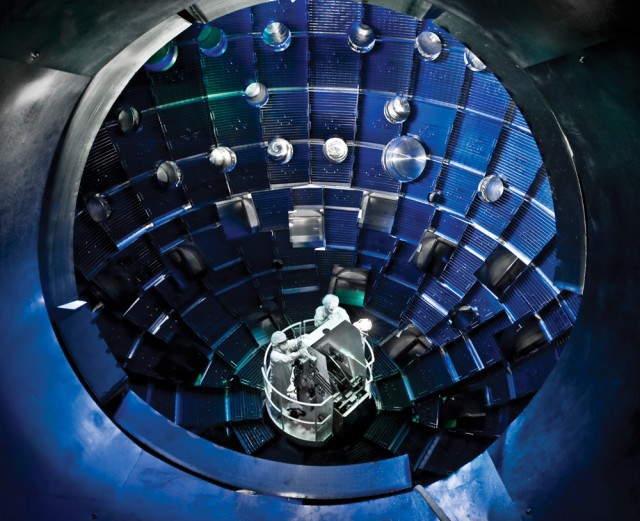
spacecraft_marsUltimately, the UW fusion rocket design relies on some rather simple but ingenious features to accomplish its ends. In essence, it involves a combustion chamber containing rings made of lithium and a pellet of deuterium-tritium – a hydrogen isotope that is usually used as the fuel in fusion reactions. When the pellet is in the right place, flowing through the combustion chamber towards the exhaust, a huge magnetic field is triggered, causing the metal rings to slam closed around the pellet of fuel.

These rings then implode with such pressure that the fuel compresses into fusion, causing a massive explosion that ejects the metal rings out of the rocket and at 108,000 km/h (67,000 mph) and generating thrust. This reaction would be repeated every 10 seconds, eventually accelerating the rocket to somewhere around 320,000 km/h (200,000 mph) — about 10 times the speed of Curiosity as it hurtled through space from Earth to Mars.

NASA_fusionchamberHowever, things still remain very much in the R&D phase for the fusion rocket. While the team has tested out the imploding metal rings, they have yet to insert the deuterium-tritium fuel and propel a super-heated ionized lump of metal out the back at over 100,000 kilometers and hour. That is the next – and obviously a very, very – big step.

But in the end, success will be measured when it comes to two basic criteria: It must work reliably and, most importantly, it must be capable of generating more thermal energy than the electrical energy required to start the fusion reaction. And as already mentioned, this is the biggest challenge facing the team as it is something that’s never been done before.

However, most scientific minds agree that within 20 years at least, fusion power will be possible, and the frontiers it will open will be vast and wonderful. Not only will we be able to fully and completely lick the problem of clean energy and emissions, we will have rockets capable of taking us to Mars and beyond in record time. Deep space flight will finally become a possibility, and we may even begin considering sending ships to Alpha Centauri, Bernard’s Star and (fingers crossed!) Gliese 581!

daedalus_starship_630pxSource: Extreme.tech