News from Space: ISS Sends First Transmission with Lasers

ISS In recent years, the International Space Station has become more and more media savvy, thanks to the efforts of astronauts to connect with Earthbound audiences via social media and Youtube. However, the communications setup, which until now relied on 1960’s vintage radio-wave transmissions, was a little outdated for this task. However, that has since changed with the addition of the Optical Payload for Lasercom Science (OPALS) laser communication system.

Developed by NASA’s Jet Propulsion Laboratory (JPL) in Pasadena, California, OPALS is designed to test the effectiveness of lasers as a higher-bandwidth substitute for radio waves and deal with substantially larger information packages. As Matt Abrahamson, OPALS mission manager at NASA’s Jet Propulsion Laboratory, said in a recent video statement:

We collect an enormous amount of data out in space, and we need to get it all to the ground. This is an alternative that’s much faster than our traditional radio waves that we use to communicate back down to the ground.
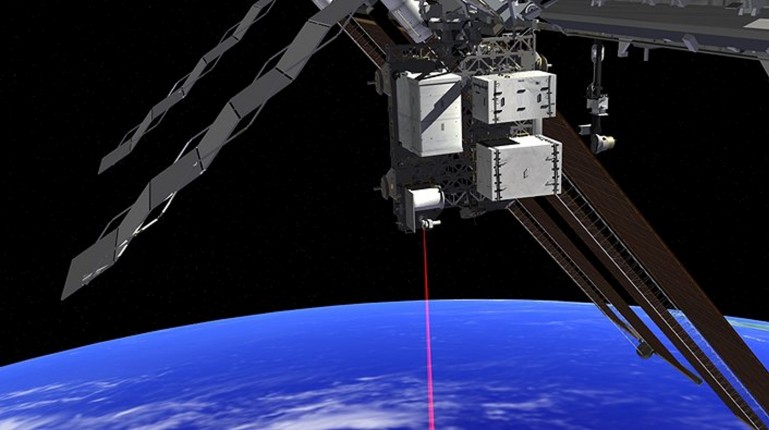
nasa-opalsThe OPALS laser communication system was delivered to the ISS on April 20 by a SpaceX unmanned Dragon space freighter and is currently undergoing a 90-day test. For this test, the crew used the OPALS to transmit the “Hello, World” video from the ISS to a ground station on Earth. This was no simple task, since the station orbits Earth at an altitude of about 418 km (260 mi) at travels at a speed of 28,000 km/h (17,500 mph). The result is that the target is sliding across the laser’s field of view at an incredibly fast rate.

According to Bogdan Oaida, the OPALS systems engineer at JPL, this task was pretty unprecedented:

It’s like trying to use a laser to point to an area that’s the diameter of a human hair from 20-to-30 feet away while moving at half-a-foot per second. It’s all about the pointing.

However, the test went off without a hitch, with the 37 second-long video taking 3.5 seconds to transmit – much faster than previous downlink methods. Abrahamson said that the video, which is a lively montage of various communication methods, got its title as an homage to the first message output by standard computer programs.
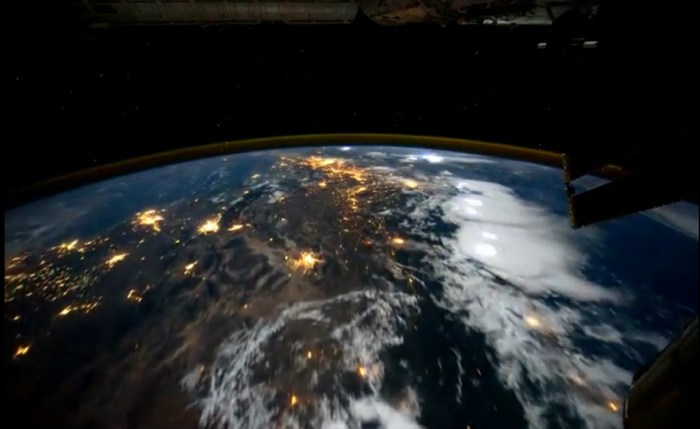
earth-from-ISSThe OPALS system sought out and locked onto a laser beacon from the Optical Communications Telescope Laboratory ground station at the Table Mountain Observatory in Wrightwood, California. It then transmitted its own 2.5-watt, 1,550-nanometer laser and modulated it to send the video at a peak rate of 50 megabits per second. According to NASA, OPALS transmitted the video in 3.5 seconds instead of the 10 minutes that conventional radio would have required.

Needless to say, the astronauts who contribute to the ISS’s ongoing research programs are pretty stoked about getting this upgrade. With a system that is capable of transmitting exponentially more information at a faster rate, they will now be able to communicate with the ground more easily and efficiently. Not only that, but educational videos produced in orbit will be much easier to send. What’s more, the ISS will have a much easier time communicating with deep space missions in the future.

nasa-opals-5This puts the ISS in a good position to oversea future missions to Mars, Europa, the Asteroid Belt, and far, far beyond! As Abrahamson put it in the course of the video statement:

It’s incredible to see this magnificent beam of light arriving from our tiny payload on the space station. We look forward to experimenting with OPALS over the coming months in hopes that our findings will lead to optical communications capabilities for future deep space exploration missions.

And in the meantime, check out the video from NASA’s Jet Propulsion Laboratory, showing the “Hello World” video and explaining the groundbreaking implications of the new system:


Sources:
cnet.com, gizmag.com

News from Mars: Martian Water and Earth Organisms

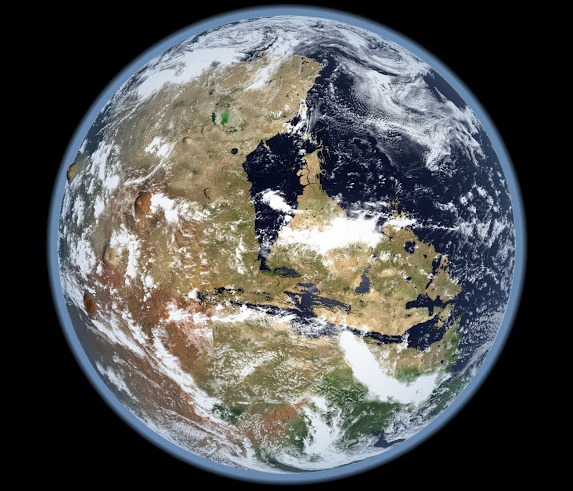
curiosity_peakThis August, the Curiosity Rover will be celebrating its second anniversary of roving around the Red Planet. And ever since it made landfall, Curiosity and the Mars Science Laboratory has repeatedly uncovered signs that Mars was once very like Earth. Basically, it has become undeniable that water once flowed freely over the surface of this barren and uninhabitable world. And this finding, much to the delight of futurists and sci-fi enthusiasts everywhere, is likely to pave the way for human settlement.

Liquid water disappeared from Mars’ surface millions of years ago, leaving behind tantalizing clues about the planet’s ancient past—clues that the MSL has been deciphering for the past 22 months. This began last year when Curiosity found rounded pebbles in the Glenelg region, an indication that a stream once flowed at the site. This was followed by the discovery of rocky outcroppings where the remains of an ancient stream bed consisting of water-worn gravel that was washed down from the rim of Gale Crater.

mountsharp_galecraterThe rover has since moved to a location about 6.5 kilometers (4 miles) away from the Gale Crater landing site, where scientists expect to make even more discoveries. The new location is named Kimberly, after a region of northwestern Australia. As Dawn Sumner, a UC Davis geology professor and co-investigator for NASA’s Mars Science Laboratory team, explained:

Our findings are showing that Mars is a planet that was once a whole lot like Earth. All the rocks we’ve seen on this mission are sediments that have been deposited by water. We’ve found almost no sandstone deposited by wind.

Sumner is working from Curiosity mission control at NASA’s Jet Propulsion Laboratory in Pasadena while on sabbatical from UC Davis, exploring whether the planet ever had an environment capable of supporting microbial life. She is also one of several UC scientists and engineers who have been vital to the success of the Curiosity mission, which is part of NASA’s long-term plan to pave the way for sending astronauts to Mars.

Living-Mars.2In that vein, research continues here on Earth to see exactly what kind of life can survive in the harsh Martian environment. And now,  research suggests that methanogens – among the simplest and oldest organisms on Earth – could survive on Mars. These microorganisms are typically found in swamps and marshes, where they use hydrogen as their energy source and carbon dioxide as their carbon source to produce methane (aka. natural gas).

As an anaerobic bacteria, methanogens don’t require require oxygen or organic nutrients to live, and are non-photosynthetic. Hence, they would be able to exist in sub-surface environments and would therefore be ideal candidates for life on Mars. Rebecca Mickol, a doctoral student in space and planetary sciences at the University of Arkansas, subjected two species of methanogens to Martian conditions to see how they would fair on the Red Planet.

methanogens485These strains included Methanothermobacter wolfeii and Methanobacterium formicicum, both of which survived the Martian freeze-thaw cycles that Mickol replicated in her experiments. This consisted of testing the species for their ability to withstand Martian freeze-thaw cycles that are below the organisms’ ideal growth temperatures. As she explained it:

The surface temperature on Mars varies widely, often ranging between minus 90 degrees Celsius and 27 degrees Celsius over one Martian day. If any life were to exist on Mars right now, it would at least have to survive that temperature range. The survival of these two methanogen species exposed to long-term freeze/thaw cycles suggests methanogens could potentially inhabit the subsurface of Mars.

Mickol conducted the study with Timothy Kral, professor of biological sciences in the Arkansas Center for Space and Planetary Sciences and lead scientist on the project. She presented her work at the 2014 General Meeting of the American Society for Microbiology, which was held from May 17th to 20th in Boston.

maven_atmosphereThe two species were selected because one is a hyperthermophile, meaning it thrives under extremely hot temperatures, and the other is a thermophile, which thrives under warm temperatures. Since the 1990s, Kral has been studying methanogens and examining their ability to survive on Mars. In 2004, scientists discovered methane in the Martian atmosphere, and immediately the question of the source became an important one. According to Kral:

When they made that discovery, we were really excited because you ask the question ‘What’s the source of that methane?. One possibility would be methanogens.

Understanding the makeup of Mars atmosphere and ecology is another major step towards ensuring that life can exist there again someday. From Red Planet, to Blue Planet, to Green Planet… it all begins with a fundamental understanding of what is currently able to withstand the Martian environment. And once this foundation is secured, our ecologists and environmental engineers can begin contemplating what it will take to create a viable atmosphere and sustainable sources of water there someday.

terraformingSources: phys.org, (2)

News from SpaceX: the Dragon V2 and SuperDraco

spaceX_elonmuskSpaceX has been providing a seemingly endless stream of publicity lately. After months of rocket testing and sending payloads to the International Space Station, they are now unveiling the latest in some pretty impressive designs. This included the SuperDraco, a new attitude-control thruster; and the new Dragon V2 – a larger, more powerful, and manned version of the reusable Dragon capsule. These unveilings came within a short space of each other, largely because these two developments will be working together.

The first unveiling began back in February, when SpaceX announced the successful qualification testing of its SuperDraco rocket engine. Designed to replace the Draco engines used for attitude control on the Dragon orbital spacecraft, the SuperDraco will act as the Dragon’s launch emergency escape system, as well as giving it the ability to make a powered landings. Since that time, the company has announced that it will be added to the new Dragon capsule, which was unveiled just days ago.

superdraco-testThe SuperDraco differs from most rocket engines in that its combustion chamber is 3D printed by direct metal laser sintering (DMLS), where complex metal structures are printed by using a laser to build the object out of metal powders one thin layer at a time. The regeneratively-cooled combustion chamber is made of inconel; a family of nickel-chromium alloy that’s notable for its high strength and toughness, and is also used in the Falcon 9’s Merlin engine.

Elon Musk, SpaceX’s Chief Designer and CEO, had this say about the innovation behind the new rocket:

Through 3D printing, robust and high-performing engine parts can be created at a fraction of the cost and time of traditional manufacturing methods. SpaceX is pushing the boundaries of what additive manufacturing can do in the 21st century, ultimately making our vehicles more efficient, reliable and robust than ever before.

MarsOneOther notable features include the propellent, which is a pair of non-cryogenic liquids – monomethyl hydrazine for the fuel and nitrogen tetroxide for the oxidizer. These are hypergolic, meaning that they ignite on contact with one another, which helps the SuperDraco to restart multiple times. It’s also built to be deep throttled, and can go from ignition to full throttle in 100 ms. But what really sets the SuperDraco apart is that is has 200 times the power of the Draco engine, which works out to  7,440 kg (16,400 lbs) of thrust.
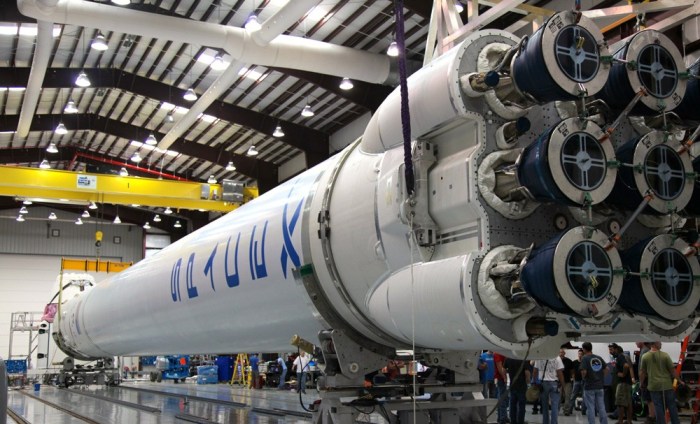
The SuperDraco’s main purpose is to provide attitude control for the Dragon capsule in orbit and during reentry, as well as acting as the craft’s launch escape system. Unlike previous US manned space capsules of the 1960s and ‘70s, the next version of the Dragon won’t use a tower equipped with rocket motors to carry the capsule away in case of a launch accident. The SuperDraco can be used at any point in the launch from pad to orbit, not just during the first minutes of launch, as the towers were.

spacex-falcon-9-rocket-largeEight engines firing for five seconds are enough to carry the capsule safely away from the booster with 120,000 lb of axial thrust. In addition, the eight engines also provide a high degree of redundancy should one or more engines fail. But what’s really ambitious about the SuperDraco is that, like the Falcon 9 booster, the Dragon is designed to ultimately return to its spaceport under its own power and land with the precision of a helicopter, and it’s the power and control of the SuperDraco that makes this possible.

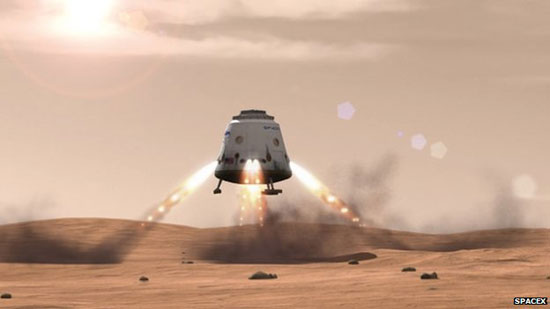
SpaceX is even looking beyond that by planning to use the SuperDraco engine for its Red Dragon Mars lander; an unmanned modification of the Dragon designed for exploring the Red Planet. The SuperDraco will make its first flight on a pad abort test later this year as part of NASA’s Commercial Crew Integrated Capabilities (CCiCap) initiative. Using 3D printing to cut the cost of production is in keeping with Musk’s vision of reducing the associated costs of spaceflight and putting rockets into orbit.

spaceX_dragon_v2But equally impressive was the unveiling of the Dragon V2 manned space capsule, which took place at a brief media event at SpaceX’s Hawthorne, California headquarters at the end of May. This larger, more powerful version of the reusable Dragon capsule will one day carry astronauts to the International Space Station (ISS) and return to Earth to land under its own power. This latest development brings the company one step closer towards its ultimate goal of a fully reusable manned capsule capable of making a powered landing.
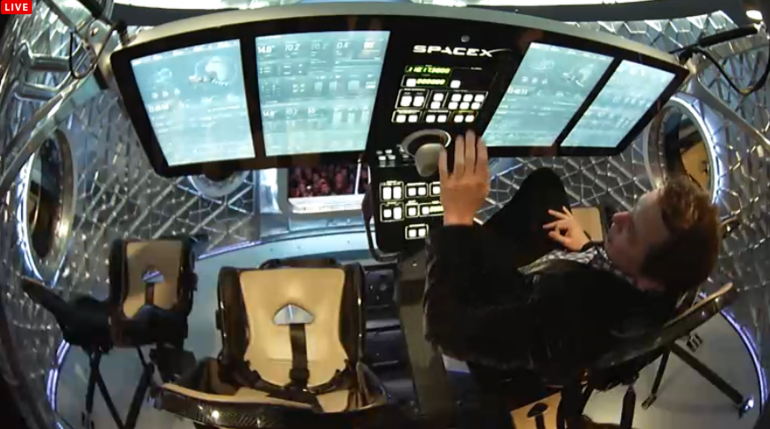
Billed as a “step-change in spacecraft technology,” the Dragon V2 that Musk unveiled is larger and more streamlined than the first Dragon, with a cabin large enough to accommodate up to seven astronauts for several days in orbit comfortably. The interior is outfitted with touchscreen control panels and a more sophisticated piloting system, so it can dock with the space station autonomously or under the control of the pilot instead of relying on one of the ISS’s robotic arms.

spaceX_dragon_v2_1For returning to Earth, the Dragon V2 has the third version of the PICA-X heatshield, which is SpaceX’s improvement on NASA’s Phenolic Impregnated Carbon Ablator (PICA) heat shield. Another nod to reusability,  this shield is about to carry out more flights before needing a refit since it ablates less than previous versions. And of course, the capsule will be outfitted with eight SuperDraco engines, which give it a combined thrust of almost 60,000 kgs (131,200 lbs).

However, Musk points out that Dragon V2 still carries a parachute, but that’s only a backup system, similar to the analog joystick and manual controls that are available in the cockpit. Like these, the parachute is only meant for use in the event of a malfunction of the SuperDraco engines, which can still make a landing if two of the eight engines fail. If the landing is successful, Musk says that all the Dragon V2 needs to fly again is refueling.

And the arrival of these new machines couldn’t have been more timely, given the termination of NASA’s cooperation with Roscosmos – Russia’s federal space agency. With reusable craft that are produced by the US and that can be launched from US soil, Russia’s aging Soyuz rockets will no longer be necessary. So much for the trampoline idea!

And of course, there are videos of the rocket test and the unveiling. Enjoy!

SuperDraco Test Firing:


SpaceX Dragon V2 Unveiling:


Sources: gizmag.com, (2), fool.com

News from Space: Jupiter’s Eye Disappearing

jupiterJupiter’s Red Eye, that trademark spot on the gas giant’s surface that is its most recognizable feature, appears to be shrinking faster than ever. Earlier this year, amateur astronomers had observed and photographed the Eye and noted that it had grown smaller. Shorlty thereafter, astronomers observed it using the Hubble Space Telescope and came to the same conclusion. Based on their calculations, they estimate that Jupiter’s Eye, a giant long-lasting storm, is narrowing by more than 900 kilometres a year, much faster than before.

At this rate, they claim, it will be gone by 2031 – just 17 years from now. Using historic sketches and photos from the late 1800s, astronomers determined the spot’s diameter then at 41,000 km (25,475 miles) across. Now, it is turned from a giant ovoid into a discrete circle that is a mere 16,500 kilometres (10,252 miles) across. Many who’ve attempted to see Jupiter’s signature feature have been frustrated in recent years not only because the spot’s pale color makes it hard to see  against adjacent cloud features, but because it’s physically getting smaller.

Jupiter-GRS-Hubble-shrink-panel-580x399As to what causing the drastic downsizing, there are no firm answers yet. However, NASA has a theory, which was shared by Amy Simon of NASA’s Goddard Space Flight Center in Maryland, USA:

In our new observations it is apparent that very small eddies are feeding into the storm. We hypothesized that these may be responsible for the accelerated change by altering the internal dynamics of the Great Red Spot.

Michael Wong, a scientist at the University of California, Berkeley, seems to be in agreement. He stated that one theory is the spot eats smaller storms, and that it is consuming fewer of them. But for the time being, scientists can’t be sure why its getting smaller, why the eye is red in the first place, or what will happen once it is completely gone.

Jupiters_EyeThe Great Red Spot has been a trademark of the planet for at least 400 years – a giant hurricane-like storm whirling in the planet’s upper cloud tops with a period of 6 days. But as it’s shrunk, its period has likewise grown shorter and now clocks in at about 4 days. The storm appears to be conserving angular momentum by spinning faster and wind speeds are increasing as well, making one wonder whether they’ll ultimately shrink the spot further or bring about its rejuvenation.

In short, the eye could become a thing of the past, the sort of thing children many years from now will only read about or see in pictures to give them some idea of how the Solar System once looked. Or, its possible that it could blow up again and become as it once was, a massive red Eye observable from millions of kilometres away. Who knows? In the meantime, check out this video by NASAJuno, explaining what little we know about Jupiter’s most prominent feature (while it lasts):

News from Space: Mars Gets New Crater!

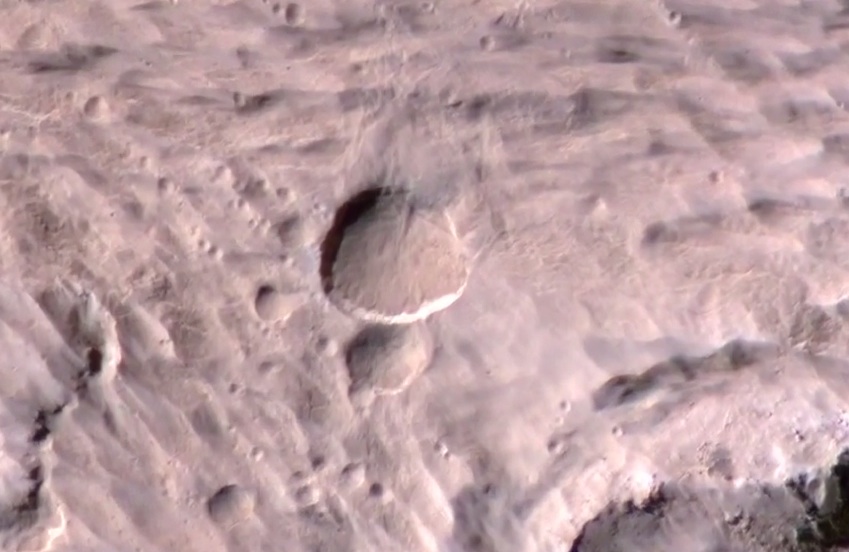
martian_craterThe Mars Reconnaissance Orbiter (MRO) captured this image of a 50-meter wide crater on the Red Planet back on March 28th, 2012. But the impressive thing is that this same crater was not there when the MRO took pictures of the area the day before. In other words, this crater was spotted less than a day after the impact that formed it. This is a record=setting events, since it usually takes a few years before the presence of new craters have been confirmed.

In this case, though, the constant sweep of the Mars weather camera (called the Mars Color Imager, or MARCI) picked up the black smudge that is a telltale sign of a fresh impact. Because the imager is low-resolution, it sees a large area of the surface, and does so all the time. It’s also the largest crater in the solar system ever seen with before and after shots. At 50 meters or so across, it’s half the length of a football field, so the impacting object was probably up to a few meters across.

mars_crater_marcimars_crater_marci2Something that small would burn up in Earth’s atmosphere, but given that Mars has a much thinner atmosphere (about 1 percent as thick of Earth’s) rocks of this size make it to the surface with ease. Once they make it to the ground, they hit hard enough to carve out a hole and blast out ejecta debris – which was how the crater was found. But the atmosphere is thick enough to cause a lot of pressure in front of the incoming meteoroid, which can break it up into smaller pieces.

As you can see from the images above – the top which was taken on March 27th and the bottom on the following day – there was one big crater, one smaller one, and quite a few even smaller ones around the main one. These may have been from pieces of the meteoroid that broke up as it came in. Not only that, but landslides were observed in the area that occurred around the same time, so they may have been caused by the seismic ground wave from the impact as well.

mars_avalanche4Events like this are not only novel, they are also very useful for scientists, since they help them to understand how impacts have shaped the Martian landscape. They also help determine the number of small impacts suffered by Mars (and by extrapolation, Earth), and in some cases reveal what’s underneath the surface of the planet (including ice). This latest impact is many ways a gift, since most craters are very old and the atmosphere have eroded them to the point that there results are no longer fresh.

Kudos to the MRO team for their fine work in spotting this new Martian surface feature. And in the meantime, be sure to enjoy this video that explains this record find, courtesy of the NASA Jet Propulsion Laboratory.


Sources:
slate.com, space.IO9.com, mars.nasa.gov

News From Space: Cold War Chill Returning to Space

Space_race1[2]It’s no secret that relations between the US and Russia have been strained due to the latter’s recent military activities in Crimea. And now, it appears that Russia is using their space program as leverage in their ongoing fight over sanctions. Back in April, NASA announced that collaboration with Roscosmos – Russia’s Federal Space Agency – had ended for the time being. Since then, an escalating war of words and restrictions have followed.

For instance, in the past months, the U.S. has restricted communication between some American scientists and their Russian colleagues as part of their protest against Crimea. In response, Dmitry Rogozin – Deputy Prime Minister and head of the Russian Military-Industrial Commission – said on his Twitter feed that he is restricting the export to the US of Russia’s RD-180 rocket engines, for uses that do not involve the U.S. military – a move which has temporarily grounded all US military satellites from being deployed into orbit.

NASA_trampolineMr. Rogozin also posted an image of a trampoline with a big NASA logo in the centre, saying that after 2020 it is the technology U.S. astronauts will need to use get to the International Space Station. One week later and in response, NASA Administrator Charles Bolden said that the cooperation between NASA and Roscosmos on the International Space Station hadn’t changed “one iota” in recent years, and has withstood the increasingly frosty atmosphere between Washington and Moscow over the events in the Crimea and Ukraine.

Still, Bolden indicated that if for one reason or other a country should drop out of the project, the others would seek to continue. But in the meantime, this would means the US would lose its capacity to put its own spy and military satellites into orbit, the future of the International Space Station (ISS) would be uncertain. In addition to the US, Japan, Europe and Canada are also members of the ISS and all currently depend on Russian Soyuz capsules to take astronauts to the space station since NASA retired its shuttle fleet.

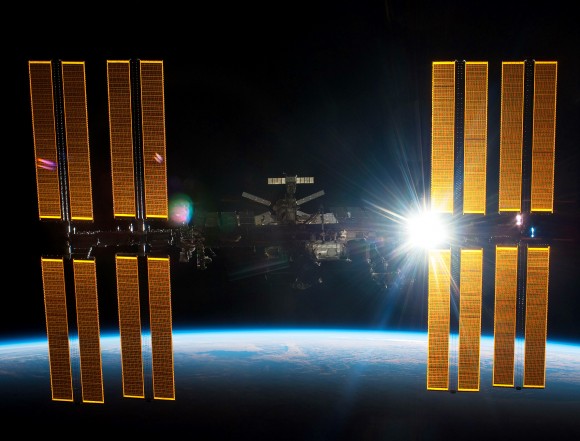
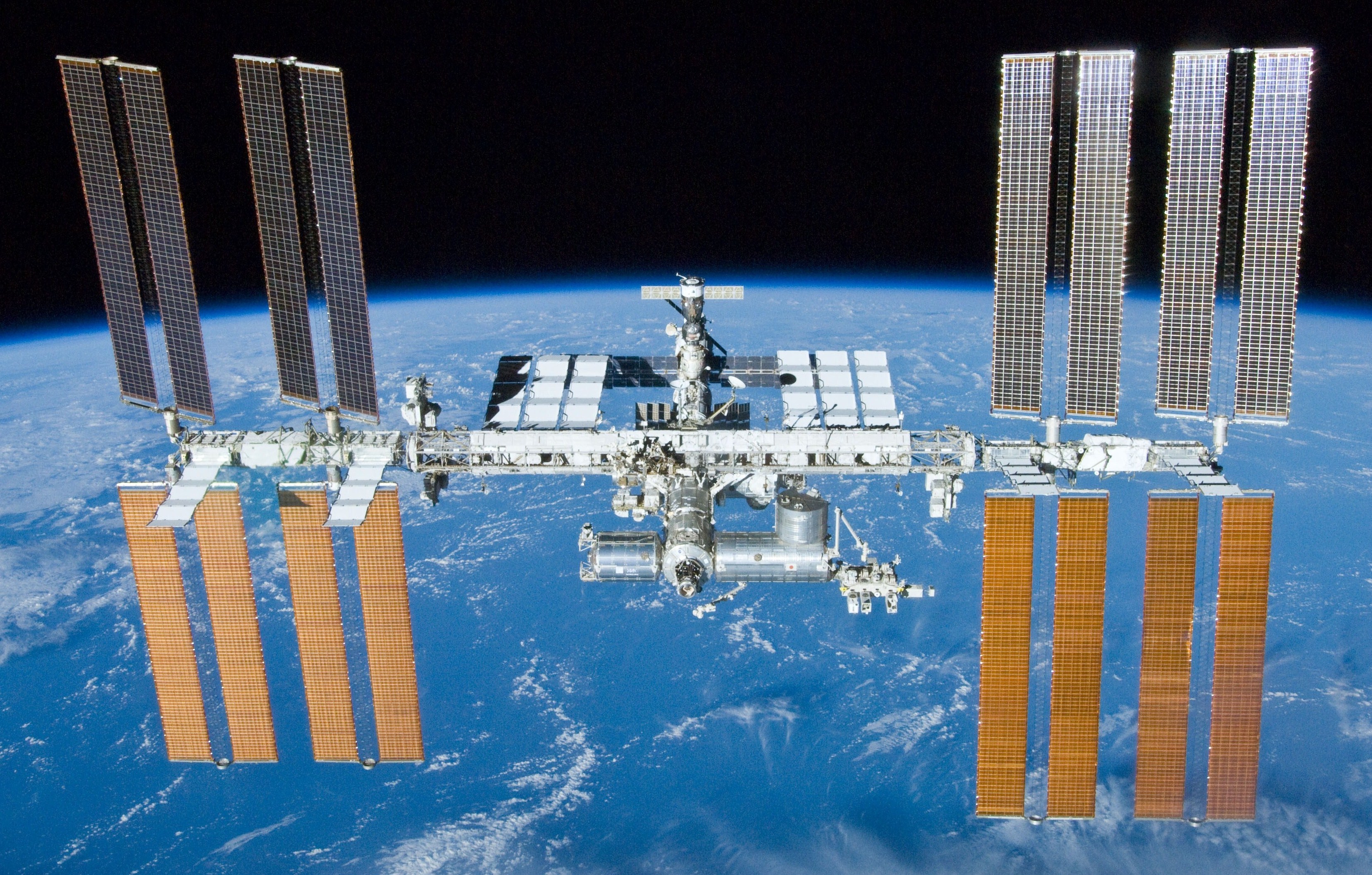
International-Space-Station-ISS-580x441All in all, it is a sad state of affairs, and not just because of the repercussions to space exploration and scientific research. As a product of post-Cold War co-operation, the ISS cost $100 billion to create and was arguably the most expensive multinational peacetime undertaking in history. Now, it is being threatened because the two nations that came together to make it a reality are regressing into a state of Cold War detente. And though the Russians currently feel that they have the upper hand, the long-term reality is far different.

Back in the early 1990s, both the U.S. and Russian space programs were floundering. The Russian program was running broke because of the collapse of the Soviet Union, and the U.S. was operating a space shuttle program that was proving to be more expensive than promised. The Americans were also having difficulty finding support for their Freedom space station project, which had a budget that was also ballooning upwards, and the Russian’s weren’t sure how much longer Mir would remain in operation.

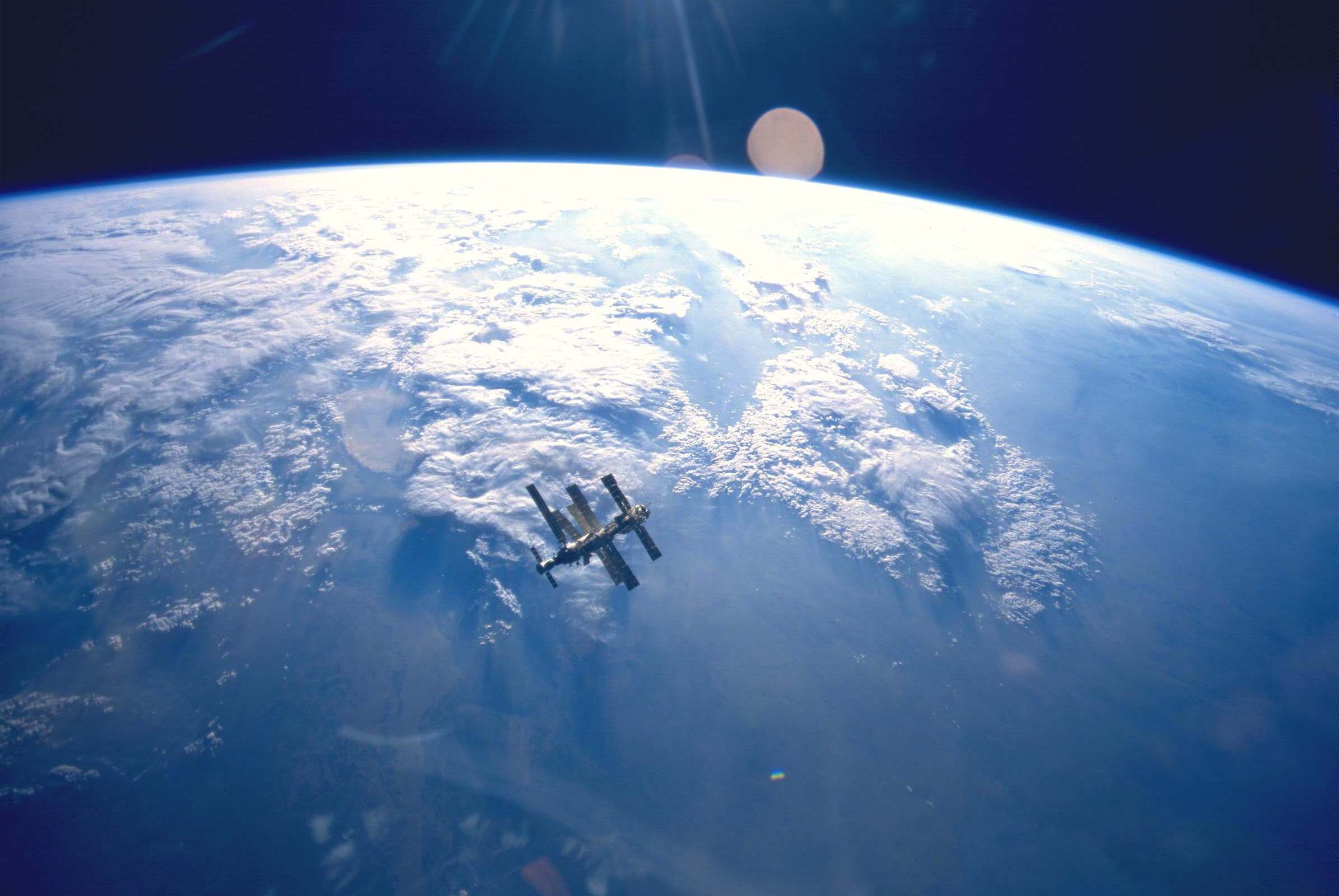
Earth_&_Mir_(STS-71)Both countries agreed the only way to keep their space programs alive and build a large space station was to share the costs and technology, which also allowed other countries from Europe, as well as Japan and Canada, to participate. In the 13 years since it has been occupied, the International Space Station has literally known no borders, as astronauts from dozens of nations have participated in missions that have had wide-ranging benefits.

And in the process, Russia has benefited greatly in financial terms as the US has paid tens of millions of dollars to have American astronauts fly aboard the former space station Mir and ride along on their Soyuz rockets. If this friendly arrangement breaks down, it will cost both countries dearly. Russia will lose all that income from the sale of its space technology, and the U.S. will have to accelerate the development of its own space capsules and rockets to launch people and satellites into space from American soil.

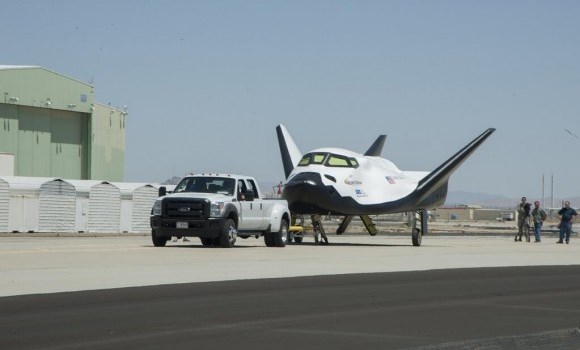
dream_chaserStanding on the sidelines are individuals and private companies like Elon Musk and SpaceX, the Texas company that already builds its own low-cost rockets, along with space capsules that have been delivering supplies to the Space Station. In addition, Sierra Nevada, a private aerospace contractor, is working with NASA to produce the Dream Chaser as part of the agency’s reusable vertical-takeoff, horizontal-landing (VTHL) program.
Between SpaceX already delivering capsules to the ISS, its successful reusable rocket demonstrations, and the multiple proposals NASA has for a new era of space vehicles, the US space program may not be grounded for much longer. And there is something to be said about competition spurring innovation. However, one cannot deny that it is unfortunate that the US and Russia may be once again moving forward as competitors instead of companions, as that is likely to cost all sides far more.

But of course, there is still plenty of time for a diplomatic solution to tensions in the east, and plenty of reasons for all sides to avoid regressive to a Cold War footing. We’ve come too far at this point to turn back. And considering how much of our future depends on space travel and exploration going ahead unimpeded, we can’t afford to either!

Sources: cbc.ca, phys.org

New Theatrical Trailer: Interstellar

interstellar_2014This weekend, when the Godzilla remake will be screening, audiences will be treated to another first. After wrapping up with the Dark Knight series, Christopher Nolan has taken a different route with this next project, title Interstellar. And with this latest theatrical trailer, moviegoers will finally see exactly what his new film is about. Basically, in the not-to-distant future, a global food crisis hits Earth, and to find solutions, humanity must look to the stars.

That’s the bare bones of it at any rate.  To be more specific, the plot revolves around Cooper (Matthew McConaughey) and his family. A former pilot and engineer who has had to turn to farming to feed his family, Conner finds himself being called upon to take part in an expedition in order to find a new place for humanity to live. As Michael Caine’s character is quoted as saying: “We’re not meant to save the world, we’re meant to leave it.”

Embracing such things as Climate Change and the public’s growing fascination with space exploration and the next great leaps humanity is likely to take, Nolan has announced his return to the world of epic space-exploration. And between the scenes of gritty desolation seen on planet Earth, to the majestic grandeur of the scenes set in space, it’s clear that Nolan is well suited to the medium, being a director who’s well known for his stunning visuals and ability to create atmosphere.

News From Space: Ancient Meteorite Crater Found

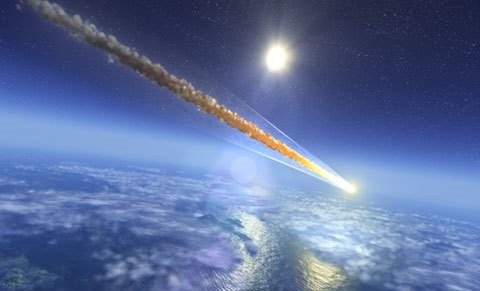
meteorIn southern Alberta, scientists have found a vast, ancient crater that they claim dates back some 50 to 70 million years. Discovered entirely by accident in near the hamlet of Bow City, some 20 km south-west of Brooks, and 100 km south-east of Calgary. According to assessments of the impact zone, researchers estimate that the space rock would have been the size of an apartment block, and would have left a crater 8 kilometers wide and roughly 2 and half km deep.

All told, this explosive force of this impact would have been 200 times stronger than the most powerful thermonuclear bomb ever built. That’s basically a force of 1000 megatons, a detonation so powerful that anything within 200 km of the impact would have received 1st-degree burns. To put that in perspective, this means that the city of Calgary would have been decimated by the blast, and in Edmonton, some 400 km away, every window would shattered.

alta-meteorite-crater-20140507But even more awe inspiring was the long-term effects of the damage, which would have thrown enough dust and debris into the atmosphere to mess with the Earth’s climate for the next few years. As Schmitt put it:
Something of that size, throwing that much debris in the air, potentially would have global consequences; there could have been ramifications for decades.

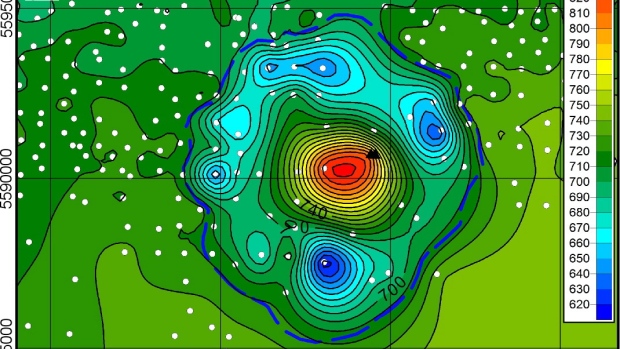
But after eons of erosion, very little of the crater is left. In fact, the discovery happened entirely by accident when a geologist – who was doing some routine mapping of the underground layers a few meters beneath the surface – apparently noticed a circular disturbance that was covered. Schmitt and his lab were called in to inspecting the feature and used seismic data to create a complete image of it. They quickly realized that it was most likely an impact crater, complete with a central peak where the meteorite would have struck.

Alberta_craterThe size of the object can only be estimated, but assuming the meteor was composed mostly of iron, it would have had to have been between 300 and 500 meters in diameter to create a crater of this size. If the meteorite was rock, it would have had to have been a kilometre across. Schmitt said the crater is a rare opportunity to study the floor of an impact crater. His team is now looking for certain types of minerals that form only under certain conditions so as to confirm the crater is from a meteor impact.

But he doesn’t have much doubt. As he put in a recent interview with CBC news:

We’re able to get at the lower parts of (a crater) and see how rocks have been moved around… We’re pretty confident it can only be a meteorite impact. It’s pretty clear.

Once they’ve had a chance to uncover and examine the area in greater detail, a clear picture of the meteorite’s size, composition, and what lasting marks its impact left beyond the crater. This information will only contribute to our understanding of our Solar System, but of the history of our planet as well.

Sources: cbc.ca, calgarysun.com

News From Space: Robotnaut Gets a Pair of Legs!

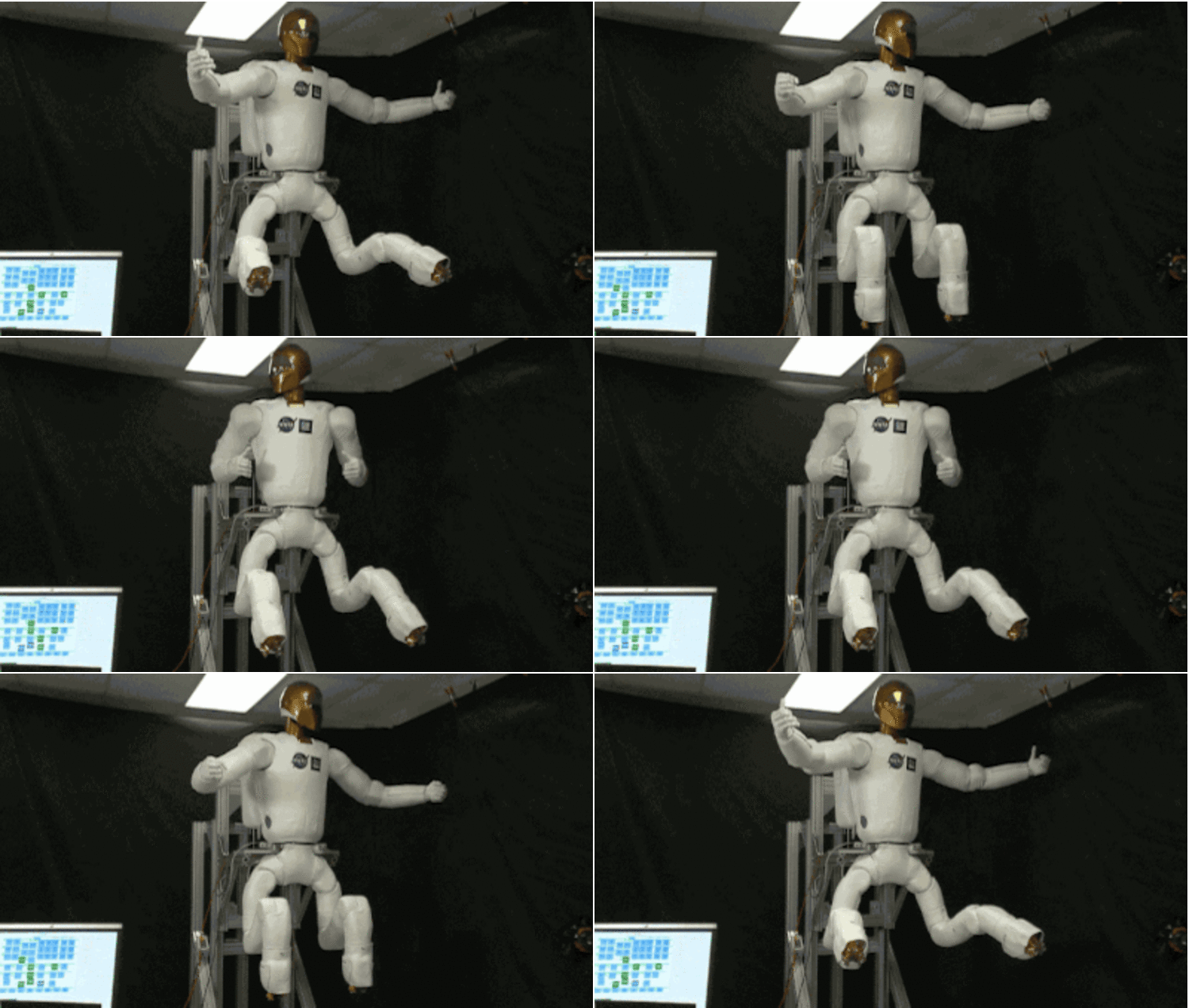
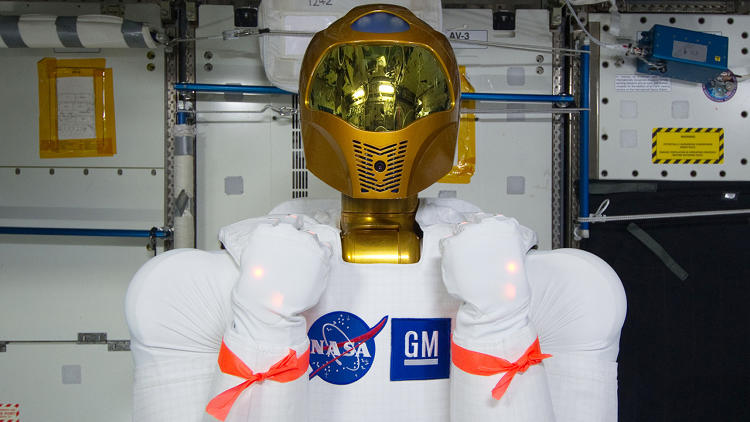
robotnaut_movementSpaceX’s latest delivery to the International Space Station – which was itself pretty newsworthy – contained some rather interesting cargo: the legs for NASA’s robot space station helper. Robotics enthusiasts know this being as Robonaut 2 (R2), a humanoid robot NASA placed on the space station to automate tasks such as cleaning and routine maintenance. Since its arrival at the station in February 2011, R2 has performed a series of tasks to demonstrate its functionality in microgravity.

Until now, Robonaut navigated around the ISS on wheels. But thanks to a brand-new pair of springy, bendy legs, the space station’s helper robot will now be able to walk, climb, and perform a variety of new chores. These new legs, funded by NASA’s Human Exploration and Operations and Space Technology mission directorates, will provide R2 the mobility it needs to help with regular and repetitive tasks inside and outside the space station. The goal is to free up the crew for more critical work, including scientific research.

robonaut1NASA says that the new seven-jointed legs are designed for climbing in zero gravity and offer a considerable nine-foot leg span. Michael Gazarik, NASA’s associate administrator for space technology in Washington, explained:

NASA has explored with robots for more than a decade, from the stalwart rovers on Mars to R2 on the station. Our investment in robotic technology development is helping us to bolster productivity by applying robotics technology and devices to fortify and enhance individual human capabilities, performance and safety in space.

Taking their design inspiration from the tethers astronauts use while spacewalking, the legs feature a series of “end effectors” – each f which has a built-in vision system designed to eventually automate each limb’s approaching and grasping – rather than feet. These allow the legs to grapple onto handrails and sockets located both inside the space station and, eventually, on the ISS’s exterior. Naturally, these legs don’t come cheap -costing $6 million to develop and an additional $8 million to construct and test for spaceflight.

robonaut_legsRobonaut was developed by NASA’s Johnson Space Center in collaboration with General Motors and off-shore oil field robotics firm Oceaneering. All that corporate involvement isn’t accidental; Robonaut isn’t designed to simply do chores around the space station. NASA is also using R2 to showcase a range of patented technologies that private companies can license from Johnson Space Center.
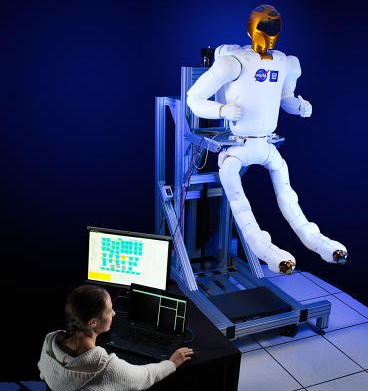
The humanoid, task-performing robot is also a NASA technology showcase. In a webcast, the space agency advertised its potential uses in logistics warehouses, medical and industrial robotics, and in toxic or hazardous environments. As NASA dryly puts it:

R2 shares senses similar to humans: the ability to touch and see. These senses allow it to perform in ways that are not typical for robots today.

robonaut_legs2In addition to these legs, this latest supply drop – performed by a SpaceX Dragon capsule – included a laser communication system for astronauts and an outer space farming system designed to grow lettuce and other salad crops in orbit. We can expect that the Robotnaut 2 will be assisting in their use and upkeep in the coming months and years. So expect to hear more about this automated astronaut in the near future!

And in the meantime, be sure to check out this cool video of the R2 robotic legs in action:


Sources:
fastcompany.com, nasa.gov

Mission to Europa: NASA now Taking Suggestions

europa_moon_IoJupiter’s moon of Europa has been the subject of much speculation and intrigue ever since it was first discovered by Galileo in 1610. In addition to having visible sources of (frozen) surface water and a tenuous oxygen atmosphere, it is also believed to boast interior oceans that could very well support life. As evidence for this mounts, plans to explore Europa using robot landers, miners, submersibles, or even manned missions have been floated by various sources.

However, it was this past December when astronomers announced that water plumes erupting 161 kilometers (100 miles) high from the moon’s icy south pole that things really took a turn. It was the best evidence to date that Europa, heated internally by the powerful tidal forces generated by Jupiter’s gravity, has a deep subsurface ocean. In part because of this, NASA recently issued a Request for Information (RFI) to science and engineering communities for ideas for a mission to the enigmatic moon. Any ideas need to address fundamental questions about the subsurface ocean and the search for life beyond Earth.

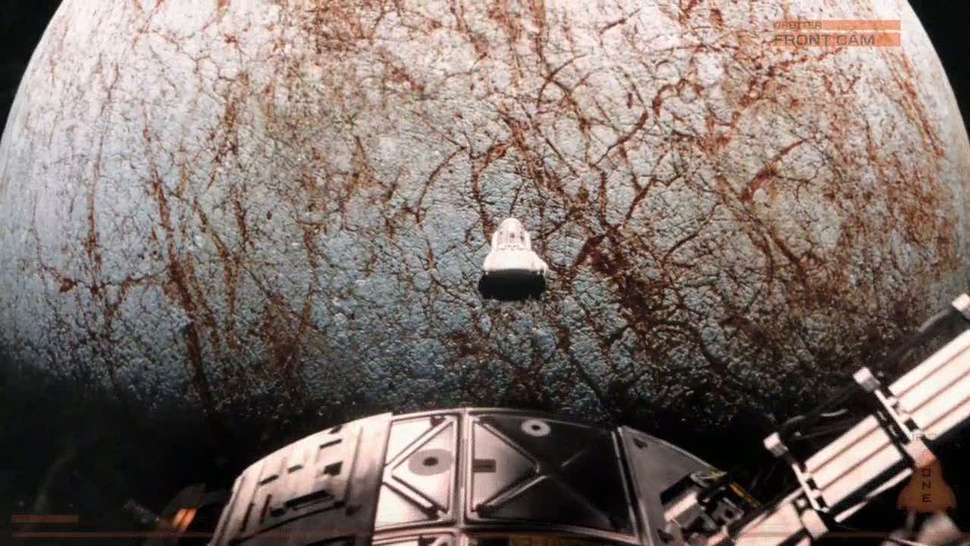
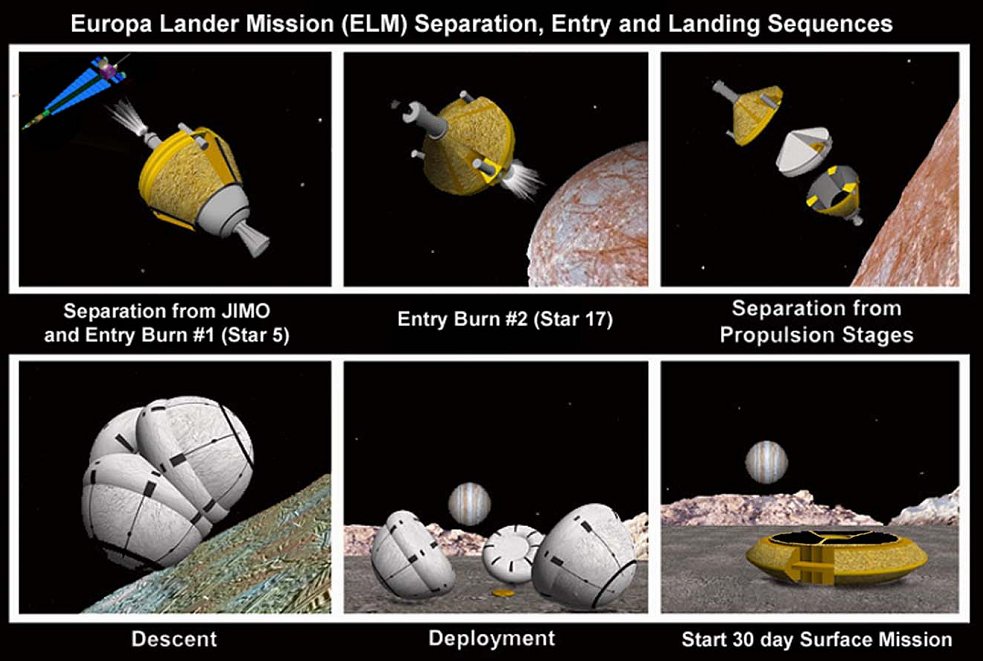
europa-lander-2This is not the first time that NASA has toyed with the idea of investigating the Jovian moon for signs of life. Last summer, an article by NASA scientists was published in the peer-reviewed journal Astrobiology, which was entitled “Science Potential from a Europa Lander“. This article set out their research goals in more detail, and speculated how they might be practically achieved. At the time, the article indicated NASA’s ongoing interest, but this latest call for public participation shows that the idea is being taken more seriously.

This is positive news considering that NASA’s planned JIMO mission – Jupiter Icy Moon Orbiter, which was cancelled in 2005 – would be taking place by this time next year. Originally slated for launch between May and January of 2015/16, the mission involved sending a probe to Jupiter by 2021, which would then deploy landers to Callisto, Ganymede, Io and Europa for a series of 30 day studies. At the end of the mission in 2025, the vehicle would be parked in a stable orbit around Europa.

JIMO_Europa_Lander_MissionJohn Grunsfeld, associate administrator for the NASA Science Mission Directorate, had the following to say in a recent press release:

This is an opportunity to hear from those creative teams that have ideas on how we can achieve the most science at minimum cost… Europa is one of the most interesting sites in our solar system in the search for life beyond Earth. The drive to explore Europa has stimulated not only scientific interest but also the ingenuity of engineers and scientists with innovative concepts.

By opening the mission up to public input, it also appears that NASA is acknowledging the nature of space travel in the modern age. As has demonstrated with Chris Hadfield’s mission aboard the ISS, the Curiosity rover, as well as private ventures such as Mars One, Inspiration Mars, and Objective Europa  – the future of space exploration and scientific study will involve a degree of social media and public participation never before seen.

europa_reportThe RFI’s focus is for concepts for a mission that costs less than $1 billion, but will cover five key scientific objectives that are necessary to improve our understanding of this potentially habitable moon. Primarily, the mission will need to:

  1. Characterize the extent of the ocean and its relation to the deeper interior
  2. Characterize the ice shell and any subsurface water, including their heterogeneity, and the nature of surface-ice-ocean exchange
  3. Determine global surface, compositions and chemistry, especially as related to habitability
  4. Understand the formation of surface features, including sites of recent or current activity, identify and characterize candidate sites for future detailed exploration
  5. Understand Europa’s space environment and interaction with the magnetosphere.

Although Europa has been visited by spacecraft and imaged distantly by Hubble, more detailed research is necessary to understand the complexities of this moon and its potential for life. NASA’s Galileo spacecraft, launched in 1989 was the only mission to visit Europa, passing close by the moon fewer than a dozen times. Ergo, if we’re ever to determine conclusively whether or not life exists there, we’re going to have to put boots (robotic or human) onto the surface and start digging!

To read the full Decadal Survey report on NASA’s website, click here.

Sources: universetoday.com, IO9.com, science.nasa.gov