The Future of Medicine: The Era of Artificial Hearts

05Between artificial knees, total hip replacements, cataract surgery, hearing aids, dentures, and cochlear implants, we are a society that is fast becoming transhuman. Basically, this means we are dedicated to improving human health through substitution and augmentation of our body parts. Lately, bioprinting has begun offering solutions for replacement organs; but so far, a perfectly healthy heart, has remained elusive.

Heart disease is the number one killer in North America, comparable only to strokes, and claiming nearly 600,000 lives every year in the US and 70,000 in Canada. But radical new medical technology may soon change that. There have been over 1,000 artificial heart transplant surgeries carried out in humans over the last 35 years, and over 11,000 more heart surgeries where valve pumps were installed have also been performed.
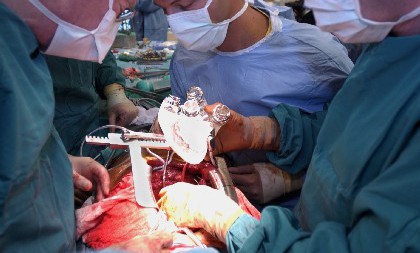
artificial-heart-abiocor-implantingAnd earlier this month, a major step was taken when the French company Carmat implanted a permanent artificial heart in a patient. This was the second time in history that this company performed a total artificial heart implant, the first time being back in December when they performed the implant surgery on a 76-year-old man in which no additional donor heart was sought. This was a major development for two reasons.

For one, robotic organs are still limited to acting as a temporary bridge to buy patients precious time until a suitable biological heart becomes available. Second, transplanted biological hearts, while often successful, are very difficult to come by due to a shortage of suitable organs. Over 100,000 people around the world at any given time are waiting for a heart and there simply are not enough healthy hearts available for the thousands who need them.
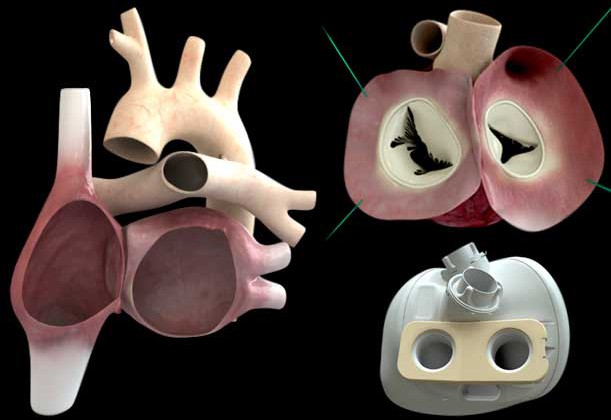
carmat_heartThis shortage has prompted numerous medical companies to begin looking into the development of artificial hearts, where the creation of a successful and permanent robotic heart could generate billions of dollars and help revolutionize medicine and health care. Far from being a stopgap or temporary measure, these new hearts would be designed to last many years, maybe someday extending patients lives indefinitely.

Carmat – led by co-founder and heart transplant specialist Dr. Alain Carpentier – spent 25 years developing the heart. The device weighs three times that of an average human heart, is made of soft “biomaterials,” and operates off a five-year lithium battery. The key difference between Carmat’s heart and past efforts is that Carmat’s is self-regulating, and actively seeks to mimic the real human heart, via an array of sophisticated sensors.

carmat-artificial-heartUnfortunately, the patient who received the first Carmat heart died prematurely only a few months after its installation. Early indications showed that there was a short circuit in the device, but Carmat is still investigating the details of the death. On September 5th, however, another patient in France received the Carmat heart, and according to French Minister Marisol Touraine the “intervention confirms that heart transplant procedures are entering a new era.”

More than just pumping blood, future artificial hearts are expected to bring numerous other advantages with them. Futurists and developers predict they will have computer chips and wi-fi capacity built into them, and people could be able to control their hearts with smart phones, tuning down its pumping capacity when they want to sleep, or tuning it up when they want to run marathons.

carmat_heart1The benefits are certainly apparent in this. With people able to tailor their own heart rates, they could control their stress reaction (thus eliminating the need for Xanax and beta blockers) and increase the rate of blood flow to ensure maximum physical performance. Future artificial hearts may also replace the need for some doctor visits and physicals, since it will be able to monitor health and vitals and relay that information to a database or device.

In fact, much of the wearable medical tech that is in vogue right now will likely become obsolete once the artificial heart arrives in its perfected form. Naturally, health experts would find this problematic, since our hearts respond to our surroundings for a reason, and such stimuli could very well have  unintended consequences. People tampering with their own heart rate could certainly do so irresponsibly, and end up causing damage other parts of their body.
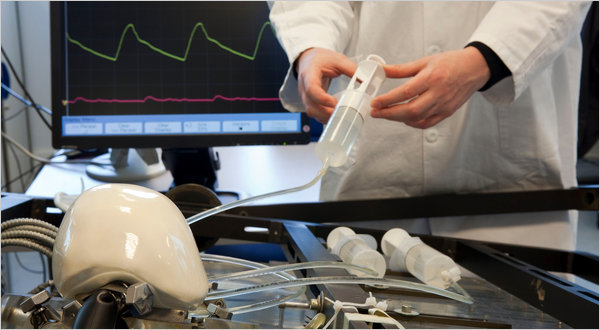
carmat_heart2One major downside of artificial hearts is their exposure to being hacked thanks to their Wi-Fi capability. If organized criminals, an authoritarian government, or malignant hackers were dedicated enough, they could cause targeted heart failure. Viruses could also be sent into the heart’s software, or the password to the app controlling your heart could be stolen and misused.

Naturally, there are also some critics who worry that, beyond the efficacy of the device itself, an artificial heart is too large a step towards becoming a cyborg. This is certainly true when it comes to all artificial replacements, such as limbs and biomedical implants, technology which is already available. Whenever a new device or technique is revealed, the specter of “cyborgs” is raised with uncomfortable implications.

transhuman3However, the benefit of an artificial heart is that it will be hidden inside the body, and it will soon be better than the real thing. And given that it could mean the difference between life and death, there are likely to be millions of people who will want one and are even willing to electively line up for one once they become available. The biggest dilemma with the heart will probably be affordability.

Currently, the Carmat heart costs about $200,000. However, this is to be expected when a new technology is still in its early development phase. In a few years time, when the technology becomes more widely available, it will likely drop in price to the point that they become much more affordable. And in time, it will be joined by other biotechnological replacements that, while artificial, are an undeniably improvement on the real thing.

The era of the Transhumanism looms!

Source: motherboard.vice.com, carmatsa.com, cdc.gov, heartandstroke.com
Developing World Tech: BRCK Mobile Internet Device

BRCK1Far from Silicon Valley in California, there is a place that some are now calling “Silicon Savannah.” Located around Nairobi, and centered on the nonprofit collective Ushahidi, an explosion in African tech is taking shape. And this month, backers of the collective’s 2013 Kickstarter campaign are finally getting their hands on BRCK – a long-awaited device that is the antithesis of shiny, expensive internet hardware.

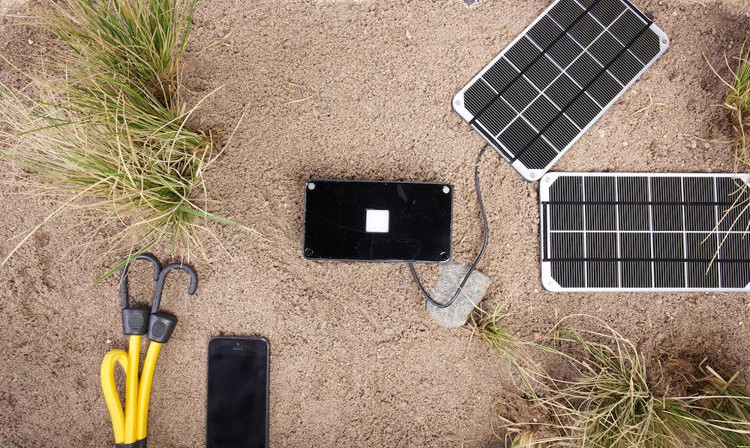
A mobile Internet router, BRCK is essentially a self-powered, mobile Wi-Fi device that promises to bring internet access to remote communities and underdeveloped neighborhoods all around the world. And as an added bonus, it reverses the usual order of globalization – having been invented in a developing country, built in the US, and intended for customers in any country anywhere.

BRCKIt can connect to the web in one of three ways: by plugging in a standard ethernet cable, by bridging with other Wi-Fi networks, or by accessing 3G or 4G data via a basic SIM card. Originally, Ushahidi invented it in order to overcome infrastructure challenges – specifically, inconsistent electricity and Internet connectivity – plaguing young upstarts in Nairobi. But it turns out, plenty of other people and places face the same challenges all over the world.

Contrary to public opinion, it is not just developing or underdeveloped countries that experience infrastructure challenges. Recently in the UK, Virgin Media customers across London lost service; while in the US, in what appeared to be an unrelated event, millions of Time Warner customers across the U.S. – largely in Chicago, Houston, Los Angeles, New York, and Tampa – were knocked offline.

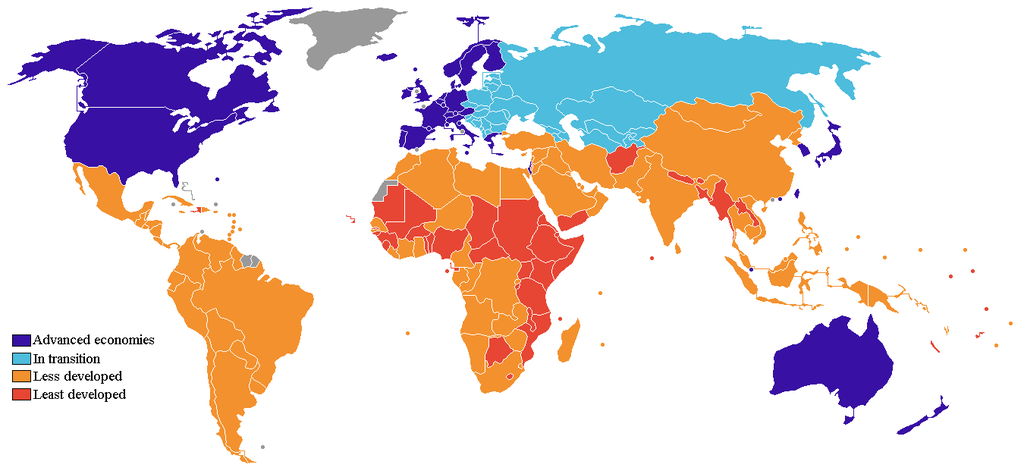
Developed-and-developing-countriesBut even just focusing on the developing world, BRCK’s potential market is enormous. While only a quarter of people from the developing world are currently connected, they already account for a staggering two-thirds of all people online today. While the technology is not exactly cutting-edge by most standards, it offers numerous advantages that take the needs of its potential market into account.

Beyond its three connection methods, BRCK can keep up to 20 users up and running for as long as eight hours during an electrical outage. And should the internet be unavailable in a given locale, the device continues operating offline, syncing up when its connection is restored. In addition, the stock hard drive is 4 gigabytes big, and it has a storage capacity of up to 32 gigabytes.

https://i0.wp.com/upload.wikimedia.org/wikipedia/commons/a/a2/Nairobi_Kibera_04.JPGBRCK CEO Erik Hersman, who cut his teeth in the industry as a blogger, sees the company’s base in Nairobi as one of its greatest assets, particularly given its target market. Having been born in Sudan and having settled in Kenya with his young family,  ( is well-suited to addressing local needs with local solutions:

I describe it as a new remix of old technology. That’s the key to understanding Africa’s technology… If it works in Africa, it’ll work anywhere… We’re playing with dirty power and crappy Internet, so the device has to be resilient.

While designed in Kenya, BRCK is manufactured and assembled in Texas by a company called Silicon Hills, which is located outside of Austin. With its matte black, rubberized case, BRCK is elegant, but mostly unassuming, and has the relative dimensions of an actual brick. It’s too large to fit in a pocket, but small enough to carry in a backpack, place on a desk, or even on the hood of your Land Rover in the African countryside.

BRCK2By weight, BRCK is substantially heavier than a plastic router, but it’s also much more than one. In addition to its battery, BRCK has multiple ports, including a general-purpose input/output, enabling users to program and connect other hardware – such as sensors or a solar charger – to the device. But what is perhaps most compelling about BRCK, are its potential applications.

In truth, the greatest possibilities lies in the ability to break away from the model of centralized internet providers. This could lead to nothing short of a revolution in how people get online, and in way that would ensure a far greater measure of “equality of access”. As Hersman explained it:

We see enormous resonance with the work of other organizations. Take the proliferation of web-enabled laptops and tablets in schools; why is it that each of these devices connect to a mobile tower? Why not to a single, centralized point? …We’re at a place in history where the barriers to entry are no longer in the software space, but in the hardware space. Because we don’t yet have fully functioning maker spaces and rapid prototyping abilities here in Nairobi, the design process is still relatively slow and expensive, but the barriers are coming down.

Achuar community monitors learning to use GPSEducation, health, environmental, and even military and governmental organizations are already in conversation with BRCK and multiple entities are testing it out. For consumers in emerging markets, BRCK’s $200 price tag may be a stretch, but the company is looking at purchasing plans, which have worked well in developing nations for both the cell phone and energy sectors.

But BRCK’s business model is ultimately based more on companies than individual consumers. Digital Democracy, a nonprofit organization that has worked in two dozen countries around the world, is one such company. According to its founder and executive director, Emily Jacobi:

The reason that we backed BRCK and that I’m excited to see it come about is because it fills an important gap in hardware and tools. We’re going to remote areas and training groups – indigenous groups, refugees, and other at-risk populations – to map the land and communities using GPS devices and cameras. We’re particularly excited about BRCK’s ability to facilitate collaborative work, as well as function offline.

internetIf there was one thing that the Digital Revolution promised, it was to bring the world together. Naturally, there were those who thought this to be naive and idealistic, citing the fact that technology has a way of being unevenly distributed. And while today, people live in a world that is far more connected than in any previous age, access remains an illustrative example of the gap between rich and poor nations.

Hence why an invention like the BRCK holds so much promise. Not only does it neatly reverse the all-too-common direction of technological development – i.e. technology conceived by a wealthy country, built in a poor one, only sold in wealthy ones – it also helps to shorten the gap between rich and poor nations when it comes to accessing and enjoying the fruits of that development.

This month, orders began shipping to buyers in 45 countries around the world this month. To get your hands on one, check out Ushahidi’s website and learn more about their efforts to develop open-source, equal-access technology.

Sources: fastcoexist.com, digital-democracy.org, ushahidi.com

News from Mars: MAVEN Orbiter Arrives!

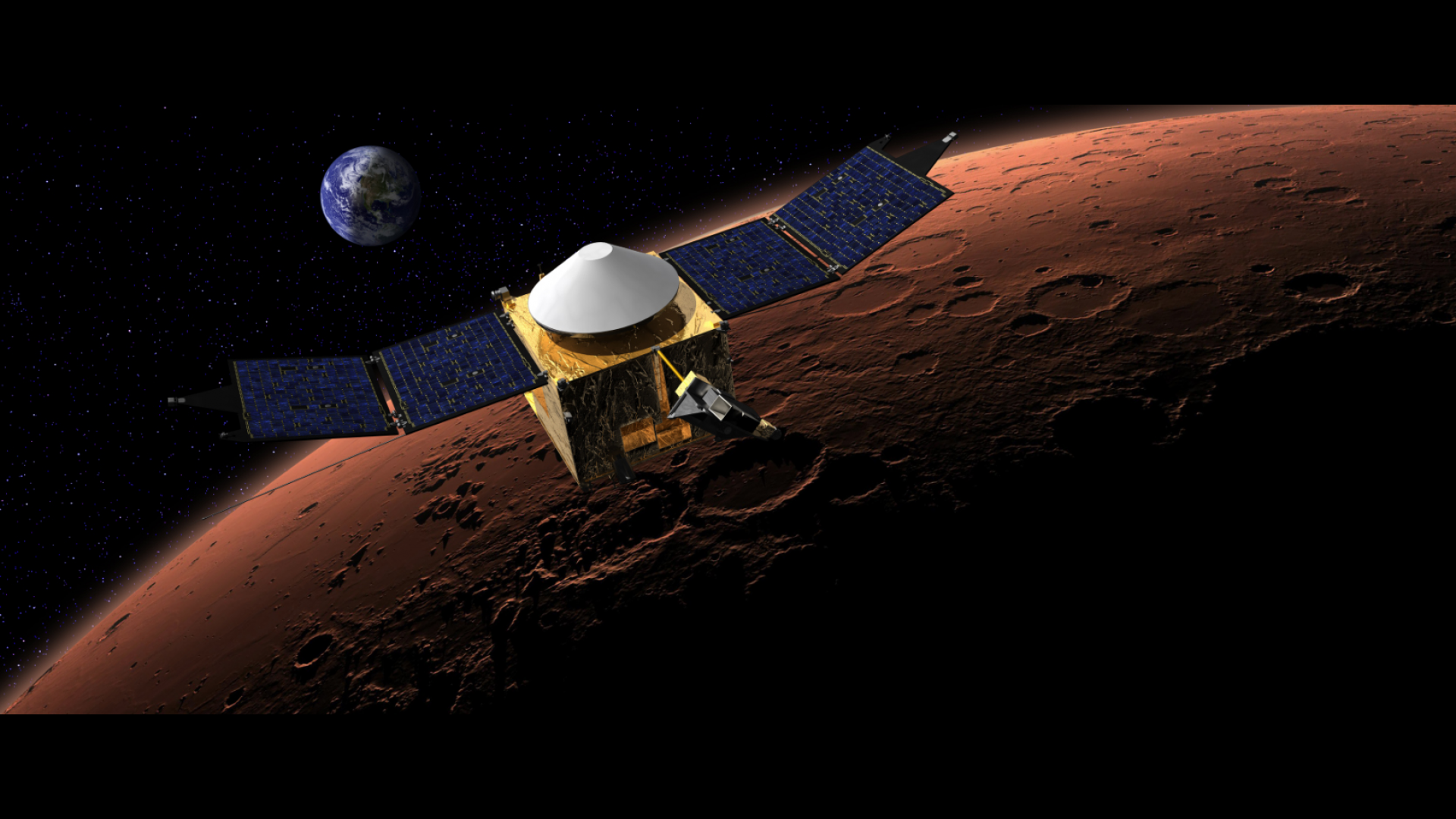
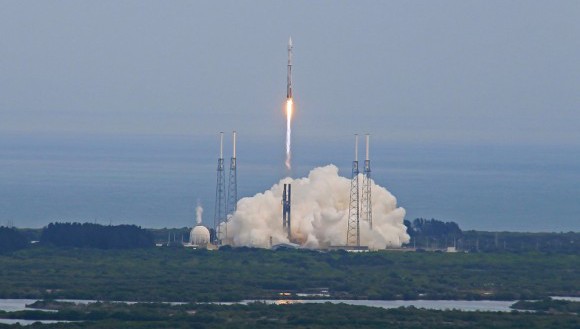
maven_tv_backdropIn November 2013, NASA launched the Mars Atmosphere and Volatile Evolution (MAVEN) space probe from Cape Canaveral. Described as a “time machine” for Mars, the orbiter would spend the next ten months traversing space, assuming an orbit around the Red Planet, and look for an answer as to how Mars went from being a planet with an atmosphere and water to the dried out husk that we know today.

And this evening, after trekking some 711 million kilometers (442 million-mile) across our Solar System, MAVEN will have arrived in orbit around Mars and will begin its year-long mission to study the planet’s upper atmosphere. The arrival will be broadcast live, courtesy of NASA TV and Space.com. The live webcast will run from 9:30 p.m. to 10:45 p.m. EDT (0130 to 0245 GMT), and if all goes well, MAVEN will enter orbit around Mars at 9:50 p.m. EDT (0250 GMT).

maven_launchAs David Mitchell, NASA’s MAVEN project manager at the Goddard Space Flight Center in Greenbelt, Maryland, said in a statement:

So far, so good with the performance of the spacecraft and payloads on the cruise to Mars. The team, the flight system, and all ground assets are ready for Mars orbit insertion.

Though plans to study Mars’ atmosphere in detail have been in the works for years, the MAVEN program received a big push from the ongoing efforts from the Curiosity rover. During its ongoing mission to study the surface of Mars, Curiosity was able to confirm that Mars had extensive surface water billions of years ago. This revelation came very early in the mission, and indicated some rather interesting things about Mars’ past.

Mars-snow-header-640x353For instance, although Mars is now too cold for flowing water today, it might have had a thicker atmosphere in the past that warmed its surface and allowed the liquid to remain stable on the surface. And while scientists have a pretty good idea how it was lost (i.e. too far our Sun, too low a gravity field), the rate of loss and when it disappeared are just some of the questions that MAVEN will attempt to answer.

Much of what scientists know about Mars’ upper atmosphere comes from just a few minutes’ worth of data from the two Viking landers that took measurements as they made their way to the Martian surface in the 1970s. This time around, NASA will be able to collect data for an entire year, gathering far more data than either the Viking landers or any other spacecraft has since had the opportunity to do.

maven_atmo1As Bruce Jakosky, the mission’s principal investigator at the University of Colorado, Boulder’s Laboratory for Atmospheric and Space Physics, explained it:

The MAVEN science mission focuses on answering questions about where did the water that was present on early Mars go, about where did the carbon dioxide go. These are important questions for understanding the history of Mars, its climate, and its potential to support at least microbial life.

NASA scientists understand that Mars’ upper atmosphere acts as an escape zone for molecules floating dozens of miles from the planet’s surface. They theorize that as the solar wind hits the atmosphere, the radiation strips away the lighter molecules and flings them into space forever. To test this hypothesis, MAVEN will be examining the state of Mars’ upper atmosphere, and ionosphere to determine its interactions with the solar wind.

maven_atmosphereIn so doing, NASA hopes to determine what the current rates of escape are for neutral gases and ions, and thus get a better picture of how long it took for the atmosphere to degrade and when it began degrading. The upper atmosphere of Mars likely changes as the sun’s activity increases and decreases, which is why MAVEN investigators hope to run the mission for longer than a year.

MAVEN will began making science measurements around Nov. 8, due to it taking a short break from its commissioning phase to watch Comet Siding Spring pass close by on Oct. 19. The $671 million MAVEN spacecraft is one of two missions that launched toward Mars last November and which are making their arrival this month. The other probe is India’s Mars Orbiter Mission, which launched just before MAVEN and will arrive at the Red Planet this Wednesday (Sept. 24).

It is an exciting time for space exploration, and the coming years are sure to be characterized by an escalating and accelerating rate of learning. Be sure to head on over to Space.com to watch the arrival broadcast live. And be sure to check out the following videos – the Mars Arrival trailer; NASA Goddard Center’s “Targeting Mars” video; and the NASA MAVEN PSA, hosted by LeVar Burton:

MAVEN Mars Arrival Trailer:


Targeting Mars:


LeVar Burton Shares MAVEN’s Story:


Sources:
space.com, (2), nasa.gov

The Future of Flight: Hybrid-Electric VTOL Aircraft

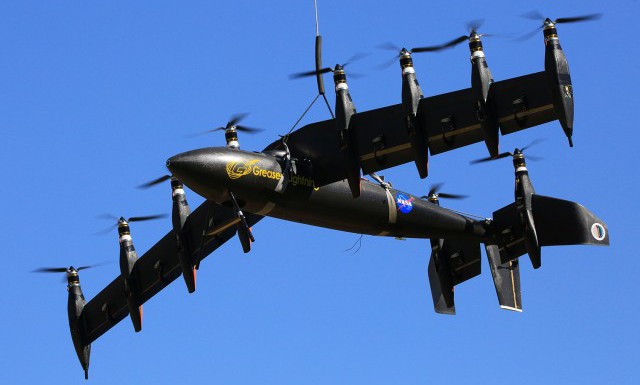
nasa-greased-lightning-10-foot-drone-640x480It may look like something a dedicated hobbyist built, and sound like something cheekily named, but NASA’s new electrical vertical take-off and landing (VTOL) machine is a very serious venture. Known as the GL-10 Greased Lightning, this unmanned hybrid-electric aircraft is the agency’s proposal for a vehicle that one day replace the reigning champion of VTOL – the helicopter.


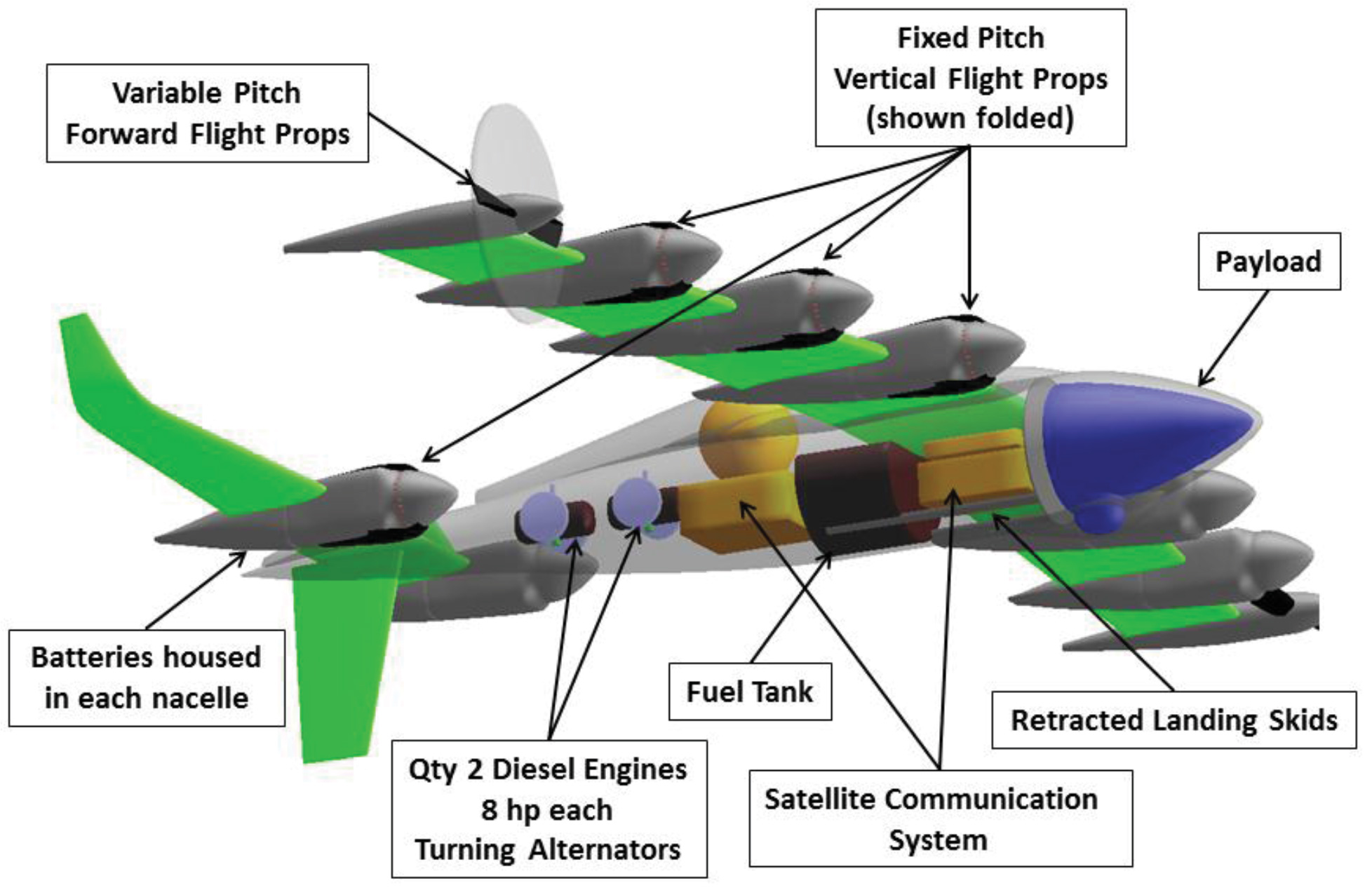
The G-10 is in part the result of the recent strides made in electric propulsion, which is made possible thanks to the growing power and energy density of batteries allows for some very efficient hybrid-electric aircraft designs. With eight prop engines mounted on the two main wings and another two mounted on the tail, the vehicle swivels them into vertical position for takeoff and landing, and then horizontal for conventional flight.

nasa-greased-lightning-prototype1While it’s not particularly hard to create an aircraft capable of VTOL, it has so far proven to be very tough to create an aircraft that can also efficiently cruise through the air after taking off vertically. The helicopter is the only common example of a VTOL aircraft that can also cruise acceptably, but at a cost. Compared to other aircraft, an everyday helicopter has a much lower-lift-drag ratio, which means it burns more fuel, has less range and can carry less weight.

However, electric propulsion allows for much more efficient designs, since vehicles no longer have to accommodate large fossil fuel-powered engines or manage the mechanical stress across the airframe. Instead, they can rely on smaller, more efficient, optimally placed electric motors, and without the mechanical complexity of big jet engines, it suddenly becomes a lot easier to have wings and propellers that can swivel between horizontal and vertical.

https://i0.wp.com/www.extremetech.com/wp-content/uploads/2014/08/nasa-greased-lightning-ground.jpgWhile pure-electric aircraft do exist – in the form of quadcopters – hybrid-electric designs with longer range are generally of more interest to military and commercial groups. In the case of NASA’s Greased Lightning, there are two small diesel engines in the body of the aircraft that turn electric alternators that constantly recharge the lithium batteries. This theoretically gives the GL-10 the same range and duration as a modern plane alongside its VTOL capability.

Interestingly, NASA also says that such a hybrid-electric design is “scale free” — meaning the same principles could be used to revolutionize everything from helicopters, to military UAVs, to massive jetliners. Much like hybrid-electric cars, the concept is set to revolutionize an entire fleet of aircraft designs that could be far more efficient than they currently are. One party who is sure to be interested in the possibilities is the US military, with its ever growing fleet of UAVs.

For now, Greased Lightning only has a wingspan of 3 meters (10 feet), and on its first test flight  – which took place on National Aviation Day, August 19 – it was tethered. Untethered flights are planned for later in the year, an event which is sure to be a media sensation and produce some viral videos!


Source: extremetech.com

News from Space: Orion Spacecraft Completed

orion_arrays1NASA’s return to manned spaceflight took a few steps forward this month with the completion of the Orion crew capsule. As the module that will hopefully bring astronauts back to the Moon and to Mars, the capsule rolled out of its assembly facility at the Kennedy Space Center (KSC) on Thursday, Sept. 11. This was the first step on its nearly two month journey to the launch pad and planned blastoff this coming December.

Orion’s assembly was just completed this past weekend by technicians and engineers from prime contractor Lockheed Martin inside the agency’s Neil Armstrong Operations and Checkout (O & C) Facility. And with the installation of the world’s largest heat shield and the inert service module, all that remains is fueling and the attachment of its launch abort system before it will installed atop a Delta IV Heavy rocket.

Orion-at-KSC_Ken-KremerThe unmanned test flight – Exploration Flight Test-1 (EFT-1) – is slated to blast off on December 2014, and will send the capsule into space for the first time. This will be NASA’s first chance to observe how well the Orion capsule works in space before it’s sent on its first mission on the Space Launch System (SLS), which is currently under development by NASA and is scheduled to fly no later than 2018.

The Orion is NASA’s first manned spacecraft project to reach test-flight status since the Space Shuttle first flew in the 1980s. It is designed to carry up to six astronauts on deep space missions to Mars and asteroids, either on its own or using a habitat module for missions longer than 21 days. The development process has been a long time in the making, and had more than its share of bumps along the way.

Orion-at-KSC_Ken-Kremer1As Mark Geyer, Orion Program manager, explained:

Nothing about building the first of a brand new space transportation system is easy. But the crew module is undoubtedly the most complex component that will fly in December. The pressure vessel, the heat shield, parachute system, avionics — piecing all of that together into a working spacecraft is an accomplishment. Seeing it fly in three months is going to be amazing.

In addition to going to the Moon and Mars, the Orion spacecraft will carry astronauts on voyages venturing father into deep space than ever before. This will include going to the Asteroid Belt, to Europa (to see if there’s any signs of life there), and even beyond – most likely to Enceladus, Titan, the larger moons of Uranus, and all the other wondrous places in the Solar System.

oriontestflightThe two-orbit, four and a half hour EFT-1 flight will lift the Orion spacecraft and its attached second stage to an orbital altitude of 5,800 km (3,600 miles), about 15 times higher than the International Space Station (ISS) – and farther than any human spacecraft has journeyed in 40 years. It will be an historic occasion, and constitute an important step in what is sure to be known as the Second Space Age.

And be sure to watch this time-lapse video of the Orion Capsule as it is released from the Kennedy Space Center to the Payload Hazardous Servicing Facility in preparation for its first flight:


Sources:
gizmag.com, universetoday.com

The Future of Tanks: Ground X and Scout Specialist Vehicles

hybrid_IFVfleetAs armies continue to modernize, the challenge of creating new fighting vehicles that withstand the latest in battlefield conditions, and at the same time be more cost-effective, is a constant. And, as the latest announcements made by DARPA and General Dynamics over the course of the summer can attest, its been known to produce some pretty interesting and innovate design concepts.

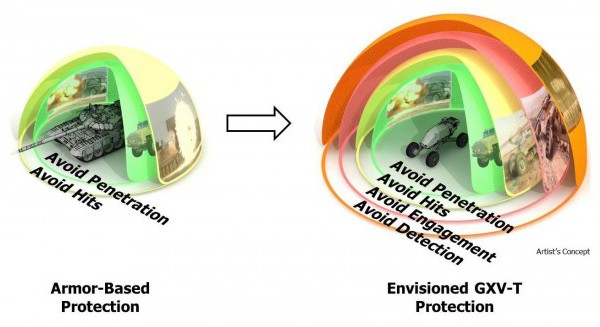
Known as the Ground X-Vehicle Technology (or GXV-T for short) the aim of this DARPA-funded program is to develop a lighter, more agile successors to the tank. Whereas tanks in the past have always responded to the development of more and better anti-tank weapons with heavier more elaborate armor, the focus of the GXV-T will be on protection that does not result in yet another bigger, badder, and way more expensive tank.

MBT_muzzleBeginning in 1917, the development of the tank led to a revolution is modern warfare, which has led to an ongoing arms race ever since. In just the last half-century, the guns used to take out tanks have been joined by rockets, guided missiles, and high-tech rounds designed to penetrate the thickest steel. Tank designers have responded with composite armor, reactive armor, and even electric countermeasures to detonate warheads before they make contact.

The result of this is a spiral of larger weapons, leading to larger tanks, leading to larger weapons until the mainline tanks of today have become behemoths so large that they are difficult to deploy, very expensive and can only be used in certain environments. To prevent this, DARPA wants to not just produce a more advanced tank, but one that moves away from relying so heavily on armor for survival.

gxv-t-6The GXV-T is intended to pursue technologies that move away from armor with the goal of making tanks 50 percent smaller, with crews half their present size, able to move at double the present speed, make them capable of operating over 95 percent of the terrain, and make them harder to detect and engage. As Kevin Massey, DARPA program manager, explained:

GXV-T’s goal is not just to improve or replace one particular vehicle – it’s about breaking the ‘more armor’ paradigm and revolutionizing protection for all armored fighting vehicles. Inspired by how X-plane programs have improved aircraft capabilities over the past 60 years, we plan to pursue groundbreaking fundamental research and development to help make future armored fighting vehicles significantly more mobile, effective, safe and affordable.

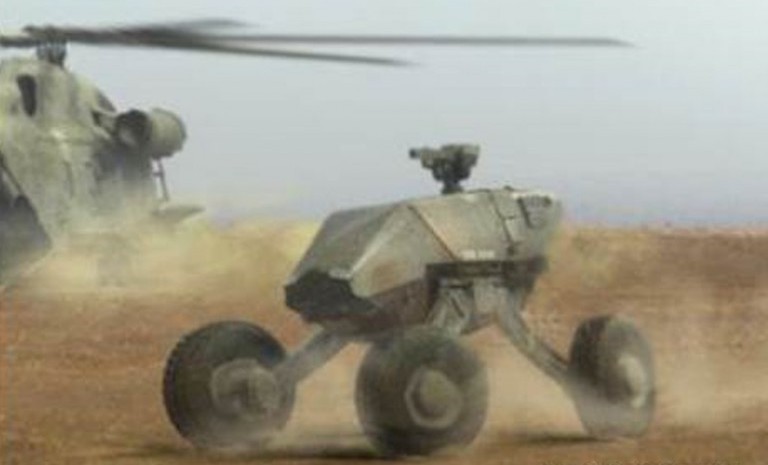
What this amounts to is finding ways to build tanks that can move around the battlefield like off-road vehicles, can dodge incoming fire rather than taking it, reposition its armor to its most effective angle, provide the crews with full situational awareness similar to that afforded fighter pilots, and make them stealthy against both infrared and electromagnetic detection.

gxv-t-5To achieve this, DARPA is soliciting new concepts and new technologies for designers. As you can see from the concept art above, some ideas have already been floated, but they remain very much in the design stage for now. The agency says that it hopes to see new GVX-T technologies emerge two years after the first contracts – which are slated to be awarded in April next year – with the hopes that the new technologies can be fast-tracked into demonstrators.

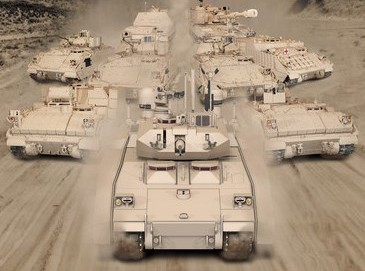
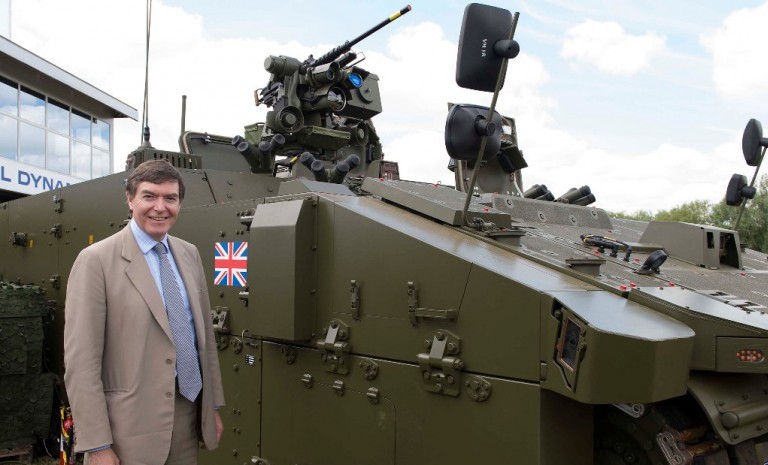
Meanwhile, General Dynamics is busy producing what will amount to the next-generation of armored vehicles. As part of a contract with the British Ministry of Defence (MoD), the company has been contracted to deliver 589 light-armor Scout Specialist Vehicles (SV) to the Army between 2017 and 2024. The tracked, medium-weight armored vehicle is designed to provide state-of-the-art, best-in-class protection for its crews.

gd-british-army-tank-5The Scout SV is intended to fill an important role in the British Army’s Intelligence, Surveillance, Target Acquisition and Reconnaissance (ISTAR) capability. The Scout comes in six variants based on a common platform with shared mobility, electronics, and survivability systems, has an open electronic architecture, a modular armor system, and places emphasis on the ability to upgrade in order to incorporate new technology and meet new threats.

The Scout variants include Reconnaissance, Protected Mobility Reconnaissance Support (PMRS), Command and Control, Engineering Reconnaissance, Repair, and Recovery. According to General Dynamics, these are designed to provide the basics of protection, survivability, reliability, mobility and all-weather ISTAR capabilities for a wide range of extended military operations at a reduced cost.

gd-british-army-tank-3The Scout’s main armament in its turret-mounted 40-mm cannon, but it also comes equipped with acoustic detectors, a laser warning system, a local situational awareness system, an electronic countermeasure system, a route-marking system, and a high-performance power pack. The announced contract also includes the provision of support and training by General Dynamics for the delivered vehicles.

The deal represents the single biggest contract for armored vehicles that the British Army has signed since the 1980s. It also comes on the eve of a NATO Summit, and at a time when Britain is contemplating the future of its forces as it prepares for future operations similar to what it experienced in Afghanistan and Iraq. In these cases, the warfare was unconventional and prolonged, requiring a whole set of strategies.

gd-british-army-tank-0As British Prime Minister David Cameron declared when speaking of the deal:

With the second largest defence budget in NATO, meeting NATO’s two per cent of GDP spending target and investing in new capabilities to deal with the emerging threats we are ensuring Britain’s national security, staying at the forefront of the global race and providing leadership within NATO.

As the saying goes: “necessity is the mother of invention”. Well, there is nothing more necessary in war than making machines that are practical, effective, and not cost the taxpayers an arm and a leg. Between dwindling budgets, improved technology, and the fact that future operations are likely to take place in war-torn and impoverished areas, the race to build a weapon-system that can handle it all is sure to be both interesting and productive!

Sources: gizmag.com, (2)

Firearm Safety: Colorado Student Invents Smart Gun

smartgun1In the course of considering the rash of gun violence and mass shootings that have swept the US in recent years, a great deal of attention has become focused on “smart guns”. Incorporating the latest in biometrics, fingerprinting and wireless connectivity, these weapons are designed to only be usable by their rightful (and presumably, legal) owners. One such concept comes from Colorado – which has a history of gun violence – and from a high school student, no less.

His name is Kai Kloepfer, a 17 year-old a high school student from Boulder who just won the $50,000 Smart Tech for Firearms Challenge for his smart gun prototype. Inspired by the recent school shooting in Connecticut and undeterred by the lack of legislative change in Washington DC, the Smart Tech Foundation believes that ingenuity, technology and the invisible hand of the free market will persevere where the federal government has failed.

smartgun_markAngel investor and gun reform advocate Ron Conway became the main backer of the $1 million Smart Tech prize to spur gun safety solutions earlier this year. As he said to the SF Examiner in January of this year, he hopes people will “use innovation to bring about gun safety. Let’s not rely on Washington”. According to the Smart Tech Foundation, a total of 15 innovators will receive a part of that million dollar prize.

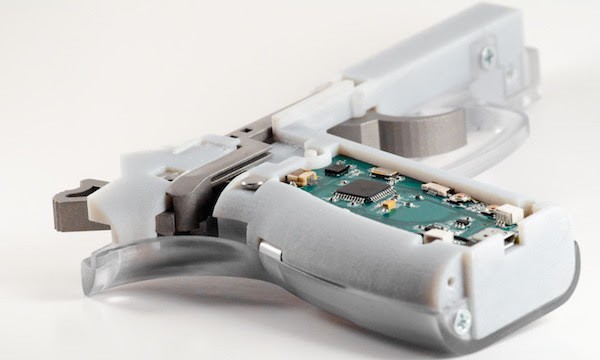
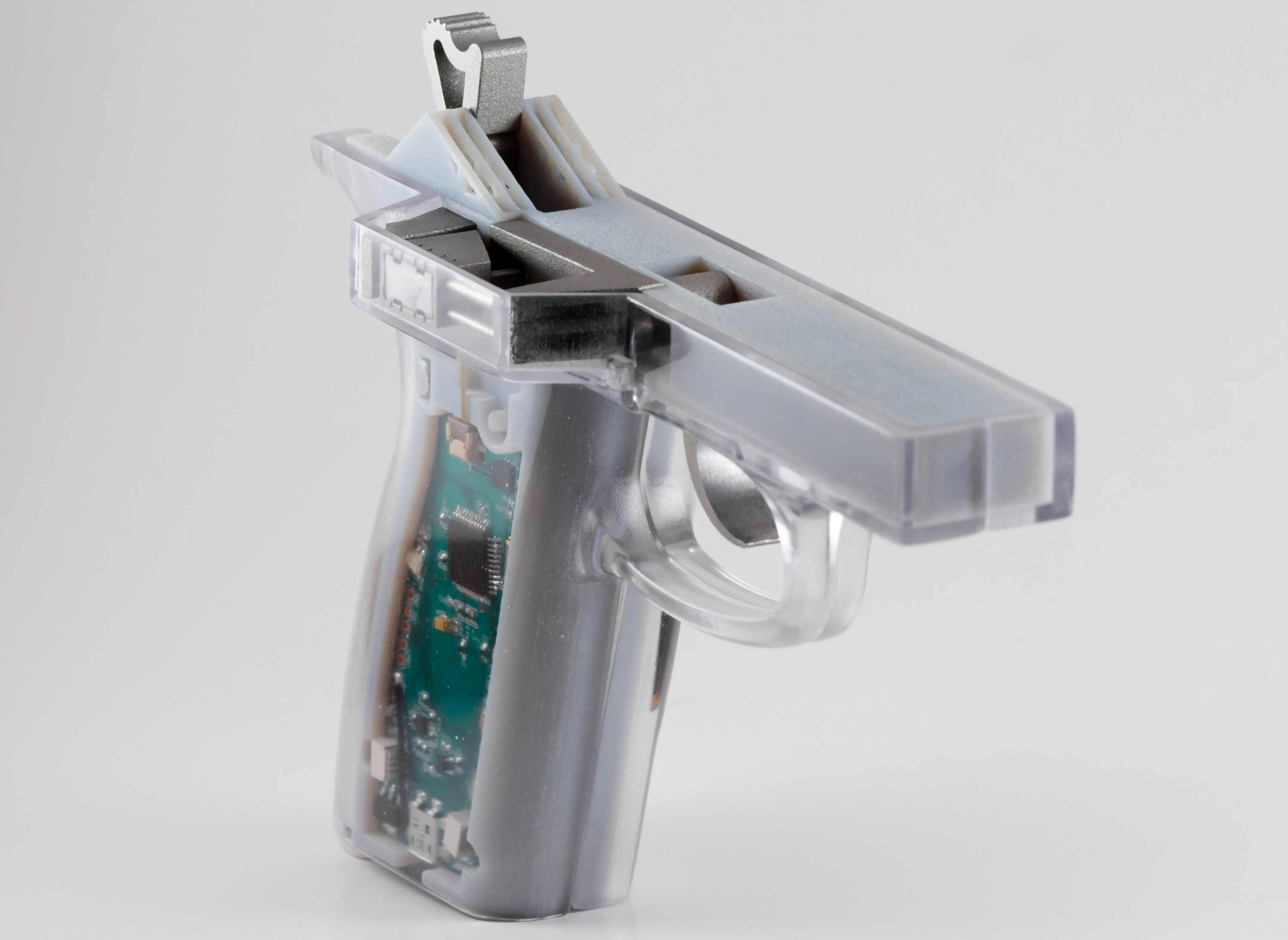
Kloepfer is the first to get the award. His gun design works by creating a user ID and locking in the fingerprint of each user allowed to use the gun. The gun will only unlock with the unique fingerprint of those who have already permission to access the weapon. According to Kloepfer, all user data is kept on the gun and nothing is uploaded anywhere else, so it would be very difficult to hack. This potentially makes it ideal for military use as well.

smartgunKloepfer came up with the idea two years ago when he needed something for his high school science project. The Aurora, Colorado shooting had recently happened just an hour’s drive on his home, and was on everyone’s mind at the time. Kloepfer’s parents helped him in monetary increments to get the parts needed for each improvement. It would eventually cost $3000 for the whole thing to come together, maturing from phase to phase with each science fair.

As he explains the inspiration and development process:

The idea came to me right as I was falling asleep. It was kinda in the back of my mind because of the shooting. I scribbled it down before I went to bed and fell asleep and then in the morning I began my research… At first it was just a concept on paper. Right now it’s a prototype on a plastic model. Its not entirely there but it works.

kai-kloepfer-smart-tech-13Some of the $50,000 has already been used to purchase a 3D printer to create new parts for his prototype. Kloepfer, who will graduate from Fairview High School this year, plans to use the rest of it toward the integration of a fingerprint scanner. Ultimately, he hopes his and other designs like it will make a dent in the problem of gun violence and help to reduce the needless deaths caused by it:

Every 30 minutes in the U.S. a kid dies from a gun. I want my gun to help reduce accidental deaths and injuries, and to prevent tragedies.

His intentions are certainly well-placed. According to the Center for Injury and Research Policy, 1500 kids die from a gun and many more are seriously injured every year. And according to the Smart Tech Challenges Foundations own website, 2 million children live in a home with a firearm that is both loaded and unlocked. So beyond gun violence, gun safety advocates are sure to see the value in developing the technology.

smartgun_lockKloepfer also spoke about his biometric smart gun tech this past week at the TEDx Mile High: CONVERGENCE in Denver, Colorado. Stay tuned, for I plan to post the video of his talk as soon it becomes available! And in the meantime, be sure to check out the Smart Tech Challenge Foundation’s website for more information on the winners of the challenge.

Source: techcrunch.com, sfexaminer.com, smarttechfoundation

News from Mars: ExoLance Project to Hunt for Life

exolance-2The search for life on Mars has been ongoing, and predates the deployment of the Curiosity rover by many years. However, it is becoming increasingly clear that if signs of life are to be truly found, they won’t turn up by scratching around on the surface. Beyond Curiosity’s own slated inspection of Mount Sharp (where it just arrived!) NASA has some long-range plans that reach deeper.

Outside of NASA’s InSight Lander, which is set to launch in the spring of 2016, there’s Explore Mars’ plan to look for signs of life beneath the surface. A private organization made up technologists and former NASA engineers, their plan is to drop supersonic lances onto the planet that will penetrate deep into the Martian soil to seek out protected, potentially wet strata where life might still exist.

exolanceKnown as ExoLance, the project is designed to take up where the Viking missions of the late 1970s left off. In these first successful Mars landers, there was an experiment on board that looked for signs of life in the Martian soil. This consisted of the Viking lander scooping up soil, depositing it inside the automatic laboratory in the lander, squirted a nutrient solution into the sample, and analyzing the gases given off that might indicate the presence of life.

The Viking experiment did give off gases that seemed like they were due to living organisms, but it later discovered that these were due to chemical reactions due to the extremely dry conditions and constant bombardment of UV radiation. Because of this, NASA has preferred to focus more on geology to gain a better understanding of the Martian environment rather than looking for life directly.

exolance-3But Explore Mars wants to go back to the direct approach by combining an experiment similar to the Viking lab with a delivery system based on the US Air Force’s bunker-buster weapons. They also hope to incorporate technology developed for the Curiosity rover, which includes reusing the aeroshell that protected the Curiosity rover as it made its descent to the Martian surface in 2012.

When the shell reaches Mars, it will open up to reveal a delivery vehicle similar to the Skycrane that delivered Curiosity to the surface by hovering under rocket power while it winched the lander down. In the case of the ExoLance, the vehicle – which is appropriately called a Quiver – will hover in place. But instead of lowering a rover, it will fire multiple penetrator probes at the ground.

exolance-1These perpetrators, called Arrows, are small, lightweight versions of the bunker-buster bombs that were developed by the US forces during the 1991 Gulf War. However, instead of exploding, the Arrows will strike the surface at supersonic speeds to bore deep into the ground and (similar to NASA’s Deep Space 2 probe) split in two to deploy a cache of scientific equipment packed into the nose.

While the tail section remains on the surface to act as a transmitter back to Earth, the nose bores about 5 m (16 ft) into the surface to find protected layers that may contain water, but which are shielded against the deadly surface radiation. Once in position, the Arrow activates its experiment, which is designed to not only detect signs of living organisms, but also to determine if the life signs are those of microbes similar to those found on Earth, or have a completely different origin.

exolance-4The mission is the subject of an Indiegogo crowdfunding campaign aimed at raising US$250,000. The group says that within a year of raising its Indiegogo funding, it would develop and build Arrow prototypes and test them in the Mojave Desert by dropping them from aircraft. The idea is not only to see if the experiments can survive the impact, but also to make sure that the penetrators don’t dig in too deep or too shallow.

In addition, the group expects the design to change as they deals with problems, such as the volume of the cylinder, batteries, deploying the tether linking the two segments, and making sure the components can withstand the impact. In the second year, the group plans to enact Phase II, which would concentrate on developing the microbial experiments. If this is successful, they plan to approach NASA or commercial companies to arrange delivering ExoLance to Mars.

The crowdfunding campaign will run until September 29th, and has raised a total of $15,680 of their projected goal. To check out this campaign, or to contribute, click here. And be sure to check out Explore Mars’ promotional video below:


Source:
gizmag.com, exploremars.org, indiegogo.com

The Future of Medicine: The “Human Body-on-a-Chip”

bodyonachip One of the aims of modern medicine is perfecting the way we tests treatments and drugs, so that the lengthy guess-work and clinical trials can be shortened or even cut out of the equation. While this would not only ensure the speedier delivery of drugs to market, it would also eliminate the need for animal testing, something which has become increasingly common and controversial in recent years.

Over the last century, animal testing has expanded from biomedical research to included things like drug, chemical, and cosmetic testing. One 2008 study conducted by The Guardian estimated that 115 million animals are used a year for scientific research alone. It is therefore no surprise that opposition is growing, and that researchers, regulators and even military developers are looking for more accurate, efficient, and cruelty-free alternatives.

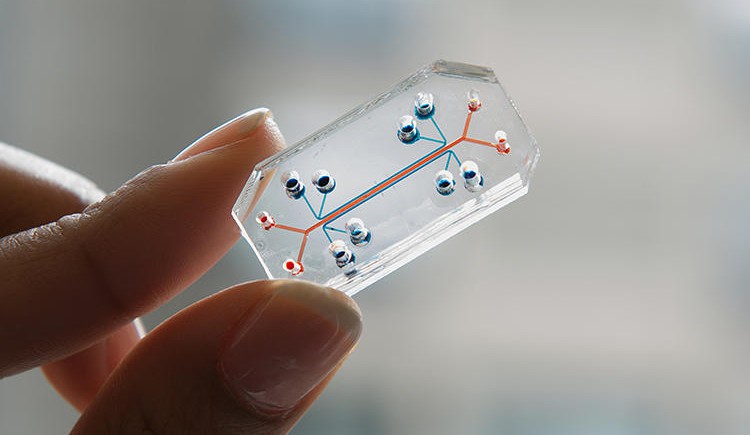
bodyonachip1Enter the National Insitute of Health in Besthesda, Maryland; where researchers have teamed up with the FDA and even DARPA to produce a major alternative. Known as the “Human Body-on-a Chip”, this device is similar to other “Organs-on-a-chip” in that it is basically a small, flexible pieces of plastic with hollow micro-fluidic channels lined with human cells that can mimic human systems far more effectively than simple petri dish cell cultures.

Dan Tagle, the associate director of the NIH’s National Center for Advancing Translational Sciences, explained the benefits of this technology as follows:

If our goal is to create better drugs, in a way that is much more efficient, time and cost-wise, I think it’s almost inevitable that we will have to either minimize or do away with animal testing.

https://i0.wp.com/images.medicaldaily.com/sites/medicaldaily.com/files/styles/large/public/2014/03/18/new-technology-may-obviate-need-animal-testing.jpgWhat’s more, chips like this one could do away with animal testing entirely, which is not only good news for animals and activists, but drug companies themselves. As it stands, pharmaceutical companies have hit a wall in developing new drugs, with roughly 90% failing in human clinical trials based on safety and effectiveness. One reason for this high rate of failure is that drugs that first seem promising in rodents often don’t have the same response in people.

In fact, so-called “animal models” are only typically 30% to 60% predictive of human responses, and there are potentially life-saving drug therapies that never make it to human clinical trials because they’re toxic to mice. In these cases, there’s no way to measure the lost opportunity when animals predict the wrong response. And all told, it takes an average of 14 years and often billions of dollars to actually deliver a new drug to the market.

bodyonachip2According to Geraldine Hamilton, a senior staff scientist at Harvard University’s Wyss Institute for Biologically Inspired Engineering, it all began five years ago with the “lung-on-a-chip”:

We’ve also got the lung, gut, liver and kidney. We’re working on skin. The goal is really to do the whole human body, and then we can fluidically link multiple chips to capture interactions between different organs and eventually recreate a body on a chip.

This has led to further developments in the technology, and Hamilton is now launching a new startup company to bring it to the commercial market. Emulate, the new startup that will license Wyss’s technology, isn’t looking to literally create a human body but rather to represent its “essential functions” and develop a platform that’s easy for all scientists and doctors to use, says Hamilton, who will become Emulate’s president and chief scientific officer.

lung-on-a-chip-5Borrowing microfabrication techniques from the semiconductor industry, each organ-on-a-chip is built with small features – such as channels, vessels, and flexible membranes – designed to recreate the flow and forces that cells experience inside a human body. All that’s needed are different chips with different culture of human cells; then researchers can performed tests to see how drugs work in one region of the body before being metabolized by the liver.

This might one day help the military to test treatments for biological or chemical weapons, a process that is unethical (and illegal) with humans, and cruel and often inaccurate with animals. Hospitals may also be able to use a patient’s own stem cells to develop and test “personalized” treatments for their disease, and drug companies could more quickly screen promising new drugs to see if they are effective and what (if any) side effects they have on the body’s organs.

It’s a process that promises speedier tests, quicker delivery, a more cost-effective medical system, and the elimination of cruel and often inaccurate animal testing. Can you say win-win-win?

Source: fastcoexist.com, ncats.nih.gov, wyss.harvard.edu, theguardian.com