
 Desertification is one of the biggest threats associated with Climate Change. In places like North Africa and the Middle East, where countries already import up to 90% of their food, the spread of the desert due to increasing temperatures and diminished rainfall is made worse by the fact that cities in the region continue to grow. It’s a situation that is getting more expensive and energy-intensive at a time when things need to be getting more cost-effective and sustainable.
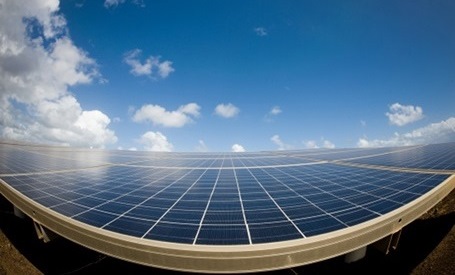
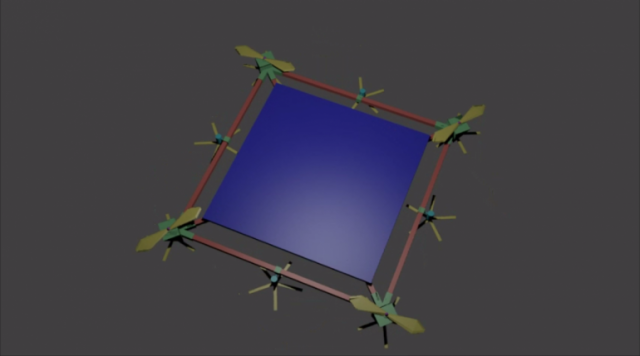
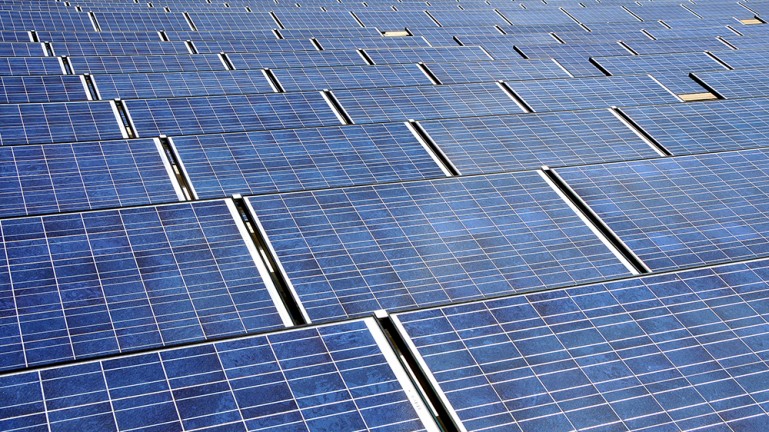
Luckily, a team of architects hopes to create a new agricultural system that could grow and deliver food in the desert. It’s called OAXIS, a conceptual design for a modular set of prefab greenhouses, covered in solar panels, which would extend from a city into the desert. The design of the buildings aims to keep out intense summer heat while the solar panels would power the rest of the building’s infrastructure and send extra energy back into the city.
 Conceived by Forward Thinking Architecture, a Barcelona-based firm, the concept seeks to combine flexibility with a minimal carbon footprint. Towards this end, they chose to forgo usual transportation and create a unique conveyor system that would deliver produce without the use of any fossil fuels. The conveyor belt would be underground so it could keep running in a straight line even if buildings were in the way.
Inside the prefab greenhouses, farmers would grow crops like tomatoes, lettuce, and strawberries using a hydroponic system that can reduce fertilizers and pesticides and save 80% of the water used in traditional agriculture, in part by recycling and reusing it. As for where the water comes from, the designers suggest that groundwater could supply the farm’s needs, but many Middle Eastern countries already rely on desalination.
 Ideally, desert populations would be small enough that the region’s sparse rainfall could support local crops. But that’s not the reality. In addition, a small part of the recycled water would also be used to create an outdoor garden for education. As architect Javier Ponce, principal and founder of Forward Thinking Architecture, explained:
We thought it cannot only be a farming-only building, it must have a pedagogical approach and have to be attractive in order to become a biodiversity hub which can be visited by the local people and visitors… The cities should be smaller, denser, and compact, but this is not the current situation for some of the Arabian peninsula cities since they have exponentially grown and attract more people and workers. There has been a rapid urbanization in the area since the middle of the 20th century.
The project, he hopes, could help supply food as climate change makes the situation even more challenging. Already, countries in the worst-affected regions are desperately looking for solutions. For example, Qatar has already invested hundreds of millions in a plan to grow as much local food as possible by 2030. Other countries in the region, like Kuwait, Dubai, Abu Dhabi, Jordan, and the desert-locked Saudi Arabia are expected to follow.
 These regions in particular have felt the pressure brought on by the escalating price of importing food. This pressure is exacerbated due to the disappearance of peak oil, which accounted for the vast majority of this region’s wealth. However, the project has farther-reaching implications, as Climate Change threatens to turn much of the world’s arable land into dry, drought-ridden plains.
At the same time, it takes into account the need to reduce reliance on water and fossil-fuels. As our population continues to skyrocket, a smarter and more sustainable use of available resources are always needed. As Ponce explained:
The OAXIS project is an alternative or complementary way to respond to the food insecurity and water scarcity of the region in a self-sufficient way. It aims to help reduce the food imports to feed part of the people in a nearby future based on renewable energies.
And be sure to check out this OAXIS promotional video, courtesy of Forward Thinking Architecture:
Sources: fastcoexist.com, forwardthinkingarchitecture
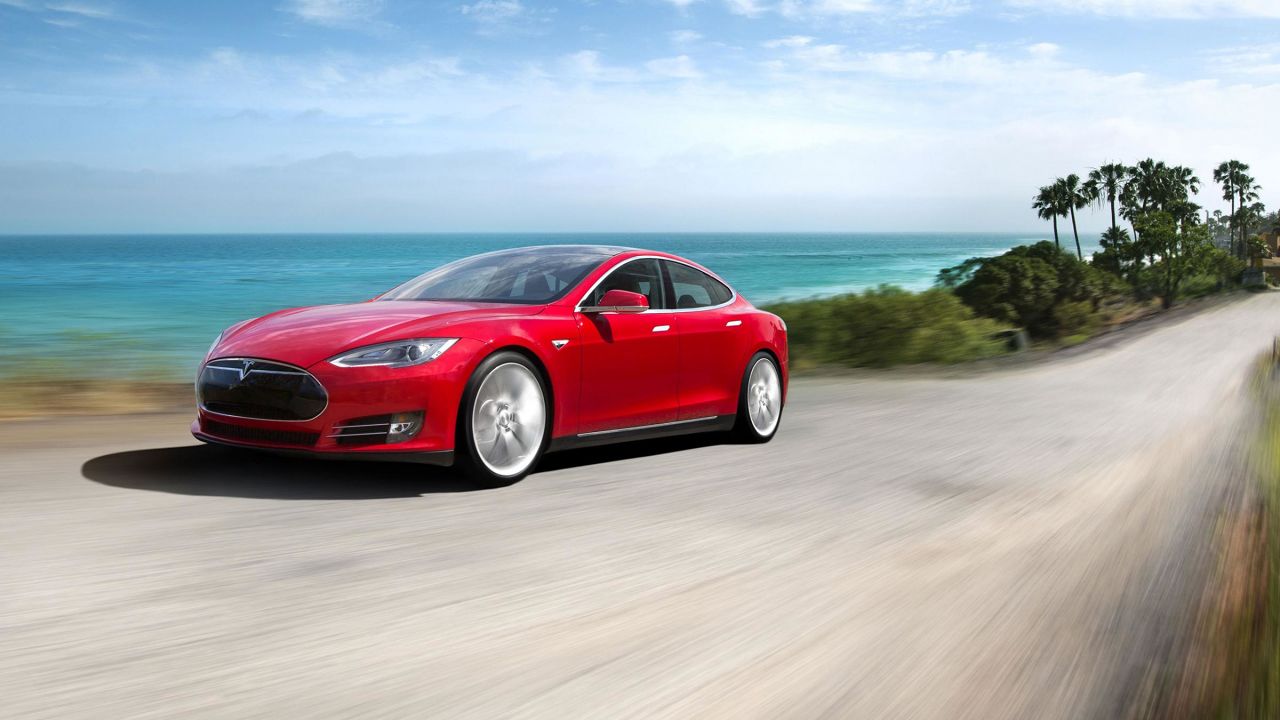 It’s official: all of Tesla’s electric car technology is now available for anyone to use. Yes, after hinting that he might be willing to do so last weekend, Musk announced this week that his companies patents are now open source. In a blog post on the Tesla website, Musk explained his reasoning. Initially, Musk wrote, Tesla created patents because of a concern that large car companies would copy the company’s electric vehicle technology and squash the smaller start-up.
 But that turned out to be an unnecessary worry, as carmakers have by and large decided to downplay the viability and relevance of EV technology while continuing to focus on gasoline-powered vehicles. At this point, he thinks that opening things up to other developers will speed up electric car development. And after all, there’s something to be said about competition driving innovation.
 And the move should come as no surprise. As the Hyperloop demonstrated, Musk is not above making grandiose gestures and allowing others to run with ideas he knows will be profitable. And as Musk himself pointed in a webcast made after the announcement, his sister-company SpaceX – which deals with the development of reusable space transports – has virtually no patents.
 As it stands, auto emissions account for a large and growing share of greenhouse gas emissions. For decades now, the technology has been in development and the principles have all been known. However, whether it has been due to denial, intransigence, complacency, or all of the above, no major moves have been made to effect a transition in the auto industry towards non-fossil fuel-using cars.




 Stories by Williams