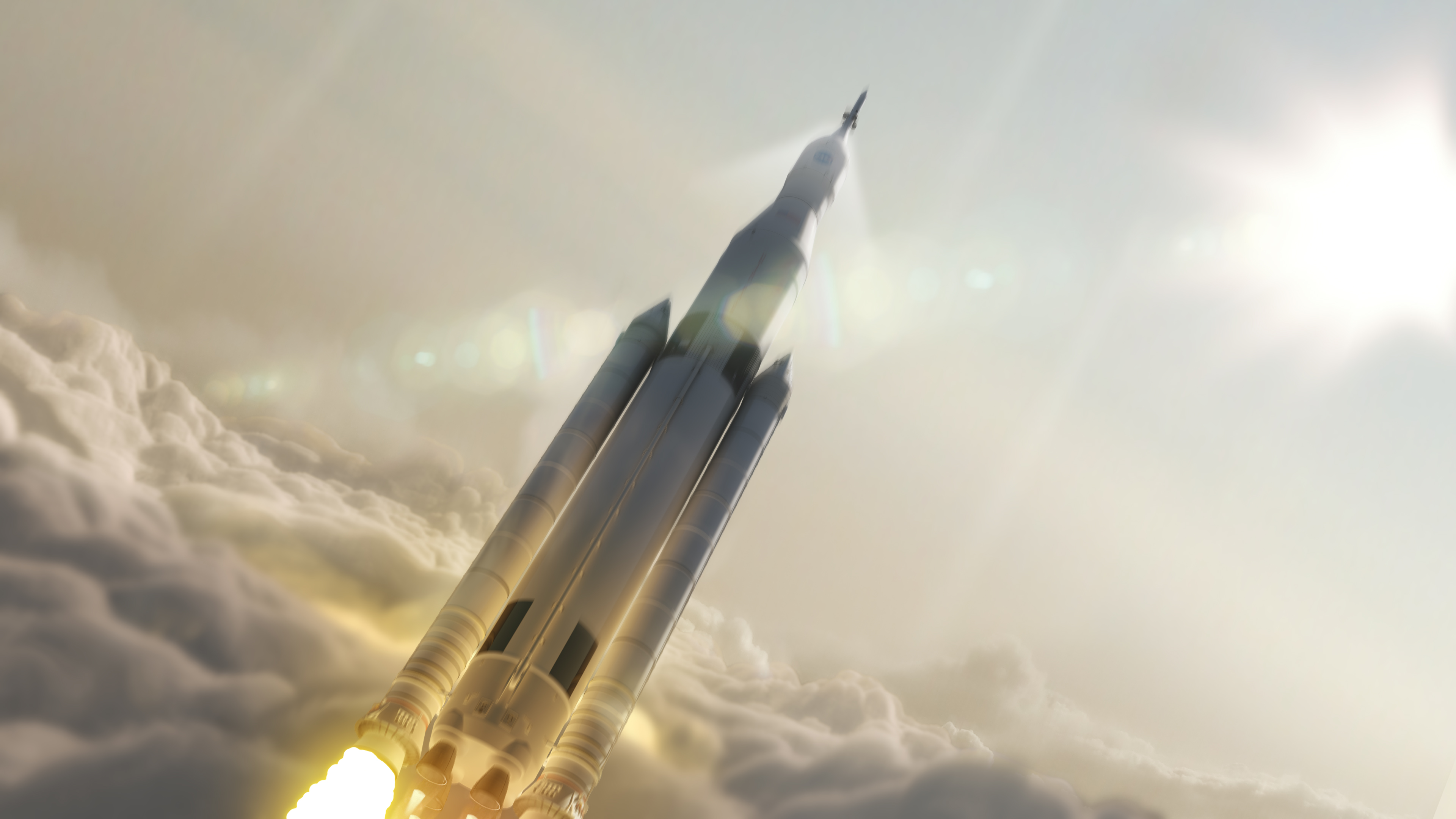
 NASA’s Space Launch System, the US’s first exploration-class spacecraft since the Space Shuttle, is a central component in the agency’s plan to restore its ability to independently launch missions into space. An after a thorough review of cost and engineering issues, NASA managers formally approved the mammoth rocket past the whiteboard formulation stage and moved it into full-scale development.
As the world’s most powerful rocket ever built and is intended to take astronauts farther beyond Earth into deep space than ever before possible. This includes the first-ever manned mission to Mars, the Asteroid Belt, and perhaps other planets and moons throughout the Solar System as well. The first SLS mission should lift off no later than 2018, sending the Orion capsule around the Moon, with asteroid and Mars-bound missions following after 2030 or 2032.
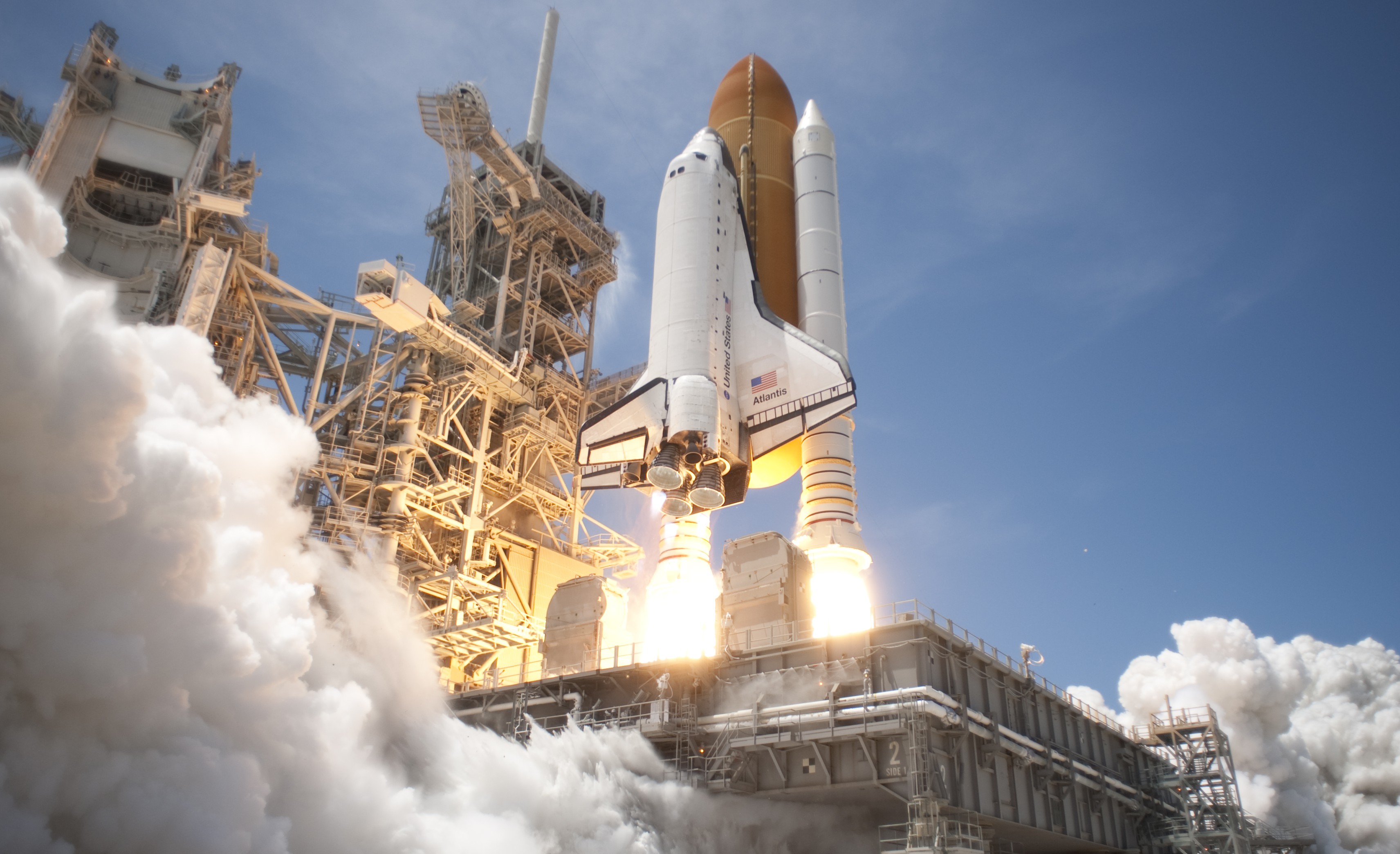 NASA began the SLS’s design process back in 2011. Back then, the stated goal was to try and re-use as many Space Shuttle components and get back into deep space as quickly and as cost effectively as possible. But now that the formulation stage has been completed, and focus has shifted to actually developing and fabricating the launch system’s millions of constituent components, what kind of missions the SLS will be capable of has become much clearer.
At a press briefing that took place at their Operations Mission Directorate in Washington, Aug. 27th, NASA officials shared details about the maiden test launch. Known as EM-1, the launch is targeted for November 2018 and will involve the SLS carrying an uncrewed Orion spacecraft on a journey lasting roughly three weeks that will take it beyond the Moon to a distant retrograde orbit.
 Previously NASA had been targeting Dec. 2017 for the inaugural launch from the Kennedy Space Center in Florida. But the new Nov. 2018 target date has resulted from the rigorous assessment of the technical, cost and scheduling issues. The decision to move forward with the SLS comes after a wide ranging review of the technical risks, costs, schedules and timing known as Key Decision Point C (KDP-C).
As Associate Administrator Robert Lightfoot, who oversaw the review process, said at the briefing:
After rigorous review, we’re committing today to a funding level and readiness date that will keep us on track to sending humans to Mars in the 2030s – and we’re going to stand behind that commitment. Our nation is embarked on an ambitious space exploration program. We are making excellent progress on SLS designed for missions beyond low Earth orbit. We owe it to the American taxpayers to get it right.
 The SLS involved in the test flight will be configured to its 70-metric-ton (77-ton) version. By comparison, the Saturn V — which took NASA astronauts to the Moon — had a max Low-Earth Orbit (LEO) payload capacity of 118 metric tons, but it has long since been retired. SpaceX’s Falcon Heavy, which is a much smaller and cheaper rocket than the SLS, will be able to put 55 metric tons into LEO.
With the retirement of the Space Shuttle, there aren’t really any heavy lift launchers in operation. Ariane 5, produced by commercial spacecraft manufacturer Arianespace, can only do 21 metric tons to LEO, while the Delta IV (United Launch Alliance) can do 29 metric tons to LEO. In short, NASA’s Space Launch System should be by far the most powerful operational rocket when it arrives in 2017-2018.
 SpaceX could decide to scale-up the Falcon Heavy, but the rocket’s main purpose is to compete with United Launch Alliance and Arianespace, which currently own the incredibly lucrative heavy lift market. A payload capacity of 55 tons is more than enough for that purpose. A capacity of 150 tons is only for rockets that are intended to aim at targets that are much farther than geostationary orbit — such as the Moon, Mars or Europa.
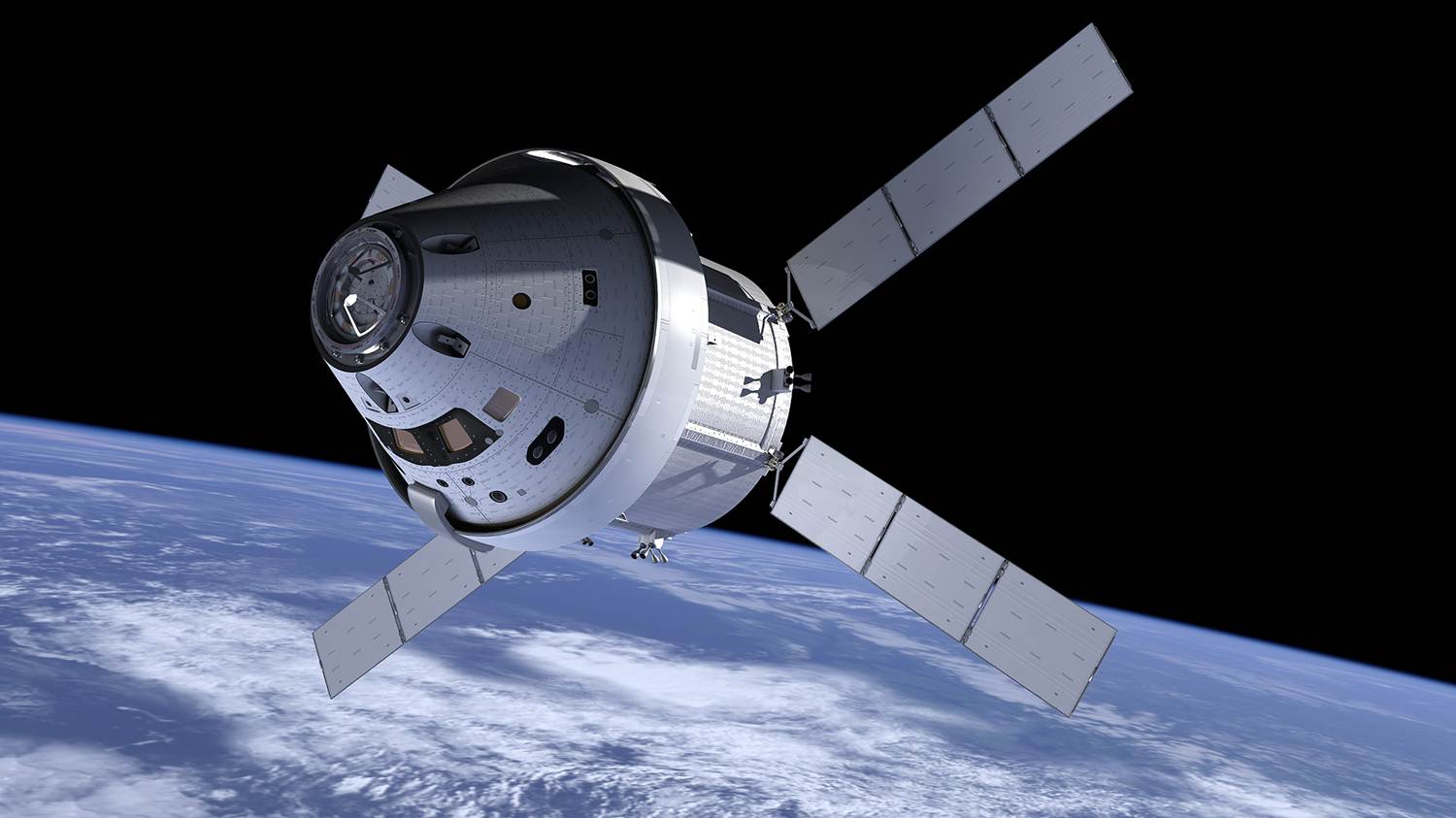
The SLS’s primary payload will be the Orion Multi-Purpose Crew Vehicle (MPCV), though it will undoubtedly be used to send other large spacecraft into deep space. The Orion capsule is what NASA will use to land astronauts on the Moon, captured asteroids, Mars, and any other manned missions throughout the Solar System. The first manned Orion launch, to a captured asteroid in lunar orbit, is scheduled to occur in 2021.
 Combined with SpaceX’s crewed Dragon spacecraft, Boeing’s CST-100, and a slew of crowd-funded projects to place boots on Mars and Europa in the next few decades, things are looking up for human space exploration!
Source: universetoday.com, extremetech.com
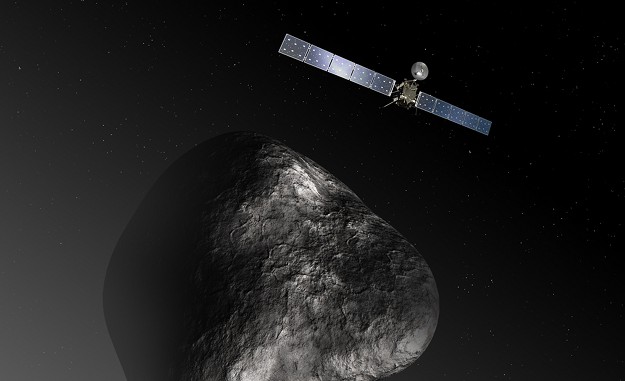 Space exploration is a booming industry these days. Between NASA, the ESA, Roscosmos, the CSA, and the federal space agencies of India and China, there’s just no shortage of exciting missions aimed at improving our understanding of our Solar System or the universe at large. In recent months, two such missions have been making the news; one of which (led by the ESA) is now underway, while the other (belonging to NASA) is fast-approaching.

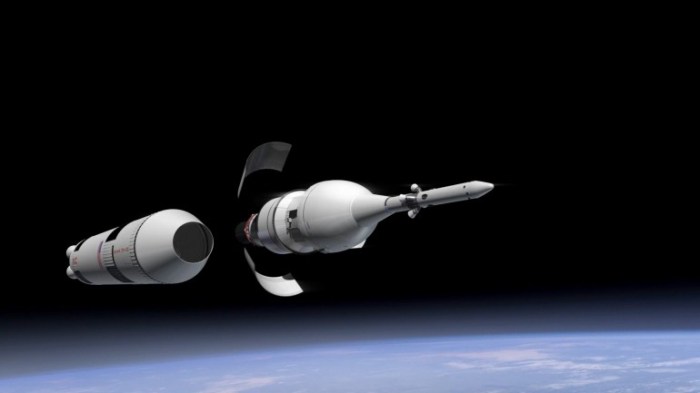 Named in honor of the Rosetta Stone – the a basalt slab that helped linguists crack ancient Egyptian – Rosetta is expected to provide the most detailed information about what comets look like up close (as well as inside and out). Similarly, the lander, Philae, is named after the island in the Nile where the stone was discovered. Together, they will help scientists shed light on the early history of our Solar System by examining one of its oldest inhabitants.
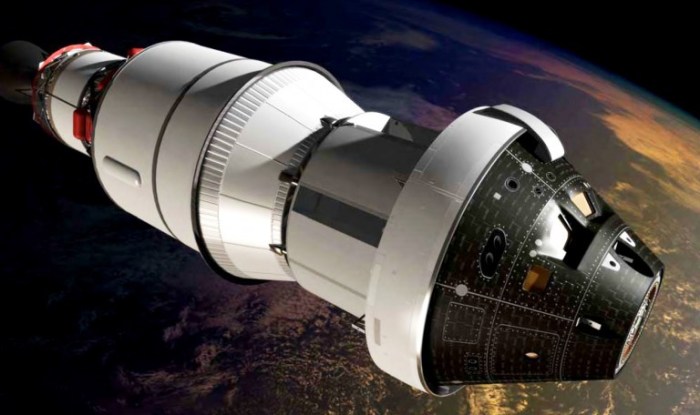 EFT-1 will take the form of an unmanned test flight, with the Orion spacecraft being controlled entirely by a flight control team from NASA’s Kennedy Space Center located in Florida. One vital component to be tested is the Launch Abort System (LAS), which in essence is a fail-safe required to protect astronauts should anything go wrong during the initial launch phase. Designed to encapsulate the crew module in the event of a failure on the launch pad, the LAS thrusters will fire and carry the Orion away from danger.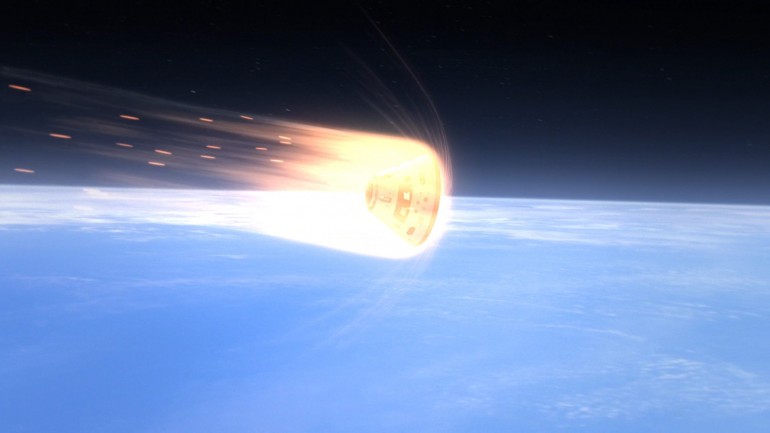
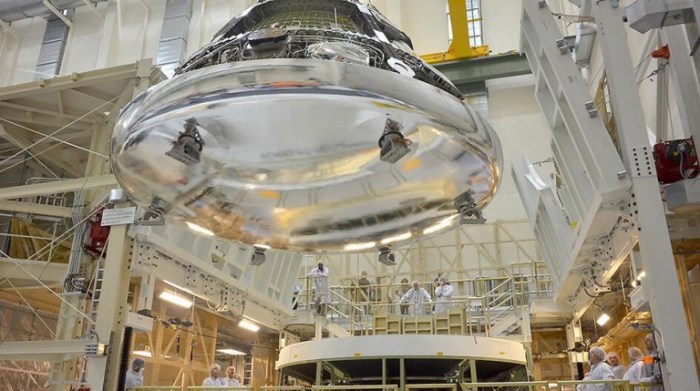 The final aspect of EFT-1 will be the observation of the parachute deployment system. Assuming the LAS has successfully jettisoned from the crew module following launch, the majority of Orion’s stopping power will be provided by the deploying of two drogue parachutes, followed shortly thereafter by three enormous primary parachutes, with the combined effect of slowing the spacecraft to 1/1000th of its initial re-entry speed.
 NASA staff on the ground will be nervously monitoring several key aspects of the proving mission, with the help of 1,200 additional sensors geared towards detecting vibration and temperature stress, while taking detailed measurements of event timing. Furthermore, cameras are set to be mounted aboard Orion to capture the action at key separation points, as well as views out of the windows of the capsule, and a live shot of the parachutes as they deploy (hopefully).

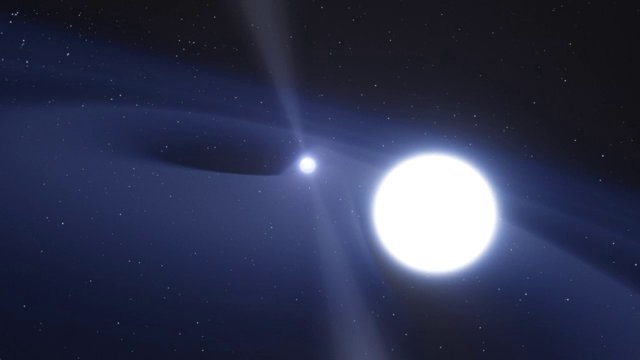 By definition, a pulsar is what is left over when a neutron star when a slightly larger sun also runs its course. Those that spin are given the name of “pulsar” because their magnetic fields force radio waves out in tight beams that give the illusion of pulsations as they whir around, effectively strobing the universe like lighthouse. The pulsar that sits next to the diamond-encrusted white dwarf is known as PSR J2222-0137, and is 1.2 times the mass of our sun, but even smaller than the white dwarf.
 Yep that one! Like I said, such discoveries are demonstrating that the universe is a much more interesting, awesome, and complex place than previously thought. Between diamond worlds, diamond planets, lakes of methane and atmospheres of plastic, it seems that just about anything is possible. Good to know, seeing as how so much of our plans for the future depend upon on getting out there!



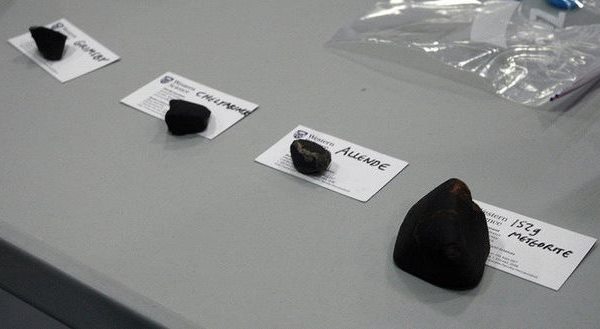 Hence why Brown is asking for the public to help look for the meteorite, which has been described as a rock that looks like it was painted black, and contact the researchers if they find it. The researchers are also interested in hearing accounts from anyone who may have heard a whistling sound “like artillery coming in” or a thud after witnessing the fireball, indicating that it may have landed within a few hundred metres. That may help narrow down the area for the search.












 Stories by Williams