
 3-D printing is pushing the boundaries of manufacturing all the time, expanding its repertoire to include more and more in the way of manufactured products and even organic materials. Amongst the many possibilities this offers, arguably the most impressive are those that fall into the categories of synthetic food and replacement organs. In this vein, two major breakthroughs took place last month, with the first-time unveiling of both 3-D printed hybrid fruit and blood vessels.
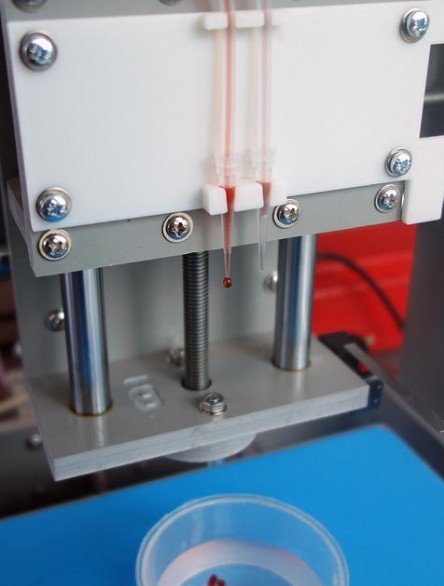
The first comes from a Dovetailed, UK-based design company which presented its 3-D food printer on Saturday, May 24th, at the Tech Food Hack event in Cambridge. Although details on how it works are still a bit sparse, it is said to utilize a technique known as “spherification” – a molecular gastronomy technique in which liquids are shaped into tiny spheres – and then combined with spheres of different flavors into a fruit shape.
 According to a report on 3DPrint, the process likely involves combining fruit puree or juice with sodium alginate and then dripping the mixture into a bowl of cold calcium chloride. This causes the droplets to form into tiny caviar-like spheres, which could subsequently be mixed with spheres derived from other fruits. The blended spheres could then be pressed, extruded or otherwise formed into fruit-like shapes for consumption.
The designers claim that the machine is capable of 3D-printing existing types of fruit such as apples or pears, or user-invented combined fruits, within seconds. They add that the taste, texture, size and shape of those fruits can all be customized. As Vaiva Kalnikaitė, creative director and founder of Dovetailed, explained:
Our 3D fruit printer will open up new possibilities not only to professional chefs but also to our home kitchens – allowing us to enhance and expand our dining experiences… We have been thinking of making this for a while. It’s such an exciting time for us as an innovation lab. Our 3D fruit printer will open up new possibilities not only to professional chefs but also to our home kitchens, allowing us to enhance and expand our dining experiences. We have re-invented the concept of fresh fruit on demand.
 And though the idea of 3-D printed fruit might seem unnerving to some (the name “Frankenfruit” is certainly predicative of that), it is an elegant solution of what to do in an age where fresh fruit and produce are likely to become increasingly rare for many. With the effects of Climate Change (which included increased rates of drought and crop failure) expected to intensify in the coming decades, millions of people around the world will have to look elsewhere to satisfy their nutritional needs.
As we rethink the very nature of food, solutions that can provide us sustenance and make it look the real thing are likely to be the ones that get adopted. A video of the printing in action is show below:
Meanwhile, in the field of bioprinting, researchers have experienced another breakthrough that may revolution the field of medicine. When it comes to replacing vital parts of a person’s anatomy, finding replacement blood vessels and arteries can be just as daunting as finding sources of replacement organs, limbs, skin, or any other biological material. And thanks to the recent efforts of a team from Brigham and Women’s Hospital (BWH) in Boston, MA, it may now be possible to fabricate these using a bioprinting technique.
 The study was published online late last month in Lab on a Chip. The study’s senior author, Ali Khademhosseini – PhD, biomedical engineer, and director of the BWH Biomaterials Innovation Research Center – explained the challenge and their goal as follows:
Engineers have made incredible strides in making complex artificial tissues such as those of the heart, liver and lungs. However, creating artificial blood vessels remains a critical challenge in tissue engineering. We’ve attempted to address this challenge by offering a unique strategy for vascularization of hydrogel constructs that combine advances in 3D bioprinting technology and biomaterials.
The researchers first used a 3D bioprinter to make an agarose (naturally derived sugar-based molecule) fiber template to serve as the mold for the blood vessels. They then covered the mold with a gelatin-like substance called hydrogel, forming a cast over the mold which was then reinforced via photocrosslinks. Khademhosseini and his team were able to construct microchannel networks exhibiting various architectural features – in other words, complex channels with interior layouts similar to organic blood vessels.
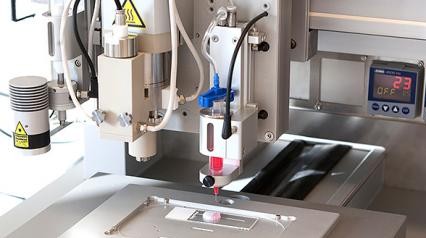 They were also able to successfully embed these functional and perfusable microchannels inside a wide range of commonly used hydrogels, such as methacrylated gelatin or polyethylene glycol-based hydrogels. In the former case, the cell-laden gelatin was used to show how their fabricated vascular networks functioned to improve mass transport, cellular viability and cellular differentiation. Moreover, successful formation of endothelial monolayers within the fabricated channels was achieved.
According to Khademhosseini, this development is right up there with the possibility of individually-tailored replacement organs or skin:
In the future, 3D printing technology may be used to develop transplantable tissues customized to each patient’s needs or be used outside the body to develop drugs that are safe and effective.
Taken as a whole, the strides being made in all fields of additive manufacturing – from printed metal products, robotic parts, and housing, to synthetic foods and biomaterials – all add up to a future where just about anything can be manufactured, and in a way that is remarkably more efficient and advanced than current methods allow.
Sources: gizmag.com, 3dprint.com, phys.org

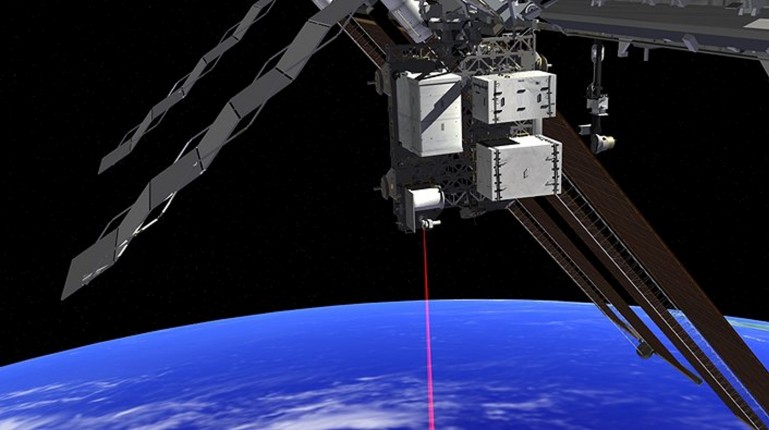
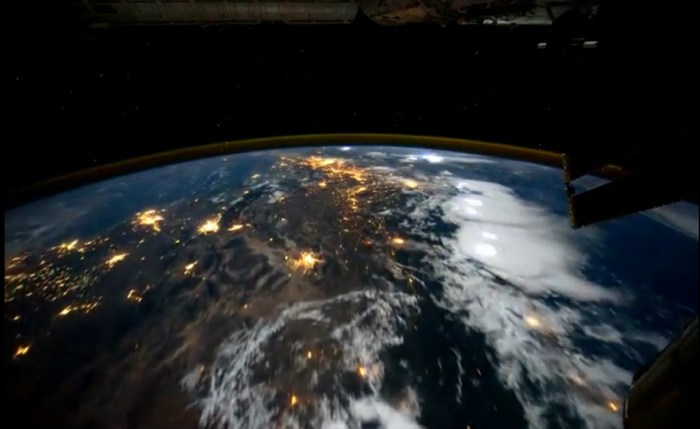 The OPALS system sought out and locked onto a laser beacon from the Optical Communications Telescope Laboratory ground station at the Table Mountain Observatory in Wrightwood, California. It then transmitted its own 2.5-watt, 1,550-nanometer laser and modulated it to send the video at a peak rate of 50 megabits per second. According to NASA, OPALS transmitted the video in 3.5 seconds instead of the 10 minutes that conventional radio would have required.







 This he does, which kills most of the Wildlings and sends the mammoth running. One of the two giants is then killed by a Scorpion up on the Wall, sending the other into a rage and leading him to begin prying the gate open with his bare hands. Jon arrives below and tells Grenn and the others to get to the gate an hold it at all costs. He then has Sam unlock Ghost from his cage and begins fighting his way through the Wildlings.
 In a post-test interview, he explained how the test went down:
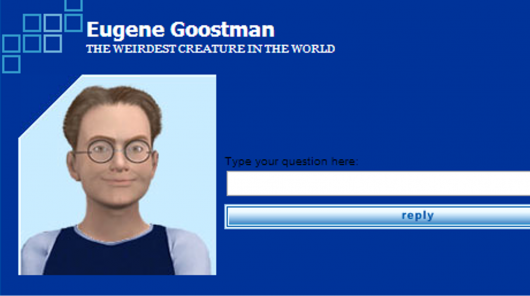
 Eugene can initiate conversations, but won’t do so totally out of the blue, and answers factual questions more like a human. For example, some factual question elicited the all-too-human answer “I don’t know”, rather than an encyclopaedic-style answer where he simply stated cold, hard facts and descriptions. Eugene’s successful trickery is also likely helped by the fact he has a realistic persona. From the way he answered questions, it seemed apparent that he was in fact a teenager.
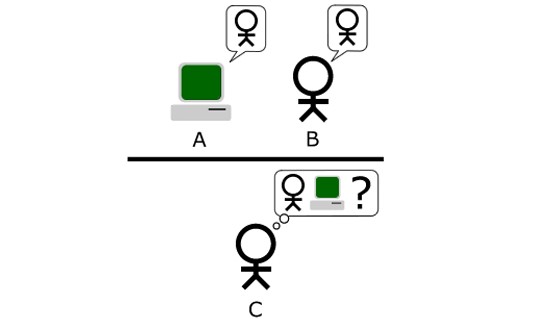
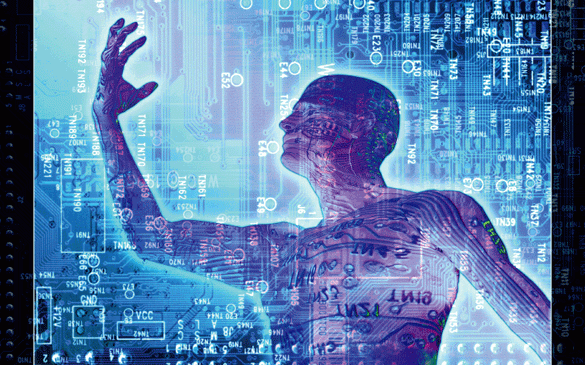 Naturally, there are plenty of people who criticize the Turing test for being an inaccurate way of testing machine intelligence, or of gauging this thing known as intelligence in general. The test is also controversial because of the tendency of interrogators to attribute human characteristics to what is often a very simple algorithm. This is unfortunate because chatbots are easy to trip up if the interrogator is even slightly suspicious.
 So what are the implications of this computing milestone? Is it a step in the direction of a massive explosion in learning and research, an age where computing intelligences vastly exceed human ones and are able to assist us in making countless ideas real? Or it is a step in the direction of a confused, sinister age, where the line between human beings and machines is non-existent, and no one can tell who or what the individual addressing them is anymore?


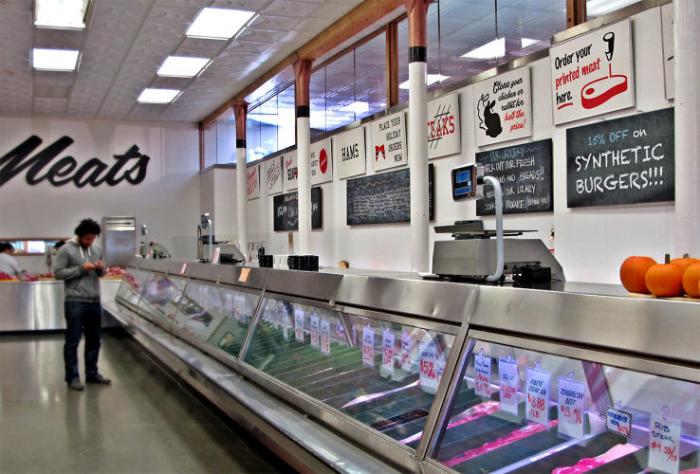 He says he wants his signs to not just depict that momentum and progress, but to reflect the potentially disturbing aspects of those advances as well. Beyond that, Barbella sees an interesting dynamic in the public’s push and pull against what new technology allows us to do. Though the technology grants people access to information and other cultures, it also poses issues of privacy and ethics that hold that back. As a result, privacy concerns are thus featured in the collection in a number of ways.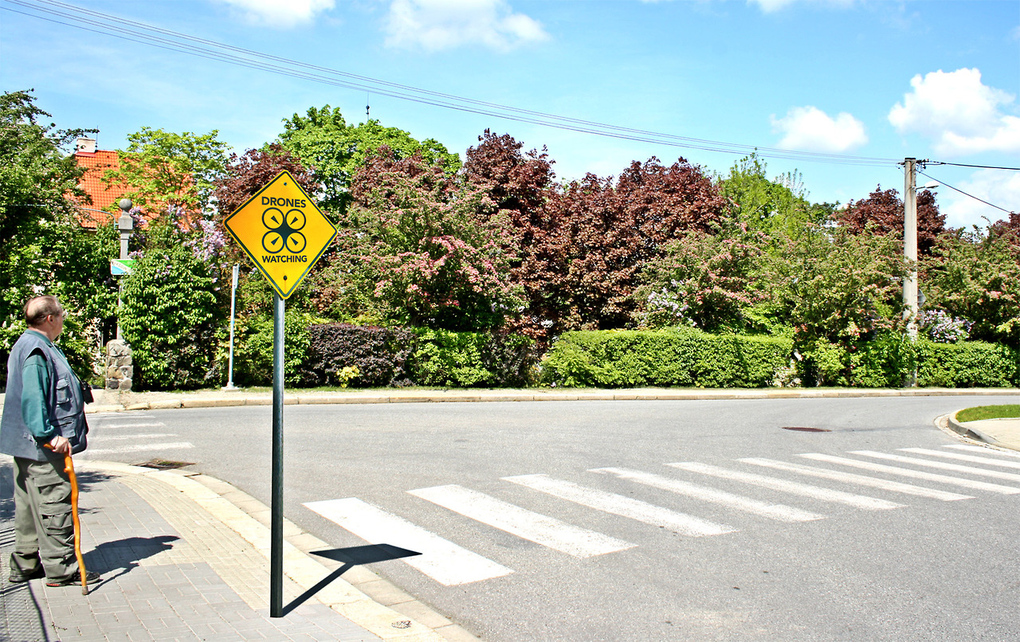

 The Optionally Piloted Black Hawk (OPBH) operates under Sikorsky’s Manned/Unmanned Resupply Aerial Lifter (MURAL) program, which couples the company’s advanced Matrix aviation software with its man-portable Ground Control Station (GCS) technology. Matrix, introduced a year ago, gives rotary and fixed-wing vertical take-off and landing (VTOL) aircraft a high level of system intelligence to complete missions with little human oversight.
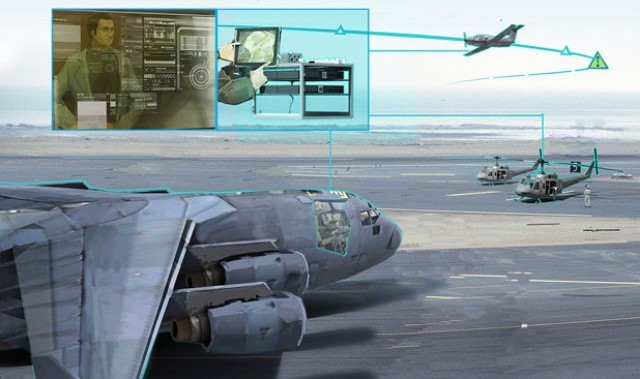 The Optionally Piloted Black Hawk fits into the larger trend of the military finding technological ways of reducing troop numbers. While it can be controlled from a ground control station, it can also make crucial flying decisions without any human input, relying solely on its ‘Matrix’ proprietary artificial intelligence technology. Under the guidance of these systems, it can fly a fully autonomous cargo mission and can operate both ways: unmanned or piloted by a human.
 Military aircraft have grown increasingly complex over the past few decades, and automated systems have also evolved to the point that some aircraft can’t be flown without them. However, the complex controls and interfaces require intensive training to master and can still overwhelm even experienced flight crews in emergency situations. In addition, many aircraft, especially older ones, require large crews to handle the workload.
 DARPA says that it wants ALIAS to not only be capable of executing a complete mission from takeoff to landing, but also handle emergencies. It would do this through the use of autonomous capabilities that can be programmed for particular missions, as well as constantly monitoring the aircraft’s systems. But according to DARPA, the development of the ALIAS system will require advances in three key areas.
 Last month, the Swiss surrealists Hans Ruedi Giger – a painter, sculptor, set designer, and the Academy Award winning visual effects master who brought the world the Alien – died at the age of 74 in






 Stories by Williams