
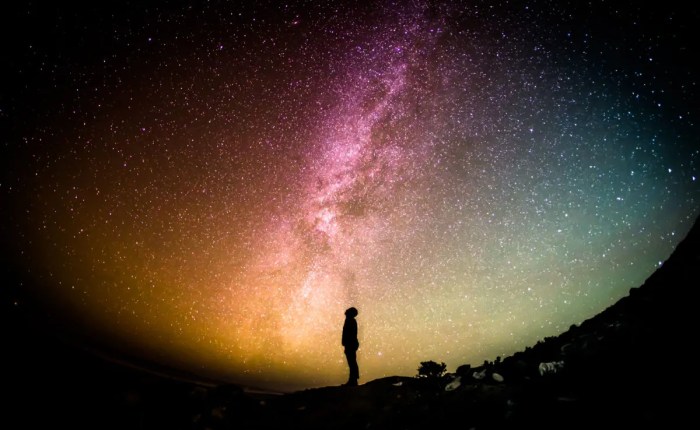
There’s an old saying by Kierkegaard, “Life can only be understood backward; but it must be lived forwards.” I’ve heard this adage many times, except that the word “history” was always substituted for “life.” This is certainly true, to a point. After all, history is subject to prejudices, bias, and the good old human tendency to look for patterns. In my experience, how we remember history is no less about “the winners write the books” as “the writers impose their organization principle.”
That’s what I love about science fiction’s future histories. The sub-genre owes its existence to Olaf Stapledon’s Last and First Men, a science fiction novel released in 1930. In this “future history,” Stapledon presented an imaginative romp through several futures where the descendants of humanity rise and fall many times, creating advanced civilizations and periodically slipping back into barbarism.
Continue reading “A Humble Attempt at Predicting Future History”




 Stories by Williams