Judgement Day Update: Banning Autonomous Killing Machines

drone-strikeDrone warfare is one of the most controversial issues facing the world today. In addition to ongoing concerns about lack of transparency and who’s making the life-and-death decisions, there has also been serious and ongoing concerns about the cost in civilian lives, and the efforts of both the Pentagon and the US government to keep this information from the public.

This past October, the testimonial of a Pakistani family to Congress helped to put a human face on the issue. Rafiq ur Rehman, a Pakistani primary school teacher, described how his mother, Momina Bibi, had been killed by a drone strike. His two children – Zubair and Nabila, aged 13 and 9 – were also injured in the attack that took place on October 24th of this year.

congress_dronetestimonyThis testimony occurred shortly after the publication of an Amnesty International report, which listed Bibi among 900 other civilians they say have been killed by drone strikes since 2001. Not only is this number far higher than previously reported, the report claims that the US may have committed war crimes and should stand trial for its actions.

Already, efforts have been mounted to put limitations on drone use and development within the US. Last year, Human Rights Watch and Harvard University released a joint report calling for the preemptive ban of “killer robots”. Shortly thereafter, Deputy Defense Secretary Ashton Carter signed a series of instructions to “minimize the probability and consequences of failures that could lead to unintended engagements.”

campaignkillerrobots_UNHowever, these efforts officially became international in scope when, on Monday October 21st, a growing number of humans rights activists, ethicists, and technologists converged on the United Nations Headquarters in New York City to call for an international agreement that would ban the development and use of fully autonomous weapons technology.

Known as the “Campaign To Stop Killer Robots,” an international coalition formed this past April, this group has demanded that autonomous killing machines should be treated like other tactics and tools of war that have been banned under the Geneva Convention – such as chemical weapons or anti-personnel landmines.
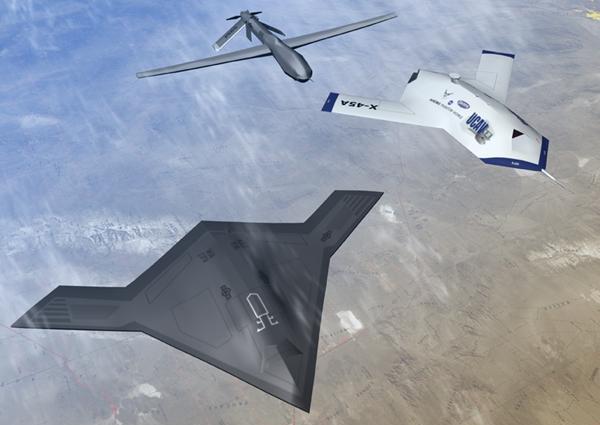
UAVsAs Jody Williams. a Nobel Peace Prize winner and, a founding member of the group said:

If these weapons move forward, it will transform the face of war forever. At some point in time, today’s drones may be like the ‘Model T’ of autonomous weaponry.

According to Noel Sharkey, an Irish computer scientist who is chair of the International Committee for Robot Arms Control, the list of challenges in developing autonomous robots is enormous. They range from the purely technological, such as the ability to properly identify a target using grainy computer vision, to ones that involve fundamental ethical, legal, and humanitarian questions.

As the current drone campaign has shown repeatedly, a teenage insurgent is often hard to distinguish from a child playing with a toy. What’s more, in all engagements in war, there is what is called the “proportionality test” – whether the civilian risks outweigh the military advantage of an attack. At present, no machine exists that would be capable of making these distinctions and judgement calls.

X-47B_over_coastlineDespite these challenges, militaries around the world – including China, Israel, Russia, and especially the U.S. – are enthusiastic about developing and adopting technologies that will take humans entirely out of the equation, often citing the potential to save soldiers’ lives as a justification. According to Williams, without preventative action, the writing is on the wall.

Consider the U.S. military’s X-47 aircraft, which can take off, land, and refuel on its own and has weapons bays, as evidence of the trend towards greater levels of autonomy in weapons systems. Similarly, the U.K. military is collaborating with B.A.E. Systems to develop a drone called the Taranis, or “God of Thunder,” which can fly faster than the speed of sound and select its own targets.

campaign_killerrobotsThe Campaign to Stop Killer Robots, a coalition of international and national NGOs, may have only launched recently, but individual groups have been to raise awareness for the last few years. Earlier this month, 272 engineers, computer scientists and roboticists signed onto the coalition’s letter calling for a ban. In addition, the U.N. is already expressed concern about the issue.

For example, the U.N. Special Rapporteur issued a report to the General Assembly back in April that recommended states establish national moratorium on the development of such weapons. The coalition is hoping to follow up on this by asking that other nations will join those already seeking to start early talks on the issue at the U.N. General Assembly First Committee on Disarmament and International Security meeting in New York later this month.

AI'sOn the plus side, there is a precedent for a “preventative ban”: blinding lasers were never used in war, because they were preemptively included in a treaty. On the downside, autonomous weapons technology is not an easily-defined system, which makes it more difficult to legislate. If a ban is to be applied, knowing where it begins and ends, and what loopholes exist, is something that will have to be ironed out in advance.

What’s more, there are alternatives to a ban, such as regulation and limitations. By allowing states to develop machinery that is capable of handling itself in non-combat situations, but which require a human operator to green light the use of weapons, is something the US military has already claimed it is committed to. As far as international law is concerned, this represents a viable alternative to putting a stop to all research.

Overall, it is estimated that we are at least a decade away from a truly autonomous machine of war, so there is time for the law to evolve and prepare a proper response. In the meantime, there is also plenty of time to address the current use of drones and all its consequences. I’m sure I speak for more than myself when I say that I hope its get better before it gets worse.

And in the meantime, be sure to enjoy this video produced by Human Rights Watch:


Sources:
fastcoexist.com, thegaurdian.com, stopkillerrobots.org

Crypto Wars: The Tech World vs. the NSA

cyber_securitySix years ago, something interesting took place at Microsoft’s Windows annual Crypto conference in Santa Barbara. In the course of the presentations, two members of the company’s security group (Dan Shumow and Niels Ferguson) gave a talk that dealt with internet security and the possibility that major systems could be hacked.
They called their presentation “On the Possibility of a Back Door in the NIST SP800-90 Dual Ec Prng”. That’s a name few people outside of the techy community would recognize, as it refers to a pseudorandom number generating program that is used extensively in cryptography. And thought the presentation was only nine slides and a few minutes long, they managed to capture the attention of the crowd with some rather stark observations.

cyber_security1Basically, they laid out a case showing that the new encryption standard, given a stamp of approval by the U.S. government, possessed a glaring weakness that made one of the program’s algorithms susceptible to cracking. But the weakness they described wasn’t just an average vulnerability, it had the kind of properties one would want if one were intentionally inserting a backdoor to make the algorithm susceptible to cracking by design.

At the time, no one thought much of it. But today, that’s all changed, thanks to Edward Snowden. Apparently, cryptographers and journalists are seeing a connection between the talk given by Shumow and Ferguson and the classified NSA documents Snowden leaked. Apparently, some of that information confirms that the weakness in the Dual_EC_DRBG algorithm might be indeed a backdoor.

nsa_aerialEarlier this month, an article appeared in the New York Times that implied that the backdoor was intentionally put there by the NSA as part of a $250-million, decade-long covert operation by the agency to weaken and undermine the integrity of a number of encryption systems used by millions of people around the world.

Naturally, these allegations not only stoked the fires over the NSA’s long history of spying on databases, both domestic and foreign, it has also raised questions over the integrity of the rather byzantine process that produces security standards in the first place. The National Institute of Standards and Technology (NIST) approved Dual_EC_DRBG and the standard, is now facing criticism alongside the NSA.

nist_aerialbigAnd while NIST has since been forced to re-open the program to examination and public discussion, security and crypto firms around the world are scrambling to unravel just how deeply the suspect algorithm infiltrated their code, if at all. Some even went so far as to publicly denounce it, such as corporate giant RSA Security.

But of course, a number of crypto experts have noted that the Times hasn’t released the memos that purport to prove the existence of a backdoor. What’s more, the paper’s direct quotes from the classified documents don’t mention a backdoor or efforts by the NSA to weaken it or the standard, only the efforts of the agency to push the standard through NIST’s committees for approval.

nsasecurity_primary-100041064-largeOne such person is Jon Callas, the CTO of Silent Circle – a company that offers encrypted phone communication. Having attended the Crypto conference in 2007 and heard the presentation by Shumow, he believes that the real problem may lie in the fact that the algorithm was poorly made:

If [the NSA] spent $250 million weakening the standard and this is the best that they could do, then we have nothing to fear from them. Because this was really ham-fisted. When you put on your conspiratorial hat about what the NSA would be doing, you would expect something more devious, Machiavellian … and this thing is just laughably bad. This is Boris and Natasha sort of stuff.

Sources at Microsoft agree. In addition to the presenters – who never mention the NSA in their presentation and went out of their way to avoid accusing NIST of any wrongdoing – a manager who spoke with WIRED on condition of anonymity believes the reporters at the Times saw the classified documents dealing with the program, read about the 2007 talk, and assumed their was a connection.

cryptographyBut Paul Kocher, president and chief scientist of Cryptography Research, says that regardless of the lack of evidence in the Times story, he discounts the “bad cryptography” explanation for the weakness, in favor of the backdoor one:

Bad cryptography happens through laziness and ignorance. But in this case, a great deal of effort went into creating this and choosing a structure that happens to be amenable to attack.

Personally, I find it interesting that the NSA would be so committed to making sure a program passed inspection. Especially one that had a fatal flaw that, when exploited properly, could be used to give someone who knew about it access to encrypted information. But of course, it’s not like the NSA has been known to invade people’s privacy, right? RIGHT?

Clearly, all there is at this point is speculation. One thing is certain though. In the coming weeks and months, the NSA is going to be the recipient of even more flak over its monitoring and cryptographic activities. Whether this effects any change in policy remains to be seen, but I doubt anyone will be holding their breaths.

Sources: wired.com, nytimes.com

Ending World Hunger: Insect-Based “Power Flour”

insect_flourIt has long been understood that if we, as a species, are going to deal with overpopulation and hunger, we need take a serious look at our current methods of food production. Not only are a good many of our practices unsustainable – monoculture, ranching, and overuse of chemical fertilizers being foremost amongst them – it is fast becoming clear that alternatives exist that are more environmentally friendly and more nutritious.

However, embracing a lot of these alternatives means rethinking our attitudes to what constitutes food. All told, there are millions of available sources of protein and carbohydrates that aren’t being considered simply because they seem unappetizing or unconventional. Luckily, researchers are working hard to find ways to tackle this problem and utilize these new sources of nutrition.

HULT-PRIZE-large570One such group is a team of McGill University MBA students who started the Aspire Food Group, an organization that will produce nutritious insect-based food products that will be accessible year-round to some of the world’s poorest city dwellers. Recently, this group won the $1 million Hult Prize for the development of an insect-infused flour that offers all the benefits of red meat – high protein and iron – but at a fraction of the cost.

The team – which consists of Mohammed Ashour, Shobhita Soor, Jesse Pearlstein, Zev Thompson and Gabe Mott – were presented with the social entrepreneurship award and $1 million in seed capital back in late September. The presentation was made by former U.S. president Bill Clinton in New York City at the Clinton Global Initiative’s annual meeting.

world_hungerThe Hult Prize Foundation runs an annual contest open to teams of four or five students from colleges and universities from around the world. Their task is to develop ideas for social enterprises – organizations that use market-based strategies to tackle social or environmental problems. This year’s challenge, selected by Clinton, was to tackle world hunger.

Over 10,000 students entered, and the McGill team was one of six which reached the final stage, where they pitched their idea Monday to judges that included Clinton, Nobel Peace Prize laureate Muhammad Yunus and Erathrin Cousin, CEO of the World Food Program. The $1 million was provided by the family of the Swedish billionaire Bertil Hult, who made his fortune with the venerable EF Education First company.

insect_flour1Mohammed Ashour explained the process behind the insect flour in an interview to CBC News:

We are farming insects and we’re grinding them into a fine powder and then we’re mixing it with locally appropriate flour to create what we call power flour. It is essentially flour that is fortified with protein and iron obtained from locally appropriate insects.

What is especially noteworthy about the product, aside from its sustainability, is the fact that it delivers plenty of protein and iron in an inexpensive package. These nutrients, the team noted, are in short supply in the diets of many people in developing nations, but can be found in high amounts in insects. For example, they note, crickets have a higher protein content per weight than beef.

???????????????????????????????And while the idea of eating insects might seem unappealing to many people living in the developed world, Soor pointed out that people in many of the countries they are targeting already eat insects. In addition, the type of insect used to produce the flour for a local market would be chosen based on local culinary preferences. As she put it:

There really isn’t a ‘yuck’ factor. For example, in Mexico, we’d go with the grasshopper. In Ghana, we’d go with the palm weevil.

The insects would also be mixed with the most common type of local flour, whether it be made from corn, cassava, wheat or something else. Thus, the product would not only provide nutrition, but would be locally sourced to ensure that it is accessible and beneficial to the local market.

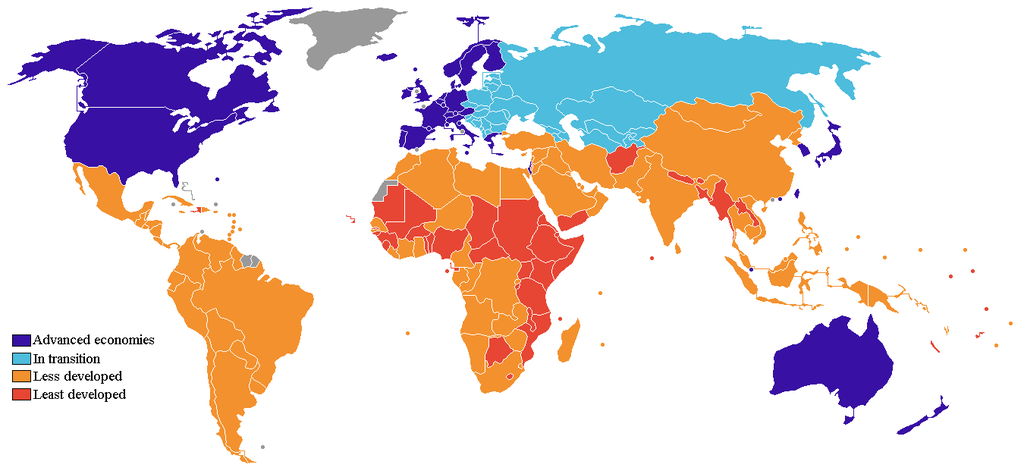
Developed-and-developing-countriesIn addition, the team has already held taste tests in some markets. In one test, they offered people tortillas made from regular corn flour, corn flour containing 10 per cent cricket flour and corn flour containing 30 per cent cricket flour. As Ashour indicated, the reviews were met with approval:

Amazingly enough, we got raving reviews for the latter two… so it turns out that people either find it to be tasting neutral or even better than products that are made with traditional corn flour.

The team hopes to use the prize money to help them expand the reach of their organization to the over 20 million people living in urban slums around the world by 2018. And I can easily foresee how flours like this one could become a viable item when teamed up with 3D food printers, tailoring edible products that meet our nutritional needs without putting undue strain on the local environment.

And be sure to enjoy this video of the McGill students and their prize-winning flour, courtesy of CBC news:


Source: cbc.ca

Ending HIV: New Vaccine Holds Promise for a Cure

hiv-aids-vaccineScientists and researchers have been making great strides in the fight against HIV/AIDS in recent years. In addition to developing vaccines that have shown great promise, there have even been some treatments that have been shown to eliminate the virus altogether. And it seems that with this latest development, which was published in Nature earlier this month, there might be a treatment that can double as a cure.

Developed at the Vaccine and Gene Therapy Institute at the Oregon Health and Science University (OHSU), this new vaccine proved successful in about fifty percent of the clinical subjects that were tested, and may be able to cure patients who are currently on anti-retroviral drugs. If successful, this could mean that a preventative vaccine and cure could come in the same package, thus eliminating HIV altogether.

vaccineCurrently, anti-retroviral drugs and HIV vaccine typically aim at improving the immune response of the patient in the long term. However, they are limited in that they can never completely clear the virus from the body. In fact, aside from a very few exceptional cases, researchers have long believed that HIV/AIDS could only be contained, but not completely cured.

The OHSU team, led by Dr. Louis Picker, has been working on its own vaccine for the past 10 years. In that time, their research has shown that an immune response can in fact go beyond containment and systematically wipe the virus out of the body. As with most early vaccine candidates, the study revolves around SIV – a more aggressive virus than HIV that can replicate up to 100 times faster and, unchecked, can cause AIDS in only two years.

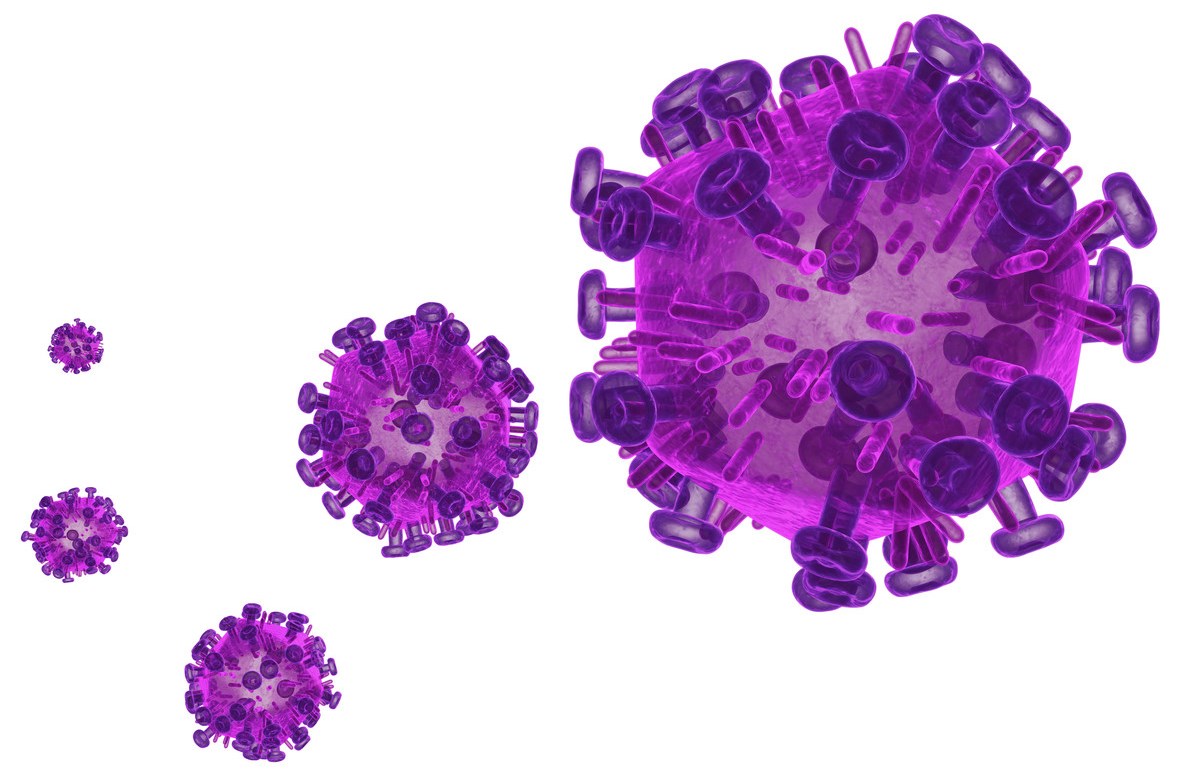
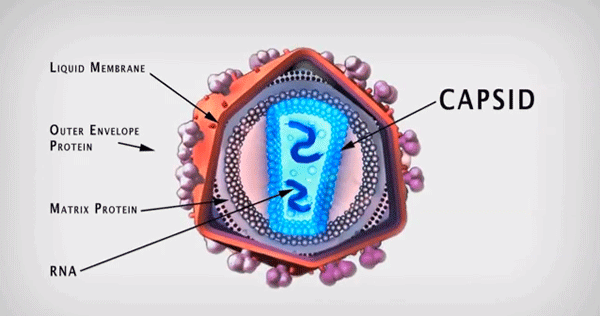
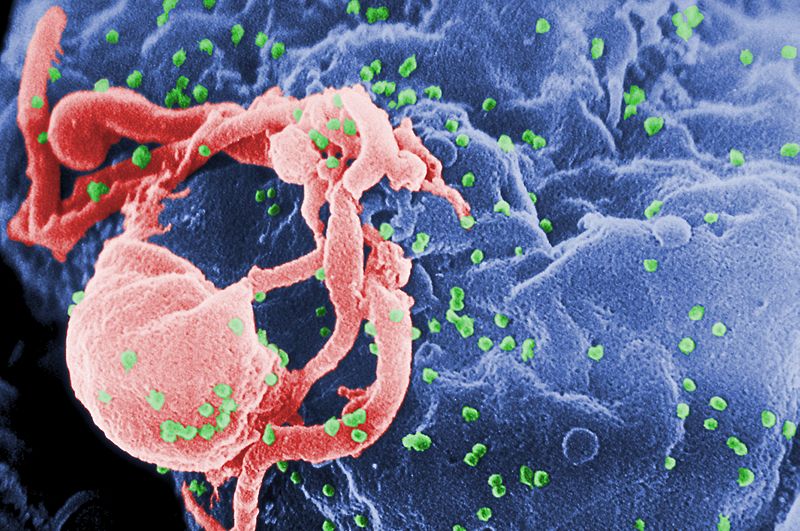
HIV_virusPicker and his research team created the vaccine by working with cytomegalovirus (CMV), another virus which is itself persistent, but doesn’t cause disease. In their initial tests, the vaccine was found to generate an immunoresponse very similar to that generated by CMV, where T-cells that can search and destroy target cells were created and remained in the system, consistently targeting SIV-infected cells until the virus was cleared from the body.

For the sake of their clinical trials, simian subjects were used that were infected by the HIV virus. When treated with the team’s vaccine, half of the subjects initially showed signs of infection, but those signs gradually receded before disappearing completely. This sets it apart from other vaccines which also generate an immunoresponse, but one which fades over time.

HIVAccording to Dr. Picker, it is the permanency of the T-cells that allows the immunoresponse to be consistent and slowly eradicate the virus, eventually eliminating it completely from the system. Says Dr. Picker of their trials and the possibilities for the vaccine:

The virus got in, it infected some cells, moved about in various parts of the body, but it was subsequently cleared, so that by two or three years later the monkeys looked like normal monkeys. There’s no evidence, even with the most sensitive tests, of the SIV virus still being there... We might be able to use this vaccine either to prevent infection or, potentially, even to apply it to individuals who are already infected and on anti-retroviral therapy. It may help to clear their infections so ultimately they can go off the drugs.

Currently, Picker and his the team are trying to understand why some of the vaccinated animals did not respond positively, in the hopes of further increasing the efficacy of the vaccine. Once these trials are complete, it could be just a hop, skip and a jump to getting FDA approval and making the vaccine/cure available to the open market.

Cure_for_HIVImagine, if you will, a world where HIV/AIDS is on the decline, and analysts begin predicting how long it will take before it is eradicated entirely. At this rate, such a world may be just a few years away. For those working in the field of medicine, and those of us who are around to witness it all, it’s an exciting time to be alive!

And be sure to enioy this video from OHSU where Dr. Picker speak about their vaccine and the efforts to end HIV:


Sources:
gizmag.com, nature.com

Powered by the Sun: Bringing Solar to the Developing World

Magnificent CME Erupts on the Sun - August 31All over the world, the goal of bringing development to impoverished communities and nations – but in ways that won’t cause additional harm to the natural environment – remains problematic. As the cases of China and India demonstrate, the world’s fastest growing economies in the 21st century, rapid industrialization may bring economic development, but it comes with a slew of consequences.

These include urban sprawl, more emissions from cars and public transit, and the poisoning of waterways through toxic runoff, chemicals and fertilizers. With seven billion people living in the world today, the majority of which live in major cities and are dependent on fossil fuels, it is important to find ways to encourage growth that won’t make a bad situation worse.

solar_quetsolBut to paraphrase an old saying, crisis is the mother of creative solutions. And amongst forward-looking economist and developers, a possible solution is take the latest advancements in solar, wind, tidal power and biofuels, and tailor them to meet the needs of local communities. In so doing, it is hoped that the developing world could skip over the industrial phase, reaping the benefits of modernization without all the dirty, unhealthy consequences.

Two such men are Juan Rodriguez – a young man who was studying for his business administration at the Universidad Francisco Marroquin in and cut his teeth working for major multinationals like Pampers, Pepto Bismol and Pantene – and his childhood friend Manuel Aguilar, a Harvard graduate with a degree in astrophysics who had gone on to manage a global hedge fund.

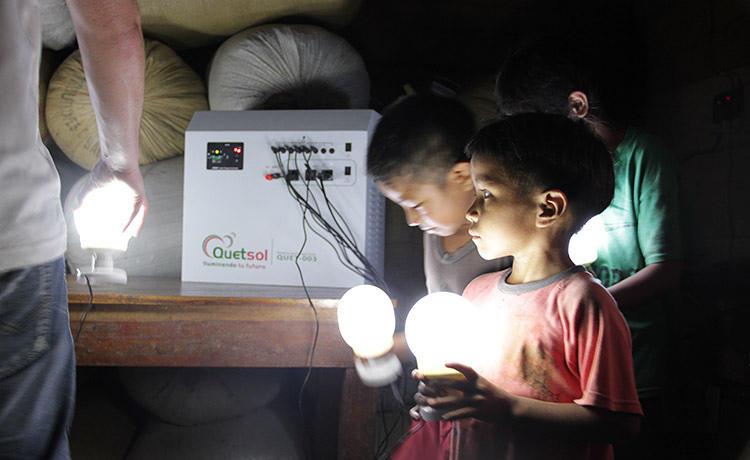
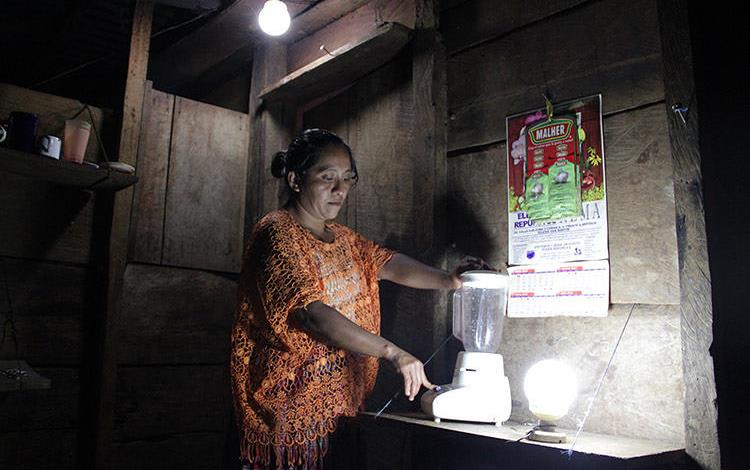
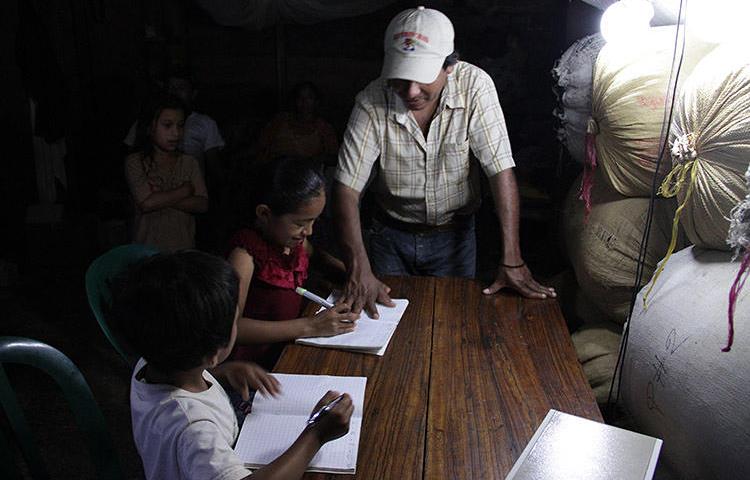
solar_quetsol1Three years ago, the two agreed that they were looking for something else and began investigating renewable energy. The result was Quetsol, a company that uses solar energy to improve the quality of life of poor communities living off the electrical grid. In Rodriguez’s and Aguilar’s native Guatemala, such poverty is widespread, with close to 20% of the population living without electricity and relying primarily on candles for light.

This picture of poverty is not exactly news. But after spending a year visiting close to 100 such communities, Rodriguez and Aguilar began to get a clear picture of why solar hadn’t yet succeeded. As Rodriguez put it:

Going to a community and talking about solar power isn’t like going into a community and talking about space travel. It is something that people have already seen, because NGOs have donated solar systems to these communities for decades. In many cases, the systems worked perfectly, but eventually the batteries died, and nobody was there to service them.

solar_quetsol2There solution was to start from the bottom up, using the free-market principle of adapting their approach to meet local needs. This would involve identifying communities before visiting them, taking into account how many people were living without electricity, and what the housing situation was like. When they then visited these communities, they sought out community leaders and held public meetings to learn about them and present their ideas.

Buildings relationships with local communities was a challenge, but so was creating a product for a market whose needs ranged from basic lighting and cell phone charging to powering a refrigerator all day. What they found was that unelectrified communities were relying on terribly inefficient means, ranging from diesel generators to walking to the nearest electrified community to plug in a phone.

solar_quetsol3What was resulted was a Solar Kit, consisting of a 10W Solar Panel, a control box with 7 Amp Battery, 2  LED Bulbs  (and a third optional bulb), and a universal cell phone charger. This kit has the ability to provide five hours of electricity to a house made up of two rooms that measure roughly 25 square meters (225 square feet) each. This is the typical design of homes in rural Guatemala, with one room serving as the bedroom and the other as the kitchen.

With that done, they began working on their sales strategy. Initially, this consisted of working with microfinance credit institutions to help families and communities purchase their solar kits. But after watching too many credit applications get rejected, they took a page from the telecom companies that have made cell phones ubiquitous in Guatemala, Basically, they switched to a pay-as-you-go plan.

solar_quetsol4Today, Quetsol employs a staff of 20 people and boasts board members like Google’s Tom Chi. There product line has also expanded, with the Q1 Solar Kit being supplemented by the Q3, a heavier model that boasts a 75W solar panel, an 85 Amp Battery, and five LED bulbs. The Q2 Kit – a middle of the road model with a 30W panel, 34 amp battery and 3 bulbs – is soon to be released.

But most importantly of all, they have electrified more than 3,500 homes in Guatemala thus far. But that is just a drop in the bucket compared to their long-term goal. Basically, the organization is viewing Guatemala as a stepping stone to all of Latin America as well as Africa by 2015. By 2016, they’d like to tackle the nearly 700 million off-the-grid homes in Asia.

Might sound ambitious, but Rodriguez and Marroquin feel they have the business acumen and social entrepreneurial savvy to pull it off. And given their background and business model, I’d say they are about right. Combined with other technologies that merge local needs with clean, efficient, and renewable means, development in the developing world might actually be an eco-friendly possibility.

Sources: fastcoexist.com, quetsol.com


A Kinder, Gentler Internet: California’s “Erase Button”

cyber bullyingIn the early nineties, the internet was greeted with immense optimism and anticipation. Scarcely a week went by without some major personality – Al Gore and Bill Gates come to mind – championing its development, saying it would bring the world together and lead to “the information age”. After just a few years, these predictions were being mocked by just about everyone on the planet who had access.

Rehtaeh_ParsonsYes, despite all that has been made possible by the internet, the heady optimism that was present in those early days seem horribly naive by today’s standards. In addition to making virtually any database accessible to anyone, the world wide web has also enabled child pornographers, hate speech, conspiracy theorists and misinformation like never before.

What’s more, a person’s online presence opens them to new means of identity theft, cyberbullying, and all kinds of trolling and harassment. Who can forget the cases of Amanda Todd or Rethaeh (Heather) Parsons? Two young women who committed suicide due to relentless and disgusting bullying that was able to take place because there simply was no way to stop it all.

amanda_toddsuicide.jpeg.size.xxlarge.letterboxAnd with the ever expanding online presence of children and youths on the internet, and little to no controls to monitor their behavior, there are many campaigns out there that hope to reign in the offenders and protect the users. But there are those who have gone a step further, seeking to put in place comprehensive safeguards so that trollish behavior and hurtful comments can be stopped before it becomes a permanent part of the digital stream.

One such person is California Governor Jerry Brown, who recently signed a bill into law that requires all websites to provide an online “erase button” for anyone under 18 years of age. The stated purpose of the law is to help protect teens from bullying, embarrassment and harm to job and college applications from online posts they later regret. The law, which is designated SB568, was officially passed on Sept. 23rd and will go into effect Jan 1st, 2015.

kid-laptop-156577609_610x406Common Sense Media, a San Francisco based non-profit organization that advocates child safety and family issues, was a major supporter of the bill. In a recent interview, CEO James Steyer explained the logic behind it and how it will benefit youths:

Kids and teens frequently self-reveal before they self-reflect. In today’s digital age, mistakes can stay with and haunt kids for their entire life. This bill is a big step forward for privacy rights, especially since California has more tech companies than any other state.

The law is not without merit, as a 2012 Kaplan survey conducted on college admissions counselors shows. In that study, nearly a quarter of the counselors interviewed said they checked applicants’ social profiles as part of the admission process. Of those counselors, 35% said what they found – i.e. vulgarities, alcohol consumption, “illegal activities” – negatively affected their applicants’ admissions chances.

smartphoneteensBut of course, the bill has its share of opponents as well. Of those who voted against it, concerns that the law will burden websites with developing policies for different states appeared to be paramount. Naturally, those who support the bill hope it will spread, thus creating a uniform law that will remove the need to monitor the internet on a state-by-state basis.

At present, major social media sites such as Facebook, Twitter, Instagram and Vine already allow users of any age to delete their posts, photos and comments. California’s “eraser button” law requires that all websites with users in the state follow this policy from now on. And given the presence of Silicon Valley and the fact that California has one of the highest per capita usages of the internet in the country, other states are sure to follow.

facebook-privacyThe new law also prohibits youth-oriented websites or those that know they have users who are minors from advertising products that are illegal to underage kids, such as guns, alcohol and tobacco. Little wonder then why it was also supported by organizations like Children NOW, Crime Victims United, the Child Abuse Prevention Center and the California Partnership to End Domestic Violence.

In addition to being a legal precedent, this new law represents a culmination of special interests and concerns that have been growing in size and intensity since the internet was first unveiled. And given the recent rise in parental concerns over cyberbullying and teen suicides connected to online harassment, its hardly surprising that something of this nature was passed.

Sources: news.cnet.com, cbc.ca, huffingtonpost.com

Ending HIV: Foot Cream Kills HIV Cells!

HIV-budding-ColorThe fight to end HIV has been long and ongoing. But in recent years, researchers have made some incredible breakthroughs in terms of treatment and vaccines. Well as it turns out, the fight may be getting a punch in the arm from a most unlikely source – an anti-fungal foot cream! Yes, not only does this common drug kill HIV, it is even more effective than some of today’s most cutting-edge drugs.

In a study performed at Rutgers New Jersey Medical School, the drug Ciclopirox was shown to completely eradicate infectious HIV when applied to cell cultures of the virus. But what was even more impressive was the fact that the virus didn’t bounce back when the drug was withheld. This means that, unlike most anti0viral drugs, it may not require a lifetime of use to keep HIV at bay.

ciclopiroxThe same group of researchers had previously shown that Ciclopirox – which was approved by the FDA and Europe’s EMA to treat foot fungus – inhibits the expression of HIV genes. Now they have found that it also blocks the essential function of the mitochondria, which results in the reactivation of the cell’s suicide pathway, all while sparing surrounding healthy cells.

This is key since one of the worst aspects of HIV – one that makes it particularly persistent, even in the face of strong antiviral treatments – is its ability to disable a cell’s altruistic suicide pathway. This “self-destruct protocol” is typically activated when a cell is damaged or infected. With the introduction of Ciclopirox, these cells are tricked into pulling a double negative, disabling the disabling of the suicide pathway.

HIVNaturally, the cream will have to be tested on humans before its efficacy as a topical HIV treatment can be tested. However, the fact that it’s already been deemed safe for one type of human use could make the regulatory process faster than usual. In fact, the researchers have noted that another FDA-approved drug now thought to help subdue HIV (called Deferiprone) skipped animal studies and went straight to human trials in South Africa.

Naturally, the Rutgers team hopes they too can go directly from their culture studies to human trials, and that the case involving Deferiprone will pave the way for a more streamlined testing process. This is likely, seeing as how there have been many breakthroughs in recent months and everyone – from researchers to patients to medical authorities – want to make treatments available as soon as possible.

Source: news.cnet.com

Judgement Day Update: Using AI to Predict Flu Outbreaks

hal9000It’s a rare angle for those who’ve been raised on a heady diet of movies where the robot goes mad and tries to kill all humans: an artificial intelligence using its abilities to help humankind! But that’s the idea being explored by researchers like Raul Rabadan, a theoretical physicist working in biology at Columbia University. Using a new form of machine learning, they are seeking to unlock the mysteries of flu strains.

Basically, they are hoping to find out why flu strains like the H1N1, which ordinarily infect pigs and cows, are managing to make the jump to human hosts. Key to understanding this is finding the specific mutations that transform it into a human pathogen. Traditionally, answering this question would require painstaking comparisons of the DNA and protein sequences of different viruses.

AI-fightingfluBut thanks to rapidly growing databases of virus sequences and advances made in computing, scientists are now using sophisticated machine learning techniquesa branch of artificial intelligence in which computers develop algorithms based on the data they have been given to identify key properties in viruses like bird flu and swine flu and seeing how they go about transmitting from animals to humans.

This is especially important since every few decades, a pandemic flu virus emerges that not only infects humans but also passes rapidly from person to person. The H7N9 avian flu that infected more than 130 people in China is just the latest example. While it has not been as infectious as others, the fact that humans lack the antibodies to combat it led to a high lethality rate, with 44 of the infected dying. Whats more, it is expected to emerge again this fall or winter.

Influenza_virus_2008765Knowing the key properties to this and other viruses will help researchers identify the most dangerous new flu strains and could lead to more effective vaccines. Most importantly, scientists can now look at hundreds or thousands of flu strains simultaneously, which could reveal common mechanisms across different viruses or a broad diversity of transformations that enable human transmission.

Researchers are also using these approaches to investigate other viral mysteries, including what makes some viruses more harmful than others and factors influencing a virus’s ability to trigger an immune response. The latter could ultimately aid the development of flu vaccines. Machine learning techniques might even accelerate future efforts to identify the animal source of mystery viruses.

2009_world_subdivisions_flu_pandemicThis technique was first employed in 2011 by Nir Ben-Tal – a computational biologist at Tel Aviv University in Israel – and Richard Webby – a virologist at St. Jude Children’s Research Hospital in Memphis, Tennessee. Together, Ben-Tal and Webby used machine learning to compare protein sequences of the 2009 H1N1 pandemic swine flu with hundreds of other swine viruses.

Machine learning algorithms have been used to study DNA and protein sequences for more than 20 years, but only in the past few years have scientists applied them to viruses. Inspired by the growing amount of viral sequence data available for analysis, the machine learning approach is likely to expand as even more genomic information becomes available.

Map_H1N1_2009As Webby has said, “Databases will get much richer, and computational approaches will get much more powerful.” That in turn will help scientists better monitor emerging flu strains and predict their impact, ideally forecasting when a virus is likely to jump to people and how dangerous it is likely to become.

Perhaps Asimov had the right of it. Perhaps humanity will actually derive many benefits from turning our world increasingly over to machines. Either that, or Cameron will be right, and we’ll invent a supercomputer that’ll kill us all!

Source: wired.com

Stopping Fukushima Leaks with a Giant Ice Wall

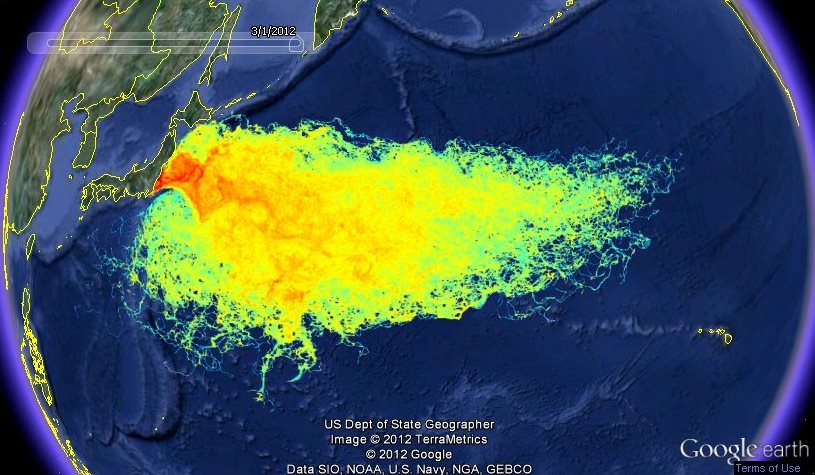
fukushima_icewallFor years, scientists and environmentalists have worried about the long-term fallout of the Fukushima Dai-Ichi nuclear accident. And after a month of radioactive water leaking from the plant, the Japanese government has announced the construction of a giant, $470 million ice wall to stop it from filtering into the surrounding environment and the sea. This announcement was made shortly after another leak was discovered over the August long weekend.

This came only two weeks after Tokyo Electric Power Co. (TEPCO) revealed that some 300 tons of radioactive water had disappeared from a steel tank at the site. Shunichi Tanaka, chairman of the Japanese Nuclear Regulation Authority then announced at a press conference the following Monday that a small leak had sprung from a connecting pipe between some of the emergency storage tanks constructed in the wake of the tsunami.

fukushima_leakTEPCO added that more radiation had been discovered near other storage tanks, pointing to the possibility of further leaks. Hence the decision to create a freeze wall, which would attempt to keep the leaks from getting into the groundwater and wreaking havoc all across the Pacific Ocean. According to the Associate Press:

The ice wall would freeze the ground to a depth of up to 30 meters (100 feet) through a system of pipes carrying a coolant as cold as minus 40 degrees Celsius (minus 40 Fahrenheit). That would block contaminated water from escaping from the facility’s immediate surroundings, as well as keep underground water from entering the reactor and turbine buildings, where much of the radioactive water has collected.

The project, which TEPCO and the government proposed in May, is being tested for feasibility by Japanese construction giant Kajima Corp. and is set for completion by March 2015.

Might sound a bit hokey, but this isn’t the first time that officials have tried using a giant frozen wall as a stopgap measure, or even the first time one was used to contain nuclear contaminants. In 1996, Tennessee’s Oak Ridge National Laboratory used an ice wall to keep radioactive waste from leaking into a creek.

fukushima_reactorIn England and Wales, freeze walls have been used in mining operations for almost half century, and are being used to isolate arsenic trioxide leftover from an abandoned gold-mining operation in Canada’s Northwest Territories. And Moretrench, a company that worked on Oak Ridge, is creating a freeze wall pilot for containing contamination from the Albertan tar sands.

This latter project has served as a model for the current Fukushima freeze wall project. Earlier this year, TEPCO engineers also visited Hanford, Washington, to learn about nuclear containment techniques. There, engineers are still at work decommissioning the original nuclear reactors used to create plutonium for the atom bomb dropped on Nagasaki in 1945, and the government has spent $16 billion to clean up the leaks that have since resulted.

fukushima_accidentHowever, according to the Associated Press, the decision to put a freeze wall in place also appears to be motivated by the imminent deadline for the Olympic Committee to choose a city for the 2020 games. Since Japan is looking to host, any ongoing environmental issues could sully their chances. However, as far as long term containment goes, this option may prove effective at averting a long-term ecological disaster.

What’s more, if the cooling system to keep the barrier of insulated ice intact fails, any leaks or cracks will freeze to the wall, stopping the possibility of the further contamination. In addition, as demonstrated by the Oak Ridge Wall, an ice wall has incredible longevity. Years after it was decommissioned and remediated, the government was still hauling solid ice out of the ground.

So it would not be unreasonable to expect that it will hold long after the reactor leak is contained and worries about contamination are no longer an issue.

Source: fastcoexist.com

Nukemap 3D: Bringing Nuclear War to your Home!

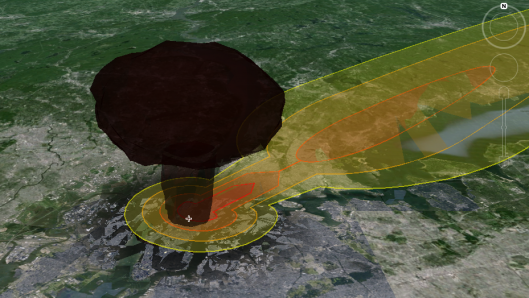
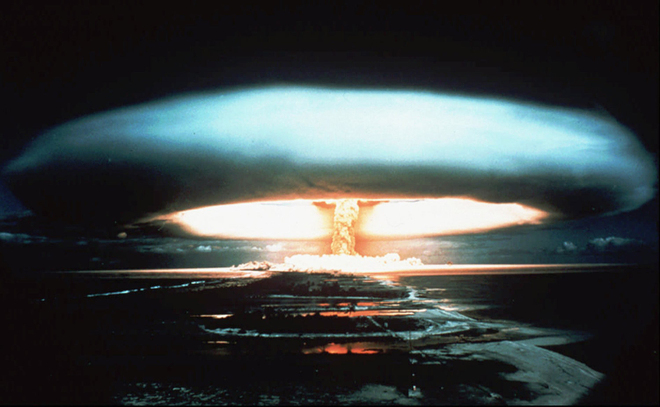
nukemap3Ever wonder what it would look like if a thermonuclear device hit your hometown? Yeah, me neither! But let’s pretend for a moment that this is something you’ve actually considered… sicko! There’s an online browser-based program for that! It’s called Nukemap3D, and uses a Google Earth plug in to produce a set of graphics that show the effects of a nuclear weapon on your city of choice.

All you have to do is pick your target, select your favorite thermonuclear device, and you can see an animated mushroom cloud rising over ground zero. The creator was Dr. Alex Wellerstein, an Associate Historian at the Center for History of Physics at the American Institute of Physics in College Park, Maryland, who specializes in the history of nuclear weapons and nuclear secrecy.

nukemap3-1Interestingly enough, Wellerstein’s inspiration for developing Nukemap 3D came from his experience of trying to teach about the history of nuclear weapons to undergraduates. As people who had completely missed the Cold War, these students naturally didn’t think about the prospect of nuclear war much, and had little to no cultural association with them.

Events like Hiroshima and the Cuban Missile Crisis were essentially ancient history to them. For him and his wife, who teaches high school, it was always a challenge to get students to relate to these issues from the past and seeing how they related to the present. Specifically, he wanted his students to address the larger issue of how one controls a dangerous technology that others find desirable.

nukemap3-2And given how inundated young people are today with technology, he believed an online browser that allowed children to visualize the effects of a nuclear attack seemed just like the thing. The concept originally grew out of his own research to determine the size of the Hiroshima bomb versus the first hydrogen bomb versus a modern nuclear weapon.

After producing a web page with the relevant info in 2012, he began receiving millions of hits and felt the need to expand on it. One of the things he felt was missing was info on additional effects of nuclear blasts, such as radioactive debris that comes down as fallout, contamination that can extend for hundreds of kilometers in all directions, and how this can spread with prevailing winds.

NuclearDetonationsIn addition to being a pedagogical tool which can help students appreciate what life was like during the Cold War, Wellerstein also hopes his site could help combat misinformation about modern nukes. All too often, people assume that small devices – like those being developed by North Korea – could only cause small-scale damage, unaware of the collateral damage and long-term effects.

Another use of the program is in helping to combat ideas of “instant apocalypse” and other misconceptions about nuclear war. As we move farther and farther away from an age in which nuclear holocaust was a distinct possibility, people find themselves turning to movies and pop culture for their information on what nuclear war looks like. In these scenarios, the end result is always apocalyptic, and by and large, this is not the case.

nuclear1In a war where nuclear confrontation is likely, civilization does not simply come to an end and mutants do not begin roaming the Earth. In reality, it will mean mass destruction within a certain area and tens of thousands of deaths. This would be followed by mass evacuations of the surrounding areas, the creation of field hospitals and refugee camps, and an ongoing state of emergency.

In short, a nuclear exchange would not means the instantaneous end of civilization as we know it. Instead, it would lead to an extended period of panic, emergency measures, the presence of NGOs, humanitarian aid workers, and lots and lots of people in uniform. And the effects would be felt long after the radiation cleared and the ruins were rebuilt, and the memory would be slow to fade.

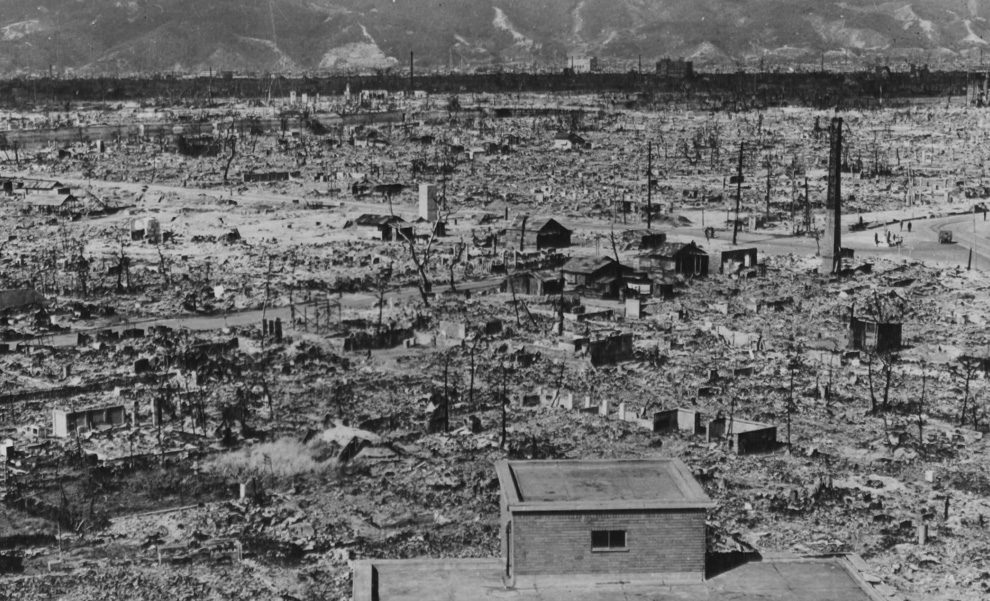
Hiroshima, after the blast

Basically, Wellerstein created Nukemap 3D in the hope of finding a middle ground between under exaggeration and over exaggeration, seeking to combat the effects of misinformation on both fronts. In a nuclear war, no one is left unaffected; but at the same time, civilization doesn’t just come to an abrupt end. As anyone who survived the horrors of Hiroshima and Nagasaki can attest, life does go on after a nuclear attack.


The effects are felt for a very long time, and the scars run very deep. And as those who actually witnessed what a nuclear blast looks like (or lived in fear of one) grow old and pass on, people need to be educated on what it entails. And a graphic representation, one that utilizes the world’s most popular form of media, is perhaps the most effective way of doing that.

In the meantime, be sure to check out Nukemap 3D and see exactly what your hometown would look like if it were hit by a nuclear device. It’s quite… eye-opening!

Source: gizmag.com