Just to put some fears to rest right away, I should inform you that the RP-VITA, aka. the robo-doc, is not actually a robotic doctor. What it is is a revolutionary new telepresence robot that allows doctors to examine and treat patients from a distance. Earlier this year, the design received approval from the FDA, and has since been picked up by seven hospitals across the United States and one in Mexico City.
RP-VITA, which stands for Remote Presence Virtual + Independent Telemedicine Assistant, was developed collaboratively by iRobot and InTouch Health. InTouch Health specializes in telemedicine, the pursuit of bringing telepresence technology to medical centers all around the world. As for iRobot, they are predominantly known for making the Roomba robotic vacuum cleaner, not to mention the Robotic Fabricator – the world’s first robot-assisted 3D printer.
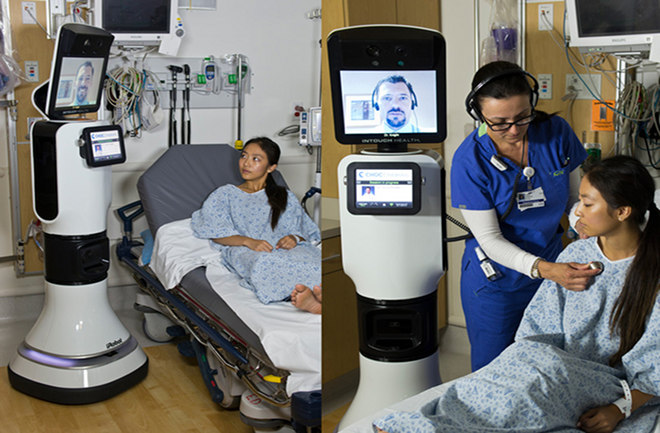
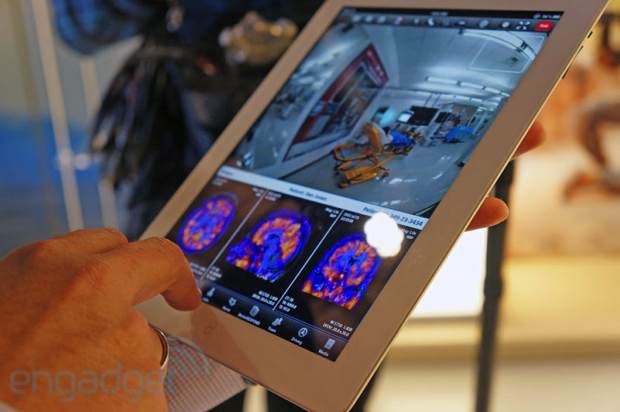
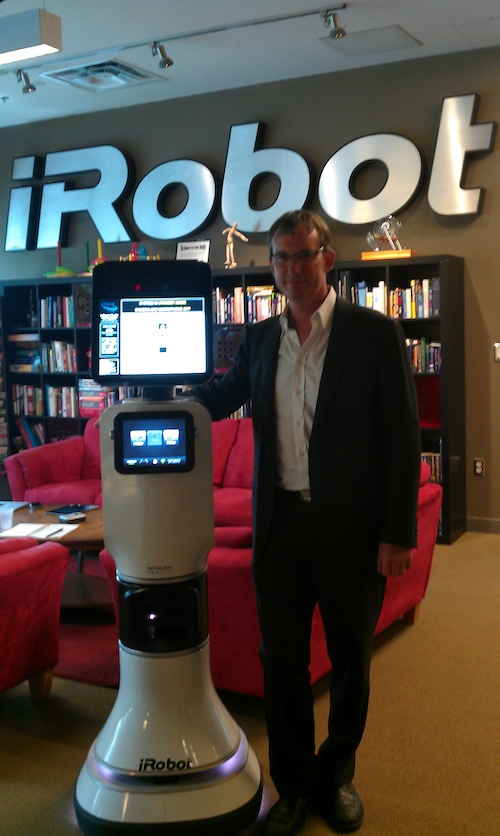
As seen in the pics above, the 5-foot robot is basically a roving Webcame that projects a remote doctor’s face and voice for interaction with patients, doctors and nurses. It is also iPad-controlled, but can navigate hospital wards autonomously and even find patients on its own, since it has a map that’s integrated with hospital wards. This makes it the first telepresence robot that’s functions promise not to disrupt existing hospital procedures.
And since the RP-VITA was designed with telepresence in mind, it has had no trouble merging in with existing programs such as TeleStroke, TeleICU, TelePsych, and TelePediatric. All of these programs specialize in connecting medical specialists to patients even though they are not on sight. But by adding mobility to the equation, the robot offers a good deal of enhancement to these programs by being able to go where its needed and free up patient care space.
In a press release statement, iRobot and InTouch quoted Paul Vespa, director of neurocritical care at the Reagan Center, citing the benefits of this new robot:
During a stroke, the loss of a few minutes can mean the difference between preserving or losing brain function… The new technology enables me to concentrate on caring for my patient without being distracted by the need to set up and manage its technological features.
So for those fearing that this was the beginning of the end, or that robots were being entrusted with life and death decisions effecting human being, rest assured that this is merely an example of enhancing patient care and that human controllers are still (largely) in control of the process. We’re safe for now…
Welcome everyone to my first special-request piece! As some of you who read this blog regularly may know, I was recently done a solid by a friend who brought the existence of my latest book (Whiskey Delta) to the attention of Max Brooks, Mr. World War Z man himself! Because of this, I told him he was entitled to favor, redeemable whenever he saw fit. Especially if the favor he did me allowed me to make it big!
Much to my surprise, he called it in early. Yes, instead of waiting for me to become a success and demanding 50 grand and pony, he asked that I do a tribute piece in honor of Israeli Independence Day, one that acknowledges the collective scientific, medical and technological achievements of this nation.
So hang tight. Not the easiest thing in the world to sum up an entire nation’s contributions in several fields, but I shall try. And for the sake of convenience, I broke them down into alphabetical order. So to my Israeli readers and those with family in the Levant, Shalom Aleichem, and here we go!
Aerospace: When it comes to space-based research, aviation and aeronautics, Israel has made many contributions and is distinguished as one of the few nations outside of the – outside of the major space players – that is able to build and launch its own communications, navigation and observation satellites. This is performed through the Israel Aerospace Industries(IAI), Israel’s largest military engineering company, in cooperation with the Israel Space Agency, which was created in 1982.
What’s more, Technion, the Israeli Institute of Technology, is home to the Asher Space Research Institute (ASRI), which is unique in Israel as a university-based center of space research. In 1998, the Institute built and launched its own satellite – known as the Gerwin-II TechSAT – in July 1998 to provide communications, remote sensing and research services for the nation’s scientists.
Israel’s first ever satellite, Ofeq-1, was built and launched using the locally-built Shavit launch vehicle on September 19, 1988. Over the course of its operational history, Ofeq-1 has made important contributions in a number of areas in space research, including laser communication, research into embryo development and osteoporosis in space, pollution monitoring, and mapping geology, soil and vegetation in semi-arid environments.
AMOS-1 and AMOS-2, which were launched in 1996 and 2003 respectively. AMOS-1 is a geostationary satellite that also has the honor of being Israel’s first commercial communications satellite, built primarily for direct-to-home television broadcasting, TV distribution and VSAT services. AMOS-2, which belongs to the Spacecom Satellite Communications company, provides satellite telecommuncations services to countries in Europe, the Middle East and Africa.
Additional space-based projects include the TAUVEX telescope, the VENUS microsatellite, and the MEIDEX (Mediterranean – Israel Dust Experiment), which were produced and launched in collaboration the Indian Space Research Organizations (ISRO), France’s CNES, and NASA, repsectively. In addition to conducting research on background UV radiation, these satellites are also responsible for monitoring vegetation and the distribution and physical properties of atmospheric desert dust over the a large segment of the globe.
Ilan Ramon, Israel’s first astronaut, was also a member of the crew that died aboard the Space Shuttle Columbia. Ramon was selected as the missions Payload Specialist and trained at the Johnson Space Center in Houston, Texas, from 1998 until 2003. Among other experiments, Ramon was responsible for the MEIDEX project in which he took pictures of atmospheric aerosol (dust) in the Mediterranean. His death was seen as a national tragedy and mourned by people all over the world.
According to the Thomson Reuters agency, in a 2009 poll, Israel was ranked 2nd among the 20 top countries in space sciences.
Alternative Fuel and Clean Energy: When it comes to developing alternative sources of energy, Israel is a leader in innovation and research. In fact – and due in no small part to its lack of conventional energy resources – Israel has become the world’s largest per capita user of solar power, with 90% of Israeli homes use solar energy for hot water, the highest per capita in the world.
Much of this research is performed by the Ben-Gurion National Solar Energy Center, a part of the Ben-Gurion University of the Negev (in Beersheba). Pictured above is the Ben-Gurion parabolic solar power dish, the largest of its kind in the world. In addition, the Weizman Institute of Science, in central Israel, is dedicated to research and development in the field of solar technology and recently developed a high-efficiency receiver to collect concentrated sunlight, which will enhance the use of solar energy in industry as well.
Outside of solar, Israel is also heavily invested in the fields of wind energy, electric cars, and waste management. For example, Israel is one of the few nations in the world that has a nationwide network of recharching stations to facilitate the charging and exchange of car batteries. Denmark and Australia have studied the infrastructure and plan to implement similar measures in their respective countries. In 2010, Technion also established the Grand Technion Energy Program (GTEP), a multidisciplinary task-force that is dedicated to alternative fuels, renewable energy sources, energy storage and conversion, and energy conservation.
Private companies also play a role in development, such as the Arrow Ecology company’s development of the ArrowBio process, which takes trash directly from collection trucks and separates organic from inorganic materials. The system is capable of sorting huge volumes of solid waste (150 tons a day), salvaging recyclables, and turning the rest into biogas and rich agricultural compost. The system has proven so successful in the Tel-Aviv area that it has been adopted in California, Australia, Greece, Mexico, and the United Kingdom.
Health and Medicine: Israel also boasts an advanced infrastructure of medical and paramedical research and bioengineering facilities. In terms of scientific publications, studies in the fields of biotechnology, biomedical, and clinical research account for over half of the country’s scientific papers, and the industrial sector has used this extensive knowledge to develop pharmaceuticals, medical equipment and treatment therapies.
In terms of stem cell research, Israel has led the world in the publications of research papers, patents and studies per capita since the year 2000. The first steps in the development of stem cell studies occurred in Israel, with research in this field dating back to studies of bone marrow stem cells in the early 1960s. In 2011, Israeli scientist Inbar Friedrich Ben-Nun led a team which produced the first stem cells from endangered species, a breakthrough that could save animals in danger of extinction.
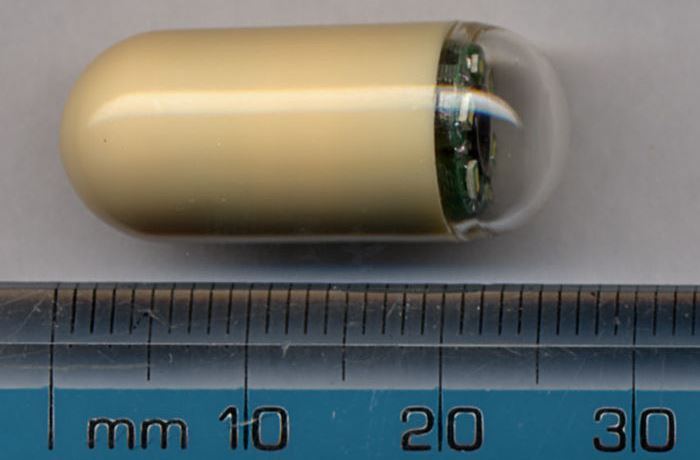
Numerous sophisticated medical advancements for both diagnostic and treatment purposes has been developed in Israel and marketed worldwide, such as computer tomography (CT) scanners, magnetic resonance imaging (MRI) systems, ultrasound scanners, nuclear medical cameras, and surgical lasers. Other innovations include a device to reduce both benign and malignant swellings of the prostate gland and a miniature camera encased in a swallowable capsule used to diagnose gastrointestinal disease.
Israel is also a leading developer of prosthetics and powered exoskeletons, technologies designed to restore mobility to amputees and people born without full ambulatory ability. Examples include the SmartHand, a robotic prosthetic hand developed through collaboration between Israeli and European scientists. ReWalk is another famous example, a powered set of legs that help paraplegics and those suffering from partial paralysis to achieve bipedal motion again.
Science and Tech: In addition, Israeli universities are among 100 top world universities in mathematics (Hebrew University, TAU and Technion), physics (TAU, Hebrew University and Weizmann Institute of Science), chemistry (Technion and Weizmann Institute of Science), computer science (Weizmann Institute of Science, Technion, Hebrew University, TAU and BIU) and economics (Hebrew University and TAU).
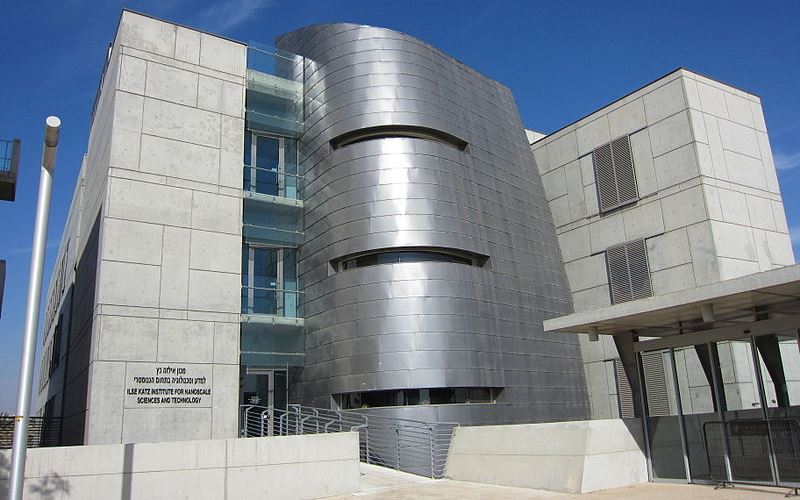
Ilse Katz Institute for Nanoscale Science and Technology – Ben-Gurion University
Israel is also home to some of the most prestigious and advanced scientific research institutions in the world. These include the Bar-Ilan University, Ben-Gurion University of the Negev, the University of Haifa, Hebrew University of Jerusalem, the Technion – Israel Institute of Technology, Tel Aviv University and the Weizmann Institute of Science, Rehovot, the Volcani Institute of Agricultural Research in Beit Dagan, the Israel Institute for Biological Research and the Soreq Nuclear Research Center.
Israel has also produced many Noble Prize Laureates over the years, four of whom won the Nobel Prize for Chemistry. These include Avram Hershko and Aaron Ciechanover of the Technion, two of three researchers who were responsible for the discovery ubiquitin-mediated protein degradation in 2004. In 2009, Ada Yonath of the Weizmann Institute of Science was one of the winners for studies of the structure and function of the ribosome. In 2011, Dan Shechtman of the Technion was awarded the prize for the discovery of quasicrystals.
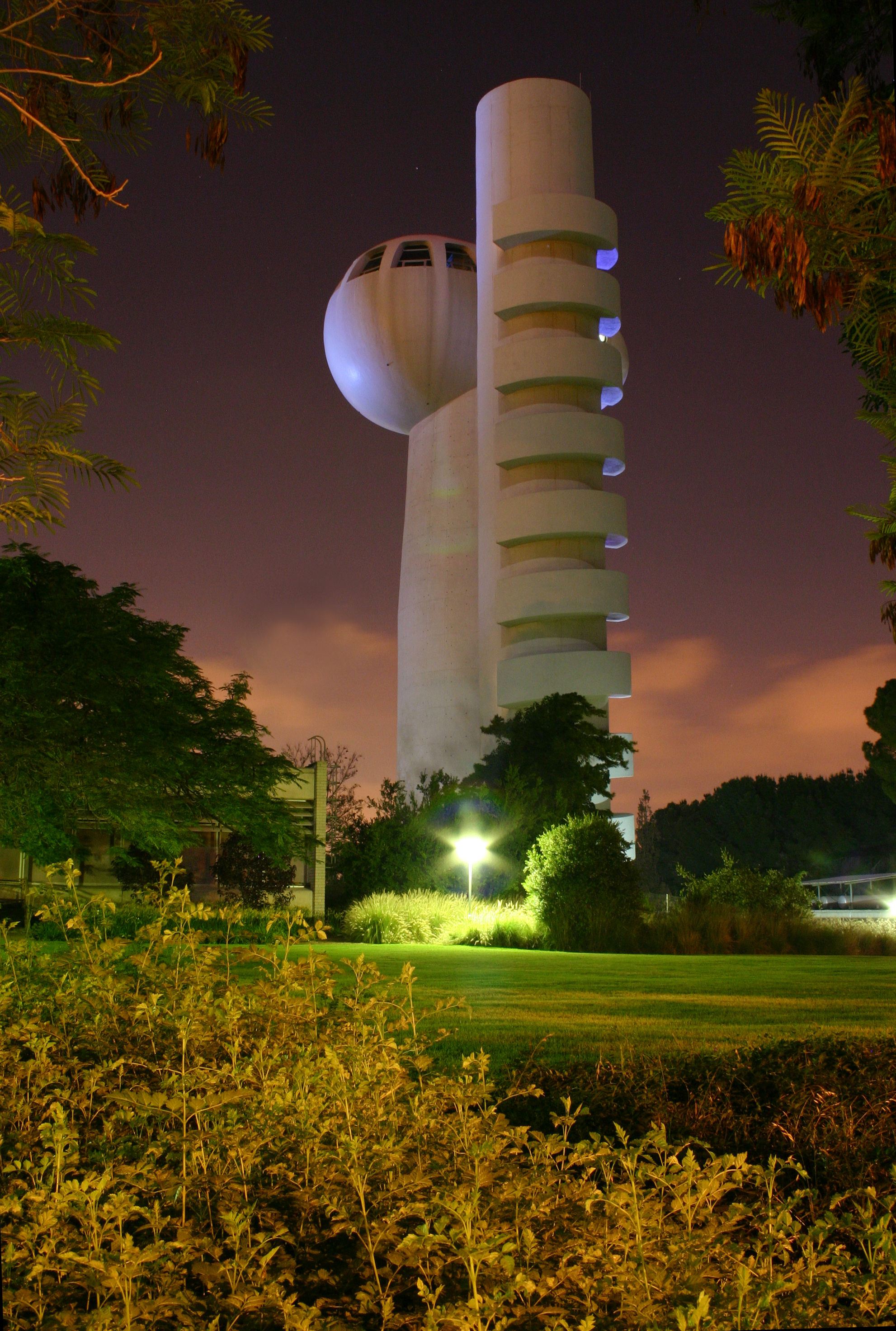
Koffler Accelerator – Weizman Institute of Science
In the social sciences, the Nobel Prize for Economics was awarded to Daniel Kahneman in 2002, and to Robert Aumann of the Hebrew University in 2005. Additionally, the 1958 Medicine laureate, Joshua Lederberg, was born to Israeli Jewish parents, and 2004 Physics laureate, David Gross, grew up partly in Israel, where he obtained his undergraduate degree.
In 2007, the United Nations General Assembly’s Economic and Financial Committee adopted an Israeli-sponsored draft resolution that called on developed countries to make their knowledge and know-how accessible to the developing world as part of the UN campaign to eradicate hunger and dire poverty by 2015. The initiative is an outgrowth of Israel’s many years of contributing its know-how to developing nations, especially Africa, in the spheres of agriculture, fighting desertification, rural development, irrigation, medical development, computers and the empowerment of women.
Water Treatment: And last, but certainly not least, Israel is a leader in water technology, due again to its geography and dependence and lack of resources. Every year, Israel hosts the Water Technology Exhibition and Conference (WaTec) that attracts thousands of people from across the world and showcases examples of innovation and development designed to combat water loss and increase efficiency.
Drip irrigation, a substantial agricultural modernization, was one such developed which comes from in Israel and saved countless liters of farm water a year. Many desalination and recycling processes have also emerged out of Israel, which has an abundance of salt water (such as in the Dead Sea and Mediterranean), but few large sources of freshwater. The Ashkelon seawater reverse osmosis (SWRO) plant, the largest in the world, was voted ‘Desalination Plant of the Year’ in the Global Water Awards in 2006.
In 2011, Israel’s water technology industry was worth around $2 billion a year with annual exports of products and services in the tens of millions of dollars. The International Water Association has also cited Israel as one of the leaders in innovative methods to reduce “nonrevenue water,” (i.e., water lost in the system before reaching the customer). By the end of 2013, 85 percent of the country’s water consumption will be from reverse osmosis, and as a result of innovations in this field, Israel is set to become a net exporter in the coming years.
Summary:
It’s hard to sum up the accomplishments of an entire nation, even one as young and as geographically confined as Israel. But I sincerely hope this offering has done some justice to the breadth and width of Israel’s scientific achievements. Having looked though the many fields and accomplishments that have been made, I have noticed two key features which seem to account for their level of success:
Necessity: It’s no secret that Israel has had a turbulent history since the foundation of the modern nation in 1948. Due to the ongoing nature of conflict with its neighbors and the need to build armaments when they were not always available, Israel was forced to establish numerous industries and key bits of infrastructure to produce them. This has had the predictable effect of spilling over and inspiring developments in the civilian branches of commerce and development as well. What’s more, Israel’s location in a very arid and dry region of the world with few natural resources to speak of have also demanded a great deal of creativity and specialized resource management. This in turn has led to pioneering work in the fields of energy, sustainable development and agricultural practices which are becoming more and more precious as Climate Change, population growth, hunger and drought effect more and more of the world.
Investment: Israel is also a nation that invests heavily in its people and infrastructure. Originally established along strongly socialist principles, Israel has since abandoned many of its establishment era practices – such as kibbutz and equality of pay – in favor of a regulated free market with subsidized education and health care for all. This has led to a successive wave of generations that are strong, educated, and committed to innovation and development. And with competition and collaboration abroad, not to mention high demand for innovation, this has gone to good use.
And with that, I shall take my leave and wish my Israeli readers at home and abroad a happy belated Independence Day! May peace and understanding be upon you and us all as we walk together into the future. Shalom Aleichem!
Today, in Washington DC, the US Supreme Court heard arguments made for and against the belief that the human genome can be claimed as intellectual property. For almost thirty years now, US authorities have been awarding patents on genes to universities and medical companies. But given the recent publication of the human genome, this practice could have far reaching consequences for human rights.
Ever since USC researchers published ENCODE – The Encyclopedia of DNA Elements Project – scientists and law-makers have been scrambling to determine what the next step in human genetics research will be. In addition to using the complete catalog of genetic information for the sake of bioresearch, medicine and programmable DNA structures, there are also legal issues that go back decades.
For example, if companies have the right to patent genes, what does that say about the human body? Do property rights extend to our mitochondrial DNA, or do the rights over a particular gene belong to those who discovered it, mapped its functions, or those who just plain planted their flag in it first? One of the most interesting aspects of the 21st century may be the extension of property wars and legal battles down to the cellular level…
Currently, researchers and private companies work to isolate genes in order to use them in tests for gene-related illnesses, and in emerging gene therapies. According to researchers at Weill Cornell Medical College in the US, patents now cover some 40% of the human genome, but that is expected to increase in the coming years, accounting for greater and greater swaths of human and other living creature’s DNA.This particular lawsuit, filed by the American Civil Liberties Union in conjunction with the Public Patent Foundation, relates to seven specific patents that were made on two human genes held by US firm Myriad Genetics. These genes are linked to breast and ovarian cancer, and Myriad has developed a test to look for mutations in these genes that may increase the risk of developing cancer.
The company argued that the genes patented were “isolated” by them, making them products of human ingenuity and therefore patentable. But of course, The ACLU rejected this argument, saying that genes are products of nature, and therefore can’t be patented under US or any other man-made law.
Without a doubt, there concerns are grounded in what this could mean for future generations, if people themselves could be subject to patents simply because they carry the gene that a company holds the patent on. And who can blame them? With almost half of the stuff that makes our bodies tick belonging to private companies, how big of a stretch would it be for companies to effectively own a human being?
Alternately, if companies are not allowed to patent genes, what will this mean for medical and bio research? Will cures, treatments, and medical processes become a complete free for all, with no one holding any particular distribution rights or having their exclusive work recognized. And of course, this would have the effect of hurting a research or corporate firms bottom line. So you can expect them to have something to say about it!
It’s a new age, people, with patents and prospecting extending not only into space (with asteroids), but into the human genome as well. Predictable I suppose. As humanity began expanding its field of view, focusing on wider and more distant fields, as well as gaining a more penetrating and deeper understanding of how everything works, it was only a matter of time before we started squabbling over territory and boundaries again!
As any medical practitioners will tell you, when it comes to cancer, early detection is key. And interestingly enough, there are a number of ways to do this. In addition to visual identification (i.e. change in skin pigment), or feel (i.e. noticing lumps), there is also the means of olfactory detection. Apparently, on top of its many other noticeable effects, cancer emits a smell which can lead to early detection and treatment.
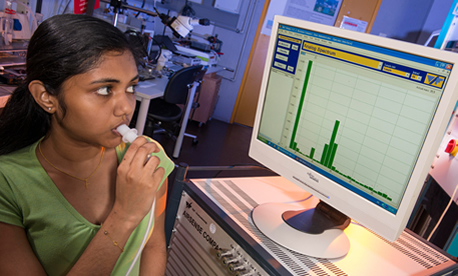
Over the years, a great deal of anecdotal and clinical research has shown that dogs are capable of sniffing out cancer in patients. Building on this knowledge, a group of scientists from Israel and China and working at Technion (the Israel Institute of Technology) have developed a stomach-cancer-sniffing device made out of nanomaterials that essentially works the same way as a breathalyzer.
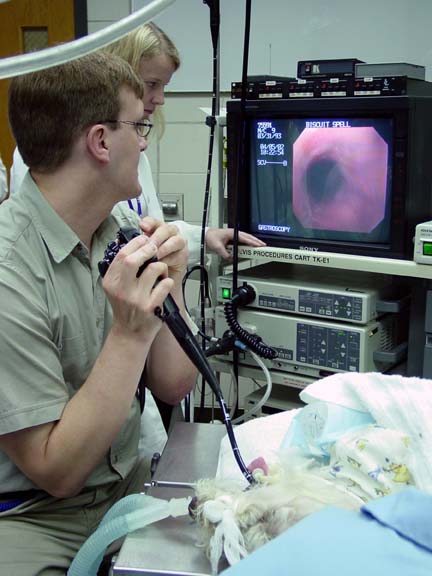
In an initial screening test, the device was used on 130 patients and was over 90% accurate in detecting not only the existence of cancer, but determining what stage it was in. Compared to conventional methods, which involves inserting a flexible tube that is inserted through the patient’s nose and into their digestive system, this test is far less invasive and unpleasant.
What’s more, this process – known as endoscopy – is quite expensive, making a comparatively cheap breathalyzer even more attractive to both doctor’s and patients. And of course, this test is generally used when the patient begins showing signs of being in an advanced stage of cancer development, and is therefore not part of an early detection regimen.
In an interview with the British Journal of Cancer, Professor Hossam Haick, lead researcher from the Technion, desribed the benefits of their new device:
The promising findings from this early study suggest that using a breath test to diagnose stomach cancers, as well as more benign complaints, could be a future alternative to endoscopies… Nevertheless, these results are at an early stage and support the concept of a breath test to detect stomach cancers but further validations are needed… But if found to be accurate enough, the nanomaterial breath test presents a new possibility for screening a population for stomach cancer, which would hopefully lead to earlier diagnosis of the disease.
In an interview with the Guardian, Kate Law, the director of clinical research at Cancer Research UK, said the test could lead to earlier detection of stomach cancer, which could save lives:
The results of this latest study are promising – although large-scale trials will now be needed to confirm these findings. Only one in five people are able to have surgery as part of their treatment as most stomach cancers are diagnosed at stages that are too advanced for surgery. Any test that could help diagnose stomach cancers earlier would make a difference to patients’ long-term survival.
Naturally, Professor Haick admitted that more testing is needed before this can become a regular practice, but both he and his staff are encouraged by their results thus far. What’s more, they clearly have the support of many doctors in the field who see this test as an effective and preferable means of diagnosing cancer over conventional methods.
So for intents and purposes, it would not be farfetched to imagine that during your a trip to see your doctor, he or she might tell you to insert a tube into your mouth and blow, just to make sure you stomach tissue was healthy, pink, and cancer free!
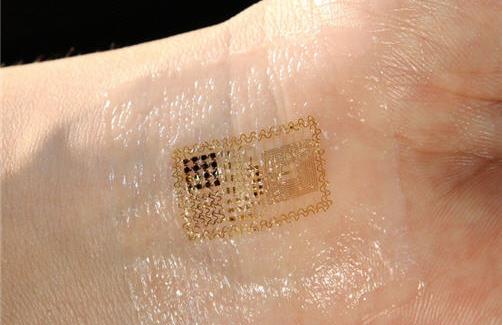
With recent advances being made in flexible electronics, researchers are finding more and more ways to adapt medical devices to the human body. These include smart tattoos, stretchable patches for organs, and even implants. But what of band-aids? Aren’t they about due for an upgrade? Well as it happens, a team of chemical engineering at Northeastern University are working towards just that.
Led by associate professor Ed Goluch, the team is working towards the development of a “smart bandage” that will not only dress wounds, but can monitor infections and alert patients to their existence. Based around an electrochemical sensor that is capable of detecting Pseudomonas aeruginosa – a common bacteria that can kill if untreated – this bandage could very prove to be the next big step in first aid.
According to Goluch, the idea came to him while he was studying how different bacterial cells behave individually and he and his colleagues began speaking about building other types of sensors:
I was designing sensors to be able to track individual cells, measure how they produce different toxins and compounds at the single-cell level and see how they change from one cell to another and what makes one cell more resistant to an antibiotic.
Naturally, addition research is still needed so that smart band-aids of this kind would be able to detect other forms of infections. And Goluch and his colleagues are quite confident, claiming that they are adapting their device to be able to detect the specific molecules emitted by Staphylococcal – the bacteria responsible for staph infections.
So far, Goluch and his team have tested the system with bacteria cultures and sensors. The next step, which he hopes to begin fairly soon, will involve humans and animals testing. The professor isn’t sure exactly how much the sensor would cost when commercialized, but he believes “it’s simple enough that you’d be able to integrate it in a large volume fairly cheap.”
At this rate, I can foresee a future where all first-aid devices are small patches that are capable of gathering data on your wounds, checking your vitals, and communicating all this information directly to your PDA or tablet, your doctor, or possibly your stretchable brain implant. I tell ya, it’s coming, so keep your apps up to date!
Since it was first clinically observed in 1981, HIV/AIDS has been responsible for an estimated 25 million people worldwide. Since 2010, an estimated 34 million people were diagnosed with HIV, most of whom live within the developing world. In spite of anti-viral medicines which makes HIV manageable, countless people still die as a result of improper treatment or a lack of access.
As such, its little wonder then why medical researchers have been working for decades to find a cure. If it were possible to inoculate against the spread of HIV, the disease would all but disappear within a few generations. In addition, if it were possible to cure those already infected, and worldwide access were assured, HIV and AIDS could very well be eliminated in a decade or less.
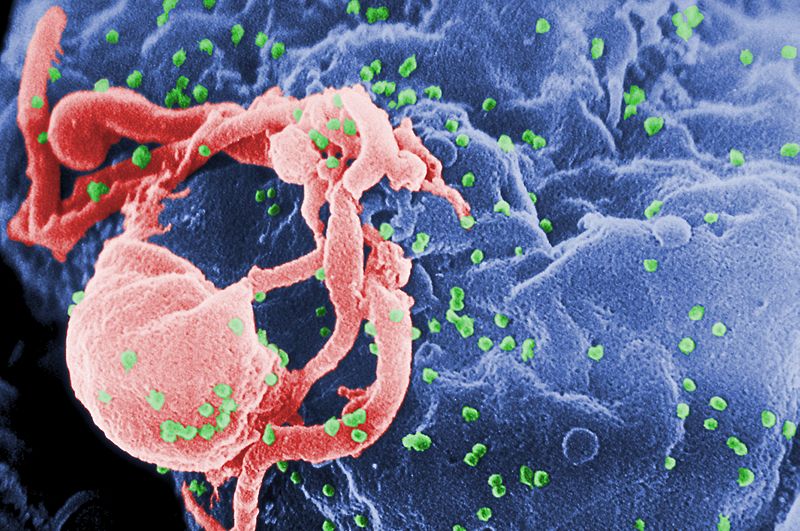
Not too long ago, researchers at Caltech experimented with HIV antibodies which could very well lead to a vaccine in the near future. But even more exciting than this was the announcement from the Washington University School of Medicine in St. Louis earlier this month, where a research team demonstrated that nanoparticles infused with a toxic bee venom were capable of killing HIV. With this latest breakthrough, it seems that the days of one of the greatest plagues in history may truly be numbered.
The key to this discovery, which was made by Samuel A. Wickline and his team at the Washington University, involves what is known as cytolyic melittin peptides. Melittin is found in bee venom, and it has the fortuitous trait of being able to degrade the protective envelope that surrounds HIV. When delivered in both large and free concentrations, they observed that HIV was unable to withstand the assault and died.
Moreover, these melittin-loaded nanoparticles left the surrounding cells unharmed, which incidentally was no accident. The nanoparticles Wickline and his team developed were endowed with a kind of filter that prevents healthy cells from coming into contact with the toxin. But HIV, since its a viral strain, is small enough to sift right through these filters, thus exposing it to the toxin.
Currently, all known forms of HIV treatment involve preventing the virus from replicating to the point that it will morph into AIDS. By contrast, this new process targets the virus where it lives, focusing on killing on it rather than limiting its ability to reproduce. Adding to the general sense of excitement is speculation that this same concept could be used to combat other infectious STDs, including hepatitis B and C.
As a topical gel, suggestions are already circling that melittin-loaded nanoparticles could be combined with spermicidal cream to create the ultimate contraceptive that can also protect against STDs. Not only would this ensure truly safe sex, combined with melittin-treatment treatments for the infected and preventative vaccinations, it would also open up another front on the “war on HIV”.
My thanks to Rami for bringing this article to my attention. Since he pointed it out, its been making quite a few waves in the medical community and general public! Stories like these give me hope for the future…

 And since the RP-VITA was designed with telepresence in mind, it has had no trouble merging in with existing programs such as TeleStroke, TeleICU, TelePsych, and TelePediatric. All of these programs specialize in connecting medical specialists to patients even though they are not on sight. But by adding mobility to the equation, the robot offers a good deal of enhancement to these programs by being able to go where its needed and free up patient care space.












 Stories by Williams