Frontiers of Neuroscience: Neurohacking and Neuromorphics

neural-network-consciousness-downloading-640x353It is one of the hallmarks of our rapidly accelerating times: looking at the state of technology, how it is increasingly being merged with our biology, and contemplating the ultimate leap of merging mind and machinery. The concept has been popular for many decades now, and with experimental procedures showing promise, neuroscience being used to inspire the next great leap in computing, and the advance of biomedicine and bionics, it seems like just a matter of time before people can “hack” their neurology too.

Take Kevin Tracey, a researcher working for the Feinstein Institute for Medical Research in Manhasset, N.Y., as an example. Back in 1998, he began conducting experiments to show that an interface existed between the immune and nervous system. Building on ten years worth of research, he was able to show how inflammation – which is associated with rheumatoid arthritis and Crohn’s disease – can be fought by administering electrical stimulu, in the right doses, to the vagus nerve cluster.

Brain-ScanIn so doing, he demonstrated that the nervous system was like a computer terminal through which you could deliver commands to stop a problem, like acute inflammation, before it starts, or repair a body after it gets sick.  His work also seemed to indicate that electricity delivered to the vagus nerve in just the right intensity and at precise intervals could reproduce a drug’s therapeutic reaction, but with greater effectiveness, minimal health risks, and at a fraction of the cost of “biologic” pharmaceuticals.

Paul Frenette, a stem-cell researcher at the Albert Einstein College of Medicine in the Bronx, is another example. After discovering the link between the nervous system and prostate tumors, he and his colleagues created SetPoint –  a startup dedicated to finding ways to manipulate neural input to delay the growth of tumors. These and other efforts are part of the growing field of bioelectronics, where researchers are creating implants that can communicate directly with the nervous system in order to try to fight everything from cancer to the common cold.

human-hippocampus-640x353Impressive as this may seem, bioelectronics are just part of the growing discussion about neurohacking. In addition to the leaps and bounds being made in the field of brain-to-computer interfacing (and brain-to-brain interfacing), that would allow people to control machinery and share thoughts across vast distances, there is also a field of neurosurgery that is seeking to use the miracle material of graphene to solve some of the most challenging issues in their field.

Given graphene’s rather amazing properties, this should not come as much of a surprise. In addition to being incredibly thin, lightweight, and light-sensitive (it’s able to absorb light in both the UV and IR range) graphene also a very high surface area (2630 square meters per gram) which leads to remarkable conductivity. It also has the ability to bind or bioconjugate with various modifier molecules, and hence transform its behavior. 

brainscan_MRIAlready, it is being considered as a possible alternative to copper wires to break the energy efficiency barrier in computing, and even useful in quantum computing. But in the field of neurosurgery, where researchers are looking to develop materials that can bridge and even stimulate nerves. And in a story featured in latest issue of Neurosurgery, the authors suggest thatgraphene may be ideal as an electroactive scaffold when configured as a three-dimensional porous structure.

That might be a preferable solution when compared with other currently vogue ideas like using liquid metal alloys as bridges. Thanks to Samsung’s recent research into using graphene in their portable devices, it has also been shown to make an ideal E-field stimulator. And recent experiments on mice in Korea showed that a flexible, transparent, graphene skin could be used as a electrical field stimulator to treat cerebral hypoperfusion by stimulating blood flow through the brain.

Neuromorphic-chip-640x353And what look at the frontiers of neuroscience would be complete without mentioning neuromorphic engineering? Whereas neurohacking and neurosurgery are looking for ways to merge technology with the human brain to combat disease and improve its health, NE is looking to the human brain to create computational technology with improved functionality. The result thus far has been a wide range of neuromorphic chips and components, such as memristors and neuristors.

However, as a whole, the field has yet to define for itself a clear path forward. That may be about to change thanks to Jennifer Hasler and a team of researchers at Georgia Tech, who recently published a roadmap to the future of neuromorphic engineering with the end goal of creating the human-brain equivalent of processing. This consisted of Hasler sorting through the many different approaches for the ultimate embodiment of neurons in silico and come up with the technology that she thinks is the way forward.
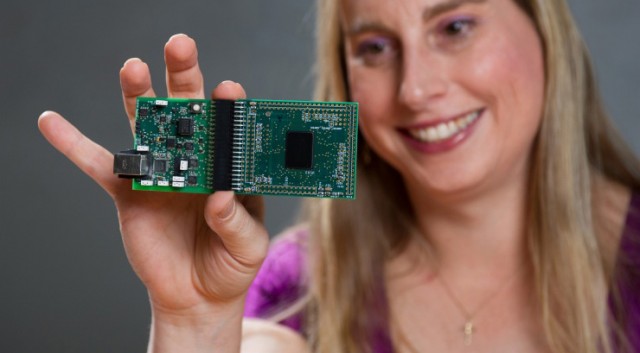
neuromorphic-chip-fpaaHer answer is not digital simulation, but rather the lesser known technology of FPAAs (Field-Programmable Analog Arrays). FPAAs are similar to digital FPGAs (Field-Programmable Gate Arrays), but also include reconfigurable analog elements. They have been around on the sidelines for a few years, but they have been used primarily as so-called “analog glue logic” in system integration. In short, they would handle a variety of analog functions that don’t fit on a traditional integrated circuit.

Hasler outlines an approach where desktop neuromorphic systems will use System on a Chip (SoC) approaches to emulate billions of low-power neuron-like elements that compute using learning synapses. Each synapse has an adjustable strength associated with it and is modeled using just a single transistor. Her own design for an FPAA board houses hundreds of thousands of programmable parameters which enable systems-level computing on a scale that dwarfs other FPAA designs.

neuromorphic_revolutionAt the moment, she predicts that human brain-equivalent systems will require a reduction in power usage to the point where they are consuming just one-eights of what digital supercomputers that are currently used to simulate neuromorphic systems require. Her own design can account for a four-fold reduction in power usage, but the rest is going to have to come from somewhere else – possibly through the use of better materials (i.e. graphene or one of its derivatives).

Hasler also forecasts that using soon to be available 10nm processes, a desktop system with human-like processing power that consumes just 50 watts of electricity may eventually be a reality. These will likely take the form of chips with millions of neuron-like skeletons connected by billion of synapses firing to push each other over the edge, and who’s to say what they will be capable of accomplishing or what other breakthroughs they will make possible?

posthuman-evolutionIn the end, neuromorphic chips and technology are merely one half of the equation. In the grand scheme of things, the aim of all of this research is not only produce technology that can ensure better biology, but technology inspired by biology to create better machinery. The end result of this, according to some, is a world in which biology and technology increasingly resemble each other, to the point that they is barely a distinction to be made and they can be merged.

Charles Darwin would roll over in his grave!

Sources: nytimes.com, extremetech.com, (2), journal.frontiersin.orgpubs.acs.org

News from Space: Jupiter’s Eye Disappearing

jupiterJupiter’s Red Eye, that trademark spot on the gas giant’s surface that is its most recognizable feature, appears to be shrinking faster than ever. Earlier this year, amateur astronomers had observed and photographed the Eye and noted that it had grown smaller. Shorlty thereafter, astronomers observed it using the Hubble Space Telescope and came to the same conclusion. Based on their calculations, they estimate that Jupiter’s Eye, a giant long-lasting storm, is narrowing by more than 900 kilometres a year, much faster than before.

At this rate, they claim, it will be gone by 2031 – just 17 years from now. Using historic sketches and photos from the late 1800s, astronomers determined the spot’s diameter then at 41,000 km (25,475 miles) across. Now, it is turned from a giant ovoid into a discrete circle that is a mere 16,500 kilometres (10,252 miles) across. Many who’ve attempted to see Jupiter’s signature feature have been frustrated in recent years not only because the spot’s pale color makes it hard to see  against adjacent cloud features, but because it’s physically getting smaller.

Jupiter-GRS-Hubble-shrink-panel-580x399As to what causing the drastic downsizing, there are no firm answers yet. However, NASA has a theory, which was shared by Amy Simon of NASA’s Goddard Space Flight Center in Maryland, USA:

In our new observations it is apparent that very small eddies are feeding into the storm. We hypothesized that these may be responsible for the accelerated change by altering the internal dynamics of the Great Red Spot.

Michael Wong, a scientist at the University of California, Berkeley, seems to be in agreement. He stated that one theory is the spot eats smaller storms, and that it is consuming fewer of them. But for the time being, scientists can’t be sure why its getting smaller, why the eye is red in the first place, or what will happen once it is completely gone.

Jupiters_EyeThe Great Red Spot has been a trademark of the planet for at least 400 years – a giant hurricane-like storm whirling in the planet’s upper cloud tops with a period of 6 days. But as it’s shrunk, its period has likewise grown shorter and now clocks in at about 4 days. The storm appears to be conserving angular momentum by spinning faster and wind speeds are increasing as well, making one wonder whether they’ll ultimately shrink the spot further or bring about its rejuvenation.

In short, the eye could become a thing of the past, the sort of thing children many years from now will only read about or see in pictures to give them some idea of how the Solar System once looked. Or, its possible that it could blow up again and become as it once was, a massive red Eye observable from millions of kilometres away. Who knows? In the meantime, check out this video by NASAJuno, explaining what little we know about Jupiter’s most prominent feature (while it lasts):

Powered by the Sun: Solar-Powered Roads

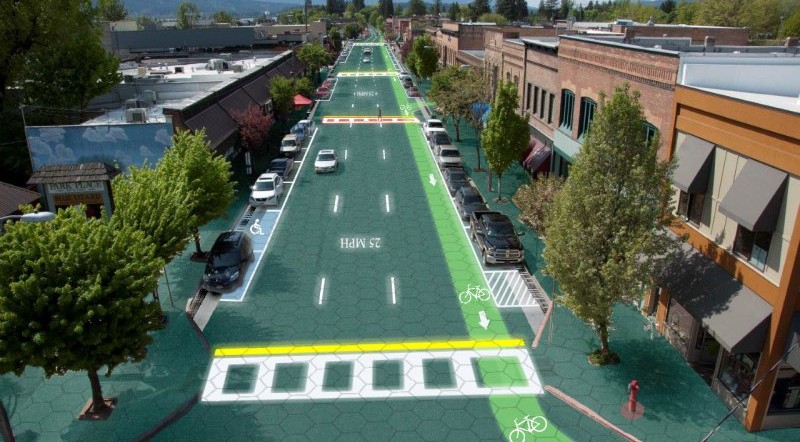
solar_roadsCurrently, there are nearly 30,000 square kilometers (18,000 square miles) of roads in the United States. And by some estimates, there are also as many as 2 billion parking spaces. That works out to some 50,000 square kilometers (31,000 square miles) of usable surface that is just soaking up sun all day long. So why not put it to use generating solar power? That’s the question a entrepreneurial couple named Scott and Julie Brusaw asked themselves, and then proceeded to launch a solar startup named Solar Roadways to see it through.

Their concept for a solar road surface has the potential to produce more renewable energy than the entire country uses. In fact, they’ve actually already developed a working prototype that’s been installed in a parking lot, and they’re now crowdsourcing funds in order to tweak the design and move towards production. Once completed, they hope to re-pave the country with custom, glass-covered solar panels that are strong enough to drive on while generating enough power to perform a range of functions.

solar_roads1These include providing lighting through a series of LEDs that make road lines and signs that help reduce nighttime accidents. Embedded heating elements also melt ice and snow and are ideal for winter conditions. The surface could also be used to charge electric vehicles as oppose to fossil fuels, and future technology could even allow for charging whilst driving via mutual induction panels. Amazingly, the team also found that car headlights can produce energy in the panels, so cars driving around at night would be producing some electricity.

Since 2006, Solar Roadways has designed and developed hexagonal glass solar panels studded with LED lights that could be installed on a variety of surfaces such as roads, pavements and playgrounds. These panels would more than pay for themselves and would benefit both businesses and homeowners as the energy generated from driveways and parking lots could be used to power buildings, and any excess can be sold back to the grid.

solar_roads3A glass surface may sound fragile, but the prototypes have been extensively tested and were found to be able to easily withstand cars, fully loaded trucks, and even 250,000-pound oil drilling equipment. The textured surface means it isn’t slippery, and since it can self-power small heaters inside to melt ice in winter, it’s supposedly safer than an ordinary road. As Scott Brusaw put it:

You first mention glass, people think of your kitchen window. But think of bulletproof glass or bomb resistant glass. You can make it any way you want. Basically bulletproof glass is several sheets of tempered glass laminated together. That’s what we have, only our glass is a half inch thick, and tempered, and laminated.

Recycled materials can also be used to produce the panels; the prototypes were constructed using 10% recycled glass. All of the panels will be wired up, so faults can be easily detected and repaired. They team have also designed a place to stash power cables, called “Cable Corridors”, which would allow easy access by utility workers. Furthermore, they also believe that these corridors could be used to house fiber optic cables for high-speed internet.

solar_roads2Obviously, this project isn’t going to be cheap, but Solar Roadways has already surpassed their goal of raising $1 million on their indiegogo page (they have managed to raise a total of $1,265,994 as of this articles publication). With this money, they will now be able to hire engineers, make final modifications, and move from prototype to production. They hope to begin installing projects at the end of the year, but a significantly larger amount of money would be required if they were to try to cover all the roads in the US!

However, given the increasing demand for solar technology and the numerous ways it can help to reduce our impact on the environment, it would not be surprising to see companies similar to Solar Roadways emerge in the next few years. It would also not be surprising to see a great deal of towns, municipalities and entire countries to start investing in the technology in the near future to meet their existing and projected power needs. After all, what is better than cheap, abundant, and renewable energy that pretty much provides itself?

For more info, check out Solar Roadways website and their Indiegogo campaign page. Though they have already surpassed their goal of $1 startup dollars, there is still five days to donate, if you feel inclined. And be sure check out their promotional video below:

Sources: iflscience.com, fastcoexist.com, solarroadways.com, indiegogo.com

The Future, Coming Soon!: Aeroflex Hoverbike by 2017

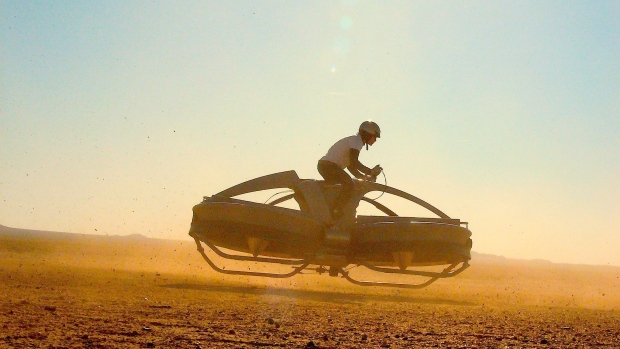
aerofex-hover-bike-prototypeThe Aerofex’s hoverbike made a pretty big splash when the Californian company showed off its working prototype back in 2012. But since that time, tech enthusiasts and futurists (not to mention fans of Stars Wars and sci-fi in general) heard nary a peep from the company for almost two years. Luckily, Aerofex has finally broken its silence and announced a launch date and a price for its hovering vehicle. According to its website, it will be ready to ship by 2017, and cost a robust $85,000 a vehicle.

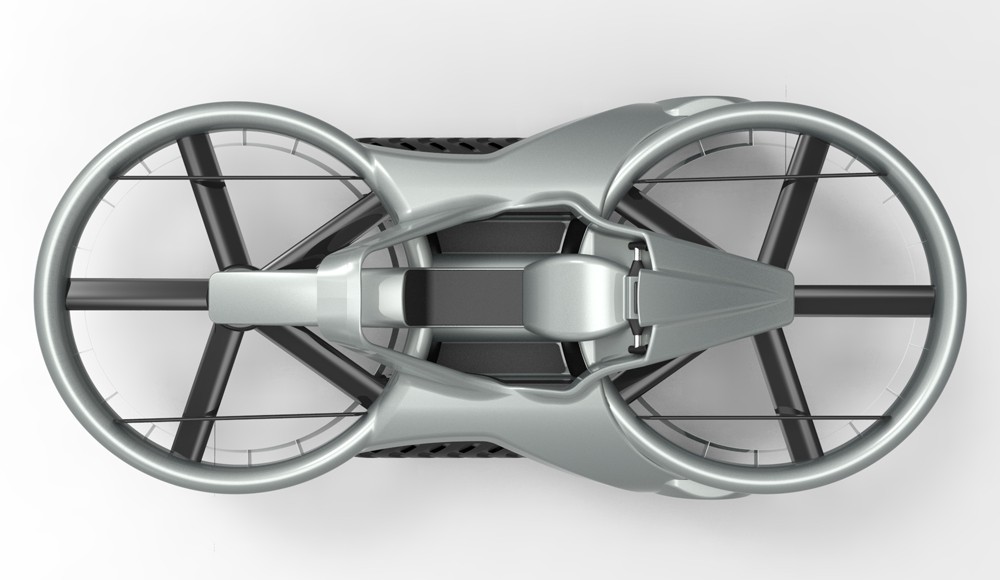
In its current form, the Aero-X is capable of carrying a load of up to 140kg (310 pounds), has seating for two, and can run for 1 hour 15 minutes on a full tank of petrol. Its two wheels are ducted rotors with carbon fibre blades, which operate in a similar manner to the open rotor of a helicopter with tighter control. And in addition to land, it can also fly over water. So while it is not a practical replacement for everyday vehicles, it can certainly occupy the same area profile as a small car.

aeroflex_topAnd – do I even need to say it? – it’s a freaking hoverbike! In the last two years, the company has been working on improving the vehicle’s stability and coupling – a phenomenon whereby rotor vehicles may pitch in the direction of the rotors’ spin. It has filed several patents for its solutions and looked towards quadcopters to solve the problem of wind, using gyroscopes and accelerometers communicating with an on-board computer to compensate for windy conditions.

User-friendliness has also figured very heavily into the design, with handlebar controls for intuitive steering and safety features that keep the driver from flying too high or too fast. Both of these features would drain its fuel more quickly, but they ensure a greater degree of user-safety. This also helps it comply with the US Federal Aviation Administration’s guidelines, which require a pilot’s license for anyone operating a vehicle above an altitude of 3.7 metres (12.1 feet).

aeroflex_sideSo if you have that $85,000 kicking around (and a pilots license), you can reserve yours now for a refundable deposit of $5,000. A product statement and some basic specs have also been made available on the website. According to the commercial description:

Where you’re going, there are no roads. That’s why you need the Aero-X, a vehicle that makes low-altitude flight realistic and affordable. Flying up to 3 metres (10 feet) off the ground at 45mph (72kph), the Aero-X is unlike any vehicle you’ve seen. It’s a hovercraft that rides like a motorcycle — an off road vehicle that gets you off the ground.

I can certainly see the potential for this technology, and I imagine DARPA or some other military contractor is going to be knocking on Aeroflex’s door real soon, looking for a militarized version that they can send into dirty and dangerous areas, either to pick up wounded, transport gear, or diffuse landmines. We’re talking hoverbikes, people. Only a matter of time before the armed forces decide they want these latest toys!

Click here to go to the company website and get the full run down on the bike. And be sure to check out these videos from the company website, where we see the Aeroflex going through field tests:


Sources: cnet.com, cbc.ca, aerofex.com

The Future is Here: The Thumbles Robot Touch Screen

thumblesSmartphones and tablets, with their high-resolution touchscreens and ever-increasing number of apps, are all very impressive and good. And though some apps are even able to jump from the screen in 3D, the vast majority are still limited to two-dimensions and are limited in terms of interaction. More and more, interface designers are attempting to break this fourth wall and make information something that you can really feel and move with your own two hands.

Take the Thumbles, an interactive screen created by James Patten from Patten Studio. Rather than your convention 2D touchscreen that responds to the heat in your fingers, this desktop interface combines touch screens with tiny robots that act as interactive controls. Whenever a new button would normally pop on the screen, a robot drives up instead, precisely parking for the user to grab it, turn it, or rearrange it. And the idea is surprisingly versatile.

thumbles1As the video below demonstrates, the robots serve all sorts of functions. In various applications, they appear as grabbable hooks at the ends of molecules, twistable knobs in a sound and video editor, trackable police cars on traffic maps, and swappable space ships in a video game. If you move or twist one robot, another robot can mirror the movement perfectly. And thanks to their omnidirectional wheels, the robots always move with singular intent, driving in any direction without turning first.

Naturally, there are concerns about the practicality of this technology where size is concerned. While it makes sense for instances where space isn’t a primary concern, it doesn’t exactly work for a smartphone or tablet touchscreen. In that case, the means simply don’t exist to create robots small enough to wander around the tiny screen space and act as interfaces. But in police stations, architecture firms, industrial design settings, or military command centers, the Thumbles and systems like it are sure to be all the rage.

thumbles2Consider another example shown in the video, where we see a dispatcher who is able to pick up and move a police car to a new location to dispatch it. Whereas a dispatcher is currently required to listen for news of a disturbance, check an available list of vehicles, see who is close to the scene, and then call that police officer to go to that scene, this tactile interface streamlines such tasks into quick movements and manipulations.

The same holds true for architects who want to move design features around on a CAD model; corporate officers who need to visualize their business model; landscapers who want to see what a stretch of Earth will look like once they’ve raised a section of land, changed the drainage, planted trees or bushes, etc.; and military planners can actively tell different units on a battlefield (or a natural disaster) what to do in real-time, responding to changing circumstances quicker and more effectively, and with far less confusion.

Be sure to check out the demo video below, showing the Thumbles in action. And be sure to check out Patten Studio on their website.


Sources: fastcodesign.com, pattenstudio.com

News from Space: Mars Gets New Crater!

martian_craterThe Mars Reconnaissance Orbiter (MRO) captured this image of a 50-meter wide crater on the Red Planet back on March 28th, 2012. But the impressive thing is that this same crater was not there when the MRO took pictures of the area the day before. In other words, this crater was spotted less than a day after the impact that formed it. This is a record=setting events, since it usually takes a few years before the presence of new craters have been confirmed.

In this case, though, the constant sweep of the Mars weather camera (called the Mars Color Imager, or MARCI) picked up the black smudge that is a telltale sign of a fresh impact. Because the imager is low-resolution, it sees a large area of the surface, and does so all the time. It’s also the largest crater in the solar system ever seen with before and after shots. At 50 meters or so across, it’s half the length of a football field, so the impacting object was probably up to a few meters across.

mars_crater_marcimars_crater_marci2Something that small would burn up in Earth’s atmosphere, but given that Mars has a much thinner atmosphere (about 1 percent as thick of Earth’s) rocks of this size make it to the surface with ease. Once they make it to the ground, they hit hard enough to carve out a hole and blast out ejecta debris – which was how the crater was found. But the atmosphere is thick enough to cause a lot of pressure in front of the incoming meteoroid, which can break it up into smaller pieces.

As you can see from the images above – the top which was taken on March 27th and the bottom on the following day – there was one big crater, one smaller one, and quite a few even smaller ones around the main one. These may have been from pieces of the meteoroid that broke up as it came in. Not only that, but landslides were observed in the area that occurred around the same time, so they may have been caused by the seismic ground wave from the impact as well.

mars_avalanche4Events like this are not only novel, they are also very useful for scientists, since they help them to understand how impacts have shaped the Martian landscape. They also help determine the number of small impacts suffered by Mars (and by extrapolation, Earth), and in some cases reveal what’s underneath the surface of the planet (including ice). This latest impact is many ways a gift, since most craters are very old and the atmosphere have eroded them to the point that there results are no longer fresh.

Kudos to the MRO team for their fine work in spotting this new Martian surface feature. And in the meantime, be sure to enjoy this video that explains this record find, courtesy of the NASA Jet Propulsion Laboratory.


Sources:
slate.com, space.IO9.com, mars.nasa.gov

The Future is Here: Smart Guns

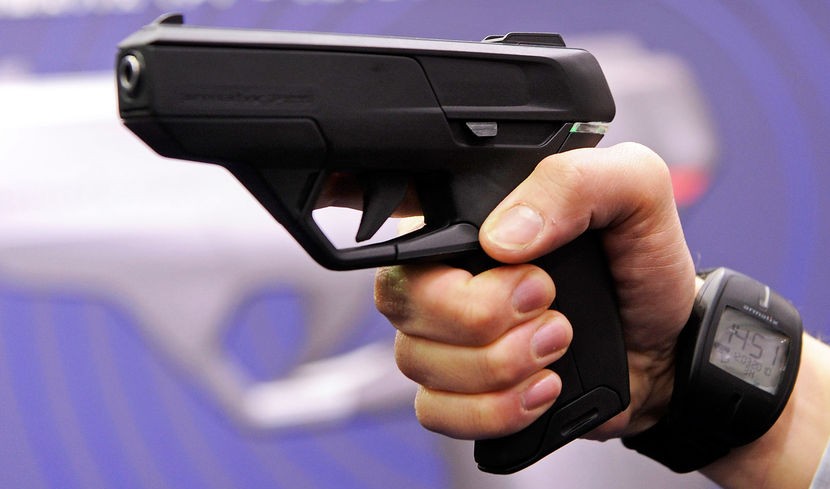
smart gun 2010 internet 0009Not long ago, designer Ernst Mauch unveiled a revolutionary new handgun that grew out of a desire to merge digital technology with firearm safety. Known as the “smart gun” – or Armatix iP1 – this pistol comes with a safety feature designed to ensure that only the guns owner may fire it. Basically, the gun comes with a watch (the iW1) that it is synchronized to, and the weapon will only fire if it is within ten inches of it. So unless you’re wearing the iW1, the weapon will not fire in your hands.

The weapon is in part the result of attempts to find intelligent solutions to gun safety and gun violence. And Mauch’s design is one of several proposed innovations to use digital/smart technology for just such a purpose. Back in January, the Smart Tech Challenges Foundation launched the first of four $1 million challenges aimed at inspiring the kinds of innovation that could help lead to safer guns – and a reduction in the number of tragic deaths and injuries that make the headlines nearly every day.

Armatix-Smart-SystemGiven the recent failures to reach a legislative solution to the ongoing problem of gun-violence, these efforts should come as no surprise. And Mauch, the lead designer of the iP1, claimed in a recent op-ed piece with the Washington Post that the number of gun enthusiasts will rise as the result of its enhanced safety. As a designer who’s patents include the USP family of pistols, the HK416 assault rifle, G36 assault rifle and XM25 grenade machine gun – he is a strong advocate of a market-based solution.

The gun has already sparked a great deal of controversy amongst gun advocates and the National Rifle Association. Apparently, they worry that legislation will be passed so that only smart guns can be sold in gun stores. This is largely in response to a 2002 New Jersey law that stipulated that once the technology was available, that smart guns be sold exclusively in the state. As a result, the NRA has been quite vocal about its opposition to smart guns, despite offers made to repeal the law in exchange for them easing their position.

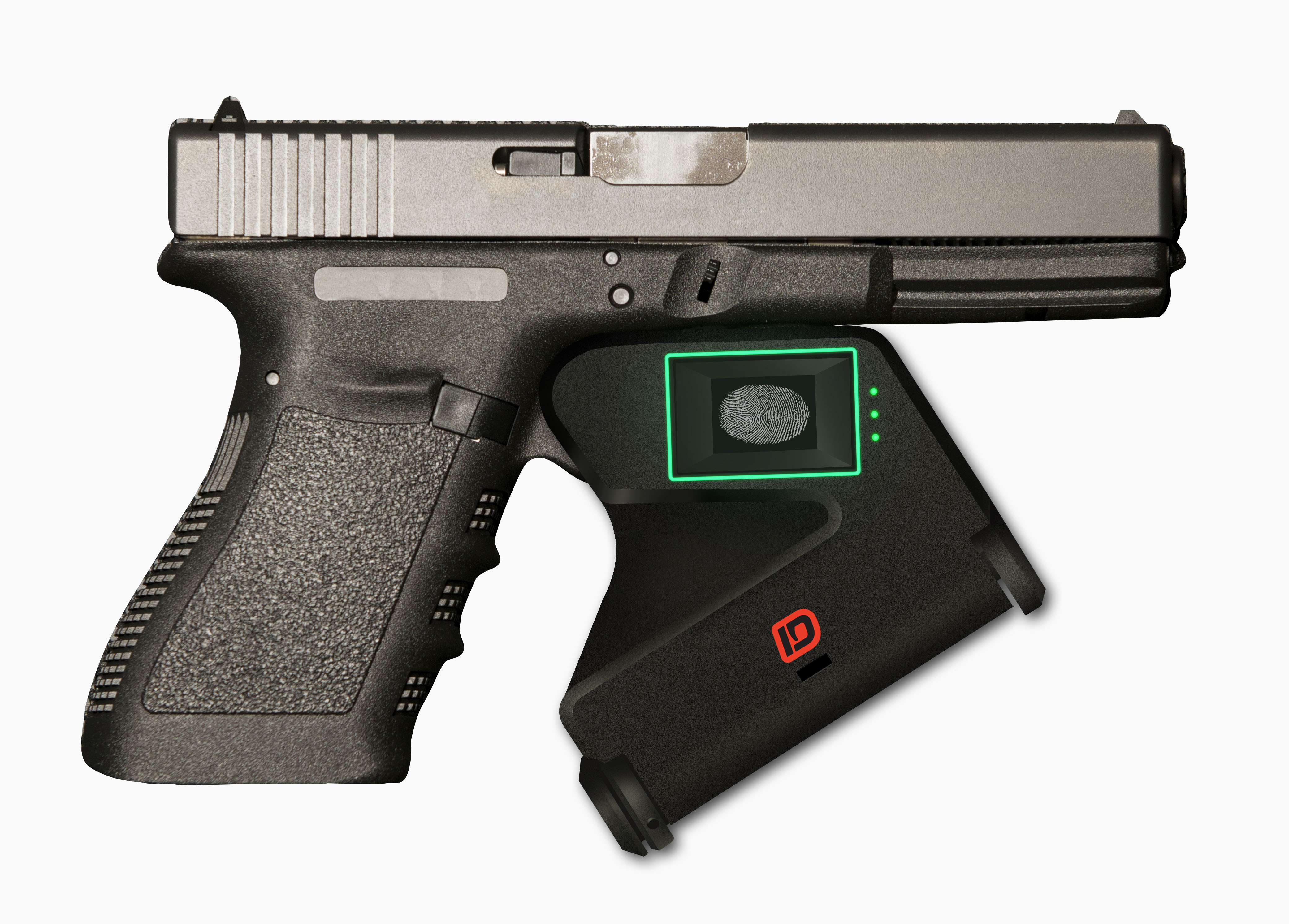
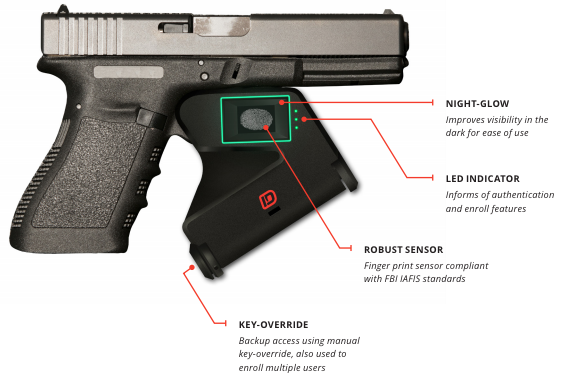
gun-lock-inlineAs already noted, the iP1 is not the only smart technology being applied to firearms. Sentini, a Detroit-based startup founded by Omer Kiyani, is designing a biometric gun lock called Identilock. Attaching to a gun’s trigger, it unlocks only when the owner applies a fingerprint. As an engineer, a gun owner, a father, and the victim of gun violence (he was shot in the mouth at 16), he too is committed to using digital technology and biometrics to make firearms safer.

An engineer by training, Kiyani spent years working as a software developer building next-generation airbag systems. He worked on calibrating the systems to minimize the chance of injury in the event of an accident, and eventually, he realized he could apply the same basic concepts to guns. As he put it:

The idea of an airbag is so simple. You inflate it and can save a life. I made the connection. I have something in my house that’s very dangerous. There’s got to be a simple way to protect it.

biometric_gunlockInitially, Kiyani considered technology that would require installing electronic locking equipment into the guns themselves, similar to what the iP1 employs. But as an engineer, he understood the inherent complications of designing electronics that could withstand tremendous shock and high temperatures, not to mention the fact it would be incredibly difficult to convince gun manufacturers to work with him on the project.

As a result, he began to work on something that anyone could add to a gun. Ultimately, his creation is different in three ways: it’s optional, it’s detachable, and it’s quick. Unlike biometric gun safes and other locking mechanisms, the Identilock makes it as easy to access a firearm as it is to unlock an iPhone. He pitched hundreds of gun owners a variety of ideas over the course of his research, but it was the biometric lock they inevitably latched onto

gun-lock-inline1The Identilock is also designed using entirely off-the-shelf components that have been proven effective in other industries. The biometric sensor, for example, has been used in other security applications and is approved by the FBI. Cobbling the sensor together from existing technologies was both a cost-saving endeavor and a strategic way to prove the product’s effectiveness more quickly. Currently, the project is still in the prototype phase, but it may prove to be the breakout product that brings biometrics and safety together in recent years.

And last, but certainly not least, there is the biometric option that comes from PositiveID, the makers of the only FDA-approved implantable biochip – which is known as the Verichip. In the past, the company has marketed similar identity-confirming microchips for security and medical purposes. But this past April, the company announced a partnership with Belgium-based gun maker FN Manufacturing to produce smart weapons.

VERICHIPThe technology is being marketed to law enforcement agencies as a means of ensuring that police firearms can never be used by criminals or third parties. The tiny chip would be implanted in a police officer’s hand and would match up with a scanning device inside a handgun. If the officer and gun match, a digital signal unlocks the trigger so it can be fired. Verichip president Keith Bolton said the technology could also improve safety for the military and individual gun owners, and it could be available as early as next year.

Similar developments are under way at other gun manufacturers and research firms. The New Jersey Institute of Technology and Australian gun maker Metal Storm Ltd. are working on a prototype smart gun that would recognize its owner’s individual grip. Donald Sebastian, NJIT vice president for research and development and director of the project, claims that the technology could eventually have an even bigger impact on the illegal gun trade.eri

An employee of Armatix poses for photographers as he presents the ÒSmartGun Concept".Regardless of the solutions being proposed and the progress being made, opposition to these and other measures does not appear to be letting up easily. New Jersey Senate Majority Leader Loretta Weinberg recently announced that she would introduce a bill to reverse the 2002 New Jersey “smart gun” law if the National Rifle Association would agree not to stand in the way of smart gun technology. The NRA, however, has not relented in its stance.

In addition, biochips and RFID implants have a way of making people nervous. Whenever and wherever they are proposed, accusations of “branding” and “Big Brother” monitoring quickly follow. And above all, any and all attempts to introduce gun safety are met with cries of opposition by those who claim it infringes on citizen’s 2nd Amendment rights. But given the ongoing problem of gun violence, school shootings, and the amount of violence perpetrated with stolen weapon, it is clear that something needs to change.

guns1In 2011 in the United States, roughly 3.6 people per 100,000 were killed with a firearm – which amounts to 32,163 people. In addition, of the 15,953 homicides committed that year, 11,101 were committed using a gun; almost 70% of the total. And not surprisingly, of those 11,101 gun-related homicides, more than half (An6,371) were committed using a handgun. And though exact figures are not exactly available, a general estimates indicates that some 90% percent of murders are committed with stolen guns.

As a result, it is likely just a matter of time before citizens see the value in biometric and smart gun technology. Anything that can ensure that only an owner can use a firearm will go a long way to curbing crime, accidents, and acts of senseless and unmitigated violence.

Sources: cnet.com, theverge.com, (2), wired.com, (2), msnbc.com, gunpolicy.com

Judgement Day Update: UN Weights in on Killer Robots

terminator_judgement_dayEarlier this month, a UN meeting took place in Geneva in which the adoption of international laws that would seek to regulate or ban the use of killer robots. It was the first time the subject was ever discussed in a diplomatic setting, with representatives trying to define the limits and responsibilities of so-called “lethal autonomous weapons systems” that could go beyond the human-directed drones that are already being used by some armies today.

On the one hand, the meeting could be seen as an attempt to create a legal precedent that would likely come in handy someday. On the other, it could be regarded as a recognition of a growing trend that is in danger of becoming a full-blown reality, thanks to developments being made in unmanned aerial systems, remote-controlled and autonomous robotics systems, and computing and artificial neural nets. The conjunction of these technologies are clearly something to be concerned about.

Atlas-x3c.lrAs Michael Moeller, the acting head of the U.N.’s European headquarters in Geneva, told diplomats at the start of the four-day gathering:

All too often international law only responds to atrocities and suffering once it has happened. You have the opportunity to take pre-emptive action and ensure that the ultimate decision to end life remains firmly under human control.

He noted that the U.N. treaty they were meeting to discuss – the Convention on Certain Conventional Weapons adopted by 117 nations including the world’s major powers – was used before to prohibit the use of blinding laser weapons in the 1990s before they were ever deployed on the battlefield. In addition to diplomatic represenatives from many nations, representatives from civil society were also in attendance and made their voices heard.

campaign_killerrobotsThese included representatives from the International Committee for the Red Cross (ICRC), Human Rights Watch (HRW), the International Committee for Robot Arms Control (ICRAC), Article 36, the Campaign to Stop Killer Robots, Mines Action Canada, PAX, the Women’s International League for Peace and Freedom, and many others. As the guardians of the Geneva Conventions on warfare, the Red Cross’ presence was expected and certainly noted.

As Kathleen Lawand, head of the Red Cross’s arms unit, said with regards to the conference and killer robots in general:

There is a sense of deep discomfort with the idea of allowing machines to make life-and-death decisions on the battlefield with little or no human involvement.

And after four days of of expert meetings, concomitant “side events” organized by the Campaign to Stop Killer Robots, and informal discussions in the halls of the UN, the conclusions reached were clear: lethal autonomous weapons systems deserve further international attention, continued action to gain prohibition, and without regulation may prove a “game changer” for the future waging of war.

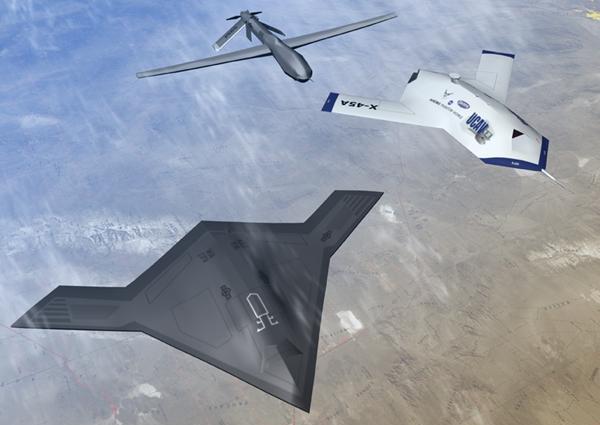
X-47BWhile some may think this meeting on future weapons systems is a result of science fiction or scare mongering, the brute fact that the first multilateral meeting on this matter is under the banner of the UN, and the CCW in particular, shows the importance, relevance and danger of these weapons systems in reality. Given the controversy over the existing uses of the drone technology and the growth in autonomous systems, the fact that an international conference was held to discuss it came as no surprise.

Even more telling was the consensus that states are opposed to “fully autonomous weapons.” German Ambassador Michael Biontino claimed that human control was the bedrock of international law, and should be at the core of future planning:

It is indispensable to maintain human control over the decision to kill another human being. This principle of human control is the foundation of the entire international humanitarian law.

The meetings also surprised and pleased many by showing that the issue of ethics was even on the table. Serious questions about the possibility of accountability, liability and responsibility arise from autonomous weapons systems, and such questions must be addressed before their creation or deployment. Paying homage to these moral complexities, states embraced the language of “meaningful human control” as an initial attempt to address these very issues.

UAVsBasically, they agreed that any and all systems must be under human control, and that the level of control – and the likelihood for abuse or perverse outcomes – must be addressed now and not after the systems are deployed. Thus in the coming months and years, states, lawyers, civil society and academics will have their hands full trying to elucidate precisely what “meaningful human control” entails, and how once agreed upon, it can be verified when states undertake to use such systems.

Of course, this will require that this first meeting be followed by several more before the legalities can be ironed out and possible contingencies and side-issues resolved. Moreover, as Nobel Peace laureate Jody Williams – who received the award in 1997 for her work to ban landmines – noted in her side event speech, the seeming consensus may be a strategic stalling tactic to assuage the worries of civil society and drag out or undermine the process.

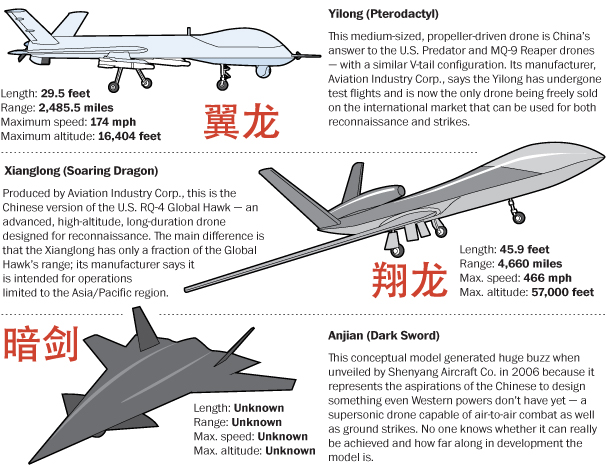
Chinese_dronesWhen pushed on the matter of lethal autonomous systems, there were sharp divides between proponents and detractors. These divisions, not surprisingly, fell along the lines of state power. Those who supported the creation, development and deployment of autonomous weapons systems came from a powerful and select few – such as China, the US, the UK, Israel, Russia, etc – and many of those experts citing their benefits also were affiliated in some way or another with those states.

However, there prospect of collective power and action through the combination of smaller and medium states, as well as through the collective voice of civil society, does raise hope. In addition, legal precedents were sighted that showed how those states that insist on developing the technology could be brought to heel, or would even be willing to find common ground to limit the development of this technology.

AI_robotThe include the Marten’s Clause, which is part of the preamble to the 1899 Hague (II) Convention on Laws and Customs of War on Land. Many states and civil society delegates raised this potential avenue, thereby challenging some of the experts’ opinions that the Marten’s Clause would be insufficient as a source of law for a ban. The clause states that:

Until a more complete code of the laws of war is issued, the High Contracting Parties think it right to declare that in cases not included in the Regulations adopted by them, populations and belligerents remain under the protection and empire of the principles of international law, as they result from the usages established between civilized nations, from the laws of humanity and the requirements of the public conscience.

Another is the fact that the Convention on Certain Conventional Weapons – which was  adopted by 117 nations including the world’s major powers – was used before to prohibit the use of blinding laser weapons in the 1990s before they were ever deployed on the battlefield. It was Moeller himself who pointed this out at the beginning of the conference, when he said that this Convention “serves as an example to be followed again.”

Personally, I think it is encouraging that the various nations of the world are coming together to address this problem, and are doing so now before the technology flourishes. I also believe wholeheartedly that we have a long way to go before any significant or meaningful measures are taken, and the issue itself is explored to the point that an informed decision can be made.

terminator2_JDI can only hope that once the issue becomes a full-blow reality, some sort of framework is in place to address it. Otherwise, we could be looking at a lot more of these guys in our future! 😉

Sources: huffingtonpost.com, (2), phys.org

News From Space: Cold War Chill Returning to Space

Space_race1[2]It’s no secret that relations between the US and Russia have been strained due to the latter’s recent military activities in Crimea. And now, it appears that Russia is using their space program as leverage in their ongoing fight over sanctions. Back in April, NASA announced that collaboration with Roscosmos – Russia’s Federal Space Agency – had ended for the time being. Since then, an escalating war of words and restrictions have followed.

For instance, in the past months, the U.S. has restricted communication between some American scientists and their Russian colleagues as part of their protest against Crimea. In response, Dmitry Rogozin – Deputy Prime Minister and head of the Russian Military-Industrial Commission – said on his Twitter feed that he is restricting the export to the US of Russia’s RD-180 rocket engines, for uses that do not involve the U.S. military – a move which has temporarily grounded all US military satellites from being deployed into orbit.

NASA_trampolineMr. Rogozin also posted an image of a trampoline with a big NASA logo in the centre, saying that after 2020 it is the technology U.S. astronauts will need to use get to the International Space Station. One week later and in response, NASA Administrator Charles Bolden said that the cooperation between NASA and Roscosmos on the International Space Station hadn’t changed “one iota” in recent years, and has withstood the increasingly frosty atmosphere between Washington and Moscow over the events in the Crimea and Ukraine.

Still, Bolden indicated that if for one reason or other a country should drop out of the project, the others would seek to continue. But in the meantime, this would means the US would lose its capacity to put its own spy and military satellites into orbit, the future of the International Space Station (ISS) would be uncertain. In addition to the US, Japan, Europe and Canada are also members of the ISS and all currently depend on Russian Soyuz capsules to take astronauts to the space station since NASA retired its shuttle fleet.

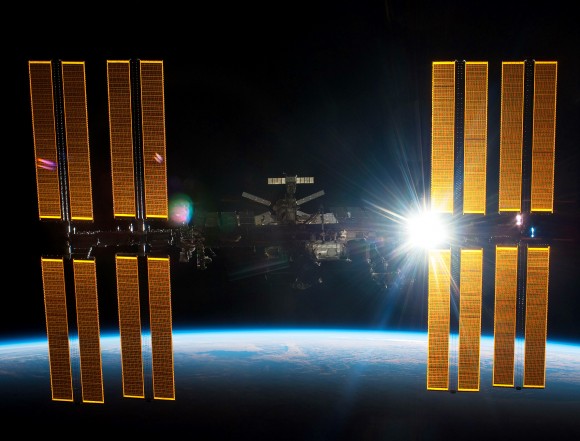
International-Space-Station-ISS-580x441All in all, it is a sad state of affairs, and not just because of the repercussions to space exploration and scientific research. As a product of post-Cold War co-operation, the ISS cost $100 billion to create and was arguably the most expensive multinational peacetime undertaking in history. Now, it is being threatened because the two nations that came together to make it a reality are regressing into a state of Cold War detente. And though the Russians currently feel that they have the upper hand, the long-term reality is far different.

Back in the early 1990s, both the U.S. and Russian space programs were floundering. The Russian program was running broke because of the collapse of the Soviet Union, and the U.S. was operating a space shuttle program that was proving to be more expensive than promised. The Americans were also having difficulty finding support for their Freedom space station project, which had a budget that was also ballooning upwards, and the Russian’s weren’t sure how much longer Mir would remain in operation.

Earth_&_Mir_(STS-71)Both countries agreed the only way to keep their space programs alive and build a large space station was to share the costs and technology, which also allowed other countries from Europe, as well as Japan and Canada, to participate. In the 13 years since it has been occupied, the International Space Station has literally known no borders, as astronauts from dozens of nations have participated in missions that have had wide-ranging benefits.

And in the process, Russia has benefited greatly in financial terms as the US has paid tens of millions of dollars to have American astronauts fly aboard the former space station Mir and ride along on their Soyuz rockets. If this friendly arrangement breaks down, it will cost both countries dearly. Russia will lose all that income from the sale of its space technology, and the U.S. will have to accelerate the development of its own space capsules and rockets to launch people and satellites into space from American soil.

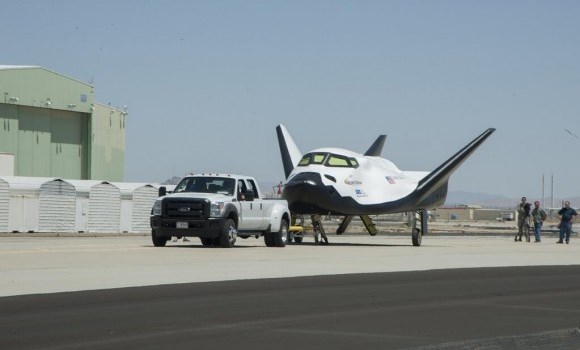
dream_chaserStanding on the sidelines are individuals and private companies like Elon Musk and SpaceX, the Texas company that already builds its own low-cost rockets, along with space capsules that have been delivering supplies to the Space Station. In addition, Sierra Nevada, a private aerospace contractor, is working with NASA to produce the Dream Chaser as part of the agency’s reusable vertical-takeoff, horizontal-landing (VTHL) program.

Between SpaceX already delivering capsules to the ISS, its successful reusable rocket demonstrations, and the multiple proposals NASA has for a new era of space vehicles, the US space program may not be grounded for much longer. And there is something to be said about competition spurring innovation. However, one cannot deny that it is unfortunate that the US and Russia may be once again moving forward as competitors instead of companions, as that is likely to cost all sides far more.

But of course, there is still plenty of time for a diplomatic solution to tensions in the east, and plenty of reasons for all sides to avoid regressive to a Cold War footing. We’ve come too far at this point to turn back. And considering how much of our future depends on space travel and exploration going ahead unimpeded, we can’t afford to either!

Sources: cbc.ca, phys.org

The Future is Here: Vertical Algae Farms

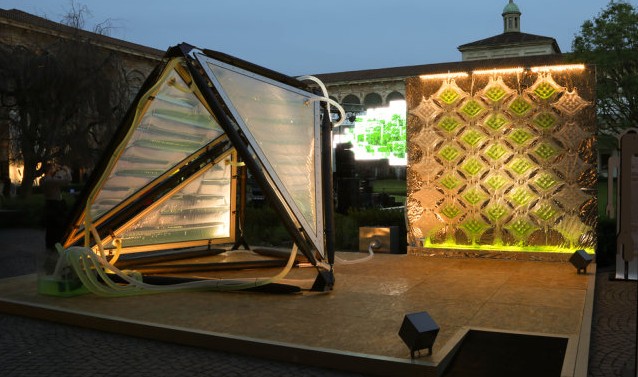
waterlilly1Walls may be the next frontier in in urban farming, allowing residents of large buildings to cultivate food for local consumption. Already, rooftop gardens are already fairly common, the use of exterior walls for growing spaces is still considered problematic. While certain strains of edible greens might grow in a “vertical farm”, root vegetables, tubers and fruits aren’t exactly practical options. However, a vertical algae farm just might work, and provide urban residents with a source of nutrition while it cleans the air.

That’s the idea behind Italian architect Cesare Griffa’s new concept, which is known as the WaterLilly system. Basically, this algae-filled structure, which can be attached to the façade of a building, is made up of a series of individual chambers that contain algae and water. After a few days or weeks, the algae can be harvested and used for energy, food, cosmetics, or pharmaceuticals, with a small amount left behind to start the next growing cycle.

waterlilly2In addition to being completely non-reliant on fossil fuels, these algae also take in carbon dioxide and produce oxygen while growing. Compared to a tree, micro-algae are about 150 to 200 times more efficient at sucking carbon out of the air, making them far more useful in urban settings than either parks or green spaces. Unfortunately, public perception is a bit of a stumbling block when it comes to using microorganisms in the pursuit of combating Climate Change and pollution.

As Griffa himself remarked:

Micro-organisms like algae are like bacteria–it’s one of those things that in our culture people try to get rid of. But algae offer incredible potential because of their very intense photosynthetic activity.

waterlilly3Each system is custom designed for a specific wall, since it’s important to have the right conditions for the algae to thrive. Too little sun isn’t good for growth, but too much sun will cook the organisms. Griffa is working on his first large-scale application now, which will be installed in the Future Food District curated by Carlo Ratti Associates at Expo 2015 in Milan. And it won’t be the first project to incorporate algae-filled walls. A new building in Germany is entirely powered by algae growing outside.

But as Griffa indicates, there’s no lack of wall space to cover, and plenty of room for different approaches:

Urban facades and roofs represent billions of square meters that instead of being made of an inanimate material such as concrete, could become clever photosynthetic surfaces that respond to the current state of climate warming.

And in that, he’s correct. In today’s world, where urban sprawl, pollution, and the onset of Climate Change are all mounting, there’s simply no shortage of ideas, nor the space to test them. As such, it is not far-fetched at all to suspect that in the coming years, algae farms, artificial trees, coral webbing, and many other proposed solutions will be appearing in major cities all over the world.

Source: fastcoexist.com