Star Wars News: Vader WASN’T Luke’s Father Originally

SW7You know, it’s been awhile since I spoke about anything related to one of the greatest science fiction franchises in history. I am of course referring to Star Wars. Lucky for me, a series of stories have popped up on the news lately, so I thought now would be the perfect time to remedy all that. And this story is quite interesting, as it has to do with Lucas’ original plan for a major plot element in the series.

In short, Lucas’ original draft for The Empire Strikes Back, which was recently leaked to the public, and in that version, Darth Vader was NOT intended to be Luke’s father. That major plot twist, which proved intrinsic to the series’ story arc, was introduced by another writer, Leigh Brackett. As a veteran Hollywood writer, and given the success of the first movie, Lucas wanted her help in making sure the script for the sequel was up to par.

starwarstheempirestrikesback2Working from Lucas’ original plan, Brackett turned in an initial draft where Luke travels to Dagobah to receive instruction from Yoda, the ghosts of Obi-Wan AND his father. As for the major confrontation between Vader and Luke aboard Cloud City, the entire scene has no major twist, and instead consists of Vader offering Luke the chance to rule the Galaxy with him. Not “as father and son” mind you, just as two bad guys!

Sounds pretty weak doesn’t it? Well, turns out it gets better. In addition to there being no major twist, the original draft also had Han Solo showing Luke the basics of how to use a lightsaber (what WHAT?), featured a boatload of Wampas with the ability to freeze people, and had Han Solo spending part of the movie trying to recruit his stepfather into the Rebel Alliance.

Empire strikes back_338858Tragically, Brackett died shortly after sending in this first draft which was worked from Lucas’ notes, so she never got a chance to rework it. That task fell to Lawrence Kasdan and Lucas, who eventually worked from Brackett’s draft to create the film we all know and love. Alas, it was a good thing Lucas brought in some outside talent to help him with his script, or he would have had a Phantom Menace situation on his hands two decades too soon!

Going from the original story, as Lucas had it, the story not only loses most of its intrigue, but it’s also becomes bogged down in superfluousness and one-dimensionality. Part of what made Luke’s character so interesting was the inner turmoil he faced – being torn between stopping his father and wanting to help him, but also knowing that by killing him, he would risk becoming him.
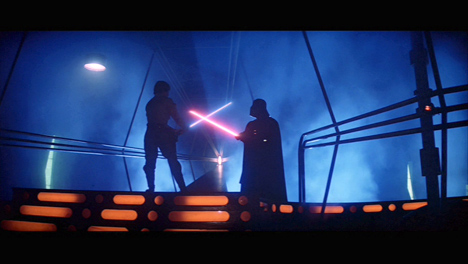
empire strikes back_duelWhat’s more, in this version Vader loses all depth and becomes a cardboard-cutout bad guy. By learning that he was in fact a once-great man who “fell from grace”, his character became far more interesting and involved. And of course, knowing that he was once good presented Luke with a third option and a resolution to his quandary – redeem his father rather than kill him, thus ending the war in a way that would not damn his own soul.

And sure, Obi-Wan did tell Luke point blank in the original movie that Vader betrayed and murdered his father, but that was what was so cool about it looking back. In that film, Alec Guinness’ abilities as an actor really made it seem like he was holding something back with Luke. Knowing that his tale was meant symbolically rather than literally just made sense. I mean, he is a warrior-mystic after all. He’s supposed to be all meta!

empire_strike_back_endshotAnd really, this twist was what made the Star Wars trilogy work on so many levels. The idea of a son having to face his father, a fallen angel, in a titanic struggle of good and evil with immense personal implications and the fate of the universe hinging on the whole thing. It’s like Judea-Christian and classical mythology, Jung, Freud, and Existentialism all rolled into one!

To know that Lucas never intended it to be such, well that kind of puts a damper on the whole thing doesn’t it? But then again, it also answers a lot of nagging questions: like how the man who created the original saga could have created such fluff just twenty years later. Good thing he knew how to accept help back then, otherwise we’d have all missed out on a massive sci-fi pop cultural phenomena!

And in the meantime, enjoy some of these outtakes from the original movie which also recently emerged. Apparently, these come from the movie archives of the original film, which strangely, Lucas claimed had been destroyed. Wasn’t that the reason he couldn’t release the originals alongside the heavily CGI’d versions on DVD? Ah, who cares! Enjoy the clip:


Sources: blastr.com, uproxx.com

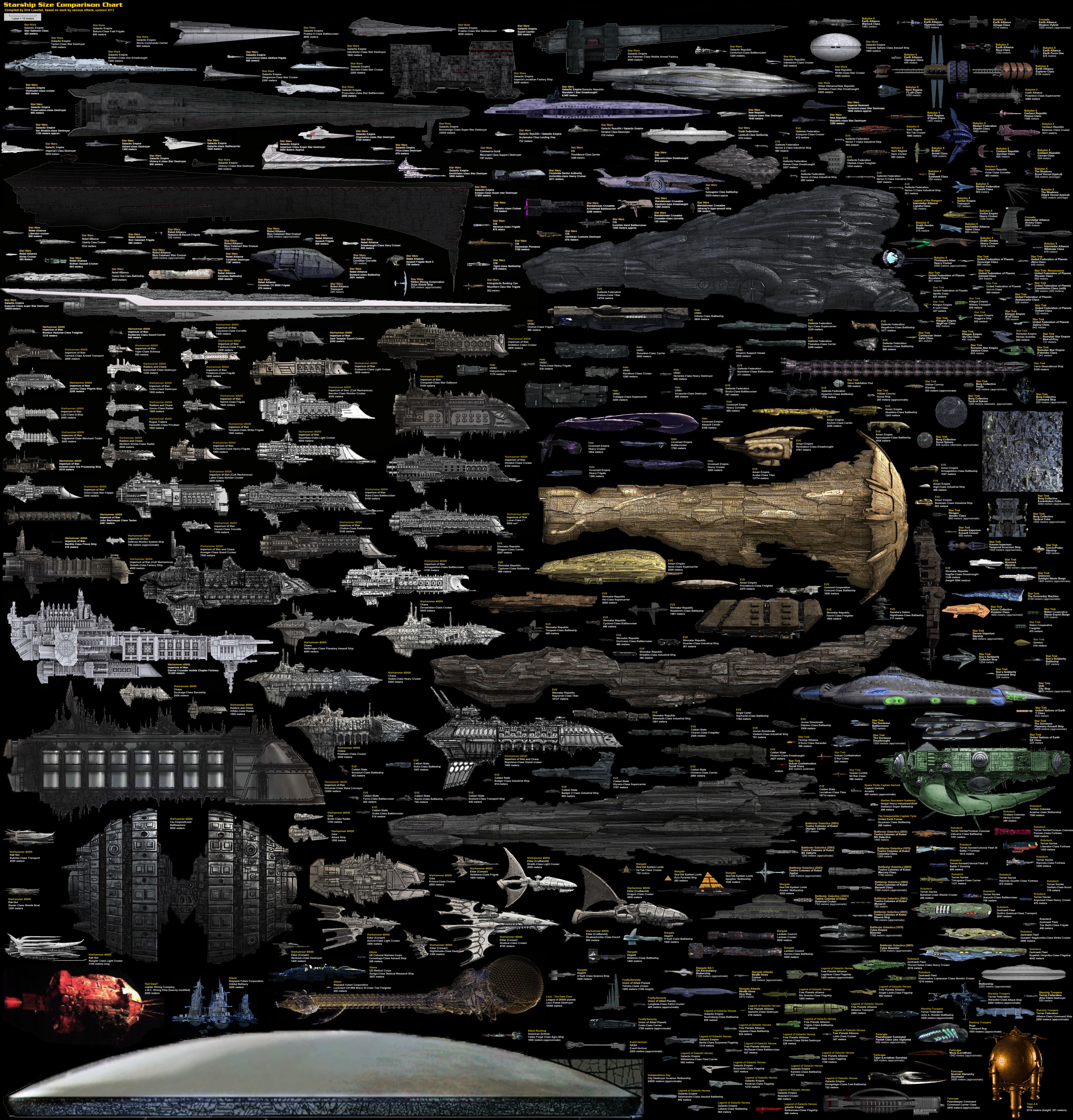
The Ultimate Spaceship Size Chart

Star_Trek_Spacedock My thanks to my friend, fellow indie writer and collaborater Goran Zidar, who let me know about this chart. As fans of science fiction and space opera are sure to know, these spaceship size charts have been around for some years. They take familiar vessels from different franchises and group them according to scale. They’re cool, they’re fun; and assuming they’re accurate, it’s kind of amazing anyone took the time to actually compile the specs for comparison.

Well as it happens, this latest one claims to take every single ship from every sci-fi franchise and combine them in one infographic. Quite the claim, I know. But one look and you have to admit, its pretty jam-packed and more than a little thorough. But if you can think of something they missed, I’d be interested to hear about it. Lord knows there are plenty of geeks out there who don’t like seeing their favorite franchise get overlooked. I should know, I’m one of them!

Just click on the image below to enlarge and see if you can spot your favorite space-faring vessel:

spaceship_sizechartSource: img.gawkerassets.com


Repitching an Old Idea: The Council of Muraqaba

world_religionsHey folks! A lot of things have got me thinking about another old idea that I think needs to be updated and brought forward. This one comes from many years back, roughly 2007, when I was working on the series of short stories that make up my Legacies series. As one of several ideas I was working with back then, it kind of fell by the wayside as I busied myself with writing the others – Flight of the Icarus, Eyes in the Dark, Turncoats, Vega Rising.

Eventually, as with many ideas us indie writers come up with, it lost my interest after lingering so long in my Inbox. But after a few conversations with respected colleagues, I found myself thinking about it again and looking to update it, add a new spin, and just generally give it another try. The story, in its updated version, is called The Council of Muraqaba, and it concerns humanity’s efforts to create a universal religion in the future.

world_religions_distWhen I first came up with the idea for a universal faith as part of my Legacies universe, I was still in my Frank Herbert phase and borrowed many crumbs off his table. His own notes in Dune about the Orange Catholic Bible and the Commission of Ecumenical Translators that created it really inspired me, and it put me in mind of the World Religions class I took in high school, which just happened to be one of my favorite subjects.

In 2007, the short story that was to feature the attempts to create this religion was more of an original idea, at to me. I envisioned a world where the council behind the religion’s creation established a permanent seat where matters of interfaith exchanges could take place, and where research into what made them all tick could be done and universal principles uncovered.

world_religions_popThis seemed like a timely idea to me given just how controversial, central, and daunting the issue of faith continues to be in our world today. Between people who demand that others conform to their religion to those who condemn religion of any kind, and from those who use it justify violence and persecution to those who blame it for the problems of entire regions of the world (i.e. Africa, the Middle East and Islamophobia), it’s almost inescapable.

Because of this, and because of the way humanity has a hard time outgrowing old habits, I figured a story that dealt with humanity’s continued difficulties with religion and sectarian differences should be included in my Legacies bundle. But as I said, I’ve been updating the idea a bit thanks to some conversations with friends which raised some poignant issues about the future, and thanks to some research about what the future is likely to hold…

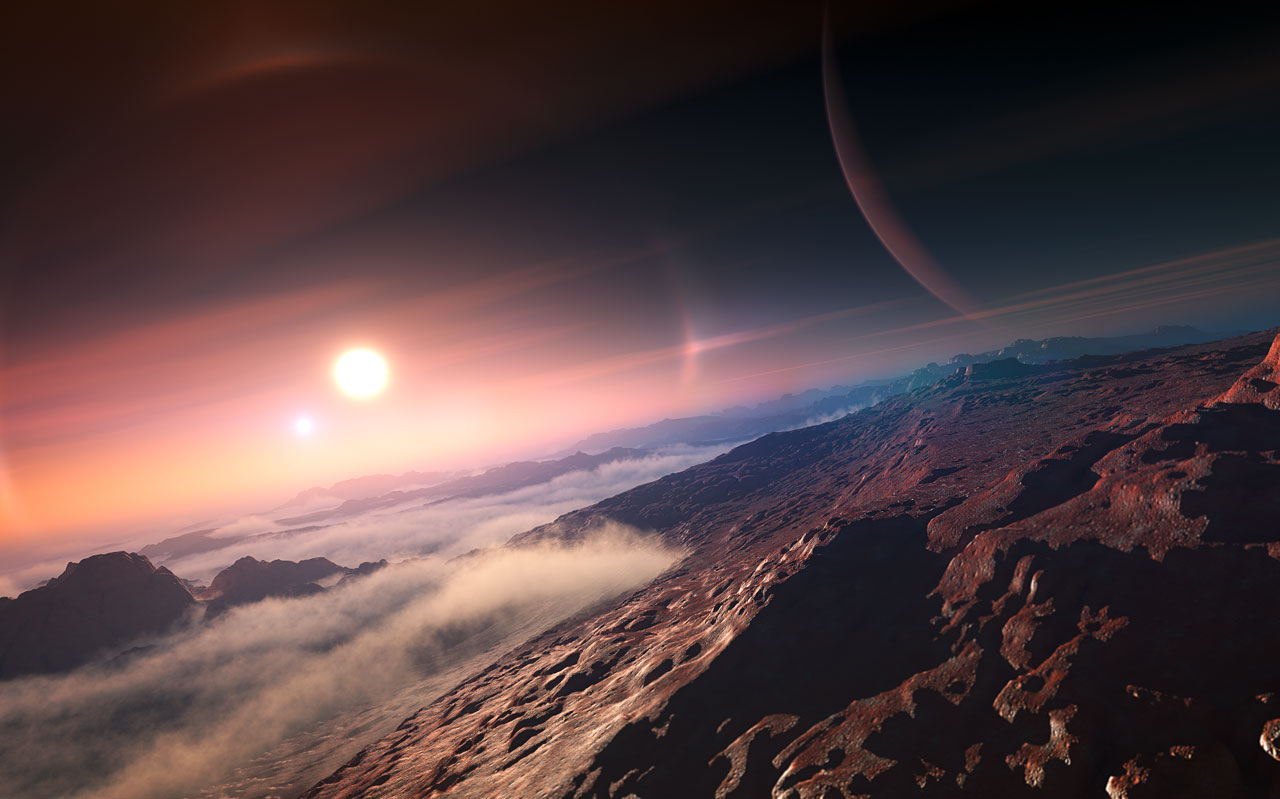
gliese-581.jpgWhat I am envisioning now is a world where a group of mystic settlers originally established a colony on Gliese 581 d – aka. Muraqaba – in the hopes of creating a community where traditional faiths could still be practiced, free from the fear of ongoing progress and how it was leading many to conclude that religion was obsolete. Named after the Sufi practice of meditation, they sought to live in peace and practice freely, and were on guard against what they saw as “needless augmentation”.

In time, this community expanded and became dedicated to finding a way to bring all faiths together and finding common ground not just between religions but between faith and science itself, something which still eluded people in this age. Eventually, this led to the creation of the Council of Muraqaba, a permanent institution where scholars and religious authorities could meet, discuss, and network with people in the universe at large to iron out matters of spirituality.

matrix_cyberspaceIronically, the Council became a hub for some of the most advanced interstellar learning and education since people who were light years away from each other could communicate using a quantum array that allowed FTL communications to take place. The experience of this is central to the story, as it provides a sort of mystic mental sharing that is akin to a spiritual connection, emotions and thoughts shared instantaneously between people.

And of course, there will be a twist as a regular day at the Council turns into something sinister. Just because the local inhabitants have succeeded in creating a dialogue with the universe at large doesn’t mean that everyone is interesting in what they have to say. And some people are concerned that all this “common ground” stuff is eroding the things that make their faith special and want it to end.

And some… some are interested in what the Council has to say for reasons that go far beyond matters of faith! Be sure to check it out, as I think this story just might be one of my more inspired pieces of writing. And my thanks once again for Khaalidah for turning on the light in my head. There’s a reason I call you “Lady Inspiration” you know 😉

Digital Eyewear Through the Ages

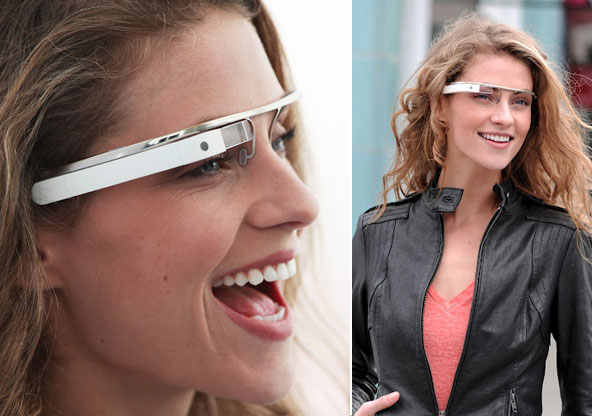
google_glassesGiven the sensation created by the recent release of Google Glass – a timely invention that calls to mind everything from 80’s cyberpunk to speculations about our cybernetic, transhuman future – a lot of attention has been focused lately on personalities like Steve Mann, Mark Spritzer, and the history of wearable computers.

For decades now, visionaries and futurists have been working towards a day when all personal computers are portable and blend seamlessly into our daily lives. And with countless imitators coming forward to develop their own variants and hate crimes being committed against users, it seems like portable/integrated machinery is destined to become an issue no one will be able to ignore.

And so I thought it was high time for a little retrospective, a look back at the history of eyewear computers and digital devices and see how far it has come. From its humble beginnings with bulky backpacks and large, head-mounted displays, to the current age of small fixtures that can be worn as easily as glasses, things certainly have changed. And the future is likely to get even more fascinating, weird, and a little bit scary!

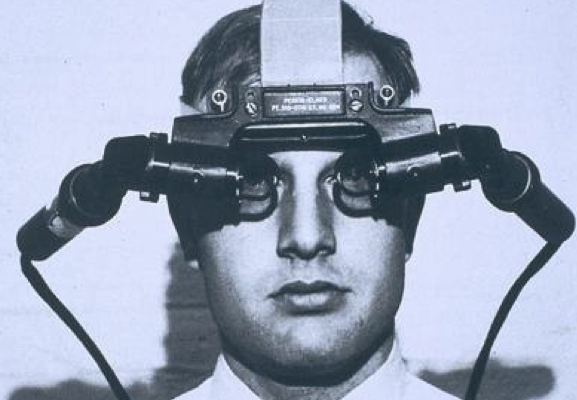
Sword of Damocles (1968):
swordofdamoclesDeveloped by Ivan Sutherland and his student Bob Sprouli at the University of Utah in 1968, the Sword of Damocles was the world’s first heads-up mounted display. It consisted of a headband with a pair of small cathode-ray tubes attached to the end of a large instrumented mechanical arm through which head position and orientation were determined.

Hand positions were sensed via a hand-held grip suspended at the end of three fishing lines whose lengths were determined by the number of rotations sensed on each of the reels. Though crude by modern standards, this breakthrough technology would become the basis for all future innovation in the field of mobile computing, virtual reality, and digital eyewear applications.

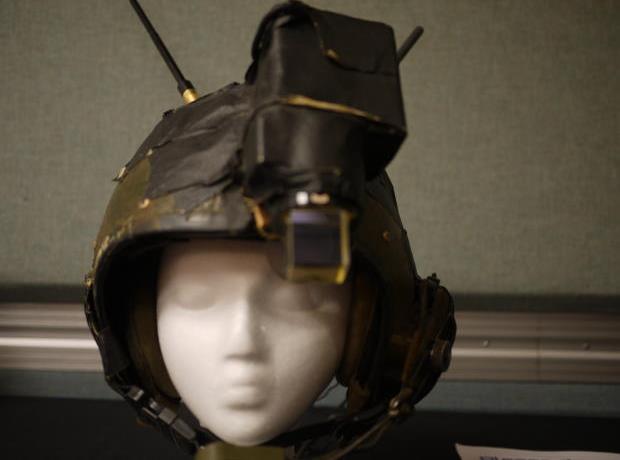
WearComp Models (1980-84):
WearComp_1_620x465Built by Steve Mann (inventor of the EyeTap and considered to be the father of wearable computers) in 1980, the WearComp1 cobbled together many devices to create visual experiences. It included an antenna to communicate wirelessly and share video. In 1981, he designed and built a backpack-mounted wearable multimedia computer with text, graphics, and multimedia capability, as well as video capability.

Wearcomp_4By 1984, the same year that Apple’s Macintosh was first shipped and the publication of William Gibson’s science fiction novel, “Neuromancer”, he released the WearComp4 model. This latest version employed clothing-based signal processing, a personal imaging system with left eye display, and separate antennas for simultaneous voice, video, and data communication.

Private Eye (1989):
Private_eye_HUDIn 1989 Reflection Technology marketed the Private Eye head-mounted display, which scanned a vertical array of LEDs across the visual field using a vibrating mirror. The monochrome screen was 1.25-inches on the diagonal, but images appear to be a 15-inch display at 18-inches distance.

EyeTap Digital Eye (1998):
EyeTap1
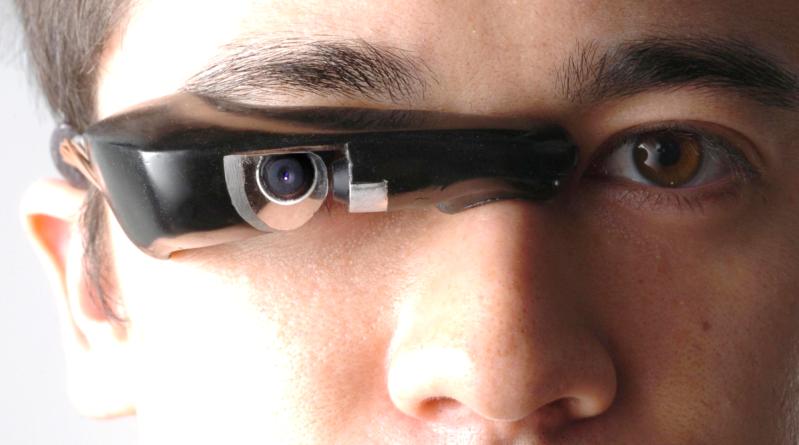
Steve Mann is considered the father of digital eyewear and what he calls “mediated” reality. He is a professor in the department of electrical and computer engineering at the University of Toronto and an IEEE senior member, and also serves as chief scientist for the augmented reality startup, Meta. The first version of the EyeTap was produced in the 1970’s and was incredibly bulky by modern standards.

By 1998, he developed the one that is commonly seen today, mounted over one ear and in front of one side of the face. This version is worn in front of the eye, recording what is immediately in front of the viewer and superimposing the view as digital imagery. It uses a beam splitter to send the same scene to both the eye and a camera, and is tethered to a computer worn to his body in a small pack.

MicroOptical TASK-9 (2000):
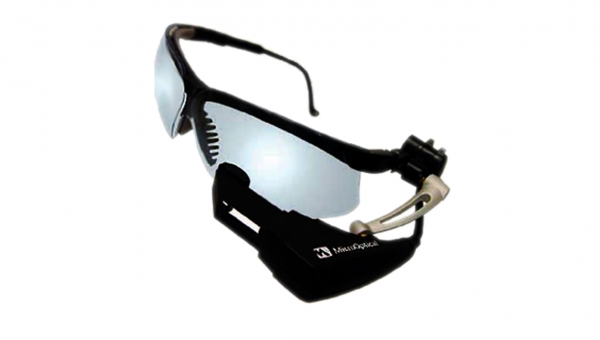
MicroOptical TASK-9Founded in 1995 by Mark Spitzer, who is now a director at the Google X lab. the company produced several patented designs which were bought up by Google after the company closed in 2010. One such design was the TASK-9, a wearable computer that is attachable to a set of glasses. Years later, MicroOptical’s line of viewers remain the lightest head-up displays available on the market.

Vuzix (1997-2013):
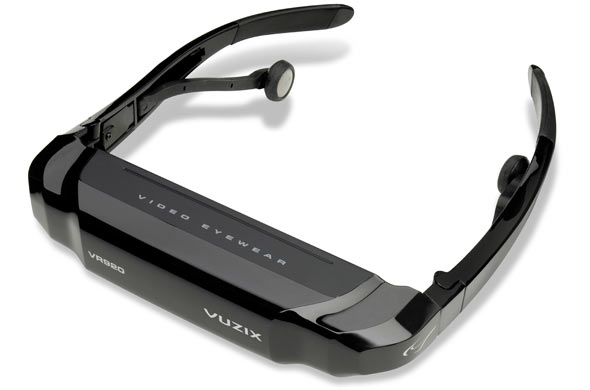
Vuzix_m100Founded in 1997, Vuzix created the first video eyewear to support stereoscopic 3D for the PlayStation 3 and Xbox 360. Since then, Vuzix went on to create the first commercially produced pass-through augmented reality headset, the Wrap 920AR (seen at bottom). The Wrap 920AR has two VGA video displays and two cameras that work together to provide the user a view of the world which blends real world inputs and computer generated data.

vuzix-wrapOther products of note include the Wrap 1200VR, a virtual reality headset that has numerous applications – everything from gaming and recreation to medical research – and the Smart Glasses M100, a hands free display for smartphones. And since the Consumer Electronics Show of 2011, they have announced and released several heads-up AR displays that are attachable to glasses.

vuzix_VR920

MyVu (2008-2012):
Founded in 1995, also by Mark Spitzer, MyVu developed several different types of wearable video display glasses before closing in 2012. The most famous was their Myvu Personal Media Viewer (pictured below), a set of display glasses that was released in 2008. These became instantly popular with the wearable computer community because they provided a cost effective and relatively easy path to a DIY, small, single eye, head-mounted display.myvu_leadIn 2010, the company followed up with the release of the Viscom digital eyewear (seen below), a device that was developed in collaboration with Spitzer’s other company, MicroOptical. This smaller, head mounted display device comes with earphones and is worn over one eye like a pair of glasses, similar to the EyeTap.

myvu_viscom

Meta Prototype (2013):
Developed by Meta, a Silicon Valley startup that is being funded with the help of a Kickstarter campaign and supported by Steve Mann, this wearable computing eyewear ultizes the latest in VR and projection technology. Unlike other display glasses, Meta’s eyewear enters 3D space and uses your hands to interact with the virtual world, combining the benefits of the Oculus Rift and those being offered by “Sixth Sense” technology.

meta_headset_front_on_610x404The Meta system includes stereoscopic 3D glasses and a 3D camera to track hand movements, similar to the portrayals of gestural control in movies like “Iron Man” and “Avatar.” In addition to display modules embedded in the lenses, the glasses include a portable projector mounted on top. This way, the user is able to both project and interact with computer simulations.

Google Glass (2013):
Google Glass_Cala
Developed by Google X as part of their Project Glass, the Google Glass device is a wearable computer with an optical head-mounted display (OHMD) that incorporates all the major advances made in the field of wearable computing for the past forty years. These include a smartphone-like hands-free format, wireless internet connection, voice commands and a full-color augmented-reality display.

Development began in 2011 and the first prototypes were previewed to the public at the Google I/O annual conference in San Francisco in June of 2012. Though they currently do not come with fixed lenses, Google has announced its intention to partner with sunglass retailers to equip them with regular and prescription lenses. There is also talk of developing contact lenses that come with embedded display devices.

Summary:
Well, that’s the history of digital eyewear in a nutshell. And as you can see, since the late 60’s, the field has progressed by leaps and bounds. What was once a speculative and visionary pursuit has now blossomed to become a fully-fledged commercial field, with many different devices being produced for public consumption.

At this rate, who knows what the future holds? In all likelihood, the quest to make computers more portable and ergonomic will keep pace with the development of more sophisticated electronics and computer chips, miniaturization, biotechnology, nanofabrication and brain-computer interfacing.

The result will no doubt be tiny CPUs that can be implanted in the human body and integrated into our brains via neural chips and tiny electrodes. In all likelihood, we won’t even need voice commands at that point, because neuroscience will have developed a means to communicate directly to our devices via brainwaves. The age of cybernetics will have officially dawned!

Like I said… fascinating, weird, and a little bit scary!

‘High Dynamic Range’

News From Space: IAU Revises Stance on Naming Planets

alien-worldGood news everyone! According to the International Astronomic Union, the public can now participate in the naming of new exoplanets. What’s more, they can be popular names like kinds found in science fiction, assuming they are appropriate and the public is behind it. This represents a big change in terms of IAU policy, which previously reserved the right to give names to newly discovered bodies outside of our Solar System.

As recently as late March, 2013, the IAU’s official word on naming exoplanets was, “the IAU sees no need and has no plan to assign names to these objects at the present stage of our knowledge.” Their rationale was since there is seemingly going to be so many exoplanets, it will be difficult to name them all.

IAU_exosBut then, on March 24th, the IAU added on their website:

…the IAU greatly appreciates and wishes to acknowledge the increasing interest from the general public in being more closely involved in the discovery and understanding of our Universe. As a result in 2013 the IAU Commission 53 Extrasolar Planets and other IAU members will be consulted on the topic of having popular names for exoplanets, and the results will be made public on the IAU website.

This new decision follows from an event earlier this year where the SETI Institute and the space company Uwingu organized their own campaigns for creating popular names of objects in space. Both events were wildly popular with the general public, but generated some controversy. For one, the IAU issued a statement regarding the contests saying that while they welcomed the public’s interest, the IAU has the last word.

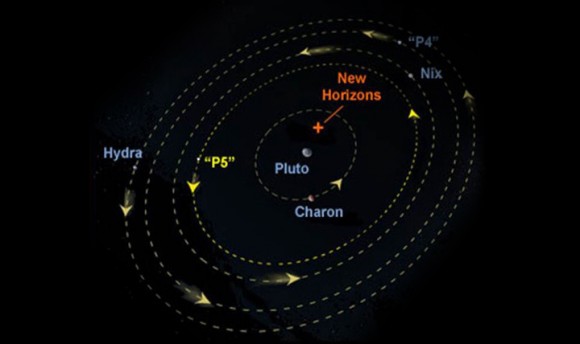
Pluto-System_720-580x344For example, the SETI institute’s contest, “Space Rocks”, was intended to name two newly discovered moons around Pluto. Though the name “Vulcan” was the top contender for one of them, and even got a nod from William Shatner, the IAU overruled their decision and went with the name “Styx” instead. Additionally, the IAU took issue with the “selling” of names, referring to the fact that Uwingu charged a fee to take part in their contest.

However, given public interest in the process and the fact that other bodies might begin privatizing the process, the IAU has altered its position on these matters and opened up the naming process to the public. The new rules, which were passed this summer, now allow individuals to suggest names of exoplanets and planetary satellites (moons) via email to the IAU.

gliese-581.jpgThose looking to make a contribution to naming newly discovered planets and moons are asked to abide by the following criteria:

  1. Prior to any public naming initiative the IAU should be contacted from the start by Letter of Intent sent to the IAU General Secretary
  2. The process should be submitted in the form of a proposal to the IAU by an organization
  3. The organization should list its legal or official representatives and its goals, and explain the reasons for initiating the process for naming a particular object or set of objects
  4. The process cannot request nor make reference to any revenues, for whatever purpose
  5. The process must guarantee a wide international participation
  6. The public names proposed (whether by individuals or in a naming campaign) should follow the naming rules and restrictions adopted for Minor Bodies of the Solar System, by the IAU and by the Minor Planet Center.

Among other rules cited in their new policy are that proposed names should be 16 characters or less in length, pronounceable in as many languages as possible, non-offensive in any language or culture, and that names of individuals, places or events principally known for political or military activities are unsuitable. Also, the names must have the formal agreement of the discoverers.

KeplerThis about face has its share of supporters and critics alike. Whereas people who support it generally see it as a sign that we are entering into an era of open and democratic space exploration. the critics tend to stress the contradictions and ambiguities in the new policy. Whereas the IAU previously claimed it had the final word on the naming process, their new stance appears to indicate that this is no longer the case.

In addition, companies like Uwingu are now free to participate in the naming of planetary bodies, which means that their contest to name Pluto’s moon “Vulcan” would now be legitimate under the new framework. Many people, such as astronomer and Uwingu CEO Alan Stern, are wondering if the new rules will apply retroactively since they were previously forbidden from having any input.

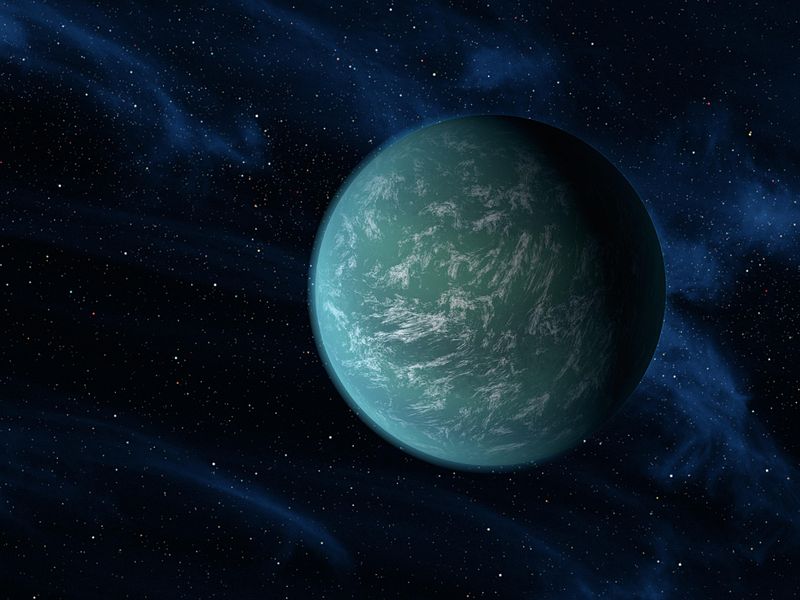
kepler22b.jpgAs for me, this puts me in mind of my own attempts to name real or fictitious exoplanets. Sadly, since it this was done for the sake of writing fiction, they would have no legal standing, but the process was still fun and got me thinking… If we are to begin exploring and colonizing planets outside of our Solar System, how will we go about naming them?

Now it seems there is a process in place for just such a thing, one which will assign actual names instead of bland designations. And it appears that this process will be a trade off between scientific organizations and public input, either through campaigns or contests. And I imagine once we start breaking ground on new worlds, settlers and shareholders will have a thing or two to say as well!

Planet Microsoft… Planet Starbucks… Planet Walmart… I shudder to think!

Sources: universetoday.com, uwingu.com. phl.upr.edu

Goodbye Futurama… Again!

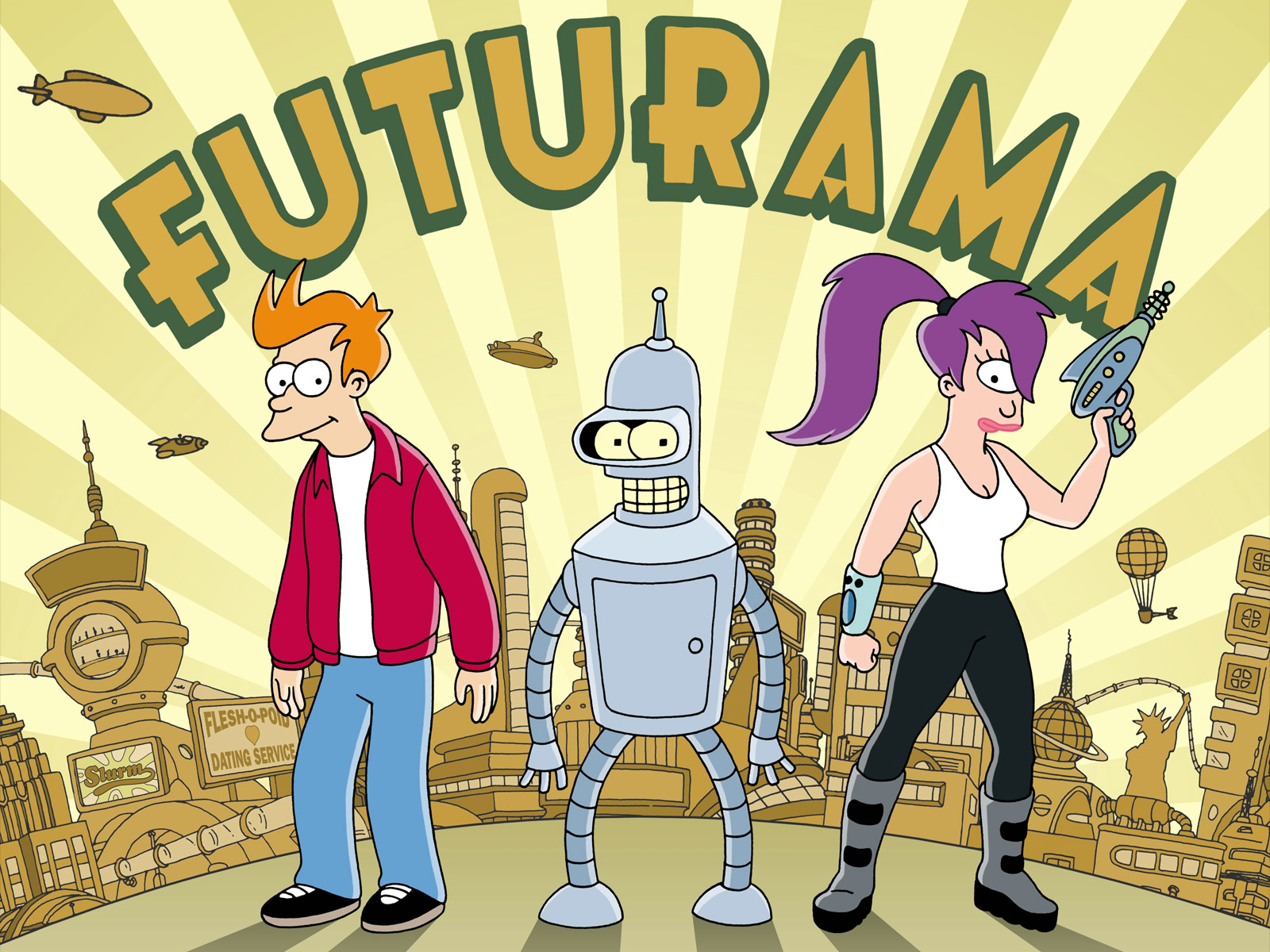
futuramaI’m sure many of us recall what it was like saying goodbye to Futurama for the first time back in 2003. The final episode opened with its usual title shot and upbeat music, and the caption down at the bottom read “See you on some other channel”. And after six years of reruns on Adult Swim and four direct-to-video movies, that prediction came true.

In 2009, Comedy Central picked up the show and began running new episodes, and all the fans started thumbing their noses at Fox. Once again, the big bad network lost as a show it had canned for unclear reasons (some believed it had to do with Groening being “too liberal” for Fox’s taste) was brought back from exile. And for the next four years, we the fans got treated to new episodes of a favorite series.

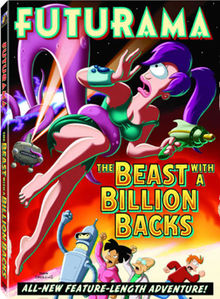
Futurama_BillionBacksAnd now, for the second time, we say goodbye to Futurama, which aired its last episode less than a week ago on Tuesday, Sept 4th, 2013. Naturally, I’ve been wanting to say something about it, but thought I would hold off until I finished watching the last episode. And now that that’s done, and my feelings are raw, I am free to spit some hot fire!

According to the industry buzz, the decision to discontinue the show was made exclusively by Comedy Central, which announced that it was finished with the series and would not be renewing for an eight season. Meanwhile, Matt Groening has said that he intends to continue with the series and get it picked up by another network, so fans can rest easy in the knowledge that the talent isn’t quitting, it’s was just some dumbass execs that decided to pull the plug!

bender_killallhumansAnd I for one have to wonder what the hell they are thinking. Who do they think they are, the Fox Network? Do they not recall the lashing those guys got from Groening after they axed his show? In any case, the cast and crew once again chose to go out with a cheeky bang. This time around, the caption words “Avenge Us” appeared at the bottom of the screen as the opening scene began to roll!

Oh, we will, Mr. Groening! We will! In addition, this final episode chose to once again focus on the love story between Fry and Leila. You might recall how last time, the show ended with “The Devils Hands are Idle Playthings”, where Fry composes for Leila a holophoner song and the episode ends with an image of them kissing, holding hands and walking into the distance. Well to up the ante, this episode ended with Fry and Leila spending a lifetime together, and then going around for another pass! (sniff, sniff)

Futurama_FryandLeela'sweddingAnd in the meantime, I want to do a tribute piece for this awesome series and I’d like people’s help to make it happen. Since we collectively make up the fan community , I’d like to know from all of you what you thought was great about this show. What were the best episodes? What were the funniest moments? What were the saddest moments? Who were the greatest characters? And who do you think will pick it up for its third run?

Drop me a line and let me know what you think. And I think I speak for us all when I “say goodbye for now” to Futurama for the second time! Perhaps it’s denial, or just confidence in the show itself, but I got a feeling we’ll be seeing it again soon! 🙂

futurama_finale

Timeline of the Future…

hyperspace4I love to study this thing we call “the future”, and began to do so as a hobby the day I made the decision to become a sci-fi writer. And if there’s anything I’ve learned, its that the future is an intangible thing, a slippery beast we try to catch by the tail at any given moment that is constantly receding before us. And when predict it, we are saying more about the time in which we are living than anything that has yet to occur.

As William Gibson famously said: “…science fiction was always about the period in which it was written.” At every juncture in our history, what we perceive as being the future changes based on what’s going on at the time. And always, people love to bring up what has been predicted in the past and either fault or reward the authors for either “getting it right” or missing the mark.

BrightFutureThis would probably leave many people wondering what the point of it all is. Why not just wait and let the future tend to itself? Because it’s fun, that’s why! And as a science fiction writer, its an indispensable exercise. Hell, I’d argue its absolutely essential to society as a whole. As a friend of one once said, “science fiction is more of a vehicle than a genre.” The point is to make observations about society, life, history, and the rest.

And sometimes, just sometimes, predictive writers get it right. And lately, I’ve been inspired by sources like Future Timeline to take a look at the kinds of predictions I began making when I started writing and revising them. Not only have times changed and forced me to revise my own predictions, but my research into what makes humanity tick and what we’re up to has come a long way.

So here’s my own prediction tree, looking at the next few centuries and whats likely to happen…

21st Century:

2013-2050:

  • Ongoing recession in world economy, the United States ceases to be the greatest economic power
  • China, India, Russia and Brazil boast highest rates of growth despite continued rates of poverty
  • Oil prices spike due to disappearance of peak oil and costs of extracting tar sands
  • Solar power, wind, tidal power growing in use, slowly replacing fossil fuel and coal
  • First arcologies finished in China, Japan, Russia, India and the United States

arcology_lillypad

  • Humanity begins colonizing the Moon and mounts manned mission to Mars
  • Settlements constructed using native soil and 3D printing/sintering technology
  • NASA tows asteroid to near Earth and begins studies, leading to plans for asteroid mining
  • Population grows to 9 billion, with over 6 living in major cities across the all five continents
  • Climate Change leading to extensive drought and famine, as well as coastal storms, flooding and fires
  • Cybernetics, nanotech and biotech leading to the elimination of disabilities
  • 3D Construction and Computer-Assisted Design create inexpensive housing in developing world

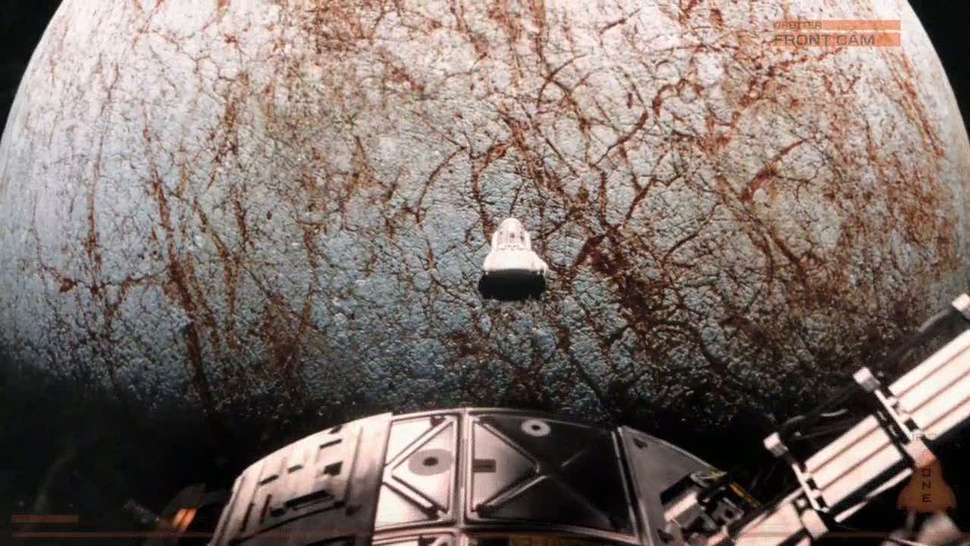
europa_report

  • First exploratory mission to Europa mounted, discovers proof of basic life forms under the surface ice
  • Rome ordains first openly homosexual priests, an extremely controversial move that splits the church
  • First semi-sentient, Turing compatible AI’s are produced and put into service
  • Thin, transparent, flexible medical patches leading to age of “digital medicine”
  • Religious orders formed opposed to “augmentation”, “transhumanism” and androids
  • First true quantum computers roll off the assembly line

quantum-teleportation-star-trails-canary-islands-1-640x353

  • Creation of the worldwide quantum internet underway
  • Quantum cryptography leads to increased security, spamming and hacking begins to drop
  • Flexible, transparent smartphones, PDAs and tablets become the norm
  • Fully immersive VR environments now available for recreational, commercial and educational use
  • Carbon dioxide in the upper atmosphere passes 600 ppm, efforts to curb emissions are redoubled
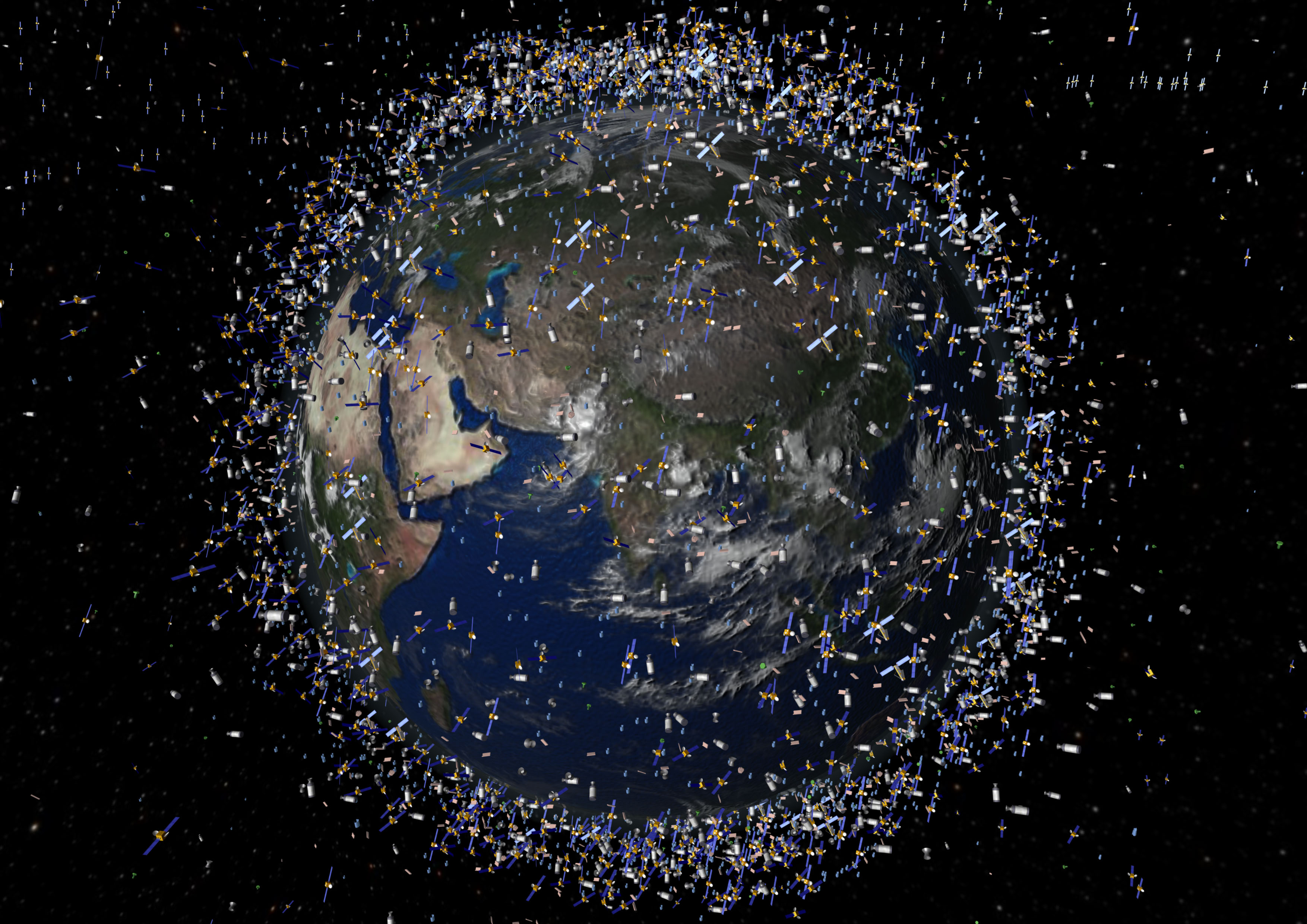
  • ISS is retired, replaced by multiple space stations servicing space shuttles and commercial firms
  • World’s first orbital colony created with a population of 400 people

2050-2100:

  • Global economy enters “Second Renaissance” as AI, nanomachinery, quantum computing, and clean energy lead to explosion in construction and development
  • Commercial space travel become a major growth industry with regular trips to the Moon
  • Implant technology removes the need for digital devices, technology now embeddable
  • Medical implants leading to elimination of neurological disorders and injuries
  • Synthetic food becoming the rage, 3D printers offering balanced nutrition with sustainability

3dfood2

  • Canada, Russia, Argentina, and Brazil become leading exporters of foodstuffs, fresh water and natural gas
  • Colonies on the Moon and Mars expand, new settlement missions plotted to Ganymede, Europa, Oberon and Titan
  • Quantum internet expanding into space with quantum satellites, allowing off-world connectivity to worldwide web
  • Self-sufficient buildings with water recycling, carbon capture and clean energy becomes the norm in all major cities
  • Second and third generation “Martians” and “Loonies” are born, giving rise to colonial identity

asteroid_foundry

  • Asteroid Belt becomes greatest source of minerals, robotic foundries use sintering to create manufactured products
  • Europe experiences record number of cold winters due to disruption of the Gulf Stream
  • Missions mounted to extra-Solar systems using telexploration probes and space penetrators
  • Average life expectancy now exceeds 100, healthy children expected to live to 120 years of age
  • NASA, ESA, CNSA, RFSA, and ISRO begin mounting missions to exoplanets using robot ships and antimatter engines
  • Private missions to exoplanets with cryogenically frozen volunteers and crowdfunded spaceships

daedalus_starship_630px

  • Severe refugee crises take place in South America, Southern Europe and South-East Asia
  • Militarized borders and sea lanes trigger multiple humanitarian crises
  • India and Pakistan go to war over Indus River as food shortages mount
  • China clamps down on separatists in western provinces of Xinjian and Tibet to protect source of the Yangtze and Yellow River
  • Biotechnology begins to grow, firms using bacteria to assemble structural materials

geminoid

  • Fully sentient AIs created and integrated into all aspects of life
  • Traditionalist communities form, people seeking to disconnect from modern world and eschew enhancement
  • Digital constructs become available, making neurological downloads available
  • Nanotech research leading to machinery and materials assembled at the atomic level
  • Traditional classrooms giving way to “virtual classrooms”, on-demand education by AI instructors
  • Medical science, augmentation, pharmaceuticals and uploads lead to the first generation of human “Immortals”

space_debris

  • Orbital colonies gives way to Orbital Nexus, with hundreds of habitats being established
  • Global population surpasses 12 billion despite widespread famine and displacement
  • Solar, wind, tidal, and fusion power replace oil and coal as the dominant power source worldwide
  • Census data shows half of world residents now have implants or augmentation of some kind
  • Research into the Alcubierre Drive begins to bear experimental results

alcubierre-warp-drive-overview22nd Century:

2100-2150:

  • Climate Change and global population begin to level off
  • First “Neural Collective” created, volunteers upload their thought patterns into matrix with others
  • Transhumanism becomes established religion, espousing the concept of transcendence
  • Widespread use of implants and augmentation leads to creation of new underclass called “organics”
  • Solar power industry in the Middle East and North Africa leading to growth in local economies
  • Biotech leads to growth of “glucose economy”, South American and Sub-Saharan economies leading in manufacture of biomaterials
  • Population in Solar Colonies and Orbital Nexus reaches 100,000 and continues to grow

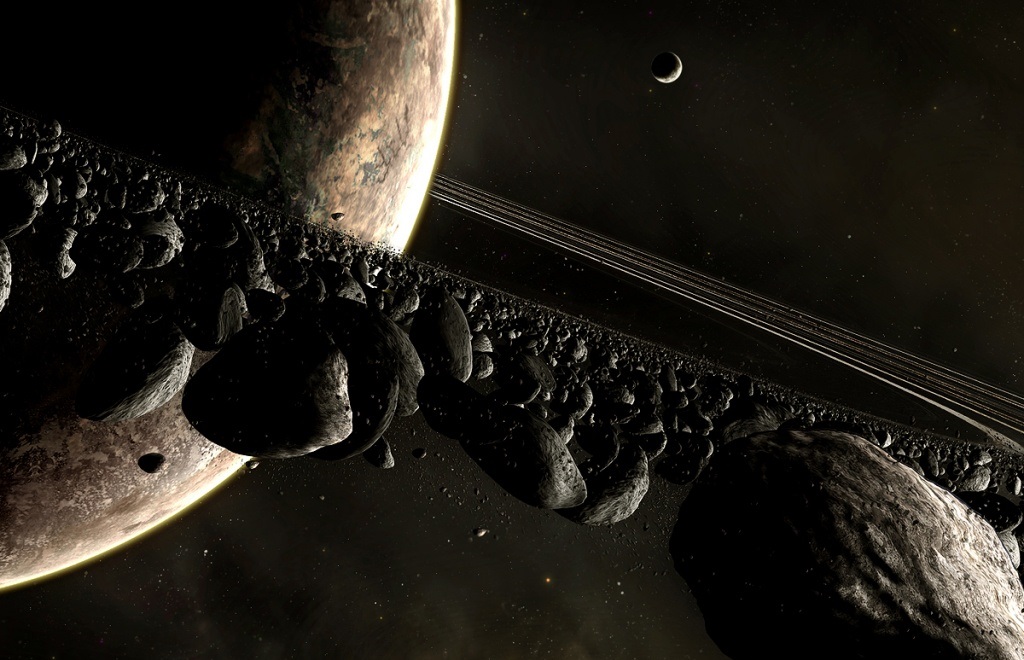
asteroid_belt1

  • Off-world industry continues to grow as Asteroid Belt and colonies provide the majority of Earth’s mineral needs
  • Famine now widespread on all five continents, internalized food production in urban spaces continues
  • UN gives way to UNE, United Nations of Earth, which has near-universal representation
  • First test of Alcubierre FTL Drive successful, missions to neighboring systems planned
  • Tensions begin to mount in Solar Colonies as pressure mounts to produce more agricultural goods
  • Extinction rate of wild animals begins to drop off, efforts at ecological restoration continue
  • First attempts to creating world religion are mounted, met with limited success

networked_minds

  • Governments in most developed countries transitioning to “democratic anarchy”
  • Political process and involvement becoming digitized as representation becomes obsolete
  • “Super-sentience” emerges as people merge their neural patterns with each other or AIs
  • Law reformed to recognize neural constructs and AIs as individuals, entitled to legal rights
  • Biotech research merges with AI and nanotech to create first organic buildings with integrated intelligence

2150-2200:

  • Majority of the world’s population live in arcologies and self-sufficient environments
  • Census reveals over three quarters of world lives with implants or augmentation of some kind
  • Population of Orbital Nexus, off-world settlements surpasses 1 million
  • First traditionalist mission goes into space, seeking world insulated from rapid change and development
  • Labor tensions and off-world riots lead to creation of Solar policing force with mandate to “keep the peace”

Vladivostok-class_Frigate

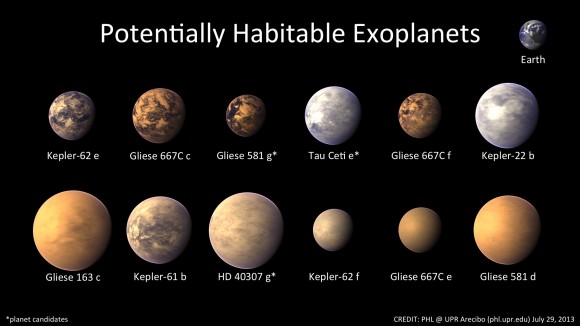
  • First mission to extra=Solar planets arrive, robots begin surveying surface of Gliese 581 g, Gliese 667C c, HD 85512 b, HD 40307 g, Gliese 163 c, Tau Ceti e, Tau Ceti f
  • Deep space missions planned and executed with Alcubierre Drive to distant worlds
  • 1st Wave using relativistic engines and 2nd Wave using Alcubierre Drives meet up and begin colonizing exoplanets
  • Neighboring star systems within 25 light years begin to be explored
  • Terraforming begins on Mars, Venus and Europa using programmed strains of bacteria, nanobots, robots and satellites
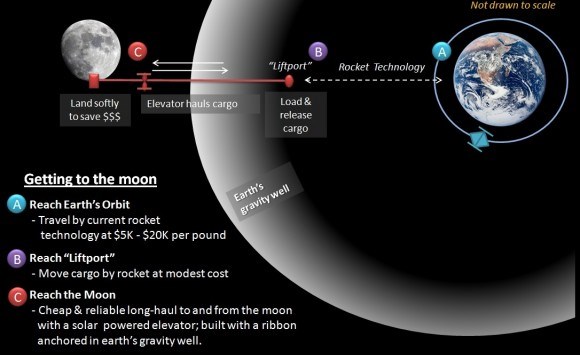
  • Space Elevator and Slingatron built on the Moon, used to transport people to space and send goods to the surface

space_elevator_lunar1

  • Earth’s ecology begins to recover
  • Natural species are reintroduced through cloning and habitat recovery
  • Last reported famine on record, food production begins to move beyond urban farms
  • Colonies within 50 light years are established on Gliese 163 c, Gliese 581 g, Gliese 667C c, HD 85512 b, HD 40307 g, Tau Ceti e, Tau Ceti f
  • Off-world population reaches 5 million and continues to grow
  • Tensions between Earth and Solar Colonies continue, lead to demands for interplanetary governing body
  • Living, breathing cities become the norm on all settled worlds, entire communities build of integrated organic materials run by AIs and maintained by programmed DNA and machinery

self-aware-colony

23rd Century and Beyond:

Who the hell knows?

*Note: Predictions and dates are subject to revision based on ongoing developments and the author’s imagination. Not to be taken literally, and definitely open to input and suggestions.

Detroit’s New Robocop Statue

robocop-statue-2Some of you may recall how a few years back, a group of Detroit citizens began talking about erecting a statue of Robocop in their fair city. At the time, Detroit’s Mayor David Bing shot the idea down, eventually referring to it as “silly”. This led to a campaign that was dedicated to making the statue happen, and after three years, it looks like they are finally going to get their wish.

In addition to a promotional video starring Peter Weller (Robocop himself), a Kickstarter campaign was mounted to fund the statue’s creation. The campaign was launched back in 2011 by the group known as Imagination Station, a Detroit nonprofit specializing in art and renovation. Within 45 days, they had raised over $67,000, thanks to public donations but also from an unexpected source.

ROBOCOP-Concept-Art-Image-02 As the story goes, Brandon Walley – director of development at the Imagination Station – received a call from Pete Hottelet, the founder of Omni Consumer Products (OCP). As anyone who’s seen Robocop knows, this is the name of the evil megacorporation at the center of the RoboCop universe. But in this case, OCP specializes in selling real-world versions of products seen in popular movies and TV shows.

Apparently, Hottelet had contacted Mayor Bing’s office and was told outright that the city was not involved in any such project. He then called Walley, got the low-down on their intentions to go ahead with creating one anyway, and agreed to match the money they raised. After six days and $25,000 raised, Hottelet cut them a cheque for the same amount. Thirty nine-days later, they had the remaining ten grand they needed, and then some.

robocop_concept_art_walkerAnd as I recently learned, back in May production began on the statue right here in British Columbia by Across the Board Creations, a studio that specialized in 3D models, props, and artistic recreations. This past Wednesday, the finished product arrived in a crate at the Imagination Station, and photos have began to circulate of the finished product.

The Imagination Station in Detroit has offered a place on its property at Roosevelt Park to install the 10-foot-tall statue, which has now been cast and is headed to Venus Bronze Works in Detroit to be bronzed. And as you can see from the photo (see below), it is rather large, detailed, and pretty badass! Plans have already been made to erect the statue in 2014, just in time for the Robocop movie relaunch.

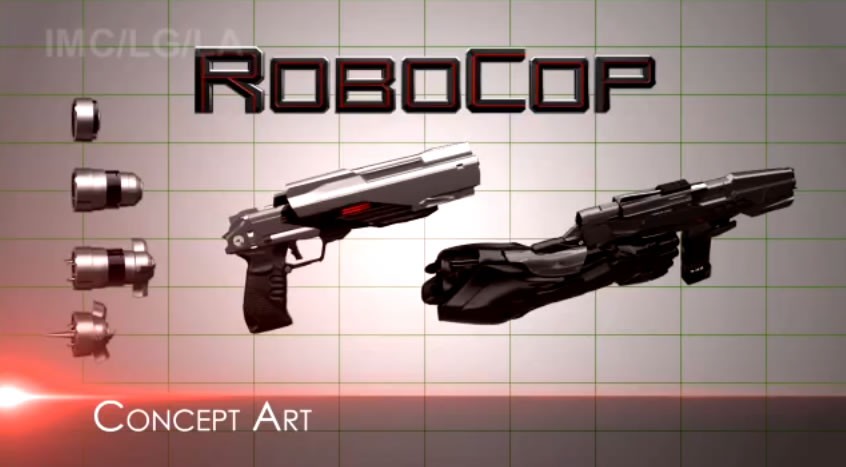
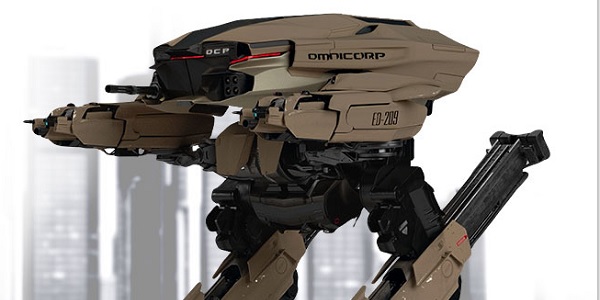
Robocop_concept_art_UAVYou may also notice I’ve peppered concept art for the movie throughout. These include Robocop’s new sidearm, OCP’s ED-209 Assault Walker, and the XT-908 Area Drone. Clearly, they are looking to merge elements of the original with a more model feel, going beyond mere cyborgs, walkers and corporate greed to include unmanned aerial surveillance and the motif of a police state.

Pretty badass, huh?
Pretty badass, huh?

And be sure to check out Peter Weller’s hilarious promotional video for the statue, plus the trailer for the Robocop relaunch. Enjoy!


Sources: blastr.com, motherjones.com, kickstarter.com, acrosstheboardcreations.com

Riddick Official Motion Comic – Blindsided

Riddick_blindsidedFor those looking forward to the upcoming Riddick movie, there’s a little prequel you should probably watch first. It’s what’s known as a Motion Comic, which is basically video short made up of animated cells. Picking things up where Chronicles of Riddick left off, it tells of what happened that sent Riddick from the seat of Lord Marshall to a remote corner of the universe, once again reprising his role as a wanted man.

Let me be clear, this is not a fan made video. This is a studio-approved short and stars Vin Diesel and Karl Urban, providing the vocals for Riddick and Lord Vaako. And I can honestly say, its not bad. Like many people, I was wondering how the movie makers would tackle the issue of Riddick’s ascension to the Necromonger throne and how he went from that to basically reliving the plot from Pitch Black.

I mean, it’s not every day you become leader of an apocalyptic army. And you don’t just go from that to being a fugitive again, right? So with this short filling the narrative gap, fans will pretty much be set for the upcoming movie. Though I’m not sure I’m going to be seeing the movie when it comes out, I do feel prepared for it now!

Enjoy!

New Movie Trailers: Catching Fire and Riddick

It’s been a boon week for movie news and previews, and I’ve found myself quite behind on a few things. Good thing it’s not my job to stay current, otherwise I would have been fired a long time ago! But as a genre fan, I feel the need to keep up with sci-fi news and pass it on whenever possible. And lately, the big news items have had to do with upcoming adaptations, sequels, relaunches, or all of the above.

catching-fire-movie-posterSo to save some time I thought I’d do a two-fer trailer post today and feature the newest trailers for Catching Fire and Riddick. Though I’m sure the former needs no explanation, for those who haven’t read or seen The Hunger Games, this would be the much-anticipated sequel. Still trying to finish this book myself, mainly because I promised I’d review the whole trilogy. Still, the plot for this one is really quite clear.

After winning the 74th annual Hunger Games, Katniss Everdeen and Peeta are called upon to do the Victory Tour, an event which occurs between games and showcases the winners. During the tour, Katniss is made aware of how their victory has inspired dissent, which puts her in a compromising position. Between fulfilling her role as a symbol of resistance and keeping up appearances, there’s plenty of high drama to be had!

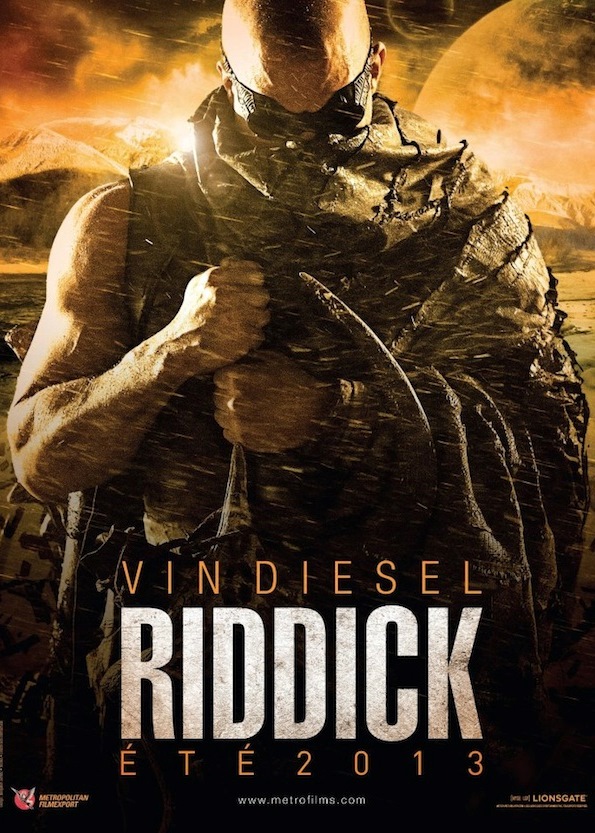
riddick_posterAs for the latter, this would the latest installment in that particular Vin Diesel antihero engine known as the Riddick franchise. It began with Pitch Black, a movie who’s script was originally proposed for Alien 3 but rejected in favor of the whole prison planet plot. It went on to become a cult classic, spawning the much higher-budget Chronicles of Riddick.

In this third installment, its clear the movie makers have decided to recycle the plot from the first movie and have once again put Riddick on some remote planet where he is being pursued by Bounty Hunters and Necromongers. No sooner is he captured that hostile aliens show up and they all have to work together to survive. As he said in first movie, “It ain’t me you gotta worry about now.” At least Karl Urban is back, and Katee Sackhoff (Starbuck from BSG) is part of the cast!

Catching Fire is set to be released on  November 22, 2013, while Riddick will be premiering on September 6th. Enjoy!