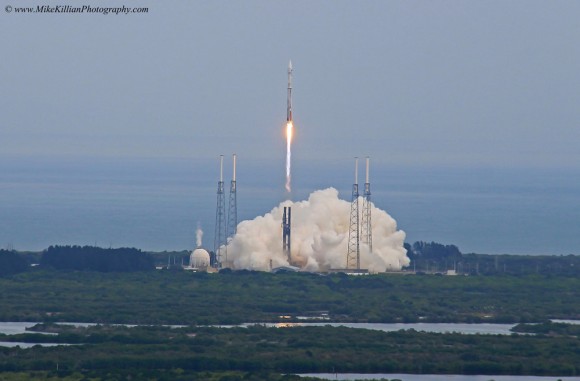
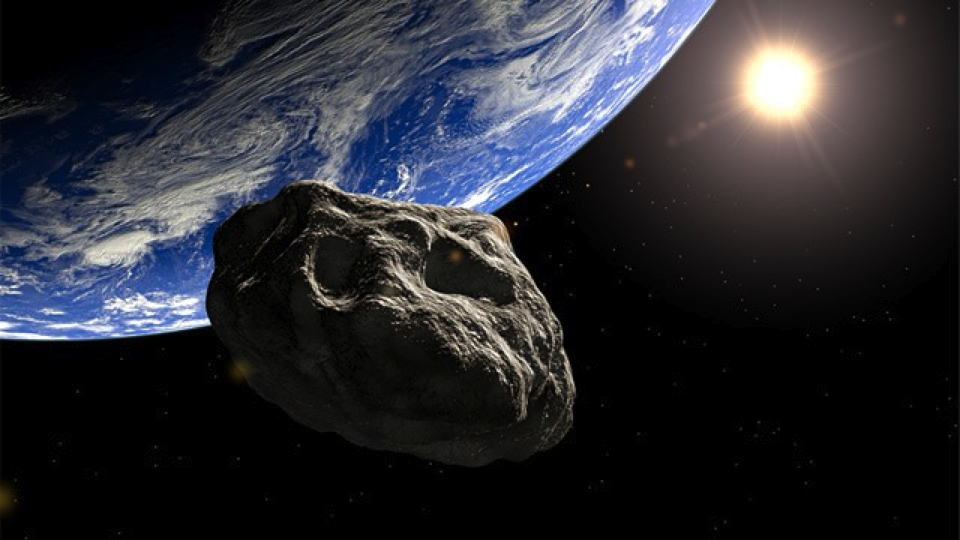
News From Space: “Rosetta Stone” Meteorite Lands in Ontario

meteorite_st.thomasA search is underway in the small community St. Thomas, Ontario for a rare meteorite that may prove to be a major scientific find. That’s what the Canadian and NASA researchers believe, and they are urging local residents to comb their fields and neighborhoods for one or more of the rock’s fragments. It all began on Tuesday, March 18th at 10:45 p.m., when a fireball streaked across the sky some 75 kilometres above Port Dover, Ont.

The fireball then headed in a westerly direction before vanishing at an altitude of 32 kilometres between Aylmer and St. Thomas. It was widely seen in Toronto, Hamilton, London and other parts of southern Ontario, where skies were clear. Peter Brown, the director of Western University’s Center for Planetary Science and Exploration, estimated the space rock was originally the size of a basketball, which then broke up upon entry.

????????????????????????????????????????????????????????????????????????????????????????????????????????????????????????????????????????????????????????????????????????????????????????????????????????????????????????????????????????????????????His colleague, Western University meteorite curator Phil McCausland, said one or more fragments “about the size of a golf ball or baseball” likely landed about five kilometers north or northwest of St. Thomas. The meteorite from this event is particularly rare and valuable because the fireball was captured by seven all-sky cameras of Western University’s Southern Ontario Meteor Network, allowing researchers to calculate its orbit.

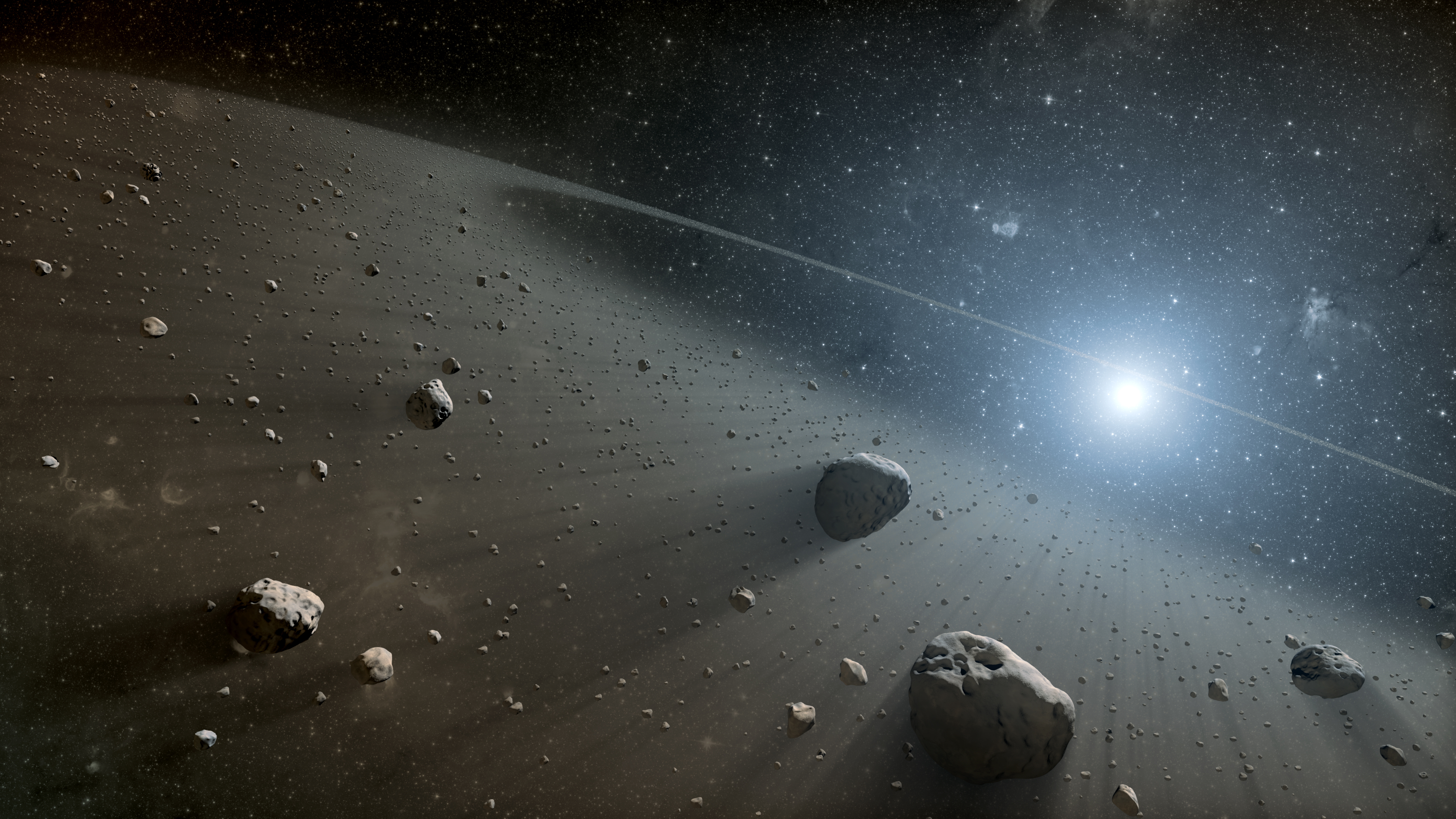
Not only were they able to obtain solid data on the space rock’s orbit, but that orbit itself was special. Before entering Earth’s atmosphere, the object spent most of time circling closer to the sun than the Earth, having left its original orbit in the asteroid belt between Mars and Jupiter long ago. Bill Cooke, head of NASA’s meteoroid environment office, said only one other meteorite known to have come from that kind of orbit has ever been recorded.
asteroids1As Cooke said during a recent press conference:

This is not your run-of-the-mill meteor fall. This is a very unusual orbit. We’re really interested in knowing what type of object was in this … We won’t know that until we find a piece of it.

According to Brown, this makes each of the meteorite’s fragments something of a “Rosetta Stone”, referring to the famous Egyptian artifact that was the key to translating ancient hieroglyphics. The comparison is not an exaggeration, as the meteor is likely to tell scientists quite a bit about the history of the early Solar System. As he described it:

This is like a poor man’s space probe. It comes to us. It’s going to tell us … what made the Earth, what made the other planets.
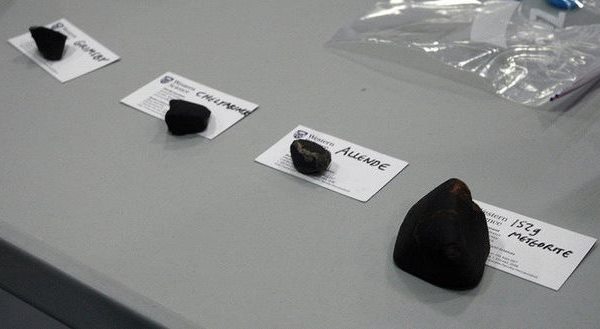
st.thomas_meteor1Hence why Brown is asking for the public to help look for the meteorite, which has been described as a rock that looks like it was painted black, and contact the researchers if they find it. The researchers are also interested in hearing accounts from anyone who may have heard a whistling sound “like artillery coming in” or a thud after witnessing the fireball, indicating that it may have landed within a few hundred metres. That may help narrow down the area for the search.

Brown noted that it’s the first time in five years that such a meteor fall has taken place in southern Ontario. The last time researchers issued a callout like this, the meteorite was recovered days later by a member of the public near Grimsby, Ont., where it had crashed through the windshield of an SUV. The fact that this meteorite did not cause injuries or property damage, unlike the one that exploded in the sky over Russia, is also a plus!

Source: cbc.ca

Chris Hadfield: What I Learned from Going Blind In Space

hadfield_TEDWhat is the scariest thing you’ve ever done? This is the question Chris Hadfield, retired astronaut and inspirational figure, asks in this latest speech from TED Talks. As he relates his rather unique experiences of going into space, commanding a mission aboard the International Space Station, and going blind while on a spacewalk, he addressed the key issue of how to distinguish between fear and danger while doing both great things, or just living our daily lives.

In relating the dangers of going into space, he encapsulates it all with an old astronaut saying: “there is no problem so bad that you can’t make it worse.” That is what fear is, according to Hadfield: an irrational reaction that makes a bad situation worse rather than better. In any situation, knowing the difference between fear of danger and actual danger is key, and can lead to a fundamental shift in one’s thinking that will also have life-changing implications and make some amazing things possible.

Using his characteristic combination of wit, showmanship, and a multimedia presentation, Hadfield demonstrates some of those amazing things. As a fundamentally dangerous profession, many wonder why anyone would risk going into space. According to Chris, the answer is that fear should not prevent us from doing amazing things, witnessing amazing things, and taking part in something that has immense importance and life-changing implications.

And of course, he finishes things off by performing part of his own rousing version of David Bowie’s “Space Oddity” and some sage advice:”Fear not!” Enjoy the video!


Source: ted.com

News from SETI: We’re Going to Find Aliens This Century

aliens“We are going to find life in space in this century.” This was the bold prediction made by Dr. Seth Shostak, Senior Astronomer at the Search for Extra-Terrestrial Intelligence Institute (SETI) at this year’s European Commission Innovation Convention. As part of the European Union’s strategy to create an innovation-friendly environment, the ECIC brings together the best scientific minds from around the world to discuss what the future holds and how we can make it happen.

And this year, Dr. Shostak and other representatives from SETI were quite emphatic about what they saw as humanity’s greatest discovery, and when it would be taking place. Sometime this century, they claim, the people of Earth will finally find the answer to the question “Are we alone in the universe?” Like many eminent scientists from around the world, Dr. Shostak believes its not a question of if, but when.

ECIC_2014As he went on to explain, given the sheer size of the universe and the statistical probabilities, the odds that humanity is far more unlikely than the reverse:

There are 150 billion galaxies other than our own, each with a few tens of billions of earth-like planets. If this is the only place in the universe where anything interesting happening then this is a miracle. And 500 years of astronomy has taught us that whenever you believe in a miracle, you’re probably wrong.

As for how we’ll find that life, Dr Shostak sees it as a ‘three-horse race’ which will probably be won over the next 25 years. Either we will find it nearby, in microbial form, on Mars or one of the moons of Jupiter; or we’ll find evidence for gases produced by living processes (for example photosynthesis) in the atmospheres of planets around other stars; or Dr Shostak and his team at SETI will pick up signals from intelligent life via huge antennas.

exoplanet_searchDr. Suzanne Aigrain – a lecturer in Astrophysics at Oxford University and who studies exoplanets – represents horse number two in the race. Dr. Aigrain and her research group have been using electromagnetic radiation (i.e. light) as their primary tool to look for planets around other stars. The life ‘biomarkers’ that she and her colleagues look for are trace gases in the atmospheres of the exoplanets that they think can only be there if they are being produced by a biological source like photosynthesis.

Speaking at the Convention, Dr Aigrain noted that, based on her studies, she would also bet that we are not alone:

We are very close to being able to say with a good degree of certainty that planets like the Earth, what we call habitable planets, are quite common [in the universe] … That’s why when asked if I believe there’s life on other planets, I raise my hand and I do so as a scientist because the balance of probability is overwhelmingly high.

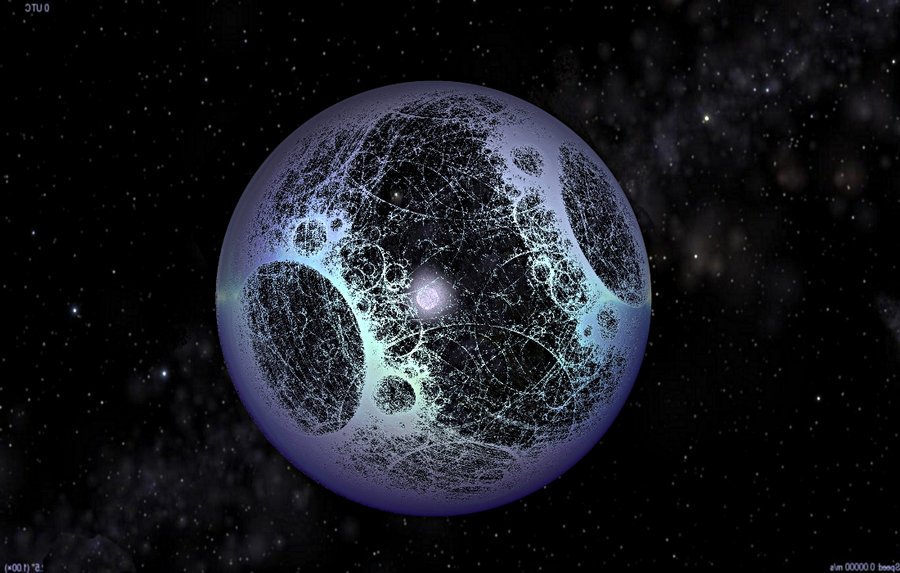
fractal_dyson_sphere_by_eburacum45-d2yum16Dr. Shostak and SETI, meanwhile, seek evidence of life in the universe by looking for some signature of its technology. If his team does discover radio transmissions from space, Dr. Shostak is quite certain that they will be coming from a civilization more advanced than our own. This is part and parcel of searching for life that is capable of sending out transmissions, and assures that they will have a level of technology that is at least comparable to our own.

At the same time, it is entirely possible that an advanced species will have existed longer than our own. As the Kardashev Scale shows, the level of a race’s technical development can be measured in terms of the energy they utilize. Beginning with Type 0’s, which draw their energy, information, raw-materials from crude organic-based sources, the scale goes on to include levels of development that draw energy of fusion and anti-matter to our host star, or even stellar clusters and even galaxies.

halosphereConsidering that size of the universe, the realm of possibility – and the fact humanity itself is still making the transitions from Type 0 to Type I – the odds of us meeting an extra-terrestrial that is more advanced than us are quite good. As Shostak put it:

Why do I insist that if we find ET, he/she/it will be more advanced than we are? The answer is that you’re not going to hear the Neanderthals. The Neanderthal Klingons are not building radio transmitters that will allow you to get in touch.

“Neanderthal Klingons”… now that’s something I’d like to see! Of course, scientists have there reasons for making such bold predictions, namely that they have a vested interest in seeing their theories proven correct. But not surprisingly, they are hardly alone in holding up the numbers and insisting that its a numbers game, and that the numbers are stacked. Another such person is William Shatner, who in a recent interview with the Daily Mail offered his thoughts on the possibility of alien life.

william_shatnerAs he explained it, it all comes down to numbers, and the sheer amount of discoveries made in such a short space of time:

I don’t think there is any doubt there is life in the universe, yes. I don’t think there is any question. The mathematics involved — what have they just discovered, 730,000 new planets the other day? — mathematically it has to be.

He was a bit off on the number of planets, but he does have a point. Earlier this month, NASA announced the discovery of 715 new exoplanets thanks to a new statistical technique known as “verification by multiplicity”. By observing hundreds of stars and applying this basic technique, the Kepler space probe was able to discover more planets so far this year than in the past few combined. In fact, this one batch of discovered increased the total number of exoplanet candidates from 1000 to over 1700.

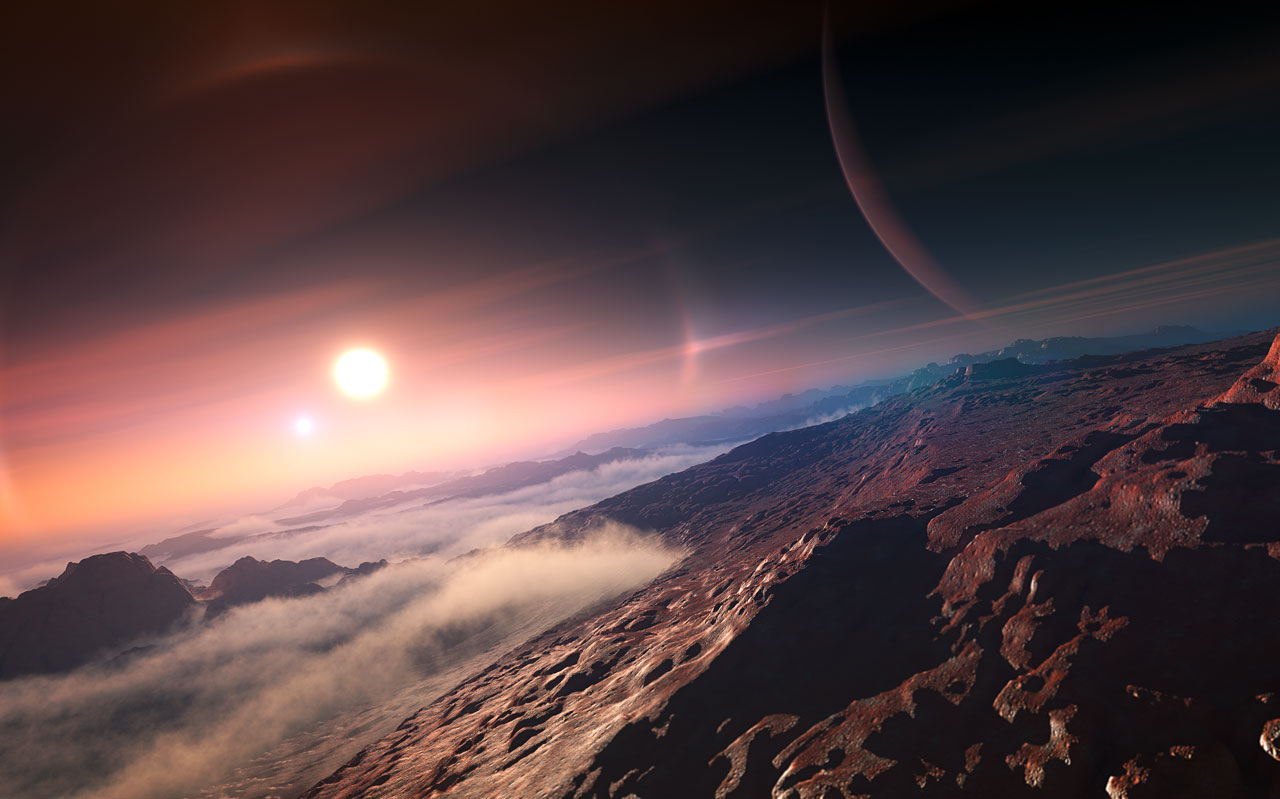
alien-worldAnd while the discovery of only four potentially habitable planets amongst those 715 (a mere 0.0056% of the total) may seem discouraging, each new discovery potentially represents hundreds more. And given how little of our galaxy we have mapped so far, and the fact that we’ve really only begun to explore deep space, we can expect that list to grow by leaps and bounds in the coming years and decades.

Naturally, there are some fundamental questions that arise out of these predictions. For example, if we do find life on other planets or intercept a radio signal, what are the consequences? Finding a microbe that isn’t an earthly microbe will tell us a lot about biology, but there will also be huge philosophical consequences. Even more so if we are to meet a species that has developed advanced technology, space flight, and the means to come find us, rather than us finding them.

In Dr Shostak’s words, ‘It literally changes everything’. But that is the nature of

Sources: dvice.com, news.cnet.com, cordis.europa.eu

News from Space…X: Reusable Launch Vehicle Good to Go!

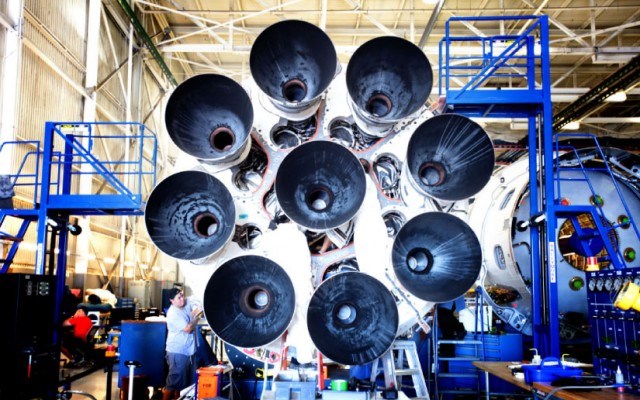
spacex-falcon-9-octaweb-640x427After years of research, development and testing, SpaceX (Elon Musk’s poster child of the commercial space travel revolution) is about to attempt something truly revolutionary. In a bid to significantly reduce the costs of sending rockets into space, they will attempt the first ever soft landing of a heavy space launch vehicle. Initially planned for March 16th, the company has since updated the launch date to March 30th in order to give its techs more time to prepare.

On this day, if all goes according to plan, SpaceX mission CRS-3 will lift off from Cape Canaveral on a resupply mission to the International Space Station. In the past, rockets blasting off from Earth would normally ditch the massive primary stage of their assembly into the ocean after launch. But this one it will sprout some metal legs and use what’s left of its rocket fuel to slowly return to Earth.

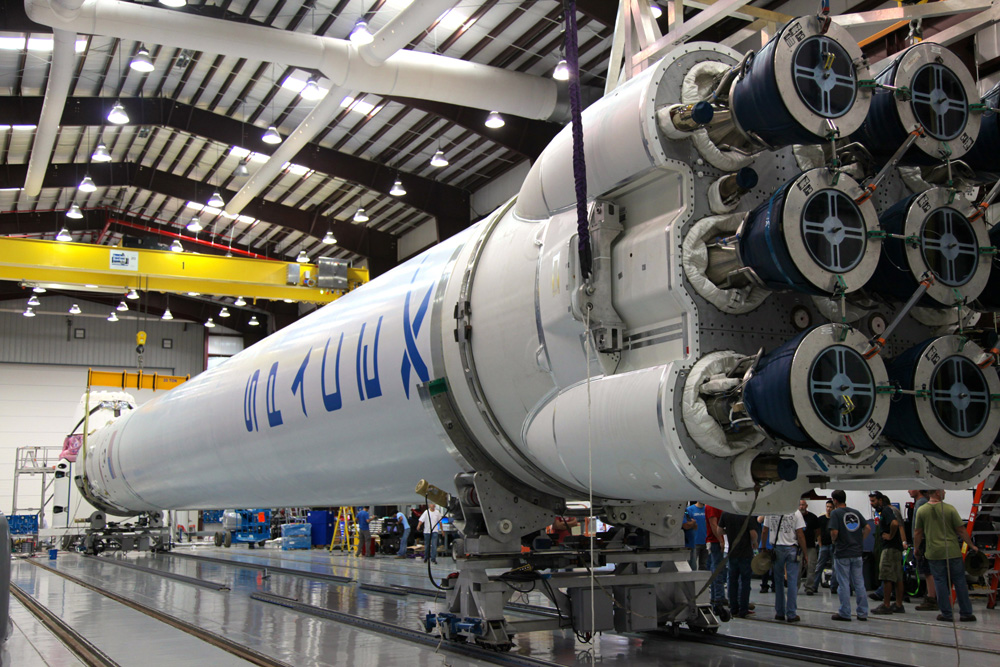
spacex-falcon-9-rocket-largeThis is perhaps the single most important step in SpaceX’s stated goal of reducing the cost of space travel by a factor of ten or more, which will ensure the acceleration of space travel for the indefinite future. One of the primary reasons that the human exploration of space is moving so slowly is the cost factor. For heavy lift vehicles, which are required to lift large satellites, equipment, and supplies into space, it costs roughly $22,000 to lift a single kilogram ($10,000 per pound) into orbit.

It costs even more to send a rocket beyond Earth’s gravity well and out into space, which is why reducing costs is seen as intrinsic to sending manned missions to Mars. Currently, NASA pays around $70 million per seat aboard the Soyuz space capsule, thanks to the cancellation of the Space Shuttle Program in 2011. But a crewed version of SpaceX’s Dragon capsule, DragonRider, is also in development, which will reduce the cost per seat to $20 million.

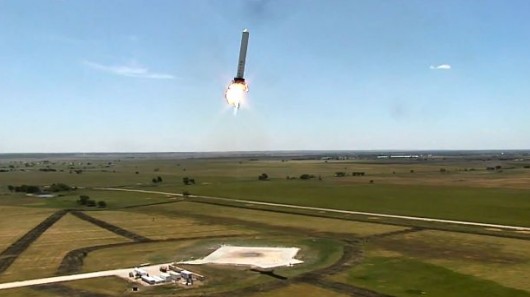
spacex-dragon-capsule-grabbed-by-iss-canadarm-640x424SpaceX debuted its Reusable Launch Vehicle (RLV) tech on the suborbital Grasshopper rocket in October of 2013. This came after multiple launches were conducted that saw the rocket reach greater and greater altitudes and which tested its ability to maneuver horizontally. Once this was complete, they began the task of fitting a Falcon 9 with the Merlin rocket engines, which would bring the vehicle back to Earth after the first stage rocket detached.

For this flight, the first stage will still land in the water to minimize the chance of damage if something goes wrong. But once SpaceX is confident that it can do a soft landing with its RLV safely, future launches will see the first stage fly all the way back to to the launchpad. After that, SpaceX will start bringing the second stage back to the launchpad, too. The eventual goal, according to SpaceX, is to create a launch system that is reusable within “single-digit hours.”

grasshopper_lateraldivertBasically, SpaceX would give these rockets a quick once-over, fill them back up with fuel, and send them back to work. If everything goes to plan, the total cost per pound to launch into Earth orbit could drop to $500 or less — one twentieth of what unreusable rockets cost. Suffice it to say, if SpaceX manages to undercut every other space launch company in the world — including the Russian and Chinese governments — it could suddenly find itself in a very powerful and lucrative position.

Not only would it replace Russia and the Ukraine as NASA’s primary contractor, it would also see to the restoration of America’s ability to send people, equipment, satellites and supplies into space from its own soil. Given the current state of tensions in the Crimea, this is sure to put a smile on a lot of people’s faces in DC. The launch is currently scheduled to take place at the end of March and there will be a live NASA feed to cover the rocket’s descent.

And while we’re waiting, here’s a clip of SpaceX first testing out the Grasshopper rocket to take us back:


Sources:
technologyreview.com, extremetech.com

Space Organizations Join the Hunt for Malaysian Jet

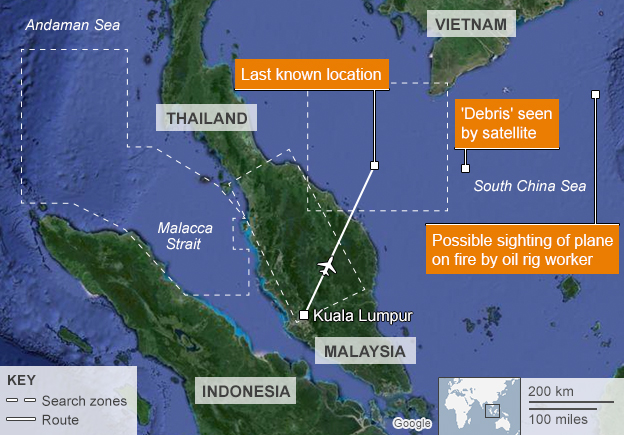
malaysia_missingplaneThe disappearance of Malaysian flight MH370, now into its eighth day, remains a mystery to investigators and the families of those who traveling aboard her. Since March 7th when it was first declared missing, the search for wreckage or any trace of what might have happened has produced little in the way of results or explanations, prompting numerous governments and private organizations to commit more in the way of technology and resources.

According to a report from the BBC, these have included the use of 42 sophisticated ships and 39 high-tech aircraft combing the waters according to the BBC. For example, listening devices are being lowered into the water to pick up the “ping” of the black box, and sophisticated MH60 Seahawk helicopters from the United States are employing Forward Looking Infra-red (FLIR) cameras that arm the searchers with night vision.

malaysia_plane_searchThis past Monday,  a crowdsourcing platform called Tomnod, along with parent company DigitalGlobe, launched a campaign to enlist the help of citizens to scour satellite images to search for the plane. On the following day, China followed that up by activating the International Charter on Space and Major Disasters. The goal of this charter is to enlist space data from 15 member organizations to provide assistance in the case of a “natural or technological disaster.”

The charter describes such a disaster as:

a situation of great distress involving loss of human life or large-scale damage to property, caused by a natural phenomenon, such as a cyclone, tornado, earthquake, volcanic eruption, flood or forest fire, or by a technological accident, such as pollution by hydrocarbons, toxic or radioactive substances.

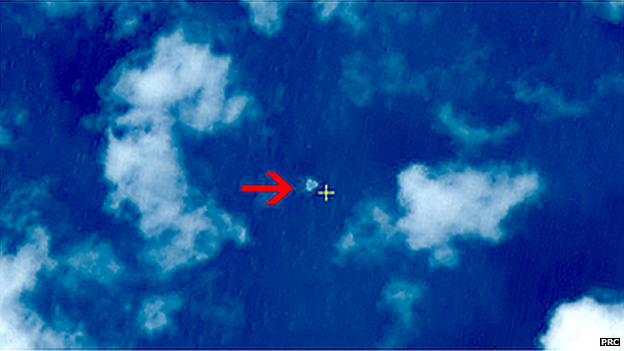
malaysia_satimageNow that the charter has been activated, space scientists around the planet will enlist all available satellites to gather images from the suspected area in which flight MH370 disappeared. Upon activation, data normally starts coming in within 24 hours. The hope is that one of those images will pick up something that can direct search and recovery efforts, either by showing a crash sight or showing some trace of wreckage.

The charter has been activated 400 times in its history, but Tuesday represents the first time it was called into service to look for a missing aircraft. The only other transportation-related event for which it’s been used was to assist in gathering data after a train full of dynamite exploded in North Korea on April 23, 2004. It was most recently activated on February 13 to help with monitoring the Mount Kelud volcano explosion on the Indonesian island of Java.

malaysia_plane_seaPrior to all that, the International Charter on Space and Major Disasters was used exclusively to monitor flooding, forest fires, snowfalls, cyclones, oil spills and other damaging events around the world. It was also used to assist in recovery efforts from earthquakes, including the one that rocked Japan in March 2011 and caused a devastating tsunami and the meltdown of the Fukushima Daiichi Nuclear plant.

The charter, which began after Vienna’s Unispace III conference in 1999 with three agencies, has grown to its current membership of 15 organizations, with the Russian Federal Space Agency being the most recent to join in 2013. Other member organizations include the European Space Agency, the Korea Aerospace Research Institute and China’s National Space Administration. The US member organizations include the United States Geological Survey and the National Oceanic and Atmospheric Administration.

With this latest commitment of resources, technology and personnel, perhaps the world may finally know what took place aboard Malaysian flight MH370, and the families of those aboard her can finally get some peace of mind.

Sources: news.cnet.com, bbc.com, theguardian.com


Space Video: Could Jupiter Become a Star?

jupiterMy buddy and mentor in all things space and internet-related, Fraser Cain, has produced yet another informative video that I wish to share today. The subject in question is, “Could Jupiter Become a Star”? Naturally, this question has a wider context which needs to be understood if it is to make any sense. You see, for decades scientists have wondered whether or not a gas giant could be converted into a smaller version of own sun.

This is mainly due to the fact that gas giants and brown dwarves are very similar; in some cases, it’s even considered acceptable to say that a gas giant represents a failed star. This is not entirely accurate, since a gas giant does not have the necessary mass to trigger a deuterium reaction (aka. fusion) in order to create one. But, as Fraser points out, there are those who have wondered if an explosion – like that created by the Galileo space probe crashing into Jupiter – could cause a sun-birthing explosion.

sun_magneticfieldThis question has become relevant once again thanks to Cassini’s ongoing mission around Saturn. Thanks to the prevalence of noble (and flammable) gases that make up this planet as well, some worry that crashing a nuclear powered satellite into it will trigger a massive thermonuclear reaction. But, as Cain points out in a blow-by-blow manner, the answer to this question is a “series of nos”. Put simply, the raw materials and mass simply aren’t there.

Still, it’s a cool idea, and it was the focal point of Arthur C. Clarke’s 2001: A Space Odyssey and all subsequent novels in the series. In this seminal collection of classic sci-fi, we are told that an ancient race (the First Born) tampered with our evolution eons ago, thus giving rise to the hominid we see every time we look in the mirror. By 2001, when the story opens up, we see a space-faring humanity uncovering evidence of this face, in the form of a strange Monolith buried on the Moon.

2010_3After learning that this strange object is sending signals towards Jupiter, several missions are mounted which determined that these same extra-terrestrials are one again at work, this time in the outer Solar System. Believing there is life trapped underneath the heavy ice sheets of Europa, the First Born use their superior technology and know-how to convert Jupiter into a sun, which in turn melts Europa’s ice, giving rise to an atmosphere and letting the life out to flourish.

So while it’s sci-fi gold, its not exactly science. But then again, that’s the beauty of science fiction – you can always postulate that the means will exist somewhere down the road. But until such time as we can manipulate matter, download our consciousness into rectangular monoliths with perfect dimensions, and travel through the cosmos in said same objects, we’re going to have to get used to NOT looking up at night and seeing this:

2010_4In the meantime, enjoy the video. Like all Universe Today videos, articles and podcasts, it’s really quite informative. And be sure to subscribe if you like having all your questions about space, science and the answers to the big questions addressed:
News from Space: Space Elevator by 2035!

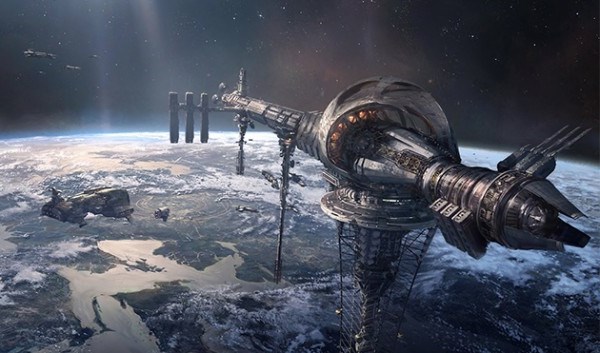
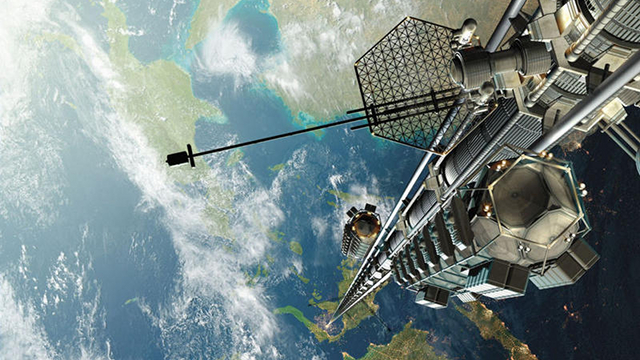
space_elevator2Imagine if you will a long tether made of super-tensile materials, running 100,000 km from the Earth and reaching into geostationary orbit. Now imagine that this tether is a means of shipping people and supplies into orbit, forever removing the need for rockets and shuttles going into space. For decades, scientists and futurists have been dreaming about the day when a “Space Elevator” would be possible; and according to a recent study, it could become a reality by 2035.

The report was launched by the International Academy of Astronautics (IAA), a 350-page report that lays out a detailed case for a space elevator. At the center of it that will reach beyond geostationary orbit and held taught by an anchor weighing roughly two million kilograms (2204 tons). Sending payloads up this backbone could fundamentally change the human relationship with space, with the equivalent of a space launch happening almost daily.

space_elevatorThe central argument of the paper — that we should build a space elevator as soon as possible — is supported by a detailed accounting of the challenges associated with doing so. The possible pay-off is as simple: a space elevator could bring the cost-per-kilogram of launch to geostationary orbit from $20,000 to as little as $500. Not only would be it useful for deploying satellites, it would also be far enough up Earth’s gravity well to be able to use it for long-range missions.

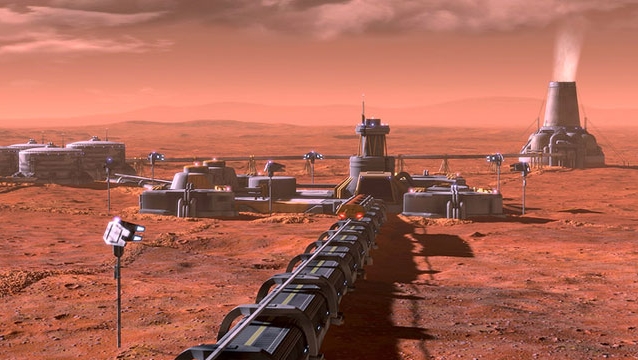
This could include the long-awaited mission to Mars, where a shuttle would push off from the top and then making multiple loops around the Earth before setting off for the Red Planet. This would cut huge fractions off the fuel budget, and would also make setting up a base on the Moon (or Mars) a relatively trivial affair. Currently, governments and corporations spend billions putting satellites into space, but a space elevator could pay for itself and ensure cheaper access down the line.

terraforming-mars2The report lays out a number of technological impediments to a space elevator, but by far the most important is the tether itself. Current materials science has yet to provide a material with the strength, flexibility, and density needed for its construction. Tethers from the EU and Japan are beginning to push the 100-kilometer mark, are still a long way off orbital altitude, and the materials for existing tethers will not allow much additional length.

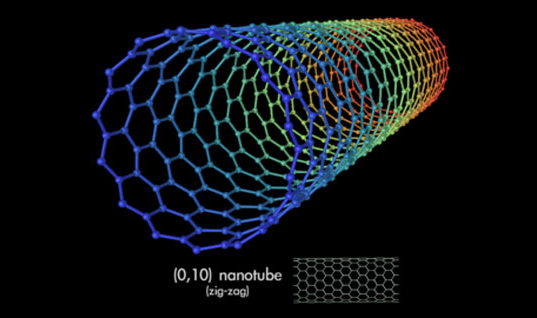
Projecting current research in carbon nanotubes and similar technologies, the IAA estimates that a pilot project could plausibly deliver packages to an altitude of 1000 kilometers (621 miles) as soon as 2025. With continued research and the help of a successful LEO (low Earth orbit, i.e. between 100 and 1200 miles) elevator, they predict a 100,000-kilometer (62,137-mile) successor will stretch well past geosynchronous orbit just a decade after that.

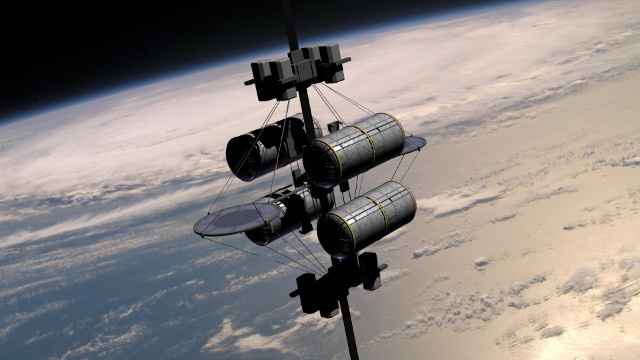
carbon-nanotubeThe proposed design is really quite simple, with a sea platform (or super-ship) anchoring the tether to the Earth while a counterweight sits at the other end, keeping the system taught through centripetal force. For that anchor, the report argues that a nascent space elevator should be stabilized first with a big ball of garbage – one composed of retired satellites, space debris, and the cast-off machinery used to build the elevator’s own earliest stages.

To keep weight down for the climbers (the elevator cars), this report imagines them as metal skeletons strung with meshes of carbon nanotubes. Each car would use a two-stage power structure to ascend, likely beginning with power from ground- or satellite-based lasers, and then the climber’s own solar array. The IAA hopes for a seven-day climb from the base to GEO — slow, but still superior and far cheaper than the rockets that are used today.

Space Elevator by gryphart-d42c7sp

One thing that is an absolute must, according to the report, is international cooperation. This is crucial not only for the sake of financing the elevator’s construction, but maintaining its neutrality. In terms of placement, IAA staunchly maintains that a space elevator would be too precious a resource to be built within the territory of any particular nation-state. Though every government would certainly love a space elevator of their very own, cost considerations will likely make that impossible in the near-term.

By virtue of its physical size, a space elevator will stretch through multiple conflicting legal zones, from the high seas to the “territorial sky” to the “international sky” to outer space itself, presenting numerous legal and political challenges. Attacks by terrorists or enemies in war are also a major concern, requiring that it be defended and monitored at all levels. And despite being a stateless project, it would require a state’s assets to maintain, likely by the UN or some new autonomous body.

space_elevator1In 2003, Arthur C. Clarke famously said that we will build a space elevator 10 years after they stop laughing. Though his timeline may have been off, as if often the case – for example, we didn’t have deep space missions or AIs by 2001 – sentiments were bang on. The concept of a space elevator is taken seriously at NASA these days, as it eyes the concept as a potential solution for both shrinking budgets and growing public expectations.
Space is quickly becoming a bottleneck in the timeline of human technological advancement. From mega-telescopes and surveillance nets to space mining operations and global high-speed internet coverage, most of our biggest upcoming projects will require better access to space than our current methods can provide for. And in addition to providing for that support, this plans highlights exactly how much further progress in space depends on global cooperation.

Source: extremetech.com

News From Space: Kepler Finds Many New Worlds!

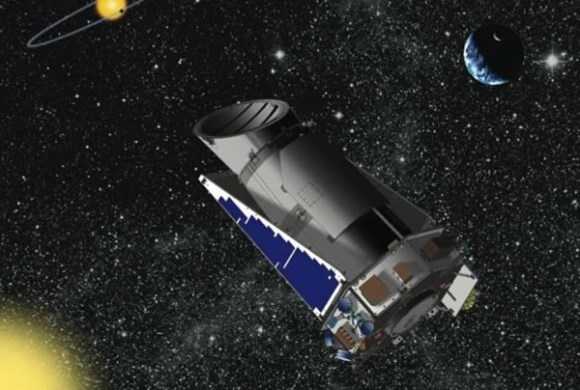
exoplanets2Late last month, NASA announced the discovery of 715 more exoplanets, nearly doubling the number of planets beyond our Solar System. These newly-verified worlds orbit 305 stars, revealing multiple-planet systems outside of our own, with four of them within their stars habitable zones. It’s the single largest windfall of new confirmations at any one time, and its all thanks to a new verification technique employed by the Kepler space probe’s scientists.

Nearly 95 percent of these planets are smaller than Neptune, which is almost four times the size of Earth. What’s more, this latest batch of exoplanets puts the total number of those confirmed from about 1000 to just over 1700 – and increase of 70% that occurred overnight! This discovery marks a significant increase in the number of known small-sized planets more akin to Earth than previously identified exoplanets.

alien-worldJohn Grunsfeld, associate administrator for NASA’s Science Mission Directorate in Washington, had this to say in a press release:

The Kepler team continues to amaze and excite us with their planet hunting results. That these new planets and solar systems look somewhat like our own, portends a great future when we have the James Webb Space Telescope in space to characterize the new worlds.

Since the discovery of the first planets outside our solar system roughly two decades ago, verification has been a laborious planet-by-planet process. Now, scientists have a statistical technique that can be applied to many planets at once when they are found in the same planetary systems. From NASA’s Ames Research Center in Moffett Field, Calif, the Kepler research team used a technique called verification by multiplicity, which relies in part on the logic of probability.

Kepler78b1The Kepler space probe observes some 150,000 stars and has found a few thousand of those to have planet candidates. If the candidates were randomly distributed among Kepler’s stars, only a handful would have more than one planet candidate. However, Kepler observed hundreds of stars that have multiple planet candidates. Through a careful study of this sample, these 715 new planets were verified.

This method can be likened to the behavior we know of lions and lionesses – where the lions are the Kepler stars and the lionesses are the planet candidates. The lionesses would sometimes be observed grouped together whereas lions tend to roam on their own. If more than two large felines are gathered, then it is very likely to be a lion and his pride. Thus, through multiplicity the lioness can be reliably identified in much the same way multiple planet candidates can be found around the same star.

Kepler-telescope-580x448Jack Lissauer, c0-leader of the Kepler science team at NASA’s Ames Research Center, explains the difference this process ushers in:

Four years ago, Kepler began a string of announcements of first hundreds, then thousands, of planet candidates –but they were only candidate worlds. We’ve now developed a process to verify multiple planet candidates in bulk to deliver planets wholesale, and have used it to unveil a veritable bonanza of new worlds.

Of these planets, the vast majority are small, boosting the number of known small Earth-sized planets by a factor of 400%. Other jumps include a 600% increase is known Super-Earths (or Mini-Neptunes), a 200% boost for Neptune-sized planets, and just 2% for Jupiter-sized planets. The 305 solar systems are also quite similar to our own, with the planets orbiting along a flat plane in tightly-packed, nearly circular orbits.

kepler_graphAs noted, the Kepler scientists confirmed the existence of four planets situated within their solar system’s habitable zone. They are Kepler-174d, Kepler-296f, Kepler-298d and Kepler-309c, are less than 2.5 times the size of Earth, and all orbit around M and K stars. Kepler-296f is especially interesting, in that it orbits a star half the size and 5 percent as bright as our sun, and is either a gaseous planet composed of hydrogen-helium, or a water world surrounded by a deep ocean.

In the meantime, NASA has released this animated graph (shown above) to put all the discoveries into context. And while the discovery of only four potentially habitable planets amongst 715 (a mere 0.0056% of the total) may seem discouraging, each discovery brings us one step closer to a more accurate understanding of our place in the galaxy. The findings papers will be published March 10 in The Astrophysical Journal.

Sources: IO9, (2), nasa.gov

News from Space: Crimean Crisis Highlights US Dependence

crimean_crisis3The crisis in the Crimea continues, with Russia and the Ukraine threatening military action and the US and its western allies threatening sanctions. In addition to anxieties about the likelihood of war and the conflict spilling over into other regions, the crisis has served to highlight other possible global repercussions. And interestingly enough, some of them have to do with the current balance of space exploration and research.

In essence, every aspect of the manned and unmanned US space program – including NASA, other government agencies, private aerospace company’s and crucially important US national security payloads – is highly dependent on Russian & Ukrainian rocketry. Thus, all of the US space exploration and launches are potentially at risk amidst the current crisis.

SoyuzCompared to the possibility of an outbreak of war that could engulf the Eurasian triangle, this hardly seems terribly consequential. But alas, quite a few people stand to suffer from seeing all rockets grounded in the Ukraine and Russia as a result of the current climate. Consider the ISS, which is entirely dependent on Earth-based rockets for resupply and personnel rotation.

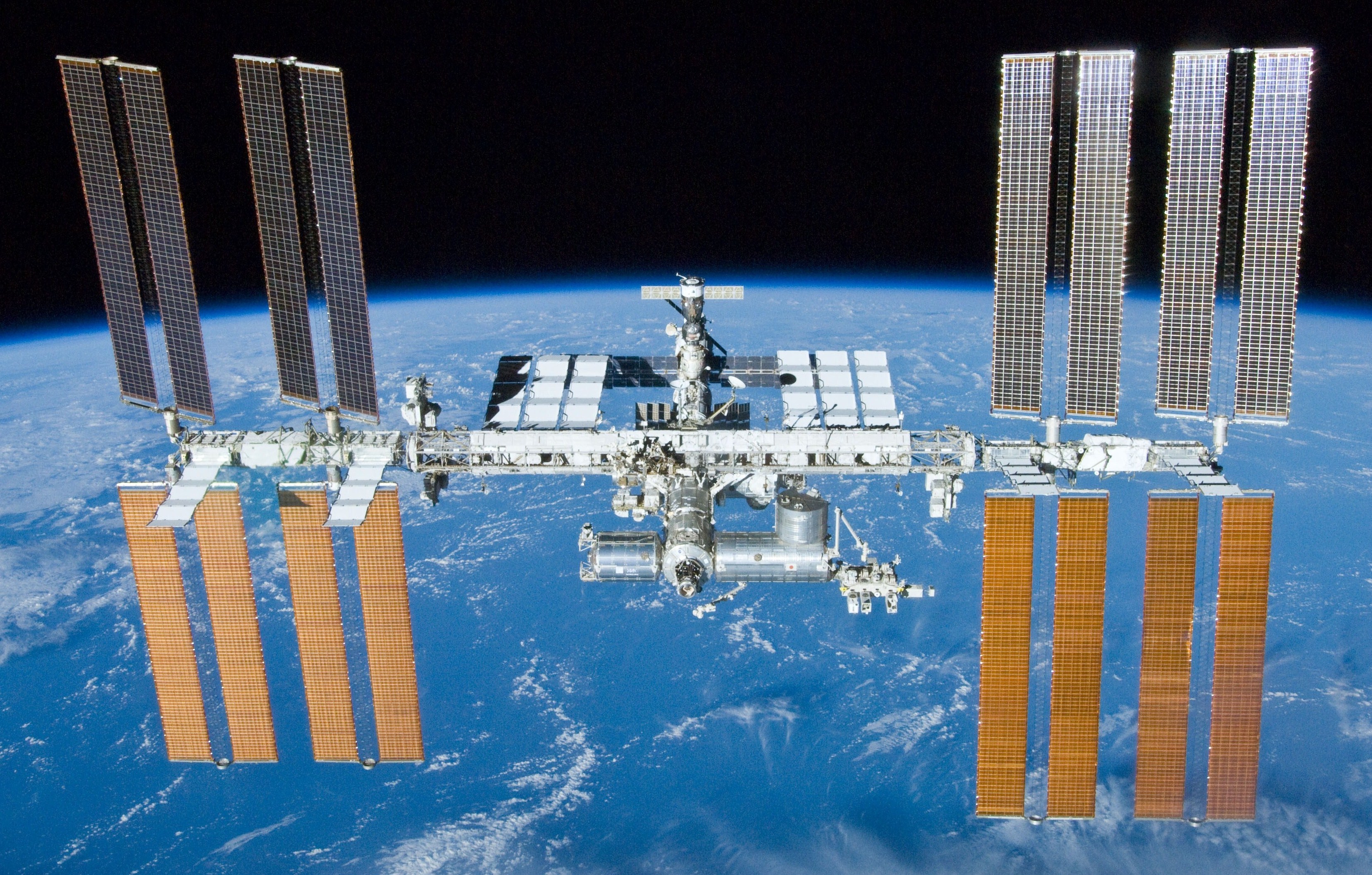
As it stands, astronauts on the International Space Station (ISS) ride to space and back on regularly scheduled launches, and each new rocket carried fresh supplies of food and equipment. The Atlas V and Antares rockets, plus critical U.S. spy satellites that provide vital, real time intelligence, are just some of the programs that may be in peril if events deteriorate, or worse yet, spin out of control.

ISSThe threat to intelligence gathering operations would be especially critical, since it would hamper efforts to monitor the crisis. In short, the Crimean confrontation and all the threats and counter threats of armed conflicts and economic sanctions shines a spotlight on US vulnerabilities regarding space exploration, private industry and US national security programs, missions, satellites and rockets.

But the consequences of escalating tensions would hardly be felt by only one side. Despite what some may think, the US, Russian and Ukrainian space programs, assets and booster rockets are inextricably intertwined and interdependent, and all would suffer if anything were to shut it down. For instance, some 15 nations maintain participation and funding to keep the ISS and its programs running.

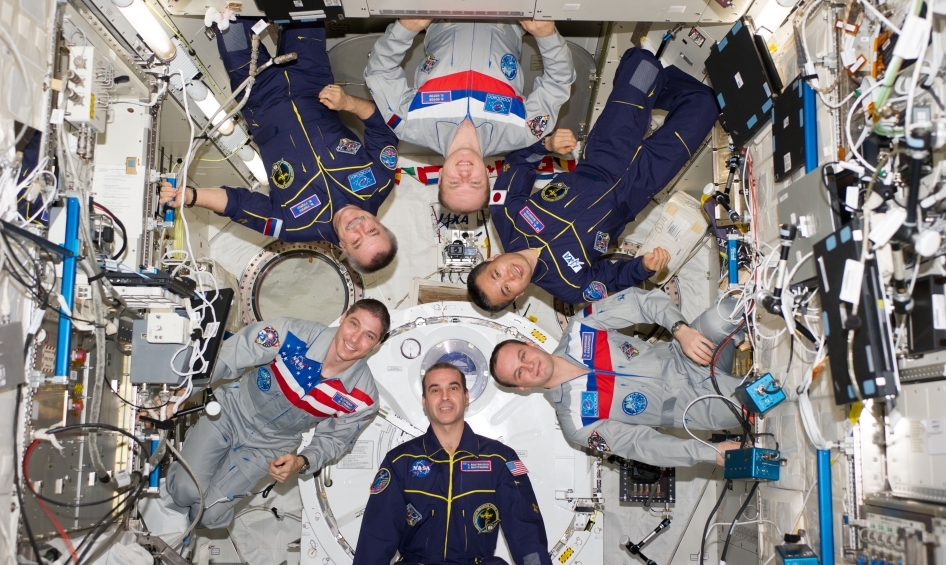
ISS_crewAnd since the forced retirement of NASA’s space shuttle program in 2011, America has been dependent on Russia for its human spaceflight capability. ISS missions are most often crewed by American astronauts and Russian cosmonauts. And under the most recent contract, the US pays Russia $70 million per Soyuz seat, and both they and the Ukraine’s space programs are dependent on this ongoing level of investment.

The fastest and most cost effective path to restore America’s human spaceflight capability to low Earth orbit and the ISS is through NASA’s Commercial Crew Program (CCP) seeking to develop private ‘space taxis’ with Boeing, SpaceX and Sierra Nevada. But until such time as long-term funding can be guaranteed, the current arrangement will persist.

maven_launchWhen NASA Administrator Chales Bolden was asked about contingencies at a briefing yesterday, March 4, he responded that everything is OK for now:

Right now, everything is normal in our relationship with the Russians. Missions up and down are on target… People lose track of the fact that we have occupied the International Space Station now for 13 consecutive years uninterrupted, and that has been through multiple international crises… I don’t think it’s an insignificant fact that we are starting to see a number of people with the idea that the International Space Station be nominated for the Nobel Peace Prize.

At the same time, he urged Congress to fully fund CCP and avoid still more delays:

Let me be clear about one thing. The choice here is between fully funding the request to bring space launches back to the US or continuing millions in subsidies to the Russians. It’s that simple. The Obama administration chooses investing in America, and we believe Congress will choose this course as well.

spacex-dragon-capsule-grabbed-by-iss-canadarm-640x424At a US Senate appropriations subcommittee hearing on Defense, which was held yesterday to address national security issues, SpaceX CEO Elon Musk underscored the crucial differences in availability between the Falcon 9 and Atlas V in this excerpt from his testimony:

In light of Russia’s de facto annexation of the Ukraine’s Crimea region and the formal severing of military ties, the Atlas V cannot possibly be described as providing “assured access to space” for our nation when supply of the main engine depends on President Putin’s permission.

So, continuing operations of the ISS and US National Security are potentially held hostage to the whims of Russian President Vladimir Putin. And given that Russia has threatened to retaliate with sanctions of its own against the West, the likelihood that space exploration will suffer is likely.

?????????????????????????????????????????????????????????????????????????????????????????????????????????????????????????????????????????????????????????????????????????????????????????????????????????????????????????????????????????????????????????????????????????????????????????????????????????????????????????????????????????????????????????????????????????????????????????????????????????????????The Crimean crisis is without a doubt the most dangerous East-West conflict since the end of the Cold War. Right now no one knows the future outcome of the crisis in Crimea. Diplomats are talking but some limited military assets on both sides are reportedly on the move today.

News from Mars: Updates on Panspermia Theory

PanspermiaFor centuries now, scientists have been toying with the idea that the origins of life may owe a great deal to space borne debris. And with ongoing research in the past few years, the link between Earth and Mars have become increasingly convincing. And a new bit of research out of the University of Hawaii has provided yet another piece of the puzzle by suggesting solar wind plays a major role.

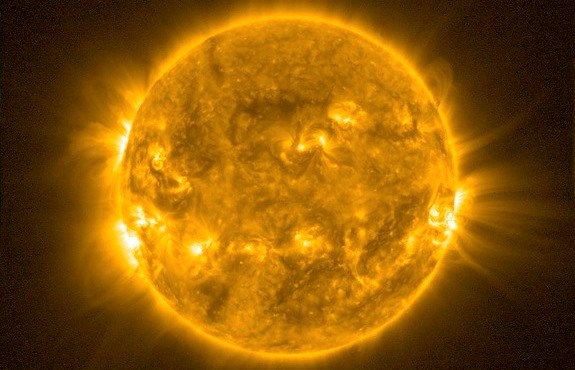
Solar wind – the stream of charged particles consisting mostly of naked protons called H+ ions – permeate our Solar System because they are periodically ejected from the sun. The University paper shows that in an airless environment, typical space rocks will react with impacting protons to create tiny vesicles of water, thus allowing water and organic molecules to travel through space in tandem.

asteroid_earthInterestingly, the paper comes soon after NASA released evidence that Mars once sported a fair amount of water in the past, and that this water is sometimes found in unexpected places. The finding that water can be generated within dry space rocks, coupled with the fact that space rocks are known to deliver organic compounds to the surface of the Earth, is yet another indication that Earth and Mars might be linked.

Other recent papers have suggested that life’s important molecules arrived intact from Mars – a primitive version of RNA is one major proposed molecular stow-away – but these researchers claim only that “complex organic molecules” came from somewhere else in space. Complex organic compounds and liquid water, in conjunction, could theoretically provide the potential for non-living material to come alive.

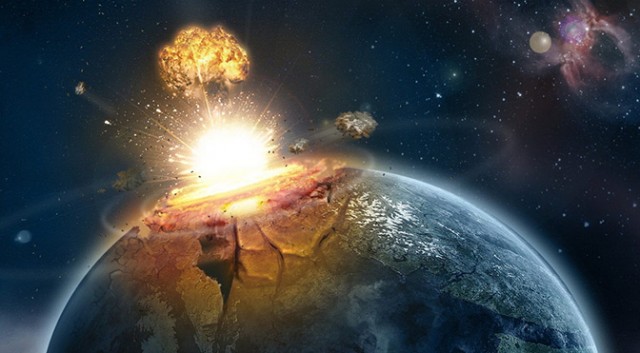
Comet1One important aspect of this idea is that it focuses on small particles of material, rather than comets. Prior research has looked to such large bodies as the carriers of life and the drivers of the chemistry that created it, due to their energetic impacts. It’s been suggested that the earliest living things were cobbled together from high-energy molecules that couldn’t exist unless their synthesis was driven by massive astronomical impacts.
This more passive, dust-based explanation seems to fit well with the known history of the Earth, which predicts there was a high level of dust flux in the period before life began to flourish. In addition, the theory could help explain how in the predominantly shadowy areas of the Moon – another airless silicate body – unexpectedly high levels of water have been detected.

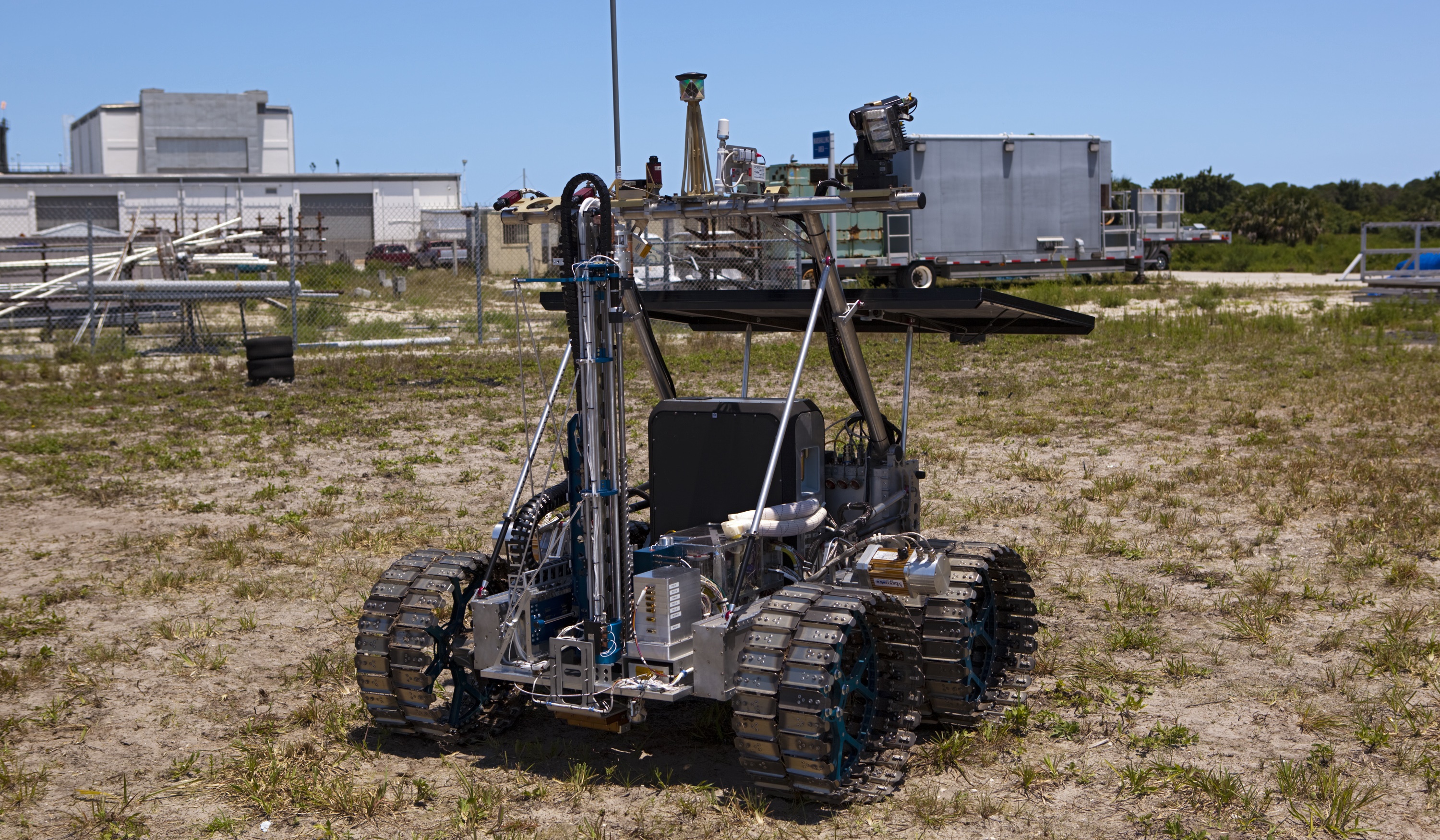
resolve_roverNASA has plans to launch RESOLVE (Regolith and Environment Science and Oxygen & Lunar Volatile Extraction) in 2018 to collect and analyze ice samples and use them to look back into just that sort of astronomical history. Large quantities of water are thought to have arrived on the Moon via impacting comets, but this research suggests that at least some of it could have been created on the Moon itself.

All of this is of extreme importance to discovering how life began on Earth, mainly because scientists are still unsure of what makes the process complete. For instance, evolutionary theory can adequately explain how a bacterium becomes a protist that becomes an animal, but it cannot explain how a pile of non-living molecules ever became a living cell.

panspermia2Evidence seems to be mounting that, whether it was seeded with dust or fused into existence by huge asteroid impacts, life on Earth needed a kickstart in its earliest days. Interestingly, Earth’s atmosphere and the abundance of messy lifeforms on its surface could mean that Earth is the single worst place to search for such evidence.

The Moon or Mars, by contrast, are perfect environments for preserving evidence of the past given their dry and airless nature. And with ongoing research into both planets and our scientific knowledge of them expanding apace, whatever role they may have played in kickstarting life on Earth may finally be learned. This could come in handy if ever we need to do a little kickstarting of our own…

Source: extremetech.com