News From Space: Asteroids in the Bag!

asteroid_earthFor some time, NASA has been forthright about its plans to tow an asteroid closer to Earth for the sake of study. As part of their long-term goals, this plan calls for the capture of a Near Earth Object (NEO) and positioning it at one of two Lagrange Points before conducting research on it. And late last month, they released plans on how they intend to go about doing this.

The first step, picking and choosing a potential target, would be handled by the telescope known as the Wide Field Infrared Survey Explorer (WISE). Launched in 2009, this telescope was charged with a two-year mission to image 99% of the visible sky in infrared wavelengths. Once this mission was successfully completed, NASA reassigned the craft a second four-month mission to track and discover near-Earth objects (NEOs).

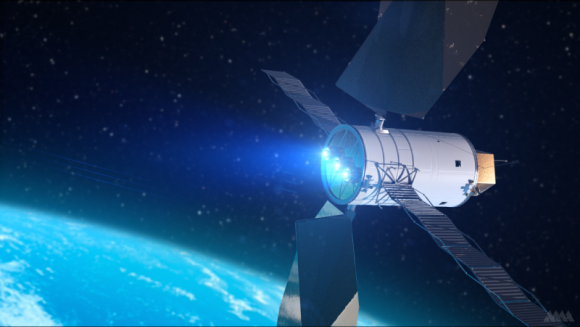
orion_asteroidOnce that’s done, the next phase of the mission will involve launching an unmanned probe to intercept the NEO and drag it back into a retrievable position, probably by wrapping a bag around it. While this might sound improbable, keep in mind NEOs are rather small, and a bag of high-tensile material would do the trick. A crew would then be dispatched on an Orion capsule mated to the upcoming heavy rocket known as the Space Launch System to retrieve samples of the asteroid and return them to Earth.

Despite troubles getting the US Congress to approve a budget necessary to mount a capture mission, NASA remains committed to the plan, mainly because of the benefits it would entail. Many of these small asteroids are thought to contain minerals from the very early stages of the solar system’s formation, which means they’d be a useful means of investigating theories on how planets and planetoids form.
orion_captureIn addition, studying NEOs is also essential in creating safeguards against them striking Earth. The Russian meteorite explosion earlier this year put a new emphasis on the importance of tracking small asteroids, as the object that detonated in the skies above Chelyabinsk was too small to have been detected by other means. Much like many small asteroids, NEOs are too small to reflect visible light and must be tracked by infrared imaging.

Ultimately, bagging and dragging one of the smaller ones may be the only way to successfully study them and find ways to divert the larger ones. And a mission of this nature would stretch NASA’s unmanned capabilities for probes and satellites — a useful factor when discussing exploration of targets like Europa or Titan. It would also serve as a test of the Orion capsule and SLS, which are the intended means of getting astronauts to Mars by 2030.

asteroid_neo_studyNASA’s news release included a series of photos and a video animation of how the capture operation would take place, which included crew operations, the Orion spacecraft’s trip to and rendezvous with the relocated asteroid, as well as astronauts maneuvering through a spacewalk to collect samples from the asteroid.

NASA will also be hosting a technical workshop at the Lunar and Planetary Institute in Houston from Sept. 20th to Oct. 2nd to discuss potential ideas, and is looking for public input. Virtual participation will also be available to the public, and details on how to participate will become available soon. Stay tuned for updates, or check in with Universe Today, who is following the story.

And be sure to check out NASA’s video on what the NEO capture would look like. And check out more of pictures at NASA’s Asteroid Initiative website.


Sources:
extremetech.com
, universetoday.com, nasa.gov
News From Space: Walk on Mars with VR

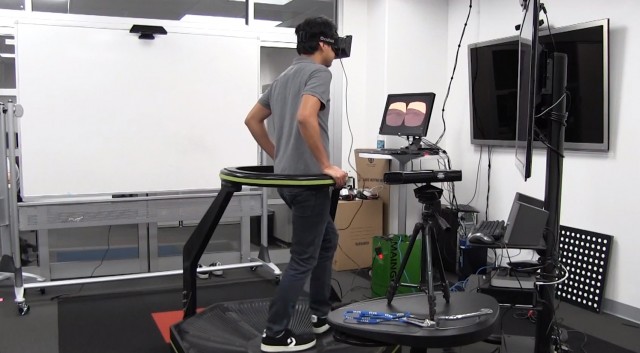
oculus-rift-omni-treadmill-mars-nasa-640x353Virtual Reality, which was once the stuff of a cyberpunk wet dream, has grown somewhat stagnant in recent years. Large, bulky headsets, heavy cables, and graphics which were low definition and two-dimensional just didn’t seem to capture the essence of the concept. However, thanks to the Oculus Rift, the technology known as Virtual Reality has been getting a new lease on life.

Though it is still in the development phase, the makers of the Oculus Rift has mounted some impressive demos. Though still somewhat limited – using it with a mouse is counter-intuitive, and using it with a keyboard prevents using your body to scan virtual environments –  the potential is certainly there and the only question at this point is how to expand on it and give users the ability to do more.

Oculus-RiftOne group that is determined to explore its uses is NASA, who used it in combination  with an Omni treadmill to simulate walking on Mars. Already, the combination of these two technologies has allowed gamers to do some pretty impressive things, like pretend they are in an immersive environment, move, and interact with it (mainly shooting and blowing things up), which is what VR is meant to allow.

NASA’s Jet Propulsion Laboratory, however, went a step beyond this by combining the Omni and a stereoscopic 360-degree panorama of Mars to create a walking-on-Mars simulator. The NASA JPL team was able to give depth to the image so users could walk around an image of the Martian landscape. This is perhaps the closest normal folks will ever get to walking around on a “real” alien planet.

omni_treadmillAlong with the Martian terrain, JPL created a demo wherein the user could wander around the International Space Station. The JPL team also found that for all the sophisticated imagery beamed back to Earth, it is no substitute for being immersed in an environment. Using a rig similar to the Rift and Omni could help researchers better orient themselves with alien terrain, thus being able to better plan missions and experiments.

Looking to the long run, this kind of technology could be a means for creating “telexploration” (or Immersive Space Exploration) – a process where astronauts would be able to explore alien environments by connecting to rover’s or satellites camera feed and controlling their movements. In a way that is similar to teleconferencing, people would be able to conduct true research on an alien environment while feeling like they were actually in there.

mars-180-degrees-panorama_croppedAlready, scientists at the Mars Science Laboratory have been doing just that with Curiosity and Opportunity, but the potential to bring this immersive experience to others is something many NASA and other space scientists want to see in the near future. What’s more, it is a cheap alternative to actually sending manned mission to other planets and star systems.

By simply beaming images back and allowing users to remotely control the robotic platform that is sending them, the best of both worlds can be had at a fraction of the cost. Whats more, it will allow people other than astronauts to witness and feel involved in the process of exploration, something that social media and live broadcasts from space is already allowing.

As usual, it seems that the age of open and democratic space travel is on its way, my friends. And as usual, there’s a video clip of the Oculus Rift and the Omni treadmill bringing a walk on Mars to life. Check it out:


Sources:
extremetech.com, engadget.com

Judgement Day Update: Headless Ape Bot

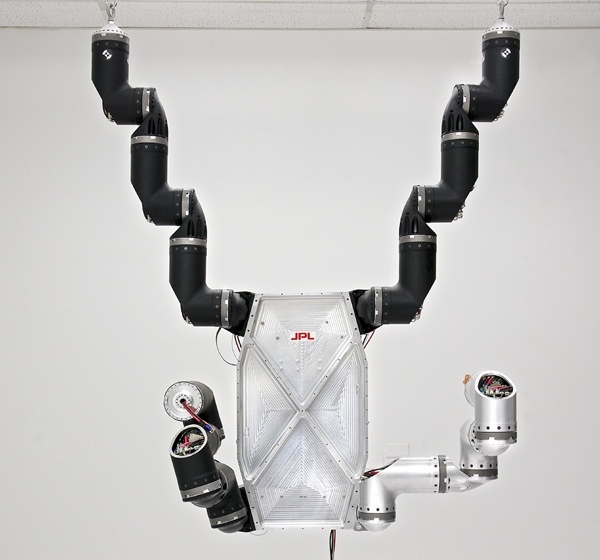
robosimianIt goes by the name of Robosimian, an ape-like robot that was built by NASA’s Jet Propulsion Laboratory. Designed and built by JPL and Stanford engineers, RoboSimian was a recent competitor in the DARPA Robotics Challenge, a competition where participants attempt to create strong, dextrous, and flexible robots that could aid in disasters as well as search and rescue missions.

Admittedly, the robot looks kind of creepy, due in no small part to the fact that it doesn’t have a head. But keep in mind, this machine is designed to save your life. As part of the DARPA challenge, they are intended to go places that would be too dangerous for humans. So I imagine whatever issues a person may have with its aesthetics would disappear when they spotted one crawling to their rescue.

robosimian1To win the challenge, the semi-autonomous robots will have to complete difficult tasks that demonstrate its dexterity and ambulatory ability. These include removing debris from a doorway, using a tool to break through a concrete panel, connecting a fire hose to a pipe and turning it on, and driving a vehicle at a disaster site. The competition, which began in 2012, will have its first trials in December.

Many of the teams in the challenge are creating fairly humanoid robots but RoboSimian, as its name implies, looks a bit more like an ape. And there is a reason for this: relying on four very flexible limbs, each of which has a three-fingered hand, the robot is much better suited to climbing and hanging, much like our Simian cousins. This makes it well-suited for the DARPA-set requirement of climbing a ladder, and will no doubt come in handy when the robot has to navigate difficult environments.

Robosimian2The demo video, featured below, shows the robots hands doing dextrous tasks as well as doing some pull ups. There’s also a computer renderings of what the final machine may look like. Check it out:


Source: wired.com

The Future is Here: Nanofibre Heart Patches

heart_patchesFor years, medical researchers have been trying to find a solution to the problem of post-cardiac event health. You see, when a heart attack occurs, the damaged tissue doesn’t grow back, but instead forms non-beating scar tissue. This in turn permanently weakens the heart, making another cardiac event that much more probable.

However, researchers at Tel Aviv University are getting promising results from a possible solution using patches that contain cardiac cells and gold nanofibers. As with other experimental heart patches, the idea behind these ones is that they could be surgically placed on damaged areas of the heart, where they would cause normal, beating heart tissue to grow back.

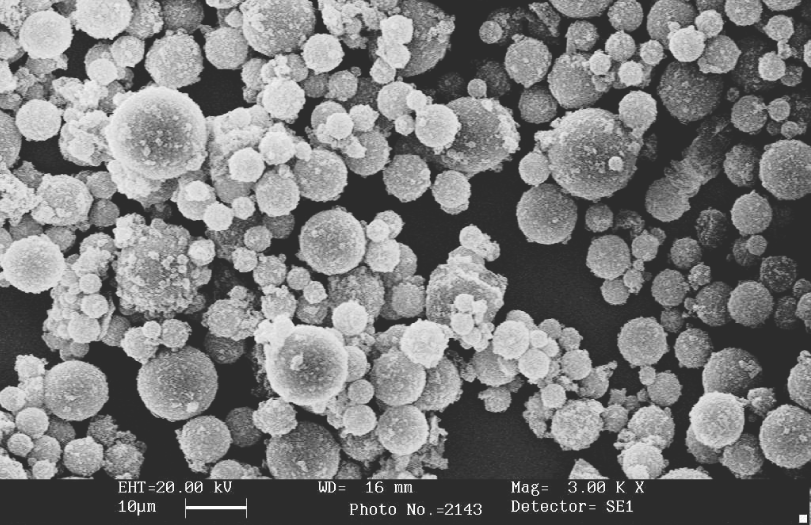
gold_nanoparticlesTo create them, a team led by Dr. Tal Dvir started by integrating nanofibers made of gold nanoparticles into a three-dimensional scaffolding made of biomaterials. That scaffolding was then “seeded” with heart muscle cells. The high conductivity of the gold allowed those cells to communicate with one another by sending electrical signals through the network of nanofibers.

When viewed with an electron microscope, the cells were observed to be contracting in unison, which is essential to the proper beating of the heart. By contrast, cells that were placed on scaffolding without the embedded gold nanofibers displayed much weaker contractions. In other experiments, gold nanofibers have proven useful to enhancing heart heath. But in this case, may prove useful to replacing damaged heart tissue.

heart_healthNaturally, more work is needed before this new heart patch can be made available to patients. This includes human trials, which Dr. Dvir and his colleagues are hoping to conduct soon. Similar research is also being conducted at MIT, where scientists have created electrically conductive tissue scaffolds that include cardiac cells and gold nanowires.

This research is not only a boon for cardiac health, but is also a major step forward in terms of cybernetics, biomimetics, and nanotechnology. By merging the organic and synthetic at the nano level, and in a way that merges with our bodies natural architecture, a new breed of medical solutions are being made available that could make “permanent conditions” a thing of the past.

Source: gizmag.com, aftau.org

Towards a Cleaner Future: The Cactus-Inspired Oil Skin

???Oil spills are a very difficult problem. In addition to being catastrophic to the local environment, they are also incredibly difficult to clean up. After a spill occurs, some always stays on the surface while the rest forms heavy droplets and sink downwards, either becoming suspended in the water or falling to the bottom. Getting at these bits of the slick is difficult, and current methods are neither cost effective nor environmentally friendly themselves.

For example, the containment booms and chemical dispersants that BP used after the Deepwater Horizon spill were highly ineffective, as anyone who followed the news of the spill will recall. Because of that disaster, and others besides, numerous solutions have been proposed to deal with spills in the future – ranging from filters, to tiny submarines, and oil-eating bacteria.

artificial_cactusBut most recently, a group of researchers from the Chinese Academy of Sciences have suggested a nature-inspired solution. Their concept calls for droplet-collecting “skins” modeled after cactus plants. In the desert, these pants collect moisture when condensation covers the tips of their spines and then falls under its own weight to the base and gets absorbed by the plant.

Working from this, the Chinese researchers created their own “cactus skin” – artificial cone-shaped needles made of copper and coated in silicone that. When submerged in water, the half-millimeter spikes draw down oil droplets and collect them at the bottom. According to the researchers, the method is good for 99% of oil-water mixes and works with several types of oil.

chinese_academy_of_scienceThe research appeared in the latest issue of the journal Nature Communications. According to the paper:

Underwater, these structures mimic cacti and can capture micron-sized oil droplets and continuously transport them towards the base of the conical needles. Materials with this structure show obvious advantages in micron-sized oil collection with high continuity and high throughput.

The researchers think the device could also be used in the open air to remove fine droplets released with sprays. This way, they would be able to neutralize a good portion of oil released by malfunctioning rigs before it began polluting our oceans and waterways. On top of that, research at the Academy, specifically in the Institute of Chemistry, has revealed that this same concept might provide a solution to the problem of city pollution.

Between all of this, we could be seeing artificial cactuses in city environments very soon. Just not as potted plants and in the desert! And it does say much about our biomimetic future, where we are becoming increasingly dependent on solutions born of nature to solve our environmental problems.

Sources: fastcoexist.com, inhabitat.com, scmp.com

The Future is Here: The Desalination Bottle

desalination_bottleDesalination might not just be handy if you find yourself lost at sea or shipwrecked on a remote island. In the near future, it might be an absolute necessity. As sea levels rise and sources of rivers, irrigation and ground water dry up, turning sea water into drinking water might be the only way to keep people hydrated and crops growing.

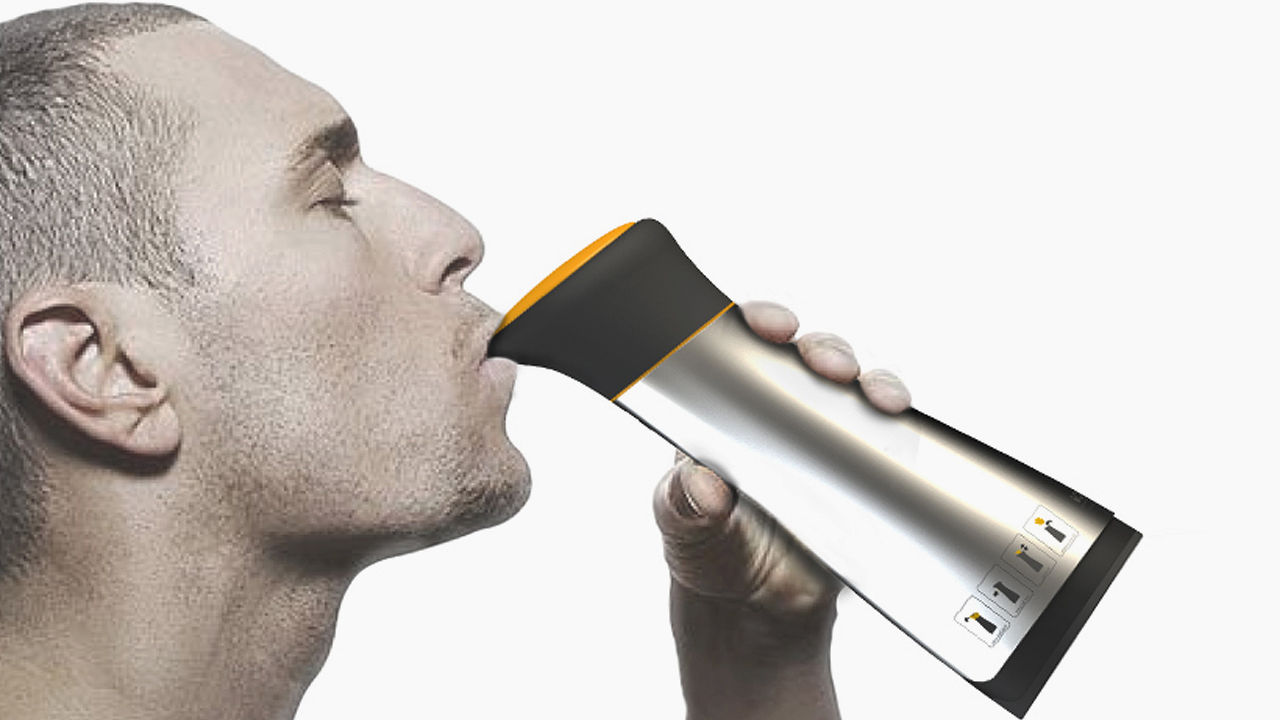
And that’s where this new bottle concept comes in, which was designed by a team from Yonsei University in South Korea and entered in the 2013 IDEA awards. The idea is simple: You pump a plunger at the top, pressurizing ocean water until it’s pushed through a membrane at the bottom and fresh water enters into another chamber.

puri_bottleAnd though such a water bottle does not yet exist, the students make a plausible case for what it might look like, right down to the materials for all the parts. And they’ve manage to produce advertising and a concept video of how it would work (see below). As they describe it:

The Puri portable fresh water equipment has reverse osmosis technology. This is the only product that can continually supply water when people get into marine disasters. It puts the best face on it when people get into emergency situations.

At this point, the students are likely to mount a crowdfunding campaign in order to get the necessary seed capital to develop the technology. Personally, I look forward to seeing this and other such products being made available in camping and outfitting stores. If walking the Sunshine Coast Trail has taught me and the wife anything, it’s that water is mighty precious, and not always readily available!

And be sure to check out this concept video produced by the Yonsei students, or visit their website by clicking here.


Sources:
fastcoexist.com, idsa.org

The Worlds First Brain to Brain Interface!

Brain-ScanIt finally happened! It seems like only yesterday, I was talking about the limitations of Brain to Brain Interfacing (BBI), and how it was still limited to taking place between rats and between a human and a rat. Actually, it was two days ago, but the point remains. In spite of that, after only a few months of ongoing research, scientists have finally performed the first human-to-human interface.

Using a Skype connection, Rajesh Rao, who studies computational neuroscience at the University of Washington, successfully used his mind to control the hand of his colleague, Andrea Stucco. The experiment was conducted on Aug. 12th, less than month after researchers at Harvard used a non-invasive technique and a though to control the movement of a rat’s tail.

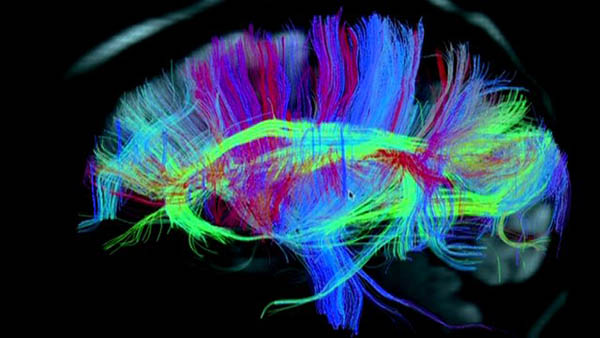
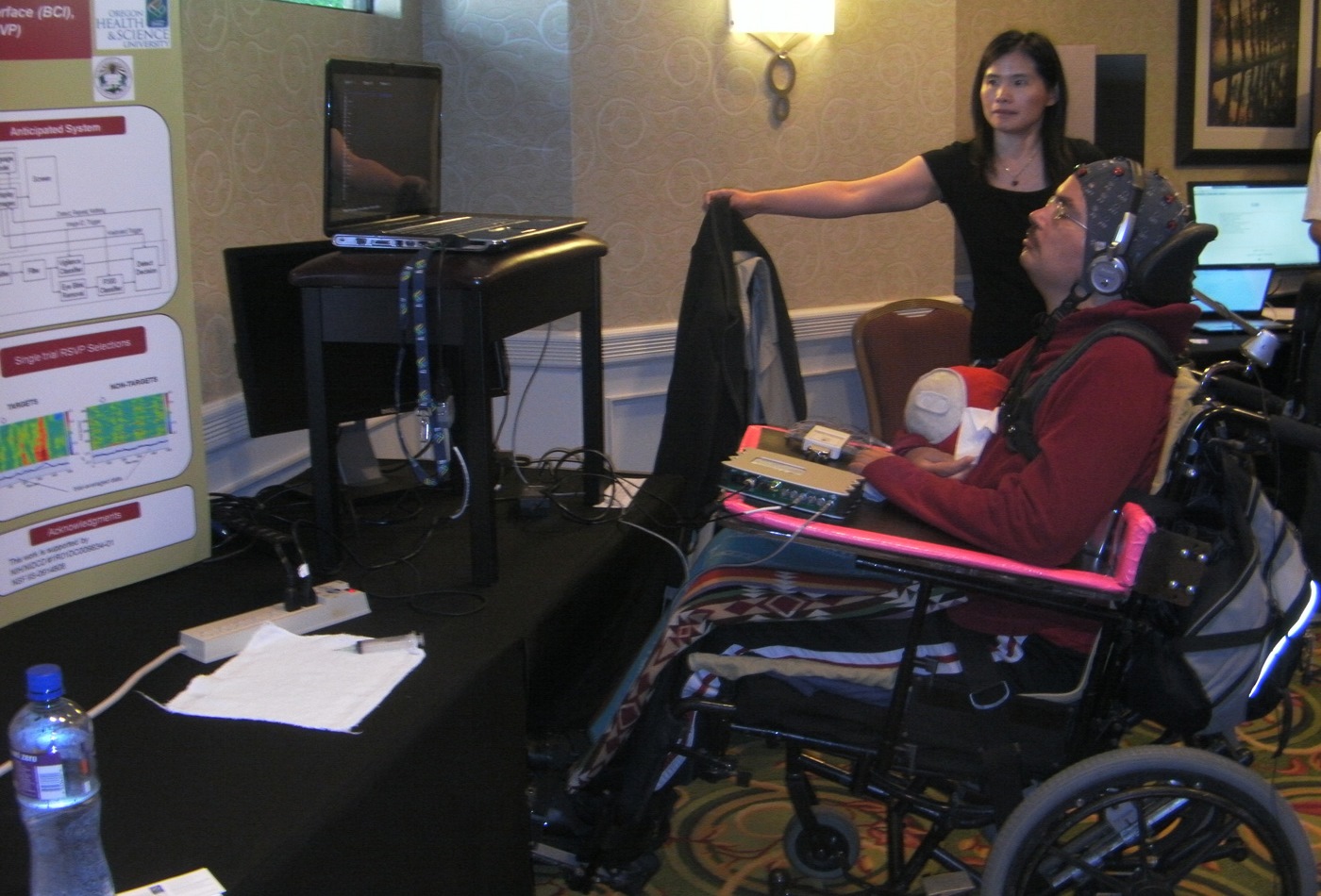
brain-to-brain-interfacingThis operation was quite simple: In his laboratory, Rao put on a skull cap containing electrodes which was connected to an electroencephalography (EEG) machine. These electrodes read his brainwaves and transmitted them across campus to Stocco who, seated in a separate lab, was equipped with a cap that was hooked up to a transcranial magnetic stimulation (TMS) machine.

This machine activating a magnetic stimulation coil that was integrated into the cap directly above Stocco’s left motor cortex, the part of the brain that controls movements of the hands. Back in Rao’s lab, he watched a screen displaying a video game, in which the player must tap the spacebar in order to shoot down a rocket; while  in Stocco’s lab. the computer was linked to that same game.

braininterfacing-0Instead of tapping the bar, however, Rao merely visualized himself doing so. The EEG detected the electrical impulse associated with that imagined movement, and proceeded to send a signal – via the Skype connection – to the TMS in Stocco’s lab. This caused the coil in Stocco’s cap to stimulate his left motor cortex, which in turn made his right hand move.

Given that his finger was already resting over the spacebar on his computer, this caused a cannon to fire in the game, successfully shooting down the rocket. He compared the feeling to that of a nervous tic. And to ensure that there was no chance of any outside influence, the Skype feeds were not visible to each other, and Stucco wore noise cancelling headphones and ear buds.

brain-activityIn the course of being interviewed, Rao was also quick to state that the technology couldn’t be used to read another person’s mind, or to make them do things without their willing participation. The researchers now hope to establish two-way communications between participants’ brains, as the video game experiment just utilized one-way communication.

Additionally, they would like to transmit more complex packets of information between brains, things beyond simple gestures. Ultimately, they hope that the technology could be used for things like allowing non-pilots to land planes in emergency situations, or letting disabled people transmit their needs to caregivers. And in time, the technology might even be upgraded to involve wireless implants.

brainpainting-brain-computer-interfaces-2One thing that should be emphasized here is the issue of consent. In this study, both men were willing participants, and it is certain that any future experimentation will involve people willingly accepting information back and forth. The same goes for commands, which theoretically could only occur between people willing to be linked to one another.

However, that doesn’t preclude that such links couldn’t one day be hacked, which would necessitate that anyone who chose to equip themselves with neural implants and uplinks also get their hands on protection and anti-hacking software. But that’s an issue for another age, and no doubt some future crime drama! Dick Wolf, you should be paying me for all the suggestions I’m giving you!

And of course, there’s a video of the experiment, courtesy of the University of Washington. Behold and be impressed, and maybe even a little afraid for the future:


Source:
gizmag.com

Cities of the Future: Building with Bacteria

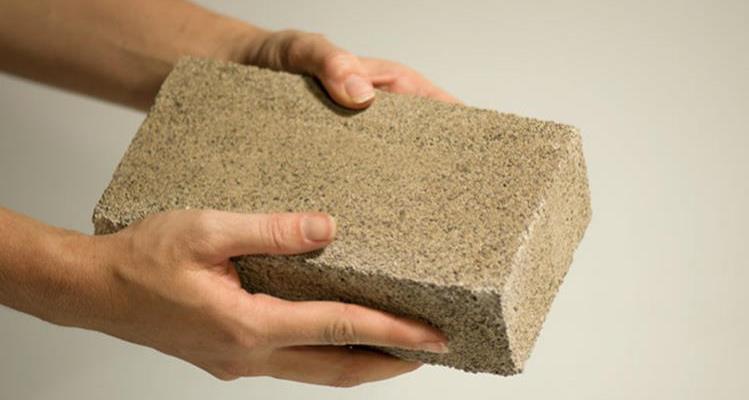
bio-building1Since the beginning of civilization, building hasn’t evolved much. In fact, archaeological digs show that between the Early Paleolithic and today, construction has moved at a snail’s pace. And while change has certainly sped up within the past few centuries – with mud and stone giving way to bricks and cement and thatch and wood giving way to steel and shingles –  the fundamental techniques and concepts remain largely unchanged.

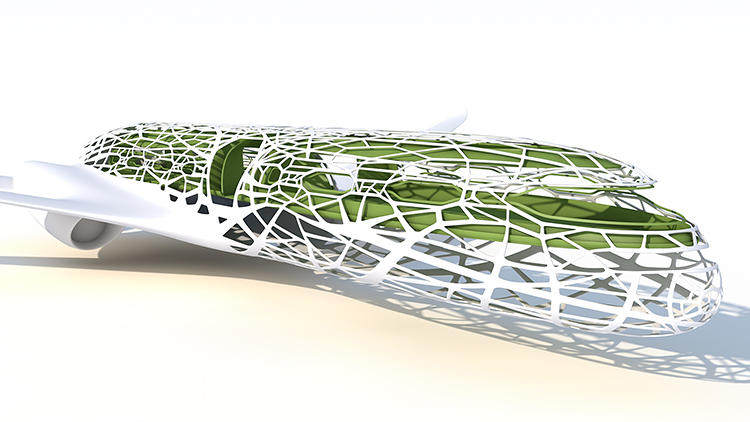
However, a radical shift may soon be underway where traditional factories will give way to biological ones, and the processing of raw materials using hands and tools will be replaced by an active collaboration between human architects and cells specifically programmed to create building materials. In this new age, biology, rather than machining, will be the determining factor and buildings will be grown, not assembled.

the-livingAlready, biological processes have been used to manufacture medicine and biofuels. But the more robust materials for everyday life – like roofs, beams, floor panels, etc – are still the domain of factories. However, thanks to researchers like David Benjamin – a computational architect, professor at Columbia University, and the principal of the The Living (a New York architectural practice).

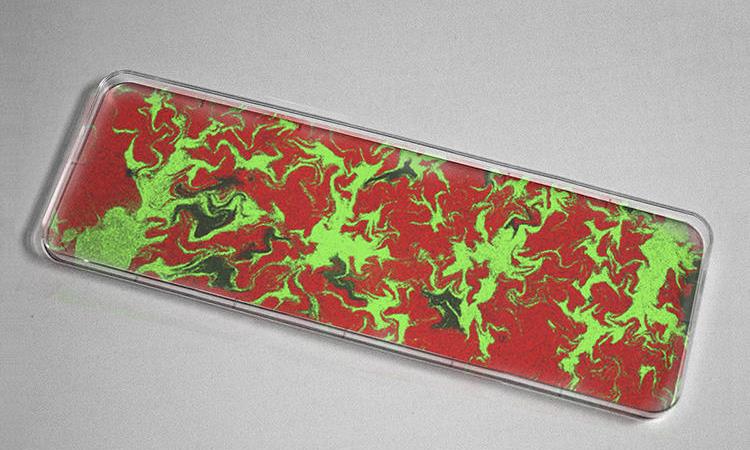
The purpose of The Living’s research is to redirect and engineer biological processes and then capture them using computational models. The end result is what is known as “human-cell collaboration”, where humans specify the shape and properties of a desired material and computers translate them into biological models. Patterned “sheets” of bacterial cells are then grown in the lab, determining the final design based on what was encoded in the DNA.

bio-buildingEmerging software, says Benjamin, will soon allow architects to create multi-material objects in a computer, translate these into biological models, and let biology finish the job. This will be done in laboratories, growing them under carefully engineered conditions, or tweaking the DNA to achieve precisely the right result before deploying them to build.

At the moment, Benjamin and his colleagues are working with plant cells known as xylem – the long hollow tubes that transport water in plants. These are being designed as computer models and grown in a Cambridge University lab in conjunction with various species of engineered bacteria. In addition, they are working with sheets of calcium and cellulose, seeking to create structures that will be strong, flexible, and filigreed.

And of course, Benjamin and The Living are hardly alone in their endeavors. Living Foundries Program, for example, is a a Department of Defense initiative that is hoping to hasten the developmental process and create an emergent bio-industry that would create “on-demand” production and shave decades and millions of dollars off the development process.bio-building2Naturally, the process is far from perfect, and could take another decade to become commercially viable. But this is a relatively short time frame given the revolutionary implications. This, in turn, may open up what the former U.S. energy secretary Stephen Chu has called the “glucose economy,” an economic system powered largely by plant-derived sugars grown in tropical countries and shipped around the world, much as we do with petroleum today.

Once factories switch to sugar as a primary energy source, and precisely engineered bacteria become the means of manufacture, the model of human civilization may flip from one powered by fossil fuels to one running largely on biologically captured sunlight. It’s one of the hallmarks of the future, where programmed biology is used to merge the synthetic with the biological and create a “best of both worlds scenario”.

In the meantime, check out this conceptual video by one of Benjamin’s collaborators about the future of bio-building. And be sure to check out some of the The Living’s other projects by clicking here.


Sources: fastcoexist.com, thelivingnewyork.com

The Future is Here: The Electric Highway!

electric_carCharging electronic vehicles while they on the move is not a new idea. In fact, in Vancouver, BC, the entire public transit system runs on a series of electronic lines that power the buses. And in French cities, the entire tram system runs on a wireless system, one which is six million kilometers in length. In the former case, the buses are kept in contact with power lines overhead, while the latter uses metal bars running underneath.

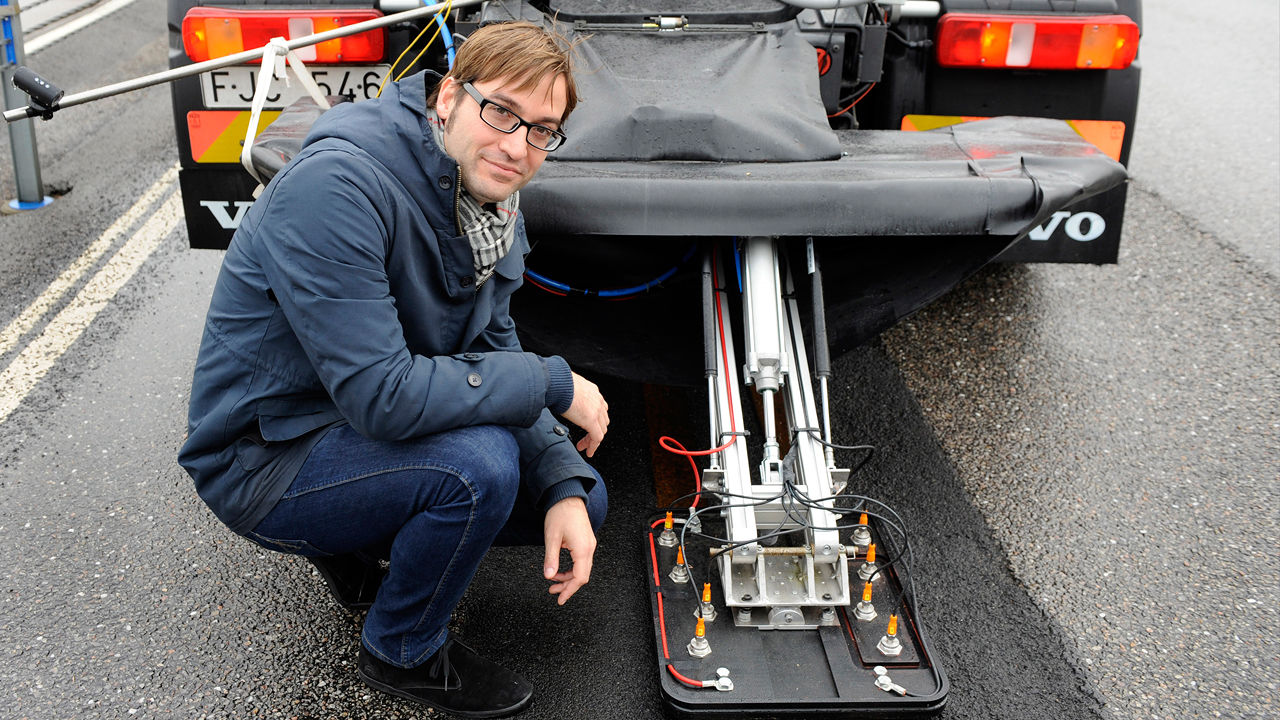
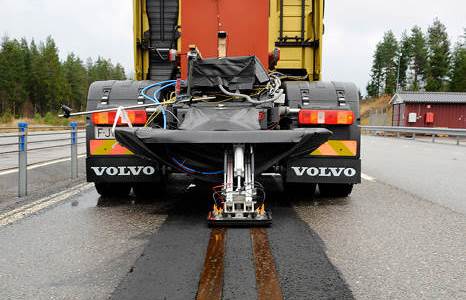
Applying the same concept, Volvo has designed a new highway system in Sweden that will keep electric cars running on long-distance trips. Led by Mats Alaküla, researchers are looking at these types of “conductive charging,” both where vehicles would stay in continuous contact with the power supply. Both methods are being tested on the new system, which consists of a 400-meter track near Gothenburg.

volvo_highwayBehind the research is the assumption that an electric car’s batteries will not provide the required range for long-distance driving, especially where long-haul trucks are concerned. City driving is one thing, but in order for electric vehicles to expand beyond urban centers, bigger and better methods need to be devised.

Alaküla says the important part of the second system is “the pick-up” – i.e. the connector between the vehicle and the ground. Unlike trams that stay in a fixed position, this line needs to be able to compensate for cars and trucks changing lanes. He describes the set-up as an “industrial robot sitting upside down”, though it more akin to a robotic arm.

volvo_highway1The arm moves a meter each way to compensate for movement within the lane, and retracts when the driver changes lanes, redeploying once they’ve back on the track. As Alaküla describes it:

If you imagine two lanes, the power system would be in the right lane. The pick-up keeps in contact with the supply, until you keep moving sideways. Then, the truck will go to the battery. When you go back, it automatically identifies the track, and reconnects.

And for those who worry that electric tracks are going to make highways unsafe for pedestrians, Alaküla insisted that the system only electrifies sections of the track when vehicles pass at a certain speed. To electrocute yourself, a pedestrian would need to step out in front of a fast-moving vehicle, which would kind of render the whole thing moot!

electric-highwaySo far, trucks have been able to get up to speeds of 80 km/h (50 mph) on the Volvo stretch, and Alaküla expects the work to continue for another year before his team takes the concept to a full road. Eventually, he thinks the concept could be used for anything bigger than a motor-bike – from cars and buses to different types of trucks.

And they not alone in their research efforts. Volvo’s rival Scania are themselves testing technology based on inductive charging where the charge is transferred via an electromagnetic field and does not require physical contact. Between these three methods and other emerging technologies that seek to make highway driving “smart”, the future of long-distant driving is likely to become a much cleaner, more efficient affair.

Source: fastcoexist.com

The Future is Here: Painting with Thought

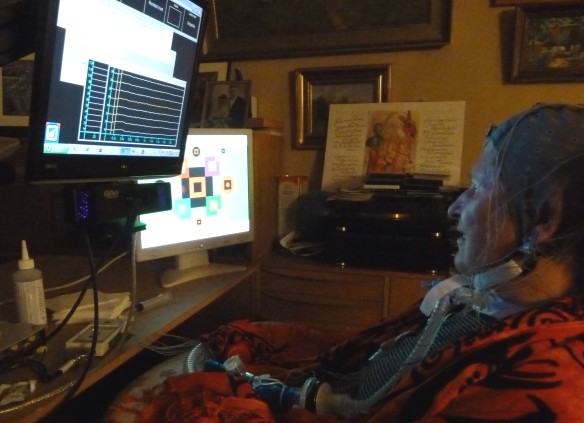
Heide-PfutznerIn 2007, when artist Heide Pfüetzner was diagnosed with Amyotrophic Lateral Sclerosis (Lou Gehrig’s disease), she considered it a “personal catastrophe”. Given the effects of ALS, which include widespread muscle atrophy that affects mobility, speaking, swallowing, and breathing, this is hardly surprising. And yet, just six years later, an exhibit of her paintings made their debut; all created by her mind and a computer.

Known as “Brain on Fire,” the exhibit took place on Easdale, a small island off the west coast of Scotland, this past July. Those who visited the exhibit were treated to a vibrant display of colorful digital paintings that she made using a computer program that lets her control digital brushes, shapes, and colors by concentrating on specific points on the screen.

bmi_paintingPfüetzner, a former English teacher from Leipzig, Germany, “brain paints” using software developed by the University of Wurzburg and German artist Adi Hösle, along with equipment from biomedical engineering firm Gtec. Thanks to the equipment and software, Pfüetzner is able to paint using two monitors and an electrode-laden electroencephalogram (EEG) cap without having to move her hands or leave her chair.

While one screen displays the program’s matrix of tools, another functions like a canvas, showing the picture as it evolves. Images of the various tools flash at different times, and Pfüetzner focuses on the tool she wants to select, causing her brain activity to spike. The computer determines which option she’s focusing on by comparing the timing of the brainwaves to the timing of the desired flashing tool.

brainpainting_indexRelying on a Startnext crowdfunding campaign, Pfüetzner was able to raise the $6,500 she needed to hold the exhibit in Easdale. The money she raised through the campaign went toward printing and framing her work, as well as transporting her and her nursing team, as well as the medical equipment she needs, to Easdale, where the exhibit ran until July 25th.

Pfüetzner admits that prior to becoming ill, she was not too fond of technical equipment and did not like working with computers. But since she became acquainted with the new technology, an EEG cap and brain computer interface have become her everyday companions. Much like a canvas, brush and paint palate, “brain painting” has become second nature to her.

Heide-Pfutzner_paintingBetween her Startnext page and interviews since her exhibit went public, Pfüetzner had the following to say about her work and the software that makes it possible:

For the first time, this project gives me the opportunity to show the world that the ALS has not been the end of my life… BCI is a pioneer-making technology which allows me to create art and therefore, reconnect to my old life.

For some time now, Brain to Computer Interface (BCI) research has been pushing the realm of the possible, giving a man with locked-in syndrome the ability to tweet using eye movement, or a paraplegic woman the ability to control a robotic arm. And thanks to research team like that working at the University of Wurzburg’s labs,  the range of BCI applications for the paralyzed are quickly beyond text input and into the realm of visual art.

brainpainting-brain-computer-interfaces-3Though the life expectancy of an ALS patient averages about two to five years from the time of diagnosis, according to the ALS Association, some ALS patients, including physicist and cosmologist Stephen Hawking, have far outlived that prognosis. given her obvious inspiration and passion, not to mention talent, I sincerely hope Pfüetzner has a long and productive career!

And be sure to enjoy this video from Heide Pfüetzner’s Startnext page. It contains a personal address in German (sadly, I couldn’t find an English translation), followed by members of the University of Wurzburg team explaining how “brain painting” works:


Source: cnet.news.com, neurogadget.com, startnext.com

,