Climate Crisis: City Farms

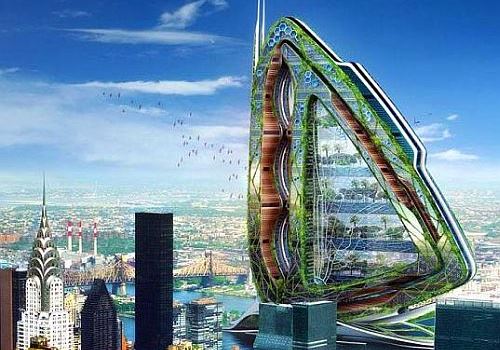
dragonfly-vertical-farm-for-a-future-new-york-1Hello again, folks. As you all know, this summer has brought some rather dire news on the climate front as unpredictable weather patterns have led to flooding in many parts of the world. And as climatological researchers and scientists have predicted, this is just the tip of the iceberg, as rising global temperatures will lead to melted icecaps, higher sea levels, severe droughts, wildfires and coastal storms.

But as I always like to point out, there are solutions to these problems, or at least ways to mediate them. Given the central role played by overpopulation and urban sprawl in climate change, many of these proposed solutions have to do with finding new ways to house, feed, and provide from future generations – ones which emphasize sustainability and clean energy.

city_farmsWhen it comes to feeding future generations of people, the question of what will be on the menu and where it comes from are paramount. In recent decades, massive crop failures, protracted droughts, and numerous food-borne disease outbreaks caused by microbes such as salmonella, E. coli, toxoplasma and listeria have forced people to contemplate where their food comes from and how it is produced.

The proposed solution is to rethink farming, moving out of the old paradigm of farming the lands around human settlements and moving them inside. These city-based agricultural projects include rooftop gardens, rooftop greenhouses, planting beds, empty lots as farmland, and vertical farms that occupy tall buildings and abandoned warehouses. Collectively, these examples show the validity of growing food in the city. Not only could be they be carried out efficiently, but they could also operate without the pollution associated with outdoor farming.

city_farms1In truth, the concept is not entirely new, as “victory gardens” or other variants have been a means of producing agricultural goods whenever national farms found themselves overburdened. These were all the rage in Britain, Canada, the US and Germany during World War I and II when naval blockades and military demand forced people to plant their own vegetables in their backyards.

In addition, after the collapse of the Soviet Union, Cuba found itself in a serious agricultural crisis. As a result, they turned to a vast network of ‘organoponicos’ – growing food for city dwellers in spare plots. These miniature agricultural operations not only staved off starvation and malnutrition during times of shortages, but became a model for sustainable local efforts that are currently being used around the world.
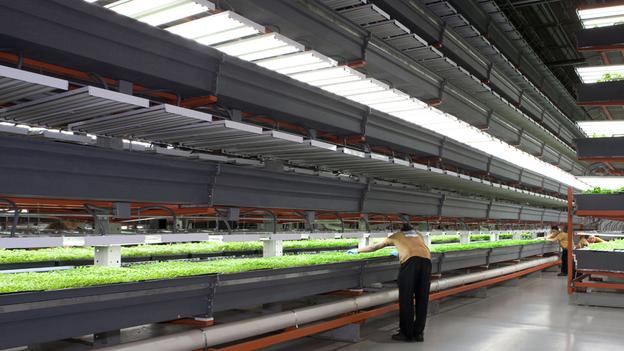
city_farms2For example, in Wilcox, Arizona, their is the EuroFresh Farms indoor-operation – a 318 acres (1.3 square km) of one-storey-high hydroponic greenhouses that supplies fresh tomatoes and cucumbers.  Similarly, the FarmedHere operation in Bedford Park, Illinois consists of a 8,360 square meter (90,000 square foot) empty warehouse that is several storeys tall that produces tilapia, a variety of leafy green vegetables, and several value-added products.

And in Sweden, the company known as Plantagon is building a vertical farm in the city of Linkoping, and has partnered with a Chinese company to research similar methods for the state of China. In addition, limited forms of vertical farming also exist in Japan, Korea, Singapore, the United States, and Canada, with new farms being planned for a number of cities in the United States.

city_farms4As always, technological innovation is assisting in the process. This includes such things as grow lights that have replaced expensive fluorescent fixtures with light-emitting diodes that can be adapted to emit light spectra tailored for growing green plants. In addition to costing less to run, their yields are demonstrably higher, especially where leafy greens and tomatoes are concerned.

Another concept which is being embraced is aquaculture – indoor fish hatcheries – which could provide meat protein to go with all these vegetables. Such operations include Hazorea Acquatics, a koi farming operation, as well as the carp and mullet farm pictured below, both of which are located in Israel . Similar operations are popping up in the US, Netherlands, Denmark, Scotland and Canada, where barramundi, sturgeon, tilapia, eels, catfish, trout and salmon are being raised.

city_farms5Looking to the long-run, urban agriculture has the potential to become so pervasive within our cities that by the year 2050 they may be able to provide its citizens with up to 50% of the food they consume. In doing so, ecosystems that were fragmented in favor of farmland could be allowed to regain most of their ecological functions, forests could recover, and the impact on the environment would very beneficial, for the planet as well as humanity.

In addition to ensuring that the greatest consumers of CO2 – trees and other flora – could re-advance on the landscape, allowing natural spaces to recover from the damages of agriculture would also bring countless species back from the brink of extinction. Loss of habitat is one of the chief causes of wildlife becoming endangered, and farm runoff is one of the greatest factors effecting our rivers and fish stocks.

Combined with water treatment and recycling that also happens on-site, solar, wind and peizoelectric power, and carbon capture that can turn CO2 into biofuel, skyscrapers and urban environments may very well advance to become at the forefront of the sustainability, environmental and clean energy movement. What was once the problem would thus become the solution. Truly innovative…

Source: bbc.com/future

Climate Crisis: Population Growth in Coming Years

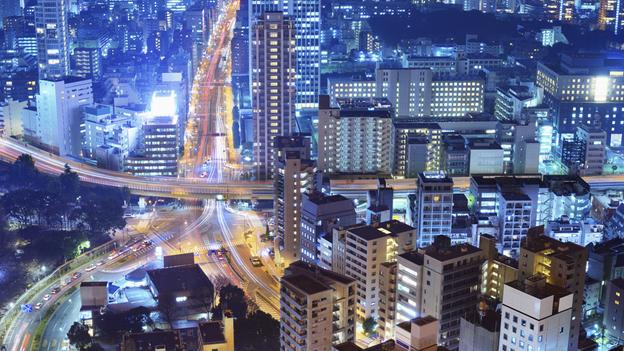
trafficWhen it comes to populations and environmental problems, cities are at the very heart of the issue. Not only are they where the majority of humanity lives, a reality which will only get worse as time goes on, they are also the source of most of our pollution, waste, and land use. People require space to live and work, as well as food, water and

Last year, the world’s population increased to 7 billion, which represents a seven-fold increase in the space of the last two centuries. What’s more, the proportion of people living in urban centers (as opposed to rural) shot up from 3% to almost half of the world’s people. This rate of population growth and redistribution is unprecedented, and is not likely to slow down anytime soon.

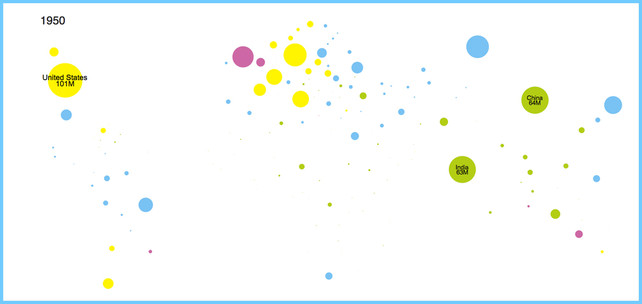
urbanworld_50Consider the following series of infographics which were released by Unicef with the help of the design studio Periscopic. Titled “An Urban World”, they illustrate the issues of population growth and distribution. This interactive, HTML5 visualization of the world covers the years of 1950-2050. But rather than showing our geographic boundaries, every country* is depicted only by their population living in urban environments.

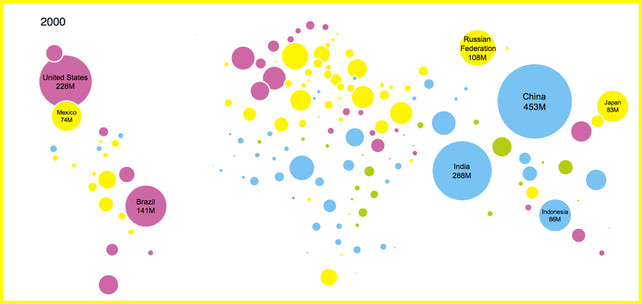
As you can see, each country is represented by a circle that depicts the number of people living in urban environments. As these populations grow, the circles get bigger. And as urban populations get more dense, the circles shift from green to blue to yellow to fuchsia. Immediately, a glaring fact is made clear: the problem is getting worse and at an alarming rate.

urbanworld_2000In addition, there are several nuggets of info which are staggering and particularly worrisome. For example, by 2050, both China and India will have about a billion people living in cities alone. In addition, since the 1990s, more than 75% of the U.S. population has lived in cities. At one time, the US was an outlier in this regard, but found ourselves joined over the next two decades by France, Spain, the U.K., Mexico, Korea, Australia, and Brazil.

But of course, this growth need not be a bad thing. When all is said and done, humanity has a choice. One the one hand, these megacities can take the form of smartly scaled communities of loosely populated expanses and efficient agriculture. On the other, they could easily take the form of urban slums and underdeveloped countrysides that are stricken by poverty and filthy.

urbanworld_2050It’s a complex issue, no doubt about it, especially when you consider the flip side to the whole equation. As the saying goes, every new life means a new mouth to feed, but also a pair of working hands. What’s more, studies have shown that people living in cities tend to be far more energy efficient, and that energy surplus is usually directed toward more and more technological growth and innovation.

Seen in this light, the massive cities of the future could be hubs for the ongoing development of new energies and creative living solutions. And with more people living in large, connected, interdependent environments, the more business startups, ideas, and contributions were likely to get. Part of the reason we have seen so much progress in solar, piezoelectric motors, and bio-electricity is because of this trend. More growth will conversely mean more clean energy.
overpopulation Quite the paradox, really. Who knew people could be both the cause and solution to the world’s worst problem! In the meantime, feel free to head on over to the Unicef site and watch this interactive infographic. Just press play, and watch the cities of the world swell at the edges, competing for room on the page as they compete for room on this planet.

Also, be sure to take a gander at this infographic from BBC Future that demonstrates the current population of the world’s major cities per square meter, the projected population per square meter by 2050, and the livability rating of the city in question. They even provide some context at the bottom by showing the size of relative spaces – from prison cells to Olympic swimming pools, and comparing that to the average space an urban dweller enjoys.

city_spaces
Sources:
bbc.com, fastcodesign.com
, unicef.org

Climate Crisis: Living, Breathing Cities of the Future
future-city2The human race has been thinking the way it lives in the past few decades, due mainly to a number of challenges posed by climate change and resource development. This is not only an environmentally and socially responsible idea, its an absolute necessity given the sheer number of people that live in urban sprawl, and the many more that will need homes, sanitation, food and energy in the near future.

And a number of interesting concepts are being proposed. Using striking technological breakthroughs across multiple fields of study, designers are moving closer to making lightweight buildings that can move, and perhaps even think and feel. Instead of hard, polished building faces, emerging prototypes from some of the world’s research centers suggest future cities that would resemble living, breathing environments.

masdar_city1To break it down succinctly, urban environments of the future will be built of “smarter” materials, will most likely be constructed using advanced techniques – possibly involving robots or bacteria – and will be powered by greener, more sustainable means. Sanitation and irrigation will also be provided and involve a fair degree of recycling, and food will be grown in-house.

And while much of this will be accomplished with good old-fashioned plumbing, air vents, and electrical circuits, a good deal more could come in the form of structures that are made to resemble and even behave like living organisms. Might sound like a distant prospect or purely theoretical, but in fact many of these ideas are already being implemented in existing and planned cities around the world.

Scale_model_Masdar_cityFor example, the planned community of Masdar City in Abu Dhabi, designer Alexander Rieck has helped create a vast central cluster of opening and closing solar powered “sunflower” umbrellas that capture the sun’s rays during the day and fold at night, releasing stored heat in a continual cycle. In addition, the concept of the Wind Stalk is being pursued to generate wind-farms which don’t rely on turbines, and look just like standing fields of grass.

Another project comes from the American designer Mitchell Joachim of Terreform ONE (Open Network Ecology), who’s plans for a vast site covering Brooklyn’s Navy Yard call for the engineering of living tissues into viable buildings. This would involve concepts like his “living tree house” which involves building a human habitat by merging the construction process with the surrounding environment.


Such a project not only presents a way of building structures in a way that is far more energy-efficient, but also fully-integrated into the ecology. In addition, they would even be able to provide a measure of food for their inhabitants and be able to clean the local air thanks to the fact that they are made from carbon-capturing trees and plants.

And there was this project by Near-Living Architecture which was recently shown at the London Building Centre Gallery. Here we see a floating canopy of aluminum meshwork fitted with dense masses of interconnected glass and polymer filters that houses a carbon-capture system that works in much the same way that limestone is deposited by living marine environments.


Within each cell of the suspended filter array, valves draw humid air through chemical chambers where chalk-like precipitate forms, an incremental process of carbon fixing. This is not only an example of how futures of the city will help remove pollution from the air, but how buildings themselves will merge biological with artificial, creating a sort of “biomimetic building”.

What it all comes down to is breaking with the conventional paradigm of architecture which emphasizes clean, linear structures that utilize idealized geometric shapes, highly processed materials, and which create sanitary artificial environments. The new paradigm calls for a much more holistic approach, where materials are more natural (built of local materials, carbon, or biomimetic compounds) forms are interwoven, and the structures function like organics.

future_city1All of this cannot come soon enough. According to a recent UN report, three-quarters of humanity will live in our swelling cities by 2050.The massive influx to our planet’s urban populations could create a whole host of problems – from overcrowding to air pollution, extra stress on natural resources and loss of habitats to grow more food. The most obvious solution to this problem is to make sure that these future cities are part of the solution, and not more of the same dirty living spaces that generate megatons of waste and pollution year after year.

Hope you’re enjoying this “Climate Crisis” segment, and that its not getting anybody down. Granted, its a heavy subject, but crises have a way of bringing the best and brightest people and ideas to the fore, which is what I hope to present here. By addressing our present and future needs with innovative concepts, we stand to avert disaster and create a better world for future generations.

Up next, I plan to take a look at some of the air-cleaning building designs that are currently being produced and considered. Stay tuned!

Sources: bbc.com, (2)

Latest in 3D Printing: Invisibility Cloaks and Mind-Controlled Printers

anti-grav3d3-D printing continues to grow by leaps and bounds, being used to generate anything from components and models to complex machines and living tissues. And as the technology improves, the applications continue to grow and coalesce with developments made in other fields of scientific research. And in the last month alone, there have been a number of announcements that have both scared and impressed.

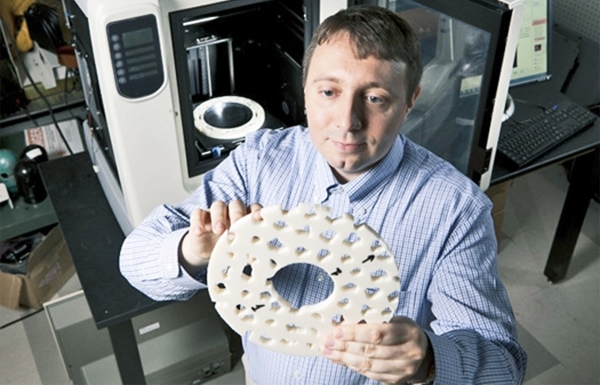
The first came from Duke University, where engineers have made yet another breakthrough. Seven years ago, they demonstrated their first “invisibility cloak” in a laboratory. Now, thanks to 3D printing, the fabrication process is a lot more accessible. And while invisibility might be a bit of a misnomer, that’s precisely what this object does as far as microwave radiation is concerned.

3dprinted_invisibilityThe object, which resembles a frisbee, has a large hole in the center, with seemingly random holes in the disc. The size, shape, and placement of these holes have actually been determined to disguise any object placed in the center hole from microwave beams, making it appear as though the object isn’t there. At present, the invention is limited in terms of practical use, but the design team believes this object has great potential.

According to Yaroslav Urzhumov, an assistant research professor in electrical and computer engineering at Duke, the technology could be used to create a polymer-based cloaking layer just 1 inch thick, wrapped around a much larger object. From this, they hope to eventually be able to create a material that will operate in higher wavelengths, including the visible light spectrum.

INVISIBILITY-CLOAKMeanwhile, the team’s creation of the disc using a 3-D printer means the technology is now much more accessible. Urzhumov went as far to say the he believes that anyone with access to a 3D printer will have the ability to create something similar at home. In time, this could mean anyone would have the ability to create a full-spectrum invisibility cloak at home too. Good news for anyone looking to hide from surveillance drones or cameras!

The second bit of news is even more impressive, and potentially frightening. It comes to us from Santiago Makerspace, a technology and design studio located in the heart of the Chilean capital where a designer created a 3D printed object using only their thoughts. The designer in question was George Laskowsky, Chief Technical Officer of Thinker Thing, a Chilean start-up that is developing a mind-controlled 3D printing system.

3dprinted_thought1The purpose behind Laskowsky’s work is simplification: while 3D printing has been growing and making design and fabrication easier and more accessible. However, mastering the design software is still a difficult challenge, especially for young children. That’s where Tinker Thing comes in, which seeks to develop the means to help children unleash their inner creativity.

Bryan Salt, CEO of Thinker Thing, expands on this, stating that there has not been enough work done on adapting the software for popular use. His company is looking to make it open and accessible so that it can be used to create items for one the largest markets for consumer products – children’s toys:

What is the point of these printers if my son cannot design his own toy? I realised that while there were a lot of people talking about the hardware of the printer no-one really seemed to be talking about how to actually use it.

3dprinted_toys1The software that makes this possible – Emotional Evolutionary Design (EED) – works by interpreting its users’ thoughts to make fantastical designs for toys and other objects. As part of the Monster Dreamer Project, Chilean children will get the first opportunity to try it out during tour of schools in the country at the end of this month.

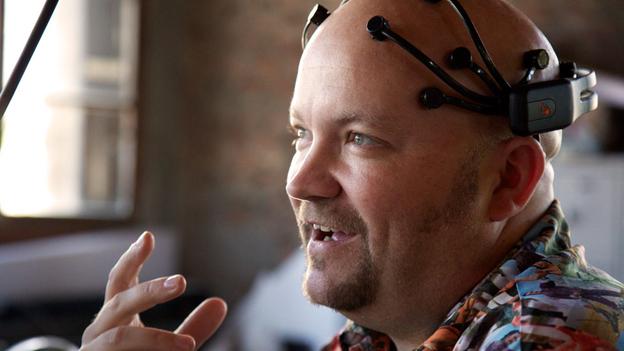
Combined with Emotiv EPOCH (an EEG headset), a computer and a 3D printer, the children running Monster Dreamer will be presented with a series of different body shapes in bubbles. These will mutate randomly, with built-in rules preventing them from becoming too abstract. As different brain states such as excitement or boredom generate specific patterns of brain activity, the computer can identify the shapes associated with positive emotional responses.

3dprinted_toysThe favored shapes will grow bigger on the screen, while the others shrink. The biggest shapes are combined to generate a body part, and the process is repeated for different body parts until the monster is complete. The final result should be a unique 3D model that is ready for printing as a solid object. In essence, a child will create a tailor-made toy based solely on their emotional reactions to what they see.

Amazing the direction things are taking, isn’t it? One of the greatest appeals of 3D printing is the way which it is making technology and industry far more accessible and open to people.What began with items that would only interest engineers and design firms is now expanding to include just about any type of consumer product we can imagine, and comes with the ability to tailor make them at home, giving the average consumer immense control over the process.

future-city3Though an individual printer may still cost more than the average person is willing to spend, in time, they will likely come down in price and become like any other computer accessory – i.e. printers, faxes, modems, wireless routers. What’s more, we are likely to see a situation where communal labs, such as those found in a university or internet cafe, come equipped with one in the next few years.

In a way, it would not be a fevered dream to imagine that this could very well be the curtain raiser for a new age, an age when the means of production is literally in the hands of every person. If we are capable of printing food and buildings as well as toys and components, we would also be looking at an age when scarcity is a thing of the past and society is truly democratic and open. And all without the need for violence and forcible redistribution…

I can’t tell you how preferable it is to think about this stuff and not the current pace and effects of Climate Change. Sometimes, the only way to have hope for the future is to keep things positive and contemplate the happier possibilities. Here’s hoping smarter heads and brighter prospects prevail!

Sources: cnet.news.com, bbc.com

Climate Crisis: India Flood Death Toll Passes 1,000

india-floodIn recent days, my attention has been pretty firmly fixed on Alberta and the Canadian Priaries, due to the flooding that’s been taking place and forced the evacuation of 175,000 people – some of whom I’m related to. However, this morning I learned that other regions of the world, one’s which are far more accustomed to natural disasters, are also being effected, and more severely so.

This story comes from India, where once again, unpredictable weather patterns are causing a mass displacement of human beings. Every year, people living on the subcontinent are forced to deal with torrential rains – monsoons – which lead to overflowing river banks. However, in recent years, the unpredictable nature of these patterns have become a severe source of death, displacement and property damage.

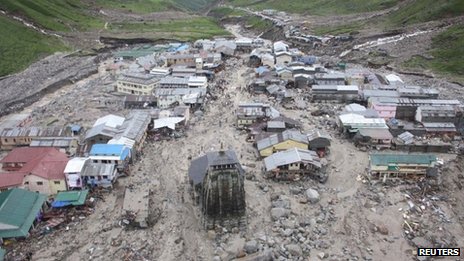
india-flood4The province of Uttarakhand is home to some of India’s holiest shrines, and is also one of many parts of India where the Ganges river traverses. During the Monsoon’s that come in late summer, flooding is common and even depended on for the sake of farming. Every year, hundreds of thousands of devout Hindus make the pilgrimage to Uttarakhand during the summer months hoping to get in before the rains begin.

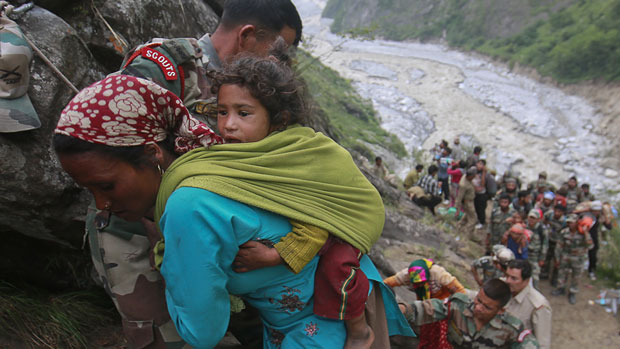
However, this year the monsoon rains arrived early, catching hundreds of thousands of tourists, pilgrims and local residents of guard. Tens of thousands of people remained stranded in high mountain passes and temple towns after the torrential rains washed away homes and roads and triggered landslides that cut off communication links with large parts of the state nearly a week ago.

india-flood1About 10,000 army and paramilitary troops, members of the disaster management agency and volunteers have taken part in six days of rescue and relief efforts. However, helicopter rescue efforts – which have been an essential part of the rescue effort so far – were suspended when dense fog descended on the Himalayan region this Sunday. Luckily, the army began resorting to building makeshift bridges and people were being rescued by road.

All told, some 80,000 people by road and air, according to a state government spokesman. The exact number of people who died in the heavy downpours and flooding of the Ganges River and its tributaries won’t be known until rescue efforts end. However, the state’s chief minister told reporters late on Saturday that the death toll had reached one-thousand.

india-flood2The rains in Uttarakhand were said to have been the heaviest in nearly 80 years and more rain is expected in the worst-hit districts of Chamoli and Uttarkashi over the next few days. According to meteorologists, an unusual clash of weather systems from opposite directions is to blame, as the monsoon advancing towards the west of South Asia combined with westerly winds for an unusually long time and with an extraordinary intensity, resulting in days of torrential rains.

And while India is no stranger to floods – over 3 million people were displaced when the Kosi river in Bihar burst its banks in 2008 – this year’s came as a shock due to their sudden appearance and intensity. Not only were the rains were six times more forceful than usual, they came on the heels of one of the weakest monsoon’s in 40 years, which left crops stricken by drought. Still, climate change experts are anything but surprises.

india-flood3In its fourth assessment report in 2007, the Inter- Government Panel on Climate Change (IPCC) predicted that more extreme droughts, floods, and storms, would become commonplace in the future, and that these intense weather conditions would follow in close succession to each other, often in the same areas. In addition to this latest flood, several other volatile weather patterns predicted by the IPCC are beginning to show in India.

In the northwest alone, the water table is falling by about 1.6 inches per year, according to the GRACE (Gravity Recovery and Climate Experiment) mission. At least half of India’s precipitation comes from the annual monsoon rains, and as they become increasingly diminished and unpredictable, the country faces an imminent threat of extreme water shortages.

Countries_by_population_density.svgChanging rainfall patterns aren’t the only climate- change effect threatening India’s water supply: Himalayan glaciers — the source for the many Indian rivers such as the Ganges — are melting at a rapid rate as a result of warmer temperatures. And the Doni river, whose water many consider no longer fit for human consumption, is gaining notoriety for its unpredictable nature — flash floods one day, barely a trickle the next.

This is just another indication of the effects Climate Change is having around the world. In developing regions of the world, especially those that are closer to the equator, rising temperatures mean weather systems that vacillate between drought and heavy rains, which has a devastating effect on agriculture. The combination of dry weather and powerful storms causes topsoil, the lifeblood of farming, to grow dry and then wash away.

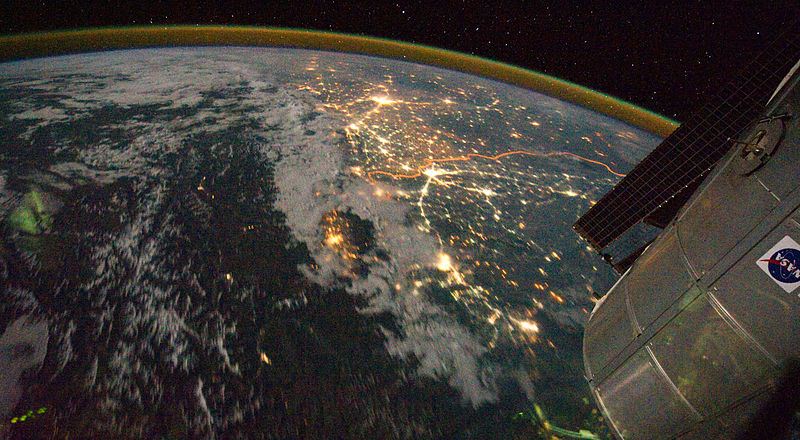
India-Pakistan_Borderlands_at_NightWhat’s more, the majority of humanity lives in this region, which encompasses Central America, the Caribbean, Sub-Saharan Africa,  the Middle East, South Asia and China. And in areas like the Indo-Gangetic Plain –  the densely-populated river valley that stretches from Pakistan to northern India – the combination of drought and floods will lead to hundreds of millions of deaths and refugees.

Factor in the number of deaths and displacements caused by rising tides and the effect on coastal regions, and you see why Climate Change experts are so very concerned about the problem. Not only is the environment and our way of life at stake here, our very existence is as well. The best we can hope for right now is that this season of crisis abates so we can get to the crucial work of getting our act together and developing cleaner ways of living.

And will somebody please start deploying those artificial trees and other carbon capture operations!

Sources: cbc.ca, bbc.co.uk, time.com

Climate Crisis: Rising Tides and Sinking Cities

climate_changetideWith all the population, urban sprawl, and consumption that we as a species are imposing on the planet, there are those who argue that we’ve entered a new geological era – known as the Anthropocene. It’s an age we’ve lived in since the neolithic revolution and the advent of farming, one where the human race is the dominant force shaping our planet. Since the industrial revolution, this era has been accelerating and escalating, and things are not likely to get better anytime soon.

It is because of this that we need to contemplate what the near future will look like. Consider the recent floods in the Canadian Prairies, or last year’s wildfires which raged across the American midwest. Consider the famines and shortages that led to a world food price crisis in 2007-8 which had serious political consequences, especially in the Middle East (i.e. the Arab Spring).

climate_changesandyWhen you add to this the fact that rising tides and the increased risk of storms are already effecting coastal communities in severe ways, you begin to understand just how turbulent the next few decades are likely to be. Already, incidents like Hurricane Katrina and Sandy, which rocked the Gulf of Mexico and the Eastern Seaboard in just the past decade, have shown just how extensive the damage can be.

Historically speaking, cities have been built in fertile river valleys and at river mouths to take advantage of fertile conditions, maritime resources and trade. Agricultural run-offs of sediment, water and nutrients created rich coastal deltas that could support greater food production. This and the good maritime and river connections for trade and transport made these ideal places to live.

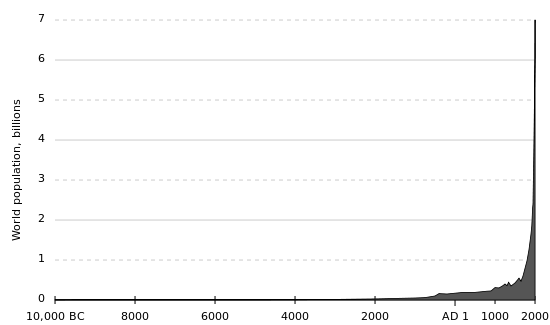
Population_curve.svgBut as populations grew, rivers were tapped and diverted for irrigation, industry and canal transport. They were also trapped behind dams and reservoirs for energy and water storage, and depleted by droughts and other extractions. Meanwhile groundwater is increasingly being extracted from beneath cities, and sea levels are rising because of the run-off from the melting of glaciers and thermal expansion of the oceans.

As a result of these changes, many major cities are slowly sinking into the oceans. Our rapid industrialization over the past century has sped these processes, so that now, many urban centers face inundation by storm surges, and we stand to lose many of the most economically important parts of our planet. The loss of these cities will mean a terrible loss of life, economic fallout, and a massive refugee crisis.

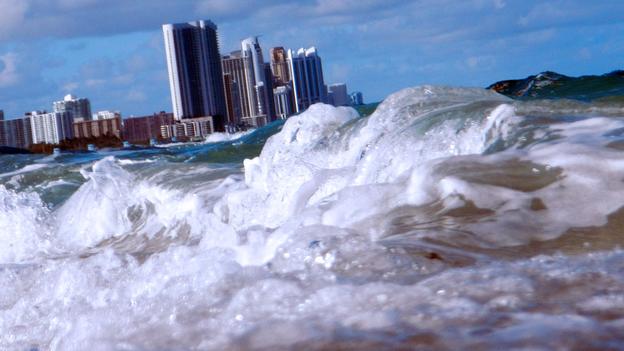
Population_densityCities from Bangkok to New York have already experienced emergency flood conditions, and many more are to follow. Those most at risk include Mumbai, Guangzhou, Shanghai, Miami, Ho Chi Minh City, Calcutta, New York City, Osaka-Kibe, Alexandria and New Orleans. More than 3 billion people currently live in coastal areas at risk of global warming impacts such as rising sea levels – a number expected to rise to 6 billion by 2025.

And as was recently learned, the carbon levels in the upper atmosphere have surpassed 400 ppm (parts per million). The last time the atmosphere boasted this concentration of greenhouse gases was the Pliocene Era, a time when sea levels were as much as 60 to 80 feet higher than they current are. If sea levels rise to that level again, we can say goodbye to all these major cities, as well as any that sit on major waterways.

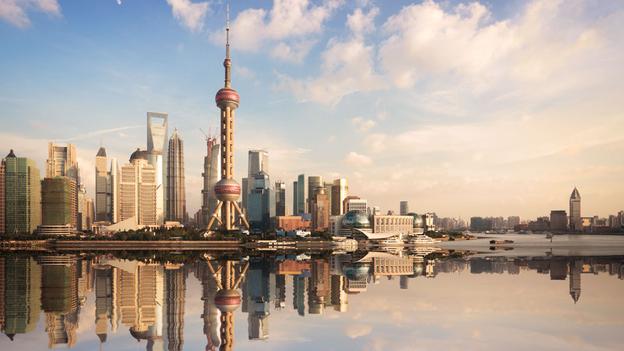
climate_changeshanghaiIt’s not just a matter of water rising up to swallow the coastlines, you see. As the flooding in southern Alberta and the Canadian Prairies demonstrated this week, there’s also the threat of flooding due to increased precipitation and of sewage systems backing up from increased storms and rainfall. These threats make shoring up river deltas and waterways effectively useless, since its not simply a matter of blocking the tides and rivers.

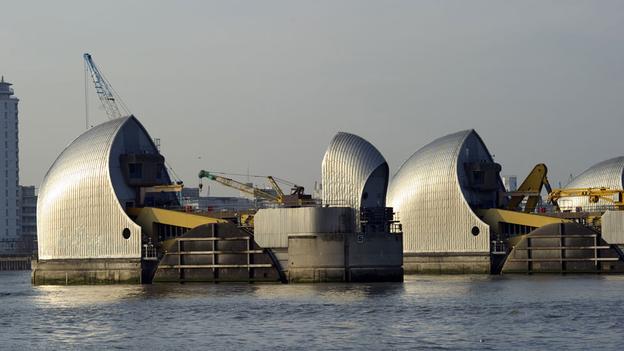
In terms of solutions, a number of major cities are investing in new sea walls, dykes and polders, or high-tide gates – like London’s Thames Barrier – to hold back high waters. In poorer places, people simply endure the problem until they are forced to abandon their homes. As the problem gets worse though, coordinated efforts to rescue people caught in flood zones will need to be mounted.

climate_changedykesAnd there are those who speculate that underwriting the damage will be a waste of time, since no government will be able to afford to compensate its citizens for the untold billions in property damage. In reality, many of these place will simply have to be abandoned as they become unlivable, and those forced out resettled to higher ground or protected communities.

At this point in any lecture on the fate of our planet, people are about ready to abandon hope and hang themselves. Hence, I should take this opportunity to point out that plans for dealing with the problem at the root – cutting our carbon footprint – are well underway. In addition to clean energy becoming more and more feasible commercially, there are also some very viable concepts for carbon capture.

These include inventions like artificial trees and ecoengineering, which will no doubt become absolutely essential in coming years. At the same time though, urban planning and architecture are beginning to embrace a number of alternative and clean technology concepts as part of their design. Not only will future buildings be designed to provide for the needs of their residents – food, water, electricity – in sustainable ways, they will also incorporate devices that can trap smog and turn it into biofuels and other useful products.

Of this, I will be saying more in the next post “Thinking, Breathing Cities of the Future”. Stay tuned!

Source: bbc.com

Alberta Floods Continue…

alberta_floods_saddledomeGood day folks. Yesterday, after hearing the news about the flooding taking place in Alberta and elsewhere, my wife and I became understandably concerned and started calling around to make sure our friends and family were alright. I was able to reach my uncle and aunt in Lethbridge and learned that they are just fine. However, I still await to hear from my cousin and her husband who live in Calgary. No word yet on whether or not they were effected, but I’m keeping my fingers crossed that they too are safe and comfortable.

All told, the number of evacuees has now reached 175,000 as more residents in the south have been told to expect floods as rainfall continues. Some good news has been coming in too, which includes the fact that some evacuation orders from the city of Calgary are expected to be lifted. This is certainly good news for people who live there and who’ve been glued to their TVs and radios, wondering if they would have to move and risk losing their homes.

And of course, I know that there are plenty of people out there who have family and friends effected by this and other such tragedies. I’m keeping my fingers crossed and my being sure to send out hope and good vibes for them as well. It’s not a comfortable thing, hearing that people you know and love are in the middle of a crisis zone, so I hope it ends soon and without any more deaths.

I should also note that in honor of this latest example of the dangers of Climate Change that I’ve decided to do a series dedicated to the current climate crisis and what we can do about it. Its a subject I’ve been studying for some time and there’s a plethora of information out there that needs to be shared so people can make informed choices and know exactly what they’re up against.

At the same time, I want to do this to hammer some more nails in the coffin of Climate Change denial. It seems that even though most professional deniers have been in full retreat in recent years, there are still those who persist in saying that Climate Change is just a theory, “junk science”, or some kind of conspiracy. I can’t for the life of me understand why anyone would persist in this, but regardless of the agendas of politicians or industry lobbyists, I choose to believe that most people can be reached through information.

So expect to see plenty of posts on that subject. First up, a post entitled “Rising Tides and Sinking Cities”. And to my dear cousin, Elizabeth-Anne and her husband and newborn baby. If you’re reading this, know that our thoughts and prayers are with you. And for God sake’s, let us know that you’re okay! I’m sure you are, but it would still be nice to hear it.

Thank you all and best wishes to everyone out there!


Climate Crisis: Alberta Flooding!

Downtown Calgary
Downtown Calgary

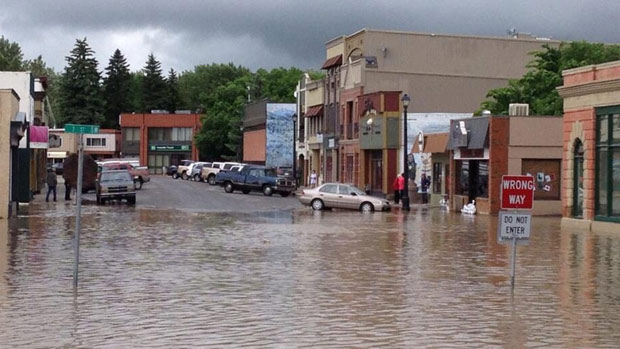
In what it is a testament to the effects of Climate Change, Alberta experienced severe flooding which has so far displaced an estimated 100,000 people and led to untold millions in property damage. The flooding began Thursday morning, but the causes are due to rain and thunder storms which have been going on all over the southern province for days.

Road closures began shortly thereafter and people living in low-lying areas were forced to leave their homes. As the rivers rose, homes, vehicles and all low-lying structures were washed away. In the city of Calgary, where the downtown core sits on the banks of the Bow River, roughly 75,000 people (which may include my cousin and her husband) needed to be evacuated and the downtown area closed entirely.

Flooding in the streets of Underwood
Flooding in downtown Underwood

While this accounts for the majority of people displaced, this city and its residents were hardly alone. Other major cities – such as Medicine Hat and Lethbridge (where an uncle and aunt of mine live) – were forced to declare a state of emergency and close down their roadways as Cougar Creek, High River, and other major waterways became elevated and threatened riverfront properties, businesses and roadways. Countless people were also forced to abandon their vehicles as the waters threatened to overtake them too.

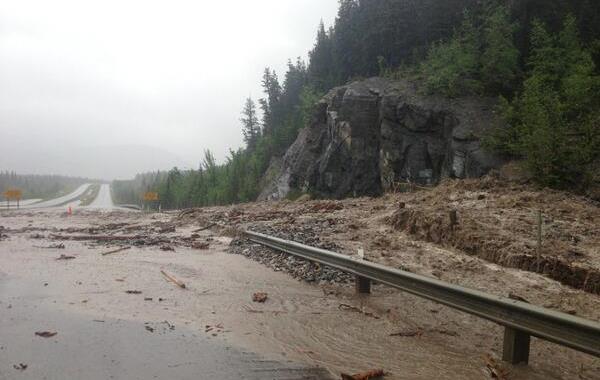
Updated reports have also indicated that the flooding has reached as far west as the east Kootenay region of British Columbia, washing out sections of the Trans-Canada Highway and forcing the cities of Banff and Canmore to also declare a state of emergency. No deaths were reported on Thursday, but three bodies were found floating in High River today. In all likelihood, these individuals were the victims of roadway floods, but nothing has been confirmed yet.

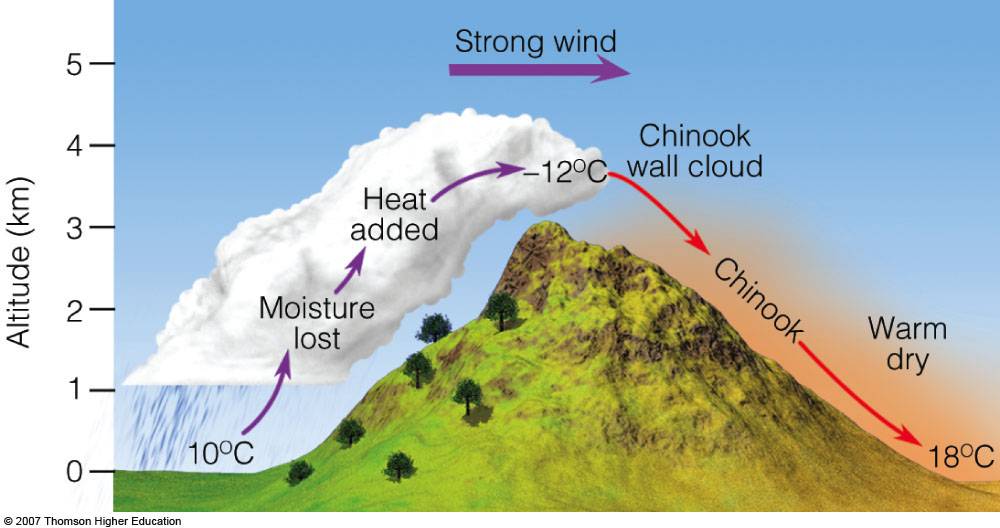
chinook_schemIt seems that no one in region has been unaffected, and already meteorologists and climate experts have confirmed Climate Change as the cause. Rising temperatures means unpredictable weather patterns, due in part to more water evaporating and saturating the air with moisture. And in the southern Alberta region, the area is known for its “Chinook Winds” – air currents that come down from the Rocky Mountains, bringing warm, moist air down into the Prairies.

alberta_flood_tooniehailHowever, these winds brought significantly more moisture than expected this year, as temperatures in the mountain ranges were warmer and led to more glacial ice melting. This in turn brought air currents that were more saturated down into Alberta and caused significant, extended downpours. People living across the province also reported hail stones the size of toonies (a two dollar coin about an inch in diameter).

First responders, the RCMP and the Canadian military have been sent in to assist with evacuation and rescues, as well as sand-bagging and other disaster relief efforts. All told, some 12,000 soldiers are also assisting with the efforts, and Prime Minister Stephen Harper also flew in to help oversea and coordinate with the local authorities.

Washed out section of the Trans Canada Highway

But worst yet is the fact that more flooding is expected to come. Earlier today, evacuees and rescue workers were given a  temporary respite from the rains, but they are no means done. As the warm weather “Chinook” system continues to move in, Albertans and those living downriver in British Columbia can expect the riverbanks to continue to erode and cause more damage.

Adding to the problem is the extensive amount of collateral damage, caused by overflown sewage pipes, gas leaks, and other toxic materials leaching into the soil and water. No telling just how cleanup and repair will be needed once this is over, but at the moment, the only concerns are making sure everyone is accounted for and out of harm’s way, and that people are prepared for the next wave.

My wife and I send our thoughts and prayers to all the people in Alberta and BC who are affected by this crisis, and not just the friends and family we have there. And I sincerely hope that this crisis – in conjunction with countless others happening around the world – will raise people’s awareness to the changes happening in our world. It’s not too late to stop them, and we can’t afford not to!

Sources: cbc.ca, (2), globalnews.ca

Towards a Cleaner Future: The Strawscaper and The Windstalk

strawscaperAs the world’s population continues to grow and climate change becomes a greater and greater problem, urban planners and engineers are forced to come up with increasingly creative solutions. On the one hand, the population is expected to rise to an estimated 8.25 billion people by 2030 and 9.25 by 2050, and they will need places to live. On the other, these people will require energy and basic services, and these must be provided in a way that is clean and sustainable.

One such solution is known as the Strawscaper. The brainchild of designer Rahel Belatchew Lerdel, this building would be able to provide its own electricity using only wind and a series of piezoelectric fronds that rustle in the wind. Thanks to this method, the building would get all the power it needs from wind passing through its exterior, and would therefore not need to be attached to the city grid.

strawscaper2In a press release by Belatchew labs, Rahel claimed that the inspiration “came from fields of wheat swaying in the wind”. He also described the building he envisions as one that would give “the impression of a body that is breathing”. Details as to how it would generate its own electricity were also described:

By using piezoelectric technology, a large number of thin straws can produce electricity merely through small movements generated by the wind. The result is a new kind of wind power plant that opens up possibilities of how buildings can produce energy.

strawscaper1The full plan calls for the completion of the Söder Torn, a building in Stockholm that began construction in 1997 but was forcibly scaled down after its architect, Henning Larsen, lost control of the project. Completing it at this point would involve adding an additional 14 stories, thus bringing it from 26 to 40, and adding the piezoelectric fronds to make it electrically self-sufficient.

Though piezoelectricity has never been used in this way, the concept is well understood and backed by a number of research reports. In addition, Belatchew is not the only one considering it as a possible means of generating clean energy. Over in Masdar City, a planned community in Abu Dhabi, something very similar is being proposed to suit their energy needs.

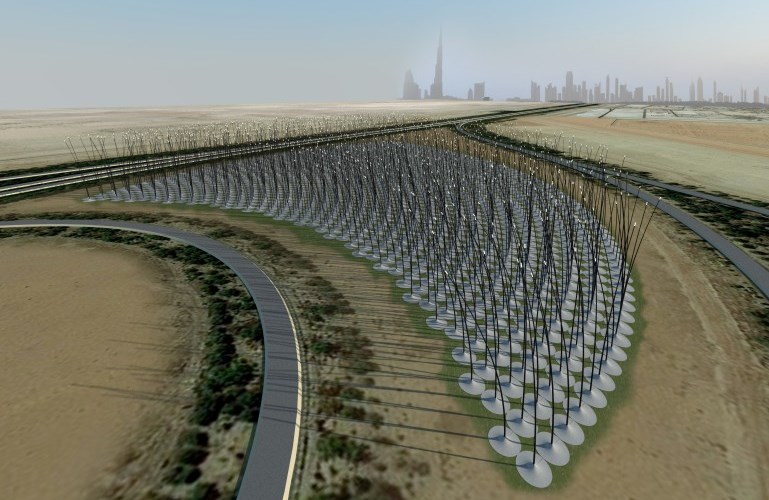
windstalkIt’s known as the Windstalk, another means of generating electricity from wind without the needs for turbines. Though wind farms have long been considered an effective means of generating sustainable energy, resident living near large-scale operations have voiced concerns about the aesthetics and low-frequency vibrations they claim are generated by them. Thus, the concept of the Windstalk, created by New York design firm Atelier DNA.

The concept consists of 1,203 carbon fiber reinforced resin poles which stand 55 meters (180 feet) high and are anchored to the ground in concrete bases. The poles measure 30cm (12 in.) in diameter at the base and taper up to a diameter of 5cm (2 in.) at the top. Each pole is packed with piezoelectric ceramic discs, between which are electrodes that are connected by cables that run the length of each pole.

windstalk-2Thus, instead of relying on turbines to move magnets and create electrical current, each pole merely sways in the wind, compressing the stack of piezoelectric discs and generating a current through the electrodes. And just to let people know how much – if any – power the poles are generating, the top 50cm (20 in.) of each pole is fitted with an LED lamp that glows and dims relative to the amount of electrical power being generated.

As a way to maximize the amount of electricity the Windstalk farm would generate, the concept also places a torque generator within the concrete base of each pole. As the poles sway, fluid is forced through the cylinders of an array of current generating shock absorbers to convert the kinetic energy of the swaying poles into additional electrical energy. But of course, storage is also an issue, since wind power (like solar) is dependent on weather conditions.

windstalk-3Luckily, the designers at Atelier DNA have that covered too. Beneath a field of poles, two large chambers are located, one on top of the other. When the wind is blowing, part of the electricity generated is used to power a set of pumps that moves water from the lower chamber to the upper one. Then, when the wind dies down, the water flows from the upper chamber down to the lower chamber, turning the pumps into generators.

At the moment, the Windstalk concept, much like the Strawscaper, is still in the design phase. However, the design team estimates that the overall electricity output of the concept would be comparable to that of a conventional wind turbine array because, even though a single wind turbine that is limited to the same height as the poles may produce more energy than a single Windstalk, the Windstalks can be packed in much denser arrays.

Though by all accounts, the situation with our environment is likely to get worse before it gets better, it is encouraging to know that the means exist to build a cleaner, more sustainable future. Between now and 2050, when the worst aspects of Climate Change are expected to hit, the implementation of a better and more sustainable means of living is absolutely crucial. Otherwise, the situation will continue to get worse indefinitely, and the prospects of our survival will become bleak indeed!

Sources: fastcoexist.com, gizmag.com

Powered By The Sun: Visualizing Swanson’s Law

solar_power1For decades, solar power has been dogged by two undeniable problems that have prevented it from replacing fossil fuels as our primary means of energy. The first has to do the cost of producing and installing solar cells, which until recently remained punitively. The second has to do with efficiency, in that conventional photovoltaic cells remained inefficient as far as most cost per watt analyses went. But thanks to a series of developments, solar power has been beating the odds on both fronts and coming down in price.

However, to most people, it was unclear exactly how far it had come down in price. And thanks to a story recently published in The Economist, which comes complete with a helpful infographic, we are now able to see firsthand the progress that’s been made. To call it astounding would be an understatement; and for the keen observer, a certain pattern is certainly discernible.

PPTMooresLawaiIt’s known as the “Swanson Effect” (or Swanson’s Law), a theory that suggests that the cost of the photovoltaic cells needed to generate solar power falls by 20% with each doubling of global manufacturing capacity. Named after Richard Swanson, the founder of the major American solar-cell manufacturer named SunPower, this law is basically an imitation of Moore’s Law, which states that every 18 months or so, the size of transistors (and also their cost) halves.

What this means, in effect, is that in solar-rich areas of the world, solar power can now compete with gas and coal without the need for clean energy subsidies. As it stands, solar energy still accounts for only  a quarter of a percent of the planet’s electricity needs. But when you consider that this represents a 86% increase over last year and prices shall continue to drop, you begin to see a very trend in the making.

What this really means is that within a few decades time, alternative energy won’t be so alternative anymore. Alongside such growth made in wind power, tidal harnesses, and piezoelectric bacterias and kinetic energy generators, fossil fuels, natural gas and coal will soon be the “alternatives” to cheap, abundant and renewable energy. Combined with advances being made in carbon capture and electric/hydrogen fuel cell technology, perhaps all will arrive in time to stave off environmental collapse!

Check out the infographic below and let the good news of the “Swanson Effect” inspire you!:

swanson_effectSource: theeconomist.com