
 In the latest ambitious plan to make space exploration accessible to the general public, Uwingu has unveiled a new campaign where people can send messages and pictures to the Red Planet. It’s called “Beam Me to Mars”, and the company is inviting people to contribute, for a fee, to a “digital shout-out” that will send messages from Earth to Mars on Nov. 28 — the 50th anniversary of Mars exploration.
The first successful Mars mission, NASA’s Mariner 4 – launched on Nov. 28, 1964 – performed the first flyby of the Red Planet and returned the first pictures of the Martian surface. This was the first time that images were captured of another planet and returned from deep space. and their depiction of a cratered, seemingly dead world largely changed the view of the scientific community on life on Mars.
 According to representative from Uwingu, “Beam Me to Mars” celebrates that landmark effort in a new and original way by inspiring people to get on board with Martian exploration. Other goals include raising lots of money to fund space science, exploration and education (Uwingu’s stated chief purpose) and letting policymakers know how important space exploration is to their constituents.
As CEO Alan Sterm, a planetary scientist and former NASA science chief, said in an interview with Space.com:
We want it to inspire people. There has never been an opportunity before for people of Earth to shout out across the solar system their hopes and wishes for space exploration, for the future of mankind — for any of that… We want to make an impression on leaders. The more messages, the bigger impression it makes. If this thing goes viral, and it becomes the thing to do, then it’ll make a huge impression.
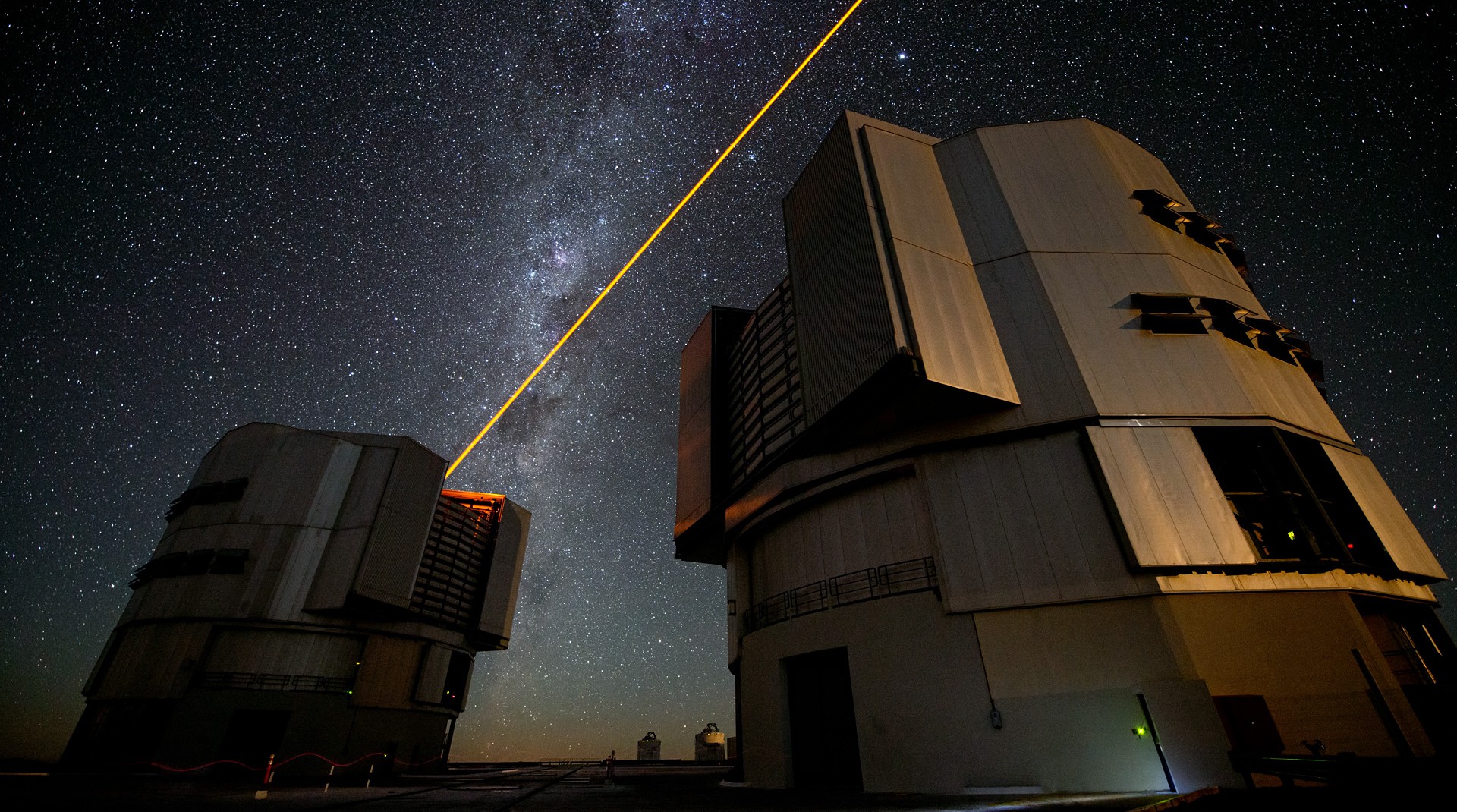 For $4.95, people can beam their name (or someone else’s) to Mars, whereas $9.95 gets people a chance to beam a name and a 100-character message. $19.95 gets a 1,000-character note instead of the shorter one, and for those willing to spend $99 will be able to send their name, a long message and an image of their choosing. All messages submitted for “Beam Me to Mars” will also be hand-delivered to Congress, NASA and the United Nations.
Submissions must be made via uwingu.com by Nov. 5. And the company – whose name means “sky” in Swahili – and its transmission partner, communications provider Universal Space Network, will use radio telescopes to beam the messages at Mars on Nov. 28 at the rate of 1 million bits per second. The transmission, traveling at the speed of light, will reach the Red Planet on that day in just 15 minutes.
 For comparison, it took Mariner 4 more than seven months to get to Mars a half-century ago. The probe didn’t touch down, but its historic flyby in July 1965 provided the first up-close look at the surface of another planet from deep space. Mariner 4’s observations revealed that Mars is a dry and mostly desolate world, dashing the hopes of those who had viewed it as a world crisscrossed by canals and populated by little green men.
Already, several celebrities have signed on to the campaign, including actors Seth Green and wife Clare Grant, George (“Sulu”) Takei of Star Trek fame and his husband Brad, Bill Nye “The Science Guy”, astronaut and former ISS commander Chris Hadfield, commercial astronaut Richard Garriott, former NASA senior executive Lori Garver, Pulitzer winning author and playwright Dava Sobel, and Author and screenwriter Homer Hickam.
 This is not the first Mars effort for Uwingu, which was founded in 2012. In February, the company launched its “People’s Map of Mars,” asking the public to name Red Planet landmarks for a small fee. To date, people have named more than 12,000 Mars craters, and Uwingu has set aside more than $100,000 for grants. And when it comes to getting the general public involved with space science and travel, they are merely one amongst many. The age of public space exploration is near, people!
Sources: space.com, uwingu.com, (2)




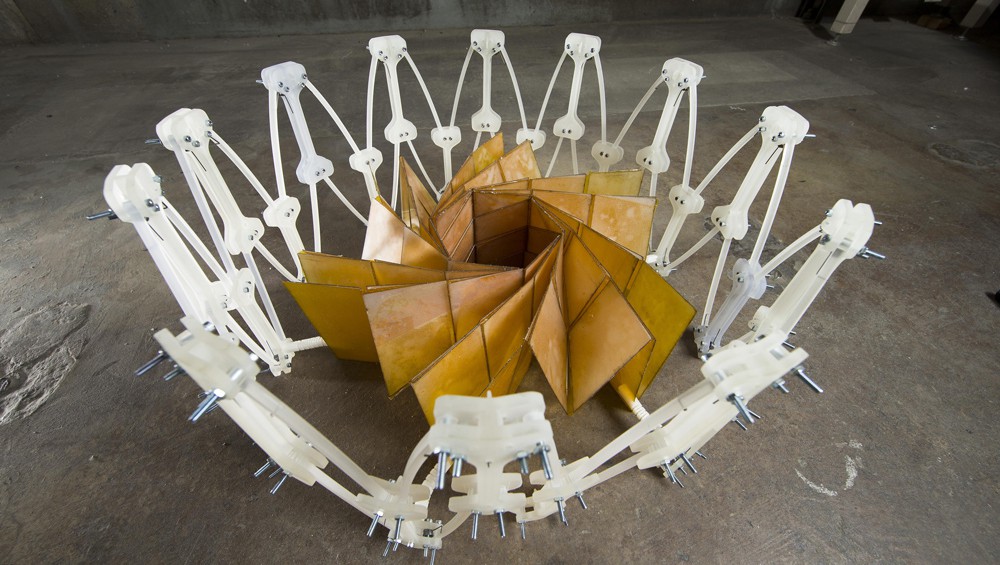
 This emitted infrared light is guided to the edge of plastic, where thin strips of conventional photovoltaic solar cell convert it into electricity. Currently, the Michigan TLSC has an efficiency of around 1%, but they think 5% should be possible. On their own, these aren’t huge figures, but on a larger scale — every window in a house or office block — the numbers quickly add up to a significant electrical yield.




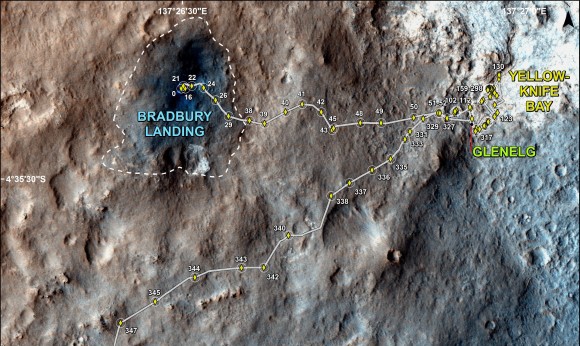
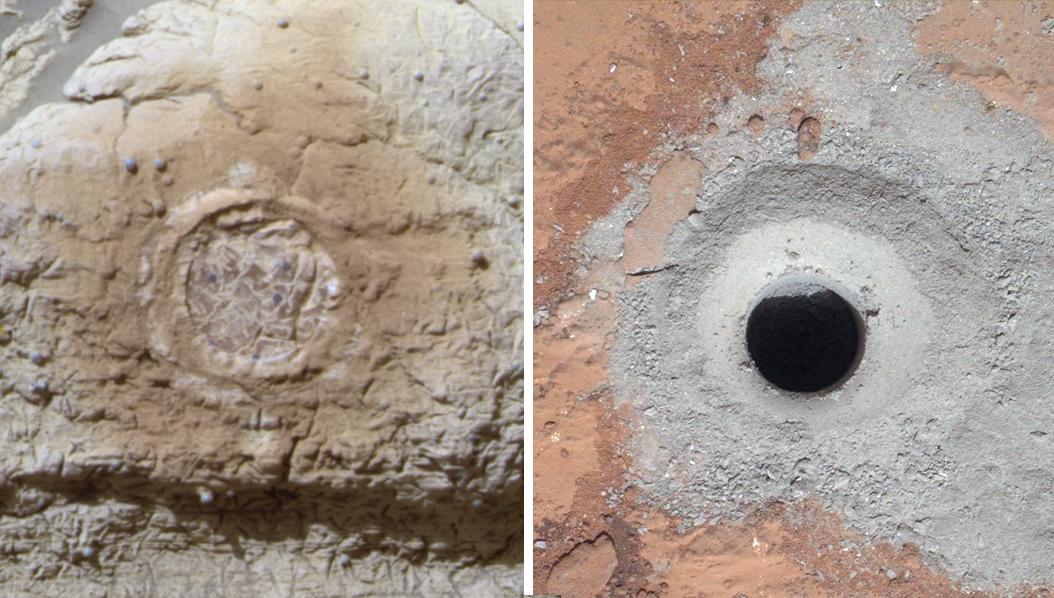

 The sedimentary layers in the lower slopes of Mount Sharp are the principal reason why the science team specifically chose Gale Crater as the primary landing site. Using high resolution spectral observations collected by NASA’s powerful Mars Reconnaissance Orbiter (MRO), they were able to determine the presence of deposits of clay-bearing minerals. or phyllosilicates, a key sign that organic molecules could exist on the planet.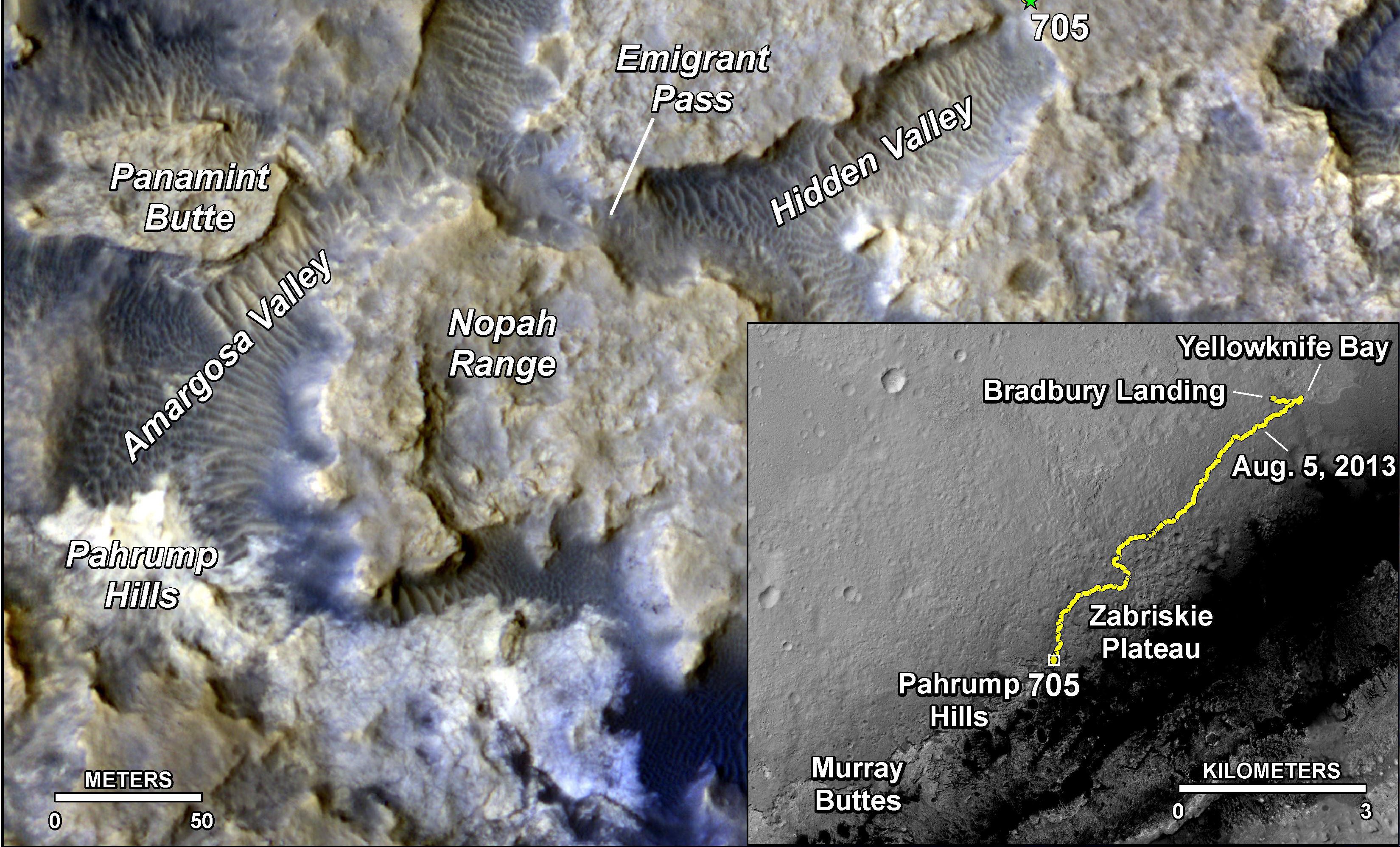






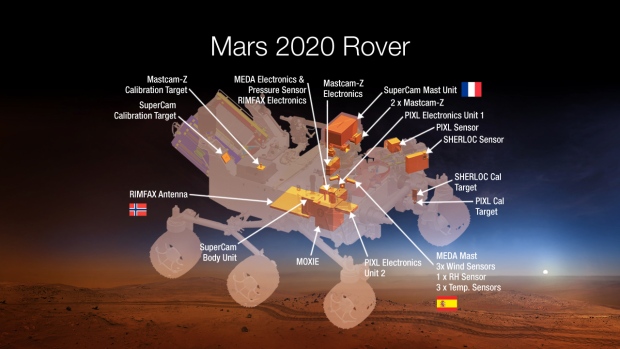
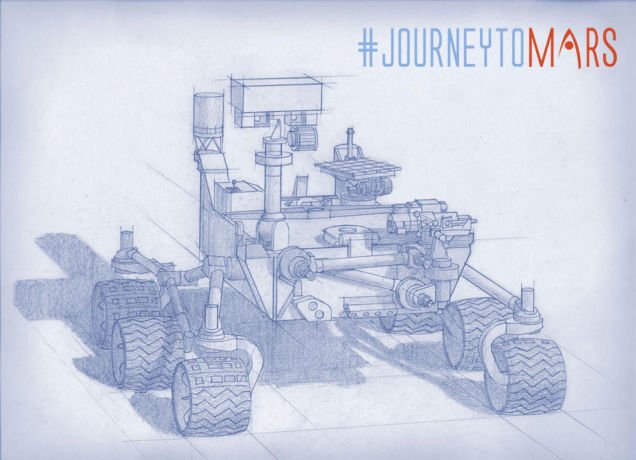

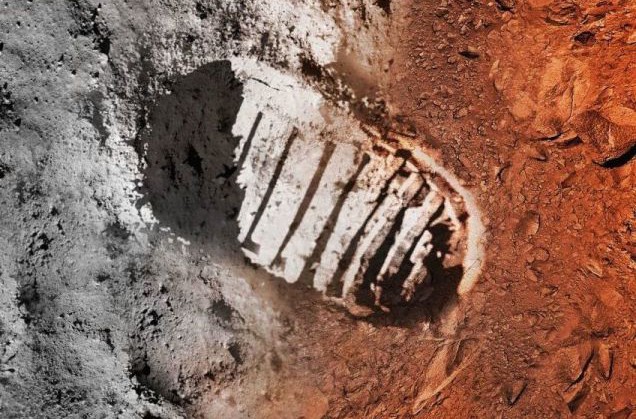 NASA addressed these goals and more two weeks ago with their mission to Mars panel at the 2014 Comic-Con. This event, which featured retired astronaut and living legend Buzz Aldrin, spoke at length to a packed room about how Apollo 11 represented the “the first Giant Leap”. According to Aldrin, the Next Giant Leap could be “Apollo 45 landing humans on Mars.”
 So we can expect a lot more news and revelations about the Red Planet in the coming months and years. Who knows? Maybe we may finally find evidence of organic molecules or microbial life there soon, a find which will prove once and for all that life exists on other planets within our Solar System. And if we’re really lucky, we might just find that it could feasibly support life once again…


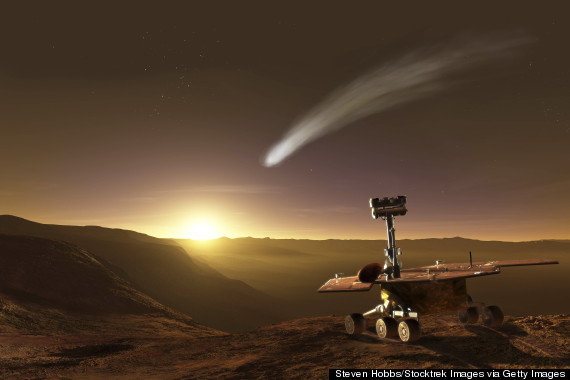 As for the rovers on the surface, there really isn’t much to worry about there. Similar to what happens with meteor showers here on Earth, Mars’ atmosphere is thick enough that cometary dust particles will incinerate before they reach the surface. And its expected that rover cameras may be used to photograph the comet before the flyby and to capture meteors during the comet’s closest approach.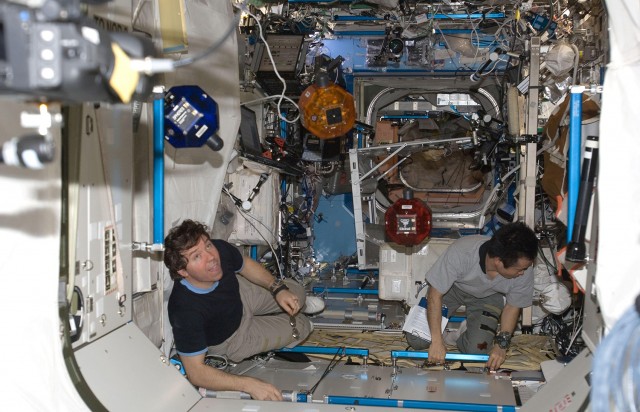

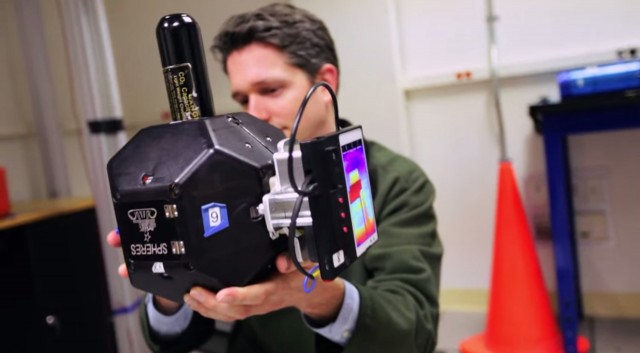 In true science fiction fashion, the SPHERES project began in 2000 after MIT professor David W. Miller was inspired by the “Star Wars” scene where Luke Skywalker is being trained in handling a lightsaber by a small flying robot. Miller asked his students to create a similar robot for the aerospace Industry. Their creations were then sent to the ISS in 2006, where they have been ever since.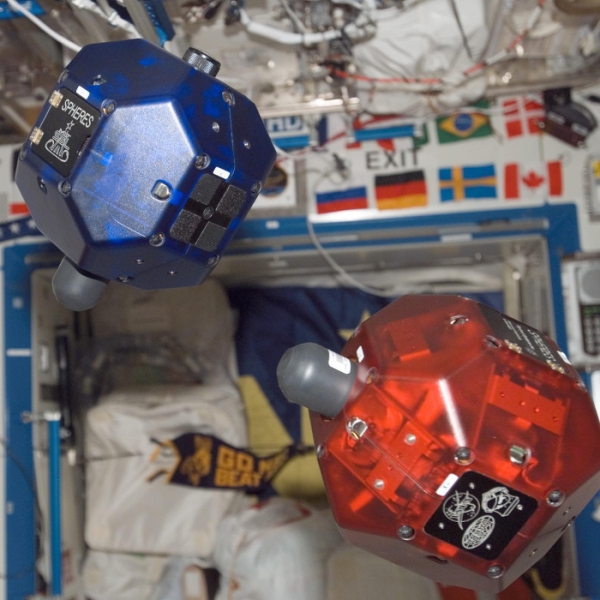
 Stories by Williams