Towards a Cleaner Future: Generating Electricity with Steps

pavegen1

This years Boston Marathon was the site of a terrible tragedy, as runners reaching the finish line were met with the worst terrorist attack on American soil since September 11th took place. Not only was this gruesome attack an injustice of immense proportions, it also overshadowed an important story that took place overseas, one which also involved a marathon and a potential breakthrough for renewable energy.

Here, the runners and spectators who waited at the finish line were also privy to something unexpected. But in this case, it involved a series of rubber panels which turned the runners steps into actual electricity. Known as Pavegen, a material invented by 27 year-old Laurence Kemball Cook and composed of recycled tires, this demonstration was the largest test to date of the experimental technology. And though the results were modest, they do present a frightening amount of potential for clean, renewable energy.
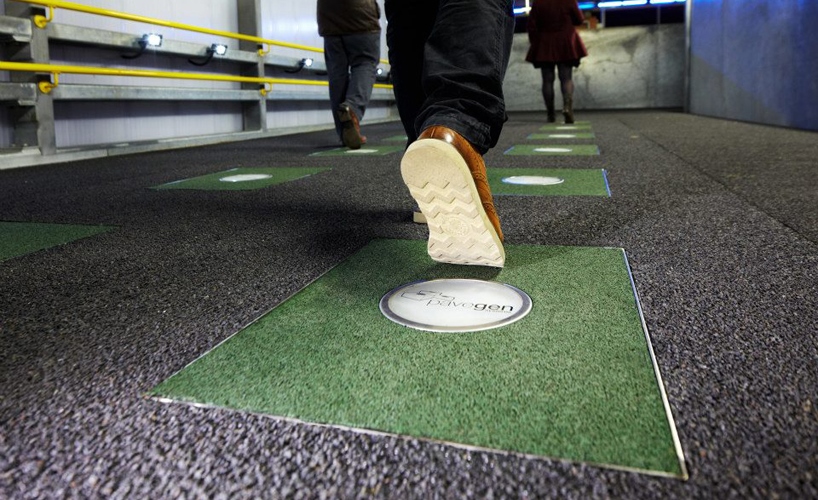
pavegen4

Essentially, a single step on a Pavegen pad is said to generate up to 8 watts of electricity per second. Based on that, and at a speed of one step a second, it would take a single pedestrian 40 minutes to charge a smartphone. However, a small army of pedestrians could generate considerably more – say for example, 50,000+ people taking part in a marathon.

Here too, the results fell short of their intended goal. Schneider Electric – who commissioned the project – held a contest on Facebook and said if they generated over 7 kilowatt-hours of energy, they would make a donation to Habitat for Humanity. As it turned out, all those runners generated more like two-thirds of that: 4.7 kilowatt-hours. Still, the potential is there.

pavegen5

Already the Simon Langton Grammar School for Boys in Kent, England, has contracted with Pavegen to become the site of the first permanent installation of the material. And as the video below demonstrates, it has the ability to at least generate enough power to keep the lights on in a building where hundreds of people take thousands of steps daily.

Given time and some improvement in the yield of the pads, this technology could very well take its place alongside solar, wind, and other renewable sources of power that will bring electricity to the cities of the future. Imagine it if you will, entire sidewalks composed of electricity-generating material, turning every step its pedestrians take into clean energy. I for one think that’s the stuff of bona fide science fiction story (it’s mine, you can’t have it!).

And be sure to check out this promotional video from Pavegen who filmed their floor at work in Simon Langton:


Source:
fastcoexist.com

Powered by the Sun: Nanotech Solar Cells

???????????????????????????????????????????????????????????????????????????????????????????????????????????????????????????????????????????????????????????????????????????????????????????????????????????????????????????????????????????????????????????????????????????????????????????????????????????????????????????????????????????????????????????????????????????????????????????????????????????????????????????????????????????With every passing year, interest in solar power has been growing by leaps and bounds. Given the impacts of Climate Change, widespread droughts, tropical storms, wildfires and increasing global temperatures, this should not come as a surprise. But an equally important factor in the adoption of clean energy alternatives has to do with improvements that are being made which will make it more efficient, accessible, and appealing to power companies and consumers.

Three such recent developments come to us from Standford, MIT, and the Neils Bohr Institute, respectively; where researchers have announced new ways using nanoprocesses to boost the yield of individual solar cells. In addition to cutting costs associated with production, installation, and storage, increasing the overall electrical yield of solar cells is a major step towards their full-scale implementation.

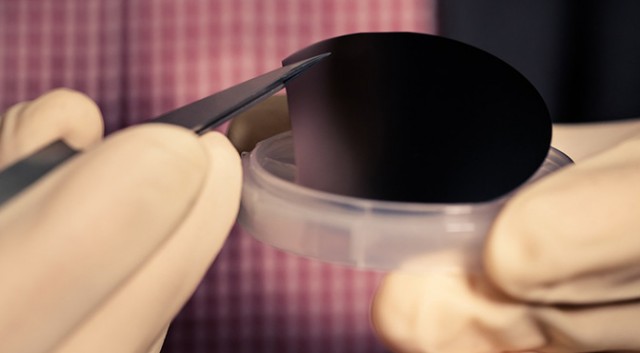
solar_nanoFirst, there’s MIT’s new concept for a solar cell, which uses nanowires to massively boost the efficiency of quantum dot photovoltaic cells. Quantum dots – which are basically nano-sized crystals of a semiconducting material – are already being considered as an alternative to conventional silicon cells, since they are cheaper and easier to produce.

However, until recently they have been a letdown in the efficiency department, lagging significantly behind their silicon counterparts. By merging zinc oxide nanowires into the design of their quantum dot photovoltaic cells, the MIT researchers were able to boost the current produced by 50%, and overall efficiency by 5%.  Ultimately, their goal is to get that up to 10%, since that is considered to be the threshold for commercial adoption.

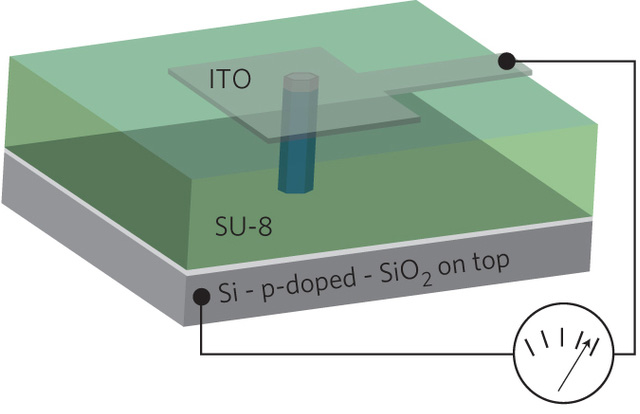
gallium-arsenide-nanowire-solar-cellMeanwhile, researchers at the Niels Bohr Institute in Denmark and EPFL in Switzerland announced that they have built solar cells out of single nanowires. In this case, the process involved growing gallium-arsenide (GaAs) wires on a silicon substrate, and then completing the circuit with a transparent indium tin oxide electrode, which are currently employed in the creation of photovoltaic cells and LEDs on the market today.

Prior to these development, nanowires were being researched mainly in conjunction with computer chips as a possible replacement for silicon. But thanks to the combined work of these researchers, we may very well be looking at solar cells which are not only hair-thin (as with the kind being developed by Penn State University) but microscopically thin. And much like the research at the University of Oslo involving the use of microbeads, this too will mean the creation of ultra-thin solar cells that have a massive energy density – 180 mA/cm2, versus ~40 mA/cm2 for crystalline silicon PVs.

solar_boosterAnd last, but not least, there was the announcement from Stanford University of a revolutionary new type of solar cell that has doubled the efficiency of traditional photovoltaic cells. This new device uses a process called photon-enhanced thermionic emission (PETE) that allows for the absorption of not only light, but heat. This combination makes this new type of cell the equivalent of a turbocharged solar panel!

pete-photovoltaic-thermionic-diagram-stanfordIn conventional cells, photons strike a semiconductor (usually silicon), creating electricity by knocking electrons loose from their parent atoms. The PETE process, on the other hand, uses the gallium arsenide wafer on top gather as much sunlight as possible, creating a lot of excited electrons using the photovoltaic effect. The underside, which is composed of nanoantennae, emits these photoexcited electrons across a vacuum to the anode with gathers them and turns them into an electrical current.

Beneath the anode is a of heat pipe that collects any leftover heat which could be used elsewhere. One of the easiest applications of PETE would be in concentrating solar power plants, where thousands of mirrors concentrate light on a central vat of boiling water, which drives a steam turbine. By concentrating the light on PETE devices instead, Stanford estimates that their power output could increase by 50%, bringing the cost of solar power generation down into the range of fossil fuels.

Though there are still kinks in their design – the cell has a very low 2% rate of energy efficient thus far – the researchers at Stanford are making improvements which are increasing its efficiency exponentially. And although their planned upgrades should lead to a solar cell capable of operating in extremely hot environments, they stress that the goal here is to build one that is capable of gathering power in non-desert environments, such as Spaced-Based solar arrays.

Combined with improved production methods, storage capacities, and plans to mount solar arrays in a variety of new places (such as on artificial islands), we could be looking at the wholesale adoption of solar power within a few years time. Every day, it seems, new methods are being unveiled that will allow Solar to supplant fossil fuels as the best, cheapest and most efficient means of energy production. If all goes as planned, all this could be coming just in time to save the planet, fingers crossed!

Sources: Extremetech.com, (2)

The Future is Here: The (Super) Supercapacitor

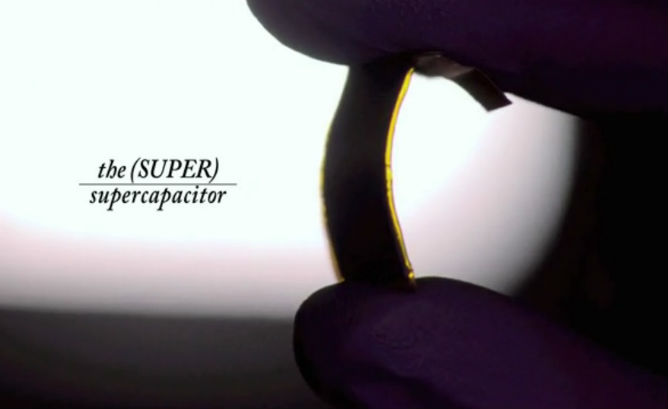
supercapacitor_movieLast year, researchers at UCLA made a fantastic, albeit accidental, when a team of scientists led by chemist Richard Kaner devised an efficient method for producing high-quality sheets of graphene. This supermaterial, which won its developers the 2010 Nobel Prize in Physics, is a carbon material that is known for its incredible strength and flexibility, which is why it is already being considered for use in electronic devices, solar cells, transparent electrodes, and just about every other futuristic high-tech application.

Given the fact that the previous method of producing graphene sheets (peeling it with scotch tape) was not practical, the development of the new production process was already good news. However, something even more impressive happened when Maher El-Kady, a researcher in Kaner’s lab, wired a small square of their high quality carbon sheets to a lightbulb.

supercapacitor1After showing it to Dr. Kaner, the team quickly realized they had stumbled onto a supercapacitor material – a high-storage battery that also boasts a very fast recharge rate – that boasted a greater energy storage capacity than anything currently on the market. Naturally, their imaginations were fired, and their discovery has been spreading like wildfire through the engineering and scientific community.

The immediate benefit of batteries that use this new material are obvious. Imagine if you will having a PDA, tablet, or other mobile device that can be charged within a matter of seconds instead of hours. With batteries so quick to charge and able to store an abundant supply of volts, watts, or amperes, the entire market of consumer electronics would be revolutionized.

electric_carBut looking ahead, even greater applications become clear. Imagine electric cars that only need a few minute to recharge, thus making the gasoline engine all but obsolete. And graphene-based batteries could be making an impact when it comes to the even greater issue of energy storage with regards to solar and other renewable energy sources.

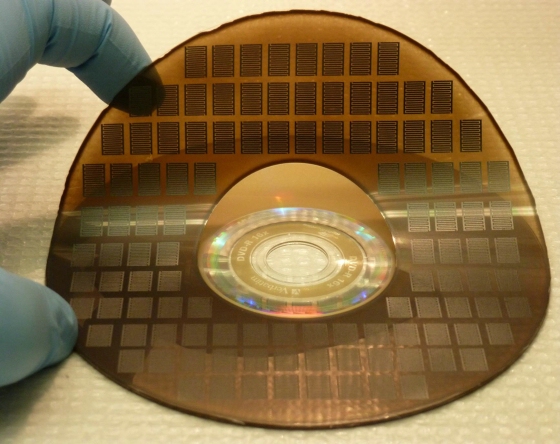
In the year since they made their discovery, the researchers report that El-Kady’s original fabrication process can be made even more efficient. The original process involved placing a solution of graphite oxide on a plastic surface and then subjecting it to lasers to oxigenate and turn the solution into graphene. A year ago, the team could produce only a few sheets at a time, but now have a scalable method which could very quickly lead to manufacturing and wide-scale technological implementation.

solar_array1As it stands, an electric car with a recharge rate of a few minutes is still several years away. But Dr. Kaner and his team expect that graphene supercapacitors batteries will be finding their way into the consumer world much sooner than anyone originally expected.  According to Kaner, his lab is already courting partners in industry, so keep your eyes pealed!

Combined with the new technologies of lithium-ion and nanofabricated batteries, we could be looking at a possible solution to the worlds energy problem right here. What’s more, it could be the solution that makes solar, wind, and other renewable sources of energy feasible, efficient, and profitable enough that they will finally supplant fossil fuels and coal as the main source of energy production worldwide.

Only time will tell… And be sure to check out the video of Dr. Kaner and El-Kady showing off the process that led to this discovery:


Source: IO9.com