Well, technically this news come from the lower atmosphere, but seeing as how the ultimate purpose is to get into space, I think it qualifies. Earlier this week, Virgin Galactic made history when it’s aerospace carrier, SpaceShipTwo, conducted its first powered test flight and broke the sound barrier. As the latest in a long series of successful flights, it shouldn’t be too long before Virgin Galactic conducts its maiden flight and flies actual passengers into low orbit.
The test flight took place on Monday as the plane took off from the Mojave Air and Space Port in southern California, not far from where the Bell X-1 piloted by the then Capt. Chuck Yeager first broke the sound barrier in 1947. This latest test comes on the heels of the SS2’s first glide test with its rocket engine on board, which it conducted back in December of 2012, and its first glide flight in 2010.
The flight began after the SS2 was carried to a ceiling of 14,300 meters (47,000 feet) by its mothership, WhiteKnightTwo, where it was then released at 7:48 a.m. PDT. Shortly thereafter, pilots Mark Stucky and Mike Alsbury ignited the rocket engine and accelerated to a speed of Mach 1.2 as they climbed to over 17,000 meters (55,000 feet). According to Virgin Galactic, the rocket burn lasted 16 seconds, and demonstrated the efficacy of their engine design.
Granted, in order to get into the realm of the sub-orbital, the engine will have to make longer burns, most likely in the vicinity of 80 or 90 seconds. SS2’s predecessor, SpaceShipOne, had to run its engine this long in order to break the 100 kilometer (328,000 feet) back in 2004, when it reached what the international community holds as the accepted altitude for reaching the soft edge of space.
It’s has been over eight years since Virgin Galactic’s space tourism program began, and though progress has come slower than planned, Branson was nevertheless enthusiastic about the flight test and expressed his feelings on his blog after the flight:
It marks the moment when we put together two key elements of our spaceflight system – the spacecraft and its rocket motor, which have both been tested extensively by themselves over several years. And start the phase of testing that will demonstrate our vehicle’s ability to go to space (hopefully later this year).
More than 500 people have signed up for sub-orbital rides aboard the six passenger SpaceShipTwo once it becomes operational. Those who go will have the chance to float weightlessly for a few minutes while enjoying the spectacular view of the edge of space. Tickets go for $200,000 a pop, quite the price tag for a plane flight. But in return, those who go will get to experience something only astronauts have ever had the pleasure of.
Richard Branson has said all along that he plans on being on the maiden voyage, something he reiterated after the test flight was done:
Like our hundreds of customers from around the world, my children and I cannot wait to get on board this fantastic vehicle for our own trip to space and am delighted that today’s milestone brings that day much closer.
Check out the video of the SpaceShipTwo conducting its first engine test below:
Once again, my boundless gratitude – and tumultuous envy! – to Raven Lunatick for learning about this before me and making me aware of it. It’s called the “Claim Your Place In Space” challenge, a social media campaign that offers a ticket on a maiden space voyage, and which is being hosted by the Royal Aviation Company – or Koninklijke Luchtvaart Maatschappij (KLM), as they are known in the Netherlands.
In just a few days time – eight days and fourteen hours as of the time of this article’s writing – they will be launching a high altitude balloon from the Nevada Desert that will ascend into Earth’s orbit. When and where the balloon pops is the subject of the social media campaign they are conducting, and people are encouraged to place bets by selecting the specific altitude and grid references where it will happen.
The person who is closest will win the ultimate prize: a flight aboard the companies new zero gravity SXC Lynx Spacecraft! Much like Virgin Galactic’s SpaceShipTwo, this aerospace ship is a prototype that is intended to serve as the mainstay for the company’s commercial space flight fleet in the near future. But unlike the SS2, this vehicle is capable of performing its own take offs as well as landing.
Also relying on a rocket engine, but weighing considerably less than the SS2, the plane has successfully demonstrated the ability to perform vertical takeoffs from a runway, achieve a maximum speed of over mach 2.9, and achieve a suborbital ceiling 100 km above sea level. The entire flight will last only a few minutes, and aside from the pilot only one person will be on board… the winner!
To enter, simply go to space.klm.com and place your bets on where and how high the balloon will go. Then join me, Raven, and anyone else looking for a free trip to space in waiting with baited breath for the official draw on April 22nd. I wish everyone who enters luck, but you’ll forgive me if I secretly want this all to myself! Go orbital balloon, hit my grid spot, pleaaaase! Daddy needs a flight into space!
And of course, be sure to check out this promotional video:
Back in January, National Geographic Magazine celebrated its 125th anniversary. In honor of this occasion, they released a special issue which commemorated the past 125 years of human exploration and looked ahead at what the future might hold. As I sat in the doctor’s office, waiting on a prescription for antibiotics to combat my awful cold, I found myself terribly inspired by the article.
So naturally, once I got home, I looked up the article and its source material and got to work. The issue of exploration, especially the future thereof, is not something I can ever pass up! So for the next few minutes (or hours, depending on how much you like to nurse a read), I present you with some possible scenarios about the coming age of deep space exploration.
Suffice it to say, National Geographic’s appraisal of the future of space travel was informative and hit on all the right subjects for me. When one considers the sheer distances involved, not to mention the amount of time, energy, and resources it would take to allow people to get there, the question of reaching into the next great frontier poses a great deal of questions and challenges.
Already, NASA, Earth’s various space agencies and even private companies have several ideas in the works or returning to the Moon, going to Mars, and to the Asteroid Belt. These include the SLS (Space Launch System), the re-purposed and upgraded version of the Saturn V rocket which took the Apollo astronauts to the Moon. Years from now, it may even be taking crews to Mars, which is slated for 2030.
And when it comes to settling the Moon, Mars, and turning the Asteroid Belt into our primary source of mineral extraction and manufacturing, these same agencies, and a number of private corporations are all invested in getting it done. SpaceX is busy testing its reusable-launch rocket, known as the Grasshopper, in the hopes of making space flight more affordable. And NASA and the ESA are perfecting a process known as “sintering” to turn Moon regolith into bases and asteroids into manufactured goods.
Meanwhile, Virgin Galactic, Reaction Engines and Golden Spike are planning to make commercial trips into space and to the Moon possible within a few years time. And with companies like Deep Space Industries and Google-backed Planetary Resources prospeting asteroids and planning expeditions, it’s only a matter of time before everything from Earth to the Jovian is being explored and claimed for our human use.
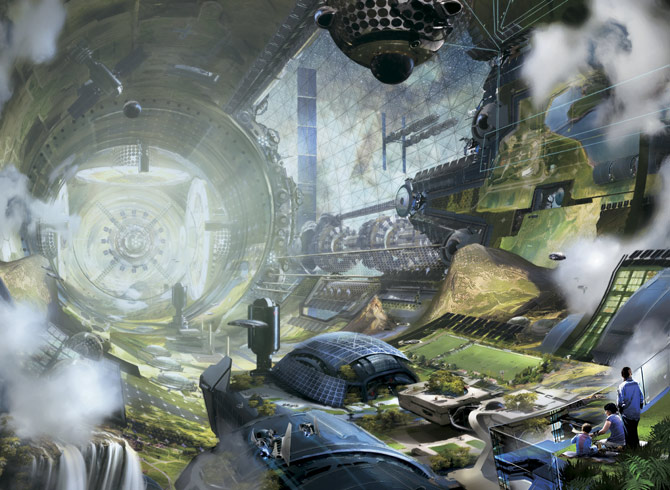
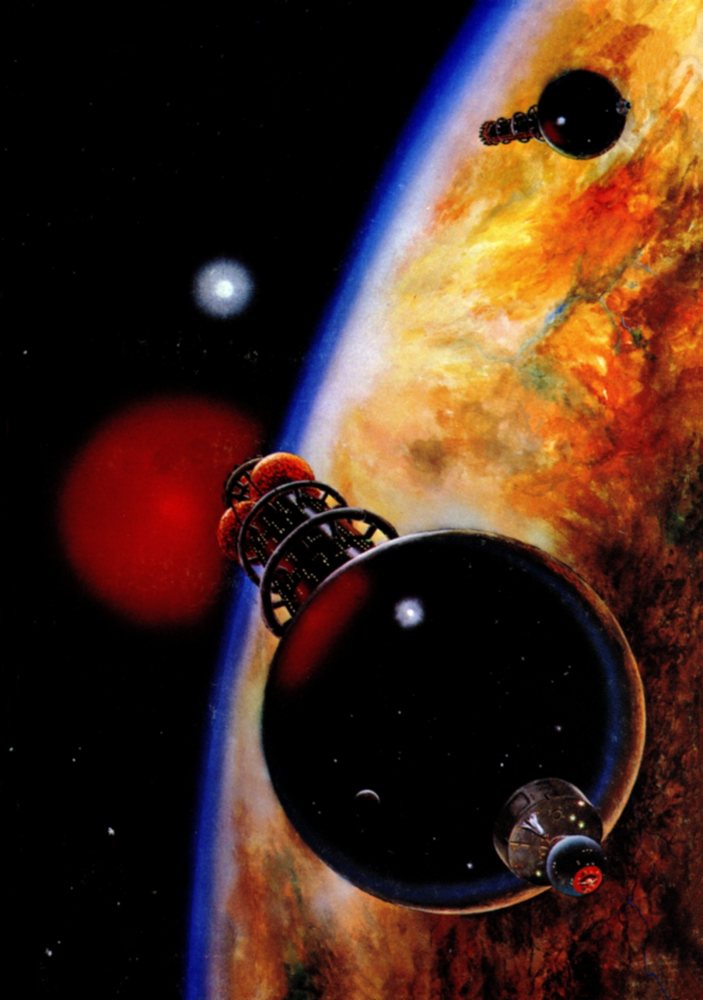
Space Colony by Stephan Martiniere
But when it comes to deep-space exploration, the stuff that would take us to the outer reaches of the Solar System and beyond, that’s where things get tricky and pretty speculative. Ideas have been on the table for some time, since the last great Space Race forced scientists to consider the long-term and come up with proposed ways of closing the gap between Earth and the stars. But to this day, they remain a scholarly footnote, conceptual and not yet realizable.
But as we embark of a renewed era of space exploration, where the stuff of science fiction is quickly becoming the stuff of science fact, these old ideas are being dusted off, paired up with newer concepts, and seriously considered. While they might not be feasible at the moment, who know what tomorrow holds? From the issues of propulsion, to housing, to cost and time expenditures, the human race is once again taking a serious look at extra-Solar exploration.
And here are some of the top contenders for the “Final Frontier”:
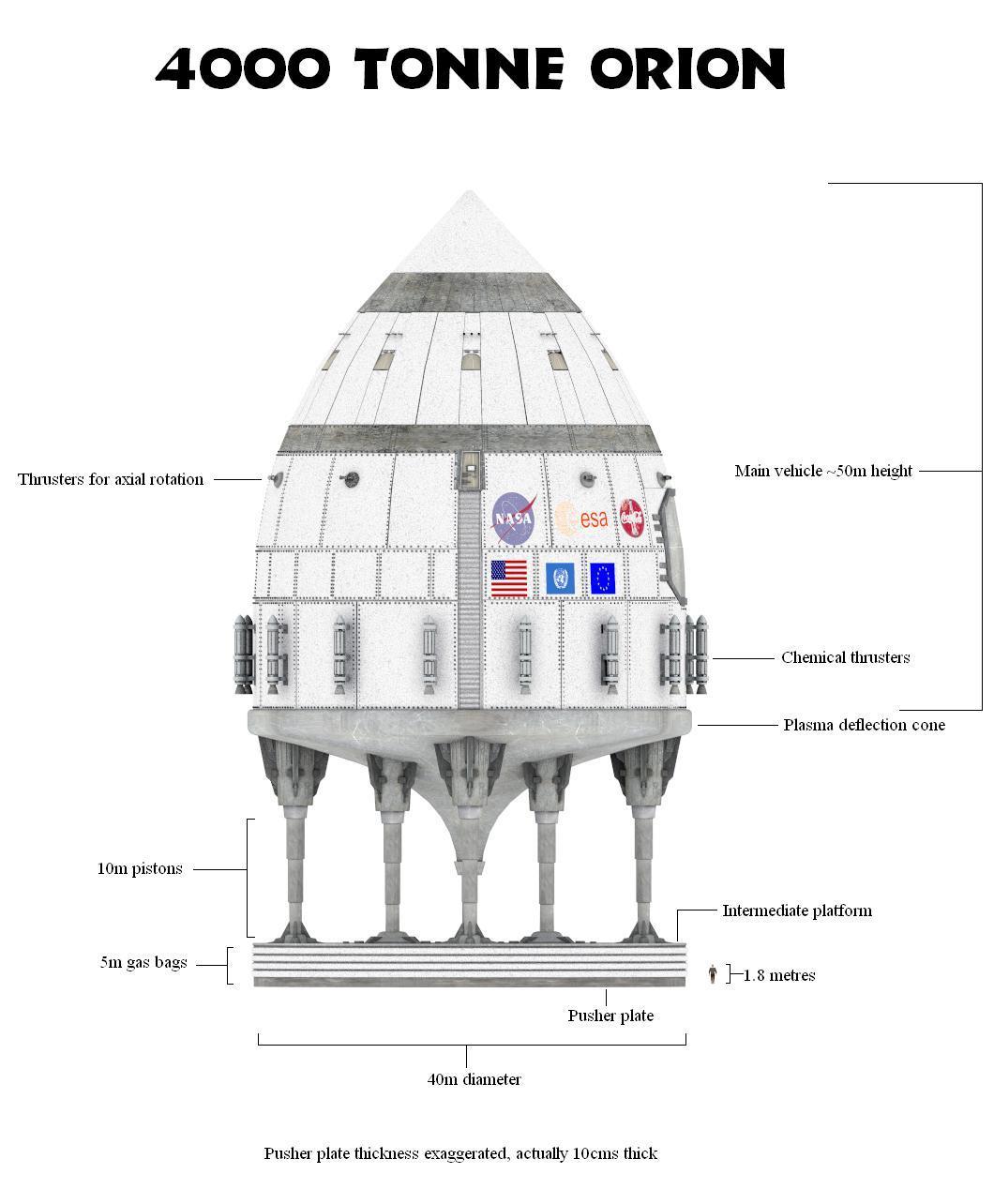
Nuclear Propulsion: The concept of using nuclear bombs (no joke) to propel a spacecraft was first proposed in 1946 by Stanislaw Ulam, a Polish-American mathematician who participated in the Manhattan Project. Preliminary calculations were then made by F. Reines and Ulam in 1947, and the actual project – known as Project Orion was initiated in 1958 and led by Ted Taylor at General Atomics and physicist Freeman Dyson from the Institute for Advanced Study in Princeton.
In short, the Orion design involves a large spacecraft with a high supply of thermonuclear warheads achieving propulsion by releasing a bomb behind it and then riding the detonation wave with the help of a rear-mounted pad called a “pusher”. After each blast, the explosive force is absorbed by this pusher pad, which then translates the thrust into forward momentum.
Though hardly elegant by modern standards, the proposed design offered a way of delivering the explosive (literally!) force necessary to propel a rocket over extreme distances, and solved the issue of how to utilize that force without containing it within the rocket itself. However, the drawbacks of this design are numerous and noticeable.
F0r starters, the ship itself is rather staggering in size, weighing in anywhere from 2000 to 8,000,000 tonnes, and the propulsion design releases a dangerous amount of radiation, and not just for the crew! If we are to rely on ships that utilize nuclear bombs to achieve thrust, we better find a course that will take them away from any inhabited or habitable areas. What’s more, the cost of producing a behemoth of this size (even the modest 2000 tonne version) is also staggering.
Antimatter Engine: Most science fiction authors who write about deep space exploration (at least those who want to be taken seriously) rely on anti-matter to power ships in their stories. This is no accident, since antimatter is the most potent fuel known to humanity right now. While tons of chemical fuel would be needed to propel a human mission to Mars, just tens of milligrams of antimatter, if properly harnessed, would be able to supply the requisite energy.
Fission and fusion reactions convert just a fraction of 1 percent of their mass into energy. But by combine matter with antimatter, its mirror twin, a reaction of 100 percent efficiency is achieved. For years, physicists at the CERN Laboratory in Geneva have been creating tiny quantities of antimatter by smashing subatomic particles together at near-light speeds. Given time and considerable investment, it is entirely possible this could be turned into a form of advanced propulsion.
In an antimatter rocket, a dose of antihydrogen would be mixed with an equal amount of hydrogen in a combustion chamber. The mutual annihilation of a half pound of each, for instance, would unleash more energy than a 10-megaton hydrogen bomb, along with a shower of subatomic particles called pions and muons. These particles, confined within a magnetic nozzle similar to the type necessary for a fission rocket, would fly out the back at one-third the speed of light.
However, there are natural drawback to this design as well. While a top speed of 33% the speed of light per rocket is very impressive, there’s the question of how much fuel will be needed. For example, while it would be nice to be able to reach Alpha Centauri – a mere 4.5 light years away – in 13.5 years instead of the 130 it would take using a nuclear rocket, the amount of antimatter needed would be immense.
No means exist to produce antimatter in such quantities right now, and the cost of building the kind of rocket required would be equally immense. Considerable refinements would therefore be needed and a sharp drop in the cost associated with building such a vessel before any of its kind could be deployed.
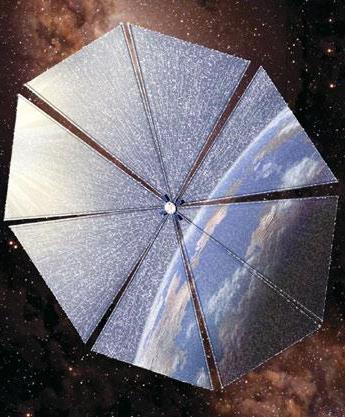
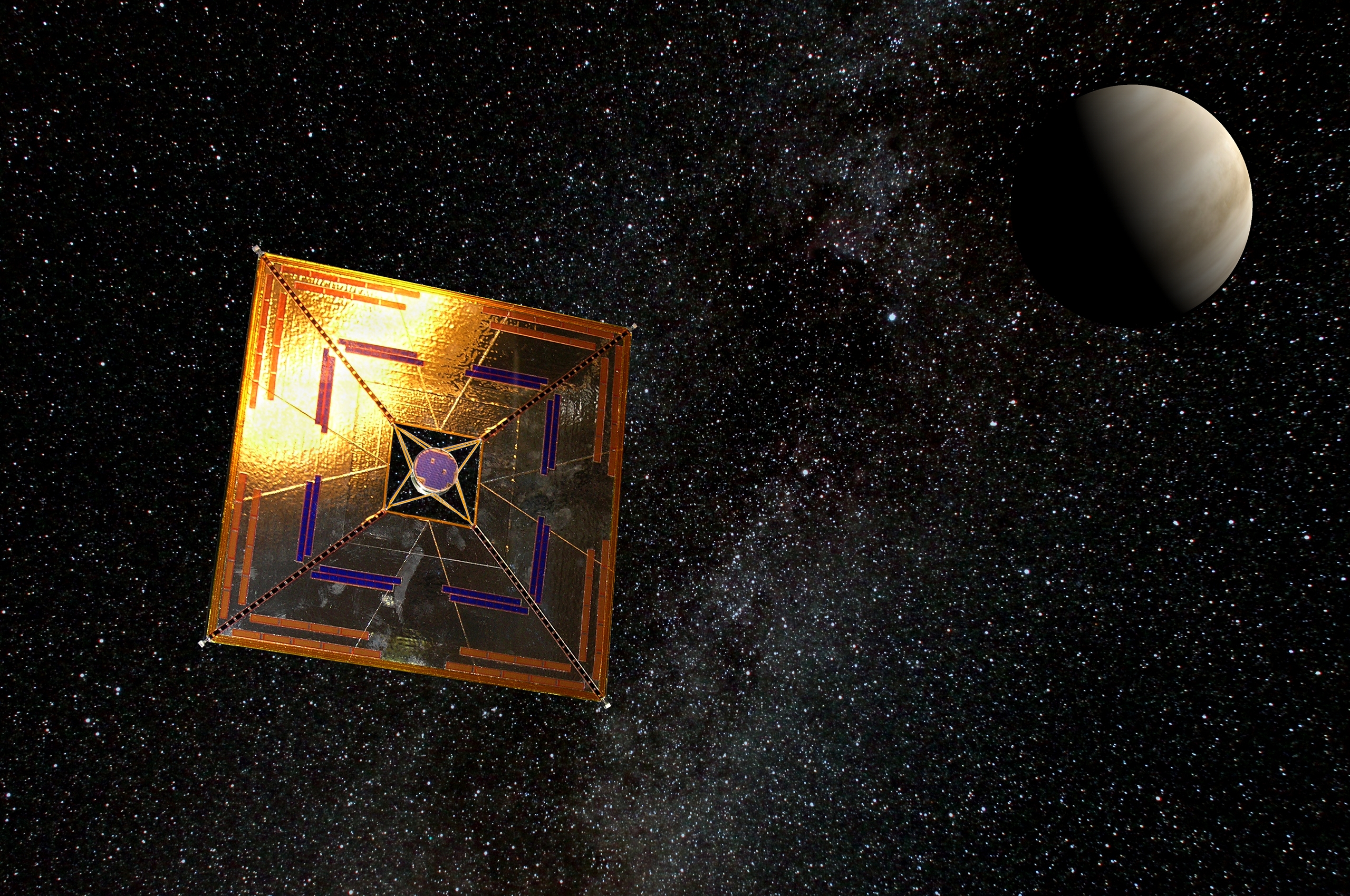
Laser Sail: Thinking beyond rockets and engines, there are some concepts which would allow a spaceship to go into deep space without the need for fuel at all. In 1948, Robert Forward put forward a twist on the ancient technique of sailing, capturing wind in a fabric sail, to propose a new form of space travel. Much like how our world is permeated by wind currents, space is filled with cosmic radiation – largely in the form of photons and energy associated with stars – that push a cosmic sail in the same way.
This was followed up again in the 1970’s, when Forward again proposed his beam-powered propulsion schemes using either lasers or masers (micro-wave lasers) to push giant sails to a significant fraction of the speed of light. When photons in the laser beam strike the sail, they would transfer their momentum and push the sail onward. The spaceship would then steadily builds up speed while the laser that propels it stays put in our solar system.
Much the same process would be used to slow the sail down as it neared its destination. This would be done by having the outer portion of the sail detach, which would then refocus and reflect the lasers back onto a smaller, inner sail. This would provide braking thrust to slow the ship down as it reached the target star system, eventually bringing it to a slow enough speed that it could achieve orbit around one of its planets.
Once more, there are challenges, foremost of which is cost. While the solar sail itself, which could be built around a central, crew-carrying vessel, would be fuel free, there’s the little matter of the lasers needed to propel it. Not only would these need to operate for years continuously at gigawatt strength, the cost of building such a monster would be astronomical, no pun intended!
A solution proposed by Forward was to use a series of enormous solar panel arrays on or near the planet Mercury. However, this just replaced one financial burden with another, as the mirror or fresnel lens would have to be planet-sized in scope in order for the Sun to keep the lasers focused on the sail. What’s more, this would require that a giant braking sail would have to be mounted on the ship as well, and it would have to very precisely focus the deceleration beam.
So while solar sails do present a highly feasible means of sending people to Mars or the Inner Solar System, it is not the best concept for interstellar space travel. While it accomplishes certain cost-saving measures with its ability to reach high speeds without fuel, these are more than recouped thanks to the power demands and apparatus needed to be it moving.
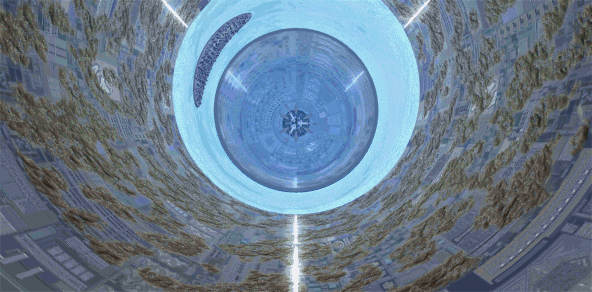
Generation/Cryo-Ship: Here we have a concept which has been explored extensively in fiction. Known as an Interstellar Ark, an O’Neill Cylinder, a Bernal Sphere, or a Stanford Torus, the basic philosophy is to create a ship that would be self-contained world, which would travel the cosmos at a slow pace and keep the crew housed, fed, or sustained until they finally reached their destination. And one of the main reasons that this concept appears so much in science fiction literature is that many of the writers who made use of it were themselves scientists.
The first known written examples include Robert H. Goddard “The Last Migration” in 1918, where he describes an “interstellar ark” containing cryogenic ally frozen people that set out for another star system after the sun died. Konstantin E. Tsiolkovsky later wrote of “Noah’s Ark” in his essay “The Future of Earth and Mankind” in 1928. Here, the crews were kept in wakeful conditions until they reached their destination thousands of years later.
By the latter half of the 20th century, with authors like Robert A. Heinlein’s Orphans of the Sky, Arthur C. Clarke’s Rendezvous with Rama and Ursula K. Le Guin’s Paradises Lost, the concept began to be explored as a distant possibility for interstellar space travel. And in 1964, Dr. Robert Enzmann proposed a concept for an interstellar spacecraft known as the Enzmann Starship that included detailed notes on how it would be constructed.
Enzmann’s concept would be powered by deuterium engines similar to what was called for with the Orion Spacecraft, the ship would measure some 600 meters (2000 feet) long and would support an initial crew of 200 people with room for expansion. An entirely serious proposal, with a detailed assessment of how it would be constructed, the Enzmann concept began appearing in a number of science fiction and fact magazines by the 1970’s.
Despite the fact that this sort of ship frees its makers from the burden of coming up with a sufficiently fast or fuel-efficient engine design, it comes with its own share of problems. First and foremost, there’s the cost of building such a behemoth. Slow-boat or no, the financial and resource burden of building a mobile space ship is beyond most countries annual GDP. Only through sheer desperation and global cooperation could anyone conceive of building such a thing.
Second, there’s the issue of the crew’s needs, which would require self-sustaining systems to ensure food, water, energy, and sanitation over a very long haul. This would almost certainly require that the crew remain aware of all its technical needs and continue to maintain it, generation after generation. And given that the people aboard the ship would be stuck in a comparatively confined space for so long, there’s the extreme likelihood of breakdown and degenerating conditions aboard.
Third, there’s the fact that the radiation environment of deep space is very different from that on the Earth’s surface or in low earth orbit. The presence of high-energy cosmic rays would pose all kinds of health risks to a crew traveling through deep space, so the effects and preventative measures would be difficult to anticipate. And last, there’s the possibility that while the slow boat is taking centuries to get through space, another, better means of space travel will be invented.
Faster-Than-Light (FTL) Travel: Last, we have the most popular concept to come out of science fiction, but which has received very little support from scientific community. Whether it was the warp drive, the hyperdrive, the jump drive, or the subspace drive, science fiction has sought to exploit the holes in our knowledge of the universe and its physical laws in order to speculate that one day, it might be possible to bridge the vast distances between star systems.
However, there are numerous science based challenges to this notion that make an FTL enthusiast want to give up before they even get started. For one, there’s Einstein’s Theory of General Relativity, which establishes the speed of light (c) as the uppermost speed at which anything can travel. For subatomic particles like photons, which have no mass and do not experience time, the speed of light is a given. But for stable matter, which has mass and is effected by time, the speed of light is a physical impossibility.
For one, the amount of energy needed to accelerate an object to such speeds is unfathomable, and the effects of time dilation – time slowing down as the speed of light approaches – would be unforeseeable. What’s more, achieving the speed of light would most likely result in our stable matter (i.e. our ships and bodies) to fly apart and become pure energy. In essence, we’d die!
Naturally, there have been those who have tried to use the basis of Special Relativity, which allows for the existence of wormholes, to postulate that it would be possible to instantaneously move from one point in the universe to another. These theories for “folding space”, or “jumping” through space time, suffer from the same problem. Not only are they purely speculative, but they raise all kinds of questions about temporal mechanics and causality. If these wormholes are portals, why just portals in space and not time?
And then there’s the concept of a quantum singularity, which is often featured in talk of FTL. The belief here is that an artificial singularity could be generated, thus opening a corridor in space-time which could then be traversed. The main problem here is that such an idea is likely suicide. A quantum singularity, aka. a black hole, is a point in space where the laws of nature break down and become indistinguishable from each other – hence the term singularity.
Also, they are created by a gravitational force so strong that it tears a hole in space time, and that resulting hole absorbs all things, including light itself, into its maw. It is therefore impossible to know what resides on the other side of one, and astronomers routinely observe black holes (most notably Sagittarius A at the center of our galaxy) swallow entire planets and belch out X-rays, evidence of their destruction. How anyone could think these were a means of safe space travel is beyond me! But then again, they are a plot device, not a serious idea…
But before you go thinking that I’m dismissing FTL in it’s entirety, there is one possibility which has the scientific community buzzing and even looking into it. It’s known as the Alcubierre Drive, a concept which was proposed by physicist Miguel Alcubierre in his 1994 paper: “The Warp Drive: Hyper-Fast Travel Within General Relativity.”
The equations and theory behind his concept postulate that since space-time can be contracted and expanded, empty space behind a starship could be made to expand rapidly, pushing the craft in a forward direction. Passengers would perceive it as movement despite the complete lack of acceleration, and vast distances (i.e. light years) could be passed in a matter of days and weeks instead of decades. What’s more, this “warp drive” would allow for FTL while at the same time remaining consistent with Einstein’s theory of Relativity.
In October 2011, physicist Harold White attempted to rework the equations while in Florida where he was helping to kick off NASA and DARPA’s joint 100 Year Starship project. While putting together his presentation on warp, he began toying with Alcubierre’s field equations and came to the conclusion that something truly workable was there. In October of 2012, he announced that he and his NASA team would be working towards its realization.
But while White himself claims its feasible, and has the support of NASA behind him, the mechanics behind it all are still theoretical, and White himself admits that the energy required to pull off this kind of “warping” of space time is beyond our means at the current time. Clearly, more time and development are needed before anything of this nature can be realized. Fingers crossed, the field equations hold, because that will mean it is at least theoretically possible!
Summary: In case it hasn’t been made manifestly obvious by now, there’s no simple solution. In fact, just about all possibilities currently under scrutiny suffer from the exact same problem: the means just don’t exist yet to make them happen. But even if we can’t reach for the stars, that shouldn’t deter us from reaching for objects that are significantly closer to our reach. In the many decades it will take us to reach the Moon, Mars, the Asteroid Belt, and Jupiter’s Moons, we are likely to revisit this problem many times over.
And I’m sure that in course of creating off-world colonies, reducing the burden on planet Earth, developing solar power and other alternative fuels, and basically working towards this thing known as the Technological Singularity, we’re likely to find that we are capable of far more than we ever thought before. After all, what is money, resources, or energy requirements when you can harness quantum energy, mine asteroids, and turn AIs and augmented minds onto the problems of solving field equations?
Yeah, take it from me, the odds are pretty much even that we will be making it to the stars in the not-too-distant future, one way or another. As far as probabilities go, there’s virtually no chance that we will be confined to this rock forever. Either we will branch out to colonize new planets and new star systems, or go extinct before we ever get the chance. I for one find that encouraging… and deeply disturbing!
Deep Space Industries, a private aerospace company, has been making a big splash in the news lately. Alongside SpaceX, they have been pioneering a new age in space exploration, where costs are reduced and private companies are picking up the slack. And in their latest bid to claim a share of space, the company announced plans late in January to begin asteroid prospecting operations by 2015.
For some time, the concept of sending spaceships to mine asteroids and haul ore has been explored as a serious option. Within the asteroid belt that lies between Mars and Jupiter, countless tons of precious metals, carbon, silicates, and basaltic minerals. If humanity could tap a fraction of a fraction of that mineral wealth, it would be able to supply Earth’s manufacturing needs indefinitely, without all the harmful pollutants or run off caused by mining.
So to tap this potential goldmine (literally!) known as the Asteroid Belt, DSI plans to launch a fleet of mini spacecraft into solar orbit to identify potential targets near to Earth that would be suitable to mine. Lacking the resources of some of the bigger players in the space rush, DSI’s probes will ride-share on the launch of larger communications satellites and get a discounted delivery to space.
Initially, a group of 25kg (55 pounds) cubesats with the awesome designation “Firefly” will be launched on a journey lasting from two to six months in 2015. Then, in 2016, the 32 kilograms (70 pound) DragonFly spacecraft will begin their two-to-four-year expeditions and return with up to 68 kilograms (150 pounds) of bounty each. Beyond this, DSI has some truly ambitious plans to establish a foundry amongst the asteroids.
That’s another thing about the Belt. Not only is it an incredibly rich source of minerals, its asteroids would make an ideal place for relocating much of Earth’s heavy industry. Automated facilities, anchored to the surface and processing metals and other materials on site would also reduce the burden on Earth’s environment. Not only would there be no air to befoul with emissions, but the processes used would generate no harmful pollutants.
In DSI’s plan, the foundry would use a patent-pending nickel gas process developed by one of DSI’s co-founders, Stephen Covey, known as “sintering”. This is the same process that is being considered by NASA to build a Moon Base in the Shackleton Crater near the Moon’s south pole. Relying on this same technology, automated foundries could turn ore into finished products with little more than microwave radiation and a 3D printer, which could then be shipped back to Earth.
Naturally, DSI will have plenty of competition down the road. The biggest comes from Google-backed Planetary Resources which staked it claim to an asteroid last April. Much like DSI, they hope to be able to mine everything from water to fuel as well as minerals and rare earths. And of course, SpaceX, which has the most impressive track record thus far, is likely to be looking to the Asteroid Belt before long.
And Golden Spike, the company that is promising commercial flight to the Moon by 2020 is sure to not be left behind. And as for Virgin Galactic, well… Richard Branson didn’t get crazy, stinking rich by letting opportunities pass him by. And given the size and scope of the Belt itself, there’s likely to be no shortage of companies trying to stake a claim, and more than enough for everyone.
So get on board ye capitalist prospectors! A new frontier awaits beyond the rim of Mars…
With 2012 now officially behind us, and more and more stories trickling into this humble bloggers account about what was accomplished therein, it seems that the time is ripe for another list of breakthroughs, first, and achievements that made the news during the previous year!
Last time, I listed what I saw as the top 12, only to find that there were several others, some of which I actually wrote about, that didn’t make the cut. How foolish of me! And so, to remedy this and possibly cover stories that I neglected to cover the first time around, I have produced another list of the top stories from 2012.
And much like last time, I have listed them according to alphabetical order, since I couldn’t possibly assign them numbers based on importance.
Abortion Study: Abortion has always been a contentious issue, with one side arguing for the rights of the unborn while the other argues in favor of women’s right to control her own body and reproduction. And as it happens, 2012 saw the publication of the first longitudinal study of what happens to women who are denied this right.
The UC San Francisco research team, Advancing New Standards in Reproductive Health (ANSIRH), studied nearly 1,000 women from diverse backgrounds across the U.S. over several years. All of these subjects were women had sought out abortions but been denied access for one reason or another. What they discovered was that these women were more likely to slip below the poverty line, be unemployed, remain in abusive relationships, and suffer from hyper stress. What this ongoing study demonstrates is that abortion is an economic issue for women, with dire consequences for those denied them.
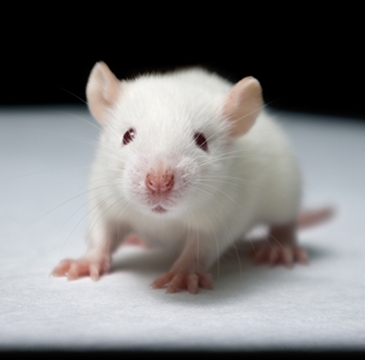
Autism Reversed: 2012 was an especially significant year in medical advances thanks to a team at McGill University in Montreal announced that they’ve successfully reversed the symptoms of autism in mice. Using mice with autism-like symptoms caused by a genetic mutation, the researchers figured out how to administer a protein that reversed the symptoms.
Naturally, this development is a step in the long process of understanding a disorder which remains largely misunderstood. In addition, it may, in time, lead to the development of a gene therapy that will prevent autism from being triggered in children and even weed it out of parent’s genetic code, ensuring that their children will be immune.
Commercial Space Travel: It has long been the dream of financiers, captains of industry and enthusiasts to create commercial space travel; a means for the average person to go into space, the moon, and even beyond. And all at a reasonable price! This dream is still the subject of speculation and fantasy, but 2012 was a year of firsts that made it seem that much closer.
For starters, Virgin Galactic, the brain-child of Richard Branson, began flight tests on SpaceShipTwo, the rocket ship that will take people into orbit. Then came Reaction Engines Limited with the proposed design for the hypersonic aerospace engine. And finally, there was the creation of Golden Spike, a company made up largely of former astronauts, who want to make commercial flight to the moon a go by 2020.
Electricity-Creating Virus: A breakthrough virus named M13 made news in 2012 for being the first ever virus that could turn physical activity into electricity. The key is what is known as the “piezoelectric effect,” which happens when certain materials like crystals (or viruses) emit a small amount of power when squeezed. Created by a team of scientists at the Berkeley Lab, this genetically engineered M13 viruses was able to emit enough electricity to power a small LED screen, but poses no threat to humans. One day, all devices could be powered through the simple act of typing or walking, and buildings could be powered by absorbing people’s activity.
Encyclopedia of DNA (ENCODE): The publication of the human genome back in the late 90’s was a major breakthrough for genetics and medical science. And in 2012, another breakthrough was achieved by researchers at USC with the publication of ENCODE – The Encyclopedia of DNA Elements Project. Unlike the previous project, these researchers were able not only to catalog the human genome’s various parts, but what those components actually do.
Among the initiative’s many findings was that so-called “junk DNA” – outlier DNA sequences that do not encode for protein sequences – are not junk at all, and are in fact responsible for such things as gene regulation, disease onset, and even human height. These findings will go a long way towards developing gene therapy, biotechnology that seeks to create artificial DNA and self-assembling structures, and even cloning.
Face Transplant: 2012 was also the year that the first full-face transplant was ever conducted. The recipient in question was a man named Richard Norris, a man who lost significant portions of his face from a gunshot accident back in 1997. And after years of attempted reconstructive surgeries, doctors working out of the University of Maryland Medical Center performed a procedure that gave Mr. Norris a has face, teeth, tongue, and a completely new set of jaws.
Not only that, but within days of the surgery, Norris was able to move his facial muscle and jaw. Combined with the nature of the surgery itself, this is not short of unprecedented, and could mean a new age in which severe accident victims and veterans are able to recover fully from physical traumas and live perfectly normal, happy lives.
The Higgs Boson Discovered: I can’t believe I didn’t include this story last time, as it is possibly the biggest story of 2012, and perhaps one of the biggest stories since the millennium! 2012 will forever go down in history as the year that the Higgs Boson was discovered. After some 40 years of ongoing research, and fears that it would never be discovered, the last missing piece of The Standard Model of particle physics was found.
Not only does the existence of the Higgs Boson confirm that the Standard Model is valid, it also helps explain how other elementary particles get their mass. This will herald a new step in the advance of particle and the quantum physics, and could lead to the development of quantum computing, quantum generators, and a greater understand of the universe itself.
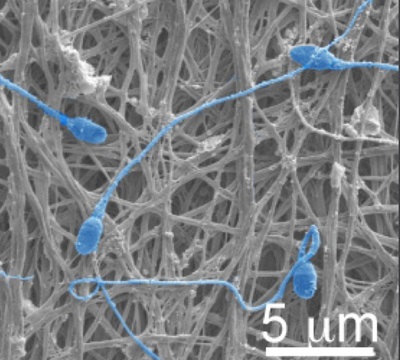
High-Tech Condom: Using a revolutionary nano-fabrication process known as electrospinning, researchers at the University of Washington have produced the world’s first female condom that not only prevents pregnancy and protects against HIV, but also evaporates after use. In addition, the manufacturing method used is a step in the direction of viable nanotechnology. Score one for safe sex, public health, and a waste free future permeated by tiny machines and smart materials! That’s a big score card…
Infinite Capacity Wireless: 2012 was also the year that it was proven that it could be possible to boost the capacity of wireless communication infinitely. The discovery was first made by Bo Thide of the Swedish Institute of Space Physics and some Italian colleagues in Venice, and then confirmed by a team of American and Israeli researchers who used the technique to transmit data at a rate of 2.5 terabytes a second.
Conventional radio signals are transmitted on a flat plane, but Thide twisted the transmitting and receiving antennae into the shape of corkscrew. By adding another dimension to the mix, the technique added a lot of extra bandwidth. As a result, the problem of bandwidth crunches might be a thing of the past, not to mention problems of slow download/upload.
Google Neural Net: Another first and definitely one of the biggest headlines of 2012, far as I was concerned. So why I forgot to include it last time is beyond me! For generations scientists have contemplating the idea of AI and wondered how and where the first leap might be made from basic computing towards true machine intelligence. And as it turns out, Google X Labs, the same place where Project Glass was conceived, seems to have accomplished just that.
The accomplishment came when the labs created a neural network based on sixteen core processors and a connectome with a billion connections. The network accomplished its first task by studying millions of images on Youtube and then demonstrating the ability to differentiate between the faces of cats and humans. This act of independent reasoning that went beyond mere image recognition, and is a major step towards the achievement of a fully-functional artificial intelligence.
Stem cell mammal: For the first time in history, researchers at Kyoto University created a mouse by using eggs derived from stem cells alone. The achievement once again shows the remarkable possibilities presented by regenerative technologies like stem cells, while raising pressing ethical questions about the potential for human births in which parents might not be required.
Water in the Solar System: 2012 was also the year that an unprecedented amount of discoveries were made in our solar system. In addition to all the interesting revelations made by the Curiosity Rover, a number of probes discovered water on Europa, Mercury, Titan, and other Saturnalian moons. Usually, this comes in the form of water saturated with hydrocarbons, as was evident on Titan, but the discoveries remain monumental.
In addition to Titan’s methane lakes and Nile-like river, ice and organic molecules were discovered near the poles of Mercury. Evidence of water was found on Mars, indicating the existence of rivers and oceans at one time, and the Cassini space probe confirmed that Enceladus has its own oceans. All of this bodes well for the future of space exploration and colonization, where domestic sources of water may be used for hydrogen cells, hydroponics and even drinking water.
World’s First Tractor Beam: In another interesting first, NASA scientists demonstrated in 2012 that another staple technology from Star Trek may be realizable. Yes, in addition to the warp drive, scientists scientists David Ruffner and David Grier demonstrated that a tractor beam may also be realizable in the not-too-distant future. And given the 100 Year Starship Project and other desires to commit to space exploration, such a device could come in mighty handy!
Using a prototype optical beam to pull a small sphere of silica (30 micrometers) suspended in water, Grier and Ruffner pioneered the use of a Bessel beam, a long-established concept, to pull an object of discernible size and mass around. Naturally, NASA hopes to create a more high-powered version of the technology for use on space craft down the road.
* * *
Thank you once more for attending this symposium on technological breakthroughs during the year of 2012! It was a good year, wouldn’t you say? And barring the advent of killer robots sometime in the near future that unleash a nuclear holocaust on us and force us all to work as slaves, I think people will look back on these developments in a positive light.
Yes, assuming humanity can keep its wits about itself and ensure the ethical application of all we’ve accomplished, 2012 may be seen as a turning point, where incurable diseases became preventable, AI’s became realizable, and limitless communications, super-fast computations, paper-thin flexible devices, green technology, commercial spaceflight, and Solar planet colonization all became truly viable.
Back in 2006, a series of millionaires shelled out a hefty 20 million dollars for a round trip to the International Space Station. At the time, this was considered quite the privilege, seeing as how civilian personnel almost never get to go into space or spend time on the ISS. But as it turns out, this story may be on its way to becoming small potatoes, thanks in part to a new company that has announced plans to mount commercial voyages to the moon by 2020.
The company is called Golden Spike, a company made up largely of former astronauts and personnel who want to use existing and future technology to make private Lunar trips possible. Its current chairman is Gerry Griffin, Apollo flight director and former director of NASA’s Johnson Space Center. The president and CEO is planetary scientist Alan Stern, former head of all NASA science missions.
Given the cost, Golden Spike is mainly focused on offering its services to governments at the moment, much like how Russia has offering its services to governments looking to get to the ISS in the past few years. In that case and this one, these would be nations that would like to participate in space and planetary exploration but can’t afford a program of their own. But of course, should there be private citizens who want to book a ride and can afford it, they are not likely to be turned away!
Granted, at one time, science fiction writers were predicting that humanity would have bases on the moon by the early 21st century. But those predictions were largely abandoned thanks to the scrapping of the Apollo program and the fact that the ISS was Earth’s only orbiting space station by the turn of the century. And of course, the only way to get there cost private citizens 20 million bucks!
But this announcement, which comes on the heels of several encouraging developments, may have reignited these hopes. First, there was Reaction Engines Ltd’s announcement of the concept for the Skylon hypersonic engine , followed shortly thereafter by Virgin Galactic’s successful deployment of SpaceShipTwo. Given the pace at which aerospace is evolving and progressing, commercial flight to the moon may be coming, though a little later than previously expected.
However, making it affordable remains a daunting task. As it stands, Golden Spike’s own estimates place the cost of a single trip to the Moon at roughly 1.5 billion dollars. Naturally, the company has also indicated that they intend to make the process more affordable so all people can make the trip. No telling how this will be achieved, but if history is any indication, time has a way of making technology cheaper and more commercially viable.
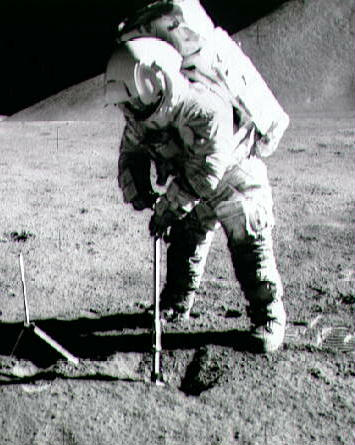
So… vacation on the moon anyone? Hell, I can envision an entire line of spas, time shares and getaways on the Lunar surface in the not-too-distant future. Sure, it may not be the Mediterranean or the Mayan Riviera, but I can think of plenty of fun activities for people to do, and the novelty factor alone ought to sell tickets. Rover tours, visits to the Apollo landing sites, low-g sports and anti-aging therapies. Oh, and if Alan Shepard and the Apollo 14 mission are any indication, you can even play golf there!
Check out this video of Golden Spike’s proposed tours to the Moon, or learn more about the company by visiting their website.
As Dec. 31st fast approaches, I find myself thinking about New Years resolutions. And part of that is taking stock on what’s been accomplished in the past year. For me, one of those resolutions was to stay current and share all the new and exciting news from the field of science and tech all my followers people; to the best of my abilities, that is.
In keeping with this, I wanted to create a list of the most important developments of the last year. Many sites have produced a top 10, top 12, even a top 7, list of what they thought the most significant accomplishments were. Well, I wanted to do one of my own! Opinion varies as to what the biggest leaps and bounds were over the course of the last year, and I’ll be damned if I don’t get my say in. Lord knows I’ve spent enough time reading about them, so here’s my comprehensive list of the greatest inventions, developments and advances made during 2012.
I think you’ll all agree, the list packed with stories that are intriguing, awe-inspiring, and even a little scary! Here are the top 12, as selected by me, in alphabetical order:
3D Printing: As far as tech trends go, this one has been in the works for some time. However, 2012 will be remembered as the year that 3D printing truly became a reality. From tree-dimensional models to consumer products to even guns, 3D printers have been featured in the news many times over for their potential and frightening abilities.
However, one of the greatest potential uses will be in the field of artificial cartilage, organs, and even food. As the technology is refined and expands to the field of organic molecules, just about anything can and will be synthesized, leading to an era where scarcity is… well, scarce!
Bionic Implants: Perhaps the years biggest achievement came in the form of bionic prosthetics, artificial limbs which are calibrated to respond to the nerve impulses of the user. As a result, amputees, veterans and accident victims are able to receive artificial limbs that act like the real thing.
The most notable case was Zak Vawter who scaled the 103 flights of Chicago’s Willis Tower using an artificial leg. In addition, two men in Britain had their sight restored after undergoing the first ever case of retinal surgery where bionic implants were placed in their eyes.
Brain Implants: In September of 2012, scientists grafted an implant onto the brain of Chimpanzee, enhancing its brain power by ten percent. This consisted of an electrode array that was attached to the cerebral cortex of several monkey subjects, researchers were able to restore and even improve their decision-making abilities.
The implications for possible therapies is far-reaching, such as with brain injuries and cognitive disorders. But additionally, it also heralds the beginning of an era where human beings will be able to enhance their intelligence, recall, and memory retention.
Commercial Space Flight: Though not yet fully realized, 2012 was a big year in terms of commercial space flight. For example, Richard Branson and Virgin Galactic announced the first successful fully-loaded “glide test” of SpaceShipTwo, the rocket craft that will be taking passengers into low orbit as soon as all the kinks are worked out of the design.
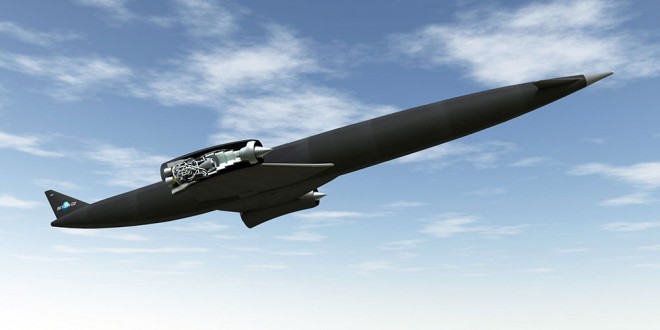
In addition, Reaction Engines announced a breakthrough with the design of their hypersonic engine, which they claim will be fitted to their proposed spaceship – the Skylon. Capable of achieving speeds of up to Mach 5, this new craft is expected to be able to take off from conventional airfields, propel itself into low orbit, and deliver supplies to the ISS and make commercial trips around the world. No telling when either company will be conducting its first real suborbital flights, but the clock is ticking down!
Curiosity Rover: One of the years biggest announcement was the deployment of the Curiosity Rover on the Martian surface. Since it landed, the rover has provided a constant stream of scientific updates and news on the Red Planet. Though the Mars Science Team did not find the “earthshaking” proof organic molecules, it did make a number of important discoveries.
Amongst them was solid evidence that Mars was once home to large rivers and bodies of water. Furthermore, the x-ray lab on board the rover conducted studies on several rock and soil samples, determining what the chemical and mineral composition of Mars surface is.
Faster-Than-Light Travel: In the course of speaking at the 100 Year Starship, scientists at NASA began working on the first FTL travel system ever. Long considered to be the stuff of science fiction, physicist Harold White announced that not only is the math sound, but that his team at NASA had actually started working on it.
Relying on the concept of the Alcubierre Drive, the system involves expanding and contracting space time around the ship, allowing it to move faster than the speed of light without violating the Law of Relativity.
Geo-engineering: In October, the world’s first – and illegal – act of geo-engineering took place off Canada’s West Coast. The product of a “rogue geohacker” named Russ George, who was backed by a private company, the project involved the dumping of around 100 tonnes of oron sulphate into the Pacific Ocean. This technique, known as ocean fertilization, was meant to stimulate the growth of algae which metabolize carbon and produce oxygen.
The experiment, which is in violation of two United Nations moratoria, outraged many environmental, legal, and civic groups, many of whom hail from Haida Gwaii, the traditional territory of the Haida nation, who had enlisted by George as part of a proposed “salmon enhancement project”. Though illegal and abortive, the act was the first in what may very well become a series of geoengineering efforts which will be performed the world over in order to stay the progress of Climate Change.
Google’s Project Glass: 2012 was also the year that augmented reality became… well, a reality (oh dear, another bad pun). Back in April, Google unveiled its latest concept device for wireless and portable computing, known as Project Glass. Combining an active display matrix, a wireless internet connection and a pair of shades, Google managed to create a device that looks like something straight out of cyberpunk novel.
HIV and Flu Vaccines: When it comes to diseases, HIV and the Flu have two things in common. Until 2012, both were considered incurable, but sometime in the near future, both could be entirely preventable. In what could be the greatest medical breakthroughs in history, 2012 saw scientists and researchers experiment with antibodies that have been known to fight off HIV and the flu, and to good effect.
In the former case, this involved using a new process known as Vectored ImmunoProphylaxis (VIP), an inversion of the traditional vaccination method, where antibodies were introduced to mice. After allowing the antibodies to reproduce, researchers at Caltec found that the mice were able to fight off large quantities of the virus. In the latter, researchers at the Friedrich-Loeffler Institute in Riems Island, Germany used a new RNA-based vaccine that appeared to be able to fight off multiple strains of flu, not just the latest mutation.
Taken together, these vaccines could bring an end to a common, but potentially deadly ailment, and signal the end of the plague of the 20th century. In addition, this could be the first in a long series of developments which effectively brings all known diseases under our control.
Medical Implants: 2012 also saw the culmination of several breakthroughs in terms of biomedical research. In addition to the world’s first medimachine, there were also breakthroughs in terms of dissolving electronics, subdermal implants that dispense drugs, and health monitoring patches.
Little wonder then that Cambridge University announced the creation of the Center for the Study of Existential Risk to evaluate future technologies, or that Human Rights Watch and Harvard University teamed up to release a report calling for the ban of “killer robots”. With all the potential for enhancement, it could be just a matter of time before non-medical enhancements are a reality.
Mind-controlled prostheses: Researchers at BrainGate created a brain-machine interface that allows users to control an external device with their minds. The first person to use this revolutionary new system was Cathy Hutchinson, a stroke victim who has been paralyzed from the neck down for 15 years, who used the robotic arm to drink a cup of coffee.
This news, combined with other advances in terms of bionic prostheses, could signal the end of disability as we know it. Henceforth, people with severe injuries, amputations and strokes could find themselves able to make full recoveries, albeit through the use of robotic limbs.
Self-driving cars: 2012 marked an important year as three states (California, Nevada, and Florida) made autonomous vehicles legal. Self-driving cars, once perfected and produced en masse, will help with traffic congestion and significantly reduce the chance of auto accidents through the use of GPS, radar, and other technologies.
* * *
All in all, it’s been an exciting year. And with all that’s been accomplished, the future is certainly looking a lot more interesting and even frightening. What is clear is that predictions made for some time now are becoming realizable, including replication, a cure for all known diseases, advanced robotics, implants, cybernetics, and even post-humanism. Regardless of where one sits on these developments, be you pro, con, or neutral, I think we can all agree that it is an exciting time to be alive!
Happy New Year to all, and here’s hoping 2013 proves just as interesting, and hopefully a lot more peaceful and sound. And may we ALL find ourselves able to keep our New Years resolutions and build upon all we’ve accomplished so far. And of course, with all the potential for medical and technological enhancements that are coming, I sincerely hope we can find ways to improve ourselves on a personal level too!
For years, Richard Branson has been promising the world commercial spaceflight with his proposed aerospace line, Virgin Galactic. And with the advent of SpaceShipTwo, the rocket-powered vehicle designed for this end, the company has been promising to conduct a successful test flight by the end of the year. This past Wednesday, Virgin and the development company – Scaled Composites – delivered on that promise, as SS2 conducted its first fully-loaded glide test successfully and landed safe and sound.
Granted, the company has yet to test out the ship’s rocket motor, the propulsion that will be used to put the ship into the Earth’s atmosphere. However, it was the first flight where the space craft was deployed by itself, without assistance from its carrier, WhiteKnightTwo. It was also the first time the vehicle conducted a glide test with all its components and fuel tanks installed. By showing that it is capable of gliding while fully-loaded, Virgin Galactic has proven that SS2 is capable of making safe landings, which is just as important as getting into space when you think about it!
“It was also the first flight with thermal protection applied to the spaceship’s leading edges,” said Virgin in a press statement. “It followed an equally successful test flight last Friday which saw SpaceShipTwo fly in this configuration but remain mated to its WhiteKnightTwo carrier aircraft.”
Virgin also claims it intends to conduct two more glide tests before attempting a powered flight, where the rocket motor will be put to the test and the ship will finally acheive suborbital flight. And once all the bugs are ironed out, Virgin Galactic will then be able to finally offer the sub-orbital rides that have been the subject of talk for many years. One of the first to go with be Branson himself, along with five others who will travel aboard SS2 as it acheive a suborbital flight which will take it over 115,000 meters (350,000 feet) above the Earth and acheive weightlessness for the crew.
To say that Richard Branson is an eccentric billionaire or oddball visionary would be the understatement of the century. Though not formally educated in business or economics, he’s got a knack for investing in new and relevant things, and always seems to be able to turn a profit while doing it. So it’s little wonder then why he started Virgin Galactic, a private aerospace company that is offering patrons their first shot at sub-orbital flights.
The idea commercial space ships has been in development for some time, with Branson committing a great deal of his empire’s investment capital and research funds towards this end. In 2008, these efforts bore fruit with the first flight of the White Knight Two launcher craft, known officially as the VMS Eve. This plane, also known as a “mothership”, is a four-engine, twin-fuselage craft with an extended wing base and two air crews. As the name suggests, it acts as a launching platform for the aerospace vehicle itself, which deploys once the WK2 is fully airborne.
Then, in December of 2009, Virgin unveiled the suborbital space ship, known as SpaceShip Two. Ever since 2004, Branson’s company ran test flights using a smaller model, but decided to upgrade to a larger, twin-pilot model for long-term commercial use. By February 2012, SpaceShipTwo had completed 15 test flights and an additional 16 glide tests, the last of which took place in September 2011.
In the end, the process is pretty simple and borrows from NASA’s long-standing practice of launching their space shuttles by piggybacking them onto commercial craft. In this case, the process involves the WK2 flying the SS2 to deployment altitude where it will then be released and take over its own flight using its rocket engines. The SS2 will then fly to an altitude of 100 km (330,000 feet) above see level. After performing a circuit in near-zero gravity, it will deploy its wings and glide back to Earth.
No firm schedule has been given as to when commercial flights will commence, but given the pace at which things are moving, it would not be farfetched to think that they are likely to begin before the decade is out. In addition, no word has been given on when exactly it will affordable for the vast majority of people to use this service, or when aerospace terminals will be built into existing international airports.
As it stands, tickets for the maiden voyage go for a whopping $200,000 US or £121,000, and 400 seats have already been spoken for, largely by public figures and international tycoons. The flight will be two hours end-to-end, and will involve six minutes of weightlessness once its reaches maximum altitude. Seems like a lot of money for something that only lasts six minutes; but hey, people have spent way more on far less!
Also, check out the promotional video from Virgin Galactic’s own website. I think you’ll agree, though they may oversell the significance of this by just a bit, the production values are still pretty damn good!

 Well, technically this news come from the lower atmosphere, but seeing as how the ultimate purpose is to get into space, I think it qualifies. Earlier this week, Virgin Galactic made history when it’s aerospace carrier, SpaceShipTwo, conducted its first powered test flight and broke the sound barrier. As the latest in a long series of successful flights, it shouldn’t be too long before Virgin Galactic conducts its maiden flight and flies actual passengers into low orbit.
 The flight began after the SS2 was carried to a ceiling of 14,300 meters (47,000 feet) by its mothership, WhiteKnightTwo, where it was then released at 7:48 a.m. PDT. Shortly thereafter, pilots Mark Stucky and Mike Alsbury ignited the rocket engine and accelerated to a speed of Mach 1.2 as they climbed to over 17,000 meters (55,000 feet). According to Virgin Galactic, the rocket burn lasted 16 seconds, and demonstrated the efficacy of their engine design.
 It’s has been over eight years since Virgin Galactic’s space tourism program began, and though progress has come slower than planned, Branson was nevertheless enthusiastic about the flight test and expressed his feelings on his blog after the flight:


























 Stories by Williams