The Future is Here: Smart Skin!

neuronsWhen it comes to modern research and development, biomimetics appear to be the order of the day. By imitating the function of biological organisms, researchers seek to improve the function of machinery to the point that it can be integrated into human bodies. Already, researchers have unveiled devices that can do the job of organs, or bionic limbs that use the wearer’s nerve signals or thoughts to initiate motion.

But what of machinery that can actually send signals back to the user, registering pressure and stimulation? That’s what researchers from the University of Georgia have been working on of late, and it has inspired them to create a device that can do the job of the largest human organ of them all – our skin. Back in April, they announced that they had successfully created a brand of “smart skin” that is sensitive enough to rival the real thing.
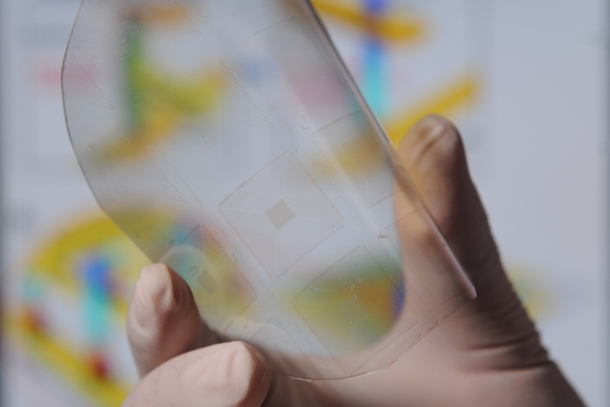
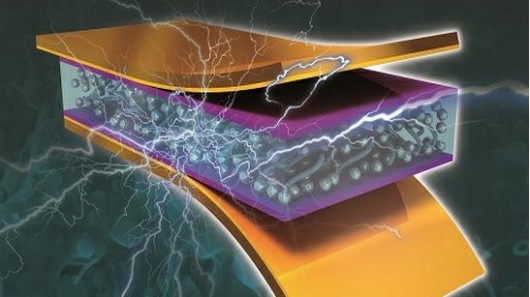
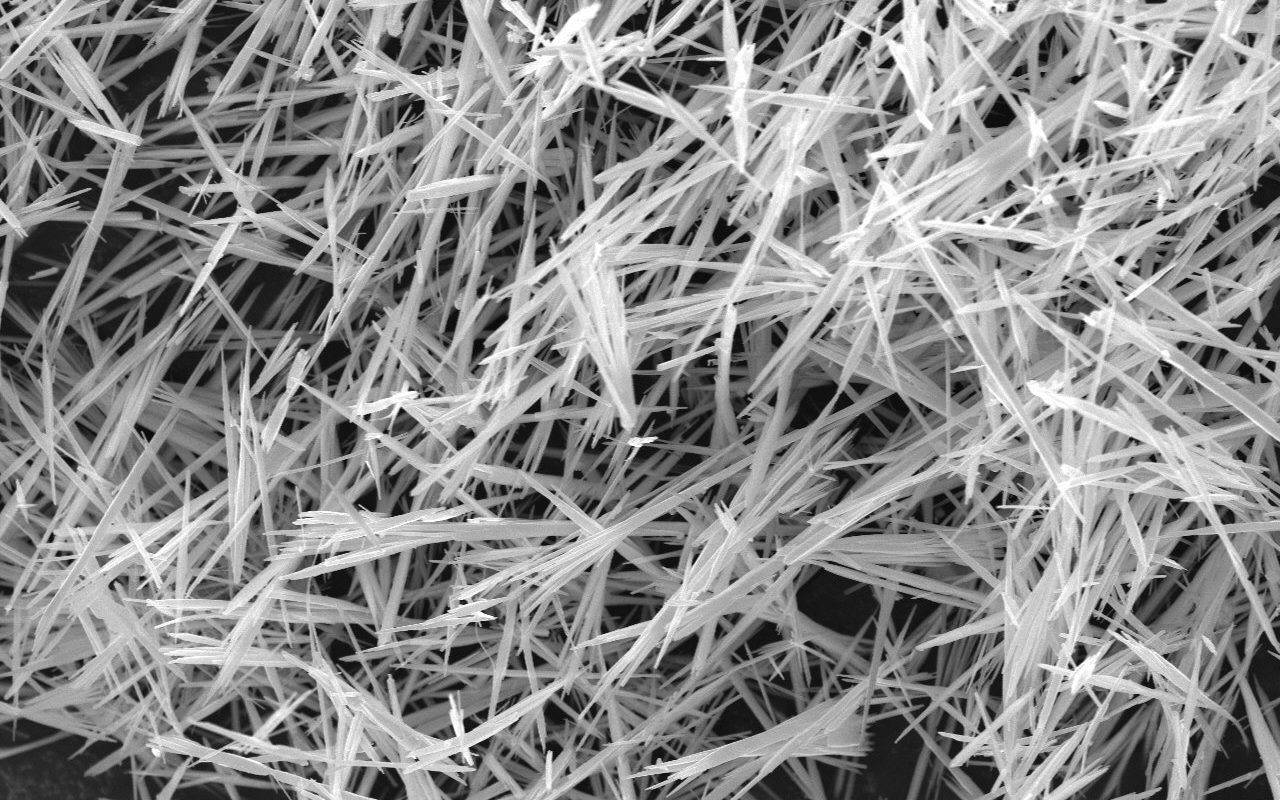
smart-skin_610x407In essence, the skin is a transparent, flexible arrays that uses 8000 touch-sensitive transistors (aka. taxels) that emit electricity when agitated. Each of these comprises a bundle of some 1,500 zinc oxide nanowires, which connect to electrodes via a thin layer of gold, enabling the arrays to pick up on changes in pressure as low as 10 kilopascals, which is what human skin can detect.

Mimicking the sense of touch electronically has long been the dream researchers, and has been accomplished by measuring changes in resistance. But the team at Georgia Tech experimented with a different approach, measuring tiny polarization changes when piezoelectric materials such as zinc oxide are placed under mechanical stress. In these transistors, then, piezoelectric charges control the flow of current through the nanowires.
nanowiresIn a recent news release, lead author Zhong Lin Wang of Georgia Tech’s School of Materials Science and Engineering said:

Any mechanical motion, such as the movement of arms or the fingers of a robot, could be translated to control signals. This could make artificial skin smarter and more like the human skin. It would allow the skin to feel activity on the surface.

This, when integrated to prosthetics or even robots, will allow the user to experience the sensation of touch when using their bionic limbs. But the range of possibilities extends beyond that. As Wang explained:

This is a fundamentally new technology that allows us to control electronic devices directly using mechanical agitation. This could be used in a broad range of areas, including robotics, MEMS, human-computer interfaces, and other areas that involve mechanical deformation.

prostheticNot the first time that bionic limbs have come equipped with electrodes to enable sensation. In fact, the robotic hand designed by Silvestro Micera of the Ecole Polytechnique Federale de Lausanne in Switzerland seeks to do the same thing. Using electrodes that connect from the fingertips, palm and index finger to the wearer’s arm nerves, the device registers pressure and tension in order to help them better interact with their environment.

Building on these two efforts, it is easy to get a glimpse of what future prosthetic devices will look like. In all likelihood, they will be skin-colored and covered with a soft “dermal” layer that is studded with thousands of sensors. This way, the wearer will be able to register sensations – everything from pressure to changes in temperature and perhaps even injury – from every corner of their hand.

As usual, the technology may have military uses, since the Defense Advanced Research Projects Agency (DARPA) is involved. For that matter, so is the U.S. Air Force, the U.S. Department of Energy, the National Science Foundation, and the Knowledge Innovation Program of the Chinese Academy of Sciences are all funding it. So don’t be too surprised if bots wearing a convincing suit of artificial skin start popping up in your neighborhood!

terminator2Source: news.cnet.com
The Future is Here: Power Shorts!

piezoelectric_nanogeneratorBig public events are often used to showcase new technology: the Consumer Electronics Show in Las Vegas, the Bett Show in London, and now the Glastonbury outdoor festival in England, where early last the mobile phone company Vodafone chose to showcase a new line: the Power Shorts, an item of clothing that turns motion and even body heat into electricity.

The shorts were naturally a big hit, and quite appropriate for the venue since they use motion (like dancing), to boost the battery life of your mobile devices. Created with help from scientists at the University of Southampton, the shorts incorporate a Power Pocket that contains foam-like ferroelectret materials with pockets of permanently charged surfaces. When the material gets squashed or deformed through movement, kinetic energy gets produced.

power-pocket_610x328But for those who are looking for a way to charge their gear without exertion, Vodafone is also working on a Recharge Sleeping Bag. This bag apparently harvests body heat via the “Seebeck effect,” a process that produces a voltage from the temperature differences across a thermoelectric module.

These modules are printed on the fabric of the sleeping bag, which supposedly can transform an 8-hour snooze into 11 hours of smartphone battery life. As Stephen Beeby, a professor of electronic systems at the University of Southampton who worked on the innovations explained:

One side of that is cold and the other is hot, and when you get a flow of heat through it you can create a voltage and a current. Voltage and current together equals electrical power.

recharge-bag_610x328And this is not the first time that Vodafone chose to unveil something new and innovative that just happens to take advantage of the principles of piezoelectricity during a musical event. For those who attended the Isle of Wight Festival last year, the Vodafone Booster Brolley, a prototype parasol that keeps your phone charged while it keeps you dry might ring a bell.

These are by no means the only examples of kinetic energy devices these days. For example, a piezoelectric rubber material produced by Princeton and Caltech a few years back, is already being considered for shoes and other mobile devices as a means of recharging personal electronics.

pavegen2And remember Pavegen, the rubber panels that turned runners steps at the finishing line of the Paris Marathon into actual electricity? This technology is already being adapted to provide electricity for a Grammar School in Kent, England, utilizing the thousands of steps students take everyday to keep the lights on.

Such concepts are likely to be powering just about all our devices in the not-too-distant future, at least in part. And beyond personal electronics, piezoelectric motors are also sure to be turning up in buildings and public spaces in the near future. In addition to stairways, hallways, and sidewalks, any surface in the city that moves or is touched on a regular basis could be converted to providing power.

Very clean, and very renewable. People still do a great deal of getting around by foot these days, and if we can convert that motion into energy, so much the better!

Source: news.cnet.com, blog.vodafone.co.uk

A Musical Tribute to Game of Thrones

Game-of-Thrones-game-of-thrones-20131987-1280-800For fans of George RR Martin, there are few things more controversial about his work than his tendency to kill off beloved characters. From King Robert, to Ned Stark, to Khal Drogo, to the Red Wedding – and that’s just what’s been showcased by the miniseries thus far – it seems no one is safe, regardless of how much we may like them.

As such, it seems fitting that the ladies of Not Literally are back with another pop culture-parodying video honoring those characters who died in GOT season 1. Set to the tune of Goyte’s “Somebody that I Used to Know”, they address their grievances to George RR Martin through a musical row known as “A Character I Used to Know.”

And really, they’ve only covered season 1 here. Now that the Red Wedding has been shown, I’m sure these ladies are off fashioning the remix of the song, angrier, longer, and more angst-ridden! Either that or they are curled up in a ball somewhere, rocking back and forth and sucking their sums to the tune of “The Rains of Castamere”.

Enjoy!

News From Space…X!

spaceX_elonmuskForgive the pun, but it was just too easy! Yes, SpaceX is once again making news with its Grasshopper reusable rocket system, which set the record for highest altitude ascended. On its sixth jump, which took place on June 14th, the rocket made it to a height of 325 meters (1066 feet) above the Earth and remained airborne for a minute and 8 seconds.

With each jump and new record set, Grasshopper and its inventors are bringing the age of affordable, commercial space flight that much closer. Seeing as how the goal is to send a rocket into orbit it and bring it back in one piece, this latest milestone might sound modest. But a quick look at each successive jump clearly shows that the Vertical Takeoff Vertical Landing (VTVL) rocket is making serious progress, and in a short stretch of time.

spacex_grasshopperConsider the first jump which took place in September of 2012, where the rocket reached a height of 1.8 meters (6 feet) and remained aloft for three seconds. Sounds pretty meager, no? But less than two months later, the rocket was able to remain in the air for 8 seconds and reached a height of 5.4 meters (17.7 feet).

On its third run, performed in December of 2012, the rocket got 40 meters (131 feet) into the air, remained there for 29 seconds, and happened to be the first test flight where a cowboy mannequin was strapped to the rocket. On the fourth and fifth try, which were performed in March and April of this year, the rocket reached a height of 80 and then 250 meters (262 and 820 feet), remaining airborne for 34 and then 61 seconds.

Grasshopper-rocketThis not only confirms that the rocket’s progress is exponential when it comes to height, but that its thrust-to-weight ratio has been improving vastly. Another big milestone here was the fact that for the first time, the rocket made use of its full navigation sensor suite with the F9-R closed loop control flight algorithms.

In previous tests, the rocket relied on other rocket sensors which were not as accurate, but this time around, SpaceX was directly controlling the rocket based on these new sensor readings, a move which has increased the level of accuracy in sensing the distance between Grasshopper and the ground.

To quote Nietzsche: “He who would learn to fly one day must first learn to stand and walk.” At this rate, averaging for the total rate of increase, I’d say the Grasshopper should be reaching Low-Earth Orbit (2000 km above sea level) by its 11th or 12th jump. And using the same figures, I figure the jump will be taking place sometime in May 2014. Somebody ought to be organizing a pool!

Source: IO9.com, SpaceX.com

Climate Crisis: City Farms

dragonfly-vertical-farm-for-a-future-new-york-1Hello again, folks. As you all know, this summer has brought some rather dire news on the climate front as unpredictable weather patterns have led to flooding in many parts of the world. And as climatological researchers and scientists have predicted, this is just the tip of the iceberg, as rising global temperatures will lead to melted icecaps, higher sea levels, severe droughts, wildfires and coastal storms.

But as I always like to point out, there are solutions to these problems, or at least ways to mediate them. Given the central role played by overpopulation and urban sprawl in climate change, many of these proposed solutions have to do with finding new ways to house, feed, and provide from future generations – ones which emphasize sustainability and clean energy.

city_farmsWhen it comes to feeding future generations of people, the question of what will be on the menu and where it comes from are paramount. In recent decades, massive crop failures, protracted droughts, and numerous food-borne disease outbreaks caused by microbes such as salmonella, E. coli, toxoplasma and listeria have forced people to contemplate where their food comes from and how it is produced.

The proposed solution is to rethink farming, moving out of the old paradigm of farming the lands around human settlements and moving them inside. These city-based agricultural projects include rooftop gardens, rooftop greenhouses, planting beds, empty lots as farmland, and vertical farms that occupy tall buildings and abandoned warehouses. Collectively, these examples show the validity of growing food in the city. Not only could be they be carried out efficiently, but they could also operate without the pollution associated with outdoor farming.

city_farms1In truth, the concept is not entirely new, as “victory gardens” or other variants have been a means of producing agricultural goods whenever national farms found themselves overburdened. These were all the rage in Britain, Canada, the US and Germany during World War I and II when naval blockades and military demand forced people to plant their own vegetables in their backyards.

In addition, after the collapse of the Soviet Union, Cuba found itself in a serious agricultural crisis. As a result, they turned to a vast network of ‘organoponicos’ – growing food for city dwellers in spare plots. These miniature agricultural operations not only staved off starvation and malnutrition during times of shortages, but became a model for sustainable local efforts that are currently being used around the world.

city_farms2For example, in Wilcox, Arizona, their is the EuroFresh Farms indoor-operation – a 318 acres (1.3 square km) of one-storey-high hydroponic greenhouses that supplies fresh tomatoes and cucumbers.  Similarly, the FarmedHere operation in Bedford Park, Illinois consists of a 8,360 square meter (90,000 square foot) empty warehouse that is several storeys tall that produces tilapia, a variety of leafy green vegetables, and several value-added products.

And in Sweden, the company known as Plantagon is building a vertical farm in the city of Linkoping, and has partnered with a Chinese company to research similar methods for the state of China. In addition, limited forms of vertical farming also exist in Japan, Korea, Singapore, the United States, and Canada, with new farms being planned for a number of cities in the United States.

city_farms4As always, technological innovation is assisting in the process. This includes such things as grow lights that have replaced expensive fluorescent fixtures with light-emitting diodes that can be adapted to emit light spectra tailored for growing green plants. In addition to costing less to run, their yields are demonstrably higher, especially where leafy greens and tomatoes are concerned.

Another concept which is being embraced is aquaculture – indoor fish hatcheries – which could provide meat protein to go with all these vegetables. Such operations include Hazorea Acquatics, a koi farming operation, as well as the carp and mullet farm pictured below, both of which are located in Israel . Similar operations are popping up in the US, Netherlands, Denmark, Scotland and Canada, where barramundi, sturgeon, tilapia, eels, catfish, trout and salmon are being raised.

city_farms5Looking to the long-run, urban agriculture has the potential to become so pervasive within our cities that by the year 2050 they may be able to provide its citizens with up to 50% of the food they consume. In doing so, ecosystems that were fragmented in favor of farmland could be allowed to regain most of their ecological functions, forests could recover, and the impact on the environment would very beneficial, for the planet as well as humanity.

In addition to ensuring that the greatest consumers of CO2 – trees and other flora – could re-advance on the landscape, allowing natural spaces to recover from the damages of agriculture would also bring countless species back from the brink of extinction. Loss of habitat is one of the chief causes of wildlife becoming endangered, and farm runoff is one of the greatest factors effecting our rivers and fish stocks.

Combined with water treatment and recycling that also happens on-site, solar, wind and peizoelectric power, and carbon capture that can turn CO2 into biofuel, skyscrapers and urban environments may very well advance to become at the forefront of the sustainability, environmental and clean energy movement. What was once the problem would thus become the solution. Truly innovative…

Source: bbc.com/future

The Future of Medicine: Engineered Viruses, Nanoparticles and Bio-Absorbable Circuits

medtechThe future that is fast approaching us is one filled with possibilities, many of which were once thought to be the province of science fiction. Between tricorders and other new devices that can detect cancer sooner and at a fraction of the cost, HIV vaccines and cures, health monitoring tattoos and bionic limbs, we could be moving into an age where all known diseases are curable and physical handicaps will be non-existent.

And in the past few months, more stories have emerged with provide hope for millions of people living with diseases, injuries and disabilities. The first came just over three weeks ago from University of California, Berkley, where researchers have been working with an engineered virus which they claim could help cure blindness. As part of a gene therapy program, this treatment has been shown to effectively correct a rare form of inherited blindness.

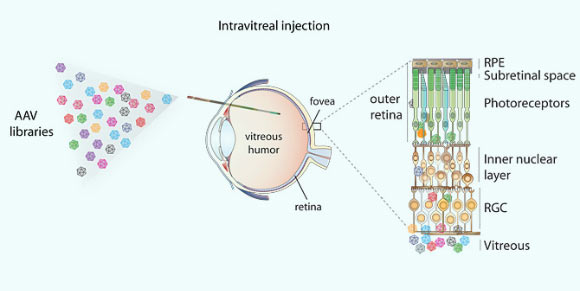
virus-sight1For the past six years, medical science has been using adeno-associated viruses (AAV) as part of a gene therapy treatment to correct inherited retinal degenerative disease. However, the process has always been seen as invasive, since it involves injected the AAVs directly into a person’s retina with a needle. What’s more, the rpocess has shown itself to be limited, in that the injected virus does not reach all the retinal cells that need repair.

But as Professor David Schaffer, the lead researcher on the project, stated in an interview with Science Translational Medicine:

[D]octors have no choice because none of the gene delivery viruses can travel all the way through the back of the eye to reach the photoreceptors – the light sensitive cells that need the therapeutic gene.

Building on this and many more years of research, Prof David Schaffer and his colleagues developed a new process where they generated around 100 million variants of AAV and then selected five that were effective in penetrating the retina. They then used the best of these, a strain known as 7m8, to transport genes to cure two types of hereditary blindness on a group of mice.

virus-sightIn each case, the engineered virus delivered the corrective gene to all areas of the retina and restored retinal cells nearly to normal. But more importantly, the virus’ ability to penetrate the retina on its own makes the process far less invasive, and will likely be far more cost-effective when adapted to humans. And the process is apparently very convenient:

[W]e have now created a virus that you just inject into the liquid vitreous humor inside the eye and it delivers genes to a very difficult-to-reach population of delicate cells in a way that is surgically non-invasive and safe. It’s a 15-minute procedure, and you can likely go home that day.

Naturally, clinical trials are still needed, but the results are encouraging and Professor Schaffer indicated that his team are busy at work, now collaborating with physicians to identify the patients most likely to benefit from this gene-delivery technique.

nanoparticles_miceNext up, there was the announcement back at the end of May that researchers from North Carolina State and University of North Carolina Chapel Hill had found yet another medical use for nanoparticles. In there case, this consisted of combating a major health concern, especially amongst young people today: diabetes.

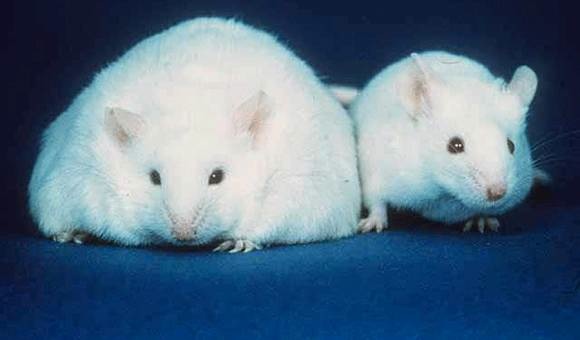
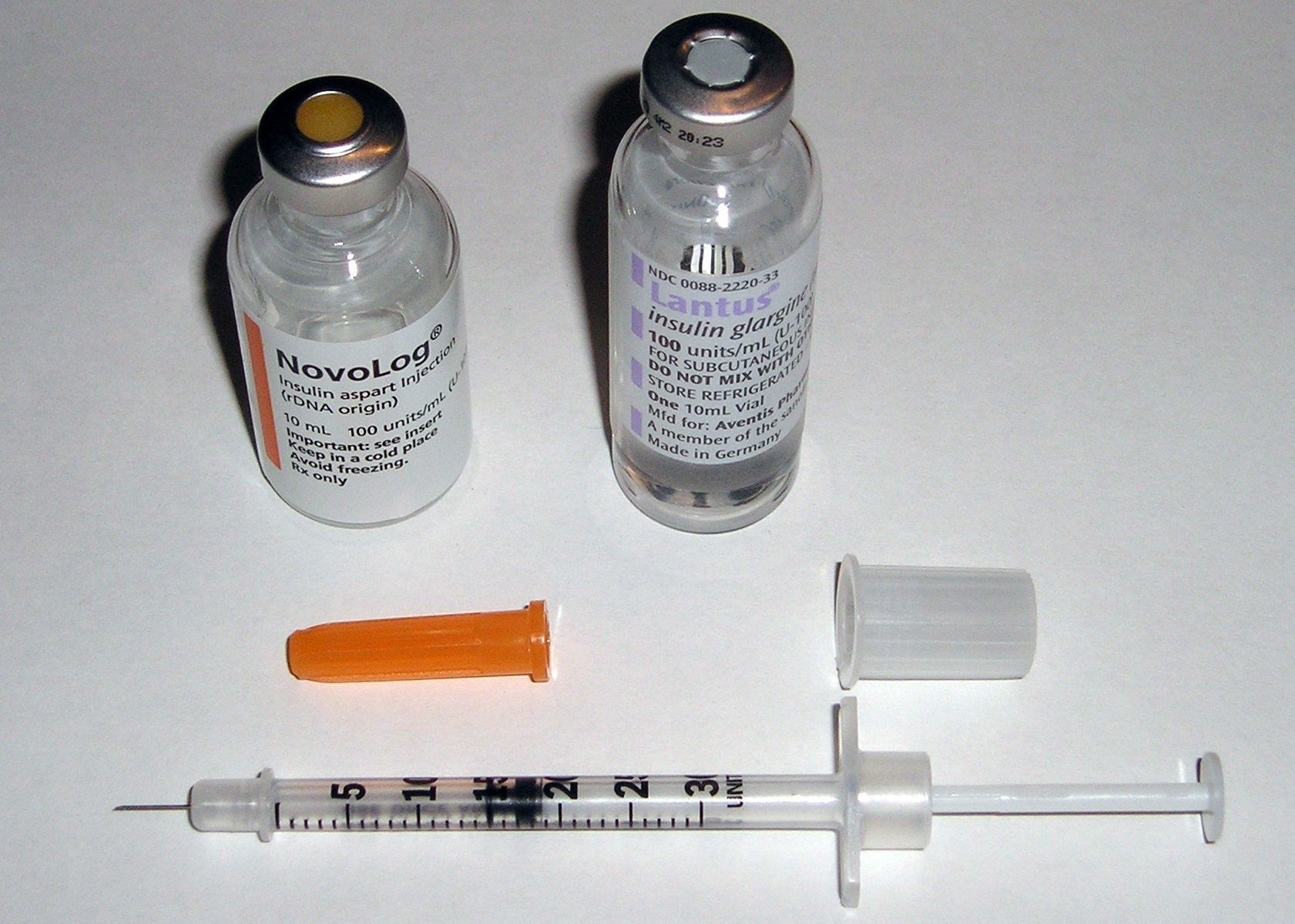
In a study that was published in the Journal of Agricultural and Food Chemistry, the collaborating teams indicated that their solution of nanoparticles was able to monitor blood sugar levels in a group of mice and released insulin when their sugar levels got too high. Based on the results, the researchers claim that their method will also work for human beings with type 1 diabetes.

image descriptionEach of the nanoparticles have a core of insulin that is contained with a degradable shell. When glucose levels in the blood reach high concentrations spike, the shell dissolves, releasing insulin and lowering the subject’s blood sugar. The degradable nano-network was shown to work in mice where a single injection kept blood glucose levels normal for a minimum of 10 days.

While the exact cause of this kind of diabetes is unknown, the effects certainly are. Patients living with this genetically-acquired form of the disease require several shots of insulin a day to keep their blood sugar levels under control. And even then, blindness, depression and even death can still result. What’s more, if the insulin shots are specifically calculated for the individual in question, side-effects can occur.

???????????????????????????????Hence the genius behind this new method. Not only would it relieve people who have type 1 diabetes from constantly injecting themselves, it would also remove the need to monitor their own blood sugar levels since the nanoparticles would be controlling them automatically.

In a study published recently in the Journal of Agricultural and Food Chemistry, Zhen Gu, lead author of the study claimed that the technology functions essentially the same as a pancreas. Hence another benefit of the new method, in that it could make pancreatic transplants – which are often necessary for patients with diabetes – unnecessary.

biocircuitsAnd last, but certainly not least, comes from the University of Illinois where John Rogers are developing a series of bio-absorbable electronic circuits that could help us win the war on drug-resistant bacteria. As part of a growing trend of biodegradable, flexible electronic circuits that operate wirelessly, fighting “superbugs” is just one application for this technology, but a very valuable one.

For some time now, bacteria that is resistant to antibiotics has been spreading, threatening to put the clock back 100 years to the time when routine, minor surgery was life-threatening. Some medical experts are warning that otherwise straightforward operations could soon become deadly unless new ways to fend off these infections are found. And though bacteria can evolve ways of evading chemical assaults, they are still vulnerable to direct assault.

electronics_dissolvingThis is how the new bio-absorbable circuits work: by heating up the virus. Each circuit is essentially a miniature electric heater that can be implanted into wounds and powered wirelessly to fry bacteria during healing before dissolving harmlessly into body fluids once their job is done. While this might sound dangerous, keep in mind that it takes only a relatively mild warming to kill bugs without causing discomfort or harm to surrounding tissues.

To fashion the circuits, Rogers and his colleagues used layers of utra-thin wafers and silk, material so thin that they disintegrate in water or body fluids or (in the case of silk) are known to dissolve anyway. For the metal parts, they used extra-thin films of magnesium, which is not only harmless but in fact an essential nutrient. For semiconductors, they used silicon membranes 300 nanometres thick, which also dissolve in water.

In addition to deterring bacteria, Rogers says that implantable, bio-absorbable RF electronics could be used to stimulate nerves for pain relief, and to stimulate bone re-growth, a process long proven to work when electrodes are placed on the skin or directly on the bone. Conceivably they could also be used to precisely control drug release from implanted reservoirs.

In other words, this is just the beginning. When it comes to the future of medicine, just about any barrier that was once considered impassable are suddenly looking quite porous…

Sources: sci-news.com, stm.sciencemag.org, singularityhub.com, bbc.com/future

News from Space: Opportunity’s 10th Birthday!

opportunity_bdayNASA’s Opportunity Rover is a special kind of vehicle. Not only did it set the record for longest distance driven on another world and discover the most compelling evidence for life on Mars thus far, it also surpassed its 90 day mission by a grand total of 3560 days, as of this past July 7th. In other words, the Opportunity Rover just celebrated its tenth anniversary, and people all over the world are marking the occasion by acknowledging the rover’s many contributions.

These include discovering the first meteorite found outside of Earth, a temperature profile of the Martian atmosphere, and uncovering a series tiny, iron-rich spheres known as “blueberries” that hinted at a time when Mars had water. In fact, Opportunity’s most important discovery may have come just last month.

Blueberries_eagleThis consisted of a rock that proves that Martian water was once drinkable, which in turn suggests strongly that life could once have thrived there. On top of that, it captured some amazing photos, long before Curiosity was sending back its hefty batch of panoramas. But of course, Opportunity had its share of trials and tribulations as well.

Foremost amongst these was the two months back in 2005 that it spent spent in a sand dune before its operators were able to wriggle it free centimeter by centimeter. And on the rover’s second day on Mars, it also experienced some shoulder joint problems, which proved to be the first of many, many mechanical problems.

Burns_cliffAnd yet, all of that seems worth it now. After being eclipsed by its larger, more recent arrival – the Curiosity Rover – Opportunity has battled back with its incredible longevity. Who’s to say how much longer the little rover that could will remain in operation? And who’s to say what it will uncover. At this rate, its doesn’t seem unlikely that it will beat its cousin to the punch of finding the Holy Grail – organic particles on Mars!

And be sure to enjoy this video look-back at Opportunity produced by Space.com:


Sources:
gizmodo.com, space.com

Video Breakdown of Atlas Shrugged

atlasshrugged71Some of you may recall how a few months back, I posted a video from Mr. Jack Collins that provided a breakdown of Ray Bradbury’s Fahrenheit 451. As it turns out, that video was just the tip of the iceberg for what he and others are doing over at Academic Earth, a website dedicated to media literacy and education in an age of evolving technology.

So far, I’ve found several items of interest, but this other video breakdown of another dystopian classic – Ayn Rand’s Atlas Shrugged – was especially eye-catching. Here, Collins breaks down the books plot, themes, characters and message with the same thoroughness and incisive commentary that he brought to Bradbury’s classic tale of a society base on censorship and mindless leisure.

whoisjohngaltOf note is how Rand’s philosophy of Objectivism – which combines individualism, freedom and self-interest – is unapologetically portrayed in this book. Having witnessed the horrors of Soviet Communism firsthand, she had a good deal to say about a society that promoted social equality at the expense of creativity, enterprise and personal merit. Rand’s book has often been criticized as “hateful” and the perfect example of class-antagonism, but to conservative thinkers and fans of dystopia alike, it remains a classic.

Years later, Atlas Shrugged remains a controversial story, due to its stern and at times vitriolic attack on what Rand saw as systems that promoted mediocrity in the name of “social justice”. In contrast to the idea that the wealthy have a social obligation to those less fortunate than themselves, Rand retorts by stating that those with wealth exist by their own merits and are essentially holding up the needy, poor, and working classes of society – a la Atlas.

By urging these people to “shrug” off this burden, Rand was rejecting the idea that the social classes owe each other anything and claimed that society would be made better by enshrining the ideal of self-interest and unfettered rewards for individual effort. And as Mr. Collins notes, by story’s end, it was… for some people.

In short, there’s a reason people like Glenn Beck, Michelle Malkin, Sean Hannity and Rupert Murdoch love this book and its author. Nothing says “go capitalism” or promotes Cold War-era ideology like a Russian emigre who thinks that the free market is the pinnacle of civilization and things like charity, welfare, and social assistance are crutches that need to be kicked out. I’m biased, I know. But then again, so was Rand…

And as usual, I’m looking forward to using this somewhere down the line, should this book ever appear on my student’s reading list. Check out the full video at the link below:

academicearth.org/electives/tldr-atlas-shrugged/

The Future is Here: The Smog-Eating Building

pollution_eatingbuildingFor many years now, urban planners and architects have been looking for ways to merge the concept of carbon capture and building designs to combat airborne pollutions in cities. With global temperatures climbing, CO2 levels reaching 400 parts per million in the upper atmosphere, urban air quality indexes as high as 700, and the ensuing health problems that come with it, its clear something must be done.

Mexico City is no stranger to air pollution, being one of the most heavily and densely populated cities in the world. According to researchers from the University of Salzburg, Mexico City has high concentrations of nearly every major harmful airborne pollutant – including sulfur dioxide, nitrogen oxides and carbon monoxide – but by far the worst problem is the massive cloud of smog that hangs over it almost every day.

pollution_eating2Little wonder then why the Berlin-based design firm Elegant Embellishments was hired to create the cities first pollution-eating edifice. Known as the Torre de Especialidades, a tower which surrounds an existing hospital, the building is shielded with a facade of Prosolve370e, a new type of tile whose special shape and chemical coating can help neutralize the chemicals that compose smog.

Impressively, the 100m facade removes enough smog to compensate for the emissions of 8,750 cars driving a day. And the process is both simple and twofold: the paint applied to the tiles is made from titanium dioxide, a pigment used to make things like sunscreen white that happens to double as a catalyst in certain chemical reactions. When UV light cuts through smoggy air and hits the titanium dioxide on the tiles, a chemical reaction occurs between the tiles and chemicals in the smog – like mono-nitrogen oxides.

pollution_eating1The end result of the reaction is that the smog is broken down into small amounts of less noxious chemicals, including calcium nitrate (a salt used in fertilizers), carbon dioxide, and water. The titanium dioxide itself remains unaffected, so it can keep making reactions happen. But beyond the chemical process is the design itself, which is especially important.

As Elegant Embellishments co-founder Allison Dring explains:

The shapes slow wind speeds and create turbulence, for better distribution of pollutants across the active surfaces. The omni-directionality of the quasicrystalline geometry is especially suitable to catch things from all directions.

So, the shape of the tile scatters more light and collects more pollutants, which means more chemical reactions. But they’re also beautiful, a strategic decision by Elegant Embellishments to attach the technology the an aesthetic that is immediately evident and accessible to the public. In addition to doing something about the problem, explains Dring, the design acts as a beacon for change.

Source: fastcoexist.com, prosolve.elegantembellishments.net

GOT gets the Simpson’s Treatment

got_simpsonsYou know a TV show has made it big when someone decides to go ahead and render its characters as Simpson caricatures. And now it seems that Game of Thrones has made that list! Created by artist Adrien Noterdaem for the Draw the Simpsons Tumblr, this latest GOT mashup is making the rounds on the internet and proving quite popular.

In addition to applying some several key character features to the GOT cast – such as Tywin Lannister having Mr. Burns signature beak and evil finger tent – you have Tyrion looking like a Bart Simpson knock-off (young and mischievous-eyed), Samwell’s pudgy frame reminding one of Chief Wiggum, and Daenery’s face looking very similar to Lisa. And is it me, or does Sandor’s face remind you of Homer Simpson?

GOT_simpsons1And just to add a little extra ba-zinga to this parody, Adrien also provided an artists renditions of Mr. George RR Martin himself. The authors pudgy, furry frame is already well known to fans of the novels and miniseries, and it would be just wrong if he didn’t get to stand in here with his creations.

Hope this and other bits of fan-made paraphernalia keep people entertained until the season 4 comes out. No word yet on when that will be, but I’m sure we can expected another looooong wait!

Source: IO9