
Insanity: doing the same thing over and over again and expecting different results.
-Albert Einstein
His hand trembled as soon as the pen touched the paper. He had noticed the tremors as soon as he awoke, but somehow, committing to the act seemed to make it worse. He took a deep breath and pressed the pen’s tip to the paper harder, hoping the added pressure would steady it. But it still found enough room to wiggle on him, creating a small, indented scribble on the page. Removing it, he dropped the pen in his lap and began scratching at the skin on his left arm. At moments like this, the itching and phantom sensations became worse, and the sight of the prosthetic mounted at the end of it didn’t help.
He grunted as he scratched, trying to vent the frustration. How unacceptable was it that he couldn’t even start this simplest of tasks? Of all the things he had witnessed in recent years, all the things he had been forced to endure, was he really going to be defeated by the simple act of keeping a journal? It seemed stupid to keep one as it was, but somehow, he felt he owed it to Andrews to record the many things he could not convey to him directly anymore.
Grabbing the pen again, he put it to the pad and quickly began writing…
Andrews said I should keep a log, so I’m starting now…
That seemed about as good a place as any to begin, a simple admission of what he was doing. A statement of purpose, which required very little thought or planning. Writing the next line proved equally difficult though. Once he had stated the obvious, it was hard to know what to say next. Looking around him, he chose something equally obvious – the days itinerary:
Sitting in formation, outside Espanola, waiting on the command to move out. We’re clearing the town at last. Plenty of talk about the Whiskeys that still remain there. Some people think we might even find some enemy survivors, the leftovers from when those bastards attacked us. Hoping to find some of our own too. People got left behind when we pulled out, wasn’t good. But we were in a mess after that firefight with our own troops. It was fucked. Looking forward to getting some answers on that soon…
He took a deep breath. The words had begun to flow, but he felt as though he were getting the slightest bit off topic. And his fingers were shaking again. The purpose of this journal was to catalog what he and Andrews used to talk about, not to document their units maneuvers. If he had wanted to do that, he would apply for officer training.
Grinding his teeth, he put the pen back to the pad and did his best to get the words out.
Dreamed about Amanda and Iina again. They were alive. We were out about town, the sun was shining. was carrying her in that chest pouch she had. She was smiling at me, they both were. Laughing too. I can remember what it sounds like when I sleep. Too hard to remember when I’m awake. It was wonderful.
He paused again. His fingers were no longer trembling so much, but he felt a terrible sensation welling up inside him. He was poised on the edge of it now, and it felt like the act might overwhelm and crush him. But he had to finish the entry. He owed Andrews that much, and if he couldn’t write it out, he could at least sum it up succinctly:
Didn’t end well. Never does.
He clicked the pen shut and tossed it against the dashboard. He heard a small rustling in the back too, the sound of Majorca shifting in his sleeping bag. Caught between anger and fear of waking his people up, he sighed heavily and just sat there. Once more, it seemed, he had the hit the wall and couldn’t get past it. Every time he tried, it proved to be too much and he had to pull back, leaving him with the sense that he had failed horribly.
In truth, the entire exercise seemed quite pointless and stupid. What good was it to write about these things, the pictures in his head that kept him up at night and haunted the little sleep he did managed to get? The dreams were always the same. The reality was always the same. They were dead and it was his fault. No amount of talking about it had shaken that conclusion, and being told otherwise never seemed to change it. So why bother with it?
In the end, the only thing that ever seemed to work was to just wait for it to pass. Wait for morning to come, the sun to rise, and the darkness to retreat back inside. Clench his fist until the tremors subsided, and get on with the day. Granted, he knew that next night would be the same, that no amount of exhaustion, liquor or drugs would make it any different.
And sooner or later, he knew he’d be joining them, and that’s what mattered. Eventually, the exhaustion would end, the pain would stop. He would no longer be able to keep moving and would surrender to the darkness. And on the other side of that… who knew? Maybe he would see Amanda and Iina again, maybe not.
That thought always gave him pause. Was it bad that he was thinking that death might prove to be a release? Did that mean that he was somehow hoping for it, or even willing to make it happen?
Can’t be, he thought, shaking his head. He had had enough brushes with death of late to know that it was the last thing he wanted. No matter how hard being awake proved to be, there really seemed to be no part of him that wanted to lay down and die. Not now. Not anytime soon.
Drawing what little comfort he could from that, Dezba looked to the far horizon and noted how the sun was beginning to break there. With his plans to spend some time writing thwarted, he made up to his mind to get out and go for a walk. In no time at all, the entire Battalion would be awake, and he would be forced to contend with another day. Might as well enjoy the cool morning while it was still there.
Grabbing hold of his M4, he checked the chamber and made sure the safety was on. He then carefully opened the cabin door and slid out, putting his boots to the ground and stretching his back. Turning around, he carefully closed the door and stepped back to take a look at his squad’s temporary quarters.
In the back seat, Majorca was still lying against the seat and in his sleeping bag, snoring quietly. Underneath, Whitman had the choice position, sleeping next to a soft, cool patch of earth, his bag enveloping him and keeping him warm. That left Morris and Batista leaning up against the passenger side wheels. Their bags were done up especially tight but were open at the top, keeping out the night-time chills but leaving their faces cool and exposed.
He smiled as he watched them, their faces looking perfectly at peace. Their weapons were where they could get at them in a hurry, if need be. But they really didn’t look too worried about that at the moment. Wherever they were right now, nothing was pursuing them. Nothing was menacing the ones they loved, turning them into monsters, and forcing them to deal with it.
He looked next to the surrounding field, which was slowly being lit up by the advance of daylight. Arranged in a semi-circular fashion, the other vehicles of 1st Platoon sat and waited. In each, or arranged around them at each wheel, their men and women in uniform slept and waited. Here and there, others walked the line and maintained watch, keeping an eye while the others slept. These were the unlucky bastards who had drawn sentry duty for the early morning, the loneliest time of all…
Beyond their platoon, several more vehicular formations were arranged in the same fashion, their crews still asleep until their NCOs and officers roused them. He knew that if he were to get on top of his squad’s Humvee to get a better vantage point, the formations would stretch on for some distance. On high, all the bodies, all the Humvees, and all the armored vehicles and tanks – hell, the entire strength of 2nd Battalion – would be visible to him.
And yet, it was enough to know they were all there. Being in front wasn’t so bad when you knew you had so many behind you. Even if their numbers had thinned since the last time they had assembled like this, even if they were short several important souls, he still drew some relief knowing that what remained of them was all here. It was such that his nerves began to feel calm for a change, and he even considered slipping back into the cabin to get in a few more winks.
“Hmm… Sarge?”
Dezba turned suddenly to the source of the noise and saw Majorca looking at him from the back seat. He noted the look of sudden fear and the way his hands were slowly going up.
“What is it, Corporal?”
“Just… saw you… standing there, sir,” he said, hesitantly. “Why are you pointing that at me?”
Dezba looked down at his M4, which was currently trained on the back door of the Humvee. He quickly slung it behind his back and raised his hand contritely.
“Sorry… you kind of spooked me there.”
“Alright…” Majorca nodded and slowly lowered his hands. “Hope the safety was on.”
“Yeah!” Dezba said, quickly and with a small chuckle.
Slowly, Majorca began to sit up and unzip himself from the bag. Beneath his window, Morris was beginning to come alive too, their conversation having clearly disturbed him. The reaction was spreading to the others as well, with Whitman poking his head out from under the vehicle and Batista rolling over on the ground.
“Shit, what time is it?” asked Whitman.
Dezba checked his watch. “Just shy of oh-four-thirty, Private,” he said. “We should pack up and get ready. We move at oh-five-hundred. The Lieutenant’s likely to be coming around soon.”
Whitman groaned, as did Morris and Majorca. Batista resisting complaining, but was making noises the moment he got to his feet. Slowly, they went about the very tired process of getting their weapons and loading up the Humvee. It wasn’t long before the obvious complaints began to flow.
“Gonna be nice sleeping on a real bed soon. Can’t tell you how sick I am of sleeping in this shit can.”
Whitman scoffed at Morris’ comment. “Yeah, bitch some more, replacement. I was sleeping in this ‘shit can’ when you guys were still a bunch of pussy-whipped civies.”
“What are you trying to say, Billy? That it’s my fault this piece of shit doesn’t have a fold out cot or reclining chairs?”
Majorca was just finished packing his bag up and intervened. “I believe what the Private is trying to say is that this vehicle is his pride and joy. One learns to love this thing and find comfort where one can.”
“‘One’ sounds like he’s full of shit…” replied Morris. Finished with their bags, Majorca and Morris tossed them into the back of the vehicle while Whitman made his way to the driver’s seat. On top, Batista was already busying himself with the .50 cal, applying the lube to the gears and cocking it a few times over to make sure it was running smoothly.
Dezba felt another wave of relief pass over him. Seeing his grunts at work, making such an easy go of their pre-combat prep… Somehow, this made him feel at ease too, which was strange. If he were to stop and think about it for a moment, he might have considered how that expertise had been earned: through countless hours of chaotic engagement.
And now, they were about to get into yet another one. And if they all came out alive, he could assume that this expertise would be enhanced ever further. Dezba surely would have found such thoughts depressing, had he taken the time to think about it. Luckily, he didn’t.
The noise of approaching footsteps caught his attention and he turned to see Rollins approaching them. Clearly, he and his squad weren’t the only ones making an early morning of things. Snapping his heels together automatically, he called to the rest of them to let them know.
“Look alive, grunts. Lieutenant Rollins on approach!”
Everyone ceased what they doing and came about, standing erect and bringing their boots together snapping out salutes. Dezba slung his weapon to his side again and snapped out one as well, receiving one back as soon as she was within spitting distance.
“At ease, squad. Just wanted to see how you boys are doing on this beautiful morning.”
“Alive and well, ma’am,” said Dezba. “Just getting suited up.”
“Well, don’t be in too much of a hurry. Officers have morning brief in five mikes, which means you can expect a platoon brief in about twenty.”
Dezba frowned. “Ah, we expecting changes to the ROE, sir?”
Rollins shrugged. “Not sure. Word is the General got some new intel on the town. Could be big, could be nothing. Won’t know until they tell us.”
Dezba nodded and tried not to think about the implications. Any changes to their plan of attack at this point likely meant that Command wasn’t too confident about finding survivors inside the town. There were few other reasons to hold a briefing at this point, short of the entire op being scrapped.
In the end, Rollins smiled and patted him on the shoulder. “Don’t worry, I’ll be sure to pass on whatever they tell me. In the meantime, smoke em if you got em.”
Dezba nodded and snapped out a parting salute. Rollins returned it and turned to leave without another word. Meanwhile, Dezba went back to watching over his squad while they finished their prep.
“I don’t get it,” said Batista, still working on the guns gears.
“Don’t get what?” asked Majorca.
“Well, we all know Braun was railroaded because he disobeyed orders, right? But why the hell do we get that jagoff?”
“Yeah,” agreed Morris. “Why the hell couldn’t Haynes just promote from within? This platoon’s got plenty of non-coms with more combat experience than that guy.”
“It’s because those same people disobeyed orders with him,” said Majorca. “They all signed off on the LT’s decision. We all did, and getting stuck with a green officer is our penance.”
“Stow it, squad,” said Dezba. “Who’s in charge is not our call.”
“C’mon, Sarge. You telling me you’re not bitter you didn’t get the top spot?”
Dezba glared at Whitman angrily and pointed to the Humvee. Whitman nodded and climbed back inside, checking the radio and navigation console. While he did that, Morris and Marjoca began checking their supplies of ammunition, grenades, and flash bangs, packing some in their pouches and distributing them to Batista and Whitman.
“One other thing I don’t get,” said Morris. “How come Saunders didn’t get the axe too?”
“What are you talking about?” asked Majorca.
“I mean, half the reason the LT got booted was because he was fucking her right? How come Haynes didn’t kill her carreer when he had the chance?”
The words were barely out of Morris’s mouth before the sound of a door slamming caught his attention. Next thing he knew, he was spun around and standing face to face with a particularly pissed off Whitman.
“That woman saved the fucking LT’s life, you prick, not to mention the Sarge’s here and just about everybody else in this fucking squad.”
Morris looked about ready to say something defensive, but Majorca was quickly spun him the other way and began adding his own thoughts to the discussion.
“And in case you haven’t noticed, Private, we don’t exactly have a surplus of combat veterans around here. Case in point, we got fucks like you stepping in when we lose our own. So why don’t you keep your goddamned opinions to yourself?”
Morris quickly nodded and dropped his gaze to his boots. He might have said something equally harsh too, had the others not beaten him too it. But he had an obligation as their NCO to step in at this point.
“Gents, calm your asses down. We got a job to do and we don’t need to fighting over rumors and personal issues right now.”
“Yes, sir,” said Majorca. Whitman echoed the words.
“Private?” he said to Morris, who nodded again and muttered out an affirmative. Quickly, they all went back to getting themselves and their vehicle ready and did not say a further word. This left Dezba alone to contemplate the things he could not speak about, but was nonetheless wondering.
Like just how fucked it was that Braun was no longer leading their platoon. Or how much it really did affect him, knowing that the man he had known and trusted for so long wasn’t be with them on this next offensive. But such thoughts had a way of breeding doubt, and doubts led to hesitation. None of which could be permitted right now.
Such things would have to wait until after they had retaken Espanola, and confirmed that at least of the townspeople they had left to their fate many weeks ago were still alive somewhere. At that point, assuming they weren’t in the thick of yet another fight, there would be plenty of time to bemoan and talk about all the things that had befallen them since that fateful day. The day they had gone from fighting the undead hordes and began fighting their own as well…
Checking his watch again, Dezba turned to head off. Majorca noticed and called to him.
“Sarge? Where are you off to?”
“Piss call, gentlemen. Recommend you do the same. We’re not likely to get another chance anytime soon.”


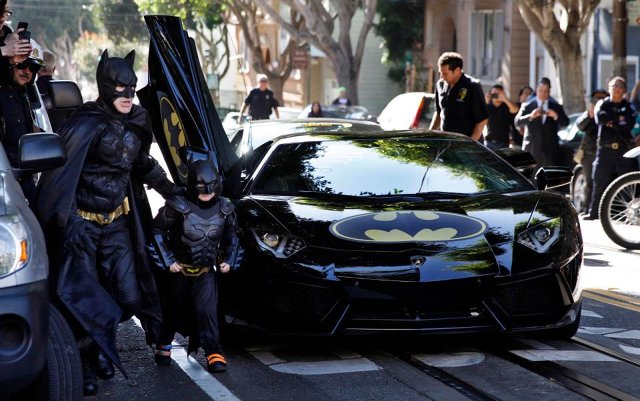

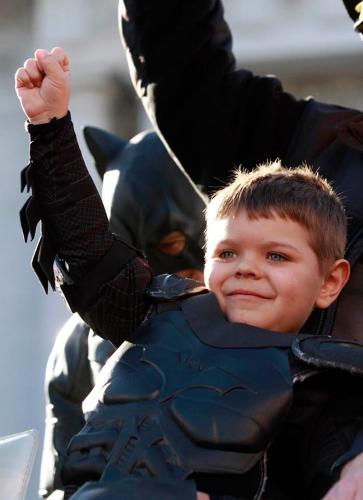 The three-act story will start with a focus on Scott and his experiences, segueing into the lead-up to the event itself as it went viral and everyone scrambled to keep up with the momentum. The third act will focus on the event itself, which involved Miles rescuing a damsel in distress from the train tracks, stopping the Penguin from kidnapping the San Francisco Giants seal mascot, and getting the key to the city from the mayor.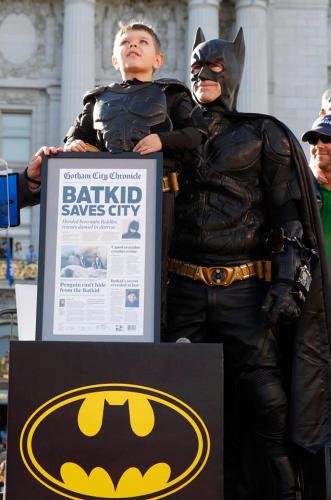


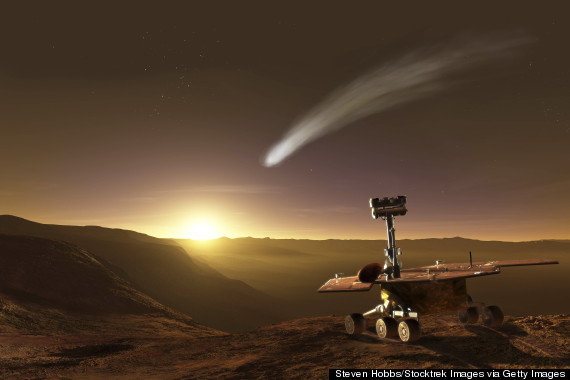 As for the rovers on the surface, there really isn’t much to worry about there. Similar to what happens with meteor showers here on Earth, Mars’ atmosphere is thick enough that cometary dust particles will incinerate before they reach the surface. And its expected that rover cameras may be used to photograph the comet before the flyby and to capture meteors during the comet’s closest approach.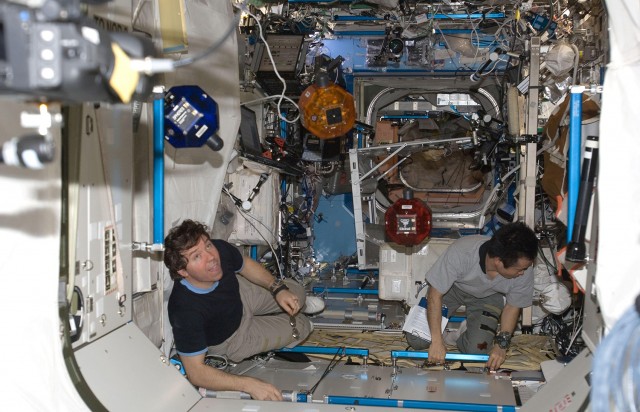

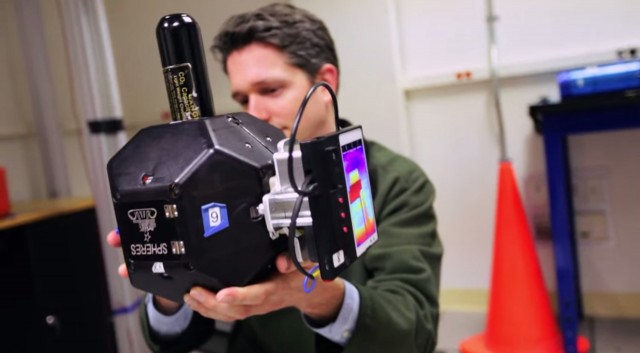 In true science fiction fashion, the SPHERES project began in 2000 after MIT professor David W. Miller was inspired by the “Star Wars” scene where Luke Skywalker is being trained in handling a lightsaber by a small flying robot. Miller asked his students to create a similar robot for the aerospace Industry. Their creations were then sent to the ISS in 2006, where they have been ever since.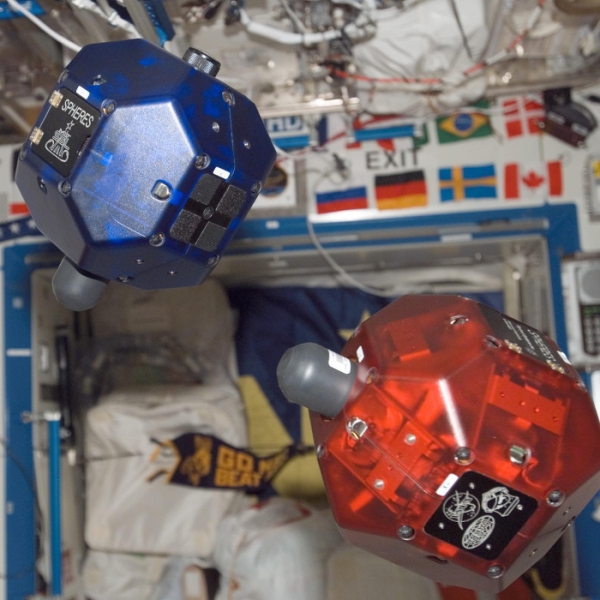
 The explosion in computing and personal devices in recent years has led to a world where we are constantly surrounded by displays. Whether they belong to personal computers, laptops, smartphones, LCDs, PDAs, or MP3 players, there is no shortage to the amount of screens we can consult. In turn, this proliferation has led computer scientists and engineers to address a number of imperfections these displays have.
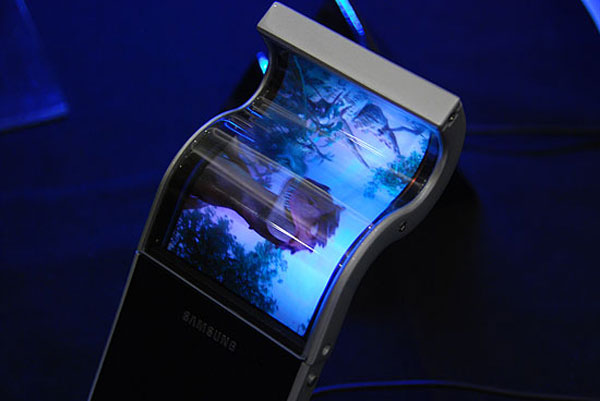 The first examples of this concept were rolled out at the 2011 Consumer Electronics Show, where Samsung unveiled its revolutionary new
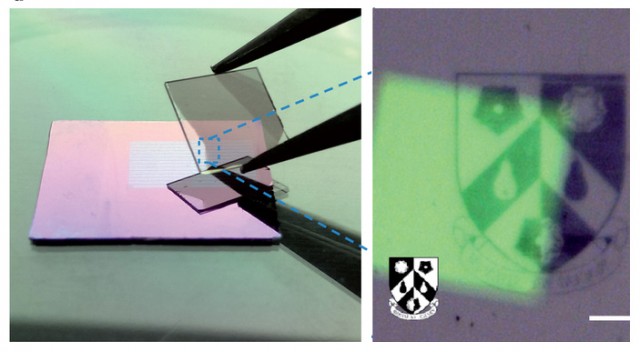
 To make the new displays, the research team – led by Harish Bhaskaran, a nanoscale manufacturing expert from Oxford University – used a 35-year-old machine developed by the semiconductor industry. They then laid down three layers that were a few nanometers thick of conducting glass, GST, and another layer of conducting glass. Then they used current from the tip of an atomic force microscope to draw pictures on the surface.
 Turning this technology into products will require years of labor and hundreds of millions of dollars. Nevertheless, Bhaskaran and his colleagues are optimistic. The electronics industry has lots of experience with all the components, so there are plenty of well-known tricks to try to improve this first draft. And they are hardly alone in their efforts to bring flexible displays to market.
 As In-Byung Kang, Senior Vice President and Head of the R&D Center at LG Display, explained:

 I’ve been waiting for the good folks over at Comedy Junkies to mock the release of this movie. No disrespect to the fans of the series, but is this not the exact same concept as The Hunger Games? And was that not the exact same concept as Battle Royale? And is this latest adaptation not just a completely transparent attempt to keep cashing in on the current wave of YA dystopian fandom?
