Work Begins on Successor to Large Hadron Collider

CERN_upgradeIn 2012, scientists working for the CERN laboratory in Switzerland announced the discovery of the Higgs Boson. After confirming this momentous discovery, CERN scientists indicated in April of 2013 that the Large Hadron Collider was being taken offline in order to upgrade its instruments for the next great project in its ongoing goal of studying the universe. And this past February, work began in earnest on planning for the LHC’s successor.

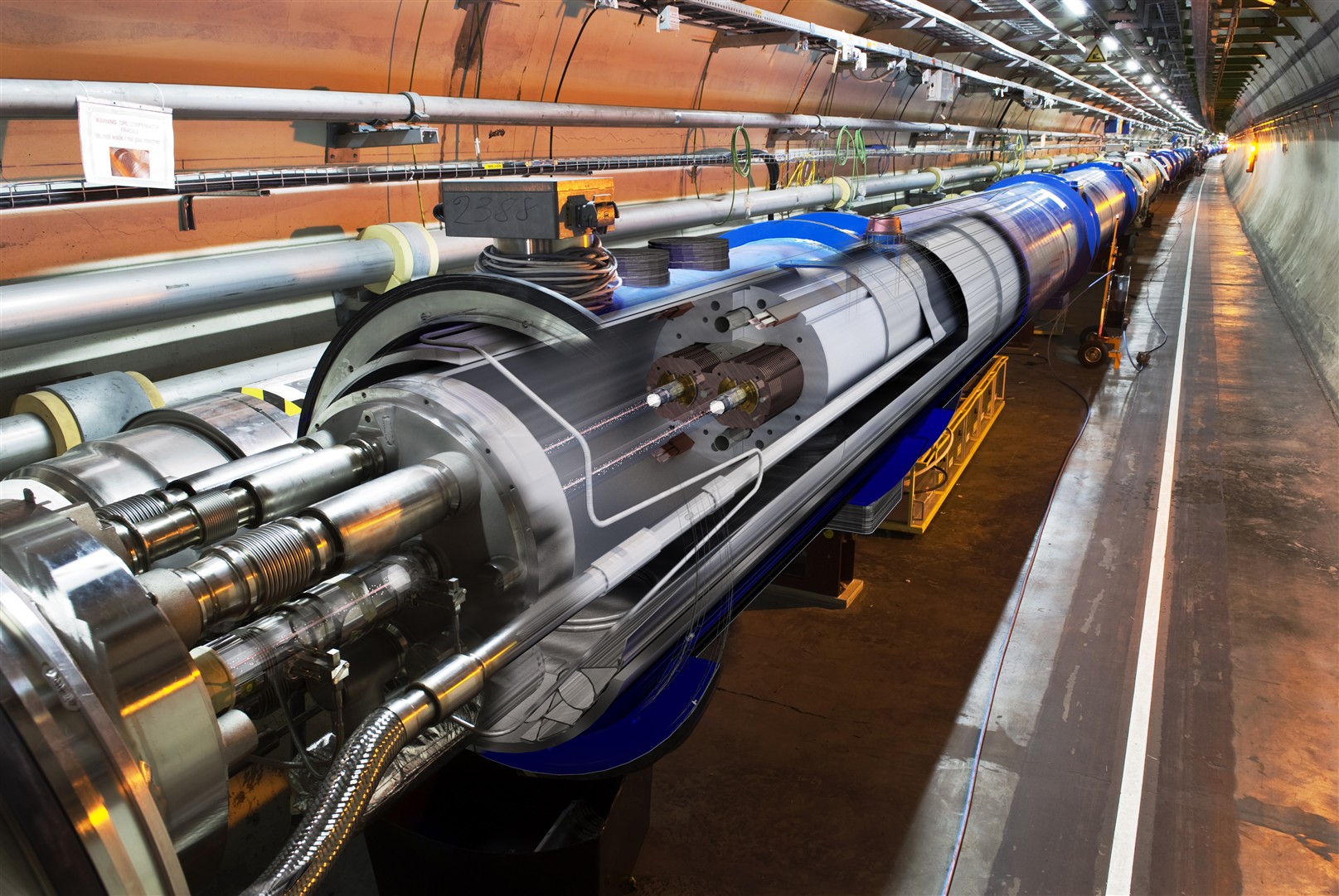
This massive new marvel of scientific instrumentation, which has been dubbed the “Very Large Hadron Collider”, will measure some 96 km (60 mile) in length – four times as long as its predecessor – and smash protons together with a collision energy of 100 teraelectronvolts (which is 14 times the LHC’s current energy). All of this will be dedicated to answering the questions that the first-time detection of the Higgs Boson raised.

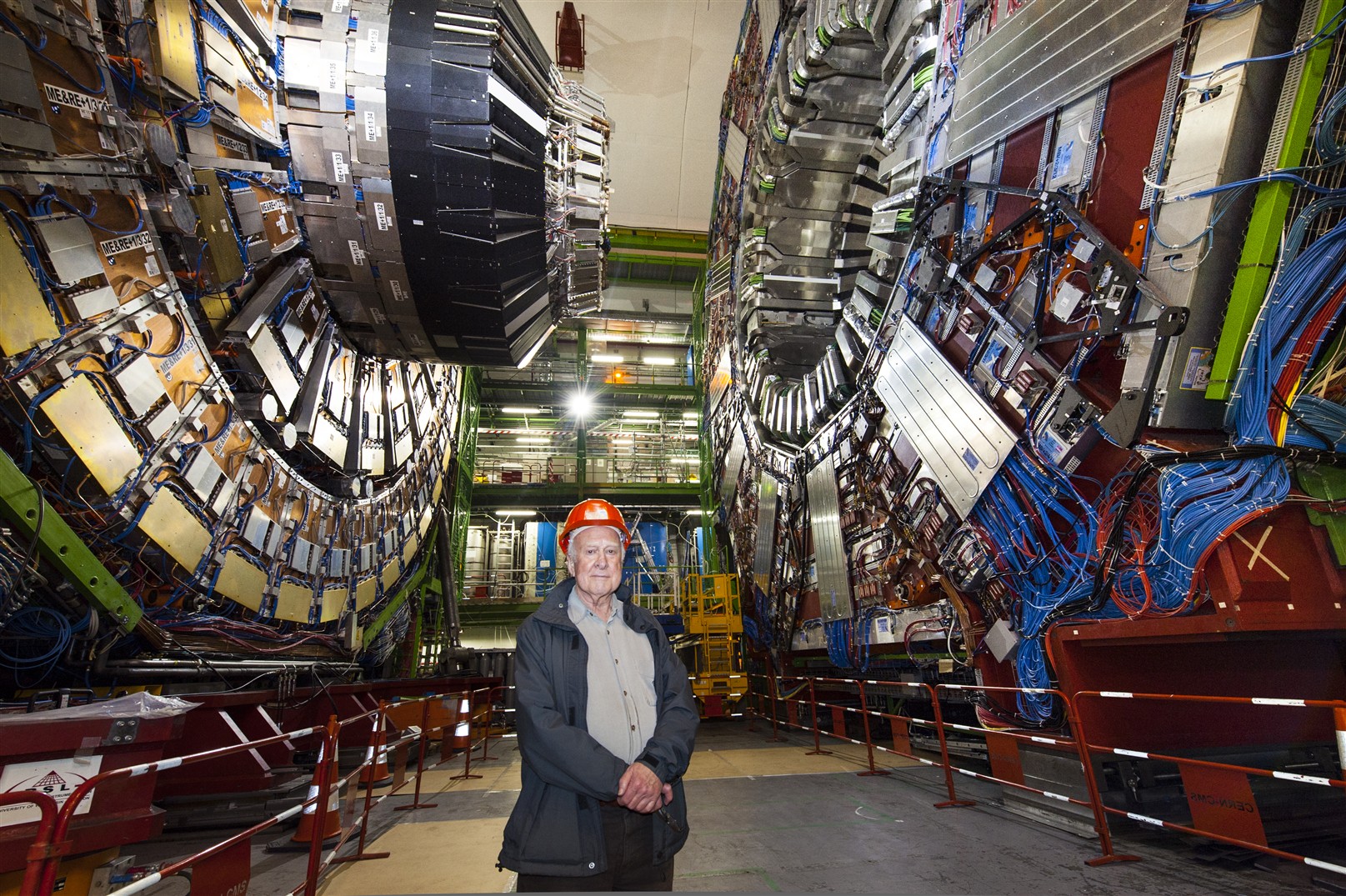
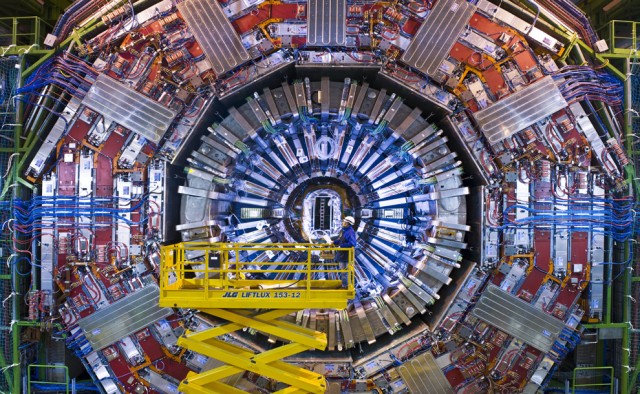
Peter Higgs (who proposed the Higgs boson), hanging out at LHC’s CMS detector

While this discovery was a watershed moment, its existence poses more questions than it answers; and those answers probably can’t be answered by the LHC. Thus, to keep high-energy physics moving forward, the international team of scientists at CERN knew they needed something more accurate and powerful. And while the LHC is slated to remain in operation until 2035, it is the VLHC that will addressing the question of how the Higgs get’s its mass.

Basically, while the discovery of the Higgs Boson did prove that the Standard Model of particle physics is correct, it raised some interesting possibilities. For one, it suggests that particles do indeed gain their mass by interacting with a pervasive, ubiquitous Higgs field. Another possibility is that the Higgs boson gains its heaviness through supersymmetry — a theory that proposes that there’s a second, “superpartner” particle coupled to each and every Higgs boson.

CERN_LHCScientists have not yet observed any of these superpartners, and to discover them, a stronger collider will be necessary. It is hoped that, when the LHC powers up to 14 TeV by the end of 2014, its scientists will discover some signs of supersymmetry. This will, in turn, inform the creation of the LHC’s successor, which still remains a work in progress. And at this point, there are two groups presenting options for what the future of the VLHC will be.

One group consists of Michael Peskin and a research group from the SLAC accelerator in California, who presented an early VLHC concept to the US government back in November. This past February, CERN itself convened the Future Circular Collider study at the University of Geneva. In both cases, the plan calls for a 80-100km (50-62mi) circular accelerator with a collision energy of around 100 TeV.

large_hadron_colliderAs the name “Very Large Hadron Collider” implies, the plans are essentially talking about the same basic build and functionality as the LHC — just with longer tunnels and stronger magnets. The expected cost for either collider is around $10 billion. No telling which candidate will be built, but CERN has said that if it builds the successor, excavation will probably begin in the 2020s, so that it’s completed before the LHC is retired in 2035.

In the shorter term, the International Linear Collider, a 31-kilometer-long (19.2 mile) particle accelerator, is already set for construction and is expected to be completed in or around 2026. The purpose of this device will be to conduct further tests involving the Higgs Boson, as well as to smash electrons together instead of protons in order to investigate the existence of dark energy and multiple dimensions.

center_universe2The future of high-energy physics is bright indeed, and with all this research into the deeper mysteries of the universe, we can expect it to become a much more interesting place, rather than less of one. After all, investigating theories does not dispel the mystery of it all, it only lets you know where and how they fell short. And in most cases, it only confirms that this thing we know of as reality is beyond what we previously imagined.

Sources: extremetech.com, indico.cern.ch

The Future is Here: Pure LiFi Wireless Internet

lifi_internet1It’s known as “Light Fidelity”, a new form of wireless data transmission that does away with radio signals in favor of optics. And much like the concept of an optic computer – which uses photons to transfer and store information rather than electrons – it’s long been considered as the next possible leap in internet technology. Hence why it was being demonstrated at this year’s Mobile World Congress – the world’s largest exhibition for members of the mobile phone, internet and IT industry.

Despite its monumental growth in the last decade, Wi-Fi remains somewhat hindered by the fact that it relies on microwaves in the 2.4 GHz and 5 GHz bands, a radio spectrum which is limited. LiFi, however, relies on the transmission of light and could be deployed in everyday LED bulbs, covering the entire interior of a home or office. These LED bulbs would send information out in what appears to be a constant stream of light, but which is actually made up of millions of micropulses a second.

Mobile-World-Congress-MWC-PreviewA system based on this would be capable of transferring far larger bundles of data than one based on microwaves. The system that was on display at MWC this year ran at 150 Mbps. But with a more powerful LED light, it could conceivably reach a rate of transfer equal to 3.5 gigabytes per second. That’s 210 gigabytes a minute, and 12.6 terabytes (that 12 and a half trillion bytes, people!) every hour, far in advance of what current WiFi offers (which maxes out at 450 mbps).

To put that in perspective, as of March 2014, the US Library of Congress estimated that their web had cataloged 525 terabytes of web archive data, with an addition 5 terabytes added every month. This means that a LiFi connection running at full capacity transfers in one hour what the Library of Congress processes in over two months! In short, the widespread use of LiFi would mean an explosion in information the likes of which has not been seen since the internet first went online.

Pure_LiFi_MWC2014Granted, there are still some limitations, like how any computer running off of LiFi needs a special adapted, and interrupting the light source will cause information transfers to cease. And I can’t help but wonder what micropulsing lights will do for people with epilepsy, not to mention the rest of us. However, such concerns are likely to be addressed long before LiFi sees any adoption on a grand scale, which is likely still a decade away at this point.

This year, the MWC conference took place in Barcelona, a place committed to the concept of the Internet of Everything (IoE) and the building of the world’s first truly “smart city”. In the coming months and years, I anticipate that this Spanish haven for technological innovation and integration will feature plenty of LiFi. So if you’re traveling there, you might want to look into getting an adapter for your laptop.

And in the meantime, enjoy this video – courtest of CNET First Look – that takes a look at this year’s LiFi demonstration at MWC 2014:


Sources:
news.cnet.com, loc.gov

New Anthology Sample: Arrivals!

dome_cityI told you it’s been a busy time for the Yuva anthology, and not just for my venerable colleagues. In my case as well, I’ve made some headway on the short story Arrivals and thought it was time to share! For the last few samples, the story was focused on the goings-on of the Planetary Council once they had learned that a new convoy of ships was approaching the planet. As always, there were hard questions, fears and agendas at play.

For this part, I have chosen to shift the focus back to the person who noticed the new convoy of colonists (aka. the Second Wave) coming in the first place – Marcellin Strauss, a simple technician who toiled in anonymity prior to the detection of the approaching convoy that set everything on the planet in motion. Now, he finds himself being sought out by the Planetary Council, and told to report to strange location for reasons that are not shared. Hope you like the sampling, and stay tuned for more!

_____

Asteria Research Facility
Zarmina, Vogt

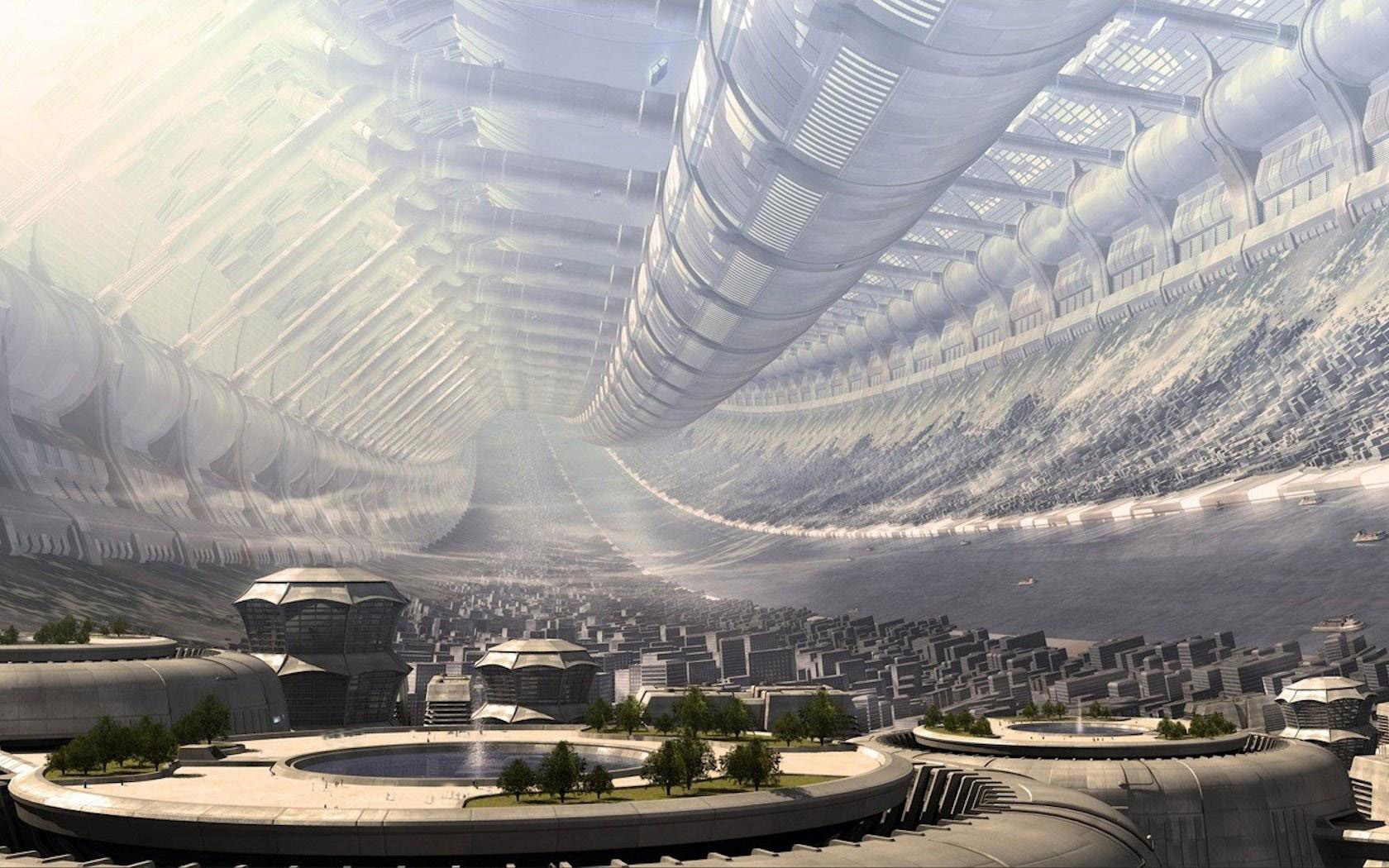
It was like looking at a still frame in some futuristic SenSim. The building had the appearance of a mushroom, an off-white, ground-hugging thing with just the slightest overhanging edges. And yet, its dimensions seemed unnaturally large for the setting, far bigger than anything he’d seen in an auxiliary dome, which this place certainly appeared to be.

As he disembarked from the transit car, Strauss consulted his Tab to make sure he was in the right place. The Council’s message had been somewhat short on explanations, but the directions had been quite precise. The private line he had taken to get here had deposited him at a stop just over a hundred meters away, and every building and laneway that sat between him and the mushroom cap seemed awfully quiet. As he looked around the expanse of the small dome, he got the strange feeling that he was very much alone… and being watched.

“Welcome resident! How may I assist you?”

Strauss almost jumped. He turned quickly to the right and noticed the transit chest sitting there. As always, this consisted of a squat red box with a tall display stand at the side. On the display screen, the words it had just uttered were displayed prominently; the happy, iconic face of Magid Mukhtari smiling as it repeated them.

“Welcome resident! How may I assist you?”

“I, uh…” he replied dumbfoundedly, and looked back in the direction of the far building.

“Will you be requiring personal transit on this trip?” the voice asked, suggesting the most obvious option. He considered the distance between him and his destination and judged that it was not an unreasonable suggestion.

“I guess so,” he said, and placed his Tab on his chest.

“Very good, sir. Please return the vehicle to one of several designated transit boxes on your journey when you are finished with it.”

The door on the box opened and a ground car presented itself to him. Stepping onto the foot rest, he placed his hands on the control ring and felt the car power up. The terminal in the middle came online and the face of Muhktari was there as well, giving him a quick tutorial.

“Just place your feet on the acceleration pads located at the front of the footrest to-”

Strauss didn’t bother to wait for it to finish. He had had enough experience driving himself around to know how the capitol cars worked. The face of the screen laughed as he took off, putting distance between himself and the stop.

“Whoa! I see you’ve done this before! Please exercise caution when driving amongst pedestrians and other vehicles. And remember to return the car to a designated transit chest when you are finished with it. Have a nice day!”

What pedestrians? he wondered, as he drove towards his destination. Several minutes passed as he closed the distance between the transit line and the far building. And at no point did he see anyone, nor any indication of people working inside the other structures. The feeling of isolation intermixed with the sense that he was being watched yet again, and it did not make for a happy state of mind.

He was just glad he wasn’t hungover as well, though a shot of liquid courage would certainly have been welcome! He did his best to focus on where he was headed and tried not to think of the eerie, empty buildings that were passing him by, or the distinct impression that they weren’t so much empty as containing spies who watched him from every window.

But on that front, things weren’t much better. At his current distance, the building seemed to loom much higher than before, forcing him to look up towards the dome’s roof to take it all in. This meant that the ceiling, with all it’s rigid struts and panels were now it’s backdrop. The strange, webbed pattern only served to make it all look somehow more… spooky.

As he got closer, he came to realize something else about the building. All along the façade, there were lines of various colors, but none of them seemed to correspond to a segment in the structure. As far as one could tell, the building was a single piece, no joints or seams to speak of. Such seemed unlikely, but the illusion was not dispelled with any decrease of distance.

That’s when every single device on his body began to signal to him. The sound was unmistakable, indicating that they were going into offline mode since there was no longer any bandwidth in this area. He came to a stop and pulled his Tab from his chest to confirm this. Sure enough, the Tab presented a topographical representation of the area that showed a large, circular dead zone emanating out from the mushroom-shaped building. Rather than having ventured beyond the range of the QIN’s wireless network, he was now entering an area where it was actively being denied.

He took a deep breath and let it out slowly. Between his observations of the structure and this latest revelation, it seemed clear that whoever was inside was taking great pains to keep what they were doing in there a secret.

What am I stepping into here? he wondered. He scanned the outer edge of the building again, trying to see if he could spot any telltale signs of cameras or spy drones. There were none that he could see, but he sensed they were there… somehow, somewhere.

And yet, he found himself pressing the accelerator pedal again and driving closer. Whatever this summons was, whatever was going on inside that odd-looking building, he wanted to know. Besides, at this point, he was just about there. Might as well go all the way and see what all the hubbub was about.

“You have reached your destination,” the happy face of Mukhtari said once he came to  stop. “I am not picking up any transit chests at this location. If you would like to park this vehicle for later use, please say so now. If not, please tell this car to –”

“Return,” he ordered, stepping free of the footrest. The voice stopped in midsentence, having recieved the requisite order to head back to it’s last storage location. It did manage to issue a kind farewell as it zipped away along the street, moving in a perfect rectilinear fashion.

“We hope that you enjoyed your ride!”

Strauss chuckled to himself and looked towards the mushroom, which now had the appearance of being a big, white giant. He was tempted to walk up and touch it, thinking at this point that it had to be composed of some kind of ceramic or composite material.

However, in one spot there was an irregularity –  a sort of circular hole that was two meters high and less than a single meter deep. Inside, the same seamless ceramic material sat, solid and impenetrable. But this was the only thing that even resembled a door. Taking another deep breath, Strauss took a few steps towards it and steeled himself for a surprise, one way or another.

That’s when he heard a loud hiss and a high pitched squeal. Strauss’ gate came to an immediate halt and his heart began to beat overtime. He stood motionless for several seconds, worried that he had set something off, afraid to move lest he make it worse.

But the noticed, the circular opening was opening further. Inside, several small lines appeared on the circular surface, bisecting the door at cross-angles, and then began pulling it open. When they finally opened all the way, he saw a woman standing there, wearing a grey jumpsuit with the same strange color patterns he noticed on the building’s façade.

“You Marcellin Strauss?” she asked, sticking her head through the open doorway. He found himself scanning her suit still, wondering just what the hell section it represented. She wasn’t with Planetary, or Defense, for that matter. Neither the color nor the insignia patches matched. He then realized she had asked him a question and simply nodded, unable to form words at the moment.

“Good,” she said. “Get inside, we have a lot to cover and we’re running late.”

She turned back inside and clearly meant for him to follow. Strauss managed to find his voice and clumsily uttered the obvious question. “I- I’m sorry. Who are you?”

She turned back to him and raised an eyebrow, a reaction that let him know exactly how little she thought of the question. “Madeleine Hartberg, Yuva Cosmonautic Corps.”

“Cosmonau-” he stuttered. “I- I wasn’t aware there was one.”

She smiled sideways. “There is now. And there are people inside who would very much like to talk to you. Are you going to come see them, or stand there like an idiot all day?”

Strauss once again fell mute and couldn’t move. And whoever this woman was, she was clearly getting annoyed because of it.

“Look, Strauss, I don’t have time to explain everything right now. Bottom line is, you’ve been asked to participate in something bigger than anyone on this planet has known since we made ‘Fall. Now are you coming, or are you going to miss out on that opportunity?”

Marcellin’s voice didn’t respond, but his feet seemed to be in working order. He knew this, because he began to follow her inside.

“Good!” she said, ushering him in. “Now please move it. Thirty seconds of this and I’m already sick of you!”

News in Bionics: Restoring Sensation and Mobility!

TED_adrianne1It seems like I’ve writing endlessly about bionic prosthetics lately, thanks to the many breakthroughs that have been happening almost back to back. But I would be remiss if I didn’t share these latest two. In addition to showcasing some of the latest technological innovations, these stories are inspiring and show the immense potential bionic prosthetics have to change lives and help people recover from terrible tragedies.

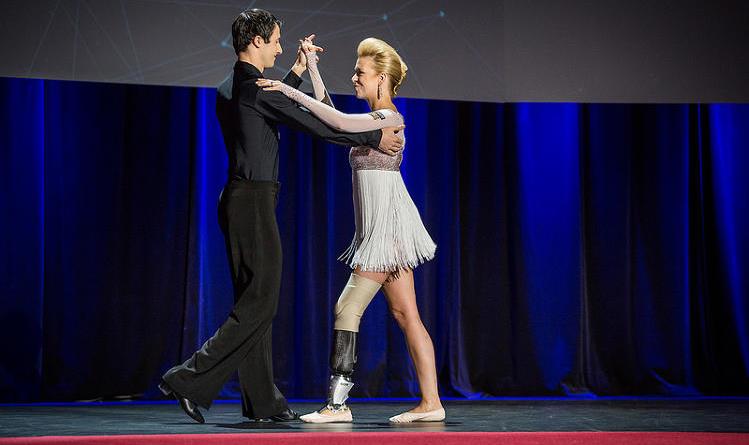
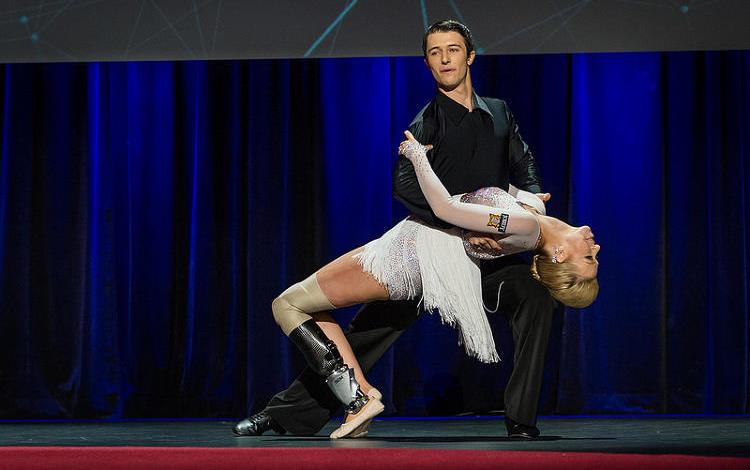
For instance, on the TED stage this week in Vancouver, which included presentations from astronaut Chris Hadfield, NSA whistle blower Edward Snowden, and anti-corruption activist Charmiah Gooch, there was one presentation that really stole the stage. It Adrianne Haslet-Davis, a former dance instructor and a survivor of the Boston Marathon bombing, dancing again for the first time. And it was all thanks to a bionic limb developed by noted bionics researcher Hugh Herr. 

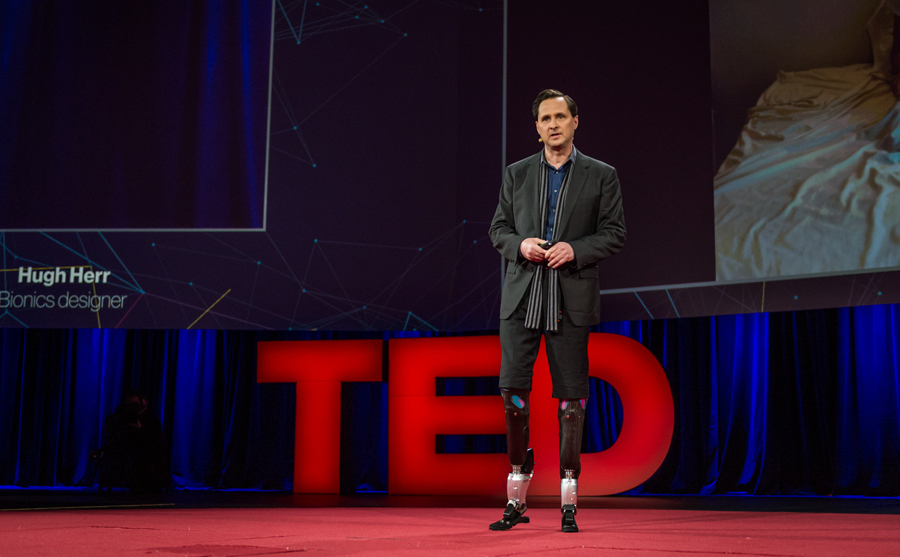
TED_hugh_herrAs the director of the Biomechatronics Group at the MIT Media Lab, Herr is known for his work on high-tech bionic limbs and for demonstrating new prosthetic technologies on himself. At 17, he lost both his legs in a climbing accident. After discussing the science of bionic limbs, Herr brought out Adrianne, who for the first time since her leg amputation, performed a short ballroom dancing routine.

This was made possible thanks to the help of a special kind of bionic limb that designed by Herr and his colleagues at MIT specifically for dancing. The design process took over 200 days, where the researchers studied dance, brought in dancers with biological limbs, studied how they moved, and examined the forces they applied on the dance floor. What resulted was a “dance limb” with 12 sensors, a synthetic motor system that can move the joint, and microprocessors that run the limb’s controllers.

TED_adrianne2The system is programmed so that the motor moves the limb in a way that’s appropriate for dance. As Herr explained in a briefing after his talk:

It was so new. We had never looked at something like dance. I understand her dream and emotionally related to her dream to return to dance. It’s similar to what I went through.” Herr says he’s now able to climb at a more advanced level than when he had biological legs.

Haslet-Davis’s new limb is only intended for dancing; she switches to a different bionic limb for regular walking. And while this might seem like a limitation, it in fact represents a major step in the direction of bionics that can emulate a much wider range of human motion. Eventually, Herr envisions a day when bionic limbs can switch modes for different activities, allowing a person to perform a range of different tasks – walking, running, dancing, athletic activity – without having to change prosthetics.

TED_adrianneIn the past, Herr’s work has been criticized by advocates who argue that bionic limbs are a waste of time when many people don’t even have access to basic wheelchairs. He argues, however, that bionic limbs–which can cost as much as a nice car–ultimately reduce health care costs. For starters, they allow people to return to their jobs quickly, Herr said, thus avoiding workers’ compensation costs.

They can also prevent injuries resulting from prosthetics that don’t emulate normal function as effectively as high-tech limbs. And given the fact that the technology is becoming more widespread and additive manufacturing is leading to lower production costs, there may yet come a day when a bionic prosthetic is not beyond the means of the average person. Needless to say, both Adrianne and the crowd were moved to tears by the moving and inspiring display!

bionic_hand_MIT1Next, there’s the inspiring story of Igor Spectic, a man who lost his right arm three years ago in a workplace accident. Like most people forced to live with the loss of a limb, he quickly came to understand the limitations of prosthetics. While they do restore some degree of ability, the fact that they cannot convey sensation means that the wearers are often unaware when they have dropped or crushed something.

Now, Spectic is one of several people taking part in early trials at Cleveland Veterans Affairs Medical Center, where researchers from Case Western Reserve University are working on prosthetics that offer sensation as well as ability. In a basement lab, the trials consist of connecting his limb to a prosthetic hand, one that is rigged with force sensors that are plugged into 20 wires protruding from his upper right arm.

bionic_hand_MITThese wires lead to three surgically implanted interfaces, seven millimeters long, with as many as eight electrodes apiece encased in a polymer, that surround three major nerves in Spetic’s forearm. Meanwhile, a nondescript white box of custom electronics does the job of translating information from the sensors on Spetic’s prosthesis into a series of electrical pulses that the interfaces can translate into sensations.

According to the trial’s leader, Dustin Tyler – a professor of biomedical engineering at Case Western Reserve University and an expert in neural interfaces – this technology is “20 years in the making”. As of this past February, the implants had been in place and performing well in tests for more than a year and a half. Tyler’s group, drawing on years of neuroscience research on the signaling mechanisms that underlie sensation, has developed a library of patterns of electrical pulses to send to the arm nerves, varied in strength and timing.

bionic_hand_MIT2Spetic says that these different stimulus patterns produce distinct and realistic feelings in 20 spots on his prosthetic hand and fingers. The sensations include pressing on a ball bearing, pressing on the tip of a pen, brushing against a cotton ball, and touching sandpaper. During the first day of tests, Spetic noticed a surprising side effect: his phantom fist felt open, and after several months the phantom pain was “95 percent gone”.

To test the hand’s ability to provide sensory feedback, and hence aid the user in performing complex tasks, Spetic and other trial candidates were tasked with picking up small blocks that were attached to a table with magnets, as well as handling and removing the stems from a bowl of cherries. With sensation restored, he was able to pick up cherries and remove stems 93 percent of the time without crushing them, even blindfolded.

bionic_hand_MIT_demoWhile impressive, Tyler estimates that completing the pilot study, refining stimulation methods, and launching full clinical trials is likely to take 10 years. He is also finishing development of an implantable electronic device to deliver stimuli so that the technology can make it beyond the lab and into a household setting. Last, he is working with manufacturers of prostheses to integrate force sensors and force processing technology directly into future versions of the devices.

As for Spetic, he has drawn quite a bit of inspiration from the trials and claims that they have left him thinking wistfully about what the future might bring. As he put it, he feels:

…blessed to know these people and be a part of this. It would be nice to know I can pick up an object without having to look at it, or I can hold my wife’s hand and walk down the street, knowing I have a hold of her. Maybe all of this will help the next person.

bionic-handThis represents merely one of several successful attempts to merge the technology of nerve stimulation in with nerve control, leading to bionic limbs that not only obey user’s commands, but provide sensory feedback at the same time. Given a few more decades of testing and development, we will most certainly be looking at an age where bionic limbs that are virtually indistiguishable from the real thing exist and are readily available.

And in the meantime, enjoy this news story of Adrianne Haslet-Davis performing her ballroom dance routine at TED. I’m sure you’ll find it inspiring!


Sources: fastcoexist.com, technologyreview.com, blog.ted.com

The Future of Medicine: Tiny Bladder and Flashlight Sensors

heart_patchesThere’s seems to be no shortage of medical breakthroughs these days! Whether it’s bionic limbs, 3-D printed prosthetic devices, bioprinting, new vaccines and medicines, nanoparticles, or embedded microsensors, researchers and medical scientists are bringing innovation and technological advancement together to create new possibilities. And in recent months, two breakthrough in particular have bbecome the focus of attention, offering the possibility of smarter surgery and health monitoring.

First up, there’s the tiny bladder sensor that is being developed by the Norwegian research group SINTEF. When it comes to patients suffering from paralysis, the fact that they cannot feel when their bladders are full, para and quadriplegics often suffer from pressure build-up that can cause damage to the bladder and kidneys. This sensor would offer a less invasive means of monitoring their condition, to see if surgery is required or if medication will suffice.

pressuresensorPresently, doctors insert a catheter into the patient’s urethra and fill their bladder with saline solution, a process which is not only uncomfortable but is claimed to provide an inaccurate picture of what’s going on. By contrast, this sensor can be injected directly into the patients directly through the skin, and could conceivably stay in place for months or even years, providing readings without any discomfort, and without requiring the bladder to be filled mechanically.

Patients would also able to move around normally, plus the risk of infection would reportedly be reduced. Currently readings are transmitted from the prototypes via a thin wire that extents from the senor out through the skin, although it is hoped that subsequent versions could transmit wirelessly – most likely to the patient’s smartphone. And given that SINTEF’s resume includes making sensors for the CERN particle collider, you can be confident these sensors will work!

senor_cern_600Next month, a clinical trial involving three spinal injury patients is scheduled to begin at Norway’s Sunnaas Hospital. Down the road, the group plans to conduct trials involving 20 to 30 test subjects. Although they’re currently about to be tested in the bladder, the sensors could conceivably be used to measure pressure almost anywhere in the body. Conceivably, sensors that monitor blood pressure and warn of aneurisms or stroke could be developed.

Equally impressive is the tiny, doughnut-shaped sensor being developed by Prof. F. Levent Degertekin and his research group at the George W. Woodruff School of Mechanical Engineering at Georgia Tech. Designed to assist doctors as they perform surgery on the heart or blood vessels, this device could provide some much needed (ahem) illumination. Currently, doctors and scientists rely on images provided by cross-sectional ultrasounds, which are limited in terms of the information they provide.

tiny_flashlightAs Degertekin explains:

If you’re a doctor, you want to see what is going on inside the arteries and inside the heart, but most of the devices being used for this today provide only cross-sectional images. If you have an artery that is totally blocked, for example, you need a system that tells you what’s in front of you. You need to see the front, back, and sidewalls altogether.

That’s where their new chip comes into play. Described as a “flashlight” for looking inside the human body, it’s basically a tiny doughnut-shaped sensor measuring 1.5 millimeters (less than a tenth of an inch) across, with the hole set up to take a wire that would guide it through cardiac catheterization procedures. In that tiny space, the researchers were able to cram 56 ultrasound transmitting elements and 48 receiving elements.

georgia-tech-flashlight-vessels-arteries-designboom03So that the mini monitor doesn’t boil patients’ blood by generating too much heat, it’s designed to shut its sensors down when they’re not in use. In a statement released from the university, Degertekin explained how the sensor will help doctors to better perform life-saving operations:

Our device will allow doctors to see the whole volume that is in front of them within a blood vessel. This will give cardiologists the equivalent of a flashlight so they can see blockages ahead of them in occluded arteries. It has the potential for reducing the amount of surgery that must be done to clear these vessels.

Next up are the usual animal studies and clinical trials, which Degertekin hopes will be conducted by licensing the technology to a medical diagnostic firm. The researchers are also going to see if they can make their device even smaller- small enough to fit on a 400-micron-diameter guide wire, which is roughly four times the diameter of a human hair. At that size, this sensor will be able to provide detailed, on-the-spot information about any part of the body, and go wherever doctors can guide it.

Such is the nature of the new age of medicine: smaller, smarter, and less invasive, providing better information to both save lives and improve quality of life. Now if we can just find a cure for the common cold, we’d be in business!

Sources: gizmag.com, news.cnet.com

Latest Anthology Sample: Ember Storm!

exoplanet_hotThe past few months have been a busy and productive time for the people behind the Yuva anthology. Not only did we take on a host of new writers who adventurously volunteered to join us and share their passion for science fiction, they even managed to produce some solid first and even second drafts. In addition, several members that have been with the project from the beginning have managed to do some final drafts which merit sharing right now!

And this time, it’s Amber Iver’s and Goran Zidar’s Ember Storm, which they just put the final touches on. In this story, we see are given front row seats to a crisis in progress – as told from the points of view of two down and out maintenance workers, and a small family unit caught in the thick of things. Here’s a sample from the beginning, hope you all enjoy! And remember, there’s more where this came from once the book is published:

_____

“Hey, Charlie, do you hear that?”

“Leave me alone, Rhina,” Charlie grunted and pulled his cap down over his face. “I’m trying to sleep here.”

“The environmental alarm’s going off.” Rhina moved over to the console and brought up the display.

“So?”

Rhina studied the screen for a moment. “So it looks like there’s a storm coming.”

“Good.”

“Good?”

“Yeah, it means I’ve got nothing else to do but kick back and study the inside of my eyelids.”

“Wake up idiot,” Rhina tossed a PAD at her colleague’s supine form.

“Hey! What was that for?”

“Strap in. I’m taking us back.”

Charlie let out a huge sigh as he got to his feet and stumbled across to Rhina. She could smell the alcohol on his breath as he loomed over her and tried to get his eyes to focus on the screen.

“You won’t make it.”

“What do you mean?”

Charlie stabbed a finger at a coloured line on the screen. “Front’s coming in fast, it’ll hit before we reach the colony. We might as well just wait it out here.”

“Well I’m gonna try anyway.” Rhina reached forward and touched the ignition. “I don’t relish the idea of spending the next few hours with just your drunk arse for company.”

“That’s harsh.” Charlie’s face twisted in mock disappointment. “I’ll just be asleep on the floor. You won’t even notice I’m here.”

“Even asleep you’re crap company. Now strap yourself in, we’re leaving.”

*                    *                     *

“Good morning, Miss Siera. It’s time to wake up.”

“Just ten more minutes, please,” Siera said, sleep making her words run into each other.

The room was suddenly bathed in sunlight.

“Hey!” Siera was forced to shield her eyes from the bright light.

“Your mother’s instructions were quite clear, miss.”

Siera squinted as she threw the covers aside and strode across the room, snatching the PAD from David’s loose grasp. “Leave my PAD alone.” Her fingers danced over the screen and soon the light in the room dimmed to a more manageable level. “Why do I need to be up? It’s the weekend.”

“Isn’t this the day you’re to make lunch for your father?”

Siera sucked a breath, her drowsiness banished.

“Oh, no. I forgot.”

“That’s why I am here, miss.”

Siera smiled and leaned forward to kiss David lightly on the cheek. “What would I do without you?”

David raised a hand to his face, the latex skin of his cheek still warm where Siera’s lips touched him. “You’re appreciation is welcome but not necessary, miss. I am simply doing what I have been programmed to do.”

“If you’re going to look like a human being, I’m going to treat you like one.” She said as she scooped a bundle of clothes from the floor then ran to the bathroom.

“I am not responsible for my appearance. It was your father who constructed me. I had no say in the matter at all.”

Siera called from the bathroom. “None of us do, David. You’ve got more in common with humans than you realise.”

David shrugged. “I must say I don’t really think about it.”

Siera emerged from the bathroom. “Well you should. You’re part of this family, you know. You’re like the big brother I never had.”

“Well this big brother needs you to go to the kitchen.”

“Hang on a minute, I need my wrist com.”

Siera looked around the room quickly but couldn’t see the wearable communication device anywhere. She moved to the bedside table and rummaged through the drawer to no avail.

“Don’t just stand there. Help me find it,” she said, as she started tearing the sheets off her bed.

“When was the last time you saw it?”

Siera raised an eyebrow as she looked at David. “Are you kidding me?”

“You asked me to help.”

“How is that helping? Just look for it.”

David walked to the bathroom and returned a few seconds later holding the wrist com. “Here you go, miss.”

Siera ran up to him and enveloped him in a firm embrace. “Thank you, David. You’re a life saver.”

“As I said before, your thanks are not necessary.”

Siera clipped the device onto her wrist then looked at the mess she’d created in her room. “Oops … Mum’s going to kill me.”

“Don’t worry, miss. You go to the kitchen; I’ll stay and clean this up for you.”

Siera opened her mouth to say thank you, but David placed a finger on her lips. “Go. Your mother is waiting for you.”

Siera gave her untidy room one last glance then sped down the hall to the kitchen. The sound of pots and pans clanking told her that her mum and sister had started without her, and she hoped that she hadn’t missed too much of the preparation. Cooking with fresh ingredients, on an actual stove, like they did on Earth in the old days was a real treat, and one that didn’t happen very often.

Her mum, Tara, looked up as Siera entered the kitchen. “Good, you’re finally up. You can start by cleaning up Meghan’s mess.”

Her four year old sister, Meghan, sat with a broad grin as she stirred a bowl of dark coloured sauce. With each turn of the spoon, more of the sticky substance spilled on the bench and dripped onto the floor.

“Give the bowl to Siera, sweetie,” Tara said. “Then go wash your hands before we start on the next part.”

Meghan did as she was told, and Siera was left standing with a sticky mess to clean up. “I probably should have gotten up earlier, eh?”

Her mum glanced up. “I didn’t say a word.”

Siera set to cleaning the mess her sister created. “What’re we making?”

“It’s called Mongolian barbeque. The protein sequencer has replicated a few different kinds of meat, and I was able to pick up some garlic and onions from the market as well as something that tastes a bit like plum.”

“The sauce smells good.”

“Try some,” her mother suggested.

Siera dipped a finger in the sauce and placed it in her mouth. The sweet, spicy flavour of the fruit combined with the garlic and other ingredients exploded in her mouth.

“Oh my god, that’s amazing.”

Tara smiled. “Much better than synth food isn’t it?”

“I’ll say. Pity we can’t eat like this all the time.”

“It wouldn’t be special if we did it every day.”

“I suppose.” Siera took another taste.

“Enough of that, we’ve got a lot to do before your father and Joey get here.”

Siera placed the bowl of delicious sauce down on the bench and finished wiping the floor while her mother used a knife to cut the replicated meat into strips. When Tara was done she took the meat and placed it into the bowl of sauce using her fingers to knead the mixture together.

“What can I do now?” Siera asked.

“Can you ground some pepper in here while I do this? There should be some in the pantry.”

Siera opened the pantry door and hunted around for the pepper grinder. She picked it up and shook it. “I think we’re out of pepper, mum.”

“You’re sure?”

Siera rolled her eyes. “Yes, mum, I’m sure. Can we do without it?”

“It won’t be the same without pepper. I need you to run up to the market and get some.”

“Can’t David do it?”

Tara gave Siera a serious look. “I thought you wanted to help.”

“I do but–”

“Well this is helping. Take my chit and go to the market. Don’t worry; there’ll still be lots to do when you get back.”

Siera left their home, and walked along the open streets of the colony to the market. It was a clear day, and Yuva’s orange sun bathed the habitat with light and warmth, but this close to the light side of the planet, warmth was rarely an issue.

Their colony was built in the new style; a new style for Yuva.

The market and other amenities were located at the center of the colony, with the residential population surrounding it. It was a civic model that dated back to ancient times. No matter how far humanity had come, some things would never change.

People here lived and worked in detached buildings, with streets and walkways linking them together beneath a massive plasteel dome that shielded them from radiation and the elements. The terraformers had been able to make the air of Yuva breathable, but the planet’s ozone layer remained weak.

It was possible for a person to go outside the dome, but unless they wore a suit their skin would suffer from dangerous levels of ultra violet radiation.

Siera’s wrist com buzzed as she crested a rise in the street.

“Now what’s she forgotten?” she muttered as she checked the device.

LEVEL 5 STORM WARNING

Environment hazard protocols in place

Her heart raced and she lifted her gaze to look out past the colony’s dome. A thin line of grey marked the horizon. The storm was still a long way off, but she’d lived here long enough to know that it would be here in no time at all.

Drone Wars: Protecting Endangered Animals

WWF_droneDespite anxieties associated with drone use – most of which have to do with domestic surveillance and warfare – there are numerous positive uses for the technology. Whether it is keeping an eye on oil rigs, monitoring underground cables, spying on drug or human traffickers, or ecological surveillance, there are plenty of uses for unmanned aerial vehicles beyond warfare and invading privacy.

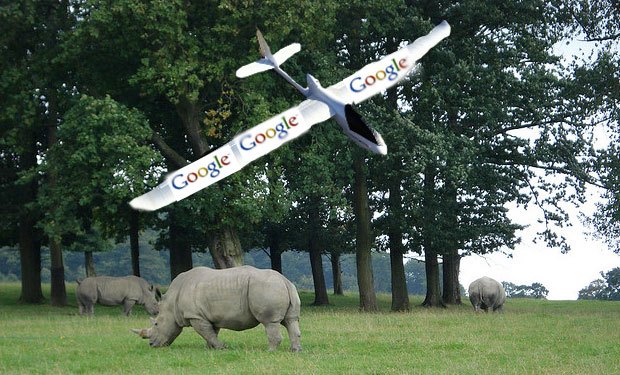
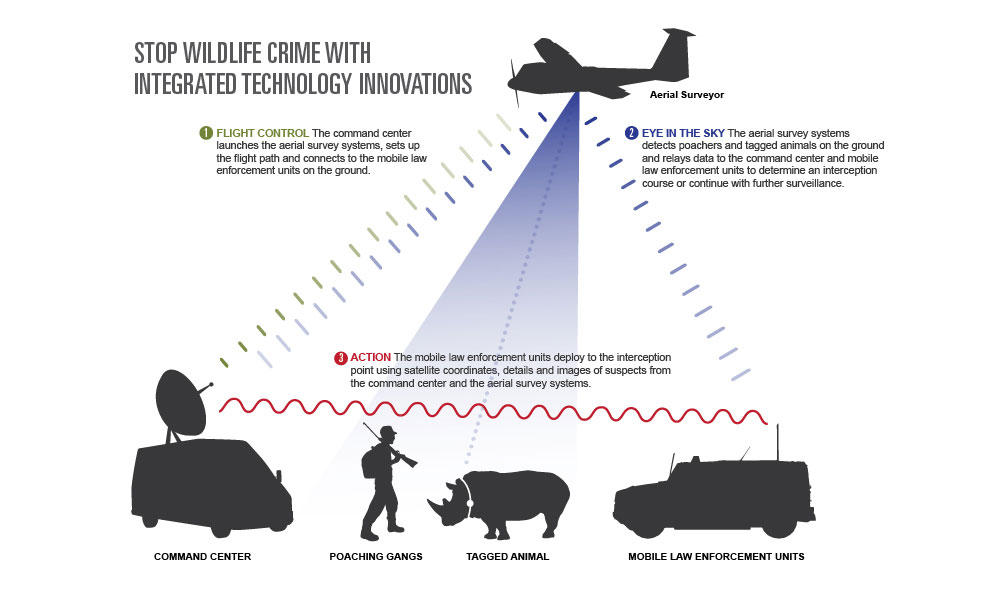
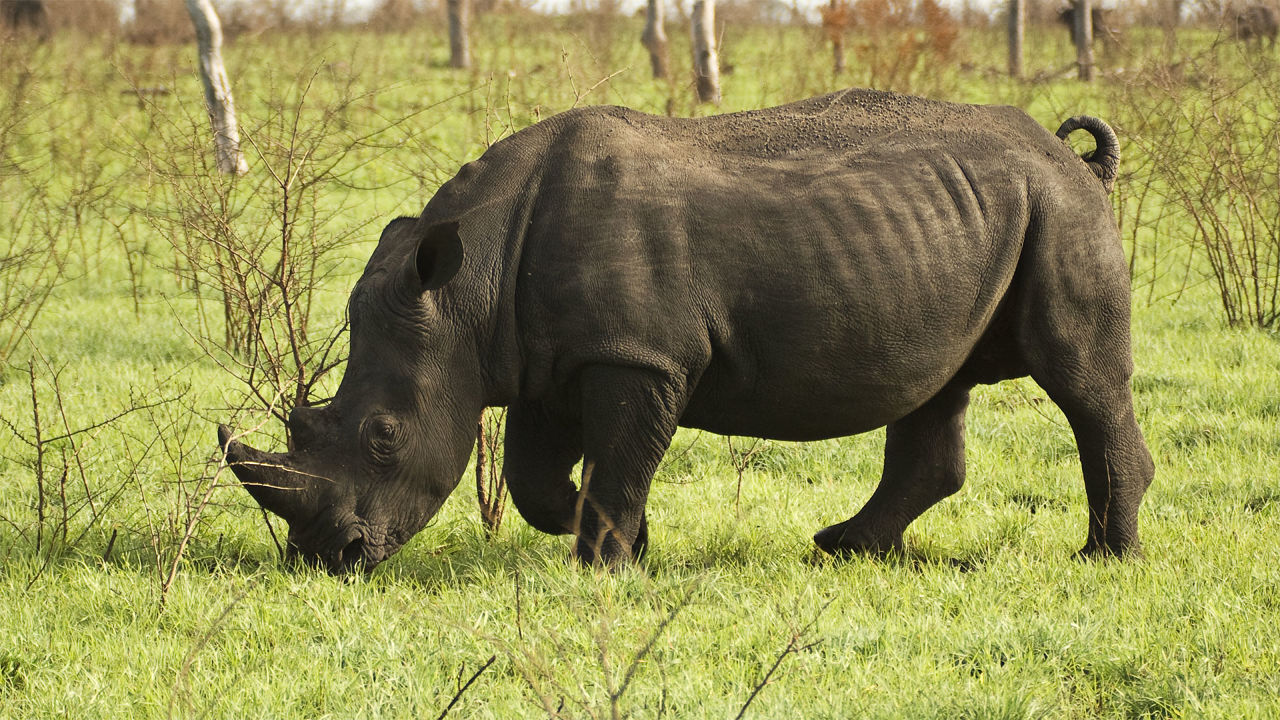
In Namibia, for example, where poaching remains a problem, drones may be the key to protecting the endangered rhino and elephants. Namibia’s Ministry of Environment and Tourism, along with the World Wildlife Fund and funding from Google, have partnered to invest in drones that can track rhino and elephant herds. Through the use of these drones, the researchers were able to follow herds and alert law enforcement in the event the animals were being targeted by poachers.

WWF_drone_graphicIn field tests conducted in two national parks in November 2013, drones with 2-metre wingspans flew day and night missions to video black rhino herds and send live footage to poacher-tracking rangers on the ground. Smart radio tags attached to rhinos allowed the drones to home in on each herd’s current location. Crawford Allan, leader of the Wildlife Crime Technology Project at WWF, put it as follows:

We broke new ground using technologies that have never been integrated before to provide powerful wildlife protection.

The MET says it will now press ahead and deploy drones in areas of Namibia where rhinos and elephants roam. WWF estimates that illegal poaching in Africa nets criminals $10 billion each year – with some 22,000 elephants killed annually and 1000 rhinos killed last year in South Africa alone. Their efforts are also thinning out elephant and rhino populations and putting the entire ecosystem at risk.

conservation_rhinoAlthough the drone program should help prevent poaching in Namibia, the issue is widespread across Africa. It’s not clear whether a similar program will be rolled out elsewhere, but any success incurred in Namibia to stop poaching will set a precedent others are sure to follow. And, it should be noted, this country and the WWF are hardly alone in wanting to adapt UAV technology to the goal or ecological or species conservation.

In many ways, MET’s use of high-tech to protect wildlife echoes that of Technology For Nature (TfN), a joint venture of Microsoft Research in Cambridge, UK, University College London and the Zoological Society of London. Led by Lucas Joppa and Siamak Tavakoli at Microsoft, TfN is getting similar drone and animal-tagging projects off the ground in the Republic of the Congo, the Seychelles and Zambia.

conservation_drones_inlineAnd then there’s Conservation Drones, a non-profit organization co-founded by Serge Wich – a professor in primate biology at John Moores University. Made up of researchers and technologists, the group’s mandate is to spread drone use around the world for the sake of conservation. So far, they have worked with conservation groups and governments in Nepal, Indonesia, Gabon, and Greenland, and Wich hopes to visit more countries later this year.

According to Wich, the challenges to conservation go beyond simply monitoring endangered animals, which may be in too few number to accurately keep track of. There’s also the matter of the rough and vast terrain, which can be very difficult to physically cover. Drones are a big game changer in this game. By covering large areas in surveys, doing it repeatedly, and automating some of the analysis, aerial vehicles can track wildlife in a more comprehensive and efficient way.

conservation_dronesThanks to the growth of commercial aerial drones in recent years and the significant reduction in price, the technology is becoming much more affordable and user-friendly. The kits Conservation Drones uses cost no more than about $3,000, and the latest version has an open-source autopilot platform from California, along with a GPS tracker and altimeter. It’s then fitted with still cameras or video. As Wich himself put it:

The potential is huge to allow people to do very efficient data collection on a variety of issues that are important for conservation. We often struggle determining how many animals there are, where human encroachment is occurring. There are an enormous amount of ecological questions we can address with these systems.

To set a flight path, Wich simply plugs in a few points on a Google Map, then launches the drone by hand. The battery-powered module can fly for up to an hour, and cover a maximum distance of about 40 km (25 miles). The drones offer an aerial view, allowing Wich and his colleagues to get a close-up view unobscured by clouds. The next step is to improve the analysis of the images that come back.

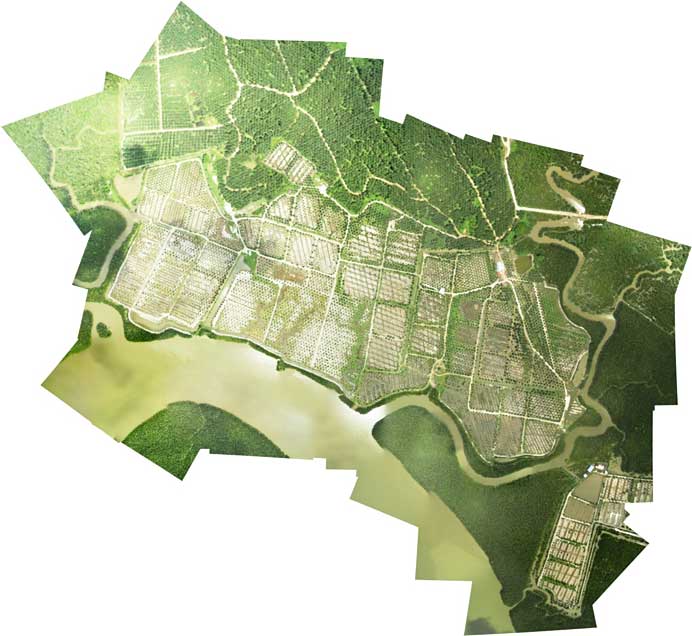
conservation_drone_mosaicConservation Drones is now working to automate the counting process, and build up picture-maps by stitching hundreds of images together (like the one above). It also wants to create 3-D model environments, providing a sort of living inventory of what’s been destroyed and what remains. Long-term, it is hoped that governments all over the world with conservation problems will used the detailed software and aerial drones to keep tabs on their endangered animals and habitats to ensure their protection.

Several other groups are also pioneering drones-for-conservation, notably the World Wildlife Fund working with Google, the International Anti-Poaching Foundation, led by Iraq War veteran Damien Mander, and ShadowView, a group out of the Netherlands. Poachers beware. In addition, the Zambian Carnivore Program will be testing a pair of VHF-radio-equipped quadcopter drones in the US soon and he hopes to begin testing the miniature aircraft in Kafue National Park in Zambia in May.

In the meantime, check out this video of the MET/WWF drone survey:


And learn more about Conservation Drones from this TED talk by Wich’s partner Lian Pin Koh:


Sources:
news.cnet.com, fastcoexist.com, newscientist.com

The Walking Dead – Season Four, Episode 14

The-Walking-Dead-season-4-wallpapers-7This week’s episode, as advertised, focused on the story of Tyreese, Carol, and the girls – Lizzy, Mika and Julia – on their way through the wilderness. But once again, I feel they got the name wrong. While “The Grove” did describe the setting pretty well, what it should have been called was “Lizzy is the dumbest/sickest kid EVER!” But what can you do? At the very least, it was entertaining and engaging, even if it did break new records for brutality!

The Grove:
WD4_14_1
The episode opens with Tyreese, Carol and the girls carrying on in their journey to Terminus. Along the way, Carol gets to talking about Lizzy about things – how she shot a woman, how Carol’s daughter died, and how they need to be hard in order to survive. They also come across a Walker laying on the tracks that is hobbled, and Lizzy convinces Tyreese not to kill it since it won’t be able to follow them.

After awhile, they come upon an abandoned farm and settle in for the night, noticing a forest fire in the distance. After finding water, food, and getting comfortable, Mika suggests they give up on Terminus and live there, an idea Tyreese approves of. Carol tries to teach Mika to hunt, but finds she’s unwilling since she doesn’t want to kill. At the same time, Lizzy continues to put her life in danger by insisting the Walkers are still alive.

Walker_mashupThis she does by “playing” with one in the yard, and then freaking out when Carol arrives and kills it, and feeding the one they found on the tracks. Lizzy almost lets the latter one bite her, but she and Mika run when other Walkers – still smoulder because of the forest fire – pour out of the woods. They run back to the farm and are joined by Tyreese and Carol, and togther they manage to stop the horde with some well placed shots.

The next day, Tyreese and Carol go out to hunt and gather and he talks about Karen. Carol almost confesses to him of how she killed her and David, but narrowly avoids it. When they return to the farm, they find a bloody Lizzy standing over Mika’s dead body. She tells them, “Don’t worry. She’ll come back.” When Carol goes to take out Mika’s brain, Lizzy points her gun and tells her to wait because she wants to show them the Walkers are still human.

wd4_14_3Carol manages to convince Lizzy to go inside with Tyreese and Judith and finishes Lizzy off. She and Tyreese talk the next day and he tells her that Lizzy was the one feeding the Walkers at the prison. Tyreese wonders if she also killed Karen and David, but Carol tells him it wasn’t, and they discuss what to do with her. Carol takes her out into the woods to talk, and tells her to “look at the flowers” and shoots her. She and Tyreese bury both girls in the yard.

Later that night, Carol finally tells Tyreese how she killed Karen and David, and why. She hands him the gun and tells him to do what he has to do. Instead, Tyreese tell her he forgives her since this is a part of them now; but also that he won’t forget. They agree they can’t stay at the farm, and push on towards Terminus the next day. The episode ends with Carol’s words to Mika replaying, of how they are forced to kill, and how it will change them.

Summary:
Well… this weeks episode certainly set a precedent for ugliness and brutality. In addition to the burning Walkers, who’s heads spontaneously combusted when they were shot, there was also the infanticide angle to contend with. Quite shocking, all of it. But it was in keeping with some of the material from the comics, specifically Volume 11: Fear the Hunters, which is the source material for the show at this point.

Though this episode did change some things around, it did address the issue of whether or not Lizzy and Mika were going to remain as part of the cast, which is something I was wondering about. It also answered the little riddle of who was leaving rats for the walkers and mutilated the rabbit at the prison, a mystery which I thought was dead and buried at this point. Glad they wrapped that bit up too.

wd4_14_4

But, I have to say, the whole “Lizzy is a sociopath” angle felt kind of unnatural and just a little shoehorned. In Volume 11 of the comics, it was two boys, Ben and Billy who were the subject of this story. After losing their parents (Allen and Donna, who were never in the show) early on, Dale and Andrea began looking after them as their surrogate parents. After fleeing the prison and knocking around in the woods for some time, they found Ben standing over Billy’s corpse.

His words were identical to Lizzy’s, saying that they shouldn’t worry because he didn’t kill the brain, which meant Ben would come back. In time, Carl decided to do what had to be done and kills Billy, thus ending the thread. In this case, Lizzy seems to have deep-seated denial about the walkers and cannot bring herself to kill one because she thinks they are still alive. At the same time, she flays animals for fun and murders her sister. Kind of seems at odds, you know?

Still, the way they dealt with this rather brutal and shocking material was quite gutsy. After they spared Judith in the show, I had the feeling that they would be watered down about some of the more brutal aspects of the story. Suddenly, that doesn’t seem to be the case! And as always, this filler episode puts the characters on the road to Terminus, where they are all headed now. And with only two episodes to go, we’re finally going to see what awaits them…

News from Space…X: Reusable Launch Vehicle Good to Go!

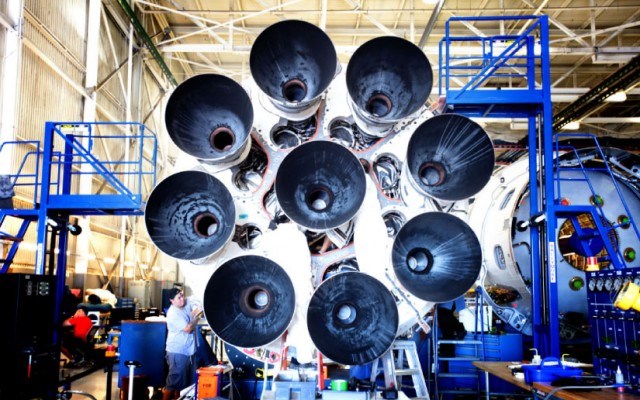
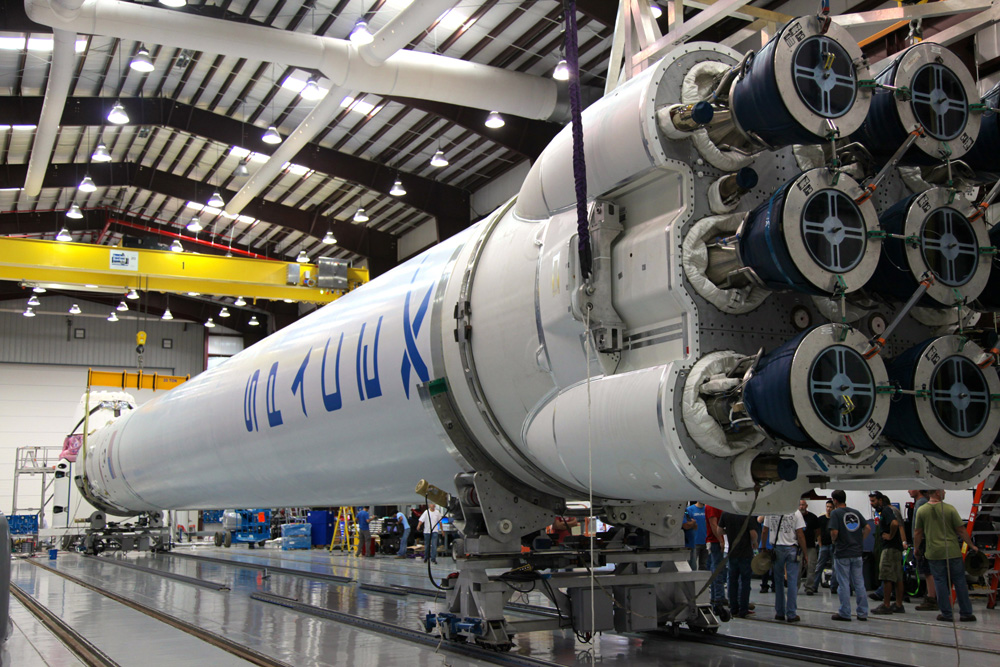
spacex-falcon-9-octaweb-640x427After years of research, development and testing, SpaceX (Elon Musk’s poster child of the commercial space travel revolution) is about to attempt something truly revolutionary. In a bid to significantly reduce the costs of sending rockets into space, they will attempt the first ever soft landing of a heavy space launch vehicle. Initially planned for March 16th, the company has since updated the launch date to March 30th in order to give its techs more time to prepare.

On this day, if all goes according to plan, SpaceX mission CRS-3 will lift off from Cape Canaveral on a resupply mission to the International Space Station. In the past, rockets blasting off from Earth would normally ditch the massive primary stage of their assembly into the ocean after launch. But this one it will sprout some metal legs and use what’s left of its rocket fuel to slowly return to Earth.

spacex-falcon-9-rocket-largeThis is perhaps the single most important step in SpaceX’s stated goal of reducing the cost of space travel by a factor of ten or more, which will ensure the acceleration of space travel for the indefinite future. One of the primary reasons that the human exploration of space is moving so slowly is the cost factor. For heavy lift vehicles, which are required to lift large satellites, equipment, and supplies into space, it costs roughly $22,000 to lift a single kilogram ($10,000 per pound) into orbit.

It costs even more to send a rocket beyond Earth’s gravity well and out into space, which is why reducing costs is seen as intrinsic to sending manned missions to Mars. Currently, NASA pays around $70 million per seat aboard the Soyuz space capsule, thanks to the cancellation of the Space Shuttle Program in 2011. But a crewed version of SpaceX’s Dragon capsule, DragonRider, is also in development, which will reduce the cost per seat to $20 million.

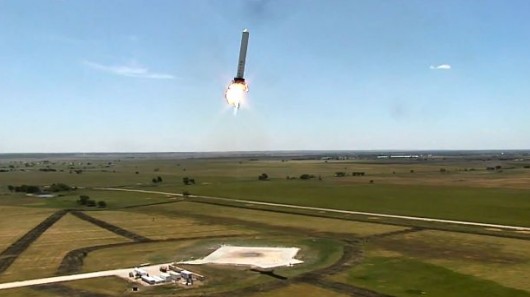
spacex-dragon-capsule-grabbed-by-iss-canadarm-640x424SpaceX debuted its Reusable Launch Vehicle (RLV) tech on the suborbital Grasshopper rocket in October of 2013. This came after multiple launches were conducted that saw the rocket reach greater and greater altitudes and which tested its ability to maneuver horizontally. Once this was complete, they began the task of fitting a Falcon 9 with the Merlin rocket engines, which would bring the vehicle back to Earth after the first stage rocket detached.

For this flight, the first stage will still land in the water to minimize the chance of damage if something goes wrong. But once SpaceX is confident that it can do a soft landing with its RLV safely, future launches will see the first stage fly all the way back to to the launchpad. After that, SpaceX will start bringing the second stage back to the launchpad, too. The eventual goal, according to SpaceX, is to create a launch system that is reusable within “single-digit hours.”

grasshopper_lateraldivertBasically, SpaceX would give these rockets a quick once-over, fill them back up with fuel, and send them back to work. If everything goes to plan, the total cost per pound to launch into Earth orbit could drop to $500 or less — one twentieth of what unreusable rockets cost. Suffice it to say, if SpaceX manages to undercut every other space launch company in the world — including the Russian and Chinese governments — it could suddenly find itself in a very powerful and lucrative position.

Not only would it replace Russia and the Ukraine as NASA’s primary contractor, it would also see to the restoration of America’s ability to send people, equipment, satellites and supplies into space from its own soil. Given the current state of tensions in the Crimea, this is sure to put a smile on a lot of people’s faces in DC. The launch is currently scheduled to take place at the end of March and there will be a live NASA feed to cover the rocket’s descent.

And while we’re waiting, here’s a clip of SpaceX first testing out the Grasshopper rocket to take us back:


Sources:
technologyreview.com, extremetech.com

New Video: Happy (We Are From Tatooine)

Star-Wars-Luke-Skywalker-TatooineBehold, the latest bit of Star Wars-related spoofery! Inspired by the Pharrell Williams song “Happy”, this little mash up was produced by the STAR WARS TUNISIA fan club. The aim of this group is to gather and inform Tunisian Star Wars fans, and communicate with others all over the world. And in this case, that involved getting into Star Wars costume and doing a scene for scene reenactment of the original music video.

And they did it all in the actual location used to simulate the Tatooine moisture farm where Luke grew up. Enjoy!