What would your town be if it happened to fall within the A Song of Ice and Fire universe? That’s the question British Columbia resident Andrew Cuthbert asked himself when he created a map trying parallel the geography from Game of Thrones to his (and my) home province. Specifically, the map has been repitched using locations from Westeros, the setting of much the story, with townships that bear the greatest geographical and cultural resemblances becoming their Westerosi equivalent.
For example:
Vancouver (BC’s largest city, though not the capitol) stands in for King’s Landing, the seat of power in Westeros
Victoria, the true provincial capitol and second largest city, is Highgarden, the regional capitol of the lush and fertile land known as “The Reach”
Fort Nelson, the last stop on the long road to the Tundra, becomes Castle Black – the last stop before The Wall and the frozen wastelands of the north in the series
Kelowna, a town of well-to-do people, becomes Lannisport, home of the “rich as a Lannister” Lannisters
Kamloops, a town in the “Riverlands” of BC (where it sits at the mouth of two arms of the Thompson River) becomes Riverrun
Osoyoos, a town surrounded by desert and some damn good vineyards, becomes Sunpsear, the capitol of Dorne (the desert region of Westeros)
Prince Rupert, the gateway to the northern Pacific and a salty city, becomes Pyke, the seat of the Ironborn
and Whistler, a place famous for rich people, leisure, and riding things, becomes Dragonstone
As Cuthbert was sure to admit during an interview with CBC Radio’s Rick Cluff on The Early Edition, his comparisons are entirely tongue-in-cheek. As he put it, “The whole map is supposed to be a joke, so it’s meant to be taken in good faith.” Hard to imagine anyone would be offended by something like this, but I certainly understand his point. When it comes to matters of city comparisons and civic pride, one must tread carefully.
And his timing couldn’t have been better, since season four is set to premier in just under two weeks time! After last seasons blood bath, fans are hoping for something a bit more cheerful no doubt. Too bad they won’t get their wish 😉 And I do hope to see more maps like this in the near future. In fact, here’s hoping it becomes a full-fledged meme, with people drawing up maps that compare their home province, state, or territory to the geography from Game of Thrones!
Well folks, Papa Zulu has now been available through Amazon.com for just over a month. And thus far, two reviews have come in, and both are both highly favorable! I tell ya, it pays off to hold back on publication so you can make sure that everything is nicely polished and edited. And while I’m still waiting on a few more people to chime in on what they thought about the book, I am pretty happy with what people had to say so far.
Here are the reviews, with some minor omissions to make sure no spoilers were included:
(5.0 stars) So Good
By Rosie Reader
Lots of action and excitement once again; a great follow-up to Whiskey Delta! I hope there is another one in the series because I want more.
(5.0 stars) Excellent Sequel! By S.O. “SO” (NY)
What can I say about this….except it’s an incredible follow up to Whiskey Delta! I almost wish I’d given WD a lower rating, just so I could rate this a higher one LOL. It picks up pretty much where book 1 left off, but it is written in such a way that if you didn’t read WD you wouldn’t be too lost. It’s not so much about the zombies this time, but the aftermath of that and the internal conflicts both within the Army and within each person.
(Spoiler, spoiler, spoiler)…
There are a few loose ends where the end of the book is concerned and to quote Braun “this can’t be the end…there has to be more…” His relationship with Saunders is brought to attention, there’s a traitor (or 2) in their midst, and his platoon might have a new leader.
You can check the full reviews by going to the books Amazon page, but I warn you, they do contain spoilers! And it might just be a coincidence, but I did notice a slight uptick in sales since the second review came in. So far, Papa Zulu has sold some 13 copies since publication, and Whiskey Delta and the unrelated Data Miners have even made some added sales. So, for obvious reasons, I am pretty happy right now.
And to my fellow indies, keep hammering those keys and pushing those books! Every copy we sell is a small victory and every favorable review is a big one. After all, that’s why we got into this business, isn’t it? To share what we love, think, and what inspires us, in the hopes that other people draw from it the same things we do.
“We are going to find life in space in this century.” This was the bold prediction made by Dr. Seth Shostak, Senior Astronomer at the Search for Extra-Terrestrial Intelligence Institute (SETI) at this year’s European Commission Innovation Convention. As part of the European Union’s strategy to create an innovation-friendly environment, the ECIC brings together the best scientific minds from around the world to discuss what the future holds and how we can make it happen.
And this year, Dr. Shostak and other representatives from SETI were quite emphatic about what they saw as humanity’s greatest discovery, and when it would be taking place. Sometime this century, they claim, the people of Earth will finally find the answer to the question “Are we alone in the universe?” Like many eminent scientists from around the world, Dr. Shostak believes its not a question of if, but when.
As he went on to explain, given the sheer size of the universe and the statistical probabilities, the odds that humanity is far more unlikely than the reverse:
There are 150 billion galaxies other than our own, each with a few tens of billions of earth-like planets. If this is the only place in the universe where anything interesting happening then this is a miracle. And 500 years of astronomy has taught us that whenever you believe in a miracle, you’re probably wrong.
As for how we’ll find that life, Dr Shostak sees it as a ‘three-horse race’ which will probably be won over the next 25 years. Either we will find it nearby, in microbial form, on Mars or one of the moons of Jupiter; or we’ll find evidence for gases produced by living processes (for example photosynthesis) in the atmospheres of planets around other stars; or Dr Shostak and his team at SETI will pick up signals from intelligent life via huge antennas.
Dr. Suzanne Aigrain – a lecturer in Astrophysics at Oxford University and who studies exoplanets – represents horse number two in the race. Dr. Aigrain and her research group have been using electromagnetic radiation (i.e. light) as their primary tool to look for planets around other stars. The life ‘biomarkers’ that she and her colleagues look for are trace gases in the atmospheres of the exoplanets that they think can only be there if they are being produced by a biological source like photosynthesis.
Speaking at the Convention, Dr Aigrain noted that, based on her studies, she would also bet that we are not alone:
We are very close to being able to say with a good degree of certainty that planets like the Earth, what we call habitable planets, are quite common [in the universe] … That’s why when asked if I believe there’s life on other planets, I raise my hand and I do so as a scientist because the balance of probability is overwhelmingly high.
Dr. Shostak and SETI, meanwhile, seek evidence of life in the universe by looking for some signature of its technology. If his team does discover radio transmissions from space, Dr. Shostak is quite certain that they will be coming from a civilization more advanced than our own. This is part and parcel of searching for life that is capable of sending out transmissions, and assures that they will have a level of technology that is at least comparable to our own.
At the same time, it is entirely possible that an advanced species will have existed longer than our own. As the Kardashev Scale shows, the level of a race’s technical development can be measured in terms of the energy they utilize. Beginning with Type 0’s, which draw their energy, information, raw-materials from crude organic-based sources, the scale goes on to include levels of development that draw energy of fusion and anti-matter to our host star, or even stellar clusters and even galaxies.
Considering that size of the universe, the realm of possibility – and the fact humanity itself is still making the transitions from Type 0 to Type I – the odds of us meeting an extra-terrestrial that is more advanced than us are quite good. As Shostak put it:
Why do I insist that if we find ET, he/she/it will be more advanced than we are? The answer is that you’re not going to hear the Neanderthals. The Neanderthal Klingons are not building radio transmitters that will allow you to get in touch.
“Neanderthal Klingons”… now that’s something I’d like to see! Of course, scientists have there reasons for making such bold predictions, namely that they have a vested interest in seeing their theories proven correct. But not surprisingly, they are hardly alone in holding up the numbers and insisting that its a numbers game, and that the numbers are stacked. Another such person is William Shatner, who in a recent interview with the Daily Mail offered his thoughts on the possibility of alien life.
As he explained it, it all comes down to numbers, and the sheer amount of discoveries made in such a short space of time:
I don’t think there is any doubt there is life in the universe, yes. I don’t think there is any question. The mathematics involved — what have they just discovered, 730,000 new planets the other day? — mathematically it has to be.
He was a bit off on the number of planets, but he does have a point. Earlier this month, NASA announced the discovery of 715 new exoplanets thanks to a new statistical technique known as “verification by multiplicity”. By observing hundreds of stars and applying this basic technique, the Kepler space probe was able to discover more planets so far this year than in the past few combined. In fact, this one batch of discovered increased the total number of exoplanet candidates from 1000 to over 1700.
And while the discovery of only four potentially habitable planets amongst those 715 (a mere 0.0056% of the total) may seem discouraging, each new discovery potentially represents hundreds more. And given how little of our galaxy we have mapped so far, and the fact that we’ve really only begun to explore deep space, we can expect that list to grow by leaps and bounds in the coming years and decades.
Naturally, there are some fundamental questions that arise out of these predictions. For example, if we do find life on other planets or intercept a radio signal, what are the consequences? Finding a microbe that isn’t an earthly microbe will tell us a lot about biology, but there will also be huge philosophical consequences. Even more so if we are to meet a species that has developed advanced technology, space flight, and the means to come find us, rather than us finding them.
In Dr Shostak’s words, ‘It literally changes everything’. But that is the nature of
In 2012, scientists working for the CERN laboratory in Switzerland announced the discovery of the Higgs Boson. After confirming this momentous discovery, CERN scientists indicated in April of 2013 that the Large Hadron Collider was being taken offline in order to upgrade its instruments for the next great project in its ongoing goal of studying the universe. And this past February, work began in earnest on planning for the LHC’s successor.
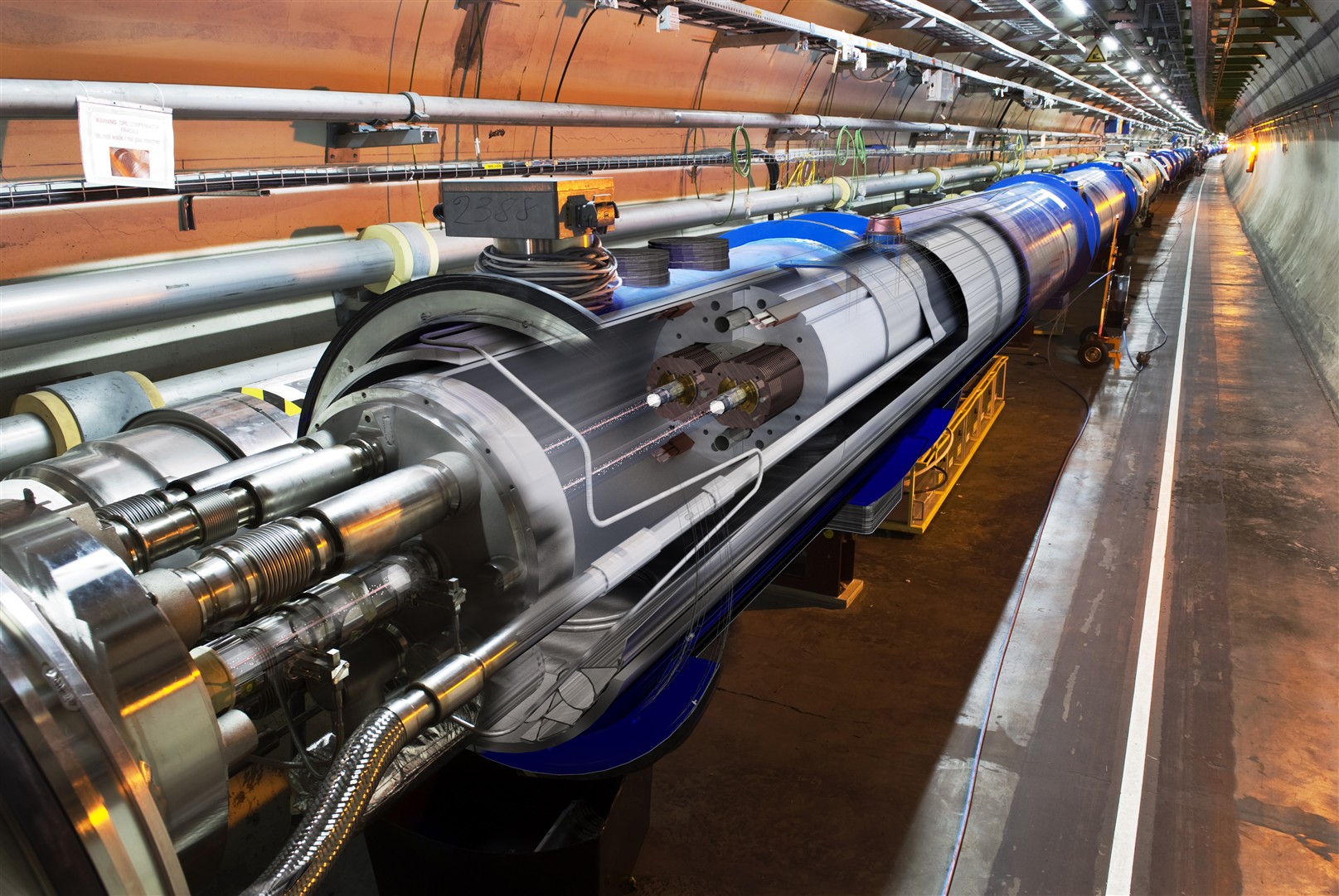
This massive new marvel of scientific instrumentation, which has been dubbed the “Very Large Hadron Collider”, will measure some 96 km (60 mile) in length – four times as long as its predecessor – and smash protons together with a collision energy of 100 teraelectronvolts (which is 14 times the LHC’s current energy). All of this will be dedicated to answering the questions that the first-time detection of the Higgs Boson raised.
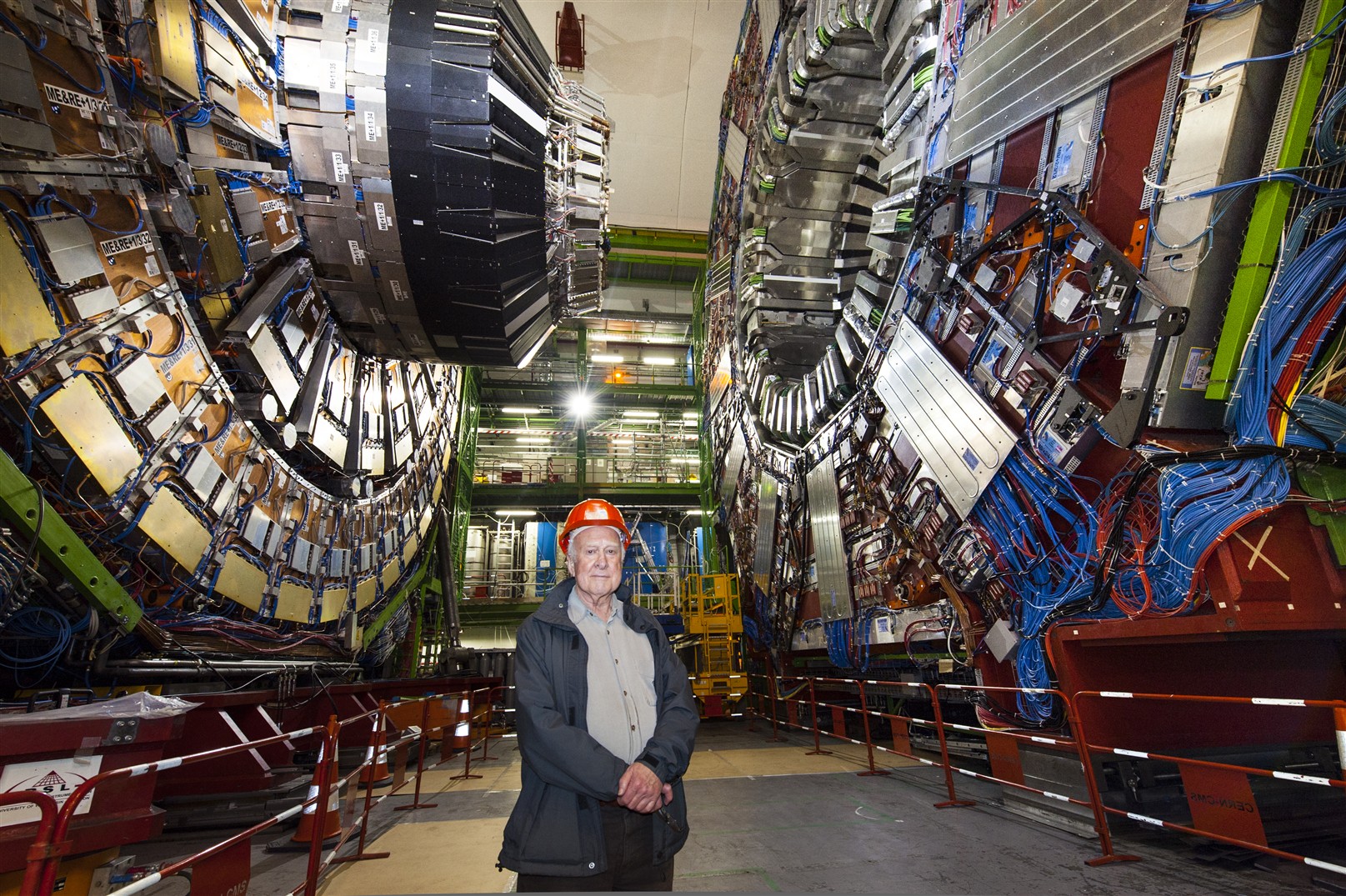
Peter Higgs (who proposed the Higgs boson), hanging out at LHC’s CMS detector
While this discovery was a watershed moment, its existence poses more questions than it answers; and those answers probably can’t be answered by the LHC. Thus, to keep high-energy physics moving forward, the international team of scientists at CERN knew they needed something more accurate and powerful. And while the LHC is slated to remain in operation until 2035, it is the VLHC that will addressing the question of how the Higgs get’s its mass.
Basically, while the discovery of the Higgs Boson did prove that the Standard Model of particle physics is correct, it raised some interesting possibilities. For one, it suggests that particles do indeed gain their mass by interacting with a pervasive, ubiquitous Higgs field. Another possibility is that the Higgs boson gains its heaviness through supersymmetry — a theory that proposes that there’s a second, “superpartner” particle coupled to each and every Higgs boson.
Scientists have not yet observed any of these superpartners, and to discover them, a stronger collider will be necessary. It is hoped that, when the LHC powers up to 14 TeV by the end of 2014, its scientists will discover some signs of supersymmetry. This will, in turn, inform the creation of the LHC’s successor, which still remains a work in progress. And at this point, there are two groups presenting options for what the future of the VLHC will be.
One group consists of Michael Peskin and a research group from the SLAC accelerator in California, who presented an early VLHC concept to the US government back in November. This past February, CERN itself convened the Future Circular Collider study at the University of Geneva. In both cases, the plan calls for a 80-100km (50-62mi) circular accelerator with a collision energy of around 100 TeV.
As the name “Very Large Hadron Collider” implies, the plans are essentially talking about the same basic build and functionality as the LHC — just with longer tunnels and stronger magnets. The expected cost for either collider is around $10 billion. No telling which candidate will be built, but CERN has said that if it builds the successor, excavation will probably begin in the 2020s, so that it’s completed before the LHC is retired in 2035.
In the shorter term, the International Linear Collider, a 31-kilometer-long (19.2 mile) particle accelerator, is already set for construction and is expected to be completed in or around 2026. The purpose of this device will be to conduct further tests involving the Higgs Boson, as well as to smash electrons together instead of protons in order to investigate the existence of dark energy and multiple dimensions.
The future of high-energy physics is bright indeed, and with all this research into the deeper mysteries of the universe, we can expect it to become a much more interesting place, rather than less of one. After all, investigating theories does not dispel the mystery of it all, it only lets you know where and how they fell short. And in most cases, it only confirms that this thing we know of as reality is beyond what we previously imagined.
It seems like I’ve writing endlessly about bionic prosthetics lately, thanks to the many breakthroughs that have been happening almost back to back. But I would be remiss if I didn’t share these latest two. In addition to showcasing some of the latest technological innovations, these stories are inspiring and show the immense potential bionic prosthetics have to change lives and help people recover from terrible tragedies.
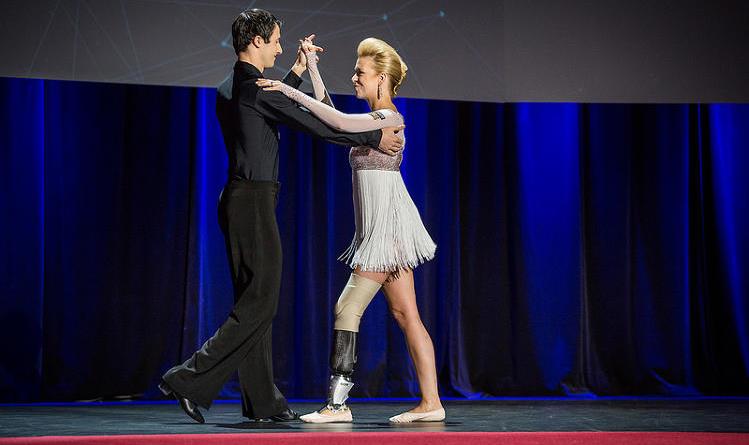
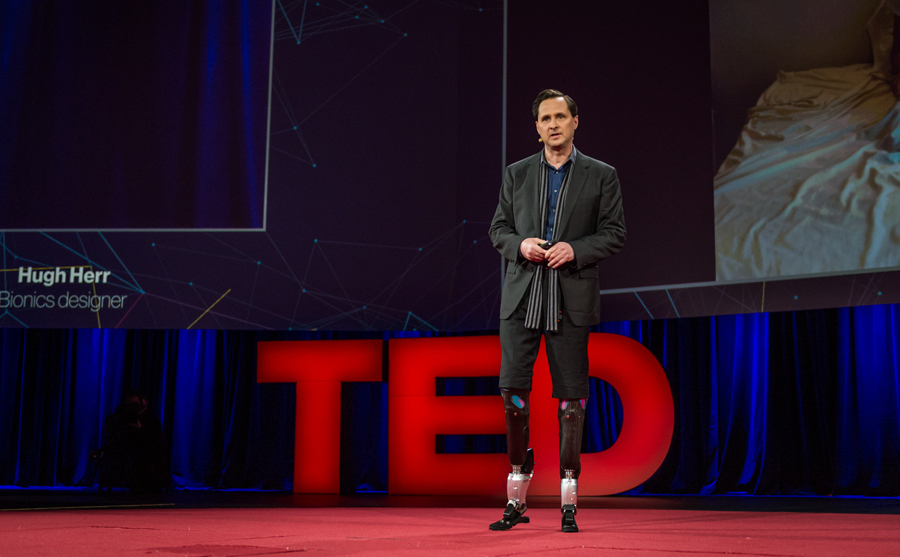
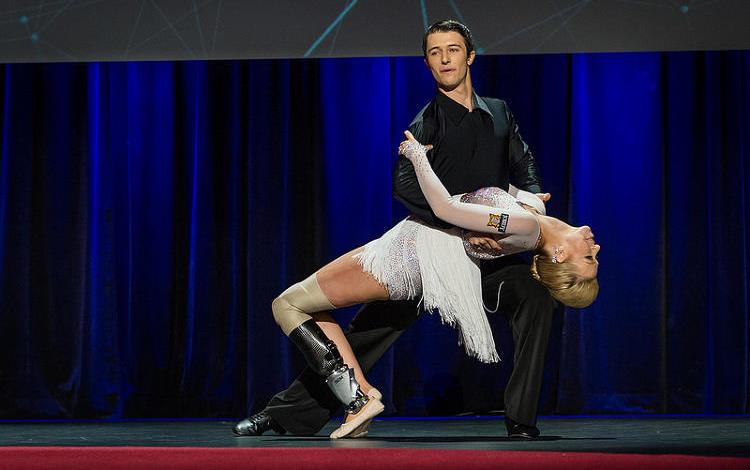
For instance, on the TED stage this week in Vancouver, which included presentations from astronaut Chris Hadfield, NSA whistle blower Edward Snowden, and anti-corruption activist Charmiah Gooch, there was one presentation that really stole the stage. It Adrianne Haslet-Davis, a former dance instructor and a survivor of the Boston Marathon bombing, dancing again for the first time. And it was all thanks to a bionic limb developed by noted bionics researcher Hugh Herr.
As the director of the Biomechatronics Group at the MIT Media Lab, Herr is known for his work on high-tech bionic limbs and for demonstrating new prosthetic technologies on himself. At 17, he lost both his legs in a climbing accident. After discussing the science of bionic limbs, Herr brought out Adrianne, who for the first time since her leg amputation, performed a short ballroom dancing routine.
This was made possible thanks to the help of a special kind of bionic limb that designed by Herr and his colleagues at MIT specifically for dancing. The design process took over 200 days, where the researchers studied dance, brought in dancers with biological limbs, studied how they moved, and examined the forces they applied on the dance floor. What resulted was a “dance limb” with 12 sensors, a synthetic motor system that can move the joint, and microprocessors that run the limb’s controllers.
The system is programmed so that the motor moves the limb in a way that’s appropriate for dance. As Herr explained in a briefing after his talk:
It was so new. We had never looked at something like dance. I understand her dream and emotionally related to her dream to return to dance. It’s similar to what I went through.” Herr says he’s now able to climb at a more advanced level than when he had biological legs.
Haslet-Davis’s new limb is only intended for dancing; she switches to a different bionic limb for regular walking. And while this might seem like a limitation, it in fact represents a major step in the direction of bionics that can emulate a much wider range of human motion. Eventually, Herr envisions a day when bionic limbs can switch modes for different activities, allowing a person to perform a range of different tasks – walking, running, dancing, athletic activity – without having to change prosthetics.
In the past, Herr’s work has been criticized by advocates who argue that bionic limbs are a waste of time when many people don’t even have access to basic wheelchairs. He argues, however, that bionic limbs–which can cost as much as a nice car–ultimately reduce health care costs. For starters, they allow people to return to their jobs quickly, Herr said, thus avoiding workers’ compensation costs.
They can also prevent injuries resulting from prosthetics that don’t emulate normal function as effectively as high-tech limbs. And given the fact that the technology is becoming more widespread and additive manufacturing is leading to lower production costs, there may yet come a day when a bionic prosthetic is not beyond the means of the average person. Needless to say, both Adrianne and the crowd were moved to tears by the moving and inspiring display!
Next, there’s the inspiring story of Igor Spectic, a man who lost his right arm three years ago in a workplace accident. Like most people forced to live with the loss of a limb, he quickly came to understand the limitations of prosthetics. While they do restore some degree of ability, the fact that they cannot convey sensation means that the wearers are often unaware when they have dropped or crushed something.
Now, Spectic is one of several people taking part in early trials at Cleveland Veterans Affairs Medical Center, where researchers from Case Western Reserve University are working on prosthetics that offer sensation as well as ability. In a basement lab, the trials consist of connecting his limb to a prosthetic hand, one that is rigged with force sensors that are plugged into 20 wires protruding from his upper right arm.
These wires lead to three surgically implanted interfaces, seven millimeters long, with as many as eight electrodes apiece encased in a polymer, that surround three major nerves in Spetic’s forearm. Meanwhile, a nondescript white box of custom electronics does the job of translating information from the sensors on Spetic’s prosthesis into a series of electrical pulses that the interfaces can translate into sensations.
According to the trial’s leader, Dustin Tyler – a professor of biomedical engineering at Case Western Reserve University and an expert in neural interfaces – this technology is “20 years in the making”. As of this past February, the implants had been in place and performing well in tests for more than a year and a half. Tyler’s group, drawing on years of neuroscience research on the signaling mechanisms that underlie sensation, has developed a library of patterns of electrical pulses to send to the arm nerves, varied in strength and timing.
Spetic says that these different stimulus patterns produce distinct and realistic feelings in 20 spots on his prosthetic hand and fingers. The sensations include pressing on a ball bearing, pressing on the tip of a pen, brushing against a cotton ball, and touching sandpaper. During the first day of tests, Spetic noticed a surprising side effect: his phantom fist felt open, and after several months the phantom pain was “95 percent gone”.
To test the hand’s ability to provide sensory feedback, and hence aid the user in performing complex tasks, Spetic and other trial candidates were tasked with picking up small blocks that were attached to a table with magnets, as well as handling and removing the stems from a bowl of cherries. With sensation restored, he was able to pick up cherries and remove stems 93 percent of the time without crushing them, even blindfolded.
While impressive, Tyler estimates that completing the pilot study, refining stimulation methods, and launching full clinical trials is likely to take 10 years. He is also finishing development of an implantable electronic device to deliver stimuli so that the technology can make it beyond the lab and into a household setting. Last, he is working with manufacturers of prostheses to integrate force sensors and force processing technology directly into future versions of the devices.
As for Spetic, he has drawn quite a bit of inspiration from the trials and claims that they have left him thinking wistfully about what the future might bring. As he put it, he feels:
…blessed to know these people and be a part of this. It would be nice to know I can pick up an object without having to look at it, or I can hold my wife’s hand and walk down the street, knowing I have a hold of her. Maybe all of this will help the next person.
This represents merely one of several successful attempts to merge the technology of nerve stimulation in with nerve control, leading to bionic limbs that not only obey user’s commands, but provide sensory feedback at the same time. Given a few more decades of testing and development, we will most certainly be looking at an age where bionic limbs that are virtually indistiguishable from the real thing exist and are readily available.
And in the meantime, enjoy this news story of Adrianne Haslet-Davis performing her ballroom dance routine at TED. I’m sure you’ll find it inspiring!
There’s seems to be no shortage of medical breakthroughs these days! Whether it’s bionic limbs, 3-D printed prosthetic devices, bioprinting, new vaccines and medicines, nanoparticles, or embedded microsensors, researchers and medical scientists are bringing innovation and technological advancement together to create new possibilities. And in recent months, two breakthrough in particular have bbecome the focus of attention, offering the possibility of smarter surgery and health monitoring.
First up, there’s the tiny bladder sensor that is being developed by the Norwegian research group SINTEF. When it comes to patients suffering from paralysis, the fact that they cannot feel when their bladders are full, para and quadriplegics often suffer from pressure build-up that can cause damage to the bladder and kidneys. This sensor would offer a less invasive means of monitoring their condition, to see if surgery is required or if medication will suffice.
Presently, doctors insert a catheter into the patient’s urethra and fill their bladder with saline solution, a process which is not only uncomfortable but is claimed to provide an inaccurate picture of what’s going on. By contrast, this sensor can be injected directly into the patients directly through the skin, and could conceivably stay in place for months or even years, providing readings without any discomfort, and without requiring the bladder to be filled mechanically.
Patients would also able to move around normally, plus the risk of infection would reportedly be reduced. Currently readings are transmitted from the prototypes via a thin wire that extents from the senor out through the skin, although it is hoped that subsequent versions could transmit wirelessly – most likely to the patient’s smartphone. And given that SINTEF’s resume includes making sensors for the CERN particle collider, you can be confident these sensors will work!
Next month, a clinical trial involving three spinal injury patients is scheduled to begin at Norway’s Sunnaas Hospital. Down the road, the group plans to conduct trials involving 20 to 30 test subjects. Although they’re currently about to be tested in the bladder, the sensors could conceivably be used to measure pressure almost anywhere in the body. Conceivably, sensors that monitor blood pressure and warn of aneurisms or stroke could be developed.
Equally impressive is the tiny, doughnut-shaped sensor being developed by Prof. F. Levent Degertekin and his research group at the George W. Woodruff School of Mechanical Engineering at Georgia Tech. Designed to assist doctors as they perform surgery on the heart or blood vessels, this device could provide some much needed (ahem) illumination. Currently, doctors and scientists rely on images provided by cross-sectional ultrasounds, which are limited in terms of the information they provide.
As Degertekin explains:
If you’re a doctor, you want to see what is going on inside the arteries and inside the heart, but most of the devices being used for this today provide only cross-sectional images. If you have an artery that is totally blocked, for example, you need a system that tells you what’s in front of you. You need to see the front, back, and sidewalls altogether.
That’s where their new chip comes into play. Described as a “flashlight” for looking inside the human body, it’s basically a tiny doughnut-shaped sensor measuring 1.5 millimeters (less than a tenth of an inch) across, with the hole set up to take a wire that would guide it through cardiac catheterization procedures. In that tiny space, the researchers were able to cram 56 ultrasound transmitting elements and 48 receiving elements.
So that the mini monitor doesn’t boil patients’ blood by generating too much heat, it’s designed to shut its sensors down when they’re not in use. In a statement released from the university, Degertekin explained how the sensor will help doctors to better perform life-saving operations:
Our device will allow doctors to see the whole volume that is in front of them within a blood vessel. This will give cardiologists the equivalent of a flashlight so they can see blockages ahead of them in occluded arteries. It has the potential for reducing the amount of surgery that must be done to clear these vessels.
Next up are the usual animal studies and clinical trials, which Degertekin hopes will be conducted by licensing the technology to a medical diagnostic firm. The researchers are also going to see if they can make their device even smaller- small enough to fit on a 400-micron-diameter guide wire, which is roughly four times the diameter of a human hair. At that size, this sensor will be able to provide detailed, on-the-spot information about any part of the body, and go wherever doctors can guide it.
Such is the nature of the new age of medicine: smaller, smarter, and less invasive, providing better information to both save lives and improve quality of life. Now if we can just find a cure for the common cold, we’d be in business!
Despite anxieties associated with drone use – most of which have to do with domestic surveillance and warfare – there are numerous positive uses for the technology. Whether it is keeping an eye on oil rigs, monitoring underground cables, spying on drug or human traffickers, or ecological surveillance, there are plenty of uses for unmanned aerial vehicles beyond warfare and invading privacy.
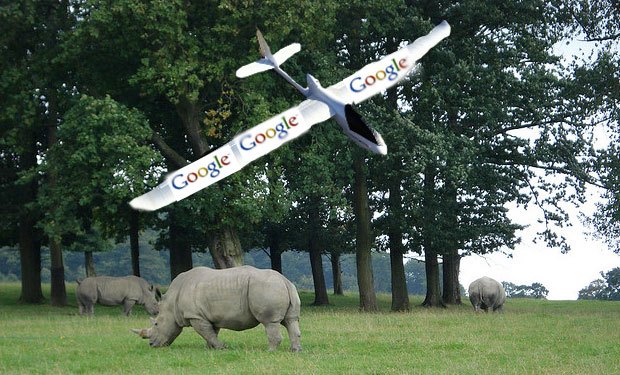
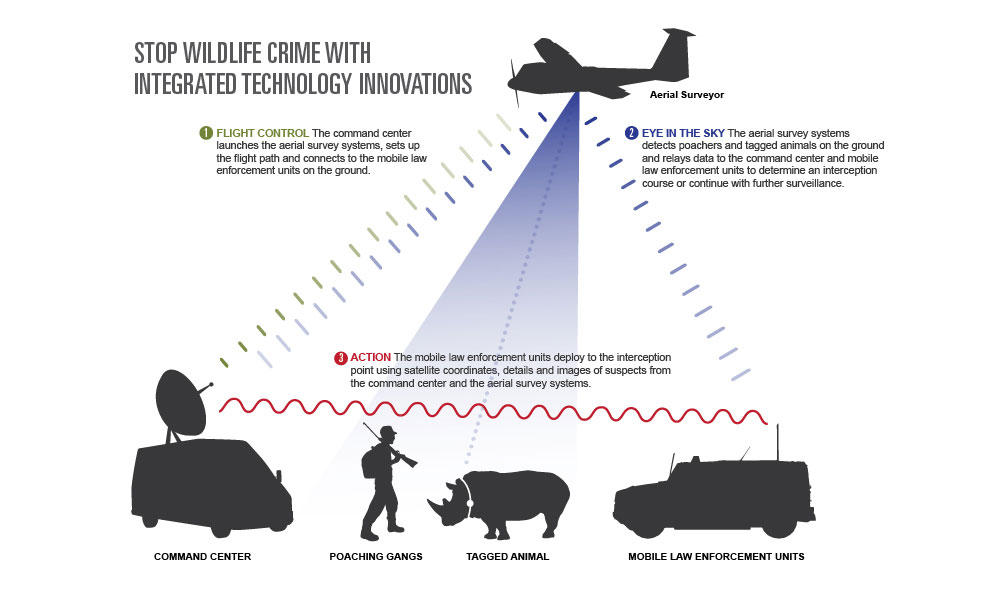
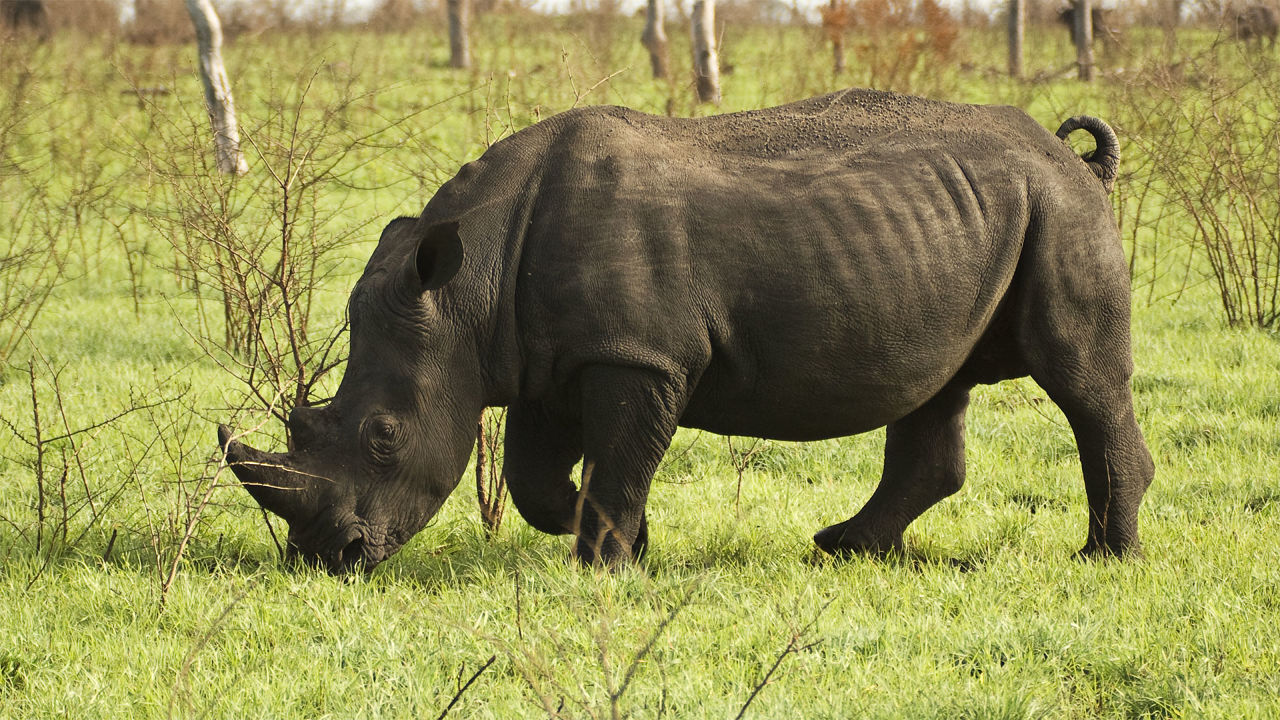
In Namibia, for example, where poaching remains a problem, drones may be the key to protecting the endangered rhino and elephants. Namibia’s Ministry of Environment and Tourism, along with the World Wildlife Fund and funding from Google, have partnered to invest in drones that can track rhino and elephant herds. Through the use of these drones, the researchers were able to follow herds and alert law enforcement in the event the animals were being targeted by poachers.
In field tests conducted in two national parks in November 2013, drones with 2-metre wingspans flew day and night missions to video black rhino herds and send live footage to poacher-tracking rangers on the ground. Smart radio tags attached to rhinos allowed the drones to home in on each herd’s current location. Crawford Allan, leader of the Wildlife Crime Technology Project at WWF, put it as follows:
We broke new ground using technologies that have never been integrated before to provide powerful wildlife protection.
The MET says it will now press ahead and deploy drones in areas of Namibia where rhinos and elephants roam. WWF estimates that illegal poaching in Africa nets criminals $10 billion each year – with some 22,000 elephants killed annually and 1000 rhinos killed last year in South Africa alone. Their efforts are also thinning out elephant and rhino populations and putting the entire ecosystem at risk.
Although the drone program should help prevent poaching in Namibia, the issue is widespread across Africa. It’s not clear whether a similar program will be rolled out elsewhere, but any success incurred in Namibia to stop poaching will set a precedent others are sure to follow. And, it should be noted, this country and the WWF are hardly alone in wanting to adapt UAV technology to the goal or ecological or species conservation.
In many ways, MET’s use of high-tech to protect wildlife echoes that of Technology For Nature (TfN), a joint venture of Microsoft Research in Cambridge, UK, University College London and the Zoological Society of London. Led by Lucas Joppa and Siamak Tavakoli at Microsoft, TfN is getting similar drone and animal-tagging projects off the ground in the Republic of the Congo, the Seychelles and Zambia.
And then there’s Conservation Drones, a non-profit organization co-founded by Serge Wich – a professor in primate biology at John Moores University. Made up of researchers and technologists, the group’s mandate is to spread drone use around the world for the sake of conservation. So far, they have worked with conservation groups and governments in Nepal, Indonesia, Gabon, and Greenland, and Wich hopes to visit more countries later this year.
According to Wich, the challenges to conservation go beyond simply monitoring endangered animals, which may be in too few number to accurately keep track of. There’s also the matter of the rough and vast terrain, which can be very difficult to physically cover. Drones are a big game changer in this game. By covering large areas in surveys, doing it repeatedly, and automating some of the analysis, aerial vehicles can track wildlife in a more comprehensive and efficient way.
Thanks to the growth of commercial aerial drones in recent years and the significant reduction in price, the technology is becoming much more affordable and user-friendly. The kits Conservation Drones uses cost no more than about $3,000, and the latest version has an open-source autopilot platform from California, along with a GPS tracker and altimeter. It’s then fitted with still cameras or video. As Wich himself put it:
The potential is huge to allow people to do very efficient data collection on a variety of issues that are important for conservation. We often struggle determining how many animals there are, where human encroachment is occurring. There are an enormous amount of ecological questions we can address with these systems.
To set a flight path, Wich simply plugs in a few points on a Google Map, then launches the drone by hand. The battery-powered module can fly for up to an hour, and cover a maximum distance of about 40 km (25 miles). The drones offer an aerial view, allowing Wich and his colleagues to get a close-up view unobscured by clouds. The next step is to improve the analysis of the images that come back.
Conservation Drones is now working to automate the counting process, and build up picture-maps by stitching hundreds of images together (like the one above). It also wants to create 3-D model environments, providing a sort of living inventory of what’s been destroyed and what remains. Long-term, it is hoped that governments all over the world with conservation problems will used the detailed software and aerial drones to keep tabs on their endangered animals and habitats to ensure their protection.
Several other groups are also pioneering drones-for-conservation, notably the World Wildlife Fund working with Google, the International Anti-Poaching Foundation, led by Iraq War veteran Damien Mander, and ShadowView, a group out of the Netherlands. Poachers beware. In addition, the Zambian Carnivore Program will be testing a pair of VHF-radio-equipped quadcopter drones in the US soon and he hopes to begin testing the miniature aircraft in Kafue National Park in Zambia in May.
In the meantime, check out this video of the MET/WWF drone survey:
And learn more about Conservation Drones from this TED talk by Wich’s partner Lian Pin Koh:
After years of research, development and testing, SpaceX (Elon Musk’s poster child of the commercial space travel revolution) is about to attempt something truly revolutionary. In a bid to significantly reduce the costs of sending rockets into space, they will attempt the first ever soft landing of a heavy space launch vehicle. Initially planned for March 16th, the company has since updated the launch date to March 30th in order to give its techs more time to prepare.
On this day, if all goes according to plan, SpaceX mission CRS-3 will lift off from Cape Canaveral on a resupply mission to the International Space Station. In the past, rockets blasting off from Earth would normally ditch the massive primary stage of their assembly into the ocean after launch. But this one it will sprout some metal legs and use what’s left of its rocket fuel to slowly return to Earth.
This is perhaps the single most important step in SpaceX’s stated goal of reducing the cost of space travel by a factor of ten or more, which will ensure the acceleration of space travel for the indefinite future. One of the primary reasons that the human exploration of space is moving so slowly is the cost factor. For heavy lift vehicles, which are required to lift large satellites, equipment, and supplies into space, it costs roughly $22,000 to lift a single kilogram ($10,000 per pound) into orbit.
It costs even more to send a rocket beyond Earth’s gravity well and out into space, which is why reducing costs is seen as intrinsic to sending manned missions to Mars. Currently, NASA pays around $70 million per seat aboard the Soyuz space capsule, thanks to the cancellation of the Space Shuttle Program in 2011. But a crewed version of SpaceX’s Dragon capsule, DragonRider, is also in development, which will reduce the cost per seat to $20 million.
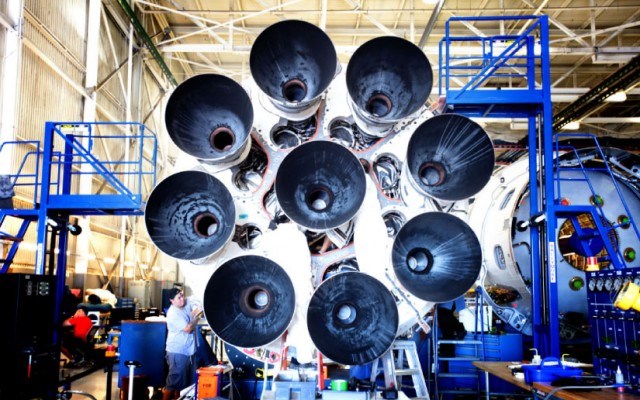
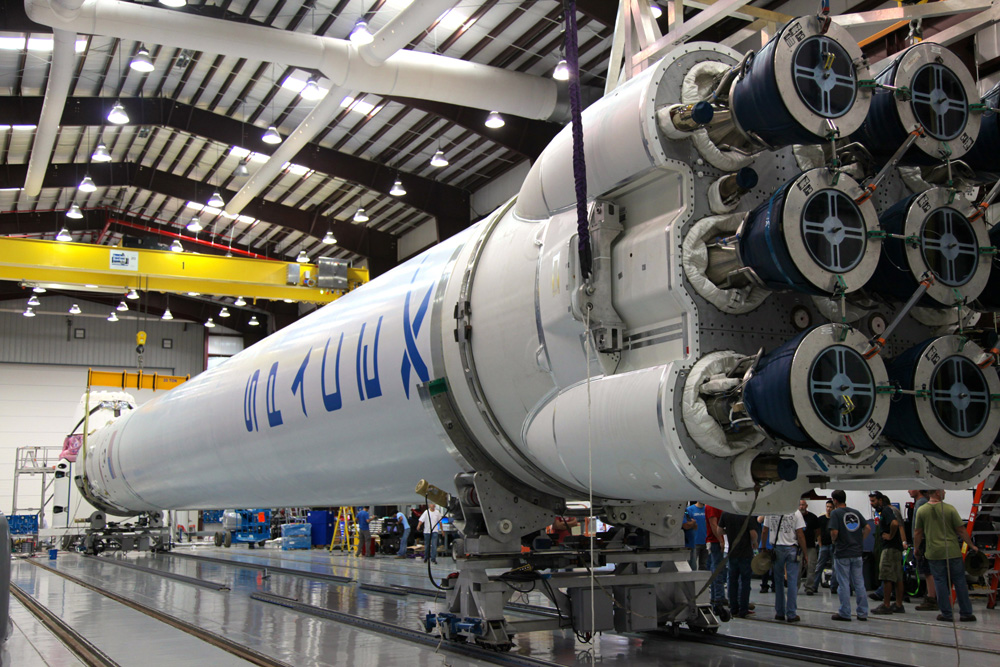
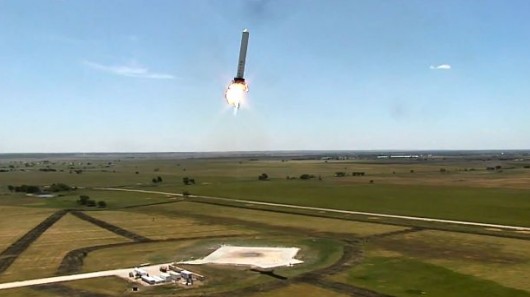
SpaceX debuted its Reusable Launch Vehicle (RLV) tech on the suborbital Grasshopper rocket in October of 2013. This came after multiple launches were conducted that saw the rocket reach greater and greater altitudes and which tested its ability to maneuver horizontally. Once this was complete, they began the task of fitting a Falcon 9 with the Merlin rocket engines, which would bring the vehicle back to Earth after the first stage rocket detached.
For this flight, the first stage will still land in the water to minimize the chance of damage if something goes wrong. But once SpaceX is confident that it can do a soft landing with its RLV safely, future launches will see the first stage fly all the way back to to the launchpad. After that, SpaceX will start bringing the second stage back to the launchpad, too. The eventual goal, according to SpaceX, is to create a launch system that is reusable within “single-digit hours.”
Basically, SpaceX would give these rockets a quick once-over, fill them back up with fuel, and send them back to work. If everything goes to plan, the total cost per pound to launch into Earth orbit could drop to $500 or less — one twentieth of what unreusable rockets cost. Suffice it to say, if SpaceX manages to undercut every other space launch company in the world — including the Russian and Chinese governments — it could suddenly find itself in a very powerful and lucrative position.
Not only would it replace Russia and the Ukraine as NASA’s primary contractor, it would also see to the restoration of America’s ability to send people, equipment, satellites and supplies into space from its own soil. Given the current state of tensions in the Crimea, this is sure to put a smile on a lot of people’s faces in DC. The launch is currently scheduled to take place at the end of March and there will be a live NASA feed to cover the rocket’s descent.
And while we’re waiting, here’s a clip of SpaceX first testing out the Grasshopper rocket to take us back:
As Napoleon Bonaparte once said, “An army marches on its belly”. And like most tidbits of military wisdom, this is one that has not changed with the ages. Whether it’s leading an army of war elephants and hoplites through the Alps, a Grande Armee across the Steppes, or a mechanized division through Central Asia, the problem of logistics is always there. For an army to remain effective and alive, it needs to be supplied; and those supply trains has to be kept moving and safe.
In the modern world, this consists of ensuring that troop and supply trucks are protected from the hazards of enemy snipers, rockets, and the all-too-prevalent menace of improvised explosive devices (IEDs). Until now, this consisted of having armed convoys escort armored trucks through hostile terrain and contested areas. But in an age of unmanned aerial vehicles and robotic exoskeletons, it seems only natural that driverless trucks would be the next big thing.
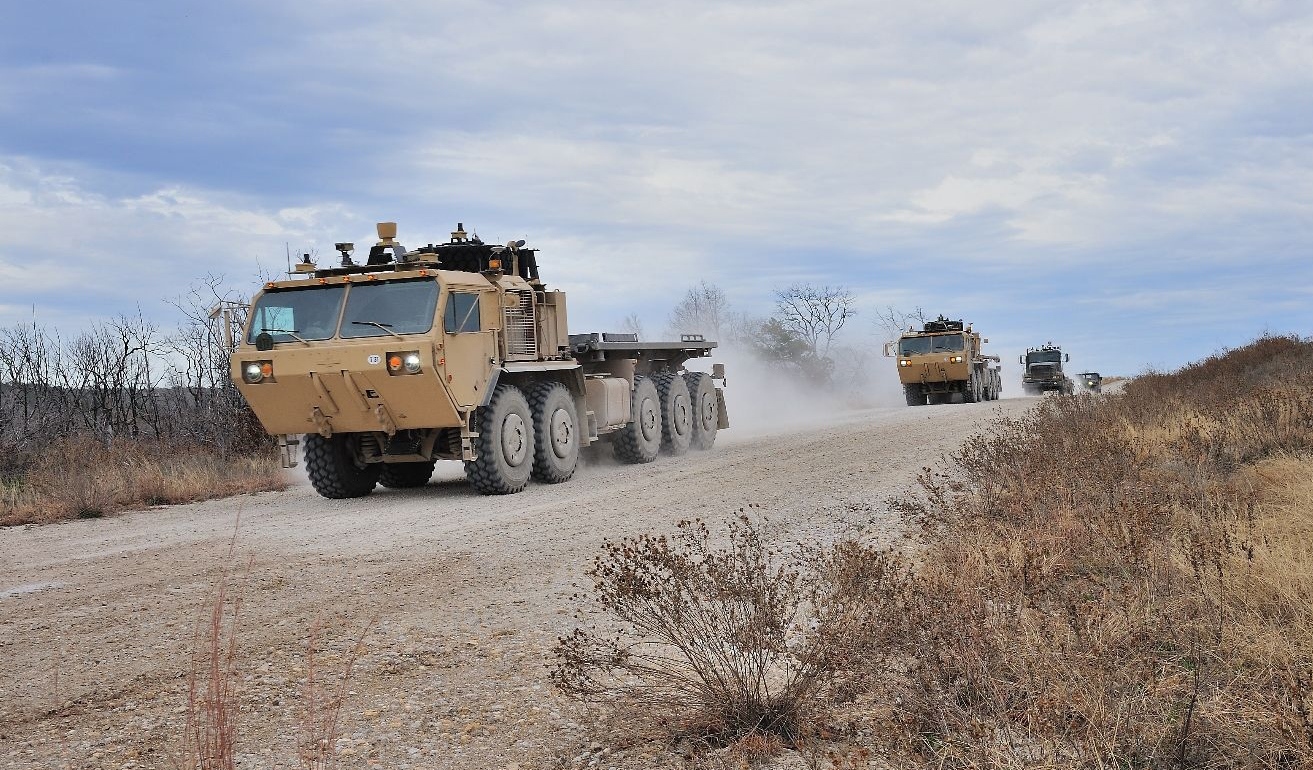
That’s the thinking behind the Autonomous Mobility Appliqué System (AMAS), a program being developed by the U.S. Army Tank-Automotive Research, Development and Engineering Center (TARDEC) in collaboration with major defense contractor Lockheed Martin. This program, which was demonstrated earlier this month at Fort Hood, Texas, gives full autonomy to convoys to operate in urban environments.
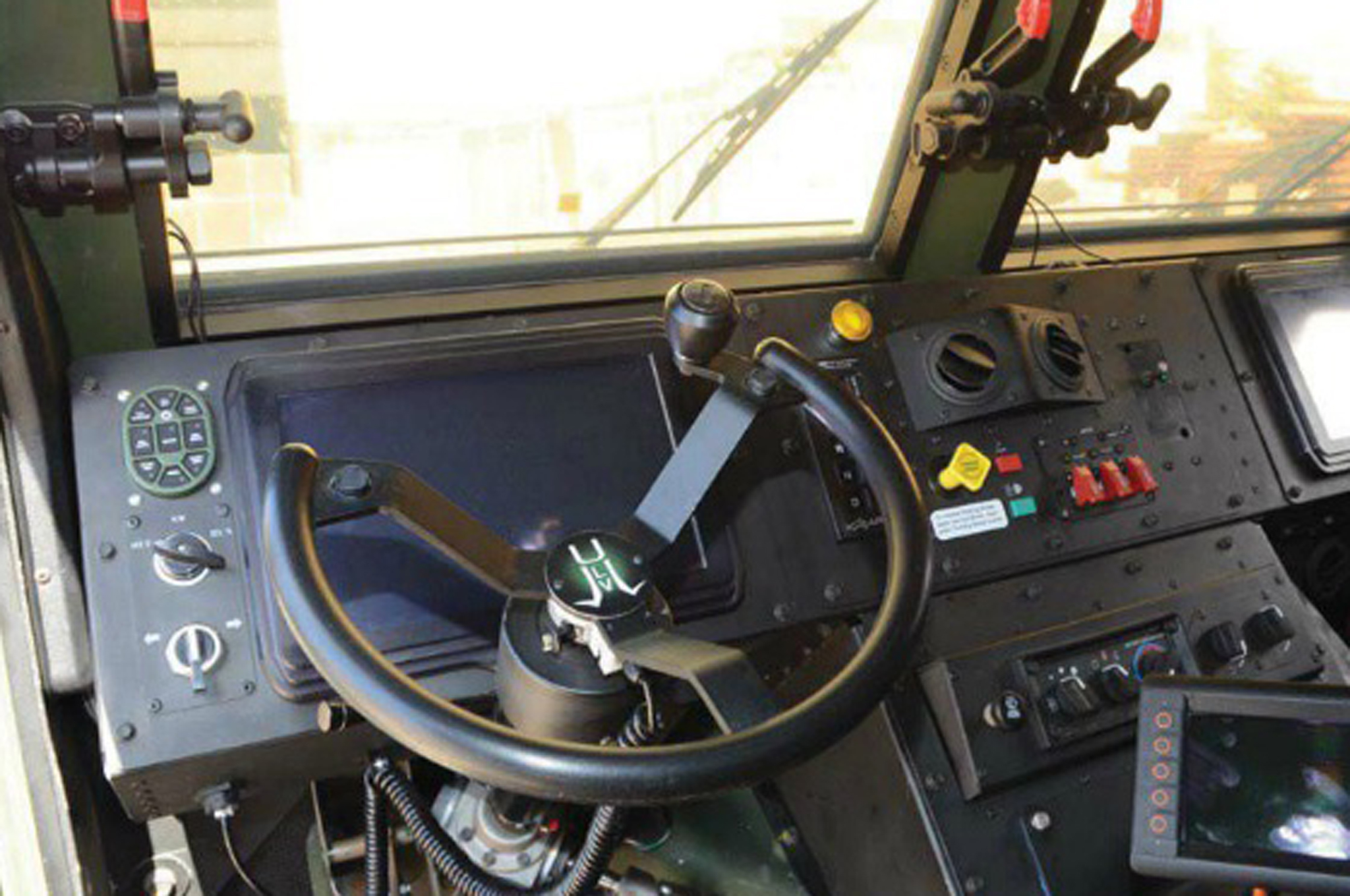
In tests, driverless tactical vehicles were able to navigate hazards and obstacles including pedestrians, oncoming traffic, road intersections, traffic circles and stalled and passing vehicles. Similar to the systems used by the first generation of robotized cars, the AMAS program for the Pentagon’s ground troops uses standard-issue vehicles outfitted with a high-performance LIDAR sensor and a second GPS receiver, locked and loaded with a range of algorithms.
That gear, Lockheed said, could be used on virtually any military vehicle, but in these tests was affixed to the Army’s M915 tractor-trailer trucks and to Palletized Loading System vehicles. According to Lockheed, AMAS also gives drivers an automated option to alert, stop and adjust, or take full control under user supervision. David Simon, AMAS program manager for Lockheed Martin Missiles and Fire Control, described the program in a statement:
The AMAS CAD hardware and software performed exactly as designed, and dealt successfully with all of the real-world obstacles that a real-world convoy would encounter.
Under an initial $11 million contract in 2012, Lockheed Martin developed the multiplatform kit which integrates low-cost sensors and control systems with Army and Marine tactical vehicles to enable autonomous operation in convoys. But not only do driverless convoys add a degree of safety under dangerous conditions, they also move the military closer its apparent goal of nearly total autonomous warfare.
AMAS algorithms also are used to control the company’s Squad Mission Support System (SMSS), a more distinctive and less conventional six-wheeled unmanned ground vehicle that has been used by soldiers in Afghanistan. Combined with robots, like the Legged Squad Support System (LS3) by Boston Dynamics, the development of driverless trucks is not only a good counter to suicide bombers and IEDs, but part of a larger trend of integrated robotics.
In an age where more and more hardware can be controlled by a remote operator, and grunts are able to rely on robotic equipment to assist them whenever and wherever the 3D’s of hostile territory arise (i.e. dirty, difficult, or dangerous), trucks and armored vehicles that can guide themselves is just the latest in a long line of developments aimed at “unmanning the front lines”.
And of course, there’s a video of the concept in action, courtesy of the U.S. Army and TARDEC:
Studies have shown that a good deal of amputees feel pain in their lost limbs, a condition known as Phantom Limb Pain (PLP). The condition is caused when the part of brain responsible for a limb’s movement becomes idle, and thus far has very difficult to treat. But a new study suggests therapy involving augmented reality and gaming could stimulate these unused areas of the brain, resulting in a significant reduction in discomfort.
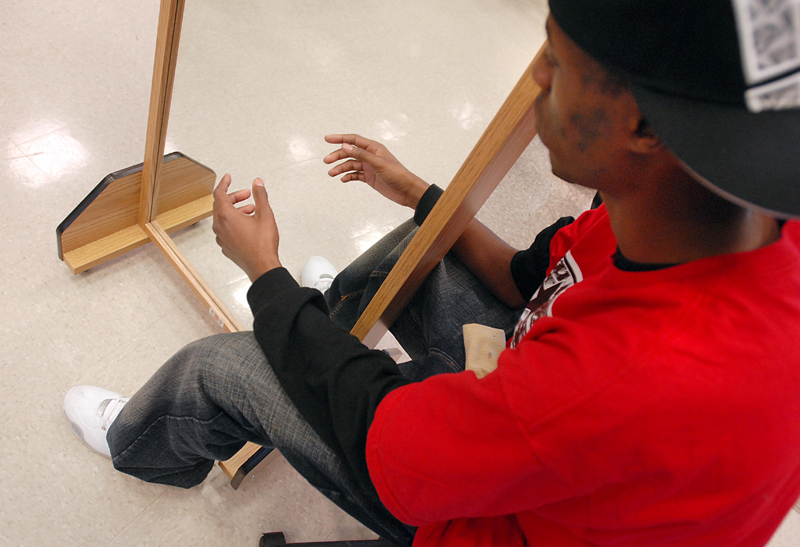
Previous attempts to ease PLP by replicating sensory feedback from an artificial hand have included prosthetics and a treatment known as mirror therapy, where a reflection of the patient’s remaining limb is used to replace the phantom limb. Virtual reality systems have resulted in more sophisticated mirror therapy, but the approach is only useful for the treatment of one-sided amputees.
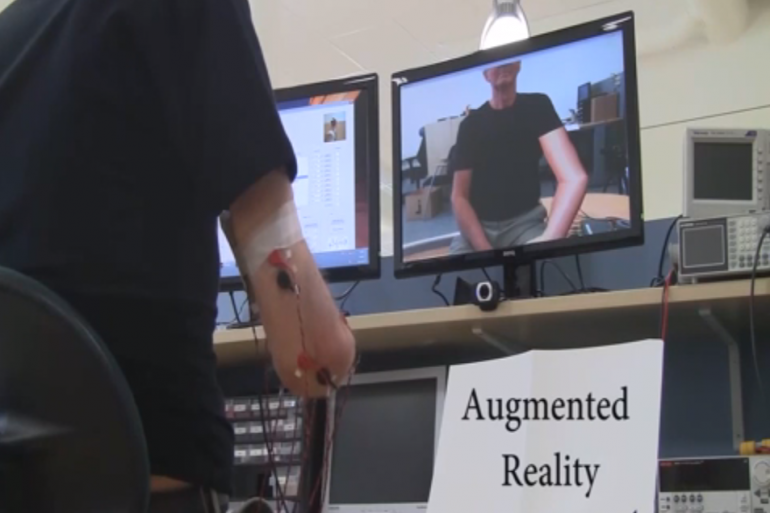
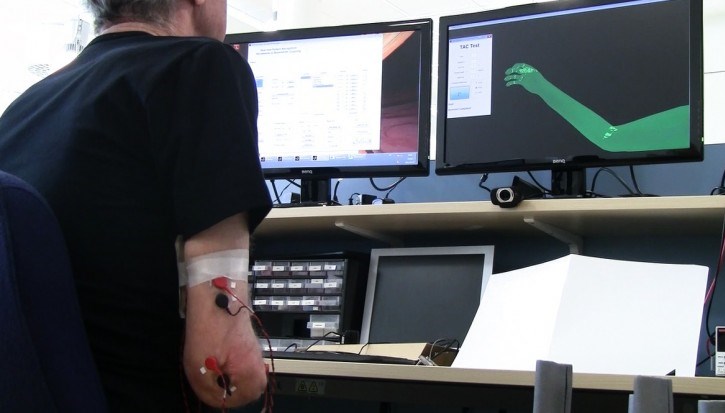
A research team from Sweden’s Chalmers University of Technology sought to overcome this and achieve greater levels of relief by testing a treatment where the virtual limb would be controlled through myoelectric activity. This is a process where the muscle signals which would control the phantom limb at the stump are detected and then used to create a pattern that will predict the limb’s movements and provide the requisite stimulation.
To test the treatment, the researchers connected amputee Ture Johanson – a man who have lived with PLP for 48 years – to a computer. Electrodes running from his stump to the machine provided the input signals, and on the computer screen, he was able to see and move a superimposed virtual arm. The electronic signals from his arm communicated to the computer and his movements were simulated before his very eyes, and then used to control a car in a racing game.
Within weeks of starting this augmented reality treatment in Max Ortiz Catalan’s clinic at Chalmers, his found his pain easing and even disappearing entirely. Mr Johanson says he has noticed other benefits, like how perceives his phantom hand to be in a resting, relaxed position rather than constantly a clenched fist:
The pain is much less now. I still have it often but it is shorter, for only a few seconds where before it was for minutes. And I now feel it only in my little finger and the top of my ring finger. Before it was from my wrist to my little finger… Can you imagine? For 48 years my hand was in a fist but after some weeks with this training I found that it was different. It was relaxed. It had opened.
Mr Johanson has also learned to control the movements of his phantom hand even when he is not wired up to the computer or watching the virtual limb.
Max Ortiz Catalan, the brains behind the new treatment, says giving the muscles a work-out while being able to watch the actions carried out may be key to the therapy. Catalan says it could also be used as a rehabilitation aid for people who have had a stroke or those with spinal cord injuries. As he put it:
The motor areas in the brain needed for movement of the amputated arm are reactivated, and the patient obtains visual feedback that tricks the brain into believing there is an arm executing such motor commands. He experiences himself as a whole, with the amputated arm back in place.
While he and his team points out that its research is based on the study of only one patient, the success in achieving pain relief following a series of unsuccessful treatments is a clear sign of efficacy and should lead to equally successful results in other test cases. Their research appeared in a recent issue of Frontiers in Neuroscience titled “Treatment of phantom limb pain (PLP) based on augmented reality and gaming controlled by myoelectric pattern recognition: a case study of a chronic PLP patient”.

 What would your town be if it happened to fall within the A Song of Ice and Fire universe? That’s the question British Columbia resident Andrew Cuthbert asked himself when he created a map trying parallel the geography from Game of Thrones to his (and my) home province. Specifically, the map has been repitched using locations from Westeros, the setting of much the story, with townships that bear the greatest geographical and cultural resemblances becoming their Westerosi equivalent.





















 Stories by Williams