In recent years, rehabilitative systems have been developed that can allow stroke victims to move animated images of their paralyzed limbs, or to activate robotic devices that guide their limbs through the desired movements. Slowly, we are entering an age where machines can turn thoughts into ambulatory ability, allowing people who suffer from paralysis to lead more fuller lives.
But scientists at the University of Wisconsin-Madison have taken it a step further with a device that acts as an intermediary between the brain and a non-responsive hand, receiving signals from the one and transmitting them to the other. Known as the Closed-Loop Neural Activity-Triggered Stroke Rehabilitation Device, it consists of two established technologies.
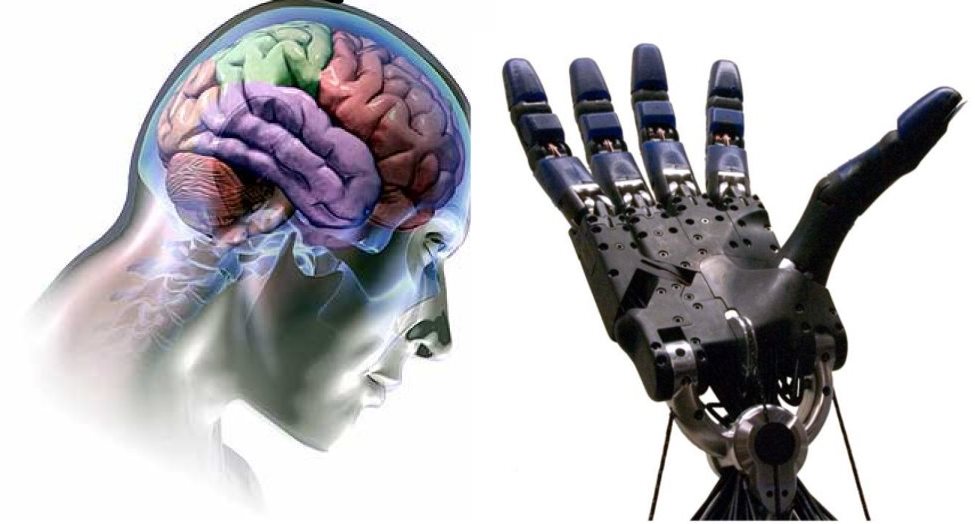
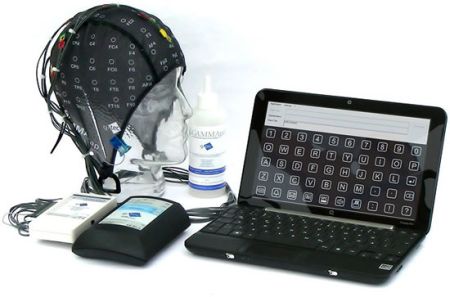
The first of those is a brain control interface (BCI), which interprets electrical signals from the brain and uses them to control an external device. In the past, this has been used to control robotic limbs, usually to assist people dealing with paralysis. But in this case, it activates a functional electrical stimulation (FES) system that’s attached to the paralyzed hand.
Basically, when a patient thinks of tapping their fingers, the BCI reads and recognizes those signals. The computer then passes these signals along to the FES, and it causes the hand to move as desired. The idea is that by repeatedly moving their hand in this fashion, patients will rebuild the neural pathways that previously allowed them to do so unaided.
To test the device, Dr. Vivek Prabhakaran and Dr. Justin Williams, brought together eight stroke patients – all of whom had lost at least partial use of one hand. Over the course of 9 to 15 sessions over a period of three to six weeks, each session lasting from two to three hours, they conducted clinical trials with their machine and recorded the results.
This was conducted using a functional magnetic resonance imaging (fMRI) and diffusion tensor imaging (DTI) device. By scanning the patient’s brains before, during and after the trials, they were able to determine that the sessions resulted in a reorganization of the parts of the brain involved in motor function, while the DTI showed a strengthening of fibers in the white matter area of the brain.
Although there was some variation depending on the severity of each person’s stroke, the overall effect ws that patients experienced an improvement in motor function, and reported an improvement in their ability to perform daily activities. Looking long-term, Dr. Vivek Prabhakaran said that:
Our hope is that this device not only shortens rehabilitation time for stroke patients, but also that it brings a higher level of recovery than is achievable with the current standard of care.
Up until recently, the idea of using electrostimulus to send signals directly from the brain to the limbs, bypassing spinal injuries or other impediments to ambulatory ability, has been considered the province of science fiction. However, ongoing research and testing has been pushing the limits of what is possible with this technology.
Using our minds to control machinery is certainly an impressive feat, but using our minds to control machinery to restore or expand our abilities to control our own bodies. Not only is that impressive, its potentially revolutionary, and portends of an age where there is no such thing as permanent injuries or loss of ability anymore.
The Moon has been quite the source of news lately. From NASA’s and the ESA’s planned efforts to build a settlement, to NASA and Google planning to send vegetation there, and China’s recent deployment of the Jade Rabbit rover, it seems that all the major space agencies of the world are eying the lunar surface with plans for eventual colonization.
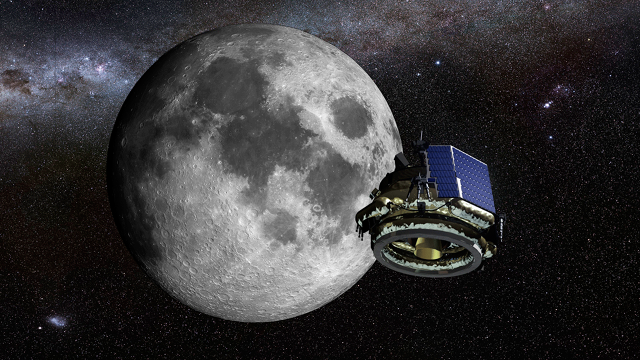
What’s more, numerous private interests are looking to get in on the action, plotting everything from space tourism to courier services. One such company is Moon Express, a space startup that is competing for the Google Lunar X prize to develop a spacecraft that would one day be able to land on the lunar surface, move 500 meters, and send back two messages.
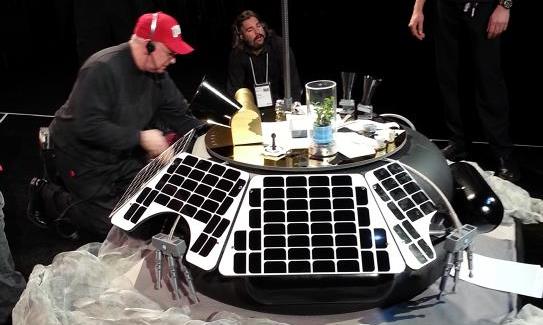
Their craft is known as the MX-1, the company’s first robotic lander that was designed with the intent to deliver payloads to the lunar surface by 2015 and be able to transport precious minerals back. The privately held company, which is backed by billionaire Naveen Jain, unveiled the robot at the Autodesk’s University conference in Las Vegas.
According to Moon Express CEO Bob Richards, the MX-1 is very compact and could “fit basically inside of an SUV” trunk. The craft is unmanned, solar-powered, and uses hydrogen peroxide as rocket propellant. The fuel tanks are strapped to the vehicle’s underside, and serve two purposes. As Richards explains:
When the tanks are empty, they now act as a bumper. People are used to seeing landing gear on a spacecraft, but we didn’t need landing gear–the fuel tanks are the structure. It looks like something you’d land on a beach actually.
To get to space, the craft is launched via rocket, and once deployed can navigate all by itself to the moon. And though small, the MX-1 is capable of carrying roughly 60 kilograms of payload. For its early missions, the startup plans to take part in NASA’s goal of delivering plants to the moon, including basil, turnips, and Arabidopsis (a sort of mustard-seed plant).
Additionally, the MX-1 will carry a small, black-and-gold telescope for a private company, which plans to set up the device as a moon cam on its surface, streaming live video back to Earth for all to watch. So in addition to China’s Jade Rabbit rover, which will be providing footage of the lunar surface, we can expect video to be provided by private interests as well.
But in the long run, the aim of MoonEx is far more entrepreneurial: it plans to mine resources from the moon, seeing it as an untapped and very lucrative target. The trick will be developing the MX-1 into a craft that can deliver payloads to-and-from the moon, at larger scales. As Richards put it:
What’s there? Probably more platinum than there is in all the reserves on Earth. Pick your spice: silver, nickel, everything that we mine here on Earth is on the moon.
However, Moon Express doesn’t expect to return with any payloads until at least its third mission. It plans to launch its first mission to the moon in 2015. And if they win Google’s Lunar X Prize, they just might have all the investment capital they need to make it happen.
Imagine a world where all known diseases were curable, where health problems could be treated in a non-invasive manner, and life could be extended significantly? Thanks to ongoing research into the human genome, and treatments arising out of it, that day may be coming soon. That’s the idea behind gene therapy and pharmacoperones – two treatment procedures that may make disease obsolete in the near future.
The first comes to us from the Utah School of Medicine, where researcher Amit Patel recently developed a non-invasive, naked DNA approach to deal with treating heart problems. His process was recently tested o Ernie Lively, an actor suffering from heart damage, who made a full recovered afterwards without ever having to go under the knife.
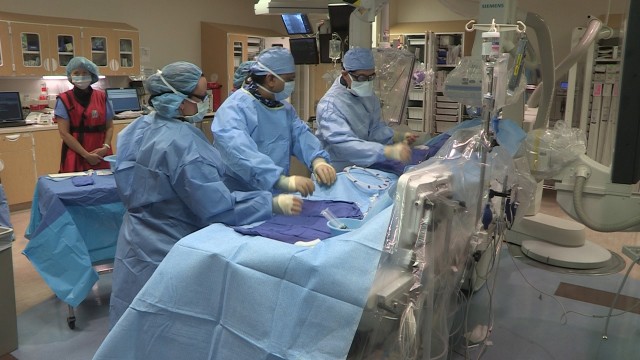
In short, Patel’s method relies on a catheter, which he used to access the main cardiac vein (or coronary sinus), where a balloon is inflated to halt the flow of blood and isolate the area. A high dose of naked DNA, which codes for a protein called SDF-1, is then delivered. SDF-1, which stands for stromal cell-derived factor, is a potent attractant both for stem cells circulating in the bloodstream, and for those developing in the bone marrow.
Stromal cells, which manufacture SDF-1, are the creative force which knit together our fibrous connective tissues. The problem is they do not make enough of this SDF-1 under normal conditions, nor do specifically deliver it in just the right places for repair of a mature heart. By introducing a dose of these cells directly into the heart, Patel was able to give Lively what his heart needed, where it needed it.
Compared to other gene therapies, the introduction of SDF-1 into cells was done without the assistance of a virus. These “viral vector” method have had trouble in the past due to the fact that after the virus helps target specific cells for treatment, the remnant viral components can draw unwanted attention from the immune system, leading to complications.
But of course, there is still much to be learned about the SDF-1 treatment and others like it before it can be considered a viable replacement for things like open-heart surgery. For one, the yield – the number or percentage of cells that take up the DNA – remains unknown. Neither are the precise mechanisms of uptake and integration within the cell known here.
Fortunately, a great deal of research is being done, particularly by neuroscientists who are looking to control brain cells through the use of raw DNA as well. Given time, additional research, and several clinical trials, a refined version of this process could be the cure for heart-related diseases, Alzheimer’s, and other disorders that are currently thought to be incurable, or require surgery.
Another breakthrough treatment that is expected to revolutionize medicine comes in the form of pharmacoperones (aka. “protein chaperones”). a new field of drugs that have the ability to enter cells and fix misfolded proteins. These kind of mutations usually result in proteins becoming inactive; but in some cases, can lead to toxic functionality or even diseases.
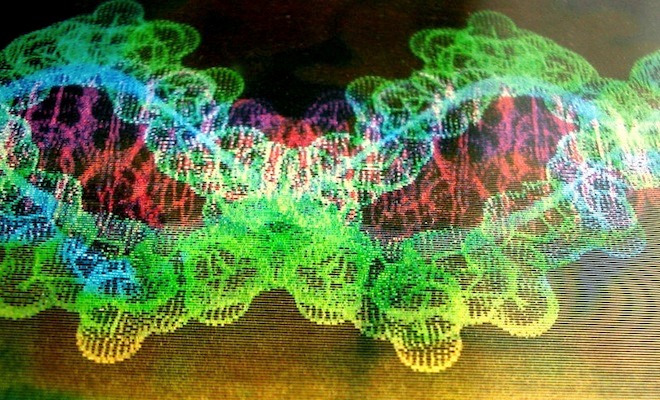
Basically, proteins adopt their functional 3-D structure by folding linear chains of amino acids, and gene mutation can cause this folding process to go awry, resulting in “misfolding”. Up until recently, scientists believed these proteins were simply non-functional. But thanks to ongoing research, it is now known their inactivity is due to the cell’s quality control system misrouting them within the cell.
Although this process has been observed under a microscope in recent years, a team led by Doctor P. Michael Conn while at Oregon Health & Science University (OHSU) was the first to demonstrate it in a living laboratory animal. The team was able to cure mice of a disease that makes the males unable to father offspring, and believe the technique will also work on human beings.
The team says neurodegenerative diseases, such as Alzheimer’s, Parkinson’s and Huntington’s, as well as certain types of diabetes, inherited cataracts and cystic fibrosis are just a few of the diseases that could potentially be cured using the new approach. Now working at the Texas Tech University Health Sciences Center (TTUHSC), Conn and his team are looking to conduct human trials.
One of the hallmarks of the coming age of science, technology and medicine is the idea that people will be living in post-mortality age, where all diseases and conditions are curable and life can be extended almost indefinitely. Might still sound like science fiction, but all of this research is indicative of the burgeoning trend where things that were once thought to be “treatable but not curable” is a thing of the past.
It’s an exciting time to be living in, almost as exciting as the world our children will be inhabiting – assuming things go according to plan. And in the meantime, check out this video of the SDF-1 gene therapy in action, courtesy of the University of Utah School of Medicine:
China accomplished a rather major technological and scientific feat recently with the recent soft landing of its Chang’e-3 robotic spacecraft on Dec.14th. This was the nation’s first attempt at landing a spacecraft on an extra-terrestrial body, and firmly established them as a competitor in the ongoing space race. What’s more, the event has been followed by a slew of fascinating and intriguing pictures.
The first were taken by the descent imaging camera aboard the Chang’e-3 lander, which began furiously snapping photos during the last minutes of the computer guided landing. The Chinese space agency then combined the photos to create a lovely compilation video, with the point of view rotated 180 degrees, to recreate what the descent looked like.
The dramatic soft landing took place at 8:11 am EST (9:11 p.m Beijing local time) with the lander arriving at Mare Imbrium (Latin for “Sea of Rains”) – one of the larger craters in the Solar System that is between 3 and 4.5 billion years old. The precise landing coordinates were 44.1260°N and 19.5014°W – located below the Montes Recti mountain ridge.
The video begins by showing the Chang’e-3 lander approaching the Montes Recti mountain ridge. At an altitude of 15 km (9 miles), the Chang’e-3 carried out the rocket powered descent to the Moon’s surface by firing the landing thrusters starting at the altitude of 15 km (9 mi) for a soft landing targeted to a preselected area in Mare Imbrium.
The vehicles thrusters then fired to pivot the lander towards the surface at about the 2:40 minute mark when it was at an altitude of roughly 3 km (1.8 miles). The powered descent was autonomous, preprogrammed and controlled by the probe itself, not by mission controllers on Earth stationed at the Beijing. Altogether, it took about 12 minutes to bring the lander onto the surface.
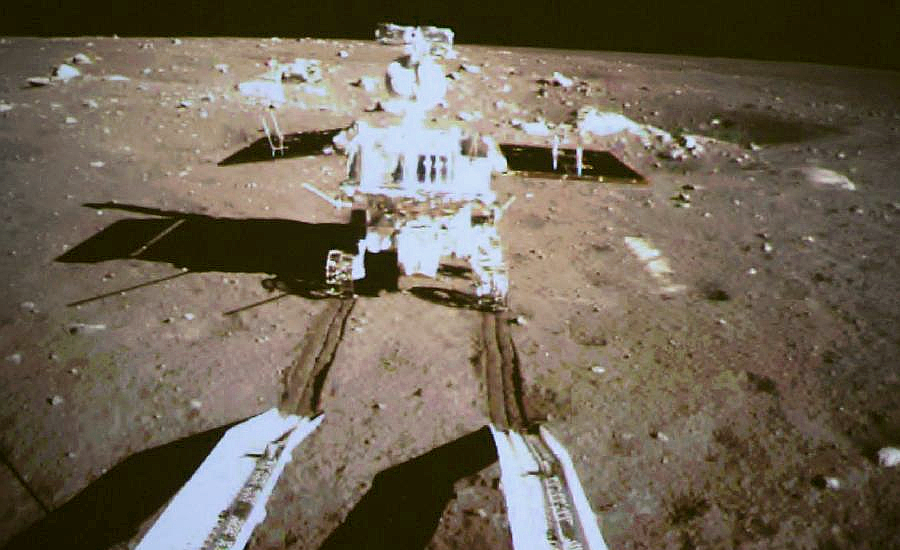
Roughly 7 hours later, on Sunday, Dec. 15 at 4:35 a.m. Beijing local time, China’s first ever lunar rover ‘Yutu’ (or Jade Rabbit) rolled down a pair of ramps and onto the Moon’s soil. The six wheeled ‘Yutu’ rover drove straight off the ramps and sped right into the history books as it left a noticeably deep pair of tire tracks behind in the loose lunar dirt. This too was captured by the lander’s camera and broadcast on China’s state run CCTV.
The next bundle of footage came from the rover itself, as the Jade Rabbit took in its inaugural photographs of the landing site in Mare Imbrium. The photos were released by Chinese state TV on Dec. 15th, not long after the rover disembarked from the lander, and were then pieced together to form the lander’s first panoramic view of the lunar surface.
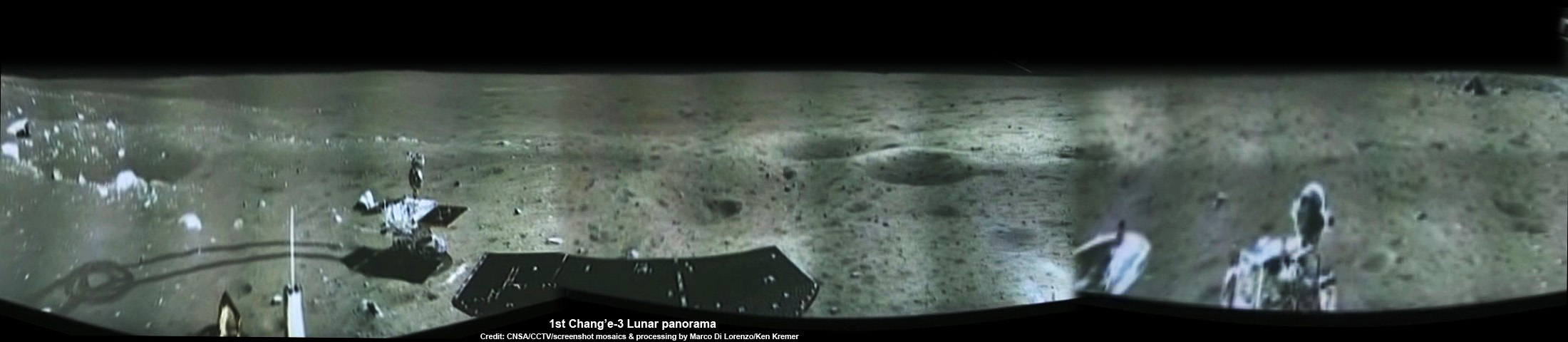
Marco Di Lorenzo and Ken Kremer – an amateur photo-astronomer and a science journalist who have composed panoramas from the Curiosity mission in the past – also composed the images together to create a series of mosaics. A sample of the 1st panorama is pictured below, with the Yutu rover in the center and tire tracks off to the left.. Click here to the see the full-size image.
The individual images were taken by three cameras positioned around the robotic lander and captured the stark lunar terrain surrounding the spacecraft. The panoramic view shows ‘Yutu’ and its wheel tracks cutting a semi circular path at least several centimeters deep into the loose lunar regolith at the landing site at Mare Imbrium, located near the Bay of Rainbows.
Liu Enhai, Designer in Chief, Chang’E-3 Probe System, has this say about the images in a recent CCTV interview:
This picture is made of 60 pictures taken 3 times by the rover. The rover used three angles: vertical, 15 degrees tilted up, and 15 degrees down…so that we get an even farther view
The 140 kilogram Yutu rover then turned around so that the lander and rover could obtain their first portraits of one another. The first is visible above, showing the Jade Rabbit rover (in better resolution), with the image of the Chang’e 3 lander below. Liu Jianjun, Deputy Chief Designer of the Chang’E-3 Ground System, was also interviewed by CCTV, and had this to about that part of the mission:
The rover reached the point of X after it went down from the lander, then it established contact with the ground. Then it went to point A, where the rover and lander took pictures of each other. Then it reached point B, where it’s standing now.
These are just the first of what is expected to be a torrent of pictures produced by the rover, which according to Chinese officials, will spend the next year conducting in-situ exploration at the landing site. Beyond that, the rover will use its instruments to survey the moon’s geological structure and composition on a minimum three month mission to locate the moon’s natural resources for use by future missions.
In addition to accomplishing a great scientific feat, China has now joined a very exclusive club, being only one of three nations that has successfully conducted a soft landing on the Moon. The United States was the first, reaching the Moon with its Apollo 11 mission on July 20th, 1969. The Soviet Union followed less than a decade later, having reached the Moon with its unmanned Lunik 24 spacecraft in 1976.
And now, almost forty years later, the space race is joined by one of the world’s emerging super powers. Soon, we can expect the European Space Agency, India, Pakistan, and possibly Iran to be reaching the Moon as well. And by that time, its likely the spaceships will be carrying colonists. Hopefully we’ll have some infrastructure set up to receive them!
In the meantime, be sure to check out the Chang’e 3 descent video, and stay tuned for more updates from the Jade Rabbit and it begins its exploration of the Lunar surface.
Not too long ago, I did something I haven’t done in a long time and wrote a conceptual post, one which dealt with the concept of the “Internet of Things” and where its leading us. In that spirit, and in the hopes of tackling another concept which has been intriguing me of late, I wanted to delve into this thing known as Reputation Marketing, also known as the Trust Economy.
Here too, the concept has been batted around of late, and even addressed in a Ted Talks lecture (see below). And much like the Internet of Things, it addresses a growing trend that is the result of the digital revolution and everything we do online. To break it down succinctly, Reputation Marketing states that as more and more of our activities are quantified online, our behavior will become commodified, and our actions will become the new currency.
At the heart of this trend is such things as social media, online shopping, and online reviews. With everything from used goods, furniture, clothing and cars to accommodations up for review, people are turning to web-based recommendations like never before. In fact, a 2012 study done by Neilsen Media Research suggested that 70% of all consumers trust online reviews, which are now second only to personal recommendations.
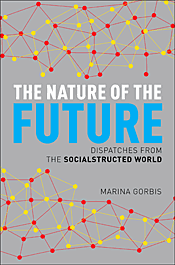
For some, this represents a positive development, since it means we are moving away from the depersonalized world of institutional production toward a new economy built on social connections and rewards. One such person is Marina Gorbis, who explores the development of what she calls socialstructing in her book The Nature Of The Future: Dispatches From The Socialstructed World.
In Gorbis’ view, in addition to new opportunities, socialstructing will present new challenges as well. For one, there will be exciting opportunities to create new kinds of social organizations – systems for producing not merely goods but also meaning, purpose, and greater good. But at the same time, there is a possibility that this form of creation will bring new inequities, and new opportunities for abuse.
But at the same time, Gorbis was sure to point out the potential negative consequences. In the same way that one acquires friends on Facebook, or followers on Twitter, people in the near future could be able to hoard social connections for the sake of money, fame, or social standing. Basically, we need to understand the potential disadvantages of socialstructing if we are to minimize the potential pitfalls.
One such development she points to as an example is the rise of social currencies, such as Paypal, Bitcoin, and others. These operate much differently than regular currencies, as they are intended to facilitate social flows that often operate not on market principles but on intrinsic motivations to belong, to be respected, or to gain emotional support. But once these connections and flows begin to be measured, they may acquire a value of their own.
Basically, if we begin to value these currencies, motivations will arise (not necessarily altruistic ones) to acquire them. So instead of turning market transactions into social flows, we might be turning social interactions into market commodities. In the words of sociologist Chase, we would be applying ontic measurements to ontological phenomena. Or as she puts it in her book:
We created social technologies. Our next task is to create social organizations: systems for creating not merely goods but also meaning, purpose, and greater good. Can we imagine a society of “private wealth holders whose main objective is to lead good lives, not to turn their wealth into capital?” asks political economist Robert Skidelsky. Or better yet, might they turn their wealth into a different kind of capital—social, emotional, or spiritual? Our technologies are giving us an unprecedented opportunity to do so.
Another person who sees this as a positive development is Rachel Botsman – consultant, author, former director at the William J. Clinton Foundation, and founder of the Collaborative Lab. In her ongoing series of lectures, consultations, and her book What’s Mine Is Yours: The Rise of Collaborative Consumption, she addresses the transformative power collaboration will have, giving rise to such things as “reputation capital” and the “reputation economy”.
In her 2012 Ted Talks lecture she explained how there’s been an explosion of collaborative consumption in recent years. This has embraced everything from the web-powered sharing of cars, to apartments, and even skills. In short, people are realizing the power of technology to enable the sharing and exchange of assets, skills and spaces in ways and on a scale that was never before possible.
But the real magic behind collaborative consumption, she explained, isn’t in the inventory or the money. It’s in using technology to build trust between strangers, something which is rarely available in the current industrialized, commodities market. Whereas this top-down economic model relies on depersonalized methods like brand name recognition and advertising to encourage consumption, this new model is far more open and democratic.
It is for this reason, and because of the potential it has for empowerment, that Botsman is such an advocate of this emerging trend. In addition to offering opportunities for micro-entrepreneurs , it also provides people with the chance to make human connections and rediscover a “humanness” that has been lost along the way. By engaging in marketplaces that are built on personal relationships, as opposed to “empty transactions”, people are able to reconnect.
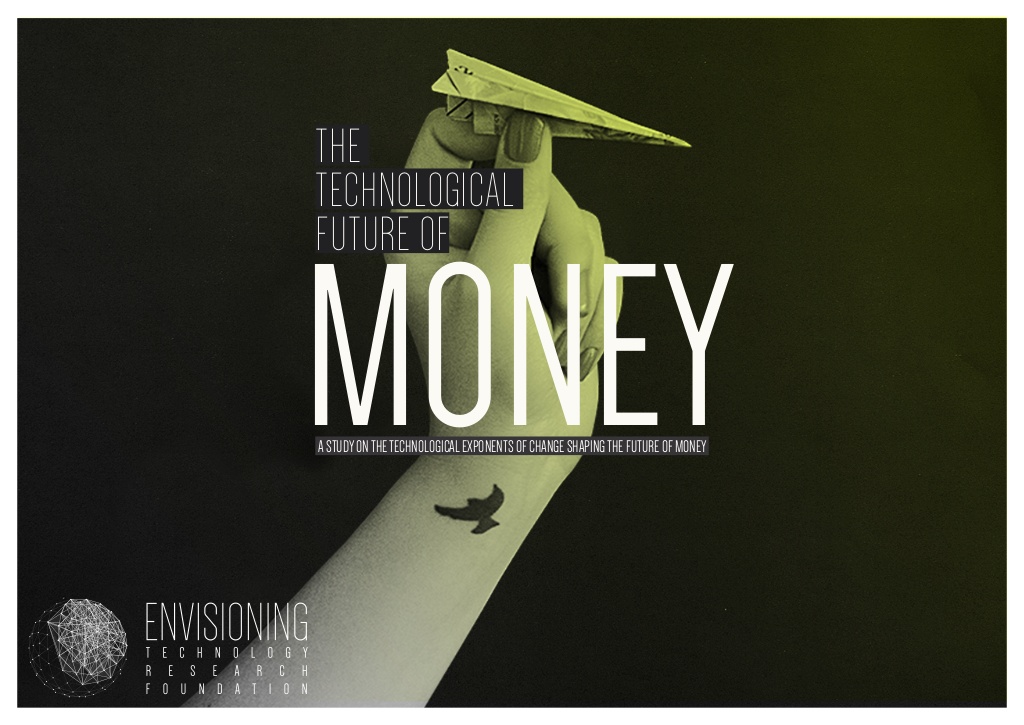
The irony in this, as she states, is that this emerging trend is actually taking us back to old market principles which were thought to have been abandoned with modern industrial economy. Much like how Envisioning Technology predicted with their recent infographic, The Future of Money, this decentralizing, distributed trend has more in common with bartering and shopping at the local agora.
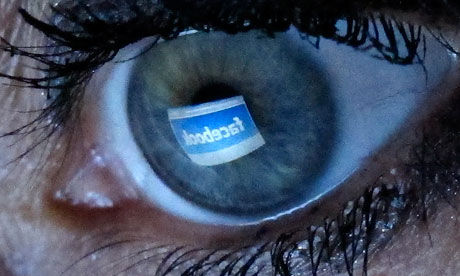
Basically, these behaviors – which predate all the rationalization and vertical/horizontal integration that’s been taking place the industrial revolution – are hardwired into us, but are being updated to take place in the “Facebook age”. Through connections enables by internet access and a worldwide network of optic cables, we are able to circumvent the impersonal economic structures of the 20th century and build something that is more akin to our needs.
Or, as Botsman summarized it in her article with Wired UK:
Imagine a world where banks take into account your online reputation alongside traditional credit ratings to determine your loan; where headhunters hire you based on the expertise you’ve demonstrated on online forums such as Quora… where traditional business cards are replaced by profiles of your digital trustworthiness, updated in real-time. Where reputation data becomes the window into how we behave, what motivates us, how our peers view us and ultimately whether we can or can’t be trusted…
Another potential irony is the fact that although online shopping does allow people to avoid face-to-face interactions at their local store, it also draws customers to businesses that they may not have otherwise heard about. What’s more, online reviews of local businesses are becoming a boon to entrepreneurs, expanding on the traditional power of written reviews and word of mouth.
And at the risk of making a shameless plug, this all puts me in mind of a short story I wrote back in April, as part of the April 2013 A to Z Challenge. It was called Repute, and deals with a young executive in charge of hiring new talent, in part based on what I referred to as their Reputation Index Placement (RIP), which was basically a tabulation of their digital presence. Like I said, the concept has been on mind for some time!
And of course, be sure to check out Botsman full lecture below:
When it comes to the future of transportation and urban planning, some rather interesting proposals have been tabled in the past few years. In all cases, the challenge for researchers and scientists is to find ways to address future population and urban growth – ensuring that people can get about quickly and efficiently – while also finding cleaner and more efficient ways to power it all.
As it stands, the developed and developing world’s system of highways, mass transit, and emission-producing vehicles is unsustainable. And the global population projected to reach 9 billion by 2050, with just over 6 billion living in major cities, more of the same is just not feasible. As a result, any ideas for future transit and urban living need to find that crucial balance between meeting our basic needs and doing so in a way that will diminish our carbon footprint.
One such idea comes to us from New York City, where a small company known as HEVO Power has gotten the greenlight to study the possibility of charging parked electric vehicles through the street. Based on the vision of Jeremy McCool, a veteran who pledged to reduce the US’s reliance on foreign fuel while fighting in Iraq, the long-term aim of his plan calls for roadways that charge electric cars as they drive.
Development began after McCool received a $25,000 grant from the Department of Veterans Affairs and put it towards the creation of an EV charging prototype that could be embedded in city streets. Designed to looked like a manhole cover, this charging device runs a type of electromagnetic wireless charging technology proposed by researchers Marian Kazimierczuk of Wright State University and professor Dariusz Czarkowski of NYU’s Polytechnic Institute.
The charge consists of two coils – one connected to the grid in the manhole cover, and the other on the electric vehicle. When the car runs over the manhole, the coils conduct a “handshake,” and the manhole delivers a charge on that frequency to the car. Though HEVO has yet to test the device in the real world, they are teamed up with NYU-Poly to develop the technology, and have already proven that it is safe for living things with the help of NYU’s medical labs.
So far, McCool says his company has commitments from seven different companies to develop a series of delivery fleets that run on this technology. These include PepsiCo, Walgreens, and City Harvest, who have signed on to develop a pilot program in New York. By creating regular pick-up and drop-off points (“green loading zones”) in front of stores, these fleets would be able to travel greater distances without having to go out of their way to reach a charging station.
In order to test the chargers in New York City in early 2014, HEVO has applied for a $250,000 grant from the New York State Energy Research and Development Authority. The organization has already granted a feasibility study for the green loading zones. According to McCool, Glasgow’s Economic Development Corps is also exploring the idea of the technology in Scotland.
But looking ahead, McCool and his company have more ambitious plans than just a series of green loading zones. Already, HEVO is developing a proof of concept to place these kinds of chargers along major highways:
The concept is simple. There is a way to provide wireless charging in an HOV lane. That’s a small strip at every yard or so that has another wireless charging plate, so as you go down the street you’re collecting a charge. One wireless charging highway.
However, this is just a first step, and a major infrastructure project will still be needed to demonstrate that the technology truly does have what it takes to offset fossil fuel burning cars and hybrids. However, the technology has proven promising and with further development and investment, a larger-scale of adoption and testing is likely to take place.
Another interesting idea comes to us from Mexico, where a developer has come up with a rather ingenious idea that could turn mass transit into a source of electricity. The developer’s name is Héctor Ricardo Macías Hernández, and his proposal for a piezoelectric highway could be just the thing to compliment and augment an electric highway that keeps cars charged as they drive.
For years, researchers and developers have been looking for ways to turn kinetic energy – such as foot traffic or car traffic – into electricity. However, these efforts have been marred by the costs associated with the technology, which are simply too high for many developing nations to implement. That is what makes Hernández concept so ingenious, in that it is both affordable and effective.
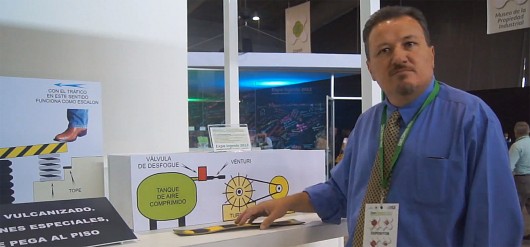
In Macías Hernández’ system, small ramps made from a tough, tire-like polymer are embedded in the road, protruding 5 cm (2 inches) above the surface. When cars drive over them, the ramps are temporarily pushed down. When this happens, air is forced through a bellows that’s attached to the underside of the ramp, travels through a hose, and then is compressed in a storage tank. The stored compressed air is ultimately fed into a turbine, generating electricity.
In this respect, Hernández’s concept does not rely on piezoelectric materials that are expensive to manufacture and hence, not cost effective when dealing with long stretches of road. By relying on simple materials and good old fashioned ingenuity, his design could provide cheap electricity for the developing world by simply turning automobile traffic – something very plentiful in places like Mexico City – into cheap power.
Macías Hernández points out, however, that in lower-traffic areas, multiple ramps placed along the length of the road could be used to generate more electricity from each individual vehicle. He adds that the technology could also be used with pedestrian foot-traffic. The system is currently still in development, with the support of the Mexican Institute of Industrial Property, and will likely take several years before becoming a reality.
Exciting times these are, when the possibility of running an advanced, industrial economy cleanly may actually be feasible, and affordable. But such is the promise of the 21st century, a time when the dreams of the past several decades may finally be coming to fruition. And just in time to avert some of our more dystopian, apocalyptic scenarios!
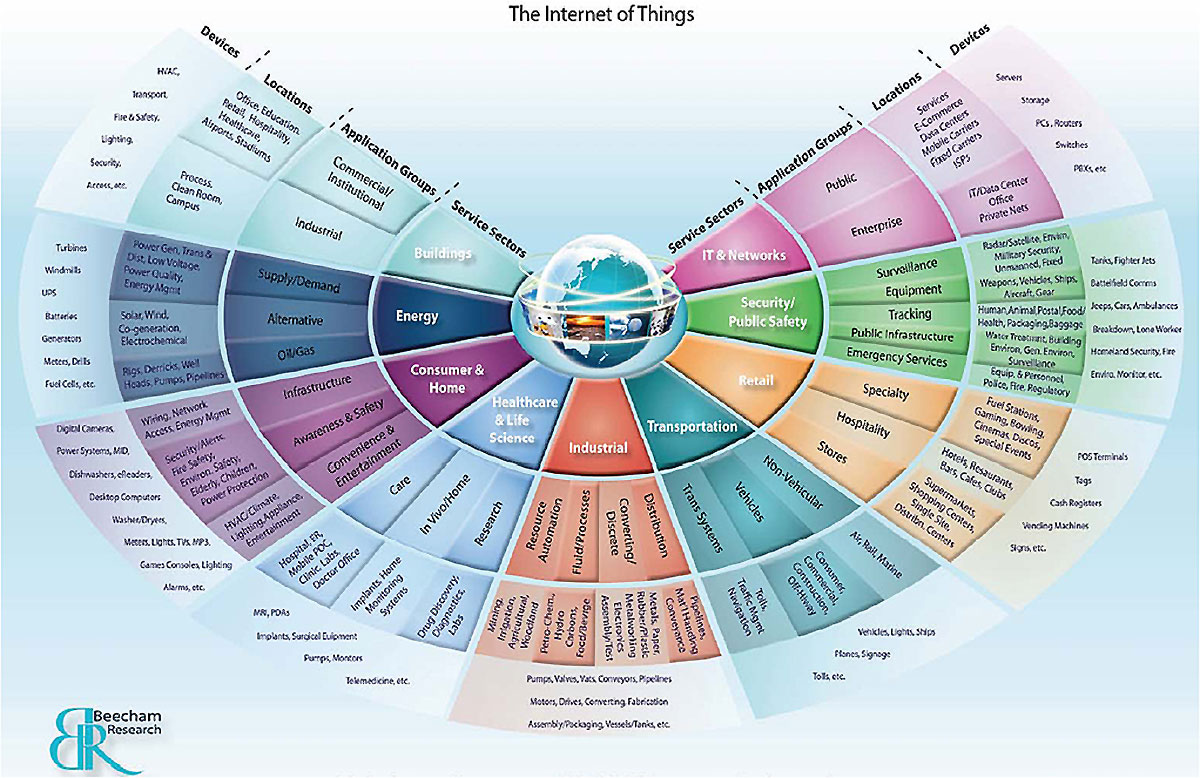
I came across another interesting and fascinating TED Talk recently. In this lecture, famed economist Marco Annunziata spoke about a rather popular subject – “The Internet of Things”, and how it is shaping our society. This term is thrown around a lot lately, and it refers to a growing phenomenon in our world where uniquely identifiable objects are connected to virtual representations in an Internet-like structure.
Basically, the concept postulates that if all objects and people in daily life were equipped with identifiers, they could be managed and inventoried by computers. By equipping all objects in the world with minuscule machine-readable identifiers, daily life could be transformed. How this is likely to look is the subject of Annunziata’s talk, beginning with the past two hundred years and the two major waves of innovation humanity went through.
The first came with the Industrial Revolution (ca. 1760-1903), which permanently altered our lives with factories, machinery, railways, electricity, air travel, etc. The second wave came with the Internet Revolution (ca. 1980 – 2000), which has once again changed our lives permanently with computing power, data networks, and unprecedented access to information and communication.
Now, in the modern era, we are entering into a new phase of innovation, one which he refers to as the “Industrial Internet”. Judging by current research and marketing trends, this wave is characterized by intelligent machines, advanced analytics, and the creativity of people at work. It is a marriage of minds and machines, and once again, our lives will be permanently altered by it.
In the course of the twelve minute lecture, Annunziata explains how the emergence of machines that can see, feel, sense and react will lead to an age where the technology we depend upon will operate with far greater efficiently. Naturally, there are many who would suspect that this all boils down to AIs doing the thinking for us, but in fact, it’s much more complicated than that.
Think of a world where we would be able to network and communicate with all of our devices – not just our smartphones or computers, but everything from our car keys to our cars and home appliances. By all things being marked and represented in a virtual internet-like environment, we could communicate with or remotely check on things that are halfway across the world.
Think of the implications! As someone who is currently very fascinated with how the world will look in the not-too-distant future, and how people will interact with it, I can tell you this stuff is science fiction gold! Check it out and be sure to follow the link at the bottom of the page to comment.
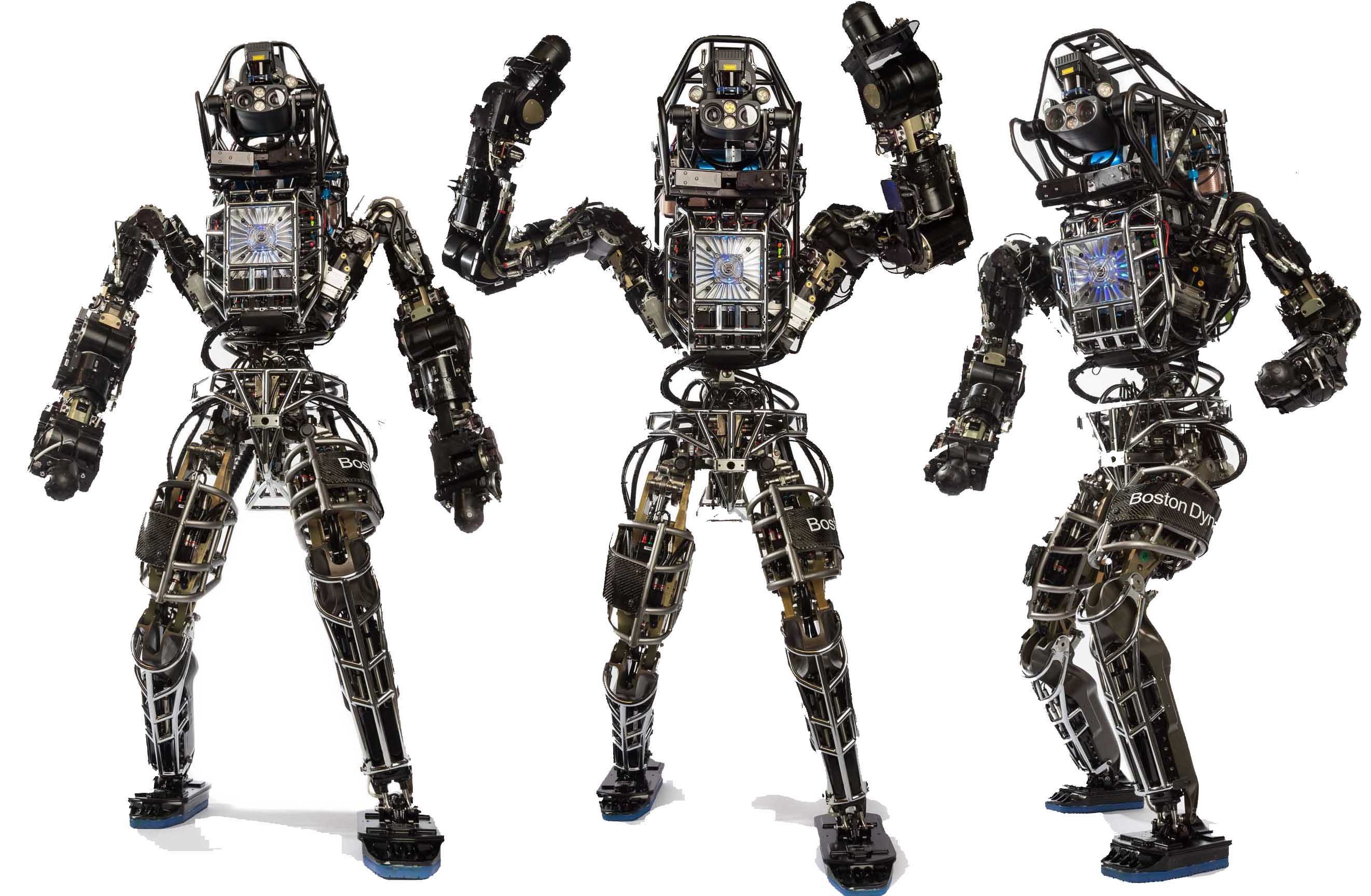
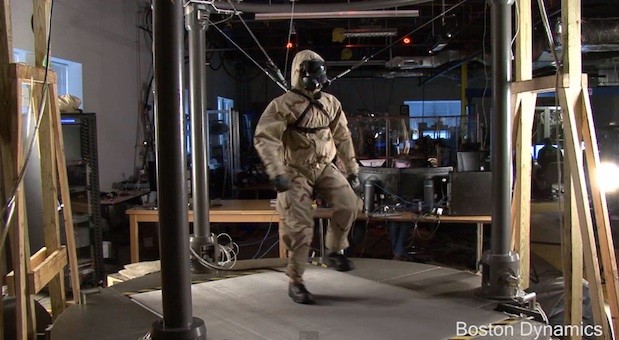
Last week, Google announced that it will be expanding its menagerie of robots, thanks to a recent acquisition. The announcement came on Dec. 13th, when the tech giant confirmed that it had bought out the engineering company known as Boston Dynamics. This company, which has had several lucrative contracts with DARPA and the Pentagon, has been making the headlines in the past few years, thanks to its advanced robot designs.
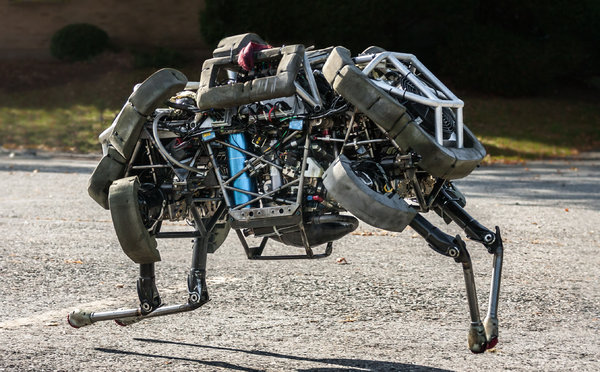
Based in Waltham, Massachusetts, Boston Dynamics has gained an international reputation for machines that walk with an uncanny sense of balance, can navigate tough terrain on four feet, and even run faster than the fastest humans. The names BigDog, Cheetah, WildCat, Atlas and the Legged Squad Support System (LS3), have all become synonymous with the next generation of robotics, an era when machines can handle tasks too dangerous or too dirty for most humans to do.
More impressive is the fact that this is the eight robot company that Google has acquired in the past six months. Thus far, the company has been tight-lipped about what it intends to do with this expanding robot-making arsenal. But Boston Dynamics and its machines bring significant cachet to Google’s robotic efforts, which are being led by Andy Rubin, the Google executive who spearheaded the development of Android.
The deal is also the clearest indication yet that Google is intent on building a new class of autonomous systems that might do anything from warehouse work to package delivery and even elder care. And considering the many areas of scientific and technological advancement Google is involved in – everything from AI and IT to smartphones and space travel – it is not surprising to see them branching out in this way.
Boston Dynamics was founded in 1992 by Marc Raibert, a former professor at the Massachusetts Institute of Technology. And while it has not sold robots commercially, it has pushed the limits of mobile and off-road robotics technology thanks to its ongoing relationship and funding from DARPA. Early on, the company also did consulting work for Sony on consumer robots like the Aibo robotic dog.
Speaking on the subject of the recent acquisition, Raibert had nothing but nice things to say about Google and the man leading the charge:
I am excited by Andy and Google’s ability to think very, very big, with the resources to make it happen.
Videos uploaded to Youtube featuring the robots of Boston Dynamics have been extremely popular in recent years. For example, the video of their four-legged, gas powered, Big Dog walker has been viewed 15 million times since it was posted on YouTube in 2008. In terms of comments, many people expressed dismay over how such robots could eventually become autonomous killing machines with the potential to murder us.
In response, Dr. Raibert has emphasized repeatedly that he does not consider his company to be a military contractor – it is merely trying to advance robotics technology. Google executives said the company would honor existing military contracts, but that it did not plan to move toward becoming a military contractor on its own. In many respects, this acquisition is likely just an attempt to acquire more talent and resources as part of a larger push.
Google’s other robotics acquisitions include companies in the United States and Japan that have pioneered a range of technologies including software for advanced robot arms, grasping technology and computer vision. Mr. Rubin has also said that he is interested in advancing sensor technology. Mr. Rubin has called his robotics effort a “moonshot,” but has declined to describe specific products that might come from the project.
He has, however, also said that he does not expect initial product development to go on for some time, indicating that Google commercial robots of some nature would not be available for several more years. Google declined to say how much it paid for its newest robotics acquisition and said that it did not plan to release financial information on any of the other companies it has recently bought.
Considering the growing power and influence Google is having over technological research – be it in computing, robotics, neural nets or space exploration – it might not be too soon to assume that they are destined to one day create the supercomputer that will try to kill us all. In short, Google will play Cyberdyne to Skynet and unleash the Terminators. Consider yourself warned, people! 😉
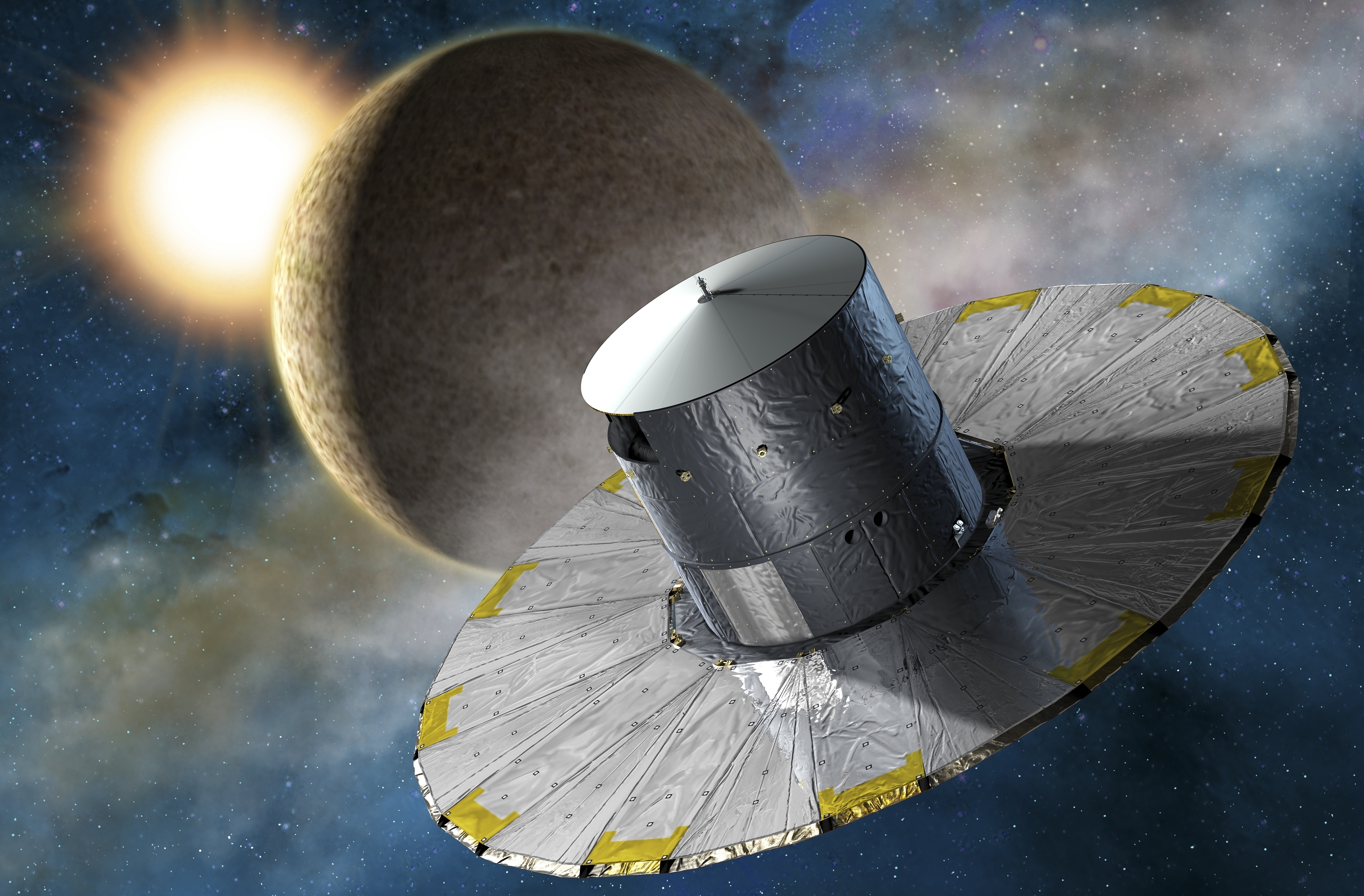
This morning, the European Space Agency’s Gaia mission blasted off from Europe’s Spaceport in Kourou, French Guiana, on the head of a Soyuz rocket. This space observatory aims to study approximately 1 billion stars, roughly 1% of the Milky Way Galaxy, and create the most accurate map yet of the Milky Way. In so doing, it will also answer questions about the origin and evolution of our home Galaxy.
As the successor to the Hipparcos mission – an ESA astrometry satellite that was launched in 1989 and operated until 1993 – it is part of ESA’s Horizon 2000 Plus long-term scientific program. Repeatedly scanning the sky, Gaia will observe each of the billion stars an average of 70 times each over the five years and measure the position and key physical properties of each star, including its brightness, temperature and chemical composition.
The Soyuz VS06 launcher, operated by Arianespace, lifted off at 09:12 GMT (10:12 CET). About ten minutes later, after separation of the first three stages, the Fregat upper stage ignited, delivering Gaia into a temporary parking orbit at an altitude of 175 km. A second firing of the Fregat 11 minutes later took Gaia into its transfer orbit, followed by separation from the upper stage 42 minutes after liftoff.
Gaia is now en route towards an orbit around a gravitationally-stable virtual point in space called L2 Lagrange Point, some 1.5 million kilometres beyond Earth. Tomorrow, engineers will command Gaia to perform the first of two critical thruster firings to ensure it is on the right trajectory towards its L2 home orbit. About 20 days after launch, the second critical burn will take place, inserting it into its operational orbit around L2.
Jean-Jacques Dordain, ESA’s Director General, had this to say about the launch:
Gaia promises to build on the legacy of ESA’s first star-mapping mission, Hipparcos, launched in 1989, to reveal the history of the galaxy in which we live.
ESA’s Gaia project scientist Timo Prusti expressed similar sentiments, highlighting how the Gaia mission’s ultimate purpose is to advance our understanding of the cosmos:
Along with tens of thousands of other celestial and planetary objects, this vast treasure trove will give us a new view of our cosmic neighbourhood and its history, allowing us to explore the fundamental properties of our Solar System and the Milky Way, and our place in the wider Universe.
By taking advantage of the slight change in perspective that occurs as Gaia orbits the Sun during a year, it will measure the stars’ distances and their motions across the sky. This motions will later be put into “rewind” to learn more about where they came from and how the Milky Way was assembled over billions of years from the merging of smaller galaxies, and into “fast forward” to learn more about its ultimate fate.
This is an especially ambitious mission when you consider that of the one billion stars Gaia will observe, 99% have never had their distances measured accurately. The mission will also study 500,000 distant quasars and will conduct tests of Einstein’s General Theory of Relativity. So as the mission continues and more data comes in, scientists and astronomers will be able to construct more detailed models of how the universe was created, and perhaps how it will end…
The current consensus is that the universe began with a creation event known as The Big Bang. However, the question of how it will end, either through a “Big Crunch” event – where the expansion of the universe will eventually cease and all matter will collapse back in on itself – or simply continue to expand until all stars and galaxies consume their fuel and burn out, remains something of a mystery.
Personally, I call Big Crunch, mainly because I like to the think that our universe is one of many. Not just in the parallel dimension sense, but in the temporal sense as well. Like the city of Ilium (aka. Troy), existence as we know it is built upon the foundations of countless others, stretching backwards and forwards into infinity…
Deep stuff, man! In the meantime, enjoy this video of the Gaia’s mission’s liftoff, courtesy of the ESA:
Earlier this month, mere days before the anniversary of the Sandy Hook Elementary School mass shooting, Congress began proposing to extend a ban placed plastic firearms capable of evading metal detectors and X-ray machines. Narrowly beating a midnight deadline on Monday, Dec. 9th, the ban was extended for a period of ten years, though efforts to strengthen the restrictions were narrowly blocked by Congressional Republicans.
This was a bittersweet moment for advocates of gun control, but the implications of this decision go beyond the desire to not see another school shooting take place. With the growth of 3-D printing technology and fears that guns could be created using open-source software and store bought printers, preemptive measures were seen as necessary. Simply shutting down Distributed Defense’s website seemed insufficient given the interest and ease of access.
Bans on plastic and undetectable firearms were first passed during the administration of Ronald Reagan, and have been renewed twice – first in 1998 and again in 2003. But such weapons have become a growing threat and due to 3-D printing, which are becoming better and more affordable. And though public access is still limited to weapons made from ABS plastic, it may be only a matter of time before something more sophisticated becomes available.
However, advocates of gun control emphasize that this extension contains two key defeats. For starters, Democratic Senator Chuck Schumer’s desire to strengthen the ban by requiring that such weapons contain undetachable metal parts was blocked. In addition, the fact that the ban was extended for a ten-year period as is means it cannot be revisited and strengthened again in the near future.
In this respect, the ban highlights a year of failure of the Obama administration and Congressional Democrats to toughen gun laws in the wake of the Sandy Hook shooting. Despite this tragedy and other mass shootings – such as the one that took place at the Washington Naval Yard – and the fact that some 90% support tougher gun laws, it seems that pro-gun lobbyists and the NRA are destined to have their way for the time being.
In the meantime, we can only hope that industrial 3-D printing, which allows for objects to be created out of metal parts, does not become readily available to average citizens. The one saving grace of the 3-D printed gun is the fact that it is entirely composed of plastic, making it an ineffective (if undetectable) weapon. And here’s hoping 2014 sees a lot less violence and a lot more humanity!

 In recent years, rehabilitative systems have been developed that can allow stroke victims to move animated images of their paralyzed limbs, or to activate robotic devices that guide their limbs through the desired movements. Slowly, we are entering an age where machines can turn thoughts into ambulatory ability, allowing people who suffer from paralysis to lead more fuller lives.
 The first of those is a brain control interface (BCI), which interprets electrical signals from the brain and uses them to control an external device. In the past, this has been used to control robotic limbs, usually to assist people dealing with paralysis. But in this case, it activates a functional electrical stimulation (FES) system that’s attached to the paralyzed hand.
 To test the device, Dr. Vivek Prabhakaran and Dr. Justin Williams, brought together eight stroke patients – all of whom had lost at least partial use of one hand. Over the course of 9 to 15 sessions over a period of three to six weeks, each session lasting from two to three hours, they conducted clinical trials with their machine and recorded the results.
 Although there was some variation depending on the severity of each person’s stroke, the overall effect ws that patients experienced an improvement in motor function, and reported an improvement in their ability to perform daily activities. Looking long-term, Dr. Vivek Prabhakaran said that: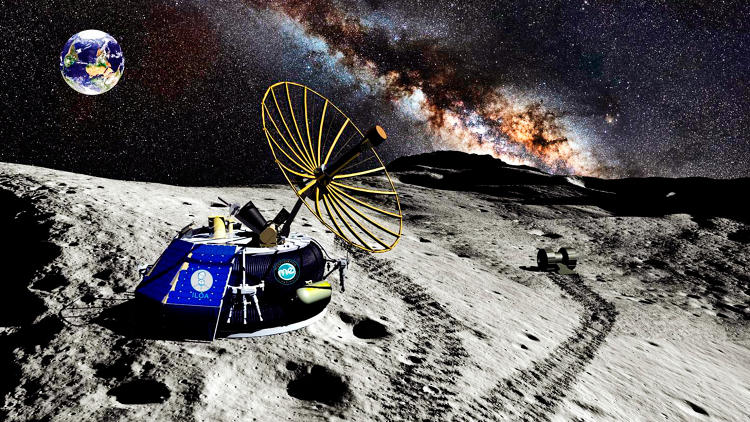




























 Stories by Williams