Revolution in Virtual Reality: Google’s Cardboard Headset

cardboardgifWith the acquisition of the Oculus Rift headset, Facebook appeared ready to corner the market of the new virtual reality market. But at its annual I/O conference, Google declared that it was staking its own claim. At the end of the search giant’s keynote address, Sundar Pichai announced that everyone in attendance would get a nondescript cardboard package, but was coy about its contents. Turns out, it’s the firm’s attempt at a do-it-yourself VR headset.

Known as Cardboard, copies of the headset were handed out as part of a goodie bag, alongside the choice between a brand new LG G Watch or Samsung Gear Live smartwatch. Intended to be a do-it-yourself starter kit, Google Cardboard is a head-mounted housing unit for your smartphone that lets you blend everyday items into a VR headset. With a $10 lens kit, $7 worth of magnets, two Velcro straps, a rubber band, and an optional near-field communication sticker tag, you can have your very own VR headset for the fraction of the price.

box-of-cardboard-google-io-2014You can use household materials to build one, and a rubber band to hold your smartphone in place on the front of the device. Assembly instructions, plans and links for where to source the needed parts (like lenses) — as well as an SDK — are available on the project’s website. Google hopes that by making the tech inexpensive (unlike offerings from, say, Oculus), developers will be able to make VR apps that hit a wider audience.

According to some early reviews, the entire virtual reality experience is surprisingly intuitive, and is as impressive considering how simple it is. And while the quality doesn’t quite match the Oculus Rift’s dual OLED Full HD screens, and it is lacking in that it doesn’t have positional tracking (meaning you can’t lean into something the way you would in real life), the Cardboard is able to create the 3D effect using just a single phone screen and some specialized lenses.

google_cardboardMeanwhile, Google has created some great demos within the Cardboard app, showcasing the kind of experiences people can expect moving forward. Right now, the Cardboard app features simple demonstrations: Google Earth, Street View, Windy Day, and more. But it’s just a small taste of what’s possible. And anyone willing to put some time into putting together their own cardboard headset can get involved. Never before has virtual reality been so accessible, or cheap.

And that was precisely the purpose behind the development of this device. Originally concocted by David Coz and Damien Henry at the Google Cultural Institute in Paris as part of the company’s “20 percent time” initiative, the program was started with the aim of inspiring a more low-cost model for VR development. After an early prototype wowed Googlers, a larger group was tasked with building out the idea, and the current Cardboard headset was born.

google_cardboard1As it reads on Google’s new page for the device’s development:

Virtual reality has made exciting progress over the past several years. However, developing for VR still requires expensive, specialized hardware. Thinking about how to make VR accessible to more people, a group of VR enthusiasts at Google experimented with using a smartphone to drive VR experiences.

Beyond hardware, on June 25th, the company also released a self-described experimental software development kit for Cardboard experiences. Cardboard also has an Android companion app that’s required to utilize Google’s own VR-specific applications, called Chrome Experiments. Some use cases Google cites now are flyover tours in Google Earth, full-screen YouTube video viewing, and first-person art exhibit tours.

google_cardboard2As Google said a related press release:

By making it easy and inexpensive to experiment with VR, we hope to encourage developers to build the next generation of immersive digital experiences and make them available to everyone.

Oculus Rift is still the most promising version of virtual reality right now, and with Facebook at the helm, there are some tremendous resources behind the project. But with Cardboard, Google is opening up VR to every single Android developer, which we hope will lead to some really awesome stuff down the road. Even if you can’t lean in to inspect dials in front of you, or look behind corners, the potential of Cardboard is tremendous. Imagine the kind of not only experiences we’ll see, but augmented reality using your phone’s camera.

But Cardboard is still very early in development. Its only been a few weeks since it was debuted at Google I/O, and the device is still only works with Android. But with availability on such a wide scale, it could very quickly become the go-to VR platform out there. All you need are some magnets, velcro, rubber band, lenses and a pizza box. And be sure to check out this demo of the device, courtesy of “Hands-On” by TechnoBuffalo:


Sources:
cnet.com, technobuffalo.com, engadget.com

The Future of Devices: The Wearable Tech Boom

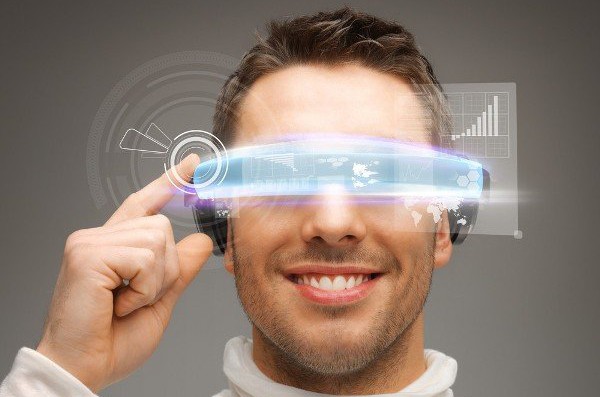
Wearable-Computing-RevolutionThe wearable computing revolution that has been taking place in recent years has drawn in developers and tech giants from all over the world. Though its roots are deep, dating back to the late 60’s and early 80’s with the Sword of Damocles concept and the work of Steve Mann. But in recent years, thanks to the development of Google Glass, the case for wearable tech has moved beyond hobbyists and enthusiasts and into the mainstream.

And with display glasses now accounted for, the latest boom in development appears to be centered on smart watches and similar devices. These range from fitness trackers with just a few features to wrist-mounted version of smart phones that boast the same constellations of functions and apps (email, phone, text, skyping, etc.) And as always, the big-name industries are coming forward with their own concepts and designs.

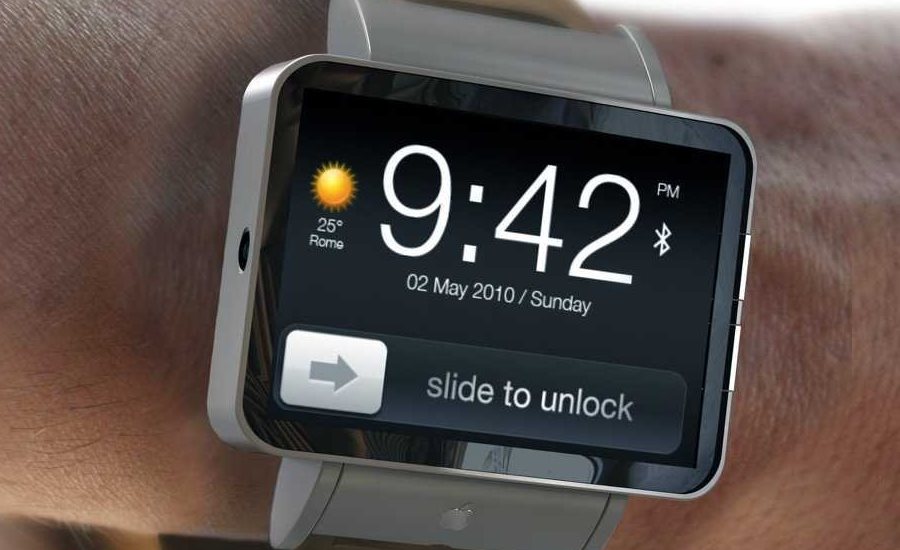
apple_iwatch1First, there’s the much-anticipated Apple iWatch, which is still in the rumor stage. The company has been working on this project since late 2012, but has begun accelerating the process as it tries to expand its family of mobile devices to the wrist. Apple has already started work on trademarking the name in a number of countries in preparation for a late 2014 launch perhaps in October, with the device entering mass production in July.

And though it’s not yet clear what the device will look like, several mockups and proposals have been leaked. And recent reports from sources like Reuters and The Wall Street Journal have pointed towards multiple screen sizes and price points, suggesting an array of different band and face options in various materials to position it as a fashion accessory. It is also expected to include a durable sapphire crystal display, produced in collaboration with Apple partner GT Advanced.

iWatchWhile the iWatch will perform some tasks independently using the new iOS 8 platform, it will be dependent on a compatible iOS device for functions like receiving messages, voice calls, and notifications. It is also expected to feature wireless charging capabilities, advanced mapping abilities, and possibly near-field communication (NFC) integration. But an added bonus, as indicated by Apple’s recent filing for patents associated with their “Health” app, is the inclusion of biometric and health sensors.

Along with serving as a companion device to the iPhone and iPad, the iWatch will be able to measure multiple different health-related metrics. Consistent with the features of a fitness band, these will things like a pedometer, calories burned, sleep quality, heart rate, and more. The iWatch is said to include 10 different sensors to track health and fitness, providing an overall picture of health and making the health-tracking experience more accessible to the general public.

iOS8Apple has reportedly designed iOS 8 with the iWatch in mind, and the two are said to be heavily reliant on one another. The iWatch will likely take advantage of the “Health” app introduced with iOS 8, which may display all of the health-related information gathered by the watch. Currently, Apple is gearing up to begin mass production on the iWatch, and has been testing the device’s fitness capabilities with professional athletes such as Kobe Bryant, who will likely go on to promote the iWatch following its release.

Not to be outdone, Google launched its own brand of smartwatch – known as Android Wear – at this year’s I/O conference. Android Wear is the company’s software platform for linking smartwatches from companies including LG, Samsung and Motorola to Android phones and tablets. A preview of Wear was introduced this spring, the I/O conference provided more details on how it will work and made it clear that the company is investing heavily in the notion that wearables are the future.

android-wear-showdownAndroid Wear takes much of the functionality of Google Now – an intelligent personal assistant – and uses the smartwatch as a home for receiving notifications and context-based information. For the sake of travel, Android Wear will push relevant flight, weather and other information directly to the watch, where the user can tap and swipe their way through it and use embedded prompts and voice control to take further actions, like dictating a note with reminders to pack rain gear.

For the most part, Google had already revealed most of what Wear will be able to do in its preview, but its big on-stage debut at I/O was largely about getting app developers to buy into the platform and keep designing for a peripheral wearable interface in mind. Apps can be designed to harness different Android Wear “intents.” For example, the Lyft app takes advantage of the “call me a car” intent and can be set to be the default means of hailing a ride when you tell your smartwatch to find you a car.

androidwear-3Google officials also claimed at I/O that the same interface being Android Wear will be behind their new Android Auto and TV, two other integrated services that allow users to interface with their car and television via a mobile device. So don’t be surprised if you see someone unlocking or starting their car by talking into their watch in the near future. The first Android Wear watches – the Samsung Gear Live and the LG G Watch – are available to pre-order and the round-face Motorola Moto 360 is expected to come out later this summer.

All of these steps in integration and wearable technology are signs of an emergent trend, one where just about everything from personal devices to automobiles and even homes are smart and networked together – thus giving rise to a world where everything is remotely accessible. This concept, otherwise known as the “Internet of Things”, is expected to become the norm in the next 20 years, and will include other technologies like display contacts and mediated (aka. augmented) reality.

And be sure to check out this concept video of the Apple iWatch:


Sources:
cnet.com, (2), macrumors.com, engadget.com, gizmag.com

Climate Crisis: China’s Pollution-Eating Skyscrapers

phoenix-towers-worlds-tallest-wuhan-china-designboom-01 Though it is already home to the world’s largest building – in the form of the New Century Global Center in Chendu – China is seeking to create the world’s tallest structure as well. Designed by UK-based Chetwoods Architects and known as the Phoenix Towers, this tower concept is slated to be built in Wuhan, Central China. But equally impressive is the fact that this building will be suck pollution out of the air and water and will host more than the usual building features.

The larger of the two towers reaches a total of 1000 meters (3,280 ft) in height – beating the Burj Khalifa by 170 meters (558 ft) – and sports an ambitious list of sustainable technology. The towers cover 7 hectares (17 acres) of ground on a 47-hectare (116-acre) plot that sits upon an island in a lake. In an attempt to make the design of the towers more relevant to Chinese culture, Chetwoods drew upon the Fenghuang (or Chinese Phoenix) mythological bird and designated the larger tower Feng (male), and the smaller tower Huang (female).

phoenix_towers_chetwoods-2The designers hope the building will serve as a catalyst for more sustainable design in the industrial city. Laurie Chetwood, chairman of U.K.-based Chetwoods, the architects on the project explained how the building’s water-cleaning features work:

The water goes up through a series of filters. We don’t use power to pull the water up, we’re using passive energy. As it goes through the filters and back, we’re also putting air back into the lake to make it healthier… Wuhan is an unusual city, dotted with huge lakes. Protecting the lakes could lead to other projects that protect them even more.

The towers also have pollution-absorbing coatings to help clean the air, vertical gardens that filter more pollution, and a chimney in the middle of the larger tower naturally pulls air across the lake for better ventilation. For the sake of generating energy, the building relies on a combination of wind turbines, lightweight solar cladding, and hydrogen fuel cells running on the buildings’ waste, giving it energy independence and even having enough left over for the local community.

phoenix_towers_chetwoods-4Inspired by the Chinese symbols of the phoenix, and the concept of yin and yang, one tower feeds the other with renewable power in a symbiotic relationship. Spheres hanging between the two towers will also hold restaurants with views of the lake. Pending approval by the city’s mayor, construction may begin by the end of the year and could be completed by 2017 or 2018, a pace that the architects say would be unlikely in other countries.

According to Chetwood, construction in China obeys a different set of rules and parameters than his native Britain:

The most amazing thing for me is that in the U.K. we strive as designers to get things built, and there’s a lot of red tape, but the Chinese seem to have a different view of things. I think they’re incredibly optimistic. If you have an idea and you think, ‘Oh, is this going to be too exciting’, they’ll actually want it more exciting. It’s more ambitious. They’re quite keen to push the boundaries. For a designer, that’s fantastic. It’s a thrill.

Whereas the sheer size of the buildings is reflective of China’s aim to assert its national authority on the world stage, it’s focus on pollution-eating and green energy is reflective of the desire to create living spaces in a sustainable way. And it is one of many building concepts being considered by Chinese authorities that seeks to address pollution by achieve energy independence, while at the same time being part of the solution by incorporating pollution-eating features.

shanghai_towerFor instance, there’s China’s Shanghai Tower, which finished construction in August of last year. This building is currently the tallest tower in China, is one-third green space and a transparent second skin that surrounds the city in a protective air envelope that controls its internal temperature. In addition, vertical-axis wind turbines located near the top of the tower and geothermal vents located at the bottom will generate 350,000 kWh of supplementary electricity per year.

And then there’s Sky City, a building under construction (though currently on hold) in Changsha, Hunan province. Designed by Broad Sustainable Building, this 666m meter (2,185 ft) skyscraper incorporates numerous sustainable building features. These include modular design, recycled building materials, non-toxic building materials, insulated walls and quadruple glazing. Beyond China, there is also the Pertamina Energy Tower in Jakarta, which relies on geothermal, solar, and wind turbines to act as the very picture of energy independence.

Together, these concepts (and many others currently under consideration) represent the future of urban planning and architecture. In addition to being assembled with recycled material, fabricated using less wasteful methods (like 3-D printing), and seeing to their own energy needs in a clean and sustainable way, they will also incorporate carbon capture, air and water cleaning technology that will make urban environments healthier places to live.

Sources: fastcoexist.com, designboom.com, gizmag.com

Immortality Inc: Google’s Kurzweil Talks Life Extension

calico-header-640x353Human life expectancy has been gradually getting longer and longer over the past century, keeping pace with advances made in health and medical technologies. And in the next 20 years, as the pace of technological change accelerates significantly, we can expect life-expectancy to undergo a similarly accelerated increase. So its only natural that one of the worlds biggest tech giants (Google) would decide to becoming invested in the business of post-mortality.

As part of this initiative, Google has been seeking to build a computer that can think like a human brain. They even hired renowed futurist and AI expert Ray Kurzweil last year to act as the director of engineering on this project. Speaking at Google’s I/O conference late last month, he detailed his prediction that our ability to improve human health is beginning to move up an “exponential” growth curve, similar to the law of accelerating returns that governs the information technology and communications sectors today.

raykurzweilThe capacity to sequence DNA, which is dropping rapidly in cost and ease, is the most obvious example. At one time, it took about seven years to sequence 1% of the first human genome. But now, it can be done in a matter of hours. And thanks to initiatives like the Human Genome Project and ENCODE, we have not only successfully mapped every inch of the human genome, we’ve also identified the function of every gene within.

But as Kurzweil said in the course of his presentation – entitled “Biologically Inspired Models of Intelligence” – simply reading DNA is only the beginning:

Our ability to reprogram this outdated software is growing exponentially. Somewhere between that 10- and 20-year mark, we’ll see see significant differences in life expectancy–not just infant life expectancy, but your remaining life expectancy. The models that are used by life insurance companies sort of continue the linear progress we’ve made before health and medicine was an information technology… This is going to go into high gear.

immortality_dnaKurzweil cited several examples of our increasing ability to “reprogram this outdated data” – technologies like RNA interference that can turn genes on and off, or doctors’ ability to now add a missing gene to patients with a terminal disease called pulmonary hypertension. He cited the case of a girl whose life was threatened by a damaged wind pipe, who had a new pipe designed and 3-D printed for her using her own stem cells.

In other countries, he notes, heart attack survivors who have lasting heart damage can now get a rejuvenated heart from reprogrammed stem cells. And while this procedure awaits approval from the FDA in the US, it has already been demonstrated to be both safe and effective. Beyond tweaking human biology through DNA/RNA reprogramming, there are also countless initiatives aimed at creating biomonitoring patches that will improve the functionality and longevity of human organs.

avatar_imageAnd in addition to building computer brains, Google itself is also in the business of extending human life. This project, called Calico, hopes to slow the process of natural aging, a related though different goal than extending life expectancy with treatment for disease. Though of course, the term “immortality” is perhaps a bit of misnomer, hence why it is amended with the word “clinical”. While the natural effects of aging are something that can be addressed, there will still be countless ways to die.

As Kurzweil himself put it:

Life expectancy is a statistical phenomenon. You could still be hit by the proverbial bus tomorrow. Of course, we’re working on that here at Google also, with self-driving cars.

Good one, Kurzweil! Of course, there are plenty of skeptics who question the validity of these assertions, and challenge the notion of clinical immortality on ethical grounds. After all, our planet currently plays host to some 7 billion people, and another 2 to 3 billion are expected to be added before we reach the halfway mark of this century. And with cures for diseases like HIV and cancer already showing promise, we may already be looking at a severe drop in mortality in the coming decades.

calico1Combined with an extension in life-expectancy, who knows how this will effect life and society as we know it? But one thing is for certain: the study of life has become tantamount to a study of information. And much like computational technology, this information can be manipulated, resulting in greater performance and returns. So at this point, regardless of whether or not it should be done, it’s an almost foregone conclusion that it will be done.

After all? While very few people would dare to live forever, there is virtually no one who wouldn’t want to live a little longer. And in the meantime, if you’ve got the time and feel like some “light veiwing”, be sure to check out Kurzweil’s full Google I/O 2014 speech in which he addresses the topics of computing, artificial intelligence, biology and clinical immortality:


Sources: fastcoexist.com, kurzweilai.net

The Internet Revealed: Invisible Wi-Fi with Light Graffiti

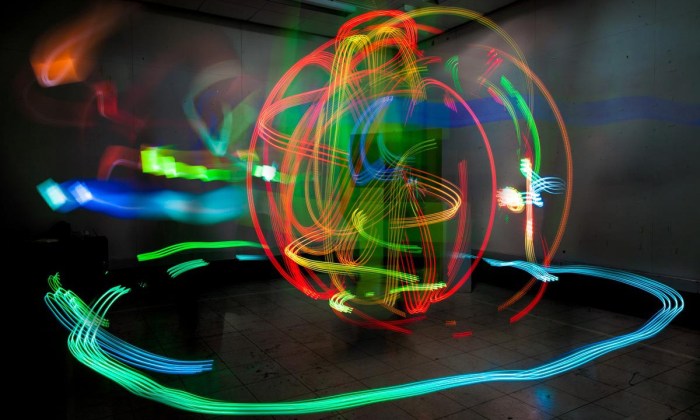
digital_etherealThe world today is permeated by invisible waves that confer the ability to communicate, share, download, upload, invade, spy and monitor. In other words, so much depends upon it and so much happens within it. As a result, it would be nice if people could see it for once. That’s the idea behind “Digital Ethereal”, a project being led by artist and researcher Luis Hernan of the University of Newcastle in the UK, that seeks to give visual representation to this invisible world.

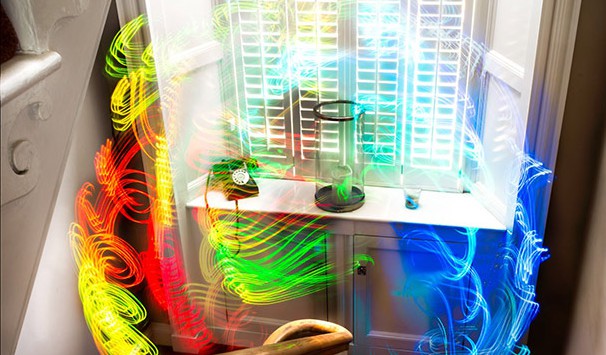
By using different colors of light – red, yellow, green and blue – he was able to reveal the different strength of Wi-Fi signals in the world around us, showing the “ghost in the machine” as it were. He has called his device the Kirlian Device – named for Russian inventor Semyon Davidovich Kirlian, who discovered Kirlian photography, a technique for photographing electrical discharges, usually invisible to the naked eye.

digital_ethereal1As Hernan explained on his website:

This project came about as a design discourse on digital technologies, and the invisible infrastructure underpinning it. I believe our interaction with this landscape of electromagnetic signals, described by Antony Dunne as Hertzian Space, can be characterized in the same terms as that with ghosts and spectra. They both are paradoxical entities, whose untypical substance allows them to be an invisible presence…

Quite simply, the Kirlian Device measures the properties of Wi-Fi signals in its immediate vicinity, and shows a corresponding color. Much like the color spectrum, red is at one end, indicating a strong signal, while blue is at the opposite end indicating a weak one. As Hernan moves around, he uses long exposure photography to reveal Wi-Fi “ghosts” – what he dubs “wireless spectres”. In this way, his project has a certain spiritual quality.

In the same way, they undergo a process of gradual substantiation to become temporarily available to perception. Finally, they both haunt us. Ghosts, as Derrida would have it, with the secrets of past generations. Hertzian space, with the frustration of interference and slowness.

digital_ethereal2As he explained during an interview with Discovery:

The device is moved through the space, which is then registered in a long-exposure photograph. This process lasts for several minutes, and due to the brightness of the device, my figure is ghosted away in the process. In some pictures you can see my feet or even my blurred head underneath the light strikes… 

For the purpose of his project, Hernan built his Kirlian Device out of an Arduino UNO board and Wi-Fi Shield which were connected to a strip of LED lights. But he’s also released a free Android app so that users can try it for themselves, and invited potential collaborators to drop him a line via his website. In the meantime, Hernan is currently pursuing his PhD with the Architecture and Interaction Design group at Newcastle University in the U.K.

And be sure to check out the video of the recent exhibition of Digital Ethereal:


Source:
cnet.com
, news.discovery.com

The Future is Here… and Badass: The Electric Harley

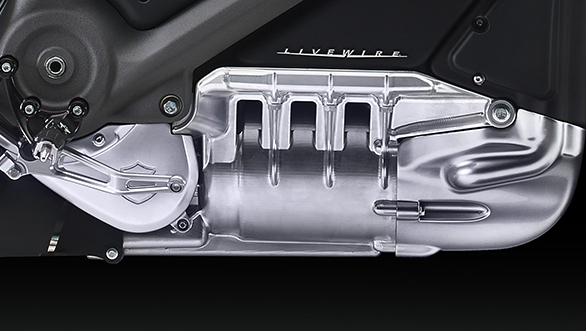
harley_livewireThe Harley Davidson enjoys a rather unique place in American culture, one that is characterized by images of the open road, a sense of freedom, and the sound of a deep, earthy growl. Which is why, when the company released a teaser video earlier this month showcasing Project Livewire, many people were understandably nervous. After all, electronic vehicles seem just fine when it comes to the Toyota Prius, the Nissan Leaf, or anything in the Tesla catalog. But this is Harley Davidson, right?

In this case, the challenge arises from the fact that electric engines are usually silent. In the case of a Harley Hog or a Chopper – or any other classic brand names that scream Hell’s Angels, leather jackets and anarchy – the engine is an iconic part of the brand. They also didn’t want to fake the roar of the engine. Instead, the engineers carefully tweaked the arrangement of the motor and the gear box until it created a sound that’s a little like a jet flying by.

harley_livewire1Jeff Richlen, the chief engineer for the new prototype bike, explained:

When we went into this, we had to consider all of our products are grounded in three things–look, sound, and feel. The sound is the most important, and we didn’t want to lose that. We didn’t want a silent product… The first time we spun up the gears and ran the motorcycle we knew we had something special. It really was defining another sound of Harley Davidson. We’re certainly not forgetting our past and what is our product legacy, it’s just something brand new. And it kind of sounds like the future.

When addressing the reason for the project, Richlen admitted that the company’s main motivation wasn’t trying to improve the sustainability of their bikes, even though motorcycles produce more tailpipe emissions than cars. In the end, he claims that the company is looking to the possibilities of the future, and electronic engines are at the forefront of that. And while cars are well represented, the potential for motorbikes remains largely unexplored. Going green was merely a biproduct of that.

harleyIn the teaser video, things open up on historic route 66. A Harley drives by, only it doesn’t sound like a Harley. It’s quieter, more like the jet engine of a very small plane. Over the summer, Harley-Davidson will take the new LiveWire bike on a 30-city tour of the U.S. to get customer feedback. Richlen has extended an invite to anyone who doubts the power of the bike to come on out try the bike for themselves. The real test, he says, is in the twist of the throttle:

There are some limitations of the EV space right now, and we understand that, and that’s why we’re looking for feedback–what do customers expect out of the product, what would their tradeoff points be? There may be people who get on this thinking ‘golf cart’ and get off it thinking rocket ship.

So if you happen to live in a city where the Harley tour is stopping, and have a love of bikes that borders on the erotic, go check it out. And be sure to check out the teaser video below:


Source:
fastcoexist.com, cnet.com

News From Space: Rosetta Starts, Orion in the Wings

 Quick Note: This is my 1700th post!
Yaaaaaay, happy dance!

Rosetta_Artist_Impression_Far_625x469Space exploration is a booming industry these days. Between NASA, the ESA, Roscosmos, the CSA, and the federal space agencies of India and China, there’s just no shortage of exciting missions aimed at improving our understanding of our Solar System or the universe at large. In recent months, two such missions have been making the news; one of which (led by the ESA) is now underway, while the other (belonging to NASA) is fast-approaching.

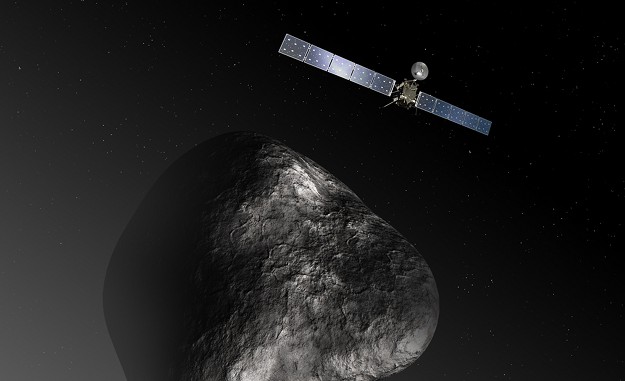
In the first instance, we have the ESA’s Rosetta spacecraft, which is currently on its way to rendezvous with the comet 67P/Churyumov-Gerasimenko at the edge of our Solar System. After awaking from a 957 day hibernation back in January, it has just conducted its first instruments observations. Included in these instruments are three NASA science packages, all of which have started sending science data back to Earth.

Rosetta_and_Philae_at_cometSince leaving Earth in March 2004, the Rosetta spacecraft has traveled more than 6 billion km (3.7 billion miles) in an attempt to be the first spacecraft to successfully rendezvous with a comet. It is presently nearing the main asteroid belt between Jupiter and Mars – some 500,000 km (300,000 miles) from its destination. And until August, it will executing a series of 10 orbit correction maneuvers to line it self up to meet with 67P, which will take place on August 6th.

Rosetta will then continue to follow the comet around the Sun as it moves back out toward the orbit of Jupiter. By November of 2014, Rosetta’s mission will then to launch its Philae space probe to the comet, which will provide the first analysis of a comet’s composition by drilling directly into the surface. This will provide scientists with the first-ever interior view of a comet, and provide them with a window in what the early Solar System looked like.

rosetta-1The three NASA instruments include the MIRO, Alice, and IES. The MIRO (or Microwave Instrument for Rosetta Orbiter) comes in two parts – the microwave section and the spectrometer. The first is designed to measure the comet’s surface temperatures to provide information on the mechanisms that cause gas and dust to pull away from it and form the coma and tail. The other part, a spectrometer, will measure the gaseous coma for water, carbon monoxide, ammonia, and methanol.

Alice (not an acronym, just a nickname) is a UV spectrometer designed to determine the gases present in the comet and gauge its history. It will also be used to measure the rate at which the comet releases water, CO and CO2, which will provide details of the composition of the comet’s nucleus. IES (or Ion and Electron Sensor) is one of five plasma analyzing instruments that make up the Rosetta Plasma Consortium (RPC) suite. This instrument will measure the charged particles as the comet draws nearer to the sun and the solar wind increases.

oriontestflightNamed in honor of the Rosetta Stone – the a basalt slab that helped linguists crack ancient Egyptian – Rosetta is expected to provide the most detailed information about what comets look like up close (as well as inside and out). Similarly, the lander, Philae, is named after the island in the Nile where the stone was discovered. Together, they will help scientists shed light on the early history of our Solar System by examining one of its oldest inhabitants.

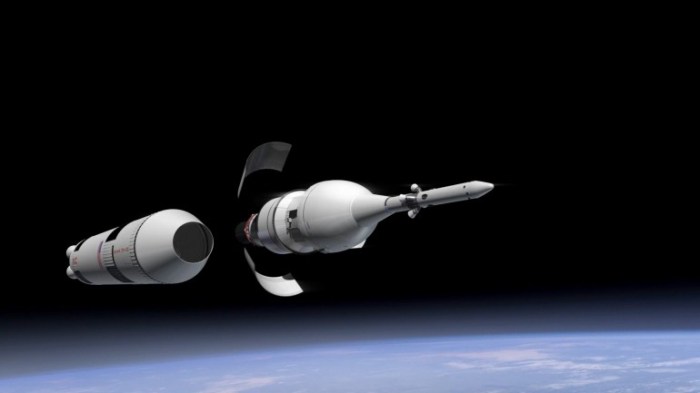
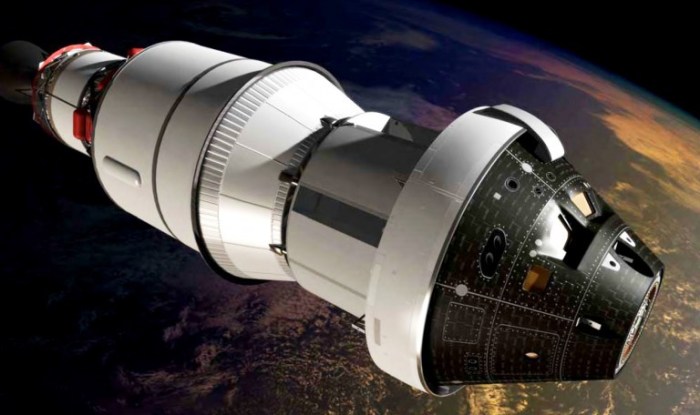
Next up, there’s the next-generation Orion spacecraft, which NASA plans to use to send astronauts to Mars (and beyond) in the not too distant future. And with its launch date (Dec. 4th, 2014) approaching fast, NASA scientists have set out what they hope to learn from its maiden launch. The test flight, dubbed EFT-1 is the first of three proving missions set to trial many of the in-flight systems essential to the success of any manned mission to Mars, or the outer Solar System.

orionheatshield-1EFT-1 will take the form of an unmanned test flight, with the Orion spacecraft being controlled entirely by a flight control team from NASA’s Kennedy Space Center located in Florida. One vital component to be tested is the Launch Abort System (LAS), which in essence is a fail-safe required to protect astronauts should anything go wrong during the initial launch phase. Designed to encapsulate the crew module in the event of a failure on the launch pad, the LAS thrusters will fire and carry the Orion away from danger.

Orion’s computer systems – which are 400 times faster than those used aboard the space shuttle and have the ability to process 480 million instructions per second- will also be tested throughout the test flight. However, they must also demonstrate the ability to survive the radiation and extreme cold of deep space followed by the fiery conditions of re-entry, specifically in the context of prolonged human exposure to this dangerous form of energy.

oriontestflight-1Whilst all systems aboard Orion will be put through extreme conditions during EFT-1, none are tested as stringently as those required for re-entry. The entire proving mission is designed around duplicating the kind of pressures that a potential manned mission to Mars will have to endure on its return to Earth, and so naturally the results of the performance of these systems will be the most eagerly anticipated by NASA scientists waiting impatiently in the Kennedy Space Center.

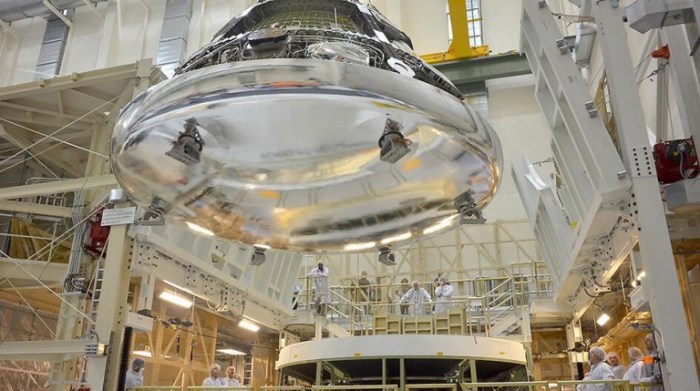
Hence the Orion’s heat shield, a new design comprised of a 41mm (1.6-inch) thick slab of Avcoat ablator, the same material that protected the crew of Apollo-era missions. As re-entry is expected to exceed speeds of 32,187 km/h (20,000 mph), this shield must protect the crew from temperatures of around 2,204 ºC (4,000 ºF). Upon contact with the atmosphere, the heat shield is designed to slowly degrade, drawing the intense heat of re-entry away from the crew module in the process.

orionheatshield-2The final aspect of EFT-1 will be the observation of the parachute deployment system. Assuming the LAS has successfully jettisoned from the crew module following launch, the majority of Orion’s stopping power will be provided by the deploying of two drogue parachutes, followed shortly thereafter by three enormous primary parachutes, with the combined effect of slowing the spacecraft to 1/1000th of its initial re-entry speed.

Previous testing of the parachute deployment system has proven that the Orion spacecraft could safely land under only one parachute. However, these tests could not simulate the extremes that the system will have to endure during EFT-1 prior to deployment. The Orion spacecraft, once recovered from the Pacific Ocean, is set to be used for further testing of the ascent abort system in 2018. Data collected from EFT-1 will be invaluable in informing future testing, moving towards a crewed Orion mission some time in 2021.

oriontestflight-2NASA staff on the ground will be nervously monitoring several key aspects of the proving mission, with the help of 1,200 additional sensors geared towards detecting vibration and temperature stress, while taking detailed measurements of event timing. Furthermore, cameras are set to be mounted aboard Orion to capture the action at key separation points, as well as views out of the windows of the capsule, and a live shot of the parachutes as they deploy (hopefully).

The launch promises to be a historic occasion, representing a significant milestone on mankind’s journey to Mars. Orion, the product of more than 50 years of experience, will be the first human-rated spacecraft to be constructed in over 30 years. The Orion will be launch is expected to last four hours and 25 minute, during which time a Delta-2 Heavy rocket will bring it to an altitude of 5,794 km (3,600 miles) with the objective of creating intense re-entry pressures caused by a return from a deep space mission.

And be sure to check out this animation of the Orion Exploration Flight Test-1:

Sources: gizmag.com, (2)

The Future is Here: First Android Newscasters in Japan

japan-android-robotsThis past week, Japanese scientists unveiled what they claim is the world’s first news-reading android. The adolescent-looking “Kodomoroid” – an amalgamation of the Japanese word “kodomo” (child) and “android”- and “Otonaroid” (“otona” meaning adult) introduced themselves at an exhibit entitled Android: What is a Human?, which is being presented at Tokyo’s National Museum of Emerging Science and Innovation (Miraikan).

The androids were flanked by robotics professor Hiroshi Ishiguro and Miraikan director Mamoru Mori. After Kodomoroid delivered news of an earthquake and an FBI raid to amazed reporters in Tokyo. She even poked fun at her creator, leading robotics professor Hiroshi Ishiguro, “You’re starting to look like a robot!” This was followed by Otonaroid fluffing her lines when asked to introduced herself, which was followed by her excusing herself by saying, “I’m a little bit nervous.”

geminoidBoth androids will be working at Miraikan and interacting with visitors, as part of Ishiguro’s studies into human reactions to the machines. Ishiguro is well-known for his work with “geminoid”, robots that bare a frightening resemblance to their creator. As part of his lecture process, Ishiguro takes his geminoid with him when he travels and even let’s it deliver his lectures for him. During an interview with AFP, he explained the reasoning behind this latest exhibit:

This will give us important feedback as we explore the question of what is human. We want robots to become increasingly clever. We will have more and more robots in our lives in the future… This will give us important feedback as we explore the question of what is human. We want robots to become increasingly clever.

Granted the unveiling did have its share of bugs. For her part, Otonaroid looked as if she could use some rewiring before beginning her new role as the museum’s science communicator, her lips out of sync and her neck movements symptomatic of a bad night’s sleep. But Ishiguro insisted both would prove invaluable to his continued research as museum visitors get to have conversations with the ‘droids and operate them as extensions of their own body.

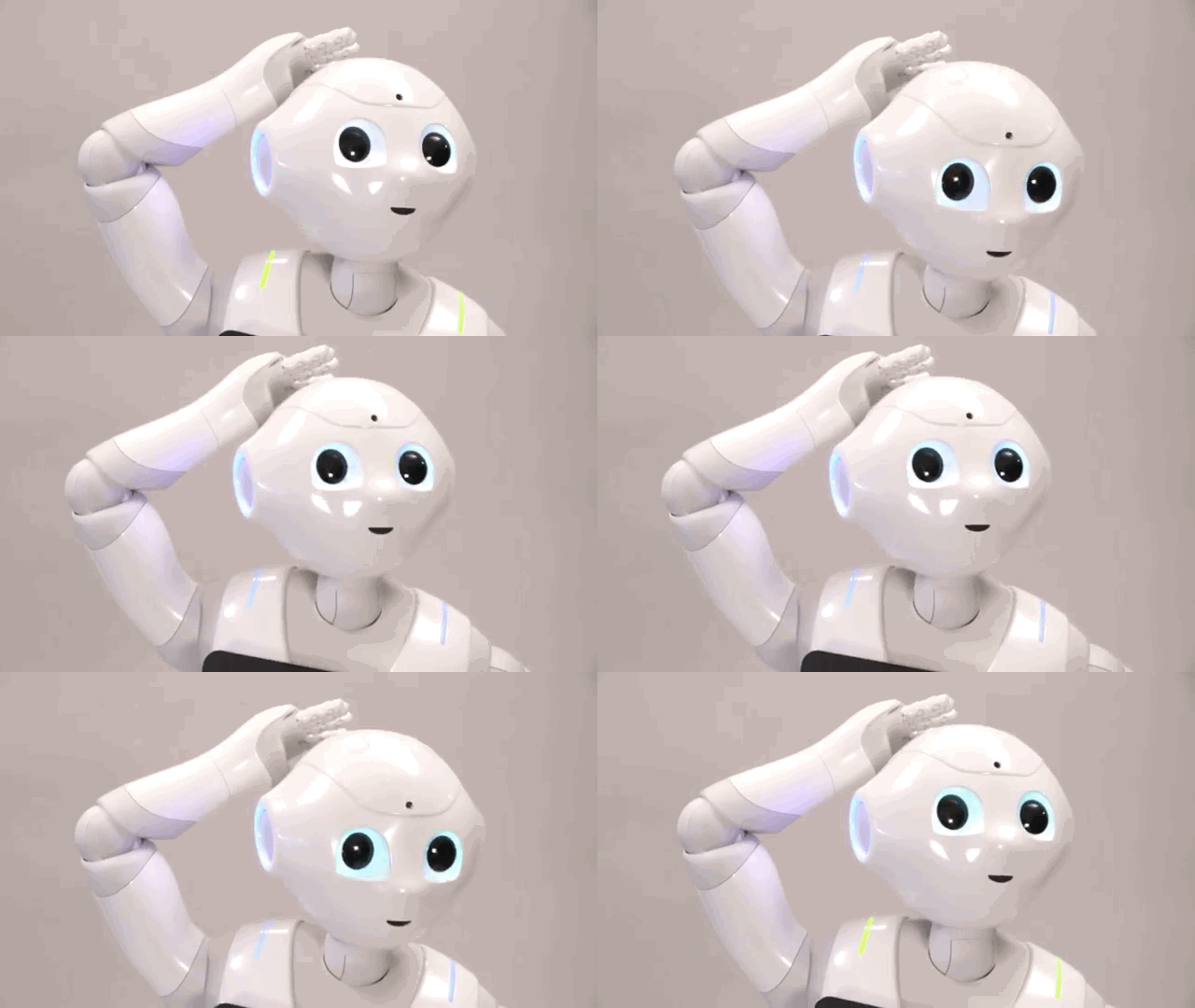
pepperAnd this is just one of many forays into a world where the line between robots and humans are becoming blurred. After a successful debut earlier this month, a chatty humanoid called Pepper is set to go on sale as a household companion in Japan starting next year. Designed by SoftBank, using technology acquired from French robotics company Aldebaran, and marketed as a household companion, each robot will cost around $2,000, the same cost of a laptop.

Pepper can communicate through emotion, speech or body language and it’s equipped with both mics and proximity sensors. Inside, it will be possible to install apps and upgrade the unit’s functionality, the plan being to make Pepper far smarter than when you first bought it. It already understands 4,500 Japanese words, but perhaps more impressively, Pepper can apparently read into the tone used to understand its master’s disposition.

pepperAldebaran CEO Bruno Maisonnier claims that robots that can recognize human emotion will change the way we live and communicate. And this is certainly a big step towards getting robots into our daily lives, at least if you live in Japan (the only place Pepper will be available for the time being). He also believes this is the start of a “robotic revolution” where robotic household companions that can understand and interact with their human owners will become the norm.

Hmm, a world where robots are increasingly indistinguishable from humans, can do human jobs, and are capable of understanding and mimicking our emotions. Oh, and they live in our houses too? Yeah, I’m just going to ignore the warning bells going off in my head now! And in the meantime, be sure to check out these videos of Kodomoroid and Otonaroid and Pepper being unveiled for the first time:

World’s First Android Newscasters:


Aldebaran’s Pepper:


Sources:
cnet.com, gizmodo.com, engadget.com, nydailynews.com

Looking Forward: 10 Breakthroughs by 2025

BrightFutureWorld-changing scientific discoveries are emerging all the time; from drugs and vaccines that are making incurable diseases curable, to inventions that are making renewable energies cheaper and more efficient. But how will these develops truly shape the world of tomorrow? How will the combination of advancements being made in the fields of medical, digital and industrial technology come together to change things by 2025?

Well, according to the Thomson Reuters IP & Science unit – a leading intellectual property and collaboration platform – has made a list of the top 10 breakthroughs likely to change the world. To make these predictions, they  looked at two sorts of data – current scientific journal literature and patent applications. Counting citations and other measures of buzz, they identified 10 major fields of development, then made specific forecasts for each.

As Basil Moftah, president of the IP & Science business (which sells scientific database products) said:

A powerful outcome of studying scientific literature and patent data is that it gives you a window into the future–insight that isn’t always found in the public domain. We estimate that these will be in effect in another 11 years.

In short, they predict that people living in 2025 will have access to far more in the way of medical treatments and cures, food will be more plentiful (surprisingly enough), renewable energy sources and applications will be more available, the internet of things will become a reality, and quantum and medical science will be doing some very interesting thins.

1. Dementia Declines:
geneticsPrevailing opinion says dementia could be one of our most serious future health challenges, thanks in no small part to increased life expectancy. In fact, the World Health Organization expects the number of cases to triple by 2050. The Thomson Reuters report is far more optimistic though, claiming that a focus on the pathogenic chromosomes that cause neuro-degenerative disease will result in more timely diagnosis, and earlier, more effective treatment:

In 2025, the studies of genetic mutations causing dementia, coupled with improved detection and onset-prevention methods, will result in far fewer people suffering from this disease.

2. Solar Power Everywhere:
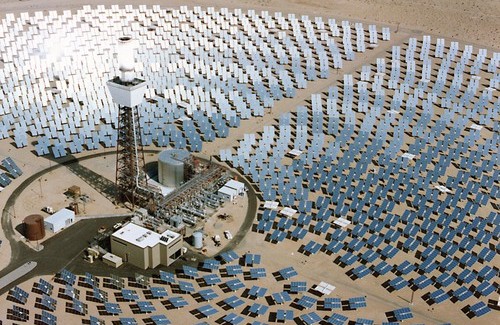
solarpowergeWith the conjunction of increased efficiencies, dropping prices and improved storage methods, solar power will be the world’s largest single source of energy by 2025. And while issues such as weather-dependence will not yet be fully resolved, the expansion in panel use and the incorporation of thin photovoltaic cells into just about every surface imaginable (from buildings to roadways to clothing) will means that solar will finally outstrip fossil fuels as coal as the predominant means of getting power.

As the authors of the report write:

Solar thermal and solar photovoltaic energy (from new dye-sensitized and thin-film materials) will heat buildings, water, and provide energy for devices in the home and office, as well as in retail buildings and manufacturing facilities.

3. Type 1 Diabetes Prevention:
diabetes_worldwideType 1 diabetes strikes at an early age and isn’t as prevalent as Type 2 diabetes, which comes on in middle age. But cases have been rising fast nonetheless, and explanations range from nutritional causes to contaminants and fungi. But the report gives hope that kids of the future won’t have to give themselves daily insulin shots, thanks to “genomic-editing-and-repairing” that it expects will fix the problem before it sets in. As it specifies:

The human genome engineering platform will pave the way for the modification of disease-causing genes in humans, leading to the prevention of type I diabetes, among other ailments.

4. No More Food Shortages:
GMO_seedsContrary to what many speculative reports and futurists anticipate, the report indicates that by the year 2025, there will be no more food shortages in the world. Thanks to a combination of lighting and genetically-modified crops, it will be possible to grow food quickly and easily in a plethora of different environments. As it says in the report:

In 2025, genetically modified crops will be grown rapidly and safely indoors, with round-the-clock light, using low energy LEDs that emit specific wavelengths to enhance growth by matching the crop to growth receptors added to the food’s DNA. Crops will also be bred to be disease resistant. And, they will be bred for high yield at specified wavelengths.

5. Simple Electric Flight:
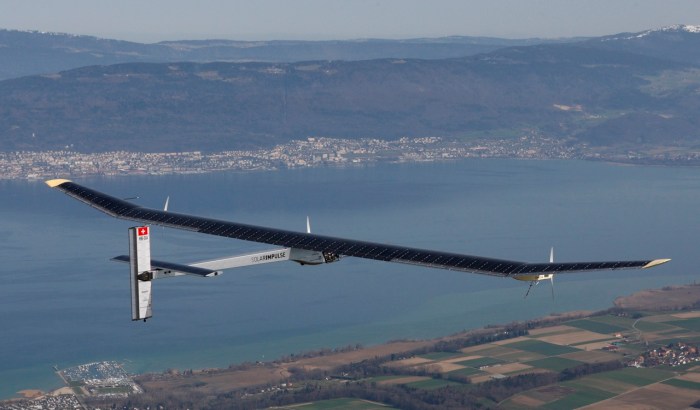
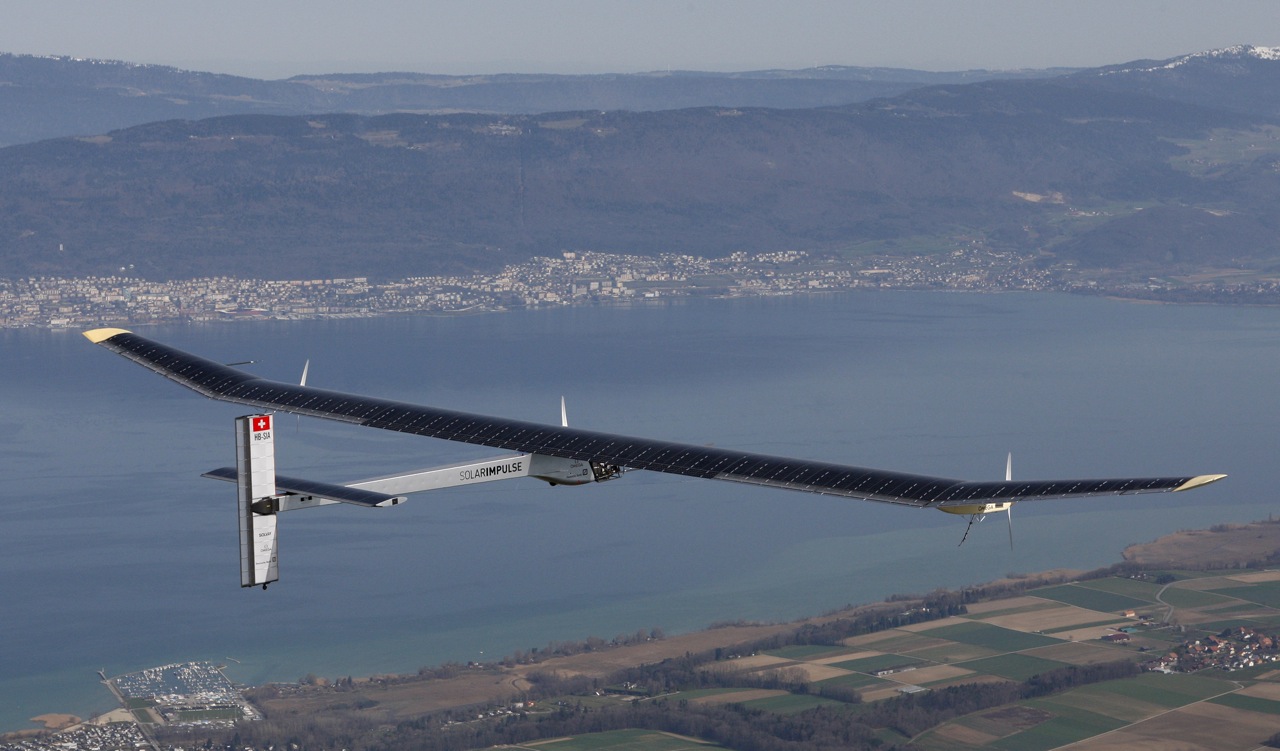
Solar Impulse HB-SIA prototype airplane attends his first flight over PayerneThe explosion in the use of electric aircraft (be they solar-powered or hydrogen fueled) in the past few decades has led to predictions that by 2025, small electric aircraft will offset commercial flight using gas-powered, heavy jets. The report says advances in lithium-ion batteries and hydrogen storage will make electric transport a reality:

These aircraft will also utilize new materials that bring down the weight of the vehicle and have motors with superconducting technology. Micro-commercial aircraft will fly the skies for short-hop journeys.

6. The Internet of Things:
internet-of-things-2By 2025, the internet is likely to expand into every corner of life, with growing wifi networks connecting more people all across the world. At the same time, more and more in the way of devices and personal possessions are likely to become “smart” – meaning that they will can be accessed digitally and networked to other things. In short, the internet of things will become a reality. And the speed at which things move will vastly increase due to proposed solutions to the computing bottleneck.

Here’s how the report puts it:

Thanks to the prevalence of improved semiconductors, graphene-carbon nanotube capacitators, cell-free networks of service antenna, and 5G technology, wireless communications will dominate everything, everywhere.

7. No More Plastic Garbage:
110315-N-IC111-592Ever heard of the Great Pacific Garbage Patch (aka. the Pacific Trash Vortex), the mass of plastic debris in the Pacific Ocean that measures somewhere between 700,000 and 15,000,000 square kilometres (270,000 – 5,800,000 sq mi)? Well, according to the report, such things will become a thing of the past. By 2025, it claims, the “glucose economy” will lead to the predominance of packaging made from plant-derived cellulose (aka. bioplastics).

Because of this influx of biodegradable plastics, there will be no more permanent deposits of plastic garbage filling our oceans, landfills, and streets. As it says:

Toxic plastic-petroleum packaging that litters cities, fields, beaches, and oceans, and which isn’t biodegradable, will be nearing extinction in another decade. Thanks to advancements in the technology related to and use of these bio-nano materials, petroleum-based packaging products will be history.

8. More Precise Drugs:

drugsBy 2025, we’ll have sophisticated, personalized medicine, thanks to improved production methods, biomedical research, and the growth of up-to-the-minute health data being provided by wearable medical sensors and patches. The report also offers specific examples:

Drugs in development are becoming so targeted that they can bind to specific proteins and use antibodies to give precise mechanisms of action. Knowledge of specific gene mutations will be so much more advanced that scientists and physicians can treat those specific mutations. Examples of this include HER2 (breast cancer), BRAF V600 (melanoma), and ROS1 (lung cancer), among many others.

9. DNA Mapping Formalized:
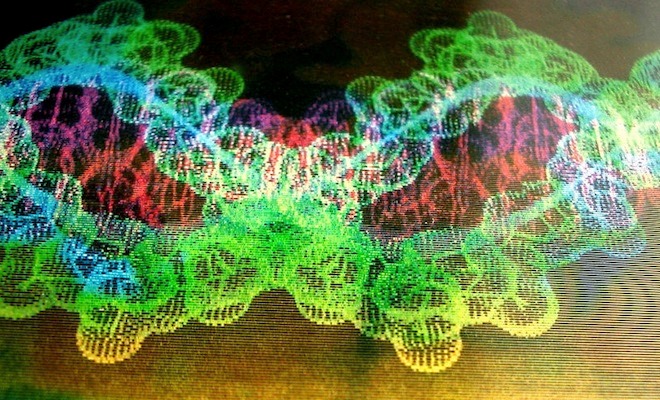
DNA-1Recent explosions in genetic research – which include the Genome Project and ENCODE – are leading to a world where personal genetic information will become the norm. As a result, kids born in 2025 will be tested at the DNA level, and not just once or twice, but continually using nano-probes inserted in the body. The result will be a boon for anticipating genetic diseases, but could also raise various privacy-related issues. As it states:

In 2025, humans will have their DNA mapped at birth and checked annually to identify any changes that could point to the onset of autoimmune diseases.

10. Teleportation Tested:
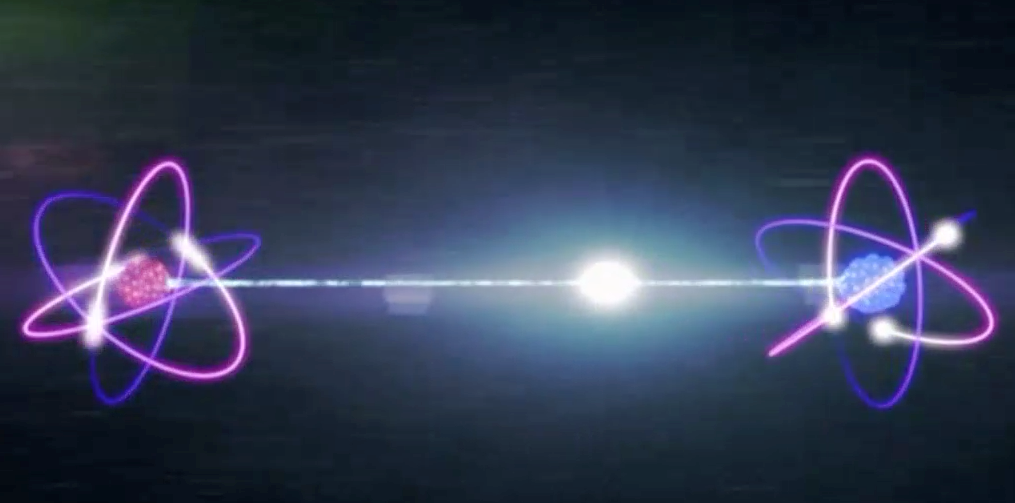
quantum-entanglement1Last, but certainly not least, the report says research into teleportation will be underway. Between the confirmation of the Higgs Boson (and by extension, the Standard Model of particle physics), recent revelations about quantum entanglements and wormholes, and the discovery of the Amplituhedron, the field of teleportation is likely to produce some serious breakthroughs. No telling what these will be – be it the ability to teleport simple photons or something larger – but the fact that the research will be happening seems a foregone conclusion:

We are on the precipice of this field’s explosion; it is truly an emerging research front. Early indicators point to a rapid acceleration of research leading to the testing of quantum teleportation in 2025.

Summary:
Will all of these changes come to pass? Who knows? If history has taught us anything, it’s that predictions are often wrong and much in the way of exciting research doesn’t always make it to the market. And as always, various factors – such as politics, money, public resistance, private interests – have a way of complicating things. However, there is reason to believe that the aforementioned 10 things will become a viable reality. And Moftah believes we should be positive about the future:

[The predictions] are positive in nature because they are solutions researchers and scientists are working on to address challenges we face in the world today. There will always be obstacles and issues to overcome, but science and innovation give us hope for how we will address them.

I, for one, am happy and intrigued to see certain items making this list. The explosion in solar usage, bioplastics, and the elimination of food scarcity are all very encouraging. If there was one thing I was anticipating by 2025, it was increased drought and food shortages. But as the saying goes, “necessity is the mother of invention”. And as someone who has had two grandmothers who lived into their nineties and have both suffered from the scourges of dementia, it is good to know that this disease will be on the wane for future generations.

It is also encouraging to know that there will be better treatments for diseases like cancer, HIV, and diabetes. While the idea of a world in which all diseases are preventable and/or treatable worries some (on a count of how it might stoke overpopulation), no one who has ever lived with this disease, or known someone who has, would think twice if presented with a cure. And hardship, hunger, a lack of education, resources and health services are some of the main reasons for population explosions.

And, let’s face it, its good to live in an age where the future looks bright for a change. After a good century of total war, totalitarianism, atomic diplomacy, terrorism, and oh so much existential angst and dystopian fiction, it’s nice to think that the coming age will turn out alright after all.

Sources: fastcoexist.com, ip-science.thomsonreuters.com

Powered by the Sun: Boosting Solar Efficiency

solar1Improving the efficiency of solar power – which is currently the most promising alternative energy source – is central to ensuring that it an becomes economically viable replacement to fossil fuels, coal, and other “dirty” sources. And while many solutions have emerged in recent years that have led to improvements in solar panel efficiency, many developments are also aimed at the other end of things – i.e. improving the storage capacity of solar batteries.

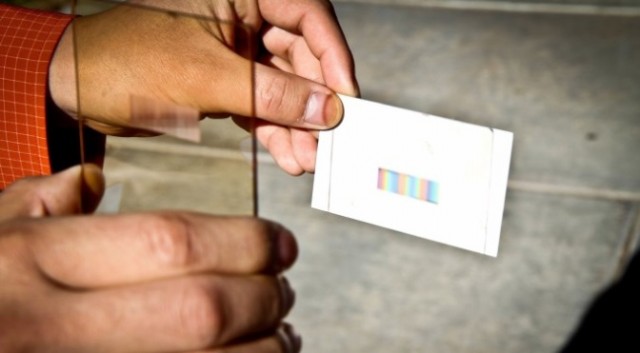
In the former case, a group of scientists working with the University of Utah believe they’ve discovered a method of substantially boosting solar cell efficiencies. By adding a polychromat layer that separates and sorts incoming light, redirecting it to strike particular layers in a multijunction cell, they hope to create a commercial cell that can absorb more wavelengths of light, and therefor generate more energy for volume than conventional cells.

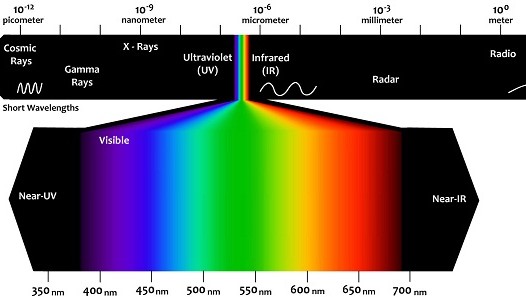
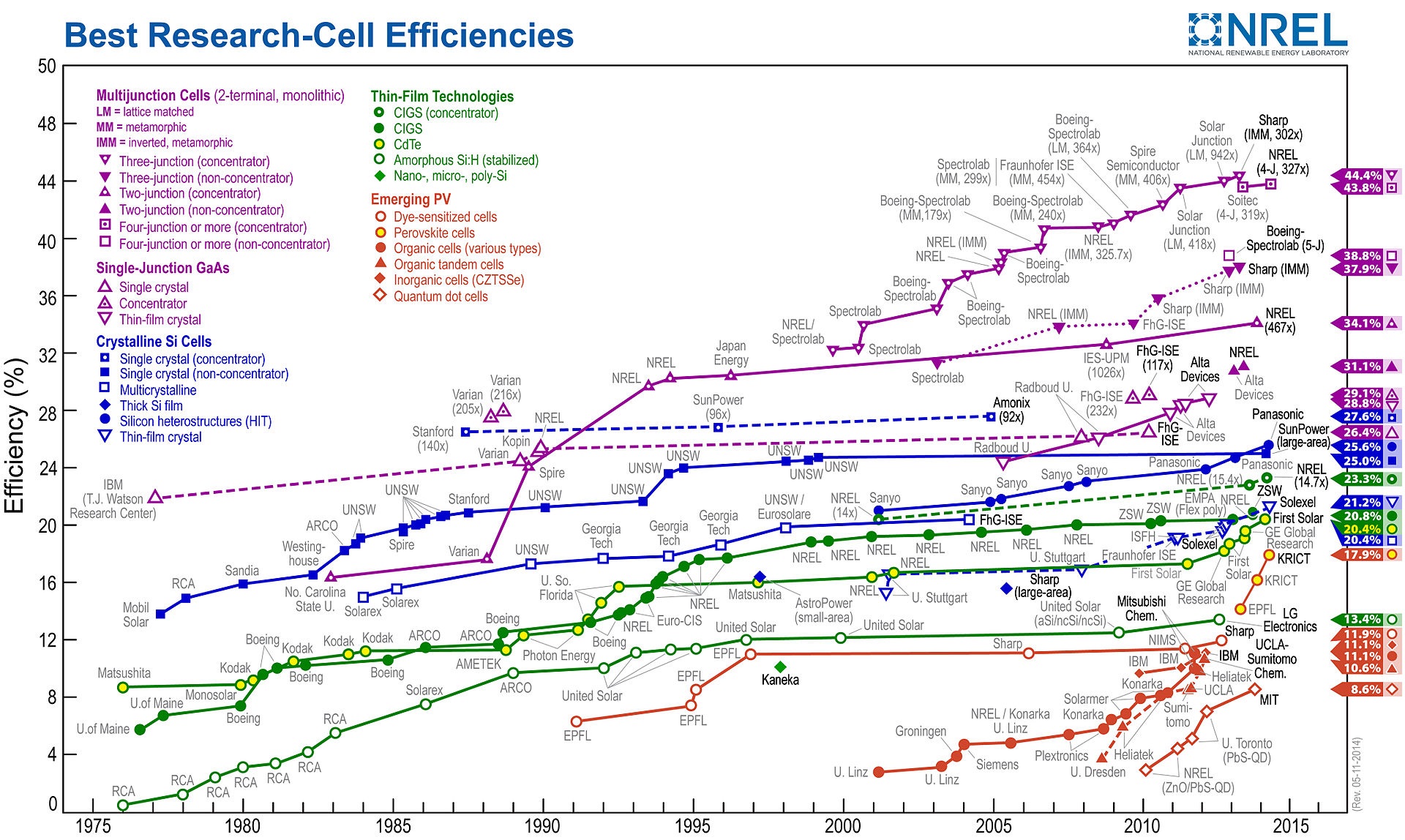
EMSpectrumTraditionally, solar cell technology has struggled to overcome a significant efficiency problem. The type of substrate used dictates how much energy can be absorbed from sunlight — but each type of substrate (silicon, gallium arsenide, indium gallium arsenide, and many others) corresponds to capturing a particular wavelength of energy. Cheap solar cells built on inexpensive silicon have a maximum theoretical efficiency of 34% and a practical (real-world) efficiency of around 22%.

At the other end of things, there are multijunction cells. These use multiple layers of substrates to capture a larger section of the sun’s spectrum and can reach up to 87% efficiency in theory – but are currently limited to 43% in practice. What’s more, these types of multijunction cells are extremely expensive and have intricate wiring and precise structures, all of which leads to increased production and installation costs.

SolarCellResearchIn contrast, the cell created by the University of Utah used two layers — indium gallium phosphide (for visible light) and gallium arsenide for infrared light. According to the research team, when their polychromat was added, the power efficiency increased by 16 percent. The team also ran simulations of a polychromat layer with up to eight different absorbtion layers and claim that it could potentially yield an efficiency increase of up to 50%.

However, there were some footnotes to their report which temper the good news. For one, the potential gain has not been tested yet, so any major increases in solar efficiency remain theoretical at this time. Second, the report states that the reported gain was a percentage of a percentage, meaning that if the original cell efficiency was 30%, then a gain of 16% percent means that the new efficiency is 34.8%. That’s still a huge gain for a polychromat layer that is easily produced, but not as impressive as it originally sounded.

PolyChromat-640x353However, given that the biggest barrier to multi-junction solar cell technology is manufacturing complexity and associated cost, anything that boosts cell efficiency on the front end without requiring any major changes to the manufacturing process is going to help with the long-term commercialization of the technology. Advances like this could help make technologies cost effective for personal deployment and allow them to scale in a similar fashion to cheaper devices.

In the latter case, where energy storage is concerned, a California-based startup called Enervault recently unveiled battery technology that could increase the amount of renewable energy utilities can use. The technology is based on inexpensive materials that researchers had largely given up on because batteries made from them didn’t last long enough to be practical. But the company says it has figured out how to make the batteries last for decades.

SONY DSCThe technology is being demonstrated in a large battery at a facility in the California desert near Modeso, 0ne that stores one megawatt-hour of electricity, enough to run 10,000 100-watt light bulbs for an hour. The company has been testing a similar, though much smaller, version of the technology for about two years with good results. It has also raised $30 million in funding, including a $5 million grant from the U.S. Department of Energy.

The technology is a type of flow battery, so called because the energy storage materials are in liquid form. They are stored in big tanks until they’re needed and then pumped through a relatively small device (called a stack) where they interact to generate electricity. Building bigger tanks is relatively cheap, so the more energy storage is needed, the better the economics become. That means the batteries are best suited for storing hours’ or days’ worth of electricity, and not delivering quick bursts.

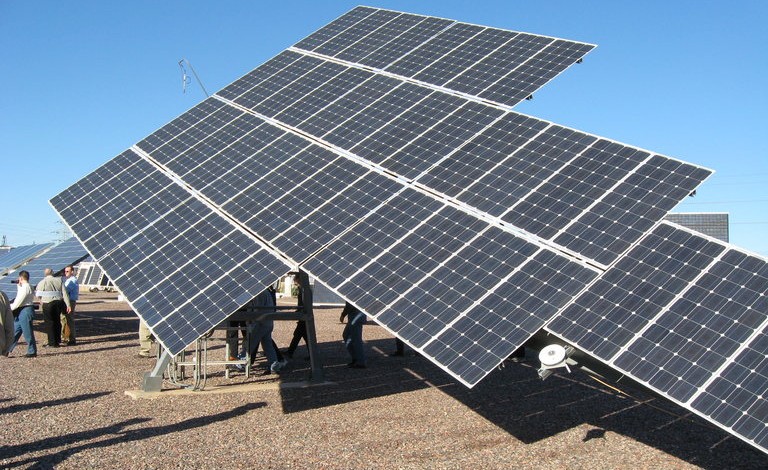
solarpanelsThis is especially good news for solar and wind companies, which have remained plagued by problems of energy storage despite improvements in both yield and efficiency. Enervault says that when the batteries are produced commercially at even larger sizes, they will cost just a fifth as much as vanadium redox flow batteries, which have been demonstrated at large scales and are probably the type of flow battery closest to market right now.

And the idea is not reserved to just startups. Researchers at Harvard recently made a flow battery that could prove cheaper than Enervault’s, but the prototype is small and could take many years to turn into a marketable version. An MIT spinoff, Sun Catalytix, is also developing an advanced flow battery, but its prototype is also small. And other types of inexpensive, long-duration batteries are being developed, using materials such as molten metals.

Sumitomo-redox-flow-battery-YokohamaOne significant drawback to the technology is that it’s less than 70 percent efficient, which falls short of the 90 percent efficiency of many batteries. The company says the economics still work out, but such a wasteful battery might not be ideal for large-scale renewable energy. More solar panels would have to be installed to make up for the waste. What’s more, the market for batteries designed to store hours of electricity is still uncertain.

A combination of advanced weather forecasts, responsive fossil-fuel power plants, better transmission networks, and smart controls for wind and solar power could delay the need for them. California is requiring its utilities to invest in energy storage but hasn’t specified what kind, and it’s not clear what types of batteries will prove most valuable in the near term, slow-charging ones like Enervault’s or those that deliver quicker bursts of power to make up for short-term variations in energy supply.

Tesla Motors, one company developing the latter type, hopes to make them affordable by producing them at a huge factory. And developments and new materials are being considered all time (i.e. graphene) that are improving both the efficiency and storage capacity of batteries. And with solar panels and wind becoming increasingly cost-effective, the likelihood of storage methods catching up is all but inevitable.

Sources: extremetech.com, technologyreview.com