The Future of Medicine: Gene Therapy and Treatments

DNA-1Imagine a world where all known diseases were curable, where health problems could be treated in a non-invasive manner, and life could be extended significantly? Thanks to ongoing research into the human genome, and treatments arising out of it, that day may be coming soon. That’s the idea behind gene therapy and pharmacoperones – two treatment procedures that may make disease obsolete in the near future.

The first comes to us from the Utah School of Medicine, where researcher Amit Patel recently developed a non-invasive, naked DNA approach to deal with treating heart problems. His process was recently tested o Ernie Lively, an actor suffering from heart damage, who made a full recovered afterwards without ever having to go under the knife.

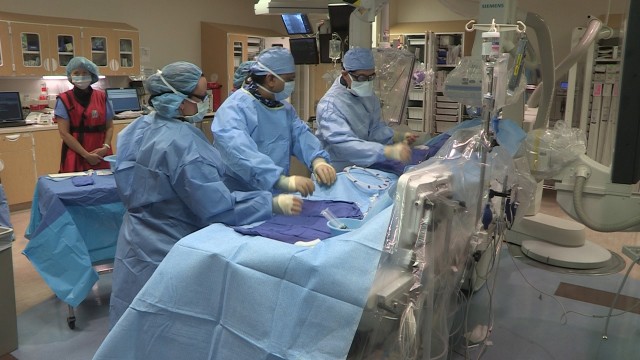
gene_therapyIn short, Patel’s method relies on a catheter, which he used to access the main cardiac vein (or coronary sinus), where a balloon is inflated to halt the flow of blood and isolate the area. A high dose of naked DNA, which codes for a protein called SDF-1, is then delivered. SDF-1, which stands for stromal cell-derived factor, is a potent attractant both for stem cells circulating in the bloodstream, and for those developing in the bone marrow.

Stromal cells, which manufacture SDF-1, are the creative force which knit together our fibrous connective tissues. The problem is they do not make enough of this SDF-1 under normal conditions, nor do specifically deliver it in just the right places for repair of a mature heart. By introducing a dose of these cells directly into the heart, Patel was able to give Lively what his heart needed, where it needed it.

gene_therapy1Compared to other gene therapies, the introduction of SDF-1 into cells was done without the assistance of a virus. These “viral vector” method have had trouble in the past due to the fact that after the virus helps target specific cells for treatment, the remnant viral components can draw unwanted attention from the immune system, leading to complications.

But of course, there is still much to be learned about the SDF-1 treatment and others like it before it can be considered a viable replacement for things like open-heart surgery. For one, the yield – the number or percentage of cells that take up the DNA – remains unknown. Neither are the precise mechanisms of uptake and integration within the cell known here.

Fortunately, a great deal of research is being done, particularly by neuroscientists who are looking to control brain cells through the use of raw DNA as well. Given time, additional research, and several clinical trials, a refined version of this process could be the cure for heart-related diseases, Alzheimer’s, and other disorders that are currently thought to be incurable, or require surgery.

pharmacoperones-protein-foldingAnother breakthrough treatment that is expected to revolutionize medicine comes in the form of pharmacoperones (aka. “protein chaperones”). a new field of drugs that have the ability to enter cells and fix misfolded proteins. These kind of mutations usually result in proteins becoming inactive; but in some cases, can lead to toxic functionality or even diseases.

Basically, proteins adopt their functional 3-D structure by folding linear chains of amino acids, and gene mutation can cause this folding process to go awry, resulting in “misfolding”. Up until recently, scientists believed these proteins were simply non-functional. But thanks to ongoing research, it is now known their inactivity is due to the cell’s quality control system misrouting them within the cell.

protein1Although this process has been observed under a microscope in recent years, a team led by Doctor P. Michael Conn while at Oregon Health & Science University (OHSU) was the first to demonstrate it in a living laboratory animal. The team was able to cure mice of a disease that makes the males unable to father offspring, and believe the technique will also work on human beings.

The team says neurodegenerative diseases, such as Alzheimer’s, Parkinson’s and Huntington’s, as well as certain types of diabetes, inherited cataracts and cystic fibrosis are just a few of the diseases that could potentially be cured using the new approach. Now working at the Texas Tech University Health Sciences Center (TTUHSC), Conn and his team are looking to conduct human trials.

DNA-molecule2One of the hallmarks of the coming age of science, technology and medicine is the idea that people will be living in post-mortality age, where all diseases and conditions are curable and life can be extended almost indefinitely. Might still sound like science fiction, but all of this research is indicative of the burgeoning trend where things that were once thought to be “treatable but not curable” is a thing of the past.

It’s an exciting time to be living in, almost as exciting as the world our children will be inhabiting – assuming things go according to plan. And in the meantime, check out this video of the SDF-1 gene therapy in action, courtesy of the University of Utah School of Medicine:


Sources: extremetech.com, gizmag.com

News from Space: Chang’e-3’s Landing and 1st Panorama

Change-3-landing-site_1_ken-kremer-580x344China accomplished a rather major technological and scientific feat recently with the recent soft landing of its Chang’e-3 robotic spacecraft on Dec.14th. This was the nation’s first attempt at landing a spacecraft on an extra-terrestrial body, and firmly established them as a competitor in the ongoing space race. What’s more, the event has been followed by a slew of fascinating and intriguing pictures.

The first were taken by the descent imaging camera aboard the Chang’e-3 lander, which began furiously snapping photos during the last minutes of the computer guided landing. The Chinese space agency then combined the photos to create a lovely compilation video, with the point of view rotated 180 degrees, to recreate what the descent looked like.

Change-3_lunar_landing_site-580x470The dramatic soft landing took place at 8:11 am EST (9:11 p.m Beijing local time) with the lander arriving at Mare Imbrium (Latin for “Sea of Rains”) – one of the larger craters in the Solar System that is between 3 and 4.5 billion years old. The precise landing coordinates were 44.1260°N and 19.5014°W – located below the Montes Recti mountain ridge.

The video begins by showing the Chang’e-3 lander approaching the Montes Recti mountain ridge. At an altitude of 15 km (9 miles), the Chang’e-3 carried out the rocket powered descent to the Moon’s surface by firing the landing thrusters starting at the altitude of 15 km (9 mi) for a soft landing targeted to a preselected area in Mare Imbrium.

chang'e3_landingThe vehicles thrusters then fired to pivot the lander towards the surface at about the 2:40 minute mark when it was at an altitude of roughly 3 km (1.8 miles). The powered descent was autonomous, preprogrammed and controlled by the probe itself, not by mission controllers on Earth stationed at the Beijing. Altogether, it took about 12 minutes to bring the lander onto the surface.

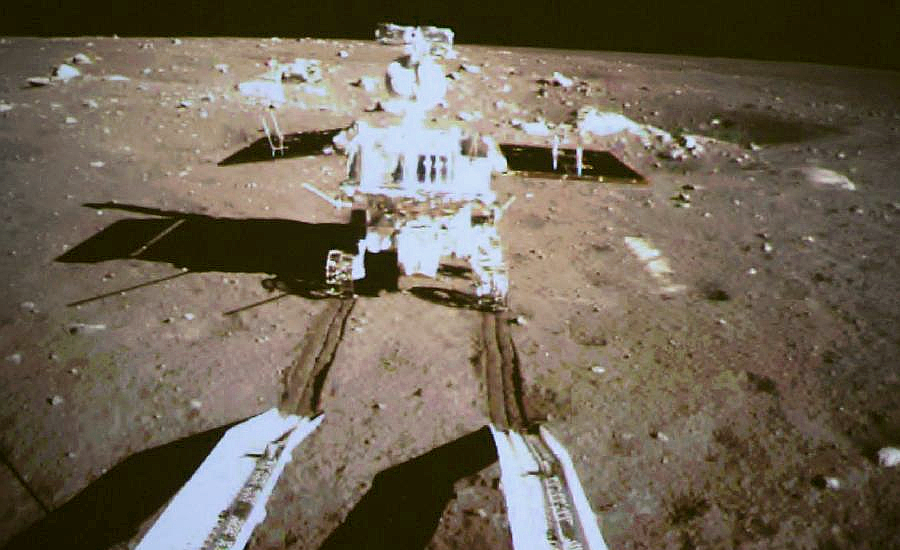
Roughly 7 hours later, on Sunday, Dec. 15 at 4:35 a.m. Beijing local time, China’s first ever lunar rover ‘Yutu’ (or Jade Rabbit) rolled down a pair of ramps and onto the Moon’s soil. The six wheeled ‘Yutu’ rover drove straight off the ramps and sped right into the history books as it left a noticeably deep pair of tire tracks behind in the loose lunar dirt. This too was captured by the lander’s camera and broadcast on China’s state run CCTV.

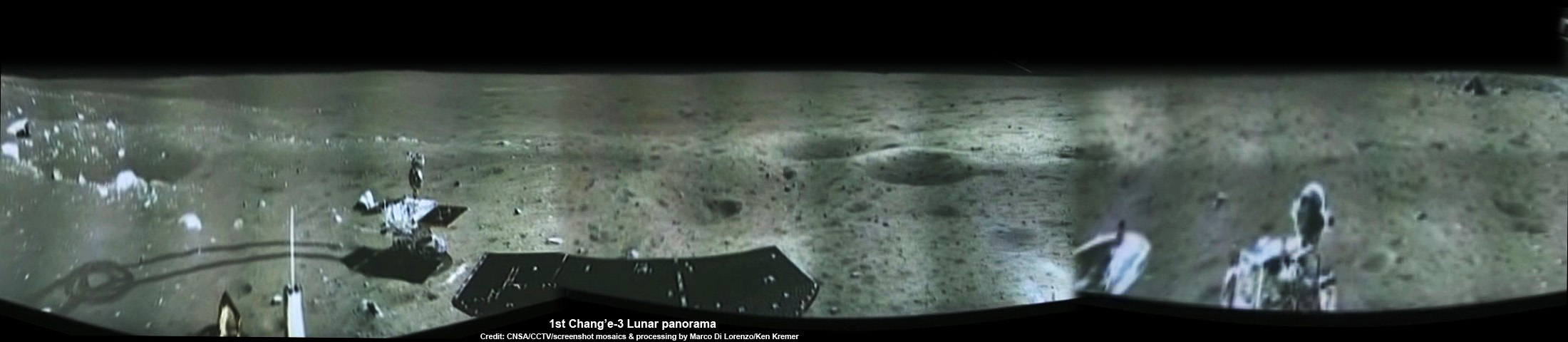
chang'e3_egressThe next bundle of footage came from the rover itself, as the Jade Rabbit took in its inaugural photographs of the landing site in Mare Imbrium. The photos were released by Chinese state TV on Dec. 15th, not long after the rover disembarked from the lander, and were then pieced together to form the lander’s first panoramic view of the lunar surface.

Marco Di Lorenzo and Ken Kremer – an amateur photo-astronomer and a science journalist who have composed panoramas from the Curiosity mission in the past – also composed the images together to create a series of mosaics. A sample of the 1st panorama is pictured below, with the Yutu rover in the center and tire tracks off to the left.. Click here to the see the full-size image.

Change-3-1st-Pano_1b_Ken-Kremer--580x203The individual images were taken by three cameras positioned around the robotic lander and captured the stark lunar terrain surrounding the spacecraft. The panoramic view shows ‘Yutu’ and its wheel tracks cutting a semi circular path at least several centimeters deep into the loose lunar regolith at the landing site at Mare Imbrium, located near the Bay of Rainbows.

Liu Enhai, Designer in Chief, Chang’E-3 Probe System, has this say about the images in a recent CCTV interview:

This picture is made of 60 pictures taken 3 times by the rover. The rover used three angles: vertical, 15 degrees tilted up, and 15 degrees down…so that we get an even farther view

chang'e3_portraitThe 140 kilogram Yutu rover then turned around so that the lander and rover could obtain their first portraits of one another. The first is visible above, showing the Jade Rabbit rover (in better resolution), with the image of the Chang’e 3 lander below. Liu Jianjun, Deputy Chief Designer of the Chang’E-3 Ground System, was also interviewed by CCTV, and had this to about that part of the mission:

The rover reached the point of X after it went down from the lander, then it established contact with the ground. Then it went to point A, where the rover and lander took pictures of each other. Then it reached point B, where it’s standing now.

These are just the first of what is expected to be a torrent of pictures produced by the rover, which according to Chinese officials, will spend the next year conducting in-situ exploration at the landing site. Beyond that, the rover will use its instruments to survey the moon’s geological structure and composition on a minimum three month mission to locate the moon’s natural resources for use by future missions.

chang'e3_lander_portIn addition to accomplishing a great scientific feat, China has now joined a very exclusive club, being only one of three nations that has successfully conducted a soft landing on the Moon. The United States was the first, reaching the Moon with its Apollo 11 mission on July 20th, 1969. The Soviet Union followed less than a decade later, having reached the Moon with its unmanned Lunik 24 spacecraft in 1976.

And now, almost forty years later, the space race is joined by one of the world’s emerging super powers. Soon, we can expect the European Space Agency, India, Pakistan, and possibly Iran to be reaching the Moon as well. And by that time, its likely the spaceships will be carrying colonists. Hopefully we’ll have some infrastructure set up to receive them!

In the meantime, be sure to check out the Chang’e 3 descent video, and stay tuned for more updates from the Jade Rabbit and it begins its exploration of the Lunar surface.


Source:
universetoday.com, (2)

Your Reputation: The Currency of the Future

reputation_marketingNot too long ago, I did something I haven’t done in a long time and wrote a conceptual post, one which dealt with the concept of the “Internet of Things” and where its leading us. In that spirit, and in the hopes of tackling another concept which has been intriguing me of late, I wanted to delve into this thing known as Reputation Marketing, also known as the Trust Economy.

Here too, the concept has been batted around of late, and even addressed in a Ted Talks lecture (see below). And much like the Internet of Things, it addresses a growing trend that is the result of the digital revolution and everything we do online. To break it down succinctly, Reputation Marketing states that as more and more of our activities are quantified online, our behavior will become commodified, and our actions will become the new currency.

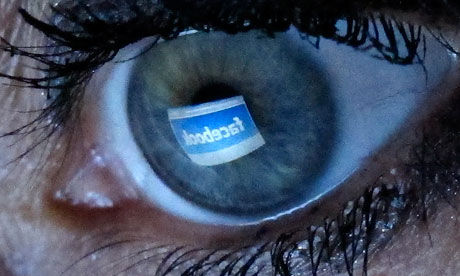
Facebook Reece ElliottAt the heart of this trend is such things as social media, online shopping, and online reviews. With everything from used goods, furniture, clothing and cars to accommodations up for review, people are turning to web-based recommendations like never before. In fact, a 2012 study done by Neilsen Media Research suggested that 70% of all consumers trust online reviews,  which are now second only to personal recommendations.

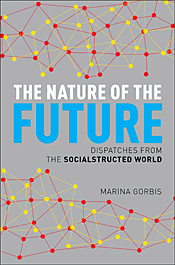
For some, this represents a positive development, since it means we are moving away from the depersonalized world of institutional production toward a new economy built on social connections and rewards. One such person is Marina Gorbis, who explores the development of what she calls socialstructing in her book The Nature Of The Future: Dispatches From The Socialstructed World. 

NatureOfTheFuture_cover_sml_01In Gorbis’ view, in addition to new opportunities, socialstructing will present new challenges as well. For one, there will be exciting opportunities to create new kinds of social organizations – systems for producing not merely goods but also meaning, purpose, and greater good. But at the same time, there is a possibility that this form of creation will bring new inequities, and new opportunities for abuse.

But at the same time, Gorbis was sure to point out the potential negative consequences. In the same way that one acquires friends on Facebook, or followers on Twitter, people in the near future could be able to hoard social connections for the sake of money, fame, or social standing. Basically, we need to understand the potential disadvantages of socialstructing if we are to minimize the potential pitfalls.

future_money_bitcoinOne such development she points to as an example is the rise of social currencies, such as Paypal, Bitcoin, and others. These operate much differently than regular currencies, as they are intended to facilitate social flows that often operate not on market principles but on intrinsic motivations to belong, to be respected, or to gain emotional support. But once these connections and flows begin to be measured, they may acquire a value of their own.

Basically, if we begin to value these currencies, motivations will arise (not necessarily altruistic ones) to acquire them. So instead of turning market transactions into social flows, we might be turning social interactions into market commodities. In the words of sociologist Chase, we would be applying ontic measurements to ontological phenomena. Or as she puts it in her book:

We created social technologies. Our next task is to create social organizations: systems for creating not merely goods but also meaning, purpose, and greater good. Can we imagine a society of “private wealth holders whose main objective is to lead good lives, not to turn their wealth into capital?” asks political economist Robert Skidelsky. Or better yet, might they turn their wealth into a different kind of capital—social, emotional, or spiritual? Our technologies are giving us an unprecedented opportunity to do so.

botsman-tedAnother person who sees this as a positive development is Rachel Botsman – consultant, author, former director at the William J. Clinton Foundation, and founder of the Collaborative Lab. In her ongoing series of lectures, consultations, and her book What’s Mine Is Yours: The Rise of Collaborative Consumption, she addresses the transformative power collaboration will have, giving rise to such things as “reputation capital” and the “reputation economy”.

In her 2012 Ted Talks lecture she explained how there’s been an explosion of collaborative consumption in recent years. This has embraced everything from the web-powered sharing of cars, to apartments, and even skills. In short, people are realizing the power of technology to enable the sharing and exchange of assets, skills and spaces in ways and on a scale that was never before possible.

collaborative_consumptionBut the real magic behind collaborative consumption, she explained, isn’t in the inventory or the money. It’s in using technology to build trust between strangers, something which is rarely available in the current industrialized, commodities market. Whereas this top-down economic model relies on depersonalized methods like brand name recognition and advertising to encourage consumption, this new model is far more open and democratic.

It is for this reason, and because of the potential it has for empowerment, that Botsman is such an advocate of this emerging trend. In addition to offering opportunities for micro-entrepreneurs , it also provides people with the chance to make human connections and rediscover a “humanness” that has been lost along the way. By engaging in marketplaces that are built on personal relationships, as opposed to “empty transactions”, people are able to reconnect.

future_moneyThe irony in this, as she states, is that this emerging trend is actually taking us back to old market principles which were thought to have been abandoned with modern industrial economy. Much like how Envisioning Technology predicted with their recent infographic, The Future of Money, this decentralizing, distributed trend has more in common with bartering and shopping at the local agora.

Basically, these behaviors – which predate all the rationalization and vertical/horizontal integration that’s been taking place the industrial revolution – are hardwired into us, but are being updated to take place in the “Facebook age”. Through connections enables by internet access and a worldwide network of optic cables, we are able to circumvent the impersonal economic structures of the 20th century and build something that is more akin to our needs.

future_money2Or, as Botsman summarized it in her article with Wired UK:

Imagine a world where banks take into account your online reputation alongside traditional credit ratings to determine your loan; where headhunters hire you based on the expertise you’ve demonstrated on online forums such as Quora… where traditional business cards are replaced by profiles of your digital trustworthiness, updated in real-time. Where reputation data becomes the window into how we behave, what motivates us, how our peers view us and ultimately whether we can or can’t be trusted…

Another potential irony is the fact that although online shopping does allow people to avoid face-to-face interactions at their local store, it also draws customers to businesses that they may not have otherwise heard about. What’s more, online reviews of local businesses are becoming a boon to entrepreneurs, expanding on the traditional power of written reviews and word of mouth.

And at the risk of making a shameless plug, this all puts me in mind of a short story I wrote back in April, as part of the April 2013 A to Z Challenge. It was called Repute, and deals with a young executive in charge of hiring new talent, in part based on what I referred to as their Reputation Index Placement (RIP), which was basically a tabulation of their digital presence. Like I said, the concept has been on mind for some time!

And of course, be sure to check out Botsman full lecture below:


Sources:
fastcoexist.com, wired.co.uk, ted.com
, envisioning.io

New Anthology Sample: Arrivals!

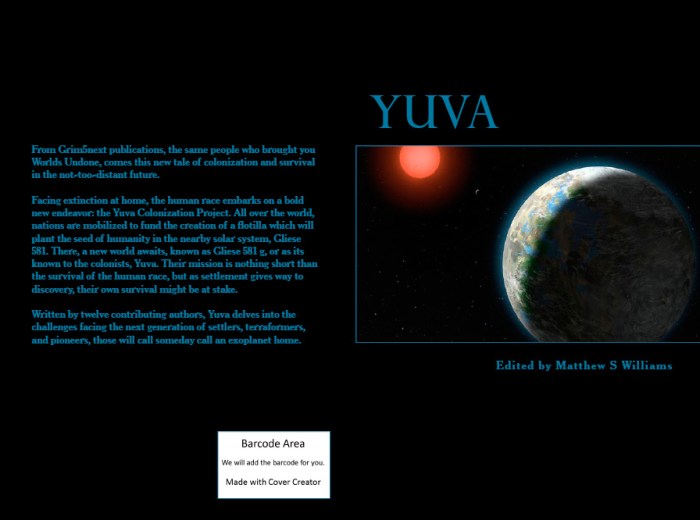
Yuva_coverIt’s been awhile since I posted anything from my group’s upcoming Yuva anthology. But of course, there’s a reason for that. With time constraints and other commitments competing for our attention, my group and I have had little time for this ongoing project. But now that I’ve finished editing the preliminary draft of Papa Zulu, I’ve had some time on my hands and decided to rededicate it where its needed.

Below is the latest sample from my story Arrivals, the opening story for Part III of our anthology. As you may know, this story involves the colonists of Yuva, over a century after they first arrived, getting news that a Second Wave is on its way. In the last sample, the Planetary Council was discussing what to do, and a joint mission was proposed between the Ministry of Defense and Planetary Research to fly out and meet the ships while they were still in transit.

In this sample, another revelation is made, and it’s not very pleasant one! Read on to learn more…

*                     *                    *

Padda examined the design specs before her, the latest in a series of proposals from the joint task force charged with creating their diplomatic transports. It was now late afternoon and the sun was filtering in through the dome at a slight angle, lending a lovely glow to the arboretum’s generous supply of native specimens.

And in the cumulative radiance of the room, sunlight intermixed with neon-green and purples, the organic light of her Tab’s display glowed and showed her the Ministry’s latest design specs. As expected, the engineers had taken all possibilities to heart, and were producing endless iterations to ensure that the fleet that met the Flotilla would be prepared for any eventuality.

Well, almost any eventuality…

As Padda scanned through image after 3-D image of shuttles with double-hulls, upgraded thrusters, and upgraded acceleration cushions for its crew, she wondered if any amount of planning could prepare them for what they would be encountering soon. In her mind’s eye, she had run several scenarios, some practical and others fantastic. But all of them retained the same mix of awe and terror.

And in that, she knew she wasn’t alone. All over the planet, the spec and interact films were running sims that were based on the impending mission to meet the Second Wave. Word on the QIN had it that most of the simulations were nightmarish, finding an entire crew of dead colonists inside, the work of a hostile organism or a terrible disease. Others had it that the ships were a Trojan horse preceding an invasion, containing some kind of biological or nanotechnological scourge. People always loved to fantasize, and somehow, disaster scenarios remained a powerful draw.

And yet, the paranoid fantasies were not entirely unfounded. Three ships, coming from an Earth that had progressed a full century since Padda’s own ancestors had departed. And every indication they had told them that they were of greater sophistication than the ones that taken part in the First Wave. They had yet to meet them, and already one of their greatest concerns had been confirmed. Those that were on the way would be more advanced than those they were coming to meet.

Yes, despite their virtually identical genetic makeup, there was little doubt that the people they would be encountering on the other side of that airlock would seem very… alien to them. It was a thought that had crept up countless times in the past few months. And each time, she could not help but experience a slight shiver.

Finishing with her perusal of the latest draft plans, she gestured across the surface of her Tab to minimize these and call up the list of her latest messages. At the top of her Inbox, amidst countless requests, referrals, and questions regarding the latest in a million bureaucratic matters, was a message from Motlke. She called it up and looked directly head, preparing for her contacts to broadcast the video directly into her visual field.

She was surprised to see only a small text message appear as soon as it cued up.

My office, 1300 hours. Come alone.

Delete this message upon reading.

The directness and unmistakably clandestine nature of the message surprised her. Waving her hand across the screen, she quickly close and deleted the message, as instructed. Discreetly, she reattached her Tab to her suit, allowing the cells to draw power from her clothes, and left the arboretum.

___

“What are you talking about?” Padda asked, her face suddenly turning cold.

“I assure you, the information is legitimate,” Moltke replied. “My source in Defense says he’s seen all the schematics, even had the chance to peruse some documents on the stated purpose of the design. His exact words were ‘contingency situation’. That leaves very little doubt in my mind as to what it’s for.”

Padda placed her hands in front of her face in prayer fashion and took a deep breath. Though she knew Moltke well enough to give him the benefit of the doubt, her mind simply couldn’t accept what it was being told. She knew the people at Defense were in the habit of expecting and preparing for the worst. But this?

The sheer audacity and clandestine nature of it all, not to mention the severity…

“And he specifically said it was a weapon? There was no confusion on that point?”

“He was very clear,” Moltke said with a nod. Gently, he glided around to the other side of his desk, moving to the dispenser at the wall and requesting some refreshment. “Not only did the plans call for an unmanned craft, my source emphasized that a specific section was designated as ‘payload’. In the parlance of military planners, that means much the same as warhead.”

Padda took another deep breath and placed her hands on her lap. The dispenser began to buzz quietly and pour steaming tea into an awaiting pot, while another began to carefully print out biscuits onto a sheet. The noise suddenly made her realize that she had not eaten in hours and she was in fact quite hungry.

“And did he specify what nature the weapon would take?”

Moltke shrugged and then removed the teapot and biscuits from the dispenser, placing them all a small tray and bringing them over to his desk. He got to the next part as he poured the tea into two cups and handed her one.

“He could not be specific on that point. But, I did some additional checking, on a hunch, and I think I might have found out what Defense might be up to.”

Padda hummed receptively and smelled the tea. He had anticipated her desire correctly by ordering the Darjeeling. After blowing on it a few times, she took a tentative sip.

“And what did you find?”

Moltke took a sip himself and then exhaled hotly.

“Well, as you know, our high-energy labs have been working hard to produce all the antimatter we put in for. And that’s quite understandable, given the quantities that we stressed we would need. However, I placed a call to the labs to see if they had received any additional requests for fuel. As it turns out, the quantity they are now working towards is forty percent higher than what our initial projections called for. Obviously, this was no accident. I had to call in a few favors in order to get the details, but it seems a certain Councilor contacted them and put in for a greater requisition.”

“Let me guess…” Padda placed the cup down and folded her hands on her lap again. “Astrakhan?”

Moltke took another sip, chuckling to himself. “The order was not signed, but it was official and came directly from the Ministry. So between this requisition order, and the blueprints my source witnessed, I’d say it’s pretty obvious what they have planned.”

Padda shook her head. Yes, it was indeed obvious what they were up to. From all outward indications, they were prepping an antimatter warhead, something that could take out the entire Second Wave before it reached Yuva. Eliminate the potential threat before it had a chance to become a real one. But then again, Moltke’s source had used the words “contingency situation”. Was it possible Astrakhan and his colleagues would be giving them a chance to fail first? That seemed like the far more likely situation, and far less audacious. Her mind quickly began to embrace this more appealing of the two options…

“Is there any chance Defense could be planning to use this weapon as a ‘first strike’ option?”

“Possible,” Moltke conceded. “But if that is the case, he and his associates would have much to answer for once the dust settled on the whole affair. Mass murder is not something our people would look kindly upon, no matter how much he and his associates could stress that they did it to protect us.”

Padda accepted that. Granted, Astrakhan would not be the first man in history that was willing to sacrifice his career, even his life, in the name of protecting his people. But somehow, the Councilor just didn’t seem like the type to martyr himself, not when the danger was still so potential and nebulous.

No, she admitted to herself. There’s still time to do things our way.

“Assuming you’re right,” she said at last. “How do we proceed?”

Moltke shrugged again, draining the last of his tea. “I’m really not sure. Knowing doesn’t exactly change the nature of our situation right now, does it?”

Padda shook her head. “No, I guess it doesn’t. If we confront Astrakhan now, he’ll just deny it. I mean, we have nothing solid to charge with him. And if we tip our hand now, he and his people will no doubt just find a more clandestine way to prepare a ‘contingency’ weapon.”

Moltke raised his finger to her in pedagogical fashion. “Not to mention that it will let him know that I have sources within his Ministry. No, in the end, I’m afraid all we can do is… proceed with the plan we have and hope everything works out.”

“And by that you mean that we proceed with the rendezvous, and pray that our exploration teams don’t find something aboard those ships that will convince Defense that they need to blow them all to hell.”

Moltke chuckled. “Yes, that’s about right.” He looked to the biscuits sitting between them, noting that she hadn’t touched a one. “Now eat something, Anuja. You look absolutely famished.”

The Future of Transit: Parking Chargers and Charging Ramps

electric-highway-mainWhen it comes to the future of transportation and urban planning, some rather interesting proposals have been tabled in the past few years. In all cases, the challenge for researchers and scientists is to find ways to address future population and urban growth – ensuring that people can get about quickly and efficiently – while also finding cleaner and more efficient ways to power it all.

As it stands, the developed and developing world’s system of highways, mass transit, and emission-producing vehicles is unsustainable. And the global population projected to reach 9 billion by 2050, with just over 6 billion living in major cities, more of the same is just not feasible. As a result, any ideas for future transit and urban living need to find that crucial balance between meeting our basic needs and doing so in a way that will diminish our carbon footprint.

hevo_powerOne such idea comes to us from New York City, where a small company known as HEVO Power has gotten the greenlight to study the possibility of charging parked electric vehicles through the street. Based on the vision of Jeremy McCool, a veteran who pledged to reduce the US’s reliance on foreign fuel while fighting in Iraq, the long-term aim of his plan calls for roadways that charge electric cars as they drive.

Development began after McCool received a $25,000 grant from the Department of Veterans Affairs and put it towards the creation of an EV charging prototype that could be embedded in city streets. Designed to looked like a manhole cover, this charging device runs a type of electromagnetic wireless charging technology proposed by researchers Marian Kazimierczuk of Wright State University and professor Dariusz Czarkowski of NYU’s Polytechnic Institute.

hevo_manholeThe charge consists of two coils – one connected to the grid in the manhole cover, and the other on the electric vehicle. When the car runs over the manhole, the coils conduct a “handshake,” and the manhole delivers a charge on that frequency to the car. Though HEVO has yet to test the device in the real world, they are teamed up with NYU-Poly to develop the technology, and have already proven that it is safe for living things with the help of NYU’s medical labs.

So far, McCool says his company has commitments from seven different companies to develop a series of delivery fleets that run on this technology. These include PepsiCo, Walgreens, and City Harvest, who have signed on to develop a pilot program in New York. By creating regular pick-up and drop-off points (“green loading zones”) in front of stores, these fleets would be able to travel greater distances without having to go out of their way to reach a charging station.

electric_carIn order to test the chargers in New York City in early 2014, HEVO has applied for a $250,000 grant from the New York State Energy Research and Development Authority. The organization has already granted a feasibility study for the green loading zones. According to McCool, Glasgow’s Economic Development Corps is also exploring the idea of the technology in Scotland.

But looking ahead, McCool and his company have more ambitious plans than just a series of green loading zones. Already, HEVO is developing a proof of concept to place these kinds of chargers along major highways:

The concept is simple. There is a way to provide wireless charging in an HOV lane. That’s a small strip at every yard or so that has another wireless charging plate, so as you go down the street you’re collecting a charge. One wireless charging highway.

However, this is just a first step, and a major infrastructure project will still be needed to demonstrate that the technology truly does have what it takes to offset fossil fuel burning cars and hybrids. However, the technology has proven promising and with further development and investment, a larger-scale of adoption and testing is likely to take place.

roadelectricityAnother interesting idea comes to us from Mexico, where a developer has come up with a rather ingenious idea that could turn mass transit into a source of electricity. The developer’s name is Héctor Ricardo Macías Hernández, and his proposal for a piezoelectric highway could be just the thing to compliment and augment an electric highway that keeps cars charged as they drive.

For years, researchers and developers have been looking for ways to turn kinetic energy – such as foot traffic or car traffic – into electricity. However, these efforts have been marred by the costs associated with the technology, which are simply too high for many developing nations to implement. That is what makes Hernández concept so ingenious, in that it is both affordable and effective.

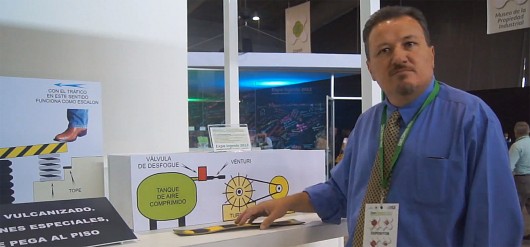
roadelectricity-0In Macías Hernández’ system, small ramps made from a tough, tire-like polymer are embedded in the road, protruding 5 cm (2 inches) above the surface. When cars drive over them, the ramps are temporarily pushed down. When this happens, air is forced through a bellows that’s attached to the underside of the ramp, travels through a hose, and then is compressed in a storage tank. The stored compressed air is ultimately fed into a turbine, generating electricity.

In this respect, Hernández’s concept does not rely on piezoelectric materials that are expensive to manufacture and hence, not cost effective when dealing with long stretches of road. By relying on simple materials and good old fashioned ingenuity, his design could provide cheap electricity for the developing world by simply turning automobile traffic – something very plentiful in places like Mexico City – into cheap power.

piezoelectric_nanogeneratorMacías Hernández points out, however, that in lower-traffic areas, multiple ramps placed along the length of the road could be used to generate more electricity from each individual vehicle. He adds that the technology could also be used with pedestrian foot-traffic. The system is currently still in development, with the support of the Mexican Institute of Industrial Property, and will likely take several years before becoming a reality.

Exciting times these are, when the possibility of running an advanced, industrial economy cleanly may actually be feasible, and affordable. But such is the promise of the 21st century, a time when the dreams of the past several decades may finally be coming to fruition. And just in time to avert some of our more dystopian, apocalyptic scenarios!

Well, one can always hope, can’t one?

Sources: fastcoexist.com, gizmag.com

Ted Talks: The Age of the Industrial Internet

Tedtalks_marco_internetofthingsI came across another interesting and fascinating TED Talk recently. In this lecture, famed economist Marco Annunziata spoke about a rather popular subject – “The Internet of Things”, and how it is shaping our society. This term is thrown around a lot lately, and it refers to a growing phenomenon in our world where uniquely identifiable objects are connected to virtual representations in an Internet-like structure.

Basically, the concept postulates that if all objects and people in daily life were equipped with identifiers, they could be managed and inventoried by computers. By equipping all objects in the world with minuscule machine-readable identifiers, daily life could be transformed. How this is likely to look is the subject of Annunziata’s talk, beginning with the past two hundred years and the two major waves of innovation humanity went through.

Internet_of_ThingsThe first came with the Industrial Revolution (ca. 1760-1903), which permanently altered our lives with factories, machinery, railways, electricity, air travel, etc. The second wave came with the Internet Revolution (ca. 1980 – 2000), which has once again changed our lives permanently with computing power, data networks, and unprecedented access to information and communication.

Now, in the modern era, we are entering into a new phase of innovation, one which he refers to as the “Industrial Internet”. Judging by current research and marketing trends, this wave is characterized by intelligent machines, advanced analytics, and the creativity of people at work. It is a marriage of minds and machines, and once again, our lives will be permanently altered by it.

internet_of_things_beechamIn the course of the twelve minute lecture, Annunziata explains how the emergence of machines that can see, feel, sense and react will lead to an age where the technology we depend upon will operate with far greater efficiently. Naturally, there are many who would suspect that this all boils down to AIs doing the thinking for us, but in fact, it’s much more complicated than that.

Think of a world where we would be able to network and communicate with all of our devices – not just our smartphones or computers, but everything from our car keys to our cars and home appliances. By all things being marked and represented in a virtual internet-like environment, we could communicate with or remotely check on things that are halfway across the world.

Think of the implications! As someone who is currently very fascinated with how the world will look in the not-too-distant future, and how people will interact with it, I can tell you this stuff is science fiction gold! Check it out and be sure to follow the link at the bottom of the page to comment.


Source:
ted.com

News From Space: Birth of Black Hole Witnessed

big bang_blackholeWhen it comes to observational astronomy, scientists and cosmologists have been facing a sort of crisis of late. With so many instruments aimed at the heavens, recording what little information makes it all the way to Earth, simply observing distant stars has been providing diminishing returns. In order to keep moving forward, we must observe the most unusual and, in many cases, violent cosmic events so we can see some truly novel data.

This presents a bit of a challenge, since the the space industry can’t possibly set up enough telescopes to look at every part of the night sky all at once. With so much depth through which to zoom, it would seem a lost cause to try to capture unexpected, short-lived events. And yet, one such event, one that is truly cosmic in nature (no pun!), was captured just recently.

NASA's_Fermi,_Swift_See_'Shockingly_Bright'_Burst_(before_and_after_labels)It took place back in late November, when an “armada of instruments” from all over the world saw a massive gamma-ray burst originating from a point in space known as GRB 130427A. This burst was more powerful than what many researchers believed was theoretically possible, and is now thought to be the collapse of a giant star and the birth of a black hole.

The event has been described as a “Rosetta stone moment” by astronomers for a number of reasons. In addition to being a truly rare and awesome sight, this burst has also sent out information that astronomers will be studying for many years to come. And while it’s too soon to draw any real conclusions, there is already widespread excitement about the sheer newness of it.

blackhole_birthAnd yet, GRB 130427A only lasted about 80 seconds at observable intensities, so the fact that it was observed, letalone documented so thoroughly was truly surprising! This was all thanks to the Los Alamos National Laboratories in New Mexico, where six robotic cameras – collectively referred to as RAPTOR, or RAPid Telescopes for Optical Response – were able to respond in time to catch the event unfold.

The RAPTOR telescopes are networked together and all obey a central computer “brain”. Between their dedicated computing hardware and robotic swivel-mounts, they can turn to view any point in the sky in less than three seconds. As the world’s fastest “optical response” devices, RAPTOR’s telescopes are designed to make sure we don’t miss astronomical events when they happens, because in astronomy there are no second chances.

gamma-ray-burst The RAPTOR telescopes to ensure things aren’t missed by performing extremely diffuse, wide-angle sweeps of the sky to pick up hints at about where and when a major event is taking place. When one of the telescopes sees a hint of something good, it and the others quickly reorient and zoom to capture it in full detail. And with all six telescopes capturing the same event, the wealth of information gleamed is quite impressive.

The telescopes have different specializations as well. For example, the RAPTOR-T views all events through four aligned lenses with four different color filters. By looking at the differences in color distribution in the sample, RAPTOR-T can provide info about the distance to an event (by measuring Red Shift and Blue Shift) or about some elements of its environment.

grb130427aThis gamma ray burst is thought to be the brightest in decades, perhaps in a century. And if astronomers had missed it, it’s likely that nobody would have gotten the chance to capture one again. Luckily, the event was also seen by a number of other gamma ray detectors and x-ray telescopes. These included NASA’s Fermi, NuSTAR, and Swift satellites, all of which managed to see some portion of the event as it unfolded.

However, most telescopes joined in to view the event’s so-called afterglow, an incredibly violent occurrence where the newly-born black hole threw out debris and damage over a wide radius. For several hours, this radius glowed and astronomers watched as it faded. The intensity of high-energy gamma rays in that afterglow faded in tandem with its conventional light emissions.

This is one of the first useful bits of information provided by this event – the link between gamma rays and optical phenomena. But this is just one way that it could be astronomy’s latest Rosetta Stone observation. In the next few months, we can all look forward to a slew of exciting updates as astronomers sort through the implications of having witnessed the birth of an unprecedented singularity.

And in the meantime, check out this video of the gamma-ray burst, as observed by the RAPTOR All-Sky Monitor:


Source:
extremetech.com

Judgement Day Update: Google Robot Army Expanding

Atlas-x3c.lrLast week, Google announced that it will be expanding its menagerie of robots, thanks to a recent acquisition. The announcement came on Dec. 13th, when the tech giant confirmed that it had bought out the engineering company known as Boston Dynamics. This company, which has had several lucrative contracts with DARPA and the Pentagon, has been making the headlines in the past few years, thanks to its advanced robot designs.

Based in Waltham, Massachusetts, Boston Dynamics has gained an international reputation for machines that walk with an uncanny sense of balance, can navigate tough terrain on four feet, and even run faster than the fastest humans. The names BigDog, Cheetah, WildCat, Atlas and the Legged Squad Support System (LS3), have all become synonymous with the next generation of robotics, an era when machines can handle tasks too dangerous or too dirty for most humans to do.

Andy-Rubin-and-Android-logoMore impressive is the fact that this is the eight robot company that Google has acquired in the past six months. Thus far, the company has been tight-lipped about what it intends to do with this expanding robot-making arsenal. But Boston Dynamics and its machines bring significant cachet to Google’s robotic efforts, which are being led by Andy Rubin, the Google executive who spearheaded the development of Android.

The deal is also the clearest indication yet that Google is intent on building a new class of autonomous systems that might do anything from warehouse work to package delivery and even elder care. And considering the many areas of scientific and technological advancement Google is involved in – everything from AI and IT to smartphones and space travel – it is not surprising to see them branching out in this way.

wildcat1Boston Dynamics was founded in 1992 by Marc Raibert, a former professor at the Massachusetts Institute of Technology. And while it has not sold robots commercially, it has pushed the limits of mobile and off-road robotics technology thanks to its ongoing relationship and funding from DARPA. Early on, the company also did consulting work for Sony on consumer robots like the Aibo robotic dog.

Speaking on the subject of the recent acquisition, Raibert had nothing but nice things to say about Google and the man leading the charge:

I am excited by Andy and Google’s ability to think very, very big, with the resources to make it happen.

Videos uploaded to Youtube featuring the robots of Boston Dynamics have been extremely popular in recent years. For example, the video of their four-legged, gas powered, Big Dog walker has been viewed 15 million times since it was posted on YouTube in 2008. In terms of comments, many people expressed dismay over how such robots could eventually become autonomous killing machines with the potential to murder us.

petman-clothesIn response, Dr. Raibert has emphasized repeatedly that he does not consider his company to be a military contractor – it is merely trying to advance robotics technology. Google executives said the company would honor existing military contracts, but that it did not plan to move toward becoming a military contractor on its own. In many respects, this acquisition is likely just an attempt to acquire more talent and resources as part of a larger push.

Google’s other robotics acquisitions include companies in the United States and Japan that have pioneered a range of technologies including software for advanced robot arms, grasping technology and computer vision. Mr. Rubin has also said that he is interested in advancing sensor technology. Mr. Rubin has called his robotics effort a “moonshot,” but has declined to describe specific products that might come from the project.

Cheetah-robotHe has, however, also said that he does not expect initial product development to go on for some time, indicating that Google commercial robots of some nature would not be available for several more years. Google declined to say how much it paid for its newest robotics acquisition and said that it did not plan to release financial information on any of the other companies it has recently bought.

Considering the growing power and influence Google is having over technological research – be it in computing, robotics, neural nets or space exploration – it might not be too soon to assume that they are destined to one day create the supercomputer that will try to kill us all. In short, Google will play Cyberdyne to Skynet and unleash the Terminators. Consider yourself warned, people! 😉

Source: nytimes.com

Birth of an Idea: Seedlings

alien-worldHey all! Hope this holidays season finds you warm, cozy, and surrounded by loved ones. And I thought I might take this opportunity to talk about an idea I’ve been working on. While I’m still searching for a proper title, the one I’ve got right now is Seedlings. This represents an idea which has been germinated in my mind for some time, ever since I saw a comprehensive map of the Solar System and learned just how many potentially habitable worlds there are out there.

Whenever we talk of colonization, planting the seed (you see where the title comes from now, yes?) of humanity on distant worlds, we tend to think of exoplanets. In other words, we generally predict that humanity will live on worlds beyond our Solar System, if and when such things ever become reality. Sure, allowances are made for Mars, and maybe Ganymede, in these scenarios, but we don’t seem to think of all the other moons we have in our Solar System.

solar_systemFor instance, did you know that in addition to our system’s 11 planets and planetoids, there are 166 moons in our Solar System, the majority of which (66) orbit Jupiter? And granted, while many are tiny little balls of rock that few people would ever want to live on, by my count, that still leaves 12 candidates for living. Especially when you consider that most have their own sources of water, even if it is in solid form.

And that’s where I began with the premise for Seedlings. The way I see it, in the distant future, humanity would expand to fill every corner of the Solar System before moving on to other stars. And in true human fashion, we would become divided along various geographic and ideological lines. In my story, its people’s attitudes towards technology that are central to this divide, with people falling into either the Seedling or Chartrist category.

nanomachineryThe Seedlings inhabit the Inner Solar System and are dedicated to embracing the accelerating nature of technology. As experts in nanotech and biotech, they establish new colonies by planting Seeds, tiny cultures of microscopic, programmed bacteria that convert the landscape into whatever they wish. Having converted Venus, Mars, and the Jovian satellites into livable worlds, they now enjoy an extremely advanced and high standard of living.

The Chartrists, on the other hand, are people committed to limiting the invasive and prescriptive nature technology has over our lives. They were formed at some point in the 21st century, when the Technological Singularity loomed, and signed a Charter whereby they swore not to embrace augmentation and nanotechnology beyond a certain point. While still technically advanced, they are limited compared to their Seedling cousins.

terraforming-mars2With life on Earth, Mars and Venus (colonized at this time) becoming increasingly complicated, the Chartrists began colonizing in the outer Solar System. Though they colonized around Jupiter, the Jovians eventualy became Seedling territory, leaving just the Saturnalian and Uranian moons for the Chartrists to colonize, with a small string of neutral planets lying in between.

While no open conflicts have ever taken place between the two sides, a sort of detente has settled in after many generations. The Solar System is now glutted by humans, and new frontiers are needed for expansion. Whereas the Seedlings have been sending missions to all suns within 20 light-years from Sol, many are looking to the Outer Solar System as a possible venue for expansion.

exoplanets1At the same time, the Chartrists see the Seedling expansion as a terrible threat to their ongoing way of life, and some are planning for an eventual conflict. How will this all play out? Well, I can tell you it will involve a lot of action and some serious social commentary! Anyway, here is the breakdown of the Solar Colonies, who owns them, and what they are dedicated to:

Inner Solar Colonies:
The home of the Seedlings, the most advanced and heavily populated worlds in the Solar System. Life here is characterized by rapid progress and augmentation through nanotechnology and biotechnology. Socially, they are ruled by a system of distributed power, or democratic anarchy, where all citizens are merged into the decision making process through neural networking.

Mercury: source of energy for the entire inner solar system
Venus: major agricultural center, leader in biomaterial construction
Earth: birthplace of humanity, administrative center
Mars: major population center, transit hub between inner colonies and Middle worlds

Middle Worlds:
A loose organization of worlds beyond Mars, including the Jovian and Saturnalian satellites. Those closest to the Sun are affiliated with the Seedlings, the outer ones the Chartrists, and with some undeclared in the middle. Life on these worlds is mixed, with the Jovian satellites boasting advanced technology, augmentation, and major industries supplying the Inner Colonies. The Saturnalian worlds are divided, with the neutral planets boasting a high level of technical advancement and servicing people on all sides. The two Chartrist moons are characterized by more traditional settlements, with thriving industry and a commitment to simpler living.

Ceres: commercial nexus of the Asteroid Belt, source of materials for solar system (S)
Europa: oceanic planet, major resort and luxury living locale (S)
Ganymede: terraforming operation, agricultural world (S)
Io: major source of energy for the Middle World (N)
Calisto: mining operations, ice, water, minerals (N)
Titan: major population center, transit point to inner colonies (N)
Tethys: oceanic world, shallow seas, major tourist destination (N)
Dione: major mining colony to outer colonies (C)
Rhea: agricultural center for outer colonies (C)

Outer Solar Colonies:
The Neptunian moons of the outer Solar System are exclusively populated by Chartrist populations, people committed to a simpler way of life and dedicated to ensuring that augmentation and rapid progress are limited. Settlements on these worlds boast a fair degree of technical advancement, but are significantly outmatched by the Seedlings. They also boast a fair degree of industry and remain tied to the Inner and Middle Worlds through the export of raw materials and the import of technical devices.

Miranda: small ice planet, source of water (C)
Ariel: agricultural world, small biomaterial industry and carbon manufacturing (C)
Umbriel: agricultural world, small biomaterial industry and carbon manufacturing (C)
Titania: agricultural world, small biomaterial industry and carbon manufacturing (C)
Oberon: agricultural world, small biomaterial industry and carbon manufacturing (C)
Triton: source of elemental nitrogen, water, chaotic landscape (C)

News From Space: Gaia Lifts Off!

gaia_liftoffThis morning, the European Space Agency’s Gaia mission blasted off from Europe’s Spaceport in Kourou, French Guiana, on the head of a Soyuz rocket. This space observatory aims to study approximately 1 billion stars, roughly 1% of the Milky Way Galaxy, and create the most accurate map yet of the Milky Way. In so doing, it will also answer questions about the origin and evolution of our home Galaxy.

As the successor to the Hipparcos mission – an ESA astrometry satellite that was launched in 1989 and operated until 1993 – it is part of ESA’s Horizon 2000 Plus long-term scientific program. Repeatedly scanning the sky, Gaia will observe each of the billion stars an average of 70 times each over the five years and measure the position and key physical properties of each star, including its brightness, temperature and chemical composition.

The Milky Way Shines on ParanalThe Soyuz VS06 launcher, operated by Arianespace, lifted off at 09:12 GMT (10:12 CET). About ten minutes later, after separation of the first three stages, the Fregat upper stage ignited, delivering Gaia into a temporary parking orbit at an altitude of 175 km. A second firing of the Fregat 11 minutes later took Gaia into its transfer orbit, followed by separation from the upper stage 42 minutes after liftoff.

Gaia is now en route towards an orbit around a gravitationally-stable virtual point in space called L2 Lagrange Point, some 1.5 million kilometres beyond Earth.  Tomorrow, engineers will command Gaia to perform the first of two critical thruster firings to ensure it is on the right trajectory towards its L2 home orbit. About 20 days after launch, the second critical burn will take place, inserting it into its operational orbit around L2.

Gaia_spacecraftJean-Jacques Dordain, ESA’s Director General, had this to say about the launch:

Gaia promises to build on the legacy of ESA’s first star-mapping mission, Hipparcos, launched in 1989, to reveal the history of the galaxy in which we live.

ESA’s Gaia project scientist Timo Prusti expressed similar sentiments, highlighting how the Gaia mission’s ultimate purpose is to advance our understanding of the cosmos:

Along with tens of thousands of other celestial and planetary objects, this vast treasure trove will give us a new view of our cosmic neighbourhood and its history, allowing us to explore the fundamental properties of our Solar System and the Milky Way, and our place in the wider Universe.

By taking advantage of the slight change in perspective that occurs as Gaia orbits the Sun during a year, it will measure the stars’ distances and their motions across the sky. This motions will later be put into “rewind” to learn more about where they came from and how the Milky Way was assembled over billions of years from the merging of smaller galaxies, and into “fast forward” to learn more about its ultimate fate.

Gaia_galaxyThis is an especially ambitious mission when you consider that of the one billion stars Gaia will observe, 99% have never had their distances measured accurately. The mission will also study 500,000 distant quasars and will conduct tests of Einstein’s General Theory of Relativity. So as the mission continues and more data comes in, scientists and astronomers will be able to construct more detailed models of how the universe was created, and perhaps how it will end…

The current consensus is that the universe began with a creation event known as The Big Bang. However, the question of how it will end, either through a “Big Crunch” event – where the expansion of the universe will eventually cease and all matter will collapse back in on itself – or simply continue to expand until all stars and galaxies consume their fuel and burn out, remains something of a mystery.

Gaia_spacecraft2Personally, I call Big Crunch, mainly because I like to the think that our universe is one of many. Not just in the parallel dimension sense, but in the temporal sense as well. Like the city of Ilium (aka. Troy), existence as we know it is built upon the foundations of countless others, stretching backwards and forwards into infinity…

Deep stuff, man! In the meantime, enjoy this video of the Gaia’s mission’s liftoff, courtesy of the ESA:


Sources: universetoday.com, esa.int