The Future of Medicine: New Blood-Monitoring Devices

medtechNon-invasive medicine is currently one of the fastest growing industries in the world. Thanks to ongoing developments in the fields of nanofabrication, wireless communications, embedded electronics and microsensors, new means are being created all the time that can monitor our health that are both painless and hassle-free.

Consider diabetes, an epidemic that currently affects 8% of the population in the US and is growing worldwide. In October of 2013, some 347 million cases were identified by the World Health Organization, which also claims that diabetes will become the 7th leading cause of death by 2030. To make matters worse, the conditions requires constant blood-monitoring, which is difficult in developing nations and a pain where the means exist.

google_lensesHence why medical researchers and companies are looking to create simpler, non-invasive means. Google is one such company, which back in January announced that they are working on a “smart” contact lens that can measure the amount of glucose in tears. By merging a mini glucose sensor and a small wireless chip into a set of regular soft contact lenses, they are looking to take all the pin-pricks out of blood monitoring.

In a recent post on Google’s official blog, project collaborators Brian Otis and Babak Parviz described the technology:

We’re testing prototypes that can generate a reading once per second. We’re also investigating the potential for this to serve as an early warning for the wearer, so we’re exploring integrating tiny LED lights that could light up to indicate that glucose levels have crossed above or below certain thresholds.

And Google is hardly alone in this respect. Due to growing concern and the advancements being made, others are also looking at alternatives to the finger prick, including glucose measures from breath and saliva. A company called Freedom Meditech, for example, is working on a small device  that can measure glucose levels with an eye scan.

I_Sugar_X_prototype1Their invention is known as the I-SugarX, a handheld device that scans the aqueous humor of eye, yielded accurate results in clinical studies in less than four minutes. John F. Burd, Ph.D., Chief Science Officer of Freedom Meditech, described the process and its benefits in the following way:

The eye can be thought of as an optical window into to body for the painless measurement of glucose in the ocular fluid as opposed to the blood, and is well suited for our proprietary optical polarimetric based measurements. Based on the results of this, and other studies, we plan to begin human clinical studies as we continue our product development.

Between these and other developments, a major trend towards “smart monitoring” is developing and likely to make life easier and cut down on the associated costs of medicine. A smart contact lens or saliva monitor would make it significantly easier to watch out for uncontrolled blood sugar levels, which ultimately lead to serious health complications.

I_Sugar_X_prototype2But of course, new techniques for blood-monitoring goes far beyond addressing chronic conditions like diabetes. Diagnosing and controlling the spread of debilitating, potentially fatal diseases is another major area of focus. Much like diabetes, doing regular bloodwork can be a bit difficult, especially when working in developing areas of the world where proper facilities can be hard to find.

But thanks to researchers at Rice University in Houston, Texas, a new test that requires no blood draws is in the works. Relying on laser pulse technology to create a vapor nanobubble in a malaria-infected cell, this test is able to quickly and non-invasively diagnose the disease. While it does not bring medical science closer to curing this increasingly drug-resistant disease, it could dramatically improve early diagnosis and outcomes.

malaria-blood-free-detectorThe scanner was invented by Dmitro Lapotko, a physicist, astronomer, biochemist, and cellular biologist who studied laser weapons in Belarus before moving to Houston. Here, he and his colleagues began work on a device that used the same kind of laser and acoustic sensing technology employed on sub-hunting destroyers, only on a far smaller scale and for medical purposes.

Dubbed “vapor nanobubble technology,” the device combines a laser scanner and a fiber-optic probe that detect malaria by heating up hemozoin – the iron crystal byproduct of hemoglobin that is found in malaria cells, but not normal blood cells. Because the hemozoin crystals absorb the energy from the laser pulse, they heat up enough to create transient vapor nanobubbles that pop.

malariaThis, in turn, produces a ten-millionth-of-a-second acoustic signature that is then picked up by the device’s fiber-optic acoustic sensor and indicates the presence of the malaria parasite in the blood cells scanned. And because the vapor bubbles are only generated by hemozoin, which is only present in infected cells, the approach is virtually fool-proof.

In an recent issue of Proceedings of the National Academy of Sciences, Lapotko and his research team claimed that the device detected malaria in a preclinical trial on mice where only one red blood cell in a million was infected with zero false positives. In a related school news release, the study’s co-author David Sullivan – a malaria clinician a Johns Hopkins University – had this to say about the new method:

The vapor nanobubble technology for malaria detection is distinct from all previous diagnostic approaches. The vapor nanobubble transdermal detection method adds a new dimension to malaria diagnostics, and it has the potential to support rapid, high-throughput and highly sensitive diagnosis and screening by nonmedical personnel under field conditions.

At present, malaria is one of the world’s deadliest diseases, infecting hundreds of millions of people a year and claiming the lives of more than 600,000. To make matters worse, most the victims are children. All of this combines to make malaria one of the most devastating illness effecting the developing world, comparable only to HIV/AIDS.

malaria_worldwideBy ensuring that blood tests that could detect the virus, and require nothing more than a mobile device that could make the determination quickly, and need only a portable car battery to power it, medical services could penetrate the once-thought impenetrable barriers imposed by geography and development. And this in turn would be a major step towards bringing some of the world’s most infectious diseases to heel.

Ultimately, the aim of non-invasive technology is to remove the testing and diagnostic procedures from the laboratory and make them portable, cheaper, and more user-friendly. In so doing, they also ensure that early detection, which is often the difference between life and death, is far easier to achieve. It also helps to narrow the gap between access between rich people and poor, not to mention developing and developing nations.

Sources: fastcoexist.com, news.cnet.com, businesswire.com, googleblogspot.ca, who.int

The Future is Here: AirMule’s Autonomous Demo Flight

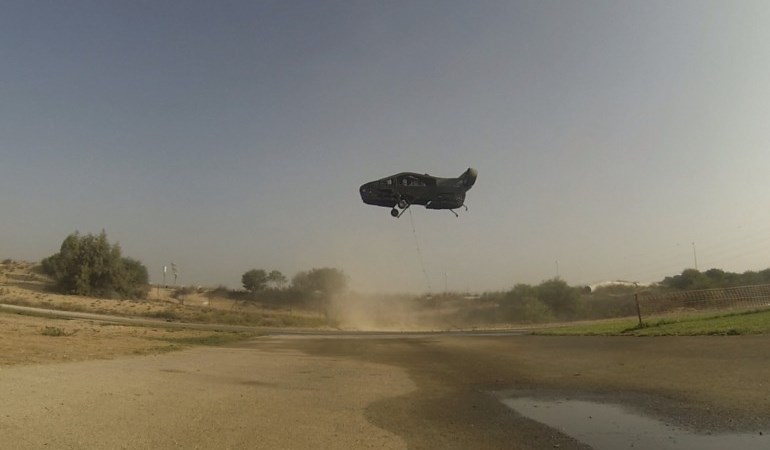
airmule1Vertical Take-Off and Landing craft have been the subject of military developers for some time. In addition to being able to deploy from landing strips that are damaged or small for conventional aircraft, they are also able to navigate terrain and land where other craft cannot. Add to that the ability to hover and fly close to the ground, and you have a craft that can also provide support while avoiding IEDs and landmines.

One concept that incorporates all of these features is the AirMule, a compact, unmanned, single-engine vehicle that is being developed by Tactical Robotics in Israel. In January of 2013, the company unveiled the prototype which they claimed was created for the sake of supporting military personnel,  evacuating the wounded, and conducting remote reconnaissance missions.

airmule-1Now, less than a year later, the company conducted a demonstration with their prototype aircraft recently demonstrated its ability to fly autonomously, bringing it one step closer to carrying out a full mission demo. During the test, which took place in December, the craft autonomously performed a vertical take-off, flew to the end of a runway, then turned around on the spot and flew back to its starting point.

All the while, it maintained altitude using two laser altimeters, while maintaining positioning via a combination of GPS, an inertial navigation system, and optical reference to markers on the ground. These autonomous systems, which allow it to fly on its own, can also be countermanded in favor of remote control, in case a mission seems particularly harry and requires a human controller.

airmule-0In its current form, the AirMule possesses many advantages over other VTOL craft, such as helicopters. For starters, it weighs only 770 kg (1,700 lb) – as opposed to a Bell UH-1 empty weights of 2,365 kg (5,215 lbs) – can carry a payload of up to 640 kg (1,400 lb), has a top speed of 180 km/h (112 mph), and can reach a maximum altitude of 12,000 ft (3,658 m).

In short, it has a better mass to carrying capacity ratio than a helicopter, comparable performance, and can land and take-off within an area of 40 square meters (430.5 sq ft), which is significantly smaller than what a manned helicopter requires for a safe landing. The internal rotor blades are reportedly also much quieter than those of a helicopter, giving the matte-black AirMule some added stealth.

BD_atlasrobotPlans now call for “full mission demonstrations” next year, utilizing a second prototype that is currently under construction. And when complete, this vehicle and those like it can expected to be deployed to many areas of the world, assisting Coalition and other forces in dirty, dangerous environments where landmines, IEDs and other man-made and natural hazards are common.

Alongside machines like the Alpha Dog, LS3 or Wildcat, machines that were built by Boston Dynamics (recently acquired by Google) to offer transport and support to infantry in difficult terrain, efforts to “unman the front lines” through the use of autonomous drones or remote-controlled robots continue. Clearly, the future battlefield is a place where robots where will be offering a rather big hand!


And be sure to check this video of the AirMule demonstration, showing the vehicle take-off, hover, fly around, and then come in for a landing:


Sources: gizmag.com, tactical-robotics.com

Tech News: Google Seeking “Conscious Homes”

nest_therm1In Google’s drive for world supremacy, a good number of start-ups and developers have been bought up. Between their acquisition of eight robotics companies in the space of sixth months back in 2013 to their ongoing  buyout of anyone in the business of aerospace, voice and facial recognition, and artificial intelligence, Google seems determined to have a controlling interest in all fields of innovation.

And in what is their second-largest acquisition to date, Google announced earlier this month that they intend get in on the business of smart homes. The company in question is known as Nest Labs, a home automation company that was founded by former Apple engineers Tony Fadell and Matt Rogers in 2010 and is behind the creation of The Learning Thermostat and the Protect smoke and carbon monoxide detector.

nest-thermostatThe Learning Thermostat, the company’s flagship product, works by learning a home’s heating and cooling preferences over time, removing the need for manual adjustments or programming. Wi-Fi networking and a series of apps also let users control and monitor the unit Nest from afar, consistent with one of the biggest tenets of smart home technology, which is connectivity.

Similarly, the Nest Protect, a combination smoke and carbon monoxide detector, works by differentiating between burnt toast and real fires. Whenever it detects smoke, one alarm goes off, which can be quieted by simply waving your hand in front of it. But in a real fire, or where deadly carbon monoxide is detected, a much louder alarm sounds to alert its owners.

nest_smoke_detector_(1_of_9)_1_610x407In addition, the device sends a daily battery status report to the Nest mobile app, which is the same one that controls the thermostats, and is capable of connecting with other units in the home. And, since Nest is building a platform for all its devices, if a Nest thermostat is installed in the same home, the Protect and automatically shut it down in the event that carbon monoxide is detected.

According to a statement released by co-f0under Tony Fadell, Nest will continue to be run in-house, but will be partnered with Google in their drive to create a conscious home. On his blog, Fadell explained his company’s decision to join forces with the tech giant:

Google will help us fully realize our vision of the conscious home and allow us to change the world faster than we ever could if we continued to go it alone. We’ve had great momentum, but this is a rocket ship. Google has the business resources, global scale, and platform reach to accelerate Nest growth across hardware, software, and services for the home globally.

smarthomeYes, and I’m guessing that the $3.2 billion price tag added a little push as well! Needless to say, some wondered why Apple didn’t try to snatch up this burgeoning company, seeing as how its being run by two of its former employees. But according to Fadell, Google founder Sergey Brin “instantly got what we were doing and so did the rest of the Google team” when they got a Nest demo at the 2011 TED conference.

In a press release, Google CEO Larry Page had this to say about bringing Nest into their fold:

They’re already delivering amazing products you can buy right now – thermostats that save energy and smoke/[carbon monoxide] alarms that can help keep your family safe. We are excited to bring great experiences to more homes in more countries and fulfill their dreams!

machine_learningBut according to some, this latest act by Google goes way beyond wanting to develop devices. Sara Watson at Harvard University’s Berkman Center for Internet and Society is one such person, who believes Google is now a company obsessed with viewing everyday activities as “information problems” to be solved by machine learning and algorithms.

Consider Google’s fleet of self-driving vehicles as an example, not to mention their many forays into smartphone and deep learning technology. The home is no different, and a Google-enabled smart home of the future, using a platform such as the Google Now app – which already gathers data on users’ travel habits – could adapt energy usage to your life in even more sophisticated ways.

Larry_PageSeen in these terms, Google’s long terms plans of being at the forefront of the new technological paradigm  – where smart technology knows and anticipates and everything is at our fingertips – certainly becomes more clear. I imagine that their next goal will be to facilitate the creation of household AIs, machine minds that monitor everything within our household, provide maintenance, and ensure energy efficiency.

However, another theory has it that this is in keeping with Google’s push into robotics, led by the former head of Android, Andy Rubin. According to Alexis C. Madrigal of the Atlantic, Nest always thought of itself as a robotics company, as evidence by the fact that their VP of technology is none other than Yoky Matsuoka – a roboticist and artificial intelligence expert from the University of Washington.

yokymatsuoka1During an interview with Madrigal back in 2012, she explained why this was. Apparently, Matsuoka saw Nest as being positioned right in a place where it could help machine and human intelligence work together:

The intersection of neuroscience and robotics is about how the human brain learns to do things and how machine learning comes in to augment that.

In short, Nest is a cryptorobotics company that deals in sensing, automation, and control. It may not make a personable, humanoid robot, but it is producing machine intelligences that can do things in the physical world. Seen in this respect, the acquisition was not so much part of Google’s drive to possess all our personal information, but a mere step along the way towards the creation of a working artificial intelligence.

It’s a Brave New World, and it seems that people like Musk, Page, and a slew of futurists that are determined to make it happen, are at the center of it.

Sources: cnet.news.com, (2), newscientist.com, nest.com, theatlantic.com

The Future of Computing: Brain-Like Computers

neuronsIt’s no secret that computer scientists and engineers are looking to the human brain as means of achieving the next great leap in computer evolution. Already, machines are being developed that rely on machine blood, can continue working despite being damaged, and recognize images and speech. And soon, a computer chip that is capable of learning from its mistakes will also be available.

The new computing approach, already in use by some large technology companies, is based on the biological nervous system – specifically on how neurons react to stimuli and connect with other neurons to interpret information. It allows computers to absorb new information while carrying out a task, and adjust what they do based on the changing signals.

brain_chip2The first commercial version of the new kind of computer chip is scheduled to be released in 2014, and was the result of a collaborative effort between I.B.M. and Qualcomm, as well as a Stanford research team. This “neuromorphic processor” can not only automate tasks that once required painstaking programming, but can also sidestep and even tolerate errors, potentially making the term “computer crash” obsolete.

In coming years, the approach will make possible a new generation of artificial intelligence systems that will perform some functions that humans do with ease: see, speak, listen, navigate, manipulate and control. That can hold enormous consequences for tasks like facial and speech recognition, navigation and planning, which are still in elementary stages and rely heavily on human programming.

googleneuralnetworkFor example, computer vision systems only “recognize” objects that can be identified by the statistics-oriented algorithms programmed into them. An algorithm is like a recipe, a set of step-by-step instructions to perform a calculation. But last year, Google researchers were able to get a machine-learning algorithm, known as a “Google Neural Network”, to perform an identification task (involving cats) without supervision.

And this past June, the company said it had used those neural network techniques to develop a new search service to help customers find specific photos more accurately. And this past November, researchers at Standford University came up with a new algorithm that could give computers the power to more reliably interpret language. It’s known as the Neural Analysis of Sentiment (NaSent).

deep_learning_laptopA similar concept known as Deep Leaning is also looking to endow software with a measure of common sense. Google is using this technique with their voice recognition technology to aid in performing searches. In addition, the social media giant Facebook is looking to use deep learning to help them improve Graph Search, an engine that allows users to search activity on their network.

Until now, the design of computers was dictated by ideas originated by the mathematician John von Neumann about 65 years ago. Microprocessors perform operations at lightning speed, following instructions programmed using long strings of binary code (0s and 1s). The information is stored separately in what is known as memory, either in the processor itself, in adjacent storage chips or in higher capacity magnetic disk drives.

neural-networksBy contrast, the new processors consist of electronic components that can be connected by wires that mimic biological synapses. Because they are based on large groups of neuron-like elements, they are known as neuromorphic processors, a term credited to the California Institute of Technology physicist Carver Mead, who pioneered the concept in the late 1980s.

These processors are not “programmed”, in the conventional sense. Instead, the connections between the circuits are “weighted” according to correlations in data that the processor has already “learned.” Those weights are then altered as data flows in to the chip, causing them to change their values and to “spike.” This, in turn, strengthens some connections and weakens others, reacting much the same way the human brain does.

Neuromorphic-chip-640x353In the words of Dharmendra Modha, an I.B.M. computer scientist who leads the company’s cognitive computing research effort:

Instead of bringing data to computation as we do today, we can now bring computation to data. Sensors become the computer, and it opens up a new way to use computer chips that can be everywhere.

One great advantage of the new approach is its ability to tolerate glitches, whereas traditional computers are cannot work around the failure of even a single transistor. With the biological designs, the algorithms are ever changing, allowing the system to continuously adapt and work around failures to complete tasks. Another benefit is energy efficiency, another inspiration drawn from the human brain.

IBM_stacked3dchipsThe new computers, which are still based on silicon chips, will not replace today’s computers, but augment them; at least for the foreseeable future. Many computer designers see them as coprocessors, meaning they can work in tandem with other circuits that can be embedded in smartphones and the centralized computers that run computing clouds.

However, the new approach is still limited, thanks to the fact that scientists still do not fully understand how the human brain functions. As Kwabena Boahen, a computer scientist who leads Stanford’s Brains in Silicon research program, put it:

We have no clue. I’m an engineer, and I build things. There are these highfalutin theories, but give me one that will let me build something.

calit2PhotoLuckily, there are efforts underway that are designed to remedy this, with the specific intention of directing that knowledge towards the creation of better computers and AIs. One such effort comes from the National Science Foundation financed the Center for Brains, Minds and Machines, a new research center based at the Massachusetts Institute of Technology, with Harvard and Cornell.

Another is the California Institute for Telecommunications and Information Technology (aka. Calit2) – a center dedicated to innovation in nanotechnology, life sciences, information technology, and telecommunications. As
Larry Smarr, an astrophysicist and director of Institute, put it:

We’re moving from engineering computing systems to something that has many of the characteristics of biological computing.

Human-Brain-project-Alp-ICTAnd last, but certainly not least, is the Human Brain Project, an international group of 200 scientists from 80 different research institutions and based in Lausanne, Switzerland. Having secured the $1.6 billion they need to fund their efforts, these researchers will spend the next ten years conducting research that cuts across multiple disciplines.

This initiative, which has been compared to the Large Hadron Collider, will attempt to reconstruct the human brain piece-by-piece and gradually bring these cognitive components into an overarching supercomputer. The expected result of this research will be new platforms for “neuromorphic computing” and “neurorobotics,” allowing for the creation of computing and robotic architectures that mimic the functions of the human brain.

neuromorphic_revolutionWhen future generations look back on this decade, no doubt they will refer to it as the birth of the neuromophic computing revolution. Or maybe just Neuromorphic Revolution for short, but that sort of depends on the outcome. With so many technological revolutions well underway, it is difficult to imagine how the future will look back and characterize this time.

Perhaps, as Charles Stross suggest, it will simply be known as “the teens”, that time in pre-Singularity history where it was all starting to come together, but was yet to explode and violently change everything we know. I for one am looking forward to being around to witness it all!

Sources: nytimes.com, technologyreview.com, calit2.net, humanbrainproject.eu

The Future is Here: Wind Drones and Clean Buildings

wind_powerIt’s no secret that wind power is one of main clean forms of energy that is being considered as a viable alternative to coal, oil and gas. But much like solar, tidal and geothermal, the method has some flaws that is preventing it from being adopted in a more widespread fashion. However, as an infinitely renewable source of energy, it likely just a matter of time before technical developments lead to its wholesale use.

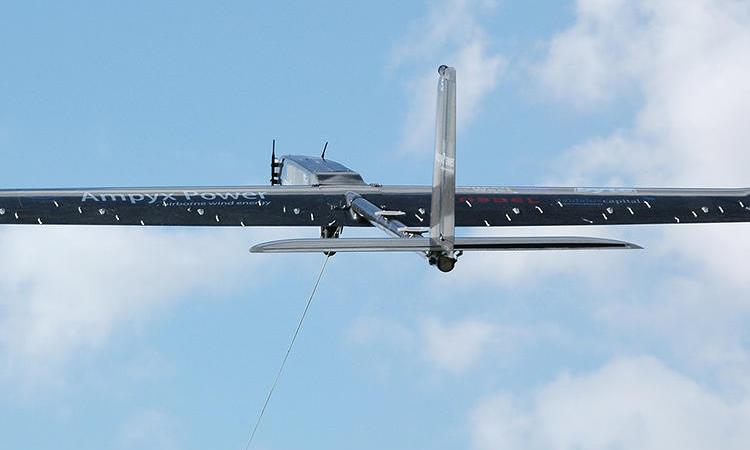
The first challenge has to do with size. Currently, wind farms are massive operations, and many designers think they need to continue to get bigger in order to generate the kinds of electricity we currently need. However, a Netherlands-based startup named Ampyx Power is looking in another direction: an airborne wind turbine that they think could capture the same amount of energy as a large operation.

ampyx-power-powerplane-6-topview-1Basically, their design is a small glider plane attached by cable to a generator, which is then deployed into the air and flies in figure eights. As it moves, the glider pulls on the capable, and the generator converts the movement to electricity. Since it isn’t attached to a tower, it can soar nearly 2,000 feet in the air, catching stronger winds that produce about eight times more energy than the lower-altitude breezes that reach a normal wind turbine.

So in addition to being able to produce more power than a typical wind farm, it costs significantly less than its competitor. The average wind farm weighs about 120 metric tons, while the glider system weighs in at a mere 363 kilograms (800 pounds). And in addition to being cheaper than other renewables, the process may even be cheaper than coal.

wind-power-660As Wolbert Allaart, the startup’s managing director, put it:

We’re replacing tons of steel and concrete. It’s a huge materials reduction, and we can produce the same amount of power. That obviously has an effect on cost as well… The whole reason why we’re doing this is because we think we can get the cost of a kilowatt-hour well below the price of coal.

And Ampyx is hardly alone in developing the technology. In fact, their design is similar to California-based Makani Power’s glider. This company was acquired by Google earlier this year, while Ampyx raised the necessary capital via a crowdfunding campaign. And though there are some differences in the design and methods employed, both companies dream of a day when wind will replace coal and other dirty means.

ampyx-power1Because the planes are so efficient, places that might not have worked for wind power in the past – like forests, where trees catch and redirect the wind – could be a fit for the system, so the market is wide open. And given his country’s growing interest in wind power, Allaart hopes to introduce it to the domestic market very soon:

In Holland, where we’re based, we now have a 4.3 billion Euro subsidy scheme for offshore wind. People are starting to wonder already, if we have a technology being developed in our own country that could provide offshore wind at more or less competitive price with coal, why on Earth are we still subsidizing this so heavily? How fast this grows will depend on political will.

pertamina-energy-tower4site-aerialsomAnother very cool wind-related story comes from Jakarta, where a massive tower is being planned that will be capable of generating all its own power. It’s known as the Pertamina Energy Tower, the proposed headquarters of the Pertamina power company. And while the proposed building will be 99 stories in height, it will also gather all its power from wind, solar, and geothermal energy.

When it comes to its wind operations, the building’s height plays to its advantage. At the top of the building, a funnel captures wind, sucks it inside, and speeds it up to run a series of vertical wind turbines. In this respect, the building operates like a giant, vertical wind tunnel. Solar energy will also be incorporated through panels that will cover the roofs of other buildings on the new campus.

pertamina-energy-tower2energy-ribbonsomBut perhaps the most impressive feat comes in the form of geothermal, a type of energy that’s uniquely suited for Indonesia because it’s a volcanic island chain. Geothermal systems in Indonesia can tap directly into superheated sources of subterranean steam with a single pipe, unlike typical systems that are more complicated and expensive to engineer.

Scott Duncan, the director of Pertamina’s architecture firm – Skidmore, Owings & Merrill LLP (SOM) – who led the project, describes it this way:

It would essentially provide an unlimited energy source for the tower and campus and could make the tower the world’s first energy-positive supertall building.

pertamina-energy-tower6In addition to meeting this clean-energy trifecta, the design of the tower is focused on saving energy as much generating it. Sun-shading “leaves” on two sides of the building cut glare and shade the brightest sunlight while still keeping the inside of the offices bright enough to avoid most artificial lighting. Instead of power-sucking air conditioners, the building uses water-based radiant cooling systems to keep the temperatures even.

Along with other strategies, the energy-saving design elements mean that the campus – which will include a mosque, a performing arts and exhibition center, and sports facilities along with the office space – can keep energy use low enough that renewable power may be able to cover its entire energy needs. In short, the building could prove to be a model of energy-independence.

pertamina-energy-tower5However, the motivation for this project go beyond the altruistic, and involve a good many practical considerations. For starters, Jakarta still has an unreliable power grid, and if the campus generates its own power, work and play won’t get interrupted. The buildings also won’t have to rely on diesel fuel generators if the city’s power goes down.

The technology is expected to be adopted elsewhere, particularly China where wind power is expanding all the time. Indonesia, despite its easy access to geothermal energy, is not the windiest place in the world. Cities that are strategically located along coastlines or in elevated regions would find the wind tunnel feature that much more useful, reducing their dependence on the other two forms of energy.

shanghai_towerWhat’s more, this building is in many respects what one would call an Arcology, and just happens to be the second one being planned for construction in the world today. The other, un-coincidentally enough, is China’s Shanghai Tower, a building that is one-third green space and a transparent second skin that surrounds the city in a protective air envelope that controls its internal temperature.

And with global energy prices increasing, the sources of easily-accessible oil disappearing, and atmospheric CO2 levels steadily rising, we can expect to see more buildings like these ones going up all around the world. We’re also likely to see more creative and innovative forms of power generation popping up in our backyards. Much like peak oil, centralized grids and dependence on unclean energy is disappearing…

And in the meantime, enjoy this video of the Ampyx Power glider in action:


Sources:
fastcoexist, (2)

Judgement Day Update: DARPA Robotics Challenge!

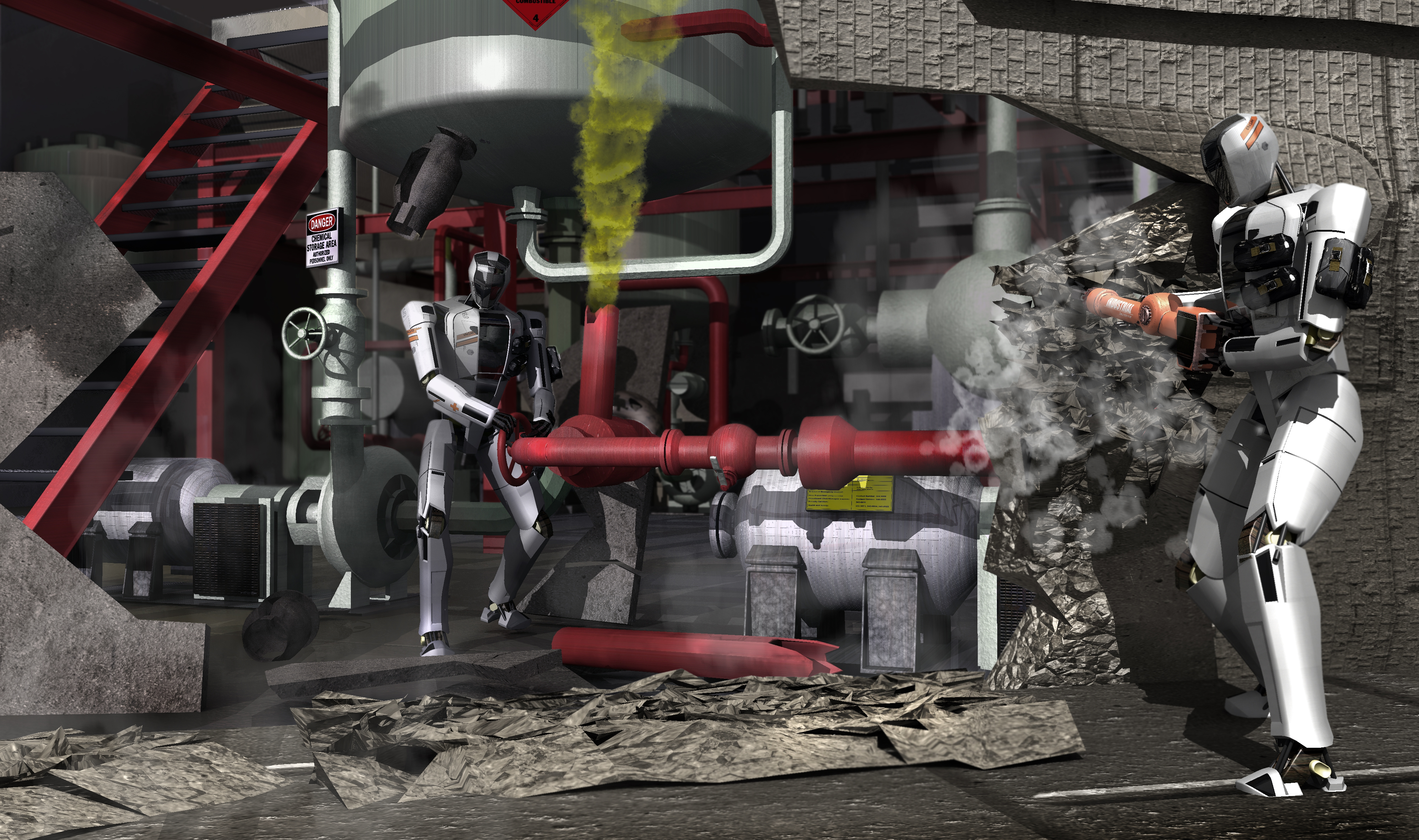
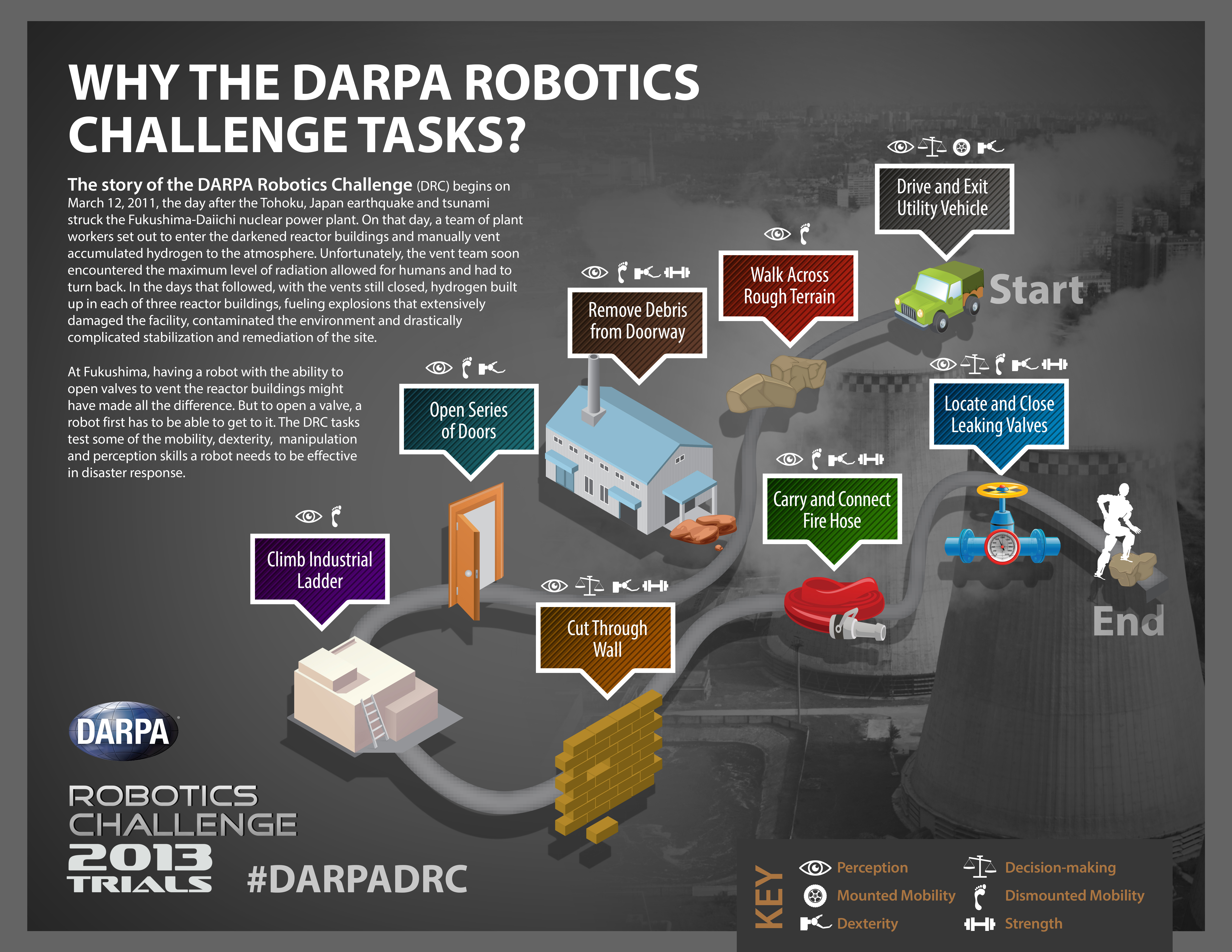
darpa-robotics-challenge-conceptFor the past two years, the Defense Advanced Research Projects Agency has been holding a series of trials where robots are tasked with navigating disaster areas and performing tasks with tools and materials provided. This is known as the Robotics Challenge, which took place from Dec.20th to 21st and was streamed live from Florida’s Homestead Miami Speedway.

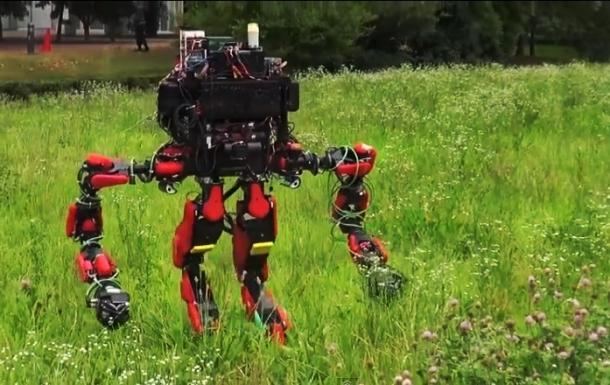
And this year, Google’s Schaft humanoid robot took home the top prize after scoring 27 points out of a total of 32 points. IHMC Robotics, based in Florida, grabbed second place, while Carnegie Mellon University’s Team Tartan Rescue placed third. Eight of the top teams that participated in the challenge may receive as much as $1 million in funding from DARPA, ahead of further trials next year with a $2 million prize.

schaft_robotBuilt by a Japanese start-up – one of Google’s many recent acquisitions – the Schaft is an updated version of the Humanoid Robot Project robot (HRP-2), with hardware and software modifications that include more powerful actuators, a walking/stabilization system, and a capacitor instead of a battery. The robot stands 1.48 m (4.8 ft) tall, weighs in at 95 kg (209 lb), and is generally unappealing to the eye.

However, what it lacks in photogenic quality, it makes up for in performance. Over the course of the trials, the bipedal robot was able to bring stable walking and significant torque power to fore as it opened doors, wielded hoses, and cut away part of a wall. However, team Schaft lost points when a gust of wind blew a door out of the robot’s hand and the robot was unable to exit a vehicle after navigated a driving course successfully.

Check out the video of the Schaft in action:


Initially, over 100 teams applied to compete when the challenged was announced in April of last year. After a series of reviews and virtual challenges, the field was narrowed down to 16 competing in four “tracks. On Track A, Schaft was joined by the RoboSimian, the robot recently built by NASA’s Jet Propulsion Laboratory (JPL). Another primate-like robot was the Tartan Rescue CHIMP, a red headless robot with rollers on its feet.

At the other end of the spectrum was the Johnson Space Center’s Valkyrie, a biped, anthropomorphic robot that honestly looks like something out of anime or Tony Stark’s closet. This latter aspect is due largely to the fact that it has a glowing chest light, though the builders claim that it’s just a bulge to make room in the torso for linear actuators to move the waist.

Valkyrie_robotOfficially designated “R5” by NASA, Val was designed to be a high-powered rescue robot, capable of traversing uneven terrain, climbing ladders, using tools, and even driving. According to the designers, the Valkyrie was designed to be human in form because:

a human form makes sense because we’re humans, and these robots will be doing the jobs that we don’t want to be doing because they’re too dangerous. To that end, Valkyrie has seven degree of freedom arms with actuated wrists and hands, each with three fingers and a thumb. It has a head that can tilt and swivel, a waist that can rotate, and six degree of freedom legs complete with feet equipped with six-axis force-torque sensors.

Unfortunately, the robot failed in its tasks this year, scoring 0 points and placing amongst the last three competitors. I guess NASA has some bugs to work out before this patently badass design can go toe-to-toe with other disaster robots. Or perhaps the anthropomorphic concept is just not up to the task. Only time and further trials will tell. And of course, there’s a video of Val in action too:


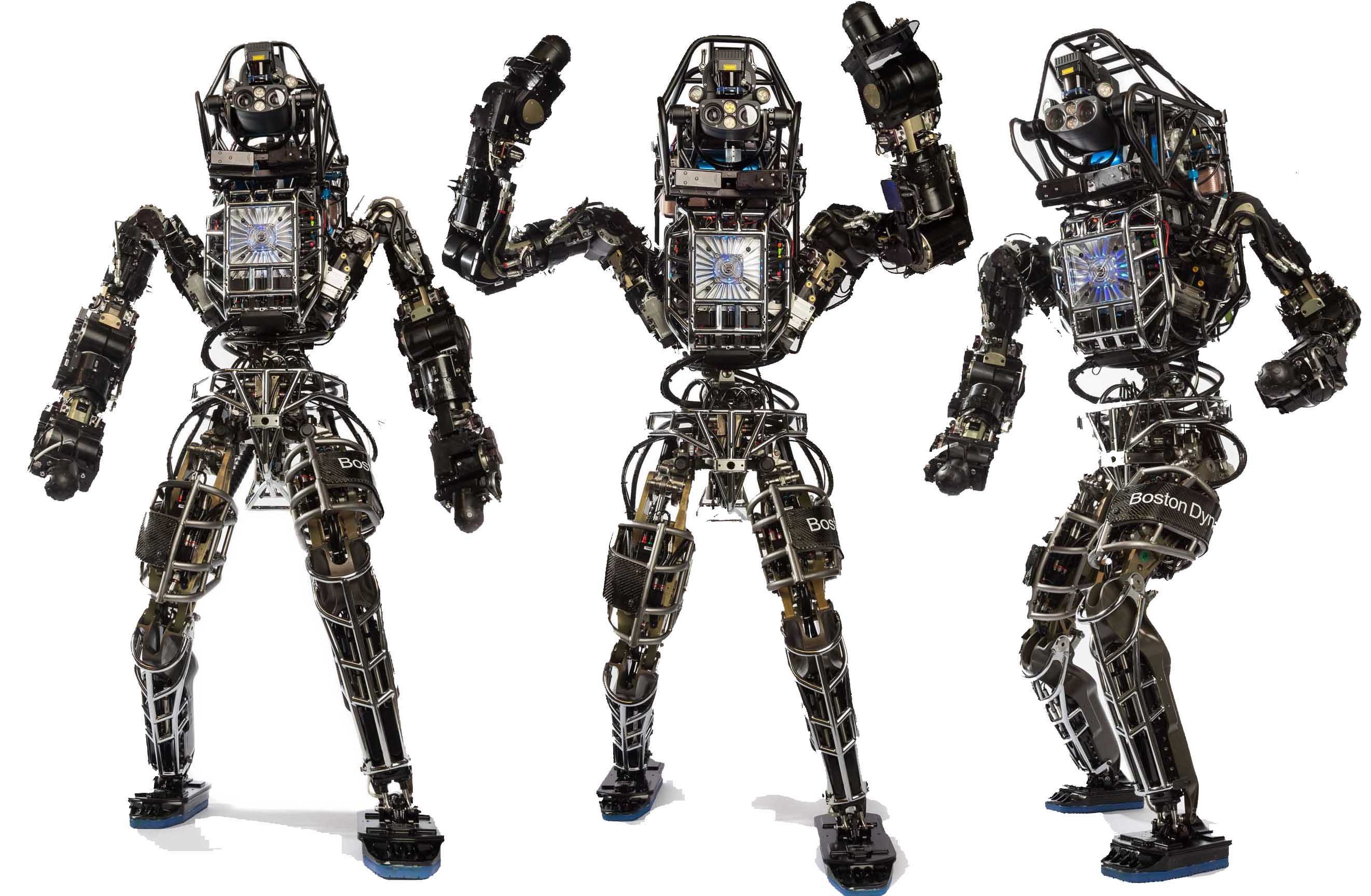
The B and C track teams are often difficult to tell apart because they all used Atlas robots. Meanwhile, the D track teams brought several of their own robots to the fore. These included Chiron, a robot that resembles a a metallic sea louse; Mojovation, a distinctly minimalist robot; South Korea’s Kaist, and China’s Intelligent Pioneer.

DARPA says that the point of the competition is to provide a baseline from which to develop robotics for disaster response. Events such as the 2011 Fukushima nuclear disaster, which not only damaged the reactors but made it impossible for crews to respond in time, demonstrate that robots have a potential role. DARPA believes that robots that could navigate the ruins and work in radioactive environments would have been of great help.

DARPA Robotics Challenge The problem is that current robots simply aren’t up to task. Specialized robots can’t be built to deal with the unpredictable, full telepresence control is neither practical nor desirable, and most robots tend to be a bit on the delicate side. What’s needed is a robot that can work on its own, use tools and vehicles at hand, deal with the unpredictable, and is durable and agile enough to operate in the ruins of a building.
That’s where DARPA Robotics Challenge comes in. Over the next few years, DARPA will use the results of the competition to draw a baseline that will benefit engineers working on the next generation of robots. For now, the top eight of the teams go on with DARPA funding to compete in the Robotics Finals event late next year, for a US $2 million prize.

DARPACourseIf there’s one thing the current challenge demonstrated, its that anthropomorphic designs are not well-suited to the tasks they were given. And ironic outcome, considering that one of the aims of the challenge is to develop robots capable of performing human tasks, but under conditions considered unsafe for humans. As always, the top prize goes to those who can think outside the box!

And in the meantime, enjoy this video of the Robot Challenge, taken on the second day of the trials.


Sources: gizmag.com, news.cnet.com, wired.com, IO9.com, theroboticchallenge.org

News From Space: “FedEx” to the Moon

fedex-to-moon-google-x-lunarThe Moon has been quite the source of news lately. From NASA’s and the ESA’s planned efforts to build a settlement, to NASA and Google planning to send vegetation there, and China’s recent deployment of the Jade Rabbit rover, it seems that all the major space agencies of the world are eying the lunar surface with plans for eventual colonization.

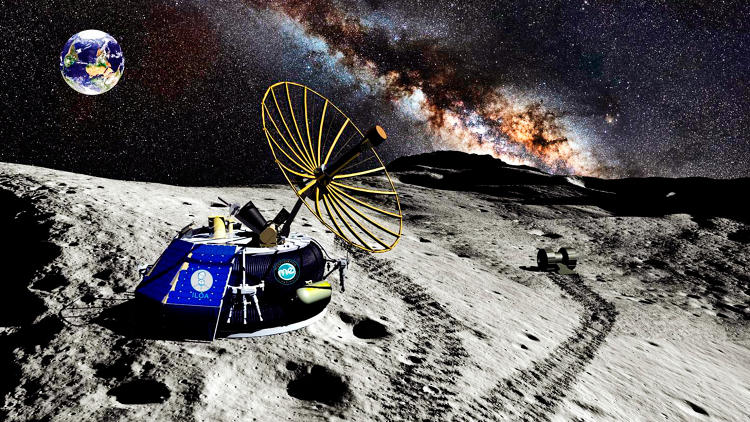
What’s more, numerous private interests are looking to get in on the action, plotting everything from space tourism to courier services. One such company is Moon Express, a space startup that is competing for the Google Lunar X prize to develop a spacecraft that would one day be able to land on the lunar surface, move 500 meters, and send back two messages.

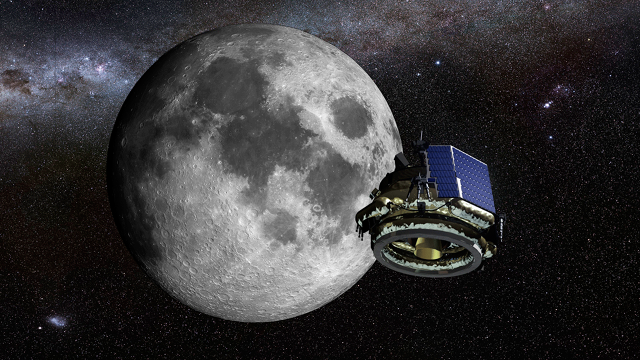
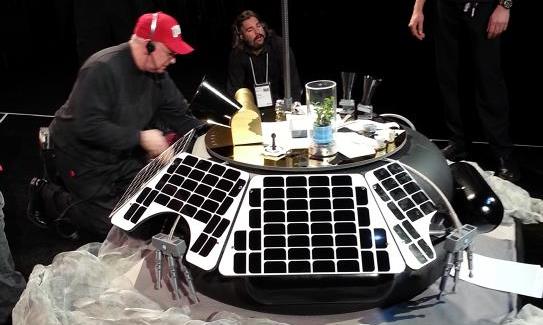
fedex-to-moon-spacecraftTheir craft is known as the MX-1, the company’s first robotic lander that was designed with the intent to deliver payloads to the lunar surface by 2015 and be able to transport precious minerals back. The privately held company, which is backed by billionaire Naveen Jain, unveiled the robot at the Autodesk’s University conference in Las Vegas.

According to Moon Express CEO Bob Richards, the MX-1 is very compact and could “fit basically inside of an SUV” trunk. The craft is unmanned, solar-powered, and uses hydrogen peroxide as rocket propellant. The fuel tanks are strapped to the vehicle’s underside, and serve two purposes. As Richards explains:

When the tanks are empty, they now act as a bumper. People are used to seeing landing gear on a spacecraft, but we didn’t need landing gear–the fuel tanks are the structure. It looks like something you’d land on a beach actually.

fedex-to-moon-spacecraft1To get to space, the craft is launched via rocket, and once deployed can navigate all by itself to the moon. And though small, the MX-1 is capable of carrying roughly 60 kilograms of payload. For its early missions, the startup plans to take part in NASA’s goal of delivering plants to the moon, including basil, turnips, and Arabidopsis (a sort of mustard-seed plant).

Additionally, the MX-1 will carry a small, black-and-gold telescope for a private company, which plans to set up the device as a moon cam on its surface, streaming live video back to Earth for all to watch. So in addition to China’s Jade Rabbit rover, which will be providing footage of the lunar surface, we can expect video to be provided by private interests as well.

fedex-to-moon-picBut in the long run, the aim of MoonEx is far more entrepreneurial: it plans to mine resources from the moon, seeing it as an untapped and very lucrative target. The trick will be developing the MX-1 into a craft that can deliver payloads to-and-from the moon, at larger scales. As Richards put it:

What’s there? Probably more platinum than there is in all the reserves on Earth. Pick your spice: silver, nickel, everything that we mine here on Earth is on the moon.

However, Moon Express doesn’t expect to return with any payloads until at least its third mission. It plans to launch its first mission to the moon in 2015. And if they win Google’s Lunar X Prize, they just might have all the investment capital they need to make it happen.

Source: fastcoexist.com, googlelunarxprize.org

Judgement Day Update: Google Robot Army Expanding

Atlas-x3c.lrLast week, Google announced that it will be expanding its menagerie of robots, thanks to a recent acquisition. The announcement came on Dec. 13th, when the tech giant confirmed that it had bought out the engineering company known as Boston Dynamics. This company, which has had several lucrative contracts with DARPA and the Pentagon, has been making the headlines in the past few years, thanks to its advanced robot designs.

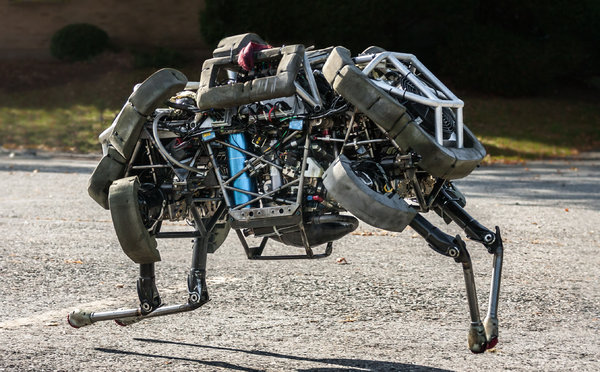
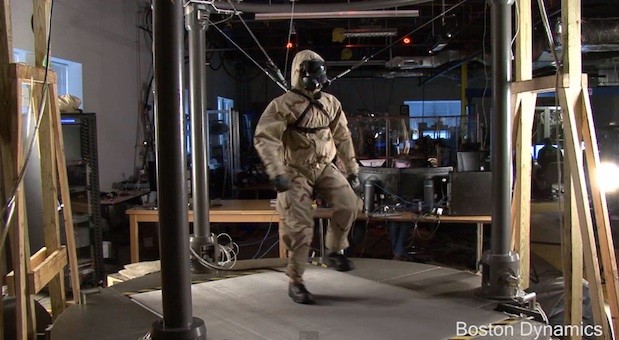
Based in Waltham, Massachusetts, Boston Dynamics has gained an international reputation for machines that walk with an uncanny sense of balance, can navigate tough terrain on four feet, and even run faster than the fastest humans. The names BigDog, Cheetah, WildCat, Atlas and the Legged Squad Support System (LS3), have all become synonymous with the next generation of robotics, an era when machines can handle tasks too dangerous or too dirty for most humans to do.

Andy-Rubin-and-Android-logoMore impressive is the fact that this is the eight robot company that Google has acquired in the past six months. Thus far, the company has been tight-lipped about what it intends to do with this expanding robot-making arsenal. But Boston Dynamics and its machines bring significant cachet to Google’s robotic efforts, which are being led by Andy Rubin, the Google executive who spearheaded the development of Android.

The deal is also the clearest indication yet that Google is intent on building a new class of autonomous systems that might do anything from warehouse work to package delivery and even elder care. And considering the many areas of scientific and technological advancement Google is involved in – everything from AI and IT to smartphones and space travel – it is not surprising to see them branching out in this way.

wildcat1Boston Dynamics was founded in 1992 by Marc Raibert, a former professor at the Massachusetts Institute of Technology. And while it has not sold robots commercially, it has pushed the limits of mobile and off-road robotics technology thanks to its ongoing relationship and funding from DARPA. Early on, the company also did consulting work for Sony on consumer robots like the Aibo robotic dog.

Speaking on the subject of the recent acquisition, Raibert had nothing but nice things to say about Google and the man leading the charge:

I am excited by Andy and Google’s ability to think very, very big, with the resources to make it happen.

Videos uploaded to Youtube featuring the robots of Boston Dynamics have been extremely popular in recent years. For example, the video of their four-legged, gas powered, Big Dog walker has been viewed 15 million times since it was posted on YouTube in 2008. In terms of comments, many people expressed dismay over how such robots could eventually become autonomous killing machines with the potential to murder us.

petman-clothesIn response, Dr. Raibert has emphasized repeatedly that he does not consider his company to be a military contractor – it is merely trying to advance robotics technology. Google executives said the company would honor existing military contracts, but that it did not plan to move toward becoming a military contractor on its own. In many respects, this acquisition is likely just an attempt to acquire more talent and resources as part of a larger push.

Google’s other robotics acquisitions include companies in the United States and Japan that have pioneered a range of technologies including software for advanced robot arms, grasping technology and computer vision. Mr. Rubin has also said that he is interested in advancing sensor technology. Mr. Rubin has called his robotics effort a “moonshot,” but has declined to describe specific products that might come from the project.

Cheetah-robotHe has, however, also said that he does not expect initial product development to go on for some time, indicating that Google commercial robots of some nature would not be available for several more years. Google declined to say how much it paid for its newest robotics acquisition and said that it did not plan to release financial information on any of the other companies it has recently bought.

Considering the growing power and influence Google is having over technological research – be it in computing, robotics, neural nets or space exploration – it might not be too soon to assume that they are destined to one day create the supercomputer that will try to kill us all. In short, Google will play Cyberdyne to Skynet and unleash the Terminators. Consider yourself warned, people! 😉

Source: nytimes.com

Immortality Inc: Google’s “Calico”

calico-header-640x353Google has always been famous for investing in speculative ventures and future trends. Between their robot cars, Google Glass, the development of AI (the Google Brain), high-speed travel (the Hyperloop), and alternative energy, their seems to be no limit to what Musk and Page’s company will take on. And now, with Calico, Google has made the burgeoning industry of life-extension its business.

The newly formed company has set itself to “focus on health and well-being, in particular the challenge of aging and associated diseases.” Those were the words of Google co-founder Larry Page, who issued a two-part press release back in September. From this, it is known that Calico will focus on life extension and improvement. But in what way and with what business model, the company has yet to explain.

DNA-1What does seem clear at this point is that Art Levinson, the chairman of Apple and former CEO of Genentech (a pioneer in biotech) will be the one to head up this new venture. His history working his way from a research scientist on up to CEO of Genentech makes him the natural choice, since he will bring medical connections and credibility to a company that’s currently low on both.

Google Health, the company’s last foray into the health industry, was a failure for the company. This site, which began in 2008 and shut down in 2011, was a personal health information centralization service that allowed Google users to volunteer their health records. Once entered, the site would provide them with a merged health record, information on conditions, and possible interactions between drugs, conditions, and allergies.

Larry_PageIn addition, the reasons for the company’s venture into the realm of health and aging may have something to do with Larry Page’s own recent health concerns. For years, Page has struggled with vocal nerve strain, which led him to make a significant donation to research into the problem. But clearly, Calico aims to go beyond simple health problems and cures for known diseases.

google.cover.inddIn a comment to Time Magazine, Page stated that a cure for cancer would only extent the average human lifespan by 3 years. They want to think bigger than that, which could mean addressing the actual causes of aging, the molecular processes that break down cells. Given that Google Ventures included life extension technology as part of their recent bid to attract engineering students, Google’s top brass might have a slightly different idea.

And while this might all sound a bit farfetched, the concept of life-extension and even clinical immortality have been serious pursuits for some time. We tend to think of aging as a fact of life, something that is as inevitable as it is irreversible. However, a number of plausible scenarios have already been discussed that could slow or even end this process, ranging from genetic manipulation, nanotechnology, implant technology, and cellular therapy.

Fountain_of_Eternal_Life_cropWhether or not Calico will get into any of these fields remains to be seen. But keeping in mind that this is the company that has proposed setting aside land for no-hold barred experimentation and even talked about building a Space Elevator with a straight face. I wouldn’t be surprised if they started building cryogentic tanks and jars for preserving disembodies brains before long!

Source: extremetech.com, (2), content.time.com