
 Far from Silicon Valley in California, there is a place that some are now calling “Silicon Savannah.” Located around Nairobi, and centered on the nonprofit collective Ushahidi, an explosion in African tech is taking shape. And this month, backers of the collective’s 2013 Kickstarter campaign are finally getting their hands on BRCK – a long-awaited device that is the antithesis of shiny, expensive internet hardware.
A mobile Internet router, BRCK is essentially a self-powered, mobile Wi-Fi device that promises to bring internet access to remote communities and underdeveloped neighborhoods all around the world. And as an added bonus, it reverses the usual order of globalization – having been invented in a developing country, built in the US, and intended for customers in any country anywhere.
 It can connect to the web in one of three ways: by plugging in a standard ethernet cable, by bridging with other Wi-Fi networks, or by accessing 3G or 4G data via a basic SIM card. Originally, Ushahidi invented it in order to overcome infrastructure challenges – specifically, inconsistent electricity and Internet connectivity – plaguing young upstarts in Nairobi. But it turns out, plenty of other people and places face the same challenges all over the world.
Contrary to public opinion, it is not just developing or underdeveloped countries that experience infrastructure challenges. Recently in the UK, Virgin Media customers across London lost service; while in the US, in what appeared to be an unrelated event, millions of Time Warner customers across the U.S. – largely in Chicago, Houston, Los Angeles, New York, and Tampa – were knocked offline.
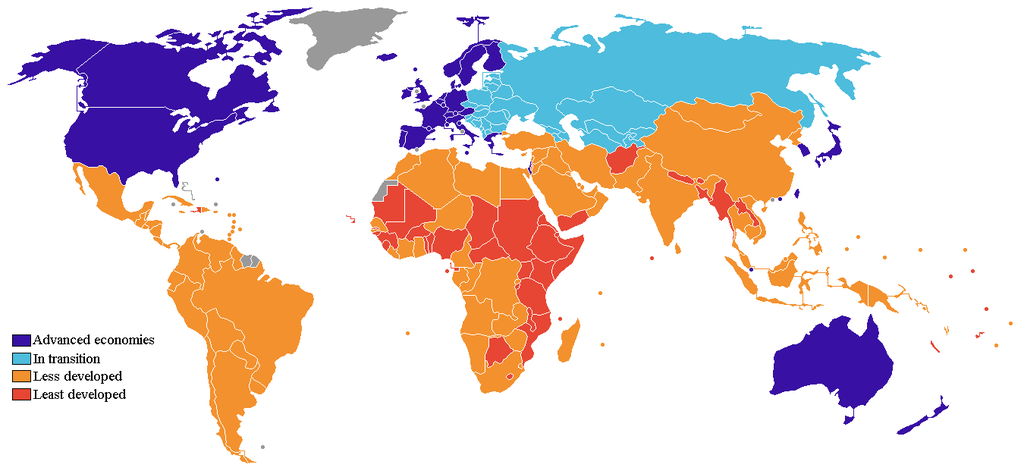 But even just focusing on the developing world, BRCK’s potential market is enormous. While only a quarter of people from the developing world are currently connected, they already account for a staggering two-thirds of all people online today. While the technology is not exactly cutting-edge by most standards, it offers numerous advantages that take the needs of its potential market into account.
Beyond its three connection methods, BRCK can keep up to 20 users up and running for as long as eight hours during an electrical outage. And should the internet be unavailable in a given locale, the device continues operating offline, syncing up when its connection is restored. In addition, the stock hard drive is 4 gigabytes big, and it has a storage capacity of up to 32 gigabytes.
 BRCK CEO Erik Hersman, who cut his teeth in the industry as a blogger, sees the company’s base in Nairobi as one of its greatest assets, particularly given its target market. Having been born in Sudan and having settled in Kenya with his young family, ( is well-suited to addressing local needs with local solutions:
I describe it as a new remix of old technology. That’s the key to understanding Africa’s technology… If it works in Africa, it’ll work anywhere… We’re playing with dirty power and crappy Internet, so the device has to be resilient.
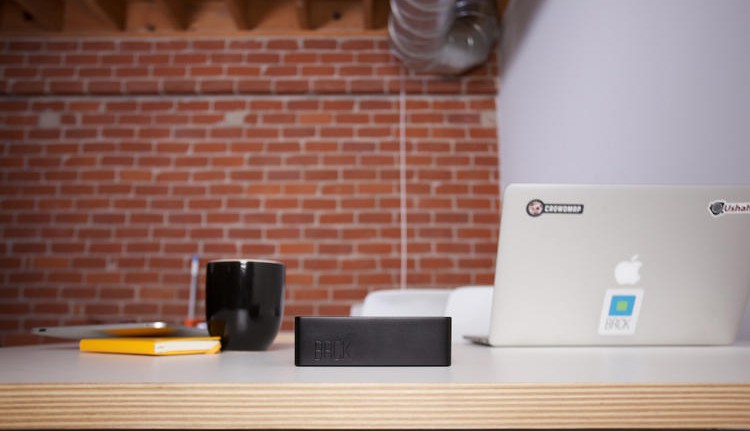
While designed in Kenya, BRCK is manufactured and assembled in Texas by a company called Silicon Hills, which is located outside of Austin. With its matte black, rubberized case, BRCK is elegant, but mostly unassuming, and has the relative dimensions of an actual brick. It’s too large to fit in a pocket, but small enough to carry in a backpack, place on a desk, or even on the hood of your Land Rover in the African countryside.
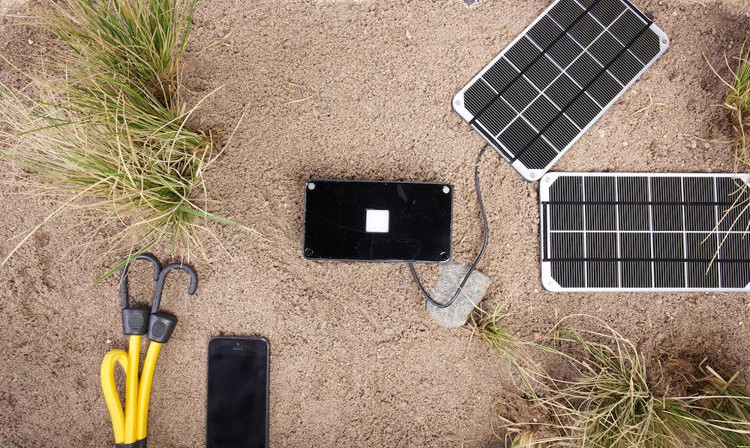
 By weight, BRCK is substantially heavier than a plastic router, but it’s also much more than one. In addition to its battery, BRCK has multiple ports, including a general-purpose input/output, enabling users to program and connect other hardware – such as sensors or a solar charger – to the device. But what is perhaps most compelling about BRCK, are its potential applications.
In truth, the greatest possibilities lies in the ability to break away from the model of centralized internet providers. This could lead to nothing short of a revolution in how people get online, and in way that would ensure a far greater measure of “equality of access”. As Hersman explained it:
We see enormous resonance with the work of other organizations. Take the proliferation of web-enabled laptops and tablets in schools; why is it that each of these devices connect to a mobile tower? Why not to a single, centralized point? …We’re at a place in history where the barriers to entry are no longer in the software space, but in the hardware space. Because we don’t yet have fully functioning maker spaces and rapid prototyping abilities here in Nairobi, the design process is still relatively slow and expensive, but the barriers are coming down.
 Education, health, environmental, and even military and governmental organizations are already in conversation with BRCK and multiple entities are testing it out. For consumers in emerging markets, BRCK’s $200 price tag may be a stretch, but the company is looking at purchasing plans, which have worked well in developing nations for both the cell phone and energy sectors.
But BRCK’s business model is ultimately based more on companies than individual consumers. Digital Democracy, a nonprofit organization that has worked in two dozen countries around the world, is one such company. According to its founder and executive director, Emily Jacobi:
The reason that we backed BRCK and that I’m excited to see it come about is because it fills an important gap in hardware and tools. We’re going to remote areas and training groups – indigenous groups, refugees, and other at-risk populations – to map the land and communities using GPS devices and cameras. We’re particularly excited about BRCK’s ability to facilitate collaborative work, as well as function offline.
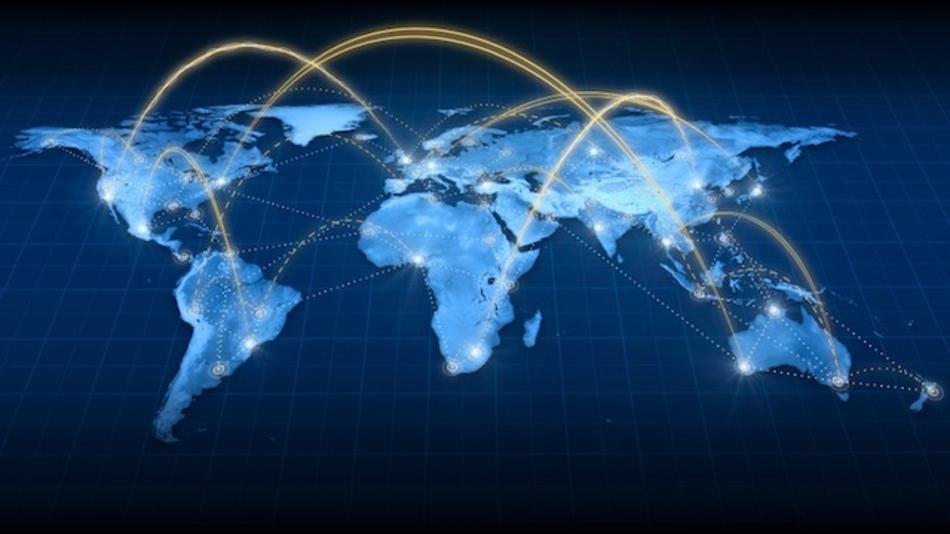 If there was one thing that the Digital Revolution promised, it was to bring the world together. Naturally, there were those who thought this to be naive and idealistic, citing the fact that technology has a way of being unevenly distributed. And while today, people live in a world that is far more connected than in any previous age, access remains an illustrative example of the gap between rich and poor nations.
Hence why an invention like the BRCK holds so much promise. Not only does it neatly reverse the all-too-common direction of technological development – i.e. technology conceived by a wealthy country, built in a poor one, only sold in wealthy ones – it also helps to shorten the gap between rich and poor nations when it comes to accessing and enjoying the fruits of that development.
This month, orders began shipping to buyers in 45 countries around the world this month. To get your hands on one, check out Ushahidi’s website and learn more about their efforts to develop open-source, equal-access technology.
Sources: fastcoexist.com, digital-democracy.org, ushahidi.com



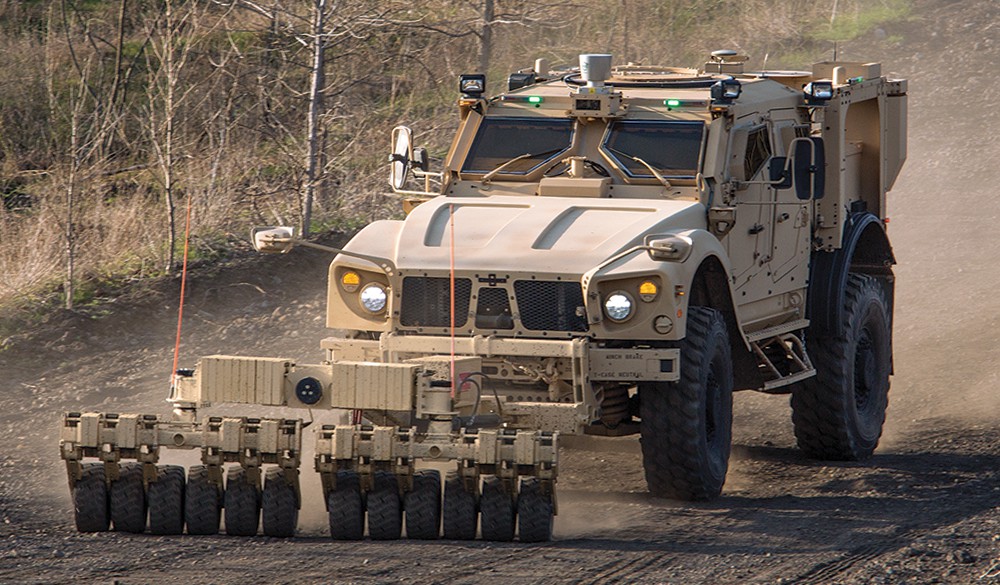

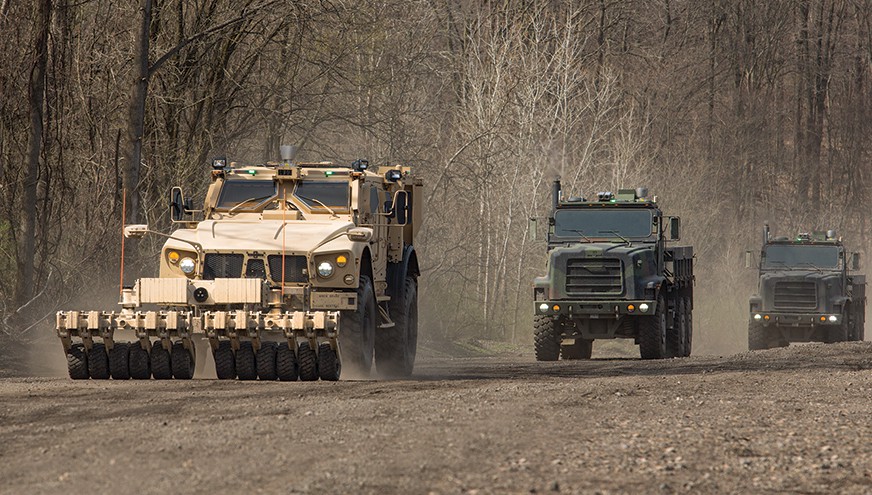

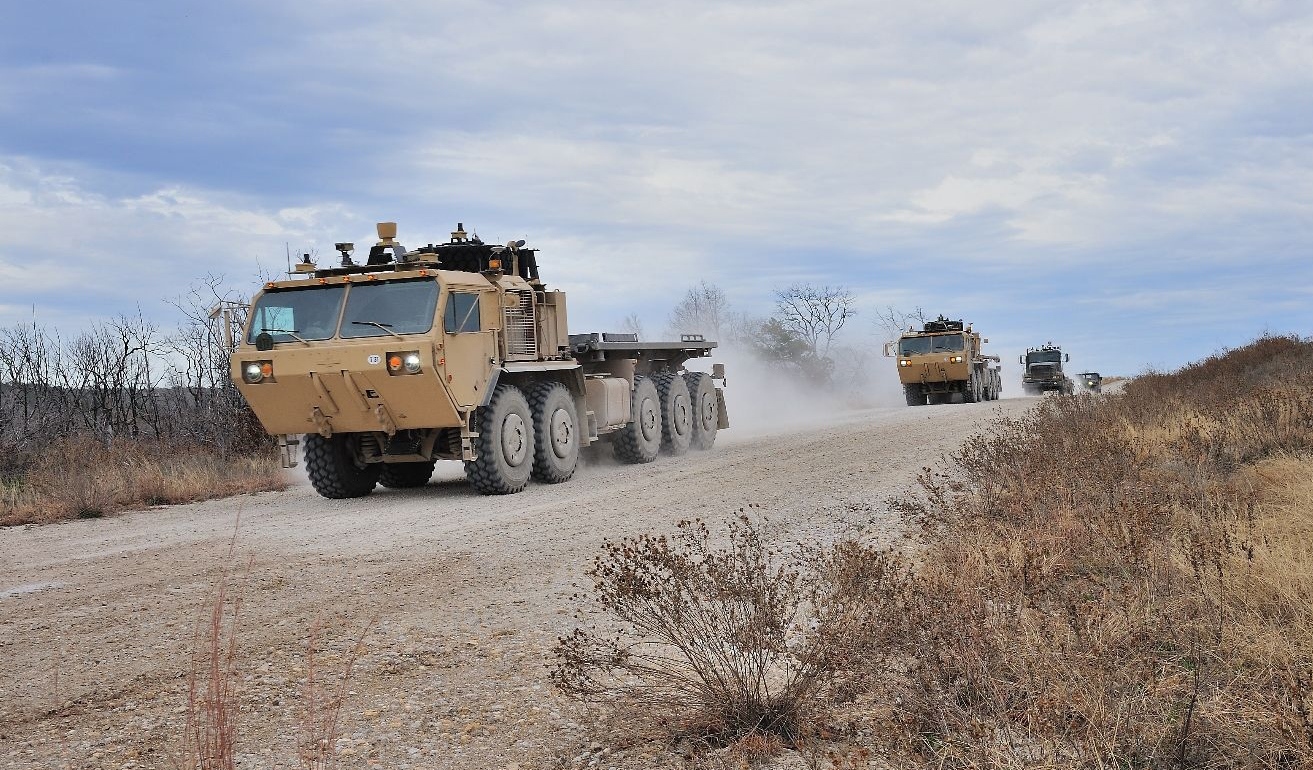
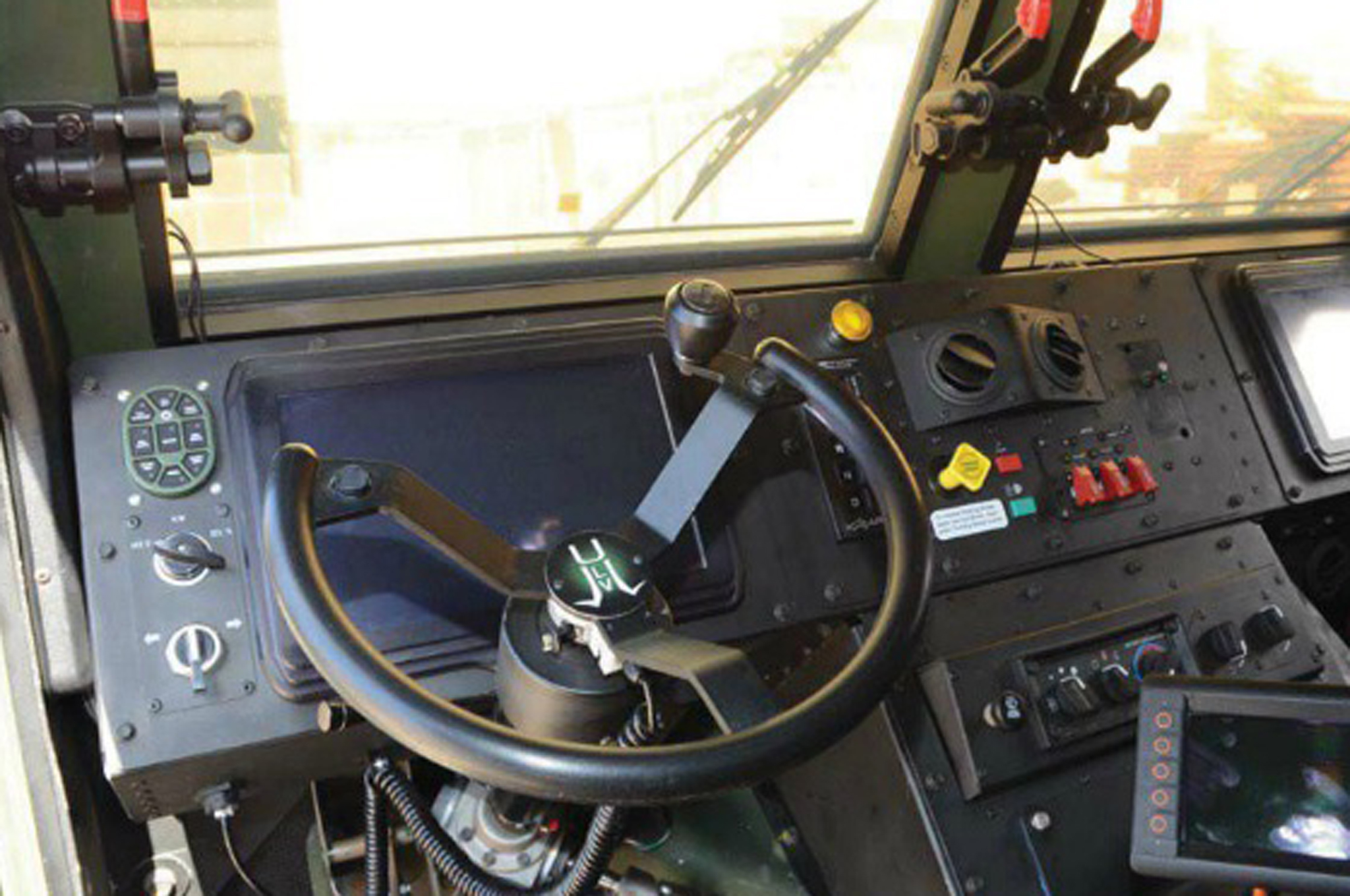
 Though Coaltion forces are drawing down their presence in Afghanistan, Oshkosh’s and other unmanned ground vehicle concepts will likely be used in conflicts around the world in the years to come. Company representatives gave demonstrations of the technology at Eurosatory 2014, a defense industry trade show, and say they received positive feedback from other nations as well.
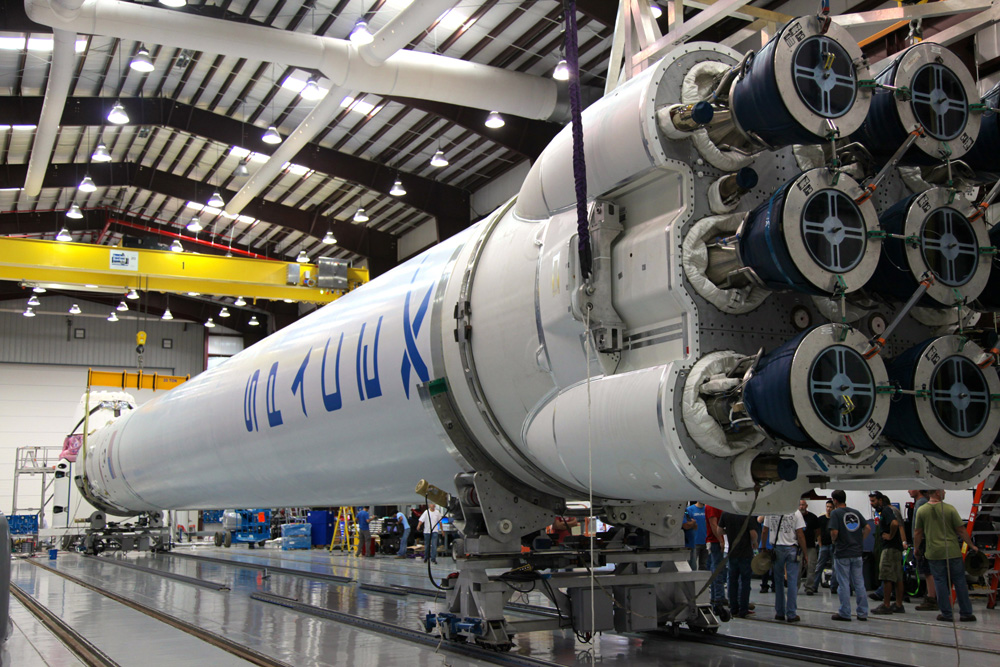
 After initially joking that American astronauts would be left stranded on the ISS, he also recommended that NASA try using a trampoline to reach orbit. The joke was naturally irrelevant, since day-to-day operations involving the ISS are not going to be affected by these sanctions. Still, the inability to rely on Russian Soyuz’s in the near future will mean that US satellites – which are used for everything from GPS to spying – will be undeployable for the time being.











 For some time now, classroom cameras have been used to see what teachers do in the course of their lessons, and evaluate their overall effectiveness as educators. But thanks to a recent advances in facial recognition software, a system has been devised that will assess teacher effectiveness by turning the cameras around and aiming at them at the class.
 After a lesson, a teacher could boot up EngageSense and see, with a glance at the dashboard, when students were paying rapt attention, and at what points they became confused or distracted. Beyond that, the concept is still being refined as SensorStar Labs looks both for funding and for schools to give EngageSense a real-world trial.
 At the present time, the biggest obstacle would definitely be privacy concerns. While the software is designed for engaging student interest right now, it would not be difficult at all to imagine the same technology applied to police interrogations, security footage, or public surveillance.



 Stories by Williams