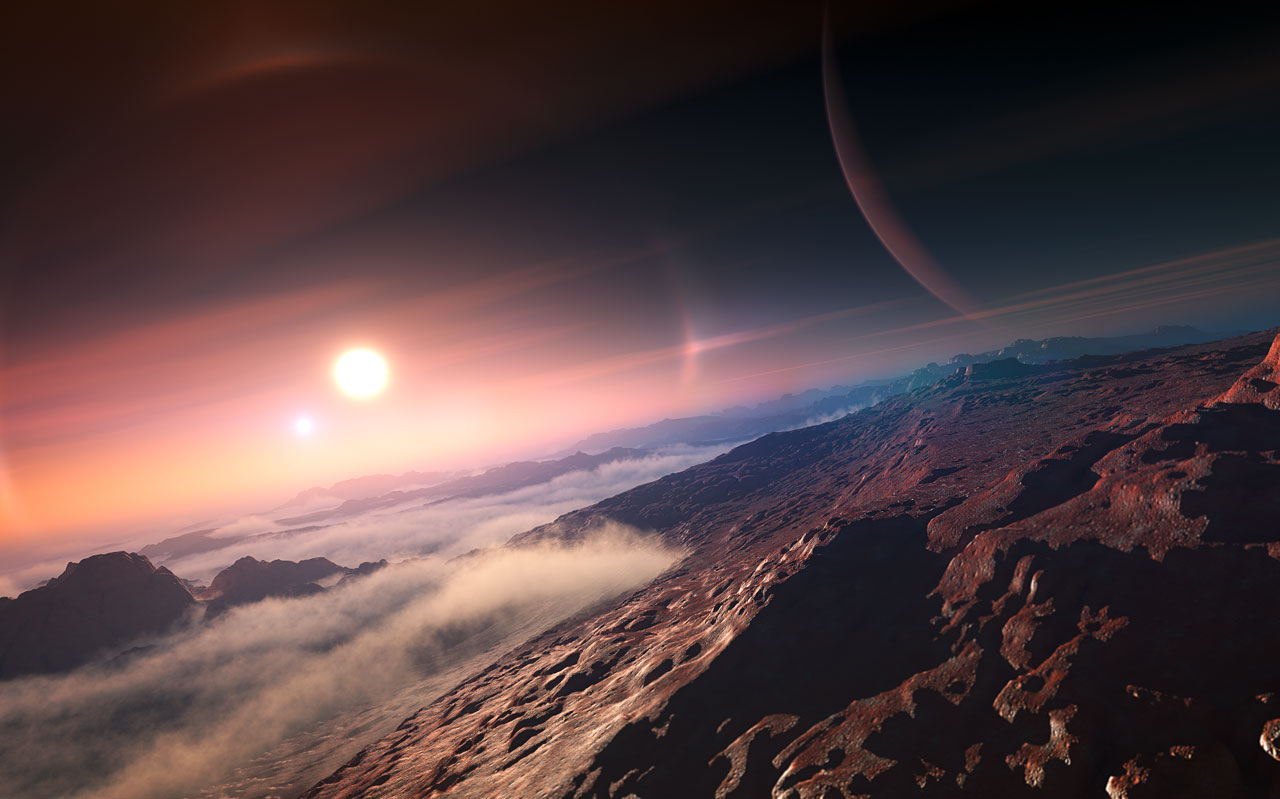
News From Space: The Weird Atmospheres of Titan and Io

alien-worldStudying the known universe is always interesting, mainly because you never know what you’re going to find. And just when you think you’ve got something figured out – like a moon in orbit around one of the Solar Systems more distant planet’s – you learn that it can still find ways to surprise you. And interestingly enough, a few surprises have occurred back to back in recent weeks which are making scientists rethink their assumptions about these moons.

The first came from Io, Jupiter’s innermost moon and the most volcanically active body in the Solar System. All told, the surface has over 400 volcanic regions, roughly 100 mountains – some of which are taller than Mount Everest – and extensive lava flows and floodplains of liquid rock that pass between them. All of this has lead to the formation of Io’s atmosphere, which is basically a thin layer of toxic fumes.

Io_mapGiven its distance from Earth, it has been difficult to get a good reading on what the atmosphere is made up of. However, scientists believe that it is primarily composed of sulfur dioxide (SO2), with smaller concentrations of sulfur monoxide (SO), sodium chloride (NaCl), and atomic sulfur and oxygen. Various models predict other molecules as well, but which have not been observed yet.

However, recently a team of astronomers from institutions across the US, France, and Sweden, set out to better constrain Io’s atmosphere. Back in September they detected the second-most abundant isotope of sulfur (34-S) and tentatively detected potassium chloride (KCl). Expected, but undetected, were molecules like potassium chloride (KCl), silicone monoxide (SiO), disulfur monoxide (S2O), and other isotopes of sulfur.

Io_surfaceBut more impressive was the team’s tentative of potassium chloride (KCl), which is believed to be part of the plasma torus that Io projects around Jupiter. For some time now, astronomers and scientists have been postulating that Io’s volcanic eruptions produce this ring of plasma, which includes molecular potassium. By detecting this, the international team effectively found the “missing link” between Io and this feature of Saturn.

Another find was the team’s detection of the sulfur 34-S, an isotope which had previously never been observed.  Sulfur 32-S had been detected before, but the ratio between the 34-S and 32-S was twice that of what scientists believed was possible in the Solar System. A fraction this high has only been reported once before in a distant quasar – which was in fact an early galaxy consisting of an intensely luminous core powered by a huge black hole.

These observations were made using the Atacama Pathfinder Experiment (APEX) antenna – a radio telescope located in northern Chile. This dish is a prototype antenna for the Atacama Large Millimeter Array (ALMA). And while Io is certainly an extreme example, it will likely help terrestrial scientists characterize volcanism in general – providing a better understanding of it here on Earth as well as outside the Solar System.

TitanThe second big discovery was announced just yesterday, and comes from NASA’s Cassini space probe. In its latest find investigating Saturn’s largest moon, Cassini made the first off-world detection of the molecule known as propelyne. This simple organic compound is a byproduct of oil refining and fossil fuel extraction, and is one of the most important starting molecules in the production of plastics.

The molecules were detected while Cassini used its infrared spectrometer to stare into the hydrocarbon haze that is Titan’s atmosphere. The discovery wasn’t too surprising, as Titan is full of many different types of hydrocarbons including methane and propane. But spotting propylene has thus far eluded scientists. What’s more, this is the first time that the molecule has been spotted anywhere outside of Earth.

titan_cassiniThese finding highlight the alien chemistry of Saturn’s giant moon. Titan has moisture and an atmosphere, much like our own, except that its rains are made of hydrocarbons and its seas composed of ethane. Scientists have long wanted to explore this world with a boat-like rover, but given the current budget environment, that’s a distant prospect. Still, sales of propylene on Earth are estimated at $90 billion annually.

While no one is going to be mounting a collection mission to Titan anytime soon, it does offer some possibilities for future missions. These include colonization, where atmospheric propylene could be used to compose settlements made of plastic. And when it comes to terraforming, knowing the exact chemical makeup of the atmosphere will go a long way towards finding a way to make it breathable and warm.

And in the meantime, be sure to enjoy this video about Cassini’s latest discovery. With the government shutdown in effect, NASA’s resources remain offline. So we should consider ourselves lucky that the news broke before today and hope like hell they get things up and running again soon!


Sources: universetoday.com, wired.com

News from Space: Curiosity Finds Water!

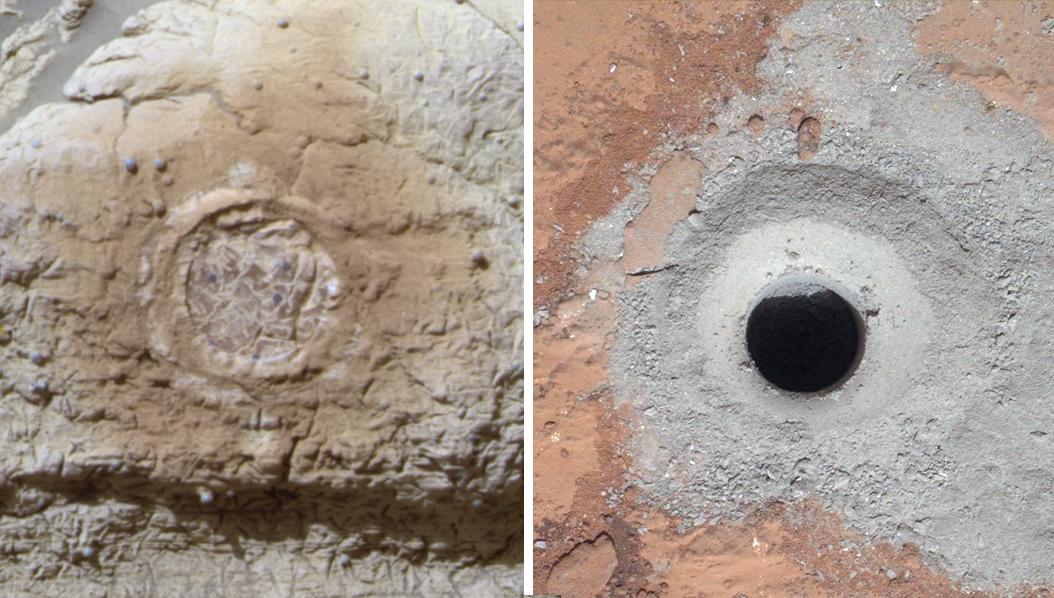
curiosity_drillsGood news (and bad) from the Red Planet! According to NASA, an examination of the fine-grained soil particles extracted by Curiosity, scientists have concluded that roughly 2 percent of Martian surface soil is made up of water. Though they did not find any traces of organic particles, this latest find confirms that water not only used to exist on the surface of the planet, but can still be found within.

These results bode well for future manned missions to Mars, wherein astronauts could mine the soil for water and study it to advance their understanding of Mars’ history. The findings, which were published today in the journal Science are part of a five-paper segment that began back in August of 2012 and is dedicated to Curiosity’s ongoing mission.

curiosity_drilling2Laurie Leshin, dean of the School Science at Rensselaer Polytechnic Institute and lead author of the paper, said in a NASA press release:

One of the most exciting results from this very first solid sample ingested by Curiosity is the high percentage of water in the soil.

These tests were conducted using the rover’s Sample Analysis at Mars (SAM), a collection of instruments that includes a gas chromatograph, a mass spectrometer, and a tunable laser spectrometer. The first soil samples were collected back in February when the rover used its drill tool for the first time and created a series of holes that were a little over 6 centimeters (2.5 inches) deep and collected the fine dust that resulted.

SAM_NASAOnce placed into the SAM assembly, the samples were heated to 835 degrees Celsius (1,535 degrees Fahrenheit). The gases that were released – which included significant portions of carbon dioxide, oxygen, and sulfur compounds – were then analyzed. The Mars Science Laboratory (MSL) also noticed that quantities of gaseous carbonite were found, which would suggests the presence of water in the Martian soil.

These positive findings were quite welcome, especially in light of the disheartening news last week that Curiosity has yet to crack the methane mystery. Back in 2003, scientists observed methane plumes coming from the planet, a strong indicator of microbial life, which sent scientific and professional interest in finding life on the red planet soaring.

Since that time, no traces of methane have been found, and it was hoped that Curiosity would finally locate it. However, the lack of methane thus far indicates that the rover has little chance of finding existing microbial life on the planet. But the existence of water in such great quantities in the surface soil brings scientists one step closer to piecing together the planet’s past potential for harboring life.

Curiosity_drillingsPaul Mahaffy, a lead investigator for SAM at NASA’s Goddard Space Flight Center, had this to say:

This work not only demonstrates that SAM is working beautifully on Mars, but also shows how SAM fits into Curiosity’s powerful and comprehensive suite of scientific instruments… By combining analyses of water and other volatiles from SAM with mineralogical, chemical, and geological data from Curiosity’s other instruments, we have the most comprehensive information ever obtained on Martian surface fines. These data greatly advance our understanding surface processes and the action of water on Mars.

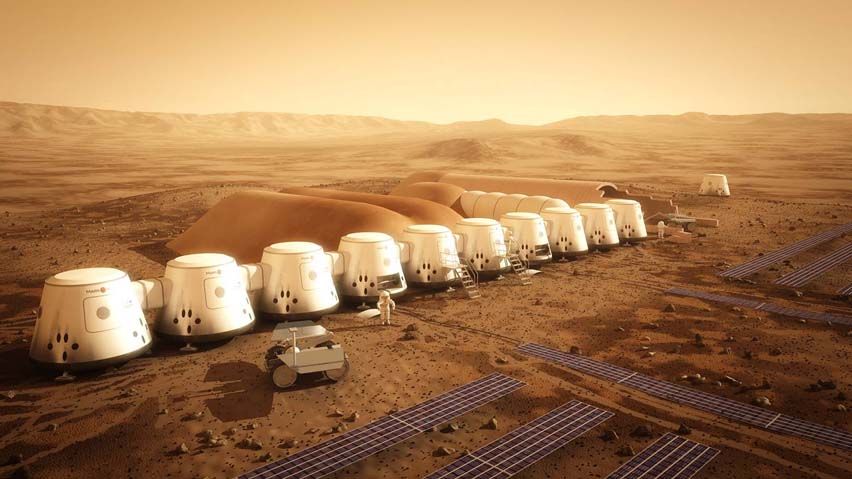
Given the renewed interest of late in manned missions to Mars – from nonprofit organizations like Mars One, privatized transportation companies like SpaceX, and the unofficial plans to mount a manned mission to Mars by 2030 by NASA – these findings are reassuring. In addition to providing fuel for hydrogen fuel cells for a return craft, subsurface water will be a boon for settlers and terraformers down the road.

mars-one-brian-versteegLeshin confirmed a cubic foot of soil, as opposed to the tiny sample Curiosity analyzed, could yield nearly 2 pints of condensation when heated. So volunteers who are planning on signing up with Mars One, pack your buckets and stoves and be prepared to do a lot of condensing! And perhaps we can expect “moisture farms” to become the norm on a colonized Mars of the future.

Source: news.cnet.com

News From Space: Manned Europa Mission!

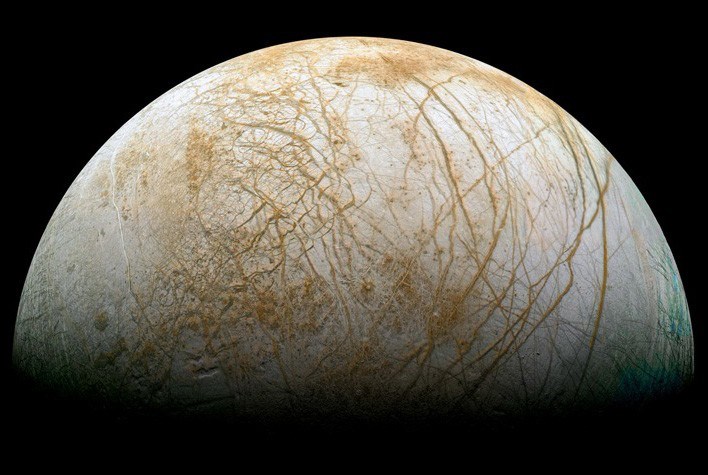
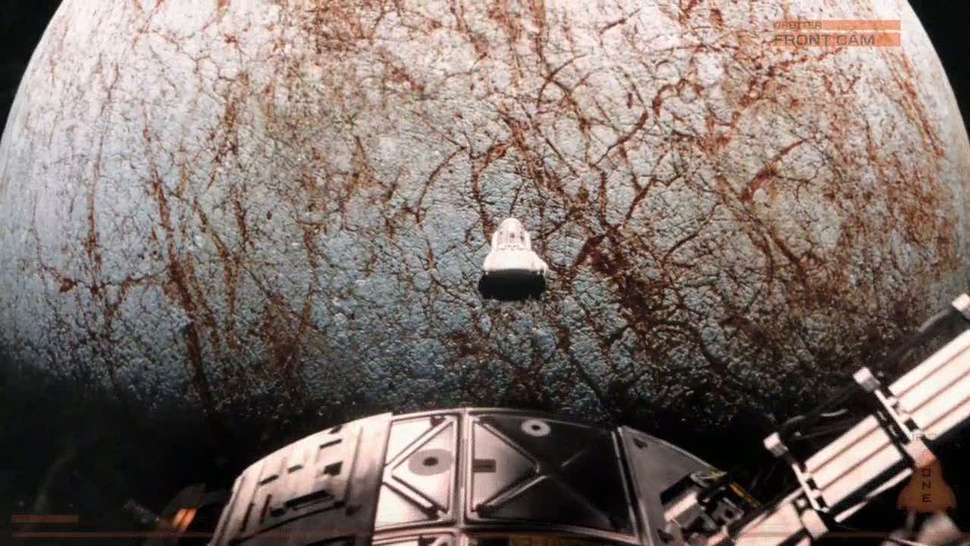
europa-landerWith so much attention focused on Mars in recent years, the other planets of the Solar System have a hard time getting noticed. But lately, Europa has found itself the subject of some interest. In addition to NASA proposing to send a lander there in the near future, a private space organization is thinking of mounting a manned mission to the Jovian moon in search of knowledge and extra-terrestrial life.

This organization is known as Objective Europa, a group made up of  volunteer scientists, conceptual artists, and social-media experts. At the moment, they exist only on the internet. But with time and financial backing, they hope to form a volunteer corps of settlers that would make a one-way trip to Europa and settle the planet while they researched it.

europa-lander-2Inspired by the recent missions to Mars, Objective Europa also believes a mission to this moon would be worthwhile since it is a far better candidate for extra-terrestrial life. Mars, though it is thought to have once hosted life, is a barren and dry world in its present state. Though many are holding out for the discovery of organic particles in the near future, the likelihood of finding any complex organisms larger than a microbe remains extremely low.

Not surprisingly, their group has attracted some big-name celebrities. This includes Kristian von Bengtson, a Danish architect and co-founder of Copenhagen Suborbitals, a nonprofit focused on launching humans into space. Then there’s Michele Faragalli, a rover mobility specialist for a NASA private contractor. Scientist and diver Pierre-Yves Cousteau, son of legendary explorer Jacques Cousteau, is also on the team as an ambassador for the group.

europa_reportCurrently, the group is in Phase 1 of their plan, which is geared towards the gathering of ideas. Towards this end, they have opened up a variety of research topics for discussion on their website. These include investigating the feasibility of a manned mission versus a robotic mission, launch vehicle studies, and cost analysis.Future phases would involve raising funds, and prototyping and testing technology.

What’s more, while they have not yet stated outright how they plan to fund the mission, it seems likely at this point that crowdfunding and sponsorship will come into play. As the goal statement reads on their site:

“Our purpose is to establish the foundation for and carry out a crewed mission to Jovian ice moon Europa through international crowd-research and participation.”

mars-one-brian-versteegIf this is beginning to sound a little bit like Mars One – a similar space organization looking to send volunteers to Mars – then chances are you’ve been paying attention! In terms of their purpose, objectives, and the fact that the trips they are planning would be a one-way, the two organizations are very similar. But even more interesting is what these and other space organizations like them represent.

In an age when private space travel and exploration are beginning in earnest, crowdfunded, volunteer groups are emerging with the common goal of making things happen ahead of anyone else’s schedule. Whereas space was once the exclusive province of government-sanctioned and funded agencies, now the public is stepping in to assume a measure of control.

And thanks to new media and communications, the money, talent, and energy needed are all available. It’s just a matter of bringing them all together!

Source: news.cnet.com
News From Space: The Antares Rocket Launch!

antares_launch1Commercial space flight got a shot in the arm just two days ago thanks to the flawless launch of the privately developed Antares rocket from the NASA Wallops Flight Facility in Virginia. On board was the first of many Cygnus craft, a commercial unmanned cargo resupply vehicle that is now making its way to the ISS in orbit. It was a day of firsts, and signaled the beginning of a new space race.
For starters, it was the first time the launchpad in Virginia was used, not to mention the maiden flight of a Cygnus craft. But perhaps most importantly, it was the first time in a long time that supplies and equipment were bound for the International Space Station from American soil. Since its cancellation in 2011, NASA’s space program has been forced to rely on the Russians and an aging fleet of Soyuz rockets to send astronauts and supplies into orbit.

spaceX_elonmuskAnd, as already noted, it was a big day for commercial space flight, since both the Antares and the Cygnus were produced by the Orbital Sciences Corporation. For some time now, SpaceX has been leading the charge to develop rockets and spacecraft for private commercial use. Now, with NASA awarding OSC contracts to restore America’s ability to mount resupply missions, it seems they might have some competition.

The “picture perfect” blastoff took place at 10:58 a.m. EDT on the morning  of Sept. 18 from Virginia and was witnessed by a large crowd of spectators. The launch was reported as being incredibly beautiful as the rockets two stage engines spewed intensely bright flames and send out reverberations that wowed the people watching and woke people who were still asleep in the nearby community of Chincoteague.

antares_deploymentAnother historic first that bears mentioning is the fact that this latest mission happens to be the heaviest cargo load ever delivered to the ISS by a commercial vehicle. And by awarding contracts for such missions to private companies, NASA hopes to be able to free more of its budget up for long-term missions. These include exploration beyond low earth orbit, getting people back to the Moon and beyond to deep space destinations including Asteroids and Mars.

NASA Administrator Charles Bolden spoke glowingly of the launch in a statement and praised OSC for their role in making it happen:

Today marks a milestone in our new era of exploration as we expand the capability for making cargo launches to the International Space Station from American shores.  Orbital’s extraordinary efforts are helping us fulfill the promise of American innovation to maintain our nation’s leadership in space.

According to ongoing mission updates, the Cygnus spacecraft successfully unfurled its solar panels starting 1.5 minutes after separation from the second stage, which took place about 10 minutes after launch. Currently, Cygnus is traveling at 28,000 km/h (17,500 mph) and will rendezvous with the space station on Sunday, Sept. 22.

antares_launch2Once there, the cargo vessel will deliver about 590 kilograms (1,300 pounds) of cargo, including food, clothing, water, science experiments, spare parts and gear to the Expedition 37 crew. The flight, known as Orb-D1 is a demonstration mission to prove that Cygnus can conduct a complex series of maneuvers in space safely bringing it to the vicinity of the ISS.

And once the mission is complete and the supplies delivered, we can expect to be hearing about more missions like this one! Between SpaceX’s Dragon module, the Cygnus, and both companies ongoing rocket tests, space will is likely to become the new frontier where private enterprises carry out their endless dance of competition.

And of course, there are some cool videos of the launch to behold. So behold!

Time-lapse video of Antares deployment:


Antares launch:


Sources:
universetoday.com, (2)

Timeline of the Future…

hyperspace4I love to study this thing we call “the future”, and began to do so as a hobby the day I made the decision to become a sci-fi writer. And if there’s anything I’ve learned, its that the future is an intangible thing, a slippery beast we try to catch by the tail at any given moment that is constantly receding before us. And when predict it, we are saying more about the time in which we are living than anything that has yet to occur.

As William Gibson famously said: “…science fiction was always about the period in which it was written.” At every juncture in our history, what we perceive as being the future changes based on what’s going on at the time. And always, people love to bring up what has been predicted in the past and either fault or reward the authors for either “getting it right” or missing the mark.

BrightFutureThis would probably leave many people wondering what the point of it all is. Why not just wait and let the future tend to itself? Because it’s fun, that’s why! And as a science fiction writer, its an indispensable exercise. Hell, I’d argue its absolutely essential to society as a whole. As a friend of one once said, “science fiction is more of a vehicle than a genre.” The point is to make observations about society, life, history, and the rest.

And sometimes, just sometimes, predictive writers get it right. And lately, I’ve been inspired by sources like Future Timeline to take a look at the kinds of predictions I began making when I started writing and revising them. Not only have times changed and forced me to revise my own predictions, but my research into what makes humanity tick and what we’re up to has come a long way.

So here’s my own prediction tree, looking at the next few centuries and whats likely to happen…

21st Century:

2013-2050:

  • Ongoing recession in world economy, the United States ceases to be the greatest economic power
  • China, India, Russia and Brazil boast highest rates of growth despite continued rates of poverty
  • Oil prices spike due to disappearance of peak oil and costs of extracting tar sands
  • Solar power, wind, tidal power growing in use, slowly replacing fossil fuel and coal
  • First arcologies finished in China, Japan, Russia, India and the United States

arcology_lillypad

  • Humanity begins colonizing the Moon and mounts manned mission to Mars
  • Settlements constructed using native soil and 3D printing/sintering technology
  • NASA tows asteroid to near Earth and begins studies, leading to plans for asteroid mining
  • Population grows to 9 billion, with over 6 living in major cities across the all five continents
  • Climate Change leading to extensive drought and famine, as well as coastal storms, flooding and fires
  • Cybernetics, nanotech and biotech leading to the elimination of disabilities
  • 3D Construction and Computer-Assisted Design create inexpensive housing in developing world

europa_report

  • First exploratory mission to Europa mounted, discovers proof of basic life forms under the surface ice
  • Rome ordains first openly homosexual priests, an extremely controversial move that splits the church
  • First semi-sentient, Turing compatible AI’s are produced and put into service
  • Thin, transparent, flexible medical patches leading to age of “digital medicine”
  • Religious orders formed opposed to “augmentation”, “transhumanism” and androids
  • First true quantum computers roll off the assembly line

quantum-teleportation-star-trails-canary-islands-1-640x353

  • Creation of the worldwide quantum internet underway
  • Quantum cryptography leads to increased security, spamming and hacking begins to drop
  • Flexible, transparent smartphones, PDAs and tablets become the norm
  • Fully immersive VR environments now available for recreational, commercial and educational use
  • Carbon dioxide in the upper atmosphere passes 600 ppm, efforts to curb emissions are redoubled
  • ISS is retired, replaced by multiple space stations servicing space shuttles and commercial firms
  • World’s first orbital colony created with a population of 400 people

2050-2100:

  • Global economy enters “Second Renaissance” as AI, nanomachinery, quantum computing, and clean energy lead to explosion in construction and development
  • Commercial space travel become a major growth industry with regular trips to the Moon
  • Implant technology removes the need for digital devices, technology now embeddable
  • Medical implants leading to elimination of neurological disorders and injuries
  • Synthetic food becoming the rage, 3D printers offering balanced nutrition with sustainability

3dfood2

  • Canada, Russia, Argentina, and Brazil become leading exporters of foodstuffs, fresh water and natural gas
  • Colonies on the Moon and Mars expand, new settlement missions plotted to Ganymede, Europa, Oberon and Titan
  • Quantum internet expanding into space with quantum satellites, allowing off-world connectivity to worldwide web
  • Self-sufficient buildings with water recycling, carbon capture and clean energy becomes the norm in all major cities
  • Second and third generation “Martians” and “Loonies” are born, giving rise to colonial identity

asteroid_foundry

  • Asteroid Belt becomes greatest source of minerals, robotic foundries use sintering to create manufactured products
  • Europe experiences record number of cold winters due to disruption of the Gulf Stream
  • Missions mounted to extra-Solar systems using telexploration probes and space penetrators
  • Average life expectancy now exceeds 100, healthy children expected to live to 120 years of age
  • NASA, ESA, CNSA, RFSA, and ISRO begin mounting missions to exoplanets using robot ships and antimatter engines
  • Private missions to exoplanets with cryogenically frozen volunteers and crowdfunded spaceships

daedalus_starship_630px

  • Severe refugee crises take place in South America, Southern Europe and South-East Asia
  • Militarized borders and sea lanes trigger multiple humanitarian crises
  • India and Pakistan go to war over Indus River as food shortages mount
  • China clamps down on separatists in western provinces of Xinjian and Tibet to protect source of the Yangtze and Yellow River
  • Biotechnology begins to grow, firms using bacteria to assemble structural materials

geminoid

  • Fully sentient AIs created and integrated into all aspects of life
  • Traditionalist communities form, people seeking to disconnect from modern world and eschew enhancement
  • Digital constructs become available, making neurological downloads available
  • Nanotech research leading to machinery and materials assembled at the atomic level
  • Traditional classrooms giving way to “virtual classrooms”, on-demand education by AI instructors
  • Medical science, augmentation, pharmaceuticals and uploads lead to the first generation of human “Immortals”

space_debris

  • Orbital colonies gives way to Orbital Nexus, with hundreds of habitats being established
  • Global population surpasses 12 billion despite widespread famine and displacement
  • Solar, wind, tidal, and fusion power replace oil and coal as the dominant power source worldwide
  • Census data shows half of world residents now have implants or augmentation of some kind
  • Research into the Alcubierre Drive begins to bear experimental results

alcubierre-warp-drive-overview22nd Century:

2100-2150:

  • Climate Change and global population begin to level off
  • First “Neural Collective” created, volunteers upload their thought patterns into matrix with others
  • Transhumanism becomes established religion, espousing the concept of transcendence
  • Widespread use of implants and augmentation leads to creation of new underclass called “organics”
  • Solar power industry in the Middle East and North Africa leading to growth in local economies
  • Biotech leads to growth of “glucose economy”, South American and Sub-Saharan economies leading in manufacture of biomaterials
  • Population in Solar Colonies and Orbital Nexus reaches 100,000 and continues to grow

asteroid_belt1

  • Off-world industry continues to grow as Asteroid Belt and colonies provide the majority of Earth’s mineral needs
  • Famine now widespread on all five continents, internalized food production in urban spaces continues
  • UN gives way to UNE, United Nations of Earth, which has near-universal representation
  • First test of Alcubierre FTL Drive successful, missions to neighboring systems planned
  • Tensions begin to mount in Solar Colonies as pressure mounts to produce more agricultural goods
  • Extinction rate of wild animals begins to drop off, efforts at ecological restoration continue
  • First attempts to creating world religion are mounted, met with limited success

networked_minds

  • Governments in most developed countries transitioning to “democratic anarchy”
  • Political process and involvement becoming digitized as representation becomes obsolete
  • “Super-sentience” emerges as people merge their neural patterns with each other or AIs
  • Law reformed to recognize neural constructs and AIs as individuals, entitled to legal rights
  • Biotech research merges with AI and nanotech to create first organic buildings with integrated intelligence

2150-2200:

  • Majority of the world’s population live in arcologies and self-sufficient environments
  • Census reveals over three quarters of world lives with implants or augmentation of some kind
  • Population of Orbital Nexus, off-world settlements surpasses 1 million
  • First traditionalist mission goes into space, seeking world insulated from rapid change and development
  • Labor tensions and off-world riots lead to creation of Solar policing force with mandate to “keep the peace”

Vladivostok-class_Frigate

  • First mission to extra=Solar planets arrive, robots begin surveying surface of Gliese 581 g, Gliese 667C c, HD 85512 b, HD 40307 g, Gliese 163 c, Tau Ceti e, Tau Ceti f
  • Deep space missions planned and executed with Alcubierre Drive to distant worlds
  • 1st Wave using relativistic engines and 2nd Wave using Alcubierre Drives meet up and begin colonizing exoplanets
  • Neighboring star systems within 25 light years begin to be explored
  • Terraforming begins on Mars, Venus and Europa using programmed strains of bacteria, nanobots, robots and satellites
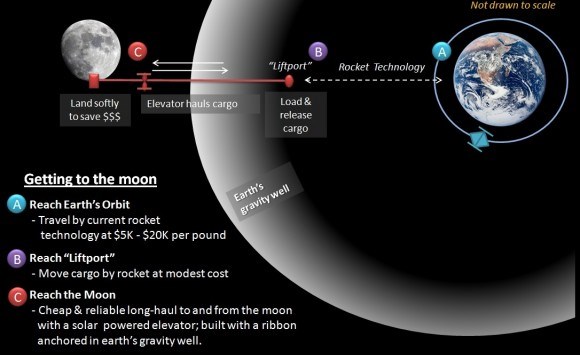
  • Space Elevator and Slingatron built on the Moon, used to transport people to space and send goods to the surface

space_elevator_lunar1

  • Earth’s ecology begins to recover
  • Natural species are reintroduced through cloning and habitat recovery
  • Last reported famine on record, food production begins to move beyond urban farms
  • Colonies within 50 light years are established on Gliese 163 c, Gliese 581 g, Gliese 667C c, HD 85512 b, HD 40307 g, Tau Ceti e, Tau Ceti f
  • Off-world population reaches 5 million and continues to grow
  • Tensions between Earth and Solar Colonies continue, lead to demands for interplanetary governing body
  • Living, breathing cities become the norm on all settled worlds, entire communities build of integrated organic materials run by AIs and maintained by programmed DNA and machinery

self-aware-colony

23rd Century and Beyond:

Who the hell knows?

*Note: Predictions and dates are subject to revision based on ongoing developments and the author’s imagination. Not to be taken literally, and definitely open to input and suggestions.

News From Space: Asteroids in the Bag!

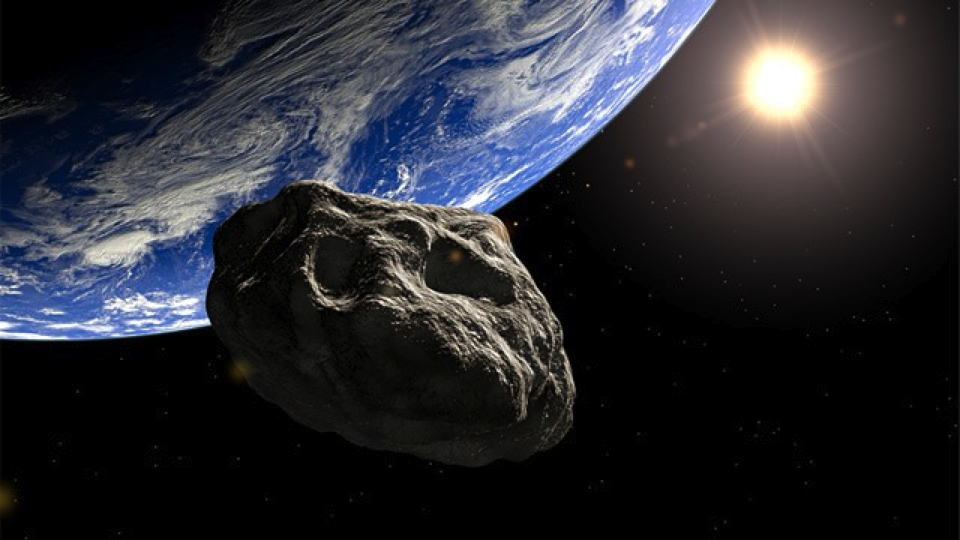
asteroid_earthFor some time, NASA has been forthright about its plans to tow an asteroid closer to Earth for the sake of study. As part of their long-term goals, this plan calls for the capture of a Near Earth Object (NEO) and positioning it at one of two Lagrange Points before conducting research on it. And late last month, they released plans on how they intend to go about doing this.

The first step, picking and choosing a potential target, would be handled by the telescope known as the Wide Field Infrared Survey Explorer (WISE). Launched in 2009, this telescope was charged with a two-year mission to image 99% of the visible sky in infrared wavelengths. Once this mission was successfully completed, NASA reassigned the craft a second four-month mission to track and discover near-Earth objects (NEOs).

orion_asteroidOnce that’s done, the next phase of the mission will involve launching an unmanned probe to intercept the NEO and drag it back into a retrievable position, probably by wrapping a bag around it. While this might sound improbable, keep in mind NEOs are rather small, and a bag of high-tensile material would do the trick. A crew would then be dispatched on an Orion capsule mated to the upcoming heavy rocket known as the Space Launch System to retrieve samples of the asteroid and return them to Earth.

Despite troubles getting the US Congress to approve a budget necessary to mount a capture mission, NASA remains committed to the plan, mainly because of the benefits it would entail. Many of these small asteroids are thought to contain minerals from the very early stages of the solar system’s formation, which means they’d be a useful means of investigating theories on how planets and planetoids form.

orion_captureIn addition, studying NEOs is also essential in creating safeguards against them striking Earth. The Russian meteorite explosion earlier this year put a new emphasis on the importance of tracking small asteroids, as the object that detonated in the skies above Chelyabinsk was too small to have been detected by other means. Much like many small asteroids, NEOs are too small to reflect visible light and must be tracked by infrared imaging.

Ultimately, bagging and dragging one of the smaller ones may be the only way to successfully study them and find ways to divert the larger ones. And a mission of this nature would stretch NASA’s unmanned capabilities for probes and satellites — a useful factor when discussing exploration of targets like Europa or Titan. It would also serve as a test of the Orion capsule and SLS, which are the intended means of getting astronauts to Mars by 2030.

asteroid_neo_studyNASA’s news release included a series of photos and a video animation of how the capture operation would take place, which included crew operations, the Orion spacecraft’s trip to and rendezvous with the relocated asteroid, as well as astronauts maneuvering through a spacewalk to collect samples from the asteroid.

NASA will also be hosting a technical workshop at the Lunar and Planetary Institute in Houston from Sept. 20th to Oct. 2nd to discuss potential ideas, and is looking for public input. Virtual participation will also be available to the public, and details on how to participate will become available soon. Stay tuned for updates, or check in with Universe Today, who is following the story.

And be sure to check out NASA’s video on what the NEO capture would look like. And check out more of pictures at NASA’s Asteroid Initiative website.


Sources:
extremetech.com
, universetoday.com, nasa.gov

News From Space: Walk on Mars with VR

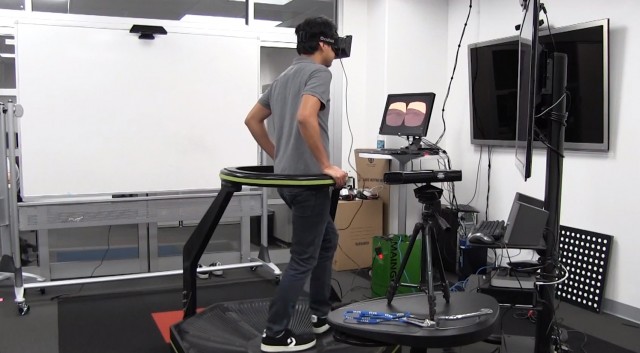
oculus-rift-omni-treadmill-mars-nasa-640x353Virtual Reality, which was once the stuff of a cyberpunk wet dream, has grown somewhat stagnant in recent years. Large, bulky headsets, heavy cables, and graphics which were low definition and two-dimensional just didn’t seem to capture the essence of the concept. However, thanks to the Oculus Rift, the technology known as Virtual Reality has been getting a new lease on life.

Though it is still in the development phase, the makers of the Oculus Rift has mounted some impressive demos. Though still somewhat limited – using it with a mouse is counter-intuitive, and using it with a keyboard prevents using your body to scan virtual environments –  the potential is certainly there and the only question at this point is how to expand on it and give users the ability to do more.

Oculus-RiftOne group that is determined to explore its uses is NASA, who used it in combination  with an Omni treadmill to simulate walking on Mars. Already, the combination of these two technologies has allowed gamers to do some pretty impressive things, like pretend they are in an immersive environment, move, and interact with it (mainly shooting and blowing things up), which is what VR is meant to allow.

NASA’s Jet Propulsion Laboratory, however, went a step beyond this by combining the Omni and a stereoscopic 360-degree panorama of Mars to create a walking-on-Mars simulator. The NASA JPL team was able to give depth to the image so users could walk around an image of the Martian landscape. This is perhaps the closest normal folks will ever get to walking around on a “real” alien planet.

omni_treadmillAlong with the Martian terrain, JPL created a demo wherein the user could wander around the International Space Station. The JPL team also found that for all the sophisticated imagery beamed back to Earth, it is no substitute for being immersed in an environment. Using a rig similar to the Rift and Omni could help researchers better orient themselves with alien terrain, thus being able to better plan missions and experiments.

Looking to the long run, this kind of technology could be a means for creating “telexploration” (or Immersive Space Exploration) – a process where astronauts would be able to explore alien environments by connecting to rover’s or satellites camera feed and controlling their movements. In a way that is similar to teleconferencing, people would be able to conduct true research on an alien environment while feeling like they were actually in there.

mars-180-degrees-panorama_croppedAlready, scientists at the Mars Science Laboratory have been doing just that with Curiosity and Opportunity, but the potential to bring this immersive experience to others is something many NASA and other space scientists want to see in the near future. What’s more, it is a cheap alternative to actually sending manned mission to other planets and star systems.

By simply beaming images back and allowing users to remotely control the robotic platform that is sending them, the best of both worlds can be had at a fraction of the cost. Whats more, it will allow people other than astronauts to witness and feel involved in the process of exploration, something that social media and live broadcasts from space is already allowing.

As usual, it seems that the age of open and democratic space travel is on its way, my friends. And as usual, there’s a video clip of the Oculus Rift and the Omni treadmill bringing a walk on Mars to life. Check it out:


Sources:
extremetech.com, engadget.com

New Space: “Sail Rover” to Explore Mercury

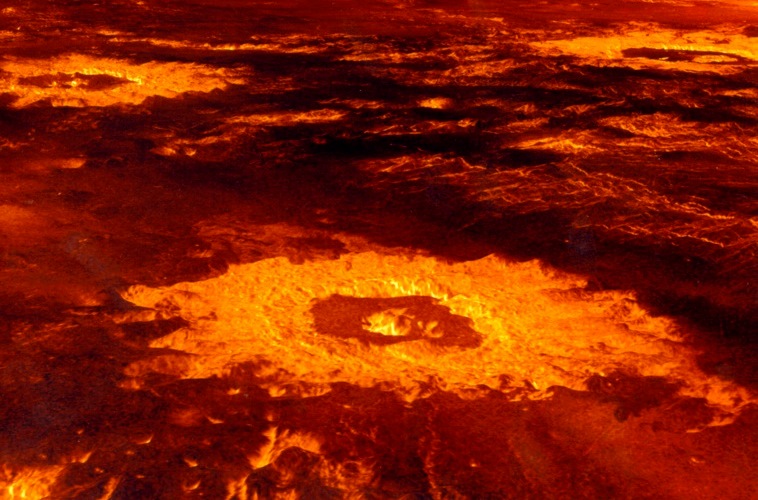
zephyr-580x435In addition to their ongoing plans to explore Mars for signs of life, the Jovian moon of Europa, and tow an asteroid closer to Earth, NASA also has plans to explore the surface of Venus. For decades, scientists have been yearning to get a closer look at this world’s pockmarked surface, but the volcanic activity, clouds of sulfuric acid and extreme heat are not exactly favorable to robotic rovers.

But according to NASA’s Innovative Advanced Concepts program, a windsailing rover could be just the means through which the hellish surface environment could be surveyed. This rover, nicknamed Zephyr, would use the high speeds and hot temperatures of Venus to its advantage, deploying a sail after entering the atmosphere and sailing to the ground.

mercury_surfaceThe rover would not be able to move around the surface, but would have electronics inside that are able to withstand the temperatures of 450 degrees Celsius (840 degrees Fahrenheit). Whenever the science team wanted to move some distance, however, they would deploy another sail that could use the wind to transport it across the surface. But mainly, the rover would remain on the ground conducting surface analysis.

Geoffrey Landis, who is with NASA’s Glenn Research Center and a part of the project to develop Zephyr, has long been an advocate of exploring Venus. This has included using solar powered airplane to explore the atmosphere, and colonizing the planet with floating cities. On the subject of Zephyr, he stated that:

A sail rover would be extraordinary for Venus. The sail has only two moving parts-just to set the sail and set the steering position-and that doesn’t require a lot of power. There’s no power required to actually drive. The fundamental elements of a rover for Venus are not beyond the bounds of physics. We could survive the furnace of Venus if we can come up with an innovative concept for a rover that can move on extremely low power levels.

venus_terraformedIn addition to providing volumes of information on the planet’s, exploring the surface of Venus could yield some interesting clues as to how it came to look like something out of Dante’s Inferno. It has been suggested that at one time, Venus may have boasted an atmosphere and surface water similar to Earth’s, but was transformed into a toxic nightmare thanks to a runaway Greenhouse Effect.

Studying how this came to happen would go a long way to helping scientists understand Climate Change here on Earth, and as well as give them the chance to test out possible solutions. And of course, any working solutions might go a long way towards terraforming Venus itself, which is something many scientists are currently advocating since it might be cheaper and less time consuming than transforming Mars.

Then again, if the resources and budget are there, there’s no reason why we can’t try to retool both for human settlement. After all, we might not have much a choice in the coming centuries. Human beings aren’t exactly known for their slow population growth or conservation skills!

Source: universetoday.com

News From Space: We Come From Mars!

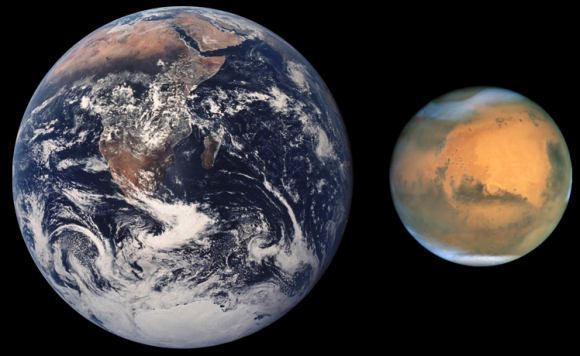
Mars_Earth_Comparison-580x356Men are from Mars, women are… also from Mars? That is the controversial theory that was proposed yesterday at the annual Goldschmidt Conference of geochemists being held in Florence, Italy. The proposal was made by Professor Steven Benner of the Westheimer Institute of Science and Technology in Florida and is the result of new evidence uncovered by his research team.

The theory that life on Earth originated on Mars has been argued before, but has remained contentious amongst the scientific community. However, Benner claims that new evidence supports the conclusion that the Red Planet really is our ancestral home by demonstrating that the elements for life here could only form on Mars, and came here via a Martian meteorite.

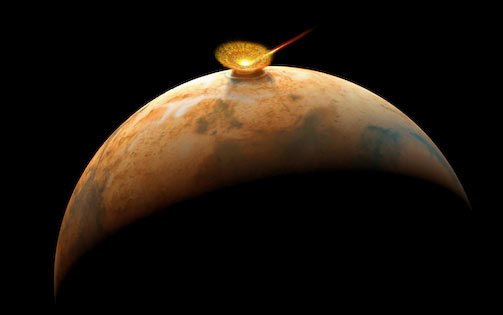
Asteroid-Impacts-MarsAccording to the theory, rocks violently flung up from the Red Planet’s surface during mammoth collisions with asteroids or comets then traveled millions of kilometers across interplanetary space to Earth. Once they reached Earth’s atmosphere. they melted, heated and exploded violently before the remnants crashed into the solid or liquid surface.

All that would be needed is for a few of those space born rocks to contain microbes from Mars surface. These building blocks of life would have to survive the journey through space and the impact on Earth to make this happen. But research into Exogenesis – the possibility that life was transplanted on Earth by meteorites – has already shown that this is possible.

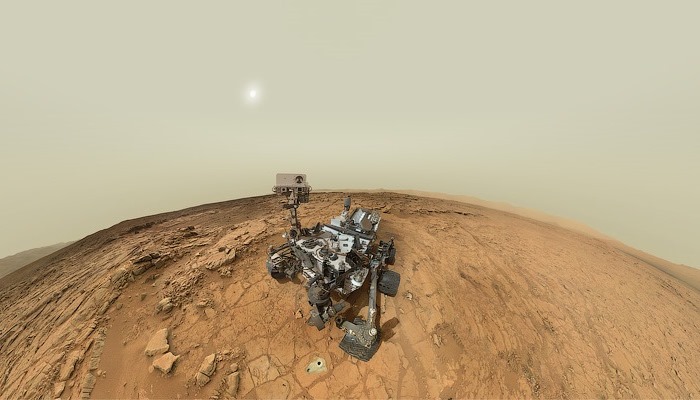
curiosity_sol-177-1What’s more, NASA’s Curiosity Rover was expressly created to search for the the environmental conditions that would support life. Less than half a year into its mission it accomplished just that, locating proof of the existence of water and a habitable zone. Between it and the Opportunity Rover, the search to determine if life still exists – in the form of organic molecules – continues and is expected to yield results very soon.

But of course, Benner was quick to point out that there is a difference between habitability (i.e. where can life live) and origins (where might life have originated). The presence organic molecules alone is not enough when it comes to the mystery of life’s creation, and when it comes to making the great leap between having the necessarily elements and the existence of living organisms, scientists remain hung up on two paradoxes.

These are known as the tar paradox and the water paradox, respectively. The former paradox addresses how life as we know it comes down to the presence of organic molecules, which are produced by the chemistry of carbon and its compounds. However, the presence of these compounds does not ensure the creation of life, and laboratory experiments to combine and heat them has only ever produced tar.

mars_lifeAs he puts it, the origin of life involves “deserts” and oxidized forms of the elements Boron (B) and Molybdenum (Mo) – namely borate and molybdate. Essentially, these elements are the difference between the formation of tar and RNA, the very building block of life:

Certain elements seem able to control the propensity of organic materials to turn into tar, particularly boron and molybdenum, so we believe that minerals containing both were fundamental to life first starting. Analysis of a Martian meteorite recently showed that there was boron on Mars; we now believe that the oxidized form of molybdenum was there too.

The second paradox relates to water, which is believed to be intrinsic for life to flourish, but can be also hazardous to its formation. According to modern research, RNA forms prebiotically, requiring mineral species like borate to capture organic elements before they devolve into tar and molybdate to arrange the material to give it ribose – organic sugars, also intrinsic to life.

Mars-snow-header-640x353This can only occur in deserts, he claims, because water is detrimental to RNA and inhibits the formation of borates and molybdates. And from a geological standpoint, there was simply too much water covering the early Earth’s surface to allow for this creation process to take place:

[W]ater is corrosive to RNA, which scientists believe was the first genetic molecule to appear. Although there was water on Mars, it covered much smaller areas than on early Earth. Various geologists will not let us have these [borates and molybdates] on early Earth, but they will let us have them on Mars. So IF you believe what the geologists are telling you about the structure of early Earth, AND you think that you need our chemistry to get RNA, AND IF you think that life began with RNA, THEN you place life’s origins on Mars,

All of this has served to throw the previously-held theory – that life came to Earth through water, minerals and organics being transported by comets – into disarray. Based on this new theory, comets are a bad candidate for organic life since they lack the hot, dry conditions for borate and molybdate formation.

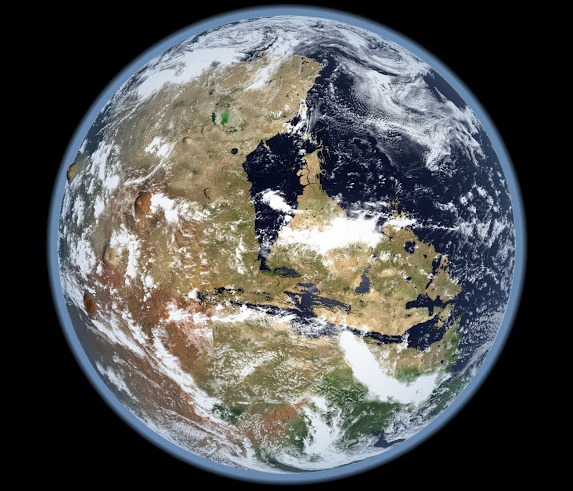
Living-Mars.2If the new theory is to be believed, Mars boasted the proper conditions to create the elements for life, while Earth possessed the water to help it flourish. If such a partnership is needed for the creation of organic life, then scientists will need to reevaluate the likelihood of finding it elsewhere in the universe. Between the existence of water and hot dry environments, life would seem to require more specialized conditions than previously though.

But of course, the debate on whether Earthlings are really Martians will continue as scientific research progresses and definitive proof is discovered and accepted by the majority of the scientific community. In the meantime, Curiosity is expected to rendezvous with Mount Sharp sometime next spring or summer, where it will determine if organic molecules and elements like Boron and Molybdenum exist there.

And on Nov. 18th, NASA will launch its next mission to Mars – the MAVEN orbiter – which will begin studying the upper Martian atmosphere for the first time, determining its previous composition, and where all the water went and when was it lost. So we can expect plenty more news to come to us from our neighboring Red Planet. Wait and see!

Source: universetoday.com

A Menu for the Mars Mission

hi-seas1Throughout the summer, six people participated in an experiment designed to test how people will deal with the physical and psychological strangeness of a manned space journey. Known as the “Hawaii Space Exploration Analog and Simulation” (HI-SEAS) study, the research took place on a desolate slope of an abandoned quarry in Hawaii, 8,000 feet above sea level.

Here, the volunteers lived in a two-story geodesic dome and put on a full space suit to venture outside. Their communications were limited, their shower time rationed, and each spent much of their time conducting individual “space” experiments. But most importantly, they were eating food fit for a Mars astronaut. This was the main purpose of the experiment, testing the menu that manned missions to Mars will have to offer.

hi-seas2For years now, scientists have been trying to find ways to make astronaut food more palatable. In space, the food is either dehydrated and requires water and heat to process, or is rendered in liquid form that has to be drunk right out of the package. But on Mars, where there would be gravity, astronauts could actually cook their own food from “shelf-stable” ingredients.

The goal of the HI-SEAS study, run by investigators at the University of Hawaii at Manoa and Cornell University, has been to figure out the best strategies for nourishing Mars astronauts. On any long and isolated mission, especially on one as long as a hypothetical Mars mission. “menu fatigue” is a real danger. Astronauts need to consume a set amount of calories a day, otherwise they might lose body mass and bone density.

Lemon Dill Pasta Salad

For the sake of testing the menu, the mission relied on a six-member crew of scientific-minded professionals who kept detailed logs of their food adventures. They filled out smell, taste, and appearance questionnaires for each meal; weighed each food item; tracked water consumption, cooking and cleanup time; and even monitored their sense of smell to see if food boredom had any physiological effects.

Another fun aspect was that they also tested crowdsourced recipes submitted by the public. Each recipe was limited to using the list of ingredients available. There was “Cajun Style Spam Jambalaya” and “Oatmeal Thickened Beef Stew” for dinner, “Blueberry Lemon Cornmeal Pancakes” for breakfast, and even a spicy veggie sushi as an appetizer.

"Dark Matter" cake
“Dark Matter” cake

Kate Greene, a science and technology journalist on the mission, had this to say about the menu:

I’ve enjoyed so many meals here, actually. A quinoa salad, breakfast tacos, borscht, beef tagine, and all the breads we make with our bread maker… We’ve also had cakes and puddings and pies, grilled cheese sandwiches and soups like seafood chowder.

With today’s technology, it could take as long as 300 days to even get there. But even with fully-stocked shelves, life on a Mars mission would still be a major challenge. In addition to fighting menu boredom, there was also the issue of regular boredom. Confined to their shelters and forced to wear space suits to go outside, the “astronauts” began to miss the everyday activities they used to take for granted.

hi-seas5As Greene indicated, she came to miss such things as walking about outside, biking, and swimming, and gained a new appreciation for her old life:

Something I realized about my day-to-day life on Earth is that it’s full of novelty. I see new people all the time and I go to different places. In the habitat, novelty has been a lot harder to come by, and it was subtle when I found it–a new recipe, a different way to arrange the furniture, or someone saying something completely out of character. When I noticed these slight changes, my joy and excitement was embarrassingly disproportionate.

On August 13th, Greene and her five colleagues emerged into the daylight without a spacesuit for the first time in months. After a media event and a debrief with the principal researchers on the NASA-funded project, they continued to sift through all of their research data, which ranged from scientific research, their food study, and even a record of their sleep cycles.

hi-seasmapAll of this information is likely to be very useful in coming years and decades. Back in August, on the one-year anniversary of the Curiosity Rover’s landing on Mars, NASA chief Charles Bolden said he believed that human footprints would follow in its path, and 2030 remains the projected date for putting those boots on the Red Planet.

Sources: fastcoexist.com, hi-seas.org