WordPress Tag!

wordpress_cloudMy thanks to Rami for tagging me in the latest round of WordPress Tag! This means I have to answer the following questions and then send some tags out of my own. So lets get this party started…

What are you currently working on?
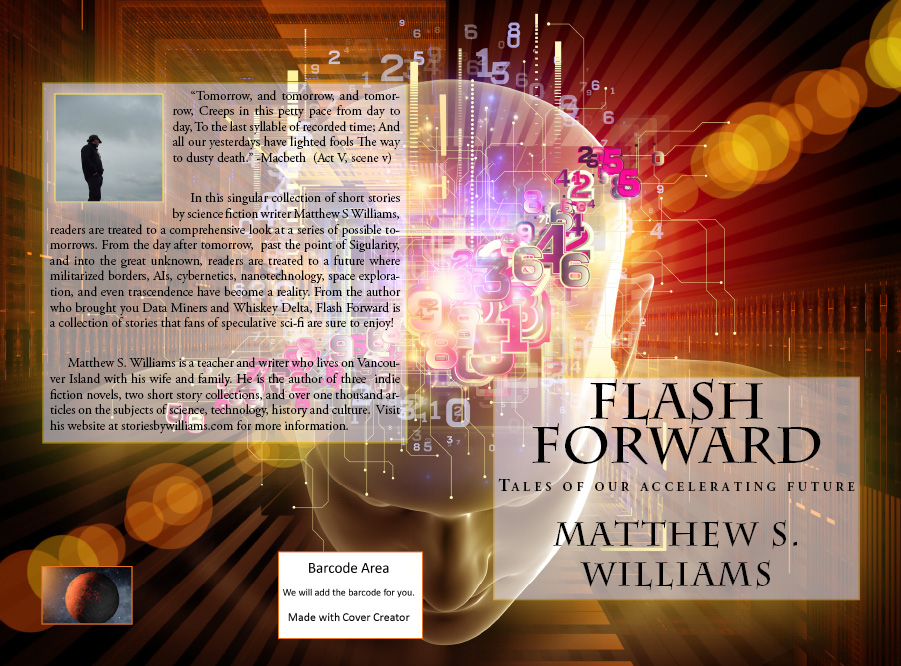
Having finished with my second zombie book (Papa Zulu), I’m now working full-tilt to finish my anthology of science fiction short stories. It’s called Flash Forward, and contains short pieces of fiction that deal with subjects ranging from climate change, militarized borders, drone warfare, neural downloads, cybernetic augmentation, space travel, and cosmic evolution.

How does your work differ from other authors in the genre?
These days, most authors I know are writing in the dystopian sci-fi genre. Somehow, with the growth of the YA market and the popularity of books like The Hunger Games and Divergent, the whole dark future theme seems to be making a big comeback. But I want to deal with future scenarios that are in keeping with current trends, addressing the impending Technological Singularity, Climate Change, and how the interaction of these two forces will shape the coming decades and centuries.

Why do you write what you do?
Because I have this obsession with recreating the kind of things that inspire me. The books that have done the best job of that in the past were always works that captured the zeitgeist of the age, making predictions about the future in order to tell a story about the here and now. It’s been my hope for almost two decades now that I could create something that would do the same thing for others.

How does your writing process work?
My mind is constantly dreaming of things that inspire me and looking for new ideas. I try to feed it as best I can with research and the latest in science, tech, history and geopolitics, until such time as a breakthrough comes and I begin to plot it all out. Then, once I have a framework in place, I start field testing it out by writing the first few chapters and seeing if it has traction. Once that’s done, the story begins to evolve and take on a life of its own. Some don’t make it to fruition, but others do.

And now I tag three writers:
I nominate the following three people for the next round:

Goran Zidar

Emily Guido

Deirdra Alexander

Good luck!

NBC’s Community and Subtle References to Dystopia

Community-Poster-630x336You know me, I’m not really in the habit of reviewing television shows that don’t involve a science fiction plot or zombies. But Community is one of my favorite shows currently on TV, and this past week they did an episode that I found absolutely brilliant. Starting with the premise of a new social utility app that let’s people rank others, it then got into some serious dystopian lit territory!

To break it down, the setting of the show – Greendale Community College – becomes the beta testing ground for an app called MeowMeow Beenz. This gives people the chance to rate each other the same way they would a movie or product online, and it becomes a big hit on the campus. Quickly, people realize that ratings made by people with five beenz (five kitty faces) carry more weight, and a social hierarchy is formed!

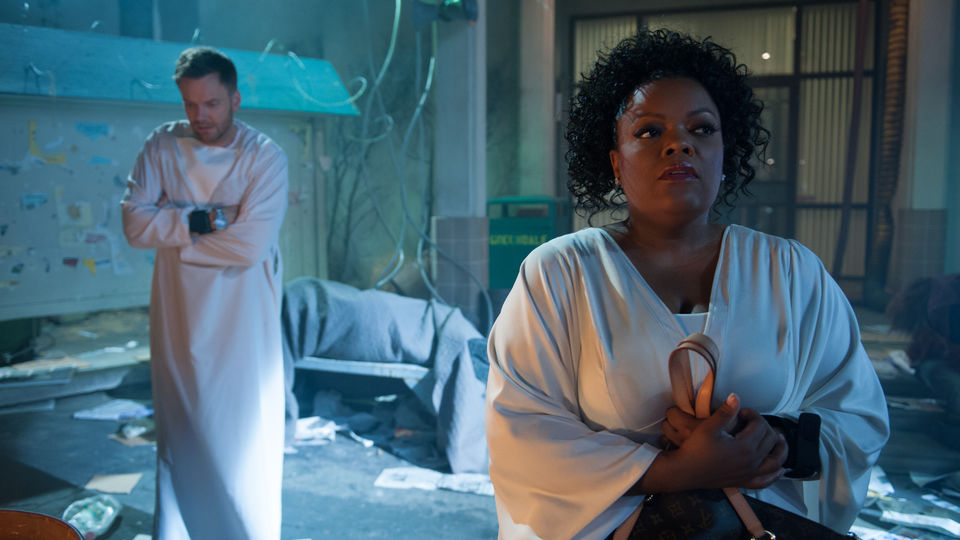
Community - Season 5That’s when all the dystopian imagery comes into play. The school is then rezoned based on people’s rating and everyone is forced to dress accordingly. The fives live in pastel covered room, wear white robes and futuristic looking devices, and are waited on hand and foot. Four’s dress like something out of Logan’s Run and live in the halls adjacent to them, where they aspire to become fives.

Threes and Two live in the “common area” where things are darkly lit, everyone dresses in grey coveralls, and the voice of dean informs them over the PA that “tranquility is advancement… a happy three is a future four”. And one’s are banished to the “outland”, which is the campus grounds that have now been redecorated with barbed wire, search lights, and fires in metal drums.

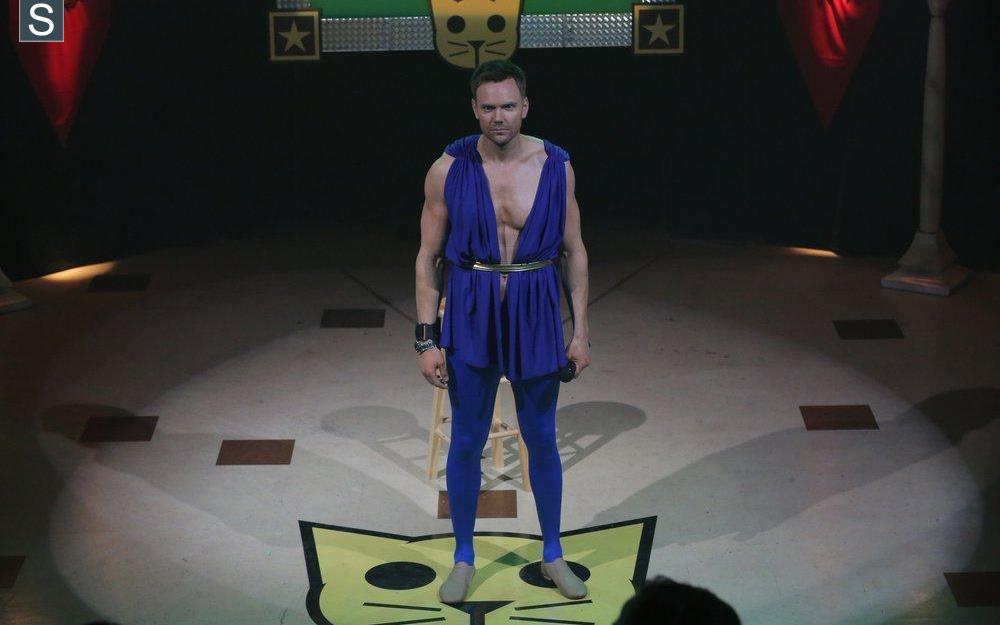
community_app2Eventually, the Fives try to appease the masses by holding a talent contest where the winner will receive Five status. Jeff and Britta, two of the show’s MCs plot to bring it down by getting Jeff to win and then denounce the rating system. But after he wins the contest – which is a clear allusion to American Idol and so many other reality TV tropes – he joins the Fives and tries to become its new leader.

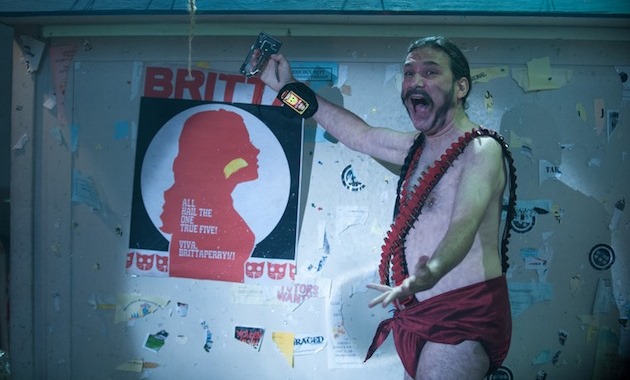
Meanwhile, Britta – disillusioned by his betrayal – goes amongst the Twos and Threes and foments a revolution,  replacing the rule of the Fives with a system of revolutionary justice where the Ones run things. As the leader, she is called “the Mother of Ones”, and judges all the fives by “reducing them to Oneness” – i.e. reducing their status to make them the same as everyone else.

??????????????????????????????????????????????????????????????????????????????????????????????????????????????But in the end, Jeff points out the cruel irony that the app developers have played on them. It asks people to rate each other, but the beta test ended days ago and the app itself is already available and rated FIVE STARS. He tells everyone that they must rate this “unregistered Five” by erasing it, and they all do. Realizing it’s Saturday, everyone then leaves school and goes home to sleep.

I tell ya, it was brilliant! Not only did it capture the essence of so many 20th century dystopian epics – showing how a hierarchical system based on fear, greed, the promise of advancement and propaganda can so easily take over. It also captured the very dangers of a revolutionary movement which seeks to replace such a system with one of forced equality, led by a tyrannical mother/father figure.

we_zamyatinIt also managed to provide some fitting satire on reality TV, the very way it conforms to some of our earlier dystopian predictions, and how the drive to be popular and famous is responsible for a great deal of angst in America and the world. Top all that off with some stabs at Zuckerberg, Facebook, and social utility apps in general, and you’ve got yourself a kickass episode!

And at one point, there’s was even a subtle reference to Yevgeny Zamyatin’s WE, the classic novel that inspired Orwell to write 1984 and presumably, Huxley to write Brave New World (though he denied it). At one point, two of the show’s characters are hiding in an office, and label that reads D-503 is on the door. This just happens to be the designation of the main character in WE, as no one in the One State has actual names anymore.

This is the reason I love this show. Dan Harmon, the show’s producer, knows great television, has great writers, and loves being all meta! In fact, that’s something they repeatedly say in the show: “that’s meta!” If you haven’t caught this show yet, then do so. It stars Chevy Chase (until the most recent season), is on Netflix (Canada, but not in the US), and makes hundreds of clever movie and television references.

Vote for Gliese 581g to be Renamed “Yuva”

alien-worldPeople who follow this blog may recall how, recently, I posted a story about Uwingu, a non-profit organization that sells the naming rights to exoplanets and (now) Martian craters. Well, as I explained in that last post, it’s not so much a matter of naming rights as naming suggestions, ones which are then voted on and then made into a crowdsourced map of an extra-terrestrial planet or the stars.

Far from this being some kind of scam or false promise, Uwingu does this in order to spur public participation in space exploration, and uses half of the proceeds to fund scientific research. After reading up on what they do and what the process for it all is, I began to think it might be fun for my writer’s group to pitch a suggestion of their own.

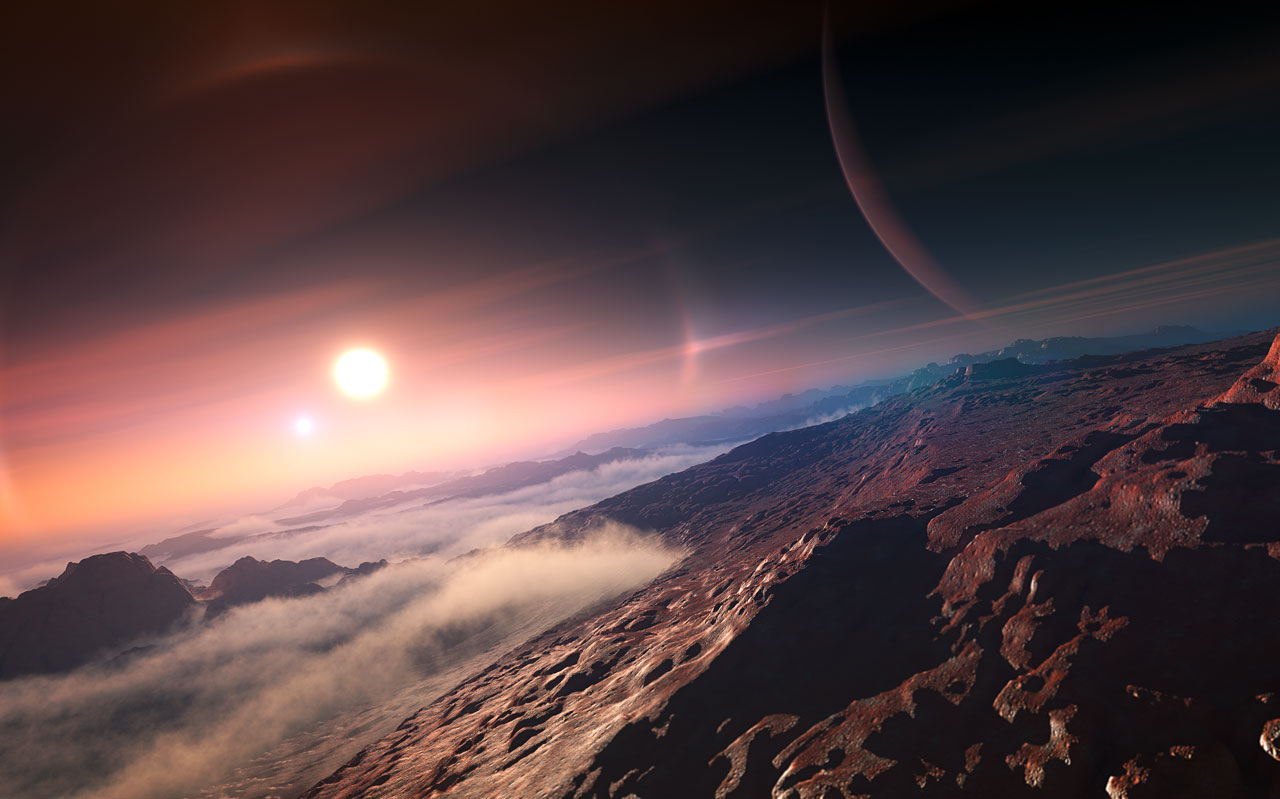
gliese_581gFor some time, we’ve been working on the Yuva Anthology – a series of shorts that tell the story of a future colonization effort on Gliese 581g. Not only is the planet real, but it was considered by NASA to be the most Earth-like exoplanet yet discovered in the known universe. So naturally I wondered, what if we voted to name it Yuva?

And now it’s been done! Uwingu has received my suggestion (and payment for the transaction), and printed me out the certification of authorization that you see below. Now all we need is people willing to spend $0.99 to make it a reality. Simply click here, select the name Yuva from the list, and confirm your payment of ninety-nine cents – but only if you’re comfortable doing so of course.

Uwingu_Certificate_19840Also, for those who’ve got a pile of digital currency just burning a hole in their accounts, be advised that you can vote as many times as you want. As the saying goes “vote early, vote often!” Just keep in mind that have to pay $0.99 each time you do. Unlike naming rights, there’s no bulk discount to be had here. That seem right to you?

Thank you in advance to anyone who supports this project and helps to make it a reality! And I do sincerely hope myself and my group can get the anthology out by this summer. It’s been a long haul, and coordinating the efforts of over a dozen writers is difficult at the best of times! Until next time, keep your eyes on the stars!

The Future is Here: VR Body-Swapping

simstimOne of the most interesting and speculative things to come out of the William Gibson’s cyberpunk series The Sprawl Trilogy was the concept of Simstim. A term which referred to “simulated stimulation”, this technology  involved stimulating the nervous system of one person so that they could experience another’s consciousness. As is so often the case, science fiction proves to be the basis for science fact.

This latest case of science imitating sci-fi comes from Barcelona, where a group of interdisciplinary students have created a revolutionary VR technology that uses virtual reality and neuroscience to let people see, hear, and even feel what it’s like in another person’s body. The focus, though, is on letting men and women undergo a sort of high-tech “gender swapping”, letting people experience what it’s like to be in the others’ shoes.

VR_simstim2Be Another Lab is made up of Philippe Bertrand, Daniel Gonzalez Franco, Christian Cherene, and Arthur Pointea, a collection of interdisciplinary artists whose fields range from programming and electronic engineering to interactive system design and neuro-rehabilitation. Together, the goal of Be Another Lab is to explore the concepts of empathy through technology, science, and art.

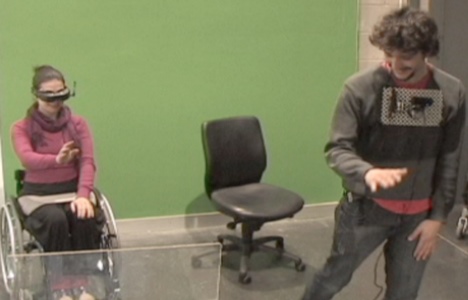
In most neuroscience experiments that examine issues of empathy and bias, participants “trade places” with others using digital avatars. If a study wants to explore empathy for the handicapped, for example, scientists might sit subjects down in front of a computer and make them play a video game in which they are confined to a wheelchair, then ask them a series of questions about how the experience made them feel.

BeanotherlabHowever, Be Another Lab takes a different, more visceral approach to exploring empathy. Instead of using digital avatars, the group uses performers to copy the movements of a subject. For example, racial bias is studied by having a subject’s actions mirrored by a performer of color. And for something like gender bias, men and women would take a run at living inside the body of one another.

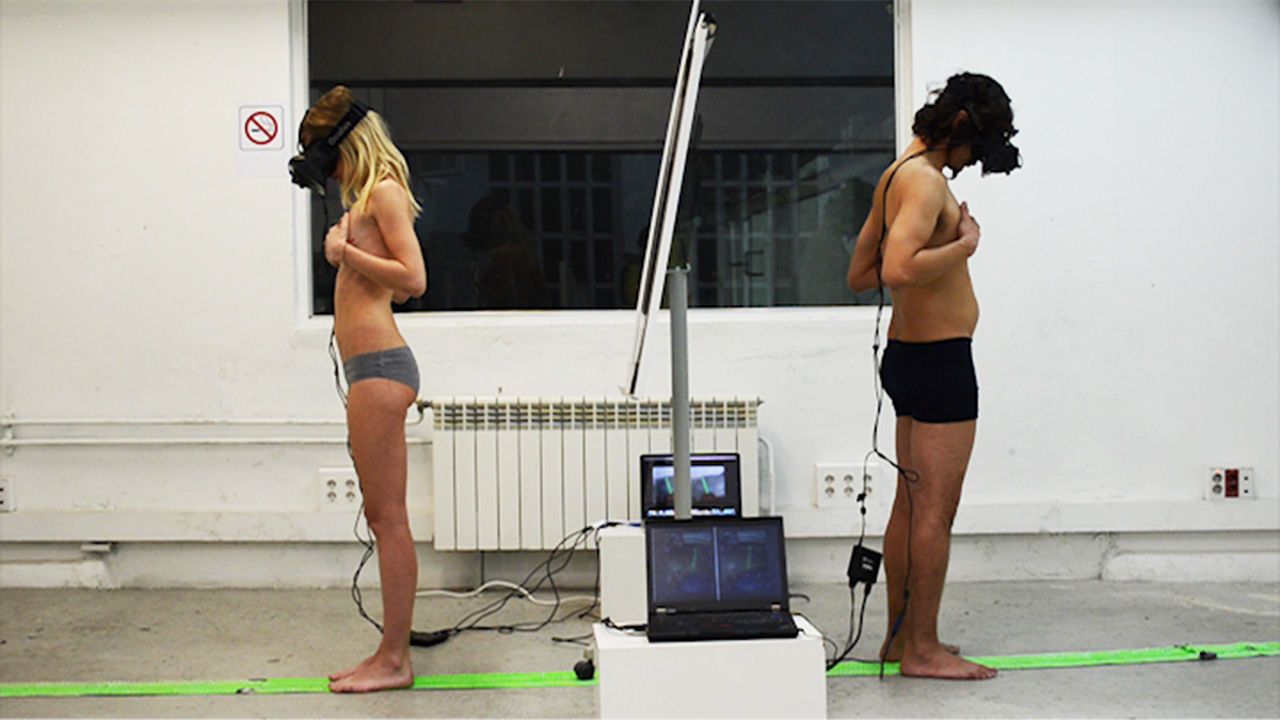
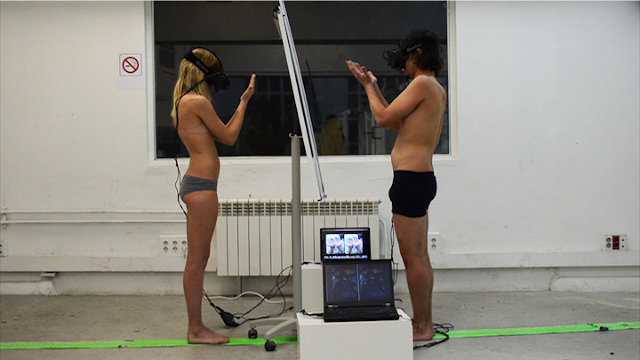
Bertrand and company have taken this approach to the next level by leveraging the tech of a paid Oculus Rift virtual reality headset, renaming it the Machine To Be Another. In the project, two participants stand in front of one another, put on their headsets, and effectively see out of one anothers’ eyes. When they look at each other, they see themselves. When they speak, they hear the other person’s voice in their ears.

VR_simstim1But things don’t end there! Working together, the two participants are encouraged to sync their movements, touching objects in the room, looking at things, and exploring their ‘own’ bodies simultaneously. Bertrand explains the experience as follows:

The brain integrates different senses to create your experience of the world. In turn, the information from each of these senses influences how the other senses are processed. We use these techniques from neuroscience to actually affect the psychophysical sensation of being in your body.

In other words, in combination with being fed video and sound from their partner’s headset, by moving and touching things at the same time, the Machine To Be Another can actually convince people that they are in someone else’s body as long as the two partners remain in sync.

VR_simstimIt’s a radical idea that Be Another Lab is only beginning to explore. Right now, their experiments have mostly focused on gender swapping, but the team hopes to expand on this and tackle issues such as transgender and homosexuality. The group is currently looking to partner with various organizations, experts and activists to help them further perfect their techniques.

It’s a unique idea, giving people the ability to not only walk a mile in another’s shoes, but to know what that actually feels like physically. I can foresee this sort of technology becoming a part of sensitivity training in the future, and even as education for sex offenders and hate criminals. Currently, such training focuses on getting offenders to empathize with their victims.

What better way to do that than making them see exactly what it’s like to be them? And in the meantime, enjoy this video of the Machine To Be Another in action:


Source:
fastcodesign.com

2014’s Master To-Do List

Colourful 2014 in fiery sparklersWith this year in full swing and the events of 2013 now a memory, I thought it was high time to take stock of everything I need to do in the coming twelve months. As always, I got a lot of projects in the works and plenty of things I want to get done, some of which I was supposed to be finished with already. And I seem to recall mentioning a few of these items in the course of my New Year’s resolutions…

So here goes…

1. Finish Editing Papa Zulu and Release It:
Now this is one I’ve been letting linger for quite some time! Originally, I had hoped to have this book ready a year ago, but editing has proven to be a more arduous process than previously expected. However, I got my trusty and professional editor (hi Leslie!) in my corner, and she’s editing both it and Whiskey Delta. So sometime before the Spring season hits us, I plan to release the one and re-release the other. It will be a kind of one-two, launch/relaunch combo!

2. Edit Fast Forward and Release it:
Back in April of 2013, I penned a number of short stories for the A to Z Challenge. Since that time, I’m coalesced the best stories, added a few extras from over the years, and created a volume of futuristic tales that I named “Fast Forward”. And with my membership over at Shutterstock.com, I also prepped a new and eyepopping cover that I think will get some attention once its published. But before that can happen, I need to go through it again and make sure its all cleaned up.

FlashForward_2

3. Bring Yuva Anthology to Completion:
Khaalidah and I – a friend and fellow indie writer over at Writer’s Worth – started this anthology of space travel and colonization two years ago. At first, we found ourselves joined by several friends and respected colleagues who also wanted to see the project come to fruition. But after several months of initial progress, things began to slow down and linger.

But I’m pleased to say that in the past few weeks, things have really picked up again. Owing to a full-court press to recruit new talent, we have just about all our stories accounted for and I’m waiting for drafts from all the participants. It would be really nice if we could get this book – a tribute to Ray Bradbury and a tale that is more relevant than ever now – finished by the end of the year.

Yuva_cover

4. Finish Reading List and Review Them:
Yeah, my reading list is, as always glutted and filled with stuff I was supposed to have finished a long time ago. It seemed to take me forever to finish reading World War Z: An Oral History of the Zombie War, by Max Brooks. And now that that’s finished, I am hoping to finish the last three books that I have started but not finished, and then move on to the many other novels on my nightstand.

These books include Accelerando by Charles Stross, a story about this century that is required reading for anyone trying to write about the Technological Singularity; We by Yevgeny Zamyatin, the quintessential dystopian tale about social engineering, failed utopias, and the inspiration behind such classics as 1984 and (arguably) Brave New World. And last, but certainly not least, The Quiet Game: Five Tales To Chill Your Bones by Rami Ungar.

we_zamyatinAnd when I’m done all those books, which I’ve been reading simultaneously and in bursts, I can move on to Ready Player One, The Giver, and Back To The Front, an account of one man’s walking tour of the battlefields of World War I. Hey, I don’t just deal in science fiction, you know!

And with all that done and put away with, maybe the wife and I can finally find a bigger place, which is something we’ve been working on for some time. And of course, there will be the walking tour that we will be doing with my family this coming April. I need to do some research to prepare for that, and you can bet your bottom dollar you’ll be hearing about it too!

So yeah, 2014 is shaping up to be an eventful year. I hope it proves to be as productive and enjoyable as I hope, and that you all get what you want from it as well. Take care and Happy New Year!

By 2014: According to Asimov and Clarke

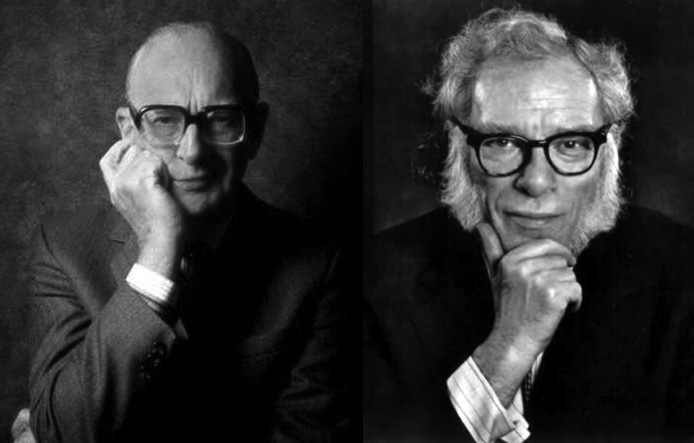
asimov_clarkeAmongst the sci-fi greats of old, there were few authors, scientists and futurists more influential than Isaac Asimov and Arthur C. Clarke. And as individuals who constantly had one eye to the world of their day, and one eye to the future, they had plenty to say about what the world would look like by the 21st century. And interestingly enough, 2014 just happens to be the year where much of what they predicted was meant to come true.

For example, 50 years ago, Asimov wrote an article for the New York Times that listed his predictions for what the world would be like in 2014. The article was titled “Visit to the World’s Fair of 2014”, and contained many accurate, and some not-so-accurate, guesses as to how people would be living today and what kinds of technology would be available to us.

Here are some of the accurate predictions:

1. “By 2014, electroluminescent panels will be in common use.”
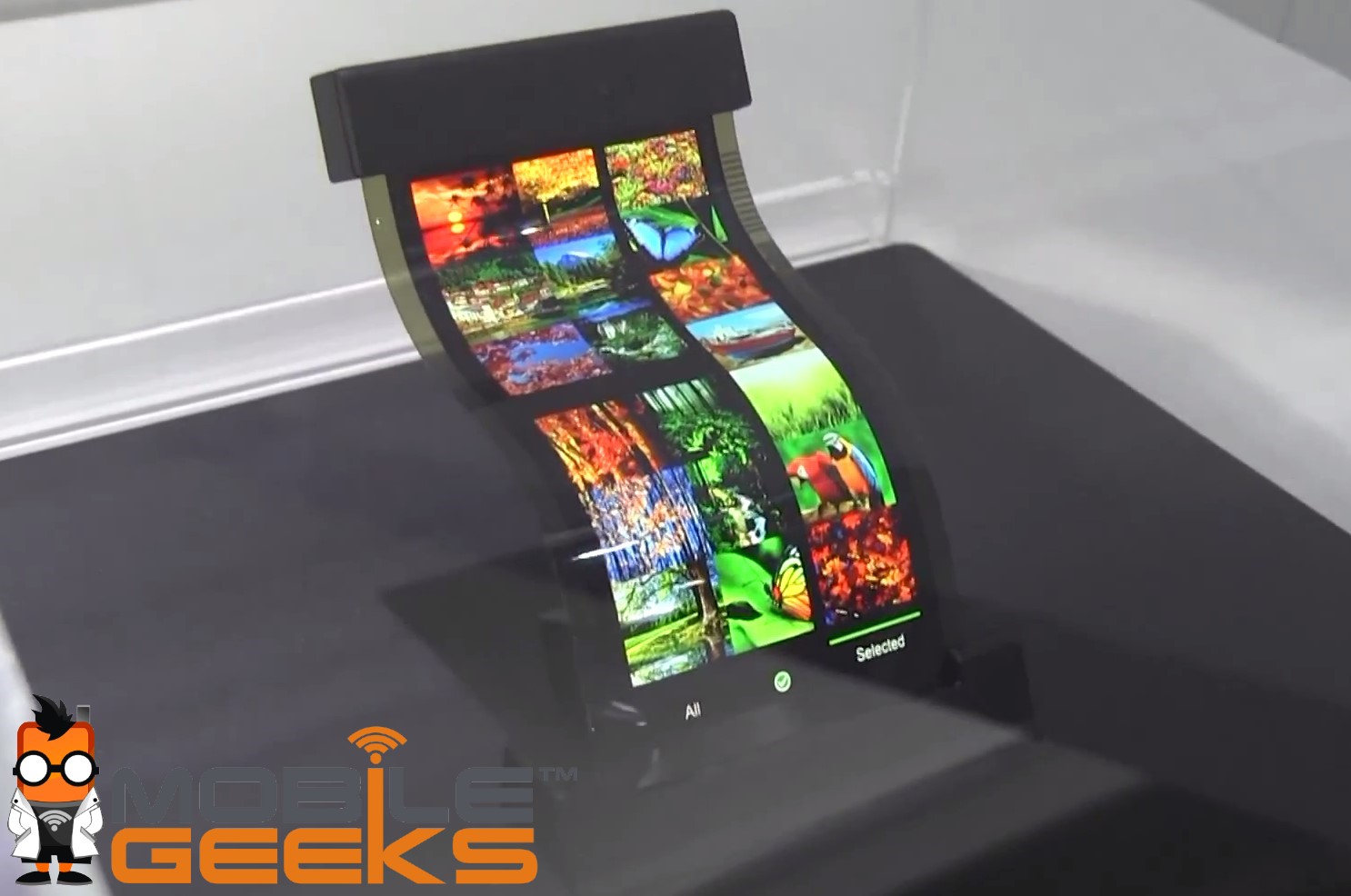
In short, electroluminescent displays are thin, bright panels that are used in retail displays, signs, lighting and flat panel TVs. What’s more, personal devices are incorporating this technology, in the form of OLED and AMOLED displays, which are both paper-thin and flexible, giving rise to handheld devices you can bend and flex without fear of damaging them.

touch-taiwan_amoled2. “Gadgetry will continue to relieve mankind of tedious jobs.”
Oh yes indeed! In the last thirty years, we’ve seen voicemail replace personal assistants, secretaries and message boards. We’ve seen fax machines replace couriers. We’ve seen personal devices and PDAs that are able to handle more and more in the way of tasks, making it unnecessary for people to consult a written sources of perform their own shorthand calculations. It’s a hallmark of our age that personal technology is doing more and more of the legwork, supposedly freeing us to do more with our time.

3. “Communications will become sight-sound and you will see as well as hear the person you telephone.”
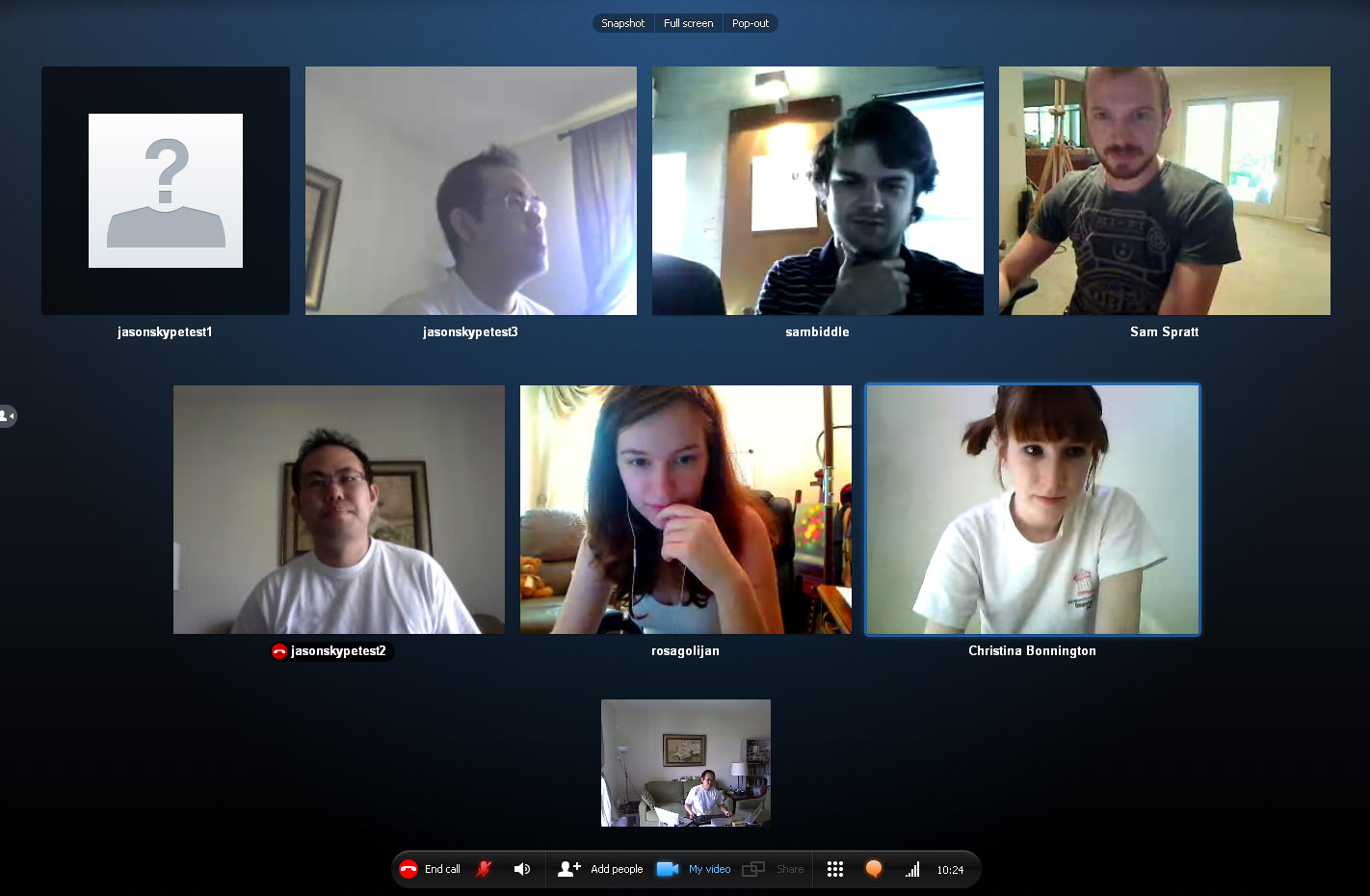
This was a popular prediction in Asimov’s time, usually taking the form of a videophone or conversations that happened through display panels. And the rise of the social media and telepresence has certainly delivered on that. Services like Skype, Google Hangout, FaceTime and more have made video chatting very common, and a viable alternative to a phone line you need to pay for.

skypeskype4. “The screen can be used not only to see the people you call but also for studying documents and photographs and reading passages from books.”
Multitasking is one of the hallmarks of modern computers, handheld devices, and tablets, and has been the norm for operating systems for some time. By simply calling up new windows, new tabs, or opening up multiple apps simultaneously and simply switching between them, users are able to start multiple projects, or conduct work and view video, take pictures, play games, and generally behave like a kid with ADHD on crack if they so choose.

5. “Robots will neither be common nor very good in 2014, but they will be in existence.”
If you define “robot” as a computer that looks and acts like a human, then this guess is definitely true. While we do not have robot servants or robot friends per se, we do have Roomba’s, robots capable of performing menial tasks, and even ones capable of imitating animal and even human movements and participating in hazardous duty exercises (Google the DARPA Robot Challenge to see what I mean).

Valkyrie_robotAlas, he was off on several other fronts. For example, kitchens do not yet prepare “automeals” – meaning they prepare entire meals for us at the click of a button. What’s more, the vast majority of our education systems is not geared towards the creation and maintenance of robotics. All surfaces have not yet been converted into display screens, though we could if we wanted to. And the world population is actually higher than he predicted (6,500,000,000 was his estimate).

As for what he got wrong, well… our appliances are not powered by radioactive isotopes, and thereby able to be entirely wireless (though wireless recharging is becoming a reality). Only a fraction of students are currently proficient in computer language, contrary to his expectation that all would be. And last, society is not a place of “enforced leisure”, where work is considered a privilege and not a burden. Too bad too!

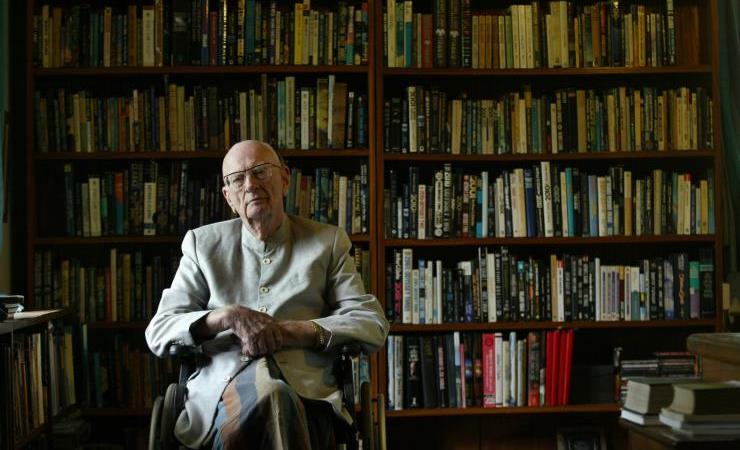
Arthur-C-ClarkeAnd when it comes to the future, there are few authors whose predictions are more trusted than Arthur C. Clarke. In addition to being a prolific science fiction writer, he wrote nearly three dozen nonfiction books and countless articles about the future of space travel, undersea exploration and daily life in the 21st century.

And in a recently released clip from a 1974 ABC News program filmed in Australia, Clarke is shown talking to a reporter next to a massive bank of computers. With his son in tow, the reporter asks Clarke to talk about what computers will be like when his son is an adult. In response, Clarke offers some eerily prophetic, if not quite spot-on, predictions:

The big difference when he grows up, in fact it won’t even wait until the year 2001, is that he will have, in his own house, not a computer as big as this, but at least a console through which he can talk to his friendly local computer and get all the information he needs for his everyday life, like his bank statements, his theater reservations, all the information you need in the course of living in a complex modern society. This will be in a compact form in his own house.

internetIn short, Clarke predicted not only the rise of the personal computer, but also online banking, shopping and a slew of internet services. Clarke was then asked about the possible danger of becoming a “computer-dependent” society, and while he acknowledged that in the future humanity would rely on computers “in some ways,” computers would also open up the world:

It’ll make it possible for us to live really anywhere we like. Any businessman, any executive, could live almost anywhere on Earth and still do his business through his device like this. And this is a wonderful thing.

Clarke certainly had a point about computers giving us the ability to communicate from almost anywhere on the globe, also known as telecommunication, telecommuting and telepresence. But as to whether or not our dependence on this level of technology is a good or bad thing, the jury is still out on that one. The point is, his predictions proved to be highly accurate, forty years in advance.

computer_chip1Granted, Clarke’s predictions were not summoned out of thin air. Ever since their use in World War II as a means of cracking Germany’s cyphers, miniaturization has been the trend in computing. By the 1970’s, they were still immense and clunky, but punch cards and vacuum tubes had already given way to transistors, ones which were getting smaller all the time.

And in 1969, the first operational packet network to implement a Transmission Control Protocol and Internet Protocol (TCP/IP) was established. Known as a Advanced Research Projects Agency Network (or ARPANET), this U.S. Department of Defense network was set up to connect the DOD’s various research projects at universities and laboratories all across the US, and was the precursor to the modern internet.

In being a man who was so on top of things technologically, Clarke accurately predicted that these two trends would continue into the foreseeable future, giving rise to computers small enough to fit on our desks (rather than taking up an entire room) and networked with other computers all around the world via a TCP/IP network that enabled real-time data sharing and communications.

And in the meantime, be sure to check out the Clarke interview below:


Sources:
huffingtonpost.com, blastr.com

3-D Printing Martian and Lunar Housing

3dprinted_moon_base1For enthusiasts of 3-D printing and its many possibilities, a man like Berokh Khoshnevis needs no introduction. As for the rest of us, he is the USC’s Director of Manufacturing Engineering, and has spent the last decade working on a new direction for this emerging technology. Back in 2012, he gave a lecture at TEDxTalks where he proposed that automated printing and custom software could revolutionize construction as we know it.

Intrinsic to this vision are a number of technologies that have emerged in recent years. These include Computer-Assisted Design/Computer-Assisted Manufacturing (CAD/CAM), robotics, and “contour crafting” (i.e. automated construction). By combining design software with a large, crane-sized 3-D printing machine, Khoshnevis proposes a process where homes can be built in just 20 hours.

contour-craftingKhoshnevis started working on the idea when he realized the gigantic opportunity in introducing more speed and affordability into construction. All of the technology was already in place, all that was required was to custom make the hardware and software to carry it all out. Since that time, he and his staff have worked tirelessly to perfect the process and vary up the materials used.

Working through USC’s Center for Rapid Automated Fabrication Technologies, Khoshnevis and his students have made major progress with their designs and prototypes. His robotic construction system has now printed entire six-foot tall sections of homes in his lab, using concrete, gypsum, wood chips, and epoxy, to create layered walls sections of floor.

3dprinted_moon_base3The system uses robotic arms and extrusion nozzles that are controlled by a computerized gantry system which moves a nozzle back and forth. Cement, or other desired materials, are placed down layer by layer to form different sections of the structure. Though the range of applications are currently limited to things like emergency and temporary shelters, Khoshnevis thinks it will someday be able to build a 2,500-square-foot home in 20 hours.

As he describes the process:

It’s the last frontier of automation. Everything else is made by machines except buildings. Your shoes, your car, your appliances. You don’t have to buy anything that is made by hand.

contour-crafting2As Khoshnevis explained during his 2012 lecture at TEDx, the greatest intended market for this technology is housing construction in the developing world. In such places of the world, this low-cost method of creating housing could lead to the elimination of slums as well as all the unhealthy conditions and socioeconomic baggage that comes with them.

But in the developed world, he also envisions how contour crafting machines could allow homes to be built more cheaply by reducing labor and material costs. As he pointed out in his lecture, construction is one of the most inefficient, dirty and dangerous industries there is, more so than even mining and oil drilling. Given a method that wastes far less material and uses less energy, this would reduce our impact on the natural environment.

3dprinted_moon_base2But of course, what would this all be without some serious, science fiction-like applications? For some time now, NASA and the ESA has been looking at additive manufacturing and robotics to create extra-terrestrial settlement. Looking farther afield, NASA has given Khoshnevis a grant to work on building lunar structures on the moon or other planets that humans could one day colonize.

According to NASA’s website, the construction project would involve:

Elements suggested to be built and tested include landing pads and aprons, roads, blast walls and shade walls, thermal and micrometeorite protection shields and dust-free platforms as well as other structures and objects utilizing the well known in-situ-resource utilization (ISRU) strategy.

3dprinted_moon_baseMany existing technologies would also be employed, such as the Lunar Electric Rover, the unpressurized Chariot rover, the versatile light-weight crane and Tri-Athlete cargo transporter as well some new concepts that are currently in testing. These include some habitat mockups and new generations of spacesuits that are currently undergoing tests at NASA’s Desert Research And Technological Studies (D-RATS).

Many of the details of this arrangement are shrouded in secrecy, but I think I can imagine what would be involved. Basically, the current research and development paradigm is focusing on combining additive manufacturing and sintering technology, using microwaves to turn powder into molten material, which then hardens as it is printed out.

sinterhab3To give you an idea of what they would look like, picture a crane-like robot taking in Moon regolith or Martian dust, bombarding it with microwaves to create a hot glue-like material, and then printing it out, layer by layer, to create contoured modules as hard as ceramic. These modules, once complete, would be pressurized and have multiple sections – for research, storage, recreation, and whatever else the colonists plan on getting up to.

Pretty cool huh? Extra-terrestrial colonies, and a cheaper, safer, and more environmentally friendly construction industry here on Earth. Not a bad way to step into the future! And in the meantime, be sure to enjoy this video of contour crafting at work, courtesy of USC’s Center for Rapid Automated Fabrication Technologies:


Sources:
fastcoexist.com, nasa.gov

Digital Eyewear Through the Ages

google_glassesGiven the sensation created by the recent release of Google Glass – a timely invention that calls to mind everything from 80’s cyberpunk to speculations about our cybernetic, transhuman future – a lot of attention has been focused lately on personalities like Steve Mann, Mark Spritzer, and the history of wearable computers.

For decades now, visionaries and futurists have been working towards a day when all personal computers are portable and blend seamlessly into our daily lives. And with countless imitators coming forward to develop their own variants and hate crimes being committed against users, it seems like portable/integrated machinery is destined to become an issue no one will be able to ignore.

And so I thought it was high time for a little retrospective, a look back at the history of eyewear computers and digital devices and see how far it has come. From its humble beginnings with bulky backpacks and large, head-mounted displays, to the current age of small fixtures that can be worn as easily as glasses, things certainly have changed. And the future is likely to get even more fascinating, weird, and a little bit scary!

Sword of Damocles (1968):
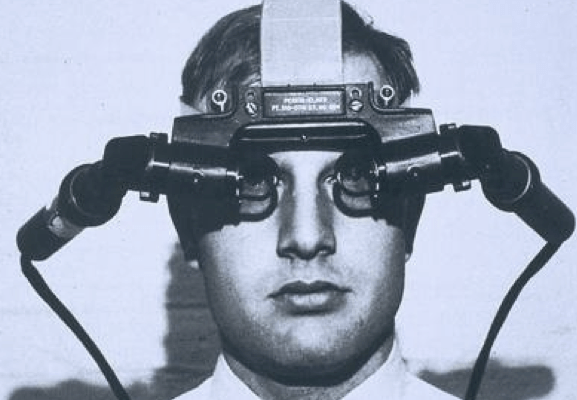
swordofdamoclesDeveloped by Ivan Sutherland and his student Bob Sprouli at the University of Utah in 1968, the Sword of Damocles was the world’s first heads-up mounted display. It consisted of a headband with a pair of small cathode-ray tubes attached to the end of a large instrumented mechanical arm through which head position and orientation were determined.

Hand positions were sensed via a hand-held grip suspended at the end of three fishing lines whose lengths were determined by the number of rotations sensed on each of the reels. Though crude by modern standards, this breakthrough technology would become the basis for all future innovation in the field of mobile computing, virtual reality, and digital eyewear applications.

WearComp Models (1980-84):
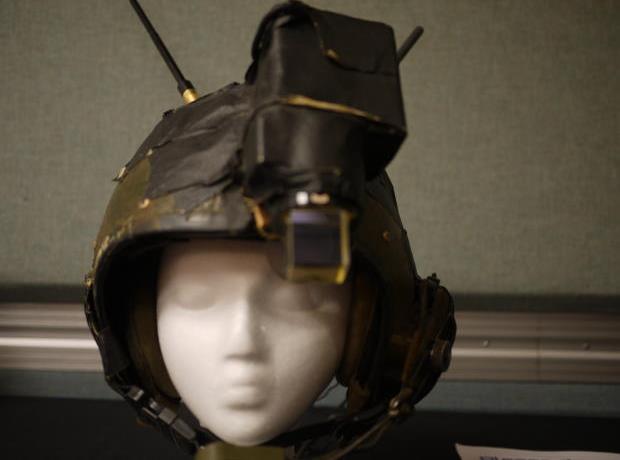
WearComp_1_620x465Built by Steve Mann (inventor of the EyeTap and considered to be the father of wearable computers) in 1980, the WearComp1 cobbled together many devices to create visual experiences. It included an antenna to communicate wirelessly and share video. In 1981, he designed and built a backpack-mounted wearable multimedia computer with text, graphics, and multimedia capability, as well as video capability.
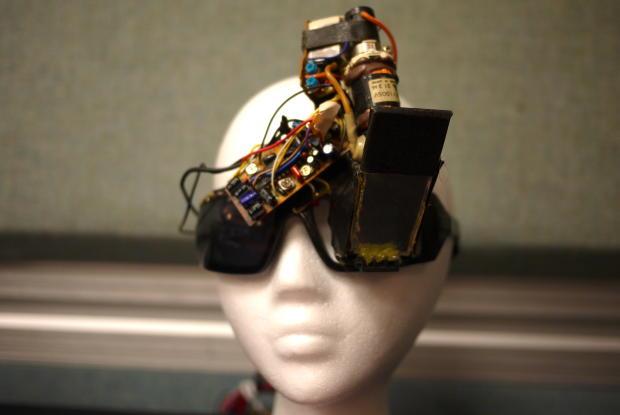
Wearcomp_4By 1984, the same year that Apple’s Macintosh was first shipped and the publication of William Gibson’s science fiction novel, “Neuromancer”, he released the WearComp4 model. This latest version employed clothing-based signal processing, a personal imaging system with left eye display, and separate antennas for simultaneous voice, video, and data communication.

Private Eye (1989):
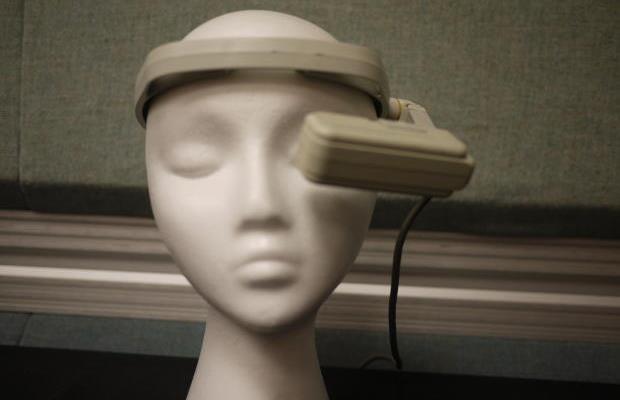
Private_eye_HUDIn 1989 Reflection Technology marketed the Private Eye head-mounted display, which scanned a vertical array of LEDs across the visual field using a vibrating mirror. The monochrome screen was 1.25-inches on the diagonal, but images appear to be a 15-inch display at 18-inches distance.

EyeTap Digital Eye (1998):
EyeTap1
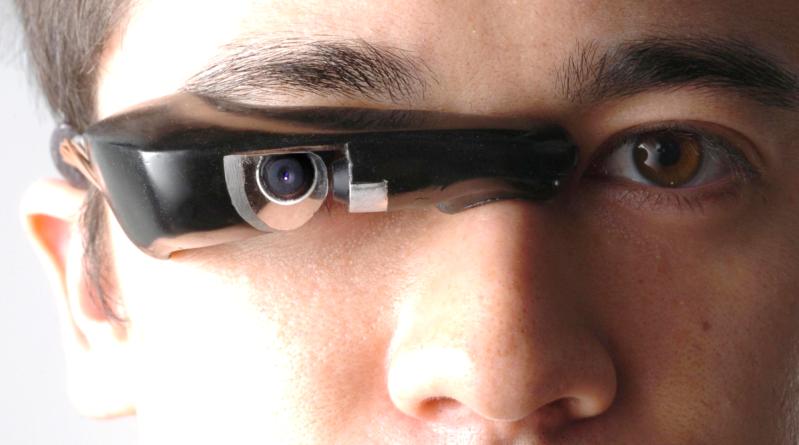
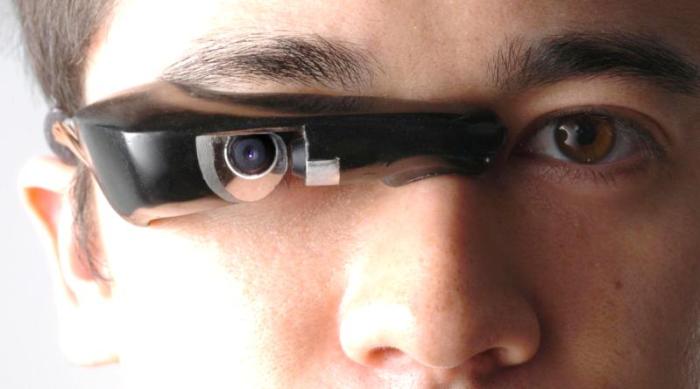
Steve Mann is considered the father of digital eyewear and what he calls “mediated” reality. He is a professor in the department of electrical and computer engineering at the University of Toronto and an IEEE senior member, and also serves as chief scientist for the augmented reality startup, Meta. The first version of the EyeTap was produced in the 1970’s and was incredibly bulky by modern standards.

By 1998, he developed the one that is commonly seen today, mounted over one ear and in front of one side of the face. This version is worn in front of the eye, recording what is immediately in front of the viewer and superimposing the view as digital imagery. It uses a beam splitter to send the same scene to both the eye and a camera, and is tethered to a computer worn to his body in a small pack.

MicroOptical TASK-9 (2000):
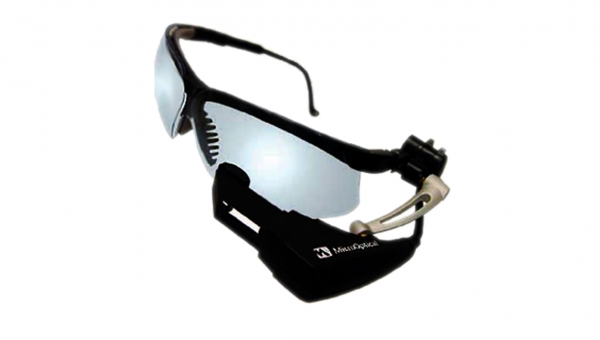
MicroOptical TASK-9Founded in 1995 by Mark Spitzer, who is now a director at the Google X lab. the company produced several patented designs which were bought up by Google after the company closed in 2010. One such design was the TASK-9, a wearable computer that is attachable to a set of glasses. Years later, MicroOptical’s line of viewers remain the lightest head-up displays available on the market.

Vuzix (1997-2013):
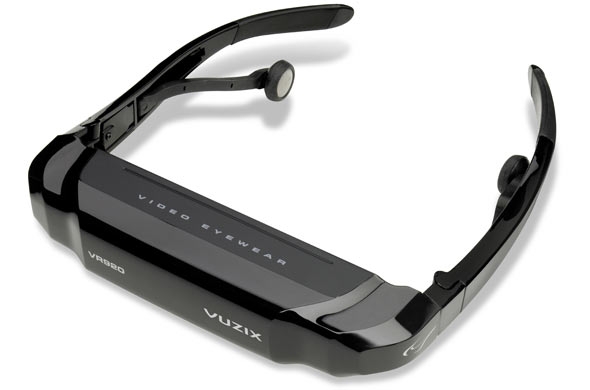
Vuzix_m100Founded in 1997, Vuzix created the first video eyewear to support stereoscopic 3D for the PlayStation 3 and Xbox 360. Since then, Vuzix went on to create the first commercially produced pass-through augmented reality headset, the Wrap 920AR (seen at bottom). The Wrap 920AR has two VGA video displays and two cameras that work together to provide the user a view of the world which blends real world inputs and computer generated data.

vuzix-wrapOther products of note include the Wrap 1200VR, a virtual reality headset that has numerous applications – everything from gaming and recreation to medical research – and the Smart Glasses M100, a hands free display for smartphones. And since the Consumer Electronics Show of 2011, they have announced and released several heads-up AR displays that are attachable to glasses.
vuzix_VR920

MyVu (2008-2012):
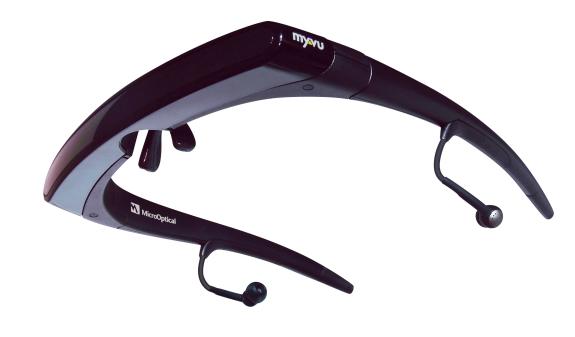
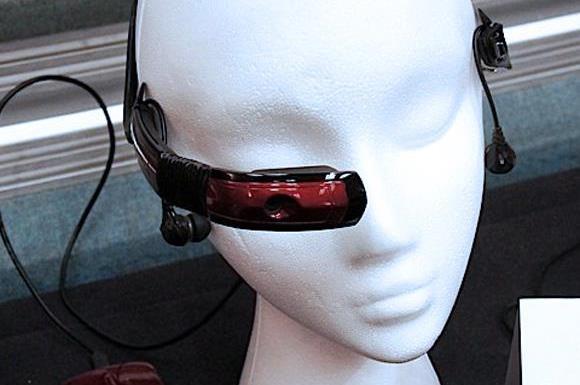
Founded in 1995, also by Mark Spitzer, MyVu developed several different types of wearable video display glasses before closing in 2012. The most famous was their Myvu Personal Media Viewer (pictured below), a set of display glasses that was released in 2008. These became instantly popular with the wearable computer community because they provided a cost effective and relatively easy path to a DIY, small, single eye, head-mounted display.myvu_leadIn 2010, the company followed up with the release of the Viscom digital eyewear (seen below), a device that was developed in collaboration with Spitzer’s other company, MicroOptical. This smaller, head mounted display device comes with earphones and is worn over one eye like a pair of glasses, similar to the EyeTap.
myvu_viscom

Meta Prototype (2013):
Developed by Meta, a Silicon Valley startup that is being funded with the help of a Kickstarter campaign and supported by Steve Mann, this wearable computing eyewear ultizes the latest in VR and projection technology. Unlike other display glasses, Meta’s eyewear enters 3D space and uses your hands to interact with the virtual world, combining the benefits of the Oculus Rift and those being offered by “Sixth Sense” technology.
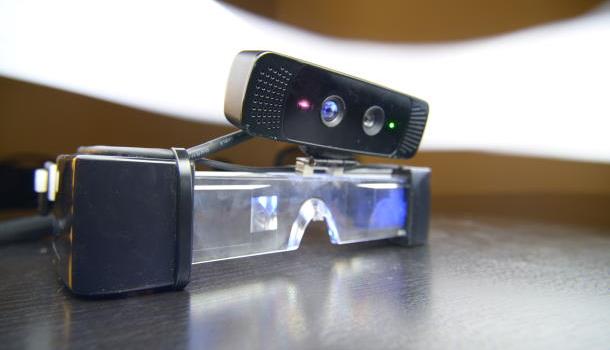
meta_headset_front_on_610x404The Meta system includes stereoscopic 3D glasses and a 3D camera to track hand movements, similar to the portrayals of gestural control in movies like “Iron Man” and “Avatar.” In addition to display modules embedded in the lenses, the glasses include a portable projector mounted on top. This way, the user is able to both project and interact with computer simulations.

Google Glass (2013):
Google Glass_Cala
Developed by Google X as part of their Project Glass, the Google Glass device is a wearable computer with an optical head-mounted display (OHMD) that incorporates all the major advances made in the field of wearable computing for the past forty years. These include a smartphone-like hands-free format, wireless internet connection, voice commands and a full-color augmented-reality display.

Development began in 2011 and the first prototypes were previewed to the public at the Google I/O annual conference in San Francisco in June of 2012. Though they currently do not come with fixed lenses, Google has announced its intention to partner with sunglass retailers to equip them with regular and prescription lenses. There is also talk of developing contact lenses that come with embedded display devices.

Summary:
Well, that’s the history of digital eyewear in a nutshell. And as you can see, since the late 60’s, the field has progressed by leaps and bounds. What was once a speculative and visionary pursuit has now blossomed to become a fully-fledged commercial field, with many different devices being produced for public consumption.

At this rate, who knows what the future holds? In all likelihood, the quest to make computers more portable and ergonomic will keep pace with the development of more sophisticated electronics and computer chips, miniaturization, biotechnology, nanofabrication and brain-computer interfacing.

The result will no doubt be tiny CPUs that can be implanted in the human body and integrated into our brains via neural chips and tiny electrodes. In all likelihood, we won’t even need voice commands at that point, because neuroscience will have developed a means to communicate directly to our devices via brainwaves. The age of cybernetics will have officially dawned!

Like I said… fascinating, weird, and a little bit scary!

‘High Dynamic Range’

Leibster! Leibster! Rah-rah-rah!

liebster-award-e1355858473421It seems award season is upon us again, and I’ve received a nod from a respected colleague who decided to send a nomination my way! So thanks to Rami Ungar the writer, and best wishes on the Quiet Game as it goes into its third month since publication. And now, getting to the rules of this award, I must share the following 11 details about myself, make my nominations, and answer 11 questions. Here goes…
  1. I am an Aquarius
  2. I was born in Ottawa Ontario on a Saturday during the depths of winter
  3. I have a natural resistance to cold, being burly and furry, but have trouble with heat
  4. For the first twenty-five years of my life, people though I was older than I actually was. Now it’s the reverse! For some people, this may sound like a good thing. But for me, its just plain weird!
  5. I never really fit in with crowds. I always tried to, but found that I was destined to either stand on my own or make up my own social circles
  6. I have a natural thing for animals. Doesn’t really matter if they are cats, dogs, or a wild creature. We just seem to get each other
  7. I don’t get out to the theater much at all anymore, which seems nuts since I’m more invested in new movies than I ever was before
  8. In the space of a year (Dec 2006 – Aug 07), I traveled to southern Mexico, Europe, across Canada and visited New York City. It was a crazy and awesome year!
  9. Unlike a lot of indies, my desire to write and share goes beyond the desire to express myself creatively. Much depends on it for me, and the prospect of not succeeding is frightening to me
  10. I am very susceptible to germs, seeing as how I get sick with the seasons like clock work. You’d think a teacher would have better immunities. Sadly, no
  11. I love kids, but am not sure if I would ever want to have some of my own. But as I have been told many times, no one is ever really ready, so I don’t worry about it too much

Alright, that was deep. Now here are the 11 questions Rami came up with for myself and his other nominees to answer. A word of warning, I was not brief!

1. Do you consider yourself a spiritual person?

Yes I do. While I so often find myself railing against organized religion for its excesses and abuses, I have never been an atheist, nor do I consider it a likely possibility that we live in a universe devoid of any higher order. I guess I’ve always been a monist/deist, a person who believes that the universe is guided by a conscious force that underlies and connects all things, was responsible for its creation and the laws that guide it, but does not intervene or exercise direct control over things.

2. If you could meet any historical personage, who would you meet and what would you say to them?

Tough call. But if I had to choose, I’d say Montezuma II, the last emperor of the Aztec civilization and people. And once the troublesome problem of translating from English to Nahuatl was worked out, I’d give him one very simple bit of advice. “Kill the Conquistadors on sight!”

3. What scares you the most in the world?

The idea of something bad happening to someone I love, and that I couldn’t be there to stop it. Either that or that I could, through negligence or inaction. be responsible for something terrible happening to someone else. Don’t think I could live with myself either way.

4. Morning, afternoon, or evening person?

Definitely evening. Not an early riser by nature, and my most creative and active time is always late at night. Were it not for this incessant need to get a good forty winks a night, I’d work til the wee hours of the morning all the time!

5. What was the worst job you ever had the displeasure of holding?

Again, tough call. There was the two summers during school that I worked for the city doing maintenance on public parks and parking garages. For those unfamiliar with job-speak, that means you clean up garbage. During the months I worked there both years, I cleaned up a ton of puke, feces, urine, and disposed of I don’t know how many used needles, half-smoked joints and even a bottle of heroine. I also got solicited by a few prostitutes, and was accosted by several homeless people.

But then there was the few months I taught in a remote community on the west side of Vancouver Island. Out there, joblessness, idleness, isolation and the problems of drug abuse, suicide, broken homes and behavioral problems create a very tough challenge for teachers. I was there for three months, replacing a teacher who went nuts and ended up suing the school board over a nothing issue. That kind of hostile work environment and the politics of the dude’s lawsuit and how it effected work for the rest of us led to many people quitting and the school almost imploding. I slept very little for those 11 weeks, got sworn and freaked out at almost every day by the kids, and was happy as hell to get out when I did!

I’d say it was the teaching gig. No job was ever that bad before or since.

6. If you could dress up as anything for Halloween this year, regardless of price, what would you dress up as?

If price weren’t an option, I’d go as Iron Man. And the exoskeleton would be real!

7. What’s your dream job?

High-paid author, article writer and traveling guest-lecturer. Basically what I’m doing everything I can to become right now!

8. If you could be somebody else for a day, who would you be? (This could be anything from an actual person–President Barack Obama or Vera Farmiga, for example–or it can be anything as simple as “a dancer” or “a music producer”)

I would love to be Chris Hadfield and go around talking about science, technology, and what its like to go into space. And then I’d unleash a guitar riff on my classic guitar!

9. What is your favorite color?

Rainforest Green. That’s the kind of deep, dark green that puts me in mind of driving across this here island, breathing clean air, and then staring out at the ocean as the high waves pound against the cliffs and the sandy shore.

10. What do you think you’ll be doing in 10 years?

With any luck, living in a nice home in Victoria, writing novels and articles for an obscene (okay, decent) amount of money, and living with my wife and our cat and a dog. She will be working in government with a senior position, the animals will be happy and rambunctious, and we will be busy contemplating what’s next for our family 🙂

11. If you had to brave some sort of apocalypse or natural disaster in your city/town/village, who would want to brave it with?

Tossup. There’s my wife, the natural choice, but if we’re venturing into the realm of the fictional, I would say Daryl Dixon. He’s a good man to have around in a fight, and underneath his tough, redneck exterior beats a good heart.

Alright, that’s me done! And now we move on to my nominations and the questions I would like to see them answer. First, here are the people I would like to nominate for this award:

Nina D’Arcengela

Khaalidah

Professor VJ

Likeitiz

MythRider

Writerlious

Casey Sheridan

Raven Lunatick

Mona (Ramblings)

Eddie Two Hawks

Dangerously Daydreaming

The Wandering Gourmand

And here’s the questions I’d like all of them to answer:

  1. If you could travel anywhere in the world, where would go and what would you do there?
  2. If you had a million dollars, what would you do?
  3. If civilization were to end tomorrow, what would be your first priority? Securing a source of food, water and energy? Procreating to ensure the continuation of the species? Or preserving the knowledge of mankind?
  4. Would you rather have:
    A. A puppy
    B. A kiss from your sweetie, or
    C. A well formatted hard drive?
  5. Describe your perfect relationship partner
  6. Who’s your favorite superhero and why?
  7. What was the best science fiction, horror, fantasy movie or television series you ever saw?
  8. If you had a chance to go to another planet, what would you take with you?
  9. Favorite pet (cat, dog, bird, etc.) and why?
  10. What stands out as the single greatest experience of your life?
  11. If you could do just one thing before you died, what would it be?

Thank you again, Rami, congrats to all the other nominees, and hope everybody is having a good week and looking forward to the weekend. Hope to hear from y’all again soon, and stay tuned for more on my end!

News From Space: IAU Revises Stance on Naming Planets

alien-worldGood news everyone! According to the International Astronomic Union, the public can now participate in the naming of new exoplanets. What’s more, they can be popular names like kinds found in science fiction, assuming they are appropriate and the public is behind it. This represents a big change in terms of IAU policy, which previously reserved the right to give names to newly discovered bodies outside of our Solar System.

As recently as late March, 2013, the IAU’s official word on naming exoplanets was, “the IAU sees no need and has no plan to assign names to these objects at the present stage of our knowledge.” Their rationale was since there is seemingly going to be so many exoplanets, it will be difficult to name them all.

IAU_exosBut then, on March 24th, the IAU added on their website:

…the IAU greatly appreciates and wishes to acknowledge the increasing interest from the general public in being more closely involved in the discovery and understanding of our Universe. As a result in 2013 the IAU Commission 53 Extrasolar Planets and other IAU members will be consulted on the topic of having popular names for exoplanets, and the results will be made public on the IAU website.

This new decision follows from an event earlier this year where the SETI Institute and the space company Uwingu organized their own campaigns for creating popular names of objects in space. Both events were wildly popular with the general public, but generated some controversy. For one, the IAU issued a statement regarding the contests saying that while they welcomed the public’s interest, the IAU has the last word.

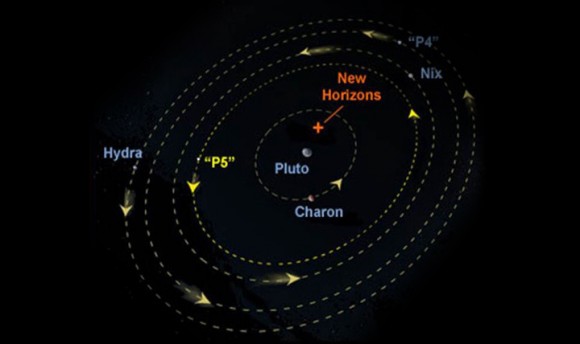
Pluto-System_720-580x344For example, the SETI institute’s contest, “Space Rocks”, was intended to name two newly discovered moons around Pluto. Though the name “Vulcan” was the top contender for one of them, and even got a nod from William Shatner, the IAU overruled their decision and went with the name “Styx” instead. Additionally, the IAU took issue with the “selling” of names, referring to the fact that Uwingu charged a fee to take part in their contest.

However, given public interest in the process and the fact that other bodies might begin privatizing the process, the IAU has altered its position on these matters and opened up the naming process to the public. The new rules, which were passed this summer, now allow individuals to suggest names of exoplanets and planetary satellites (moons) via email to the IAU.

gliese-581.jpgThose looking to make a contribution to naming newly discovered planets and moons are asked to abide by the following criteria:

  1. Prior to any public naming initiative the IAU should be contacted from the start by Letter of Intent sent to the IAU General Secretary
  2. The process should be submitted in the form of a proposal to the IAU by an organization
  3. The organization should list its legal or official representatives and its goals, and explain the reasons for initiating the process for naming a particular object or set of objects
  4. The process cannot request nor make reference to any revenues, for whatever purpose
  5. The process must guarantee a wide international participation
  6. The public names proposed (whether by individuals or in a naming campaign) should follow the naming rules and restrictions adopted for Minor Bodies of the Solar System, by the IAU and by the Minor Planet Center.

Among other rules cited in their new policy are that proposed names should be 16 characters or less in length, pronounceable in as many languages as possible, non-offensive in any language or culture, and that names of individuals, places or events principally known for political or military activities are unsuitable. Also, the names must have the formal agreement of the discoverers.

KeplerThis about face has its share of supporters and critics alike. Whereas people who support it generally see it as a sign that we are entering into an era of open and democratic space exploration. the critics tend to stress the contradictions and ambiguities in the new policy. Whereas the IAU previously claimed it had the final word on the naming process, their new stance appears to indicate that this is no longer the case.

In addition, companies like Uwingu are now free to participate in the naming of planetary bodies, which means that their contest to name Pluto’s moon “Vulcan” would now be legitimate under the new framework. Many people, such as astronomer and Uwingu CEO Alan Stern, are wondering if the new rules will apply retroactively since they were previously forbidden from having any input.

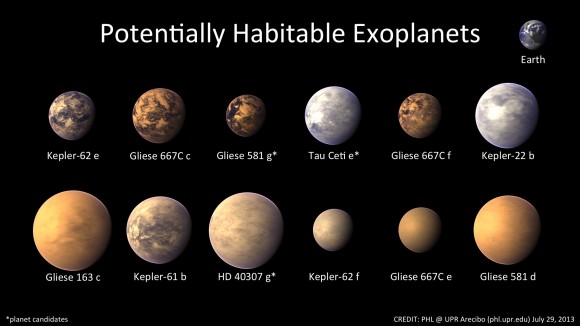
kepler22b.jpgAs for me, this puts me in mind of my own attempts to name real or fictitious exoplanets. Sadly, since it this was done for the sake of writing fiction, they would have no legal standing, but the process was still fun and got me thinking… If we are to begin exploring and colonizing planets outside of our Solar System, how will we go about naming them?

Now it seems there is a process in place for just such a thing, one which will assign actual names instead of bland designations. And it appears that this process will be a trade off between scientific organizations and public input, either through campaigns or contests. And I imagine once we start breaking ground on new worlds, settlers and shareholders will have a thing or two to say as well!

Planet Microsoft… Planet Starbucks… Planet Walmart… I shudder to think!

Sources: universetoday.com, uwingu.com. phl.upr.edu