Back from Europe – Continued…

lest-we-forgetAnd I’m back, with the second installment of what the family and I did on our recent trip to Europe. Like I said before, there is a lot to cover and I couldn’t possibly deal with it all in one post. And after we flew in and did our first day of driving and visiting the Beaumont-Hamel Memorial Park, we drove to the first town where we would be rooming on our trip. This is the historic town of Ypres, Belgium (pronounced either as Eep, or Ee-pairs, depending on whether its spoken in French or Flemish).

And arguably, some of our best times and experiences were here. Not only were the townspeople incredibly friendly, the food and accommodations good, and the local culture something to behold, the way the war is commemorated and those who fell honored is truly astounding. For those of us who only mourn the losses of the Great War and observe the lessons obtained therein once a year, it truly boggles the mind. But I digress, here’s what happened…

Saturday, April. 12th – Sunday, April. 13th –
The Ypres Experience:
As I said last time, Ypres was our first stop after two days of ongoing travel and very little sleep. And after we rested up and showered, we had some pretty full days experiencing the town and the many cemeteries, memorials and museums that dot the landscape. It was also while touring Flemish city and the surrounding countryside that we made what was perhaps the biggest find of our trip – pieces of shrapnel from the war!

Now for those unfamiliar, this ancient town is the municipal capitol of West Flanders that dates back to before the time of the Roman conquest. During the Middle Ages, it was renowned for its cloth and textile industry, and was even mentioned in the Canterbury Tales due to its extensive trade with England. However, the town is best known due to the fact that it was contested ground for three separate battles during the Great War.

The_Second_Battle_of_YpresDuring the First Battle of Ypres, which took place from October 19th to November 22nd, the Allies retook the town from the Germans, who had captured it during their initial advance through Belgium. The Second Battle of Ypres – April 22nd and May 25th, 1915 – was where the German army attempted to break the stalemate in the west by using poisonous gas for the first time. It was at this time, as already mentioned, that the 1st Canadian Infantry Division distinguished itself by standing their ground and beating back the German assault.

To put this in perspective, the Canadians were an untested unit that had recently arrived in Flanders to witness the terrible carnage that had become of the war. When the Germans unleashed the poisonous clouds of chlorine gas into the city, these soldiers did not yet have gas masks (or proper helmets) and thousands of men began to die. The French and British lines crumbled under the onslaught; but at St. Julien, where the Canadian Division was stationed, an inventive Canadian officer came up with a novel idea that saved them from death and retreat.

Battle_of_St.JulienRemembering a lesson from chemistry class, he ordered his men to urinate on rags and apply them to their faces. Knowing that ammonia, which urine contains, neutralizes chlorine by turning it into harmless ammonium chloride crystals, the Canadian soldiers simply breathed naturally through their urine-soaked rags and waited for the gas to roll over them. When it did, they took up their positions and were there to meet to the Germans when they assaulted.

Because of this, the German attack failed, and led Sir George Perley (Canada’s High Commissioner in Britain) to state that the “saved the situation”. British Lieutenant General Smith-Dorrien followed this up with the conciliatory statement that had it not been for the Canadian troop’s gallantry, the initial German breakout that took place early in the battle “might well have been converted into a serious defeat for our troops.” All told, this gallantry came at a terrible cost – with some 5,975 casualties, of whom roughly 1,000 were killed.
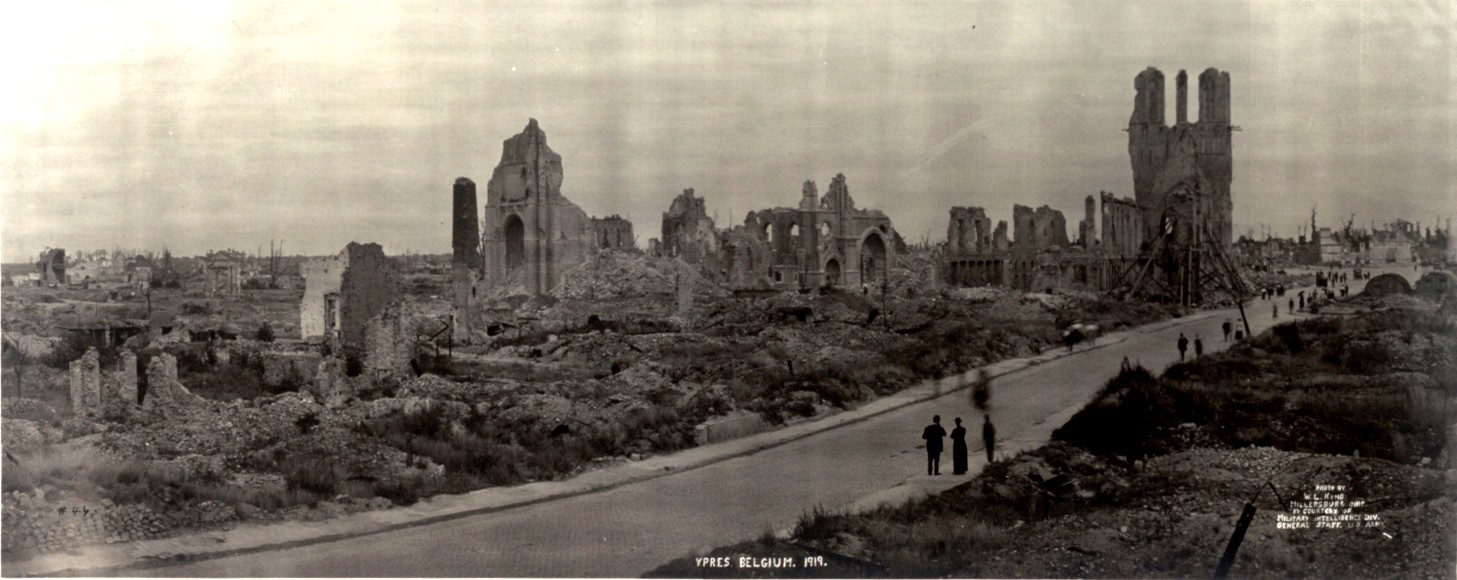
Ypres in 1919
The ruins of Ypres in 1919

The battle raged on for many more months, with some 100,000 men being killed, captured or wounded before the end. However, it was The Third Battle of Ypres – also known as the Battle of Passchendaele (July 21st – November 6th, 1917) that was the best-known and bloodiest of the war. After months of fighting, this battle resulted in nearly half a million casualties on all sides, and only a few miles of ground were won by the Allied forces. During the course of the war, the town was also all but obliterated by the artillery fire.

These events are commemorated on a daily basis by the town’s people, and the names of those who fell are inscribed on the Mennin Gate, which sits at the east end of the old city. But I’m getting ahead of myself here! Before I can cover all the historic sites we took during the course of our stay, I should mention the hotel where we slept, which was none other than the Hotel Albion. In addition to being located in a building in the old city, the rooms were spacious and beds king-size, which came in handy upon arrival!

The old city, as it is today

After waking up on Saturday and getting some much-needed shower time, we enjoyed the hotel’s traditional Belgian breakfast spread. This consisted of hard boiled eggs, sliced meats, cheeses, assorted breads (baguette, croissants, pain au chocolat, etc.), jams, and of course some really good coffee. After eating and drinking our fill, we set out about town, and our first stop was the Cathedral located next to our hotel. After appreciating the centuries-old architecture, we lit some candles and headed for the center of the old town.

Next up was the bookshop my parents had seen on their last visit and wanted to see again, a place called The British Grenadier, which specializes in war memorabilia, books, and historic keepsakes. The guy who runs its, a man by the name of Steve Douglas, just happens to hail from Waterloo, Ontario, where my parents lived and studied for many years before I was born. While there, we chatted with Steve (a rather stoic figure who nevertheless seemed to remember meeting my folks) bought some postcards, poppies, a hat for myself, and marveled at his large collection of wartime artifacts and commemorative goods.

The Ypres Market, with the spires of the Cloth Museum (left) and Cathedral (right) in the distance

After that, it was off to the town market which, since it was a Saturday, was out in full force! Basically, the center of the old town was filled with vendors of every kind peddling snacks, clothing, shoes, fresh meats, fish, cheeses, and even some livestock. After walking through this crush of human activity, we came upon the Cloth Museum. This massively long medieval structure was the heart of the city’s linen and textile trade, and was made incredibly long so that bolts of cloth could be unwound completely to check for authenticity.

After being almost completely destroyed in the war, the town rebuilt it and renamed it the In Flanders Fields Museum, in honor of the John McCrae poem of the same name. Once inside, we got to see just how amazing it was. The entire museum is kept dark, somber music plays in the background, and multimedia displays show reenactments of various aspects of the war.  There are also photographs, maps, and artifacts as far as the eye can see. And every visitor is asked to make an account for themselves in the museum database and given a poppy-shaped wrist band that is programmed to identify you.
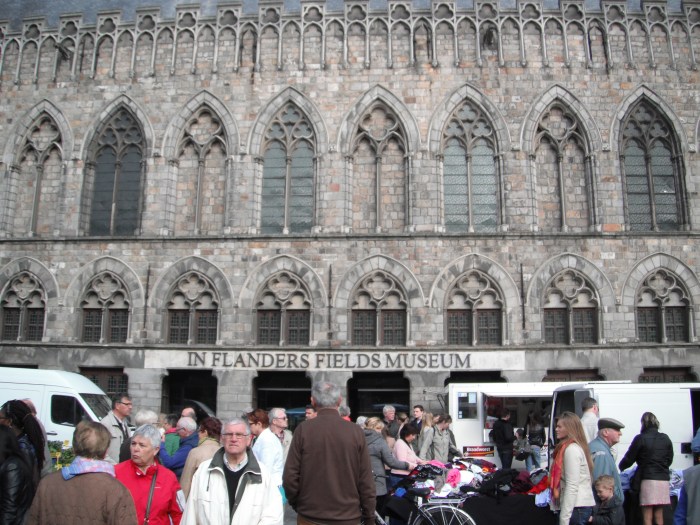
DSCF2152These identifying wristbands not only allow you to get in and out, they also let you access to terminals and have what they call “Personal Encounters”. Basically, this amounts to you accessing various terminals throughout the library and being given information on people who served in the war. Once obtained and compiled to your account, you can request that the museum email it all to you, which I naturally chose to do. The names of my Personal Encounters were Elsbeth Schragmuller, William Flack, and Mike Mountainhorse.

Click here to see the museum certificate that contains their bios, and be sure to check out the museum’s website for more information on who they are and what they do. After exiting the museum, we had some lunch from a sausage cart (foot longs with fried onions and some interesting choices of sauce) and headed over to the Cathedral located next door, which was also destroyed during the war. Here, we watched as the local choir was warming up for a big show and lit some more candles.
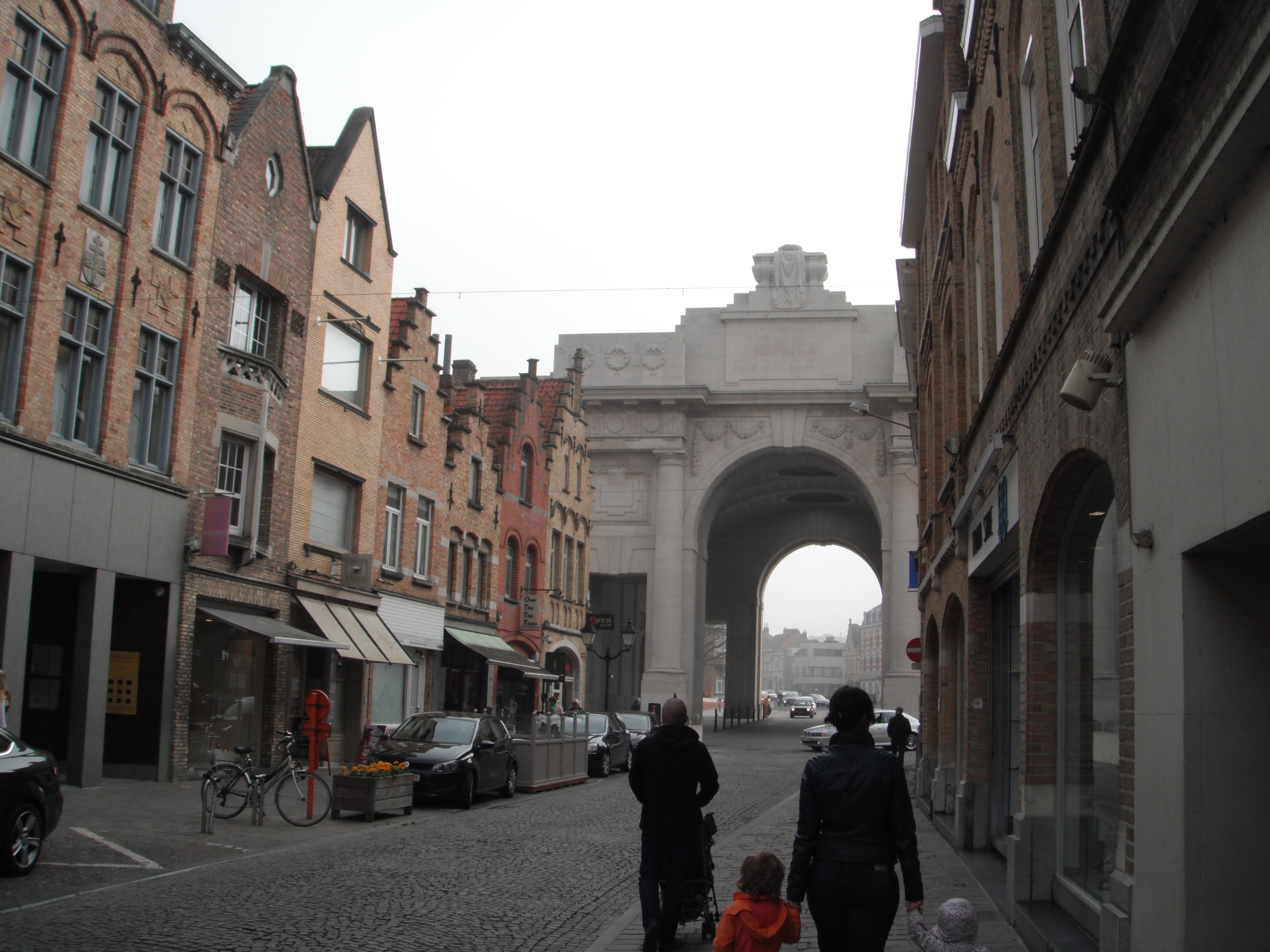
The Mennin Gate, seen from the street
The Mennin Gate, as seen from the street

Then it was a quick nap back at the hotel to combat the lingering effects of jet lag followed by some dinner in the market at a place known as Antonio Vivaldis, which my parents had been to the night before. We drank Leffe Blonde, which is available here in Canada but is something of the beer of choice in Flanders. Last time my folks came back, they made it quite clear that this and Kronenbourg (also a local favorite) were now their beers of choice!

Then, we walked down to the Mennin Gate to take in the Saturday night ceremony that honors all the Commonwealth soldiers who died during the Great War. This great archway, which you can see above, has the names of every single soldier inscribed on it, and ceremonies to honor their sacrifice take place every night. Yes, you read that right. EVERY SINGLE NIGHT the people of the town gather at the gate, the local choir sings songs, the Mayor comes out to speak, The Last Post is played, and wreaths are lain.
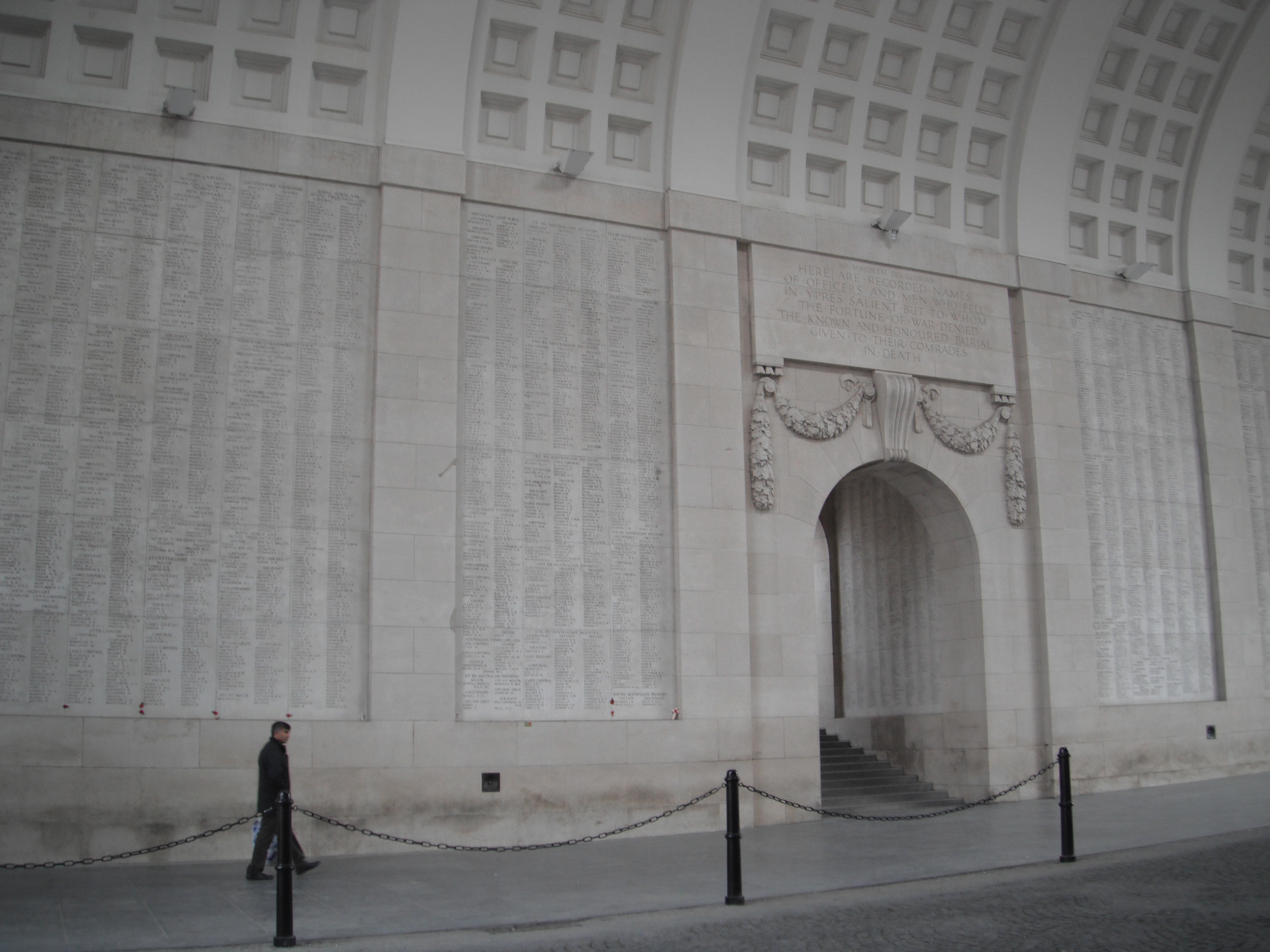
Inside the Mennin Gate. Note the names inscribed on the walls

And even though this is a daily occurrence, Saturday is a special night, when the largest and most elaborate ceremony takes place. I should also note that in Ypres, the poppy – as a symbol of remembrance – is worn year round and can be seen just about everywhere one looks. To put that in perspective for us foreign folks, its like having Remembrance Day (Veterans Day, Poppy Day, Armistice Day) every day. None of this once-a-year on November 11th stuff.

We then walked the wall, which overlooks the moat that circles the old part of town and also has its share of commemorative plaques and statues. I tell you, every corner of the town pays homage to its long and rich history, and even a short walk can reveal all kinds of interesting things! And that was Saturday. Sunday morning, we woke up, had another sumptuous breakfast, and headed out of town to visit all the Commonwealth Cemeteries we could find, as well as a German one.

Yorkshire Trench
Yorkshire Trench

We began with the Concrete Farm Cemetery, a smaller Commonwealth cemetery located outside of town. After stopping here to pay our respects to these soldiers and lay some Canadian flag pins on the Canadian graves, we continued on to Yorkshire Trench. This trench and the park that now features it was first uncovered in 1992 by a group of amateur archaeologists known as “The Diggers”, people who are dedicated to finding the bodies of the fallen that were never retrieved and giving them a proper burial.

Between 1998 and 2000 they spent many hours digging and examining the trench, which also had tunnelled dugouts. At the time major construction work for new buildings in Ypres’ northern industrial zone was also being carried out. Hence, like so many other trenches, graves and unexploded munitions, this small piece of the Ypres Salient was discovered entirely by accident. And in addition to many artifacts “The Diggers” discovered, the remains of 155 First World War soldiers were uncovered – the bodies of British, French and German that were lost in battle and never recovered for seventy years.

Outside Langemark Cemetary
Outside Langemark Cemetery

Then, it was off to Langemark, the German cemetery that was set aside by the Belgian government. Compared to the Commonwealth grave sites, this cemetery was very somber. Pruned trees surrounded the outer edge of it, the concrete bunkers that had served as dugouts during the war were now filled with leaves and detritus, and the many, many German fallen were interred four to a grave marker. And near the front gate, a single, mass grave known as the “Comrades Grave” contains the bodies of no less than 24,917 servicemen, including the flying ace Werner Voss.

Inside the gatehouse, the names of the more than 44,000 soldiers who died during the many battles of Ypres are etched into the wooden walls. Of particular interest were the names of the 3000 German students who fell while crossing the field that next to the cemetery. Legend has it that these German students walked arm in arm and sang “Deutschland, Deutschland über alles” as they charged across the battlefield, and to their deaths. Yet another reminder of the futility and folly that characterized the Great War for all sides.
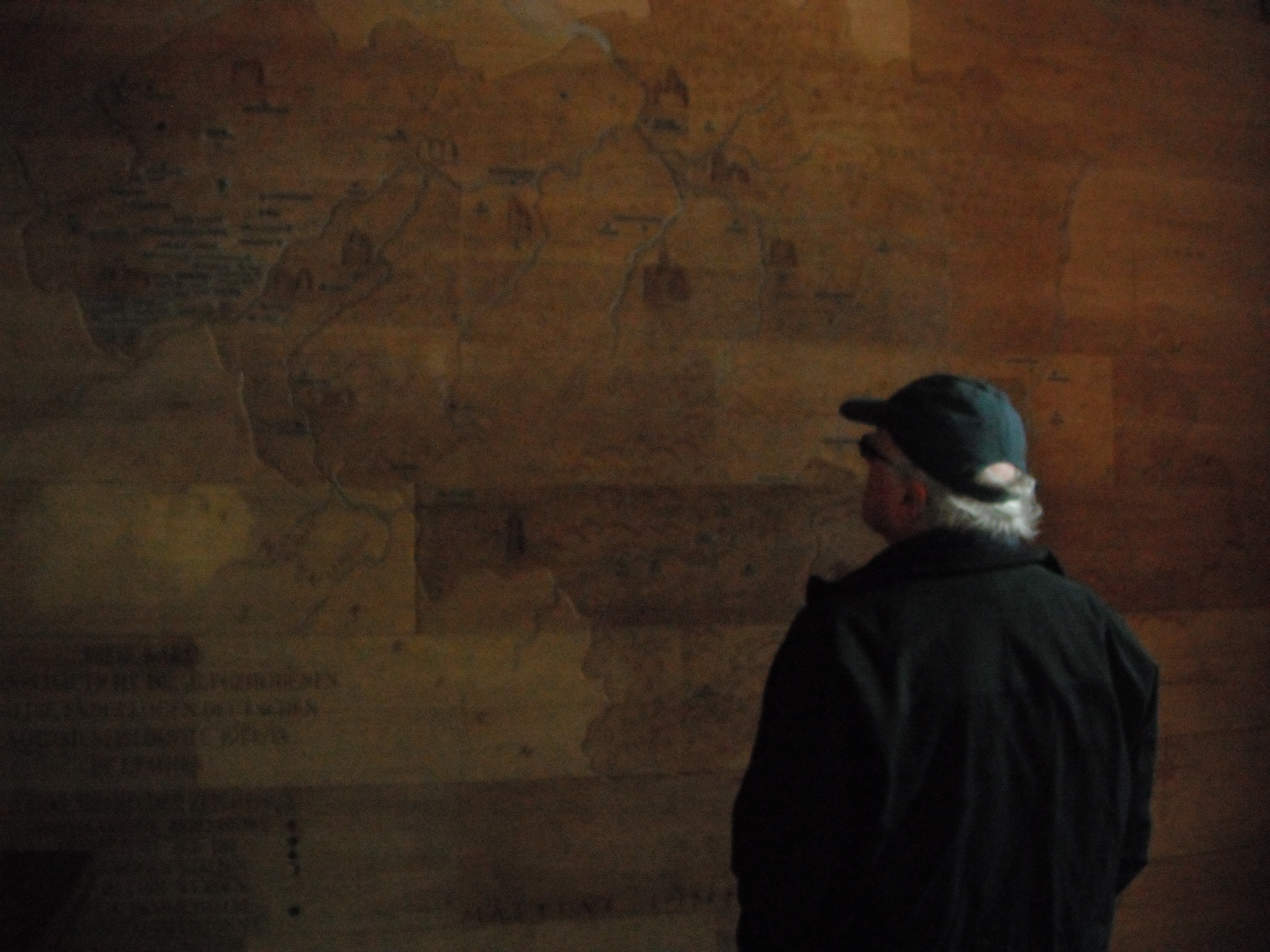
My father examining the map of the Ypres Salient inside the cemetery's entrance foyer
My father examining the map of the Ypres Salient inside the cemetery’s gatehouse

It was also here that my father and I, while searching in the farmers field next to the cemetery, came across our most important keepsakes from our trip. As he knew from his previous visits to the countryside, the fields that once made up the Ypres Salient constantly turn up pieces of shrapnel, spent shell casings, and even unexploded munitions when the weather changes. In this last case, farmers come across these shells when the winter weather causes the ground to freeze and the soil pushes these shells to the surface. Typically, these are then removed and placed by the side of the road to await for bomb disposal crews who take them away and detonate them.

But in the case of shrapnel, bullet casings and other pieces of wartime history, one doesn’t have to look very hard to uncover them. Simply walk into a farmer’s field or a dig anywhere in the region, and odds are good you will find something. We had a hard time searching the nearby field since a tractor was out turning the soil with some rather large blades. Still, we managed to find several fragments of exploded shells at the edge of the field, and after only a few minutes of looking.

The shell and bullet fragments we found by Langemark Cemetery

The grizzly significance of this was not lost on us: that so many artillery shells and bullets were fired in this region over a century ago that bits and pieces are still being found, and it took us only a few minutes of searching in a tiny parcel of land to find some. And of the four pieces that we pulled out of the ground, the first and largest was certainly the most recognizable. Roughly three inches long, an inch and a half wide, and over half an inch in thickness, this hunk of rusted metal had a curvature and striations on one side that indicated that it was an artillery shell.

We guessed that it was British, and given its size, it most likely came from a 18-pounder field gun. The other two, much smaller, looked to be large bullet fragments, in that they were cored in the center and not that big. Still, they appeared rather large for a standard rifle or machinegun, so it’s possible they were from a heavy machine gun. Of course, its difficult to say since 100 years of caked-on dirt, rust, and wear can kind of obscure a fragments true size and dimensions.
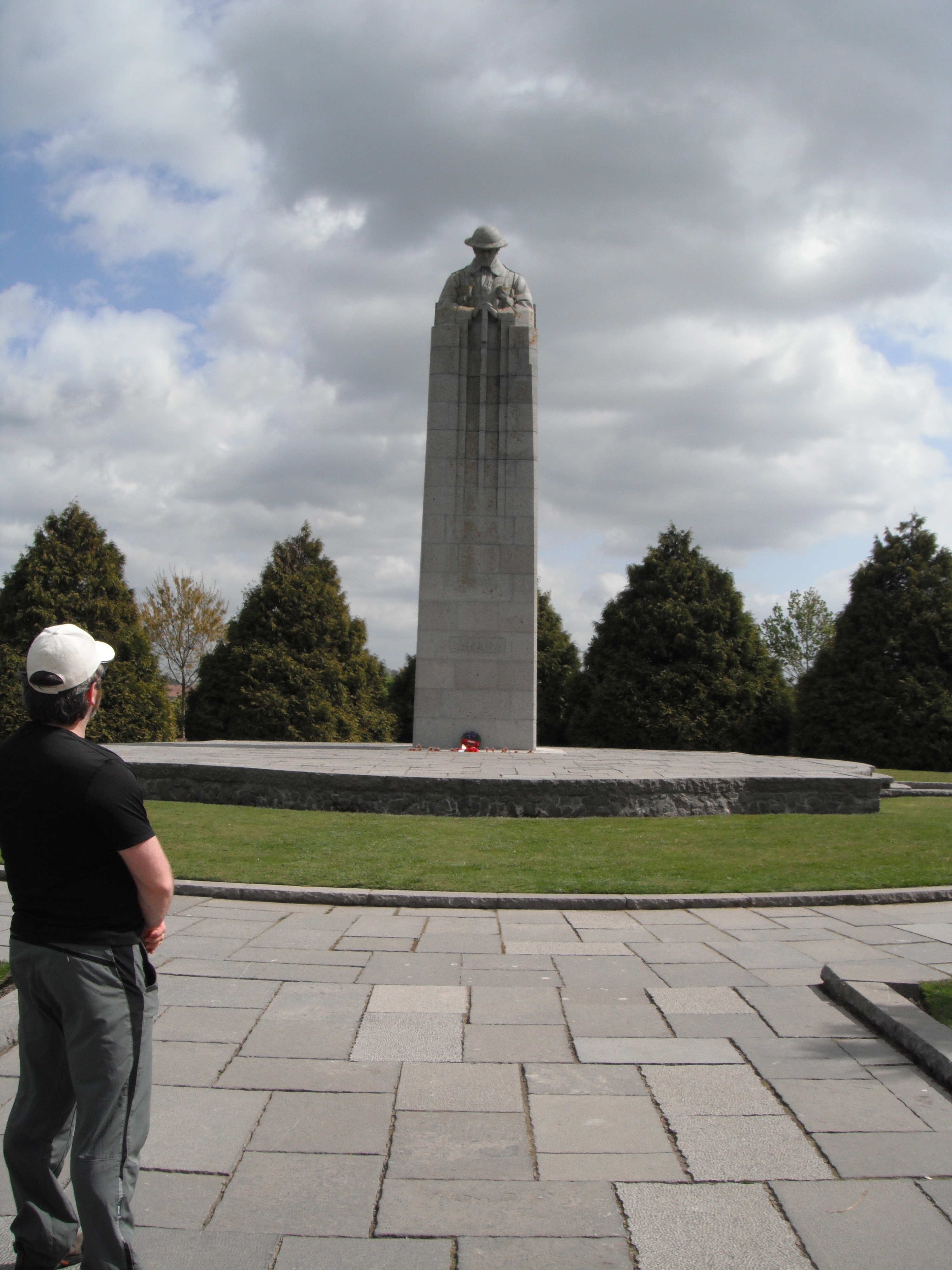
The St. Julien monument

After that, it was on to St. Julien, the town outside of Ypres where the monument to the Canadian soldiers who held their ground during the first gas attack is located. While admiring the monument, my father spotted a fellow Canuck, who was identifiable from his Hamilton Tiger Cats jacket (his hometown). After spotting him, my father went over and promptly chatted him up. He does that a lot! And then, it was off to our last stop for the day – the Tyne Cot Commonwealth Cemetery.

This cemetery, which is the final resting place of 11,954 soldiers who died in the Ypres Salient during the Great War, is the largest Commonwealth cemetery in the world. Of these, some 8,367 are unidentified, and their headstones are inscribed with the words “Known unto God”. In addition to these graves, there’s also the four memorial that honor the roughly 90,000 British and Commonwealth soldiers who died here – most of whom were never found or properly identified – with the names of each inscribed on the walls.
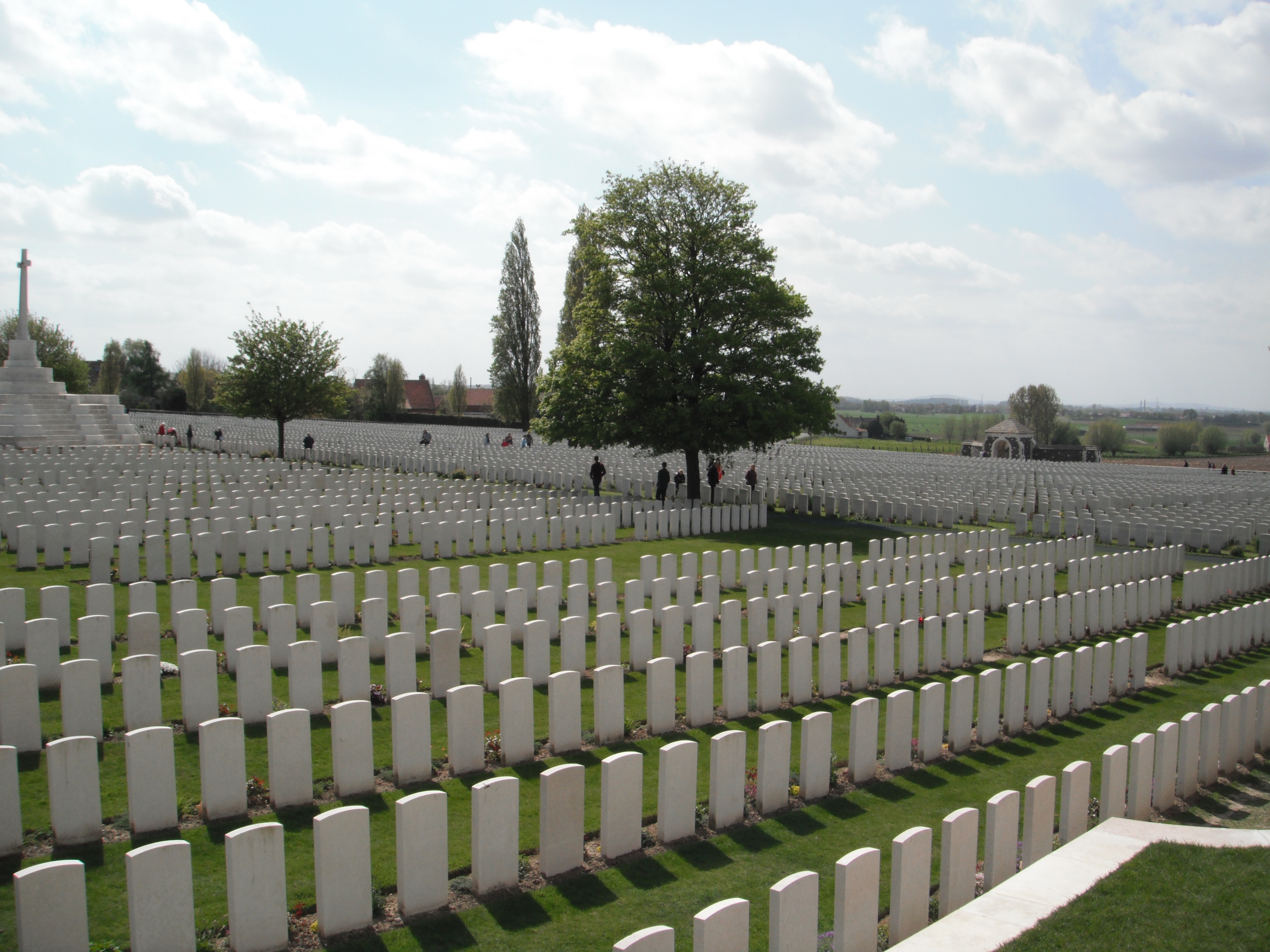
Tyne Cot Cemetery
Tyne Cot Cemetery

We started with the Visitor’s Center, a small and somber museum, before working our way into the cemetery proper. Inside and out, we heard a recording playing where the names of all those who fell in the Ypres Salient were spoken on a loop. To give you some sense of how many men that was, the recording takes a full FIFTEEN YEARS to get through the entire list. Yes, more men fell in this region within the space of four years than can be even be named in that same amount of time. Unbelievable!

Once outside, we walked amongst the headstones and looked for the telltale Maple Leaf that indicated that it was a Canadian soldier who had been buried there. On these, we placed Canada flag pins and thanked them for their service. I can tell you, being surrounded by so much death, and knowing the sheer scale of it, was quite overwhelming. After we had run out of pins and written our names in the visitors book, we hopped back in the car and drove back into town.
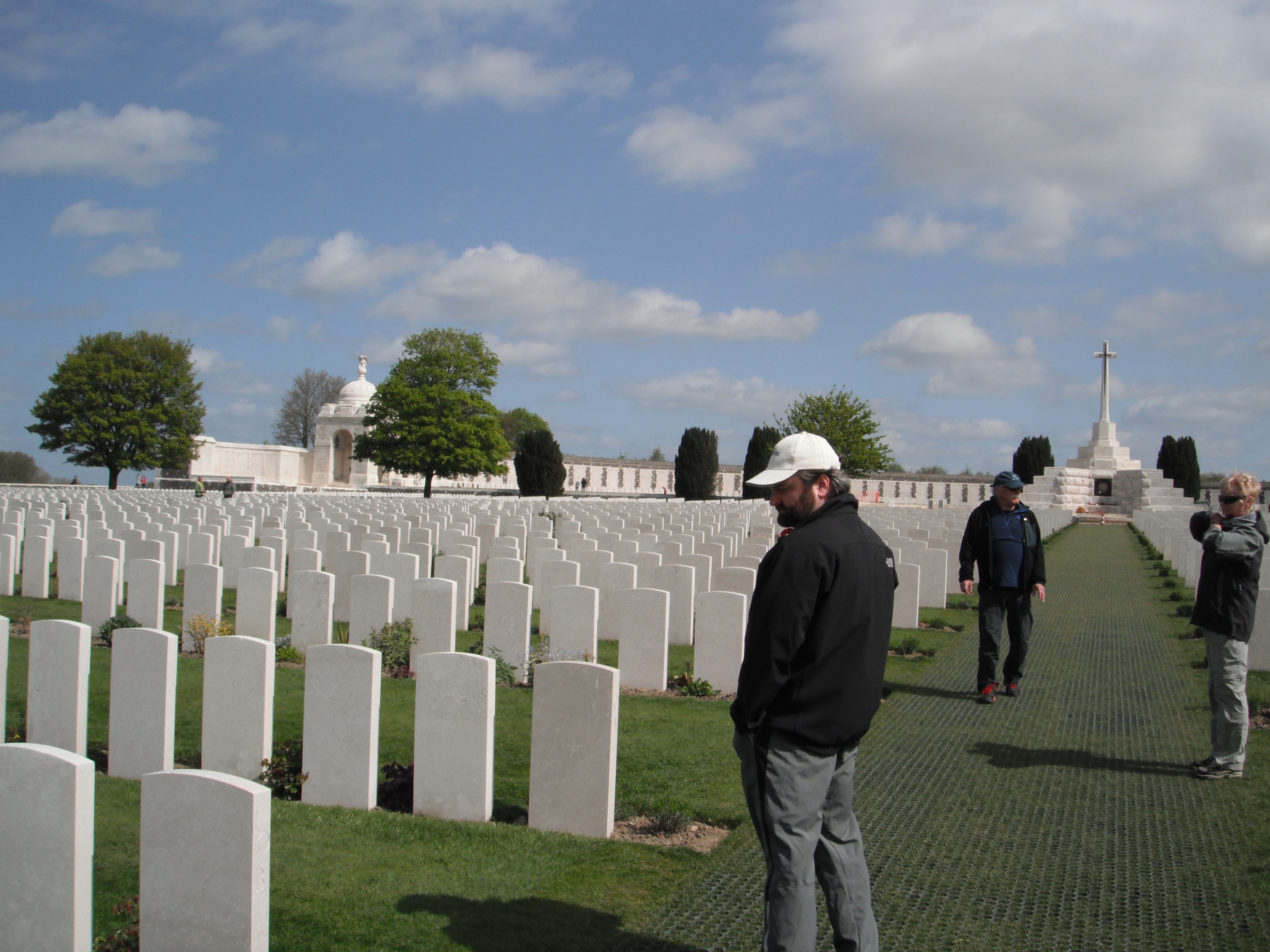
My parents and I looking through the headstones

The rest of the day was spent separately, with my folks having dinner on their own and Carla and I going out for a run. We spent about an hour running around the wall that encircles the old city, visited the Cathedral again, found a place to eat (a nice bistro called “The Goose”), and gorged ourselves on curried chicken, chicken wings, and salad, all of which was washed down by some lovely Belgian Trappist beers and a tall Pilsner. It was a nice, gentle way to conclude a day characterized by sober reflection and somber reminders.

And then, the quiet sleep, knowing that it was our last night in Ypres and we would be leaving for the Normandy coast, and visiting the Vimy War Monument, the next day. It would be the day when we made our final visit to a monument dedicated to those who served and died in the Great War, and the first day of visiting World War II monuments, museums, and cemeteries. And to do it justice, I am going to need to give it it’s own post!

Until next time, thanks for reading, and always remember how fortunate we are to live in a world where total war is a thing of the past. May we never forget, and never be forced to repeat the mistakes of the past!
Back from Europe!

remembrance_day___poppy_day_by_daliscarHello all! It’s good to be home, and though I am nursing the worst case of jet lag I’ve experienced since… well, two weeks ago, I felt the time was right to let people know how my trip went. As I was sure to have said in my last post, things were mighty eventful and we saw some truly amazing things. In addition to the preserved battlefields, war memorials, war cemeteries and museums, there was also the staggering amount of preserved history to be found in every corner of the places we visited.

We also got a chance to sample some interesting food, delight in the customs and practices of the Belgian, Norman and Parisian people, and drink some very good beer (more on this last aspect of things over my beer blog). Point being, it was a life-changing experience and one which we agreed as a family we needed to do again someday. Only this time, we would pace ourselves a little better so we wouldn’t be spending the first day driving on no sleep! 😉

Us at Beaumont-Hamel
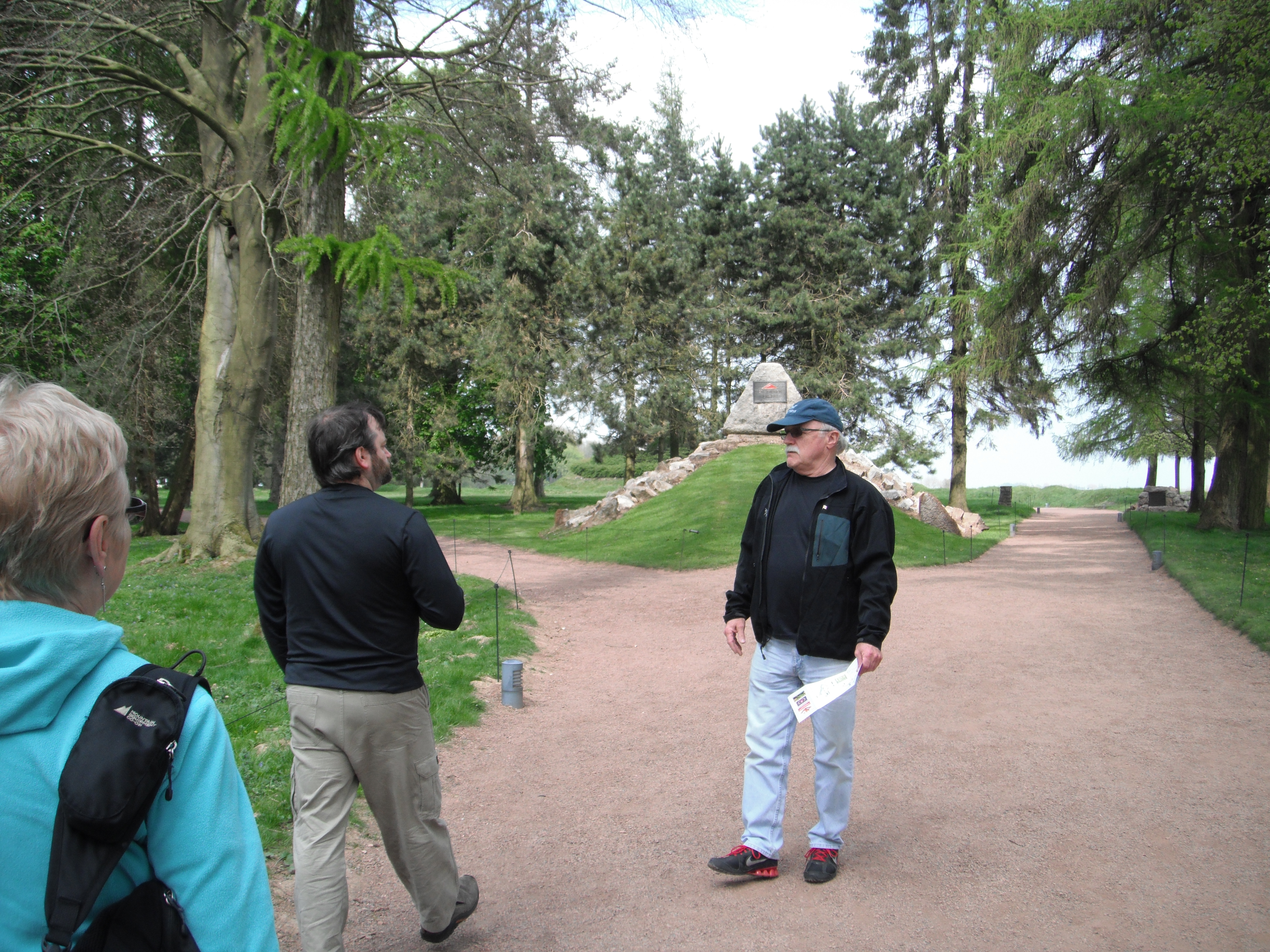
My mother, father and I at Beaumont-Hamel. All photos, unless otherwise indicated, by Carla Jack

To break it all down, we started by visiting cemeteries, memorials and museums in the Belgian countryside that commemorated the Great War and marked the centennial of its outbreak. We also managed to track down the last resting place of a relative of my mother’s, a young man named Wilmot Pettit who was shot down on D-Day over the Normandy countryside. And last, we visited two of the Normandy Beach landings and saw several museums and memorials that honored those who died during the Battle of Normandy in World War II.

This was the precise order of how we did things, which took us from Ypres to Dieppe, Bayeux to Chartres, and ended with us staying in Paris for several nights to take in the culture and history of the French capitol. Really, we couldn’t have packed more in, and now that this precis is over, let me get into the nitty gritty of this trip, with full background info and pictures. And since it’s too much to talk about in one posting, I’ve decided to break it down into a couple posts. Hopefully, I can cover more than a single day at a time, but no promises!

Wednesday, April. 9th – Friday, April 11th
(Nanaimo, BC to Ypres, Belgium):
Before the adventure could begin, there was the little matter of me and my wife meeting up with my folks and then flying to Paris. Now, this is not as easy as it sounds. First off, if you’re flying internationally from Vancouver Island, you either need to get to one of two cities (Comox or Victoria) or take the plane or ferry to Vancouver International Airport. And even then, there are likely to be one or more connecting flights along the way before flying the 8 or 9 hours to make it to Paris.

And once you get there, you’re nine hours ahead, which means you are stepping off the plane in midday when it feels in your head like its the wee hours of the morning. And chances are, you haven’t slept much the night before or on the plane, so you got a big ol’ sleep deficit to start with! Needless to say, that’s what happened to us. After meeting up with my folks the day before, we slept light the evening before the flight, and then set out on Thursday to the local airport before the sun was even up. After a quick trip over to Vancouver, we boarded our first flight, transferred in Montreal, and rode another plane into the sun for another nine hours.

French windmills, by Carla Jack
A few of the many wind turbines we saw

Upon our arrival, we were tired, greasy, and running on fumes. Nevertheless, we managed to grab a rental car and GPS at Charles de Gaulle International and started driving for the Belgium border.This took us through vast stretches of grassy green land, countless fields of golden canola, and many, many wind turbines. This was something that I noticed multiple times while touring the French and Belgian countryside, the large turbine operations that hovered above the flatlands like skyscrapers. I’m thinking we should get in on this in BC, and soon!

After driving northeast for several hours, we arrived in Belgium and began searching for our first set of sites. Having learned of some really cool stops during their previous visits, my folks wanted us to Avril Williams Guesthouse and Tea Room (no relation), a small BandB run by a British lady in the small town of Auchonvillers in the Somme region. In addition to providing food and accommodations, her business is also a de facto war museum due to its very interesting history.

town cellar used during the Great War
An Auchonvillers town cellar used during the Great War. Courtesy of http://www.avrilwilliams.eu

Having been built in the 17th century, graffiti found on the cellars walls and artifacts found on the floor indicated that the building served an important role during the Great War. Apparently, the cellar was one of 140 in the town that was used alternately by the French and British for ammo storage, signalling or for stretcher bearers. After the Armistice in 1923, the villagers returned and the house was rebuilt over the original cellar. It was the only one to have survived intact in Auchonvillers.

The cellar was rediscovered in 1992 when Avril Williams bought the property and some renovations were made. Artifacts found in the floor of the cellar – which included helmets, shell casings, swords, bags, insignia, and a slew of other items – have since been placed on display in the Tea Room itself behind plate glass. What’s more, out the back, a number of old trenches were dug up, restored, and incorporated into the place as part of its historical tour.

After lunch, we toured these and tried to imagine what it was like to have this kind of history in your own backyard! I should also note that Avril had some sheep grazing out the back, as well as several chickens and some very friendly cats. It was a strange and delightful pleasure to be seeing it all and talking to British and other tourists as we walked around and experienced all the reminders of such terrible events, all of which happened roughly 100 years ago but are a permanent part of the landscape. This is something we could to experience a lot on this trip.

Beaumont-Hamel Memorial

Then, it was off to Beaumont-Hamel, one of the many preserved battlefield parks within driving distance from Avril’s. For those who don’t know, it was here that the Royal Newfoundland Regiment (“The Blue Puttees”) fell during the Battle of the Somme. It was during this battle, which took place between July 1st and November 18th, 1916, that this small group of volunteers from the Dominion of Newfoundland (not yet part of Canada) stepped into No Man’s Land and was all but wiped out.

Several factors were to blame for this debacle. In the first place, the French and British plan of attack against the German lines was meant to take place in late June, but was postponed due to bad weather. Combined with the heavy bombardment which preceded the assault, the field between the German and British trenches was turned into mud. What’s more, the German troops on the other side had been occupying their position for 20 months, and used that time to fortify their positions against bombardment.

The Hawthorn Ride Mine exploding. Photo by Ernest Brooks
The Hawthorn Ridge Mine exploding. Photo by Ernest Brooks

The British attack began with the detonation of a large mine under a heavily fortified positing known as the Hawthorn Ridge Redoubt, which was caught on film and remains one of the most iconic bits of footage from the war. The explosion destroyed a major German strong point, but also alerted the German troops of the coming attack and led to their deployment. Moments later, when the British 29th Infantry Division advanced into No Man’s Land, they foundered due to German barbed wire, machine gun fire and artillery.

Back at the Divisional HQ, the British received confused reports, some of which stated that the German lines had been broken. To exploit this, General Beauvoir De Lisle ordered the Newfoundland Regiment and other units that were in reserve into the fray. Moving up from St. John’s Road, a support trench 230 meters (250 yards) behind the British forward line, the Newfoundlanders soon found that movement forward through the communication trenches was not possible because they were congested with the dead and wounded, and under shell fire.

The trenchlines and shell holes that still mark the lanscape
Note how the trench lines and craters still mark the landscape. Photo by Theitalinpen

Lieutenant Colonel Arthur Lovell Hadow, the battalion commander, decided to move immediately into attack formation and advance across the surface. As they moved out in the open, they were effectively the only troops moving on the battlefield and clearly visible to the German defenders. As a result, most of the Newfoundland Regiment who had started forward were dead, dying or wounded within 15 to 20 minutes of leaving St. John’s Road trench.

Most reached no further than the Danger Tree, a skeleton of a tree that lay in No Man’s Land that was being utilized as a landmark. As part of one of the most disastrous offensives during the war, the destruction of this regiment serves as a stark and sobering reminder of just how destructive the Great War was. Of the 780 men who went forward only about 110 survived unscathed, of whom only 68 were available for roll call the following day.

View of the battlefield, with the Danger Tree in the right hand
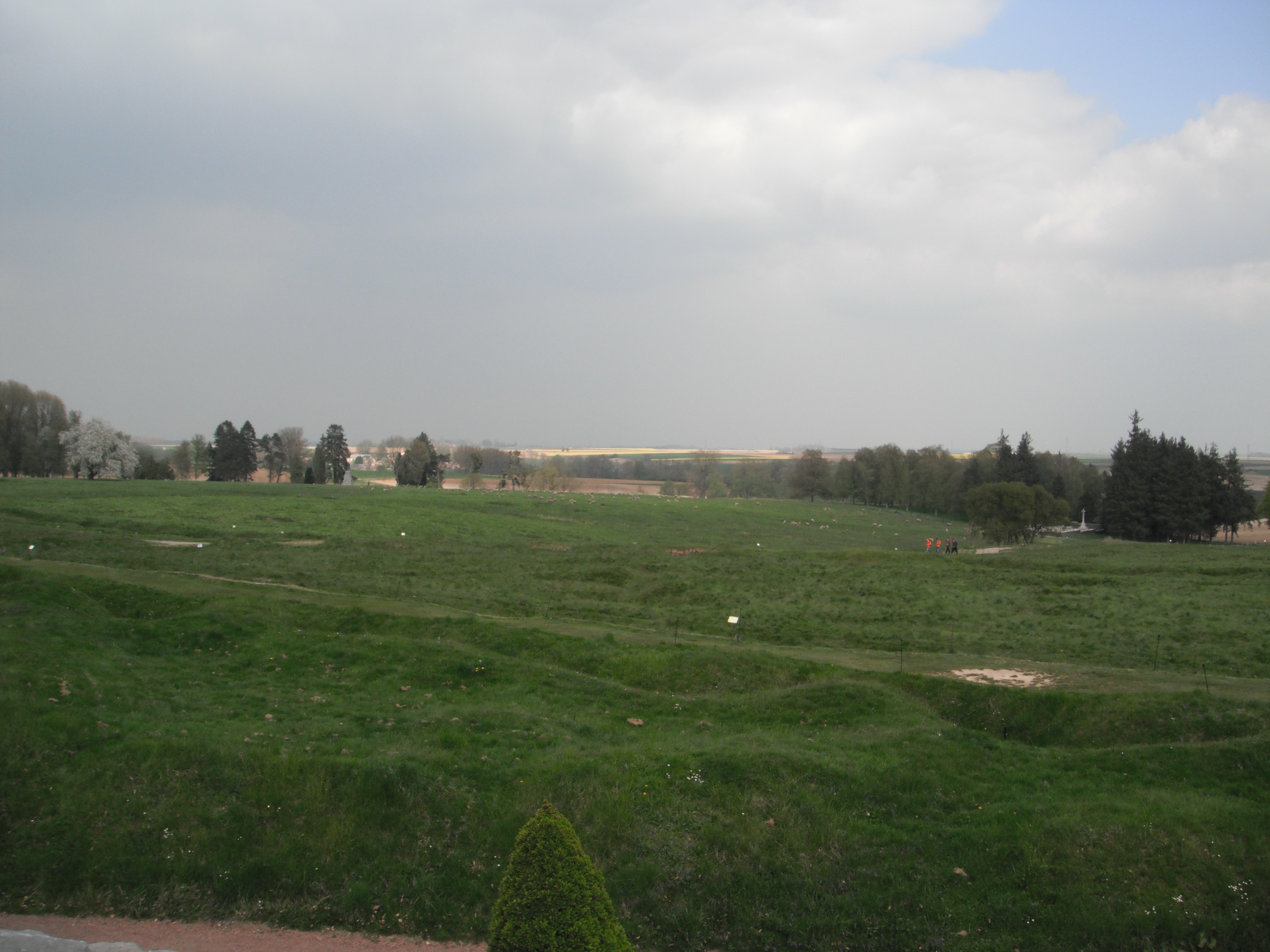
View of the battlefield from the memorial. The Danger Tree is visible on the right near the small group of visitors

As you can probably tell from the photographs, the area in which this battle took place is really not that big. Having seen it close up, I can tell you that it is astounding to know that so much death and destruction happened within such a small area. But such was the nature of battles like the Somme. So many men died brutally and senselessly for the sake of a few meters, and every position taken on the field was paid for with thousands of lives.

The Beaumont-Hamel Newfoundland Memorial is a testament to one of the greatest wastes of life of the war and in human history. Officially opened by the British in 1925, the memorial site is one of only two National Historic Sites of Canada located outside of Canada. The other is the Canadian National Vimy Memorial, which we visited a few days later. This symbol of sacrifice is staffed by Canadian students and civil servants, and remains a symbol of Newfoundland’s identity.

After taking this all in, we went back to our car and set off for the town of Ypres where we would be staying for the next three days. For most of us, this consisted of sleeping in the car while my father had to slap himself to stay awake. But in the end, we made it to the Hotel Albion located in the city’s old quarter and quickly climbed into our beds. Carla and I slept while my folks chose to nap and head on out for some proper dinner.

_____

And that is what we did for the first two days of the trip. If it sounds like a lot, then I’ve conveyed the experience properly! Needless to say, it was all quite overwhelming and we were all emotionally and physically exhausted afterwards. Just telling it again now makes me feel like I’m trying to cook an elephant! Basically, the only way I’m going to be able to do it is a bit at a time. So stay tuned, because there is plenty more to follow.

Up next, our adventures in and around the historic town of Ypres, Belgium! And in the meantime, please listen to this lovely song – “Recruiting Sergeant”, by the Newfoundland band Great Big Sea. It is a lovely song that commemorates the sacrifice of these brave young men, an entire generation of young Newfoundlanders. The video consists of images compiled by Dr. Death1020, who used RNR pictures of Beaumont-Hamel and of the Battle of the Somme to set the tone. Enjoy, and may we never forget!

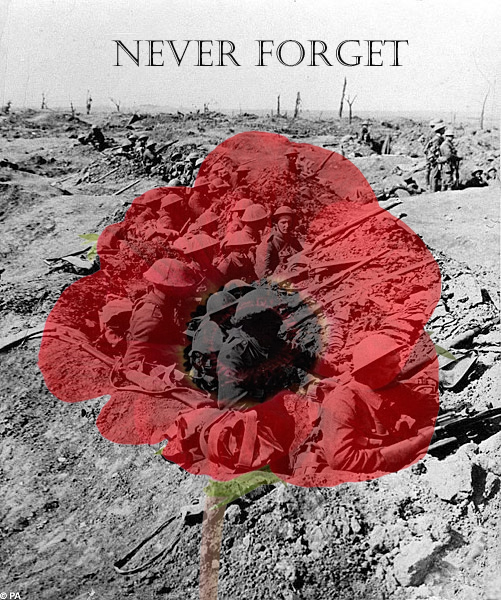
Lest We Forget

lest-we-forgetHey all! Just wanted to do a late trip update and let everybody know I’m still kicking, and to share some of the many experiences that were had so far on this trip. It’s been almost two weeks now since the family and I departed from Vancouver Island and landed on the Continent, and try as I might, I’ve been unable to resist my internet fix! So as long as I was surfing, checking messages and doing a little messaging myself, I figured I could at least post an update or two.

Currently, we are in Paris, where we arrived on Sunday after dropping off our rental car at Charles de Gaulle Airport. After finding our hotel in the Latin Quarter, we began taking in the local sites and sounds, which included the Tour Eiffel, the Arc de Troimphe, the Notre Dame Cathedral, the Louvre, and la Maison de Verlaine, a restaurant that is famous for having been frequented by countless literary, political and showbiz personalities (Hemingway, Marilyn Monroe and the Kennedy’s, to name a few).

battle_of_vimy_ridge_field_gun_firingBut before that, we were in the Flanders region of Belgium and the Normandy region of France. We began with Ypres, a small city in Belgium that was the site of three major battles during the Great War. This began in 1914 when the Allies retook the town from the Germans after their great sweep into northern France failed. The second took place five months later when the Germans, hoping to break the stalemate in Belgium, used chlorine gas for the first time. It was during this gas attack that the Canadian 1st Division distinguished itself by holding its ground and repelling the attack, despite the fact that they had no gas masks. The third and final battle took place east of the city and is also known as the Battle of Passchendaele, one of the bloodiest of the war.

These and other terrible sacrifices which were endured during the war are all commemorated on a daily basis in the town. Every night, wreaths are laid at the Mennin Gate at one side of the old city where the names of the dead are inscribed and people gather to hear The Last post played. Having attended it on both a Saturday and the following Sunday, I can tell you that It is a very beautiful and moving event.

remembrance_day___poppy_day_by_daliscarWe were also sure to visit the cemeteries, battlefields and memorials at Beaumont-Hamel, Concrete Farm, Langemarck, St. Julien, and Tyne Cot. This last cemetery, which is the largest World War I cemetery ever, has a small museum where the names of every soldier who died in the Battle of Arras is named. The recording plays on a loop, and takes FIFTEEN YEARS to finish!

I should also note that within this landscape, visitors and farmers are routinely still finding small pieces of the battles that took place over a century ago. These include unexplored munitions – which have to be carefully removed and disposed of – and shrapnel, which my father and I found quite miraculously. I say this because the field we were going to search was being tilled by a large machine, forcing us to search at the very edge. But even with this small space to work with, we still managed to find a large chunk of a shell and some small pieces of shrapnel.

Vimy RidgeAfter that, we visited the Vimy Memorial in France, one of the greatest to come out of the war. This site, and the many preserved trenches, tunnels and craters that mark the landscape are preserved and attended to by Canadian students who hope to keep the memory of this historical battle alive. Not only was it a major victory for the allies – the first decisive offensive of the war – it also defined Canada as a nation. While being guided through the trenches and tunnel, my father and I once again paused to pick up some keepsakes. This time around, it was a piece of chalk and flint (which the ridge is made of) and a small bit of ceramic, possibly from an old teacup.

We then travelled to Dieppe in Normandy and began visiting the World War II sites and memorials. This included the beach of Dieppe where the ill-faired raid performed by the Canadian 2nd Division, British, French and Polish Commandos, and American Rangers. We then drove to the French countryside to the town of Grangues to see where my Grandmothers cousin (an RAF pilot who died on D-Day) was shot down.

dieppe-dsThis was perhaps the most interesting part of our journey since it involved retracing the path of an actual family member. His name was Wilmot Pettit, and on June 6th, 1944, he was shot down while towing a glider full of British Commandos into the Normandy countryside.  The mayor of Grangues was extremely helpful, and drove us to where the crash took place, told of how the survivors had been captured and executed by the SS, offered to send us some photos of the downed plane, and told us where Wilmott had been buried. We then drove to the cemetery at Ranville to pay our respects, before heading on to Bayeux.

From here, we visited Juno Beach, Gold Beach, and saw the museums set up at both that commemorated the D-Day landings of the Canadian, British and Commonwealth troops. We wanted to get around to seeing Omaha, but unfortunately there just wasn’t enough time. We also visited the war cemetery at Beny-sur-Mer, where the many Commonwealth troops who died during the Battle of Normandy were laid to rest. We also managed to walk inside the still-intact coastal batteries at Longues-sur-Mer, and took in the Bayeux Tapestry before leaving for Chartres.

Which brings us by commodious vicus back to the present. We still have a few more nights here in Paris and we intend to see as much as we can before leaving on Friday.  And when I get home, I hope to write about my experiences here in more depth. Trust me when I say that this is the explicated version. The full-length one comes with way more background info, and pictures! Until then, take care, and take care to remember…

BookofRemembrance_pg.479

Off to Europe!

remembrance_day___poppy_day_by_daliscarHey all! Sad to say, I will be away for the next two weeks as the wife and I, and my mother and father, tour the battlefields of Normandy and Flanders. This trip has been a long time in coming, and is a pretty big deal for obvious reasons. Not only is it an opportunity to see some major historic sites – ones which I have been hoping to see for some time – we are also getting the chance to do this tour during the Centenary of World War I.

As my father informed us after returning from doing the battlefields tour back in 2009, commemorating the Great War and World War II is a pretty big deal for the people who live in Northern France and Belgium. Here, the people live with the reminders of these terrible wars every single day, with farmers and villagers finding pieces of shrapnel, bullets, and even unexploded munitions on a regular basis. And in some areas, the evidence of the trenches is still visible, even where they haven’t been preserved.

The sites we will be visiting include Ypres, Beaumont-Hamel, Vimy Ridge, Dieppe, Bayeux, Juno Beach, Caen, Omaha Beach, Chartres, and of course, Paris – which we will be flying in and out of. I will be back on the 25th of April, no doubt with plenty of stories and pictures! Take care, and never forget the sacrifice made by so many for so many more!

By 2014: According to Asimov and Clarke

asimov_clarkeAmongst the sci-fi greats of old, there were few authors, scientists and futurists more influential than Isaac Asimov and Arthur C. Clarke. And as individuals who constantly had one eye to the world of their day, and one eye to the future, they had plenty to say about what the world would look like by the 21st century. And interestingly enough, 2014 just happens to be the year where much of what they predicted was meant to come true.

For example, 50 years ago, Asimov wrote an article for the New York Times that listed his predictions for what the world would be like in 2014. The article was titled “Visit to the World’s Fair of 2014”, and contained many accurate, and some not-so-accurate, guesses as to how people would be living today and what kinds of technology would be available to us.

Here are some of the accurate predictions:

1. “By 2014, electroluminescent panels will be in common use.”
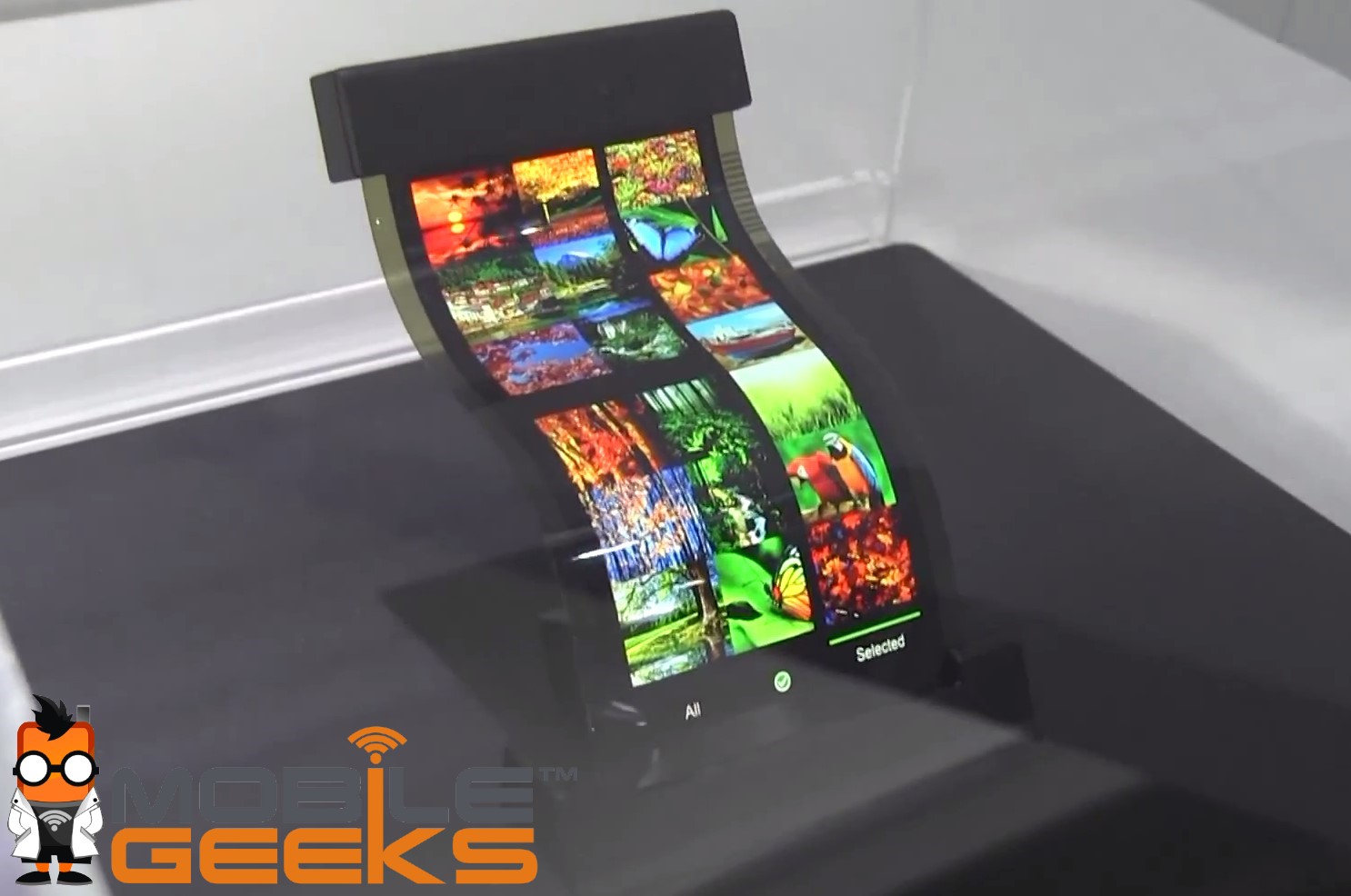
In short, electroluminescent displays are thin, bright panels that are used in retail displays, signs, lighting and flat panel TVs. What’s more, personal devices are incorporating this technology, in the form of OLED and AMOLED displays, which are both paper-thin and flexible, giving rise to handheld devices you can bend and flex without fear of damaging them.

touch-taiwan_amoled2. “Gadgetry will continue to relieve mankind of tedious jobs.”
Oh yes indeed! In the last thirty years, we’ve seen voicemail replace personal assistants, secretaries and message boards. We’ve seen fax machines replace couriers. We’ve seen personal devices and PDAs that are able to handle more and more in the way of tasks, making it unnecessary for people to consult a written sources of perform their own shorthand calculations. It’s a hallmark of our age that personal technology is doing more and more of the legwork, supposedly freeing us to do more with our time.

3. “Communications will become sight-sound and you will see as well as hear the person you telephone.”
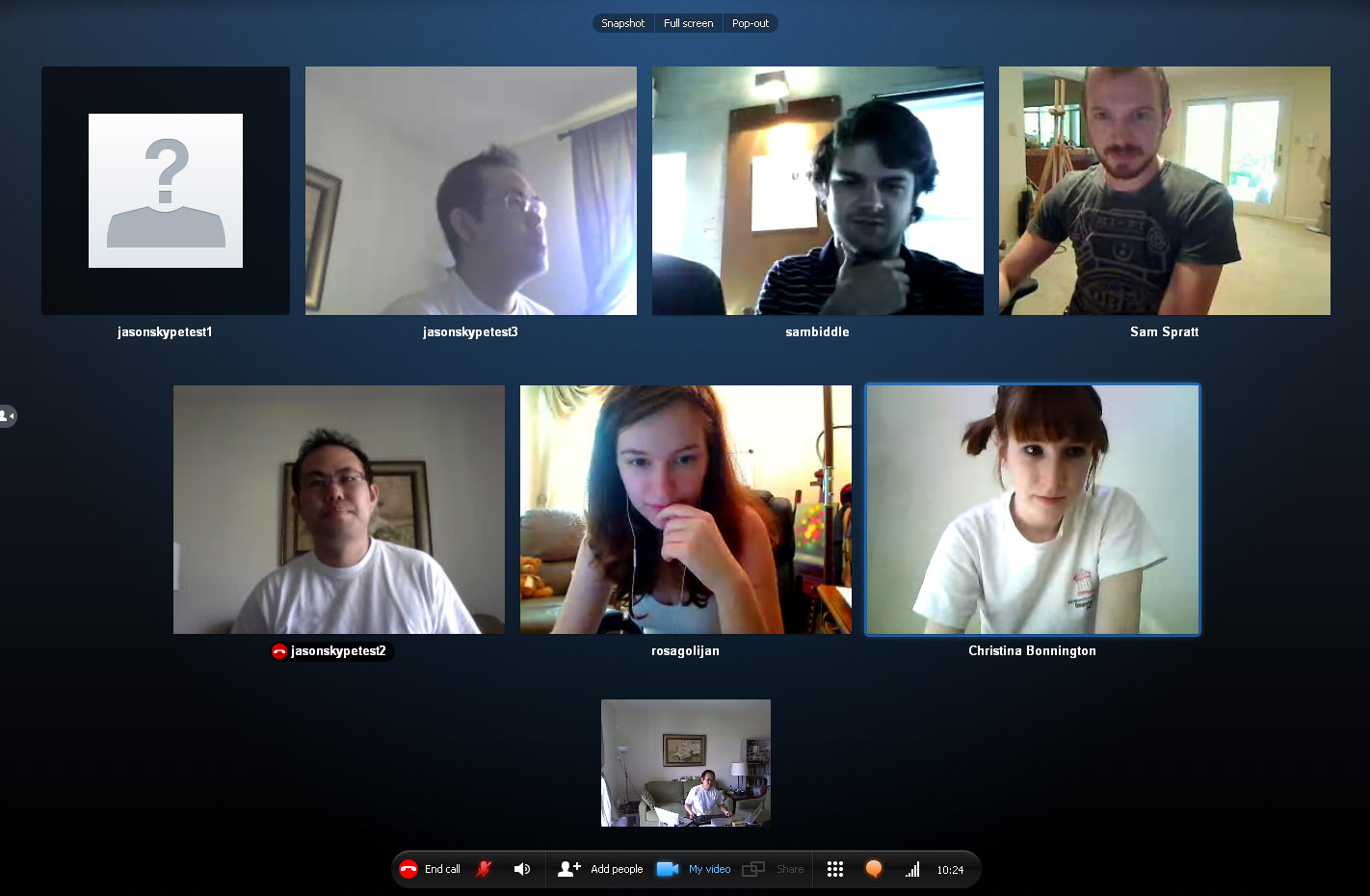
This was a popular prediction in Asimov’s time, usually taking the form of a videophone or conversations that happened through display panels. And the rise of the social media and telepresence has certainly delivered on that. Services like Skype, Google Hangout, FaceTime and more have made video chatting very common, and a viable alternative to a phone line you need to pay for.

skypeskype4. “The screen can be used not only to see the people you call but also for studying documents and photographs and reading passages from books.”
Multitasking is one of the hallmarks of modern computers, handheld devices, and tablets, and has been the norm for operating systems for some time. By simply calling up new windows, new tabs, or opening up multiple apps simultaneously and simply switching between them, users are able to start multiple projects, or conduct work and view video, take pictures, play games, and generally behave like a kid with ADHD on crack if they so choose.

5. “Robots will neither be common nor very good in 2014, but they will be in existence.”
If you define “robot” as a computer that looks and acts like a human, then this guess is definitely true. While we do not have robot servants or robot friends per se, we do have Roomba’s, robots capable of performing menial tasks, and even ones capable of imitating animal and even human movements and participating in hazardous duty exercises (Google the DARPA Robot Challenge to see what I mean).

Valkyrie_robotAlas, he was off on several other fronts. For example, kitchens do not yet prepare “automeals” – meaning they prepare entire meals for us at the click of a button. What’s more, the vast majority of our education systems is not geared towards the creation and maintenance of robotics. All surfaces have not yet been converted into display screens, though we could if we wanted to. And the world population is actually higher than he predicted (6,500,000,000 was his estimate).

As for what he got wrong, well… our appliances are not powered by radioactive isotopes, and thereby able to be entirely wireless (though wireless recharging is becoming a reality). Only a fraction of students are currently proficient in computer language, contrary to his expectation that all would be. And last, society is not a place of “enforced leisure”, where work is considered a privilege and not a burden. Too bad too!

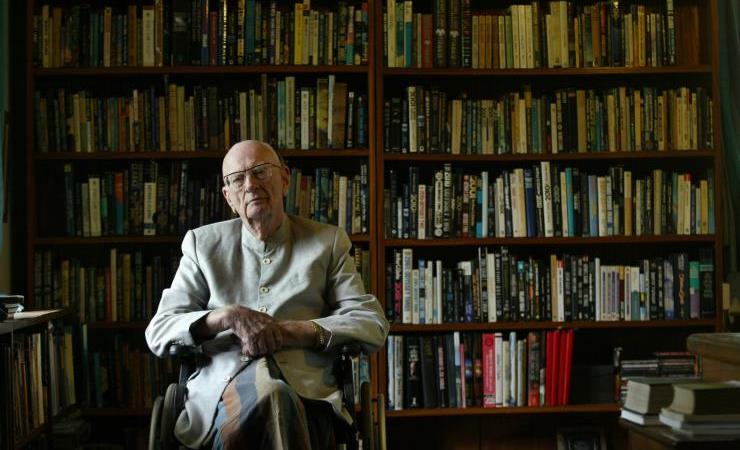
Arthur-C-ClarkeAnd when it comes to the future, there are few authors whose predictions are more trusted than Arthur C. Clarke. In addition to being a prolific science fiction writer, he wrote nearly three dozen nonfiction books and countless articles about the future of space travel, undersea exploration and daily life in the 21st century.

And in a recently released clip from a 1974 ABC News program filmed in Australia, Clarke is shown talking to a reporter next to a massive bank of computers. With his son in tow, the reporter asks Clarke to talk about what computers will be like when his son is an adult. In response, Clarke offers some eerily prophetic, if not quite spot-on, predictions:

The big difference when he grows up, in fact it won’t even wait until the year 2001, is that he will have, in his own house, not a computer as big as this, but at least a console through which he can talk to his friendly local computer and get all the information he needs for his everyday life, like his bank statements, his theater reservations, all the information you need in the course of living in a complex modern society. This will be in a compact form in his own house.

internetIn short, Clarke predicted not only the rise of the personal computer, but also online banking, shopping and a slew of internet services. Clarke was then asked about the possible danger of becoming a “computer-dependent” society, and while he acknowledged that in the future humanity would rely on computers “in some ways,” computers would also open up the world:

It’ll make it possible for us to live really anywhere we like. Any businessman, any executive, could live almost anywhere on Earth and still do his business through his device like this. And this is a wonderful thing.

Clarke certainly had a point about computers giving us the ability to communicate from almost anywhere on the globe, also known as telecommunication, telecommuting and telepresence. But as to whether or not our dependence on this level of technology is a good or bad thing, the jury is still out on that one. The point is, his predictions proved to be highly accurate, forty years in advance.

computer_chip1Granted, Clarke’s predictions were not summoned out of thin air. Ever since their use in World War II as a means of cracking Germany’s cyphers, miniaturization has been the trend in computing. By the 1970’s, they were still immense and clunky, but punch cards and vacuum tubes had already given way to transistors, ones which were getting smaller all the time.

And in 1969, the first operational packet network to implement a Transmission Control Protocol and Internet Protocol (TCP/IP) was established. Known as a Advanced Research Projects Agency Network (or ARPANET), this U.S. Department of Defense network was set up to connect the DOD’s various research projects at universities and laboratories all across the US, and was the precursor to the modern internet.

In being a man who was so on top of things technologically, Clarke accurately predicted that these two trends would continue into the foreseeable future, giving rise to computers small enough to fit on our desks (rather than taking up an entire room) and networked with other computers all around the world via a TCP/IP network that enabled real-time data sharing and communications.

And in the meantime, be sure to check out the Clarke interview below:


Sources:
huffingtonpost.com, blastr.com

Remembrance Day 2013

lest-we-forgetIt goes by many names the world over. In Canada, Britain and Australia, we call it Remembrance Day. In the United States, it’s called by Veteran’s Day. In New Zealand, France, Belgium and Serbia, it’s known as Armistice Day. And to the Polish, it’s Independence Day since the end of World War I was also the occasion when their country achieved statehood.

Interestingly enough, the war that it originally commemorates also goes by many names. To those who fought in it, it was the Great War, but also the “War to end all wars”, as no one who lived through it could fathom that any nation would ever go to war again. And to those who have went to war again just 27 years later, it would come to be known as World War I or the First World War.

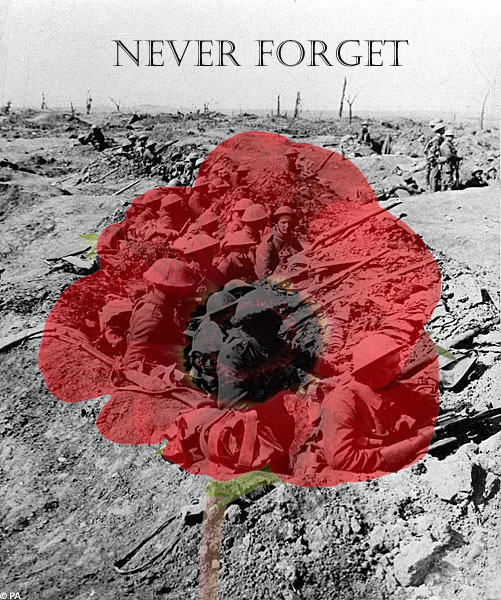
remembrance-day-poemRegardless of the name, November 11 is a day when people the world over come together to mark one of the worst periods in our history, celebrate those who made the ultimate sacrifice, and reflect upon the terrible lessons that were learned. And while it is easy to look upon the world and imagine that we’ve learned nothing, I choose to believe otherwise.

When the world went to war in August of 1914, the news was greeted with general elation for those involved. In Berlin, Paris and London, crowds emerged to celebrate the fact that their nations were mobilizing against their enemies. In Canada, people readily volunteered to serve overseas and “fight the Hun”. The propaganda mills of every nation were running overtime, stoking the fervor of war, claiming rightness, and that God was on their side.

Royal_Irish_Rifles_ration_party_Somme_July_1916Four years later, few retained these romantic notions of war. Those who survived the carnage were known as “The Lost Generation”, and those born after the war entered into a world struggling to leave the memory behind and get back to normal. When war was once again declared in 1939, few were enthused, and the general attitude was one o fear.

In fact, part of the reason “Appeasement” – the strategy of giving in to Hitler’s demands, or accommodating Japanese and Italian expansion in Africa and East Asia – was permitted was because no one wanted a repeat of the last war. Even in the Axis nations of Germany, Japan, and Italy, the general public entered the war only reluctantly, convinced they had no choice and fearful for how it might turn out.

Berlin-1945_croppedSix years, 70 million lives, 1600 cities, and several attempted genocides later, the victorious nations of the world once again came together with the common goal of lasting world peace, human rights and economic development. This was embodied in the Universal Declaration of Human Rights, the International Court of Justice, the International Monetary Fund and World Bank Group.

Despite the prevailing mood that a new “Cold War” was already brewing between east and west, the word’s “Never Again” were spoken by people on all sides. After two World Wars and the near total-destruction of many nations, it was understood that the world would not be able to endure a third. Somehow, and despite the arms race of the latter of the half of the 20th century, peace would endure.

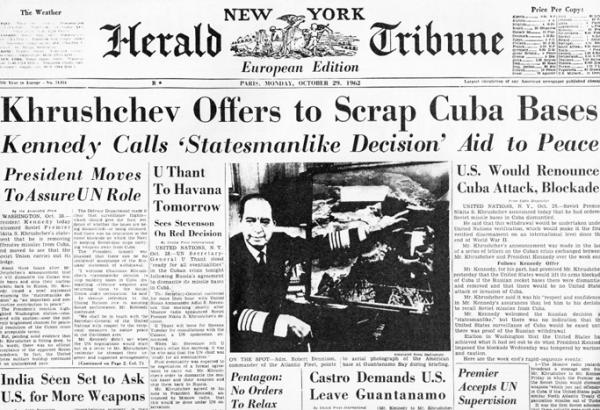
Cuban-missile-crisis-photo-from-Oct-29-1962Lucky for all of us, the Cold War ended some two decades ago and the specter of World War III with it. While many wars took place during the intervening period and there were a few close calls (The Cuban Missile Crisis being foremost), a nuclear crisis was continually avoided because all sides understood that no one would emerge the victor.

Today, wars still rage in the underdeveloped regions of the world and even amongst the so-called “developed” nations – the rational ranging from fighting extremism to trying to foster nation building. Nevertheless, I can’t help but look back today and think that those who died and sacrificed so much taught us something invaluable and enduring.

nuclear1Sure, the Great War did not end all wars, nor did those that followed it. But with every mistake, with every new sacrifice, with every new conflict, surely we have learned something. Were it not for the UN and the spirit multilateralism the prevailed after the Second World War, World War III may have been unavoidable, and might still be a possibility.

And while there were still wars between proxy nations during the Cold War, Korea and Vietnam taught us the futility of political conflicts, a lesson which helped end the Iraq War sooner and with less loss of life than would have otherwise been possible. These sentiments have since been applied to the war in Afghanistan and the drone wars, two more unpopular campaigns that are sure to end in the near future as well.

holocaustWhat’s more, the genocide of the Jewish, Roma and Slavic peoples all across Europe taught us the evils of ethnic cleansing and man’s capacity for hate, lessons which have helped us confront and combat genocide in former Yugoslavia, Rwanda, Darfur, East Timor and elsewhere. They have also forced us to contemplate genocides which have taken place on our soil, in Australia, Canada, the US and Latin America.

To look at the state of the world today, it is easy to grow cynical and say that we’ve learned nothing. But when you consider that fact that we no longer live in a world where total war is seen as glorious, where two superpowers are aiming nuclear-tipped missiles at each other, and where aggression and genocide are actively ignored or accommodated, you begin to appreciate what we have and who made it possible.

Vimy RidgeBut most importantly of all, to say we’ve learned nothing is to disrespect those who made the ultimate sacrifice, not to mention those who came home forever changed and scarred. For these veterans, servicemen and women, and people who risked life and limb to ensure that war would bring peace, that people would remain free, and that greater evils would not be allowed to prevail, saying “it was all in vain” renders what they did for the rest of us meaningless.

With that in mind, I’m very happy to announce that next year, in April of 2014, my family and I will be visiting Europe to witness the Centennial of World War I. While we’re there, we will be visiting the grave sites of those who died overseas, several battlefield from the First and Second World War, and will bear witness to one of the greatest historic events in our lifetimes.

My father made the trip once before and remarked with awe how to people over there, the wars are not something that are commemorated once a year, but on a regular basis. But next year, it is expected to be especially poignant as people from all over the globe converge on Flanders to pay their respects. I expect it to be very eye-opening, and you can expect to be hearing about it the moment I get back!

A sober and reflective Remembrance Day to you all. Peace.

remembrance_day___poppy_day_by_daliscar

News from Mars: Another (Planned) Mission!

mars-mission1When it comes to generational milestones, those of born since the late 70’s often feel like we’re lagging behind previous generations. Unlike the “Greatest Generation” or the “Baby Boomers”, we weren’t around to witness Two World Wars, the Great Depression, the Cuban Missile Crisis, the death of JFK, Neil Armstrong, or the FLQ Crisis. For us, the highlights were things like the development of the PC, the birth of the internet, Kurt Cobain, and of course, 9/11.

But looking ahead, those us of belonging to Generation X, Y, and Millennials might just be around to witness the greatest event in human history to date – a manned mission to Mars! And while NASA is busy planning a mission for 2030, a number of private sources are looking to make a mission happen sooner. One such group is a team of UK scientists working from Imperial College London that are working to mount a a three person mission to Mars.

mission-to-marsThe planned mission consists of two spacecraft, the first of which is a Martian lander equipped with a heat shield that will send the crew off into Earth’s orbit. The second craft would be a habitat vehicle, which is the craft that the crew would live in during the voyage. The habitat vehicle would consist of three floors, and measure in at around 30 feet (10m) tall and 13 feet (4m) in diameter.

The astronauts would be situated in the lander during takeoff, and would move to the habitat when the dual-craft reaches Earth orbit. Once the astronauts are safely within the habitat, a rocket would shoot the dual-craft off on its journey to Mars, which would take nine months to arrive, less than the approximately 300 days that most projections say it will take.

Mars_landerOnce In space, the dual-craft would then split apart but remain connected by a 60 meter (200 foot) tether. Thrusters from both vehicles would then spin them around a central point, creating artificial gravity similar to Earth’s in the habitat. Not only would this help the astronauts feel at home for the better part of a lonely year, but it would also reduce the bone and muscle atrophy that are associated with weightlessness.

The craft would be well-stocked with medicine to ensure that the crew remained in fine health for the nine month transit. Superconducting magnets, as well as water flowing through the shell of the craft, would be employed to help reduce both cosmic and solar radiation. And once the dual-craft reaches Mars, it would tether back together, the crew would move back into the lander, and then detach from the habitat descend to the Martian surface.

Mars-mission-2This mission would also involve sending a habitat and return vehicle to Mars before the astronauts arrived, so the crew would have shelter upon landing as well as a way to get home. The crew would spend anywhere from two months to two years on Mars, depending on the goals of the mission and the distance between Mars and Earth. On the way back home, the mission would dock with the ISS, then take a craft back to Earth from there.

What’s especially interesting about this proposed mission is that each stage of it has been proven to work in an individual capacity. What’s more, the concept of using water as a form radiation shielding is far more attractive than Inspiration Mars’, which calls for using the astronauts own fecal matter!

Unfortunately, no real timetable or price tags have been proposed for this mission yet. However, considering that every individual step of the mission has been proven to work on its own, the proposed overall journey could work. In the meantime, all us post-Baby Boomers can do is wait and hope we live to see it! I for one am going sick of hearing Boomers talk about where they were when Apollo 11 happened and having nothing comparable to say!

And be sure to enjoy this video of the University College London team discussing the possibilities of a Mars mission in our lifetime:


Sources:
bbc.co.uk, extremetech.com

Alan Turing Pardoned… Finally!

Alan TuringWhen it comes to the history of computing, cryptography and and mathematics, few people have earned more renown and respect than Alan Turing. In addition to helping the Allied forces of World War II break the Enigma Code, a feat which was the difference between victory and defeat in Europe, he also played an important role in the development of computers with his “Turing Machine” and designed the Turning Test – a basic intelligence requirement for future AIs.

Despite these accomplishments, Alan Turing became the target of government persecution when it was revealed in 1952 that he was gay. At the time, homosexuality was illegal in the United Kingdom, and Alan Turing was charged with “gross indecency” and given the choice between prison and chemical castration. He chose the latter, and after two years of enduring the effects of the drug, he ate an apple laced with cyanide and died.

turing-science-museum-2Officially ruled as a suicide, though some suggested that foul play may have been involved, Turing died at the tender age of 41. Despite his lifelong accomplishments and the fact that he helped to save Britain from a Nazi invasion, he was destroyed by his own government for the simple crime of being gay.

But in a recent landmark decision, the British government made a historic ruling by indicating that they would support a backbench bill that would clear his name posthumously of all charges. This ruling is not the first time that the subject of Turing’s sentencing has been visited by the British Parliament. Though for years they have been resistant to offering an official pardon, Prime Minister Gordon Brown did offer an apology for the “appalling” treatent Turing received.

Sackville_Park_Turing_plaqueHowever, it was not until now that it sought to wipe the slate clean and begin to redress the issue, starting with the ruling that ruined the man’s life. The government ruling came on Friday, and Lord Ahmad of Wimbledon, a government whip, told peers that the government would table the third reading of the Alan Turin bill at the end of October if no amendments are made.

Every year since 1966, the Turing Award – the computing worlds highest honor and equivalent of the Nobel Prize- has been given by the Association for Computing Machinery for technical or theoretical contributions to the computing community. In addition, on 23 June 1998 – what would have been Turing’s 86th birthday – an English Heritage blue plague was unveiled at his birthplace in and childhood home in Warrington Crescent, London.

Alan_Turing_Memorial_CloserIn addition, in 1994, a stretch of the A6010 road – the Manchester city intermediate ring road – was named “Alan Turing Way”, and a bridge connected to the road was named “Alan Turing Bridge”. A statue of Turing was also unveiled in Manchester in 2001 in Sackville Park, between the University of Manchester building on Whitworth Street and the Canal Street gay village.

This memorial statue depicts the “father of Computer Science” sitting on a bench at a central position in the park holding an apple. The cast bronze bench carries in relief the text ‘Alan Mathison Turing 1912–1954’, and the motto ‘Founder of Computer Science’ as it would appear if encoded by an Enigma machine: ‘IEKYF ROMSI ADXUO KVKZC GUBJ’.

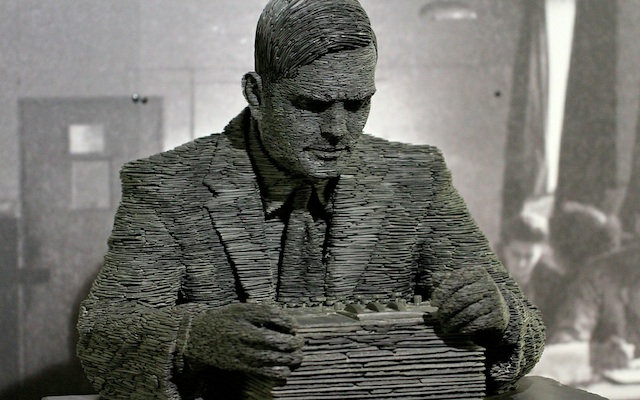
turing-statueBut perhaps the greatest and most creative tribute to Turning comes in the form of the statue of him that adorns Bletchley Park, the site of the UK’s main decryption department during World War II. The 1.5-ton, life-size statue of Turing was unveiled on June 19th, 2007. Built from approximately half a million pieces of Welsh slate, it was sculpted by Stephen Kettle and commissioned by the late American billionaire Sidney Frank.

Last year, Turing was even commemorated with a Google doodle last year in honor of what would have been his 100th birthday. In a fitting tribute to Turing’s code-breaking work, this doodle designed to spell out the name Google in binary. Unlike previous tributes produced by Google, this one was remarkably complicated. Those who attempted to figure it out apparently had to consult the online source Mashable just to realize what the purpose of it was.

google_doodle_turing

For many, this news is seen as a development that has been too long in coming. Much like Canada’s own admission to wrongdoing in the case of Residential Schools, or the Church’s persecution of Galileo, it seems that some institutions are very slow to acknowledge that mistakes were made and injustices committed. No doubt, anyone in a position of power and authority is afraid to admit to wrongdoing for fear that it will open the floodgates.

But as with all things having to do with history and criminal acts, people cannot be expected to move forward until accounts are settled. And for those who would say “get over it already!”, or similar statements which would place responsibility for moving forward on the victims, I would say “just admit you were wrong already!”

Rest in peace, Alan Turing, and may continued homophobes who refuse to admit they’re wrong find the wisdom and self-respect to learn and grow from their mistakes. Orson Scott Card, I’m looking in your direction!

Sources: news.cnet.com, guardian.co.uk

Climate Crisis: City Farms

dragonfly-vertical-farm-for-a-future-new-york-1Hello again, folks. As you all know, this summer has brought some rather dire news on the climate front as unpredictable weather patterns have led to flooding in many parts of the world. And as climatological researchers and scientists have predicted, this is just the tip of the iceberg, as rising global temperatures will lead to melted icecaps, higher sea levels, severe droughts, wildfires and coastal storms.

But as I always like to point out, there are solutions to these problems, or at least ways to mediate them. Given the central role played by overpopulation and urban sprawl in climate change, many of these proposed solutions have to do with finding new ways to house, feed, and provide from future generations – ones which emphasize sustainability and clean energy.

city_farmsWhen it comes to feeding future generations of people, the question of what will be on the menu and where it comes from are paramount. In recent decades, massive crop failures, protracted droughts, and numerous food-borne disease outbreaks caused by microbes such as salmonella, E. coli, toxoplasma and listeria have forced people to contemplate where their food comes from and how it is produced.

The proposed solution is to rethink farming, moving out of the old paradigm of farming the lands around human settlements and moving them inside. These city-based agricultural projects include rooftop gardens, rooftop greenhouses, planting beds, empty lots as farmland, and vertical farms that occupy tall buildings and abandoned warehouses. Collectively, these examples show the validity of growing food in the city. Not only could be they be carried out efficiently, but they could also operate without the pollution associated with outdoor farming.

city_farms1In truth, the concept is not entirely new, as “victory gardens” or other variants have been a means of producing agricultural goods whenever national farms found themselves overburdened. These were all the rage in Britain, Canada, the US and Germany during World War I and II when naval blockades and military demand forced people to plant their own vegetables in their backyards.

In addition, after the collapse of the Soviet Union, Cuba found itself in a serious agricultural crisis. As a result, they turned to a vast network of ‘organoponicos’ – growing food for city dwellers in spare plots. These miniature agricultural operations not only staved off starvation and malnutrition during times of shortages, but became a model for sustainable local efforts that are currently being used around the world.

city_farms2For example, in Wilcox, Arizona, their is the EuroFresh Farms indoor-operation – a 318 acres (1.3 square km) of one-storey-high hydroponic greenhouses that supplies fresh tomatoes and cucumbers.  Similarly, the FarmedHere operation in Bedford Park, Illinois consists of a 8,360 square meter (90,000 square foot) empty warehouse that is several storeys tall that produces tilapia, a variety of leafy green vegetables, and several value-added products.

And in Sweden, the company known as Plantagon is building a vertical farm in the city of Linkoping, and has partnered with a Chinese company to research similar methods for the state of China. In addition, limited forms of vertical farming also exist in Japan, Korea, Singapore, the United States, and Canada, with new farms being planned for a number of cities in the United States.

city_farms4As always, technological innovation is assisting in the process. This includes such things as grow lights that have replaced expensive fluorescent fixtures with light-emitting diodes that can be adapted to emit light spectra tailored for growing green plants. In addition to costing less to run, their yields are demonstrably higher, especially where leafy greens and tomatoes are concerned.

Another concept which is being embraced is aquaculture – indoor fish hatcheries – which could provide meat protein to go with all these vegetables. Such operations include Hazorea Acquatics, a koi farming operation, as well as the carp and mullet farm pictured below, both of which are located in Israel . Similar operations are popping up in the US, Netherlands, Denmark, Scotland and Canada, where barramundi, sturgeon, tilapia, eels, catfish, trout and salmon are being raised.

city_farms5Looking to the long-run, urban agriculture has the potential to become so pervasive within our cities that by the year 2050 they may be able to provide its citizens with up to 50% of the food they consume. In doing so, ecosystems that were fragmented in favor of farmland could be allowed to regain most of their ecological functions, forests could recover, and the impact on the environment would very beneficial, for the planet as well as humanity.

In addition to ensuring that the greatest consumers of CO2 – trees and other flora – could re-advance on the landscape, allowing natural spaces to recover from the damages of agriculture would also bring countless species back from the brink of extinction. Loss of habitat is one of the chief causes of wildlife becoming endangered, and farm runoff is one of the greatest factors effecting our rivers and fish stocks.

Combined with water treatment and recycling that also happens on-site, solar, wind and peizoelectric power, and carbon capture that can turn CO2 into biofuel, skyscrapers and urban environments may very well advance to become at the forefront of the sustainability, environmental and clean energy movement. What was once the problem would thus become the solution. Truly innovative…

Source: bbc.com/future

The World’s First Completely 3D-Printed Gun

liberatorSince it’s inception, 3D printing has offered people a wide range of manufacturing possibilities, ranging from the creation of intricate prototypes to drugs and even human tissue. However, one of the most controversial manufactured items to come from the technology has been what the Texas-based organization known as Defense Distributed refers to as “Wiki-weapons”, guns that can be made by anyone using downloaded blueprints and a public printer.

DD_gunsNot long ago, the group announced that they had successfully created a working AR-15 assault weapon using some printed parts. This drew sharp criticism from advocates of gun control, in part because the same weapon was used in the Newton, Connecticut school shooting. However, Cody Wilson, founder of DD, announced that they would continue to pursue their goal of making printed guns, stating that their commitment to the 2nd Amendment took precedence over a single tragedy.

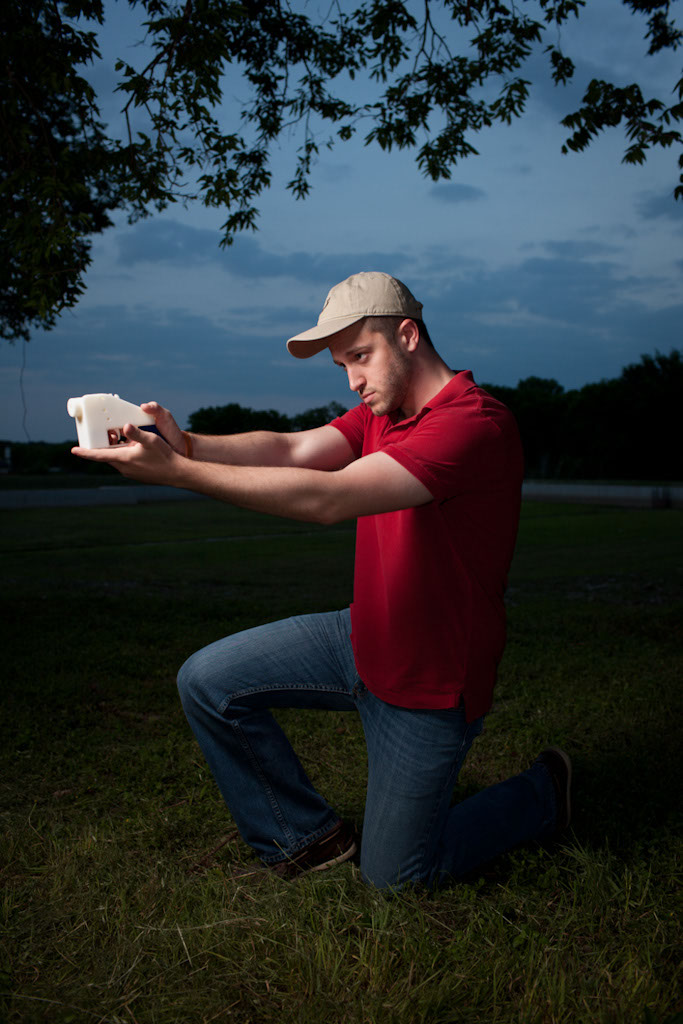
And now, it appear that they have gone a step further, unveiling the world’s first fully 3D-printed weapon. Save for a nail which is used as the firing pin, the gun is made up entirely of printed parts, can fire normal ammunition and is capable of making it past a metal detector. It’s called the Liberator, the product of eight months of labor by Cody and his group, and named in honor of the one-shot pistols that were airdropped by the Allies on France during the Second World War.

DD_liberatorIn an interview with Forbes, Cody and his group demonstrated their first test firing, which was a success. He also claimed that the Liberator will be capable of connecting to different barrels, allowing it to fire various calibers of ammunition. He also plans to publish the files necessary to print it at home as well as details on its operation so that anyone can produce their own.

This is all in keeping with Cody’s vision – being a hardcore libertarian and anarchist – to create a class of weapon that anyone can produce, circumventing the law and the regulatory process. At the same time though, Distributed Defense did decide to include a small chunk of metal in the final design to ensure that the gun couldn’t pass through a metal detector undetected. This is in compliance with the Undetectable Firearms Act, and may have been motivated by the group’s sagging public image.

Defense_DistributedHowever, this has not stopped the group from obtaining a federal firearms license this past March, making it a legal gun manufacturer. And once the file is online, anybody will be able to download it. What’s more, all attempts to limit DD’s activities, which include printing firms purging gun parts from their databases, has made Cody even more eager to pursue his aims. In a statement made to Forbes magazine, he said:

You can print a lethal device. It’s kind of scary, but that’s what we’re aiming to show… Everyone talks about the 3D printing revolution. Well, what did you think would happen when everyone has the means of production? I’m interested to see what the potential for this tool really is. Can it print a gun?

Well, Mr. Wilson, we’re about to find out! And if I were a betting man, I would say it the “potential” will include more unregistered firearms, a terrorist act or shooting that will involve a partially printed weapon, and Wilson’s continued intransigence to reform his ways, citing the 2nd Amendment as always. Libertarians are nothing if not predictable!

Sources: tech.fortune.cnn.com, forbes.com