
 When it comes to the future of medicine, its becoming increasingly clear that biomimetics and 3D printing will play an important role. Basically, this amounts to machines that are designed to mimic biology for the sake of making our bodies run better. In addition, it means that both medical machines and organic parts could be created on site, allowing for speedier, accessible and more cost-effective interventions and augmentations.
For example, research being conducted at Harvard’s Wyss Institute for Biologically Inspired Engineering and the Harvard School of Engineering and Applied Sciences has led to the creation of artificial muscle that can imitate the beating motion of the heart – also known as the “Left Ventricle Twist”. This development, which is a big break in the field of biomimetics, could also be a game-changer when it comes to producing artificial hearts.
 Their research started with what is known as a pneumatic artificial muscle (PAM), one which was modeled after the striated muscle fibers found in the heart. Made from silicone elastomer and embedded with braided mesh, this artificial heart was then hooked up to an air tube to see how it would handle being inflated. When air was pumped into the PAM, it responded by twisting and thus becoming shorter. This is similar to what the natural fibers of the heart do, which contract by twisting and shortening.
Several of the PAMs were then embedded within a matrix of the same elastomer from which they were made. Through a process of manipulating their orientation to one another, along with selectively applying different amounts of pressure, the researchers were able to get some of the PAMs twisting in one direction, at the same time that others twisted in the opposite direction. As a result, the silicone matrix exhibited the same three-dimensional twisting motion as the heart.
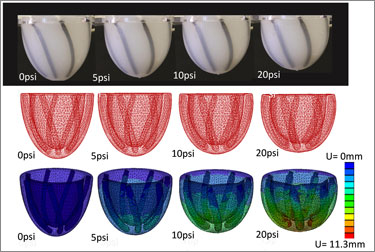 The immediate applications for this are obvious; in short, creating a range of artificial hearts for patients who suffer from severe disorders or heart damage. Unlike conventional artificial hearts, these ones would be able to provide pumping action similar to the real thing. In addition, the PAMs were able to mimic the change in motion that is caused by various heart disorders, and these could be used to help in the research of such conditions, not to mention the development of treatments for them.
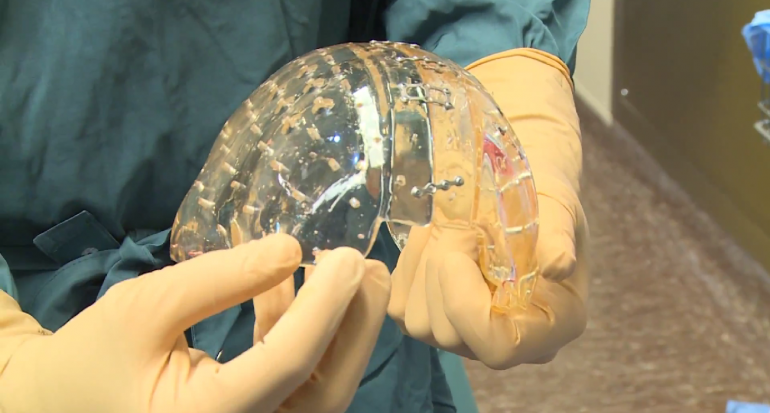
Equally exciting are the possibilities being offered by 3D printing which now offers a range of artificial replacements. The latest example comes from the Netherlands, where a 22-year old woman has had the top of her skull replaced with a 3D printed implant. Due to a severe condition that causes a thickening of the skull, the patient was suffering from severe and worsening symptoms. And in a first of its kind procedure, she was given a tailor-made synthetic replacement.
 As Dr. Bon Verwei of the University Medical Center (UMC) Utrecht explained, the surgery was not only a first, it was absolutely essential:
The thickening of the skull puts the brain under increasing pressure. Ultimately, she slowly lost her vision and started to suffer from motor coordination impairment. It was only a matter of time before other essential brain functions would have been impaired and she would have died. So intensive surgery was inevitable, but until now there was no effective treatment for such patients.
So far, 3D printing has been used to produce lower jaw implants, prosthetic arms, legs, and cells (kidney, liver, and skin cells). In this instance, the skull was 3D-modeled and then printed as a single full piece that was able to be slotted and secured into place. Prior to the procedure, Verwej and his team had to familiarize themselves with reconstructions and 3D printing, in particular that which pertained to partial skull implants.
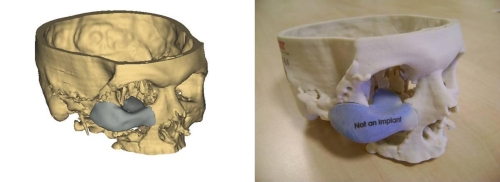 Implants have often been used when part of a skull has been removed to reduce pressure on an patient’s brain. However, Verweij claimed that cement implants are not always a good fit, and that 3D printing allows for exact specifications. As he explained it:
This has major advantages, not only cosmetically but also because patients often have better brain function compared with the old method.
Verweij worked with an Australian company called Anatomics – which uses 3D printing to produce custom-made implants and surgical models for medical practitioners – to produce the replacement skull. The surgery, only just announced, was carried out three months ago and was a success. According to Verweij, the patient has fully regained her vision and has returned to her normal life. The work undertaken on the procedure means that UMC Utrecht is now is a position to carry out other similar work.
 The ability to tailor-make synthetic bones, which are exact duplicates to the original, offers exciting possibilities for reconstructive and replacement surgery. It also does away with some rather invasive and unsatisfactory procedures that involve putting shattered bones back together and joining them with pins, bars and screws. And considering that such procedures often require multiple operations, the combination of 3D scanning and 3D printed replacements is also far more cost effective.
And be sure to check out the video below that shows the Utrecht procedure. Be warned, the video contains actual footage of the surgery, and is therefore not recommended for the squeamish! English subtitles are also available via the video controls.
Sources: gizmag.com, (2), wyss.harvard.edu

 But the good news is, I don’t plan on stopping there. The whole point of initiating this promotion was to get people primed and ready to read the second book in the series – Papa Zulu – which was released a little over a month ago. Naturally, I needed for prospective readers to be caught up on everything in the first book before I could interest them in the second. And now that I’ve managed to get a few people in on that, I thought a second promotion might be in order.
 You might think this is all about selling more books, but in truth, my full motives are have to do with getting people to read these books in sequence. As everyone is no doubt aware, you can’t start a series partway through anymore than you could start scaling a building somewhere in the middle. You got to get in on the ground floor and see where everything goes as you slowly make your way to the top.
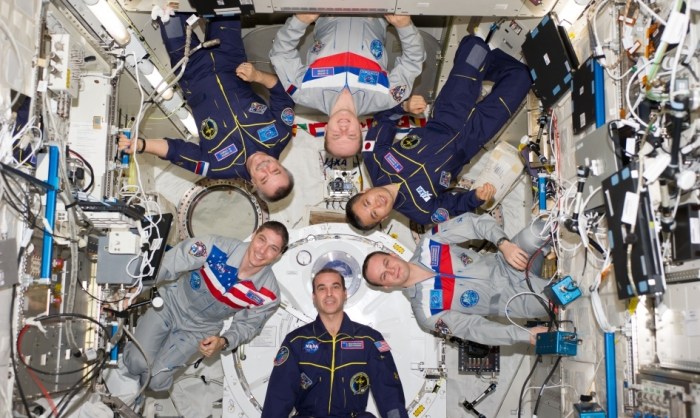 Yesterday, NASA officially announced that it intends to cease most work with the Russian Federal Space Agency amid growing tensions concerning the Ukrainian crisis. The statement came from Bob Jacobs, NASA’s deputy associate administrator of communications, who formalized the space agency’s position with a message sent to Universe Today, a copy of which was then posted on it’s Google+ message board on Wednesday, April 2nd.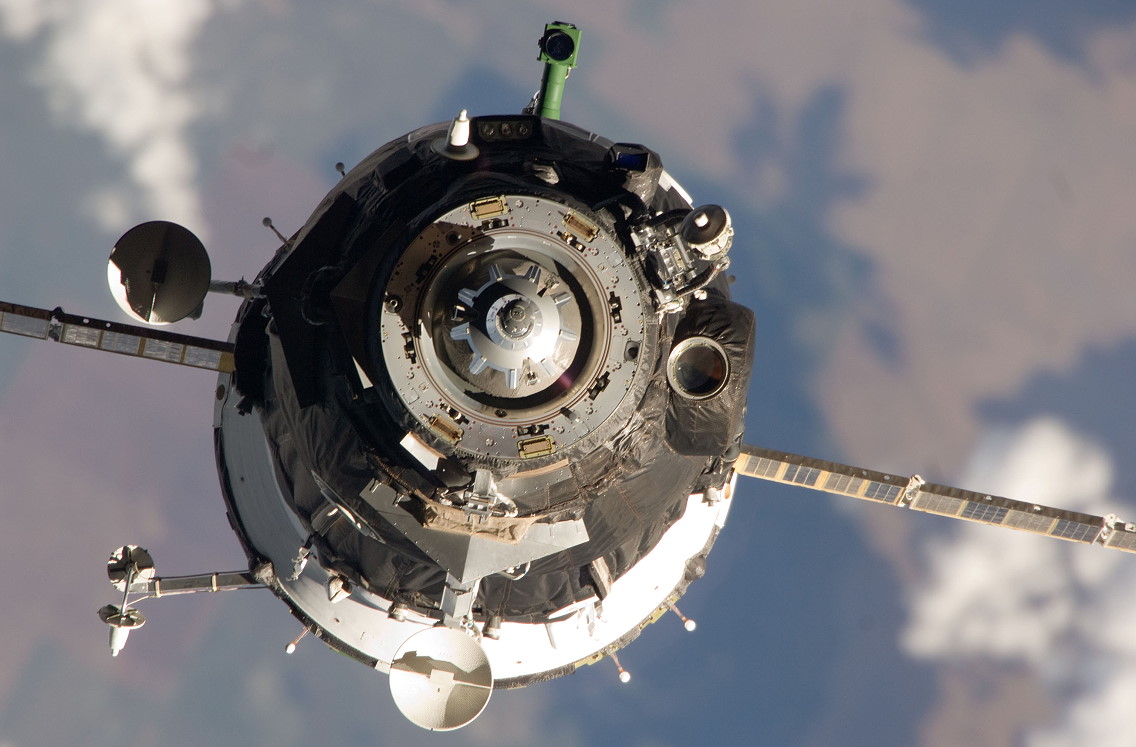
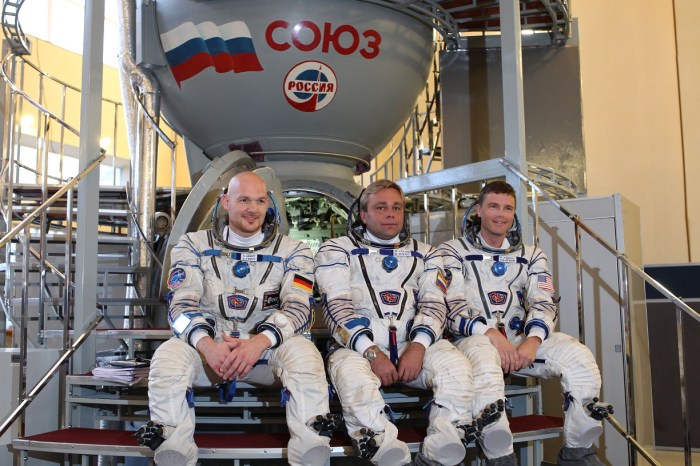 Since the Space Shuttle Program was retired in 2011, NASA and other space agencies such as the European Space Agency have relied on Russian Soyuz spacecraft to bring astronauts to the International Space Station. Crews are generally made up of large proportions of Russian cosmonauts and American astronauts, as well as a few astronauts from other agencies. The current Expedition 39 crew has has three Russians, two Americans and a Japanese commander, Koichi Wakata.
 NASA is working on a commercial crew program that right now is slated to bring U.S. astronauts back into space from American soil by 2017. There are several proposals being considered: a human-rated version of SpaceX’s Dragon, Blue Origin’s New Shepard, Sierra Nevada’s Dream Chaser and the Boeing CST-100. However, these depend upon continued funding and it is currently unclear how much money the CCP program will receive in the upcoming fiscal 2015 budget request before Congress.

 Rick and Michonne attack them, and Rick manages to get close enough to bite Joe’s jugular. His men are shocked and this gives Michonne and Daryl the opportunity to turn the tables on the rest of them. Rick finishes it by eviscerating the man who tried to rape Carl. The next day, Daryl talks to Rick about his time with Beth, her disappearance, and how he fell in with Joe’s group. They assure each other that they’ve done only what they had to stay alive, and set out again.




 Chu conceived of the idea while working as a professor of physics and molecular and cellular biology at the University of California, Berkeley. In short, the plan calls for fast-growing crops to be planted in the tropics – where sunlight is abundant – converted into glucose (of which cellulose, which makes up much of the dry weight of a plant, is a polymer). The resulting glucose and cellulose would then be shipped around much as oil is today, for eventual conversion into biofuels and bioplastics.
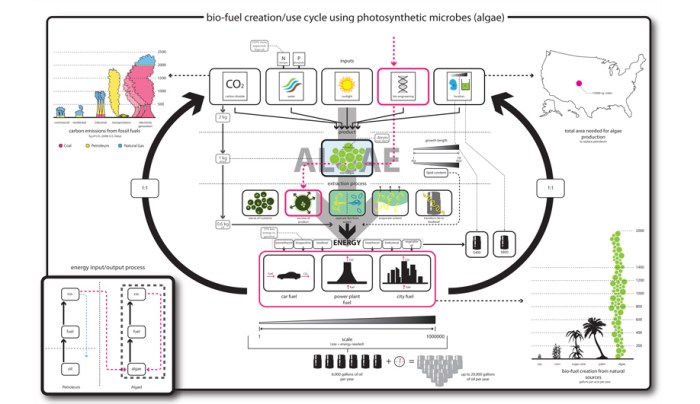 Another benefit of the this new model is the economic development it will bring to the tropical regions of the world. As far as production is concerned, those regions that stand to benefit the most are Sub-Saharan Africa, Central and South America, and South-East Asia. These regions are already seeing significant economic growth, and a shift like this would ensure their continued growth and development (not to mention improved quality of life) for many generations to come.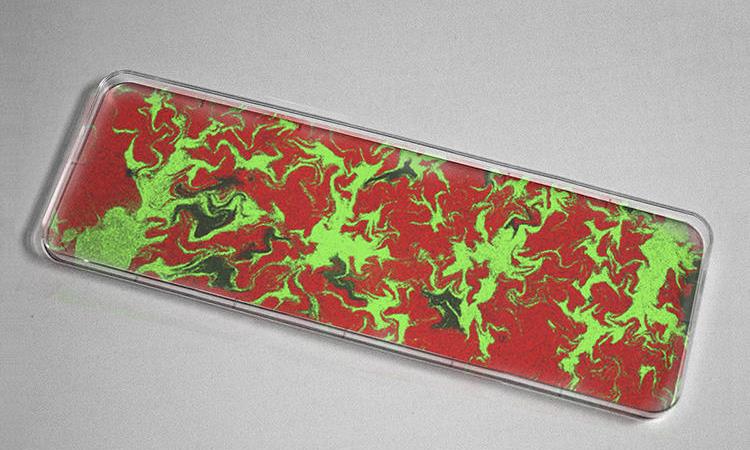
 Not only would this shave decades off the development process, but also hundreds of millions of dollars. What’s more, Benjamin claims it could take only 8 to 10 years to see this type of biotechnology enter commercial production. Naturally, there are those who oppose the development of a “glucose economy” as advocated by Chu. Beyond the proponents of fossil fuel energy, there are also those advocate nationally self-sufficient resources bases, rather than foreign dependence.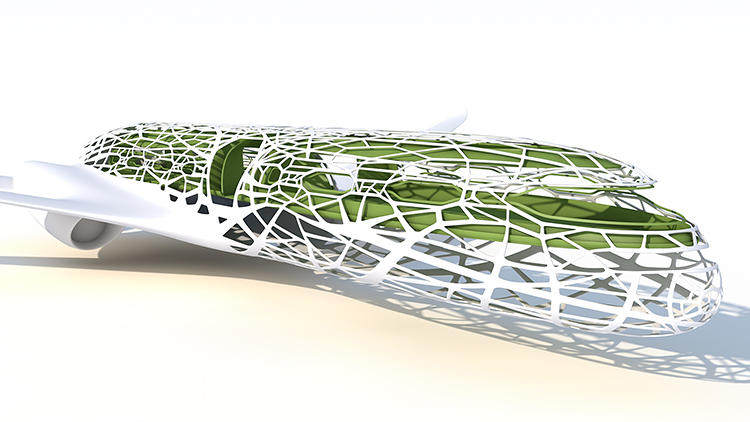


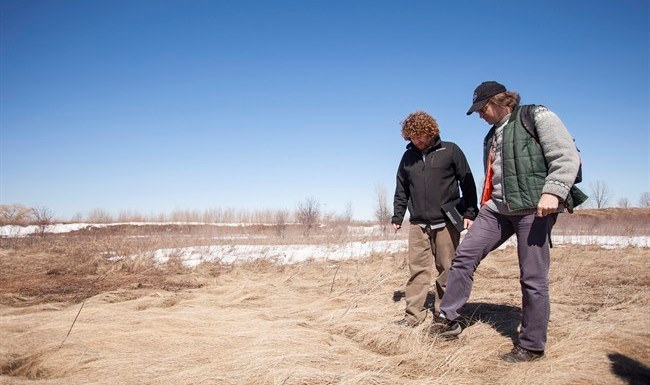
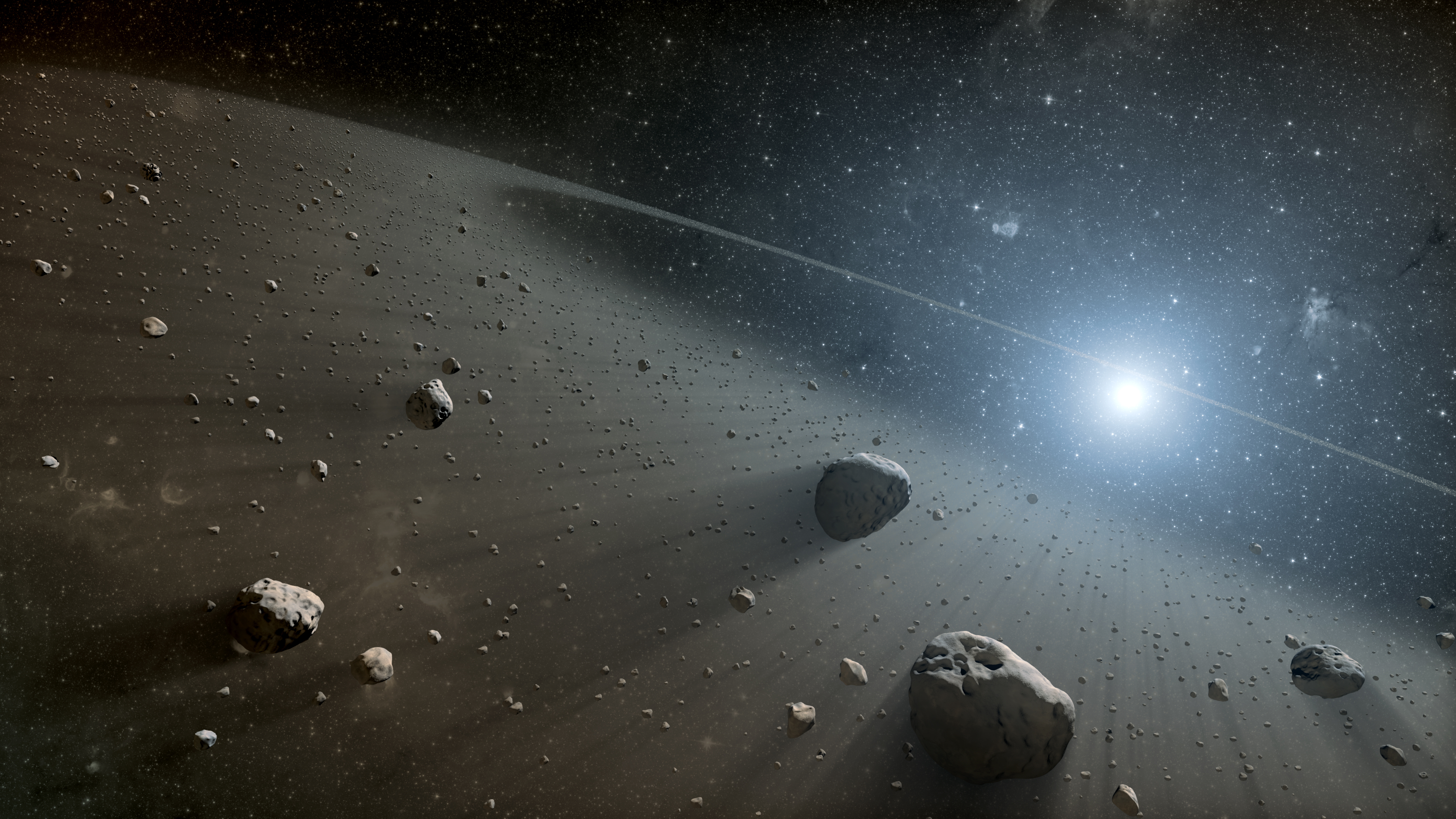
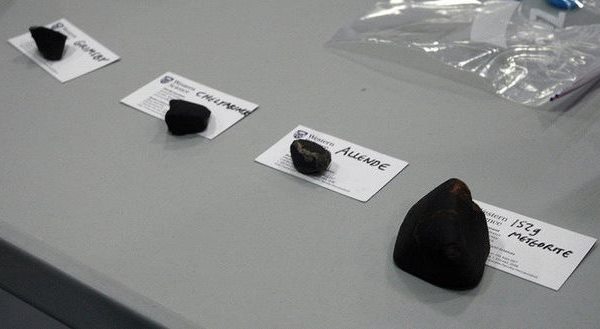 Hence why Brown is asking for the public to help look for the meteorite, which has been described as a rock that looks like it was painted black, and contact the researchers if they find it. The researchers are also interested in hearing accounts from anyone who may have heard a whistling sound “like artillery coming in” or a thud after witnessing the fireball, indicating that it may have landed within a few hundred metres. That may help narrow down the area for the search.


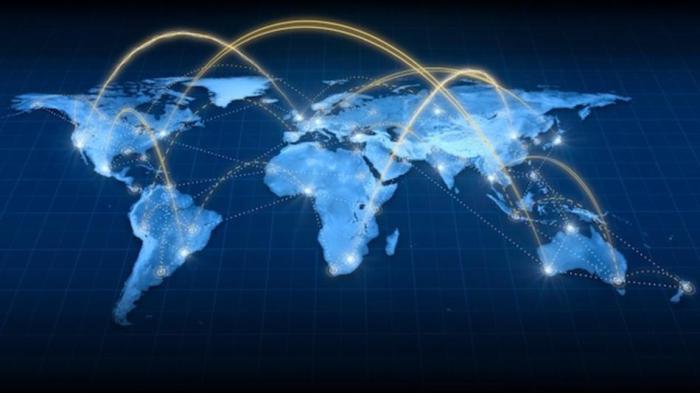 However, TechCrunch reports that Facebook would launch 11,000 Solara 60 drones. Their coverage would begin with Africa, and then spread out from there. There’s no word on how fast these connections might be, nor how much such a connection would cost per user. Perhaps more importantly, there’s also no word on how Facebook intends to connect these 11,000 satellites to the internet, though it is obvious that Facebook would need to build a series of ground stations.

 Stories by Williams