Timeline of the Future…

hyperspace4I love to study this thing we call “the future”, and began to do so as a hobby the day I made the decision to become a sci-fi writer. And if there’s anything I’ve learned, its that the future is an intangible thing, a slippery beast we try to catch by the tail at any given moment that is constantly receding before us. And when predict it, we are saying more about the time in which we are living than anything that has yet to occur.

As William Gibson famously said: “…science fiction was always about the period in which it was written.” At every juncture in our history, what we perceive as being the future changes based on what’s going on at the time. And always, people love to bring up what has been predicted in the past and either fault or reward the authors for either “getting it right” or missing the mark.

BrightFutureThis would probably leave many people wondering what the point of it all is. Why not just wait and let the future tend to itself? Because it’s fun, that’s why! And as a science fiction writer, its an indispensable exercise. Hell, I’d argue its absolutely essential to society as a whole. As a friend of one once said, “science fiction is more of a vehicle than a genre.” The point is to make observations about society, life, history, and the rest.

And sometimes, just sometimes, predictive writers get it right. And lately, I’ve been inspired by sources like Future Timeline to take a look at the kinds of predictions I began making when I started writing and revising them. Not only have times changed and forced me to revise my own predictions, but my research into what makes humanity tick and what we’re up to has come a long way.

So here’s my own prediction tree, looking at the next few centuries and whats likely to happen…

21st Century:

2013-2050:

  • Ongoing recession in world economy, the United States ceases to be the greatest economic power
  • China, India, Russia and Brazil boast highest rates of growth despite continued rates of poverty
  • Oil prices spike due to disappearance of peak oil and costs of extracting tar sands
  • Solar power, wind, tidal power growing in use, slowly replacing fossil fuel and coal
  • First arcologies finished in China, Japan, Russia, India and the United States

arcology_lillypad

  • Humanity begins colonizing the Moon and mounts manned mission to Mars
  • Settlements constructed using native soil and 3D printing/sintering technology
  • NASA tows asteroid to near Earth and begins studies, leading to plans for asteroid mining
  • Population grows to 9 billion, with over 6 living in major cities across the all five continents
  • Climate Change leading to extensive drought and famine, as well as coastal storms, flooding and fires
  • Cybernetics, nanotech and biotech leading to the elimination of disabilities
  • 3D Construction and Computer-Assisted Design create inexpensive housing in developing world
europa_report

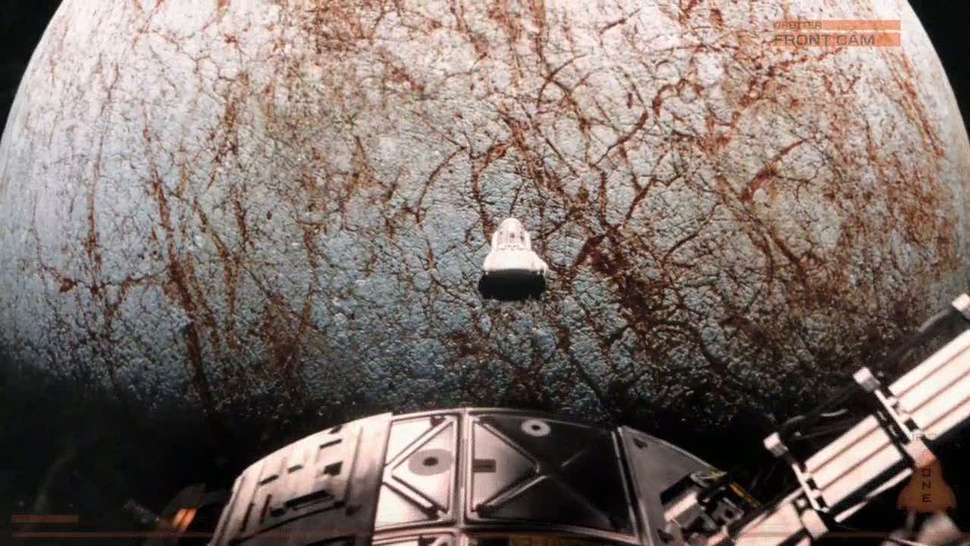
  • First exploratory mission to Europa mounted, discovers proof of basic life forms under the surface ice
  • Rome ordains first openly homosexual priests, an extremely controversial move that splits the church
  • First semi-sentient, Turing compatible AI’s are produced and put into service
  • Thin, transparent, flexible medical patches leading to age of “digital medicine”
  • Religious orders formed opposed to “augmentation”, “transhumanism” and androids
  • First true quantum computers roll off the assembly line

quantum-teleportation-star-trails-canary-islands-1-640x353

  • Creation of the worldwide quantum internet underway
  • Quantum cryptography leads to increased security, spamming and hacking begins to drop
  • Flexible, transparent smartphones, PDAs and tablets become the norm
  • Fully immersive VR environments now available for recreational, commercial and educational use
  • Carbon dioxide in the upper atmosphere passes 600 ppm, efforts to curb emissions are redoubled
  • ISS is retired, replaced by multiple space stations servicing space shuttles and commercial firms
  • World’s first orbital colony created with a population of 400 people

2050-2100:

  • Global economy enters “Second Renaissance” as AI, nanomachinery, quantum computing, and clean energy lead to explosion in construction and development
  • Commercial space travel become a major growth industry with regular trips to the Moon
  • Implant technology removes the need for digital devices, technology now embeddable
  • Medical implants leading to elimination of neurological disorders and injuries
  • Synthetic food becoming the rage, 3D printers offering balanced nutrition with sustainability

3dfood2

  • Canada, Russia, Argentina, and Brazil become leading exporters of foodstuffs, fresh water and natural gas
  • Colonies on the Moon and Mars expand, new settlement missions plotted to Ganymede, Europa, Oberon and Titan
  • Quantum internet expanding into space with quantum satellites, allowing off-world connectivity to worldwide web
  • Self-sufficient buildings with water recycling, carbon capture and clean energy becomes the norm in all major cities
  • Second and third generation “Martians” and “Loonies” are born, giving rise to colonial identity

asteroid_foundry

  • Asteroid Belt becomes greatest source of minerals, robotic foundries use sintering to create manufactured products
  • Europe experiences record number of cold winters due to disruption of the Gulf Stream
  • Missions mounted to extra-Solar systems using telexploration probes and space penetrators
  • Average life expectancy now exceeds 100, healthy children expected to live to 120 years of age
  • NASA, ESA, CNSA, RFSA, and ISRO begin mounting missions to exoplanets using robot ships and antimatter engines
  • Private missions to exoplanets with cryogenically frozen volunteers and crowdfunded spaceships

daedalus_starship_630px

  • Severe refugee crises take place in South America, Southern Europe and South-East Asia
  • Militarized borders and sea lanes trigger multiple humanitarian crises
  • India and Pakistan go to war over Indus River as food shortages mount
  • China clamps down on separatists in western provinces of Xinjian and Tibet to protect source of the Yangtze and Yellow River
  • Biotechnology begins to grow, firms using bacteria to assemble structural materials

geminoid

  • Fully sentient AIs created and integrated into all aspects of life
  • Traditionalist communities form, people seeking to disconnect from modern world and eschew enhancement
  • Digital constructs become available, making neurological downloads available
  • Nanotech research leading to machinery and materials assembled at the atomic level
  • Traditional classrooms giving way to “virtual classrooms”, on-demand education by AI instructors
  • Medical science, augmentation, pharmaceuticals and uploads lead to the first generation of human “Immortals”
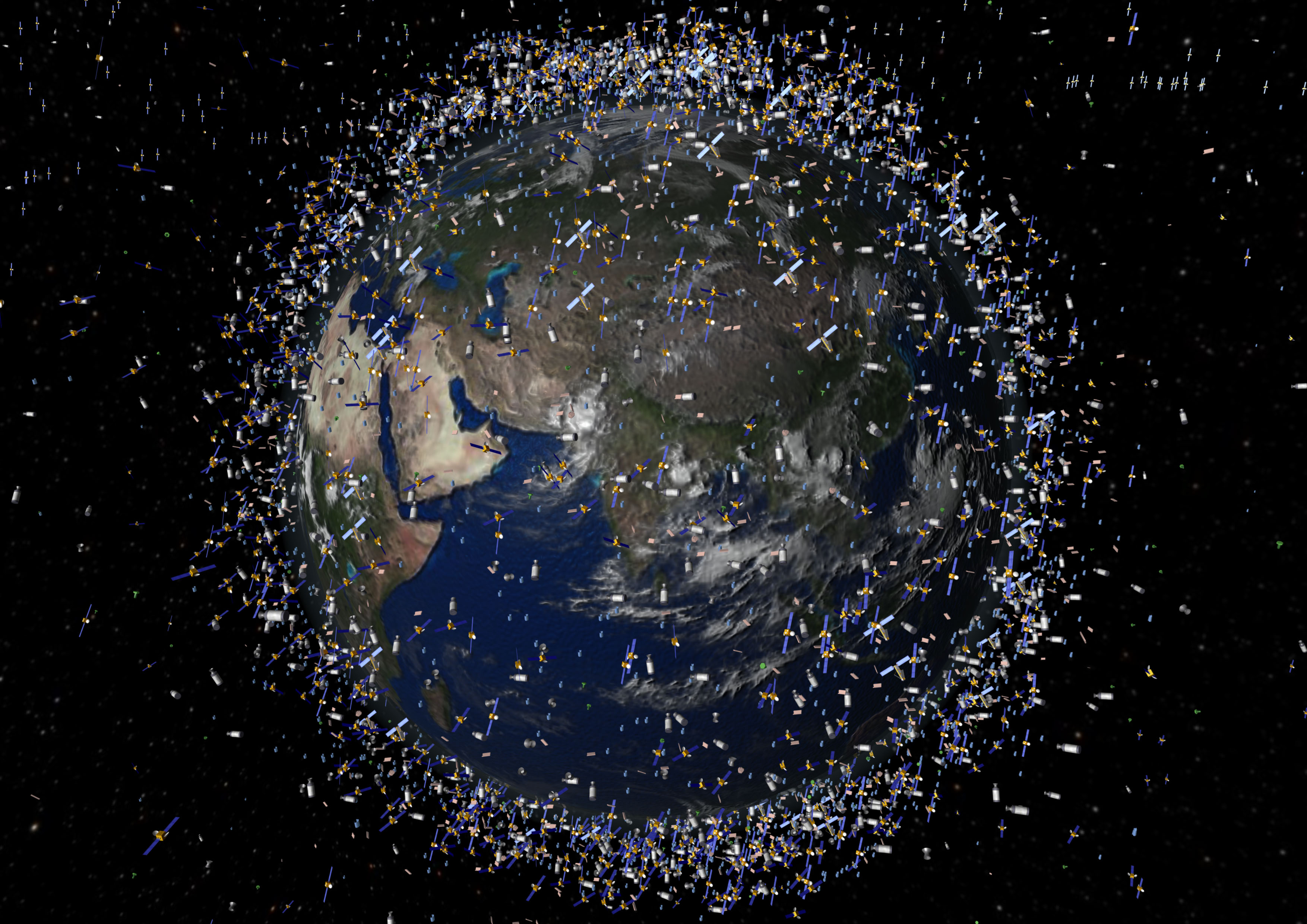
space_debris

  • Orbital colonies gives way to Orbital Nexus, with hundreds of habitats being established
  • Global population surpasses 12 billion despite widespread famine and displacement
  • Solar, wind, tidal, and fusion power replace oil and coal as the dominant power source worldwide
  • Census data shows half of world residents now have implants or augmentation of some kind
  • Research into the Alcubierre Drive begins to bear experimental results

alcubierre-warp-drive-overview22nd Century:

2100-2150:

  • Climate Change and global population begin to level off
  • First “Neural Collective” created, volunteers upload their thought patterns into matrix with others
  • Transhumanism becomes established religion, espousing the concept of transcendence
  • Widespread use of implants and augmentation leads to creation of new underclass called “organics”
  • Solar power industry in the Middle East and North Africa leading to growth in local economies
  • Biotech leads to growth of “glucose economy”, South American and Sub-Saharan economies leading in manufacture of biomaterials
  • Population in Solar Colonies and Orbital Nexus reaches 100,000 and continues to grow

asteroid_belt1

  • Off-world industry continues to grow as Asteroid Belt and colonies provide the majority of Earth’s mineral needs
  • Famine now widespread on all five continents, internalized food production in urban spaces continues
  • UN gives way to UNE, United Nations of Earth, which has near-universal representation
  • First test of Alcubierre FTL Drive successful, missions to neighboring systems planned
  • Tensions begin to mount in Solar Colonies as pressure mounts to produce more agricultural goods
  • Extinction rate of wild animals begins to drop off, efforts at ecological restoration continue
  • First attempts to creating world religion are mounted, met with limited success

networked_minds

  • Governments in most developed countries transitioning to “democratic anarchy”
  • Political process and involvement becoming digitized as representation becomes obsolete
  • “Super-sentience” emerges as people merge their neural patterns with each other or AIs
  • Law reformed to recognize neural constructs and AIs as individuals, entitled to legal rights
  • Biotech research merges with AI and nanotech to create first organic buildings with integrated intelligence

2150-2200:

  • Majority of the world’s population live in arcologies and self-sufficient environments
  • Census reveals over three quarters of world lives with implants or augmentation of some kind
  • Population of Orbital Nexus, off-world settlements surpasses 1 million
  • First traditionalist mission goes into space, seeking world insulated from rapid change and development
  • Labor tensions and off-world riots lead to creation of Solar policing force with mandate to “keep the peace”

Vladivostok-class_Frigate

  • First mission to extra=Solar planets arrive, robots begin surveying surface of Gliese 581 g, Gliese 667C c, HD 85512 b, HD 40307 g, Gliese 163 c, Tau Ceti e, Tau Ceti f
  • Deep space missions planned and executed with Alcubierre Drive to distant worlds
  • 1st Wave using relativistic engines and 2nd Wave using Alcubierre Drives meet up and begin colonizing exoplanets
  • Neighboring star systems within 25 light years begin to be explored
  • Terraforming begins on Mars, Venus and Europa using programmed strains of bacteria, nanobots, robots and satellites
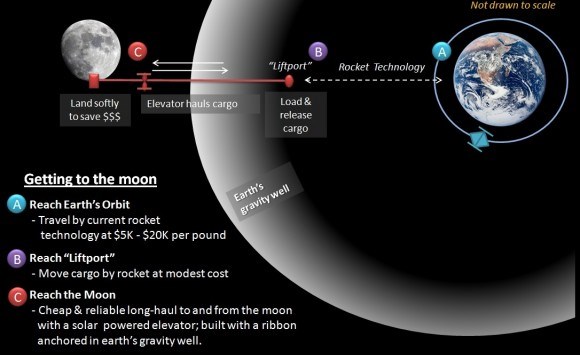
  • Space Elevator and Slingatron built on the Moon, used to transport people to space and send goods to the surface
space_elevator_lunar1

  • Earth’s ecology begins to recover
  • Natural species are reintroduced through cloning and habitat recovery
  • Last reported famine on record, food production begins to move beyond urban farms
  • Colonies within 50 light years are established on Gliese 163 c, Gliese 581 g, Gliese 667C c, HD 85512 b, HD 40307 g, Tau Ceti e, Tau Ceti f
  • Off-world population reaches 5 million and continues to grow
  • Tensions between Earth and Solar Colonies continue, lead to demands for interplanetary governing body
  • Living, breathing cities become the norm on all settled worlds, entire communities build of integrated organic materials run by AIs and maintained by programmed DNA and machinery

self-aware-colony

23rd Century and Beyond:

Who the hell knows?

*Note: Predictions and dates are subject to revision based on ongoing developments and the author’s imagination. Not to be taken literally, and definitely open to input and suggestions.

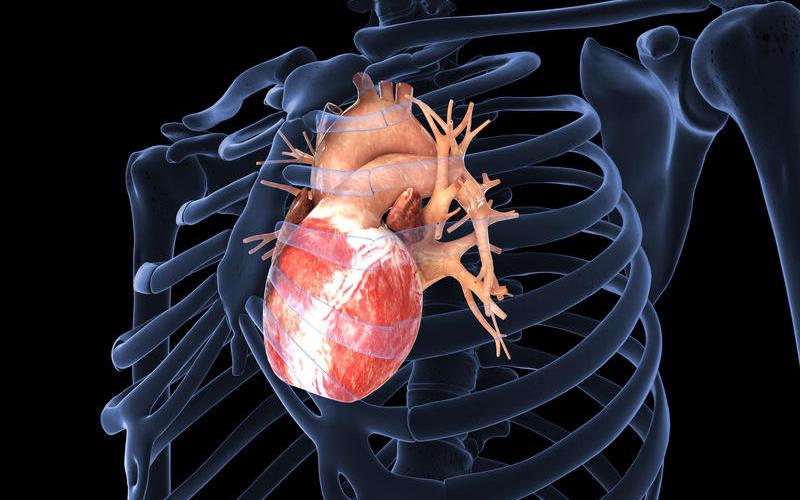
The Future is Here: Nanofibre Heart Patches

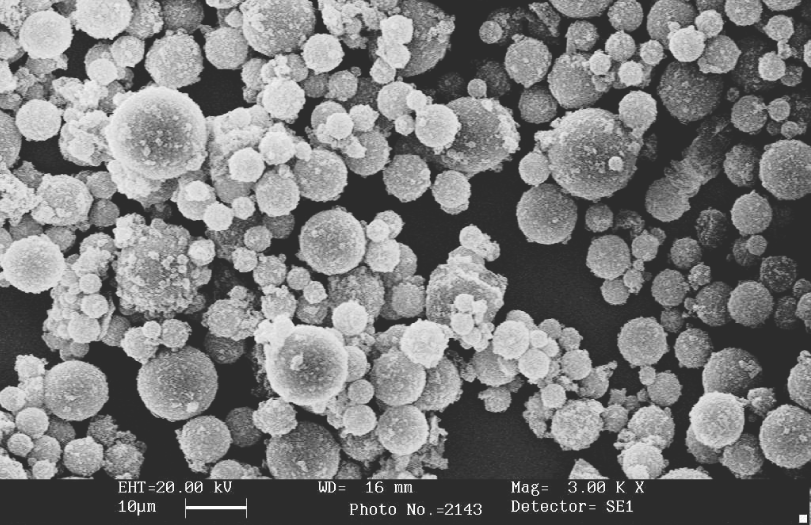
heart_patchesFor years, medical researchers have been trying to find a solution to the problem of post-cardiac event health. You see, when a heart attack occurs, the damaged tissue doesn’t grow back, but instead forms non-beating scar tissue. This in turn permanently weakens the heart, making another cardiac event that much more probable.

However, researchers at Tel Aviv University are getting promising results from a possible solution using patches that contain cardiac cells and gold nanofibers. As with other experimental heart patches, the idea behind these ones is that they could be surgically placed on damaged areas of the heart, where they would cause normal, beating heart tissue to grow back.

gold_nanoparticlesTo create them, a team led by Dr. Tal Dvir started by integrating nanofibers made of gold nanoparticles into a three-dimensional scaffolding made of biomaterials. That scaffolding was then “seeded” with heart muscle cells. The high conductivity of the gold allowed those cells to communicate with one another by sending electrical signals through the network of nanofibers.

When viewed with an electron microscope, the cells were observed to be contracting in unison, which is essential to the proper beating of the heart. By contrast, cells that were placed on scaffolding without the embedded gold nanofibers displayed much weaker contractions. In other experiments, gold nanofibers have proven useful to enhancing heart heath. But in this case, may prove useful to replacing damaged heart tissue.

heart_healthNaturally, more work is needed before this new heart patch can be made available to patients. This includes human trials, which Dr. Dvir and his colleagues are hoping to conduct soon. Similar research is also being conducted at MIT, where scientists have created electrically conductive tissue scaffolds that include cardiac cells and gold nanowires.

This research is not only a boon for cardiac health, but is also a major step forward in terms of cybernetics, biomimetics, and nanotechnology. By merging the organic and synthetic at the nano level, and in a way that merges with our bodies natural architecture, a new breed of medical solutions are being made available that could make “permanent conditions” a thing of the past.

Source: gizmag.com, aftau.org

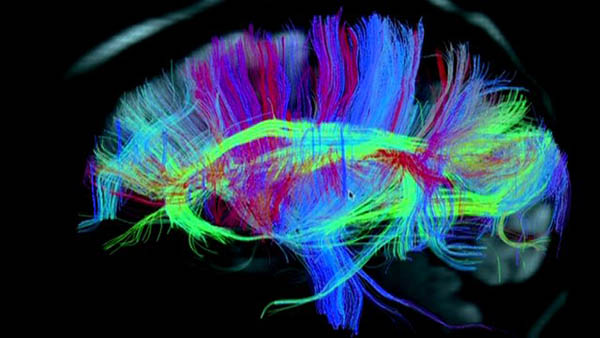
The Worlds First Brain to Brain Interface!

Brain-ScanIt finally happened! It seems like only yesterday, I was talking about the limitations of Brain to Brain Interfacing (BBI), and how it was still limited to taking place between rats and between a human and a rat. Actually, it was two days ago, but the point remains. In spite of that, after only a few months of ongoing research, scientists have finally performed the first human-to-human interface.

Using a Skype connection, Rajesh Rao, who studies computational neuroscience at the University of Washington, successfully used his mind to control the hand of his colleague, Andrea Stucco. The experiment was conducted on Aug. 12th, less than month after researchers at Harvard used a non-invasive technique and a though to control the movement of a rat’s tail.

brain-to-brain-interfacingThis operation was quite simple: In his laboratory, Rao put on a skull cap containing electrodes which was connected to an electroencephalography (EEG) machine. These electrodes read his brainwaves and transmitted them across campus to Stocco who, seated in a separate lab, was equipped with a cap that was hooked up to a transcranial magnetic stimulation (TMS) machine.

This machine activating a magnetic stimulation coil that was integrated into the cap directly above Stocco’s left motor cortex, the part of the brain that controls movements of the hands. Back in Rao’s lab, he watched a screen displaying a video game, in which the player must tap the spacebar in order to shoot down a rocket; while  in Stocco’s lab. the computer was linked to that same game.

braininterfacing-0Instead of tapping the bar, however, Rao merely visualized himself doing so. The EEG detected the electrical impulse associated with that imagined movement, and proceeded to send a signal – via the Skype connection – to the TMS in Stocco’s lab. This caused the coil in Stocco’s cap to stimulate his left motor cortex, which in turn made his right hand move.

Given that his finger was already resting over the spacebar on his computer, this caused a cannon to fire in the game, successfully shooting down the rocket. He compared the feeling to that of a nervous tic. And to ensure that there was no chance of any outside influence, the Skype feeds were not visible to each other, and Stucco wore noise cancelling headphones and ear buds.

brain-activityIn the course of being interviewed, Rao was also quick to state that the technology couldn’t be used to read another person’s mind, or to make them do things without their willing participation. The researchers now hope to establish two-way communications between participants’ brains, as the video game experiment just utilized one-way communication.

Additionally, they would like to transmit more complex packets of information between brains, things beyond simple gestures. Ultimately, they hope that the technology could be used for things like allowing non-pilots to land planes in emergency situations, or letting disabled people transmit their needs to caregivers. And in time, the technology might even be upgraded to involve wireless implants.

brainpainting-brain-computer-interfaces-2One thing that should be emphasized here is the issue of consent. In this study, both men were willing participants, and it is certain that any future experimentation will involve people willingly accepting information back and forth. The same goes for commands, which theoretically could only occur between people willing to be linked to one another.

However, that doesn’t preclude that such links couldn’t one day be hacked, which would necessitate that anyone who chose to equip themselves with neural implants and uplinks also get their hands on protection and anti-hacking software. But that’s an issue for another age, and no doubt some future crime drama! Dick Wolf, you should be paying me for all the suggestions I’m giving you!

And of course, there’s a video of the experiment, courtesy of the University of Washington. Behold and be impressed, and maybe even a little afraid for the future:


Source:
gizmag.com

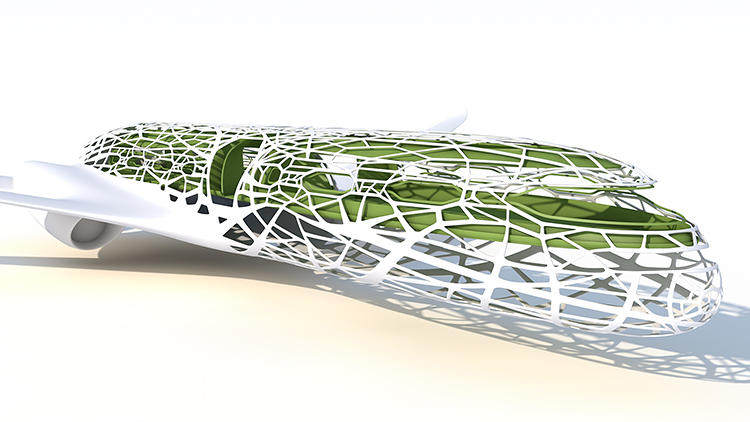
Cities of the Future: Building with Bacteria

bio-building1Since the beginning of civilization, building hasn’t evolved much. In fact, archaeological digs show that between the Early Paleolithic and today, construction has moved at a snail’s pace. And while change has certainly sped up within the past few centuries – with mud and stone giving way to bricks and cement and thatch and wood giving way to steel and shingles –  the fundamental techniques and concepts remain largely unchanged.

However, a radical shift may soon be underway where traditional factories will give way to biological ones, and the processing of raw materials using hands and tools will be replaced by an active collaboration between human architects and cells specifically programmed to create building materials. In this new age, biology, rather than machining, will be the determining factor and buildings will be grown, not assembled.

the-livingAlready, biological processes have been used to manufacture medicine and biofuels. But the more robust materials for everyday life – like roofs, beams, floor panels, etc – are still the domain of factories. However, thanks to researchers like David Benjamin – a computational architect, professor at Columbia University, and the principal of the The Living (a New York architectural practice).

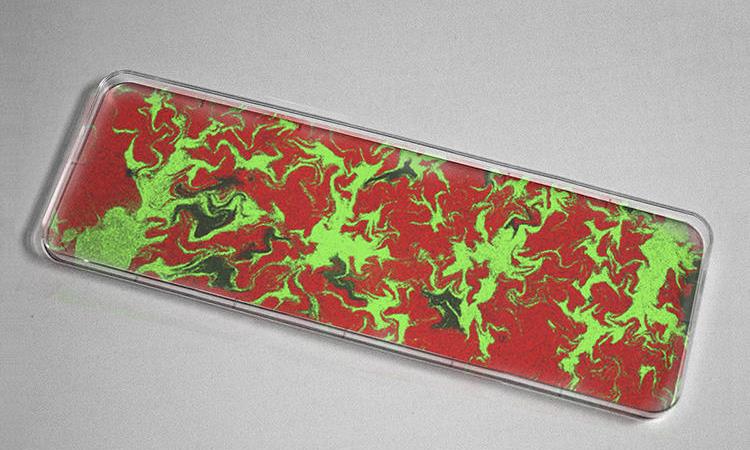
The purpose of The Living’s research is to redirect and engineer biological processes and then capture them using computational models. The end result is what is known as “human-cell collaboration”, where humans specify the shape and properties of a desired material and computers translate them into biological models. Patterned “sheets” of bacterial cells are then grown in the lab, determining the final design based on what was encoded in the DNA.

bio-buildingEmerging software, says Benjamin, will soon allow architects to create multi-material objects in a computer, translate these into biological models, and let biology finish the job. This will be done in laboratories, growing them under carefully engineered conditions, or tweaking the DNA to achieve precisely the right result before deploying them to build.

At the moment, Benjamin and his colleagues are working with plant cells known as xylem – the long hollow tubes that transport water in plants. These are being designed as computer models and grown in a Cambridge University lab in conjunction with various species of engineered bacteria. In addition, they are working with sheets of calcium and cellulose, seeking to create structures that will be strong, flexible, and filigreed.

And of course, Benjamin and The Living are hardly alone in their endeavors. Living Foundries Program, for example, is a a Department of Defense initiative that is hoping to hasten the developmental process and create an emergent bio-industry that would create “on-demand” production and shave decades and millions of dollars off the development process.bio-building2Naturally, the process is far from perfect, and could take another decade to become commercially viable. But this is a relatively short time frame given the revolutionary implications. This, in turn, may open up what the former U.S. energy secretary Stephen Chu has called the “glucose economy,” an economic system powered largely by plant-derived sugars grown in tropical countries and shipped around the world, much as we do with petroleum today.

Once factories switch to sugar as a primary energy source, and precisely engineered bacteria become the means of manufacture, the model of human civilization may flip from one powered by fossil fuels to one running largely on biologically captured sunlight. It’s one of the hallmarks of the future, where programmed biology is used to merge the synthetic with the biological and create a “best of both worlds scenario”.

In the meantime, check out this conceptual video by one of Benjamin’s collaborators about the future of bio-building. And be sure to check out some of the The Living’s other projects by clicking here.


Sources: fastcoexist.com, thelivingnewyork.com

The Future is Here: The Electric Highway!

electric_carCharging electronic vehicles while they on the move is not a new idea. In fact, in Vancouver, BC, the entire public transit system runs on a series of electronic lines that power the buses. And in French cities, the entire tram system runs on a wireless system, one which is six million kilometers in length. In the former case, the buses are kept in contact with power lines overhead, while the latter uses metal bars running underneath.
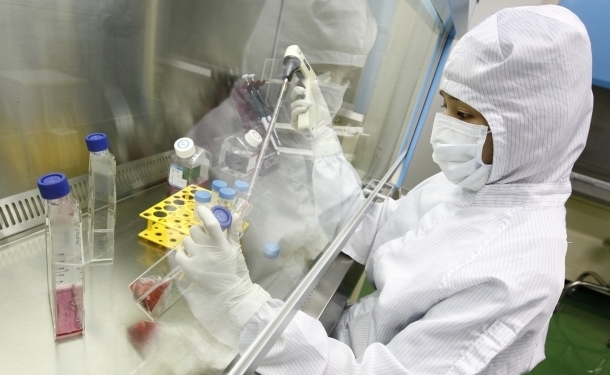
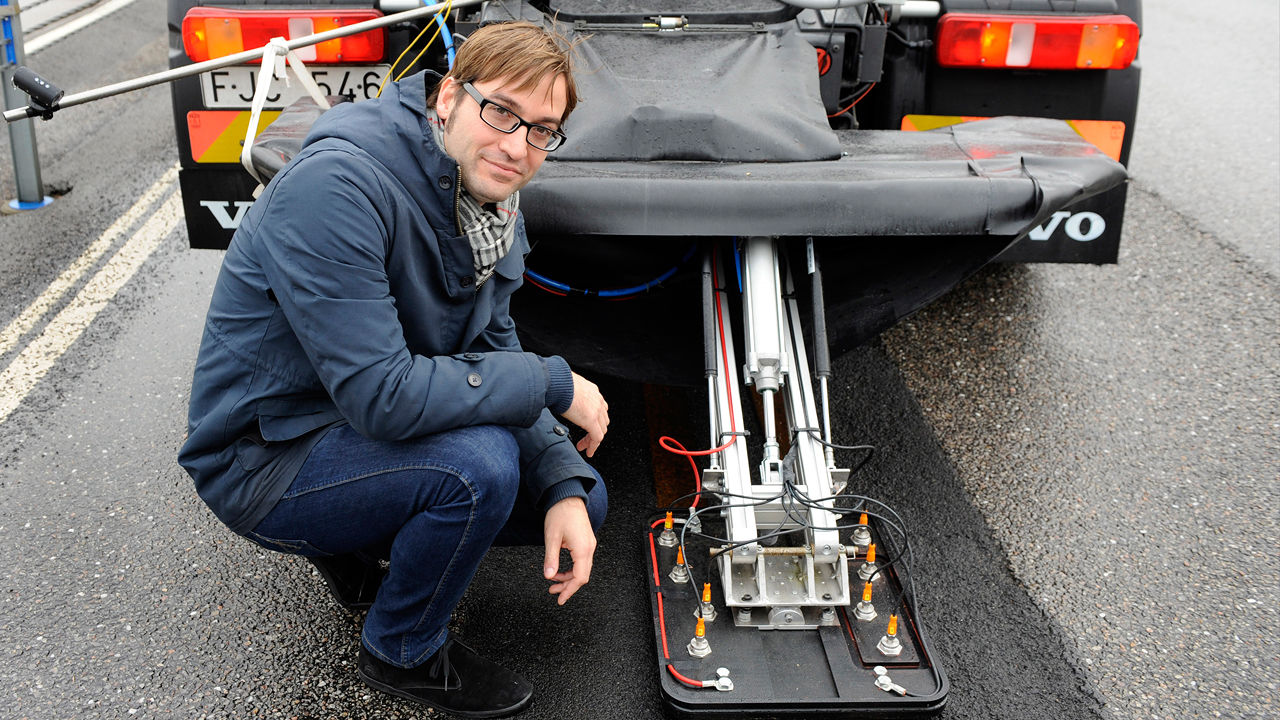
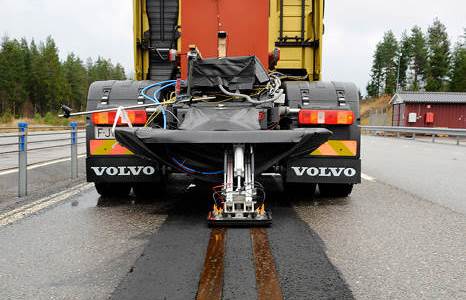
Applying the same concept, Volvo has designed a new highway system in Sweden that will keep electric cars running on long-distance trips. Led by Mats Alaküla, researchers are looking at these types of “conductive charging,” both where vehicles would stay in continuous contact with the power supply. Both methods are being tested on the new system, which consists of a 400-meter track near Gothenburg.

volvo_highwayBehind the research is the assumption that an electric car’s batteries will not provide the required range for long-distance driving, especially where long-haul trucks are concerned. City driving is one thing, but in order for electric vehicles to expand beyond urban centers, bigger and better methods need to be devised.

Alaküla says the important part of the second system is “the pick-up” – i.e. the connector between the vehicle and the ground. Unlike trams that stay in a fixed position, this line needs to be able to compensate for cars and trucks changing lanes. He describes the set-up as an “industrial robot sitting upside down”, though it more akin to a robotic arm.

volvo_highway1The arm moves a meter each way to compensate for movement within the lane, and retracts when the driver changes lanes, redeploying once they’ve back on the track. As Alaküla describes it:

If you imagine two lanes, the power system would be in the right lane. The pick-up keeps in contact with the supply, until you keep moving sideways. Then, the truck will go to the battery. When you go back, it automatically identifies the track, and reconnects.

And for those who worry that electric tracks are going to make highways unsafe for pedestrians, Alaküla insisted that the system only electrifies sections of the track when vehicles pass at a certain speed. To electrocute yourself, a pedestrian would need to step out in front of a fast-moving vehicle, which would kind of render the whole thing moot!

electric-highwaySo far, trucks have been able to get up to speeds of 80 km/h (50 mph) on the Volvo stretch, and Alaküla expects the work to continue for another year before his team takes the concept to a full road. Eventually, he thinks the concept could be used for anything bigger than a motor-bike – from cars and buses to different types of trucks.

And they not alone in their research efforts. Volvo’s rival Scania are themselves testing technology based on inductive charging where the charge is transferred via an electromagnetic field and does not require physical contact. Between these three methods and other emerging technologies that seek to make highway driving “smart”, the future of long-distant driving is likely to become a much cleaner, more efficient affair.

Source: fastcoexist.com

The Future is Here: Brain to Brain Interfaces (Cont’d)

telepathyThis year is shaping up to be an exciting time for technology that enables people to communicate their thoughts via an electronic link. For the most part, this has involved the use of machinery to communicate a person’s thoughts to a machine – such as a prosthetic device. However, some researchers have gone beyond the field of brain-computer interfaces (BCIs) and have been making strides with brain-to-brain interfacing (BBI) instead.

Back in February, a research team in Natal Brazil, led by Miguel Nicolelis of Duke University, managed to create a link between the brains of two laboratory rats. In the experiment, an “encoder” rat in Natal was placed inside a “Skinner Box” where it would press a lever with an expectation of getting a treat in return.

BMIThe brain activity was then recorded and sent via electrical signal which was delivered to a second “decoder” rat which, though it was thousands of kilometers away, interpreted the signal and pressed a similar lever with a similar a expectation of reward. This developmental milestone was certainly big news, and has led to some even more impressive experiments since.

One of these comes from Harvard University, where scientists have developed a new, non-invasive interface that allowed a similar thought transfer to take place. Led by Seung-Schik Yoo, an assistant professor of radiology, the research team created a brain-to-brain interface (BBI) that allows a human controller to move a portion of a rat’s body just by thinking about it, all without invasive surgical implants.

BBIThe new technique takes advantage of a few advances being made in the field. These include focused ultrasound (FUS) technology, which delivers focused acoustic energy to a specific point. Ordinarily, this technology has used heat to destroy tumors and other diseased tissue in the deeper reaches of the brain.  Yoo’s team, however, has found that a lower-intensity blast can be used to stimulate brain tissue without damaging it.

In terms of the interface, a human controller was hooked up to an EEG-based BCI while the rat is hooked up to an FUS-based computer-to-brain interface (CBI). The human subject then viewed an image of a circle flashing in a specific pattern which generated electrical brain activity in the same frequency. When the BCI detected this activity, it sent a command to the CBI, which in turn sends FUS into the region of the rat’s brain that controls its tail, causing it to move.

MMIUsing six different human subjects and six different rat subjects, the team achieved a success rate of 94 percent, with a time delay of 1.59 ± 1.07 seconds between user intention and the rat’s response. Granted, it might not be quite the pinnacle of machine-powered telepathy, and the range of control over the animal test subject was quite limited. Still, the fact that two brains could be interfaced, and without the need for electrodes, is still a very impressive feat.

And of course, it raises quite a few possibilities. If brain-to-brain interfaces between humans and animals are possible, just what could it mean for the helper animal industry? Could seeing eye dogs be telepathically linked to their animals, thus able to send and receive signals from them instantaneously? What about butler monkeys? Could a single thought send them scurrying to the kitchen to fetch a fresh drink?

Who knows? But the fact that it could one day be possible is both inspiring and frightening!

Source: news.cnet.com

The Future is Here: Holovision and PointGrab!

holovisionNothing spells future quite like a life-size hologram in your living room, does it? And much like flying cars and personal jetpacks (though these too are in development), holographics has been one promise that appears to be slow in materializing. However, thanks to the work of California-based company known as Provision, this promise is approaching reality.

Their invention is known as the  Holovision, a life-size holographic projector that uses what is called aerial or volumetric imaging – a way of producing 3D images without special glasses, lenses or slits. It uses a digital LCD screen and a concave mirror to produce the illusion of a 3D image floating outside the projector, and can produce clearer images without generating multiple views or causing dizziness or nausea.

holovision-0For some time now, Provision has been making 3D projectors as marketing tools, but is now running a Kickstarter campaign aimed at raising US$950,000 to fund the development of new technology for the projector, with hopes of unveiling it next year. Currently, the company’s largest projector can only produce an 18-in (45.7-cm) image, but the goal is to create one 6 feet (1.8 m) tall that projects 7 ft (2.1 m) from the screen and is visible within a 100-degree arc.

This will require developing new optics and a new light source. But once this is achieved, Provision plans to miniaturize the system to the size of a toaster for the game console market before expanding to applications in education, medicine, video conferencing and other fields. Just imagine, phone conversations or Skyping where you get to talk to a life-size representation of the person! I know one person who would be thrilled about this, though I imagine he’d want a bigger projector for himself…

ESB_emperorThe Kickstarter campaign runs through August 14 and the public debut of the system is scheduled for March, 2014. So far, the project has collected $13,112, a mere 1% of its total goal. However, they are just getting started, and have seven months to go. So if you’ve got money and want holographics to become a permanent part of gaming, teleconferencing and social media, invest now!

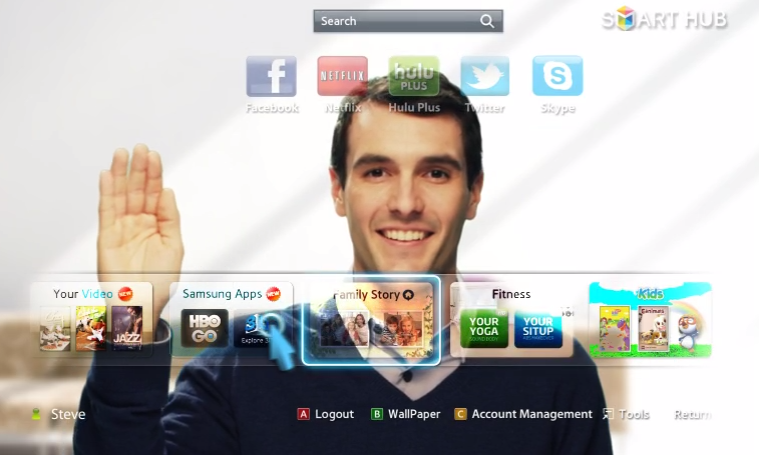
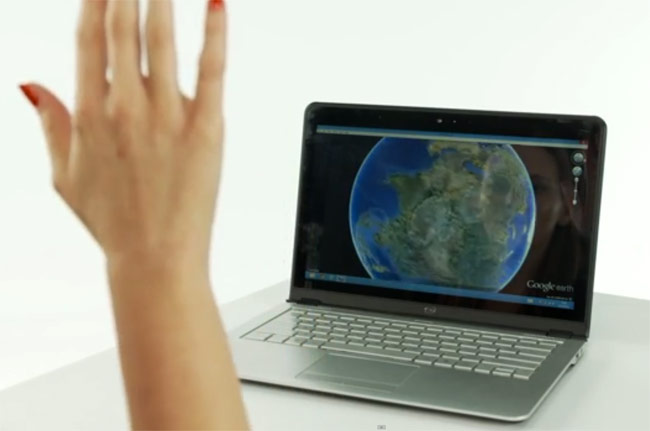
In a similar vein, gesture control, something that has also been explored heavily in science fiction, appears to be getting a boost as well. For those who do not own an Xbox Kinect or are unfamiliar with the technology (or just haven’t seen Minority Report), gesture control is essentially a motion capture technology that monitors a person’s movements and gestures as an interface.

minority-reportAnd it is companies like PointGrab that are looking to make this type of interface the norm for computing, relying on a technology known as Hybrid Action Recognition (HAR). Unlike previous gesture recognitions software, the company claims that the updated version that they recently launched is 98% accurate and takes advantage of numerous advances that will make the technology mainstream.

The biggest advance comes in the form of being able to tell the difference between intentional movement, such as putting your fingers to your lips to mute a TV or computer, and unintentional gestures, such as scratching your lip. In addition, PointGrab has updated its machine learning algorithms to accommodate more environmental factors, such as different lighting conditions and hand sizes, to improve accuracy.

gesture-controlAccording to Assaf Gad, vice president of marketing and product for PointGrab, its all about accommodation. And this is really just the beginning:

We don’t want to teach people how to interact with devices. The devices have to be smart enough to analyze the body language of user and act accordingly.

Based in Israel, PointGrab has been working on gesture recognition interfaces since 2008. Two other Israeli companies, Eyesight and Extreme Reality, are also developing gesture and body movement recognition software platforms that work with a variety of devices equipped with standard 2D cameras. In addition, Leap Motion just introduced a hardware controller for enabling gesture control, and Microsoft’s Xbox One will enable control of more than games with its updated Kinect technology.

eyeSight-3D-Gesture-ControlAnd according to Gad, this is really just the beginning. Soon gesture control will be integrated with other emerging technologies to create much more intelligent interfaces:

I see it as good sign that we are in the right place to change way people interact. In the near future, we’ll see more solutions that combine voice and gesture, as well as 3D.

An exciting prospect, and very futuristic! Now if only someone would get on those damn flying cars already. It’s the 21st century, we were promised flying cars! And be sure to enjoy this video of the PointGrab software in action:


Sources: dvice.com, news.cnet, kickstarter.com

Judgement Day Update: The Human Brain Project

brain_chip2Biomimetics are one of the fastest growing areas of technology today, which seek to develop technology that is capable of imitating biology. The purpose of this, in addition to creating machinery that can be merged with our physiology, is to arrive at a computing architecture that is as complex and sophisticated as the human brain.

While this might sound the slightest bit anthropocentric, it is important to remember that despite their processing power, supercomputers like the D-Wave Two, IBM’s Blue Gene/Q Sequoia, or MIT’s ConceptNet 4, have all shown themselves to be lacking when it comes to common sense and abstract reasoning. Simply pouring raw computing power into the mix does not make for autonomous intelligence.

IBM_Blue_Gene_P_supercomputerAs a result of this, new steps are being taken to crate a computer that can mimic the very organ that gives humanity these abilities – the human brain. In what is surely the most ambitious step towards this goal to date, an international group of researchers recently announced the formation of the Human Brain Project. Having secured the $1.6 billion they need to fund their efforts, these researchers will spend the next ten years conducting research that cuts across multiple disciplines.

This will involve mapping out the vast network known as the human brain – a network composed of over a hundred billion neuronal connections that are the source of emotions, abstract thought, and this thing we know as consciousness. And to do so, the researchers will be using a progressively scaled-up multilayered simulation running on a supercomputer.

Human-Brain-project-Alp-ICTConcordant with this bold plan, the team itself is made up of over 200 scientists from 80 different research institutions from around the world. Based in Lausanne, Switzerland, this initiative is being put forth by the European Commission, and has even been compared to the Large Hadron Collider in terms of scope and ambition. In fact, some have taken to calling it the “Cern for the brain.”

According to scientists working on the project, the HBP will attempt to reconstruct the human brain piece-by-piece and gradually bring these cognitive components into the overarching supercomputer. The expected result of this research will be new platforms for “neuromorphic computing” and “neurorobotics,” allowing for the creation of computing and robotic architectures that mimick the functions of the human brain.

^According to a statement released by the HBP, Swedish Nobel Laureate Torsten Wiesel had this to say about the project:

The support of the HBP is a critical step taken by the EC to make possible major advances in our understanding of how the brain works. HBP will be a driving force to develop new and still more powerful computers to handle the massive accumulation of new information about the brain, while the neuroscientists are ready to use these new tools in their laboratories. This cooperation should lead to new concepts and a deeper understanding of the brain, the most complex and intricate creation on earth.

Other distinguished individuals who were quoted in the release include President Shimon Peres of Israel, Paul G. Allen, the founder of the Allen Institute for Brain Science; Patrick Aebischer, the President of EPFL in Switzerland; Harald Kainz, Rector of Graz University of Technology, Graz, Austria; as well as a slew of other politicians and academics.

Combined with other research institutions that are producing computer chips and processors that are modelled on the human brain, and our growing understanding of the human connectome, I think it would be safe to say that by the time the HBP wraps up, we are likely to see processors that are capable of demonstrating intelligence, not just in terms of processing speed and memory, but in terms of basic reasoning as well.

At that point, we really out to consider instituting Asimov’s Three Laws of Robotics! Otherwise, things could get apocalyptic on our asses! 😉


Sources:
io9.com, humanbrainproject.eu
, documents.epfl.ch

The Future is Here: Memory Implants Now Possible!

?????????????????????The concept of implanting a person with false memories has been featured in many a science fiction franchise. Between Philip K. Dick’s “We Can Remember it for you Wholesale” (which was the basis for Total Recall), the cult-hit Dark City, and the more recent Inception, the idea that memories could be tampered with – thus showing how reality and experience are subjective – has a long history.

And now it seems that once again, science fiction has proven to be the basis of science fact. As a result ongoing collaboration between the Japanese Riken Brain Science Institute and MIT’s Picower Institute for Learning and Memory, a process has been devised for planting specific false memories into the brains of mice.

memory_implantsThis breakthrough, in addition to being mind-blowing and kind of scary, is also likely to seriously extend our understanding of memory. The ability to learn and remember is a vital part of any animal’s ability to survive, but with human beings, it also plays a major role in our perception of what it is to be human. What’s more, disorders effecting the human brain and memory have been growing considerably in recent decades.

These range from Alzheimer’s disease, where the abilities to make new memories and to place one’s self in time are seriously disrupted, to Post-Traumatic Stress Disorder, in which a memory of a particularly unpleasant experience cannot be suppressed. Such disorders are a powerful force driving research into discovering how healthy memory functions so that we can diagnose and treat problems before they become too serious.

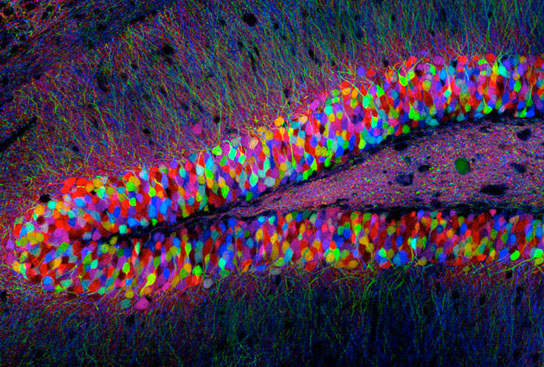
Mouse-Hippocampus1In their previous work, researchers from the Picower Center for Neural Circuit Genetics were able to identify an assembly of neurons in the brain’s hippocampus that held a memory engram – a cell containing data about a sequence of events. In recalling a memory, the brain uses this data to reconstruct the associated events, but this reconstruction often varies from what actually occurred.

Working from this, the researchers were able to locate and identify the neurons encoding a particular engram (a specific set of memories) through the use of optogenetics. This technique is a relatively new neuromodulation process that uses a combination of genetic modification and optical stimulation to control the activity of individual neurons.ChR_memoryAfterward, they were able to genetically engineer the hippocampal cells of a new strain of mouse so that the cells would form a light-sensitive protein called a channelrhodopsin (ChR). These proteins activate neurons when stimulated by light, thus ensuring that specific memories could be triggered by exposing someone implanted with them to a light source.

Next, the researchers conducted a series of behavioral experiments in order to identify the set of brain cells that were active only when a mouse was learning about a new environment. The genes activated in those cells were then coupled with the light-sensitive ChR and monitored during the next phase of the experiment, where the mice were placed in a series of boxes.

memory_implants1In the first box, the mice were exposed to a safe environment, during which time the neurons that were actively forming memories were labelled with ChR, so they could later be triggered by light pulses. In the second box, mice were treated to a series of mild foot shocks, which created a negative association, while at the same time, a pulsing light was used to trigger their memories of being in the first box.

When the mice were returned to the first box, in which they had only pleasant experiences, they clearly displayed fear/anxiety behaviors. In short, the fear that they had learned in a separate environment was now falsely associated with the safe environment. Whats more, the false fear memory could be reactivated at will in any environment by triggering the neurons associated with that false memory.

brain-activityWhat this demonstrated was that the recall of this false memory drove an active fear response that was indistinguishable from a real memory. And according to Steve Ramirez, a graduate student in the Tonegawa lab and the lead author of the paper, the experiment provided some real insight into the nature of memory:

These kinds of experiments show us just how reconstructive the process of memory actually is. Memory is not a carbon copy, but rather a reconstruction of the world we’ve experienced. Our hope is that, by proposing a neural explanation for how false memories may be generated, down the line we can use this kind of knowledge to inform, say, a courtroom about just how unreliable things like eyewitness testimony can actually be.

Granted, it might not sound like Total Recall or Inception, but the basic premise is the same. And note how in those movies, no explanation was given as to how these false memories were fashioned – nor could they be, since no means yet existed. But now, using this technique, memories could be fashioned in one person, and then implanted in another.

total-recall-originalFrightened yet? Well, you should be! If memory is one of the very things that define us as human beings, and we can’t be sure if the memories we have are real, our own, or someone else’s, then how can we be sure of anything? How do we even know who we are? Man, I’d be writing this into a story outline right now if it hadn’t already been done to death!

Until next time, guard your experiences and memories jealously! You never know when someone might try to come along and steal them…

Sources: gizmag.com, io9.com

The Future is Weird: Human Urine used to grow Teeth?!

3dstemcellsStem cell research has been expanding impressively in recent years, and the range of applications has been growing accordingly. And while all are impressive and useful, some are – admittedly – odd and even a tad gross. One such application is the one that was recently unveiled in China, where a team of biologists are using stem cells harvested from human urine to grow structures in mice that resemble teeth.

The team, led by Duanqing Pei and Jinglei Cai from the Guangzhou Institute of Biomedicine and Health, had announced back in 2011 that it had successfully reprogrammed skin-like cells from the kidneys, found in urine, to turn into pluripotent stem (iPS) cells. As researchers have known for some time, these iPS cells can be tweaked to become pretty much any human cell in the body.

tooth-from-urine-cell-regenerationIn a paper produced by the Guangzhou biomedical team – which appeared in the peer-reviewed, open access journal Cell Regeneration last week – they claim the ability to “regenerate teeth with patients’ own cells” is an “ideal solution” to the loss of teeth through accidents or disease. As just one of many applications of stem cell research, the aim is to create synthetic biological tissues that can replace artificial implants.

Once the cell sheets formed into epithelial tissue – the kind of cells found in human skin and teeth – they implanted them with tissue from the jaw of a mouse embryo (to encourage it to grow into a tooth) in the kidney of a mouse. Three weeks later, they noted that the human tissue had turned into cells called ameloblasts that secrete enamel, the hard, bone-like substance on the outside of the tooth.

urine_stemcells_teethThe result was a series of tooth-like structures which possessed the hardness “found in the regular human tooth”, which were then harvested. Assuming that this approach could be scaled to involve dozens of mice across thousands of labs, artificial teeth could be mass produced and then be made available to dental clinics all over the world.
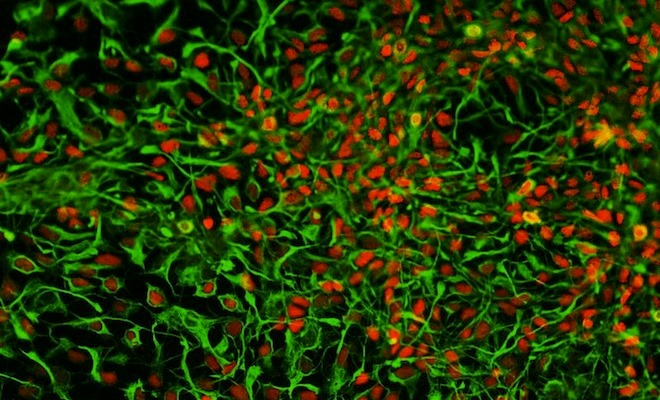
However, the real innovation came with the new method that the research team devised to get around some flaws in the traditional method. This method, which involves inserting the stem cells into blanket cells via a genetically engineered retrovirus, can lead to a destabilization of the cell genome, rendering the tissue unpredictable, susceptible to mutations and thus a liability.

stem_cells1Hence why Pei and his team opted for another route, one which they claim presents a safer, faster alternative. Having extracted kidney epithelial cells from the urine of three donors, the team used vectors — a type of DNA molecule useful in transporting genetic information from cell to cell. This allowed them to transport the genetic information without having to integrate the new genes into the chromosome of the kidney cell.

According to their paper, this process may be partly responsible for the aforementioned mutations in the first place. And once they tested out their new process, it took only 12 days for the pluripotent stem cells to form in a petri dish – roughly half the time it takes using the traditional approach.

URINE-STEM-CELLS-TEETH-570William Stanford – a University of Ottawa researcher who holds a Canada Research Chair in integrative stem cell biology – indicated that their approach is not entirely now. Growing various kinds of human tissues inside a mouse kidney is a common technique used by stem cell biologists, Stanford said. In the course of doing so, researchers will occasionally grow what looks like teeth by accident.

However, the Guangzhou team have modified the technique to grow teeth intentionally. And their approach is an improvement in that it does not require skin samples to be harvested by the human subject (a common practice at the moment). Using urine-harvested stem cells only requires that they pee into a cup, and the turnaround time is a matter of weeks instead of months.

Good news for anyone who is missing some chomper, or feels self-conscious about crooked or chipped teeth and can’t afford those expensive, porcelain implants. What’s more, teeth are really just the tip of the iceberg. In time, other organic tissues could be grown as well, allowing for further developments in the already exciting field artificial organ generation.

Sources: cbc.ca, wired.com