With all of the world’s current problems, poverty, underdevelopment, terrorism, civil war, and environmental degradation, it’s easy to overlook how things are getting better around the world. Not only do we no longer live in a world where superpowers are no longer aiming nuclear missiles at each other and two-thirds of the human race live beneath totalitarian regimes; in terms of health, mortality, and income, life is getting better too.
So, in honor of the New Year and all our hopes for a better world, here’s a gander at how life is improving and is likely to continue…
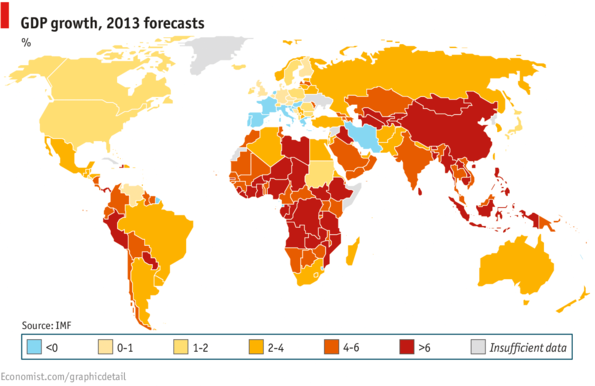
1. Poverty is decreasing: The population currently whose income or consumption is below the poverty line – subsisting on less than $1.25 a day – is steadily dropping. In fact, the overall economic growth of the past 50 years has been proportionately greater than that experienced in the previous 500. Much of this is due not only to the growth taking place in China and India, but also Brazil, Russia, and Sub-Saharan Africa. In fact, while developing nations complain about debt crises and ongoing recession, the world’s poorest areas continue to grow.
2. Health is improving:
The overall caloric consumption of people around the world is increasing, meaning that world hunger is on the wane. Infant mortality, a major issue arising from poverty, and underdevelopment, and closely related to overpopulation, is also dropping. And while rates of cancer continue to rise, the rate of cancer mortality continue to decrease. And perhaps biggest of all, the world will be entering into 2014 with several working vaccines and even cures for HIV (of which I’ve made many posts).
3. Education is on the rise:
More children worldwide (especially girls) have educational opportunities, with enrollment increasing in both primary and secondary schools. Literacy is also on the rise, with the global rate reaching as high as 84% by 2012. At its current rate of growth, global rates of literacy have more than doubled since 1970, and the connections between literacy, economic development, and life expectancy are all well established.
4. The Internet and computing are getting faster:
Ever since the internet revolution began, connection speeds and bandwidth have been increasing significantly year after year. In fact, the global average connection speed for the first quarter of 2012 hit 2.6 Mbps, which is a 25 percent year-over-year gain, and a 14 percent gain over the fourth quarter of 2011. And by the second quarter of 2013, the overall global average peak connection speed reached 18.9 Mbps, which represented a 17 percent gan over 2012.
And while computing appears to be reaching a bottleneck, the overall increase in speed has increased by a factor of 260,000 in the past forty years, and storage capacity by a factor of 10,000 in the last twenty. And in terms of breaking the current limitations imposed by chip size and materials, developments in graphene, carbon nanotubes, and biochips are promising solutions.
5. Unintended pregnancies are down:
While it still remains high in the developing regions of the world, the global rate of unintended pregnancies has fallen dramatically in recent years. In fact, between 1995 and 2008, of 208 billion pregnancies surveyed in a total of 80 nations, 41 percent of the pregnancies were unintended. However, this represents a drop of 29 percent in the developed regions surveyed and a 20 percent drop in developing regions.
The consequences of unintended pregnancies for women and their families is well established, and any drop presents opportunities for greater health, safety, and freedom for women. What’s more, a drop in the rate of unwanted pregnancies is surefire sign of socioeconomic development and increasing opportunities for women and girls worldwide.
6. Population growth is slowing: On this blog of mine, I’m always ranting about how overpopulation is bad and going to get to get worse in the near future. But in truth, that is only part of the story. The upside is while the numbers keep going up, the rate of increase is going down. While global population is expected to rise to 9.3 billion by 2050 and 10.1 billion by 2100, this represents a serious slowing of growth.
If one were to compare these growth projections to what happened in the 20th century, where population rose from 1 billion to just over 6, they would see that the rate of growth has halved. What’s more, rates of population growth are expecting to begin falling in Asia by 2060 (one of the biggest contributors to world population in the 20th century), in Europe by 2055, and the Caribbean by 2065.
In fact, the only region where exponential population growth is expected to happen is Africa, where the population of over 1 billion is expected to reach 4 billion by the end of the 21st century. And given the current rate of economic growth, this could represent a positive development for the continent, which could see itself becoming the next powerhouse economy by the 2050s.
7. Clean energy is getting cheaper:
While the price of fossil fuels are going up around the world, forcing companies to turn to dirty means of oil and natural gas extraction, the price of solar energy has been dropping exponentially. In fact, the per capita cost of this renewable source of energy ($ per watt) has dropped from a high of $80 in 1977 to 0.74 this past year. This represents a 108 fold decrease in the space of 36 years.
And while solar currently comprises only a quarter of a percent of the planet’s electricity supply, its total share grew by 86% last year. In addition, wind farms already provide 2% of the world’s electricity, and their capacity is doubling every three years. At this rate of increase, solar, wind and other renewables are likely to completely offset coal, oil and gas in the near future.
Summary:
In short, things are looking up, even if they do have a long way to go. And a lot of what is expected to make the world a better place is likely to happen this year. Who knows which diseases we will find cures for? Who knows what inspirational leaders will come forward? And who knows what new and exciting inventions will be created, ones which offer creative and innovative solutions to our current problems?
Who knows? All I can say is that I am eager to find out!
The new year is literally right around the corner, folks. And I thought what better way to celebrate 2013 than by acknowledging its many scientific breakthroughs. And there were so many to be had – ranging in fields from bioresearch and medicine, space and extra-terrestrial exploration, computing and robotics, and biology and anthropology – that I couldn’t possibly do them all justice.
Luckily, I have found a lovely, condensed list which managed to capture what are arguably the biggest hits of the year. Many of these were ones I managed to write about as they were happening, and many were not. But that’s what’s good about retrospectives, they make us take account of things we missed and what we might like to catch up on. And of course, I threw in a few stories that weren’t included, but which I felt belonged.
So without further ado, here are the top 12 biggest breakthroughs of 2013:
1. Voyager 1 Leaves the Solar System:
For 36 years, NASA’s Voyager 1 spacecraft has travelling father and farther away from Earth, often at speeds approaching 18 km (11 miles) per second. At a pace like that, scientists knew Voyager would sooner or later breach the fringe of the heliosphere that surrounds and defines our solar neighborhood and enter the bosom of our Milky Way Galaxy. But when it would finally break that threshold was a question no one could answer. And after months of uncertainty, NASA finally announced in September that the space probe had done it. As Don Gurnett, lead author of the paper announcing Voyager’s departure put it: “Voyager 1 is the first human-made object to make it into interstellar space… we’re actually out there.”
2. The Milky Way is Filled with Habitable Exoplanets:
After years of planet hunting, scientists were able to determine from all the data gathered by the Kepler space probe that there could be as many as 2 billion potentially habitable exoplanets in our galaxy. This is the equivalent of roughly 22% of the Milky Way Galaxy, with the nearest being just 12 light years away (Tau Ceti). The astronomers’ results, which were published in October of 2013, showed that roughly one in five sunlike stars harbor Earth-size planets orbiting in their habitable zones, much higher than previously thought.
3. First Brain to Brain Interface:
In February of 2013, scientists announced that they had successfully established an electronic link between the brains of two rats. Even when the animals were separated by thousands of kms distance, signals from the mind of one could help the second solve basic puzzles in real time. By July, a connection was made between the minds of a human and a rat. And by August, two researchers at the Washington University in St. Louis were able to demonstrate that signals could be transmitted between two human brains, effectively making brain-to-brain interfacing (BBI), and not just brain computer interfacing (BCI) truly possible.
4.Long-Lost Continent Discovered:
In February of this year, geologists from the University of Oslo reported that a small precambrian continent known as Mauritia had been found. At one time, this continent resided between Madagascar and India, but was then pushed beneath the ocean by a multi-million-year breakup spurred by tectonic rifts and a yawning sea-floor. But now, volcanic activity has driven the remnants of the long-lost continent right through to the Earth’s surface.
Not only is this an incredibly rare find, the arrival of this continent to the surface has given geologists a chance to study lava sands and minerals which are millions and even billions of years old. In addition to the volcanic lava sands, the majority of which are around 9 million years old, the Oslo team also found deposits of zircon xenocryst that were anywhere from 660 million to 1.97 billion years old. Studies of these and the land mass will help us learn more about Earth’s deep past.
5. Cure for HIV Found!:
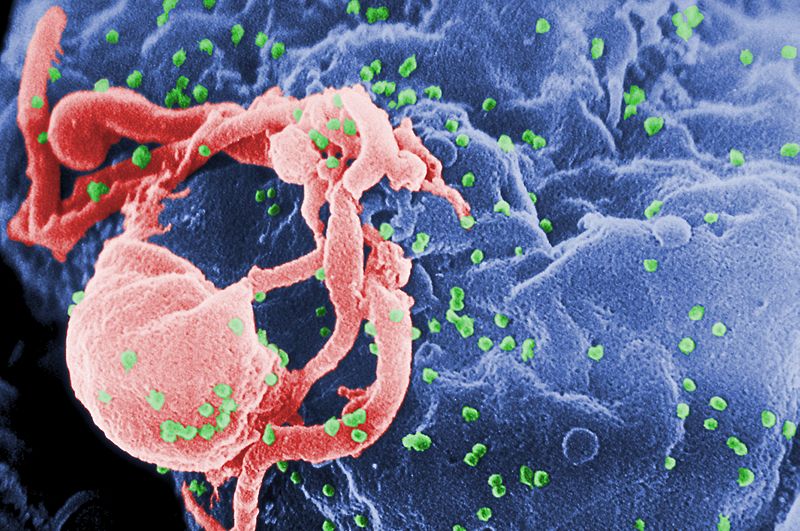
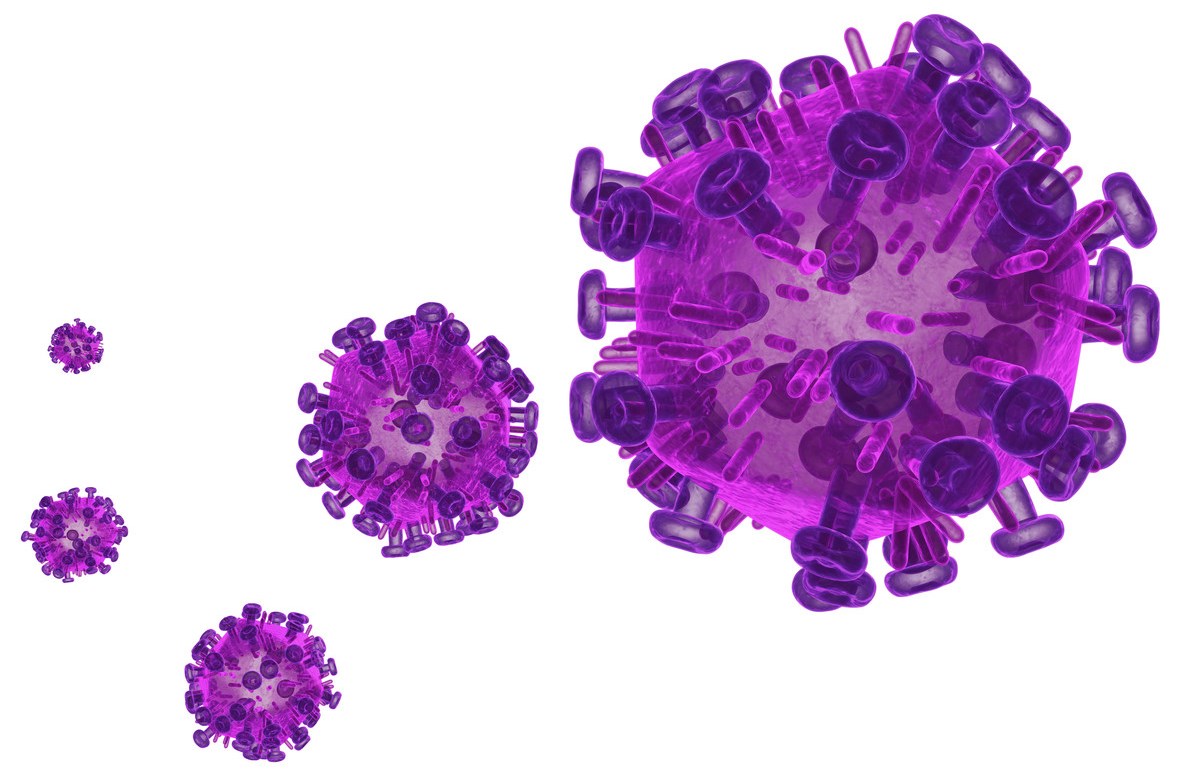
For decades, medical researchers and scientists have been looking to create a vaccine that could prevent one from being infected with HIV. But in 2013, they not developed several vaccines that demonstrated this ability, but went a step further and found several potential cures. The first bit of news came in March, when researchers at Caltech demonstrated using HIV antibodies and an approach known as Vectored ImmunoProphylaxis (VIP) that it was possible to block the virus.
Then came the SAV001 vaccine from the Schulich School of Medicine & Dentistry at Western University in London, Ontario, which aced clinical trials. This was punctuated by researchers at the University of Illinois’, who in May used the “Blue Waters” supercomputer to developed a new series of computer models to get at the heart of the virus.
But even more impressive was the range of potential cures that were developed. The first came in March, where researchers at the Washington University School of Medicine in St. Louis that a solution of bee venom and nanoparticles was capable of killing off the virus, but leaving surrounding tissue unharmed. The second came in the same month, when doctors from Johns Hopkins University Medical School were able to cure a child of HIV thanks to the very early use of antiretroviral therapy (ART).
And in September, two major developments occurred. The first came from Rutgers New Jersey Medical School, where researchers showed that an antiviral foot cream called Ciclopirox was capable of eradicating infectious HIV when applied to cell cultures of the virus. The second came from the Vaccine and Gene Therapy Institute at the Oregon Health and Science University (OHSU), where researchers developed a vaccine that was also able to cure HIV in about 50% of test subjects. Taken together, these developments may signal the beginning of the end of the HIV pandemic.
6. Newly Discovered Skulls Alter Thoughts on Human Evolution:
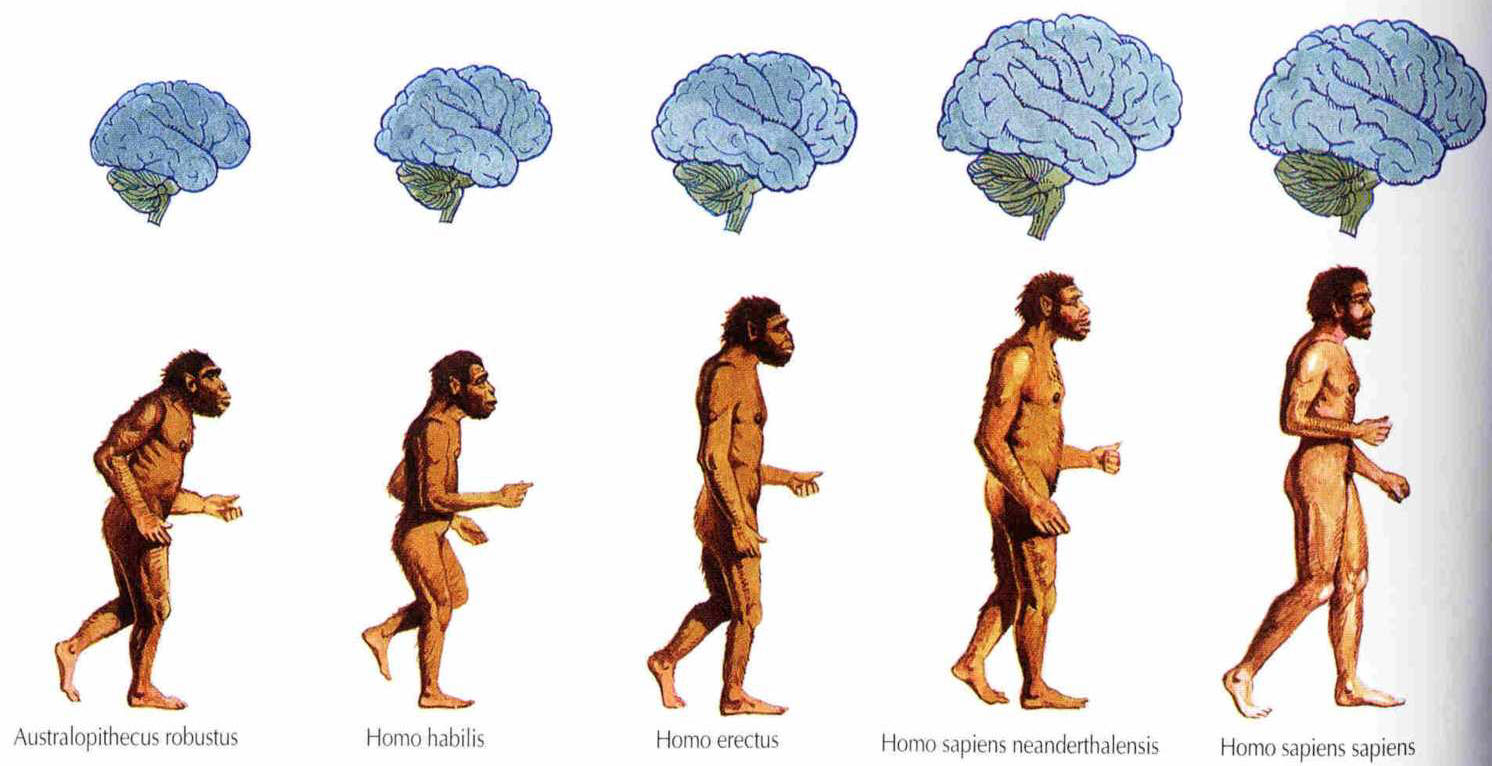
The discovery of an incredibly well-preserved skull from Dmanisi, Georgia has made anthropologists rethink human evolution. This 1.8 million-year old skull has basically suggested that our evolutionary tree may have fewer branches than previously thought. Compared with other skulls discovered nearby, it suggests that the earliest known members of the Homo genus (H. habilis, H.rudolfensis and H. erectus) may not have been distinct, coexisting species, but instead were part of a single, evolving lineage that eventually gave rise to modern humans.
7. Curiosity Confirms Signs of Life on Mars:
Over the past two years, the Curiosity and Opportunity rovers have provided a seemingly endless stream of scientific revelations. But in March of 2013, NASA scientists released perhaps the most compelling evidence to date that the Red Planet was once capable of harboring life. This consisted of drilling samples out of the sedimentary rock in a river bed in the area known as Yellowknife Bay.
Using its battery of onboard instruments, NASA scientists were able to detect some of the critical elements required for life – including sulfur, nitrogen, hydrogen, oxygen, phosphorus, and carbon. The rover is currently on a trek to its primary scientific target – a three-mile-high peak at the center of Gale Crater named Mount Sharp – where it will attempt to further reinforce its findings.
8. Scientists Turn Brain Matter Invisible:
Since its inception as a science, neuroanatomy – the study of the brain’s functions and makeup – has been hampered by the fact that the brain is composed of “grey matter”. For one, microscopes cannot look beyond a millimeter into biological matter before images in the viewfinder get blurry. And the common technique of “sectioning” – where a brain is frozen in liquid nitrogen and then sliced into thin sheets for analysis – results in tissue being deformed, connections being severed, and information being lost.
But a new technique, known as CLARITY, works by stripping away all of a tissue’s light-scattering lipids, while leaving all of its significant structures – i.e. neurons, synapses, proteins and DNA – intact and in place. Given that this solution will allow researchers to study samples of the brains without having to cut them up, it is already being hailed as one of the most important advances for neuroanatomy in decades.
9. Scientists Detect Neutrinos from Another Galaxy:
In April of this year, physicists working at the IceCube South Pole Observatory took part in an expedition which drilled a hole some 2.4 km (1.5 mile) hole deep into an Antarctic glacier. At the bottom of this hole, they managed to capture 28 neutrinos, a mysterious and extremely powerful subatomic particle that can pass straight through solid matter. But the real kicker was the fact that these particles likely originated from beyond our solar system – and possibly even our galaxy.
That was impressive in and off itself, but was made even more so when it was learned that these particular neutrinos are over a billion times more powerful than the ones originating from our sun. So whatever created them would have had to have been cataclysmicly powerful – such as a supernova explosion. This find, combined with the detection technique used to find them, has ushered in a new age of astronomy.
10. Human Cloning Becomes a Reality:
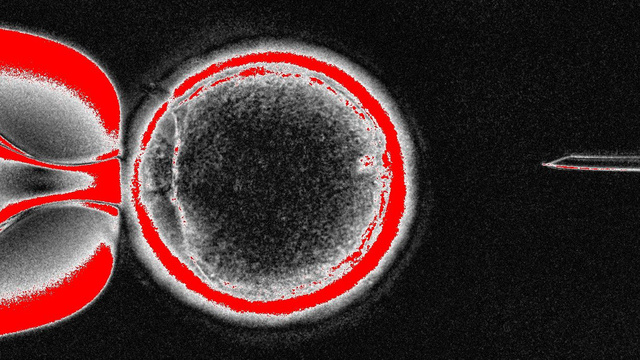
Ever since Dolly the sheep was cloned via somatic cell nuclear transfer, scientists have wondered if a similar technique could be used to produce human embryonic stem cells. And as of May, researchers at Oregon Health and Science University managed to do just that. This development is not only a step toward developing replacement tissue to treat diseases, but one that might also hasten the day when it will be possible to create cloned, human babies.
11. World’s First Lab Grown Meat:
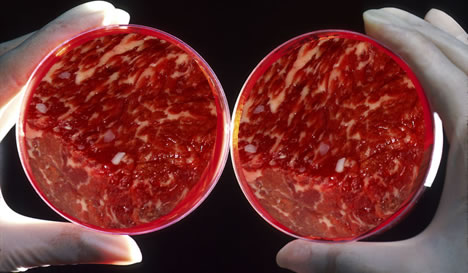
In May of this year, after years of research and hundred of thousands of dollars invested, researchers at the University of Maastricht in the Netherlands created the world’s first in vitro burgers. The burgers were fashioned from stem cells taken from a cow’s neck which were placed in growth medium, grown into strips of muscle tissue, and then assembled into a burger. This development may prove to be a viable solution to world hunger, especially in the coming decades as the world’s population increases by several billion.
12. The Amplituhedron Discovered:
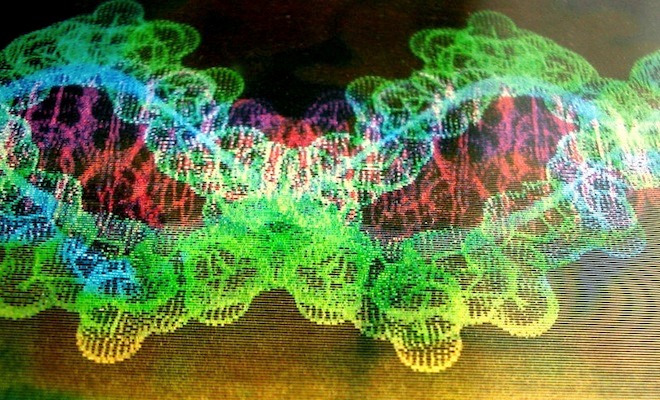
If 2012 will be remembered as the year that the Higgs Boson was finally discovered, 2013 will forever be remembered as the year of the Amplituhedron. After many decades of trying to reformulate quantum field theory to account for gravity, scientists at Harvard University discovered of a jewel-like geometric object that they believe will not only simplify quantum science, but forever alters our understanding of the universe.
This geometric shape, which is a representation of the coherent mathematical structure behind quantum field theory, has simplified scientists’ notions of the universe by postulating that space and time are not fundamental components of reality, but merely consequences of the”jewel’s” geometry. By removing locality and unitarity, this discovery may finally lead to an explanation as to how all the fundamental forces of the universe coexist.
These forces are weak nuclear forces, strong nuclear forces, electromagnetism and gravity. For decades, scientists have been forced to treat them according to separate principles – using Quantum Field Theory to explain the first three, and General Relativity to explain gravity. But now, a Grand Unifying Theory or Theory of Everything may actually be possible.
13. Bioprinting Explodes:
The year of 2013 was also a boon year for bioprinting – namely, using the technology of additive manufacturing to create samples of living tissue. This began in earnest in February, where a team of researchers at Heriot-Watt University in Scotland used a new printing technique to deposit live embryonic stem cells onto a surface in a specific pattern. Using this process, they were able to create entire cultures of tissue which could be morphed into specific types of tissue.
Later that month, researchers at Cornell University used a technique known as “high-fidelity tissue engineering” – which involved using artificial living cells deposited by a 3-D printer over shaped cow cartilage – to create a replacement human ear. This was followed some months later in April when a San Diego-based firm named Organova announced that they were able to create samples of liver cells using 3D printing technology.
And then in August, researchers at Huazhong University of Science and Technology were able to use the same technique create the world first, living kidneys. All of this is pointing the way towards a future where human body parts can be created simply by culturing cells from a donor’s DNA, and replacement organs can be synthetically created, revolutionizing medicine forever.
14. Bionic Machinery Expands:
If you’re a science buff, or someone who has had to go through life with a physical disability, 2013 was also a very big year for the field of bionic machinery. This consisted not only of machinery that could meld with the human body in order to perform fully-human tasks – thus restoring ambulatory ability to people dealing with disabling injuries or diseases – but also biomimetic machinery.
The first took place in February, where researchers from the University of of Tübingen unveiled the world’s first high-resolution, user-configurable bionic eye. Known officially as the “Alpha IMS retinal prosthesis”, the device helps to restore vision by converted light into electrical signals your retina and then transmitted to the brain via the optic nerve. This was followed in August by the Argus II “retinal prosthetic system” being approved by the FDA, after 20 years of research, for distribution in the US.
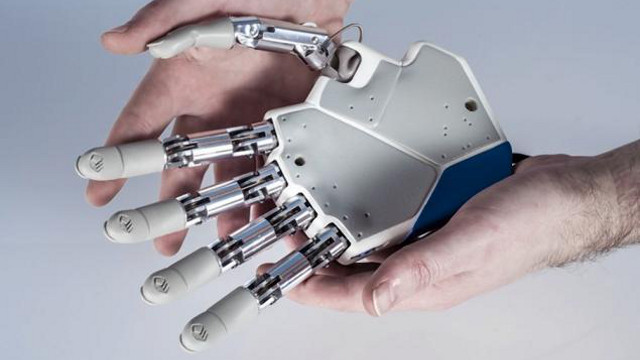
Later that same month, the Ecole Polytechnique Federale de Lausanne in Switzerland unveiled the world’s first sensory prosthetic hand. Whereas existing mind-controlled prosthetic devices used nerve signals from the user to control the movements of the limb, this new device sends electrostimulus to the user’s nerves to simulate the sensation of touch.
Then in April, the University of Georgia announced that it had created a brand of “smart skin” – a transparent, flexible film that uses 8000 touch-sensitive transistors – that is just as sensitive as the real thing. In July, researchers in Israel took this a step further, showing how a gold-polyester nanomaterial would be ideal as a material for artificial skin, since it experiences changes in conductivity as it is bent.
15. 400,000 Year-Old DNA Confuses Humanity’s Origin Story:
Another discovery made this year has forced anthropologist to rethink human evolution. This occurred in Spain early in December, where a team from the Max Planck Institute for Evolutionary Anthropology in Leipzig, Germany recovered a 400,000 year-old thigh bone. Initially thought to be a forerunner of the Neanderthal branch of hominids, it was later learned that it belonged to the little-understood branch of hominins known as Denisovans.
The discordant findings are leading anthropologists to reconsider the last several hundred thousand years of human evolution. In short, it indicates that there may yet be many extinct human populations that scientists have yet to discover. What’s more, there DNA may prove to be part of modern humans genetic makeup, as interbreeding is a possibility.
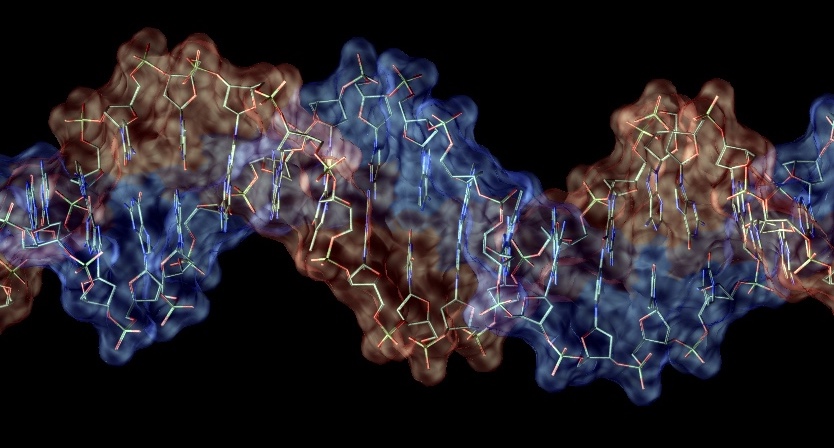
Imagine a world where all known diseases were curable, where health problems could be treated in a non-invasive manner, and life could be extended significantly? Thanks to ongoing research into the human genome, and treatments arising out of it, that day may be coming soon. That’s the idea behind gene therapy and pharmacoperones – two treatment procedures that may make disease obsolete in the near future.
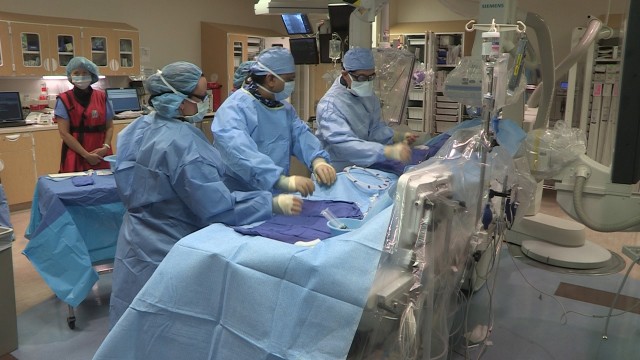
The first comes to us from the Utah School of Medicine, where researcher Amit Patel recently developed a non-invasive, naked DNA approach to deal with treating heart problems. His process was recently tested o Ernie Lively, an actor suffering from heart damage, who made a full recovered afterwards without ever having to go under the knife.
In short, Patel’s method relies on a catheter, which he used to access the main cardiac vein (or coronary sinus), where a balloon is inflated to halt the flow of blood and isolate the area. A high dose of naked DNA, which codes for a protein called SDF-1, is then delivered. SDF-1, which stands for stromal cell-derived factor, is a potent attractant both for stem cells circulating in the bloodstream, and for those developing in the bone marrow.
Stromal cells, which manufacture SDF-1, are the creative force which knit together our fibrous connective tissues. The problem is they do not make enough of this SDF-1 under normal conditions, nor do specifically deliver it in just the right places for repair of a mature heart. By introducing a dose of these cells directly into the heart, Patel was able to give Lively what his heart needed, where it needed it.
Compared to other gene therapies, the introduction of SDF-1 into cells was done without the assistance of a virus. These “viral vector” method have had trouble in the past due to the fact that after the virus helps target specific cells for treatment, the remnant viral components can draw unwanted attention from the immune system, leading to complications.
But of course, there is still much to be learned about the SDF-1 treatment and others like it before it can be considered a viable replacement for things like open-heart surgery. For one, the yield – the number or percentage of cells that take up the DNA – remains unknown. Neither are the precise mechanisms of uptake and integration within the cell known here.
Fortunately, a great deal of research is being done, particularly by neuroscientists who are looking to control brain cells through the use of raw DNA as well. Given time, additional research, and several clinical trials, a refined version of this process could be the cure for heart-related diseases, Alzheimer’s, and other disorders that are currently thought to be incurable, or require surgery.
Another breakthrough treatment that is expected to revolutionize medicine comes in the form of pharmacoperones (aka. “protein chaperones”). a new field of drugs that have the ability to enter cells and fix misfolded proteins. These kind of mutations usually result in proteins becoming inactive; but in some cases, can lead to toxic functionality or even diseases.
Basically, proteins adopt their functional 3-D structure by folding linear chains of amino acids, and gene mutation can cause this folding process to go awry, resulting in “misfolding”. Up until recently, scientists believed these proteins were simply non-functional. But thanks to ongoing research, it is now known their inactivity is due to the cell’s quality control system misrouting them within the cell.
Although this process has been observed under a microscope in recent years, a team led by Doctor P. Michael Conn while at Oregon Health & Science University (OHSU) was the first to demonstrate it in a living laboratory animal. The team was able to cure mice of a disease that makes the males unable to father offspring, and believe the technique will also work on human beings.
The team says neurodegenerative diseases, such as Alzheimer’s, Parkinson’s and Huntington’s, as well as certain types of diabetes, inherited cataracts and cystic fibrosis are just a few of the diseases that could potentially be cured using the new approach. Now working at the Texas Tech University Health Sciences Center (TTUHSC), Conn and his team are looking to conduct human trials.
One of the hallmarks of the coming age of science, technology and medicine is the idea that people will be living in post-mortality age, where all diseases and conditions are curable and life can be extended almost indefinitely. Might still sound like science fiction, but all of this research is indicative of the burgeoning trend where things that were once thought to be “treatable but not curable” is a thing of the past.
It’s an exciting time to be living in, almost as exciting as the world our children will be inhabiting – assuming things go according to plan. And in the meantime, check out this video of the SDF-1 gene therapy in action, courtesy of the University of Utah School of Medicine:
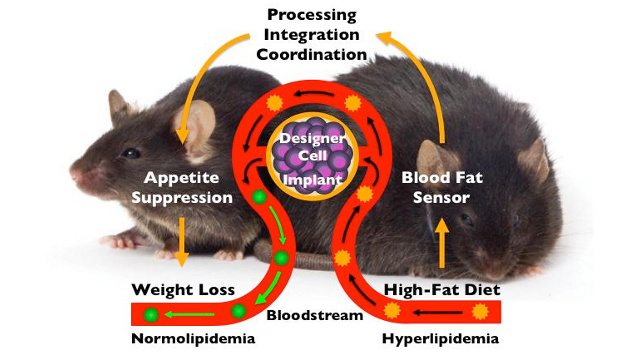
Obesity is one of the greatest epidemics effecting children in the developed world, resulting in billions spent annually on fad diets, miracle foods, and exercise programs. But researchers ETH-Zurich have come up with a potential high-tech solution to the problem. It consists of an implant that monitors fat in the blood and, in response to elevated levels, it produces a substance that tells the body that it’s not hungry.
The method relies on a “genetic circuit”, a component that perform logical operations in living cells. Originally developed by Boston University biomedical engineers Ahmad S. Khalil and James J. Collins, the regulatory circuit is put together using mostly biological components. These consisted of several genes that generate particular proteins and reactions. This compound was inserted into tiny capsules.
The circuit essentially performs two functions: monitoring the circulating fat levels in the blood, and then, in the event of detecting excess levels, produces a messenger substance that conveys a cognitive response that tells the user they are full and sated. For the sake of the experiment, the mice were continually given high-fat foods. As ETH-Zurich professor Martin Fussenegger explained in a statement:
Instead of placing the mice on a diet to achieve weight loss, we kept giving the animals as much high-calorie food as they could eat.
The implants responded as expected, causing the obese mice to stop their excessive eating, and their bodyweight dropped noticeably as a result. Once their blood-fat levels returned to normal, the implant stopped producing the fullness signal. As for the control group, mice that received normal animal feed with a 5% fat content did not lose any weight or reduce their intake of food.
Interestingly, the sensor can also detect different types of fat, including saturated and unsaturated animal and vegetable fats — even when they’re all ingested at the same time. This allows people to continue to take in the kinds of fats their bodies depend upon – such as Omega fatty acids and unsaturated fats – while limiting their intake of saturated fat, something we as a society get far too much of.
But of course, there are challenges in adapting this technology for human used. The researchers caution that it will take several more years to develop an implant that do the same job for the human body. But given the exponential rate of development with medical and health-monitoring implants, we can expect to be seeing a full range of weight-control or even diet-specific and allergen-detecting implants before long.
In addition to weight loss, this and other breakthroughs like it could facilitate the development of artificial cells designed to solve problems in medicine, energy, and the environment. It’s also a major step towards an age where people are able to manipulate their own biochemistry, and the building blocks of nature, at a microscopic level. Another step forward towards the nanotechnological revolution!
For people suffering from full or partial paralysis, interacting with the physical world can be constant source of frustration. Not only is said world designed by and for people who do not suffer from the same physical limitations, the devices used to restore mobility are so often limited themselves. Luckily, the technology is improving, thanks to input from people who have mobility issues themselves.
That’s what Satoshi Sugie, a former Japanese car designer, decided to do when he became interested in the mobility industry. After meeting a frustrated wheelchair user in Japan in 2010, he became inspired to come up with something that would address the wheelchair’s limitations and the stigma people who used them continue to suffer with.
As Sugie describes the encounter:
He said he gave up going even two blocks away. One reason was he didn’t want to be seen. There is a negative stigma attached to the wheelchair. The second one is the functional limitation. If there is a bump, he has to avoid it. He was really scared to go outside.
Sugie was working for Nissan at the time, designing futuristic models for motor shows, but this encounter inspired him to try his hand at futuristic wheelchair design as well. His first prototype – known as the WHILL – was released in 2011. This was a sort of turbo-charger for existing wheelchairs, and was described as a pair of enormous “headphones” given its appearance.
The latest version, known as the Whill Type-A, is a standalone chair aimed not just at wheelchair users, but power chair and mobility scooters riders as well. The new model is different from normal wheelchairs in several key ways. First of all, people can naturally lean forward in this chair, as they would riding a bike. This eliminates slouching and therefore makes for a more comfortable ride.
Second, the front wheel is composed of 24 separate tires, giving the vehicle very tight turning ability. And three, it looks “modern and sleek,” like something you would expect from a Japanese car designer. Riders control the Whill with a right-hand joystick while the left-hand has a simple fast- and slow-mode switch. It can also handle obstacles up to three inches high with easy, and seat rolls forwards and backwards, making getting in and out easy.
Sugie, who recently relocated to Menlo Park, California, is still working out pricing, but he hopes it won’t be too expensive. The wheelchair will be officially unveiled this February, and is likely to be cost a premium penny. Still, the advantages it offers are sure to go over well with wheelchair users and become something of the norm for the next-generation of such vehicles.
In addition to ease of use and the mobility it provides, it also lend users a certain high-tech chic, which may go a long way towards combatting the sense of social stigma many users feel.
Google has always been famous for investing in speculative ventures and future trends. Between their robot cars, Google Glass, the development of AI (the Google Brain), high-speed travel (the Hyperloop), and alternative energy, their seems to be no limit to what Musk and Page’s company will take on. And now, with Calico, Google has made the burgeoning industry of life-extension its business.
The newly formed company has set itself to “focus on health and well-being, in particular the challenge of aging and associated diseases.” Those were the words of Google co-founder Larry Page, who issued a two-part press release back in September. From this, it is known that Calico will focus on life extension and improvement. But in what way and with what business model, the company has yet to explain.
What does seem clear at this point is that Art Levinson, the chairman of Apple and former CEO of Genentech (a pioneer in biotech) will be the one to head up this new venture. His history working his way from a research scientist on up to CEO of Genentech makes him the natural choice, since he will bring medical connections and credibility to a company that’s currently low on both.
Google Health, the company’s last foray into the health industry, was a failure for the company. This site, which began in 2008 and shut down in 2011, was a personal health information centralization service that allowed Google users to volunteer their health records. Once entered, the site would provide them with a merged health record, information on conditions, and possible interactions between drugs, conditions, and allergies.
In addition, the reasons for the company’s venture into the realm of health and aging may have something to do with Larry Page’s own recent health concerns. For years, Page has struggled with vocal nerve strain, which led him to make a significant donation to research into the problem. But clearly, Calico aims to go beyond simple health problems and cures for known diseases.
In a comment to Time Magazine, Page stated that a cure for cancer would only extent the average human lifespan by 3 years. They want to think bigger than that, which could mean addressing the actual causes of aging, the molecular processes that break down cells. Given that Google Ventures included life extension technology as part of their recent bid to attract engineering students, Google’s top brass might have a slightly different idea.
And while this might all sound a bit farfetched, the concept of life-extension and even clinical immortality have been serious pursuits for some time. We tend to think of aging as a fact of life, something that is as inevitable as it is irreversible. However, a number of plausible scenarios have already been discussed that could slow or even end this process, ranging from genetic manipulation, nanotechnology, implant technology, and cellular therapy.
Whether or not Calico will get into any of these fields remains to be seen. But keeping in mind that this is the company that has proposed setting aside land for no-hold barred experimentation and even talked about building a Space Elevator with a straight face. I wouldn’t be surprised if they started building cryogentic tanks and jars for preserving disembodies brains before long!
3-D Printing has been a boon for a number of industries, offering a cheaper method of production and sending those savings onto the consumer. One such industry is prosthetics, which is taking advantage of the new technology to cheaply generate all the components needed to create robotic replacement limbs. And with the proliferation of models, amputees and accident victims have a range of options that was previously unimaginable.
The latest comes to us from Bristol in the UK, where the robotics company known as The Open Hand Project has developed a robot limb that is cheaply produced and can be purchased for under £650 (or roughly $1000 US). At this price, their prosthetic device – known as the Dextrus robot hand = is significantly cheaper than existing robotics technology.
Inventor Joel Gibbard first came up with the idea for the Dextrus robotic hand while studying Robotics at the University of Plymouth in 2011. He developed a prototype for his final-year project before leaving to work for National Instruments. After two years in the workplace, he left his job in March 2013 to launch the Open Hand Project, an open-source venture that aims to make robotic prosthetic hands accessible for people in the developing world.
Gibbard’s hand relies entirely on off-the-shelf DC motors with a spool on the end that connects to a steel “tendon” that can be tightened and loosened when the user wants to move their fingers. The outer casing is composed of 3D-printed plastic parts that act like bones while a rubber coating acts as the skin. The user can control the fingers using electomyographical signals picked up from the muscle in their arm using stick-on electrodes.
As Gibbard explained in an interview with Wired magazine:
Each finger is individually actuated so you can grasp funny shaped objects. It’s not all that complicated. I’ve put a little tensioner in between each one so you have a bit of mechanical compliance. Even if an amputee has lost their hand, all of the muscles are still in the forearm and they can still flex them, so you can use that signal.
Already, the prosthesis was tested out by a chef named Liam Corbett, who lost his hand to meningitis two years ago and contacted Gibbard via Facebook when he heard about the Open Hand Project. According to Corbett, he was very impressed with the device and said that:
I think it’s certainly going to enable me to do the finer things in life which I certainly haven’t been able to do with a hook… I would be proud to wear this, it would make me feel more confident.
Gibbard hopes to refine the design to cut down on the electrical noise it produces, and to develop specialized software to configure the electrodes to simplify the calibration process. Back in September, he opened up a crowdfunding campaign with Indiegogo to raise the necessary money. As of writing this article, he has surpassed his goal of £39,000 and raised a total of £41,065.
However, there is still four days left before the campaign closes. So if you want to donate, thus enabling GIbbard and his colleagues to refine the design further, simply click here and follow the prompts. And be sure to check out the Indiegogo video to see how the hand works:
For centuries, medics have been forced to deal with cuts and lacerations by simply binding up wounds with bandages and wraps. Time has led to refinements in this process, replacing cloth with sterile bandages. But the basic process has remained the same. But now, severe cuts and bleeding have a new enemy, thanks to a new breed of clamping devices.
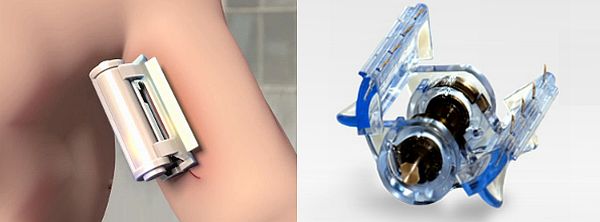
One such device is the iTClamp Hemmorage Control System, which won an award for top innovation in 2012 and was recently approved by the FDA. Basically, this clamp is placed over an open wound and then controls bleeding by sealing the edges shut to temporarily create a pool of blood under pressure and thereby form a clot that helps reduce more blood loss until surgery.
This past summer, the clamp got its first field test on a man who fell prey to a chainsaw wound on his upper arm just outside of Olive Branch, Mississippi. The hospital air crew who arrived on scene quickly determined that a tourniquet would not work, but were able to stop the bleeding and stabilize the patient within minutes, at which point they transported him to the Regional Medical Center of Memphis.
The clamp was invented by Dennis Filips, who served three tours in Afghanistan as a trauma surgeon for the Canadian Navy. With the saving of a life in the US, he has watched what began as an idea turn into a dream come true:
To have our first human use in the US turn out so well is thrilling, and we look forward to getting the iTClamp into the hands of first responders across the country and around the world.
The clamp is currently being sold for around $100 via various distributors across the US, and it’s available in Canada and Europe as well. At that price it could very well end up being adopted not only by first responders, but climbers and other adventurers looking to beef up their first-aid kits — and maybe the cautious chainsaw wielders among us as well.
And be sure to check out this video simulation of the iTClamp in action:
Scientists have been making great strides in coming up with treatments and cures for illnesses that were previously thought to be incurable. While some of these are aimed at eliminating pandemics that have taken millions of lives worldwide (such as HIV/AIDS) others are aimed at treating the more common – but no less infectious – viruses, like the common flu.
When it comes to the latter, the difficulty is not so much in creating a cure, as it is a cure all. The flu is a virus that is constantly evolving, changing with the seasons and with each host. This requires medical researchers to constantly develop new vaccines year after year to address the latest strain, as well as specialized vaccines to address different types – i.e. H1N1, swine, avian bird.
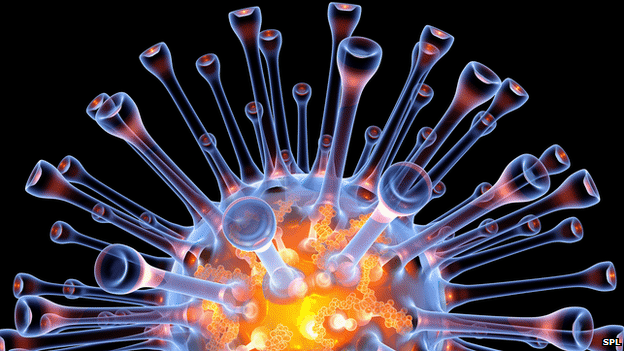
Luckily, a research team at Imperial College London say they have made a “blueprint” for a universal flu vaccine. Their report appeared in a recent issue of Nature Medicine. In their report, they specified that the key to creating a universal vaccine lies in targeting the core of the virus, rather than its ever-evolving DNA.
Just last year, researchers at the Friedrich-Loeffler Institute in Riems Island, Germany sought to create a similar vaccine that would target the virus’ RNA structure rather than the key proteins found in the DNA. By contrast, the Imperial researchers set about looking into T-cells, the crucial part of the immune system that is thought to be able to recognize proteins in the core.
Their research began with a series of clinical examinations of the 2009 swine flu pandemic, which was produced by the combining of earlier strains of pig and bird flu. The team then compared levels of one kind of T-cells at the start of the pandemic with symptoms of flu in 342 staff and students at the university. They showed that the higher the levels of the T-cells a patient had, the milder their symptoms were.
Researchers then teased out the specific part of the immune system that offered some pandemic flu protection and which part of the virus it was attacking. from there, They began developing a vaccine that would trigger the production of these cells – known as CD8 T cells. These cells would attack the invading flu virus, ignoring the outer protein structure and focusing on the core which it had encountered before.
Prof Ajit Lalvani, who led the study, told the BBC:
It’s a blueprint for a vaccine. We know the exact subgroup of the immune system and we’ve identified the key fragments in the internal core of the virus. These should be included in a vaccine. In truth, in this case it is about five years [away from a vaccine]. We have the know-how, we know what needs to be in the vaccine and we can just get on and do it.
The benefits of such a vaccine would be profound and obvious. While many of us consider the seasonal flu to be an inconvenience, it is important to note that it kills between 250,000 and 500,000 people worldwide each year. While this is a fraction of the total number of deaths attributed to AIDS (1.6 to 1.9 million in 2010, it is still a significant toll. What’s more, new pandemics have the potential to take doctors by surprise and kill large numbers of people. However, the Imperial College researchers admit that it is generally harder to develop a T-cell vaccine than a traditional one designed to provoke an antibody response. The challenge will be to get a big enough of a T-cell response to offer protection and a response that will last. So while the blueprint is in place, medical researchers still have a long road ahead of them.
Prof John Oxford, of Queen Mary University of London, put it this way:
This sort of effect can’t be that powerful or we’d never have pandemics. It’s not going to solve all the problems of influenza, but could add to the range of vaccines.It’s going to be a long journey from this sort of paper to translating it into a vaccine that works.
What’s more, there are concerns that a T-cell vaccine would be limited when it comes to certain age groups. Jenner Institute at Oxford University, explains:
Live attenuated influenza vaccines which are given by nasal spray and will be used in children in the UK from this autumn are much better at increasing the number of influenza-specific T cells, but these vaccines only work in young children who haven’t yet had much exposure to influenza virus, so we need an alternative approach for adults.
Interestingly enough, this approach of stimulating the production of T-cells bears a striking resemblance to the work being done at the Vaccine and Gene Therapy Institute at OHSU, where researchers are working towards a vaccine that could also cure HIV. This research also appeared in Nature Medicine last month.
So not only could we be looking at a cure for both HIV and the flu in the near future, we could be looking at the containment of infectious viruses all over the world. As these two cases demonstrate, advances in medical science towards antivirals appear to be tied at the hip.
Scientists and researchers have been making great strides in the fight against HIV/AIDS in recent years. In addition to developing vaccines that have shown great promise, there have even been some treatments that have been shown to eliminate the virus altogether. And it seems that with this latest development, which was published in Nature earlier this month, there might be a treatment that can double as a cure.
Developed at the Vaccine and Gene Therapy Institute at the Oregon Health and Science University (OHSU), this new vaccine proved successful in about fifty percent of the clinical subjects that were tested, and may be able to cure patients who are currently on anti-retroviral drugs. If successful, this could mean that a preventative vaccine and cure could come in the same package, thus eliminating HIV altogether.
Currently, anti-retroviral drugs and HIV vaccine typically aim at improving the immune response of the patient in the long term. However, they are limited in that they can never completely clear the virus from the body. In fact, aside from a very few exceptional cases, researchers have long believed that HIV/AIDS could only be contained, but not completely cured.
The OHSU team, led by Dr. Louis Picker, has been working on its own vaccine for the past 10 years. In that time, their research has shown that an immune response can in fact go beyond containment and systematically wipe the virus out of the body. As with most early vaccine candidates, the study revolves around SIV – a more aggressive virus than HIV that can replicate up to 100 times faster and, unchecked, can cause AIDS in only two years.
Picker and his research team created the vaccine by working with cytomegalovirus (CMV), another virus which is itself persistent, but doesn’t cause disease. In their initial tests, the vaccine was found to generate an immunoresponse very similar to that generated by CMV, where T-cells that can search and destroy target cells were created and remained in the system, consistently targeting SIV-infected cells until the virus was cleared from the body.
For the sake of their clinical trials, simian subjects were used that were infected by the HIV virus. When treated with the team’s vaccine, half of the subjects initially showed signs of infection, but those signs gradually receded before disappearing completely. This sets it apart from other vaccines which also generate an immunoresponse, but one which fades over time.
According to Dr. Picker, it is the permanency of the T-cells that allows the immunoresponse to be consistent and slowly eradicate the virus, eventually eliminating it completely from the system. Says Dr. Picker of their trials and the possibilities for the vaccine:
The virus got in, it infected some cells, moved about in various parts of the body, but it was subsequently cleared, so that by two or three years later the monkeys looked like normal monkeys. There’s no evidence, even with the most sensitive tests, of the SIV virus still being there... We might be able to use this vaccine either to prevent infection or, potentially, even to apply it to individuals who are already infected and on anti-retroviral therapy. It may help to clear their infections so ultimately they can go off the drugs.
Currently, Picker and his the team are trying to understand why some of the vaccinated animals did not respond positively, in the hopes of further increasing the efficacy of the vaccine. Once these trials are complete, it could be just a hop, skip and a jump to getting FDA approval and making the vaccine/cure available to the open market.
Imagine, if you will, a world where HIV/AIDS is on the decline, and analysts begin predicting how long it will take before it is eradicated entirely. At this rate, such a world may be just a few years away. For those working in the field of medicine, and those of us who are around to witness it all, it’s an exciting time to be alive!
And be sure to enioy this video from OHSU where Dr. Picker speak about their vaccine and the efforts to end HIV:

 With all of the world’s current problems, poverty, underdevelopment, terrorism, civil war, and environmental degradation, it’s easy to overlook how things are getting better around the world. Not only do we no longer live in a world where superpowers are no longer aiming nuclear missiles at each other and two-thirds of the human race live beneath totalitarian regimes; in terms of health, mortality, and income, life is getting better too.
 2. Health is improving:
 4. The Internet and computing are getting faster:
 5. Unintended pregnancies are down:
 6. Population growth is slowing:
 In fact, the only region where exponential population growth is expected to happen is Africa, where the population of over 1 billion is expected to reach 4 billion by the end of the 21st century. And given the current rate of economic growth, this could represent a positive development for the continent, which could see itself becoming the next powerhouse economy by the 2050s.
 And while solar currently comprises only a quarter of a percent of the planet’s electricity supply, its total share grew by 86% last year. In addition, wind farms already provide 2% of the world’s electricity, and their capacity is doubling every three years. At this rate of increase, solar, wind and other renewables are likely to completely offset coal, oil and gas in the near future.




























 Stories by Williams