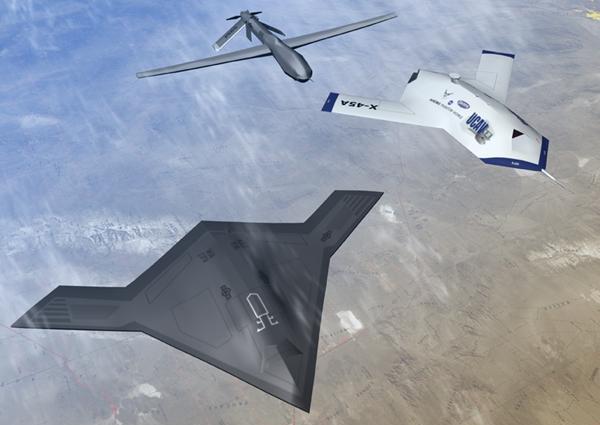
Over at deviantART, a constant source of inspired art for me, there’s an interest new campaign designed to raise awareness and stimulate debate on a rather controversial issue. I am referring, as the topic line would suggest, to the use of drones and UAV’s and all that it entails.
As one of the greatest concerns facing developed nations today, not to mention the developing world where they are being increasingly used, this campaign is not only timely and relevant, but an intriguing display of artwork motivated by social conscience. In short, it asks the question: how is this debate reflected in art and what will future generations think of it?
looking for a hole, by arcas art
Inspired by similar projects which are taking place around the world, the purpose of the campaign is to draw attention to the fact that were are living in a world increasingly characterized by surveillance and killing machines. Or as technognotic puts it:
Drones have become the white hot center of debate for a multitude of deeply consequential concerns for the entire Earth Sphere. No matter the digital end point or theatre of conversation, whether it be politics, war, privacy, pop culture, or the rise of machines – Drones or UAV’s (unmanned aerial vehicles) are the current catalyst du jour in any number of flashpoint discussions…
Even more interesting is the tone of inevitability of outcome. Core discussion seems to focus on a coming drone-filled sky and how we might govern our selves accordingly as this fact becomes a reality… Is this the dark side of human creativity and inquisitiveness that will ultimately one day spell our doom or the first signs of a coming technological Utopia.
galaxy saga – white gryphon, by ukitakumuki
In addition, the campaign features the thoughtful essay of the same name by Jason Boog (deviantART handle istickboy), who takes a look at how killing machines and drones have been explored through art and popular culture. Beginning with a short romp through history, identifying the first “drone” to ever be used, he goes on to examine how several generations of artists chose to portray them and their use.
Things culminate in the modern age, where spending on drone development and humanitarian concerns have culminated to make this a truly global and auspicious concern. With remote-controlled drones giving way to autonomous models and UAV’s being used for domestic surveillance, there’s no telling where things could go.
mysterious journals, by sundragon83
On the one hand, a concerned and mobilized public could place limits and controls on them, or counter using their own form of “sousveillance” (public counter-surveillance). On the other hand, we could be headed for a police state here privacy is non-existent and robots decide who lives and who dies – maybe entirely on their own!
As you can certainly imagine, when I first learned of this campaign I could tell that it was right up my alley. Being such an obsessive geek for all things technological and how innovation and progress affect us, I knew I had to post about it. And as you can certainly tell from the samples posted here, the artwork is pretty damn badass!
I would recommend checking it out for the aesthetic appeal alone. Knowing you’re taking part in a campaign dedicated to public awareness is just a big bonus!
For more information, and to take a gander at some galleries, visit the campaign at techgnotic.deviantart.com.
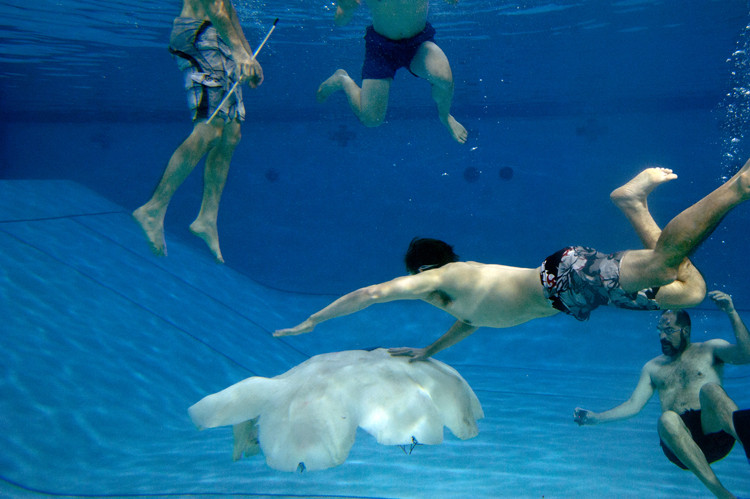
Remember the Medusoid, that creepy robot jellyfish creature that debuted in July of 2012? Well, it seems that Virginia Tech was working on their own, with help from the military. Yes, whereas the medusoid was a project in organic-synthetic interfacing, a collaborative effort between Harvard University and Caltech researchers, this one is the result of ongoing work by the United States Navy.
After years of working on their own model for a robot jellyfish, they unveiled the fruits of that labor earlier this month. Named Cyro – a contraction of robot and Cyanea capillata (the species name for the lion’s mane jellyfish) – this 170 pound biomimetic machine looks and act like a jellyfish, but is in fact an autonomous robot.
And much the Medusoid and Robojelly – Cyro’s hand-sized predecessor – this second-generation model utilizes what is called “Bio-Inspired Shape memory Alloy Composites (BISMAC)” in order to mimic the motions of the real thing. This consists of a layer of smart materials (aka. shape memory alloy) that is soft and shaped in such a way to maximize deformation and propulsion.
Underneath this layer of composite material are a number of actuators (i.e. robotic arms) that control the movements of the Cyro. These in turn are mounted on a central body that contains enough hardware to allow the robot to communicate, gather information, and make decisions. What’s more, the developers envisage a fleet of networked Cyros, conducting surveillance and research and sharing the results with each other.
And as the video below explains, this robot jellyfish is likely to have numerous applications. These included environmental monitoring, cleaning up oil spills, or conducting military surveillance. Of course, it seems pretty obvious what the primary use of the Cyro is going to be, given that the ONR and the U.S. Naval Undersea Warfare Center are responsible for funding it!
No telling how Human Right Watch will react to this, though. How safe would you feel, knowing that the next time you’re snorkeling, swimming or ocean kayaking that a perfectly innocent looking Man-of-War could be spying on you? Check out the video of the Cyro being tested below:
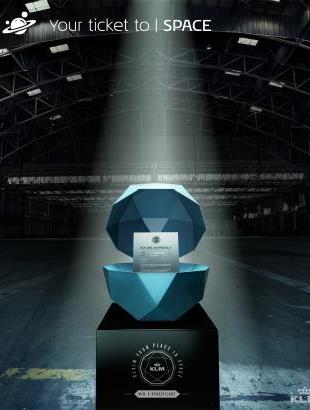
We have a winner in the KLM “Claim your place in space” contest. Just two hours ago, the company announced the winner on their webesite and twitter feed. And it turns out the winner is… not me, dangit! But congratulations are in order to Pedro of Brazil, who won the contest by being closest to the ticket. So it seems he will be the one to fly aboard the SXC Lynx Spacecraft when it makes its maiden passenger flight!
For those who are unaware or don’t recall, the KLM giveaway was a social media promotional contest, where a special team deployed an orbital balloon from the Nevada desert and people were able to vote online as to where it would end up. This consisted of selecting a altitude where the balloon would finally burst (up to 40 km above sea level) and how far it would drift from where it took off from.
With his estimate of 31.0 km, a drift distance of 79.8 km and a drift direction of 26 degrees, Pedro was closest to where the balloon actually ended up – with an estimate of 14.7 km above sea level. Myself, I bet it would make it as high as 39.0 km, which seemed to place me in with the majority. In fact, judging from the winning ticket, it seemed no one bettered it would make it less than 31 km, which it didn’t make by half. Boy, were we off!
So good luck Pedro as the Lynx takes you into low orbit and achieve zero gravity. I am… so happy for you, you rotten bastard! All I can say is, you better write about it in excruciating detail and take plenty of cool pics, because I plan to write about it!
Back in 2009, the US suffered a rather serious embarrassment as the American Society of Civil Engineers gave its national infrastructure a grade ‘D’. To make matters worse, they claimed that getting that grade up to a ‘B’ standard would require roughly $2.2 trillion worth of investment. So, any technology that might make repairing bridges, roads, and buildings easier, and perhaps cheaper, has been welcomed with open arms.
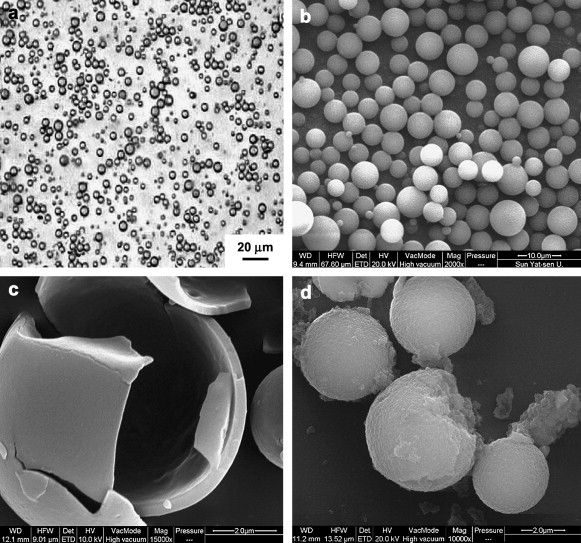
And this might just be a topical solution, not to mention a very impressive sign of things to come. Led by Chan-Moon Chung, a professor of chemistry at Yonsei University in South Korea, researchers have come up with a protective coating for concrete that seals up cracks when exposed to sunlight. Not only would this save billions in infrastructure costs, it would address a central problem civil engineers have always faced.
For starters, concrete is a strong and resilient substance, but a brittle one as well. Tiny fractures appear quite easily over time, and exposure to wind and rain cause these to expand. This new substance addresses that through the polymer microcapsules it contains, which melt when exposed to the sun and fill these in. What’s more, Chung says the agent is relatively inexpensive, and won’t freeze in winter.
And his is not the only proposed solution for a new “smart concrete” system. A team from the Delft University of Technology, in the Netherlands, has developed a living “bio-concrete”, which used a mixture that is impregnated with a bacteria called Bacillus megaterium to produce a crack-filling mineral, called calcite (calcium carbonate). And similar research is being conducted at Northumbria University and the University of Michigan.
But all of this may take a backseat to Michelle Pelletier of the University of Rhode Island who, along with URI Chemical Engineering Professor Arijit Rose, began work on a self-healing concrete back in 2010. In her specialized concrete matrix, micro-encapsulated sodium silicate is embedded and used as the healing agent, rather than a method that generates silicate.
When cracks form, these silicate capsules rupture and react with calcium hydroxide, which is already present in the concrete. These come together to form a calcium-silica-hydrate gel that heals the cracks and blocks the concrete’s pores, all in the space of about a week. According to Pelletier, this method is more cost-effective than the proposed calcium carbonate solutions and does not require an environmental trigger like sunlight or moisture, just pressure.
The benefits of these new concepts for “smart concrete” present many benefits. Not only are they likely to save money in maintenance costs for cities everywhere, concrete can be infused with these repairing gels and manufactures cheaply. This puts them in contrast with other proposed “smart-materials”, which offer the possibility of being self-repairing but cost an arm and a leg to produce.
It was announced yesterday that after an intense manhunt, a prolonged shootout, and the death of an MIT police officer, that the second and final suspect in the Boston bombing was finally captured. Identified as Tamerlan and Dzhokhar A. Tsarnaev, the eldest brother was killed during the shoot out in Watertown and the latter who was captured while in hiding under an overtunred boat in a nearby residence.
Naturally, there are still many questions about the two brothers when it comes to their motives and whether or not they had any help in the commission of this crime. But in the meantime, one can’t help but acknowledge the swiftness with which the suspects were identified and the case resolved. Considering the fact that the police had no leads and no one had come forward to take credit, the fact that the men responsible were captured and killed within four days is nothing short of astounding.
So compared to past instances of terrorist acts – where the incident took place in a mass gathering and the perpetrators were mixed in with the crowd – what was different here? For one, the sheer amount of information that was provided by people who were on the scene. From torrents of photography to cell-tower information to locals’ memories, the police, FBI, and other investigators opened their investigation to spectator surveillance in a way like never before.
And in return, they received a mountain of data, which surprisingly proved quite helpful. Between the images submitted to the police from those who took pictures and video with their smartphones, PDAs and video cameras, and tips provided via Twitter and other social media, the police were quickly able to determine who the likely suspects were and how the bombing took place. After making their findings public, the suspects then fled, and committed the monumentally stupid mistake of drawing attention to themselves.
All this represented a modern twist on the age-old policy where law enforcement agencies consider the public’s eyes and ears as the crucial investigative asset. Just like with all cases, authorities opened their inquiry to account for what people saw and heard. The only real difference was that this time around, the Internet rapidly compressed the time it took for tips to arrive and get analyzed.
Mike Rolince, a retired FBI special agent who set up Boston’s first Joint Terrorism Task Force, recalls a time in the 90’s when the FBI was much more reticent about accepting information from the public and local police:
If law enforcement didn’t share any information — [as with bombers] Terry Nichols, Ted Kaczynski — if your intel is shared with no one, that is the consummate investigative challenge.
However, he acknowledges that things have since changed:
The great advantage here is the number of cameras out there. Without the cameras, I don’t know where we are.
But of course, those cameras went way beyond the surveillance cameras that were in place downtown. They included every mobile camera in the hands of every person who happened to bring one. All of the information thus provided allowed the FBI and local police to turn a crime scene trampled by thousands and no leads into a solid case against two suspects and an active manhunt that led to their death and capture in four days time.
This was a victory for not only modern technology but the very democratic powers it is making possible. Much like crowdsourcing, crowdfunding, DIY research and biohacking, public surveillance is something which could very well turn the tables on terrorism. It could also go a long way to undermining fears about a surveillance-based Big Brother state, ushering in instead an era of public-government cooperation that provides for the common good.
Might sound a bit utopian, but it is a first and represents a big victory for all those who were fighting on the side of good in the midst of a heinous act of evil.
When it comes to the future of transportation, it is clear that clean energy, automated systems and robot cars will all figure pretty prominently in the mix. But how will this effect our system of roadways and travel infrastructure? This is a question that is often raised whenever futuristic concepts for cars and transportation are showcased. Clearly, they deserve to be modernized as well, with something cleaner and smarter taking their place.
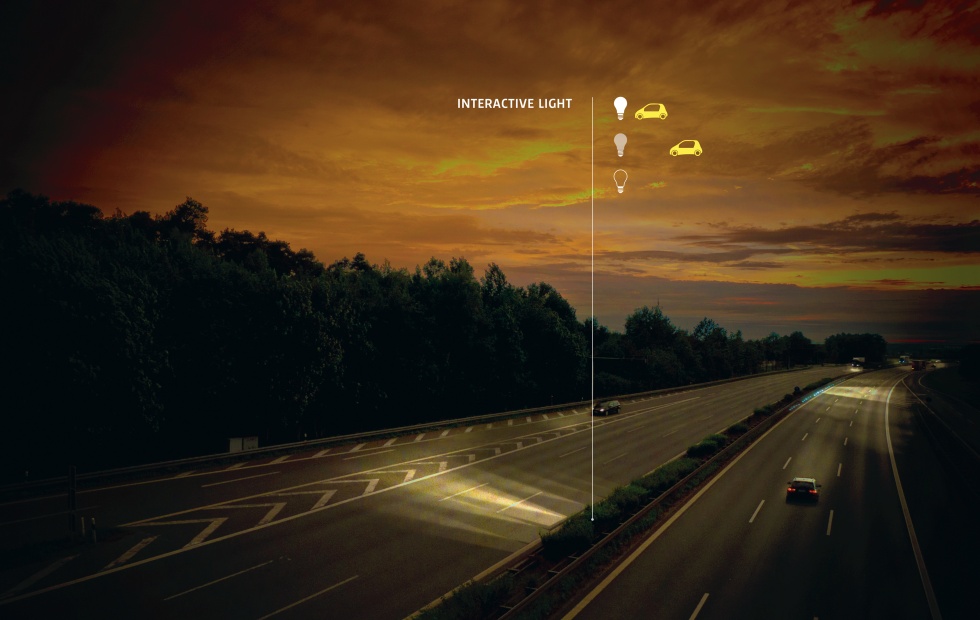
So argues Dutch design firm Studio Roosegaarde, whose ‘smart highway’ concept is set to be unveiled in the Netherlands in 2013. The design involves motion sensors that detect oncoming vehicles and light the way for them, then shut down to reduce energy consumption. Lane markings will use glow-in-the-dark paint to minimize the need for lighting, and another temperature-sensitive paint will be used to show ice warnings when the surface is unusually cold.
The highway also established for priority lanes that will accommodate electrical cars. Studio Roosegard hopes that these will one day l feature induction loops buried beneath the tarmac, which will allow electric car owners to literally charge their cars as they drive. While this concept is not-yet cost effective, the motion sensors and luminescent lane markers will be field tested next year along a 200 meter section of road.
The addition of these features along major highways is expected to reduce incidents of accidents, as well as save energy costs by reducing the reliance on streetlights. In addition, the road markings are expected to have longer-term applications, such as being integrated into a robot vehicle’s intelligent monitoring systems. As automated systems and internal computers become more common, smart highways and smart cars are likely to become integrated through their shared systems.
Sustainable architecture advocate Rachel Armstrong sees all this as becoming part of a future where highways are truly multifunctional:
Not only will they light the way, but they will update geo-databases, informing us of traffic accidents, for example.
What’s more, drivers may even have the option of extricating themselves from the driving process and allowing a “self-drive” or autopilot feature to take over, where the vehicle will link up to the highways own navigation charts and find the optimal route to a destination. And, hold on to your hats, this could also become part of a national “drive safe” campaign, where driver’s are required to turn on the autodrive feature if they are past the legal blood-alcohol limit.
In short, smart highways are a proposal that only embraces clean energy and seeks to increase road safety, but seeks to integrate our roadways with emerging transportation technology. It will be very interesting to see what comes of this, especially when you consider the appeal of light rail and self-driving pod cars. For all we know, the future could consist of entirely automated transportation where no one drives anymore and traffic accidents are a thing of the past.
Nice, but think of the damage to the entertainment industry. With driving a thing of the past, what’s to become of car chases? Won’t someone please think of the car chases! Ah well, check out this video of the concept below:
Many people thought the Cyberbunker attack was impressive, a massive spam attack that clogged up the internet with a mind-boggling 300 gigabits per second. But at the same time, another cyberattack took place in a different part of the world, one which threatened to cut off an entire continent from the internet – a connection equaling 1.28 terabits of information. But what’s especially impressive about it is that the men who attempted this relied on nothing more than an axe.
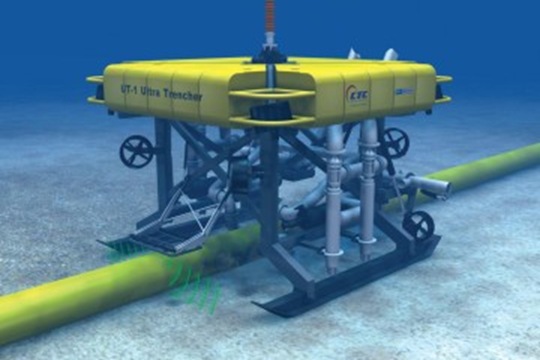
Yes, according to the Egyptian coastguard, three men were intercepted off the coast of Alexandria a few weeks ago who were attempting to sever the SEA-ME-WE 4 undersea cable with an axe. This cable is one of the main connections between Asia and Europe, running from France to Malaysia and linking Italy, north Africa, the middle east and south Asia. Though the identities and motives of the men have not yet been released, Egyptian authorities were clear that they were getting to the bottom of it.
Though unsuccessful, this recent attempt at info-terrorism is a startling reminder that the internet is not the ethereal thing, and still depends upon real, physical connections. With the expansion in recent years of wireless networks and cloud computing, people seem to have forgotten this very thing. For the most part, nations and continents are connected thanks to thousands of underground and undersea cables which are quite vulnerable to sabotage and natural hazards.
And while most big countries have several redundant cables running to their shores, the loss of even a single one means that all the traffic must be jammed through remaining connections, causing congestion. And there is nothing to stop determined attackers from targeting several cables at once. Indeed, since many cables go through geographic chokepoints like the Suez, it wouldn’t be difficult to disrupt a whole bunch of connections in a brief period of time.
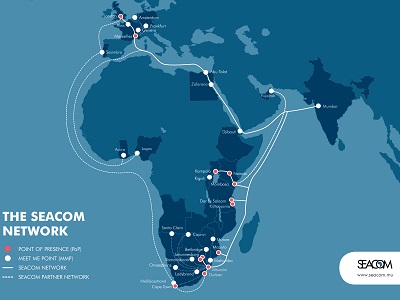
Worse yet, this last attack seems to be one of many such attacks targeting cables running to the coast of Egypt last month. Several cables were reported severed during the last week of March, and authorities initially suspected it was the result of shipping. The cables were part of the Seacom, a network of cables that serve much of Africa, the Persian Gulf and India.
This latest attack seems to establish that this is a part of a pattern designed to cut Egypt off from the internet, which in many ways mirrors a series of incidents that took place back in 2008. The damage has since been repaired, but given recent events in the country, one has to wonder what agenda could be behind it all.
The most obvious possibilities include radical elements that want to cut off Egypt from foreign influence, or pro-government, pro-conservative elements that want to sever support for pro-democratic and opposition groups abroad. The success of the Arab Spring in Egypt was due in no small part to a number of social media campaigns that channeled support to the Eyptian people. Perhaps someone wants to avoid a similar situation in the future…
Difficult to say. What seems most important though is the example this could set for extremists in other parts of the world. As the map above demonstrates, there are many fiber optics networks worldwide, and many of them pass through territory which could be easily accessed by terrorists or those looking to shut down the world wide web. Considering the effect this could have on the global economy, not to mention on geopolitical relations, it’s something to be on the lookout for!
Welcome everyone to my first special-request piece! As some of you who read this blog regularly may know, I was recently done a solid by a friend who brought the existence of my latest book (Whiskey Delta) to the attention of Max Brooks, Mr. World War Z man himself! Because of this, I told him he was entitled to favor, redeemable whenever he saw fit. Especially if the favor he did me allowed me to make it big!
Much to my surprise, he called it in early. Yes, instead of waiting for me to become a success and demanding 50 grand and pony, he asked that I do a tribute piece in honor of Israeli Independence Day, one that acknowledges the collective scientific, medical and technological achievements of this nation.
So hang tight. Not the easiest thing in the world to sum up an entire nation’s contributions in several fields, but I shall try. And for the sake of convenience, I broke them down into alphabetical order. So to my Israeli readers and those with family in the Levant, Shalom Aleichem, and here we go!
Aerospace: When it comes to space-based research, aviation and aeronautics, Israel has made many contributions and is distinguished as one of the few nations outside of the – outside of the major space players – that is able to build and launch its own communications, navigation and observation satellites. This is performed through the Israel Aerospace Industries(IAI), Israel’s largest military engineering company, in cooperation with the Israel Space Agency, which was created in 1982.
What’s more, Technion, the Israeli Institute of Technology, is home to the Asher Space Research Institute (ASRI), which is unique in Israel as a university-based center of space research. In 1998, the Institute built and launched its own satellite – known as the Gerwin-II TechSAT – in July 1998 to provide communications, remote sensing and research services for the nation’s scientists.
Israel’s first ever satellite, Ofeq-1, was built and launched using the locally-built Shavit launch vehicle on September 19, 1988. Over the course of its operational history, Ofeq-1 has made important contributions in a number of areas in space research, including laser communication, research into embryo development and osteoporosis in space, pollution monitoring, and mapping geology, soil and vegetation in semi-arid environments.
AMOS-1 and AMOS-2, which were launched in 1996 and 2003 respectively. AMOS-1 is a geostationary satellite that also has the honor of being Israel’s first commercial communications satellite, built primarily for direct-to-home television broadcasting, TV distribution and VSAT services. AMOS-2, which belongs to the Spacecom Satellite Communications company, provides satellite telecommuncations services to countries in Europe, the Middle East and Africa.
Additional space-based projects include the TAUVEX telescope, the VENUS microsatellite, and the MEIDEX (Mediterranean – Israel Dust Experiment), which were produced and launched in collaboration the Indian Space Research Organizations (ISRO), France’s CNES, and NASA, repsectively. In addition to conducting research on background UV radiation, these satellites are also responsible for monitoring vegetation and the distribution and physical properties of atmospheric desert dust over the a large segment of the globe.
Ilan Ramon, Israel’s first astronaut, was also a member of the crew that died aboard the Space Shuttle Columbia. Ramon was selected as the missions Payload Specialist and trained at the Johnson Space Center in Houston, Texas, from 1998 until 2003. Among other experiments, Ramon was responsible for the MEIDEX project in which he took pictures of atmospheric aerosol (dust) in the Mediterranean. His death was seen as a national tragedy and mourned by people all over the world.
According to the Thomson Reuters agency, in a 2009 poll, Israel was ranked 2nd among the 20 top countries in space sciences.
Alternative Fuel and Clean Energy: When it comes to developing alternative sources of energy, Israel is a leader in innovation and research. In fact – and due in no small part to its lack of conventional energy resources – Israel has become the world’s largest per capita user of solar power, with 90% of Israeli homes use solar energy for hot water, the highest per capita in the world.
Much of this research is performed by the Ben-Gurion National Solar Energy Center, a part of the Ben-Gurion University of the Negev (in Beersheba). Pictured above is the Ben-Gurion parabolic solar power dish, the largest of its kind in the world. In addition, the Weizman Institute of Science, in central Israel, is dedicated to research and development in the field of solar technology and recently developed a high-efficiency receiver to collect concentrated sunlight, which will enhance the use of solar energy in industry as well.
Outside of solar, Israel is also heavily invested in the fields of wind energy, electric cars, and waste management. For example, Israel is one of the few nations in the world that has a nationwide network of recharching stations to facilitate the charging and exchange of car batteries. Denmark and Australia have studied the infrastructure and plan to implement similar measures in their respective countries. In 2010, Technion also established the Grand Technion Energy Program (GTEP), a multidisciplinary task-force that is dedicated to alternative fuels, renewable energy sources, energy storage and conversion, and energy conservation.
Private companies also play a role in development, such as the Arrow Ecology company’s development of the ArrowBio process, which takes trash directly from collection trucks and separates organic from inorganic materials. The system is capable of sorting huge volumes of solid waste (150 tons a day), salvaging recyclables, and turning the rest into biogas and rich agricultural compost. The system has proven so successful in the Tel-Aviv area that it has been adopted in California, Australia, Greece, Mexico, and the United Kingdom.
Health and Medicine: Israel also boasts an advanced infrastructure of medical and paramedical research and bioengineering facilities. In terms of scientific publications, studies in the fields of biotechnology, biomedical, and clinical research account for over half of the country’s scientific papers, and the industrial sector has used this extensive knowledge to develop pharmaceuticals, medical equipment and treatment therapies.
In terms of stem cell research, Israel has led the world in the publications of research papers, patents and studies per capita since the year 2000. The first steps in the development of stem cell studies occurred in Israel, with research in this field dating back to studies of bone marrow stem cells in the early 1960s. In 2011, Israeli scientist Inbar Friedrich Ben-Nun led a team which produced the first stem cells from endangered species, a breakthrough that could save animals in danger of extinction.
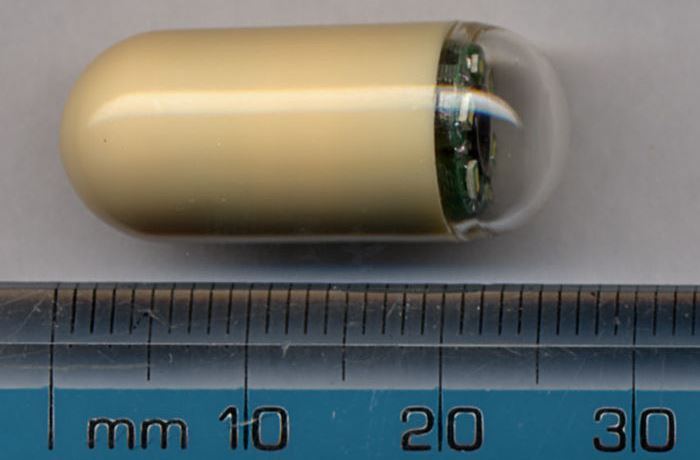
Numerous sophisticated medical advancements for both diagnostic and treatment purposes has been developed in Israel and marketed worldwide, such as computer tomography (CT) scanners, magnetic resonance imaging (MRI) systems, ultrasound scanners, nuclear medical cameras, and surgical lasers. Other innovations include a device to reduce both benign and malignant swellings of the prostate gland and a miniature camera encased in a swallowable capsule used to diagnose gastrointestinal disease.
Israel is also a leading developer of prosthetics and powered exoskeletons, technologies designed to restore mobility to amputees and people born without full ambulatory ability. Examples include the SmartHand, a robotic prosthetic hand developed through collaboration between Israeli and European scientists. ReWalk is another famous example, a powered set of legs that help paraplegics and those suffering from partial paralysis to achieve bipedal motion again.
Science and Tech: In addition, Israeli universities are among 100 top world universities in mathematics (Hebrew University, TAU and Technion), physics (TAU, Hebrew University and Weizmann Institute of Science), chemistry (Technion and Weizmann Institute of Science), computer science (Weizmann Institute of Science, Technion, Hebrew University, TAU and BIU) and economics (Hebrew University and TAU).
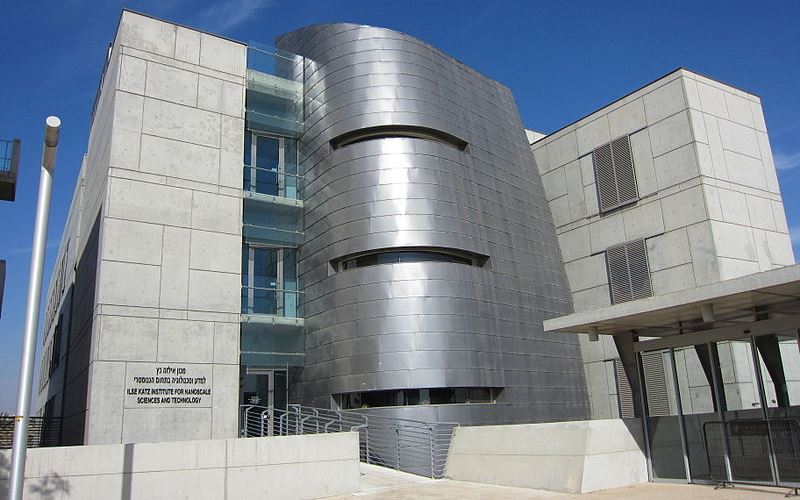
Ilse Katz Institute for Nanoscale Science and Technology – Ben-Gurion University
Israel is also home to some of the most prestigious and advanced scientific research institutions in the world. These include the Bar-Ilan University, Ben-Gurion University of the Negev, the University of Haifa, Hebrew University of Jerusalem, the Technion – Israel Institute of Technology, Tel Aviv University and the Weizmann Institute of Science, Rehovot, the Volcani Institute of Agricultural Research in Beit Dagan, the Israel Institute for Biological Research and the Soreq Nuclear Research Center.
Israel has also produced many Noble Prize Laureates over the years, four of whom won the Nobel Prize for Chemistry. These include Avram Hershko and Aaron Ciechanover of the Technion, two of three researchers who were responsible for the discovery ubiquitin-mediated protein degradation in 2004. In 2009, Ada Yonath of the Weizmann Institute of Science was one of the winners for studies of the structure and function of the ribosome. In 2011, Dan Shechtman of the Technion was awarded the prize for the discovery of quasicrystals.
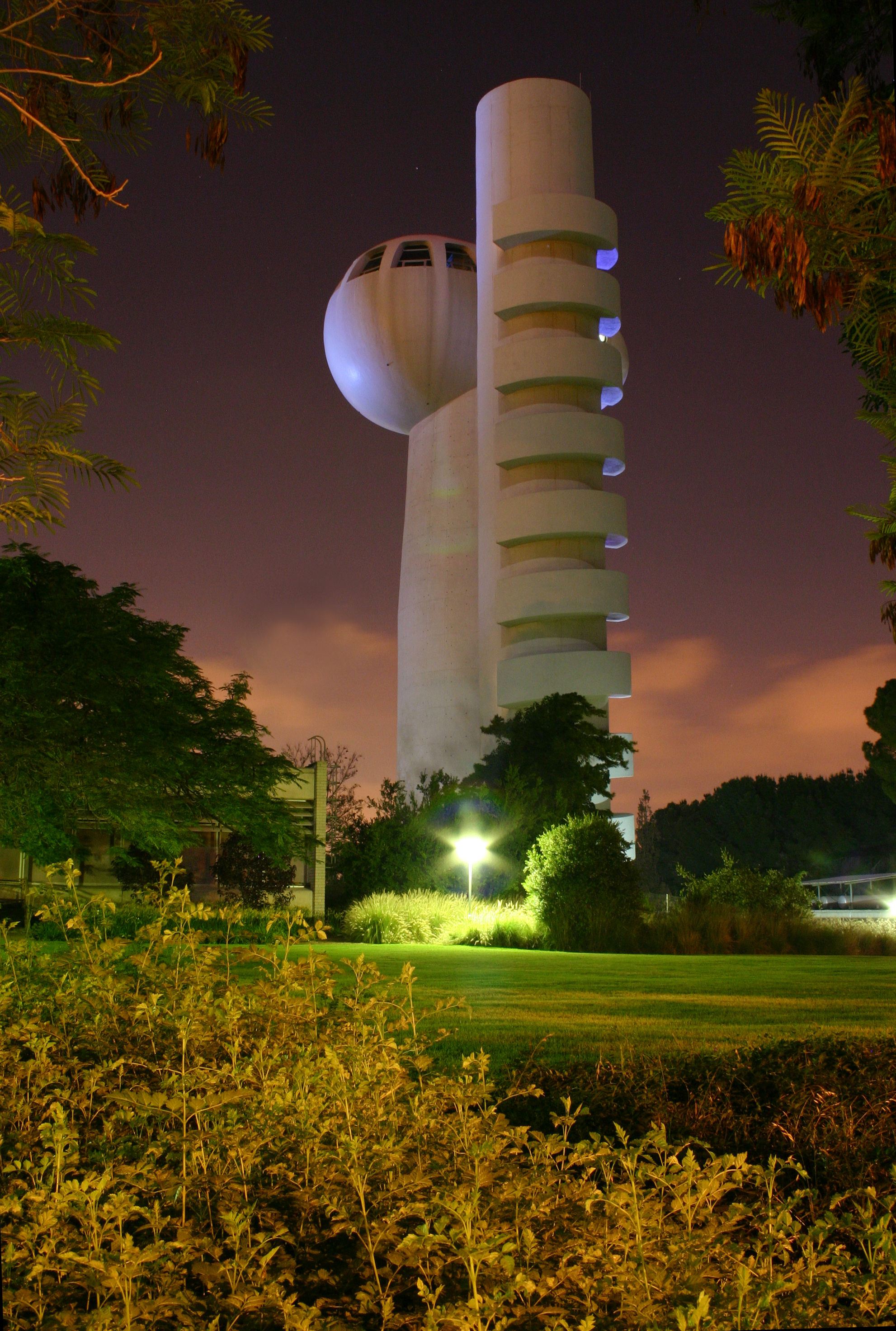
Koffler Accelerator – Weizman Institute of Science
In the social sciences, the Nobel Prize for Economics was awarded to Daniel Kahneman in 2002, and to Robert Aumann of the Hebrew University in 2005. Additionally, the 1958 Medicine laureate, Joshua Lederberg, was born to Israeli Jewish parents, and 2004 Physics laureate, David Gross, grew up partly in Israel, where he obtained his undergraduate degree.
In 2007, the United Nations General Assembly’s Economic and Financial Committee adopted an Israeli-sponsored draft resolution that called on developed countries to make their knowledge and know-how accessible to the developing world as part of the UN campaign to eradicate hunger and dire poverty by 2015. The initiative is an outgrowth of Israel’s many years of contributing its know-how to developing nations, especially Africa, in the spheres of agriculture, fighting desertification, rural development, irrigation, medical development, computers and the empowerment of women.
Water Treatment: And last, but certainly not least, Israel is a leader in water technology, due again to its geography and dependence and lack of resources. Every year, Israel hosts the Water Technology Exhibition and Conference (WaTec) that attracts thousands of people from across the world and showcases examples of innovation and development designed to combat water loss and increase efficiency.
Drip irrigation, a substantial agricultural modernization, was one such developed which comes from in Israel and saved countless liters of farm water a year. Many desalination and recycling processes have also emerged out of Israel, which has an abundance of salt water (such as in the Dead Sea and Mediterranean), but few large sources of freshwater. The Ashkelon seawater reverse osmosis (SWRO) plant, the largest in the world, was voted ‘Desalination Plant of the Year’ in the Global Water Awards in 2006.
In 2011, Israel’s water technology industry was worth around $2 billion a year with annual exports of products and services in the tens of millions of dollars. The International Water Association has also cited Israel as one of the leaders in innovative methods to reduce “nonrevenue water,” (i.e., water lost in the system before reaching the customer). By the end of 2013, 85 percent of the country’s water consumption will be from reverse osmosis, and as a result of innovations in this field, Israel is set to become a net exporter in the coming years.
Summary:
It’s hard to sum up the accomplishments of an entire nation, even one as young and as geographically confined as Israel. But I sincerely hope this offering has done some justice to the breadth and width of Israel’s scientific achievements. Having looked though the many fields and accomplishments that have been made, I have noticed two key features which seem to account for their level of success:
Necessity: It’s no secret that Israel has had a turbulent history since the foundation of the modern nation in 1948. Due to the ongoing nature of conflict with its neighbors and the need to build armaments when they were not always available, Israel was forced to establish numerous industries and key bits of infrastructure to produce them. This has had the predictable effect of spilling over and inspiring developments in the civilian branches of commerce and development as well. What’s more, Israel’s location in a very arid and dry region of the world with few natural resources to speak of have also demanded a great deal of creativity and specialized resource management. This in turn has led to pioneering work in the fields of energy, sustainable development and agricultural practices which are becoming more and more precious as Climate Change, population growth, hunger and drought effect more and more of the world.
Investment: Israel is also a nation that invests heavily in its people and infrastructure. Originally established along strongly socialist principles, Israel has since abandoned many of its establishment era practices – such as kibbutz and equality of pay – in favor of a regulated free market with subsidized education and health care for all. This has led to a successive wave of generations that are strong, educated, and committed to innovation and development. And with competition and collaboration abroad, not to mention high demand for innovation, this has gone to good use.
And with that, I shall take my leave and wish my Israeli readers at home and abroad a happy belated Independence Day! May peace and understanding be upon you and us all as we walk together into the future. Shalom Aleichem!
I think it’s fair to say that the weekend bombing attack in Boston was a shock to us all. Worse yet was the horror faced by those who were at ground zero when it happened, men, women and children taking part in a public sporting event that was hurting no one and served no political purpose. The deaths and injuries sustained to these people who were simply out for a run with hundreds of their fellow Bostonians is an outrage to say the least.
And of course, there has been plenty of speculation and attempts at recrimination, the kind of thing that always follows in the wake of a terrorist bombing. Though no guilty parties have been identified and no one has come forward to claim responsibility, there are those who want to point fingers and start beating the war drums, demanding blood and vengeance for the terrible crime. At a time so soon after the tragedy struck, this kind of attitude can only add to the hurt and difficulty.
And yet, in the midst of this tragedy, there are thing that remind us that there’s always reason for hope, like in how people overcome their differences in times of strife to show mutual love and support. A perfect example is how last night in Brooklyn, a glowing message of hope appeared on the face of the Brooklyn Academy of Music. Here, New Yorkers were treated to a series of messages offering their support for the city of Boston in the wake of the Marathon bombings, such as “Brooklyn Loves Boston” and the Martin Luther King quote “Darkness cannot drive out darkness, only light can do that.”
But here’s where it gets especially inspiring! The lights were the work of a van that was outfitted with special projection technology that was originally designed for the Occupy Wall Street protests. As a mobile offshoot of the “We Are The 99%” projections that were placed on the sides of skyscrapers some years back, this vehicle was planned for upcoming Tax Day, projecting the message “Tax Evader”. However, it quickly retooled the moment news of the bombings broke. Hence, what was originally intended as a message of protest promptly switched to one of support, peace and love.
And then there was another news story to come out of the carnage, something which reminds us that human beings are capable of exceptional good when the chips are down. With all the news about how social media has been used for evil (i.e. to document cases or rape or bully people into committing suicide), the Boston Marathon presented a side of social media that shows how effective it can be in a crisis.
Within seconds of the first bomb blast, pictures, video and news of the horrific event were pulsing over social networks. For many, this was how news of the attack first came to light, and first responders and police even used Twitter, Facebook, and Tumblr and other networks to get valuable information out, like warning people to stay away from the crisis area. In times of mass panic, when conventional means of communication can be overwhelmed, this kind of response can be invaluable.
The memes that quickly emerged from the event involved the sharing of photos and questions about how to reach loved ones when cell coverage was down in large parts of the Boston Area. Google immediately set up a “person finder” system for posting and finding information about specific people. And while major news outlets covered the casualties and law enforcement’s efforts to locate more bombs, citizens reached out to each other with the best factual information they could find.
Granted, there were some offensive memes, but by and large, the efforts of bloggers had the effect of providing real-time information on the bombing and allaying fears. Some even went as far as to correct misinformation and rumors spreading about the attack, about the bombers, and to place the events in a global context. One blogger reminded people of the recent bombings in Iraq which killed 37 people and left 140 injured. It says something about people when, even in the face of fear and sadness, they are able to remind people that there are some that have it worse.
Whereas many people think that social media is little more than a means of spreading rumors, gossip, or the hurtful trifecta known as FUD (Fear, Uncertainty and Doubt), thus making a crisis situation that much worse, the speedy response and responsible use of social media sites in the midst of this crisis was actually very helpful and may have averted further problems. I for one hope this is a sign of things to come, how technology can and will be used responsibly to deal with challenges and extend help to those in need.
At this point, I hope this spirit of support, love and mutual assistance continues on into the foreseeable future. As 9/11 reminded us, terrorist attacks and tragedies can so easily become the fodder of extreme intolerance and questionable agendas. Thought it’s not clear yet who did this or why, I am hopeful that what President Obama said about finding the people responsible and holding them accountable proves true, and soon.
Today, in Washington DC, the US Supreme Court heard arguments made for and against the belief that the human genome can be claimed as intellectual property. For almost thirty years now, US authorities have been awarding patents on genes to universities and medical companies. But given the recent publication of the human genome, this practice could have far reaching consequences for human rights.
Ever since USC researchers published ENCODE – The Encyclopedia of DNA Elements Project – scientists and law-makers have been scrambling to determine what the next step in human genetics research will be. In addition to using the complete catalog of genetic information for the sake of bioresearch, medicine and programmable DNA structures, there are also legal issues that go back decades.
For example, if companies have the right to patent genes, what does that say about the human body? Do property rights extend to our mitochondrial DNA, or do the rights over a particular gene belong to those who discovered it, mapped its functions, or those who just plain planted their flag in it first? One of the most interesting aspects of the 21st century may be the extension of property wars and legal battles down to the cellular level…
Currently, researchers and private companies work to isolate genes in order to use them in tests for gene-related illnesses, and in emerging gene therapies. According to researchers at Weill Cornell Medical College in the US, patents now cover some 40% of the human genome, but that is expected to increase in the coming years, accounting for greater and greater swaths of human and other living creature’s DNA.This particular lawsuit, filed by the American Civil Liberties Union in conjunction with the Public Patent Foundation, relates to seven specific patents that were made on two human genes held by US firm Myriad Genetics. These genes are linked to breast and ovarian cancer, and Myriad has developed a test to look for mutations in these genes that may increase the risk of developing cancer.
The company argued that the genes patented were “isolated” by them, making them products of human ingenuity and therefore patentable. But of course, The ACLU rejected this argument, saying that genes are products of nature, and therefore can’t be patented under US or any other man-made law.
Without a doubt, there concerns are grounded in what this could mean for future generations, if people themselves could be subject to patents simply because they carry the gene that a company holds the patent on. And who can blame them? With almost half of the stuff that makes our bodies tick belonging to private companies, how big of a stretch would it be for companies to effectively own a human being?
Alternately, if companies are not allowed to patent genes, what will this mean for medical and bio research? Will cures, treatments, and medical processes become a complete free for all, with no one holding any particular distribution rights or having their exclusive work recognized. And of course, this would have the effect of hurting a research or corporate firms bottom line. So you can expect them to have something to say about it!
It’s a new age, people, with patents and prospecting extending not only into space (with asteroids), but into the human genome as well. Predictable I suppose. As humanity began expanding its field of view, focusing on wider and more distant fields, as well as gaining a more penetrating and deeper understanding of how everything works, it was only a matter of time before we started squabbling over territory and boundaries again!

 Over at deviantART, a constant source of inspired art for me, there’s an interest new campaign designed to raise awareness and stimulate debate on a rather controversial issue. I am referring, as the topic line would suggest, to the use of drones and UAV’s and all that it entails.





























 Stories by Williams